filter_list Showing 17 results for "Loa" close Clear
search
dashboard All 792 museum exhibitions 447article news 86trending_up market 74article policy 47article local 41gavel restitution 35article culture 27rate_review review 17person people 16article museum 1candle obituary 1
date_range Range Today This Week This Month All
Subscribe

raymond saunders carnegie museum retrospective review 1234744492

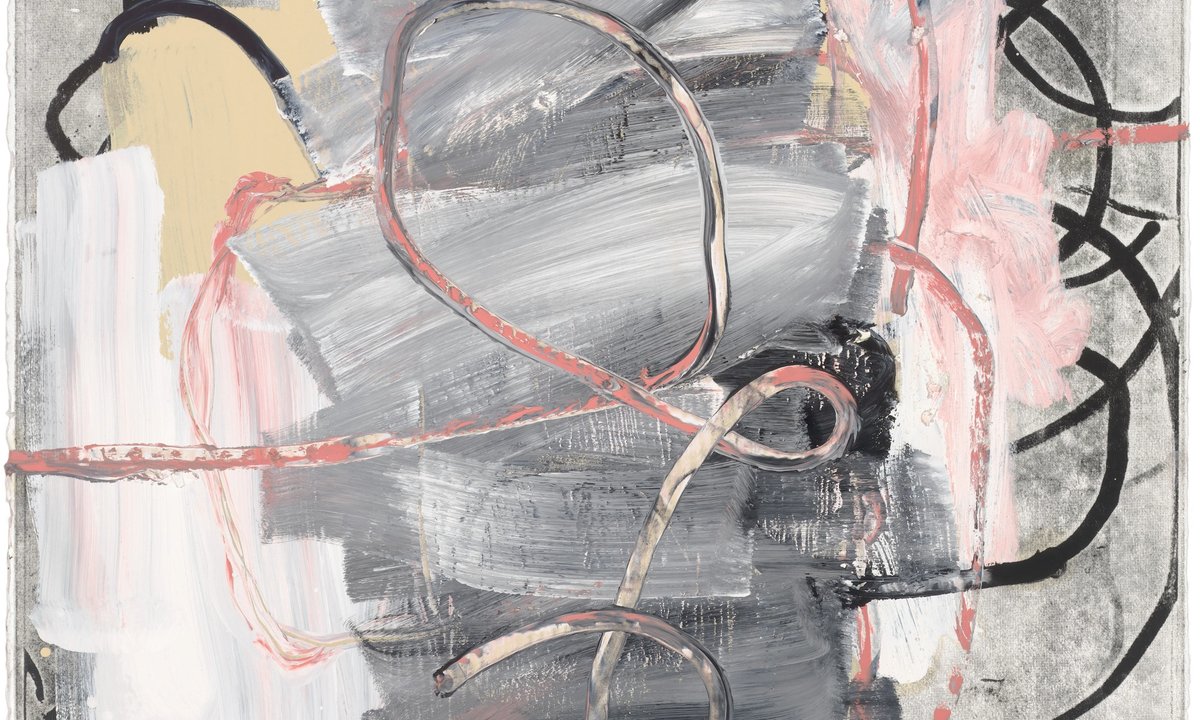
Raymond Saunders's first retrospective, a small but potent exhibition at the Carnegie Museum of Art in Pittsburgh, surveys 35 of his bewitching paintings. The works, described as elusive and Rauschenbergian, feature messy scrawls, collected trinkets, and media clippings, with pieces like *Passages: East, West 1* (1987) layering chess boards, paint strokes, and appropriated still lifes. Saunders, who joined Andrew Kreps and David Zwirner last year, has never before received a retrospective, despite his influential 1967 essay "Black Is a Color" and steady institutional acquisitions.
best new york art criticism critics table

Cultured magazine's critics roundup highlights several notable New York art exhibitions. Cameron Rowland's "Properties" at Dia Beacon is examined as a landmark Land art installation that uses contractual relations to address racial capitalism, with works available only for rent or loan. Other shows include Feliciano Centurión's "Sol naciente" at Ortuzar, Joshua Caleb Weibley's "Game Transfer Phenomena" at Chart, Ian Miyamura's debut at Bureau, and Laura Owens's new show at Matthew Marks Gallery, each reviewed for their conceptual and aesthetic innovations.

Comment | We are living in an age of bad painting—the medium must be challenged to stay interesting

The article argues that contemporary painting has entered a period of stagnation, characterized by bloated, vapid, and market-driven works. The author cites observations from Frieze London and the exhibition "Painting After Painting" at SMAK in Ghent, noting that much recent painting lacks intellectual rigor and emotional depth. A conversation with artist Christopher Wool is referenced, where he contrasts the current lack of critical dialogue with the productive crises of the late 1970s, when painters like Philip Guston faced backlash for challenging conventions.

Raphael Met Museum Retrospective Review

raphael met museum retrospective review 1234778857

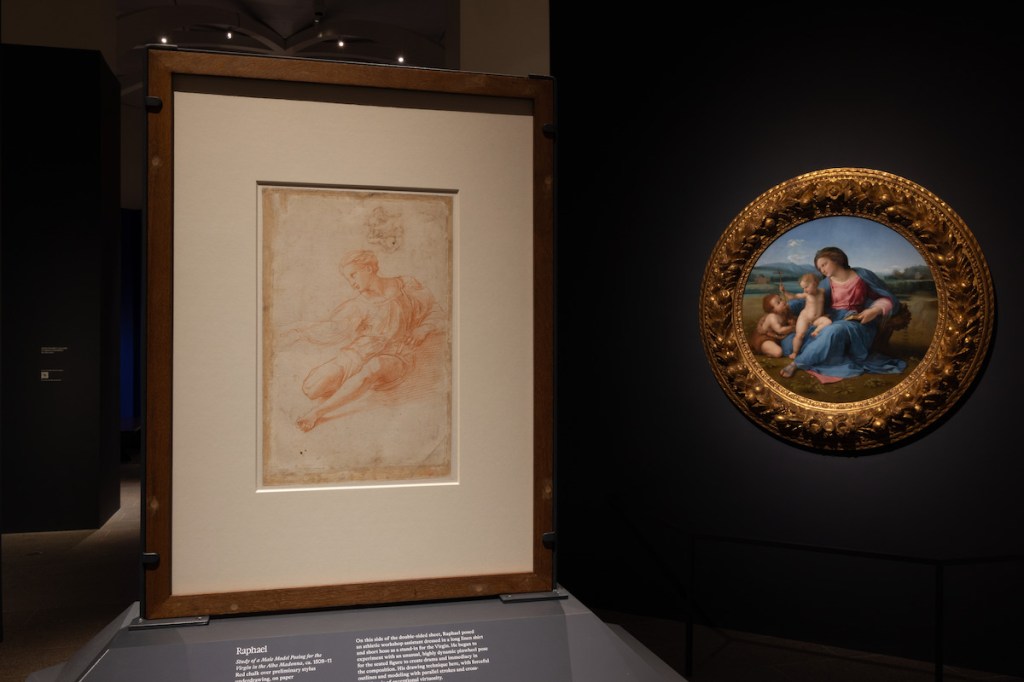
The Metropolitan Museum of Art has launched "Raphael: Sublime Poetry," the first major retrospective of the Renaissance master ever staged in the United States. Curated by Carmen C. Bambach, the exhibition features 237 works, including rare loans of drawings and monumental tapestries that have not left Madrid since the 16th century. While some of his most famous paintings remain in Europe, the show provides an exhaustive look at the artist's development from a teenage prodigy to a papal favorite.

whitney biennial 2026 review 2750311

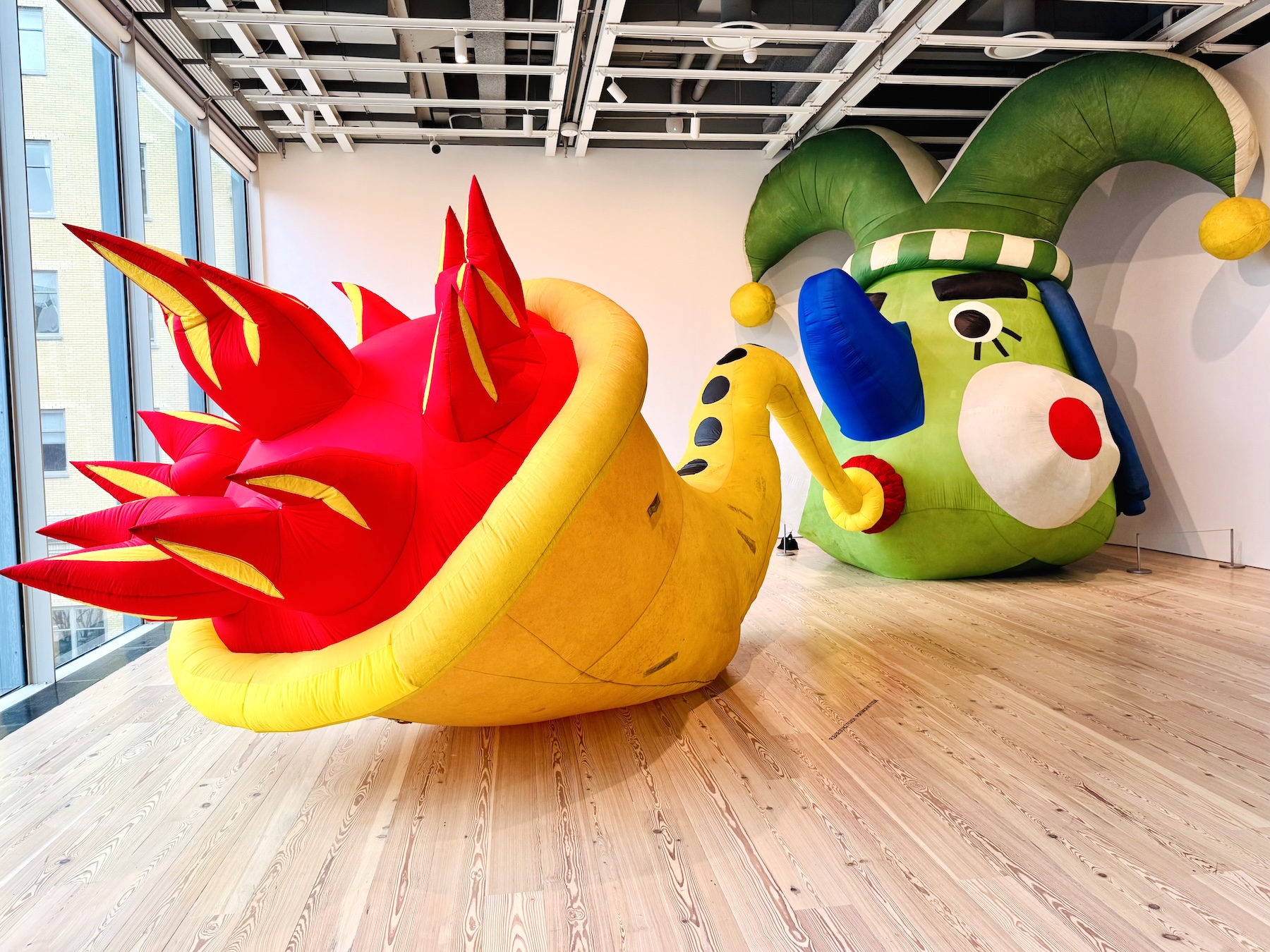
The 2026 Whitney Biennial marks a shift in contemporary art from literal messaging toward atmospheric 'mood.' This edition is characterized by an immersive aural landscape of drones and whispers, moving away from the overt identity politics of previous years in favor of a 'sincerity first' credo. Key works include Emilie Louise Gosslaux’s emotional tribute to her guide dog, Mo Costello’s community-focused binders, and Nour Mobarak’s intimate recordings of internal bodily sounds.

15th Shanghai Biennale Review: Code Switching

The 15th Shanghai Biennale, titled 'Code Switching,' has opened at the Power Station of Art (PSA). The exhibition, centered on the theme of what hears and what can be heard, features immersive installations like Allora & Calzadilla's floating yellow synthetic flowers in the atrium, which create a striking yet artificial environment that visitors eagerly photograph. The experience is framed by promotional gestures, such as free manuka honey samples, blurring lines between art, commerce, and audience participation.

Joe Moss, Drones and Caspar David Friedrich

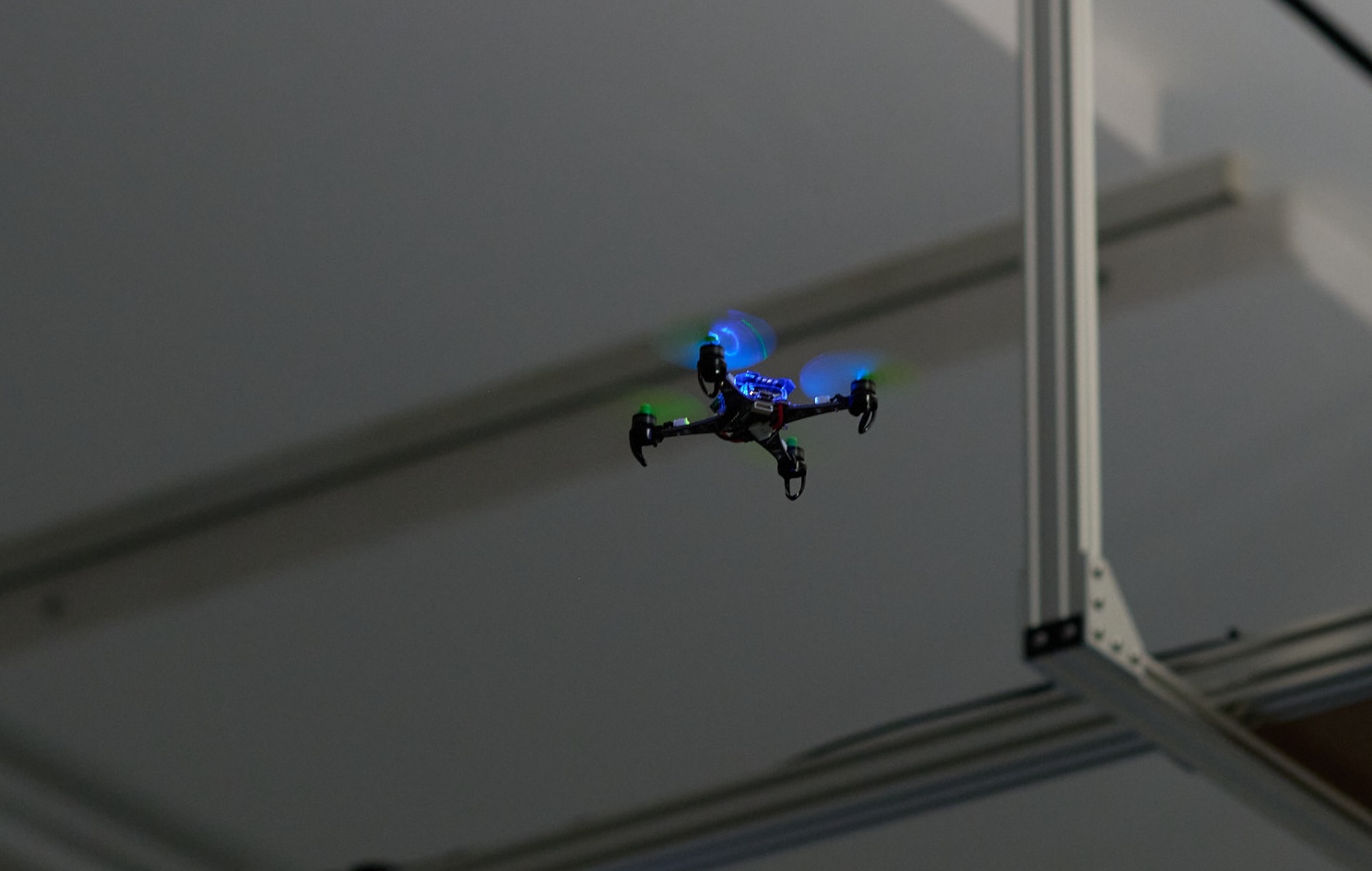
Artist Joe Moss presents his installation 'Automated Fantasy Procedure' at Matt's Gallery in London. The work features a squadron of choreographed drones, two-channel videos with actors portraying figures like a Caspar David Friedrich-inspired wanderer, and a Roman-style mosaic, all experienced in scheduled ten-minute replays designed to mimic the overwhelming sensation of scrolling through a smartphone.

The tiniest event can tear a hole. Sara MacKillop by Margaret Kross

Sara MacKillop's exhibition "The Cutaway View" at Good Weather in Chicago presents sculptures made from humble analog materials like blank wall calendars, empty shopping bags, and gift wrapping. The London-based artist alters these objects with minimal interventions—such as surgically cut holes in shopping bags to accommodate vinyl records—drawing attention to the ephemera and texture of retail culture. Her series "Calendar Houses" (2021–ongoing) uses archive boxes and wall calendars to create miniature modernist dwellings that critique systems of order and self-optimization.

Zurbarán: a ‘magnificently choreographed’ showing of the Spanish ‘genius’

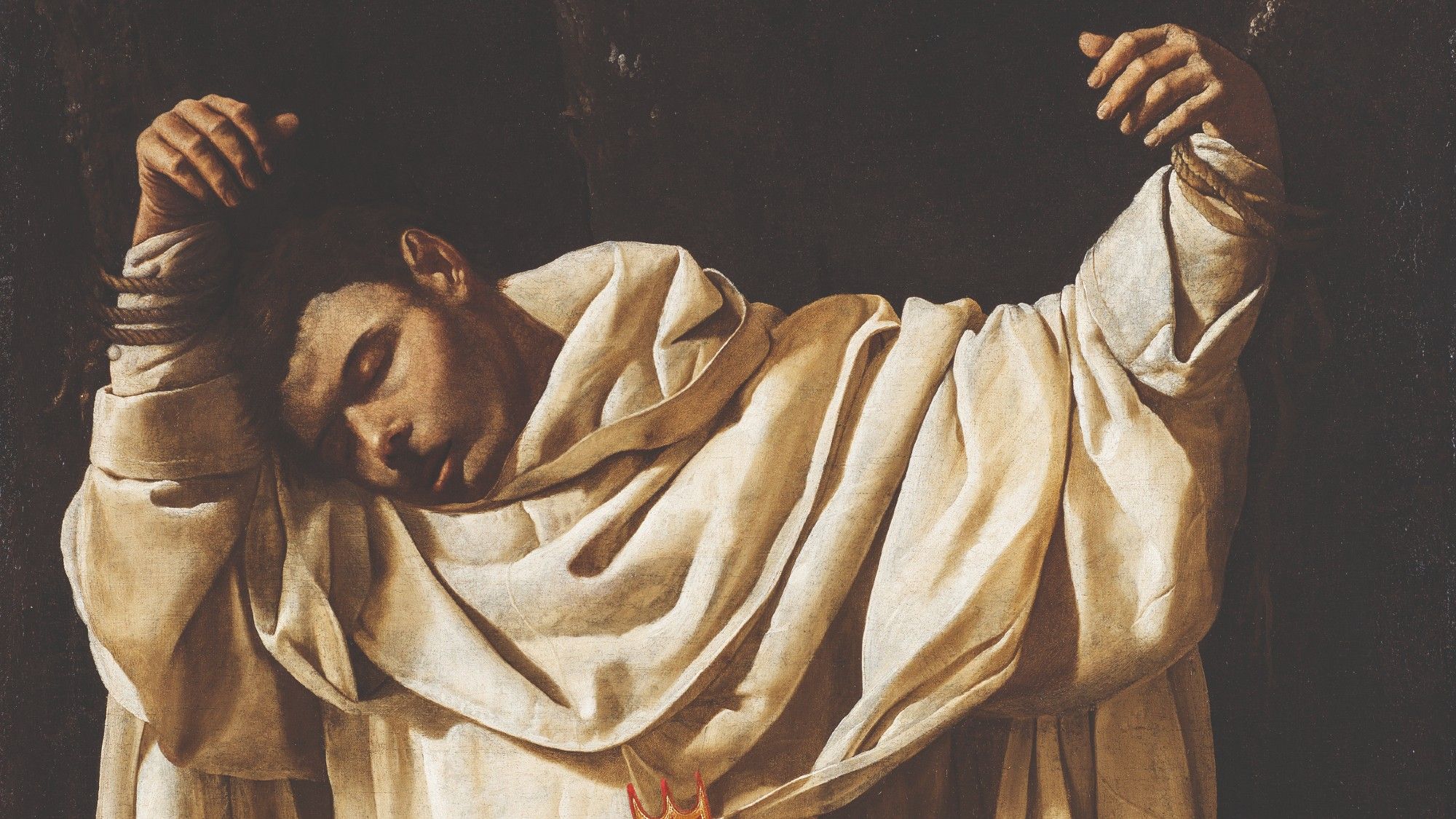
The article reviews the first-ever British exhibition dedicated to Spanish Baroque painter Francisco de Zurbarán, held at the National Gallery in London. The show brings together 40 works from collections spanning Seville to San Diego, featuring his hyper-real religious paintings and radiant still lifes, described as a 'magnificently choreographed' trawl through his oeuvre. Critics praise the exhibition for its dramatic lighting and revelatory presentation, though some note uneven quality in his later works.

The Big Review | Jacques-Louis David at the Musée du Louvre, Paris ★★★★★

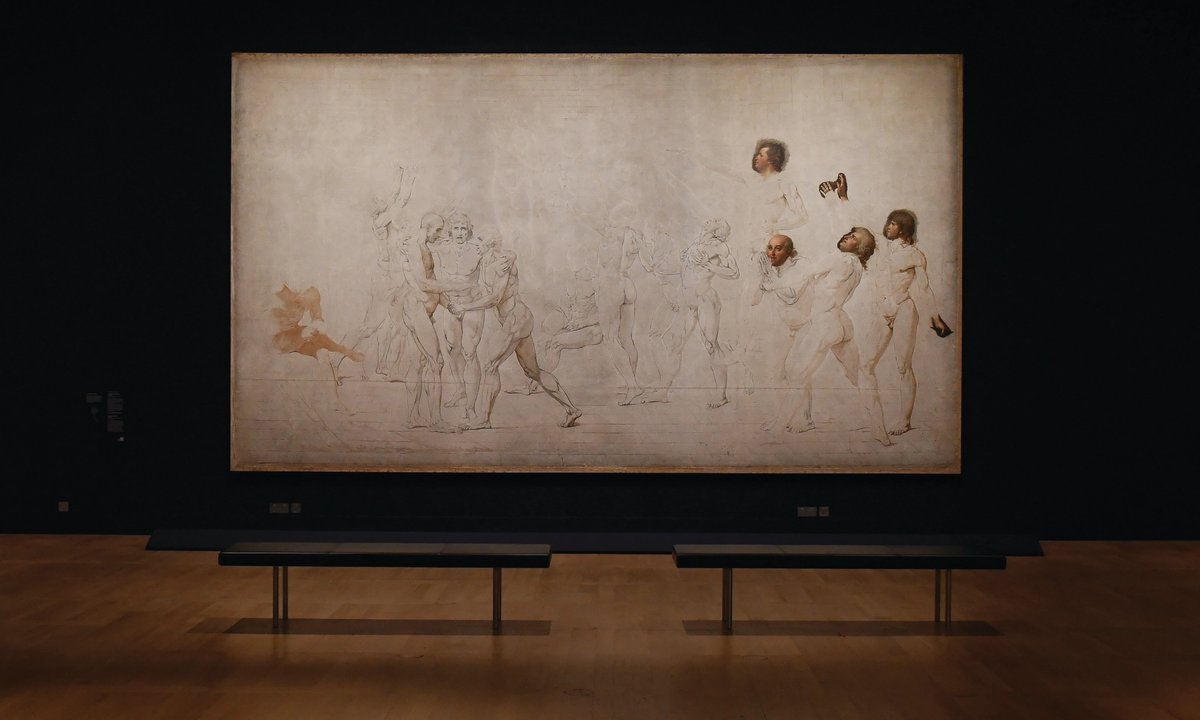
The Musée du Louvre in Paris has opened a major retrospective of Jacques-Louis David (1748-1825), the greatest Neoclassical artist, marking his biggest survey in nearly four decades. The exhibition, mounted for the 200th anniversary of his death, comprises just over 100 works, including strategic loans from France and eight other countries, and complements the Louvre's own holdings. The show aims to redefine David beyond the Neoclassical label, presenting him instead as both a "realist" and an "idealist," and is compared to blockbusters like the Rijksmuseum's Vermeer show.

The Big Review | Fra Angelico at Palazzo Strozzi and Museo di San Marco, Florence ★★★★★

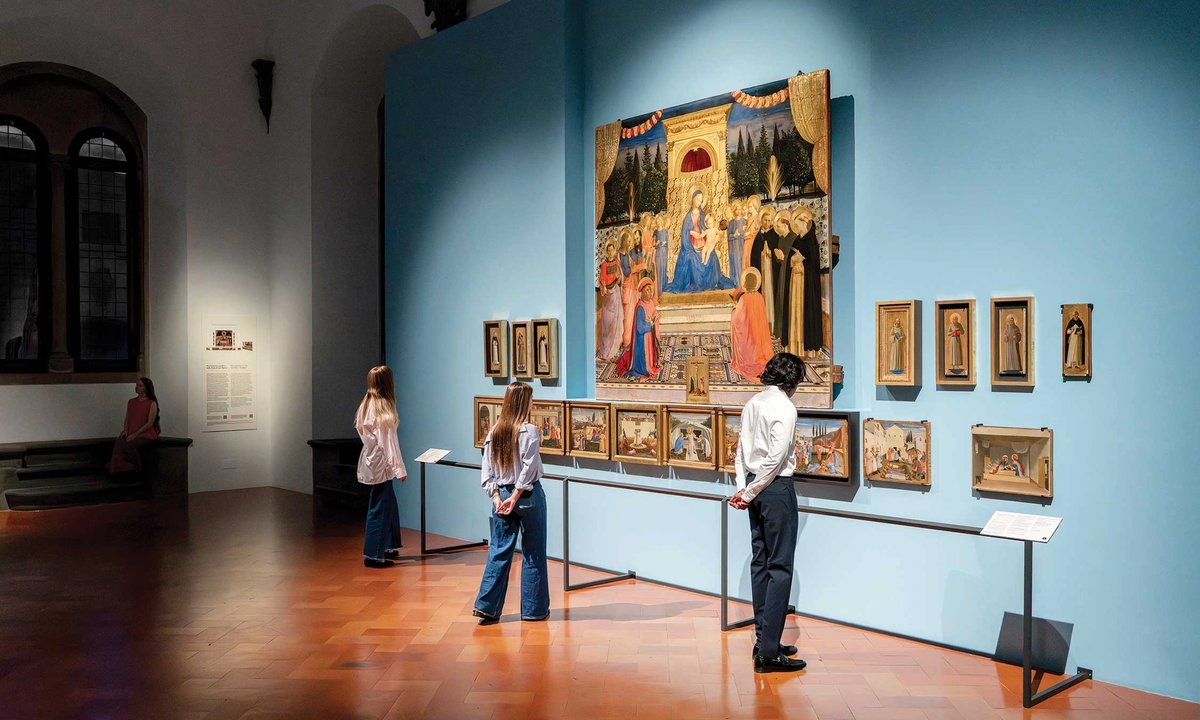
A major two-venue exhibition dedicated to early Renaissance master Fra Angelico (c. 1395-1455) has opened at Palazzo Strozzi and Museo di San Marco in Florence. The show, four years in the making, features unprecedented loans from over 70 museums and 28 newly conserved works, including the Fiesole Altarpiece (c. 1420-23) and the San Marco Altarpiece (1438-43). It reunites dispersed predella panels and decorative components looted during the Napoleonic era, presenting the most complete picture of Fra Angelico to date while challenging the notion that his work was archaic.

The Big Review | 65,000 Years: A Short History of Australian Art at the Potter Museum of Art, Melbourne ★★★★★

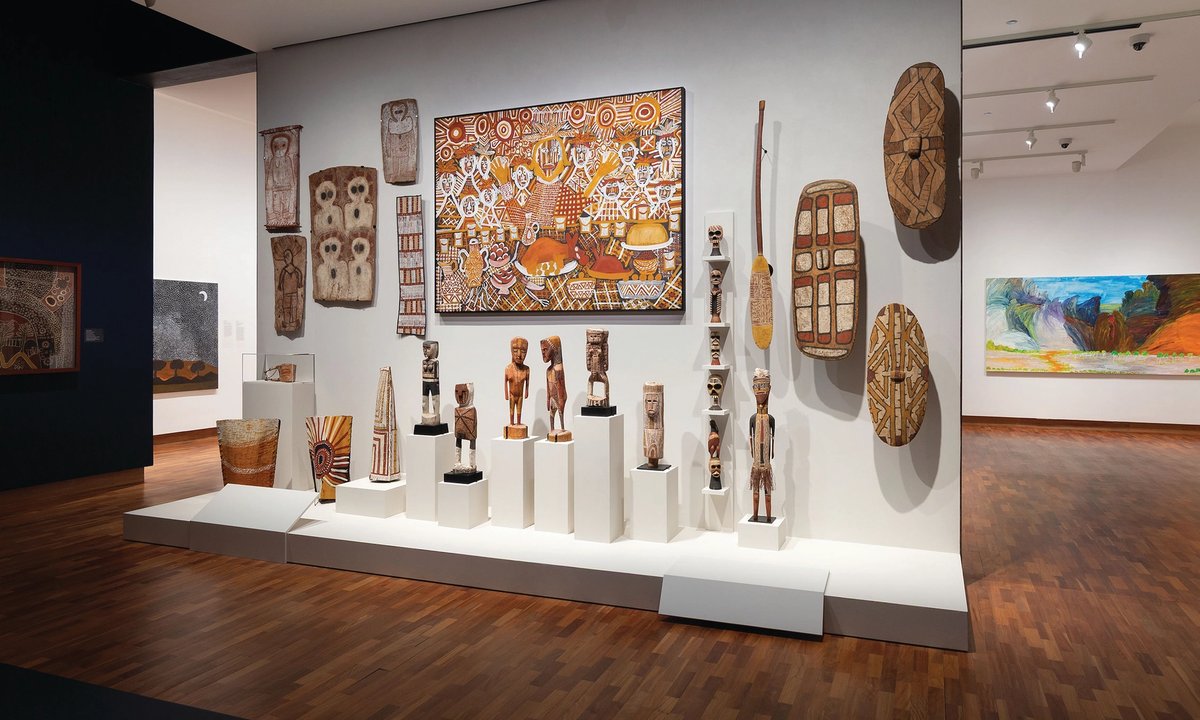
The article reviews the exhibition "65,000 Years: A Short History of Australian Art" at the Potter Museum of Art, University of Melbourne. The show features over 400 works, including 194 loans from 78 lenders, spanning 11 rooms and a decade of planning. It highlights rarely seen bark masterpieces from Arnhem Land, such as Woŋgu Munuŋgurr's "Djapu’ miny’tji" (1942), and juxtaposes colonial depictions with Indigenous perspectives, including works by William Barak and John Glover. The exhibition is on track to become the most visited in the museum's history.

‘Afterimages’: What Does It Mean to See Through Overload?

Andrew Durbin reviews the national pavilions at the Venice Biennale, contrasting a vacuous US presentation with incisive and moving installations from Britain and Germany. The article critiques the lack of meaningful engagement in the US pavilion while praising the depth and emotional resonance of the British and German contributions.

Rome and its visions in contemporary photography: from Carbone to De Angelis, to Hervé Gloaguen

Roma e le sue visioni nella fotografia contemporanea: da Carbone a De Angelis, fino a Hervé Gloaguen

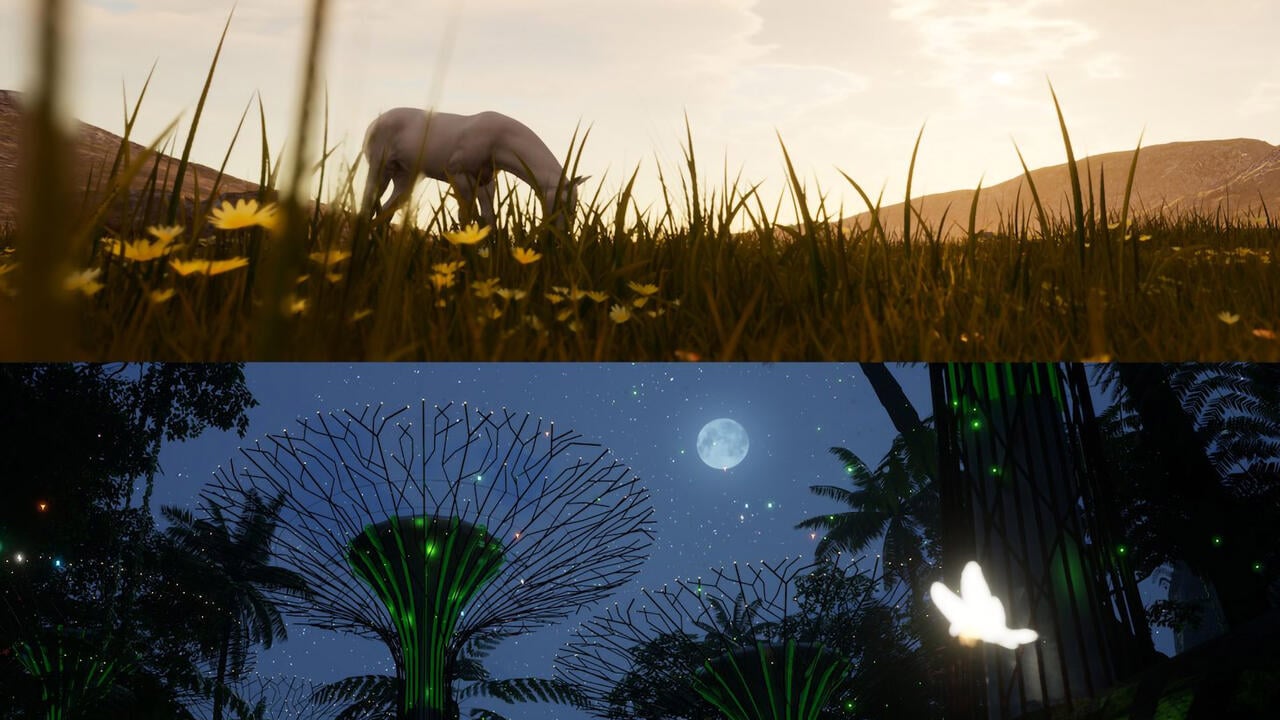
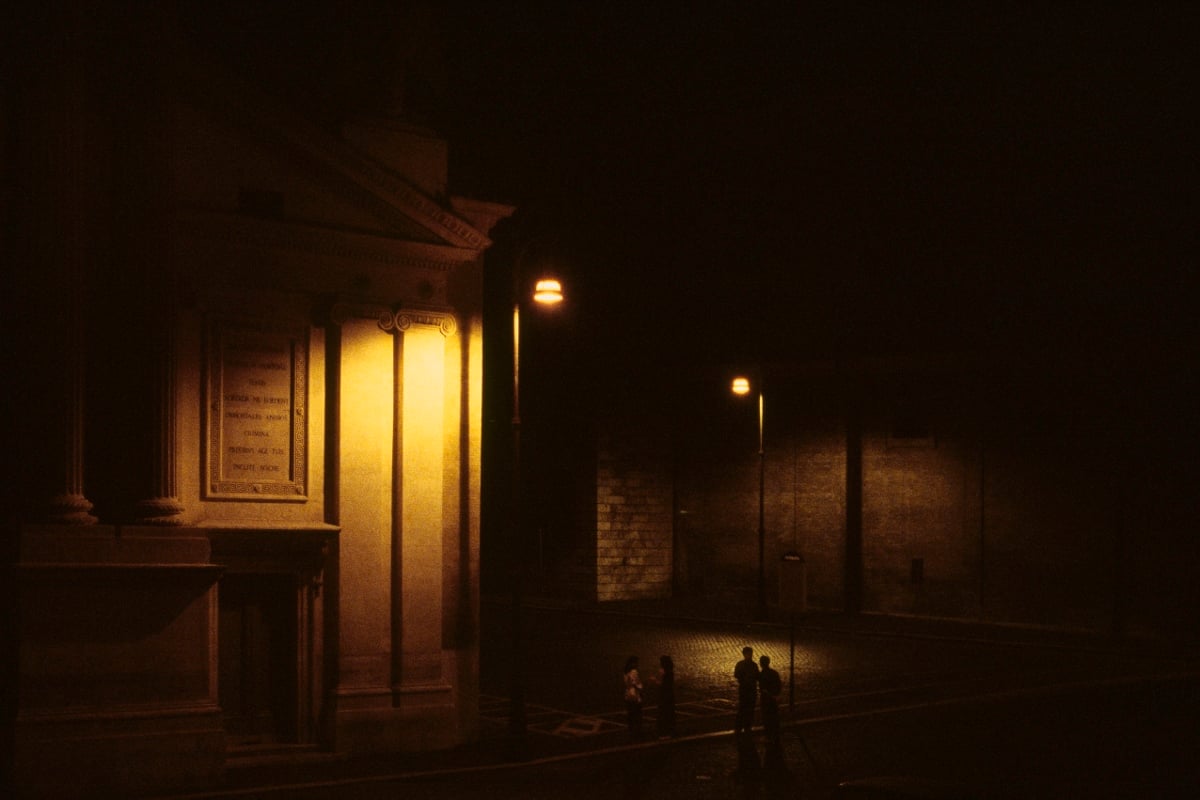
The article critiques a recent trend in contemporary photography of Rome, exemplified by a 2020 exhibition at the Mattatoio (Nuove produzioni 2020 per la collezione Roma) that presented black-and-white images reducing the urban landscape to a dark, lifeless mass. The author contrasts this with a personal photograph of a horse taken during the Covid-19 pandemic, which captures Rome's periphery with warmth and specificity, and praises the 2024 exhibition "Roma 1975, città, volti e storie dell'anno giubilare" featuring photojournalist Fabio De Angelis's rediscovered work as a vital counterpoint.

A Baroque Too Baroque: Reflections on the Colossal Exhibition in Forlì

Un Barocco troppo barocco. Riflessioni sulla colossale mostra di Forlì

A massive exhibition titled "Barocco: il gran teatro delle idee" (Baroque: The Grand Theater of Ideas) is on view at the Museo Civico San Domenico in Forlì, Italy. The show, curated by a committee of six, ambitiously attempts to define the Baroque across the 17th and 18th centuries, extending its scope to include France and Spain, and even suggesting its echoes in the 20th century. It features approximately 300 works, including paintings, sculptures, and decorative arts.

"Dispossessions in the Americas" Confronts the Colonialism That Invades All Territory

The article reviews "Dispossessions in the Americas," a group exhibition at Wrightwood 659 in Chicago curated by Jonathan D. Katz and Eduardo Carrera. Featuring works from 1960 to 2025, the show examines colonial legacies in the Americas, focusing on the forced dispossession of land, culture, and language from indigenous, Afro-descendant, queer, and trans communities. The review critically questions how a polished, architecturally prestigious venue can coherently display art about socially voiceless communities without falling into voyeurism or fetishization of pain.

In an exhibition in Naples it is possible to get lost without urgency in an unstable balance. The review

In una mostra a Napoli è possibile perdersi senza urgenza in un equilibrio instabile. La recensione

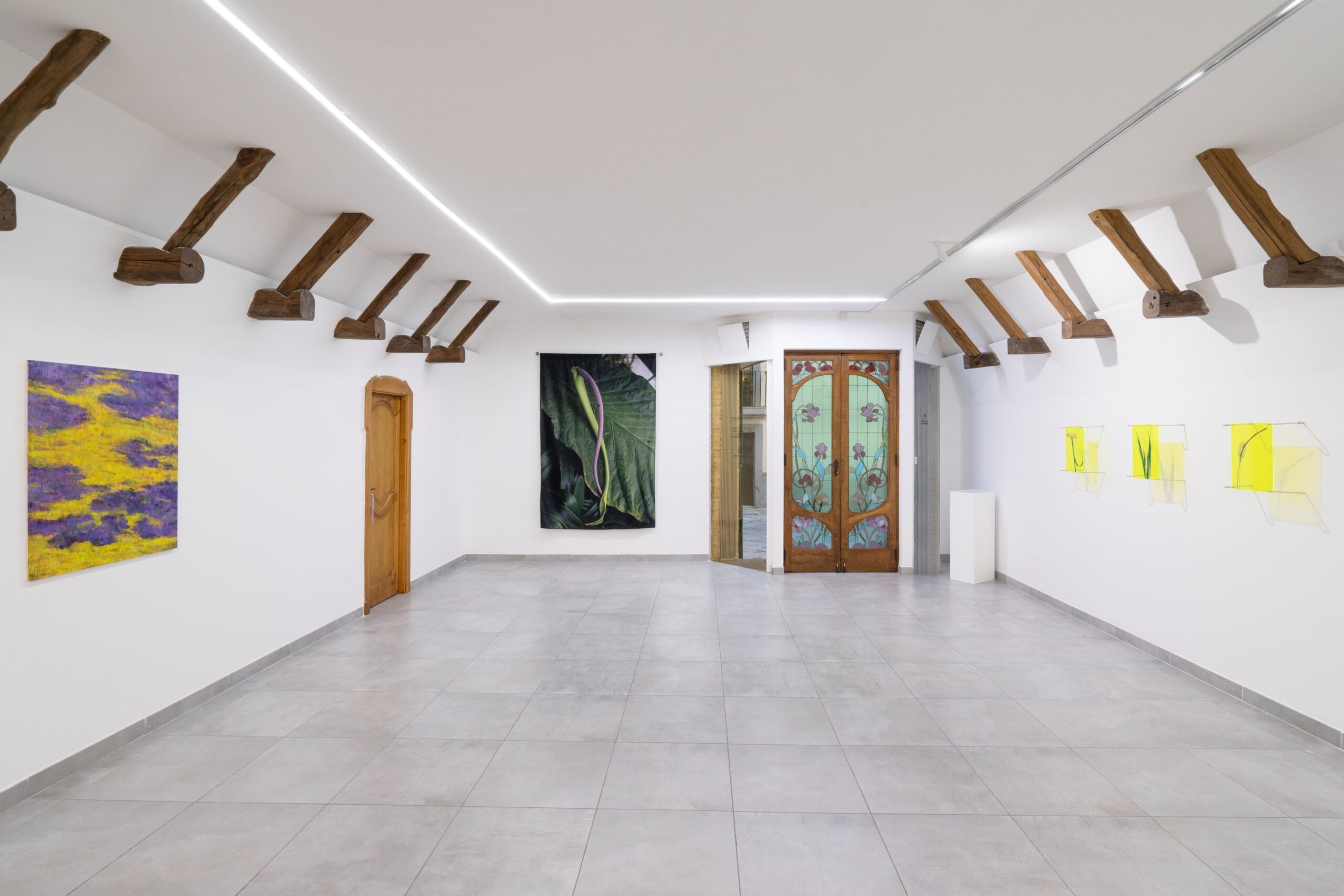
The exhibition "A Gentle Collapse," curated by Marta Ferrara at Andrea Nuovo Home Gallery in Naples, explores the contemporary psychic state through a spatial and perceptual construction. Featuring works in photography, painting, engraving, and installation, the show creates a sense of instability, with meaning emerging gradually through shifts between familiar and altered forms. Artists include Dorottya Vékony, Matteo Silverii, Flora Villaumié, and Zoë Pelikan, whose works engage with themes of genetic engineering, serial accumulation, and subtle disorientation across two gallery levels.