filter_list Showing 20 results for "Picasso" close Clear
search
dashboard All 921 museum exhibitions 359trending_up market 268article culture 86article news 84article local 35person people 25rate_review review 20gavel restitution 18candle obituary 14article policy 11article event 1
date_range Range Today This Week This Month All
Subscribe

the worst art we saw in 2025

Artnet News editors and writers compiled a list of the worst art of 2025, calling out works they found lazy, cynical, overhyped, or ethically dubious. Highlights include Flora Yukhnovich's site-specific painting installation at the Frick Collection, which critics deemed middling and out of place among the museum's historic masterpieces; Jeff Koons's eight-foot-tall Hulk (Tubas) sculpture, sold for $3 million at Frieze New York and described as an obnoxious trophy piece; and actor Adrien Brody's interactive gum wall installation, which invited visitors to stick chewed gum onto a canvas.

here are 6 of the worst art works we saw all year

Artnet News published a year-end roundup of the worst artworks of 2023, as selected by its writers and editors. The list includes Meta's AI-art chatbot experiments on Instagram, which cloned celebrity likenesses into cringe-worthy avatars like Snoop Dogg's 'The Dungeon Master' and Kendall Jenner's 'Billie,' alongside Refik Anadol's 'Unsupervised' at MoMA, criticized as shallow tech spectacle. Other entries include a poorly received Picasso-themed exhibition and additional works deemed ill-conceived or badly executed.

raymond saunders carnegie museum retrospective review

Raymond Saunders's first retrospective, a small but potent exhibition at the Carnegie Museum of Art in Pittsburgh, surveys 35 of his bewitching paintings. The works, described as elusive and Rauschenbergian, feature messy scrawls, collected trinkets, and media clippings, with pieces like *Passages: East, West 1* (1987) layering chess boards, paint strokes, and appropriated still lifes. Saunders, who joined Andrew Kreps and David Zwirner last year, has never before received a retrospective, despite his influential 1967 essay "Black Is a Color" and steady institutional acquisitions.

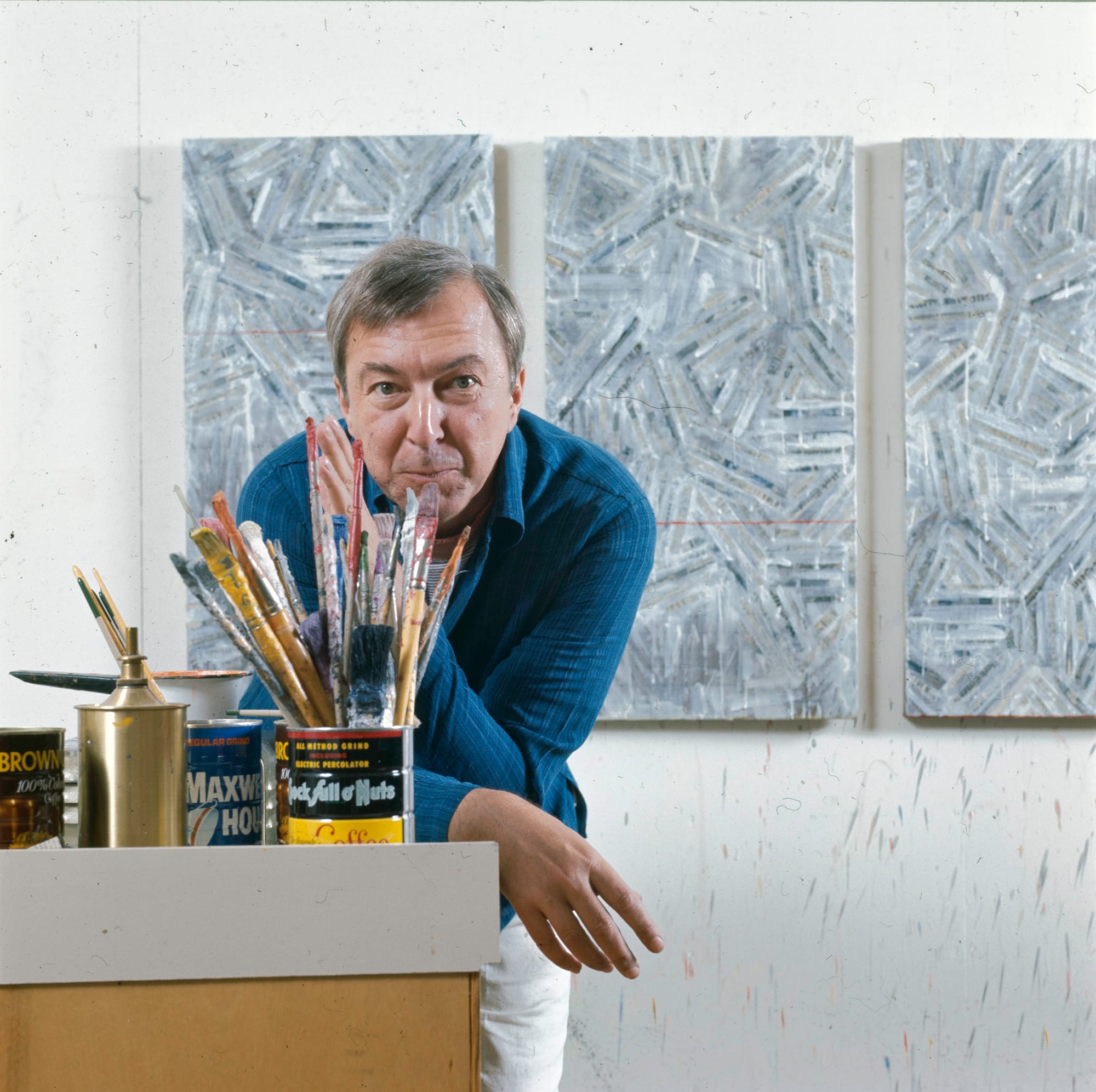
Jasper Johns Keeps Looking

Jasper Johns’s latest exhibition at Gagosian, 'Between the Clock and the Bed,' serves as a profound meditation on the artist's career-long investigation into the 'things the mind already knows.' By revisiting his signature motifs—including flags, targets, and crosshatch patterns—the show highlights Johns’s rejection of Abstract Expressionist spontaneity in favor of a deliberate, analytical process using encaustic and collage. The works document a transformation where familiar symbols are rendered into a complex visual language that bridges the gap between memory and physical presence.

Konrad Mägi review – these bland, blobby paintings are expressionism without expression

A new exhibition of early 20th-century Estonian painter Konrad Mägi at Dulwich Picture Gallery has received a scathing critical review. The reviewer finds Mägi's colorful, modernist-influenced landscapes and portraits to be bland, derivative, and devoid of the emotional depth or urgency found in the great modernists or the gallery's own Old Master collection.

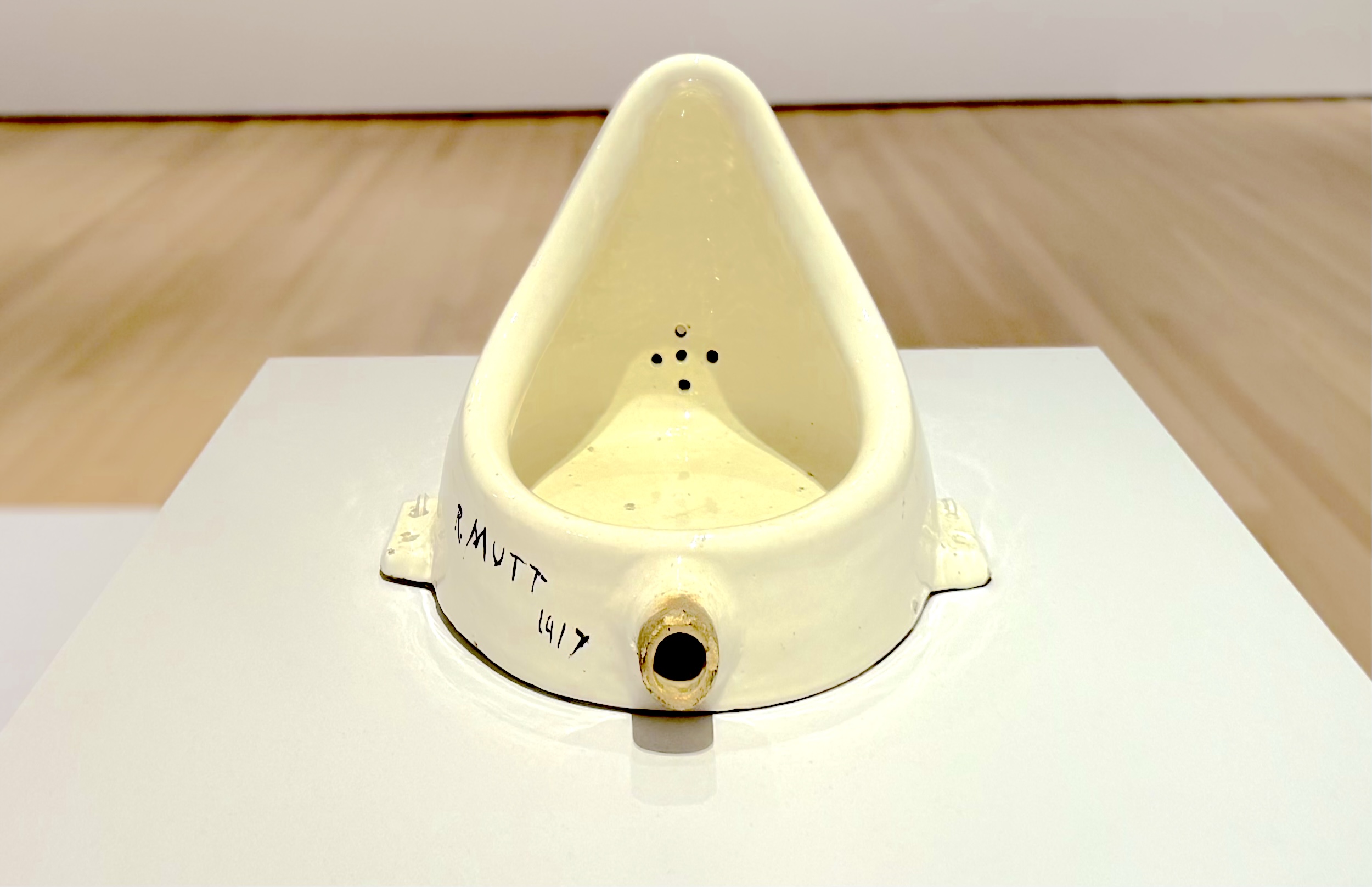
Are We Too Reverent of Marcel Duchamp?

The Museum of Modern Art has launched a major retrospective of Marcel Duchamp, co-organized with the Philadelphia Museum of Art. The exhibition tracks the artist's evolution from his early Cubist experiments and the scandal of 'Nude Descending a Staircase' to his radical invention of the readymade, exemplified by the infamous urinal, 'Fountain'. The show presents a comprehensive look at 'The Duch' through a reverential, church-like atmosphere, concluding with his later years as a dapper, enigmatic figure of the avant-garde.

what are the 10 best works of art in new york museums let the debate begin

Artnet News critic Christian Viveros-Fauné has published a personal list of the ten best works of art in New York museums, sparking debate among readers. The selection includes iconic pieces such as Giovanni Bellini's *St. Francis in the Desert* at the Frick Collection, Gerhard Richter's *October 18, 1977* at MoMA, Paul Cézanne's *The Card Players* at the Metropolitan Museum of Art, James Rosenquist's *F-111* at MoMA, Diego Velázquez's *Juan de Pareja* at the Met, and Pablo Picasso's *Les Demoiselles d'Avignon* at MoMA, among others.

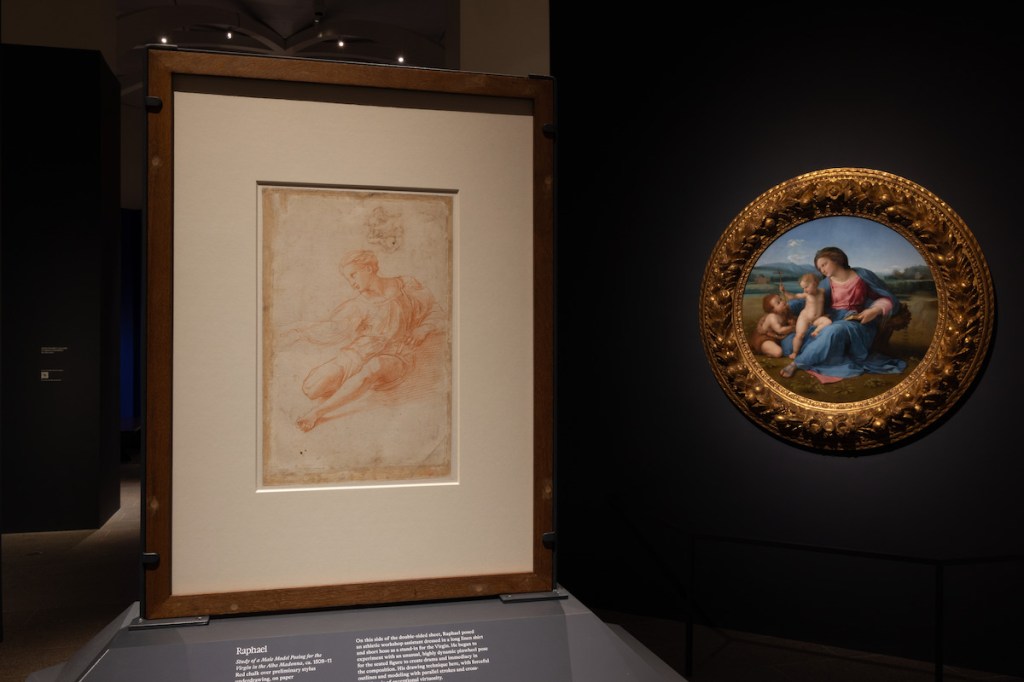
Raphael Met Museum Retrospective Review

raphael met museum retrospective review

The Metropolitan Museum of Art has launched "Raphael: Sublime Poetry," the first major retrospective of the Renaissance master ever staged in the United States. Curated by Carmen C. Bambach, the exhibition features 237 works, including rare loans of drawings and monumental tapestries that have not left Madrid since the 16th century. While some of his most famous paintings remain in Europe, the show provides an exhaustive look at the artist's development from a teenage prodigy to a papal favorite.

The Met’s Costume Institute Needs an Art History Lesson

The Metropolitan Museum of Art's Costume Institute spring exhibition, "Costume Art," pairs fashion with artworks from the Met's collection, including ancient Greek statues and Andy Warhol screenprints, alongside garments by designers from Charles James to CFGNY. Curator Andrew Bolton aims to suggest that fashion can expand understanding of art, but the show's juxtapositions often feel vague and sloppy, with only occasional resonant pairings like a Jean Paul Gaultier shirt and Joe Brainard drawing linked by queer artist lineage.

hot girl feminism chloe wise ambera wellmann sasha gordon

A wave of paintings by women depicting women dominated New York galleries this fall, sparking a critical examination of contemporary feminist figuration. Artists like Emily Coan and Anna Weyant create images of idealized, often sexualized femininity, framing their work as a reclamation of beauty and personal expression.

artists resisted fascism comrades in art andy friend

A group of British artists, frustrated by the Great Depression and inspired by socialist ideologies, founded the Artists International Association (AIA) in the early 1930s. Initially a Communist-inflected agit-prop group, it rebranded in 1935 to broaden its anti-fascist coalition, a move that sparked internal debates about ideological purity. The article, reviewing Andy Friend's book *Comrades in Art: Artists Against Fascism, 1933–1943*, highlights key episodes such as the AIA's 1940 exhibition 'The Face of Britain,' which opened amid the Blitz after bombs damaged the gallery.

the mastermind film review kelly reichardt josh oconnor

Kelly Reichardt's new film *The Mastermind*, starring Josh O'Connor as a carpenter and family man who turns art thief, premiered at the Cannes Film Festival and will be released by Mubi. The film follows O'Connor's character, J.B., as he plots a heist inspired by a real 1972 robbery of the Worcester Art Museum, targeting paintings by American modernist Arthur Dove. The movie blends suspense, humor, and meticulous visual storytelling, with Reichardt drawing on the aesthetic of 1970s America and the work of photographers Stephen Shore and William Eggleston.

cubism at the met modern art that looks tragically antique

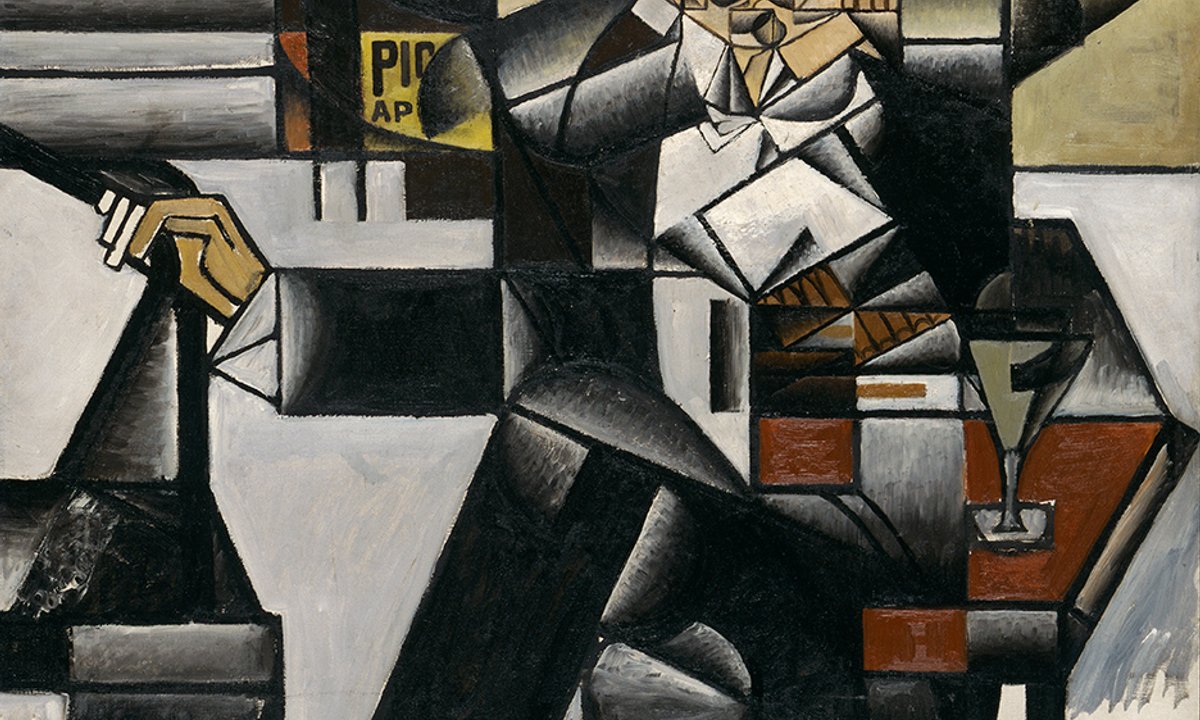
The Metropolitan Museum of Art's current "Cubism" exhibition showcases masterpieces from the Leonard A. Lauder Cubist Collection, featuring works by Pablo Picasso, Georges Braque, Juan Gris, and Fernand Léger. The show spans six galleries and presents some of the finest examples of Cubist art, including iconic pieces like Braque's *The Castle of La Roche-Guyon* (1909) and Picasso's *The Oil Mill* (1909). The exhibition is essentially a curated display of Lauder's promised gift to the Met, highlighting the "Four Horsemen" of Cubism while omitting the broader context of the movement's other pioneers, such as the Salon Cubists.

jack whittens 9 11 01 moma

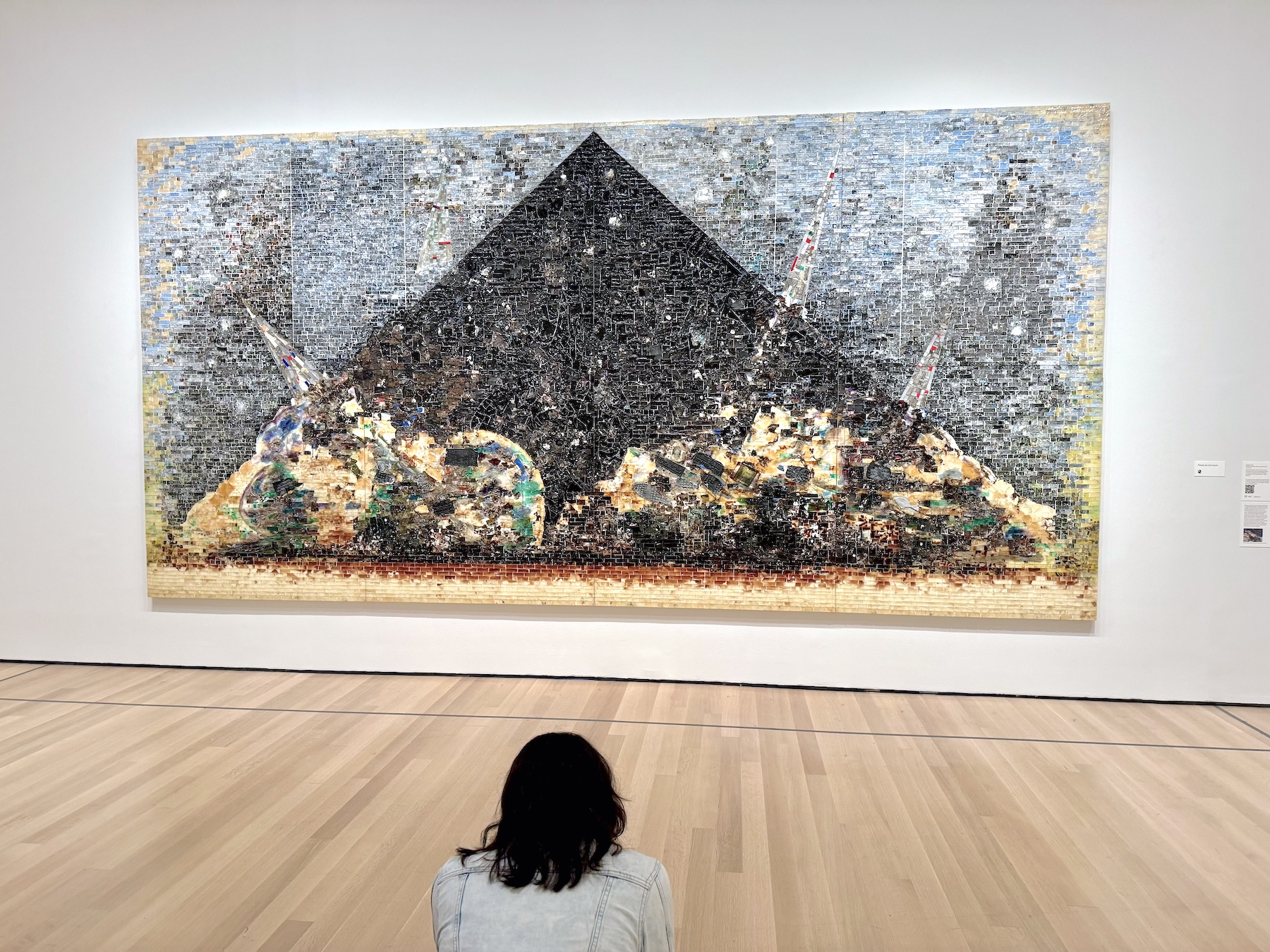
Jack Whitten's monumental mosaic-painting "9.11.01" (2006) is the focus of this article, which examines the work on view at the Museum of Modern Art. The painting, created in response to the September 11 attacks, uses abstract forms—a cracked black pyramid with dagger-like spines and bootprints—to evoke the trauma of that day. Whitten, who witnessed the first plane strike from his studio in Manhattan, embedded ash and wreckage fragments into the surface, blending abstraction with historical memory.

Comment | Perhaps artists do have only ‘ten good years’—but they can happen at any time in their career

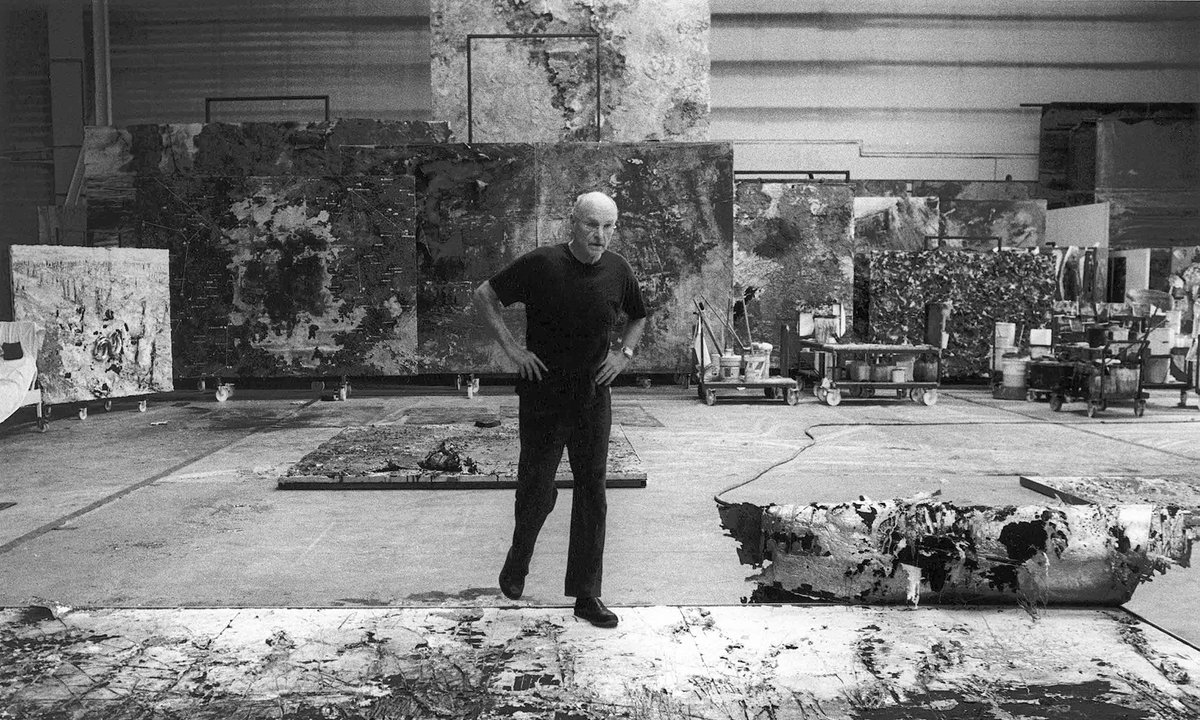
The article reflects on the idea that artists may have only 'ten good years' of peak creativity, prompted by a visit to the exhibition "Anselm Kiefer: Early Works" at the Ashmolean Museum in Oxford. The author contrasts the young Kiefer's deft, emotionally intimate works from 1969–1982 with his later, more grandiose output, arguing that Kiefer's early period surpasses anything he has achieved since. The piece also revisits critic Douglas Cooper's harsh dismissal of late Picasso and former Tate director Alan Bowness's theory of artistic prime.

chaim soutine biography celeste marcus

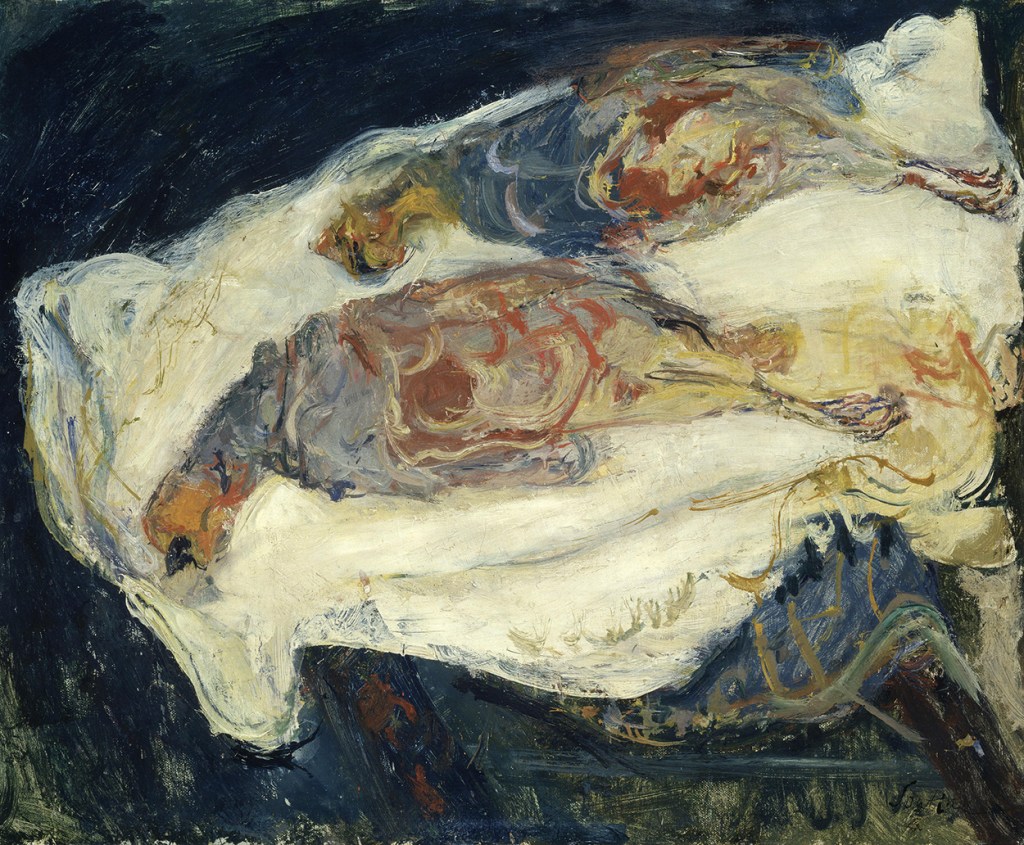
A new biography titled *Chaïm Soutine: Genius, Obsession, and a Dramatic Life in Art*, written by Celeste Marcus, explores the life and work of the early 20th-century painter Chaïm Soutine. Marcus argues that Soutine’s intensely visceral paintings—featuring dizzying landscapes, bloody carcasses, and penetrating portraits—are the key to understanding the artist, who left behind few personal records. The book challenges the tendency to read historical tragedy, particularly Soutine’s identity as an Eastern European Jew before WWII, into his turbulent brushwork, instead emphasizing the life force and internal logic of his compositions.

Read the Room: Dallas Museum of Art’s “International Surrealism” Misses the Mark

The Dallas Museum of Art's exhibition "International Surrealism" is critiqued as a missed opportunity during the centennial of the surrealist movement. The author argues that while the show presents a broad survey of mixed-media works from around the world, divided into six thematic subgroups, it lacks the political urgency and revolutionary context that defined surrealism's origins in 1925. The exhibition, initially curated by Matthew Gale from the Tate Modern collection and presented locally by Sue Canterbury, is described as whimsical and decorous, reducing the movement's subversive power to quirky categories and gift-shop fodder.

Comment | Digital art today has a narcissism problem

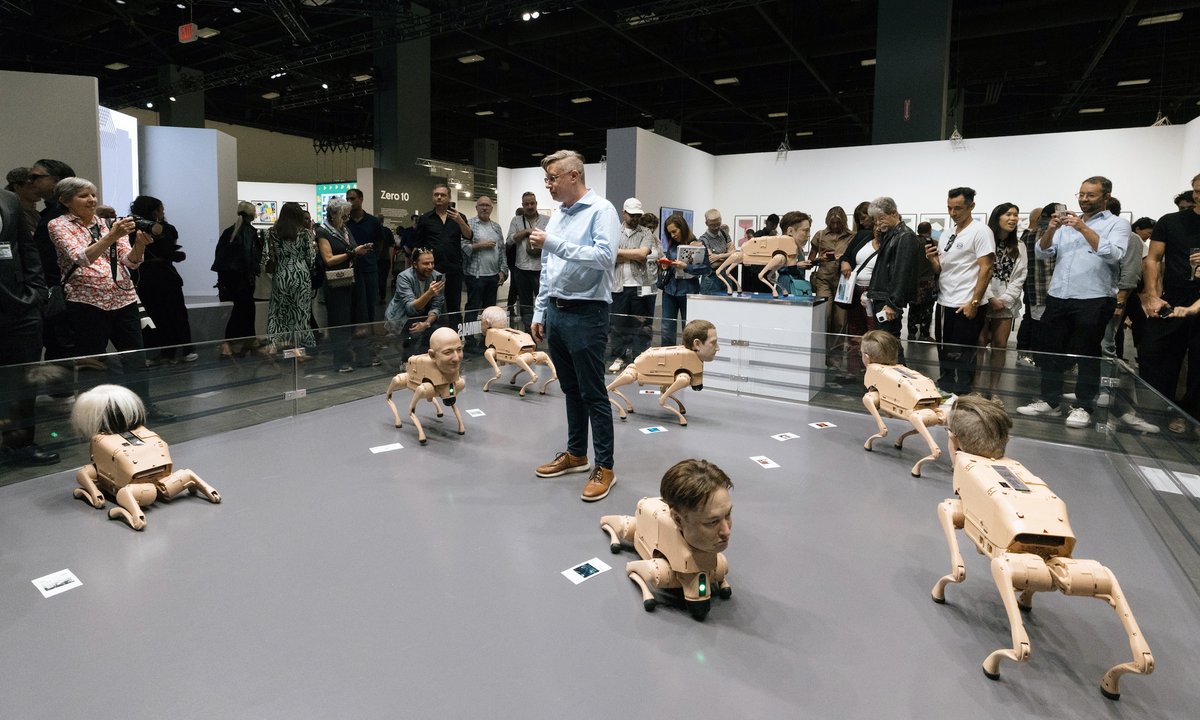
Art Basel Miami Beach's new digital art section, Zero 10, featured a heavily subsidized presentation curated by Eli Scheinman, bypassing the fair's usual selection process. The centerpiece was Beeple's installation "Regular Animals" (2025), which displayed dog-like robots with humanoid masks of figures including Kim Jong-un, Elon Musk, and Beeple himself, which critics argue lacks substantive critique and relies on shallow satire.

IN REVIEW: To be felt, not read — ‘Paper Trails: Unfolding Indigenous Narratives’ at IAIA MoCNA

A new exhibition titled 'Paper Trails: Unfolding Indigenous Narratives' has opened at the Museum of Contemporary Native Arts (MoCNA), part of the Institute of American Indian Arts (IAIA). The show features works by contemporary Indigenous artists who utilize paper as a primary medium to explore themes of history, memory, and cultural identity, moving beyond text-based narratives to create visceral, sensory experiences.

Book offers fresh perspectives on why Cubism came into being

Christopher Green, a leading scholar of Cubism, has published a new book titled *Cubism and Reality*, which reexamines the origins and intentions of early Cubism through the works of Georges Braque, Pablo Picasso, and Juan Gris. The book focuses on the years immediately before World War I, arguing that Cubism was not a step toward abstraction but a deliberate reinvention of reality based on lived visual experience. Green draws on decades of research, including his own earlier works and the foundational 1959 study by John Golding, and contrasts the movement with mass-produced imagery in chapters on Roy Lichtenstein and Francis Picabia.