filter_list Showing 16 results for "Turner" close Clear
search
dashboard All 419 museum exhibitions 191article news 65trending_up market 49article culture 36article local 32person people 21rate_review review 16article event 3article policy 3candle obituary 2gavel restitution 1
date_range Range Today This Week This Month All
Subscribe

Hulda Guzmán review – lizards and ghosts gather for an art freakout in the rainforest

Hulda Guzmán's first institutional exhibition in Europe, "Please Awake – Asked Nature Kindly," is on view at Turner Contemporary in Margate, UK. The show features the Dominican artist's ultra-colorful, psychedelic jungle paintings that blend art historical references—from Japanese ukiyo-e prints to pointillism and symbolism—with personal mythology, demons, spirits, and lush tropical landscapes. The works are drawn from her life in the Dominican rainforest, where she lives and works in a studio built by her architect father.

Veronica Ryan review – the seeds are sensational but the detritus is distracting

A major retrospective of Turner Prize-winning artist Veronica Ryan has opened, showcasing her career-long exploration of organic forms and repurposed materials. The exhibition features new works made from plastic bottles, bandages, and avocado trays, alongside earlier sculptures in bronze and lead that reference seed pods and fruit.

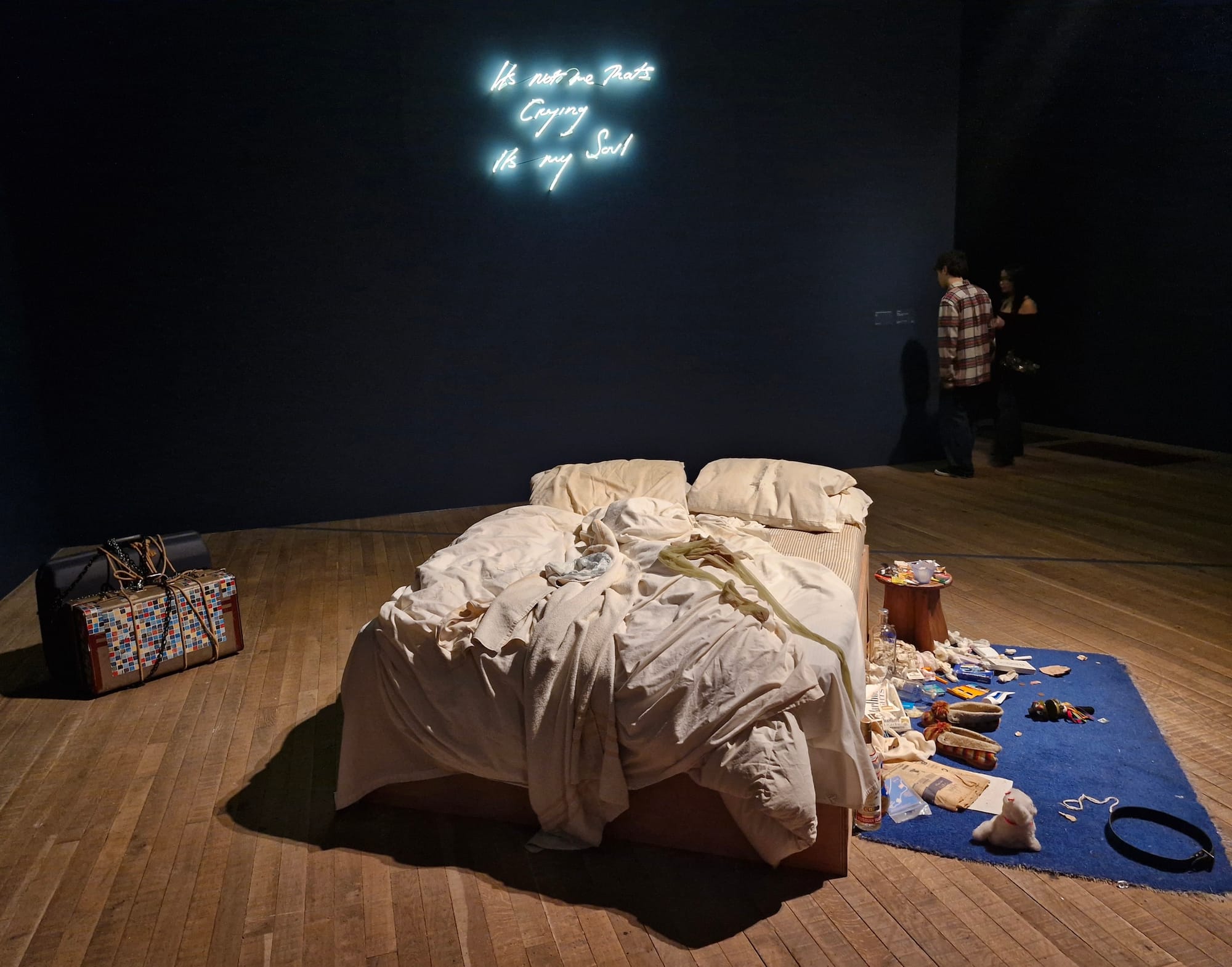
Tracey Emin’s Cult of the Self

A major retrospective of Tracey Emin's work, "A Second Life," is on view at Tate Modern in London. The exhibition presents the artist's deeply personal and confessional body of work, including iconic pieces like "My Bed" and "Exorcism of the Last Painting I Ever Made," which chronicle intimate experiences of love, trauma, and self-exploration through text, objects, and raw imagery.

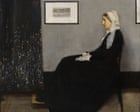
James McNeill Whistler review – a luscious, seductive blockbuster for the painter who scandalised Britain

Tate Britain has opened a major retrospective dedicated to James McNeill Whistler, the American painter who scandalized Victorian Britain. The exhibition centers on his iconic work *Arrangement in Grey and Black No. 1* (commonly known as *Whistler's Mother*), lent by the Musée d'Orsay, and traces his evolution from raw realist scenes of London's docks to radical, abstract celebrations of color and pattern. It includes a reconstruction of *The Peacock Room* and highlights his rivalry with critic John Ruskin, who accused him of 'flinging a pot of paint in the public's face.'

Frank Bowling: Seeking the Sublime review – shipwrecked Ophelia points the path to freedom

A new exhibition of Frank Bowling's work traces the artist's early struggle to find his voice within the rigid artistic categories of the 1960s. The show features paintings from his student days in London, where he grappled with expectations to be either a political 'Black artist' or a formalist 'artist' free from identity constraints, resulting in works that felt derivative of figures like Francis Bacon.

A Drama of Two Masters

A new documentary film titled "Turner & Constable" attempts to dramatize the artistic rivalry between the two iconic British landscape painters, J.M.W. Turner and John Constable. The film is based on a recent exhibition of the same name at Tate Britain in London.

minnie evans legacy high museum whitney

The article reflects on the responsibility of critical art writing in the Southeast, sparked by the announcement that Art Papers, an international art magazine based in Atlanta, will sunset in 2026 after 50 years. The author recounts a debate among local art workers about reviewing the forthcoming Minnie Evans retrospective organized by the High Museum of Art and traveling to the Whitney Museum, which he initially declined due to a conflict of interest with curator Katherine Jentleson. He ultimately agrees to write, emphasizing the need for Black scholars to engage with self-taught Black artists. The piece examines how Evans's narrative has been mediated through the lens of white photographer and art historian Nina Howell Starr, questioning the power dynamics and what remains unknown about Evans's own agency.

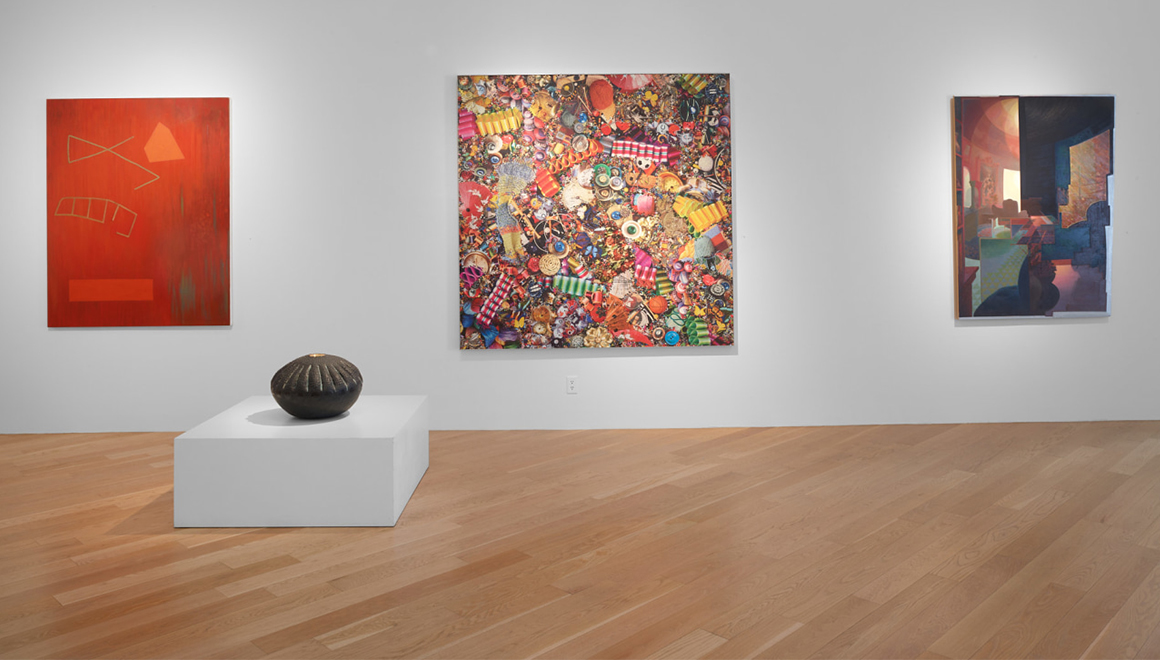
Review: “50th Anniversary Exhibition Part I” at Moody Gallery, Houston

Moody Gallery in Houston opened “50th Anniversary Exhibition Part I” on September 13, showcasing 38 artworks by gallery-affiliated artists. The show is deliberately non-chronological and non-comprehensive, featuring works ranging from 2006 to 2025, including pieces by Melissa Miller, William “Bill” Steffy, Michael Kennaugh, Dan Sutherland, Pat Colville, Tracye Wear, Al Souza, and the collaborative MANUAL (Ed Hill & Suzanne Bloom). The exhibition spans three spaces and highlights the gallery’s eclectic, open-minded approach and its commitment to promoting Texas-based artists.

Mounting Rene Matić’s snapshots in Perspex isn’t really enough to make them interesting | Charlotte Jansen

Rene Matić, at 29, became the youngest winner of the £30,000 Deutsche Börse Photography Foundation prize, nominated for their solo exhibition "As Opposed to the Truth" at CCA Berlin. A smaller version of that show is now at the Photographers’ Gallery in London. Matić was also the youngest Turner Prize nominee last year. The article critiques Matić's work, praising their 2022 piece "Upon This Rock" for exploring masculinity, fatherhood, and British identity, but dismissing much of their other output—like the snapshot installation "Feelings Wheel"—as immature, mediocre, and reliant on display gimmicks rather than photographic substance.

Angela de la Cruz review – wonky chairs and busted pianos are monuments to resilience

Angela de la Cruz's solo exhibition "Upright" at Birmingham's Ikon gallery presents a collection of broken and mended artworks. Her canvases are crumpled, folded, and snapped, while sculptures are assembled from precarious junk like a three-legged chair on a stool and a piano stacked atop another. The works, though appearing on the verge of collapse, are all repaired and propped back up, reflecting a state of post-collapse resilience.

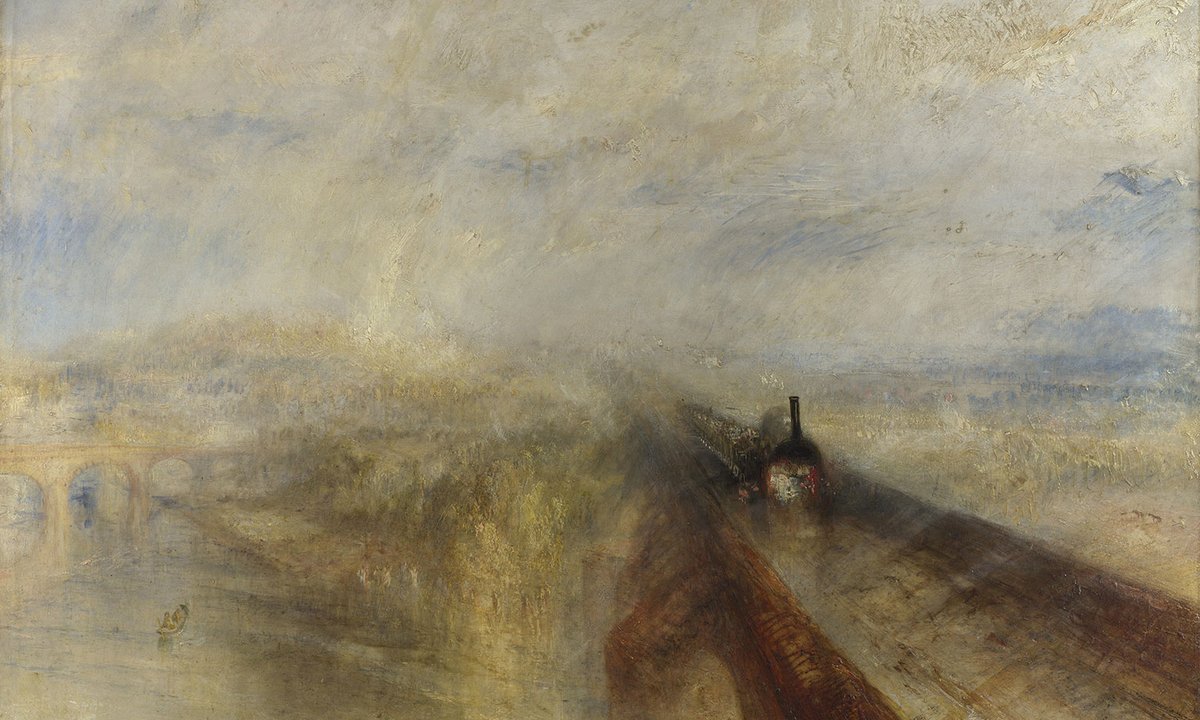
Comment | Monet might have seen Venice, but his paintings suggest he didn’t feel it

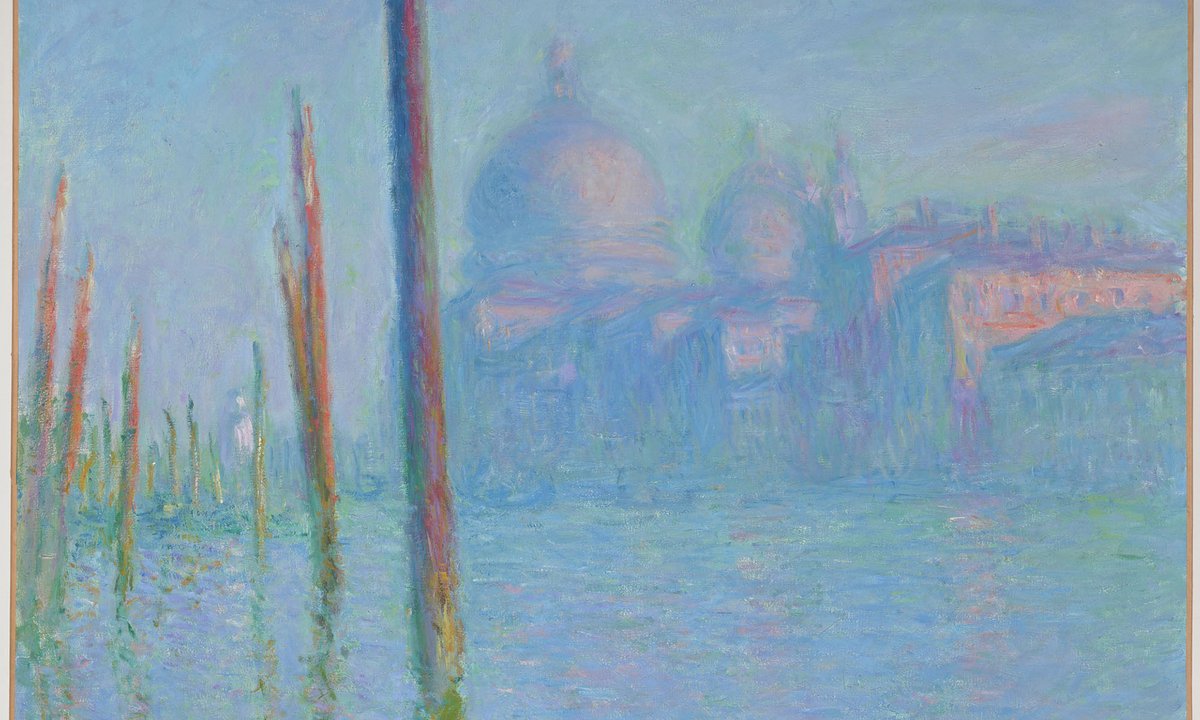
The article compares J.M.W. Turner's and Claude Monet's depictions of Venice, arguing that Turner's watercolors capture the city's innate melancholy and atmosphere, while Monet's paintings feel unfulfilling and lack emotional depth. The author reflects on Turner's sublime Venice watercolours, particularly 'San Giorgio Maggiore, Venice, at Sunset' (1840), and contrasts them with Monet's works, which are the subject of a major upcoming show at the Brooklyn Museum. The piece also touches on Francesco Guardi's visceral views versus Canaletto's more pleasing but superficial ones, and Howard Hodgkin's later, elegiac response to the city.

Comment | Tate Britain’s Turner and Constable show got me thinking about Marxist art history

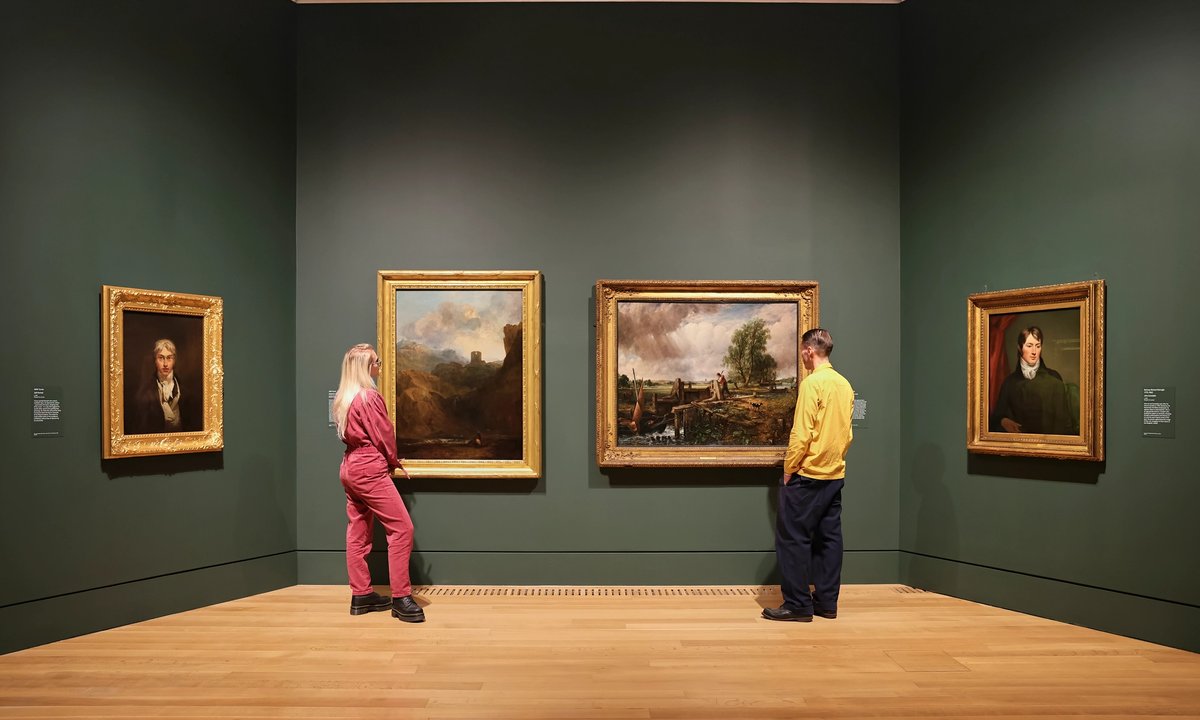
The author recounts traveling from Scotland to London to see Tate Britain's exhibition "Turner and Constable: Rivals and Originals," despite costly and slow train travel. The article also covers the Old Master sales at Sotheby's, Christie's, and Bonhams, noting mixed results: a Flemish triptych sold for £5.7m, a Hans Eworth portrait set a record at £3.2m, and a Gerrit Dou fetched £3.8m, while a Panini capriccio lost value since 2005.

Comment | Turner gets all the kudos, but it was Constable who was the truly radical painter

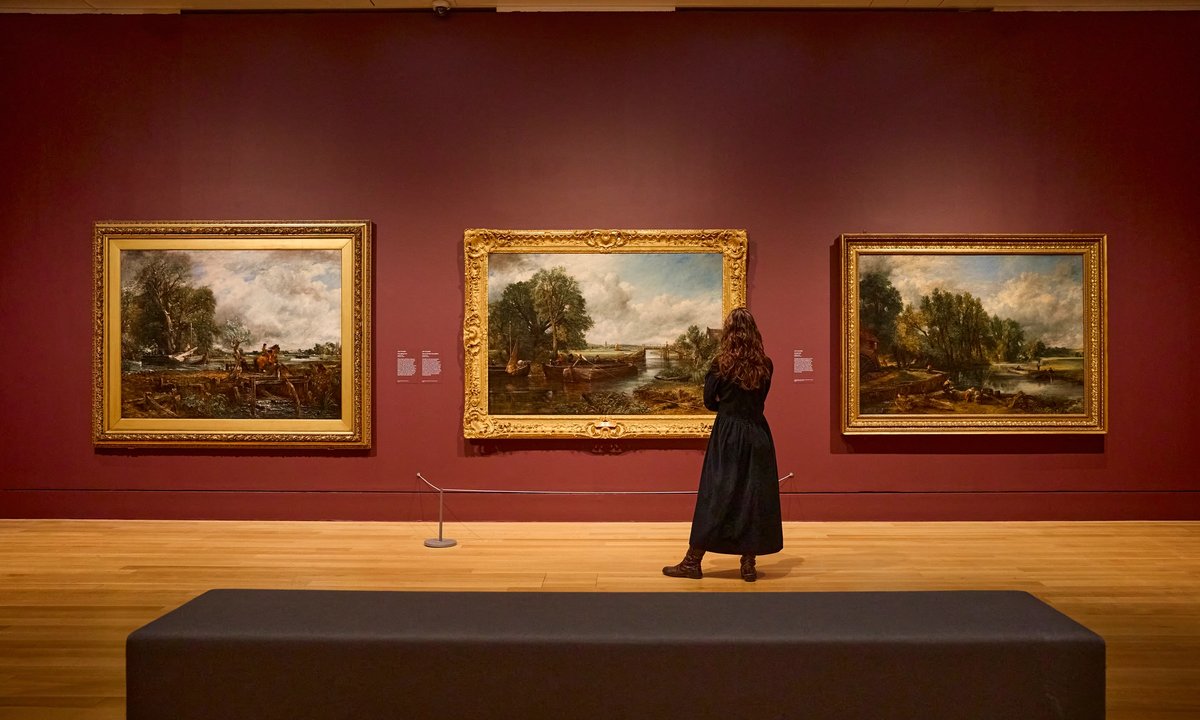
A commentary argues that John Constable, not J.M.W. Turner, was the truly radical painter, despite Turner receiving far greater public recognition through a museum, a prize, and a place on the £20 note. The article highlights a new exhibition, "Turner and Constable," opening at Tate Britain (until 12 April 2026), which recreates their 1831 Royal Academy display and contrasts Constable's English pastoral scenes with Turner's dramatic, un-British visions. It contends that Constable's full-size oil sketches, such as those at the Victoria and Albert Museum, had a deeper and more lasting effect on modern painting than Turner's work.

Turner vs Constable: is it time for art historians to choose?

Art historian and author James Hall, writing in The Art Newspaper, reviews Nicola Moorby's new book "Turner and Constable: Art, Life, Landscape" and uses it as a springboard to argue that art historians should not shy away from making value judgments about artists. He compares the legacies of J.M.W. Turner and John Constable, noting that Turner currently dominates popular and institutional esteem—appearing on banknotes, celebrated by Tate Britain as the greatest British artist, and fitting modern conceptions of the artist as a rebellious, eccentric genius. Hall contrasts this with Constable's more conservative image and declining presence in commercial culture.

What Would Orwell Think of the Mormon ‘Animal Farm’?

A new 3D-animated adaptation of George Orwell's 'Animal Farm' has been released, directed by Andy Serkis and featuring a star-studded voice cast including Glenn Close, Woody Harrelson, Kathleen Turner, and Seth Rogen. The film is backed by Angel Studios, a Mormon-run company based in Provo, Utah, known for family-friendly content. The adaptation adds a modern father-son plot between a pig named Lucky and Napoleon, introduces an evil corporation CEO, and replaces Orwell's bleak ending with a happy one where the animals blow up a hydroelectric dam. ArtReview critic Travis Diehl describes the film as 'sheer propaganda' and 'horrifying,' noting its marketing campaign included a fictional glue product called Boxer's Glue.

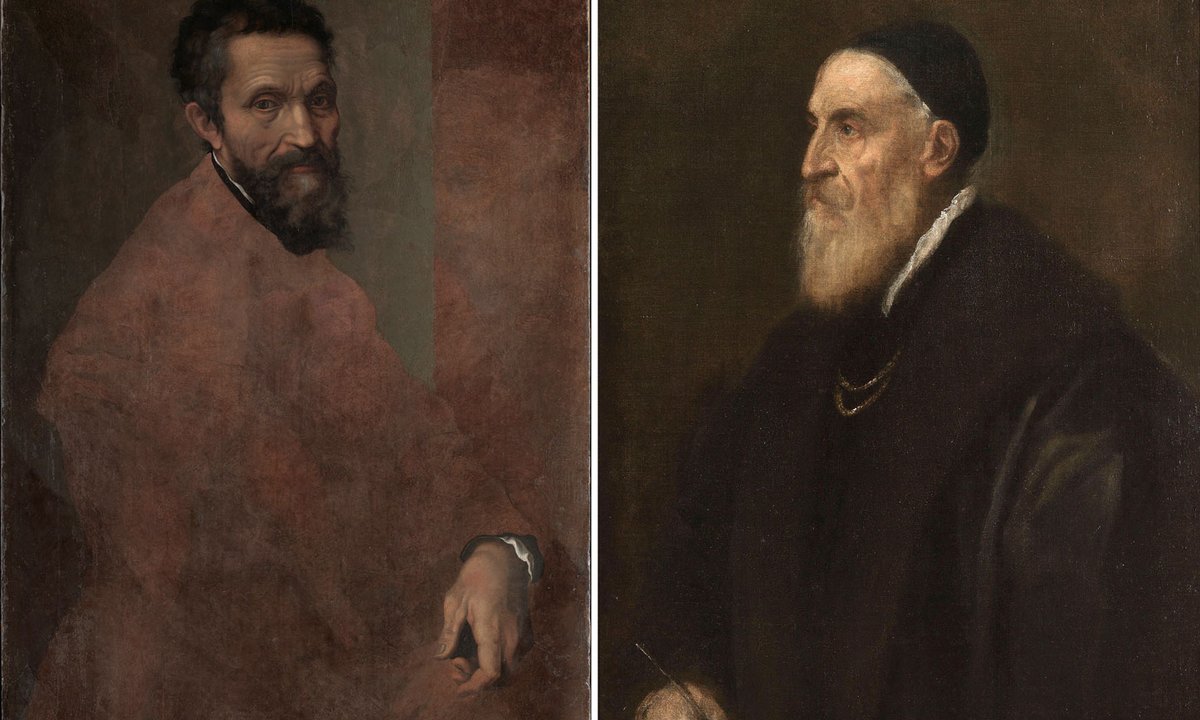
Clash of the Renaissance titans: an intriguing double biography of Titian and Michelangelo

Art historian William E. Wallace explores the parallel lives and artistic philosophies of the two greatest masters of the Italian Renaissance, Michelangelo and Titian. The narrative examines the traditional art-historical divide between the Florentine emphasis on 'disegno' (structured drawing and design) and the Venetian mastery of 'colore' (spontaneous, painterly execution), while highlighting how these two titans influenced one another despite their distinct approaches.