filter_list Showing 36 results for "Vision" close Clear
search
dashboard All 1279 museum exhibitions 653article news 125article culture 111article local 98trending_up market 84person people 74candle obituary 47article policy 45rate_review review 36gavel restitution 6
date_range Range Today This Week This Month All
Subscribe

here are 6 of the worst art works we saw all year 2391617

Artnet News published a year-end roundup of the worst artworks of 2023, as selected by its writers and editors. The list includes Meta's AI-art chatbot experiments on Instagram, which cloned celebrity likenesses into cringe-worthy avatars like Snoop Dogg's 'The Dungeon Master' and Kendall Jenner's 'Billie,' alongside Refik Anadol's 'Unsupervised' at MoMA, criticized as shallow tech spectacle. Other entries include a poorly received Picasso-themed exhibition and additional works deemed ill-conceived or badly executed.

raymond saunders carnegie museum retrospective review 1234744492

Raymond Saunders's first retrospective, a small but potent exhibition at the Carnegie Museum of Art in Pittsburgh, surveys 35 of his bewitching paintings. The works, described as elusive and Rauschenbergian, feature messy scrawls, collected trinkets, and media clippings, with pieces like *Passages: East, West 1* (1987) layering chess boards, paint strokes, and appropriated still lifes. Saunders, who joined Andrew Kreps and David Zwirner last year, has never before received a retrospective, despite his influential 1967 essay "Black Is a Color" and steady institutional acquisitions.

The Big Review | Venice Biennale 2026: In Minor Keys ★★★½

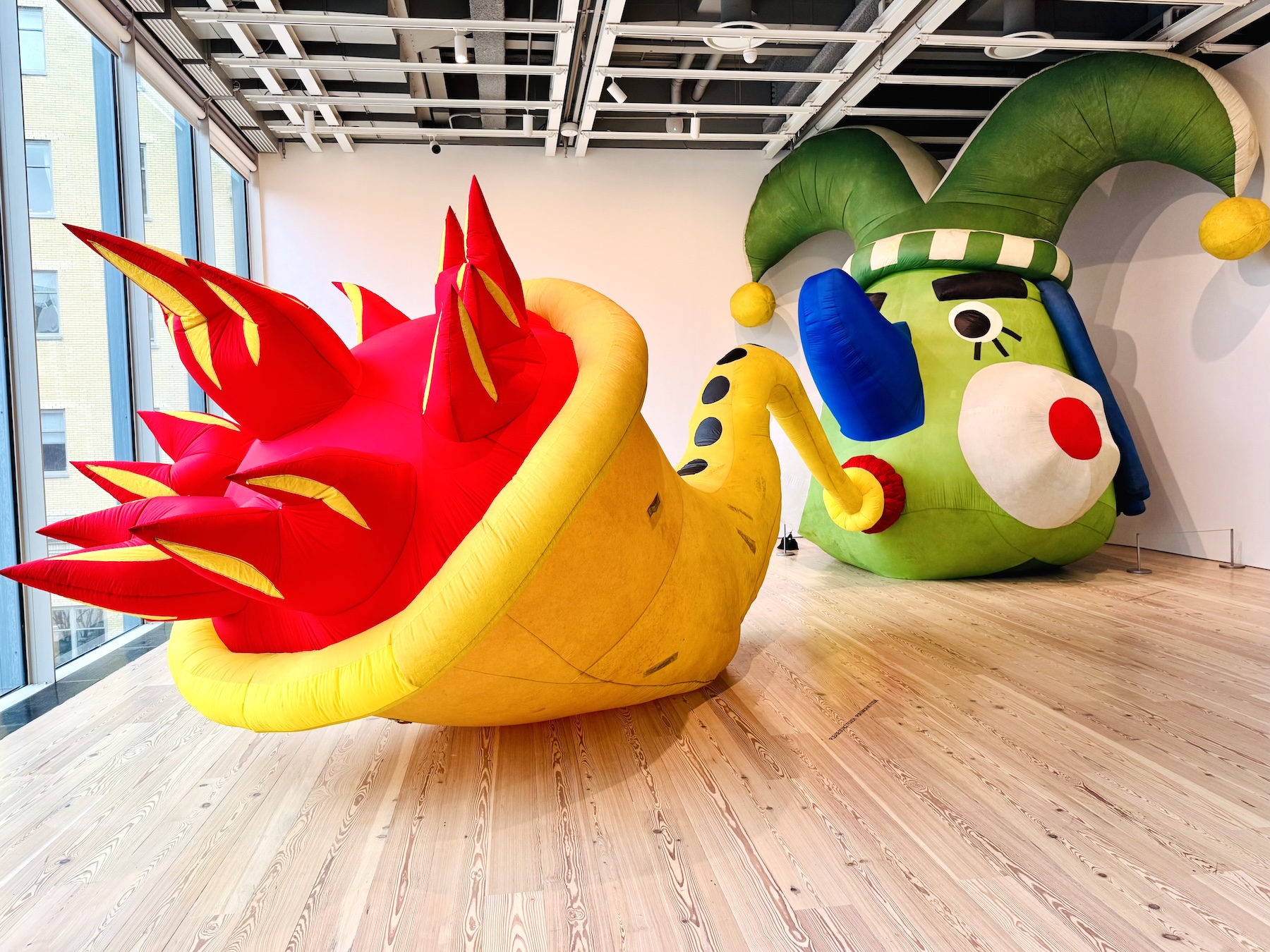
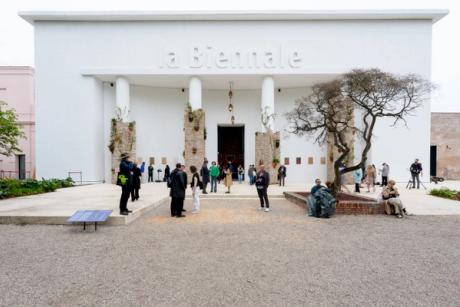
The Venice Biennale 2026, titled "In Minor Keys," was curated posthumously following the death of artistic director Koyo Kouoh in May 2025. A team of five curators and advisors—Gabe Beckhurst Feijoo, Marie Hélène Pereira, Rasha Salti, Siddhartha Mitter, and Rory Tsapayi—executed her vision across the Giardini and Arsenale venues. The exhibition features 110 artists, with a strong emphasis on new commissions, and is structured around themes of procession, resistance, and joy. Key works include Big Chief Demond Melancon's "Amistad Takeover" (2026), Nick Cave's "Amalgam (Origin)" (2025), and Otobong Nkanga's rewilded columns at the Central Pavilion.

What does a woman swimming in urine tell us about the state of the world? Lots! – Venice Biennale review

The 2026 Venice Biennale, curated by the late Koyo Kouoh under the theme "In Minor Keys," has been plagued by months of turmoil including countries withdrawing, artists being fired, exhibitions cancelled, funding pulled, and protests during the preview. A five-person curatorial team took over after Kouoh's death, resulting in what the critic describes as a disjointed, committee-driven exhibition that prioritizes quiet contemplation and healing over direct political engagement. The central shows in the Giardini and Arsenale feature a vast, poorly explained array of art from the global south, with installations of ceramics, textiles, slide projectors, and serene natural scenes that the critic finds anachronistic and dull.

critical reduction the 2014 whitney biennial 5409

The 2014 Whitney Biennial has debuted with a controversial three-curator structure, tasking Michelle Grabner, Stuart Comer, and Anthony Elms with organizing separate floors of the museum. This meta-review aggregates the initial critical reception from major publications, noting that the fragmented format has forced critics to evaluate the exhibition as three distinct shows rather than a unified vision.

whitney biennial 2026 review 2750311

The 2026 Whitney Biennial marks a shift in contemporary art from literal messaging toward atmospheric 'mood.' This edition is characterized by an immersive aural landscape of drones and whispers, moving away from the overt identity politics of previous years in favor of a 'sincerity first' credo. Key works include Emilie Louise Gosslaux’s emotional tribute to her guide dog, Mo Costello’s community-focused binders, and Nour Mobarak’s intimate recordings of internal bodily sounds.

stephen shore early work mack 1234750750

The article reviews Stephen Shore's book *Early Work*, which collects photographs he took between the ages of 13 and 18, from 1960 to 1965. Despite his youth, the images display remarkable sophistication, a feat Shore attributes to an atypical childhood that included early access to cameras and a copy of Walker Evans's *American Photographs*. The book includes a "pre-history" essay in which Shore reflects on his formative influences, including time spent at Andy Warhol's Factory and a friendship with headmaster William Dexter, who deepened his interest in photography. The earliest image in the book is a portrait of Dexter taking a photograph, which Shore describes as a metanarrative of a photographer photographing a photographer.

Zurbarán review – ecstatic visions, primitive surrealism … and the finest loincloths ever painted

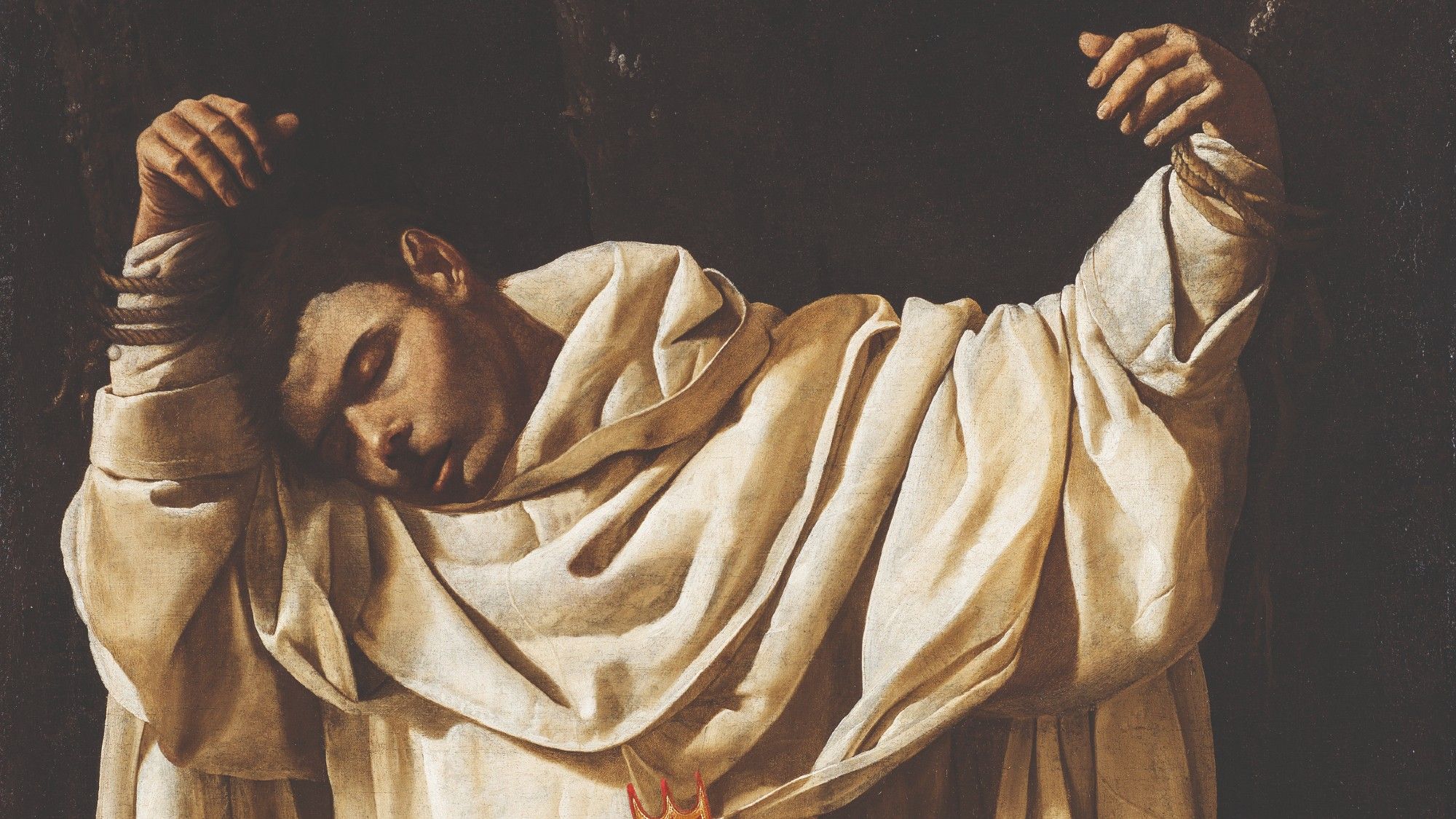
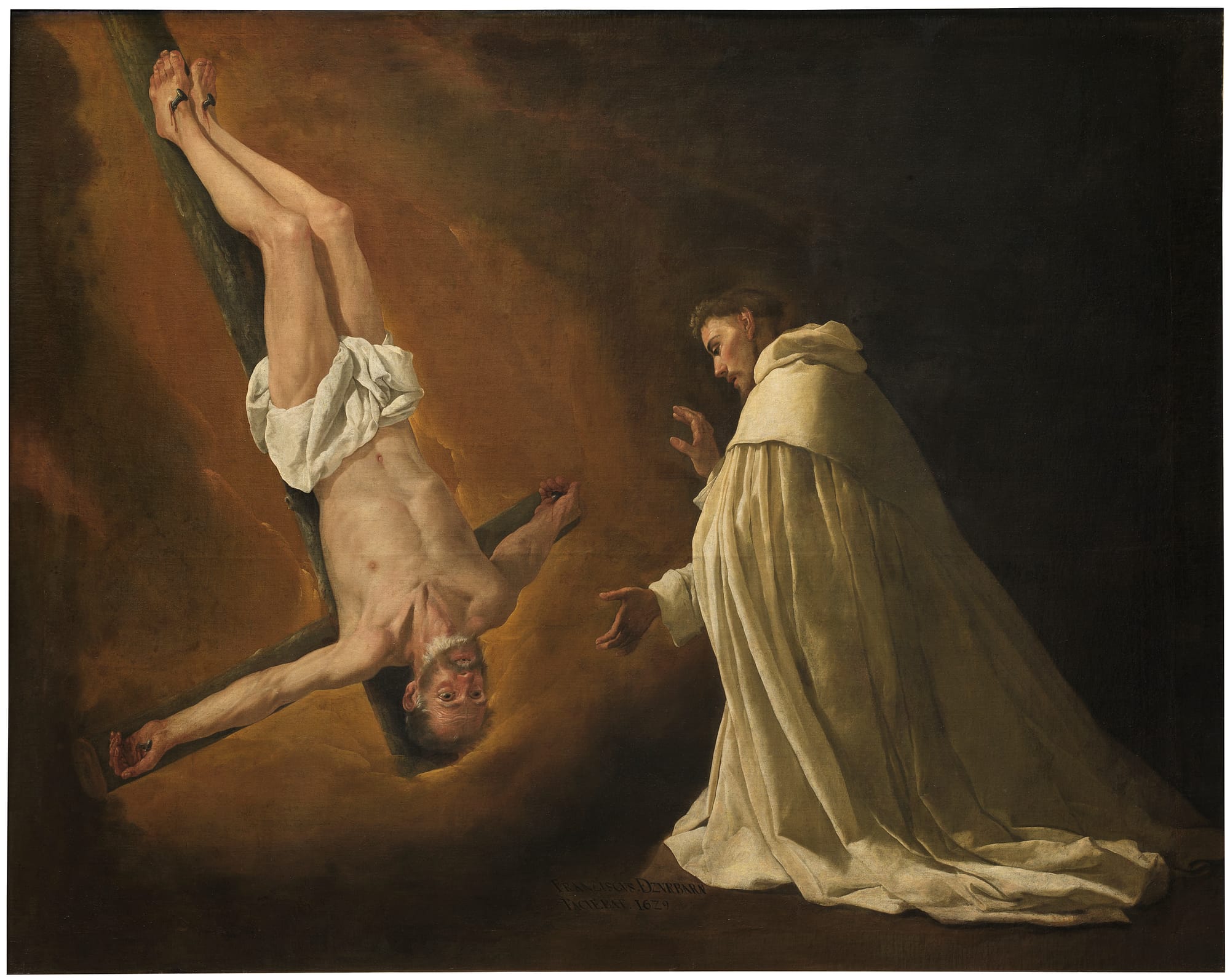
The Guardian reviews a major exhibition of 17th-century Spanish painter Francisco de Zurbarán, highlighting his visionary and surrealist qualities. The show features works such as "The Apparition of Saint Peter to Saint Peter Nolasco" (1629), newly attributed paintings including a giant mask, and iconic pieces like "The Crucified Christ" and "Saint Serapion," all drawn from collections including the Prado and the National Gallery, London. The review emphasizes Zurbarán's ability to paint supernatural subjects with naturalistic conviction, his exquisite rendering of fabrics—especially loincloths—and his influence on modern artists like Salvador Dalí.

minnie evans legacy high museum whitney 1234765213

The article reflects on the responsibility of critical art writing in the Southeast, sparked by the announcement that Art Papers, an international art magazine based in Atlanta, will sunset in 2026 after 50 years. The author recounts a debate among local art workers about reviewing the forthcoming Minnie Evans retrospective organized by the High Museum of Art and traveling to the Whitney Museum, which he initially declined due to a conflict of interest with curator Katherine Jentleson. He ultimately agrees to write, emphasizing the need for Black scholars to engage with self-taught Black artists. The piece examines how Evans's narrative has been mediated through the lens of white photographer and art historian Nina Howell Starr, questioning the power dynamics and what remains unknown about Evans's own agency.

The Carnegie International Looks Back at Itself

The 58th Carnegie International at the Carnegie Museum of Art in Pittsburgh looks back at its own 130-year history, featuring a gallery dedicated to past iterations. The exhibition includes Chris Ofili's "The Adoration of Captain Shit and the Legend of the Black Stars" (1998), which was originally shown in the 53rd International in 1999, the same year Ofili's more notorious "The Holy Virgin Mary" sparked controversy at the Brooklyn Museum. The article reviews how the current iteration captures the excitement of earlier exhibitions while providing commentary on authoritarianism and militarism.

Édouard Glissant’s Museum-as-Archipelago

The article reviews the exhibition "The Earth, the Fire, the Water, and the Winds: For a Museum of Errantry with Édouard Glissant" at the Center for Art, Research and Alliances (CARA) in New York, the first U.S. showing of works from the personal collection of Martinician philosopher and writer Édouard Glissant. Curated from his archive, the exhibition features artists such as Roberto Matta, Wifredo Lam, Etel Adnan, Irving Petlin, Antonio Seguí, Öyvind Fahlström, Jack Whitten, and Mel Edwards, reflecting Glissant's friendships and intellectual exchanges across Europe, Africa, and the Americas. Highlights include Antonio Seguí's large pastel works from his Titanic series.

Roses and Thorns of Greater New York

The article is a digest of recent art news, with a primary focus on critical reviews of the 2026 "Greater New York" exhibition at MoMA PS1. Hyperallergic's editorial team provides mixed assessments of the works in the massive quinquennial survey of local artists. The piece also covers American-French sculptor Barbara Chase-Riboud's decision to decline an invitation to represent the United States at the 61st Venice Biennale, citing the problematic nature of the pavilion's commissioning entity.

The Unbearable Strangeness of Being

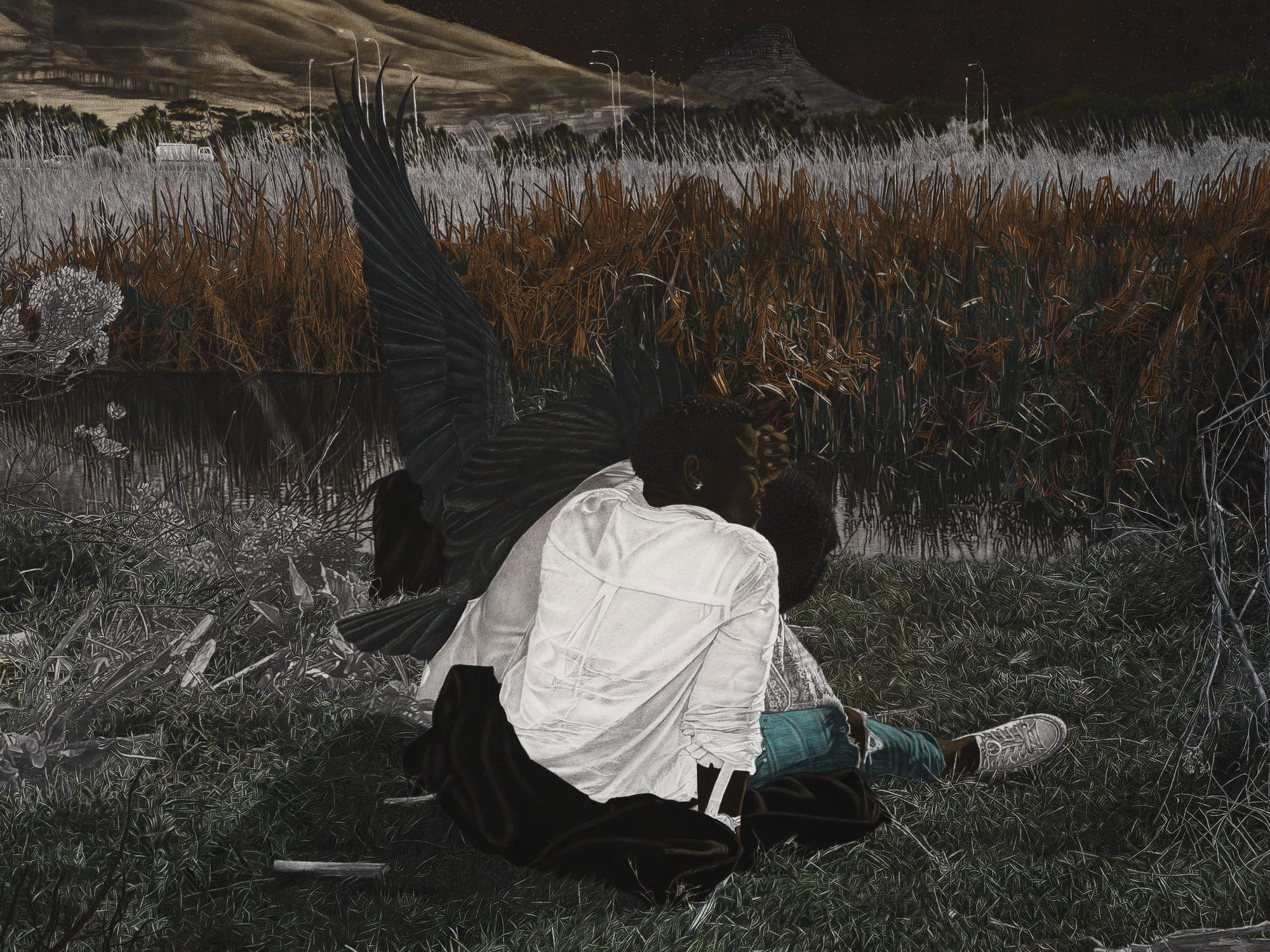
South African artist Cinga Samson makes his New York debut at White Cube with "Ukuphuthelwa," an exhibition of haunting, large-scale oil paintings. The works feature figures with distinctive white pupils engaged in enigmatic rituals within dark, crepuscular landscapes. Drawing from the isiXhosa concept of spiritual alertness during sleeplessness, Samson’s compositions blend the palpable with the unearthly, often depicting scenes that feel choreographed yet remain stubbornly illegible to the Western gaze.

These Ghosts. Clémentine Bruno  by Michela Ceruti

Clémentine Bruno’s artistic practice explores the tension between presence and absence, treating the canvas as a site of temporal layers rather than a flat surface for representation. Her work emphasizes the preparatory stages of painting—the laying of gesso and the construction of supports—allowing images to emerge reluctantly through processes of sanding, veiling, and partial erasure. Recent exhibitions, such as "Educational Complex" at Tonus and "Vision of Fading" at Mendes Wood DM, highlight her interest in how institutional structures and memory maps dictate what is retained and what is forgotten.

j hobermans book everything is now 1960s nyc downtown yoko ono andy warhol 1234743253

J. Hoberman's new book, *Everything Is Now: The 1960s New York Avant-Garde—Primal Happenings, Underground Movies, Radical Pop*, offers a sweeping cultural history of the downtown New York scene in the 1960s. The book centers on figures like Jonas Mekas, Andy Warhol, Yoko Ono, and Jack Smith, weaving together experimental films, happenings, music, and the chaotic energy of the era. Hoberman, a longtime critic and curator, draws on his personal connections to the scene, including his mentorship under Mekas, and will present a selection of shorts from the book at Anthology Film Archives in June.

Mary Frank Creates Her Own Pantheon

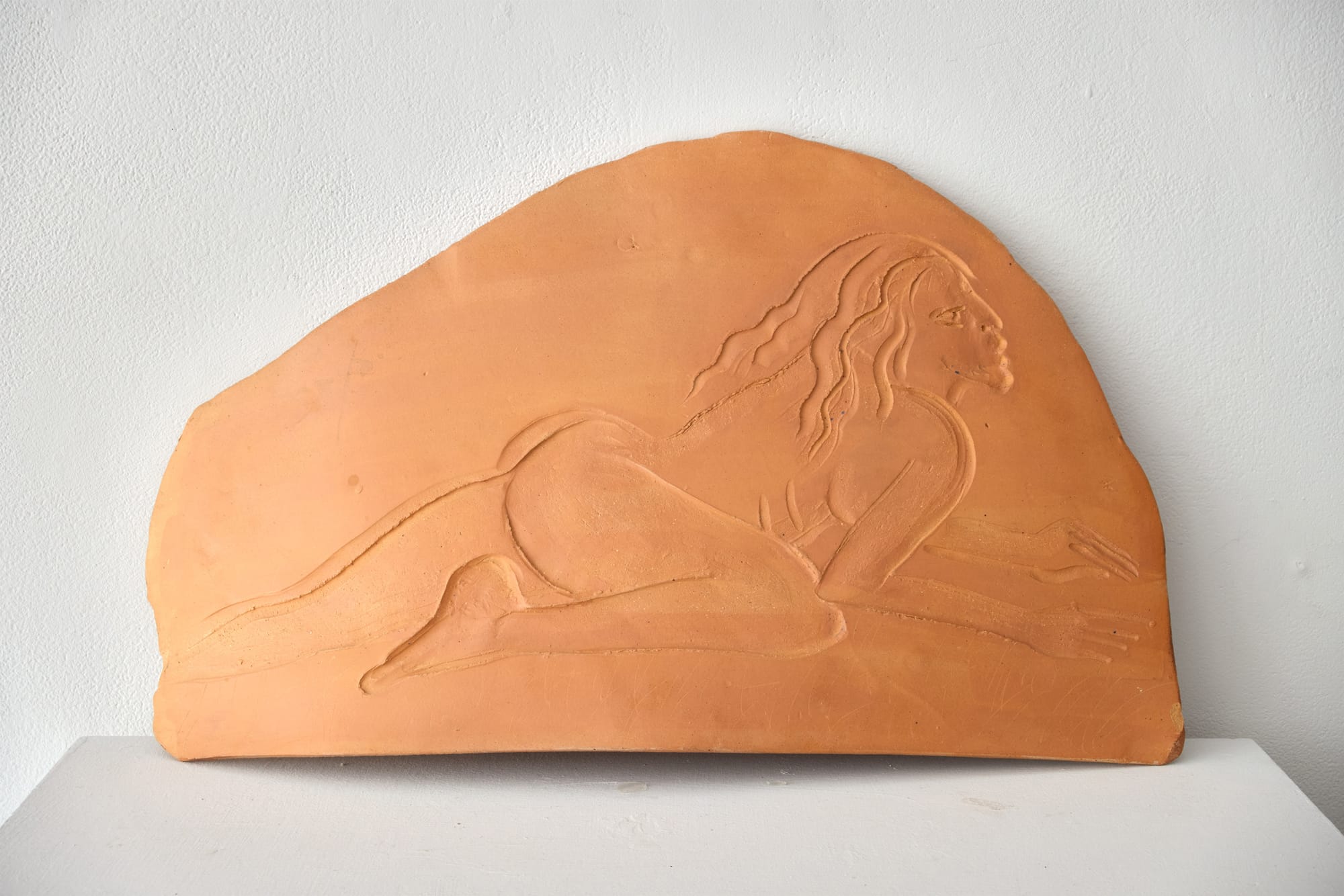
Mary Frank, an artist in her early 90s known for mythologically rooted sculpture and works on paper, is the subject of a focused exhibition at Steven Harvey Fine Art Projects in New York. Curated by Steven Harvey, the show presents 11 sculptures in wood, bronze, and ceramic from 1958 to 1985, alongside five works on paper, including a monotype and an oil-on-paper piece. Frank’s work, influenced by her study with Martha Graham, centers on self-sustaining female figures that embody agency, tenderness, and survival, often rendered in ceramic slabs or carved wood.

Steve DiBenedetto’s Cosmic Sense of the Absurd

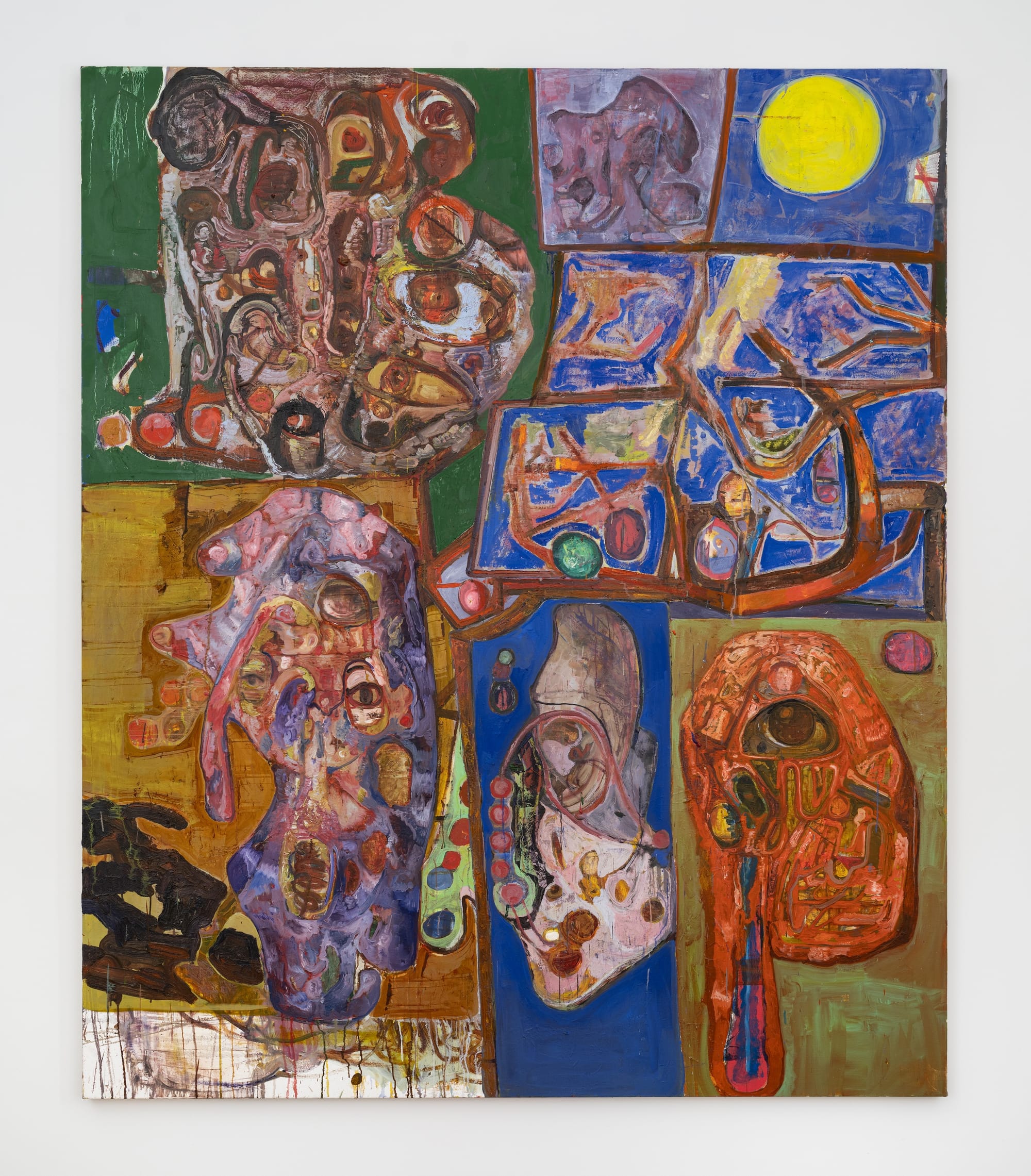
Artist Steve DiBenedetto presents a new body of work in his solo exhibition, "Spiral Architect," at Derek Eller Gallery. The show features 17 paintings ranging from large-scale canvases to intimate works, all characterized by a restless movement between abstraction and figuration. DiBenedetto utilizes a process-heavy technique of adding, scraping, and reworking oil paint to create dense, visionary landscapes filled with octopi, cellular forms, and Rube Goldberg-esque machinery.

Martin Wong’s Brick Monument to Popeye

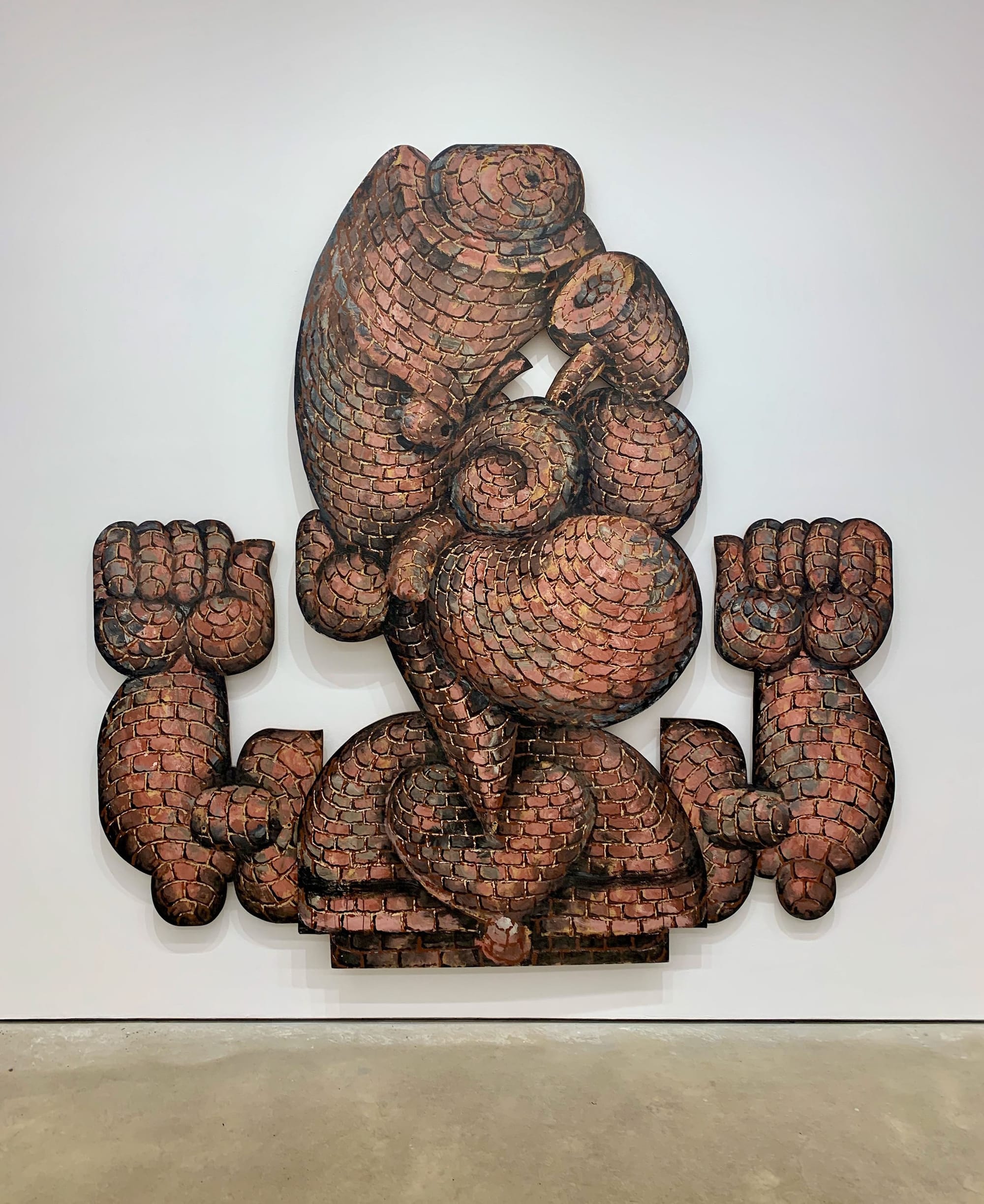
Hyperallergic reviews Martin Wong's posthumous exhibition "Popeye" at PPOW gallery, featuring six motorized plywood panels that reimagine the cartoon character Popeye as curving brickwork. The show includes smaller works like "Sacred Shroud of Pepe Turcel" (1989–90) and paintings of vintage cartoon characters Mutt and Jeff, Little Lulu and Tubby, all rendered in Wong's signature brick style. The review highlights Wong's queer, magpie sensibility and his ability to cross boundaries between high and low culture.

Zurbarán: a ‘magnificently choreographed’ showing of the Spanish ‘genius’

The article reviews the first-ever British exhibition dedicated to Spanish Baroque painter Francisco de Zurbarán, held at the National Gallery in London. The show brings together 40 works from collections spanning Seville to San Diego, featuring his hyper-real religious paintings and radiant still lifes, described as a 'magnificently choreographed' trawl through his oeuvre. Critics praise the exhibition for its dramatic lighting and revelatory presentation, though some note uneven quality in his later works.

The new London museum that looks like a ‘reconstructed Toblerone’

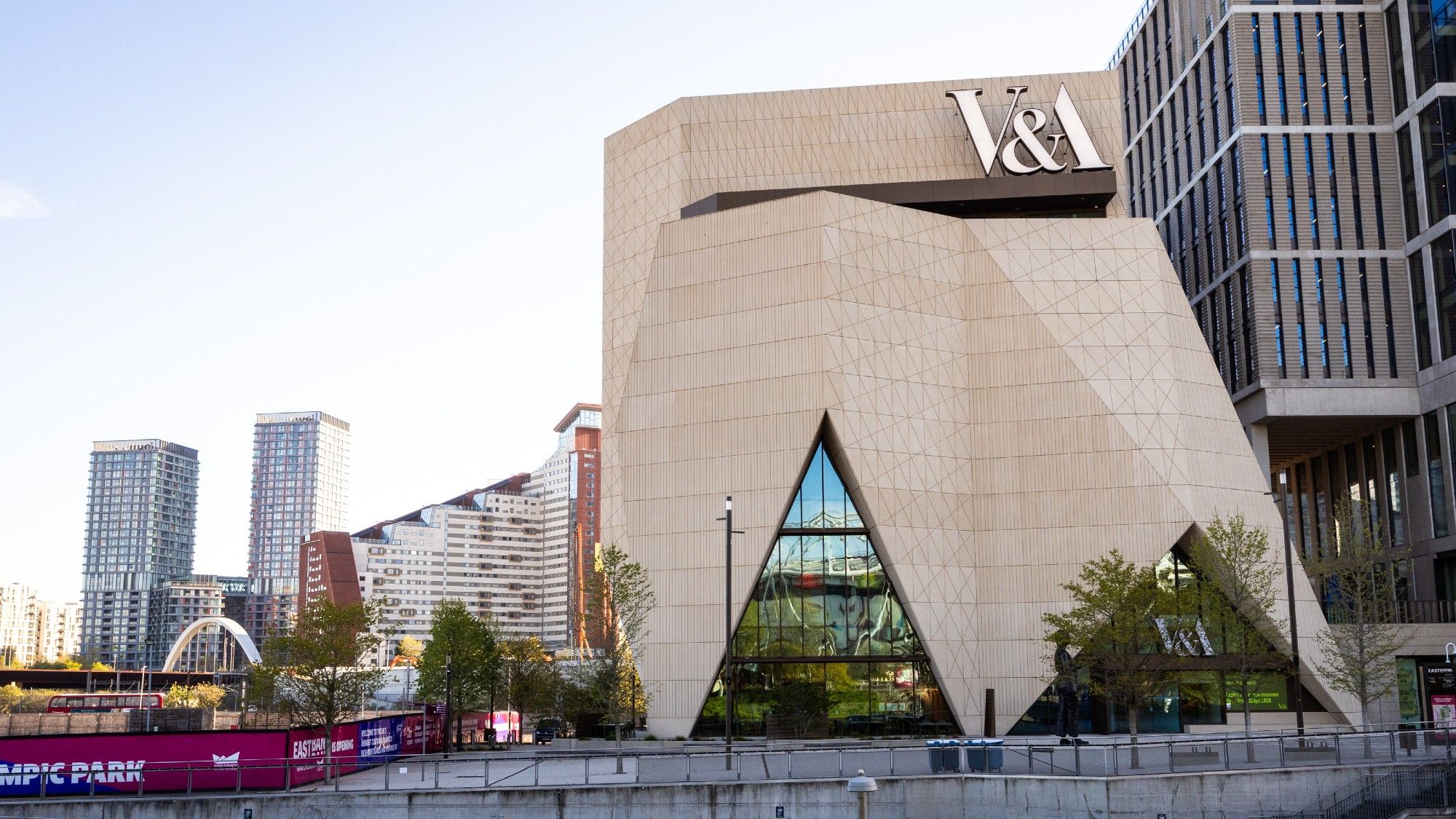
The V&A has opened a new outpost in east London's Lower Lea Valley, a former industrial area transformed into a cultural quarter after the 2012 Olympics. The museum, described as looking like a 'reconstructed Toblerone', is the latest addition to the 'Olympicopolis' vision, which aimed to create a cultural legacy akin to west London's Albertopolis. The article, written by Catherine Slessor in The Guardian, offers a mixed review: praising the beauty and craftsmanship of the galleries while criticizing overuse of trendy phrases like 'lived experience' and 'transcultural identities'.

Review: Getting lost in the art is the best part of LACMA’s new revisionist fever dream of a museum

The Los Angeles County Museum of Art (LACMA) has opened its new David Geffen Galleries, a radical reinvention of the museum experience. The installation, conceived by director Michael Govan and architect Peter Zumthor, abandons traditional chronological and departmental silos, instead creating a continuous, curving flow of art from across time, place, and medium. Visitors are encouraged to wander and get lost, forging their own connections between works.

The Big Review

Tate Britain has launched a major survey dedicated to the visionary artist and poet William Blake, marking one of the most comprehensive exhibitions of his work in London. The show brings together his intricate watercolors, prints, and prophetic books, offering a deep dive into his unique mythological universe and radical political views.

Highs and Lows at Princeton’s New Art Museum

Brian T. Allen reviews the newly opened Princeton University Art Museum, praising its architectural design while questioning the curatorial direction. He contrasts the new building's impressive appearance with his concerns about the museum's exhibition choices, recalling past successful shows like the Berlin Painter exhibition and a Clarence White photography show that he found more intellectually rigorous.

Comment | Turner gets all the kudos, but it was Constable who was the truly radical painter

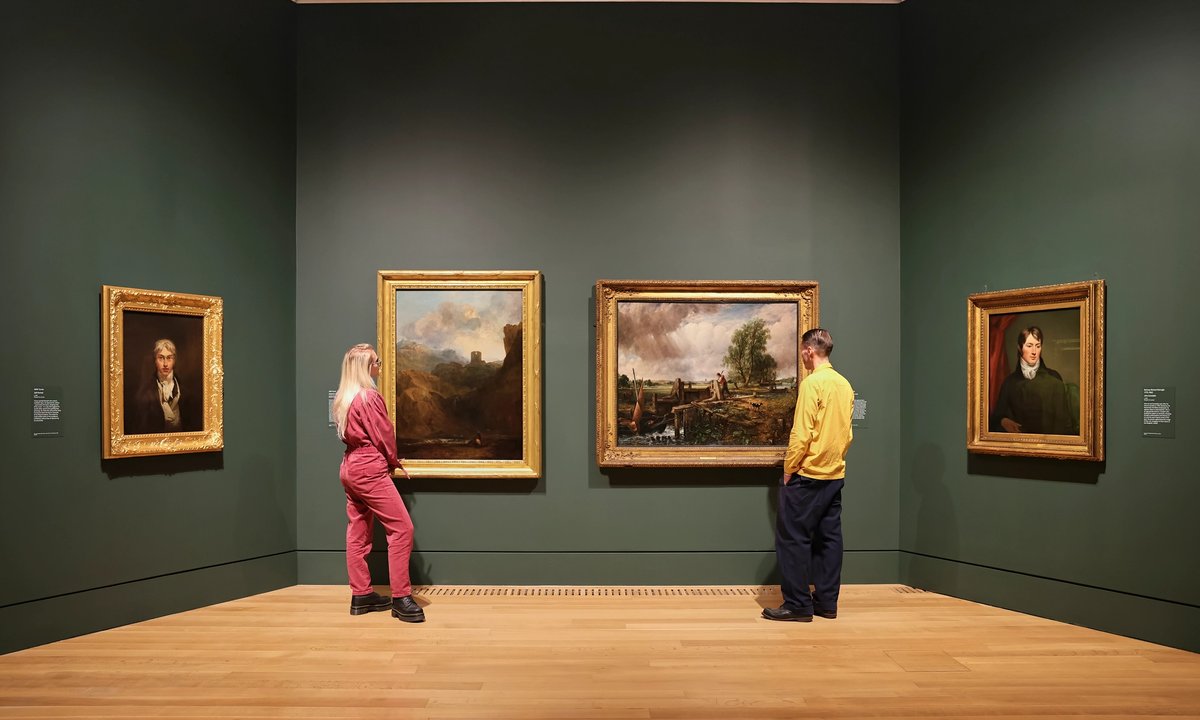
A commentary argues that John Constable, not J.M.W. Turner, was the truly radical painter, despite Turner receiving far greater public recognition through a museum, a prize, and a place on the £20 note. The article highlights a new exhibition, "Turner and Constable," opening at Tate Britain (until 12 April 2026), which recreates their 1831 Royal Academy display and contrasts Constable's English pastoral scenes with Turner's dramatic, un-British visions. It contends that Constable's full-size oil sketches, such as those at the Victoria and Albert Museum, had a deeper and more lasting effect on modern painting than Turner's work.

Did Zurbarán Believe What He Painted?

An exhibition of Francisco de Zurbarán's 17th-century religious paintings at London's National Gallery prompts a critic to question whether the artist's personal faith influenced his artistic skill. The show features monumental works from Spanish churches and monasteries, displayed dramatically against black walls, including crucifixion scenes, monks, and saints. The critic notes that no personal records of Zurbarán survive—only contracts—leaving his beliefs unknown, and compares him to Agnolo Bronzino, who painted pious scenes but wrote obscene verses. A small painting of a crucified Christ with a painter, possibly a self-portrait of Bronzino, is presented as ambiguous evidence of faith.

Jan Staller Photographs the Nuts and Bolts of Manhattan's Urban Symphony

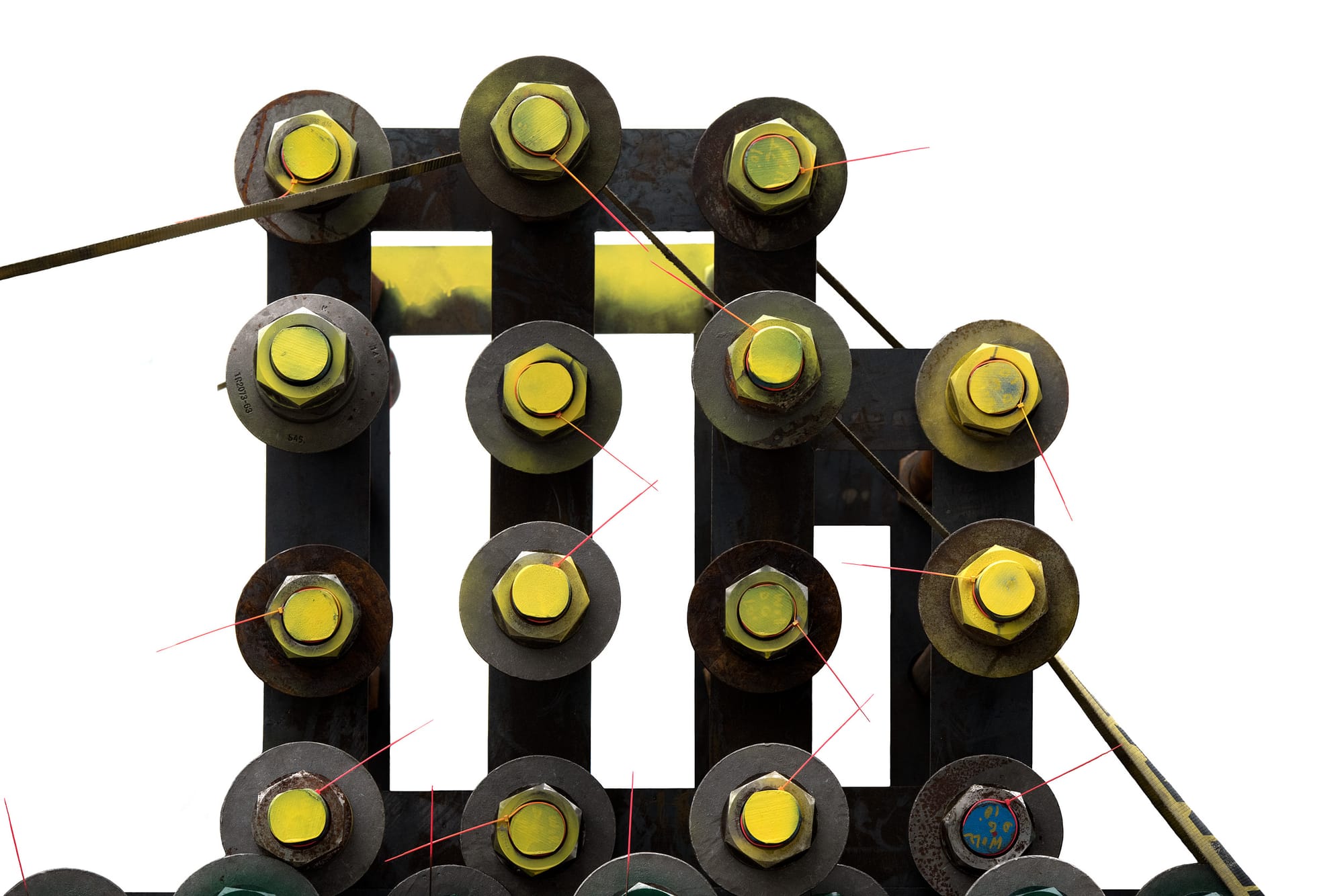
Photographer Jan Staller has released a new book titled "Manhattan Project," featuring photographs of construction materials—pipes, beams, rebar, and drill bits—suspended midair against white skies. The book marks a shift from his earlier moody night photography to a hard-edged focus on utilitarian objects, transforming New York City's construction sites into otherworldly, readymade-like visions. The book includes a foreword by Neil deGrasse Tyson and an essay by curator Brett Littman, with images spanning locations across the Upper West Side.

What Did Happen or What Might Have Happened or What Can Never Happen. Dustin Hodges by Nick Angelo

Dustin Hodges presents a new body of work across two exhibitions, "Barley Patch" at 15 Orient in New York and "Barley Patch 2" at Sebastian Gladstone in Los Angeles. The artist utilizes thin layers of pigment, color glazing, and distemper on linen to create compositions that superimpose cartoon motifs, such as black crows and characters from the "Arthur" series, over complex grids. His process involves a cyclical layering that drives a wedge between the logic of the image and the materiality of painting, resulting in works that feel both choreographed and visceral.

Ariel West Probes Our Desire for Oil

Andrew Durbin reviews the national pavilions at the 2026 Venice Biennale, contrasting a vacuous US presentation with incisive and moving installations from Britain and Germany. The review critiques the US pavilion for lacking meaningful content, while praising the British and German contributions for their depth and emotional resonance.

‘In Minor Keys’ Review: Its Best Moments Live in the Institutions Koyo Kouoh Built

Andrew Durbin reviews the national pavilions at the 2026 Venice Biennale, contrasting a vacuous US presentation with incisive and moving installations from Britain and Germany. The review highlights how the best moments of the exhibition live in the institutions built by curator Koyo Kouoh, who organized the Biennale's main exhibition.

Seven Shows to Catch Across the US This May

Art critic Andrew Durbin reviews national pavilion presentations at the Venice Biennale, contrasting a vacuous US exhibition with incisive and moving installations from Britain and Germany. The review highlights the disparity in thematic depth and emotional resonance among the three pavilions.