filter_list Showing 10 results for "paris" close Clear
dashboard All 456 museum exhibitions 256trending_up market 55article news 38article culture 31article local 22person people 13article policy 12candle obituary 10rate_review review 10gavel restitution 7article event 1article events 1
date_range Range Today This Week This Month All
Subscribe

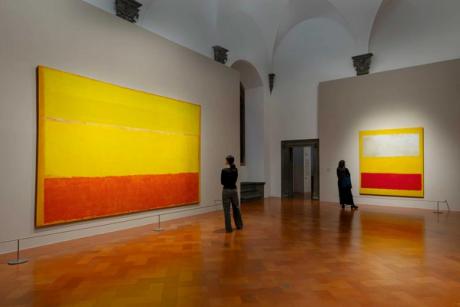
The Big Review: Rothko in Florence ★★★★★

The Palazzo Strozzi in Florence has launched a major exhibition exploring the profound influence of the Italian Renaissance on Mark Rothko. Co-curated by the artist's son, Christopher Rothko, the show spans three historic locations: the Palazzo Strozzi, the Museo di San Marco, and the Biblioteca Medicea Laurenziana. By placing Rothko’s abstract canvases in direct dialogue with Fra Angelico’s frescoes and Michelangelo’s architecture, the exhibition highlights how the artist’s visits to Italy in the 1950s and 60s shaped his spatial thinking and spiritual intensity.
What We Miss When We Talk About Giacometti

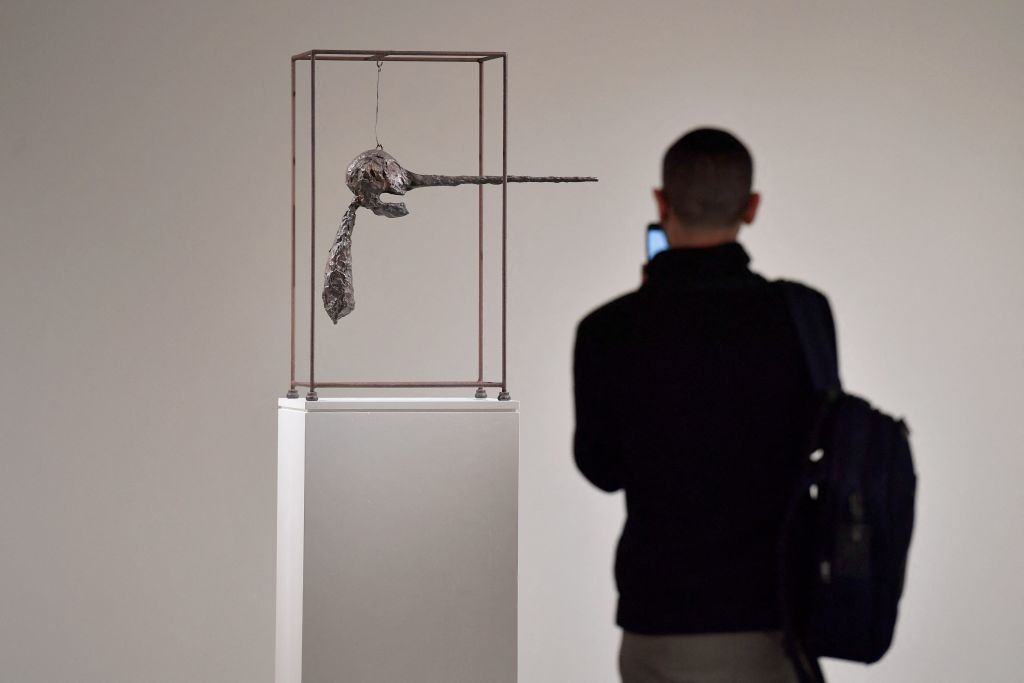
This article explores a critical reevaluation of Alberto Giacometti’s career, specifically focusing on the decade between 1935 and 1945. While Giacometti is globally recognized for his spindly, post-war 'Existentialist' figures, art historian Joanna Fiduccia’s new book, *Figures of Crisis*, argues that his mid-career departure from Surrealism to study human likeness was not a mere transition but a profound response to the political crises and nationalism of interwar France.

Zineb Sedira review: A chic ode to revolutionary cinema, brainy boozers – and exceptional berets

Zineb Sedira's exhibition at Tate Britain presents a cinematic and sculptural homage to La Cinémathèque Algérienne, the Algerian film archive founded in 1965 that became a hub for leftist African filmmakers. The show recreates a 1970s Algerian cafe in Paris, complete with a jukebox, books on revolutionary cinema, and a model movie theater screening a documentary about the archive's director, Boudjemaâ Karèche. Sedira, born in Paris to Algerian parents and based in London, weaves personal and political narratives to explore identity, diaspora, and the role of art in social change.

« L’Angélus » de Millet : une notification à l’humanité hors sol ?

Beaux Arts Magazine publishes a detailed visual analysis of Jean-François Millet's painting "L'Angélus" (1857–1859), housed at the Musée d'Orsay in Paris. The article describes the scene of two peasants pausing their potato harvest to pray at dusk, examining the composition, color, and spiritual resonance of the work. It also traces Millet's biography—from his peasant origins in the Cotentin region to his training under Langlois and Paul Delaroche, and his early career painting portraits and nudes before turning to rural subjects.

Martin Parr: Global Warning review – the great photographer in all his gluttonous, giddy glory

A major retrospective exhibition of photographer Martin Parr's work, titled 'Global Warning,' has opened at the Jeu de Paume museum in Paris. The show, which Parr helped plan before his death in December 2023, is on track to become the museum's most visited exhibition, showcasing his signature saturated, ironic, and unflinching observations of global tourism and consumerism.

New biography of Chaïm Soutine pieces together illusive artist's life and works

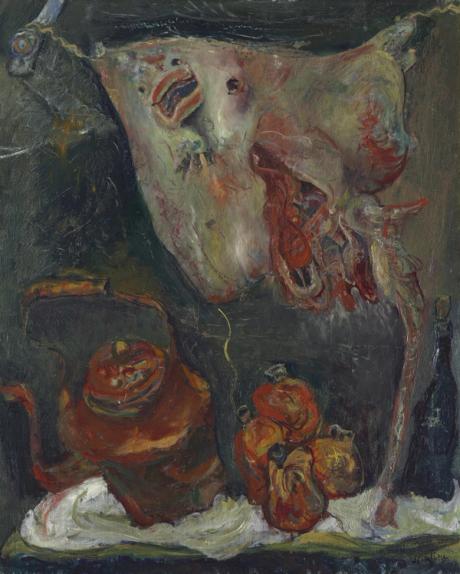
A new biography of Chaïm Soutine, the early 20th-century painter, has been published. The book, written by Celeste Marcus, attempts to piece together the life of the notoriously private and illusive artist, examining his journey from a Belarusian shtetl to the studios of Montparnasse, his complex relationships, and the myths that have grown around his work and persona.

Colours of Time review – Monet meets Mamma Mia in charming French artist comedy

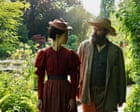
Director Cédric Klapisch’s new film, *Colours of Time* (originally *La Venue de L’Avenir*), is a sentimental French comedy that weaves a fictional romantic history around Impressionist master Claude Monet and pioneering photographer Félix Nadar. The plot follows a group of modern-day descendants who discover a trove of historical secrets in a derelict cottage, leading to a whimsical, time-bending exploration of their ancestors' lives in Belle Époque Paris.

The Ukrainian Pavilion’s Deer Seen Around the World

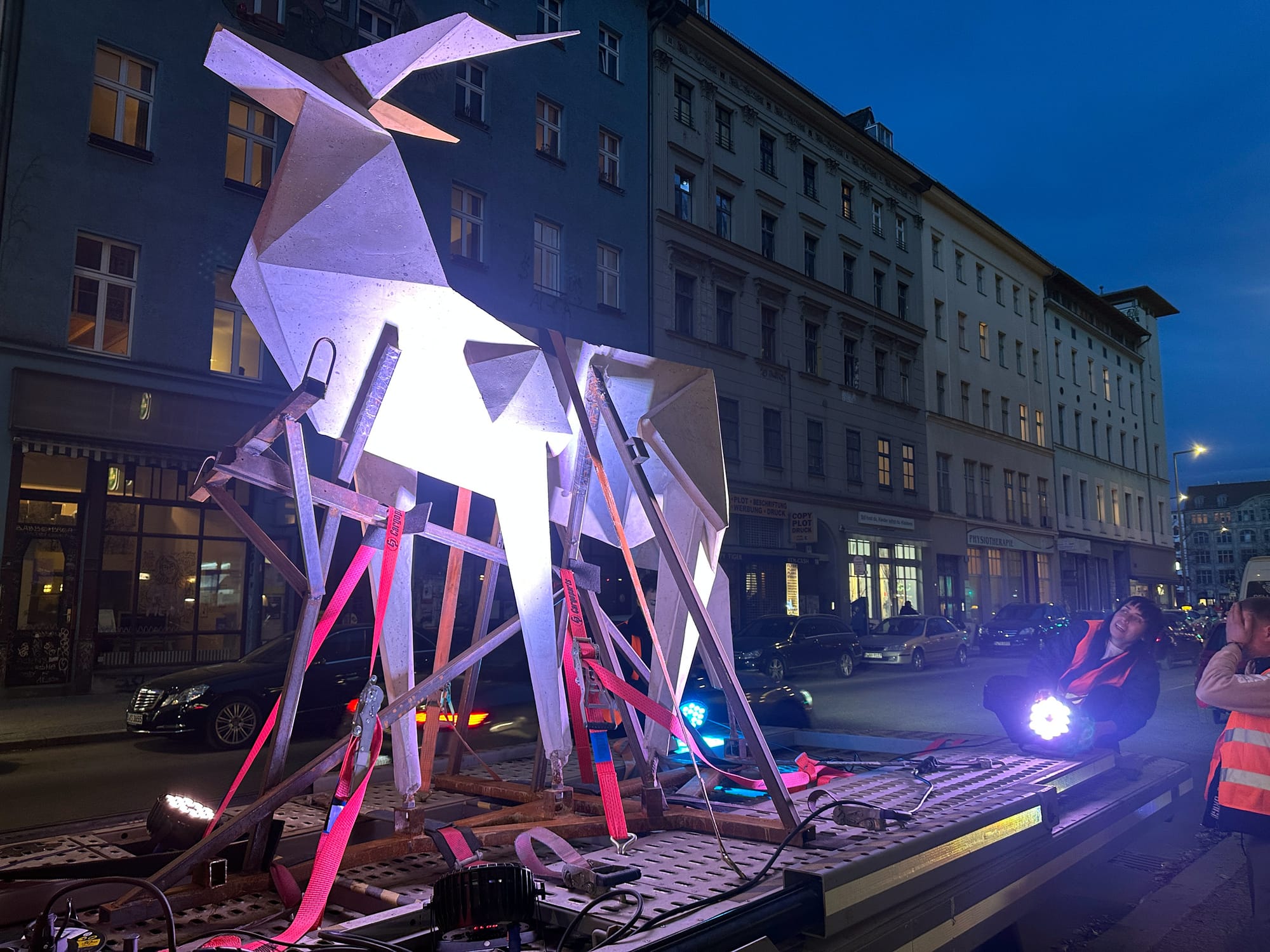
Zhanna Kadyrova's concrete sculpture "The Origami Deer" (2019) is prominently displayed at the entrance to the Giardini during the 61st Venice Biennale, part of her project "Security Guarantees" in the Ukrainian Pavilion. Originally installed in Pokrovsk, eastern Ukraine, the work was removed in 2024 as Russian forces advanced, then traveled through Vienna, Warsaw, Prague, Berlin, and Paris before reaching Venice—a journey mirroring the displacement of millions of Ukrainians. The sculpture, shaped like a deer and evoking folded paper, references the 1994 Budapest Memorandum, in which Russia, the UK, and US guaranteed Ukraine's security in exchange for its nuclear disarmament—guarantees that proved worthless after Russia's invasions.

‘My Year in Paris with Gertrude Stein’ by Deborah Levy, Reviewed

Deborah Levy’s latest novel, *My Year in Paris with Gertrude Stein*, follows a first-person narrator who travels to Paris to research the American writer and collector Gertrude Stein. The narrative slips between the early twentieth century and the autumn of Donald Trump’s 2024 reelection, using stream-of-consciousness prose and liquid metaphors to blur past and present. The narrator’s research into Stein’s role in shaping modernity becomes a vehicle for exploring her own sense of helplessness and lack of agency in a hyperconnected, war-weary present.

Adrian Ghenie: Roman Campagna | Exhibition review

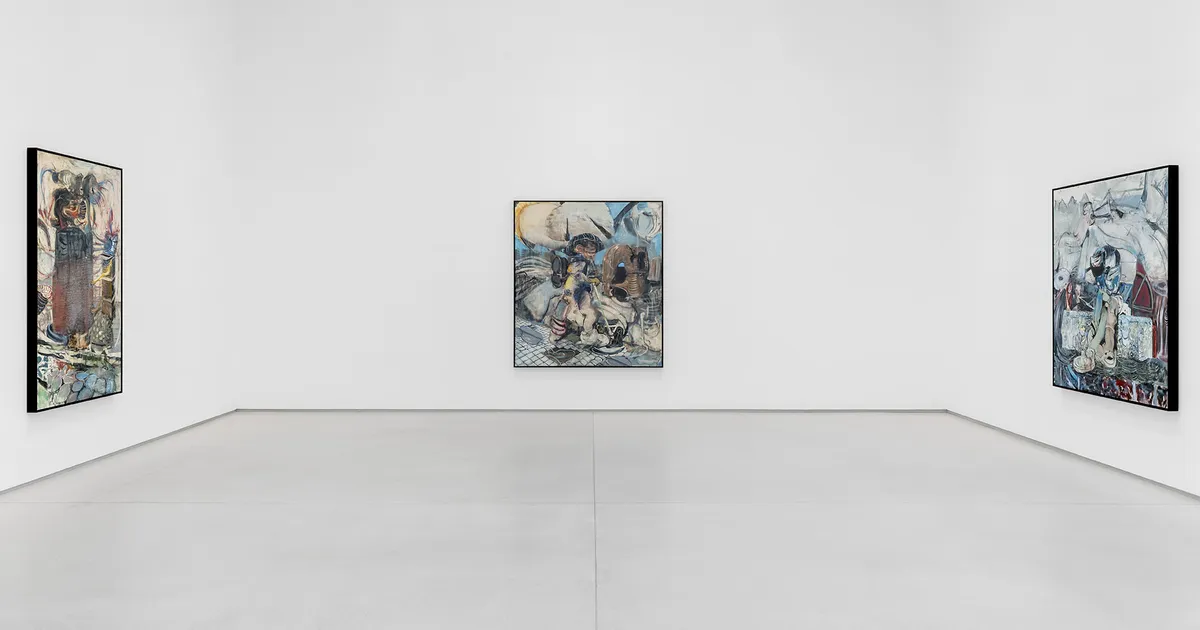
Adrian Ghenie's exhibition "Roman Campagna" at a Paris gallery presents a series of paintings and charcoal drawings that subvert the romantic cliché of an artist's transformative encounter with Rome. Ghenie populates landscapes inspired by the Appian Way with grotesque, alien-headed figures hunched over smartphones, urinating on monuments, or weeping at sunsets, using brown and grey tones punctuated by bright colors. The works reference Francis Bacon and William S. Burroughs, and include direct allusions to Bacon's reinterpretation of van Gogh's self-portrait, as well as a copy of a Pompeii mosaic. The show also features large charcoal drawings on paper that reveal Ghenie's process of constructing his contemporary, alienated figures.