filter_list Showing 96 results for "Trauma" close Clear
search
dashboard All 96 museum exhibitions 56candle obituary 12article local 8article culture 6rate_review review 6article news 4trending_up market 3gavel restitution 1
date_range Range Today This Week This Month All
Subscribe

Georg Baselitz obituary

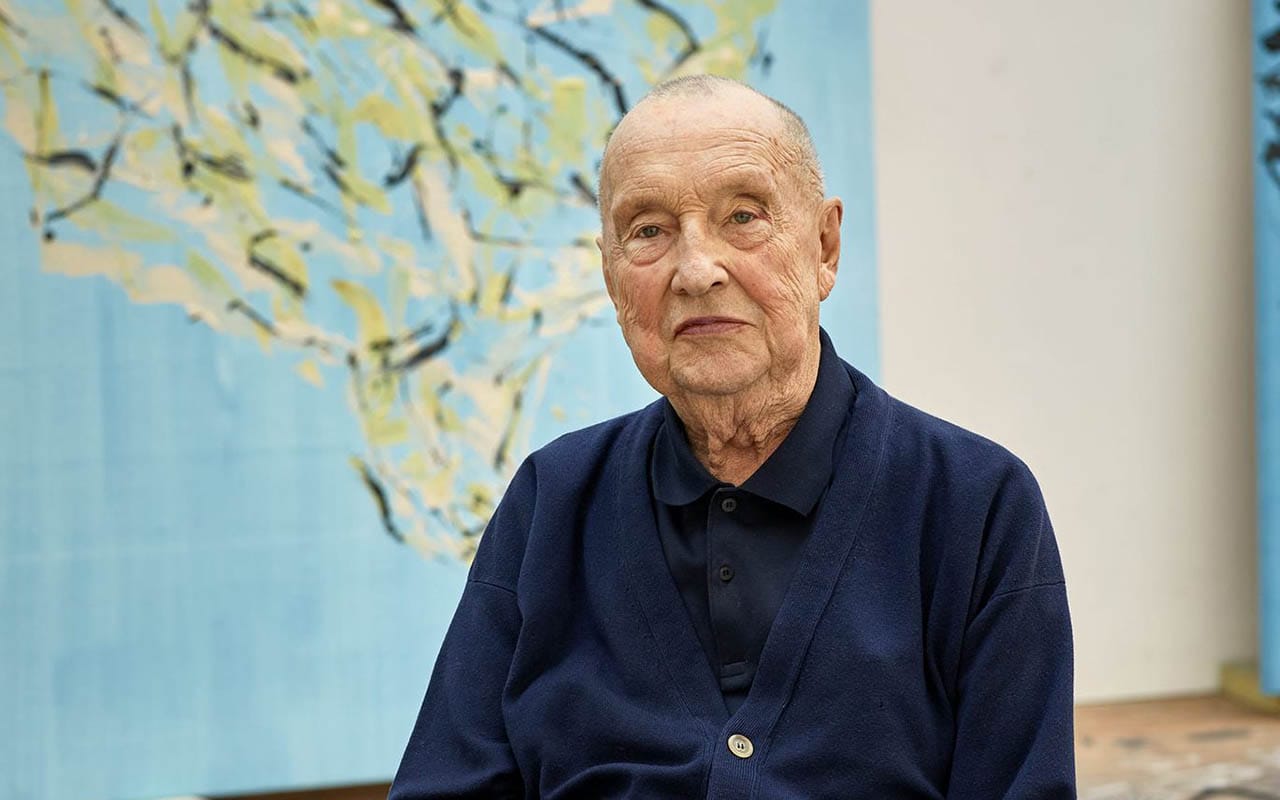
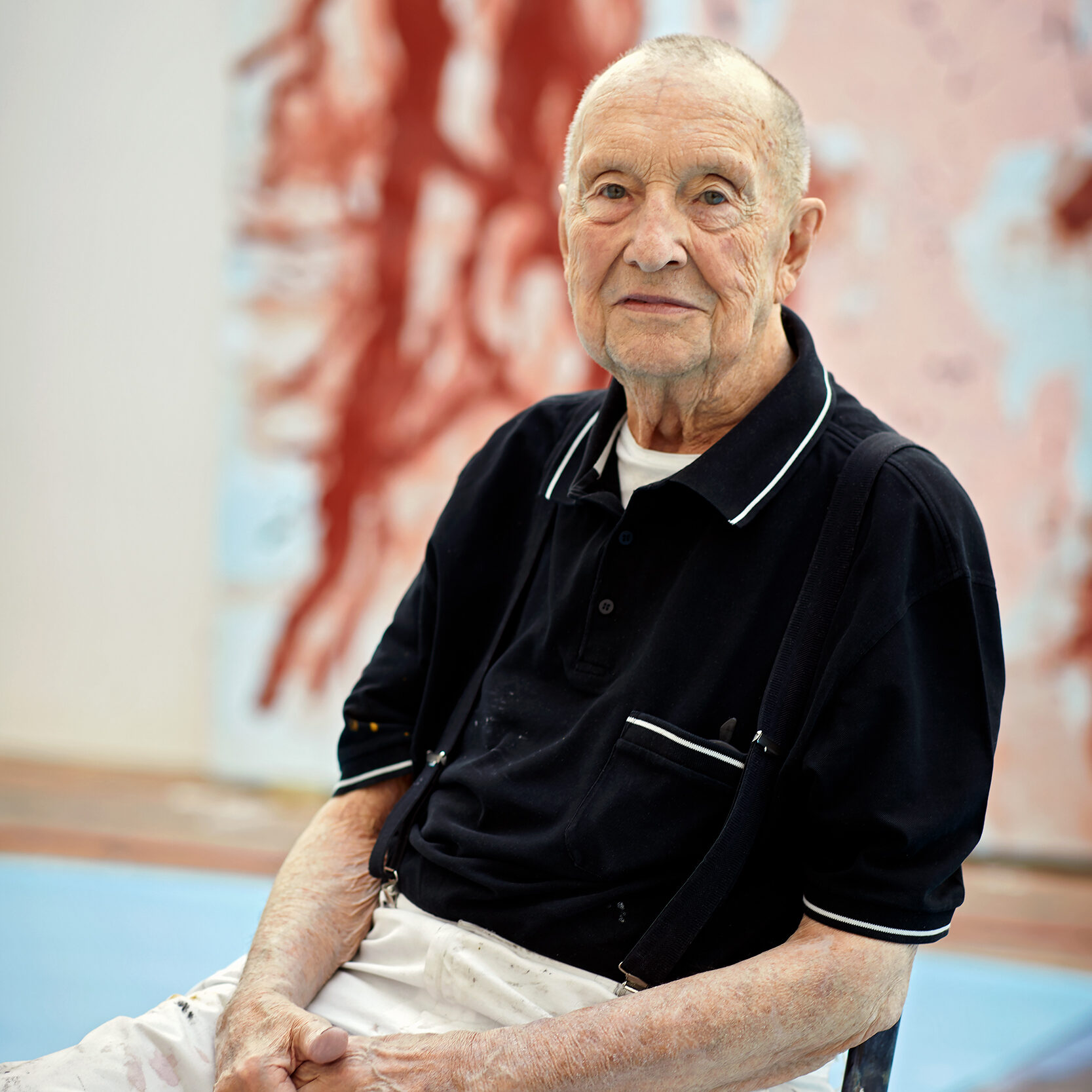
Georg Baselitz, the German painter and sculptor known for his provocative, expressionistic works and his iconic upside-down paintings, has died at the age of 88. The article traces his life from his childhood in war-torn Germany, through his early career as a rebellious artist in divided Berlin, to his rise as an international art star. It highlights his 1961 manifesto poster "Pandemonium I," his rejection of American abstraction, and his controversial 1963 exhibition that was raided by police for its explicit content.
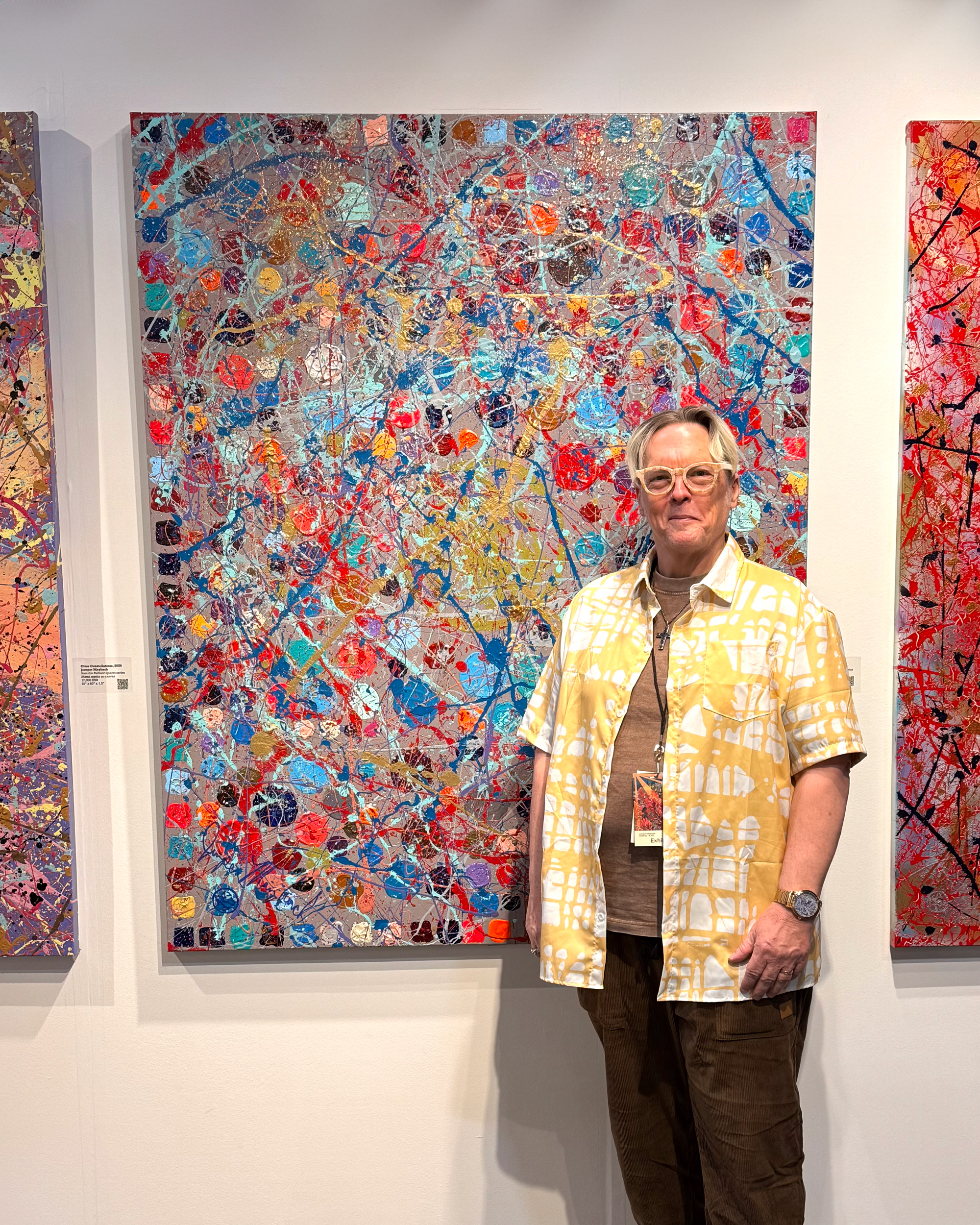
Jumper Maybach Turns Abstraction Into Emotional Space

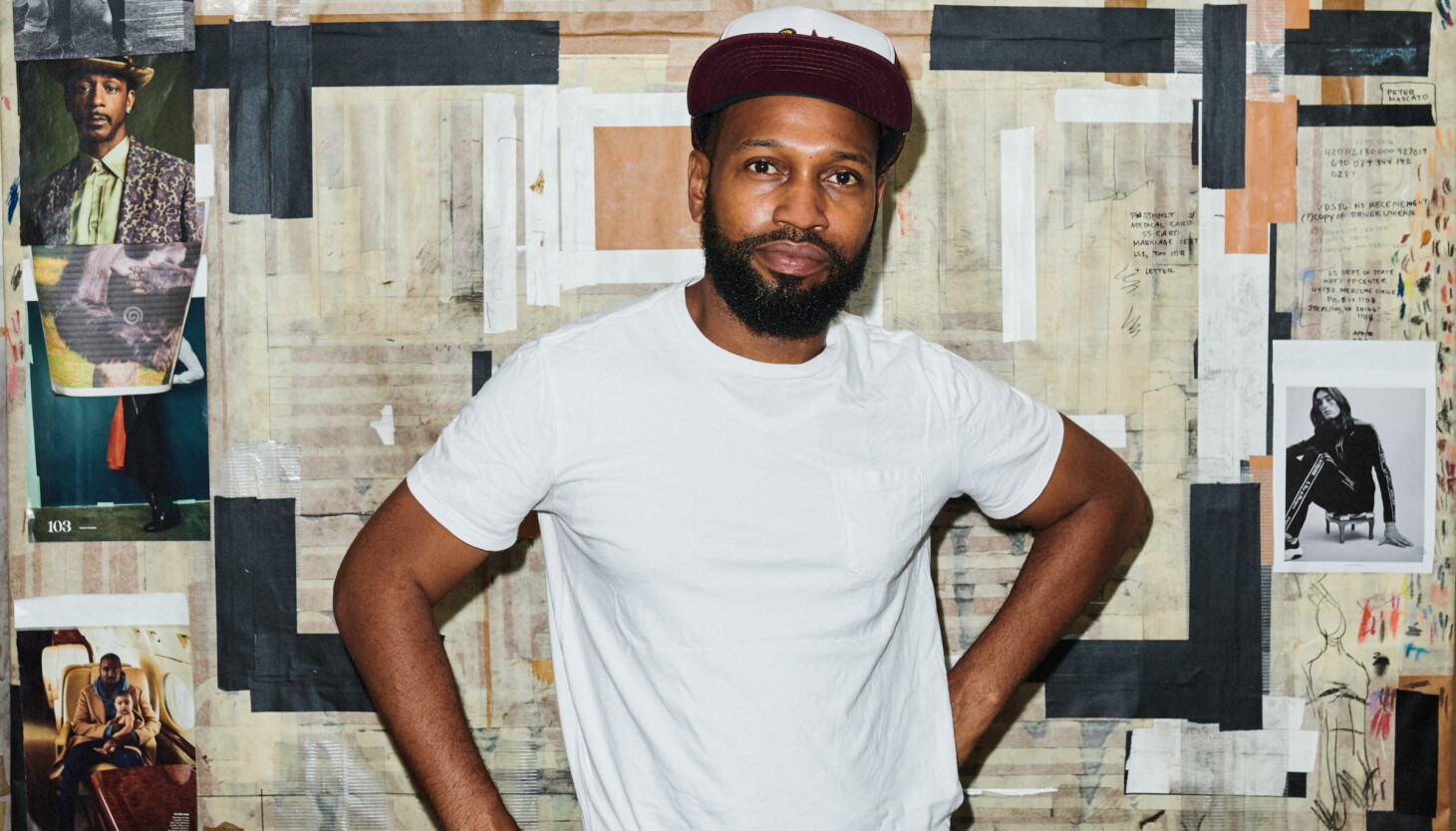
American artist Jumper Maybach, known for his abstract expressionist paintings, debuted a new suite of works titled "Radiant Spaces" at the inaugural Salt Lake Art Show in 2026. The series explores themes of emotional energy, human resilience, and healing, using layered textures and color fields to create immersive experiences. Maybach has also created site-specific installations in architecturally significant buildings, including the 1900K building in Washington, D.C., and continues to blur the lines between fine art, installation, and luxury design.

Georg Baselitz, artist who turned painting upside down, 1938–2026

Georg Baselitz, the German painter, sculptor, and printmaker known for turning his canvases upside down, has died at age 88. Born Hans-Georg Kern in Saxony in 1938, he witnessed the bombing of Dresden as a child, an experience that shaped his artistic vision. Expelled from art school in East Berlin, he moved to West Berlin and adopted the name Baselitz. His first solo exhibition in 1963 was deemed obscene and confiscated. In 1969, he created his first upside-down painting, which became his signature. He rose to international prominence as a neo-expressionist in the late 1970s and 80s, represented Germany at the Venice Biennale in 1980, and continued working until his death. A recent series of his paintings will be shown at the Fondazione Giorgio Cini in Venice from May to September 2026.

Georg Baselitz, Lion of German Neo-Expressionism, Dead at 88

Georg Baselitz, the influential German Neo-Expressionist painter, printmaker, and sculptor, died on April 30 at age 88. His death was announced by Thaddaeus Ropac gallery, his longtime representative. Born Hans-Georg Kern in 1938 in Saxony, Baselitz was profoundly shaped by his childhood experience of war and the destruction of Nazi Germany. He was expelled from art school in East Berlin for "socio-political immaturity," moved to West Berlin, and adopted his pseudonym from his hometown. His first solo exhibition in 1963 was raided by police for obscenity, cementing his reputation as a provocateur. Known for his upside-down figures and fierce brushwork, he created series such as "Heroes" and "Fracture" that addressed trauma, violence, and the psychic toll of postwar life.

German artist Georg Baselitz dies aged 88

German artist Georg Baselitz has died at age 88, as confirmed by the Thaddaeus Ropac gallery. Known for his expressive paintings and sculptures, Baselitz rose to prominence in the 1960s after a scandal over sexually symbolic works led to a high-profile court case. He pioneered painting canvases upside down from 1969 onward, a technique he used to grapple with German history and collective guilt. His work spanned six decades and included notable sculptures, such as a wooden figure at the 1980 Venice Biennale that appeared to perform a Nazi salute, which he later clarified was inspired by an African artifact. Baselitz achieved international acclaim in the 1980s and became one of Germany's highest-priced living artists, alongside Gerhard Richter.

The Big Review | Venice Biennale 2026: In Minor Keys ★★★½

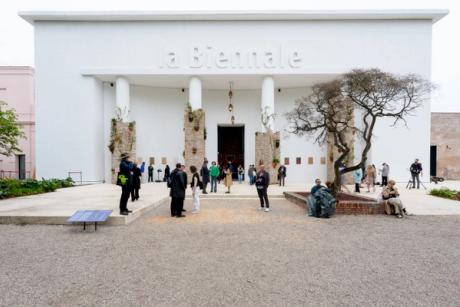
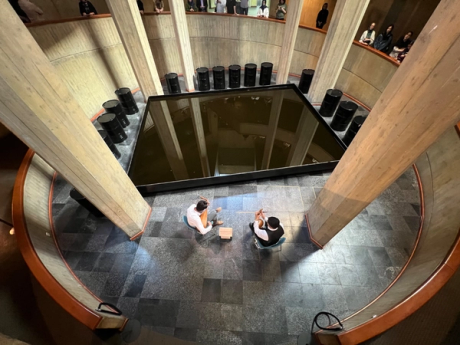
The Venice Biennale 2026, titled "In Minor Keys," was curated posthumously following the death of artistic director Koyo Kouoh in May 2025. A team of five curators and advisors—Gabe Beckhurst Feijoo, Marie Hélène Pereira, Rasha Salti, Siddhartha Mitter, and Rory Tsapayi—executed her vision across the Giardini and Arsenale venues. The exhibition features 110 artists, with a strong emphasis on new commissions, and is structured around themes of procession, resistance, and joy. Key works include Big Chief Demond Melancon's "Amistad Takeover" (2026), Nick Cave's "Amalgam (Origin)" (2025), and Otobong Nkanga's rewilded columns at the Central Pavilion.

Nicholas Pope, sculptor whose career came in two acts, 1949–2026

Nicholas Pope, a British sculptor known for his organic, post-minimalist works, has died at age 76. His career unfolded in two distinct acts: an early phase in the 1970s producing roughly-hewn wooden columns like *Oak Tree Column* (1973) and *Drooping Column* (1975), which earned him a spot in the British Pavilion at the 1980 Venice Biennale, followed by a decades-long hiatus after contracting viral encephalitis in Tanzania. He later returned to sculpture with brighter, brasher works in ceramic, glass, and felt, including *The Apostles Speaking in Tongues Lit By Their Own Lamps* (1993–96) and collaborations like *The Conundrum of the Chalices of the Seven Deadly Sins and Seven Virtues* (2015) with James Maskrey.

Still in 'war mode': Tehran Museum of Contemporary Art reopens with exhibitions about conflict

The Tehran Museum of Contemporary Art (TMoCA) has reopened with a weekly rotating post-ceasefire program called 'Art and War,' following weeks of bombardment that forced its closure and prompted emergency efforts to protect its collection. The program began with works by American Pop artists James Rosenquist, Roy Lichtenstein, and Robert Indiana, and this week features three works from Pablo Picasso's Weeping Woman series, focusing on Spain. Museum director Reza Dabirinezhad described the challenges of safeguarding the collection during US-Israeli strikes, including removing 80% of the oil from Noriyuki Haraguchi's installation 'Matter and Mind' (1977) to prevent fire risk, and protecting outdoor sculptures by Henry Moore, René Magritte, and Max Bill.

10 exhibitions you can still see after Berlin's Gallery Weekend

10 Ausstellungen, die Sie auch nach dem Gallery Weekend in Berlin sehen können

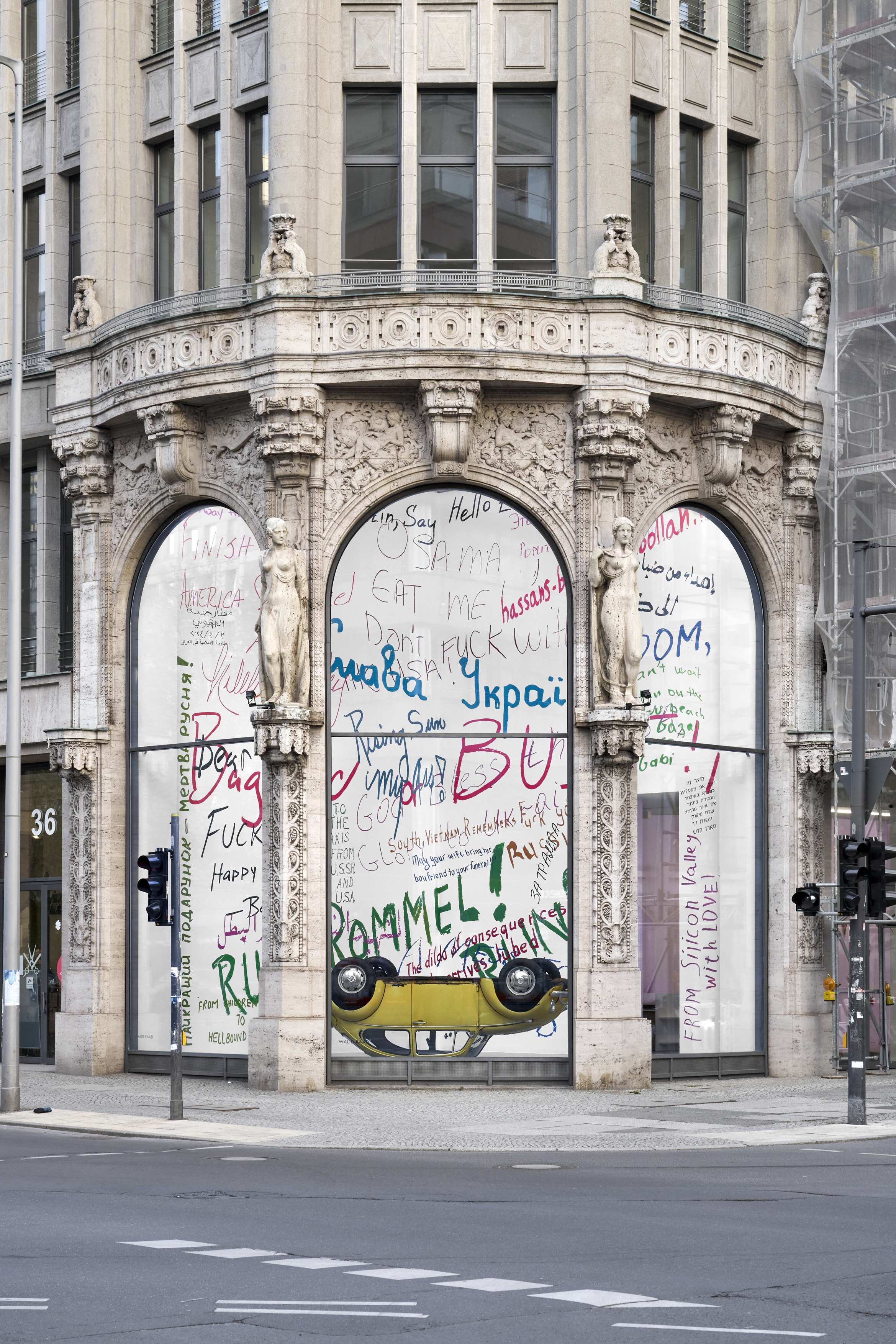
The Monopol editorial team highlights ten standout exhibitions from Berlin's Gallery Weekend, including Jiyoon Chung's installation "Dead End" at Anton Janizewski, which uses subtle triggers to explore perception and anxiety; Giorgio Griffa's retrospective at Walter Storms Galerie, featuring his poetic abstract paintings on raw linen; Walid Raad's narrative-driven show at Galerie Thomas Schulte, referencing the Lebanese civil war with a crashed VW Beetle and bomb graffiti; and Thomas Demand's new works at Sprüth Magers, printed on copper plates to create a shimmering aura. The article provides a curated tour of these shows, many of which remain open after the weekend.

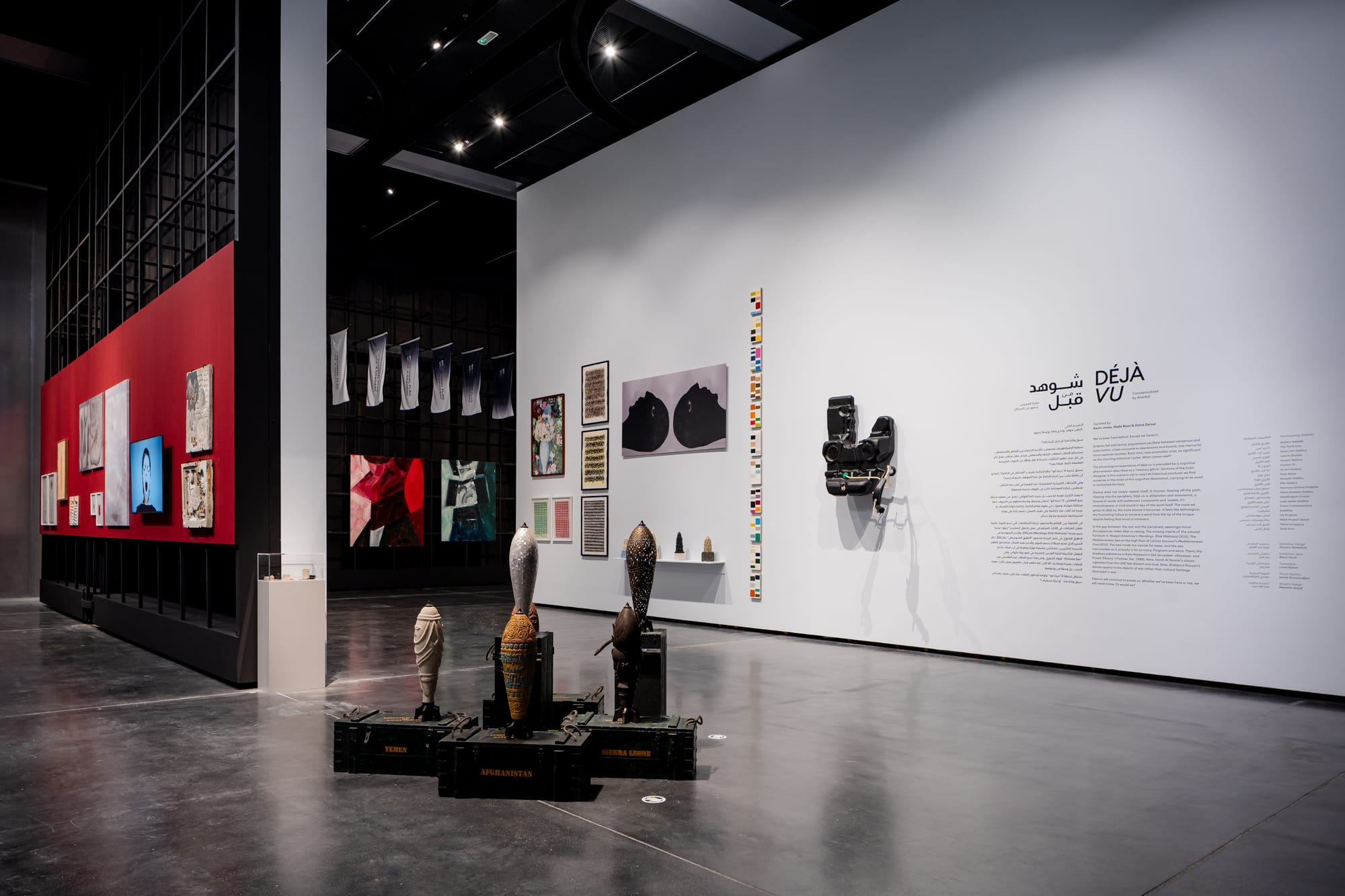
Memory, Migration, Materiality: 12 Artists to Watch During Alserkal Art Month

Alserkal Art Month (April 18–May 18, 2026) in Dubai features a district-wide initiative of exhibitions and events, anchored by the group show "Déjà Vu" at Concrete, Alserkal Avenue (April 25–May 8). Curated by Kevin Jones, Nada Raza, and Zaina Zaarour, the exhibition brings together over 50 artists from 20 UAE-based galleries, centering on themes of memory, displacement, and cultural inheritance. The article profiles 12 standout artists, including Shahpour Pouyan and Juma Al Haj, whose works translate these tensions into materially inventive and conceptually rigorous practices.

At MAXXI L'Aquila, exhibition dedicated to Ai Weiwei recounts catastrophes and memory

From April 29 to September 6, 2026, MAXXI L'Aquila presents "AI WEIWEI: Aftershock," an exhibition curated by Tim Marlow featuring approximately seventy works by Chinese artist, architect, and activist Ai Weiwei. The show spans his entire career, focusing on themes of earthquakes, wars, political repression, and memory. The centerpiece is the installation "Straight" (2009–2012), made from 150 tons of steel rods recovered from schools that collapsed in the 2008 Sichuan earthquake, displayed across three rooms. The exhibition is held at Palazzo Ardinghelli, a Baroque building that houses MAXXI L'Aquila and was itself restored after the 2009 L'Aquila earthquake, creating a dialogue between the works and the building's history of recovery.

Our pick of the best pavilions at the 61st Venice Biennale

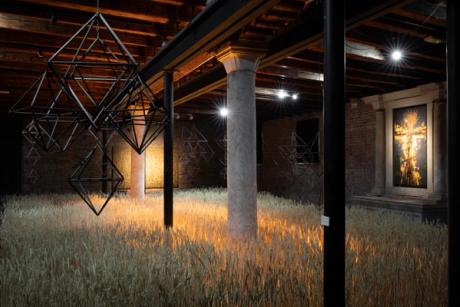
The article highlights standout national pavilions at the 61st Venice Biennale. The Belarus Pavilion features a powerful installation by the Belarus Free Theatre, including a wheat field built by former political prisoners, straw spiders made from prison bars, and a confession booth that runs facial recognition. The Brazil Pavilion presents a joint exhibition by Rosana Paulino and Adriana Varejão, focusing on colonial wounds and trauma through works like Paulino's 'Aracnes' and Varejão's 'Still Life amid Ruin'. The Bosnian Pavilion by Mladen Bundalo invites tactile engagement with themes of diaspora and migration, while the Austrian Pavilion by Florentina Holzinger draws attention with nude performers in water-filled pools.

Diedrick Brackens’s Tapestries Beckon the Light of Freedom

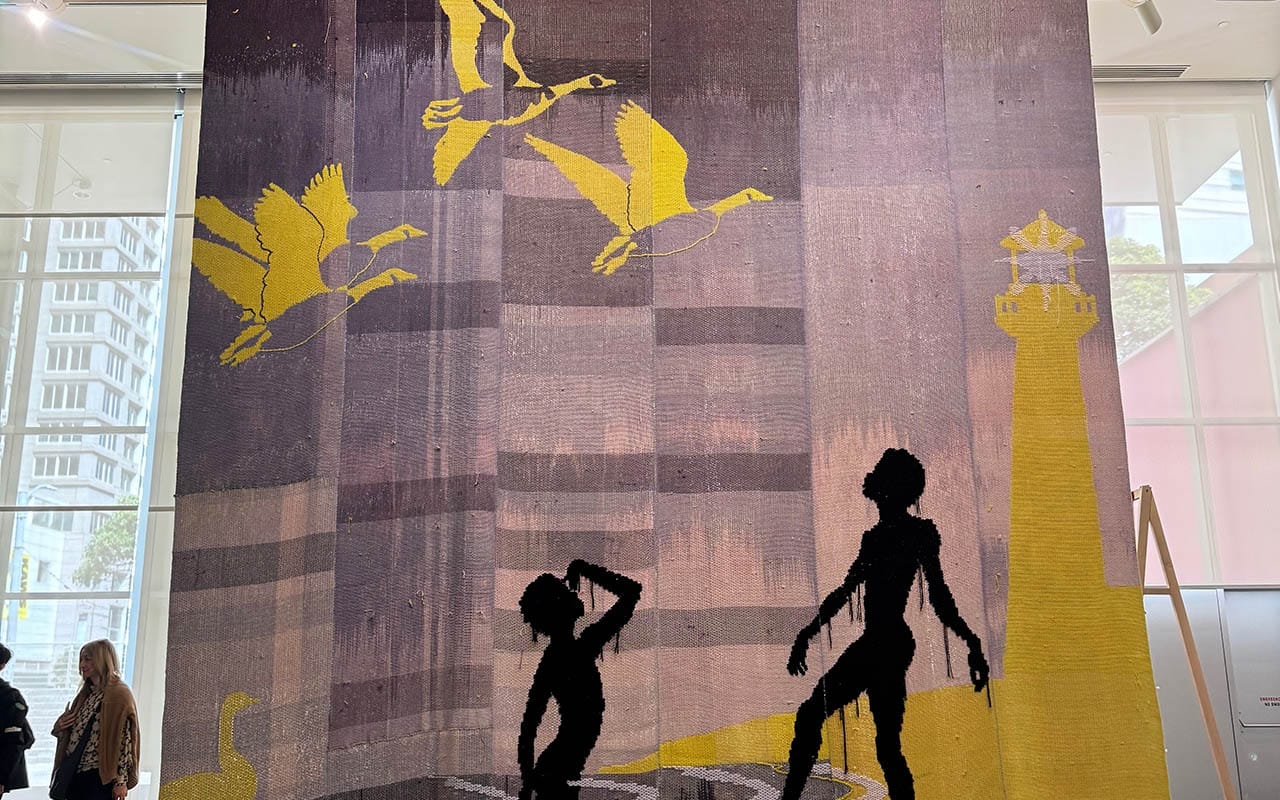
Diedrick Brackens presents his first solo exhibition in the Bay Area, "gather tender night," at Yerba Buena Center for the Arts in San Francisco. Guest-curated by Eungie Joo, the show features 15 tapestries from 2020 onward and three new works from 2026, including the immersive installation "clearing (2026)." Brackens, a Black queer artist and CCA professor, uses hand-dyed cotton and acrylic yarn to weave narratives of personal memory, myth, and the natural world, drawing from West African weaving, California fiber art, European tapestry, and Gee's Bend quilting. His approach, influenced by the "sloppy craft" ethos of his mentor Josh Faught, embraces unfinished edges and visible process as acts of refusal against polished traditions.

George Baselitz, Purveyor of the Tortured Male Genius Myth, Dies at 88

Georg Baselitz, the influential German Neo-Expressionist painter known for his emotionally charged, often violent works and his controversial statements about women artists, has died at age 88. His final paintings will be shown in the exhibition "Eroi d’Oro" at the Fondazione Giorgio Cini in Venice starting May 6. Baselitz rose to prominence with his "Heroes" series of monumental male soldiers and his signature "upside down" paintings, which forced viewers to focus on painterly gesture over representation. He was a key precursor to Germany's Neue Wilde movement and confronted Germany's World War II trauma in works that combined expressionistic brutality with Wagnerian grandeur.

Georg Baselitz – a life in pictures

Georg Baselitz, the German painter known for his raw, expressive works and inverted imagery, has died at age 88. Born in 1938 in Deutschbaselitz, he lived through Nazi Germany and East German communist rule, experiences that deeply shaped his art. The Guardian's obituary traces his life through photographs, from his early years to major exhibitions at Thaddaeus Ropac, White Cube, and the Serpentine, highlighting key works such as 'Das Grosse Pathos' (1966) and his 2024 series 'A Confession of My Sins'.

25th Biennale of Sydney Review: From the Margins

The 25th Biennale of Sydney, titled "Rememory" and curated by Hoor Al Qasimi, features 143 works by 83 artists and collectives from 37 countries across five venues. The exhibition explores marginalized, fragmented, and repressed histories, drawing on Toni Morrison's concept of 'rememory' as a space between remembering and forgetting. Key works include Tuan Andrew Nguyen's film on Vietnam War trauma, Basel Abbas and Ruanne Abou-Rahme's immersive installation on Palestinian displacement, Khalid Albaih's photographs of Sudan, and Massinissa Selmani's drawings on Algerian socialist building projects.

On Paranoid Time

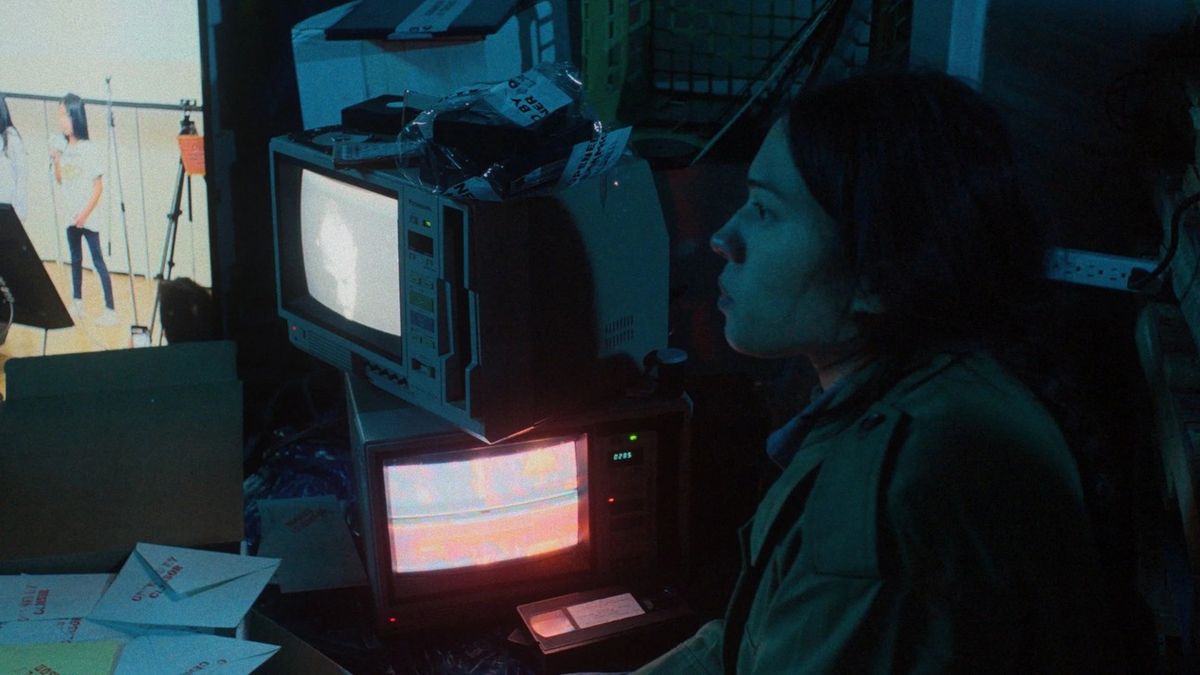
Film Notes has published Qingyuan Deng's essay exploring the intersection of Lacan's concept of retroactive meaning and Eve Kosofsky Sedgwick's distinction between paranoid and reparative reading, as applied to recent artists' films and moving-image installations. The essay examines how works like Alison Nguyen's installation "Perforation, Ellipse" at New York's Storefront for Art and Architecture use cinematic techniques—such as perforations, splices, and missing scenes—to hold the temporal gap between an event and its belated political comprehension, focusing on the censorship of Vietnamese bolero songs after the American War.

Artist Nathaniel Mary Quinn, admired by the Rolling Stones and Leonardo DiCaprio, returns with hometown show

Artist Nathaniel Mary Quinn, known for his distinctive collage-like composite portraits, is opening his first solo exhibition in his hometown of Chicago at the National Public Housing Museum. Titled "A Love Letter to My Mother," the show honors his late mother and includes a replica of his family's living room in the Robert Taylor Homes public housing project. Quinn, who is represented by Gagosian, has seen his work acquired by major institutions including the Whitney Museum of American Art, the San Francisco Museum of Modern Art, and the Art Institute of Chicago. His art will also appear on the cover of the Rolling Stones' forthcoming album "Foreign Tongues."

How Artist Iréne Norén Used Painting to Reclaim Her Relationship to Her Body

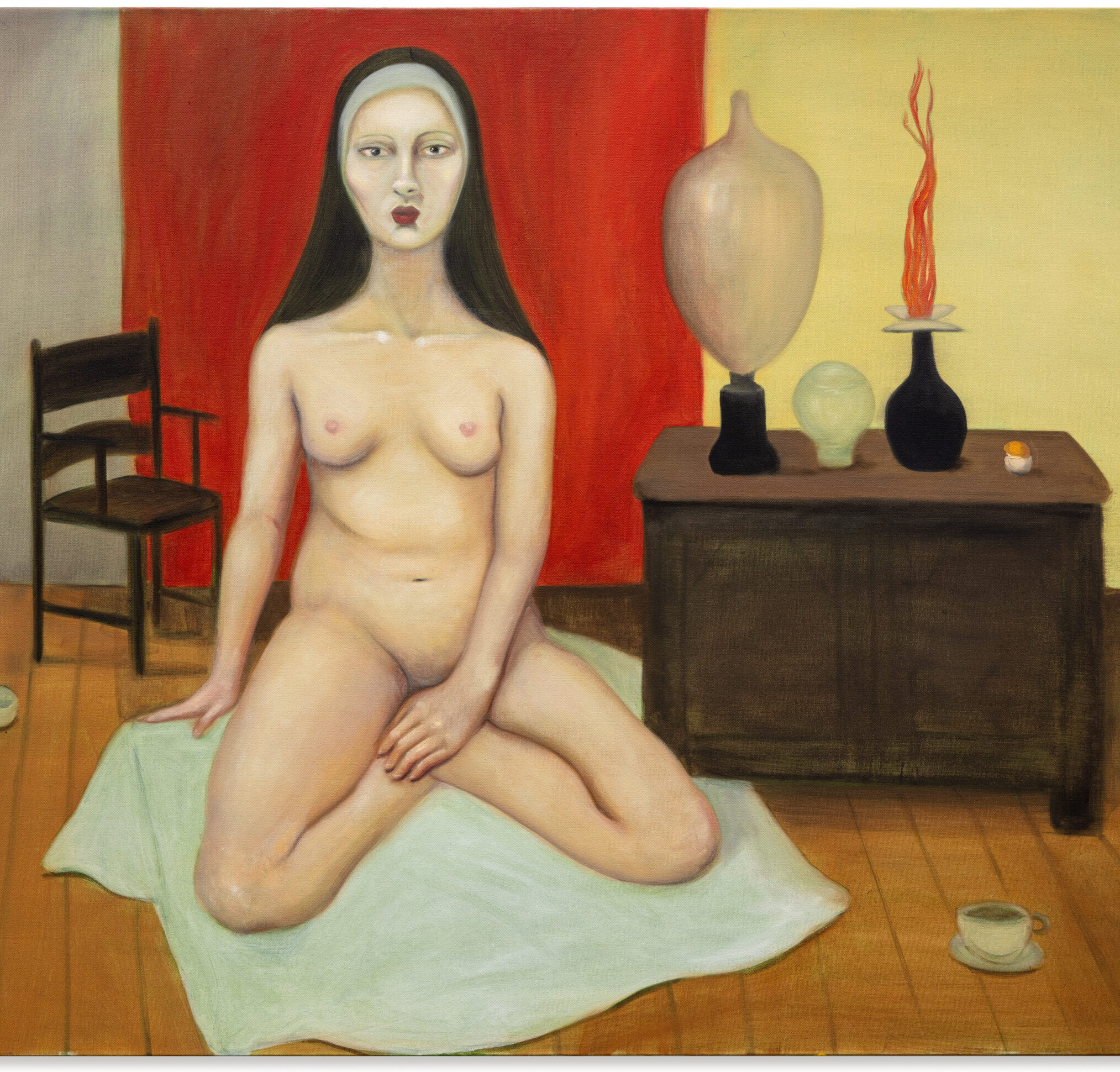
Artist Iréne Norén, who began painting just three years ago after a personal crisis, is now mounting her first solo gallery show in New York. Titled "Reliquary of the Body: Returning to Eden," the exhibition opens at Harper’s Chelsea and explores themes of shame, self-acceptance, and the female body, drawing on Catholic art historical imagery and Renaissance altarpiece structures. Norén started painting after an abortion while living in New York without a work visa, using art as a tool for emotional expression and confidence.

In His Last Interview, Georg Baselitz Unpacks His New Nudes, Identity Art, and Being a Lifelong Outsider

Georg Baselitz, the influential German painter known for his inverted, upside-down works, gave his final interview before his death on April 30 at age 88. In the conversation, he discussed his upcoming exhibition "Eroi d’Oro [Heroes of Gold]" at the Fondazione Giorgio Cini in Venice, featuring monumental gold-primed canvases depicting nude portraits of himself and his wife Elke. Baselitz reflected on his lifelong outsider status, his refusal to follow artistic movements, and the controversial nature of his work, including his 1963 painting that led to an obscenity trial.

art georg baselitz artist venice death

Georg Baselitz, the influential German painter known for his inverted, upside-down artworks, has died at age 88 on April 30. The news was announced by his longtime gallery, Thaddaeus Ropac, via an obituary written by Robert Isaf. Baselitz gave his final spoken interview weeks before his death, discussing his upcoming exhibition “Eroi d’Oro [Heroes of Gold]” at the Fondazione Giorgio Cini in Venice, which opened May 6. The show features monumental gold-primed canvases with inverted portraits of himself and his wife Elke, which he described as a summary of his career and a reflection on art history.

‘You look at it and you just feel better’: this year’s Photoville festival highlights

The 15th annual Photoville festival in New York features over 90 photographic exhibits, ranging from whimsical subjects like cosmic-looking apples in "Old Apples" to hard-hitting reportage on wildfires, water access inequalities, and ICE's impact on communities. Notable exhibits include "Special Girls," showcasing 1990s photos of trans women from the Remsen Wolff archive, and "Point of View," pairing self-portraits by Dutch college students with Rijksmuseum artworks. Other highlights include Lexi Parra's "The Avillas," documenting a family after a matriarch's self-deportation, and "Puppies Behind Bars," a photo series on incarcerated men raising service dogs at Green Haven prison.

The Netherlands is confronting its history of Nazi occupation – but many stolen objects remain unreturned

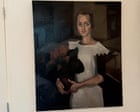
Arthur Brand, a Dutch art detective, was contacted by a man who discovered that his family descended from Hendrik Seyffardt, a high-ranking Nazi collaborator, and that a painting looted from Jewish art dealer Jacques Goudstikker remained in their possession. The painting, Toon Kelder's *Portrait of a Young Girl*, had hung in a relative's home near Utrecht for years. The family, who changed their name after WWII, handed the painting to Brand after the story broke in Dutch media, expressing shame and outrage over the silence surrounding their history.

Tuan Vu Paints Vietnam Through the Haze of Memory and Imagination

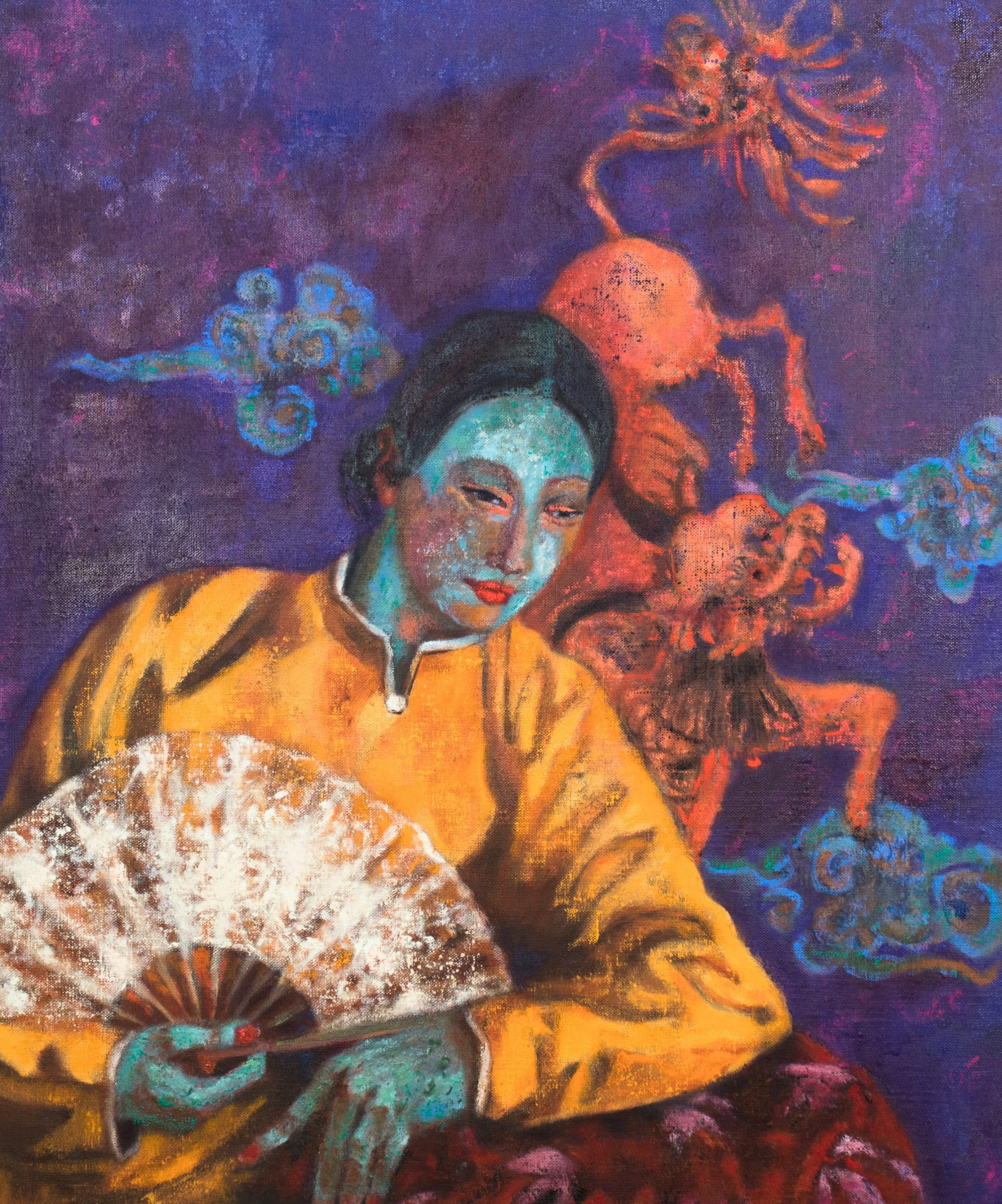
Self-taught Vietnamese artist Tuan Vu presents his solo exhibition "Annam" at Kristin Hjellegjerde Gallery in Berlin, featuring paintings that blend memory, imagination, and history. The show includes works such as *Tranquil South* (2026), *A Usual Day* (2026), and *The Official Portrait* (2026), which explore Vu's childhood recollections of Vietnam and the country's colonial past. Vu, who relocated from Ho Chi Minh City to Quebec, Canada, for his studies and now resides there, uses the exhibition's title to reference the term used for Vietnam during Chinese and French colonial periods, highlighting the distance and interpretive nature of memory.

Exhibition | Bùi Thanh Tâm, 'Here on and after' at Eli Klein Gallery, New York, United States

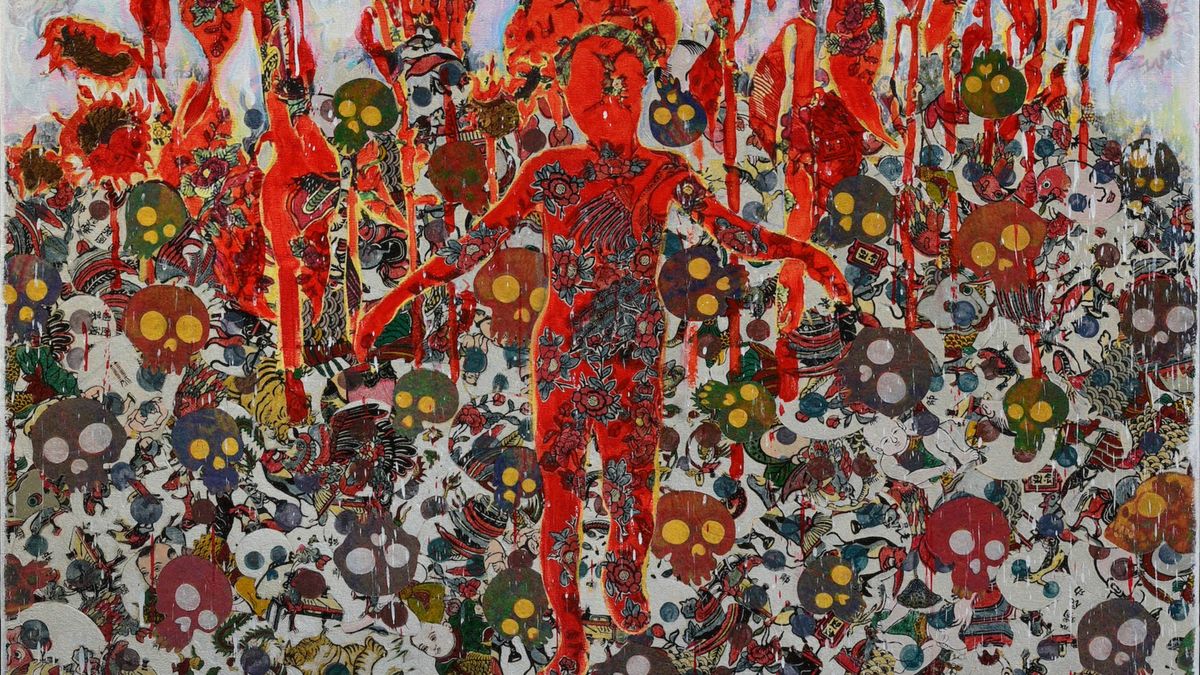
Eli Klein Gallery in New York is presenting "Bùi Thanh Tâm: Here on and after," the Hanoi-based artist's first solo exhibition in the United States. The show features 13 new and recent paintings that explore Vietnam's colonial history, the aftermath of war, and the persistence of memory. Tâm, a leading Vietnamese painter of the postwar generation, incorporates traditional folk woodblock prints—Đông Hồ, Hàng Trống, and Kim Hoàng—into layered, collaged works. The sunflower emerges as a central symbol of resilience and rebirth, influenced by Anselm Kiefer and Francis Bacon, while addressing trauma from French colonialism to Agent Orange. The exhibition includes series such as "Searching for the Sunflower," "Hello. God is here," "Utopia," and "Mutant," each examining themes of healing, endurance, and cultural transformation.

Sur Arte Radio et dans une expo, l’enquête d’Adrianna Wallis sur les traces de sa grand-mère peintre spoliée par les nazis

Artist Adrianna Wallis (born 1981) discovers that her paternal grandmother, painter Diane Esmond (1910–1981), was a victim of Nazi looting during World War II. After being contacted by historians Patricia Helletzgruber and Sophie Juliard, Wallis learns that much of Esmond's work was systematically destroyed by the ERR, the Nazi organization responsible for art theft in occupied countries. This revelation sparks a personal investigation that becomes a podcast for Arte Radio titled "Il restera la gravité," blending documentary, autobiographical inquiry, and sound installation. Wallis delves into archives, examining microfilms and lists that detail 46 of Esmond's paintings—each methodically described and declared destroyed, such as "Woman in blue evening dress: annihilated."

« Caïn » de Fernand Cormon : aux origines de la conscience humaine ?

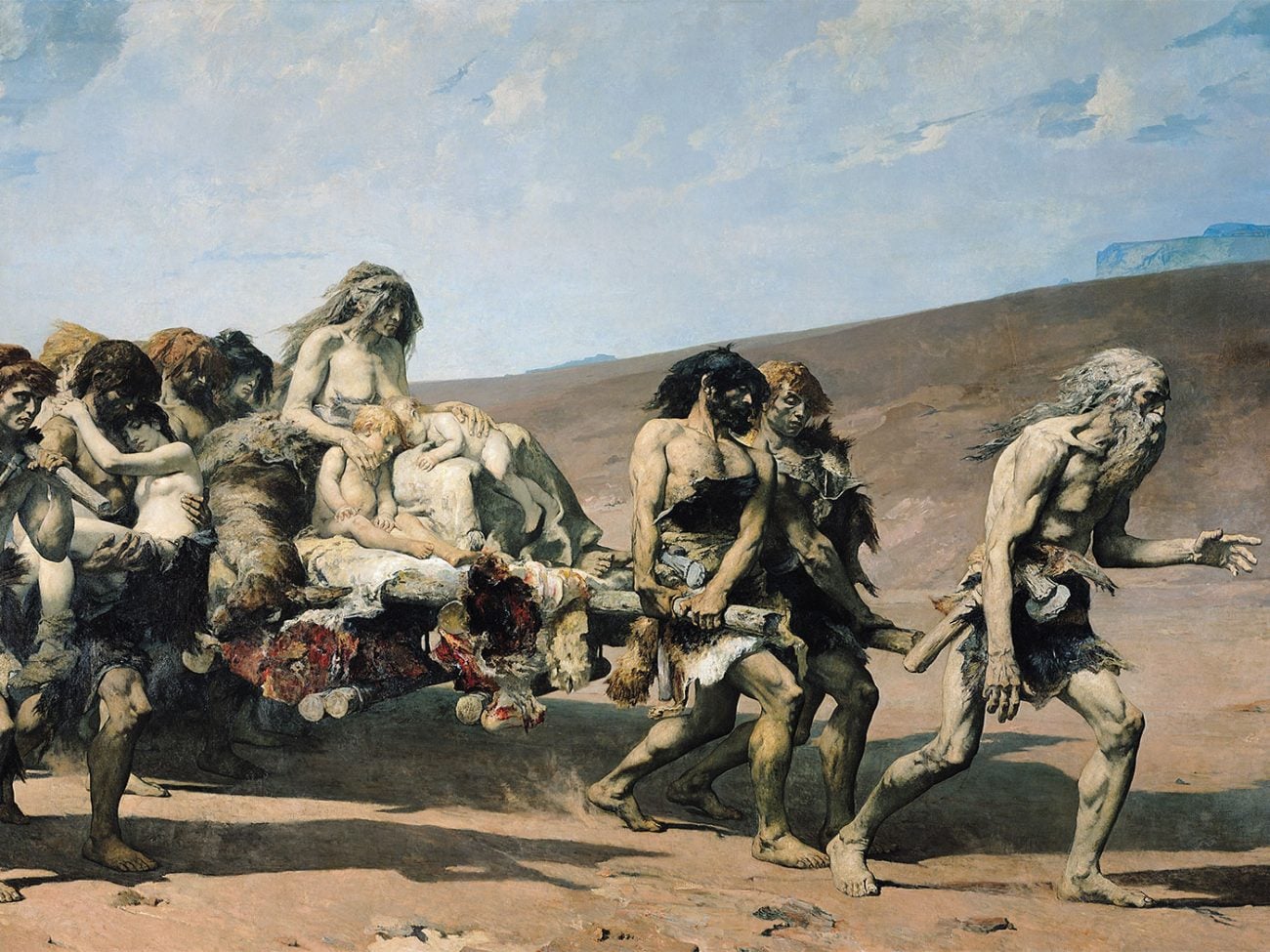
Beaux Arts Magazine analyzes Fernand Cormon's monumental 1880 painting "Caïn," currently held at the Musée d'Orsay. The article describes the scene: a prehistoric, weary clan trudges through a desert, led by a haggard patriarch, with a tired mother on a litter and hunters carrying game. Cormon's work is presented as the antithesis of classical triumph, evoking a melancholic, post-traumatic atmosphere. The painting is linked to the biblical story of Cain, who killed his brother Abel and was condemned to exile, and is accompanied by verses from Victor Hugo's poem "Conscience."

The fate of 'Guernica', a political icon born under bombs, traced in virtual reality at the Musée Picasso

Le destin de « Guernica », icône politique née sous les bombes, retracé en réalité virtuelle au musée Picasso

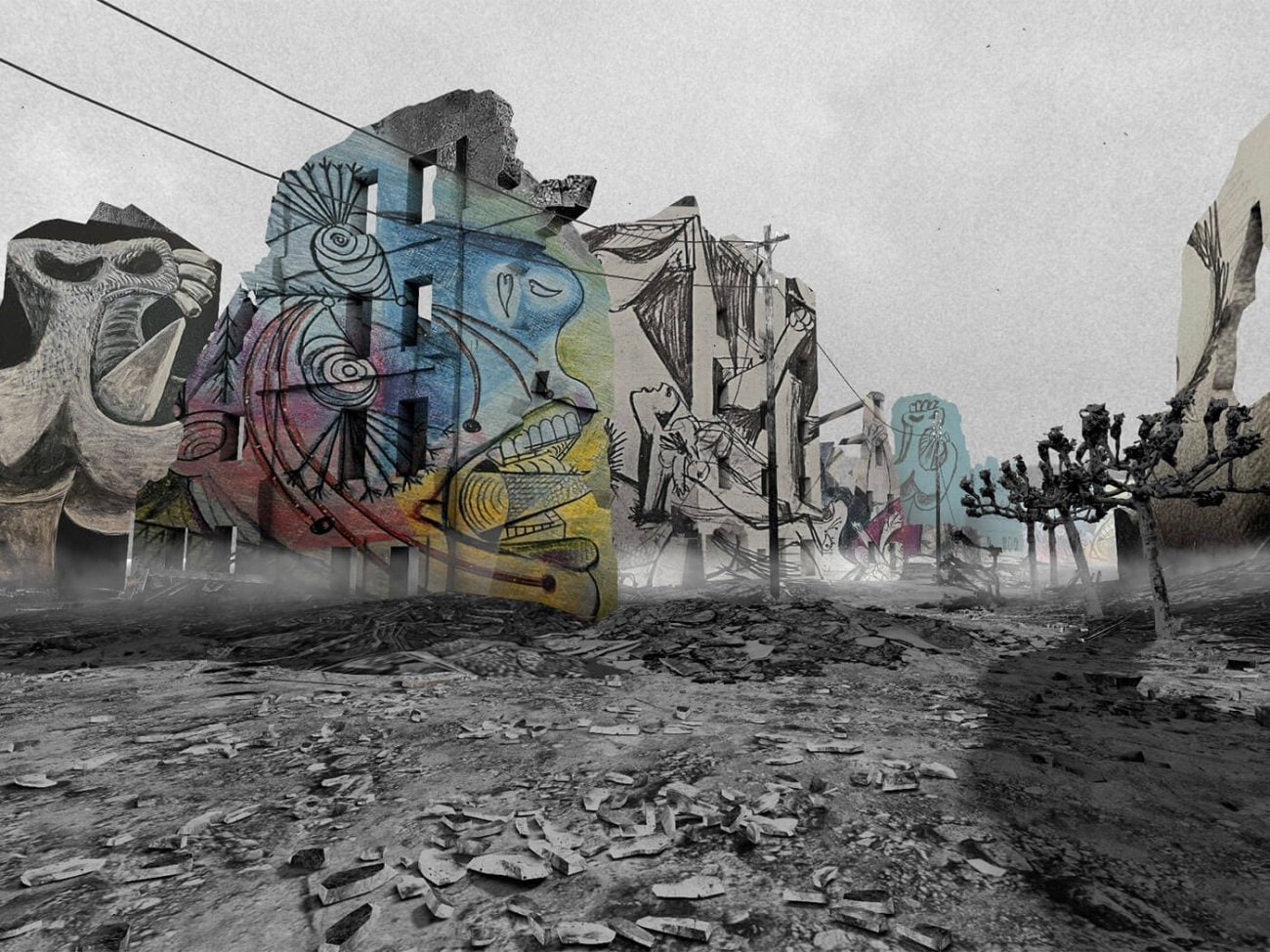
The Musée Picasso-Paris is launching a virtual reality experience that traces the epic journey of Pablo Picasso's "Guernica," one of the most iconic political paintings of the 20th century. Guided by the voices of writer Juan Larrea and photographer Dora Maar, visitors are transported to Picasso's Paris studio and the bombed ruins of Gernika, reliving the creation of the masterpiece commissioned for the Spanish Republic's pavilion at the 1937 International Exposition in Paris. The VR experience covers the painting's genesis, its global tour, and its eventual exile at MoMA in New York until 1981.

Au musée Marmottan Monet, la peinture de Giovanni Segantini hisse la modernité au sommet des Alpes

The Musée Marmottan Monet in Paris is hosting the first retrospective in France of Giovanni Segantini (1858–1899), a major but little-known figure of Symbolism. The exhibition traces his career through the lens of his geographical ascent into the Alps, from his early success with "Ave Maria à la traversée" (1886–1888) to his final triptych "La Vie, La Nature, La Mort," which he was working on when he died at age 41. Segantini's divisionist technique, which Vassily Kandinsky considered a precursor to abstraction, is highlighted as a means of expressing a dematerialized vision of the world.

Georg Baselitz, grande figure de l’art allemand, est mort à l’âge de 88 ans : retour sur sa vie et son œuvre

Georg Baselitz, one of Germany's most significant post-war artists, has died at age 88. Born Hans-Georg Kern in 1938, he grew up in Nazi-era Saxony and later rejected his father's ideology, fleeing to West Berlin in 1957. Known for his provocative, expressionist works and signature upside-down paintings, Baselitz challenged artistic conventions with brutalist techniques—attacking wood with chainsaws and axes—and created scandalous pieces like "Die große Nacht im Eimer" (1962–1963), which was banned from exhibition. His career included major retrospectives at the Musée d'Art Moderne de la Ville de Paris (2011) and Centre Pompidou (2021), and commissions for the Reichstag.