filter_list Showing 1418 results for "ARCH" close Clear
search
dashboard All 1418 museum exhibitions 859article news 133article local 111article culture 108article policy 44trending_up market 41person people 39rate_review review 34candle obituary 24gavel restitution 24article gallery 1
date_range Range Today This Week This Month All
Subscribe

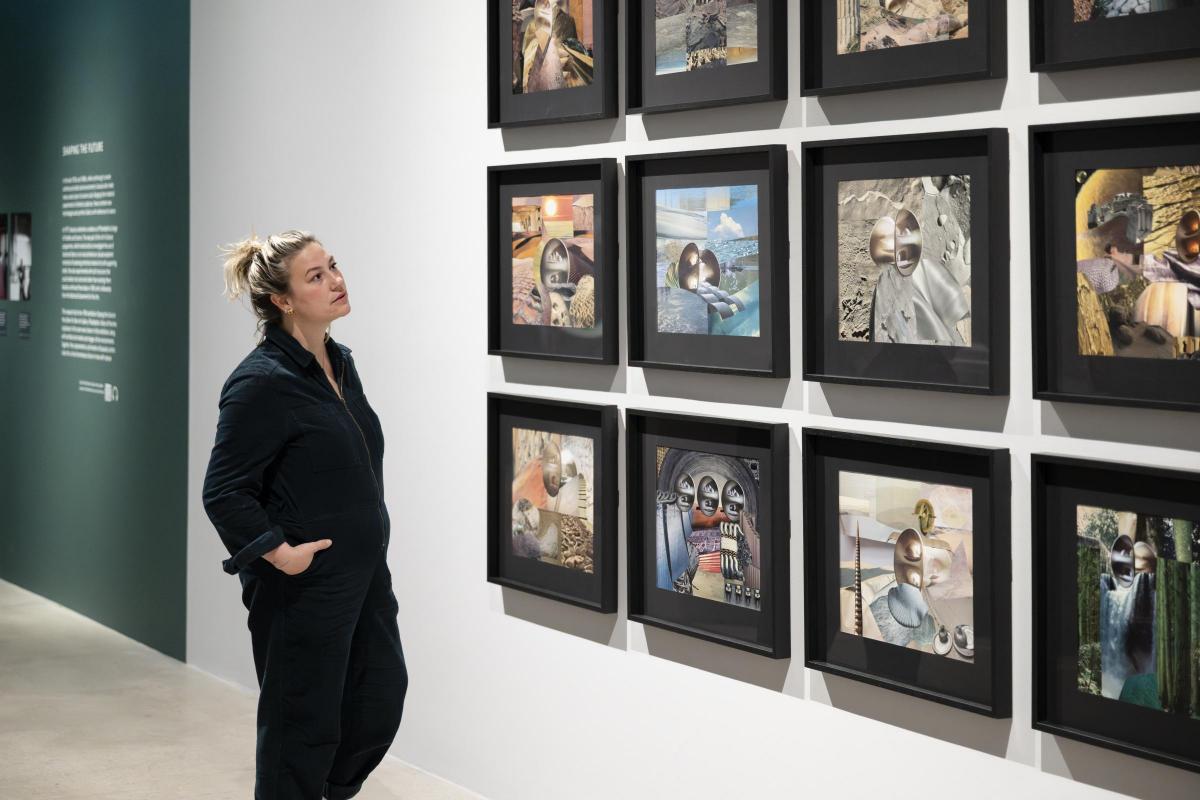
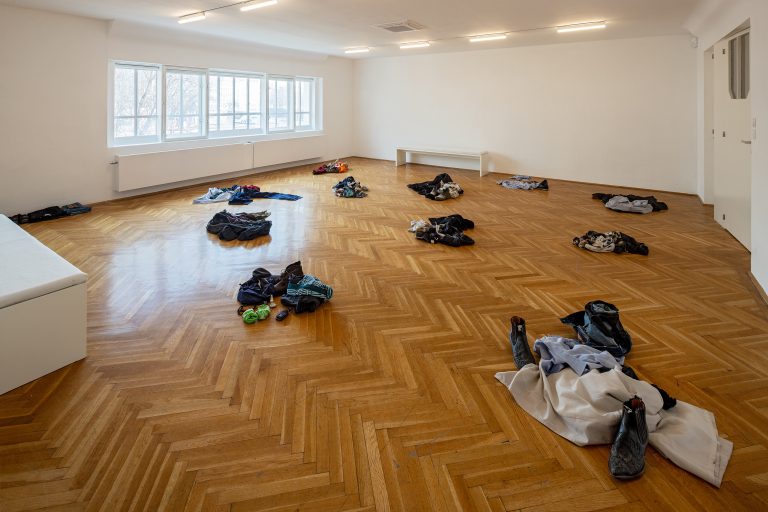
Reba Maybury “I Come in Peace” at Secession, Vienna

Reba Maybury presents her exhibition "I Come in Peace" at Secession in Vienna, an installation that spans four sites within the building—including the façade, foyer, and upstairs spaces. Maybury, an artist, writer, and political dominatrix, uses her multidisciplinary practice to explore themes of feminism, sexuality, labor, and power, directly engaging with the institution's history by questioning how to dominate the legacy of Gustav Klimt.

architecture frida escobedo serpentine pompidou

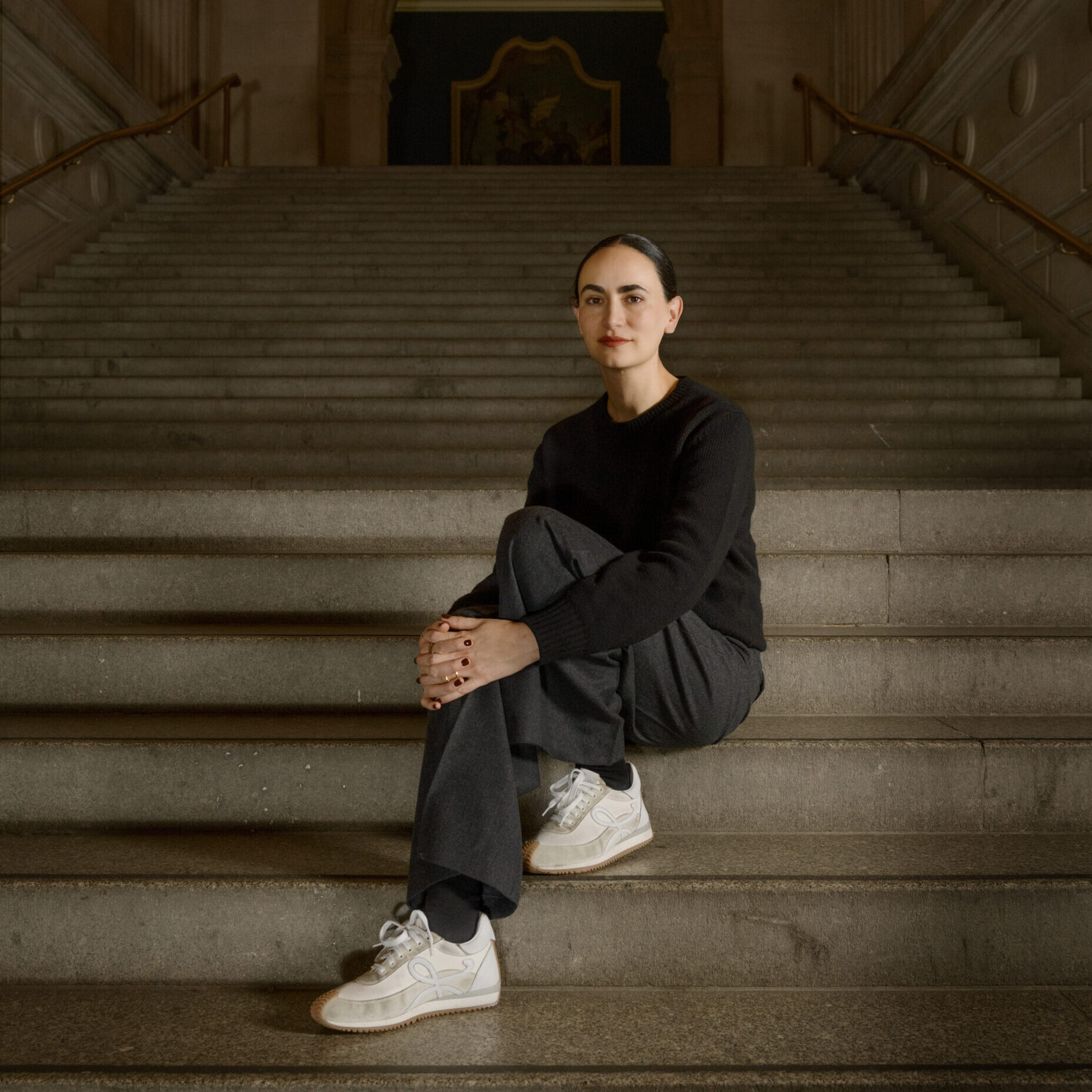
Frida Escobedo, a Mexican architect who founded her Mexico City studio at age 23, is profiled as part of Cultured's 2026 CULT100 honorees. She became the youngest architect to win the Serpentine Pavilion commission and is set to debut her biggest project yet in 2030: the Metropolitan Museum of Art's new modern and contemporary wing. The article presents a Q&A format covering her influences, including architect Lebbeus Woods, her views on patience and imagination, and her reflections on career challenges such as protecting her time.

Open Letter on Auction of “Tributes” to the Russian Avant-Garde

An open letter signed by art historians, curators, and researchers protests an upcoming auction at Stanley's Auction House in Zaventem, Belgium, scheduled for April 23, titled “Tributes to the Russian Avant-Garde & Constructivists.” The second sale is organized in cooperation with Drouot, a major French auction platform, and offers approximately one hundred works from the so-called Toporovsky collection, which has been linked to a scandal involving forged Russian modernist paintings at the Museum of Fine Arts Ghent. The alleged suppliers, Igor Toporovsky and Olga Toporovsky, face criminal charges including the sale of 171 forged works for about €20 million, with court proceedings beginning in May in Ghent. The signatories argue that the auction, with works priced around €300 each, is deeply troubling given the pending legal case and the undisclosed consignor identity.

Arts and cultural engagement ‘linked to slower pace of biological ageing’

A new study published in the journal *Innovation in Aging* finds that engaging in arts and cultural activities—such as singing, painting, visiting museums or galleries—is linked to a slower pace of biological ageing. Researchers from University College London analyzed blood test and survey data from 3,556 adults in the UK Household Longitudinal Study, using epigenetic clocks to measure biological ageing. Those who participated in arts activities at least weekly showed a 4% slower ageing process, while monthly engagement yielded a 3% slowdown. The effect was comparable to the difference between smokers and those who quit smoking.

Dozens of Pavilions Close During Strike at 61st Venice Biennale

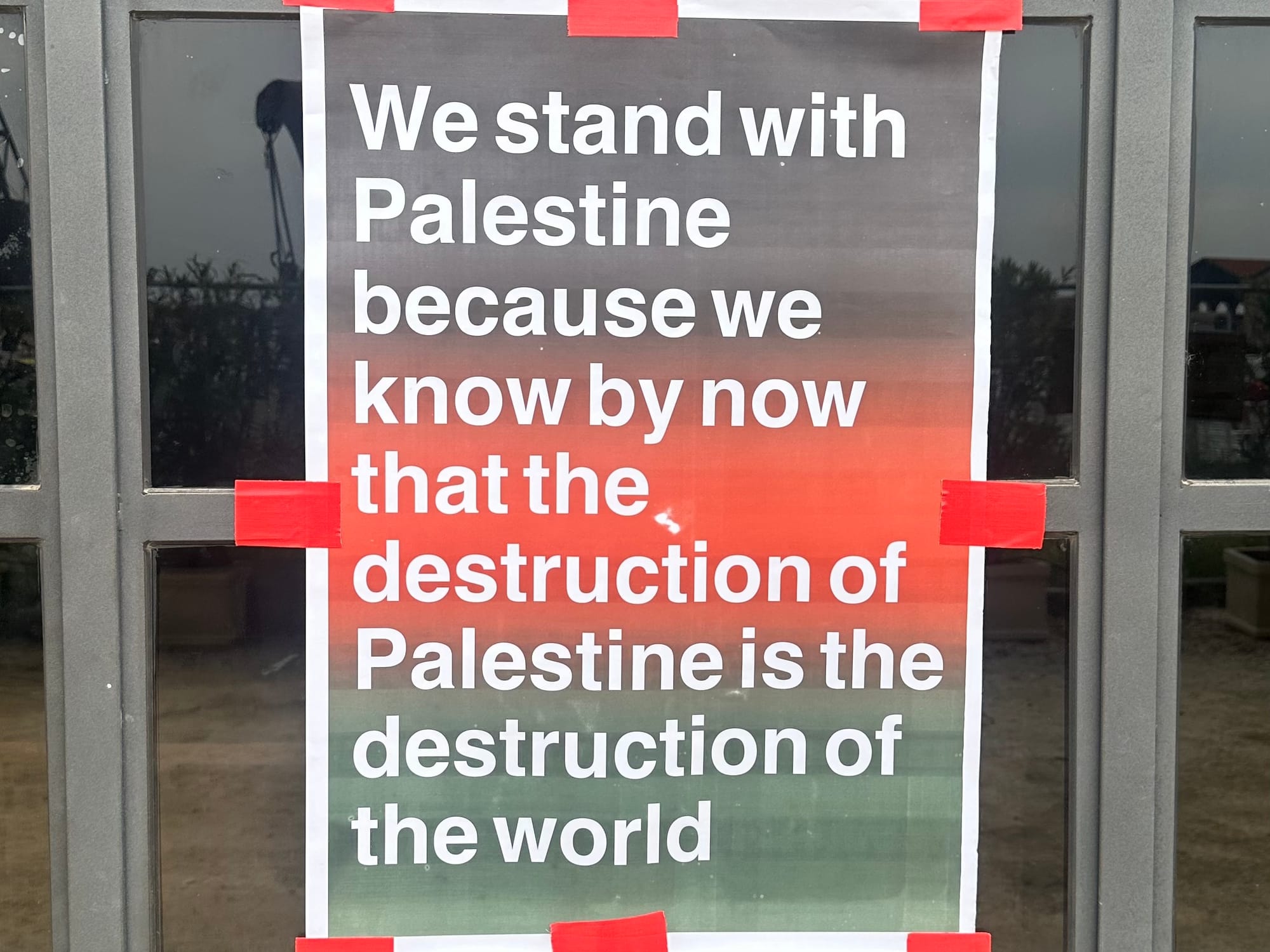
On May 8, 2026, a 24-hour strike organized by the Art Not Genocide Alliance (ANGA) and several Italian activist groups brought the 61st Venice Biennale to a standstill. Approximately 27 of the 100 national pavilions closed fully or partially in solidarity with protesters demanding Israel’s exclusion from the event, including those of Austria, Belgium, France, Great Britain, Japan, South Korea, and Ukraine. Over 3,500 people marched through Venice, with speakers including artist Gabrielle Goliath and curator Caroline Dumalin. The main exhibition, "In Minor Keys," curated by the late Koyo Kouoh, closed by late afternoon, and riot police were stationed outside the Arsenale. The Israeli pavilion, already shuttered during previews, remained closed.

The Founders of Open Restitution Africa (ORA) on Their New Open Data Platform

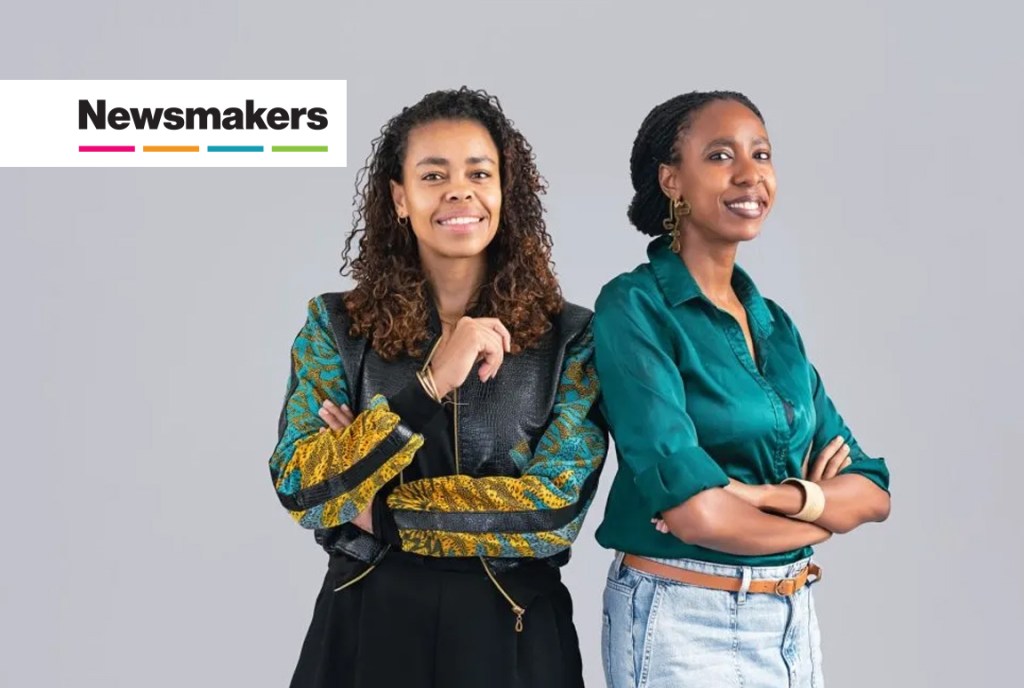
On March 31, the research initiative Open Restitution Africa (ORA) launched the ORA Open Data Platform, a database providing information on the restitution of African artifacts and ancestral remains. Developed over six years by ORA’s all-woman, pan-African team, the site uses case histories and AI-powered tools to offer practical insights into the return process, available in French and English. It presents 25 case histories spanning 200 years, using data visualizations, essays, and interactive tools to help individuals and communities develop their own restitution strategies. ARTnews interviewed founders Chao Tayiana Maina and Molemo Moiloa about the project's origins and goals.

S&M-inspired Greek Pavilion in Venice confronts its fascist chains

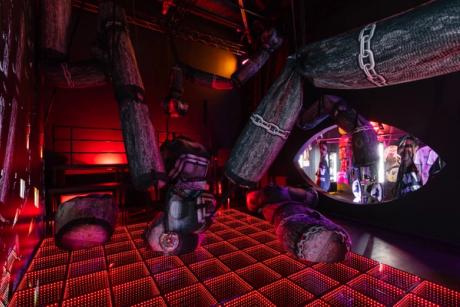
The Greek Pavilion at the 2026 Venice Biennale, titled "Grecia" and conceived as a drag artist, presents an S&M-inspired installation by artist and architect Andreas Angelidakis. The immersive space features a red neon-lit floor, soft sculptures resembling beanbags, fragmented marble columns wrapped in chains, and souvenirs bearing images of queer artists and the late activist Zak Kostopoulos (Zackie Oh). The pavilion aims to deconstruct the idea of a fixed national identity, exploring themes of queerness, fascism, and historical trauma.

Gabrielle Goliath Discusses Her Canceled South African Pavilion as She Shows New Work in a Venice Church

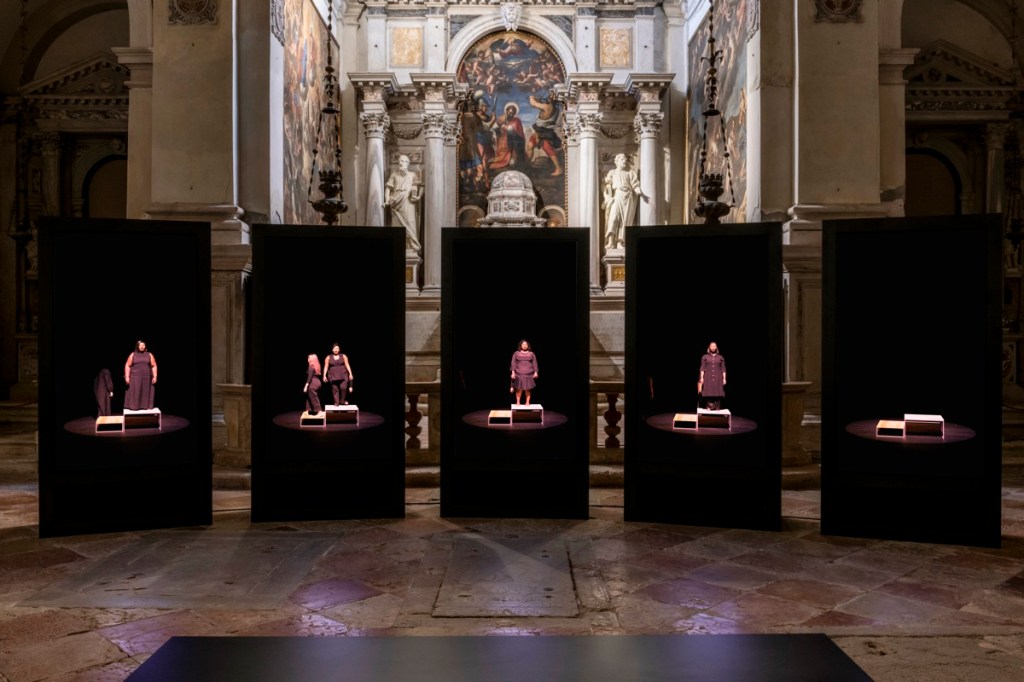
South African artist Gabrielle Goliath’s planned pavilion for the South Africa Pavilion at the Venice Biennale was canceled by culture minister Gayton McKenzie, who deemed it “highly divisive.” Despite the cancellation, Goliath has installed her work, a multi-screen iteration of her ongoing performance series *Elegy*, at the Chiesa di Sant’Antonin, half a mile from the Giardini. The new piece mourns victims of atrocities including South African femicide, the Herero and Nama genocide, and the death of Gazan poet Hiba Abu Nada, killed by an Israeli airstrike. Goliath stated that McKenzie explicitly demanded removal of the Palestinian content while deeming the other subjects acceptable.

Abbas Akhavan Transforms the Canada Pavilion Into a Greenhouse, Daring Viewers to Leave Behind Their Preconceptions

Artist Abbas Akhavan has transformed the Canada Pavilion at the Venice Biennale into a functioning greenhouse for his exhibition "Entre chien et loup." The pavilion now houses a 6,000-gallon pool containing giant Victoria water lilies, with modifications including grow lights, water misters, a new ventilation system, and structural reinforcements to support the 25-ton water tank. The installation evokes Victorian-era Wardian cases and London's Crystal Palace, but Akhavan emphasizes that his interest in the lilies began intuitively, not as a commentary on colonialism or empire. The project, developed with curator Kim Nguyen, involved collaboration with Kew Gardens and the Orto Botanico di Padova to cultivate the plants, and the outcome remains uncertain as the lilies may thrive or wither over the exhibition's six-month run.

Not Just the Biennale: What to See in Venice in Spring 2026 Among Galleries, Independent Spaces, and Special Projects

Non solo Biennale: cosa vedere a Venezia nella primavera 2026 tra gallerie, spazi indipendenti e progetti speciali

The article highlights a curated selection of exhibitions to see in Venice during spring 2026, beyond the main shows of the 61st Venice Biennale. It features projects in galleries, independent spaces, and historic venues, including a group show titled "Waves" at Casa Sanlorenzo with works by Alexander Calder and Lucio Fontana, a video installation by Ieva Lygnugarytė at Oratorio dei Crociferi, a Judy Chicago survey at Galleria Alberta Pane, a solo show by Hanna Rochereau at Mare Karina, and a Barry X Ball retrospective at the Abbey of San Giorgio Maggiore.

How the adoption of canvas in Venice changed the way artists painted

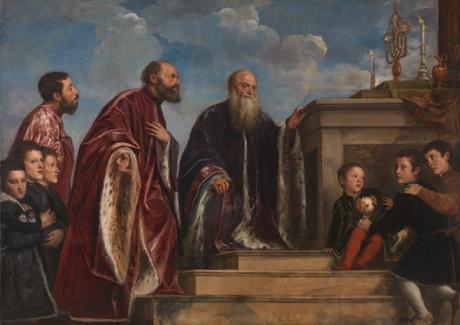
Art historian Cleo Nisse has published a new book, *Venetian Canvas and the Transformation of Painting*, examining how 16th-century Venetian painters such as Titian, Veronese, and Tintoretto pioneered the use of canvas as a painting support. Nisse reveals that canvas was not a uniform material—artists experimented with different weaves, including tabby and herringbone patterns, and even repurposed sailcloth and tablecloth-quality fabrics to achieve specific visual effects. The book argues that canvas was already familiar in the late Middle Ages for banners and alternatives to tapestry, and that Vittore Carpaccio was the first master of the medium, varying canvas types for expressive purposes in his *Legend of St Ursula* series.

Comment | Degenerate art all over again? Nazi attack on Modern art is not far away from trends in today’s world

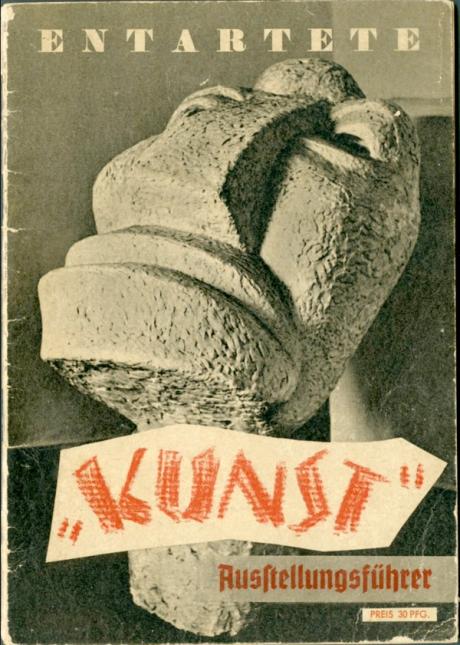
The article draws a provocative parallel between the Nazi regime's attack on modern art—epitomized by the 1937 "Degenerate Art" (Entartete Kunst) exhibition—and contemporary political aesthetics, particularly around President Donald Trump. It traces the Nazi party's early use of visual spectacle, mass rallies, and monumental art to forge a national identity, contrasting this with Trump's proposed National Garden for American Heroes and stalled White House Ballroom, which the author dismisses as kitsch but lacking the cohesive fascist aesthetic of Albert Speer's masterplans.

Meet the Writer Who Sees Every Single Show at the Venice Biennale

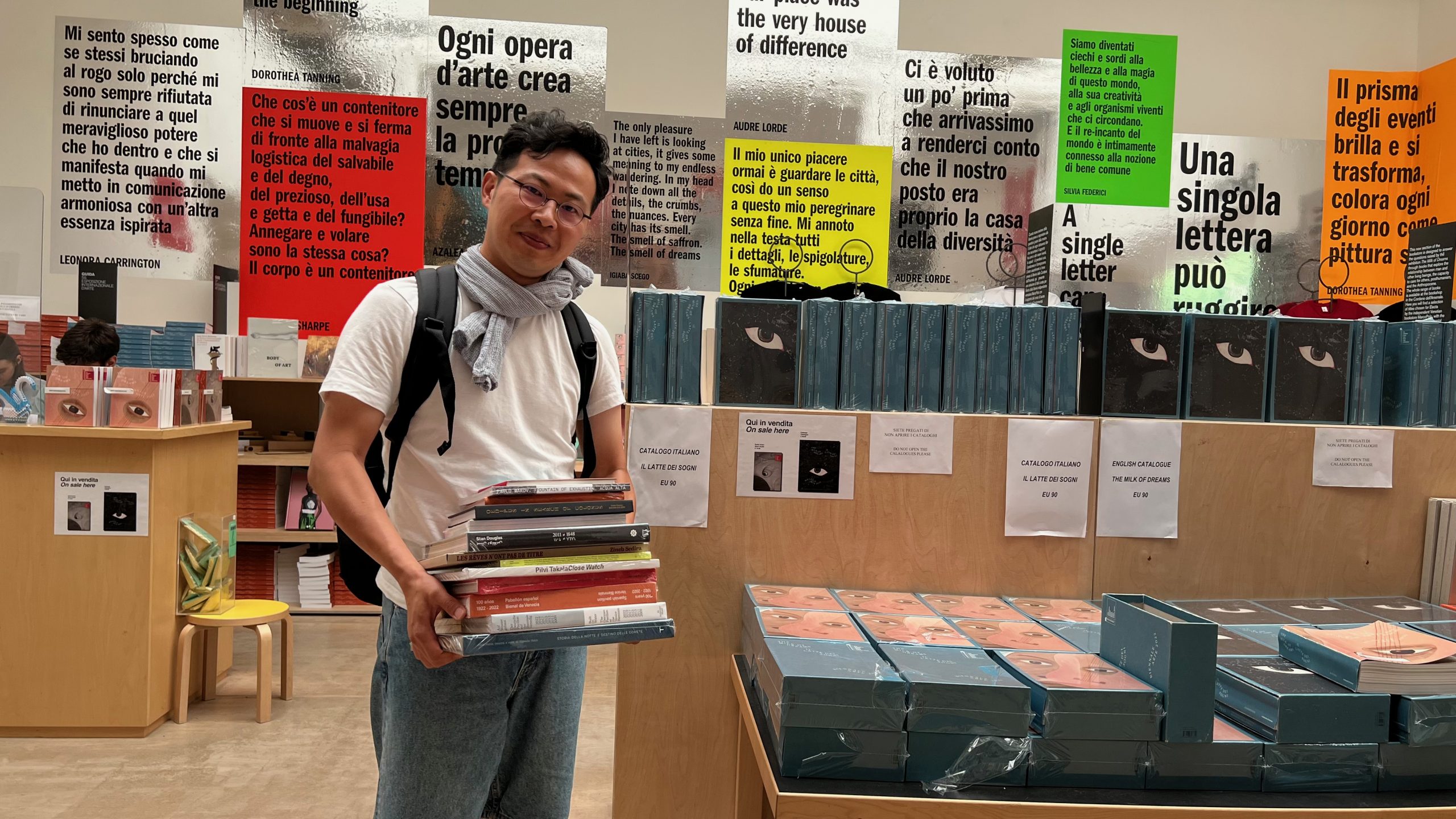
Jaeyong Park, a Seoul-based writer, translator, and interpreter, has attended every edition of the Venice Biennale since 2022—including both art and architecture cycles—and seen every single show, from the central exhibition and national pavilions to collateral and unofficial events. He documents his journeys in regular dispatches and has compiled a free bilingual guide to the biennial. Park organizes his trips with a group of fellow art workers, splitting accommodation costs and sharing reviews over dinner to ensure full coverage.

Museo de Arte Moderno de Bogotá's director departs amid accusations she harassed staff

The Museo de Arte Moderno de Bogotá (Mambo) is in a leadership crisis after its director, Martha Ortiz, resigned amid accusations of harassment and creating a toxic work environment. Her departure follows the dismissal of artistic director Eugenio Viola in February, which sparked an open letter signed by over 140 cultural figures demanding transparency. The museum's board chair, Ángela Royo, and financial manager Francy Hernández are temporarily overseeing operations while searches for both director and artistic director are underway.

Family of Nonagenarian Sculptor Is Fighting to Halt Demolition of Iconic Brutalist Fountain in Downtown San Francisco

The family of 96-year-old Quebecois sculptor Armand Vaillancourt is fighting to halt the demolition of his 710-ton concrete fountain, known as Québec Libre! or the Vaillancourt Fountain, in San Francisco’s Embarcadero Plaza. The city began dismantling the 1971 public artwork this week, citing a planned plaza renovation, and the disassembly is expected to cost $4 million. Vaillancourt’s son Alexis and the group Friends of the Plaza have filed an appellate petition challenging the city’s use of an emergency exemption under the California Environmental Quality Act, arguing that the fountain’s disrepair does not constitute a sudden emergency requiring immediate action.

Nymphs, mermaids and rosy cherubs: mansion filled with hidden wall paintings makes Victorian Society’s endangered buildings list

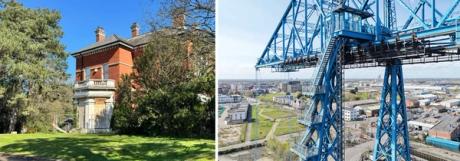
A derelict mansion called Parndon Hall, located within the grounds of Princess Alexandra Hospital in Harlow, Essex, has been named to the Victorian Society’s annual list of the top ten at-risk buildings in England and Wales. The house, built in 1867, contains a hidden trove of wall paintings by the almost-forgotten Victorian artist Elizabeth Arkwright, who covered walls, ceilings, and doors with nymphs, mermaids, and cherubs—many still concealed under Edwardian whitewash. The building has been used for storage and has sat unoccupied since flood repairs in 2024.

Mass shooting at Mexico's Teotihuacan archaeological site leaves one dead, 13 injured

A mass shooting occurred at the Teotihuacan archaeological site in Mexico, leaving one Canadian tourist dead and 13 others from various nations injured. The gunman, identified as Julio César Jasso Ramírez, opened fire from atop the Pyramid of the Moon before killing himself at the scene.

From men on dog leads to public breast-fondling, Valie Export’s art demanded a total feminist revolution

Valie Export, the pioneering Austrian feminist artist known for her provocative and confrontational performances from the 1960s onward, is the subject of a reflective essay by writer and academic Hettie Judah. The article revisits Export's radical works such as *Hyperbulia* (1973), where she crawled naked through electrified wires; *From the Portfolio of Doggedness* (1968), in which she led a man on a dog lead through Vienna; and *Action Pants: Genital Panic* (1969), where she walked through a cinema with exposed genitals. Judah draws on her own interviews with Export, who died in 2023, and discusses the artist's manifesto demanding that women use art to reshape consciousness and achieve liberation.

‘Touch the earth lightly’: the Australian home that floats above the landscape

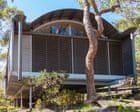
The article profiles the Ball-Eastaway House, a home designed by pioneering Australian architect Glenn Murcutt in 1983 for artist Sydney Ball and his partner Lynne Eastaway. Located on a 10-hectare block of dry sclerophyll forest northwest of Sydney, the house is elevated on 14 steel columns sunk into a sandstone rock shelf, allowing it to float above the landscape and minimize its environmental impact. Murcutt, who later won the Pritzker Prize, incorporated sustainable design features such as natural ventilation, a gutter system inspired by eucalypt leaf patterns, and a structure that can be dismantled without trace.

‘We’re attached to this land like a tree is rooted in soil’: unexpectedly timely exhibition speaks up for the people of south Lebanon

An exhibition titled 'Forget Me Not: South Lebanon in Memory and Motion' was held at London's Palestine House earlier this month. It featured archival news footage from 2000, photographs, audiovisual materials, and children's drawings to document the history, culture, and resilience of southern Lebanon, a region experiencing renewed conflict.

Tate St Ives to host first UK museum exhibition of groundbreaking artist

Tate St Ives will present the first UK museum exhibition of Aleksandra Kasuba, a Lithuanian American artist (1923–2019), from May 2 to October 4, 2026. The show spans seven decades of her career, featuring early paintings, mosaics, sculptures, and public artworks, including the spatial environment *Spectrum: An Afterthought* and a recreation of her *Live-In Environment*. Works are drawn from the Lithuanian National Museum of Art's collection, where Kasuba donated her pieces.

Taking a Deep Dive into a Connecticut Ranch House

Artist couple Janis Provisor and Brad Davis transformed an indoor swimming pool in their Connecticut ranch house into a studio, prioritizing their creative work over leisure. The article explores how they adapted the unconventional space to suit their artistic practices.

A Dutch Art Studio Lights Up Venice’s Grand Canal

Dutch artists Lonneke Gordijn and Ralph Nauta of Studio Drift have installed their kinetic light sculptures along Venice’s Grand Canal, bringing their work outdoors for the first time during the Venice Biennale. The installation transforms the iconic waterway with moving, illuminated forms that interact with the surrounding architecture and water.

This Professor Won the ‘Bauhaus Bathroom’ Design Competition for the Gropius House

The New York Times Art section announced the winner of a competition to design a public restroom at the historic Gropius House in Lincoln, Massachusetts. The winning design, dubbed the 'Bauhaus Bathroom,' was created by a professor whose identity has not been disclosed in the provided text. The competition aimed to add a functional, contemporary restroom that respects the iconic Bauhaus architecture of the house, which was designed by Walter Gropius in 1938.

An Artist Asks: Without Darkness, Who Are We?

Artist Jan Tichy has created a new exhibition that explores the consequences of light pollution and the disappearance of natural darkness. The project, titled "Without Darkness, Who Are We?", involved extensive research and collaboration with scientists including entomologists and neurobiologists to understand the ecological and psychological impacts of artificial light.

An L.A. Artist Devoted to the Process of Paint

Los Angeles-based artist Sandy Rodriguez is profiled for her multifaceted practice that extends far beyond traditional painting. Her work involves deep research into art history, botany, and indigenous materials, positioning her as a scientist, historian, and alchemist as much as a painter.

Somali artists and culture workers express concern over Somalia Pavilion in Venice

Somali artists, cultural workers, and organizations have published multiple open letters and statements expressing concern over the Somalia Pavilion at the Venice Biennale. The pavilion, announced in March for the 2026 edition, is titled 'SADDEXLEEY' and features Somali-Swedish artist Ayan Farah, Somali-Danish poet and filmmaker Asmaa Jama, and Somali-British writer Warsan Shire, curated by Stockholm-based Mohamed Mire and Italian project manager Fabio Scrivanti. Critics, including the Somali Arts Foundation and the queer collective Warbixinta Cidda, allege that the pavilion was organized without meaningful consultation of artists and organizations based in Somalia, and object to the appointment of an Italian co-curator given Italy's colonial history in Somalia. An anonymous open letter further alleges intimidation and coercive pressure against critics, and demands Scrivanti's removal, calling for a boycott if demands are not met.

‘My Year in Paris with Gertrude Stein’ by Deborah Levy, Reviewed

Deborah Levy’s latest novel, *My Year in Paris with Gertrude Stein*, follows a first-person narrator who travels to Paris to research the American writer and collector Gertrude Stein. The narrative slips between the early twentieth century and the autumn of Donald Trump’s 2024 reelection, using stream-of-consciousness prose and liquid metaphors to blur past and present. The narrator’s research into Stein’s role in shaping modernity becomes a vehicle for exploring her own sense of helplessness and lack of agency in a hyperconnected, war-weary present.

Sung Tieu on Representing Germany at the 61st Venice Biennale

Sung Tieu, who is co-representing Germany at the 61st Venice Biennale alongside Henrike Naumann, responds to a questionnaire from ArtReview about her plans for the German Pavilion. She describes her inspiration as her mother and childhood home, a site built for foreign contract workers in the GDR that later became a refuge for the diaspora. Tieu states that her work relates to the Biennale theme "In Minor Keys" through the lens of Gehrenseestrasse, a concrete record of collective memory. She also expresses skepticism about the Biennale's importance, noting that the German Pavilion's fascist architecture compels artists to work against it, and that national pavilions reveal how much work remains in undoing nationalism.

Bugarin + Castle on Representing Scotland at the 61st Venice Biennale

ArtReview published a questionnaire response from Bugarin + Castle, the artist duo representing Scotland at the 61st Venice Biennale (2026). Their exhibition, titled "Shame Parade" and curated by Mount Stuart Trust, explores charivari—medieval public shaming rituals involving sound, costume, and cross-dressing. The work draws on the artists' research into how noise and music have been used as tools of control, with particular attention to the Filipino legal definition of charivari as a punishable public disturbance. The exhibition includes sculpture, print, moving image, and a musical score created with Manila-based band Kalye Teresa, and is housed at the Olivolo, Castello pavilion.