filter_list Showing 1649 results for "Side" close Clear
search
dashboard All 1649 museum exhibitions 905article local 266article news 174article culture 79trending_up market 64person people 44article policy 42candle obituary 32rate_review review 30gavel restitution 10article event 3
date_range Range Today This Week This Month All
Subscribe

art olivia walton crystal bridges

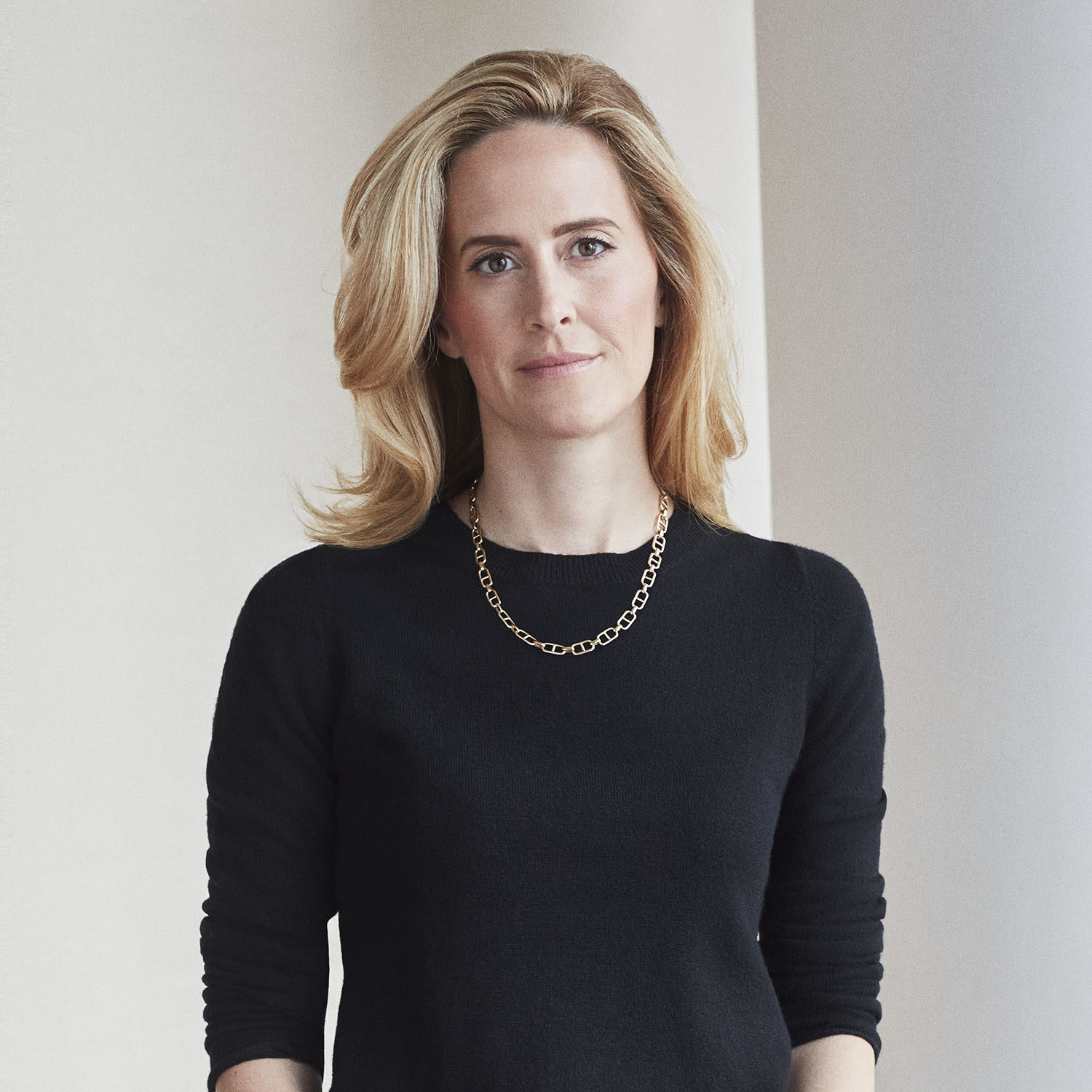
Olivia Walton, former TV journalist and current board chair of the Crystal Bridges Museum of American Art in Bentonville, Arkansas, discusses her leadership and vision in an interview for Cultured's 2026 CULT100 honorees. She took over from founder Alice Walton, her husband's aunt, in 2021 and has championed free admission and expanded access. The museum is set to open a major expansion in May, doubling its public space and celebrating its 15th anniversary alongside America's 250th birthday.
Dozens of Pavilions Close During Strike at 61st Venice Biennale

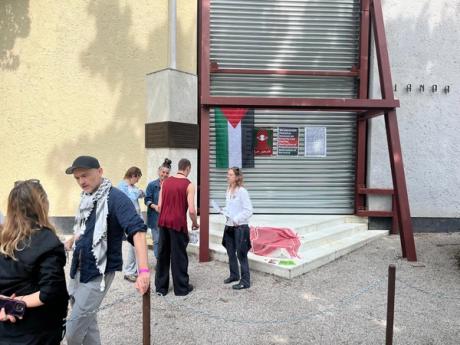
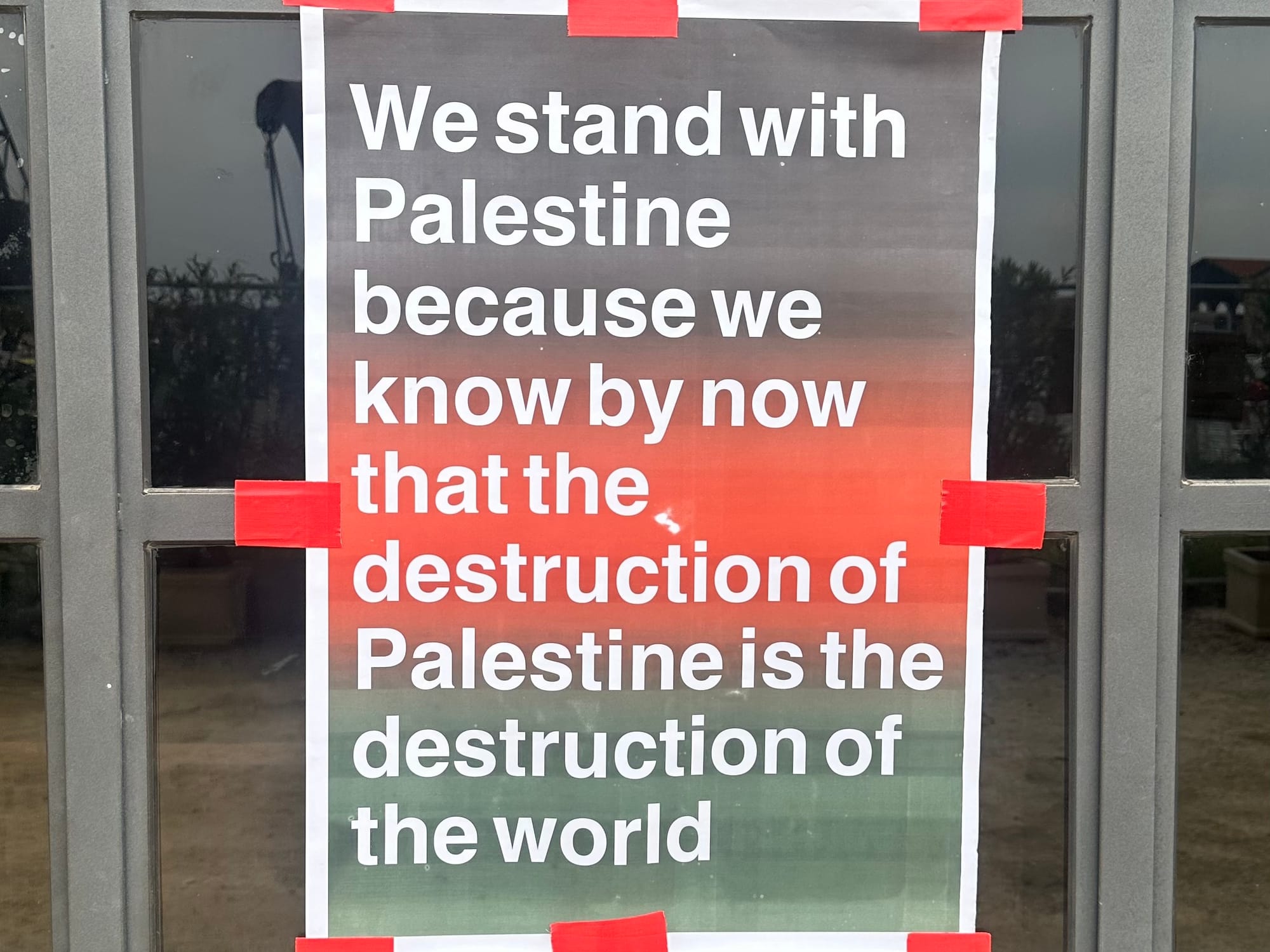
On May 8, 2026, a 24-hour strike organized by the Art Not Genocide Alliance (ANGA) and several Italian activist groups brought the 61st Venice Biennale to a standstill. Approximately 27 of the 100 national pavilions closed fully or partially in solidarity with protesters demanding Israel’s exclusion from the event, including those of Austria, Belgium, France, Great Britain, Japan, South Korea, and Ukraine. Over 3,500 people marched through Venice, with speakers including artist Gabrielle Goliath and curator Caroline Dumalin. The main exhibition, "In Minor Keys," curated by the late Koyo Kouoh, closed by late afternoon, and riot police were stationed outside the Arsenale. The Israeli pavilion, already shuttered during previews, remained closed.

Protests and Shutdowns Engulf 61st Venice Biennale Opening

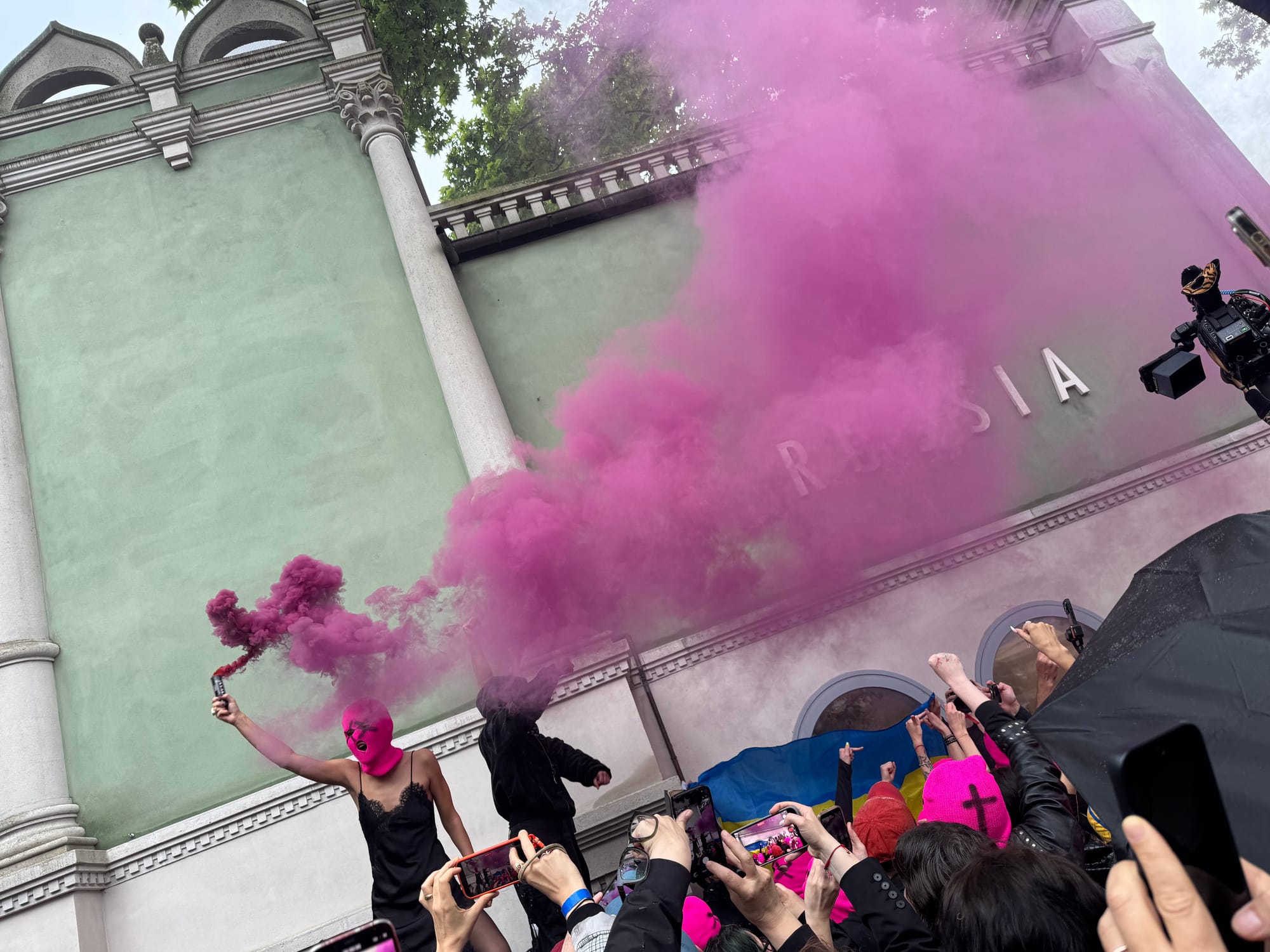
The 61st Venice Biennale preview week, opening to press and professionals ahead of its May 9 public launch, has been engulfed by protests and institutional crises. On May 5, around 60 artists from Koyo Kouoh's exhibition “In Minor Keys” staged a Solidarity Drone Chorus outside the Giardini, drawing on Gazan composer Ahmed Muin's Drone Song (2025) to highlight victims of warfare. On May 6, the Art Not Genocide Alliance (ANGA) organized protests outside Israel's pavilion at the Arsenale, leading to a security-enforced closure, while Pussy Riot and FEMEN demonstrated outside the Russian pavilion. The jury resigned on April 30 after controversy over award eligibility tied to ICC arrest warrants, prompting the Biennale to scrap Golden Lions and transfer prize voting to the public. Iran withdrew its pavilion on May 4, and Russia's will close on May 9, with only exterior video projections remaining. ANGA and Italian unions have announced a 24-hour strike on May 8.

Artist Outraged After His Conservationist Mural in Dallas Is Painted Over to Allow for FIFA Promo

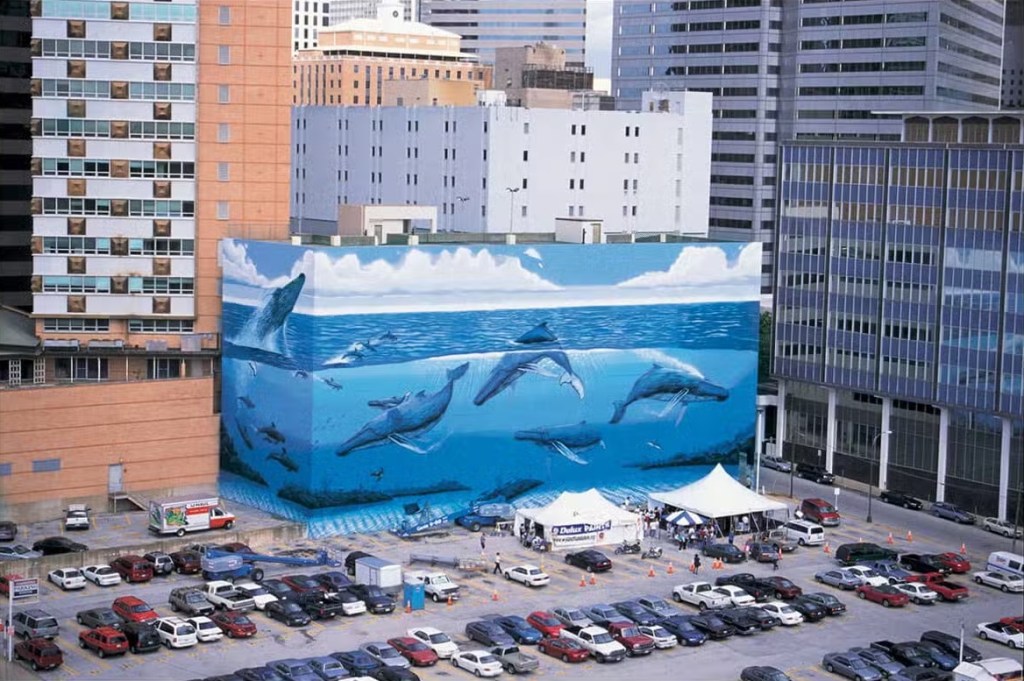
A giant mural by conservationist artist Robert Wyland, titled *Ocean Life* (1999), was painted over in Dallas to make way for a FIFA promotional mural. The piece was number 82 of Wyland's 100 "whaling wall" murals worldwide, covering two sides of the Texas Utilities Building. Crews began painting over the larger 164-by-82-foot section last week, while a smaller panel remains visible. Wyland and the Wyland Foundation have denied giving permission, calling the city's claim a lie. The building's owner, Slate Asset Management, allowed the North Texas FIFA World Cup Organizing Committee to cover the mural. FIFA plans to unveil a new work by a local artist ahead of the 2026 World Cup, for which Dallas will host nine matches.

Fire erupts at San Francisco's Vaillancourt Fountain during its dismantling

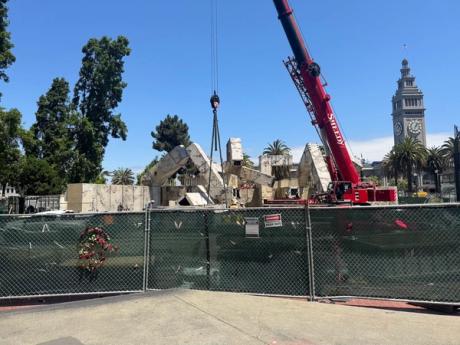
A fire broke out at San Francisco's Vaillancourt Fountain on May 4, 2025, as construction crews used torches to dismantle the 1971 Brutalist structure, igniting debris inside its steel tubes. The San Francisco Arts Commission confirmed the fire was quickly extinguished with no major damage, but the incident has raised concerns about safety protocols, as workers were reportedly not wearing protective gear against potential lead or asbestos exposure, and no public warnings were posted. The dismantling proceeded after a California appeals court denied a request from the local coalition Friends of the Plaza to halt the removal, which the city justified citing asbestos and structural risks.

Venice Biennale strike sees more than 15 pavilions temporarily or partially close

On 8 May, more than 15 national pavilions at the Venice Biennale temporarily or partially closed in a coordinated strike organized by the Art Not Genocide Alliance (ANGA). The protest opposes Israel’s participation in the event, which organizers say normalizes what they call genocide and exploits precarious labor. Participating countries include Austria, Lebanon, Slovenia, Egypt, Poland, and the Netherlands, whose artist Dries Verhoeven stood outside his shuttered pavilion with a Palestinian flag. Some pavilions, like Japan’s, remained open but suspended interactive elements. The strike follows earlier controversies, including the resignation of the prize jury and an open letter demanding the Israeli pavilion’s cancellation.

Abbas Akhavan Transforms the Canada Pavilion Into a Greenhouse, Daring Viewers to Leave Behind Their Preconceptions

Artist Abbas Akhavan has transformed the Canada Pavilion at the Venice Biennale into a functioning greenhouse for his exhibition "Entre chien et loup." The pavilion now houses a 6,000-gallon pool containing giant Victoria water lilies, with modifications including grow lights, water misters, a new ventilation system, and structural reinforcements to support the 25-ton water tank. The installation evokes Victorian-era Wardian cases and London's Crystal Palace, but Akhavan emphasizes that his interest in the lilies began intuitively, not as a commentary on colonialism or empire. The project, developed with curator Kim Nguyen, involved collaboration with Kew Gardens and the Orto Botanico di Padova to cultivate the plants, and the outcome remains uncertain as the lilies may thrive or wither over the exhibition's six-month run.

With Nearly 30,000 Clay Earth Bricks, Dana Awartani Remakes History in the Saudi Arabia Pavilion

Dana Awartani, a Jeddah- and New York-based artist of mixed Palestinian, Saudi, Jordanian, and Syrian descent, has created the Saudi Arabia Pavilion at the Venice Biennale using nearly 30,000 clay earth bricks. The installation, titled "May your tears never dry, you who weep over stones," replicates traditional mosaic motifs sourced from over 20 cultural heritage sites across the Arab world that have been destroyed by human conflict. Awartani emphasizes collaboration, crediting numerous skilled craftsmen—economic migrants to Saudi Arabia—who worked alongside her, and her practice blends formal training at Central St. Martins with Islamic geometry and illumination studies in Turkey.

How the adoption of canvas in Venice changed the way artists painted

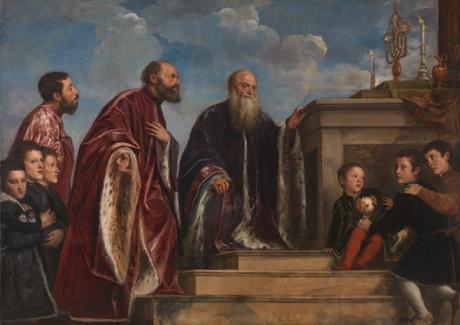
Art historian Cleo Nisse has published a new book, *Venetian Canvas and the Transformation of Painting*, examining how 16th-century Venetian painters such as Titian, Veronese, and Tintoretto pioneered the use of canvas as a painting support. Nisse reveals that canvas was not a uniform material—artists experimented with different weaves, including tabby and herringbone patterns, and even repurposed sailcloth and tablecloth-quality fabrics to achieve specific visual effects. The book argues that canvas was already familiar in the late Middle Ages for banners and alternatives to tapestry, and that Vittore Carpaccio was the first master of the medium, varying canvas types for expressive purposes in his *Legend of St Ursula* series.

Comment | Degenerate art all over again? Nazi attack on Modern art is not far away from trends in today’s world

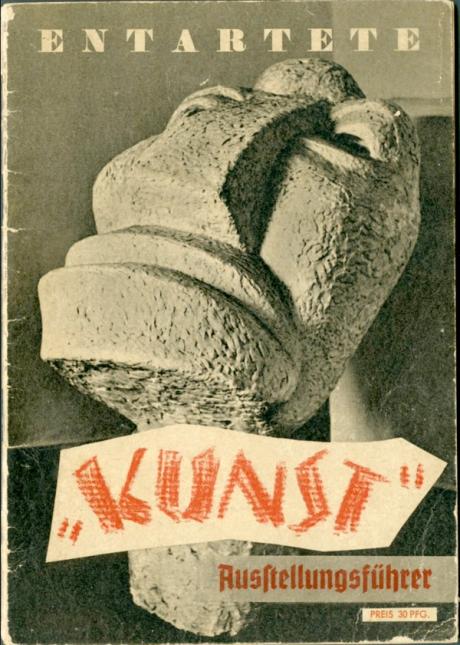
The article draws a provocative parallel between the Nazi regime's attack on modern art—epitomized by the 1937 "Degenerate Art" (Entartete Kunst) exhibition—and contemporary political aesthetics, particularly around President Donald Trump. It traces the Nazi party's early use of visual spectacle, mass rallies, and monumental art to forge a national identity, contrasting this with Trump's proposed National Garden for American Heroes and stalled White House Ballroom, which the author dismisses as kitsch but lacking the cohesive fascist aesthetic of Albert Speer's masterplans.

Nymphs, mermaids and rosy cherubs: mansion filled with hidden wall paintings makes Victorian Society’s endangered buildings list

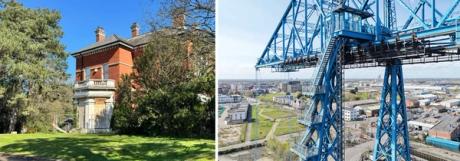
A derelict mansion called Parndon Hall, located within the grounds of Princess Alexandra Hospital in Harlow, Essex, has been named to the Victorian Society’s annual list of the top ten at-risk buildings in England and Wales. The house, built in 1867, contains a hidden trove of wall paintings by the almost-forgotten Victorian artist Elizabeth Arkwright, who covered walls, ceilings, and doors with nymphs, mermaids, and cherubs—many still concealed under Edwardian whitewash. The building has been used for storage and has sat unoccupied since flood repairs in 2024.

Israel Addresses Venice Biennale Jury’s ‘Boycott’ of Pavilion: ‘A Contamination of the Art World’

Israel’s foreign ministry has condemned a statement by the Venice Biennale jury, in which the five curators declared they would not consider pavilions from countries charged with crimes against humanity by the International Criminal Court. The jury’s decision effectively boycotts Israel and Russia, whose leaders face ICC arrest warrants. Israel called the move a “contamination of the art world,” while the artist representing Israel, Belu-Simion Fainaru, also denounced the jury for creating a hostile environment. The Biennale’s organizers have distanced themselves from the jury, stating they cannot exclude any recognized state from the exhibition.

Remembering Napoleon Jones-Henderson, an AfriCOBRA Founding Member Who Imbued Art and Life with Exuberant Energy

Napoleon Jones-Henderson, a founding member of the influential African American artist collective AfriCOBRA, has died. Born in Chicago in 1943, he studied at the Sorbonne and the School of the Art Institute of Chicago, where he was mentored by Bauhaus textile artist Else Regensteiner. In 1969, he co-founded AfriCOBRA, becoming known as "the weaver" of the group for his vibrant textile works that incorporated metallic threads and found objects. He later moved to Boston, taught at Massachusetts College of Art and Design, and maintained a prolific studio practice in Roxbury for over 50 years, creating works focused on empowerment, Pan-Africanism, and racial justice.

Venice Biennale Jury Says It Won’t Consider Countries Charged with Crimes Against Humanity, Including Israel and Russia

The Venice Biennale's jury announced it will not consider nations whose leaders are charged with crimes against humanity by the International Criminal Court, effectively excluding Israel and Russia from competing for top honors. The jury, led by Videobrasil founder Solange Farkas, stated this decision aligns with curator Koyo Kouoh's vision and the Biennale's historical role as a platform connecting art to urgent issues. The ICC has issued arrest warrants for Israeli Prime Minister Benjamin Netanyahu and Russian President Vladimir Putin, while other indicted leaders like Sudan's Omar al-Bashir and Afghan officials lack Biennale pavilions.

‘How can nudity be so provocative?’ Florentina Holzinger on rocking Venice with naked jetskiers, human bells and urine divers

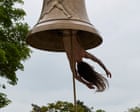
Florentina Holzinger, an Austrian dancer and choreographer known for provocative, physically extreme performances, is representing Austria at the Venice Biennale with a new work titled *Seaworld Venice*. The piece features naked performers on a barge in the lagoon, including a woman suspended upside down inside a cast-iron bell hoisted by a crane, a guitarist rocking at a vertiginous height, and a vocalist screaming like Yoko Ono. Holzinger’s previous opera *Sancta* included a climbing wall, nuns on roller skates, and a pregnant pope on a robot arm, and has toured European opera houses for two years.

Khaled Sabsabi is finally at the Venice Biennale: ‘Being here is already a win’

Khaled Sabsabi has opened his exhibition 'conference of one’s self' at the Australian Pavilion of the 61st Venice Biennale, alongside a second installation 'Khalil' in the Arsenale. This follows a tumultuous period in which Creative Australia rescinded his appointment as Australia’s representative in February 2025, sparking widespread backlash from the art community. After being reappointed in July 2025, Sabsabi presents two monumental multimedia works inspired by Sufi practice, created in Bangkok and described as 'one body with two limbs'.

Dirty carpets to Palestinian skateboarders: a decade of Peckham 24 – in pictures

Peckham 24, a photography festival in south London, celebrates its 10th anniversary with a special edition titled "The Eras Edition," running from 15-17 May at Copeland Park and the Bussey Building. Founded a decade ago by artist-curator duo Jo Dennis and Vivienne Gamble as a fringe event of Photo London, the festival began as a 24-hour pop-up showcasing emerging talent. This year's edition explores the theme of time through works by artists including Kristina Yenza (documenting youth in wartime Ukraine), Vinca Petersen (rural community life on the Isle of Skye), Max Ferguson (the London College of Communication tower block), Julie F Hill (space telescope data visualizations), Mark Duffy (carpet detritus in the Houses of Parliament), and Maen Hammad (Palestinian skateboarders).

Salisbury Cathedral restores stained-glass treasure by Edward Burne-Jones and William Morris

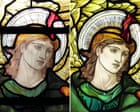
Salisbury Cathedral has completed a two-year restoration of a stained-glass window designed by Edward Burne-Jones and William Morris. The 6.5-metre "Angels" window, depicting ministering and praising angels, was carefully removed in February 2024, cleaned, and fitted with protective glazing and oak frames. Head glazier Sam Kelly, who began as an apprentice at the cathedral 40 years ago, led the project alongside colleagues Vicky Pearce, Kate Kersey, and Alfie Durrant. Lost details were restored on backing glass rather than the original surface, and the window will be rededicated at an evensong service on 7 May.

‘Sensitive, sexy and surreal’: Japan’s Kyotographie festival

Kyotographie, Japan's leading international photography festival, opened its 2025 edition with the theme 'Edge,' featuring 14 exhibitions across Kyoto. The festival includes a major retrospective of Daido Moriyama, the 86-year-old pioneer of the 'are-bure-boke' aesthetic, showcasing over 200 images, 400 magazines, and 100 books. Also featured are British artist Linder Sterling, known for her punk-era feminist photomontages and album art for Buzzcocks, and Kenyan photographer Thandiwe Muriu, this year's African artist in residence, who uses patterned kitenge fabric to explore identity and female empowerment.

World Press Photo 2026 winners – in pictures

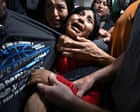
The World Press Photo 2026 winners have been announced, with Carol Guzy awarded the top honor for her image of distraught girls clinging to their father as ICE agents detain him after an immigration hearing in New York City. Finalists include Saber Nuraldin’s photograph of Palestinians scrambling for aid in Gaza, Victor J Blue’s image of Achi women outside a Guatemala City court, and other powerful works documenting climate displacement in Mexico, a wedding during a typhoon in the Philippines, police detaining a priest at a pensioners’ protest in Argentina, and a social robot in Europe.

‘They tore up everything’: the wolf hunters of Kyrgyzstan – in pictures

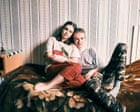
Photographer Luke Oppenheimer traveled to the remote Kyrgyz village of Ottuk in 2021 for a short assignment on wolves preying on livestock, but ended up staying for four years. His project, titled 'Ottuk' and published by Aliens in Residence, documents the lives of shepherds who hunt wolves to protect their herds in the Tien Shan mountains, capturing their ancient way of life, harsh winters, and the legends that shape their community.

Emma the joke-telling robot cracks up the care home: Paula Hornickel’s best photograph

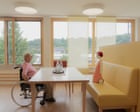
Photographer Paula Hornickel captured a moment between an elderly care home resident named Waltraud and a social robot named Emma in Albershausen, Germany. The robot, designed for companionship in settings with staff shortages, engages residents in conversation, tells jokes, and discusses topics like favorite flowers, simulating social interaction.

Bow Arts launches open call for 2027 East London Art Prize

Bow Arts has announced an open call for the 2027 edition of the East London Art Prize, now entering its third cycle. The prize will support 12 shortlisted artists with exhibitions, mentoring, and career development, awarding one artist £15,000 and a solo exhibition at Nunnery Gallery, and another a year-long studio residency. The judging panel includes Brendan Cormier, Alex Needham, Marine Tanguy, and artist Michelle Williams Gamaker, with submissions open from 14 May to 16 August 2026.

Memorial Art Gallery raises $9 million to make admission free in 2027

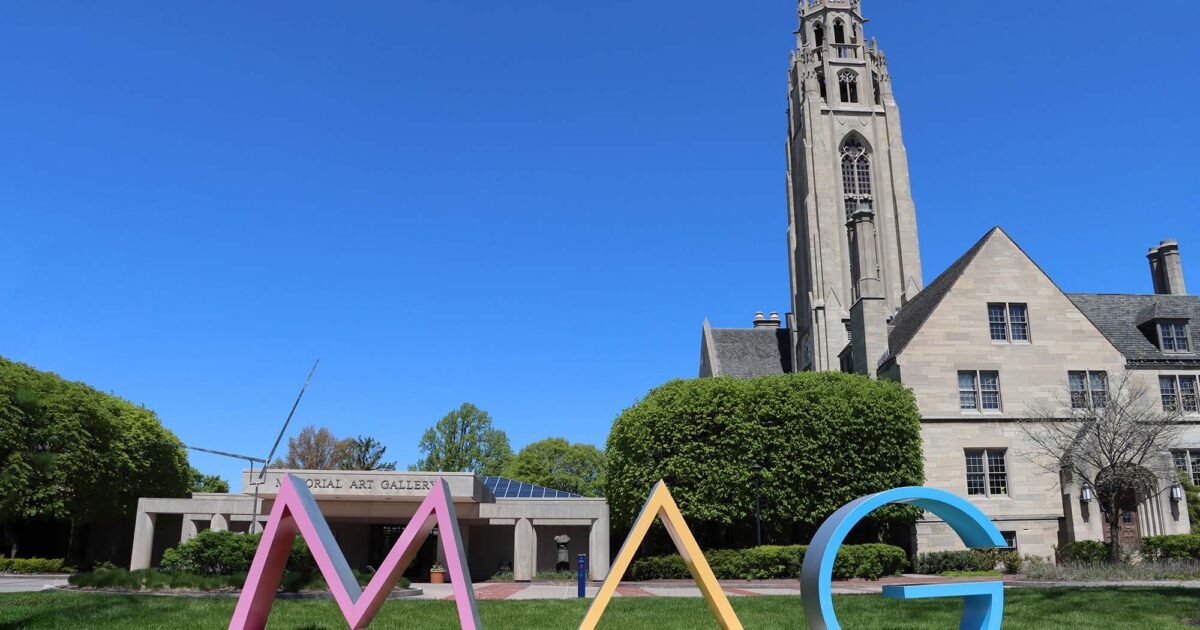
The Memorial Art Gallery (MAG) at the University of Rochester has raised over $9 million through its "Free for All, Forever" fundraising initiative, surpassing its original goal and timeline. The museum will now open its doors free of charge to all visitors sometime in 2027, much sooner than anticipated. Key donors include Alexander and Lucy Levitan, who contributed a $1 million capstone gift; Doug and Abby Bennett and the Sands Family Foundation, who gave a $3 million leadership gift; and Mary Ellen Burris, who donated $2 million. The announcement was celebrated at MAG's Flourish For All, Forever gala on May 9, 2026.

In Tuscany, an Artistic Sculpture Hub Thrives

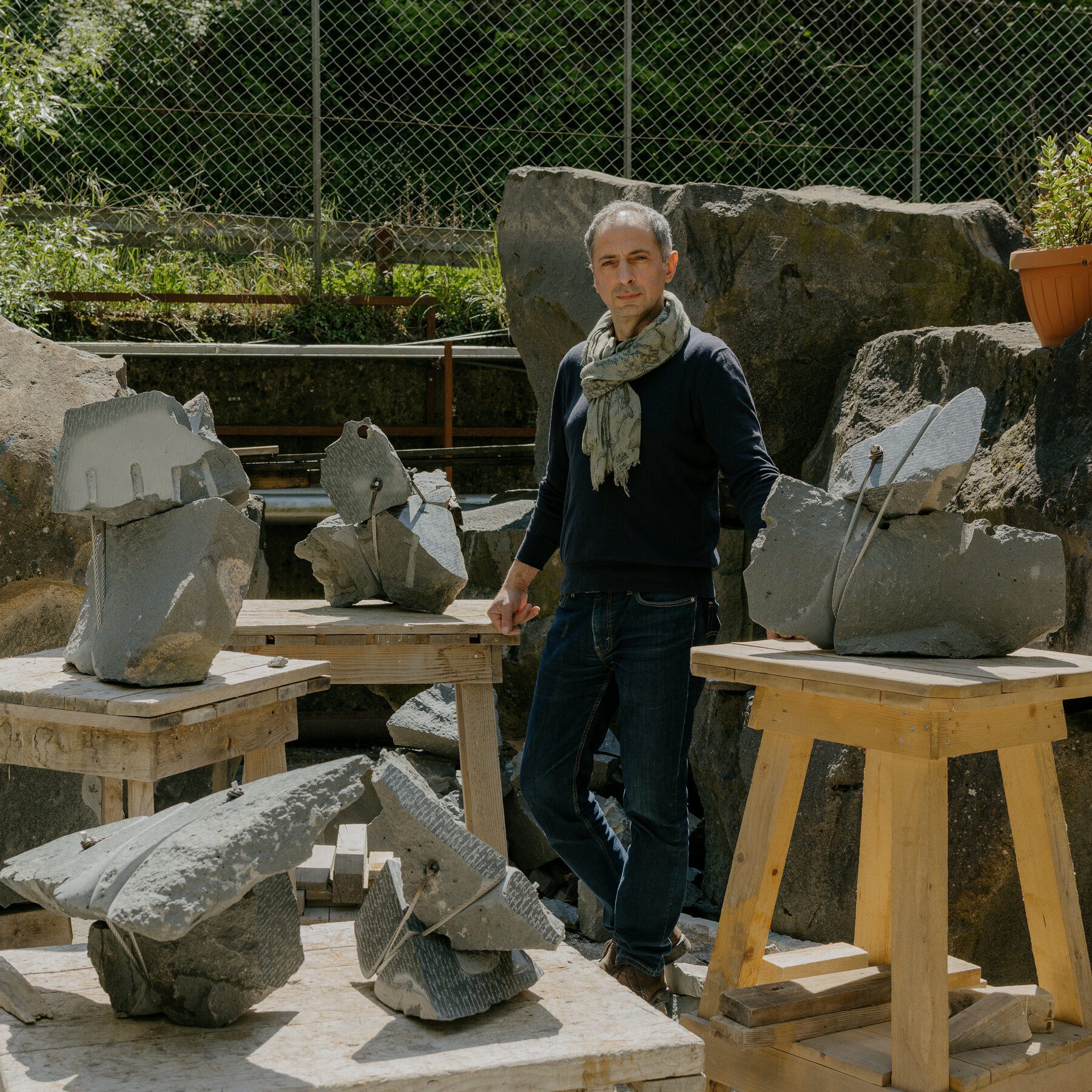
The article profiles Pietrasanta, a small town in Tuscany, Italy, that has evolved into a thriving international sculpture hub. It traces the town's artistic lineage back to Michelangelo, who sourced marble from local quarries in 1518, and highlights how today a dense network of workshops, foundries, and craftspeople attracts artists from around the world. The local government has established the Fondazione Centro Arti Visive di Pietrasanta to promote the town as a year-round art center, not just a seasonal destination. The piece features the Armenian-born artist Mikayel Ohanjanyan, who has seven sculptures on display in the town.

Inside the Artist Peter Bradley’s Upstate New York Home

Peter Bradley, a painter, art dealer, and prominent figure in the 1960s and ’70s Manhattan art scene, has lovingly restored an 18th-century home in upstate New York, bringing a loftlike aesthetic to the historic property. The article offers an inside look at his residence, highlighting how his artistic sensibility shaped the renovation.

For the Painter Michael Armitage, Art Comes With a ‘Sense of Responsibility’

The New York Times profiles Kenyan British painter Michael Armitage, who is currently exhibiting his paintings and studies in Venice. The article explores his artistic practice, his deep connection to his Kenyan roots, and his recent relocation to Indonesia, which has influenced his work and perspective.

An Artist Asks: Without Darkness, Who Are We?

Artist Jan Tichy has created a new exhibition that explores the consequences of light pollution and the disappearance of natural darkness. The project, titled "Without Darkness, Who Are We?", involved extensive research and collaboration with scientists including entomologists and neurobiologists to understand the ecological and psychological impacts of artificial light.

‘My Father’s Shadow’: Now You See Me

Clive Chijioke Nwonka reviews Akinola Davies Jr.'s film *My Father's Shadow* (2025), a semi-autobiographical story of two adolescent brothers traveling through Lagos with their estranged father during the 1993 Nigerian presidential elections. The film, selected for the Cannes Official Selection, employs a metaphysical narrative style rooted in the Nigerian oral tradition, blending literal and spiritual worlds to explore diasporic identity, memory, and cultural preservation.

Dries Verhoeven on Representing the Netherlands at the 61st Venice Biennale

Dries Verhoeven will represent the Netherlands at the 61st Venice Biennale (2026) with a new work titled *The Fortress*, installed in the Dutch Rietveld Pavilion in the Giardini. The 25-minute performance piece transforms the sunlit pavilion into a darkened bunker, featuring a raw vocal composition using only false vocal cords. Verhoeven describes the work as a meditation on transition and self-preservation, reflecting a Western society caught between its enlightened self-image and a dark vision of the future. The piece responds to geopolitical unrest outside the Biennale grounds and is designed to be melancholic and confrontational, contrasting with the main exhibition's theme, *In Minor Keys*.