filter_list Showing 180 results for "Monopol" close Clear
search
dashboard All 180 museum exhibitions 80article news 34article culture 24article policy 14candle obituary 8trending_up market 6rate_review review 6person people 5gavel restitution 2article local 1
date_range Range Today This Week This Month All
Subscribe

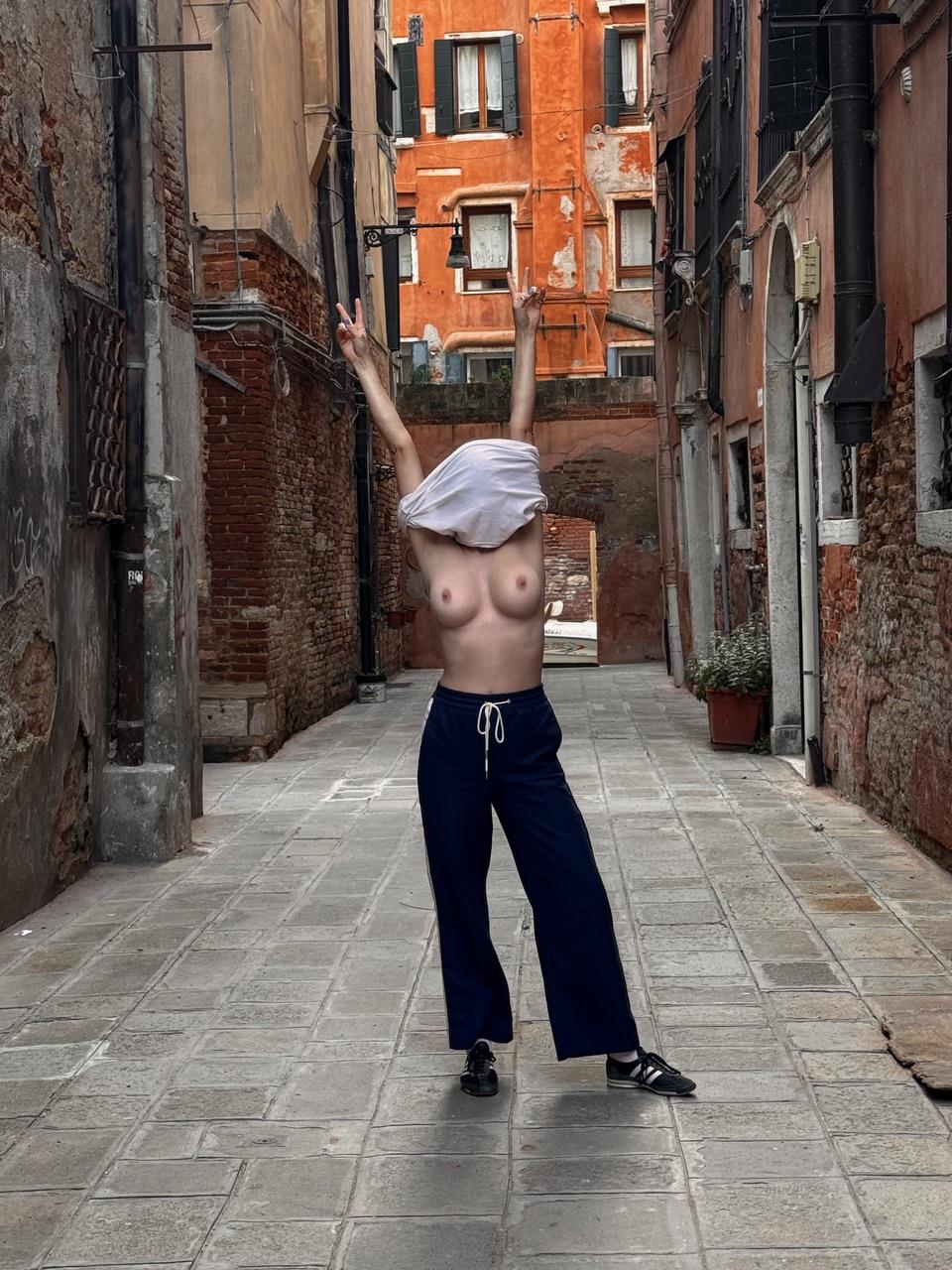
And who are you?

Und wer seid ihr?

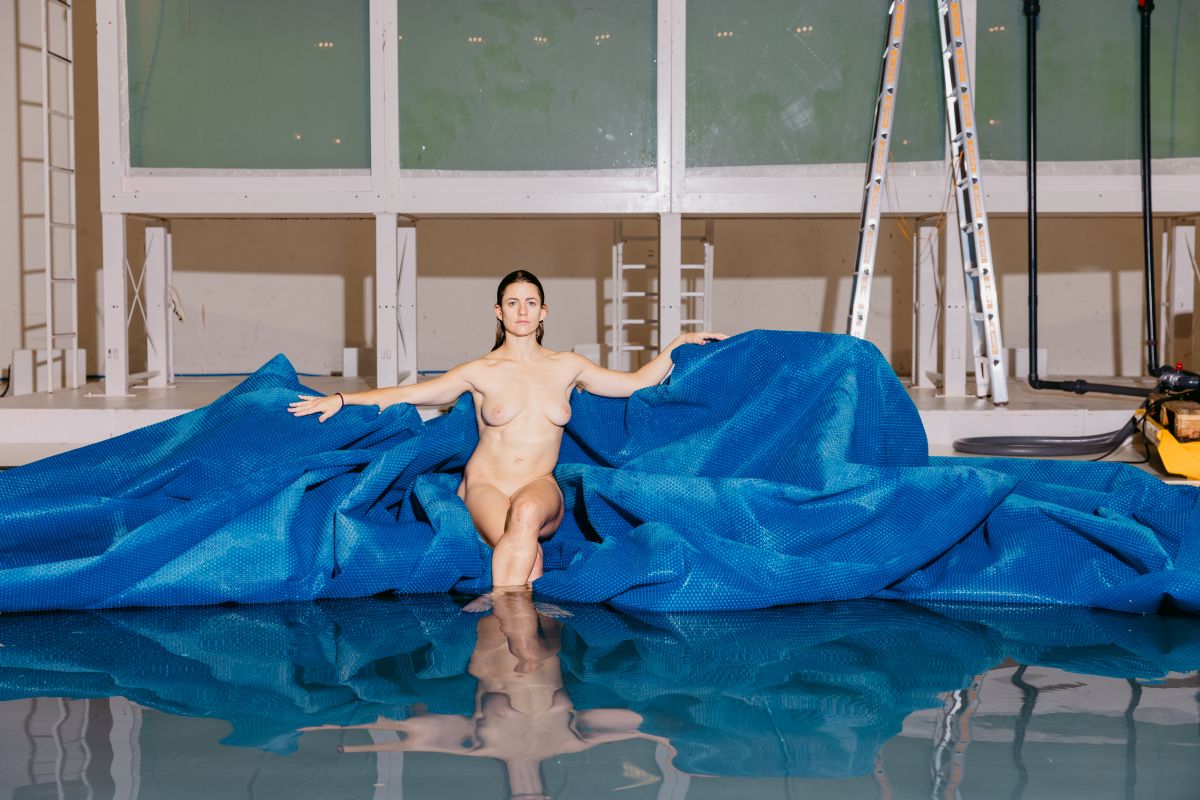
The article is a brief interview conducted at the Venice Biennale, where a visitor named Franzi explains her presence at the event and discusses her favorite pavilion. She cites the Austrian Pavilion by Florentina Holzinger as her absolute favorite after five days of art, and clarifies that her bare chest is not a political protest against Putin but a homage to Holzinger's work. She also mentions missing the Vatican Pavilion due to long queues.
Monuments in Motion

Denkmäler in Bewegung

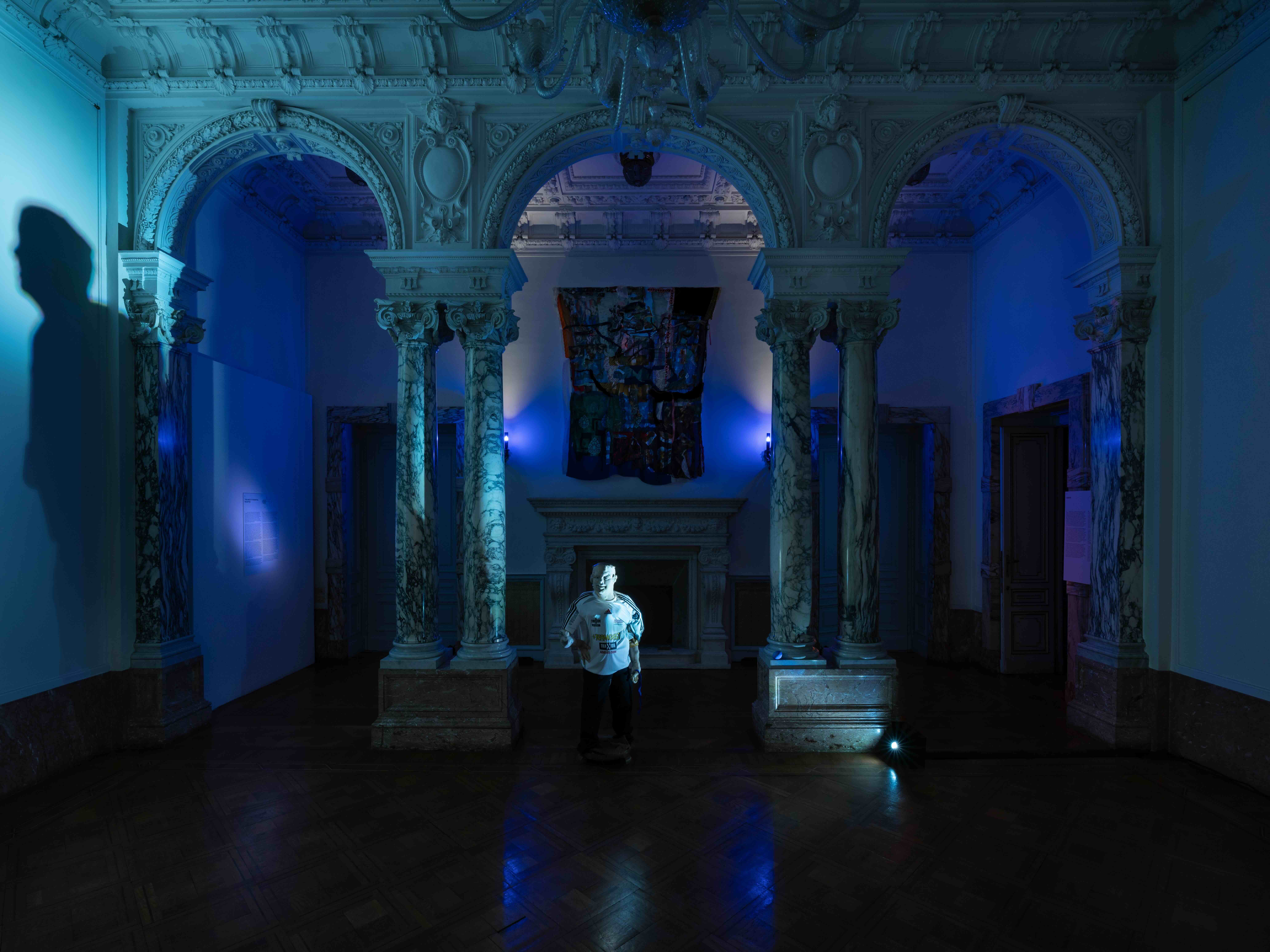
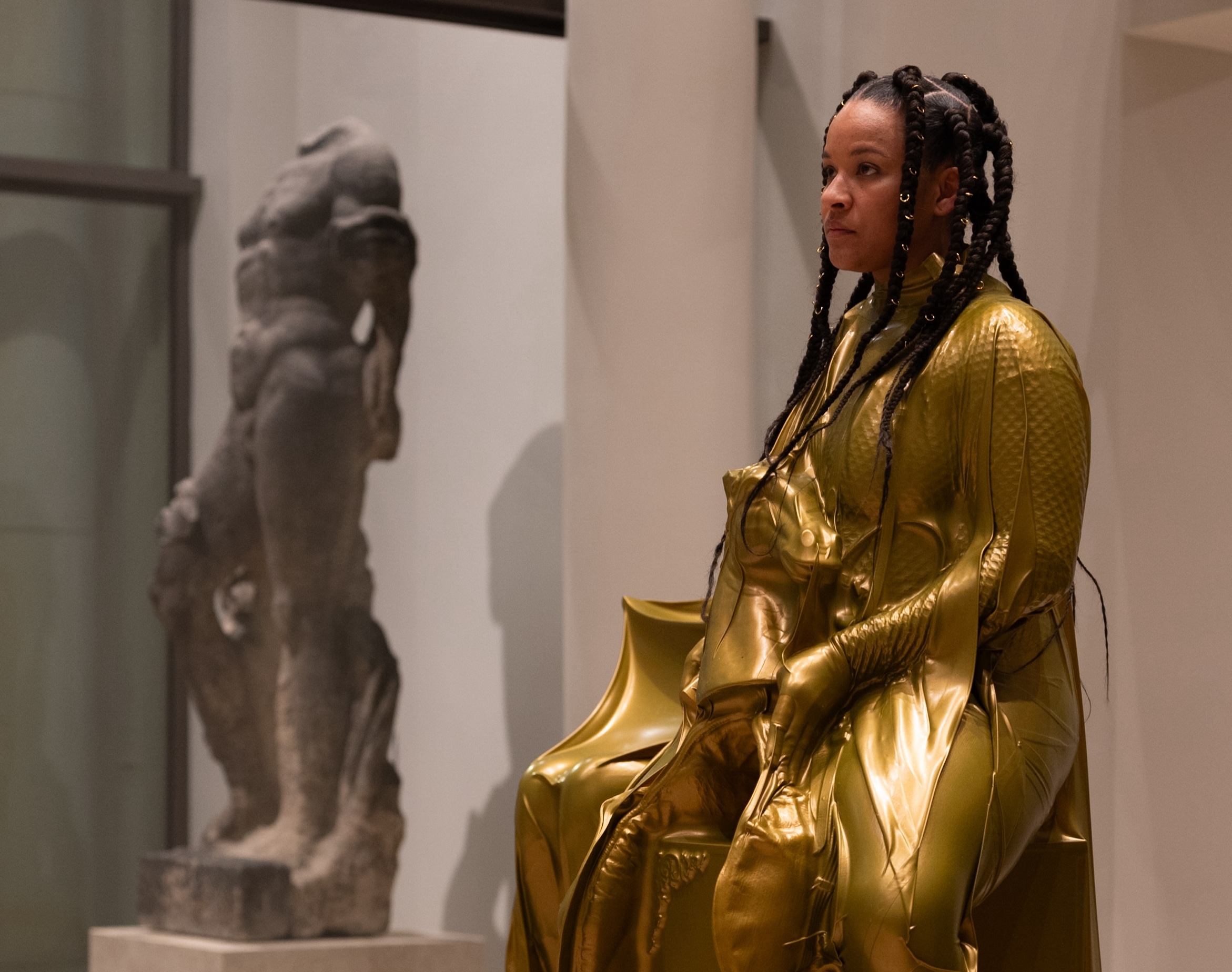
Berlin-based artist Sarah Ama Duah, who transitioned from fashion to sculpture, creates works that explore Afro-German memory culture. Her practice includes beeswax portraits, found objects like Delft porcelain and baroque vases, and performances at venues such as the Humboldt Forum. In 2025, she received the Wolfram Beck Prize for Sculpture. Duah's early fashion work, including silicone garments shown at the Fashionclash Festival in Maastricht, evolved into sculptural investigations of clothing, body, and space, leading her to study performance and sculpture at the Berlin University of the Arts under Jimmy Robert.

The 10 Best Venice Films

Die 10 besten Venedig-Filme

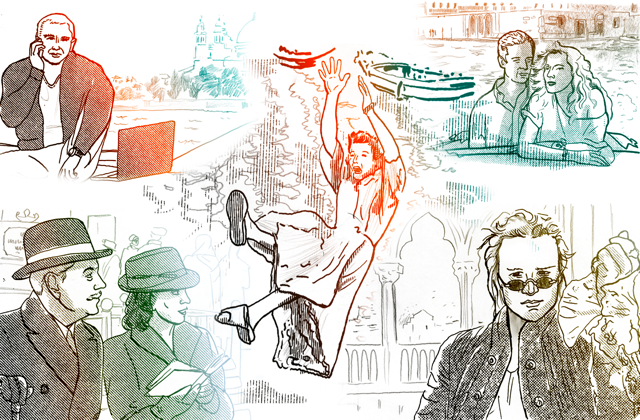
Monopol magazine has published a ranking of the ten best films set in Venice, timed to coincide with the opening of the Venice Art Biennale. The list includes titles such as Steven Spielberg's "Indiana Jones and the Last Crusade" (1989), Joseph L. Mankiewicz's "The Honey Pot" (1967), and Kenneth Branagh's "A Haunting in Venice" (2023), highlighting how the lagoon city serves as a central character in action films, comedies, and love dramas.

The Great Shitshow

Die große Shitshow

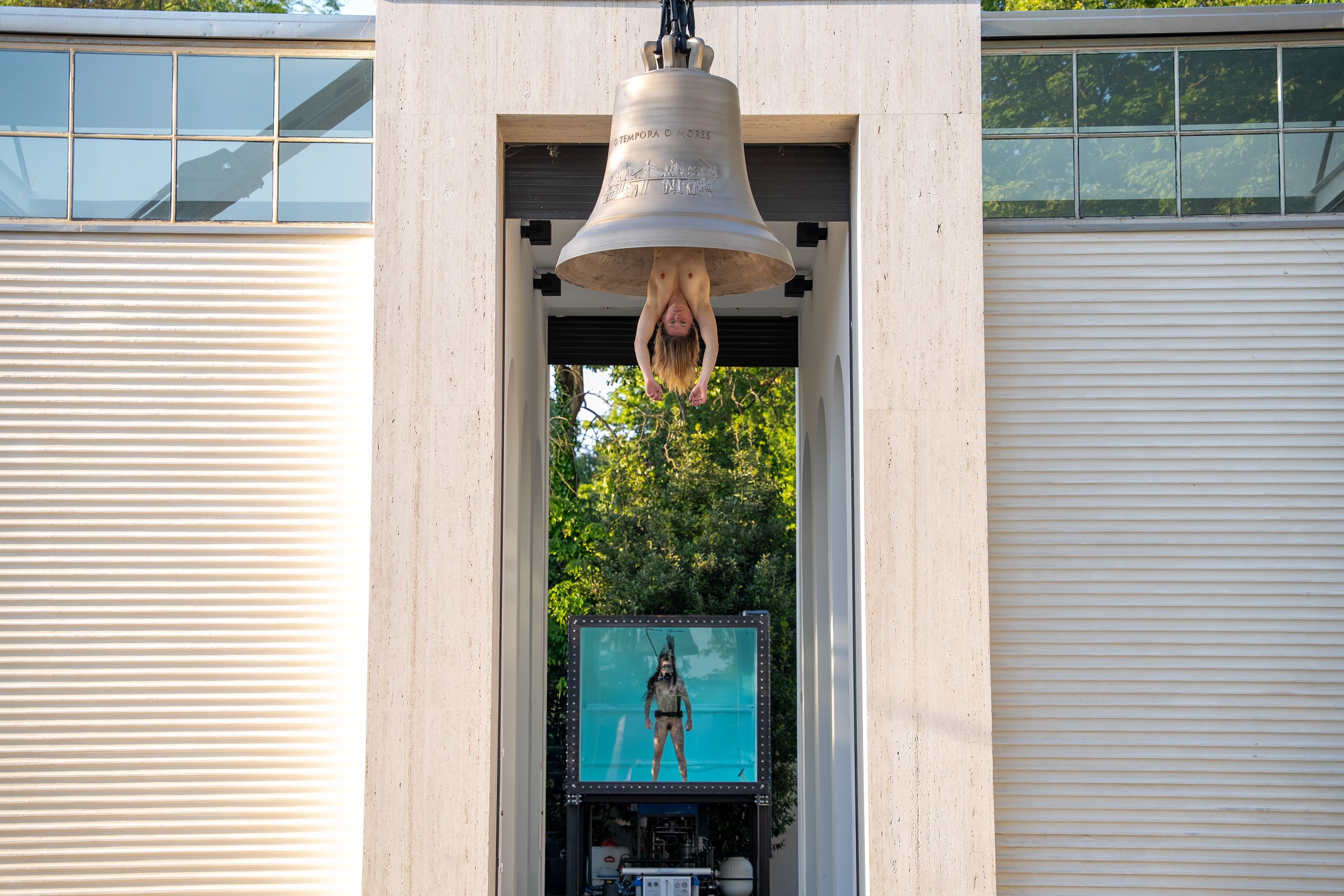
Florentina Holzinger has transformed the Austrian Pavilion at the Venice Biennale into a radical performance installation titled "Seaworld Venice." The piece features naked performers suspended from meat hooks, a performer ringing a bell while dangling upside down from a crane, a woman on a jetski circling inside a flooded pavilion, and a system where visitors are invited to urinate into portable toilets, with the waste processed and recirculated into the water. The work combines extreme physical stunts, nudity, and bodily fluids to create a visceral, immersive experience that has drawn long queues and stunned reactions from the art world.

Shit has the power to destabilize systems of order

"Scheiße hat die Kraft, Ordnungssysteme zu destabilisieren"

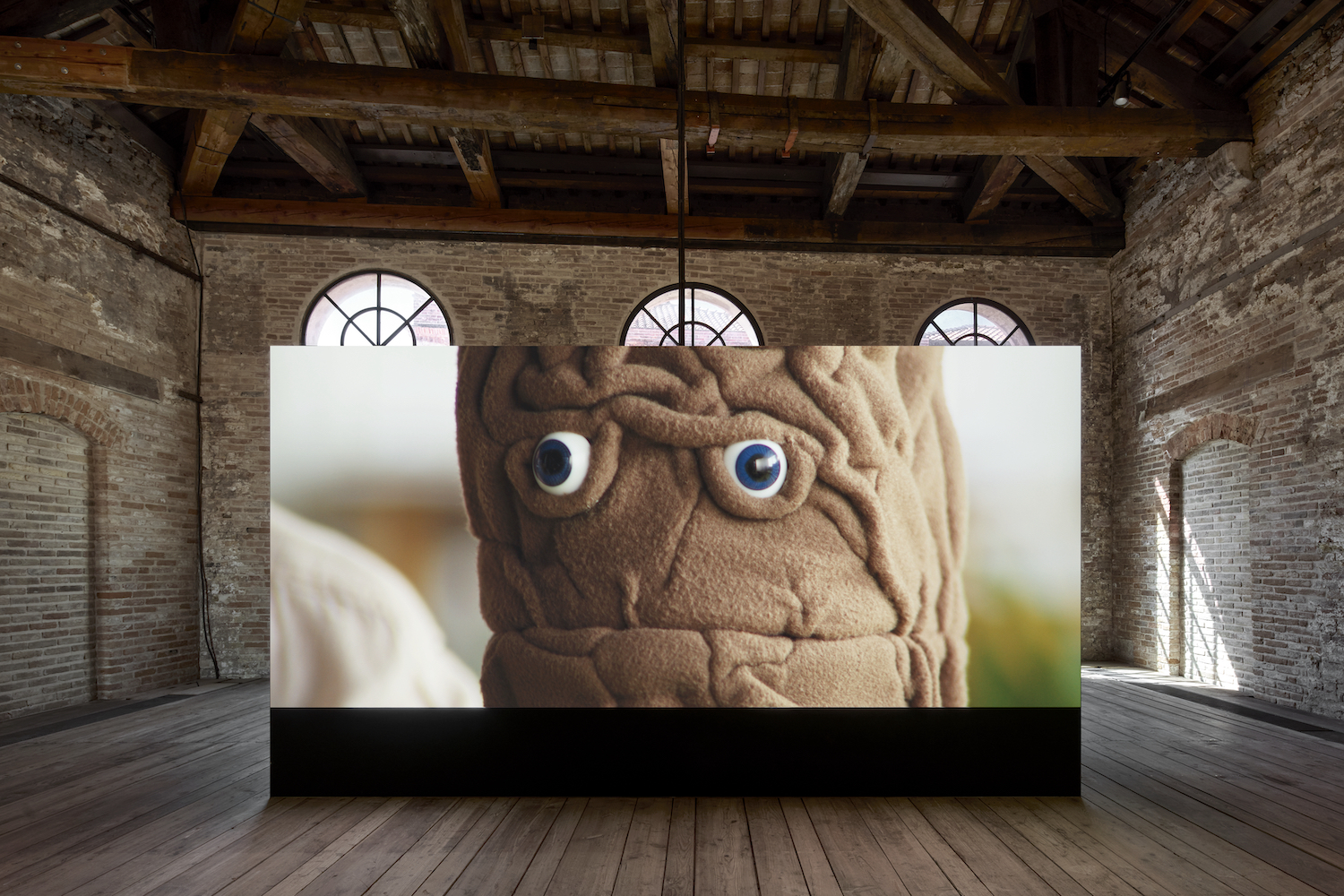
Aline Bouvy, the artist representing Luxembourg at the Venice Biennale, has created a film essay titled "La Merde" that centers on excrement as its main character. Originally conceived as a performance, the work explores themes of bodily circulation, transformation, and the grotesque, using feces to challenge societal taboos and systems of order. Bouvy discusses the film's development with curator Stilbé Schroeder, noting that the Biennale provided the resources and time to realize the project, which will later travel to the Kunstverein in Salzburg.

The Backlash Is Here

"Der Backlash ist da"

Kathleen Reinhardt, the curator of the German Pavilion at the Venice Biennale, has announced her concept featuring artists Sung Tieu and Henrike Naumann under the title "Ruin." The exhibition will use East Germany as a prism to explore themes of power, history, and the present. Reinhardt was invited to submit a concrete concept and specific artists for this edition of the pavilion.

History Made Material

Material gewordene Geschichte

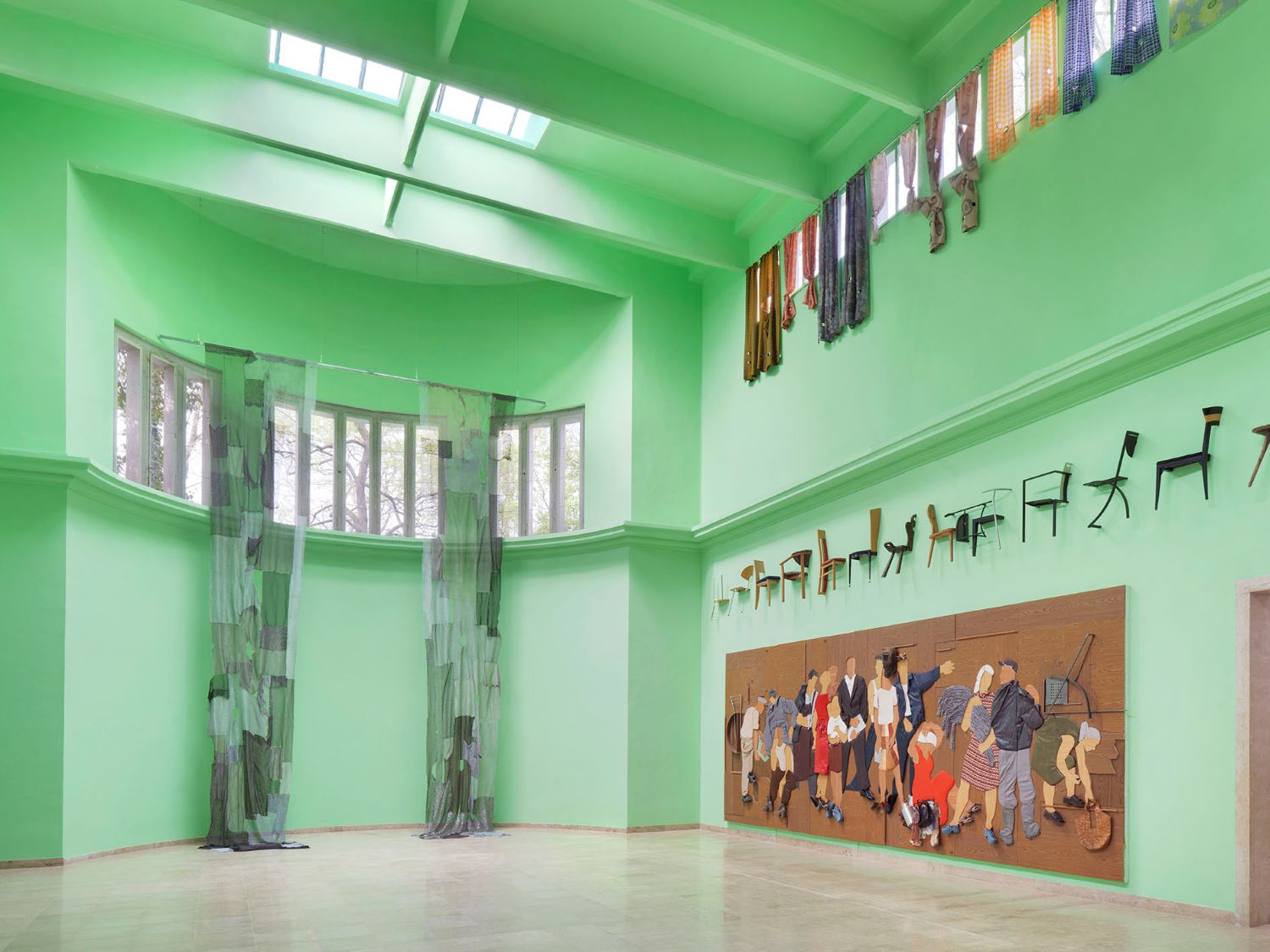
The German Pavilion at the 61st Venice Biennale has been transformed by artist Sung Tieu, who clad its Nazi-era facade with millions of small marble tiles to replicate the look of a prefabricated East German apartment block—specifically the Gehrenseestraße housing complex in Berlin where she spent part of her childhood. Inside, the exhibition features glass casts of her mother's limbs, aluminum beams evoking cramped living quarters, and works by the late Henrike Naumann, all curated by Kathleen Reinhardt to explore bureaucracy, migration, and systemic violence.

I Try to Allow Chaos

"Ich versuche, Chaos zuzulassen"

Florentina Holzinger presents her exhibition "Seaworld Venice" at the Austrian Pavilion of the Venice Biennale, a spectacular underwater-themed installation that combines a theme park, sacred building, and sewage treatment plant. The work explores transformation from dirt to cleanliness, featuring water, dolphins in the lagoon, and boundary-pushing performance elements.

It's a Rollercoaster of Emotions

"Es ist ein Wechselbad der Gefühle"

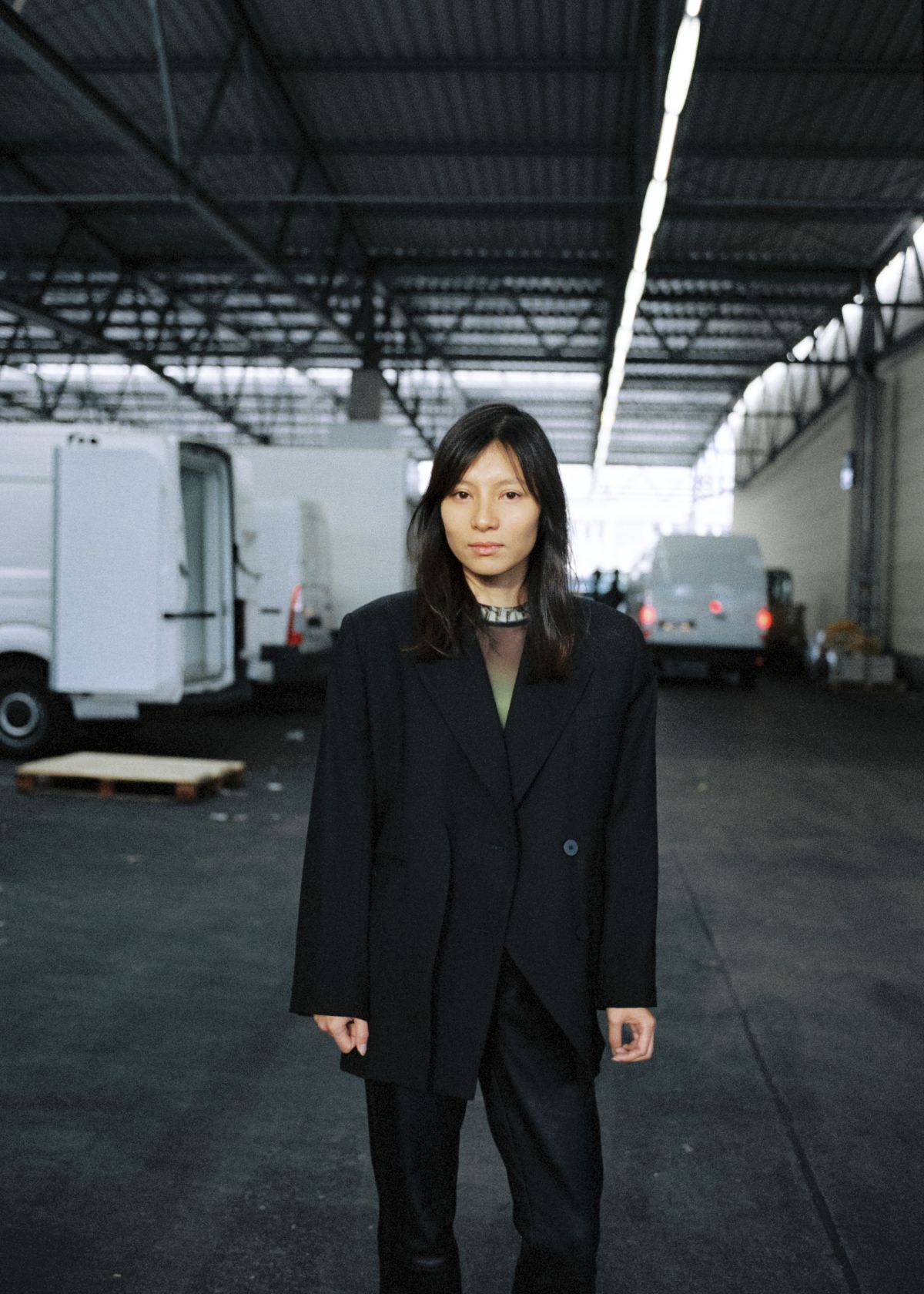
Sung Tieu has been selected to represent Germany at the Venice Biennale with a solo exhibition in the German Pavilion. In an interview with Monopol, she discusses how her personal biography—as a Vietnamese-German artist—informs her practice, which examines Vietnamese migration to East Germany, the rise of right-wing extremism, and the cold, bureaucratic language of state power. The exhibition will bring these themes to an international audience in Venice.

Henrike Naumanns langer Weg in den deutschen Pavillon

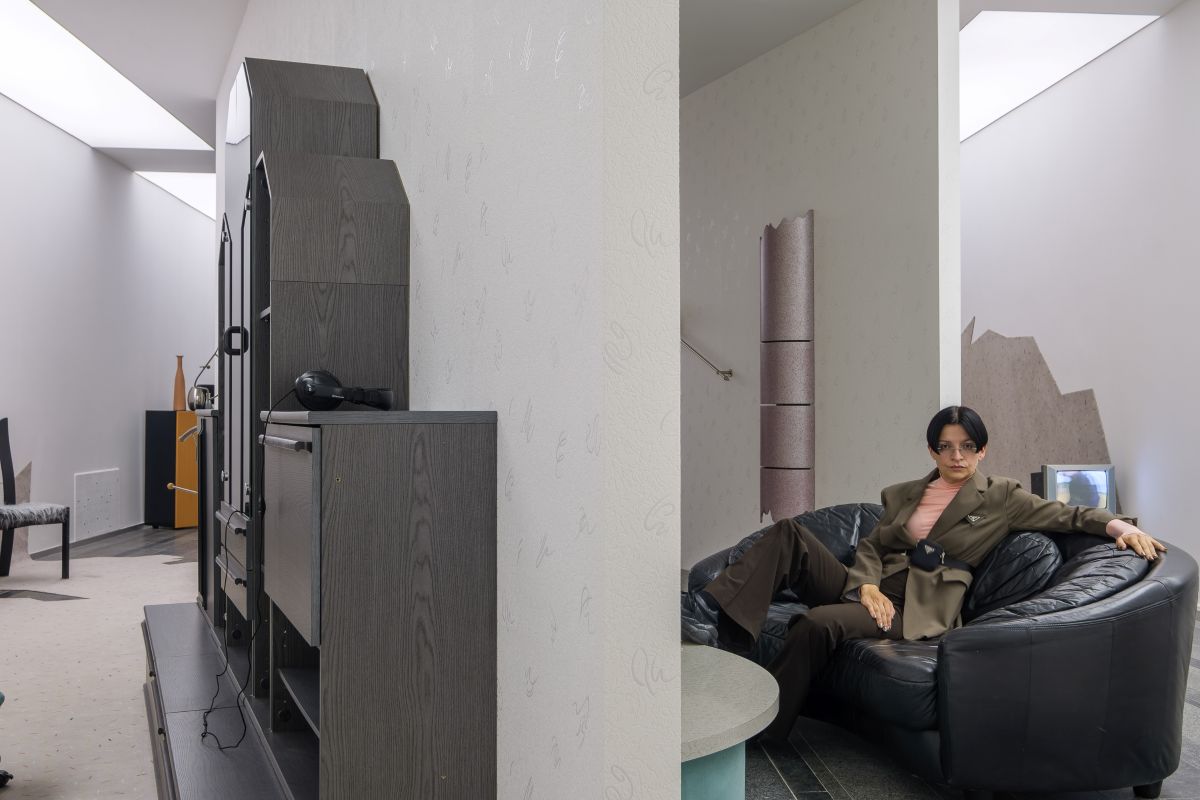
Henrike Naumann, a German artist who recently passed away, is being honored with a posthumous exhibition at the German Pavilion during the Venice Biennale. Her work, which explores recent German history, state art, and the absence of East German art in the pavilion, finds its ultimate context in this historically charged Nazi-era building.

A Struggle Between Artist and Machine

Ein Ringen zwischen Künstler und Maschine

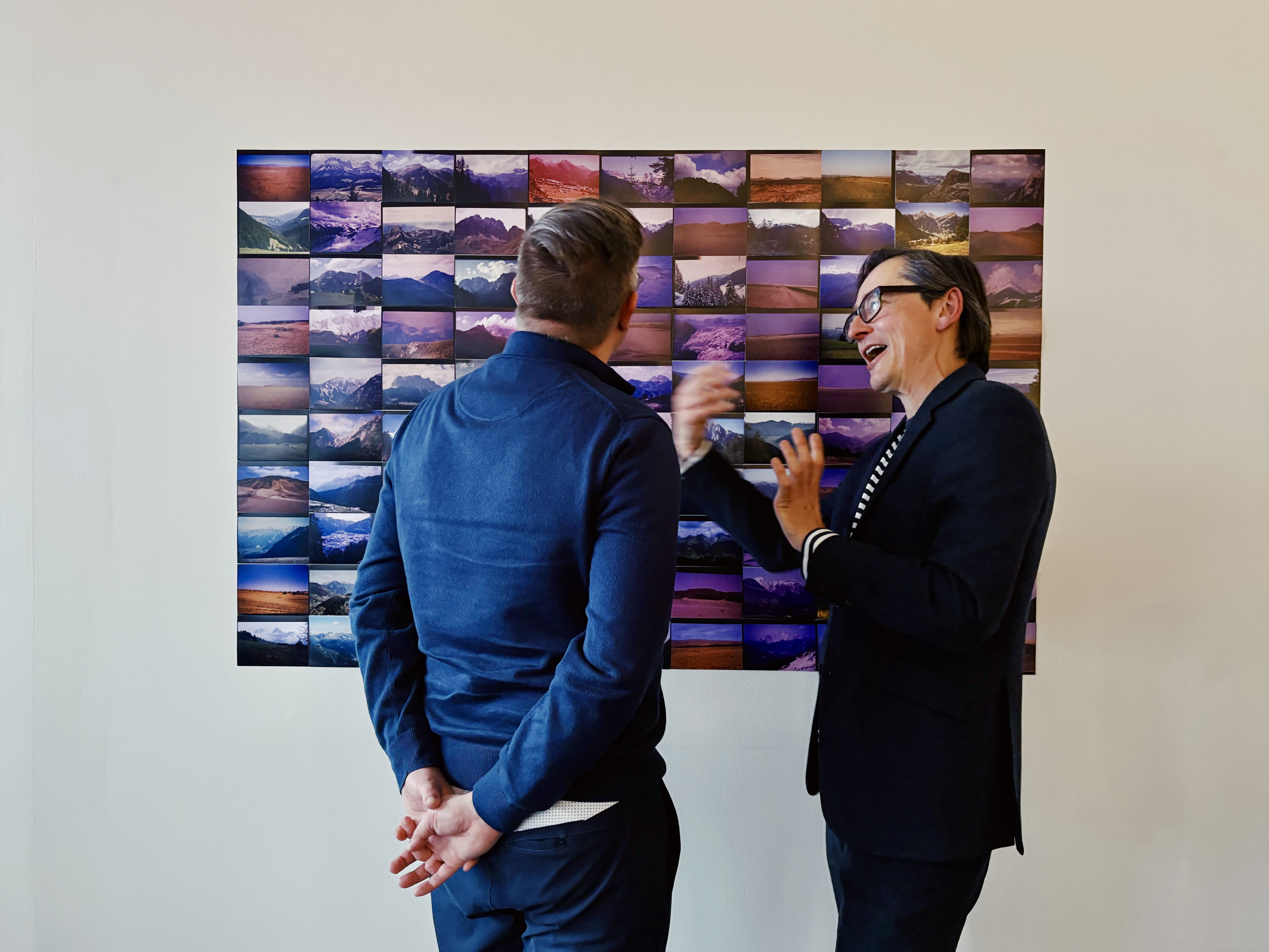
Mario Klingemann, a pioneer of AI art, presents "Conflict of Interest," a pop-up exhibition at Sleek Art Space in Berlin during Gallery Weekend. Curated by Anika Meier and produced in collaboration with Art on Tezos, the show features works that challenge the flood of AI-generated imagery. Klingemann displays mundane landscape photographs from private slides, a series called "Weapons of Mass Distraction" where he disrupts an AI algorithm's image generation, and a haunting 2020 video in which AI-generated faces morph to music. The exhibition makes visible the struggle between human control and machine logic.

Nasan Tur Collects Contributions for 'Archive of Feelings' for Manifesta 16

Nasan Tur sammelt Beiträge für "Archiv der Gefühle" zur Manifesta 16

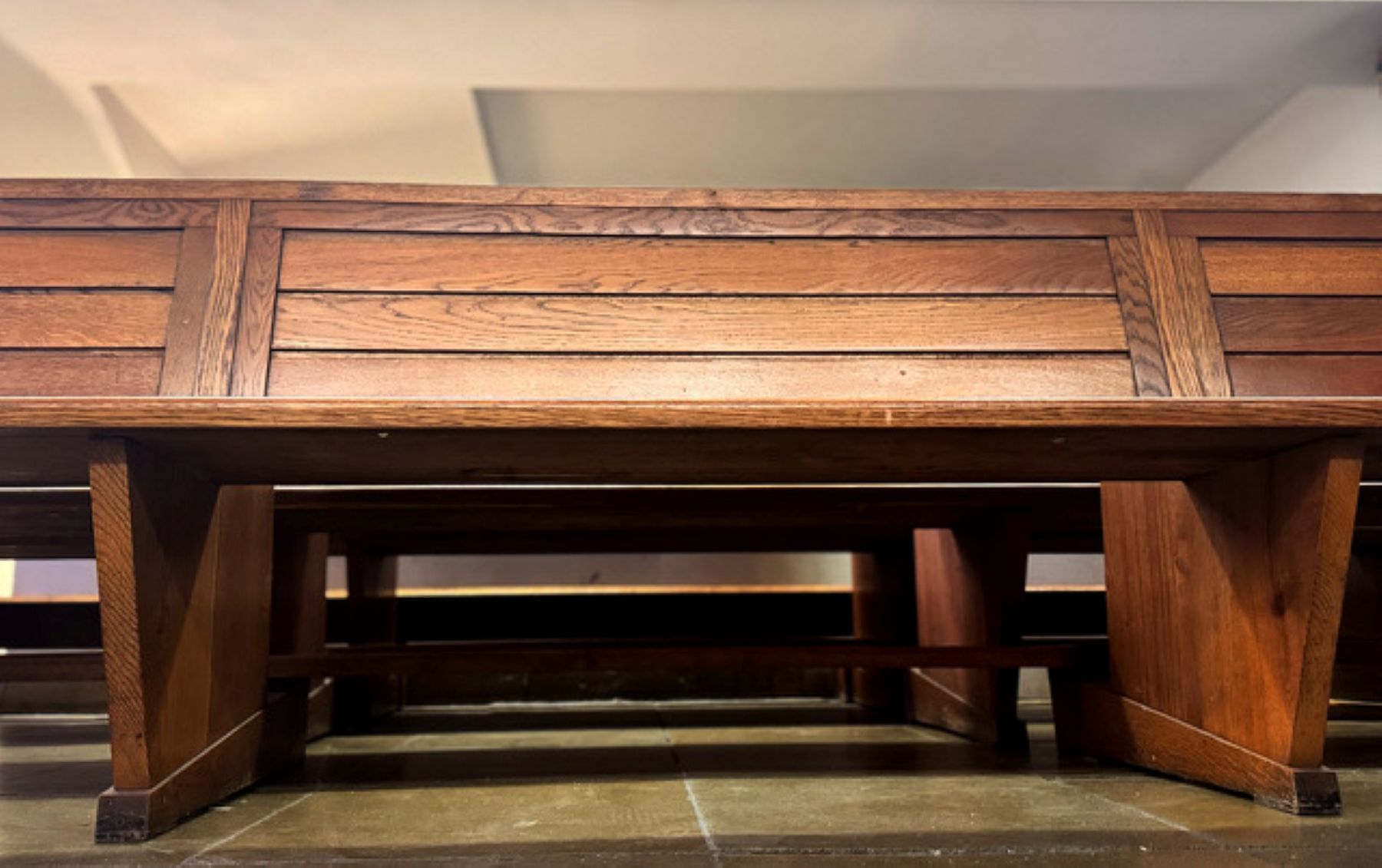
Berlin-based artist Nasan Tur is calling on people from the Ruhr region and beyond to submit contributions to his "Archive of Feelings" via an online portal. The project is part of his commissioned work for the 16th edition of the nomadic biennial Manifesta, which opens on June 21 across several cities in the Ruhr area. Tur's installation, titled "Elevation," will be housed in St. Gertrud Church in Essen, where excerpts from anonymous submissions—expressing hopes, fears, wounds, ideas, wishes, and everyday observations—will be carved into old church pews.

The Art of the Chosen Family

Die Kunst der Wahlfamilie

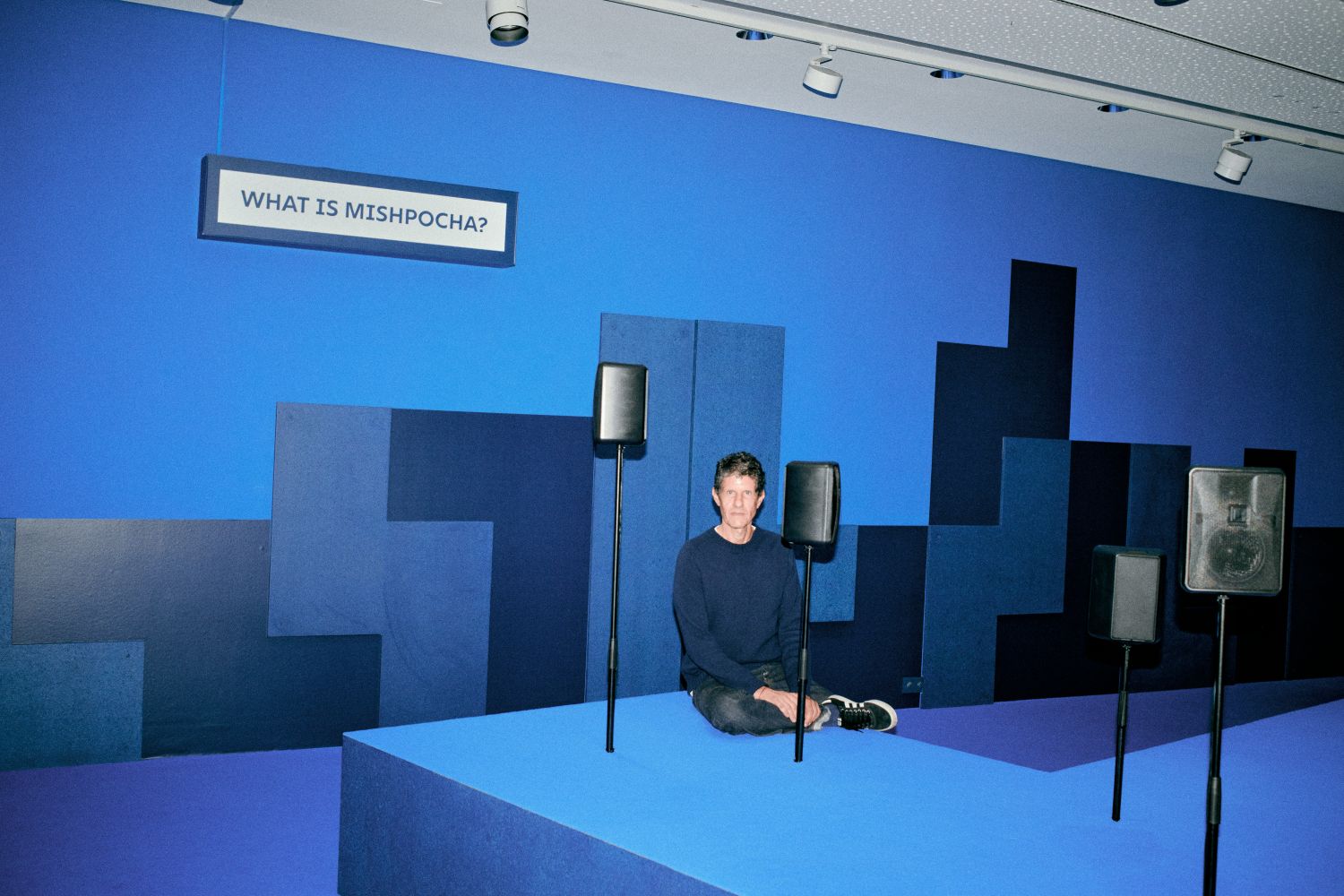
Mike D, co-founder of the Beastie Boys, has co-curated an exhibition titled "Mishpocha. The Art of Collaboration" at the Jewish Museum Frankfurt. The show explores the concept of family beyond biological ties, featuring works such as Ira Eduardovna's video installation "The Library Room," which depicts a family packing for emigration, and immersive audiovisual spaces evoking techno, hip-hop, punk, and Riot Grrrl subcultures. The exhibition includes contributions from artist Jan Ove Hennig, photographer Jan Zappner, design studio Atelier Markgraph, and hospitality group Ima Clique, with Mike D serving as artistic director and ambassador.

Why is contemporary art afraid of the present?

Warum fürchtet sich die Gegenwartskunst vor der Gegenwart?

The article critiques the 2024 Whitney Biennial, which emphasizes themes of compassion, vulnerability, and community. It argues that the exhibition feels like a capitulation to reality, failing to confront the rise of contemporary fascism and the political urgency of the present moment.

What the renovation of the Pergamon Museum costs

Was die Sanierung des Pergamonmuseums kostet

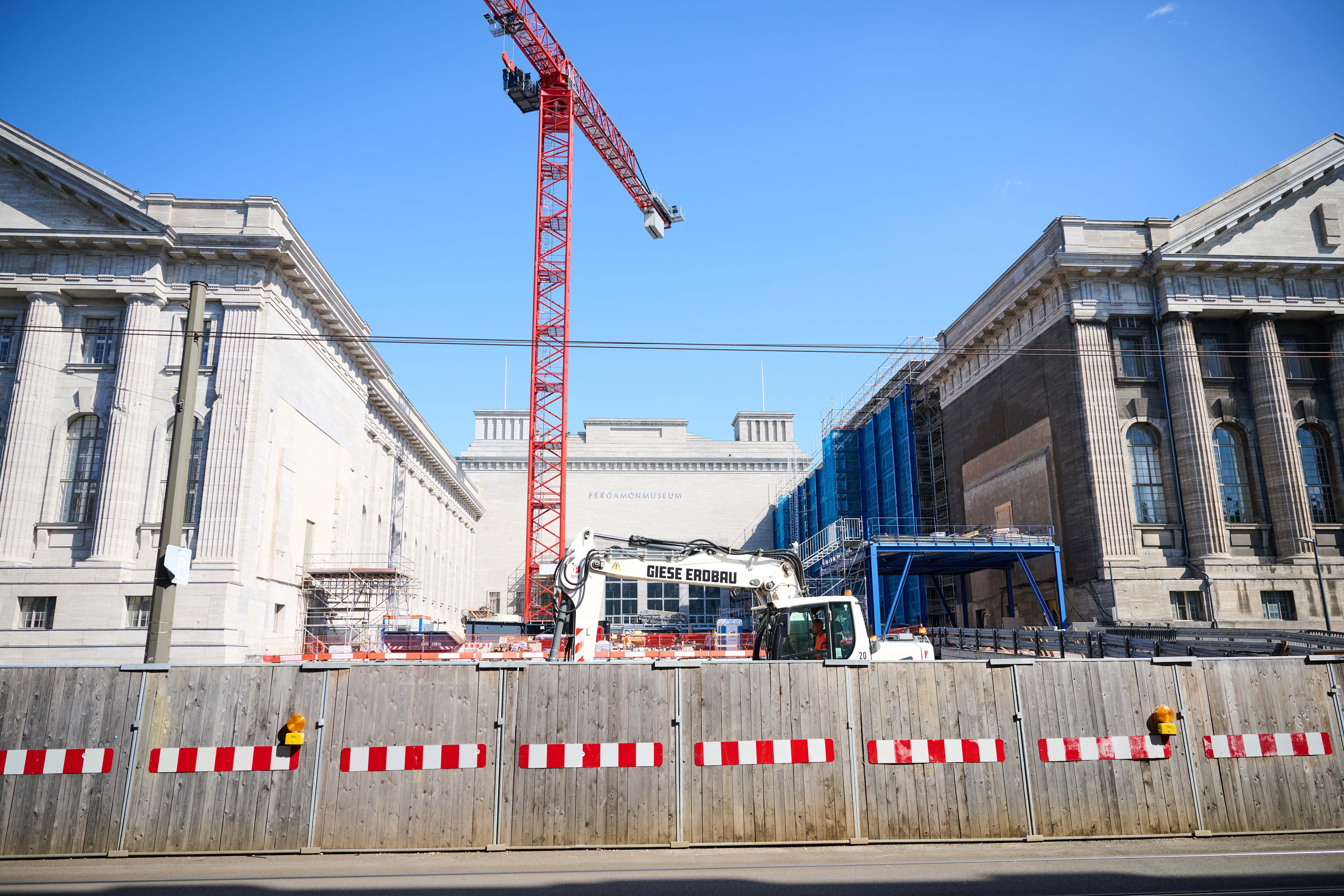
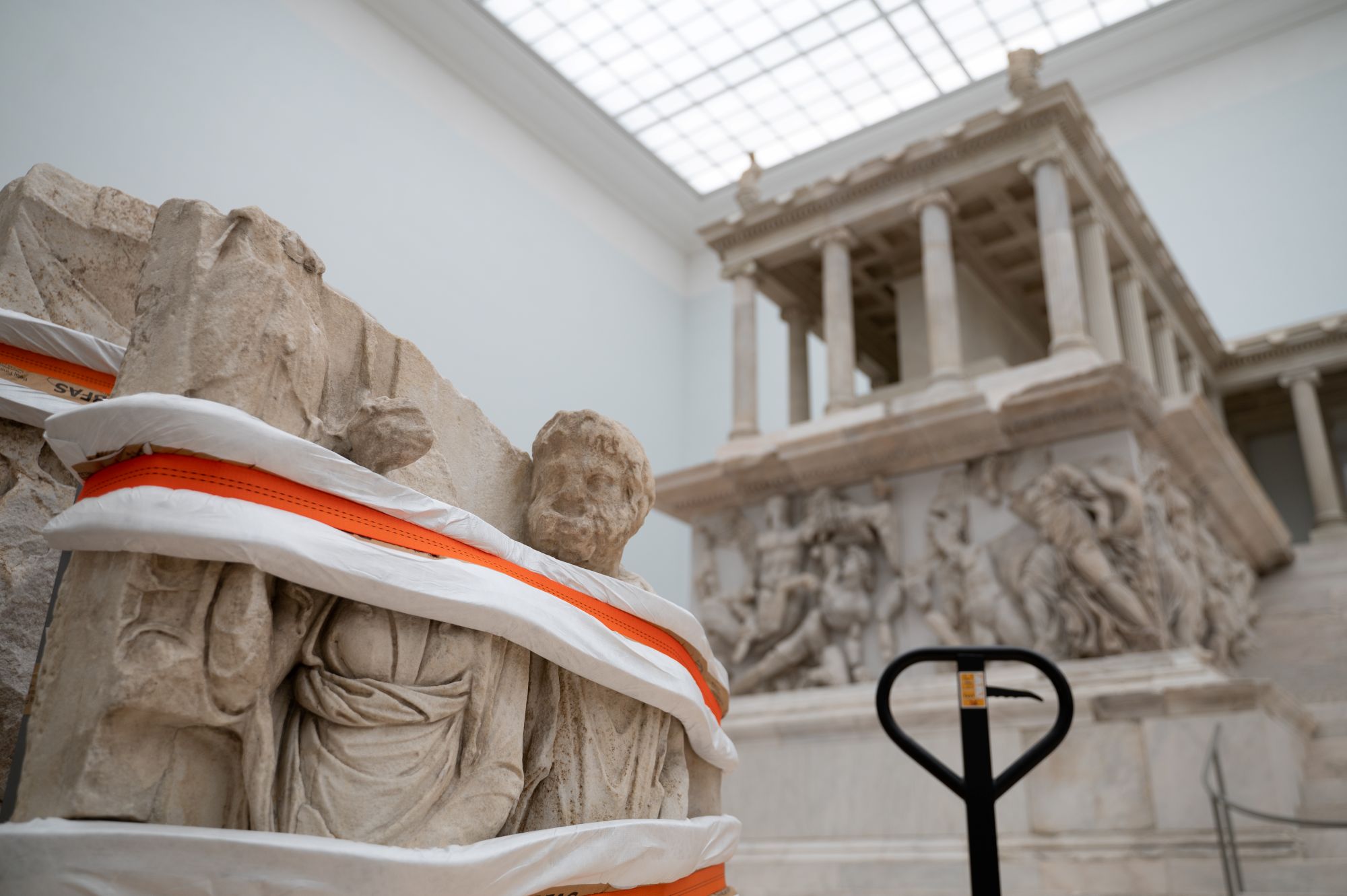
The Pergamon Museum in Berlin is undergoing a major renovation with a total budget of €1.5 billion for both construction phases, including cost risks. The Federal Office for Building and Regional Planning (BBR) has announced that current projections indicate the overall costs will not be exceeded. Phase A, which includes the hall housing the famous Pergamon Altar, is expected to open on June 4, 2027, with a potential cost increase of up to 5% over the originally approved €489 million. Phase B, covering the Ishtar Gate and Babylonian Processional Way, has seen its cost forecast reduced by €27 million to €722.4 million, with an additional €295.6 million set aside for risks and price increases. The museum will fully reopen only in 2037.

Berlin Institutions Join Together to Form Museum Quarter

Berliner Institutionen schließen sich zu Museumsquartier zusammen

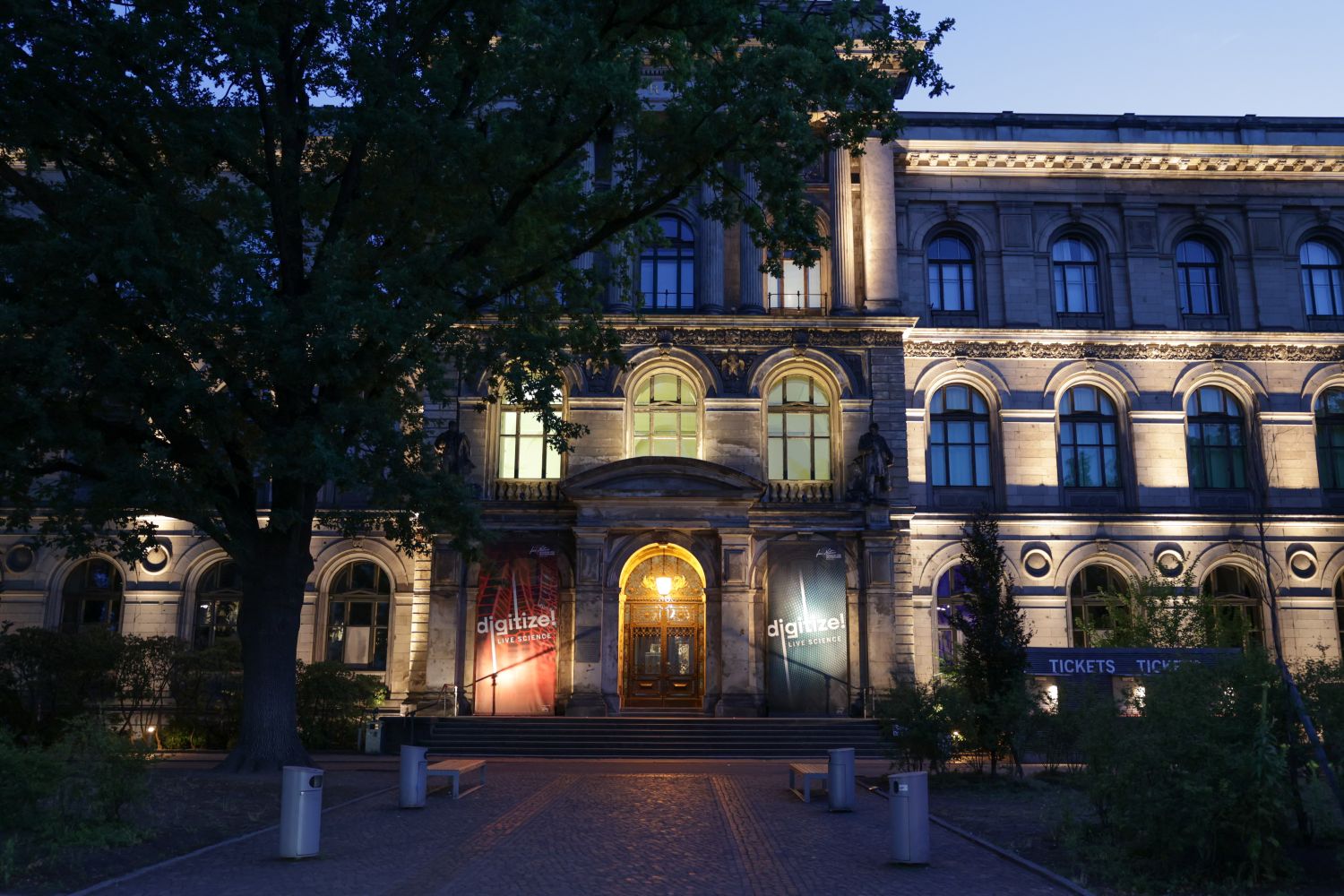
Several museums in Berlin are joining forces to form a new "MuseumsMeileMitte" (Museum Mile Mitte) district. The participating institutions are the Museum für Naturkunde, the Hamburger Bahnhof, the Futurium, and the Medizinhistorisches Museum der Charité. The initiative will launch on June 13 with a neighborhood festival offering free admission to all four venues, which are located within a 10-15 minute walk of each other near the Hauptbahnhof.

Erster Teil des Pergamonmuseum öffnet im Juni 2027

The first section of Berlin's Pergamon Museum will reopen to the public on June 4, 2027, after years of renovation. The Prussian Cultural Heritage Foundation (SPK) announced the date, ending months of uncertainty. The museum has been completely closed since autumn 2023 for comprehensive refurbishment, and the reopening will finally make the famous Pergamon Altar accessible again. However, the south wing, housing the Ishtar Gate and Babylonian Processional Way, will remain closed until 2037, with full museum access expected that year.

Berlin Modern Museum Construction Delayed Until 2030

Museumsbau Berlin Modern verzögert sich bis 2030

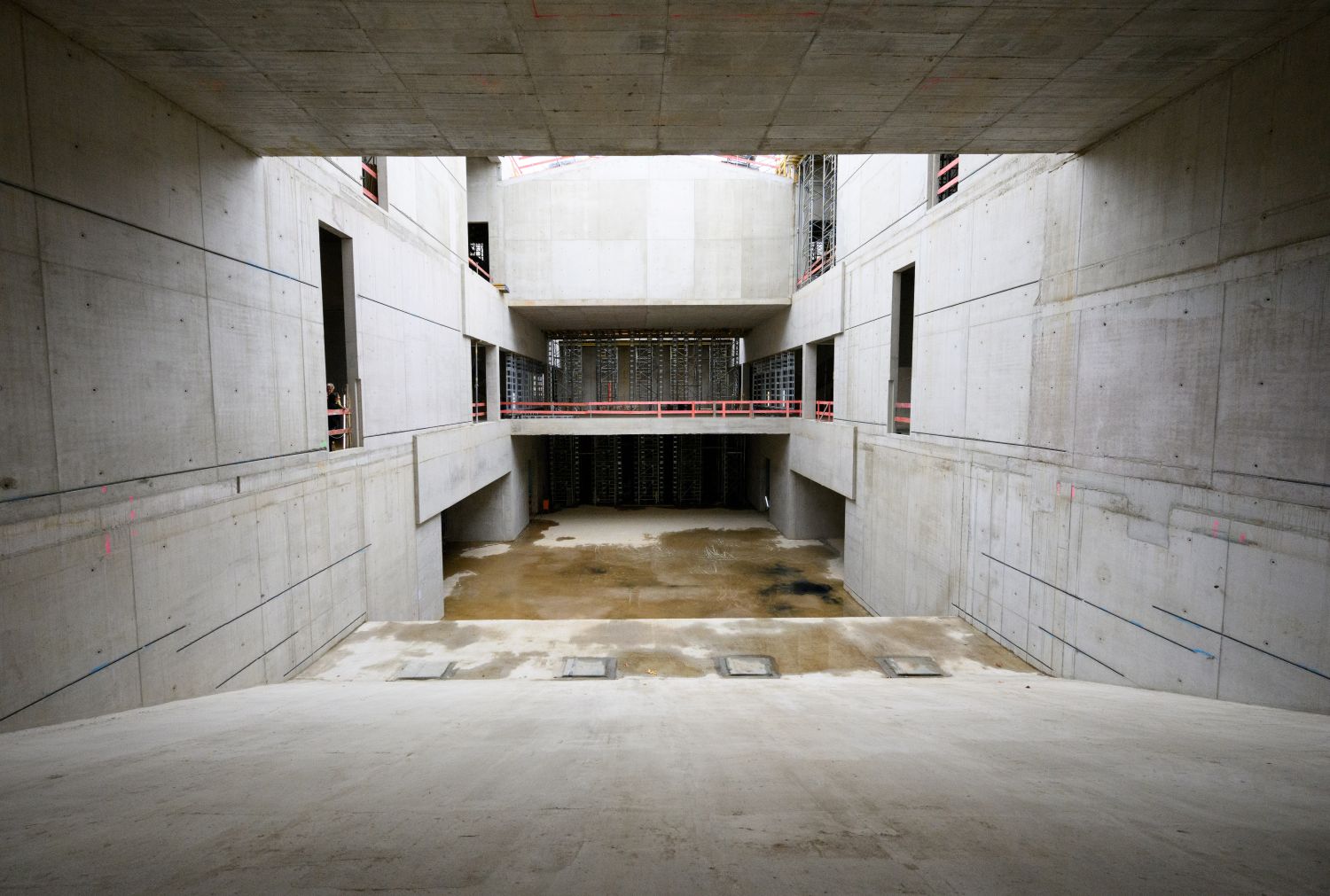
The completion of Berlin Modern, a major new museum in Berlin, has been delayed again until 2030 due to moisture damage and microbial infestation found in parts of the raw structure. The Stiftung Preußischer Kulturbesitz (SPK) announced an estimated eight-month postponement, though no construction stop was required. The museum, designed by Herzog & de Meuron, is being built near Potsdamer Platz to expand the Neue Nationalgalerie's exhibition space. Costs have risen from an initial €200 million to a projected €507 million.

Animated Bodies

Animierte Körper

Latefa Wiersch presents her exhibition "Atlas Studios" at the Istituto Svizzero in Rome, featuring unsettling, puppet-like sculptures that resemble film sets. The works explore themes of bodily helplessness, imperfection, and geopolitical displacement, drawing on her earlier project "Hannibal" at the Dortmunder Kunstverein, which addressed post-migrant German realities and the demolition of a housing complex. The new installation references the Atlas Studios in Ouarzazate, Morocco, and the history of cinema, with figures made from rags and nylon stockings that appear as actors or set workers.

In my Auntieversum, everyone is free, there are no rules

"In meinem Auntieversum sind alle frei, es gibt keine Regeln"

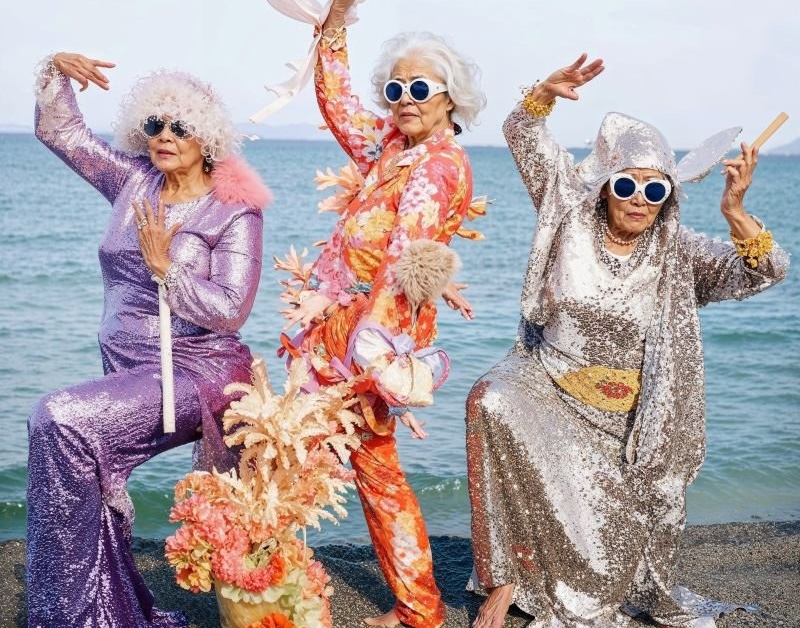
Wenhui Lim, a Singapore-raised artist and former architecture designer, creates AI-generated images and videos featuring older Asian women she calls 'Aunties.' Her surreal 'Auntieversum' depicts these figures bathing in oversized ramen bowls, playing with pastel jellyfish, and driving sushi cars—a fantastical parallel universe where they are free from societal and familial expectations. Lim began the project in early 2023 as a personal exploration to reconcile her own feelings toward the aunties in her life, who often made blunt comments about her appearance while also plying her with food.

Sachsen-Anhalt schützt Kunst und Kultur per neuem Gesetz

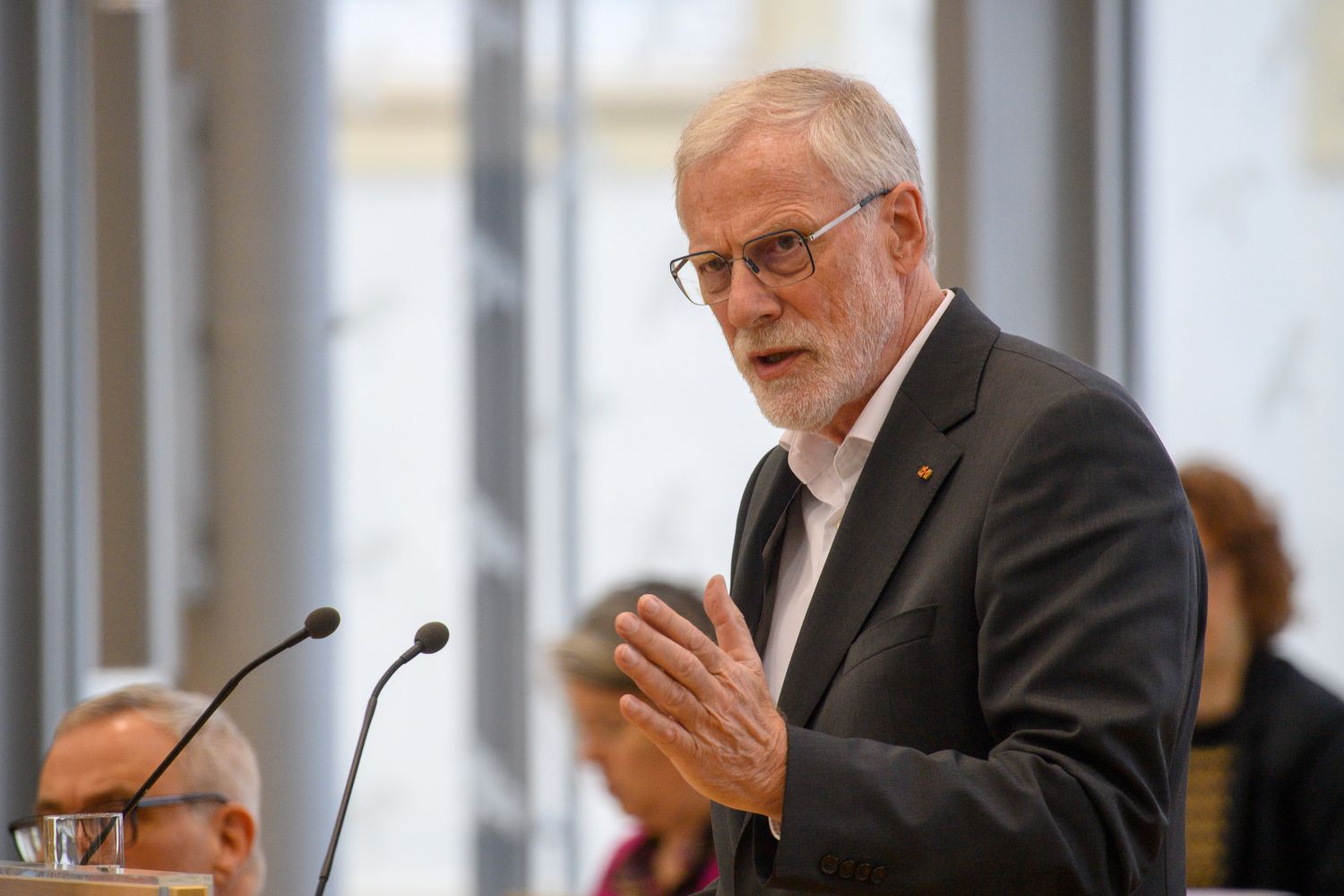
Sachsen-Anhalt has enshrined support for art and culture as a state objective in a new law, passed by the state parliament in Magdeburg with the exception of the AfD faction, which abstained. Culture Minister Rainer Robra (CDU) framed the law as fulfilling a promise from 1989, defining what constitutes art and culture in the state, including their roles in education and as an economic factor, and aiming to make cultural structures resilient against future attacks on artistic freedom.

Magical Realism Against the Harshness of the Suburbs

Magischer Realismus gegen die Härte der Vorstadt

French-Chilean artist Tohé Commaret presents an exhibition at MMK Zollamt in Frankfurt featuring quiet, still images that highlight invisible care work and feminist solidarity. The show focuses on women who silently enable events like weddings and galas without being seen, exploring female alliances and the attempt to reclaim new narratives from the suburbs.

Currently, much that was painstakingly built is being destroyed

"Aktuell wird viel zerstört, das mühsam aufgebaut wurde"

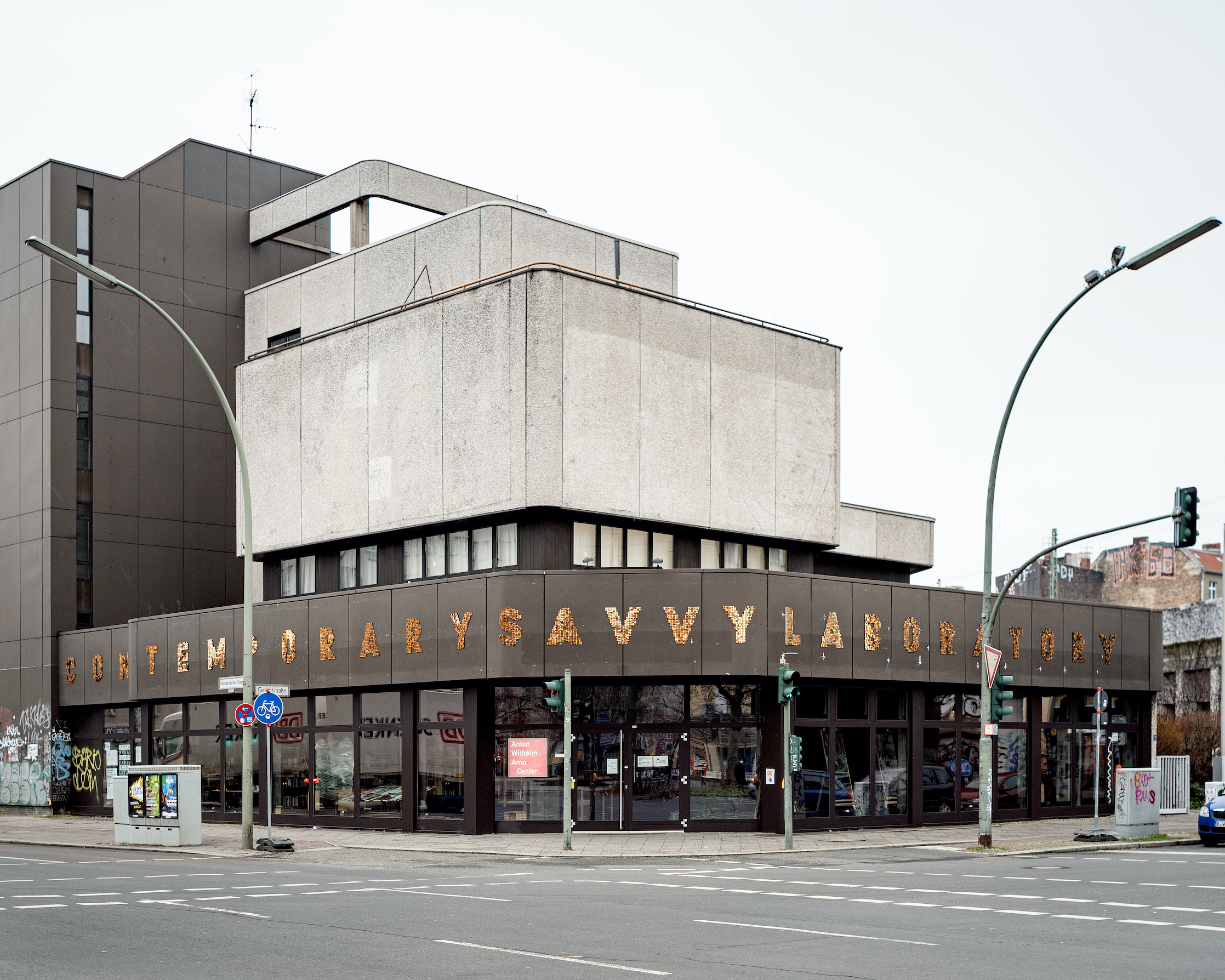
Berlin's Savvy Contemporary, a non-profit art space known for its postcolonial discourse, has been awarded the Art Basel Award in the 'Museums and Institutions' category—the only German institution to receive the honor this year. However, despite the prestigious recognition, Savvy has been unable to open any exhibitions in 2024 due to a lack of funding. In an interview, managing directors Lema Sikod and Lynhan Balatbat-Helbock discuss the award, the institution's 15-year history, and the growing difficulty of sustaining decolonial work amid rising right-wing populism and political backlash.

When the Night Bleeds into the Day

Wenn die Nacht auf den Tag abfärbt

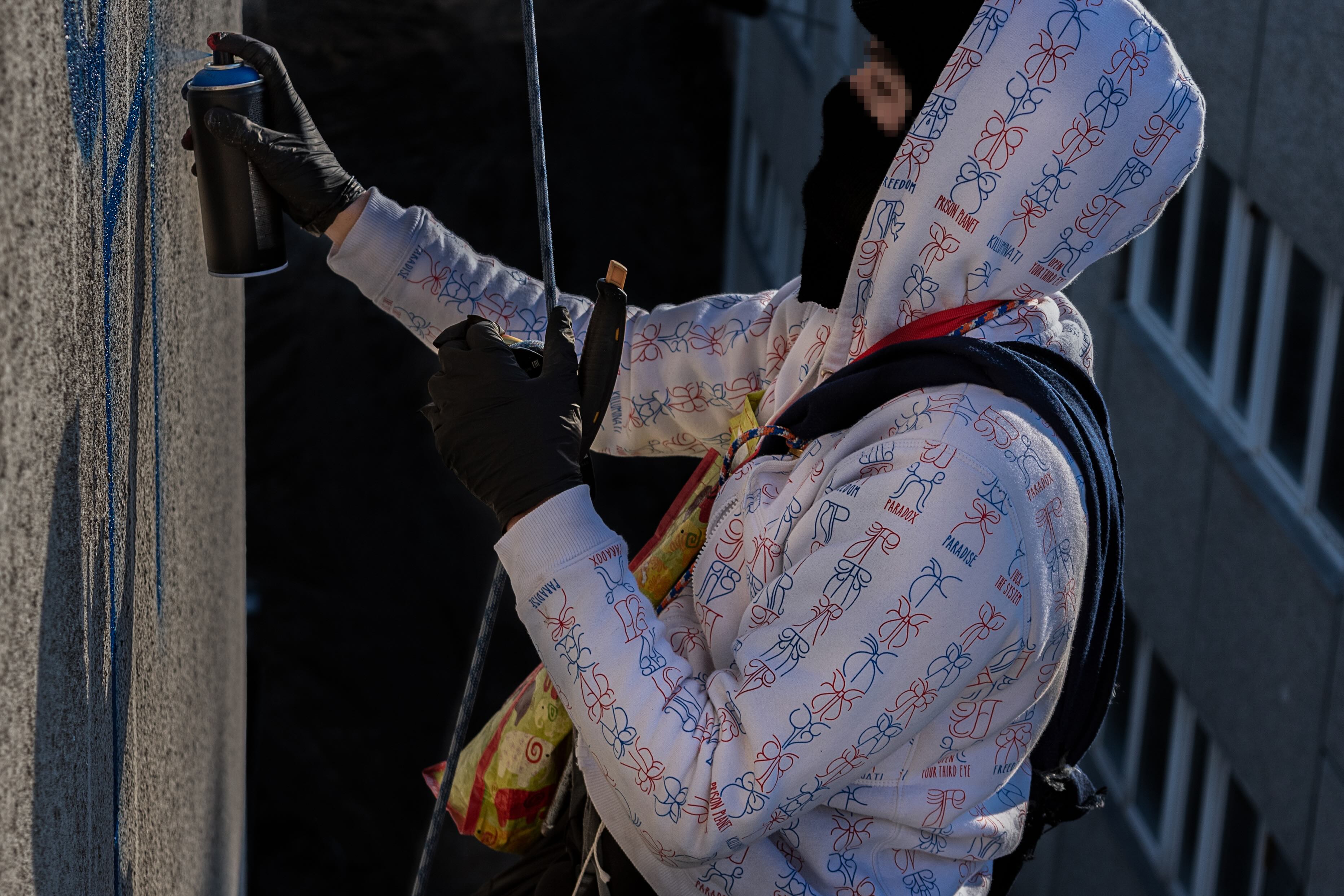
Berlin-based graffiti artist Paradox Paradise, known for his distinctive red-and-blue "Paraglyphs" painted on high facades, discusses his evolution from classic graffiti to a radically reduced visual language. In an interview with Monopol, he explains how he stripped away decorative elements to focus on precise, vertical outlines and messages like "Mieten runter Wände bunter" (lower rents, more colorful walls). He describes his nocturnal actions as states of heightened presence requiring weeks of planning, where every movement has immediate consequences.

Pavilions of the Venice Biennale go on strike

Pavillons der Venedig-Biennale werden bestreikt

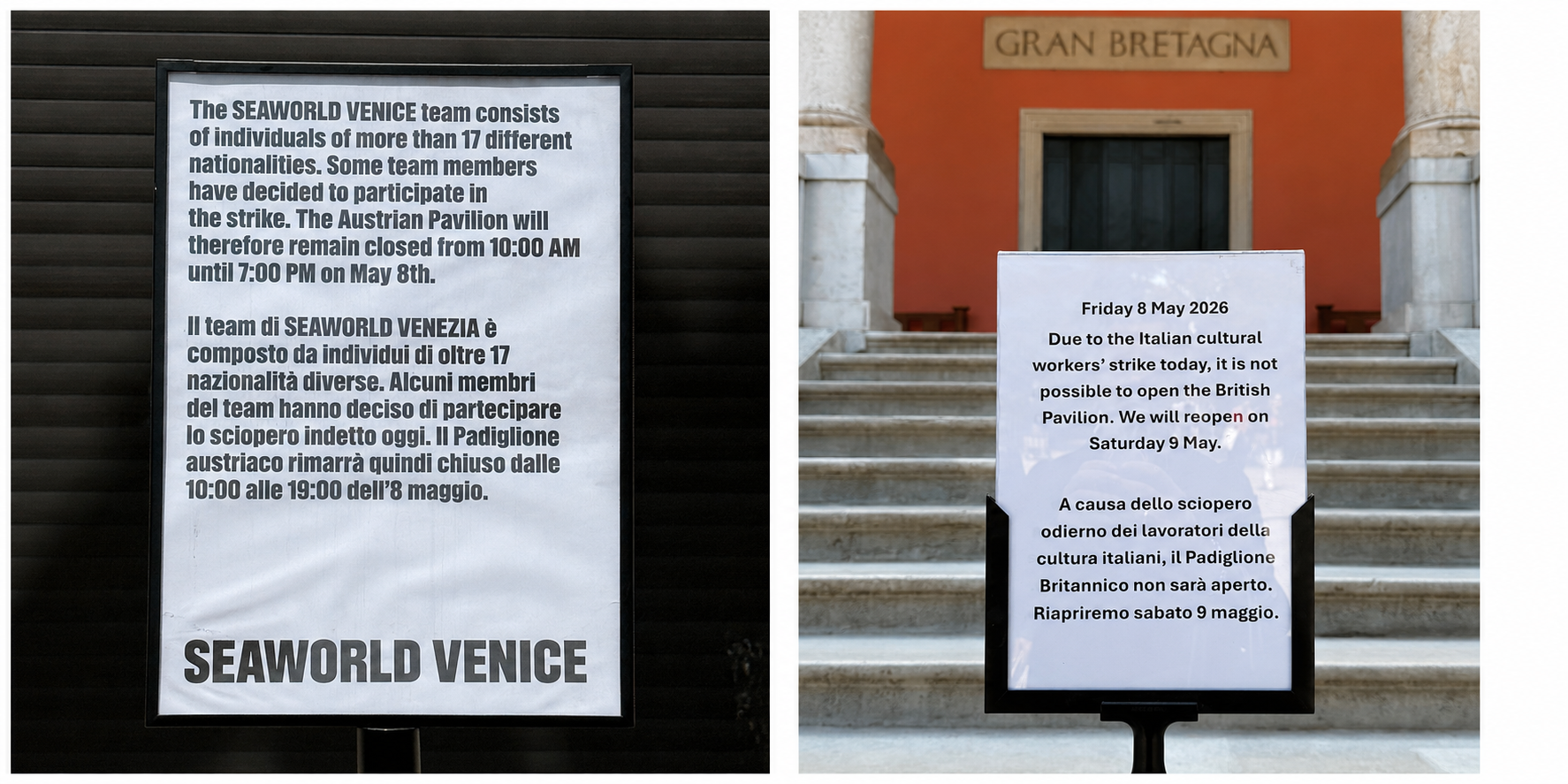
Cultural workers and participants of the Venice Biennale went on strike on Friday, protesting Israel's participation in the art exhibition. Organized by the Art Not Genocide Alliance (ANGA) alongside several cultural groups and Italian grassroots unions, the 24-hour walkout led to the closure of several national pavilions on the final preview day. A rally was planned near the Arsenale grounds. The strike aims to oppose the "normalization of genocide in culture" and poor working conditions at the Biennale, following an earlier open letter signed by over 230 artists and curators demanding the exclusion of the Israeli pavilion. Israel is represented by sculptor Belu-Simion Fainaru, who opposes cultural boycotts and advocates for dialogue. The Biennale's leadership has distanced itself from the strike, emphasizing adherence to regulations and support for freedom of speech and pluralism.

Can we practice for crises in art?

"Können wir in der Kunst für die Krisen üben?"

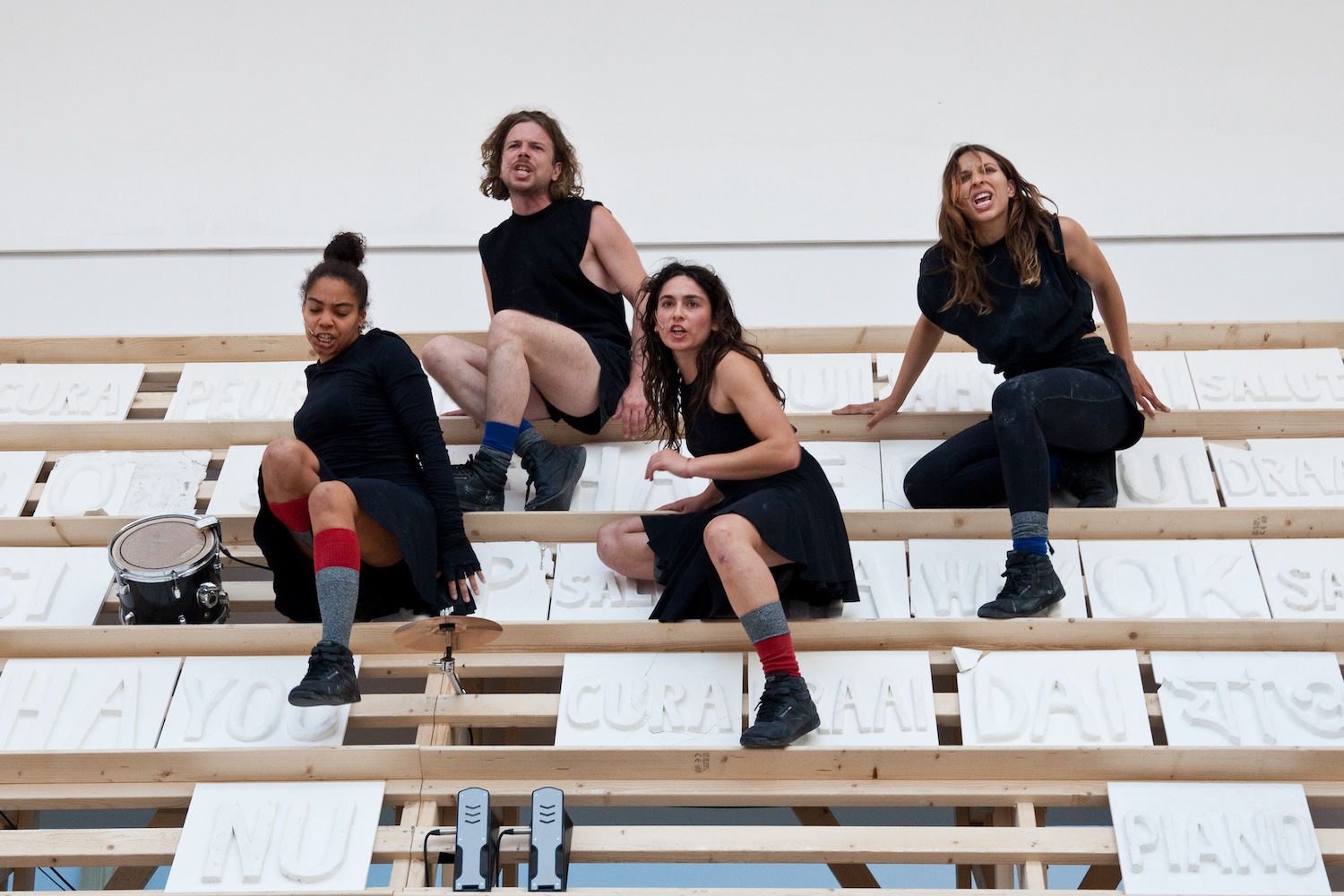
Belgian theater director Miet Warlop is presenting her work "It never SSST" at the Belgian Pavilion during the Venice Biennale. The installation combines performance, sculpture, a radio show, and objects, featuring six performers, musicians, dancers, and a sculptor who periodically calls "Freeze" to capture movements in plaster reliefs. Warlop, known for her physically exhausting ritualistic performances like "One Song," discusses the piece's themes of ceaseless activity and the body as a resource, as well as the challenge of engaging visitors who often rush through the pavilion.

The Porn Effect

Der Porno-Effekt

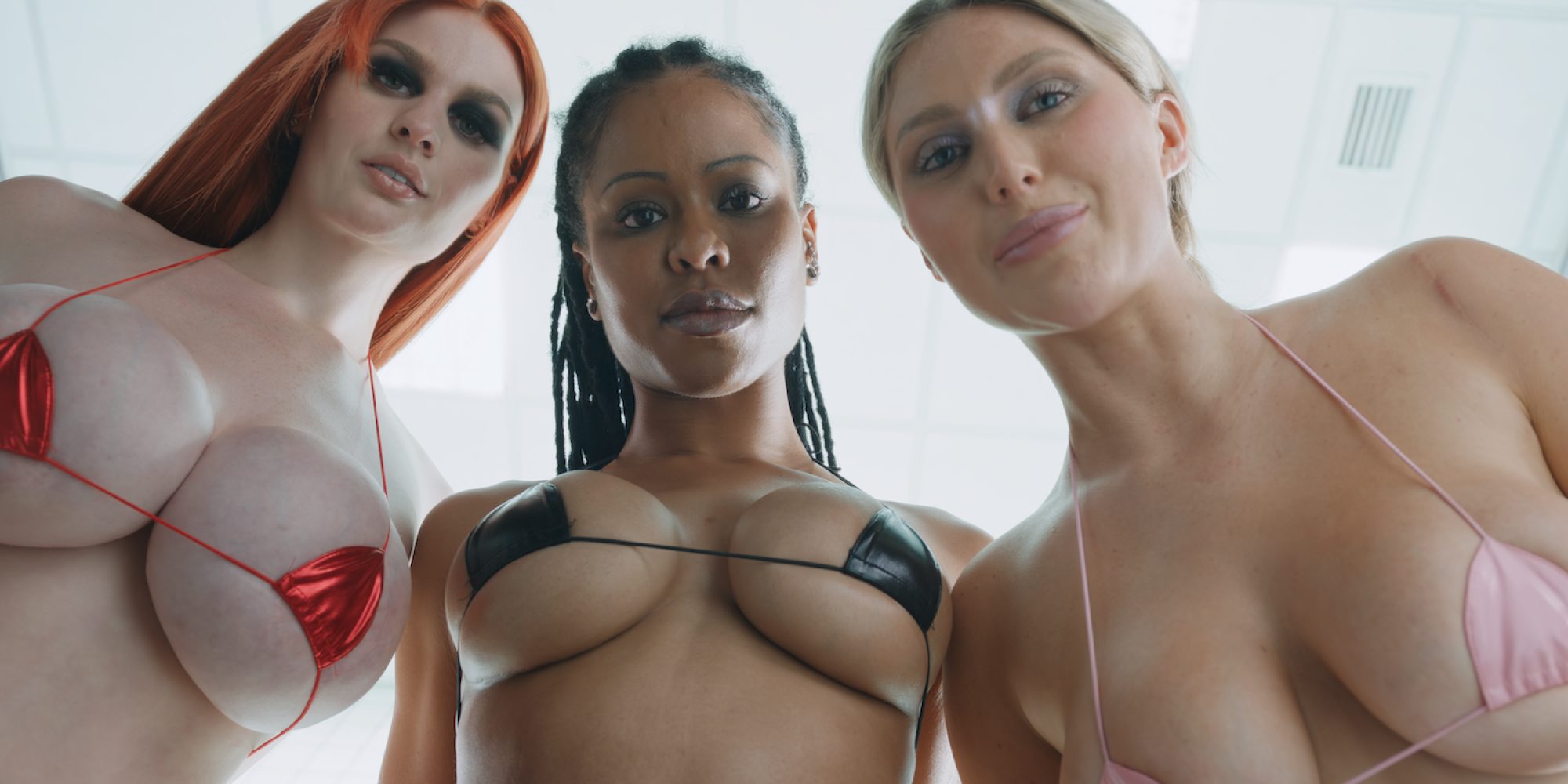
Maja Malou Lyse received a bizarre phone call nearly three years ago from the CEO of the world's largest sperm bank, who offered her 20 liters of discarded sperm for artistic purposes. She accepted and created an installation for the Danish Pavilion at the Venice Biennale, working with porn stars to explore how images shape bodies and desire.

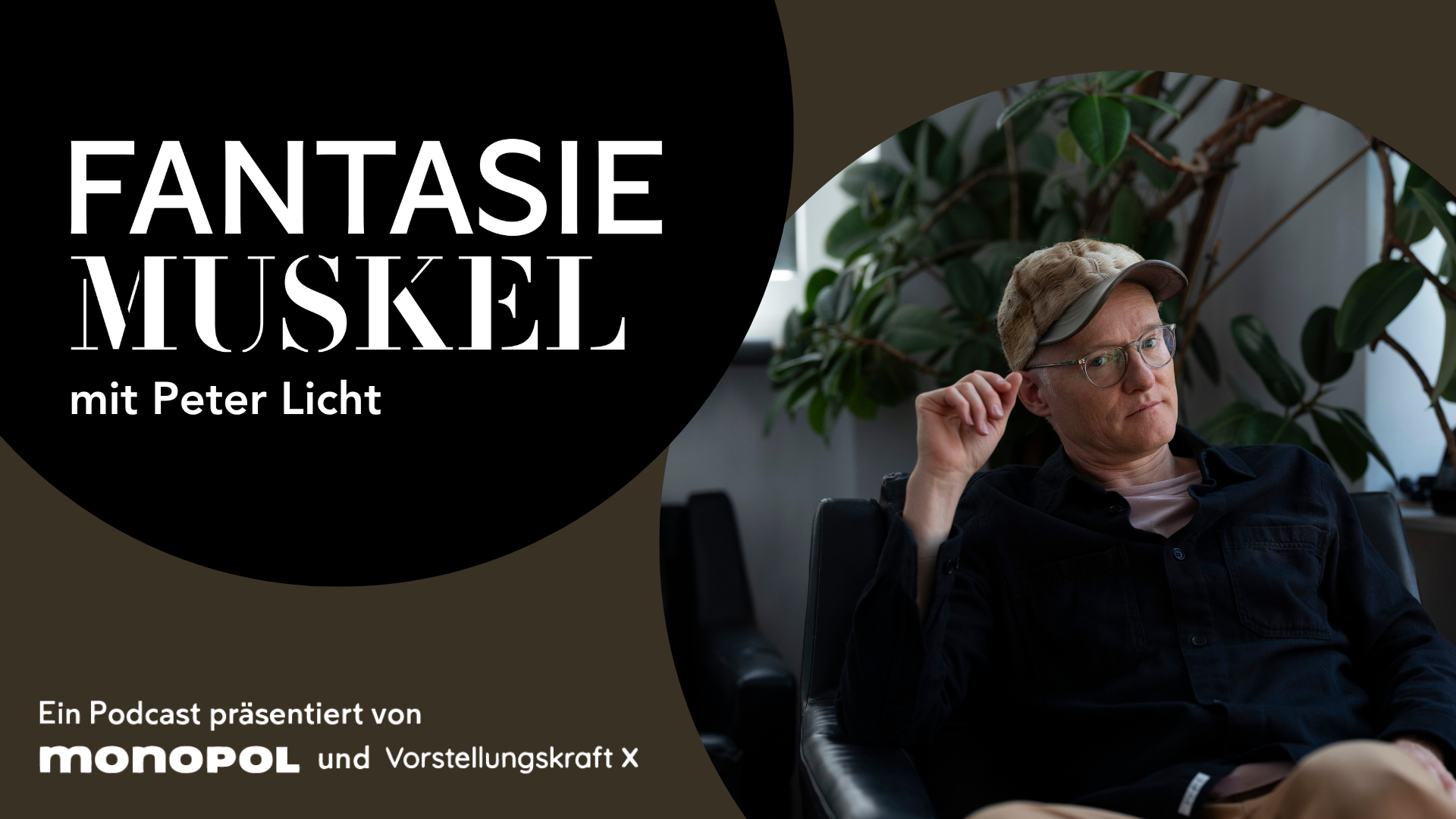
Die Welt als Sound – mit Peter Licht

Peter Licht, a German musician, author, and playwright, appears as a guest on the 82nd episode of the "Fantasiemuskel" podcast, where he discusses his view of the world as a sound phenomenon. He reflects on his 2006 song "Lied vom Ende des Kapitalismus," which preceded the 2008 financial crisis, and explores how language, fear, and utopian moments manifest through sound in his work—whether in pop songs, theater pieces, or novels. Licht also describes a recent "problem-solving show" at Schauspiel Köln, where audience members submit problems that are collectively sung, turning singing into an act of resistance and community-building.

Alchemist of Colors

Annina Roescheisen, a German-born artist now based in New York, presents her work in Venice during the opening days of the Venice Biennale. Her paintings are created through an alchemical ritual where she mixes pigments, charcoal, ash, ink, herbs, and salts, producing pulsating fields of color that blur the line between the visible and invisible. A self-taught artist who never attended art school, Roescheisen draws on art history and philosophy, with a particular passion for medieval art. Her series "Flying Dragons" references the ancient Physiologus, and she has also produced watercolors based on drawings made with her eyes closed to explore how visual perception changes from childhood to adulthood.

Around the World

Einmal um die Welt

The article previews the national pavilions at the Venice Biennale, where 99 countries present exhibitions across the Giardini, Arsenale, and venues throughout the city. It highlights Iceland's pavilion, featuring Ásta Fanney Sigurðardóttir's project "Pocket Universe" at the Docks Cantieri Cucchini, a multimedia work combining performance, sound, moving image, and installation centered on a film about a creature.