filter_list Showing 2413 results for "RAC" close Clear
search
dashboard All 2413 museum exhibitions 1476article local 276article culture 190article news 146trending_up market 122person people 70rate_review review 48candle obituary 46article policy 24gavel restitution 15
date_range Range Today This Week This Month All
Subscribe

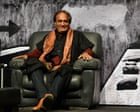
A snapshot of the photographer Raghu Rai | Brief letters

A letter to the editor from Gabrielle Palmer recounts her experience contacting photographer Raghu Rai in 1987 to request permission to use one of his photographs in her book "The Politics of Breastfeeding." Unable to afford the £200 fee, Palmer called Rai in India, who generously waived the fee entirely and wished her well. The letter is a brief tribute published in response to Rai's obituary in The Guardian.
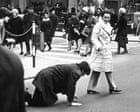
From men on dog leads to public breast-fondling, Valie Export’s art demanded a total feminist revolution

Valie Export, the pioneering Austrian feminist artist known for her provocative and confrontational performances from the 1960s onward, is the subject of a reflective essay by writer and academic Hettie Judah. The article revisits Export's radical works such as *Hyperbulia* (1973), where she crawled naked through electrified wires; *From the Portfolio of Doggedness* (1968), in which she led a man on a dog lead through Vienna; and *Action Pants: Genital Panic* (1969), where she walked through a cinema with exposed genitals. Judah draws on her own interviews with Export, who died in 2023, and discusses the artist's manifesto demanding that women use art to reshape consciousness and achieve liberation.

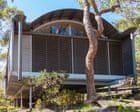
‘Touch the earth lightly’: the Australian home that floats above the landscape

The article profiles the Ball-Eastaway House, a home designed by pioneering Australian architect Glenn Murcutt in 1983 for artist Sydney Ball and his partner Lynne Eastaway. Located on a 10-hectare block of dry sclerophyll forest northwest of Sydney, the house is elevated on 14 steel columns sunk into a sandstone rock shelf, allowing it to float above the landscape and minimize its environmental impact. Murcutt, who later won the Pritzker Prize, incorporated sustainable design features such as natural ventilation, a gutter system inspired by eucalypt leaf patterns, and a structure that can be dismantled without trace.

'A work of conceptual art': Belmond launches new Art Deco-inspired train dining car

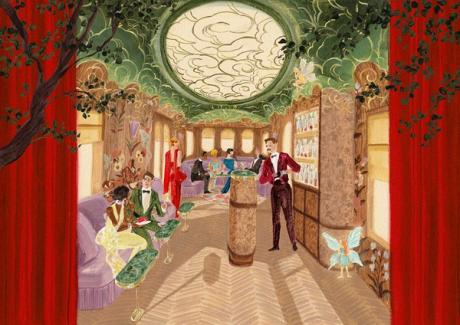
On 15 May, Belmond's British Pullman will debut a new private dining car named Celia, originally built in 1932. The carriage's interior has been designed by film director Baz Luhrmann and his wife, production designer Catherine Martin, who created an Art Deco-inspired aesthetic featuring burl veneers, marquetry, stained glass, and their signature rich red. The couple invented a backstory for the car's namesake, a fictional 1930s Shakespearean actress, aiming to immerse guests in a narrative experience reminiscent of A Midsummer Night's Dream. This follows Belmond's previous collaborations with Wes Anderson and artist JR, as part of its strategy under LVMH ownership to commission high-profile creative figures for its heritage trains.

‘It takes an entire museum to do it justice’: the Smithsonian celebrates America in 250 objects

The Smithsonian National Museum of American History in Washington DC is marking the 250th anniversary of US independence with a major exhibition titled "In Pursuit of Life, Liberty & Happiness," opening on 14 May. The show displays 250 objects spanning all three floors of the museum, ranging from a Revolutionary War-era gunboat (the Philadelphia) to a Donald Trump "Make America great again" hat. Seventy-six rarely seen objects are concentrated in entry hall cases, while the rest are embedded throughout existing galleries, connected by a "ribbon" design. Director Anthea Hartig frames the exhibition as a commemoration of moments where individuals and communities fought for recognition and identity, pairing each object with an action verb to emphasize democracy as participatory.

The Founders of Open Restitution Africa (ORA) on Their New Open Data Platform

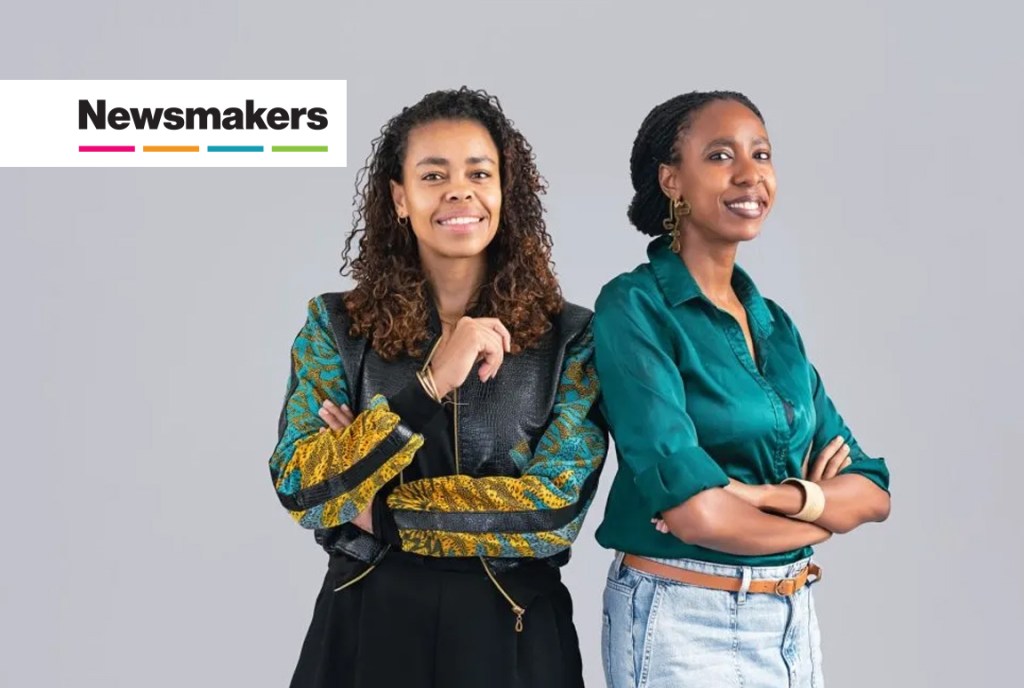
On March 31, the research initiative Open Restitution Africa (ORA) launched the ORA Open Data Platform, a database providing information on the restitution of African artifacts and ancestral remains. Developed over six years by ORA’s all-woman, pan-African team, the site uses case histories and AI-powered tools to offer practical insights into the return process, available in French and English. It presents 25 case histories spanning 200 years, using data visualizations, essays, and interactive tools to help individuals and communities develop their own restitution strategies. ARTnews interviewed founders Chao Tayiana Maina and Molemo Moiloa about the project's origins and goals.

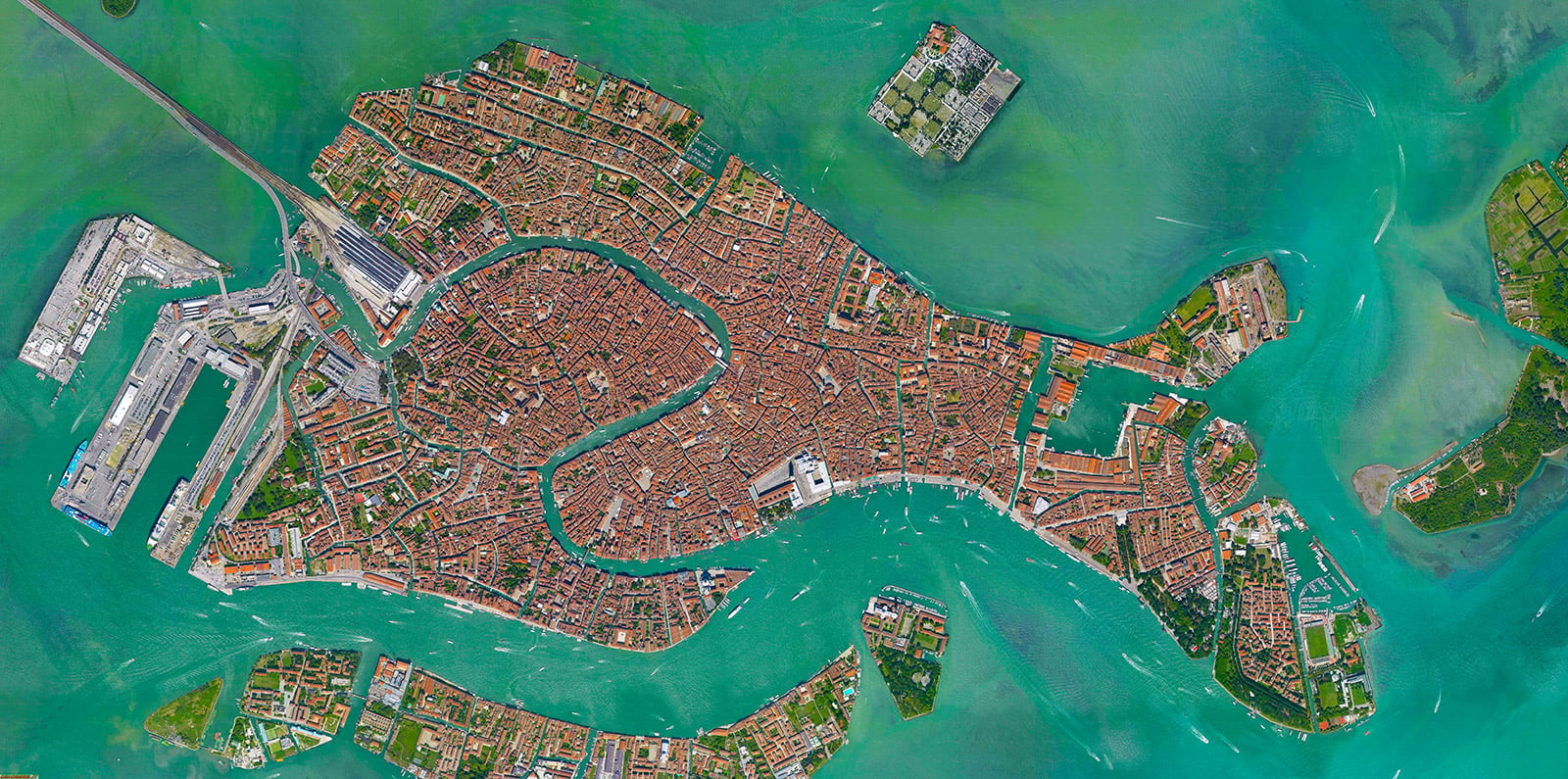
Venice Biennale strike sees more than 15 pavilions temporarily or partially close

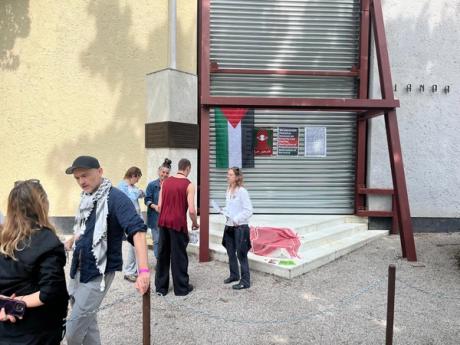
On 8 May, more than 15 national pavilions at the Venice Biennale temporarily or partially closed in a coordinated strike organized by the Art Not Genocide Alliance (ANGA). The protest opposes Israel’s participation in the event, which organizers say normalizes what they call genocide and exploits precarious labor. Participating countries include Austria, Lebanon, Slovenia, Egypt, Poland, and the Netherlands, whose artist Dries Verhoeven stood outside his shuttered pavilion with a Palestinian flag. Some pavilions, like Japan’s, remained open but suspended interactive elements. The strike follows earlier controversies, including the resignation of the prize jury and an open letter demanding the Israeli pavilion’s cancellation.

The Most Provocative Performance in Venice

Florentina Holzinger, a performance artist known for extreme feminist works involving nudity, bodily fluids, and physical endurance, is representing Austria at the 2026 Venice Biennale with a pavilion titled “Seaworld Venice.” Opening May 9, the installation transforms the Austrian Pavilion in the Giardini into an underwater theme park and a functioning sewage treatment plant, where audience urine collected from portable toilets is cleaned and recycled into the tanks. The work explores themes of the human body, ecology, and Venice’s own struggles with sinking infrastructure and mass tourism.

S&M-inspired Greek Pavilion in Venice confronts its fascist chains

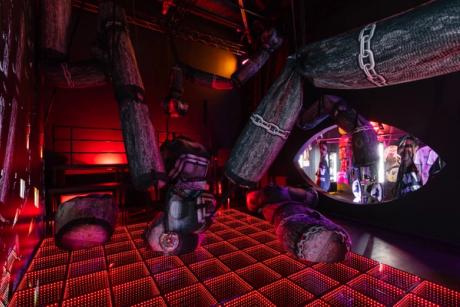
The Greek Pavilion at the 2026 Venice Biennale, titled "Grecia" and conceived as a drag artist, presents an S&M-inspired installation by artist and architect Andreas Angelidakis. The immersive space features a red neon-lit floor, soft sculptures resembling beanbags, fragmented marble columns wrapped in chains, and souvenirs bearing images of queer artists and the late activist Zak Kostopoulos (Zackie Oh). The pavilion aims to deconstruct the idea of a fixed national identity, exploring themes of queerness, fascism, and historical trauma.

Not Just the Biennale: What to See in Venice in Spring 2026 Among Galleries, Independent Spaces, and Special Projects

Non solo Biennale: cosa vedere a Venezia nella primavera 2026 tra gallerie, spazi indipendenti e progetti speciali

The article highlights a curated selection of exhibitions to see in Venice during spring 2026, beyond the main shows of the 61st Venice Biennale. It features projects in galleries, independent spaces, and historic venues, including a group show titled "Waves" at Casa Sanlorenzo with works by Alexander Calder and Lucio Fontana, a video installation by Ieva Lygnugarytė at Oratorio dei Crociferi, a Judy Chicago survey at Galleria Alberta Pane, a solo show by Hanna Rochereau at Mare Karina, and a Barry X Ball retrospective at the Abbey of San Giorgio Maggiore.

Dirty carpets to Palestinian skateboarders: a decade of Peckham 24 – in pictures

Peckham 24, a photography festival in south London, celebrates its 10th anniversary with a special edition titled "The Eras Edition," running from 15-17 May at Copeland Park and the Bussey Building. Founded a decade ago by artist-curator duo Jo Dennis and Vivienne Gamble as a fringe event of Photo London, the festival began as a 24-hour pop-up showcasing emerging talent. This year's edition explores the theme of time through works by artists including Kristina Yenza (documenting youth in wartime Ukraine), Vinca Petersen (rural community life on the Isle of Skye), Max Ferguson (the London College of Communication tower block), Julie F Hill (space telescope data visualizations), Mark Duffy (carpet detritus in the Houses of Parliament), and Maen Hammad (Palestinian skateboarders).

With Nearly 30,000 Clay Earth Bricks, Dana Awartani Remakes History in the Saudi Arabia Pavilion

Dana Awartani, a Jeddah- and New York-based artist of mixed Palestinian, Saudi, Jordanian, and Syrian descent, has created the Saudi Arabia Pavilion at the Venice Biennale using nearly 30,000 clay earth bricks. The installation, titled "May your tears never dry, you who weep over stones," replicates traditional mosaic motifs sourced from over 20 cultural heritage sites across the Arab world that have been destroyed by human conflict. Awartani emphasizes collaboration, crediting numerous skilled craftsmen—economic migrants to Saudi Arabia—who worked alongside her, and her practice blends formal training at Central St. Martins with Islamic geometry and illumination studies in Turkey.

Comment | Degenerate art all over again? Nazi attack on Modern art is not far away from trends in today’s world

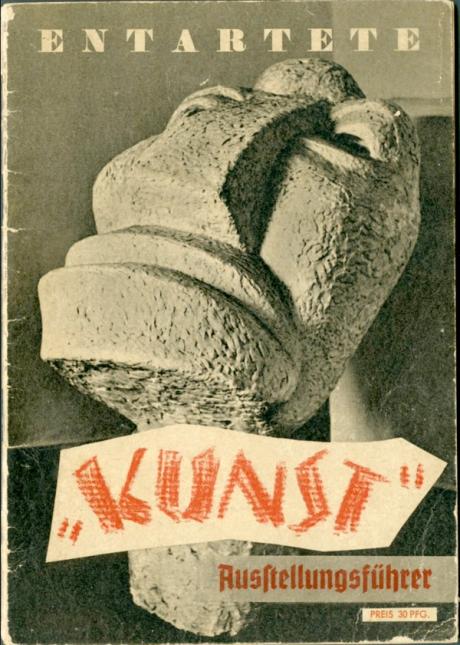
The article draws a provocative parallel between the Nazi regime's attack on modern art—epitomized by the 1937 "Degenerate Art" (Entartete Kunst) exhibition—and contemporary political aesthetics, particularly around President Donald Trump. It traces the Nazi party's early use of visual spectacle, mass rallies, and monumental art to forge a national identity, contrasting this with Trump's proposed National Garden for American Heroes and stalled White House Ballroom, which the author dismisses as kitsch but lacking the cohesive fascist aesthetic of Albert Speer's masterplans.

Meet the Writer Who Sees Every Single Show at the Venice Biennale

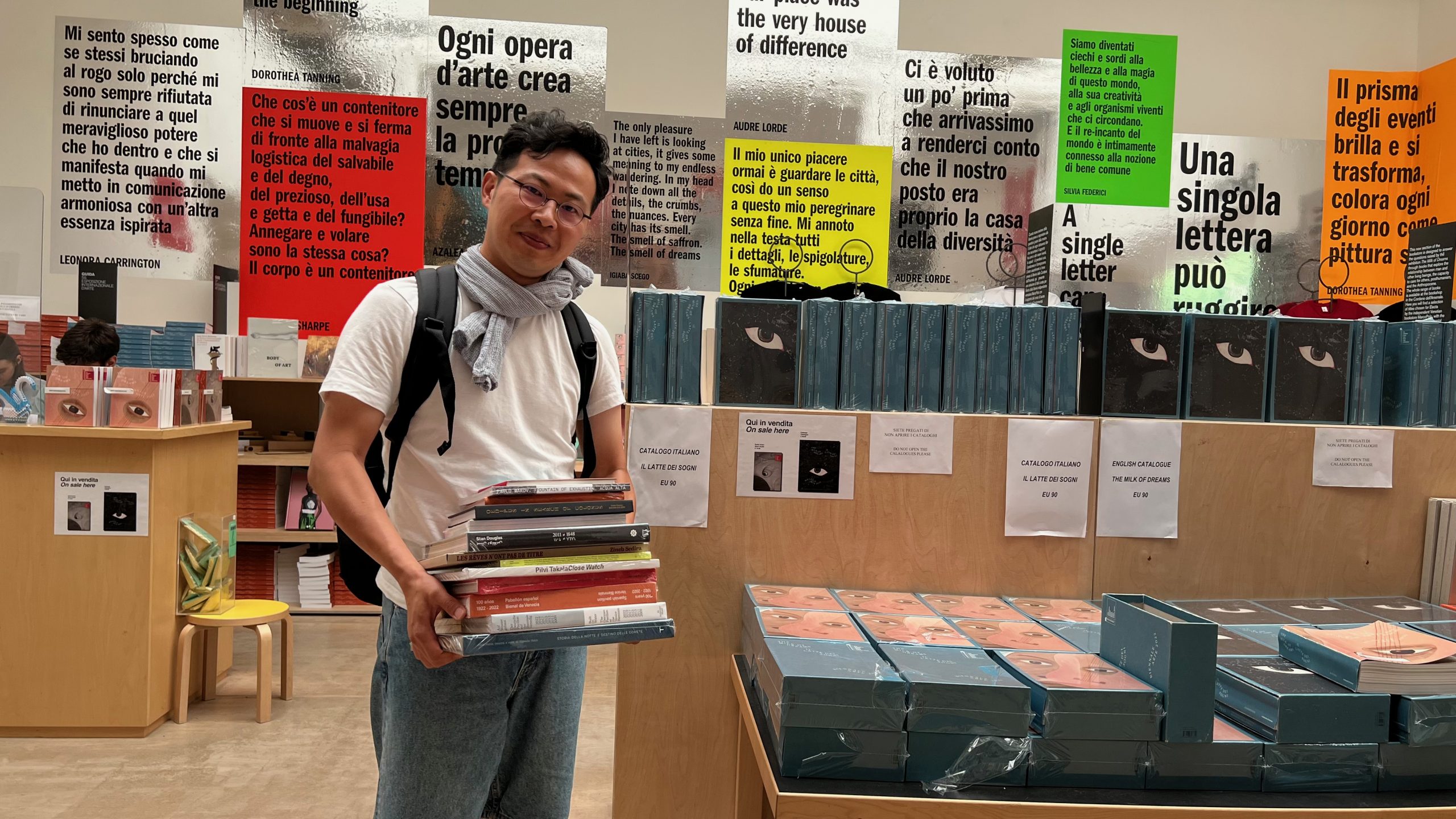
Jaeyong Park, a Seoul-based writer, translator, and interpreter, has attended every edition of the Venice Biennale since 2022—including both art and architecture cycles—and seen every single show, from the central exhibition and national pavilions to collateral and unofficial events. He documents his journeys in regular dispatches and has compiled a free bilingual guide to the biennial. Park organizes his trips with a group of fellow art workers, splitting accommodation costs and sharing reviews over dinner to ensure full coverage.

Trippy Film by British-Ethiopian Artist Theo Eshetu Hits the Venice Biennale

British-Ethiopian artist Theo Eshetu is presenting a new installation, *The Garden of the Broken-Hearted* (2026), at the Venice Biennale. The work features a live olive tree mounted on a rotating dais, with a video of the tree projected onto itself, marking a shift from his decades-long practice of multi-screen video installations. Eshetu discusses the project's origins in conversations with the late Biennale curator Koyo Kouoh, framing the tree as a space for mourning, human consciousness, and elemental storytelling.

Oleg Prokofiev’s Lost Trove of Paintings Comes to Light After Decades in Hiding

A trove of abstract paintings and sculptures by Russian artist Oleg Prokofiev, hidden for decades in Moscow after he fled the Soviet Union, has been rediscovered and is now on public display for the first time. Prokofiev concealed the works in the 1950s and 1960s to avoid state persecution—abstract art was banned in the USSR, and his relationship with British scholar Camilla Gray made marriage impossible until 1969. After Gray's death and his move to England, the artworks remained safely stored in Moscow, where he found them intact after the Soviet collapse. The collection, including paintings, sculptures, sketchbooks, and letters, is now exhibited at the newly founded Prokofiev Studio in Hackney, London, established by his four children and curator Anzhela Popova.

New space dedicated to Oleg Prokofiev—whose abstract art was censored by Soviet Russia—opens in London

A new art space called Prokofiev Studio has opened in Hackney, London, dedicated to the Russian artist Oleg Prokofiev. Its inaugural exhibition, 'Bending Time,' presents abstract works from the 1950s that were banned under Soviet censorship and long thought lost. The space was founded by Prokofiev’s children, including composer Gabriel Prokofiev, in collaboration with curator Anzhela Popova. The works were rediscovered in 1994 when Prokofiev returned to his former Moscow home and found them preserved by the new owner.

‘Sensitive, sexy and surreal’: Japan’s Kyotographie festival

Kyotographie, Japan's leading international photography festival, opened its 2025 edition with the theme 'Edge,' featuring 14 exhibitions across Kyoto. The festival includes a major retrospective of Daido Moriyama, the 86-year-old pioneer of the 'are-bure-boke' aesthetic, showcasing over 200 images, 400 magazines, and 100 books. Also featured are British artist Linder Sterling, known for her punk-era feminist photomontages and album art for Buzzcocks, and Kenyan photographer Thandiwe Muriu, this year's African artist in residence, who uses patterned kitenge fabric to explore identity and female empowerment.

Who is Gladys Hynes? Show reinstates forgotten artist who once represented Britain at the Venice Biennale

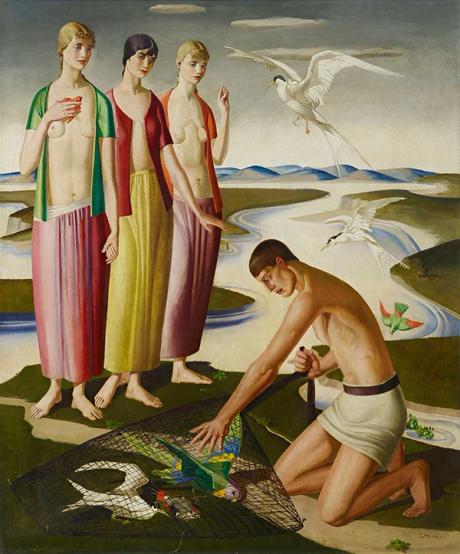
The exhibition "Gladys Hynes: Radical Lives" opens this month at Charleston in Lewes, aiming to resurrect the career of Gladys Hynes (1888-1958), a forgotten artist who once represented Britain at the 1924 Venice Biennale. The show brings together 120 paintings, drawings, graphic designs, and sculptural pieces, including works by Hynes and her contemporaries, curated by Sacha Llewellyn. Hynes trained with Stanhope Forbes, Frank Brangwyn, and William Nicholson, worked with Roger Fry's Omega Workshops, associated with Wyndham Lewis and the Vorticists, and was commissioned by Ezra Pound to illustrate his Cantos. Despite her achievements, only one of her paintings is in a British public collection.

TikTok Shop adds ‘fine art’ category—will it disrupt the art market?

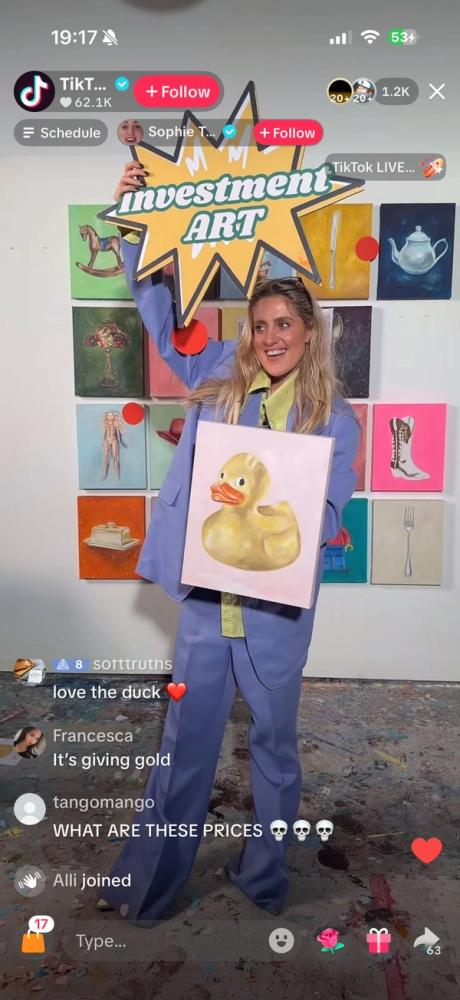
TikTok Shop has launched a new "fine art" category within its collectibles section, allowing artists to sell original artworks directly through shoppable videos, photographs, and livestreams. The category debuted with a three-hour live sale by artist Sophie Tea, who created a series of 20 oil paintings titled *Bric-a-Brac* and sold them for £2,800 each. The sale faced technical glitches—items added to baskets were prematurely marked as sold, causing confusion—and required workarounds for TikTok's pricing caps, automatic discounts, and shipping policies.

Read a book, flip off a Nazi: when reading meant resistance – in pictures

A new exhibition at Poster House in New York, titled "Reading Under Fire: Arming Minds & Hearts During Wartime," showcases vintage posters from World War I and World War II that promoted reading and book donations to support troops. The posters, drawn from the collections of the American Library Association, the YMCA, and other organizations, encouraged the public to supply soldiers with reading material as a form of morale-boosting and education. The exhibition runs until 1 November and is curated by Molly Guptill Manning.

Sumac Cottage in Greensboro, Alabama

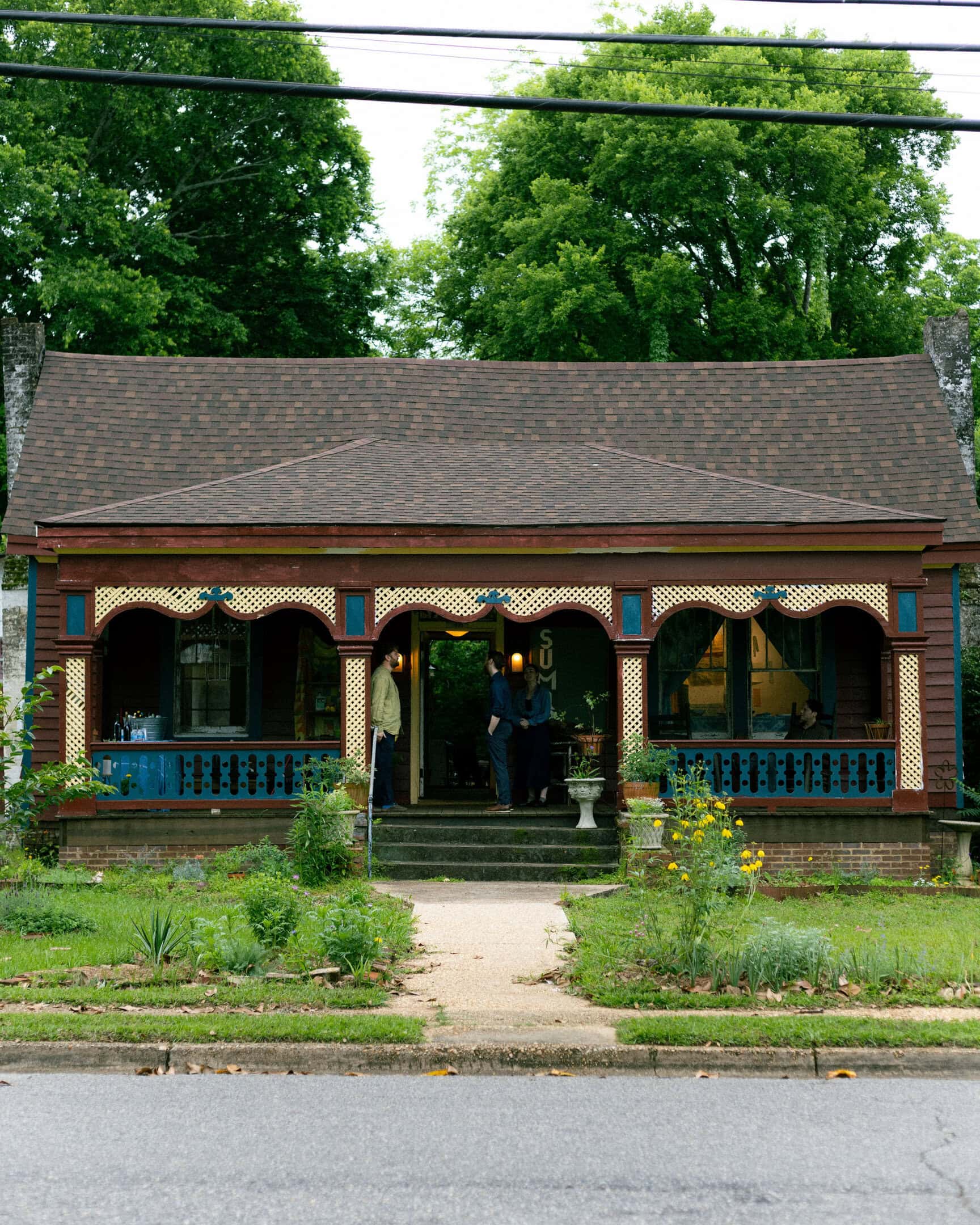
Sumac Cottage, a historic 1820s building in Greensboro, Alabama, has been restored and transformed into a community arts space by visual artist Aaron Sanders Head and musician Tim Higgins. The cottage, which was nearly demolished and had only three walls remaining, now hosts workshops, exhibitions, performances, and community events. Its most recent exhibition, “Home Once,” featured a visual installation by Jenna Clark with performances by Clark, Jasper Lee, Sam Herman, and Ryan Brown.

New Orleans artist Andrew Lamar Hopkins channels folk art legend Clementine Hunter in new exhibit

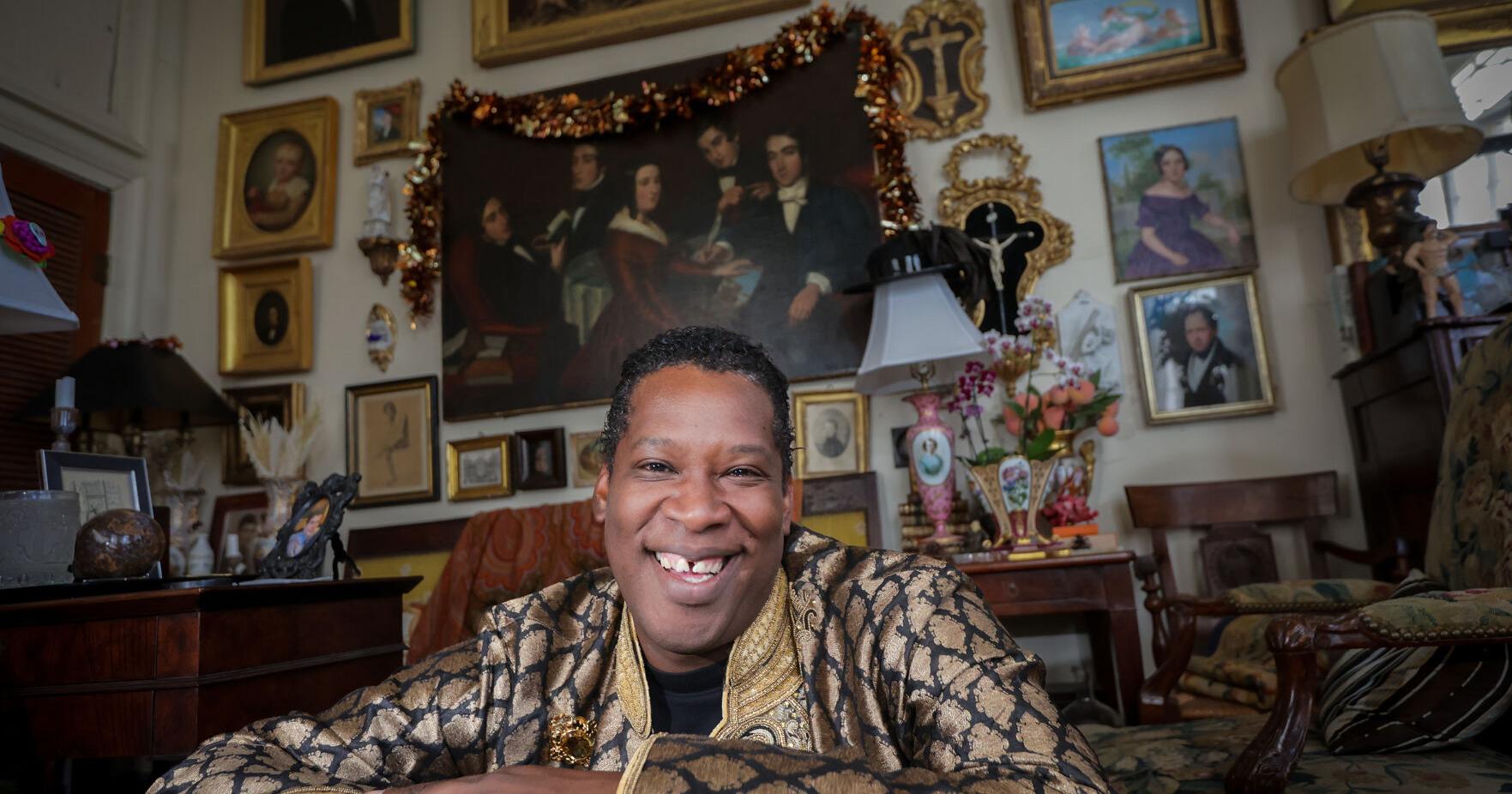
The article profiles New Orleans artist Andrew Lamar Hopkins and his new exhibition "Her Way, His Way" at the Orleans Gallery on Julia Street. The show pairs Hopkins' contemporary folk-inspired works with paintings by the late, legendary Louisiana folk artist Clementine Hunter, who died in 1988. Hopkins, now 48, draws directly from Hunter's subjects—such as wildflower bouquets and pecan harvesting scenes—creating a dialogue between two artists who never met. The piece also traces Hopkins' career trajectory from a self-taught history nerd in Mobile, Alabama, to a rising star with works displayed in Venice during the Venice Biennale.

In Tuscany, an Artistic Sculpture Hub Thrives

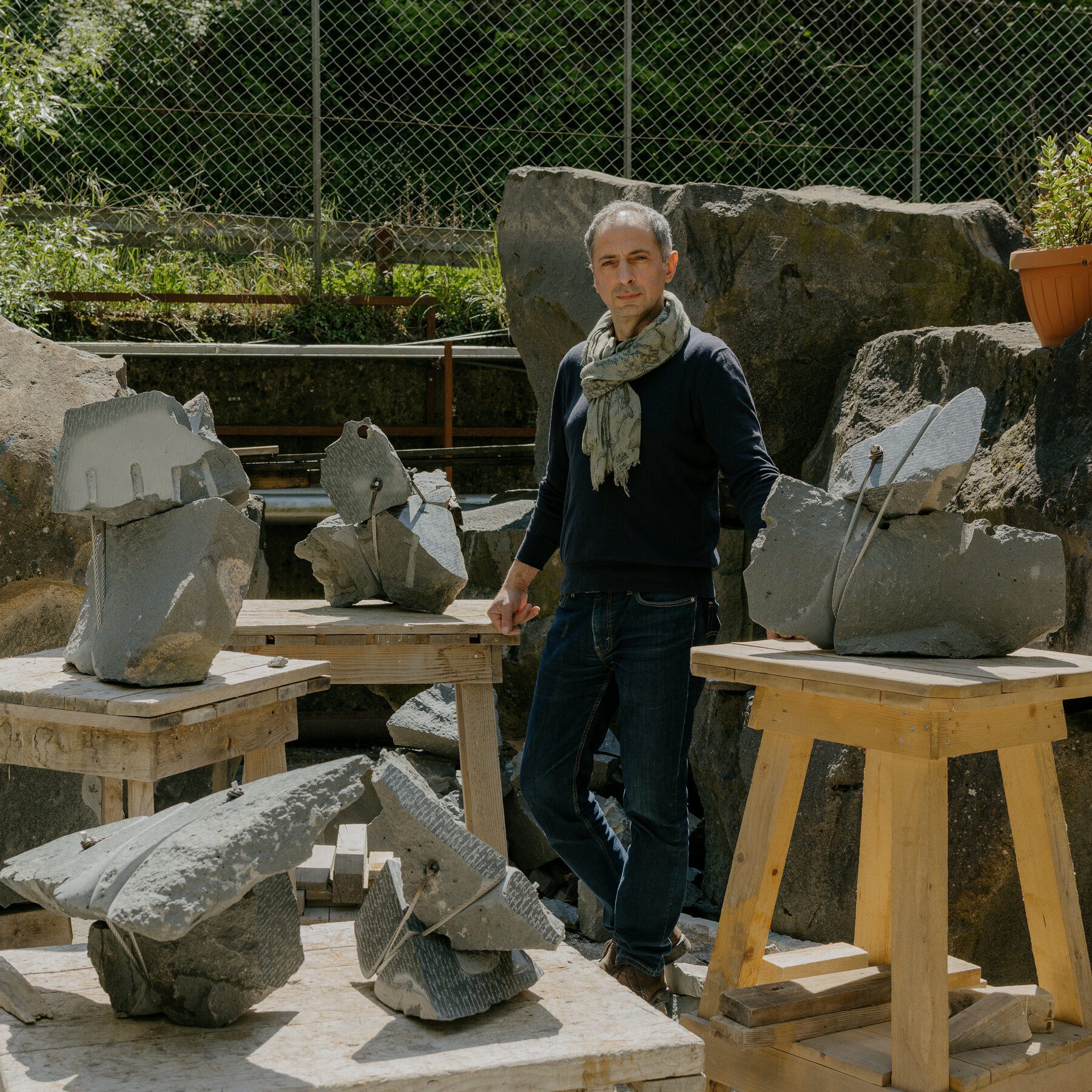
The article profiles Pietrasanta, a small town in Tuscany, Italy, that has evolved into a thriving international sculpture hub. It traces the town's artistic lineage back to Michelangelo, who sourced marble from local quarries in 1518, and highlights how today a dense network of workshops, foundries, and craftspeople attracts artists from around the world. The local government has established the Fondazione Centro Arti Visive di Pietrasanta to promote the town as a year-round art center, not just a seasonal destination. The piece features the Armenian-born artist Mikayel Ohanjanyan, who has seven sculptures on display in the town.

At Frieze New York and Beyond, Indigenous Artists Are in the Spotlight

At Frieze New York and other concurrent exhibitions, Indigenous artists Sara Flores, Suzanne Kite, and Seba Calfuqueo are presenting works that challenge and expand traditional definitions of Indigenous art. Their pieces are on view in New York, Venice, and beyond, marking a significant moment for contemporary Indigenous voices in the global art scene.

Taking a Deep Dive into a Connecticut Ranch House

Artist couple Janis Provisor and Brad Davis transformed an indoor swimming pool in their Connecticut ranch house into a studio, prioritizing their creative work over leisure. The article explores how they adapted the unconventional space to suit their artistic practices.

A Dutch Art Studio Lights Up Venice’s Grand Canal

Dutch artists Lonneke Gordijn and Ralph Nauta of Studio Drift have installed their kinetic light sculptures along Venice’s Grand Canal, bringing their work outdoors for the first time during the Venice Biennale. The installation transforms the iconic waterway with moving, illuminated forms that interact with the surrounding architecture and water.

For the Painter Michael Armitage, Art Comes With a ‘Sense of Responsibility’

The New York Times profiles Kenyan British painter Michael Armitage, who is currently exhibiting his paintings and studies in Venice. The article explores his artistic practice, his deep connection to his Kenyan roots, and his recent relocation to Indonesia, which has influenced his work and perspective.

Mary Lovelace O’Neal, painter and activist, 1942–2026

Mary Lovelace O’Neal, the American painter, professor, and civil rights activist, has died at age 84. Born in Jackson, Mississippi, she was a co-founder of the Non-Violent Action Group while a student at Howard University, later earning an MFA from Columbia University. Known for monumental abstract works on soot-black surfaces, she developed her signature technique through the Lampblack series (1960s–70s) and continued evolving her practice through series such as Whales Fucking (1970s–80s) and Panthers In My Father’s Palace (1980s–90s). In 1985, she became the first African American woman to receive tenure in the Department of Art Practice at the University of California, Berkeley, where she taught for nearly three decades and served as chair from 1999 until her retirement in 2006.

‘The Bed Trick’ by Izabella Scott, Reviewed

Izabella Scott's book *The Bed Trick* examines a British rape case in which Gayle Newland was convicted for pretending to be a man named Kai during a two-year relationship with a woman identified as Miss X. Drawing on court transcripts, Scott explores the legal concept of 'fraud vitiates consent' and traces the historical bed-trick trope from medieval folktales to *The Rocky Horror Picture Show*, questioning how much deception invalidates sexual consent.