filter_list Showing 2482 results for "RAC" close Clear
search
dashboard All 2482 museum exhibitions 1525article local 279article culture 192article news 151trending_up market 122person people 73rate_review review 54candle obituary 45article policy 26gavel restitution 15
date_range Range Today This Week This Month All
Subscribe

The LA Art World’s New Obsession Is a Theater Where Artists Run the Show

Calla Henkel and Max Pitegoff, former artistic directors of Berlin's Grüner Salon, launched New Theater Hollywood in 2024 as a nonprofit venue on Santa Monica Boulevard. The 49-seat theater specializes in genre-defying, multidisciplinary collaborations, staging works like Sophie Becker's ventriloquist act *Ronnie's Big Idea* and Diamond Stingily's *The Driver*. Every performance sells out, attracting a cult following of literary, art world, and pop culture figures who often linger to discuss shows.
fashion bottega veneta peter fraser venice

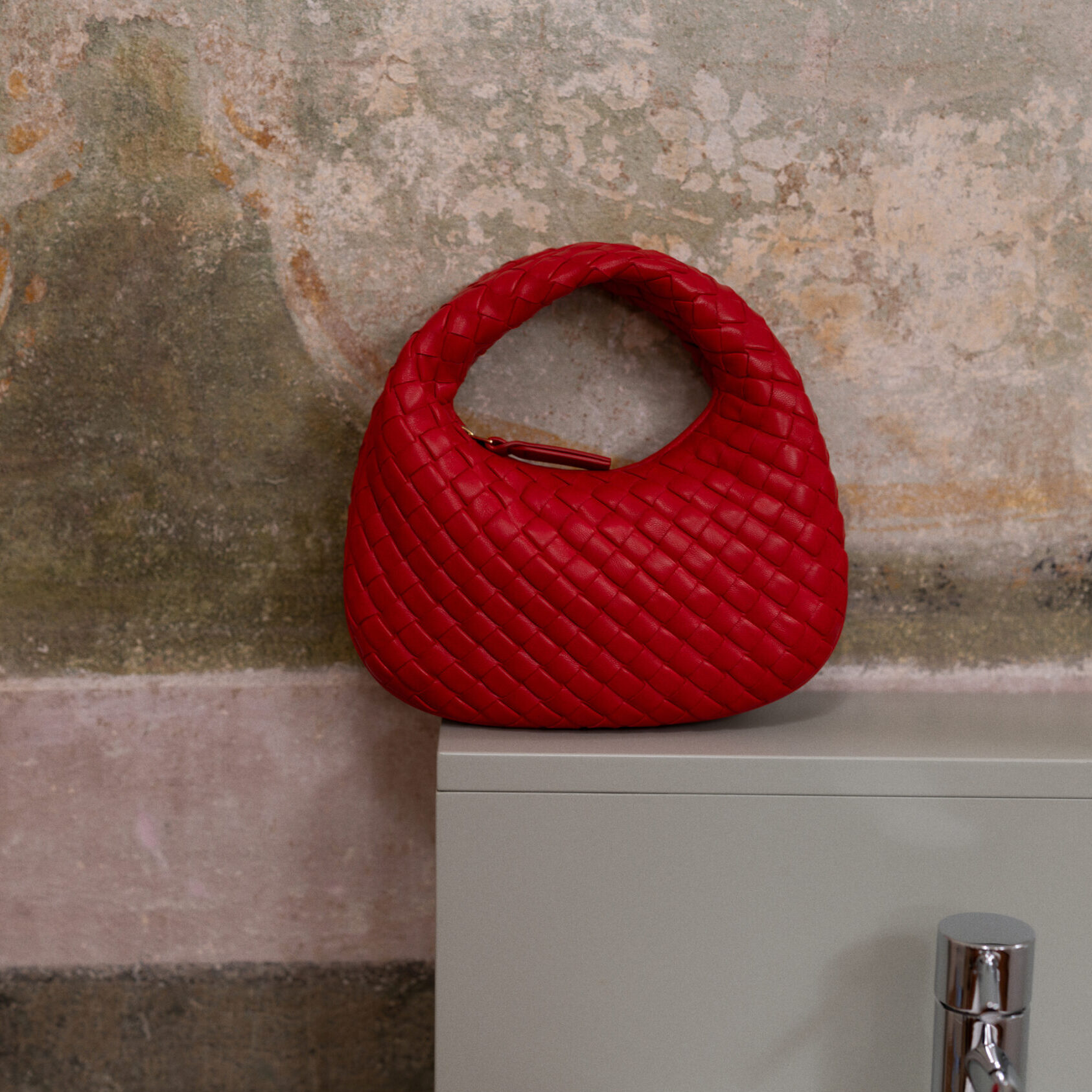
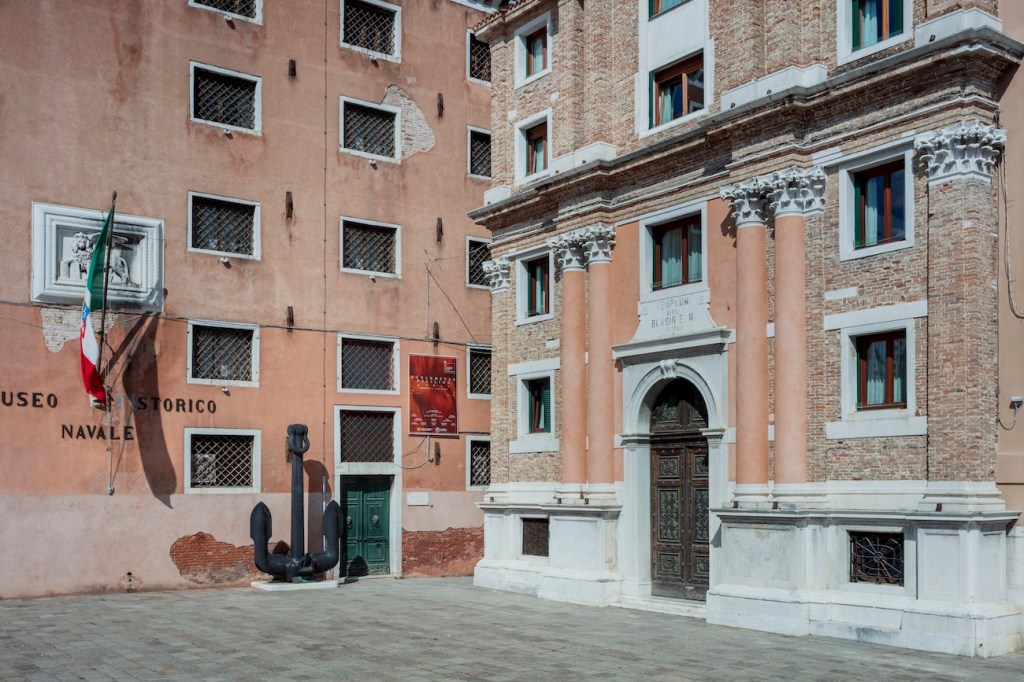
Photographer Peter Fraser has collaborated with Bottega Veneta on a new series of 27 photographs exploring Venice, capturing both its iconic landmarks—canals, marble floors, Byzantine façades—and its overlooked details like construction cranes, discarded plaster casts, and beached boats. The images are juxtaposed with Bottega Veneta's intrecciato bags from Louise Trotter's first collection, nodding to the fashion house's long history in the Veneto region. In an interview, Fraser discusses his approach to photographing a city burdened by its own legacy, emphasizing the need to distance himself from preconceptions and to shoot based on feeling rather than appearance.

Biennale’s Kazakh Pavilion Roiled by Controversy after Artwork Fails to Make It on View

Controversy has erupted at the Kazakhstan pavilion of the Venice Biennale after artist Äsel Kadyrhanova's multimedia installation *Machine* (2013), which addresses Stalin-era repression in Kazakhstan, was dismantled before the exhibition opened. An open letter published on e-flux, signed by prominent Kazakhstani art community members, alleges the work was removed on May 5 on orders from the nation's Ministry of Culture or pavilion organizers. The pavilion's curator, Syrlybek Bekbota, claims he personally made the decision to dismantle the work after negotiations with the artist failed, citing contractual restrictions from the venue, the Museo Storico Navale di Venezia, which prohibits "political, ideological," or "propagandistic" content. The venue's management company, D'Uva, denies any role in the removal, while the project's co-commissioner, Danagul Tolepbay, disputes the accuracy of the open letter's claims.

CalArts President Booed During Commencement Speech

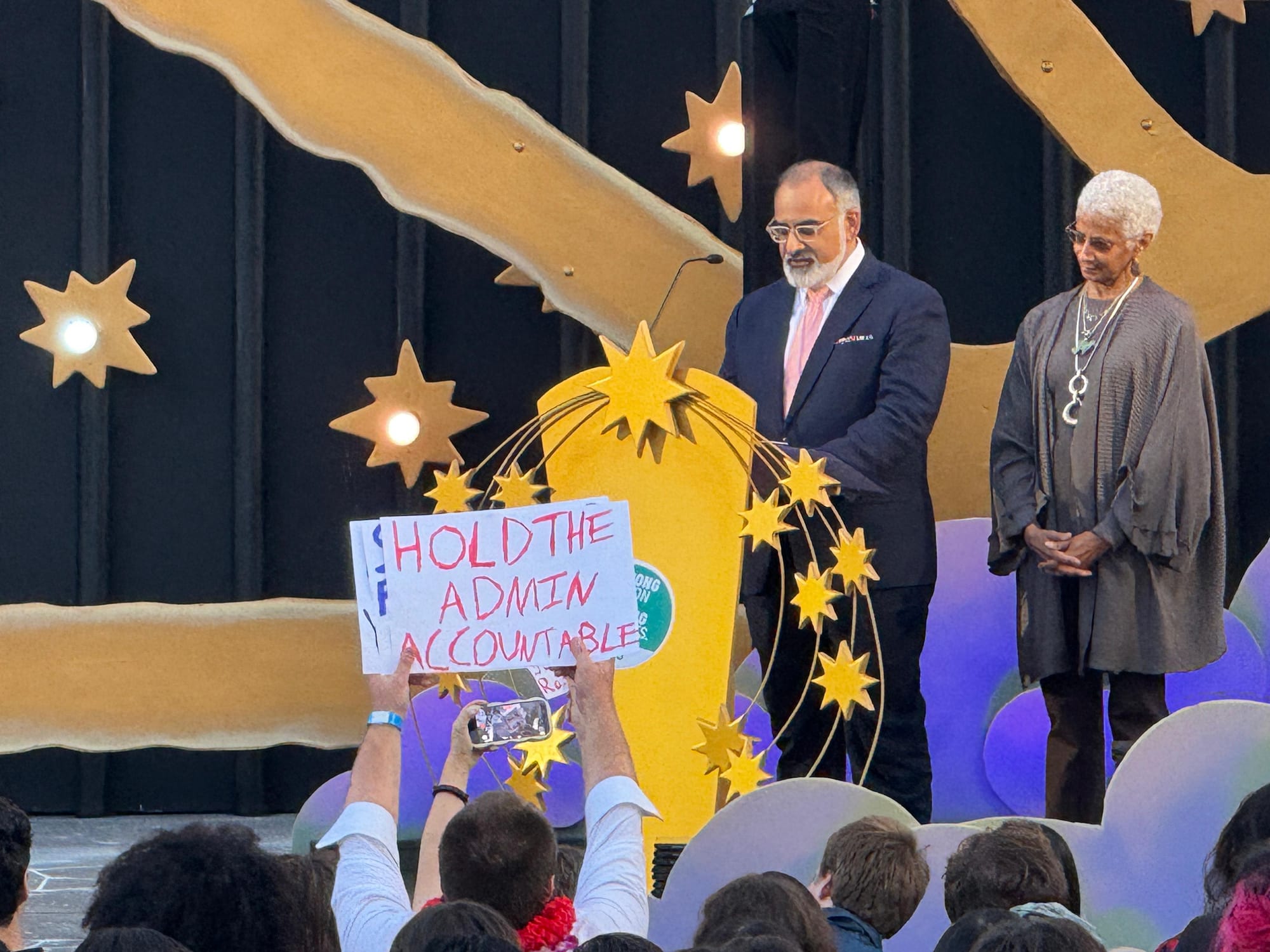
California Institute of the Arts (CalArts) President Ravi S. Rajan was loudly booed by students during the school's commencement ceremony on May 15, as they held signs reading “Hold the Admin Accountable” and “Save Our Faculty & Staff.” The protest stemmed from ongoing financial turmoil at the esteemed art school, including a multi-million-dollar budget deficit, significant staff and faculty layoffs, and a decline in enrollment from 1,500 to roughly 1,200. Despite Rajan's attempts to redirect focus to the graduates, the booing persisted, and board chair Charmaine Jefferson unsuccessfully appealed for calm. The incident follows a broader crisis at CalArts, where over 75% of staff sought to unionize in 2024, and faculty held a “Chop from the Top” rally in March against proposed $5 million in cuts.

‘Anger, curiosity and hope’: a planet of protest – in pictures

Matthew Connors' new photo book, *The Axe Will Survive the Master*, compiles 12 years of protest photography from Hong Kong, Cairo, New York, Kyiv, North Korea, and beyond. Published by MACK Books, the work weaves together images from the Occupy movement, the Egyptian revolution, Hong Kong's pro-democracy protests, the war in Ukraine, and other confrontations with authoritarian power, dissolving geographic boundaries into a single sequence drawn from an archive of 200,000 images.

A Persian Garden Blooms on Governors Island

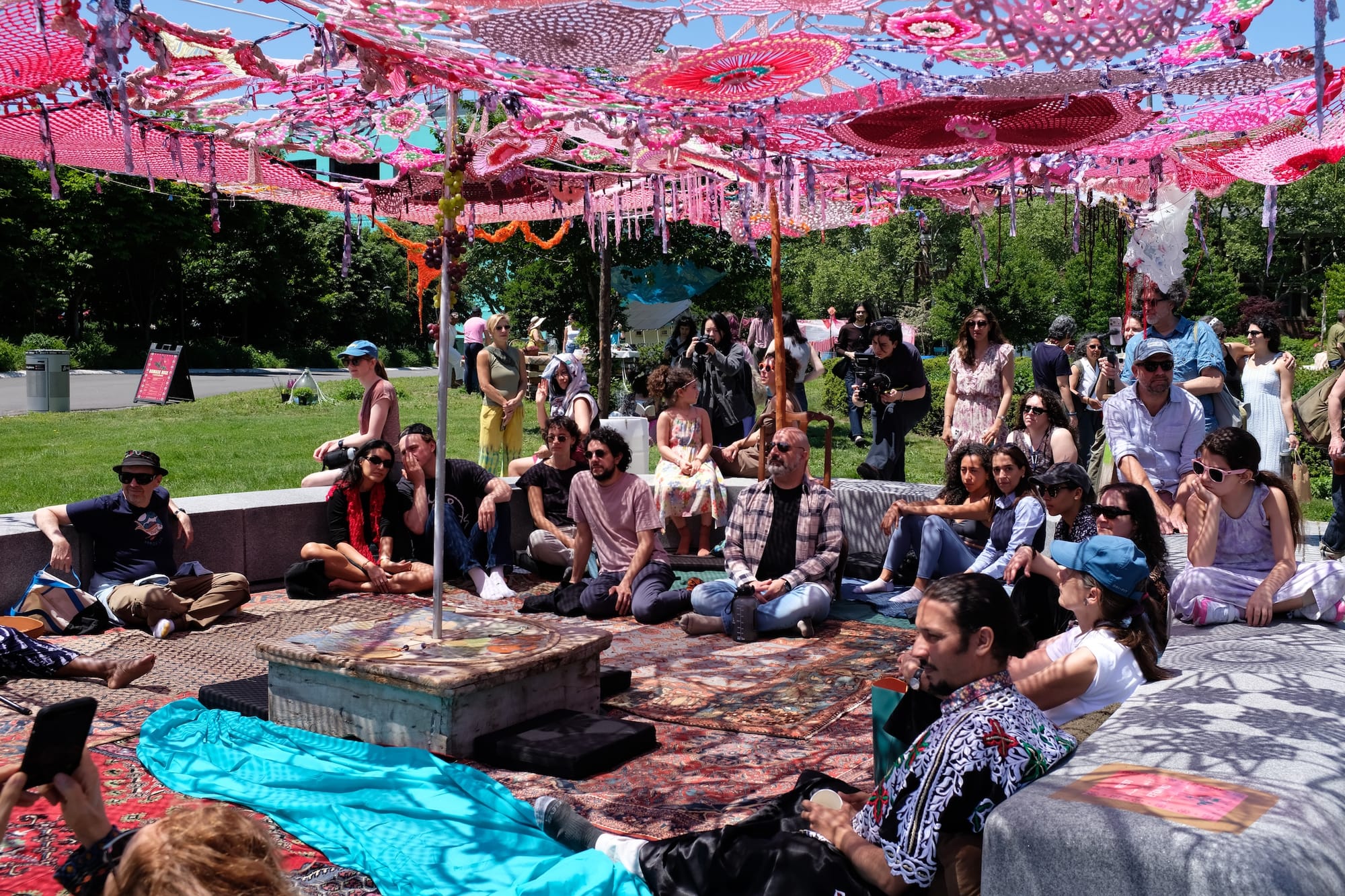
Artist Bahar Behbahani organized a four-hour event called "Damask Rose: A Gathering" on Governors Island, transforming three shallow fountains with handwoven carpets and crocheted canopies. The gathering featured West African musical improvisation, Kurdish poetry, a cyanotype workshop, and communal activities like hair braiding and tea ceremonies, involving over two dozen community groups including the Asia Contemporary Art Forum and Eat Offbeat. The event was part of Governors Island Arts's annual Interventions series, curated with associate curator Juan Pablo Siles.

Art bartering: artists start viral social media trend to fight cost of living crisis

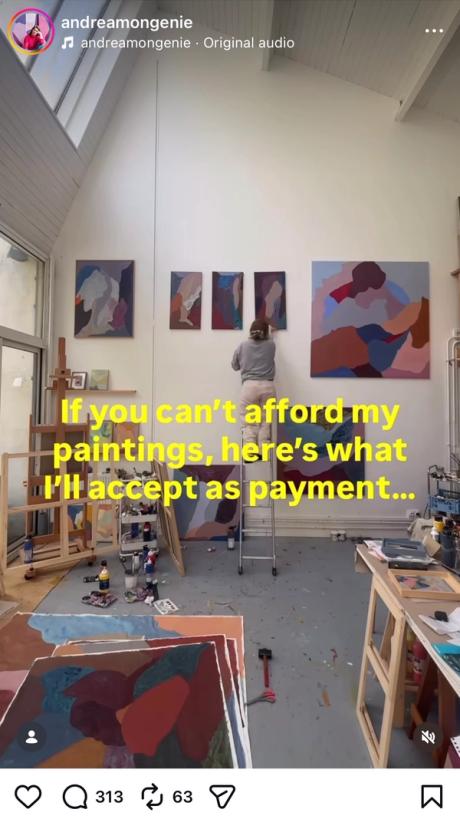
Artists worldwide are using social media platforms like Instagram and TikTok to barter their artwork for goods and services instead of money, in a viral trend responding to the cost of living crisis. Participants trade paintings for items such as handmade clothes, jewelry, tattoos, accommodation, meals, and professional services like video editing or framing, with some simply inviting offers. Artists like Lin Snow, Oli Fowler, and Andrea Mongenie cite economic pressures and anti-capitalist motivations, viewing bartering as a way to build community and bypass financial systems that leave creatives struggling.

A sonic tribute to the act of speech on New York City’s Roosevelt Island

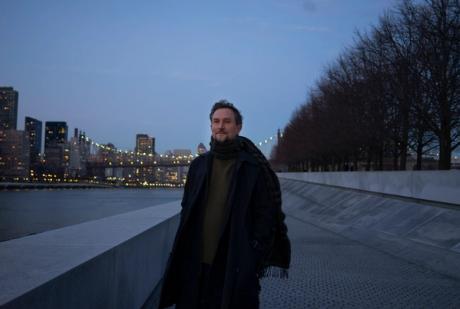
Sound artist Hans Rosenström has launched a site-specific sound installation titled "Out of Silence" at Four Freedoms Park on New York City's Roosevelt Island, running until 21 June. The multi-speaker work features layered voices sung by the Estonian choir Vox Clamantis, arranged across four sections of the park as an homage to Franklin D. Roosevelt's 1941 Four Freedoms speech. Rosenström, a Finnish artist based in Stockholm, developed the project during an International Studio & Curatorial Program residency in New York in 2024, after being approached by Latvian curator Alina Girshovich to mark the 90th birthday of composer Arvo Pärt. The park's memorial to FDR was designed by architect Louis Kahn, who was born in Estonia and benefited from New Deal programs.

Israel’s Artist Reportedly Pressured Venice Biennale Before Jury’s Resignation

Artist Belu-Simion Fainaru, Israel’s representative at the Venice Biennale, reportedly pressured the exhibition’s organizers before the five-person jury abruptly resigned last week. The jury, tasked with selecting Golden Lion winners, had stated it would not consider nations charged with crimes against humanity by the International Criminal Court—applying to Israel and Russia. According to Italian news agency Adnkronos, Fainaru alleged “racial discrimination” and “antisemitism,” threatened to take his claims to the European Court of Human Rights, and the Biennale warned jury members they could be held personally liable for damages. Hyperallergic confirmed the threats of legal action, and a Biennale spokesperson acknowledged the reports were true.

US Border Wall Construction Damages 1,000-Year-Old Indigenous Land Art in Arizona

Construction crews building a barrier between the United States and Mexico have damaged a 200-foot-long etching of a fish embedded in the land in Arizona, known as the Las Playas Intaglio, which is thought to be 1,000 years old. According to a report in the Washington Post, workers destroyed a 60-to-70-foot portion of the ancient Indigenous land art as part of President Donald Trump’s $46.5 billion border-wall project. Satellite imagery confirmed the destruction, showing bulldozer marks running through about a third of the fish formation. U.S. Customs and Border Protection acknowledged the incident, stating that a contractor inadvertently disturbed the cultural site on April 23, 2026, and that the remaining portion has been secured.

1,000-year-old archaeological site bulldozed during construction of Mexico-US border wall

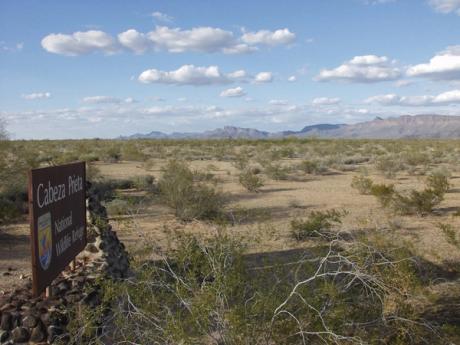
On 24 April, a Department of Homeland Security contractor bulldozed a 1,000-year-old intaglio—a 280ft by 50ft etching in the desert sand—during construction of the US-Mexico border wall in Arizona's Cabeza Prieta National Wildlife Refuge. The site, sacred to local Indigenous communities including the Hia-Ced O’odham, was part of a UNESCO biosphere and contained over 3,000 petroglyphs. Despite warnings from tribal members and refuge staff, the contractor destroyed a 70ft stretch of the fish-shaped intaglio, which elders and archaeologists describe as an irreplaceable cultural and archaeological treasure.

A Landmark Benjamin Franklin Collection Is Hitting the Auction Block

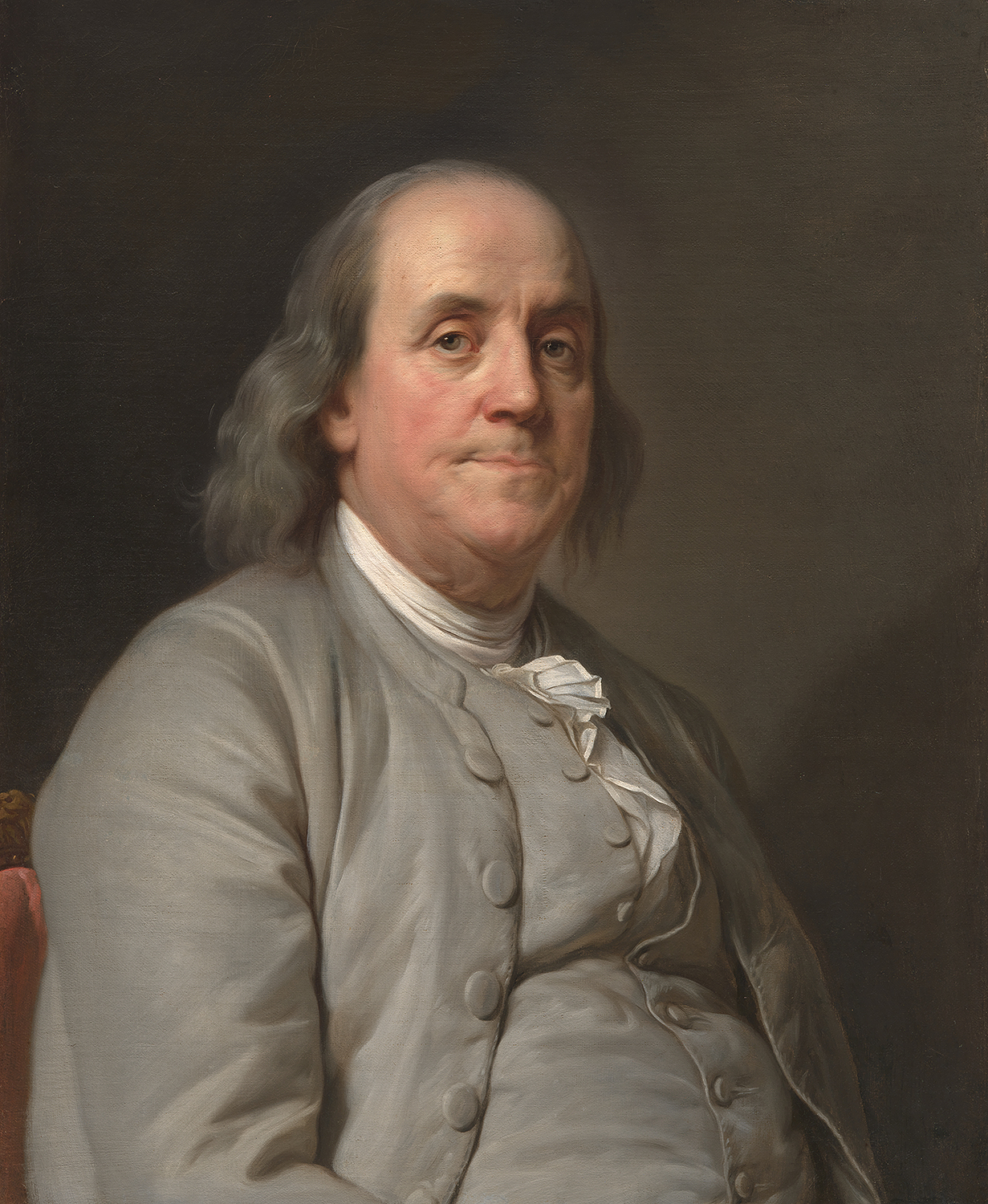
A landmark collection of Benjamin Franklin memorabilia assembled by sports and entertainment mogul Jay Snider is heading to Sotheby’s New York on June 24. The collection includes over 150 items—books, broadsides, letters, and manuscripts—tracing Franklin’s career from printer to scientist to diplomat. Highlights include a 1758 letter to Joseph Galloway (estimated $70,000–$100,000), a 1778 letter from George Washington introducing the Marquis de Lafayette (which sold for over $1 million in January), and a bound volume of Franklin’s electrical experiments ($75,000–$125,000). The full catalogue is valued at $3 million to $4.5 million, and 40 artifacts will be displayed at the Library Company of Philadelphia from May 5 to 7.

Preemptive Listening review – artist’s film about sirens is buzzing with sonic ideas

The Guardian reviews Aura Satz's art film "Preemptive Listening," which explores the cultural and political meanings of sirens as warning devices. The film features a drone shot of a siren in a residential area, a soundtrack by composer Laurie Spiegel, and commentary from British-Egyptian actor Khalid Abdalla on sirens during the 2011 Arab Spring protests. It also covers sirens on Nakba day in Palestine, a US activist linking emergency vehicle lights to danger for Black women, clocks frozen at the time of the Fukushima disaster, and a Maori activist discussing environmental catastrophe. The reviewer finds the film's ideas interesting but notes it lacks coherence as a feature-length experience, suggesting it would be better suited to a gallery setting.

Bard President Leon Botstein (Finally) Resigns, Following Epstein Revelations

Leon Botstein, president of Bard College since 1975, announced his retirement on Friday following the release of an independent report by the law firm WilmerHale, commissioned by Bard's board of trustees. The report found that Botstein had not been "fully accurate" in his public accounts of his relationship with convicted sex offender Jeffrey Epstein, revealing visits to Epstein's private island, personal messages, a joint watch purchase worth $56,000, and invitations to campus. While no illegal conduct was identified, the report raised serious concerns about Botstein's leadership and judgment. Botstein will step down on June 30 but remain at Bard as a professor.

Morocco debuts at the Biennale with an exploration of its age-old craft traditions

Morocco is debuting its first national pavilion at the Venice Biennale with a monumental installation titled "Asetta" by artist Amina Agueznay. The 300-square-meter site-specific work, located in the Arsenale, draws on centuries-old Moroccan craft traditions, including weaving, beadwork, and embroidery. Agueznay conducted field research across Morocco and collaborated with over 130 artisans, mostly women, some of whom she has worked with for decades. The installation explores the transmission of traditional craftsmanship and shared memory, and incorporates the concept of the threshold (âatba) from Moroccan vernacular architecture, offering visitors both an immersive experience and functional seating.

What Biennials Reveal About the Art World

Ben Davis and Jo Lawson-Tancred of Artnet News have published complementary projects analyzing global art biennials. Davis compiled data from major biennials including Istanbul, Gwangju, São Paulo, Sharjah, and Venice over the past four years, tracking which artists have been shown most frequently worldwide since the 2022 Venice Biennale. Lawson-Tancred examined the upcoming Venice Biennale, titled "In Minor Keys" and curated by the late Koyo Kouoh, comparing the demographics of its artists to previous editions to trace shifts in the global art conversation.

U.S. Returns Hundreds of Looted Antiquities to Italy

U.S. officials formally returned 337 looted antiquities, archival materials, and artworks to Italy during a ceremony at Rome’s La Marmora barracks. The objects, spanning from the Villanovan era (900–700 B.C.E.) through the Hellenistic period (323–31 B.C.E.), include Etruscan, Greek, Italic, and Egyptian artifacts. The repatriation was coordinated by Italy’s Carabinieri Command for the Protection of Cultural Heritage, the U.S. Federal Bureau of Investigation, the Department of Homeland Security, and the office of Manhattan District Attorney Alvin Bragg Jr. Key items include a marble head of Alexander the Great, a bronze sculpture from Herculaneum, and Egyptian basalt sculptures. Some 221 objects were recovered via the Manhattan DA, while the remaining 116 were secured with help from Christie’s.

Ex-Votos of Disobedience: Débora Arango in Dialogue with Alfonso Quijano

EXVOTOS DE LA DESOBEDIENCIA: DÉBORA ARANGO EN DIÁLOGO CON ALFONSO QUIJANO

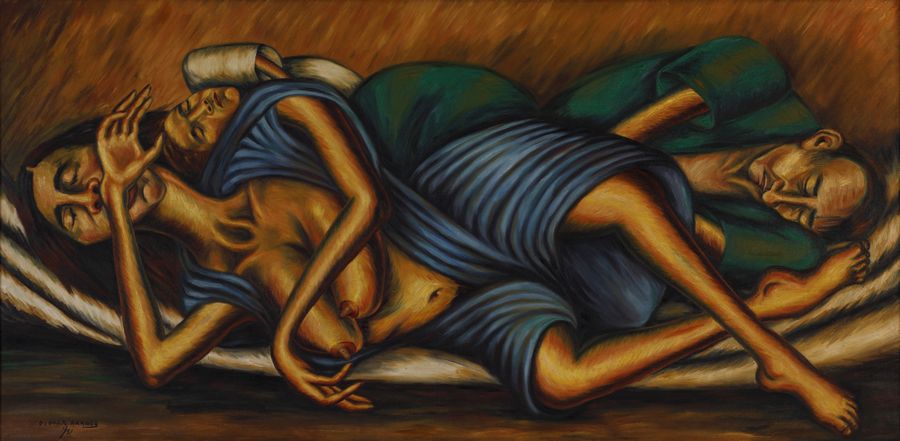
The exhibition "Exvotos de la desobediencia: Débora Arango en diálogo con Alfonso Quijano" at the Claustro de San Agustín of the Universidad Nacional de Colombia, curated by María Belén Sáez de Ibarra, brings together paintings and watercolors by Débora Arango (born 1907) alongside woodcuts by Alfonso Quijano (born 1927). The show proposes a dialogue that addresses persistent violence, inequality, and exclusion in contemporary life, with sacred symbols coexisting with bodies marked by desire, guilt, hunger, and resistance. Arango's work is presented as one of the earliest and most radical expressions of feminism in Latin American art, challenging patriarchal structures that have historically marginalized women and their images from public spaces.

WAYAMOU: LENGUAS DE LO COMÚN. LAURA ANDERSON BARBATA Y SHEROANAWE HAKIHIIWE

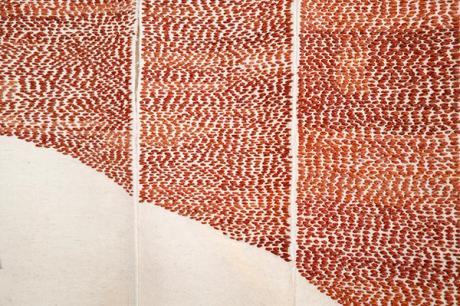
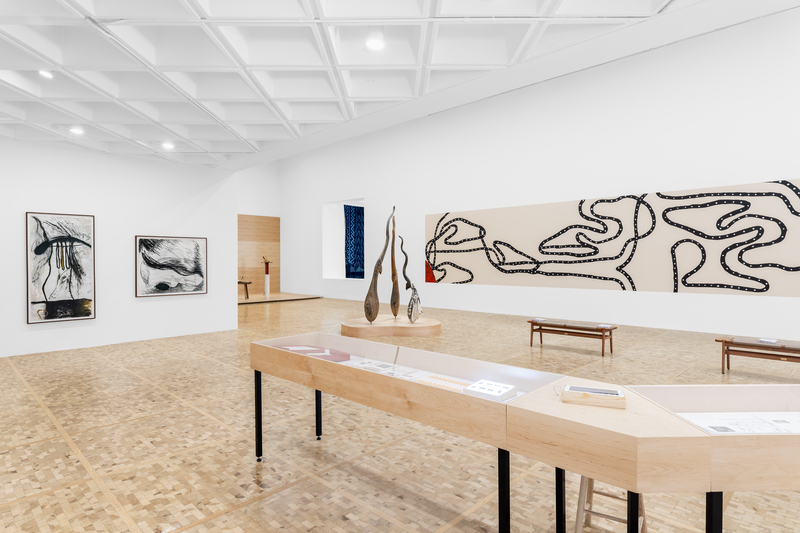
The exhibition "Wayamou: Lenguas de lo común" at the Museo Tamayo in Mexico City presents the collaborative work of artists Laura Anderson Barbata and Sheroanawe Hakihiiwe, whose artistic and political relationship spans over three decades. The show traces their shared history, beginning in the early 1990s when Barbata traveled to the Venezuelan Amazon and taught handmade papermaking using local plant fibers, introducing Hakihiiwe to a sustained visual exploration of Yanomami cosmology, oral tradition, and legacy. In 1992, they co-founded Yanomami Owë Mamotima ("Yanomami art of papermaking"), a project enabling the community to tell its own stories through its own visual and linguistic codes, exemplified by the handmade book "Shapono (Casa)" (1996).

FROM SÃO PAULO TO NEW YORK: THE MUSEUM OF ERRANCY OF ÉDOUARD GLISSANT

DE SÃO PAULO A NUEVA YORK: EL MUSEO DE LA ERRANCIA DE ÉDOUARD GLISSANT

The exhibition "La tierra, el fuego, el agua y los vientos: Por un Museo de la Errancia con Édouard Glissant" has traveled from the Instituto Tomie Ohtake in São Paulo to the Center for Art, Research and Alliances (CARA) in New York, marking its first U.S. presentation. Curated by Manuela Moscoso with Marian Chudnovsky, and building on prior work by Ana Roman and Paulo Miyada, the show engages with the philosophy of Martinican poet and philosopher Édouard Glissant, particularly his concepts of errantry, Relation, opacity, and the Tout-Monde. It centers on Glissant's unrealized idea of a museum as a fluid, porous space that resists colonial frameworks and fixed origins, featuring works by artists such as Melvin Edwards, Gerardo Chávez, and Eduardo Zamora.

Zum Lachen aufgelegt

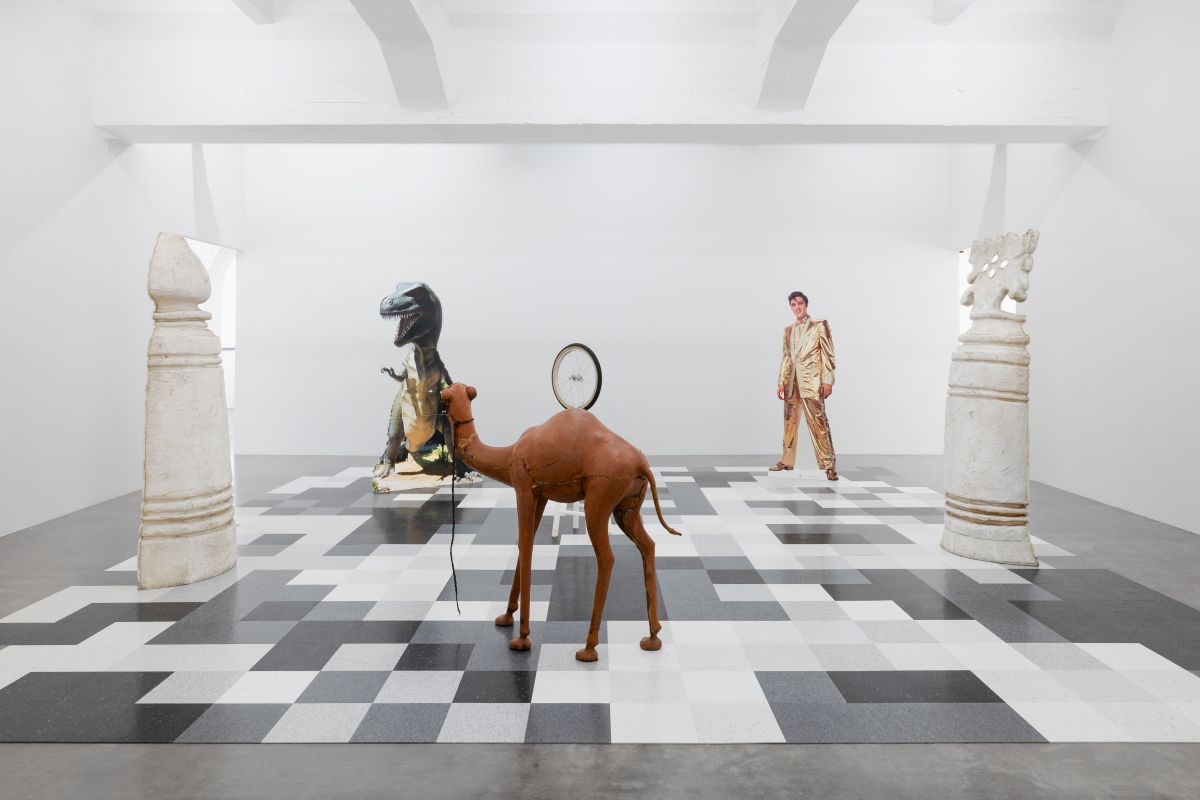
A brilliant retrospective at the Wiels art center in Brussels examines how Lutz Bacher used bitter humor and readymades to dissect American visual culture, power, and gender roles—all while keeping her own identity hidden. The exhibition highlights Bacher's practice of working under a pseudonym since the 1970s, refusing interviews, and letting her art speak for itself.

Dolce Vita is Over

Dolce Vita war gestern

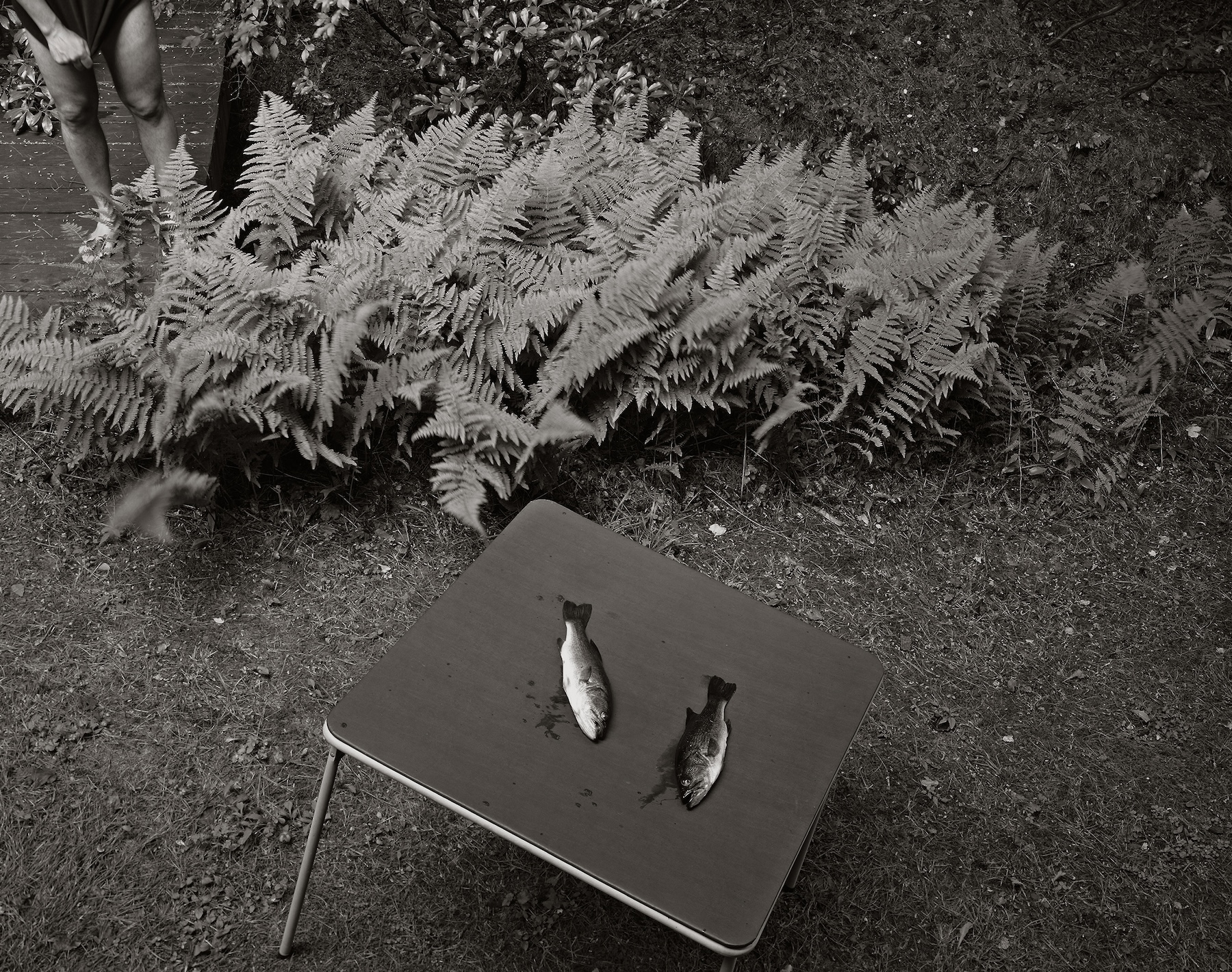
Andrea Modica's new photobook "Italian Story" collects four decades of photographs taken in Italy, beginning with her first trip there in the late 1980s. Born in 1960 to a family with roots in Sicily and Naples, Modica received a Fulbright scholarship to travel to Sicily and photograph the origins of the Catholic imagery, gender roles, and family structures she experienced growing up in New York. The book, however, is not a documentary of her heritage; instead, it presents dreamlike, surreal images—motionless bodies in water, dead fish, figures behind mosquito nets, Madonna statues—that resist clear narrative or identity politics. Modica works with an 8x10 large-format analog camera and prints using the historic platinum-palladium process, giving the images a timeless, collaborative quality.

This is fucking Disneyland

"Das ist fucking Disneyland"

The article surveys recent German cultural commentary, highlighting three main stories: art historian Bénédicte Savoy's warning in the FAZ about the physical decay of German universities, particularly the Technical University of Berlin, as a threat to democratic culture; Berlin artist Charlie Stein's essay on anxiety as a pervasive contemporary condition and art's role in making it visible; and critic Rachel Wetzler's harsh review of the Venice Biennale in Artforum, calling it an overwhelming 'theme park' version of the art world. Additionally, Nikolaus Bernau defends expert juries in the Tagesspiegel, using the Biennale's jury crisis as a case study.

The Last Quarter of My Life Should Be Like the Beginning

"Das letzte Quartal meines Lebens soll wie der Anfang sein"

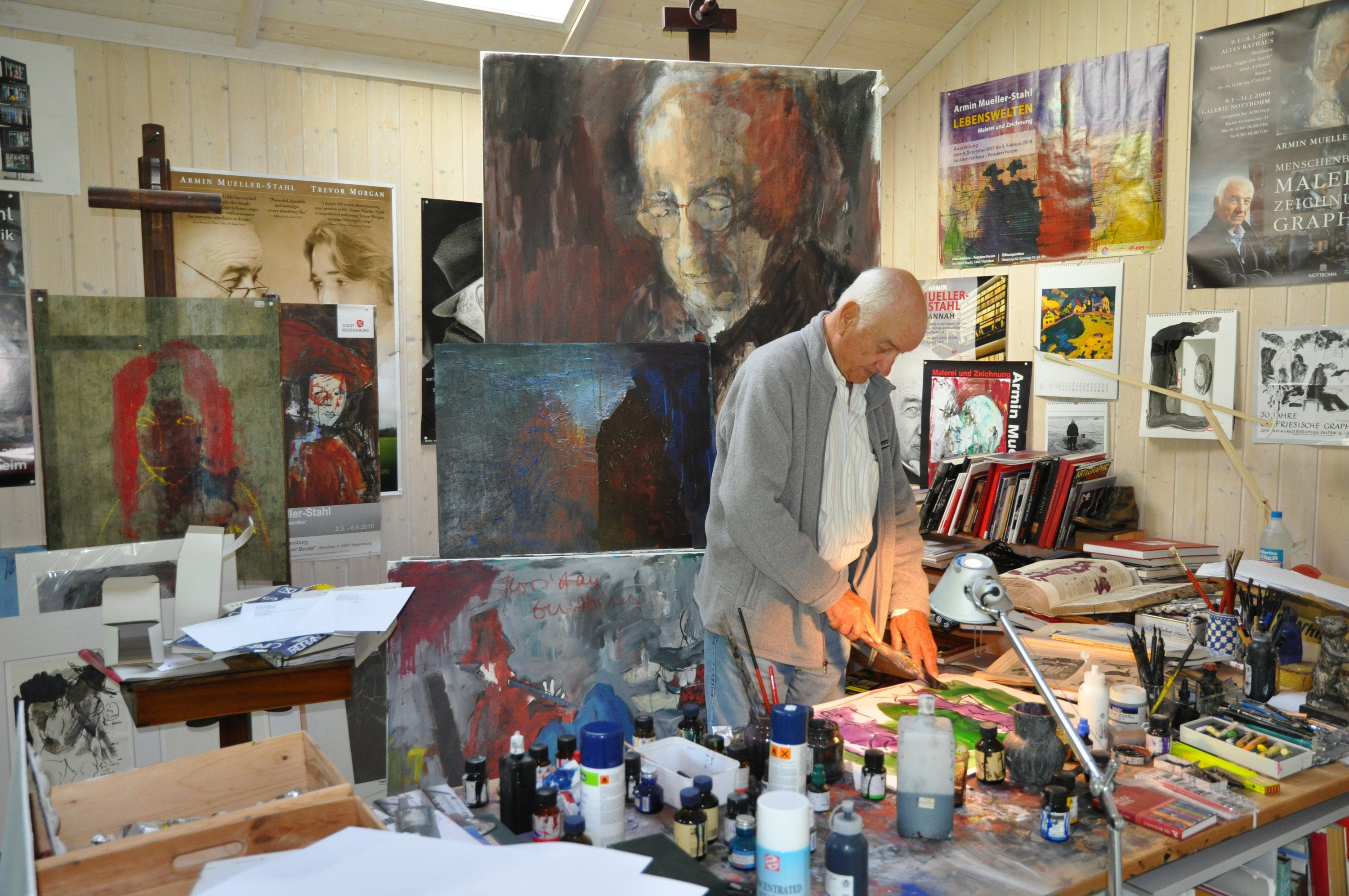
Armin Mueller-Stahl, the 95-year-old German actor and painter, opens his solo exhibition "Nacht und Tag auf der Erde" (Night and Day on Earth) at Museum Schloss Moyland. The show features a graphic cycle inspired by Jim Jarmusch's film "Night on Earth," in which Mueller-Stahl played a New York taxi driver. In an interview, he reflects on his dual careers in film and painting, his life between Hollywood, East Germany, and the present, and themes of loss and memory.

The Many Sheddings of Valie Export

Die vielen Häutungen der Valie Export

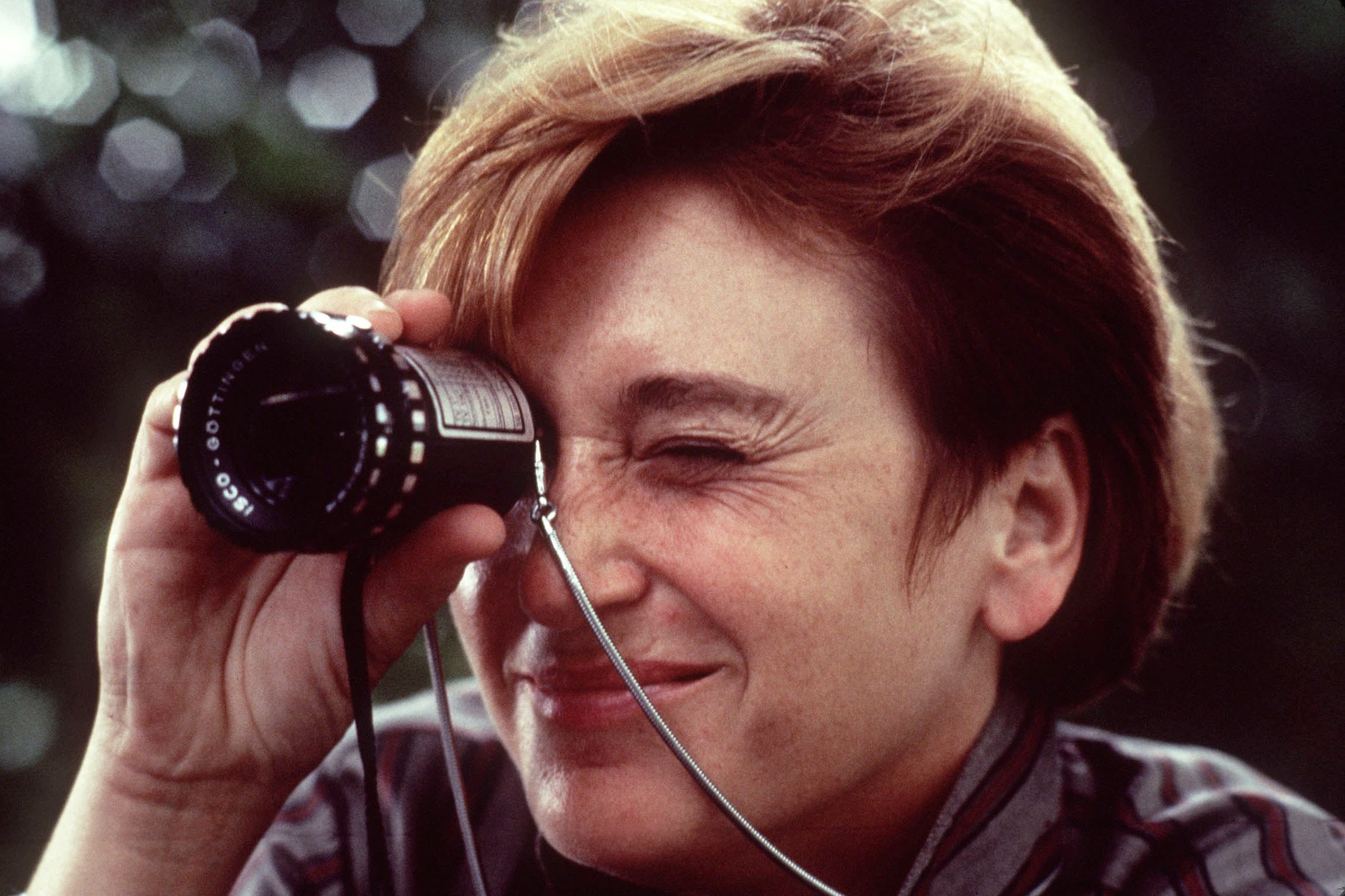
Valie Export, the Austrian media and performance artist known for using her body as a site of social critique, has died at age 85 in Vienna. Her final works include a black-and-white photo series of her forearm resting on a stone snake sculpture at the University of Vienna, exploring themes of skin, transformation, and mimesis. From the 1970s onward, she created iconic "Body Configurations" in which she placed her body on streets and against buildings along Vienna's Ringstrasse, tracing architectural forms to expose institutional power and patriarchal authority.

Nicht mal Engel sind frei von der Gewalt

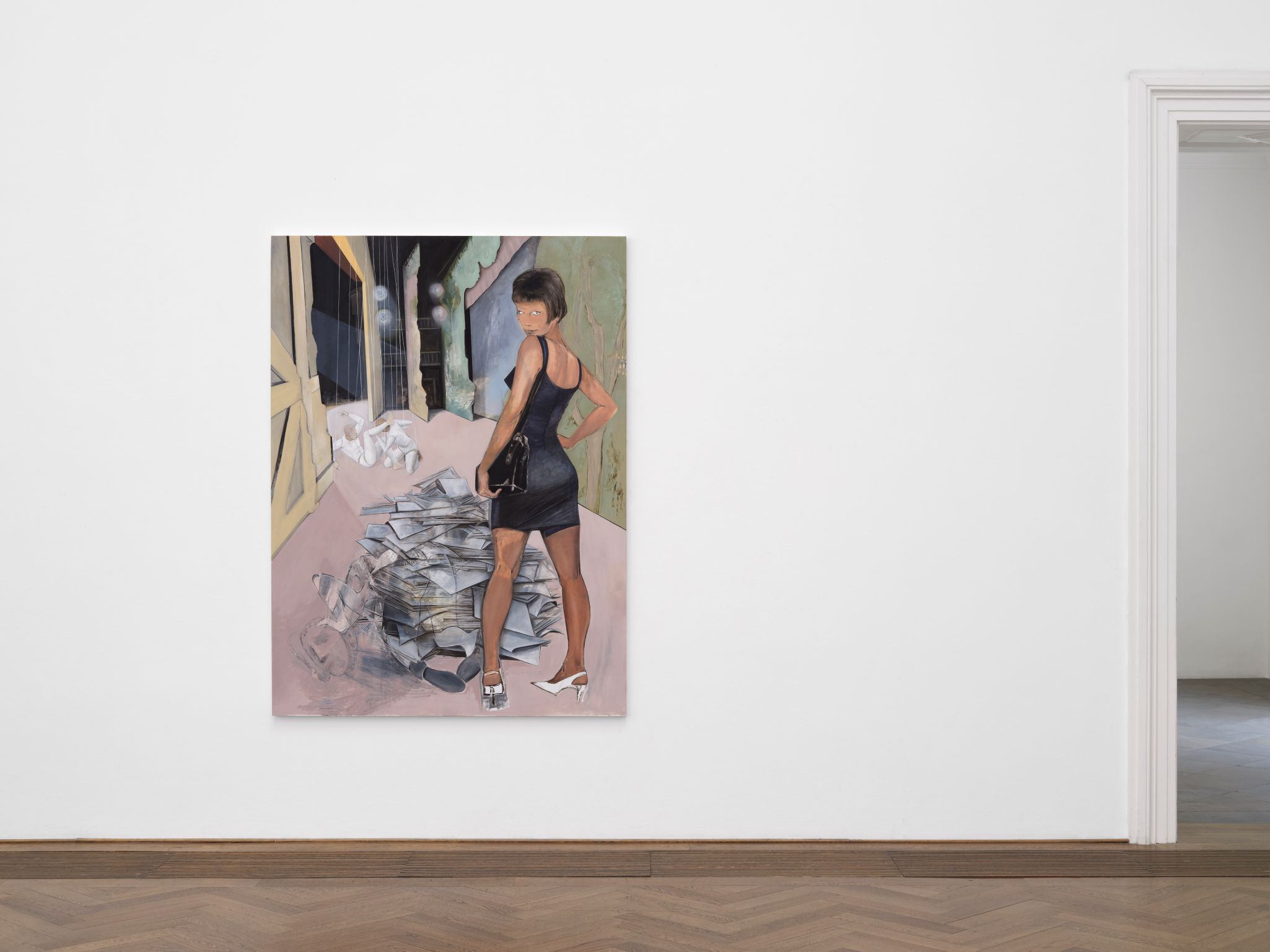
Janiva Ellis presents a multifaceted exhibition at Kunsthalle Basel, exploring the history of violence in modernity through paintings that blend history painting, cartoon, and abstraction. Her works, including "Glint" and "Une nuit agitée," feature angels, hybrid creatures, and dystopian landscapes, questioning the origins and functions of violence in art history and society.

Monuments in Motion

Denkmäler in Bewegung

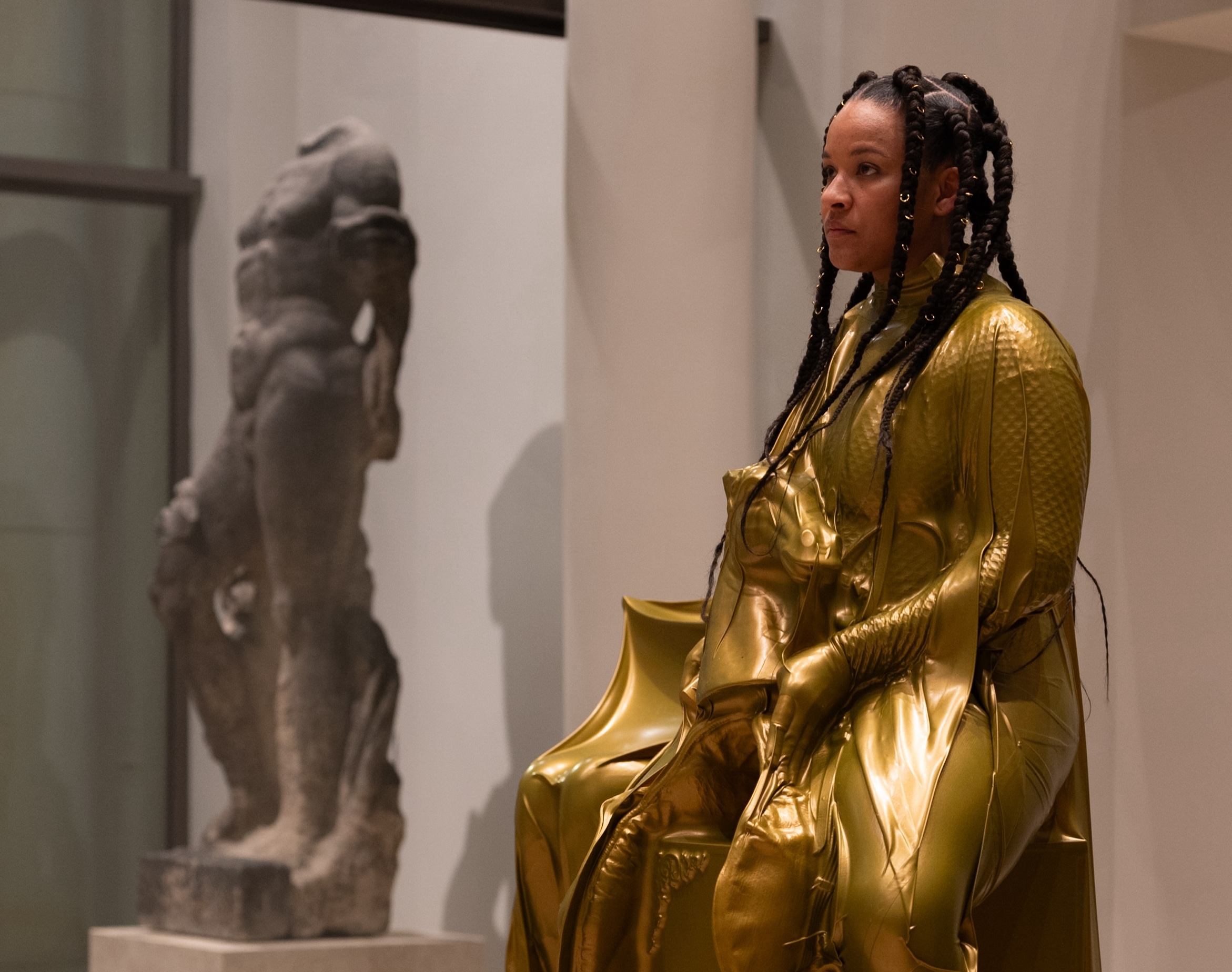
Berlin-based artist Sarah Ama Duah, who transitioned from fashion to sculpture, creates works that explore Afro-German memory culture. Her practice includes beeswax portraits, found objects like Delft porcelain and baroque vases, and performances at venues such as the Humboldt Forum. In 2025, she received the Wolfram Beck Prize for Sculpture. Duah's early fashion work, including silicone garments shown at the Fashionclash Festival in Maastricht, evolved into sculptural investigations of clothing, body, and space, leading her to study performance and sculpture at the Berlin University of the Arts under Jimmy Robert.

The 10 Best Venice Films

Die 10 besten Venedig-Filme

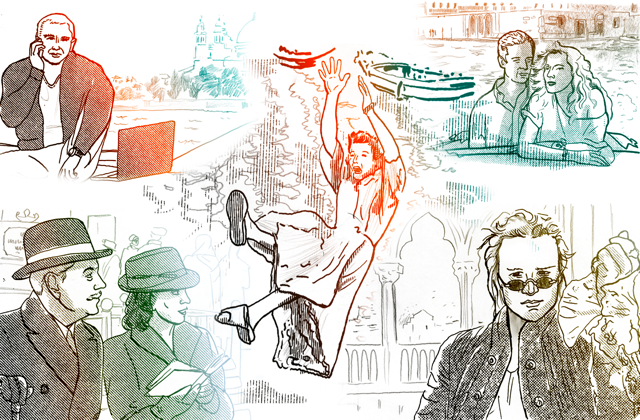
Monopol magazine has published a ranking of the ten best films set in Venice, timed to coincide with the opening of the Venice Art Biennale. The list includes titles such as Steven Spielberg's "Indiana Jones and the Last Crusade" (1989), Joseph L. Mankiewicz's "The Honey Pot" (1967), and Kenneth Branagh's "A Haunting in Venice" (2023), highlighting how the lagoon city serves as a central character in action films, comedies, and love dramas.

Shit has the power to destabilize systems of order

"Scheiße hat die Kraft, Ordnungssysteme zu destabilisieren"

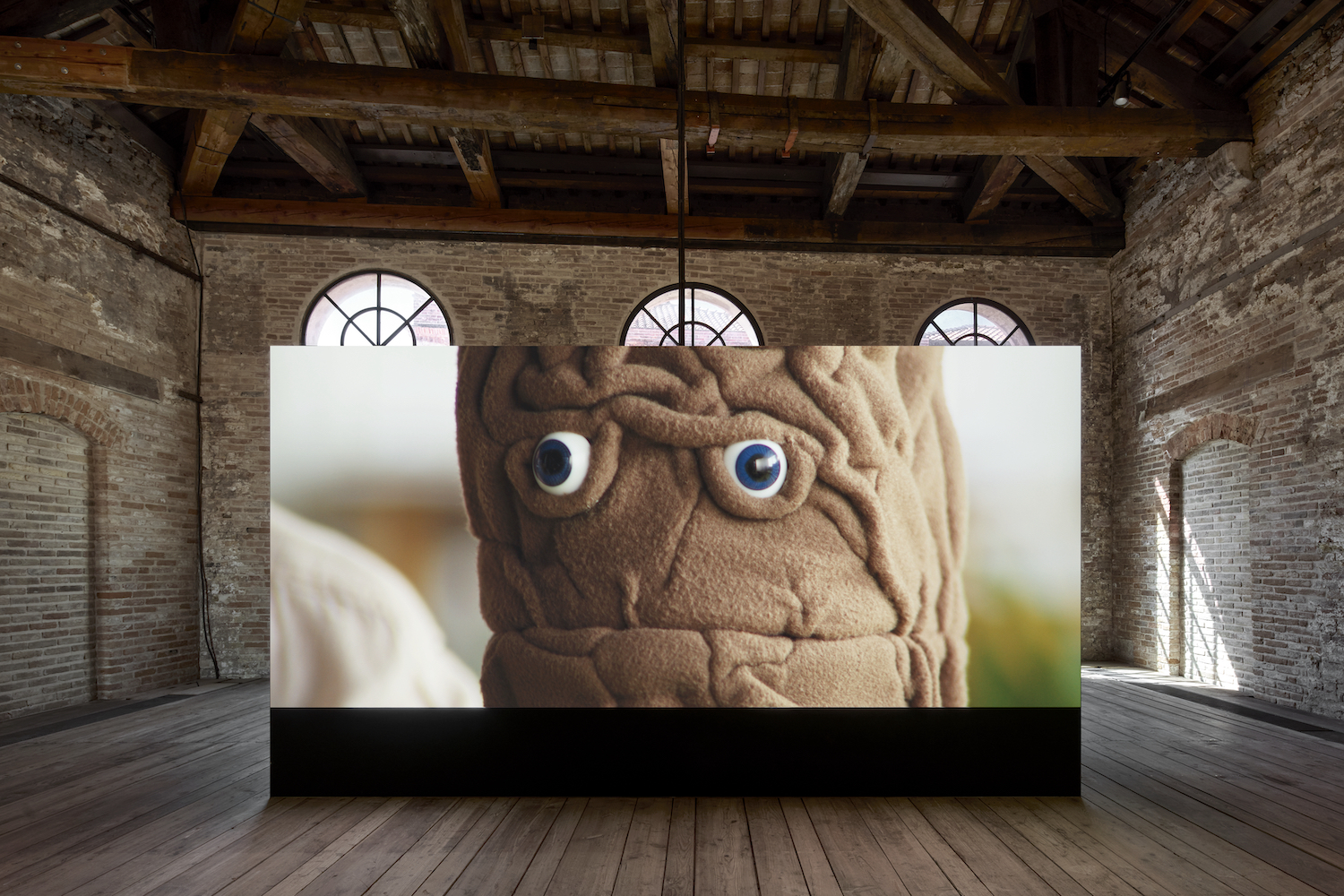
Aline Bouvy, the artist representing Luxembourg at the Venice Biennale, has created a film essay titled "La Merde" that centers on excrement as its main character. Originally conceived as a performance, the work explores themes of bodily circulation, transformation, and the grotesque, using feces to challenge societal taboos and systems of order. Bouvy discusses the film's development with curator Stilbé Schroeder, noting that the Biennale provided the resources and time to realize the project, which will later travel to the Kunstverein in Salzburg.

History Made Material

Material gewordene Geschichte

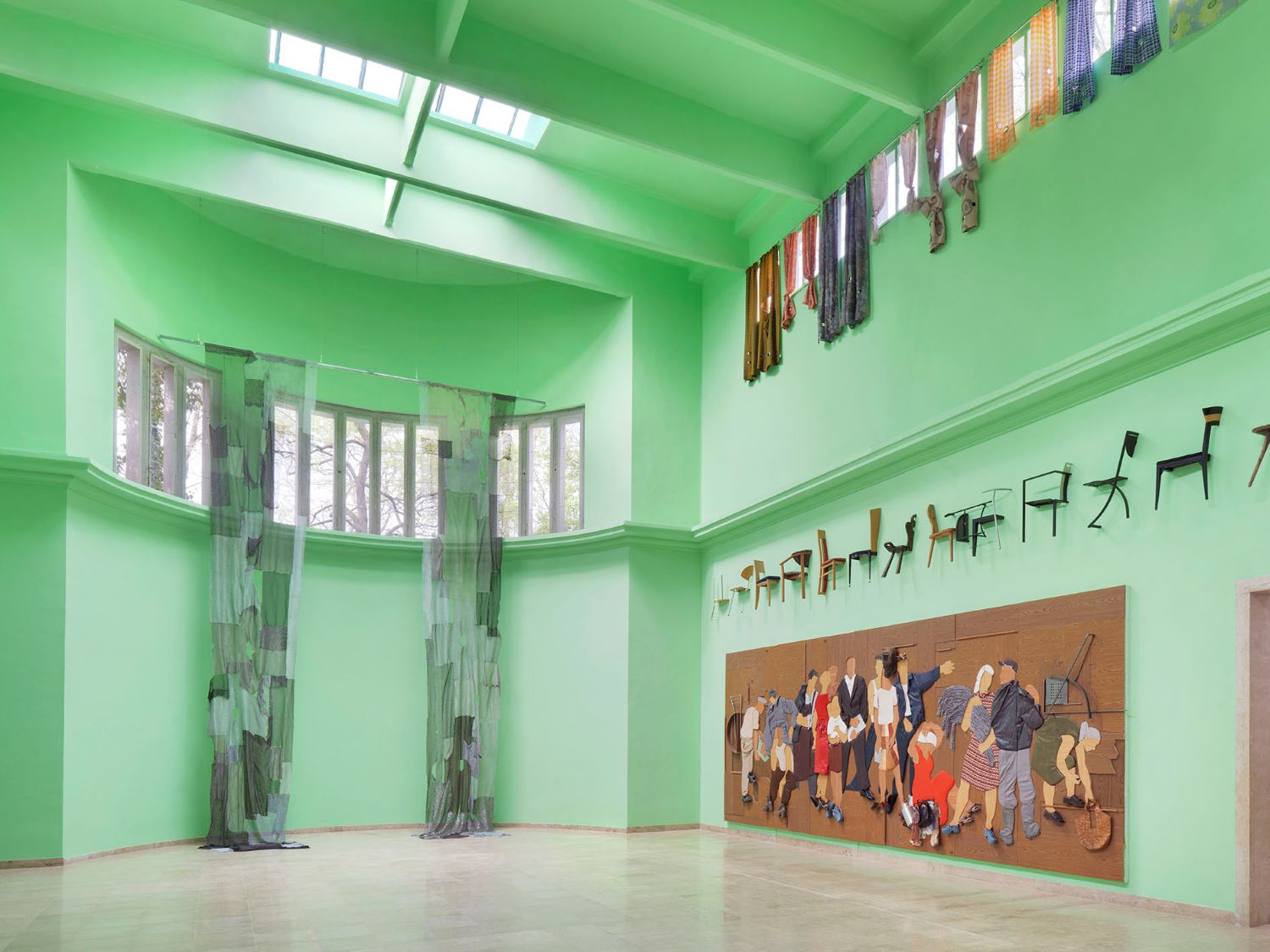
The German Pavilion at the 61st Venice Biennale has been transformed by artist Sung Tieu, who clad its Nazi-era facade with millions of small marble tiles to replicate the look of a prefabricated East German apartment block—specifically the Gehrenseestraße housing complex in Berlin where she spent part of her childhood. Inside, the exhibition features glass casts of her mother's limbs, aluminum beams evoking cramped living quarters, and works by the late Henrike Naumann, all curated by Kathleen Reinhardt to explore bureaucracy, migration, and systemic violence.