filter_list Showing 382 results for "Him" close Clear
search
dashboard All 382 museum exhibitions 212article news 47article culture 31candle obituary 24article local 22trending_up market 20person people 11rate_review review 9article policy 4gavel restitution 2
date_range Range Today This Week This Month All
Subscribe

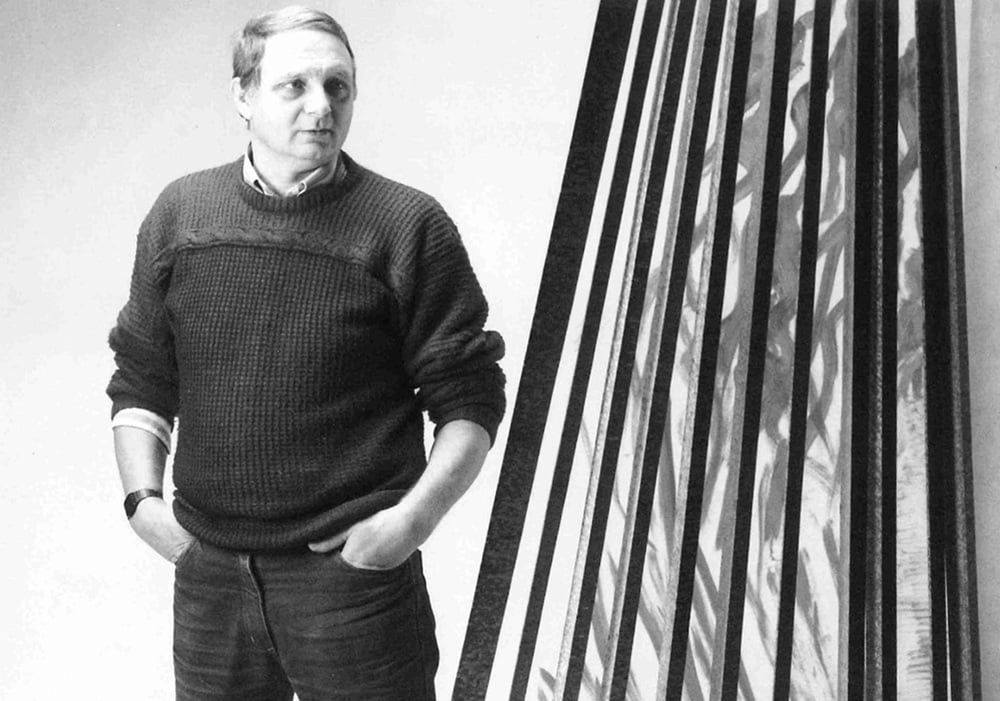
È morto Paolo Masi. La lunga ricerca dell’artista fiorentino sulla trasformazione dei materiali poveri

Paolo Masi, the Florentine artist known for his lifelong exploration of poor materials and their transformation, died in Florence on Wednesday, May 6, just days before his 93rd birthday. His career spanned from informal experiments in the 1950s through a rigorous investigation of materials in the 1960s, including his first solo show at the Strozzina in 1960. He joined the aesthetic research group Centro F/Uno alongside Baldi, Lecci, and Nannucci, and later co-founded the collective spaces Zona (1974) and Base (1998) with Mario Mariotti and Maurizio Nannucci. Masi participated in the Venice Biennale (1978) and the Rome Quadriennale (1986), and his works are held by major museums and foundations internationally. His later years saw significant retrospectives at the Museo MAGA in Gallarate (2018) and at Le Murate in Florence (2018), as well as a 2023 solo show at Florence's Galleria Frittelli, which remembered him as an extraordinary artist and dear friend.
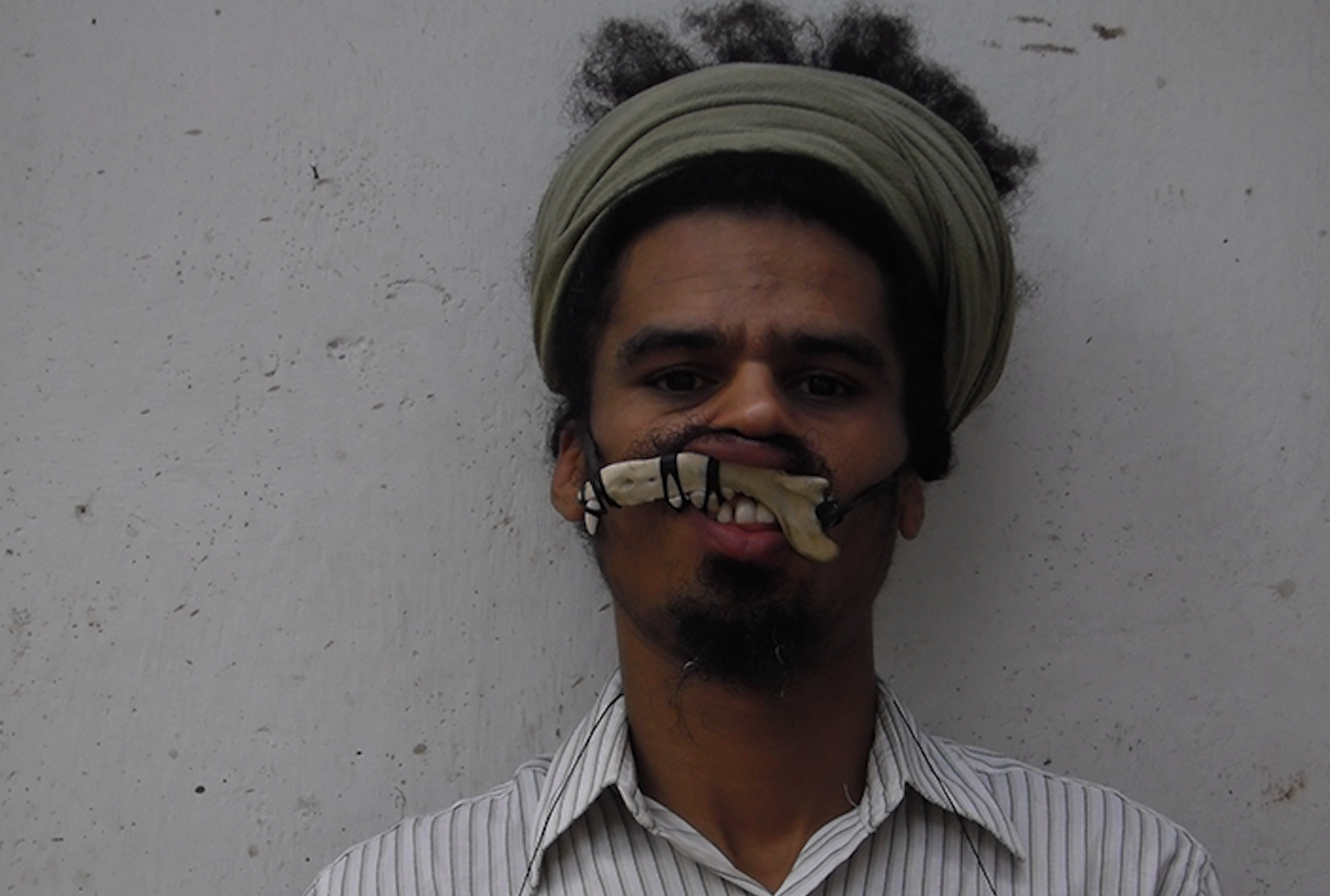
There is a major Paulo Nazareth exhibition to see in Venice (but the artist himself hasn't seen it)

C’è una grande mostra di Paulo Nazareth da vedere a Venezia (ma l’artista stesso non l’ha vista)

A major exhibition of Brazilian artist Paulo Nazareth, titled "Algebra," has opened at Punta della Dogana in Venice, but the artist himself is absent. Nazareth has kept a promise not to set foot in Europe until he has crossed African territories on foot, as they existed before the arbitrary divisions imposed by the 1884 Berlin Conference. He did not participate in the installation or opening, instead staging a simultaneous event in Veneza, a working-class district of Ribeirão das Neves, Brazil—a gesture he also made when invited to the 2013 Venice Biennale. The exhibition centers on structural violence and uses attention and care as strategies for healing, with the word "algebra" referring to the act of recomposing what was broken.

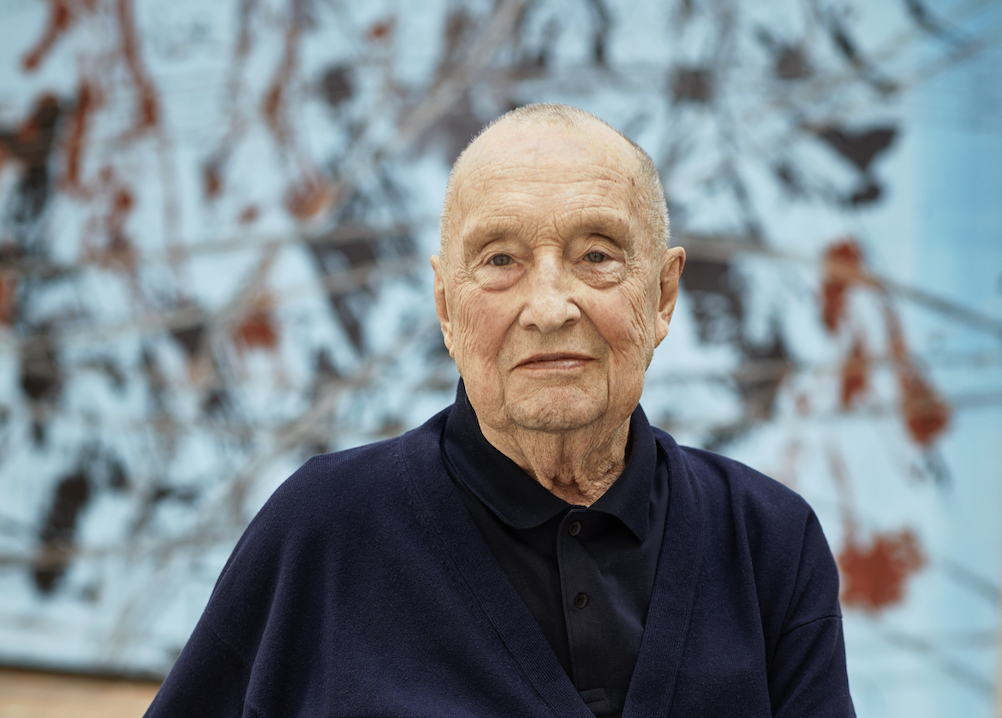
The Last Interview with the Great Artist Georg Baselitz on the Occasion of His Exhibition in Florence

L’ultima intervista al grande artista Georg Baselitz in occasione della sua mostra a Firenze

Georg Baselitz, the German artist born in 1938, is the subject of a major retrospective titled "Avanti!" at the Museo Novecento in Florence, featuring 170 works including paintings, works on paper, and sculptures, with a strong focus on his graphic output. The exhibition, curated by Sergio Risaliti and Daniel Blau (Baselitz's son and an artist himself), spans three floors and traces the evolution of Baselitz's practice, culminating in a dialogue with the work of Italian artist Ottone Rosai. The show is accompanied by a prequel exhibition honoring the 120th anniversary of Villa Romana, where Baselitz once held a fellowship, and will be followed by another exhibition at the Fondazione Giorgio Cini in Venice in May, which together with the Florence show form the artist's testament. Artribune published Baselitz's last interview in its new bimonthly issue.

What does Giovanni Muciaccia do after Art Attack? He continues to spread culture and tells us all about it in this interview

Cosa fa Giovanni Muciaccia dopo Art Attack? Continua a divulgare cultura e ci racconta tutto in questa intervista

Giovanni Muciaccia, the beloved host of the children's art show "Art Attack" that aired in Italy from 1998 to 2004 and again from 2011 to 2014, continues his mission of art education through books, theater performances, and a new online series. Now also an artist and collector himself, Muciaccia discusses his journey from television presenter to full-time art communicator, explaining how his early passion for art was sparked by a middle school teacher and deepened during his time filming in London, where he visited the newly opened Tate Modern and began studying contemporary art.

The best and worst of Milan Design Week 2026: the hits and flops of this edition

Il meglio e il peggio della Milano Design Week 2026: i top e i flop di questa edizione

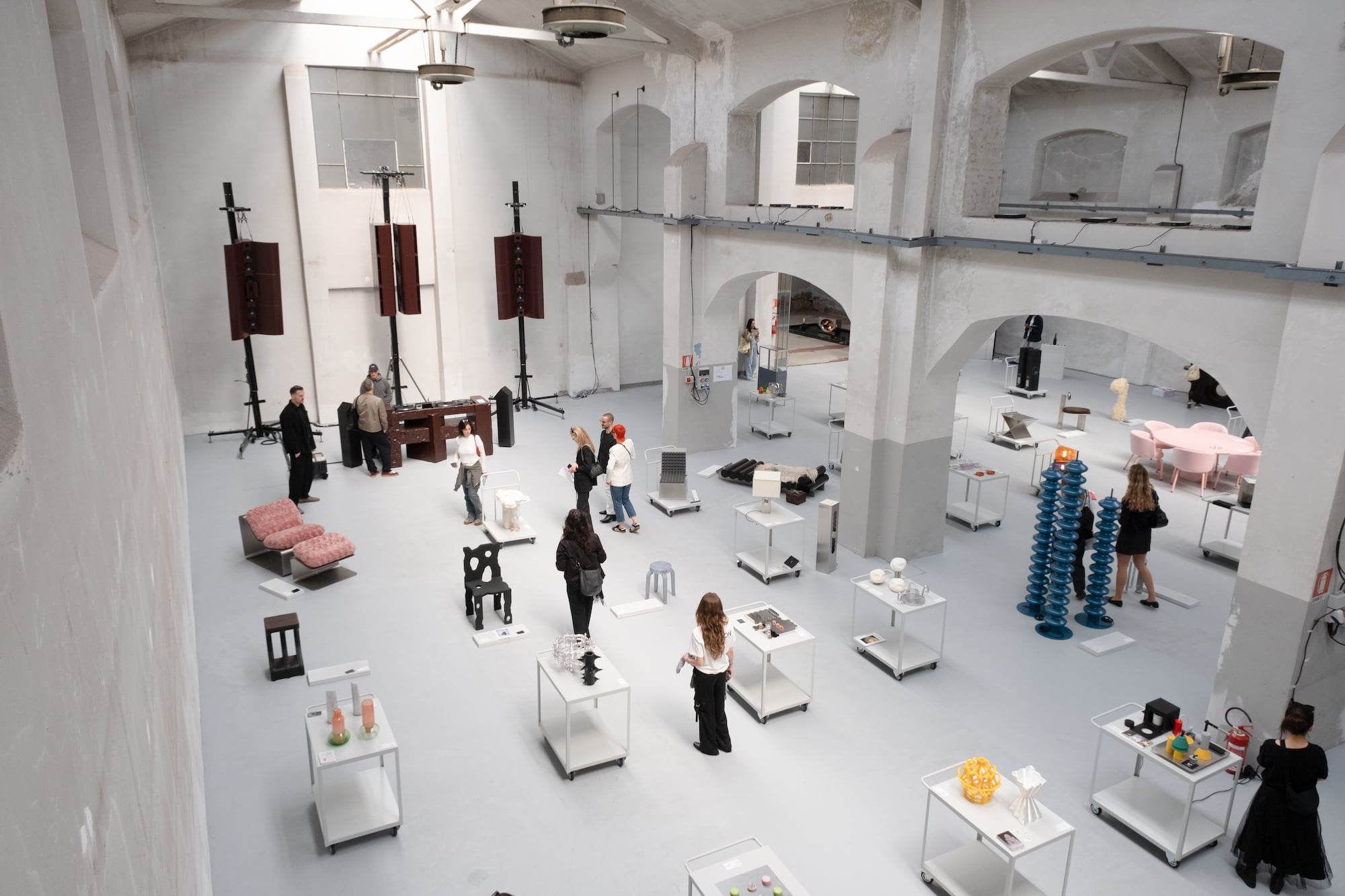
Artribune's design team presents its annual roundup of the best and worst of Milan Design Week 2026, highlighting standout experiences and recurring flaws. The top picks include open apartments like Interno Italiano by Interni Venosta in a home designed by Osvaldo Borsani, L’Appartamento by Artemest at Palazzo Donizetti, and Casaornella by Maria Vittoria Paggini. Also praised are Casa NM3 by Delfino Sisto Legnani, Nicolò Ornaghi, and Francesco Zorzi, two projects by Studiopepe, and the five-floor Convey. Museum programming at Triennale Milano and ADI Design Museum is celebrated, with exhibitions such as The Eames Houses, Continuous Present on Andrea Branzi, Alphabet on Barber Osgerby, and Haruka Misawa's bit by bit.

Anish Kapoor Returns to the Hayward Gallery with Monumental New Works

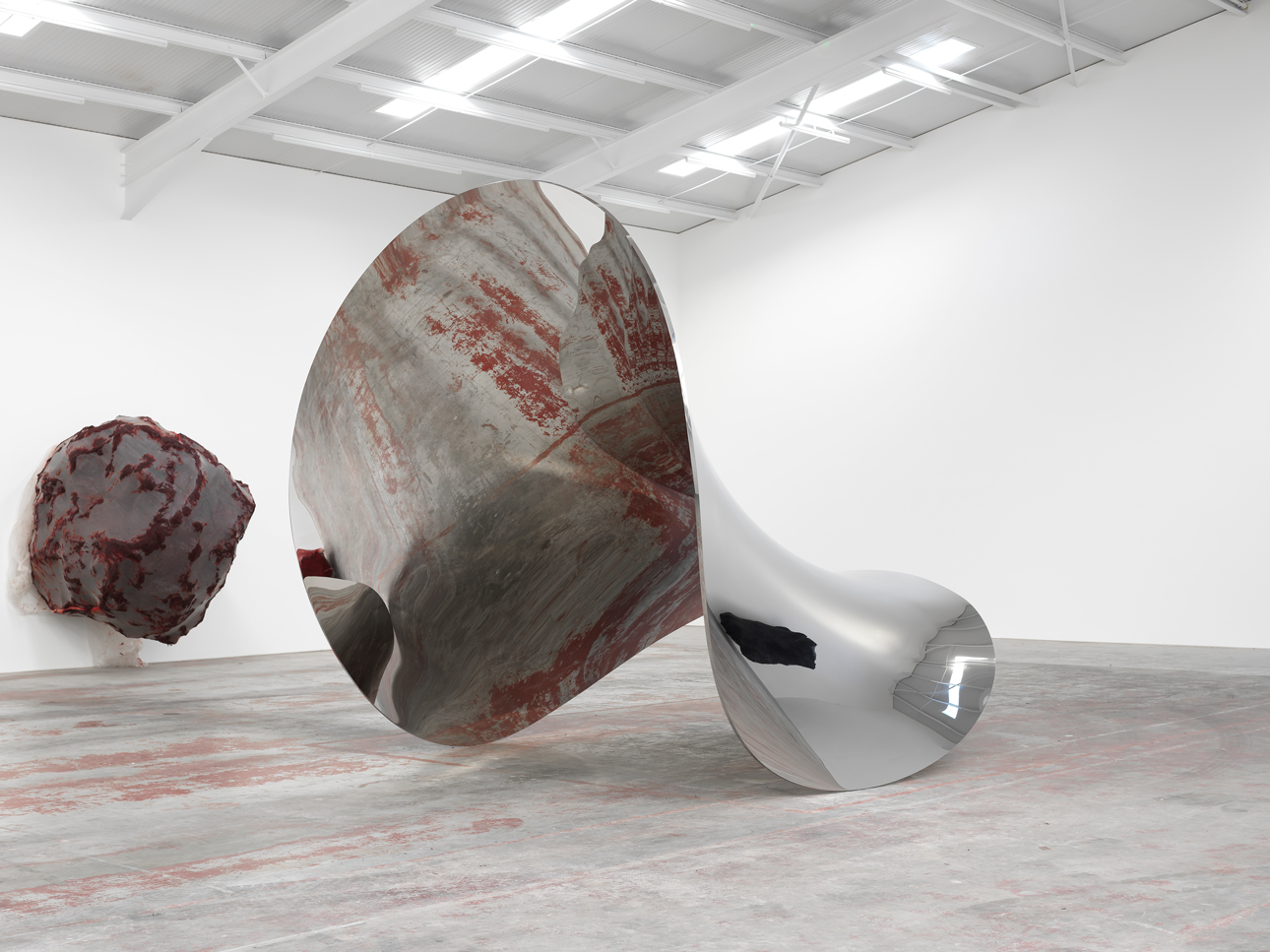
Anish Kapoor will return to the Hayward Gallery in London in 2026 with a major exhibition of new and celebrated works, running from 16 June to 18 October. Curated by Ralph Rugoff, the show will fill the gallery and its outdoor terraces with monumental installations, including a vast inflated PVC membrane, a dark mountainous threshold, and the suspended sculpture 'Mount Moriah at the Gate of the Ghetto' (2022). The exhibition also features Vantablack-coated works, mirrored steel sculptures, and recent paintings and sculptures in silicone, resin, and pigment, marking Kapoor's first major return to the Hayward since 1998.

‘Street Nihonga: The Art of Jimmy Tsutomu Mirikitani’

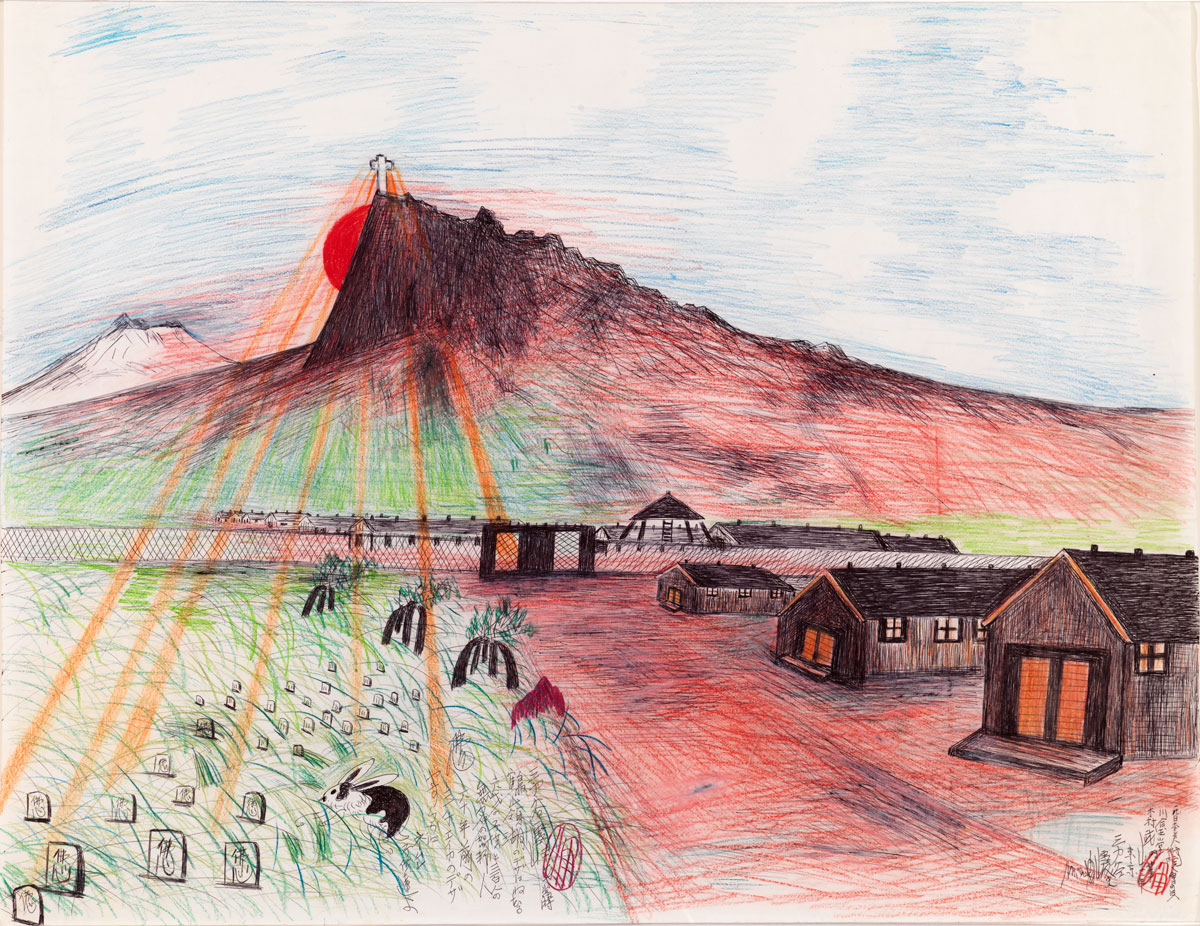
The Spencer Museum of Art has opened 'Street Nihonga: The Art of Jimmy Tsutomu Mirikitani,' a major spring exhibition featuring 170 works by the Japanese American artist, many never before displayed. The show traces Mirikitani's extraordinary life from his birth in Sacramento in 1920, his childhood in Hiroshima, formal training in traditional Nihonga under masters Kawai Gyokudō and Kimura Buzan, to his forced incarceration at Tule Lake during World War II after refusing to sign a loyalty oath. After years of statelessness and homelessness in New York City, Mirikitani developed a deeply personal, politically charged mixed-media practice that blended Japanese techniques with American street art.

Meet Ese Onojeruo: the exciting new talent behind the Venice Biennale’s British Pavilion

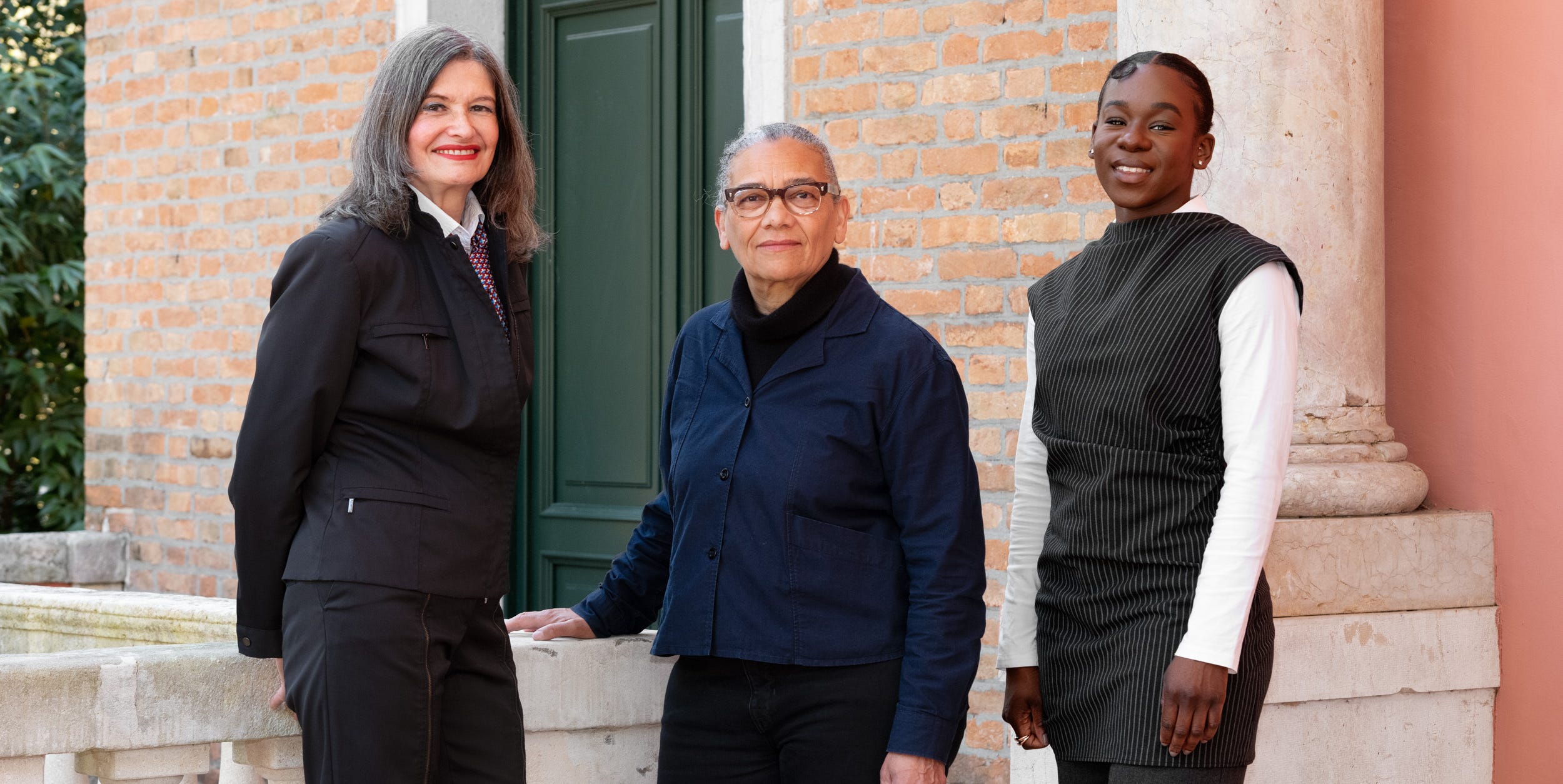
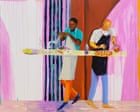
Ese Onojeruo has been appointed the Shane Akeroyd associate curator for the British Pavilion at the 2025 Venice Biennale, working with Turner Prize-winning artist Lubaina Himid on her exhibition 'Predicting History: Testing Translation'. The show features Himid's paintings—including 'Boatbuilders', 'Architects', 'Chefs', 'Tailors', and 'Gardeners'—which depict two figures negotiating belonging in a place they did not originally come from. Onojeruo, who previously held roles at South London Gallery, Chisenhale, and Tate, describes the collaboration as a 'full circle moment', having discovered Himid's work only after her formal art education.

New Exhibition Explores Victor Vasarely’s Influence on Hungarian Neo-Avant-Garde Art

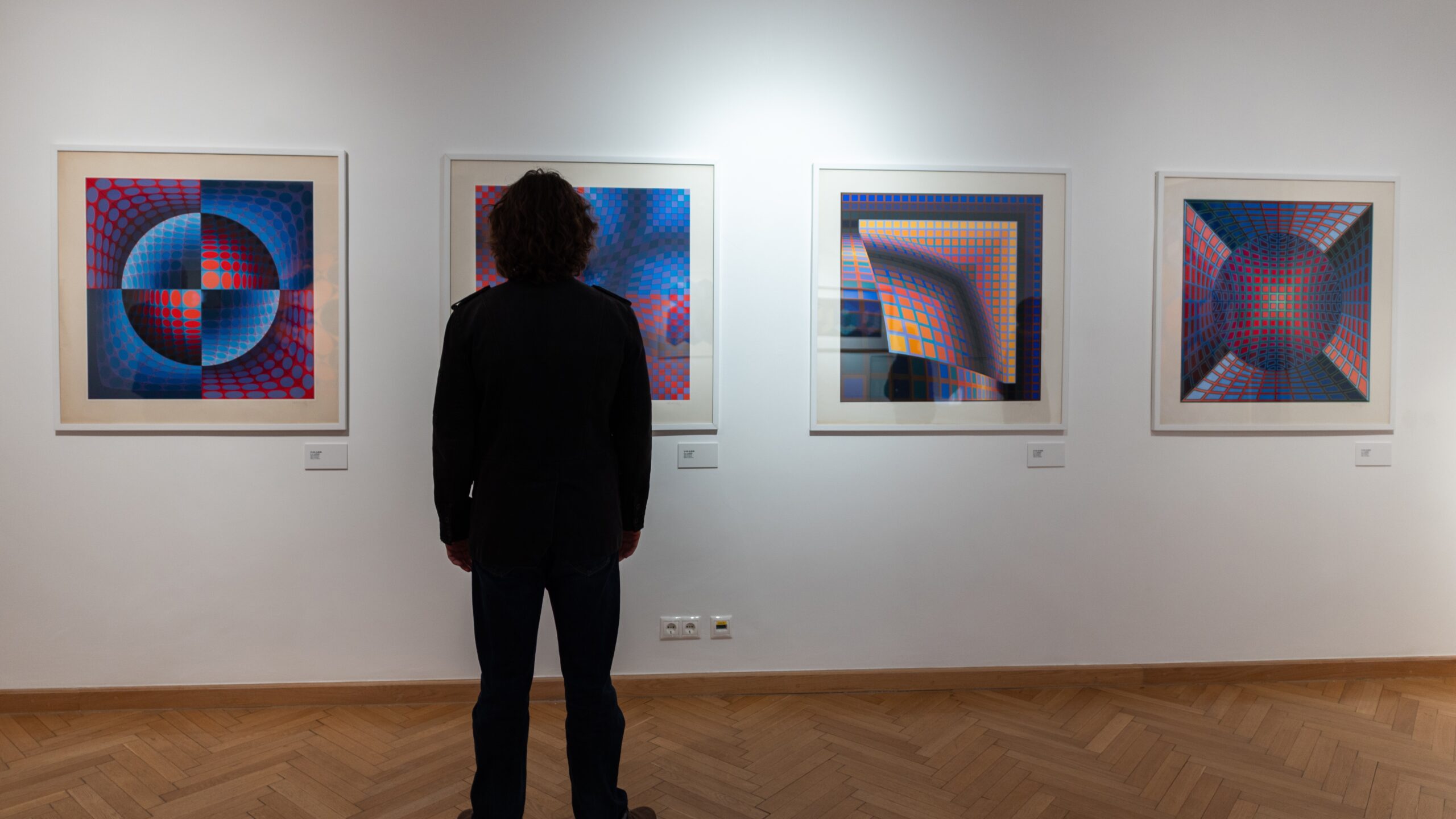
A major exhibition titled "Vasarely Don't Go Home!" opens at NEO Contemporary Art Space in Budapest, marking the 120th anniversary of Victor Vasarely's birth. Curated by Zsolt Petrányi, the show runs until 19 September and examines Vasarely's influence on Hungarian experimental and neo-avant-garde art of the 1960s and 1970s. Featuring over 60 works, the exhibition is organized around three themes—construction, grid structures, and illusion—and connects to parallel Vasarely shows at the Museum of Fine Arts and the Hungarian National Gallery. The title references a 1969 protest where artist János Major carried a sign reading 'Vasarely go home!' during Vasarely's exhibition at Műcsarnok.

Michael Garner Explores Truth, Systems & Constructed Reality

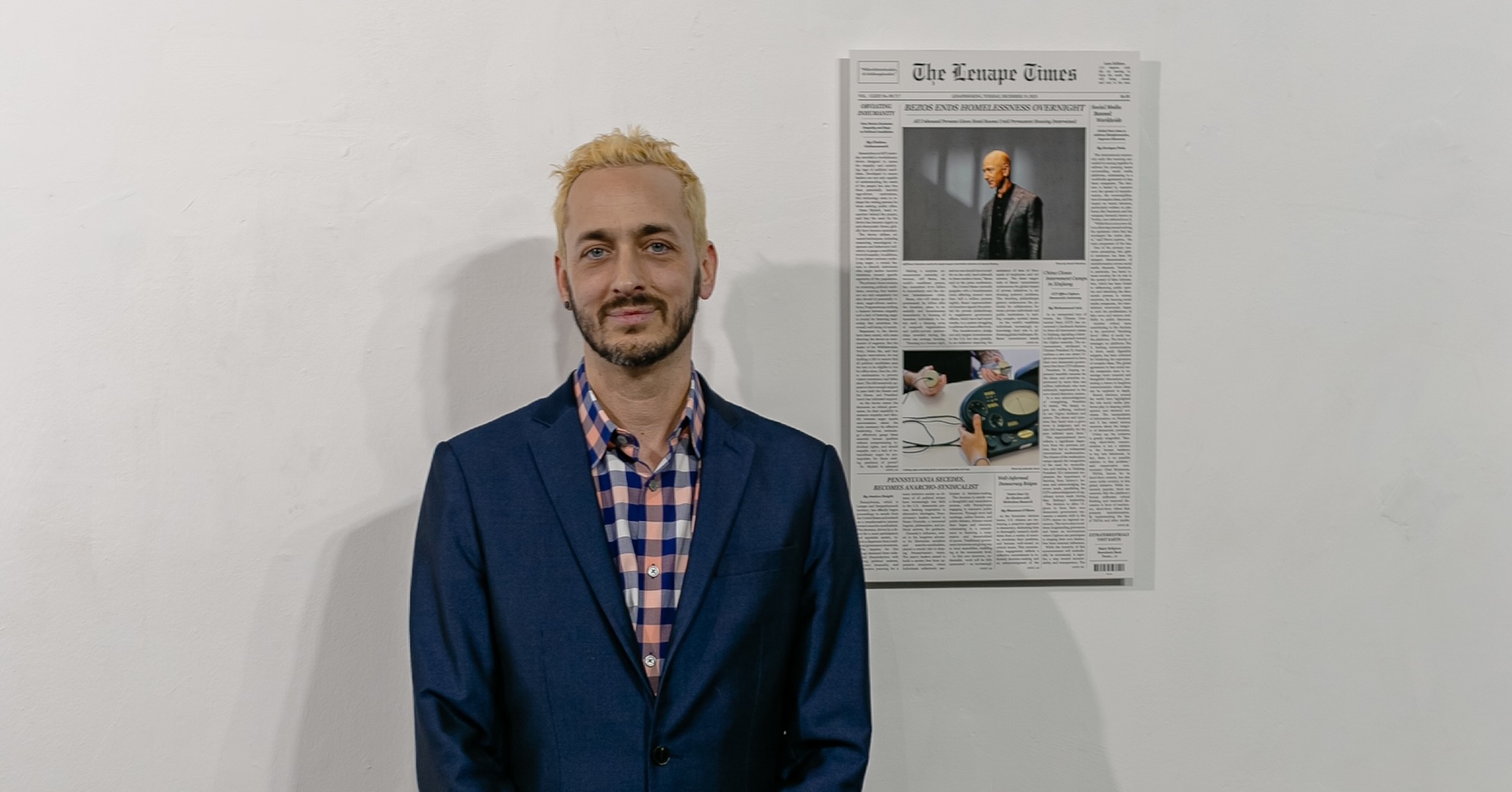
Michael Garner, an artist with a background spanning social science and intelligence work, creates immersive works that blend science, espionage, philosophy, and absurdity. His recent exhibitions include a show at the Bomb Factory Art Foundation featuring a vending machine dispensing mock classified information, and a presentation at the Austrian Cultural Forum London exploring his newly acquired Austrian citizenship through neural pathway paintings in the colors of the Austrian flag.

Australian Sculptor Ron Mueck Returns to Tokyo

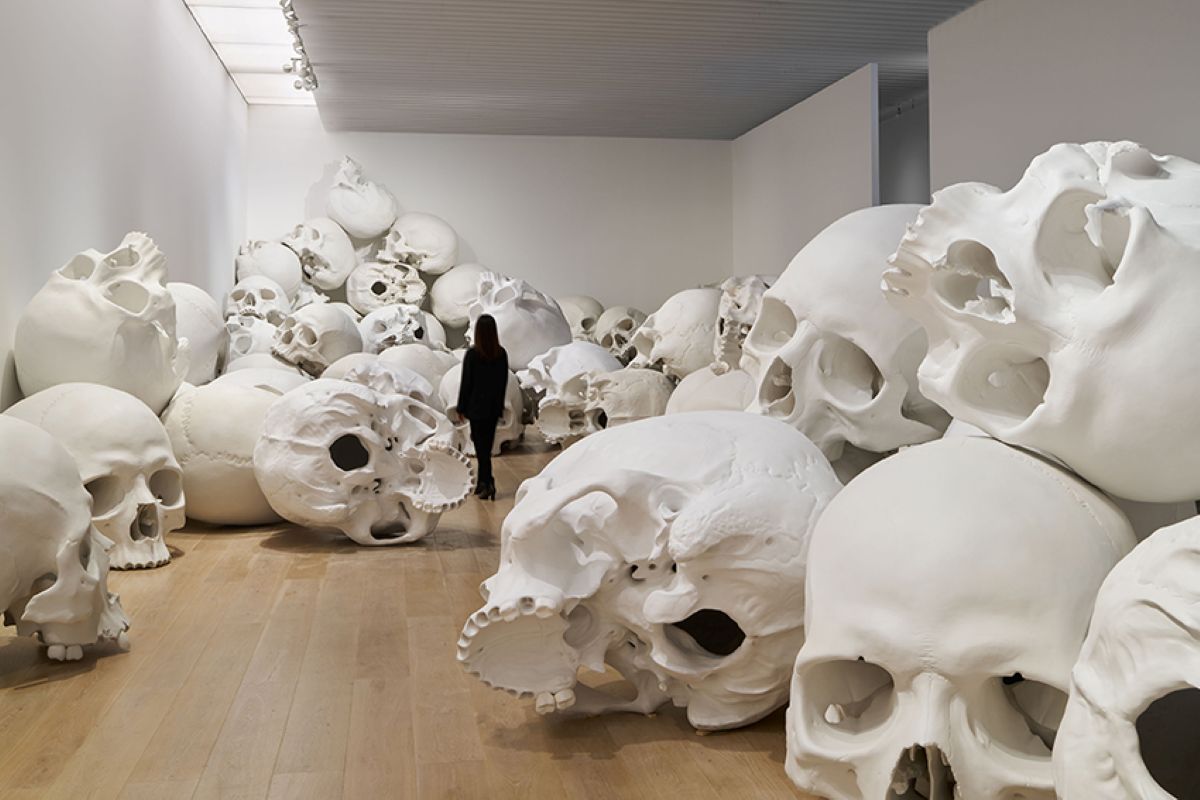
A major retrospective of Australian sculptor Ron Mueck has opened at the Mori Art Museum in Tokyo, featuring eleven of his meticulously crafted figurative works, including the Japan premiere of 'Mass' (100 giant human skulls). The exhibition, co-organized by the Fondation Cartier pour l’art contemporain, travels to Tokyo after stops in Paris, Milan, and Seoul, and includes iconic pieces such as 'Woman with Sticks' and 'Angel', the latter installed on the museum's 53rd floor overlooking the city.

Acclaimed Wilkes Artist Ward Nichols dies

Ward Hampton Nichols, a celebrated artist from North Wilkesboro, North Carolina, died on May 5 at the age of 95 at the Kate B. Reynolds Hospice Home, surrounded by his children. A few weeks before his passing, a celebration of his life, legacy, and art was held at the Wilkes Art Gallery. Nichols, born in 1930 in Welch, West Virginia, taught himself to draw as a child and later served in the U.S. Navy during the Korean conflict, where he designed a NATO shoulder patch and co-founded a shipboard newspaper. After his service, he pursued a lifelong passion for art, painting until January of this year, and was also an avid aviator and sports car enthusiast.

Who’s The Next Obsession? 12 European Collectors Reveal How They Discover New Talent

Cultured magazine asked 12 European collectors how they discover new talent, timed to the 61st Venice Biennale. Collectors like Nicole Saikalis Bay, Amélie du Chalard, Belma Gaudio, and Laurent Asscher share their personal approaches—ranging from emotional resonance and dialogue with existing works to long-term obsession with an artist before acquiring a piece. The responses reveal a diversity of methods, from instinct-driven buying to conceptual and technical evaluation.

architecture tadao ando naoshima new museum of art

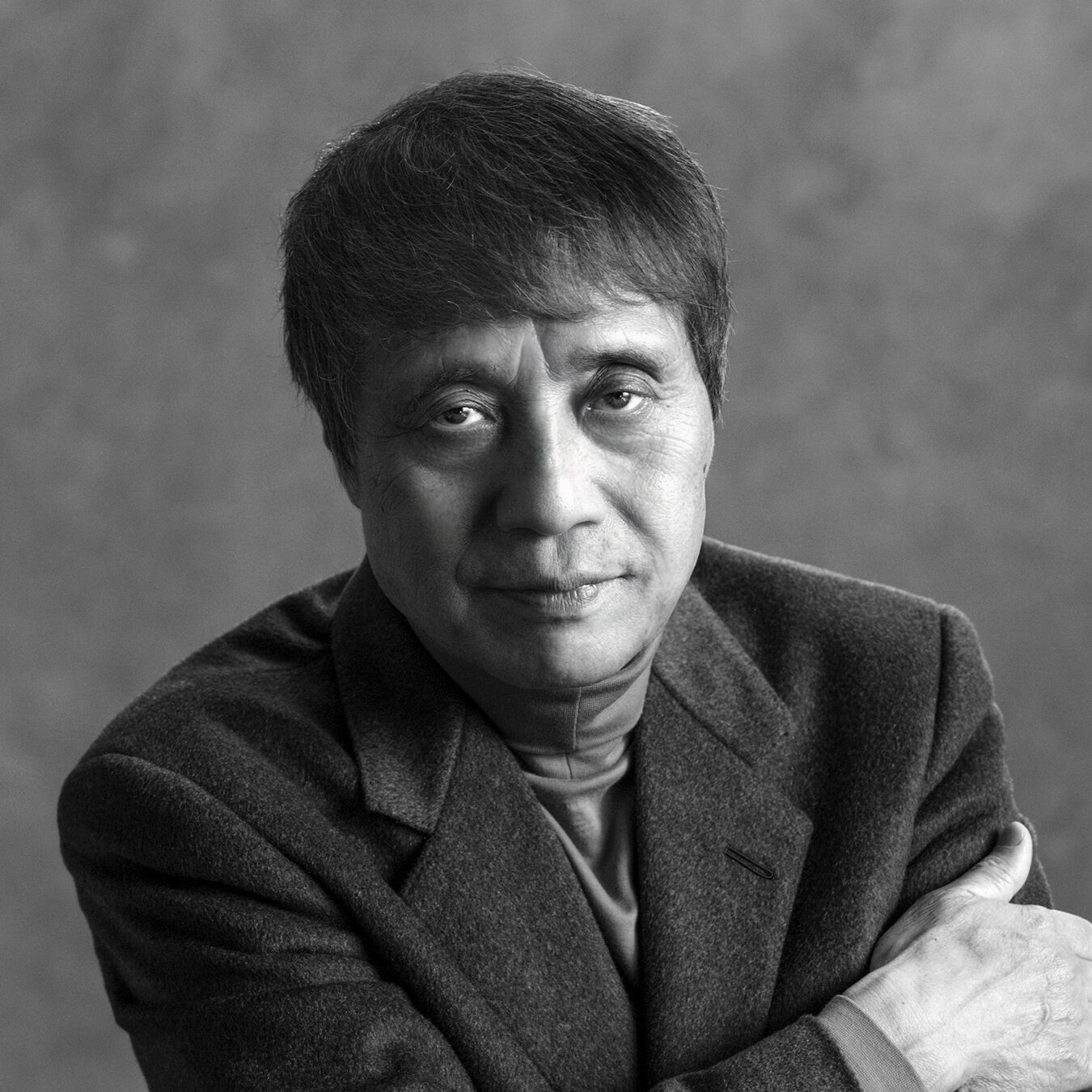
The article profiles the renowned Japanese architect Tadao Ando, now 84, who has built 10 museums on the island of Naoshima over 33 years. It features an interview where Ando discusses his upbringing in a traditional wooden row house in Osaka, his early training as a boxer, and how these experiences shaped his architectural philosophy of "light within darkness." The piece includes personal reflections from the author on encountering Ando's work and highlights key projects such as the Pulitzer Arts Foundation in St. Louis and the Church of Light in Osaka.

GEORGE FEBRES: TRADUCCIÓN, IRONÍA Y LIBERACIÓN. UN ARTISTA ECUATORIANO EN LA DIÁSPORA

George Febres (Guayaquil, 1943 – New Orleans, 1996) was an Ecuadorian artist whose work blended pop art, neo-surrealism, and Southern U.S. culture, shaped by his experience as a migrant and queer individual. The article traces his life from a privileged but unstable childhood in Ecuador to his migration to the United States, where he was drafted during the Vietnam War and eventually settled in New Orleans. Febres used bilingualism and ironic appropriation of tropical imagery to create a hybrid, irreverent body of work that challenges the official historiography of Ecuadorian art.

Marat Guelman and the group + - Komma: First of all, it’s beautiful

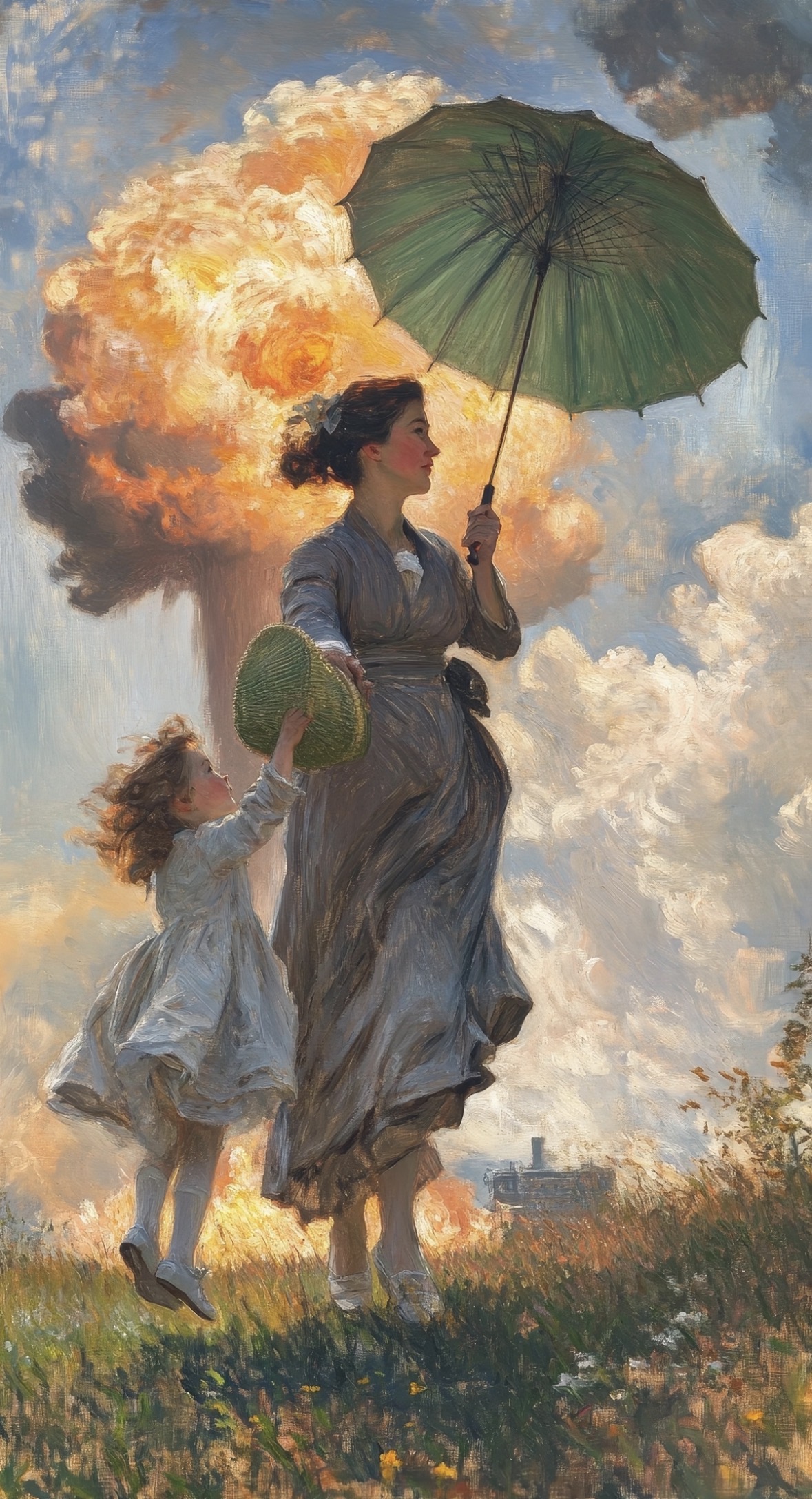
Marat Guelman's exhibition at Ethan Cohen Gallery in New York (April 23–May 30, 2026) features AI-generated monoprints created in collaboration with the Montenegrin digital art group + - Komma. None of the works were painted by Guelman himself; instead, he programmed AI outputs based on historical models by artists like Picasso, Gauguin, Monet, Warhol, Lichtenstein, Turner, Matisse, and Richter. Every piece in the show incorporates an image of an atomic mushroom cloud, a motif Guelman uses to respond to Vladimir Putin's nuclear threats during the Ukraine war.

Marian Goodman’s personal collection of Gerhard Richters

Christie's will auction seven paintings by Gerhard Richter from the personal collection of legendary gallerist Marian Goodman in May 2026, headlining a series of sales titled "Breaking Ground: The Private Collection of Marian Goodman." The group includes the iconic 1982 work *Kerze (Candle)*, estimated at $35–50 million, and spans Richter's career from 1982 to 2009. Goodman, who died in 2024, began representing Richter in 1985 after writing him a letter, and her collection reflects their decades-long professional and personal relationship.

Ittai Gradel, Whistleblower in British Museum Gem Theft, Dies at 61

Ittai Gradel, the Israel-born Danish gem expert who alerted the British Museum to the theft of thousands of antiquities from its collection after discovering them for sale on eBay, died on April 28 of renal cancer at age 61. Days before his death, British Museum officials visited him in hospice and presented him with a rarely awarded medal for his service. Gradel first warned deputy director Jonathan Williams in 2021 that artifacts were being sold online, identified veteran curator Peter Higgs as the culprit, and provided detailed evidence. After the museum failed to act, Gradel contacted then-director Hartwig Fischer; two years later, Higgs was fired, and Fischer and Williams left the institution amid the scandal.

From a waterfall cube to a field of mushrooms: Vivid Sydney 2026 – in pictures

Vivid Sydney 2026 has launched, transforming the city with bold light installations, projections, and digital art. The festival features a 6.5km light walk from Barangaroo to Darling Harbour, along with live music, panel discussions, and pop-up dining. Highlights include works like 'Vaiola' by Sāmoan/Australian artist Angela Tiatia, projected onto the Museum of Contemporary Art. The event runs until 13 June.

Art in America’s Summer “New Talent” Issue Names 20 Artists to Watch

Art in America, the sister publication of ARTnews, has announced its Summer 2026 "New Talent" issue, featuring 20 emerging artists selected by the magazine's editors. The list includes international artists working across various mediums, such as Joeun Kim Aatchim, Jenny Calivas, Kiah Celeste, Malo Chapuy, Mitchell Charbonneau, Isaiah Davis, Elizabeth Glaessner, Juliana Halpert, Craig Jun Li, Kinlaw, Koyoltzintli, Kyung-Me, Chyrum Lambert, Terran Last Gun, Satchel Lee, Claudia Pagès Rabal, Ren Light Pan, Emma Safir, Frank Wang Yefeng, and Alexa West. Profiles of each artist appear in the print edition and will be published online in the coming weeks.

‘It’s like a Ouija board – I listen to the painting’: the supernatural art of Sanya Kantarovsky

Russian-born, New York-based artist Sanya Kantarovsky presents his new exhibition "Basic Failure" at Venice's Institute of Sciences, Letters and Arts, timed to coincide with the Venice Biennale. The show features his signature dishevelled, otherworldly figures—including a pallid boy with a cigarette, a child spinning in innocence, and a glass bust of a young boy with a dead spider under its eye—that explore tension, alienation, and the supernatural. Kantarovsky describes his process as listening to the painting like a Ouija board, and the exhibition includes works that confound narrative expectations, such as a scruffy toy panda and a recreation of Antonello Gagini's 16th-century sculpture.

At the Venice Biennale, Ukraine’s Pinchuk Art Centre finds fragile moments of joy amid loss

The Pinchuk Art Centre in Kyiv has transformed its Venice Biennale presentation from a glamorous celebration of young artists into a somber exhibition responding to the Russian invasion of Ukraine. This year's show, titled "Still Joy — From Ukraine into the World" (9 May-1 August) at the Palazzo Contarini-Polignac, features works by international artists like Tacita Dean and Julian Charriere alongside Ukrainian artists, as well as testimonials from soldiers collected by former marine Hlib Stryzhko. The exhibition explores how joy can persist amid trauma, with installations including pink scrolls bearing survivors' quotes, light box photographs of bombed interiors with rescued pot plants, and a sculpture of bells with displaced women's fingerprints.

Pussy Riot protest at Venice Biennale forces Russian pavilion to briefly close

On the second day of the Venice Biennale preview, the activist group Pussy Riot staged a chaotic protest at the Russian pavilion, forcing it to temporarily close. Wearing pink balaclavas and carrying flares, about 40 activists—including members of Femen—gathered outside the pavilion, shouting slogans like "Blood is Russia's Art" and attempting to enter before being pushed back by police. Founding member Nadya Tolokonnikova led the protest, condemning Europe for allowing Russian participation despite the war in Ukraine. Separately, the Art Not Genocide Alliance (Anga) demonstrated outside the Israeli pavilion, which was locked from inside, over Israel's war in Gaza.

In Protest of Israeli Pavilion, Activists and Unions Plan Strike on Venice Biennale’s Opening Day

The Art Not Genocide Alliance (ANGA) has announced a 24-hour strike and rally on May 8, the day before the 2026 Venice Biennale opens to the public, in protest of the Israeli Pavilion. ANGA, formed in opposition to Israel's inclusion in the 2024 Biennale, refers to the current Israeli presentation—featuring Haifa-based artist Belu-Simion Fainaru—as the "Genocide Pavilion." Over 200 artists, curators, and culture workers have signed an open letter demanding Israel's exclusion, and a separate action called Solidarity Drone Chorus involved 60 artists. ANGA is collaborating with local labor and culture organizations including Biennalocene, Vogliamo Tutt'altro, S.a.L.E. Docks, and Mi Riconosci.

Dark clouds, protests and resignations dampen start of 61st Venice Biennale

The 61st Venice Biennale opened under grey skies and rain, with political tensions overshadowing the art world's premier event. The Russian pavilion, absent for two editions due to the Ukraine war, reappeared with a party atmosphere, though the Italian ministry of culture confirmed it would not be open to the public. The Ukrainian culture minister called Russia's symbolic presence powerful. The Iranian pavilion withdrew without explanation, and a protest by 60 artists from the In Minor Keys show marched through the Giardini humming in solidarity against Israel's participation. Over 200 artists, including Lubaina Himid and Alfredo Jaar, signed an open letter demanding the Israeli pavilion's cancellation. The event also proceeded without its curator, Koyo Kouoh, who died in May 2025; her curatorial team delivered the exhibition following her plans.

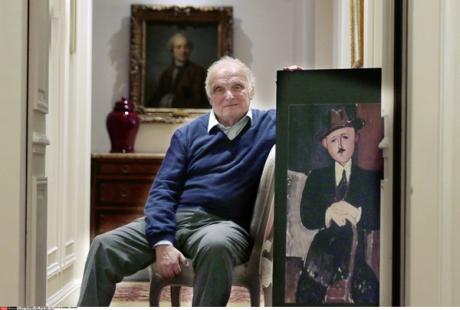
David Nahmad maintains that his Modigliani was not looted by the Nazis

David Nahmad is continuing his legal battle to prove that his Modigliani painting, *Seated Man with a Cane* (1918), was not looted by the Nazis from the Jewish dealer Oscar Stettiner. Despite a recent New York ruling against him, Nahmad’s lawyers have filed a motion to review the case based on new eyewitness testimony. Two witnesses claim the painting they saw in the Van der Klip family—which bought the Nazi-looted work in 1944—is completely different from Nahmad’s painting, lacking a seated man or a cane. Nahmad’s legal team also cites a 1946 French bailiff report and a recent catalogue raisonné by Marc Restellini to argue that Mondex, the restitution firm working for Stettiner’s heirs, misidentified the work.

Lubaina Himid’s British pavilion at the Venice Biennale review – alienation in a green and pleasant land

Lubaina Himid's installation at the British pavilion of the Venice Biennale presents monumental paintings and a wall of painted oars depicting tailors, cooks, architects, gardeners, and sailors—figures who shape Britain. The work is accompanied by an audio piece of bucolic country sounds, but the black figures in the paintings exchange sideways glances of discomfort, questioning whether they truly belong. The exhibition is anchored by 26 philosophical questions on the wall, such as "Can flies settle here?" and "Can poison taste delicious?"

BBC ‘Buried’ Footage of Banksy at NYC Mural Site, Former Reporter Claims

Former BBC New York correspondent Nick Bryant claims the BBC suppressed footage he captured of Banksy at a mural site in New York City in March 2018. In a Substack post, Bryant recounts being tipped off by Banksy's PR team about a new artwork at the Houston Bowery Wall, where he and his cameraman filmed the artist—described as a middle-aged man in a black beanie and grey coat—fleeing the scene with fresh paint on his fingers. Despite believing he had a world exclusive, Bryant says BBC editors in London decided not to air the footage, citing concerns about unmasking the artist and preserving the mystery for audiences, including a senior colleague's daughter who compared revealing Banksy's identity to telling children there is no Santa Claus.

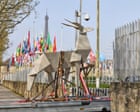
‘It has become a symbol of hope’: the epic journey of Ukraine’s origami deer to the Venice biennale

Ukrainian artist Zhanna Kadyrova's concrete origami deer sculpture, originally installed in Pokrovsk in 2018, has been evacuated from the war-torn Donetsk region and transported across Europe to become the centerpiece of Ukraine's national pavilion at the 2026 Venice Biennale. The sculpture, which replaced a Soviet fighter-bomber monument in a local park, was rescued in August 2024 by co-curator Leonid Marushchak amid intensifying Russian attacks, with the help of city authorities and museum staff.

After His Untimely Death, Rutherford Chang’s Survey Rewrites What a Square Can Do

Rutherford Chang, who died last year at age 45, is the subject of a posthumous survey at UCCA Center for Contemporary Art Beijing titled "Hundreds and Thousands." The exhibition centers on Chang's socially engaged works that explore value, circulation, and systems through the deceptively simple form of the square. His best-known piece, "We Buy White Albums" (2013–25), involved amassing roughly one percent of the first pressing of the Beatles' "White Album," highlighting how objects accrue personal and economic worth through use and history. Other works include melting 10,000 copper pennies into a cube and assembling Wall Street Journal portraits from 2008 into a grid that captures a year of crisis and change.