filter_list Showing 3670 results for "SEA" close Clear
search
dashboard All 3670 museum exhibitions 1734article news 466trending_up market 415article local 382article culture 238person people 155article policy 104gavel restitution 75rate_review review 63candle obituary 34article events 1article satire 1article school 1article event 1
date_range Range Today This Week This Month All
Subscribe

Stonewall Monument Named Among Most Endangered Sites in the US

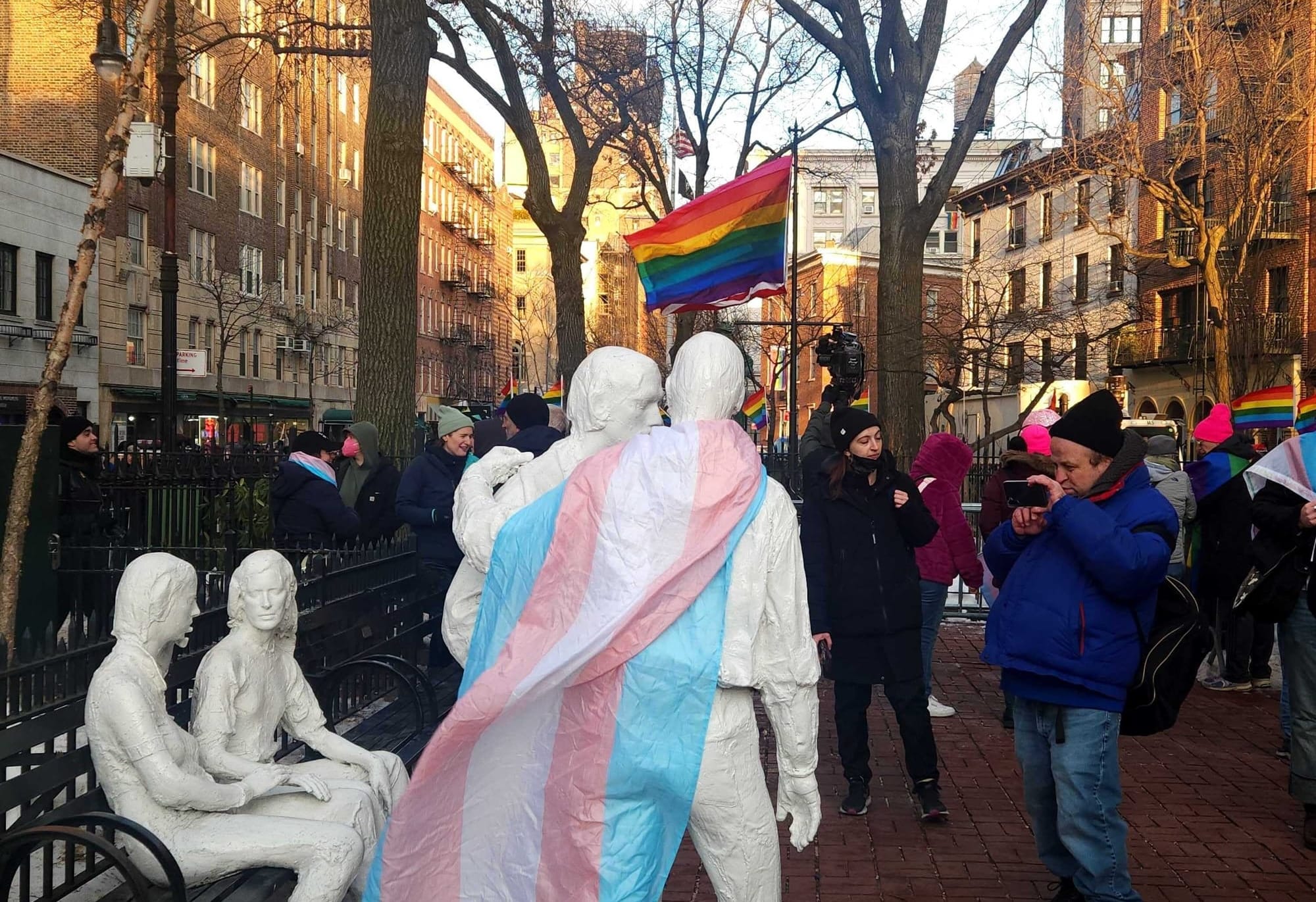
The Stonewall National Monument in Manhattan has been named one of the most endangered places in the US by the National Trust for Historic Preservation, marking the first time the site has appeared on the annual list. The designation comes amid the Trump administration's efforts to control LGBTQ+ history, including the National Park Service's removal of references to transgender individuals from the monument's official website and the removal of the rainbow pride flag from the site. Activists and the Gilbert Baker Foundation fought back, with the foundation filing a lawsuit that led to a settlement allowing the pride flag to be flown again, though the NPS has not restored the original website text.
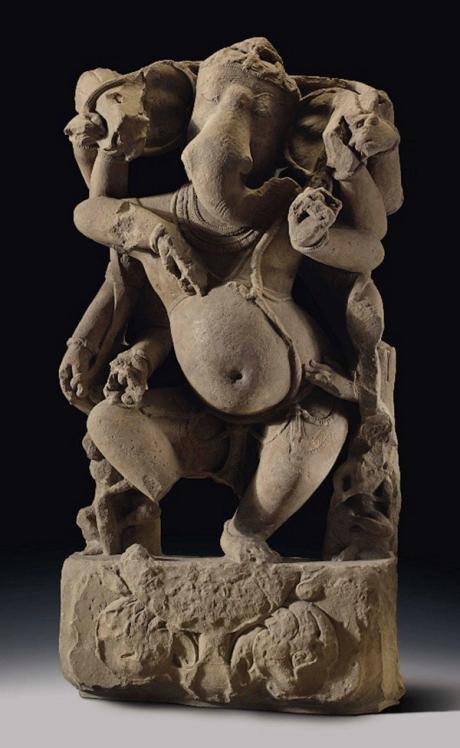

Authorities in New York return more than 650 looted antiquities, valued at nearly $14m, to India

The Manhattan District Attorney's office, led by Alvin Bragg, returned 657 looted antiquities valued at nearly $14 million to Indian authorities in late March 2025. The pieces, recovered through investigations into criminal trafficking networks, include a $2 million bronze Avalokiteshvara stolen from a museum in Raipur, a $7.5 million red sandstone Buddha smuggled by convicted trafficker Subhash Kapoor, and a sandstone dancing Ganesha looted from a Madhya Pradesh temple that passed through dealer Doris Wiener and was sold at Christie's in 2012.

‘Anger, curiosity and hope’: a planet of protest – in pictures

Matthew Connors' new photo book, *The Axe Will Survive the Master*, compiles 12 years of protest photography from Hong Kong, Cairo, New York, Kyiv, North Korea, and beyond. Published by MACK Books, the work weaves together images from the Occupy movement, the Egyptian revolution, Hong Kong's pro-democracy protests, the war in Ukraine, and other confrontations with authoritarian power, dissolving geographic boundaries into a single sequence drawn from an archive of 200,000 images.

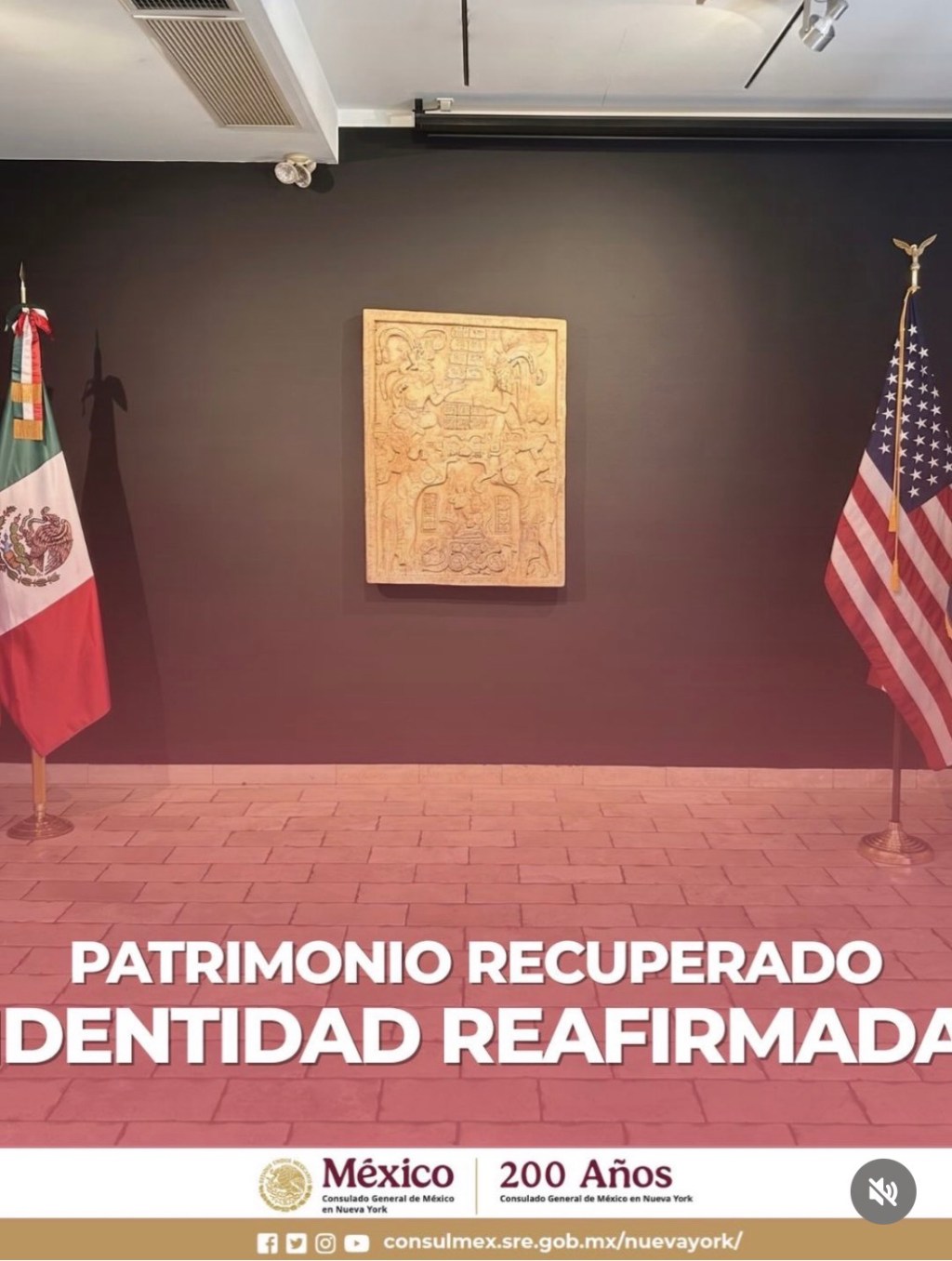
1,200-Year-Old Limestone Lintel was Inadvertently Repatriated to Mexico Instead of to Guatemala

A 1,200-year-old limestone lintel, carved by the ancient Maya artist Mayuy and depicting a ruler of Yaxchilán, was repatriated from the United States to Mexico in mid-April after an American businessman turned it over to the Mexican consulate in New York. However, Guatemala's cultural minister has begun proceedings to reclaim the artifact, arguing that it was originally removed from the Guatemalan side of the Usumacinta River, not Mexico. The lintel was first documented by American explorers Dana and Ginger Lamb in the 1950s in an area called Laxtunich, and its exact provenance has been disputed by scholars.

Hamburg Culture Prize Renamed After Namesake’s Nazi Ties Emerge

Hamburg's Senator Biermann Ratjen Medal, a culture prize awarded for nearly five decades, is being renamed the Medal for Art and Culture in Hamburg after historian Helmut Stubbe da Luz uncovered evidence that the prize's namesake, Hans Harder Biermann-Ratjen, confirmed his Nazi Party membership in a 1943 application. Biermann-Ratjen, who later served as Hamburg's senator for culture, had been deemed not to have been a member during post-war de-Nazification, but the new research prompted the city to rebrand the award.

Art and Cultural Engagement Can Slow the Pace of Aging: Report

A new study published in the journal *Innovation in Aging* finds that engaging with arts and cultural activities can slow biological aging at a molecular level. Led by Daisy Fancourt of University College London, the research measured participation in four types of activities—participatory arts, receptive arts, visiting heritage sites, and other cultural activities—and used epigenetic clocks to assess aging. Those who engaged at least once a week showed a four-percent slowdown in aging, while monthly engagement yielded a three-percent slowdown.

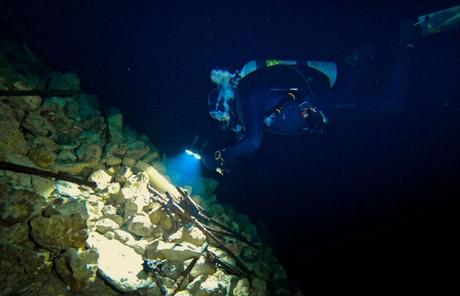
19th-century European weapons found in cenote in Mexico

Archaeologists from Mexico's National Institute of Anthropology and History (INAH) have discovered 153 Spanish and British muskets and rifles, along with an iron cannon, in the Síis Já cenote beneath the 16th-century former convent San Bernardino de Siena in Valladolid, Mexico. The weapons were likely discarded by the Yucatecan government during the early years of the Caste War of Yucatán (1847-1901) to prevent them from falling into Maya rebels' hands. The site also yielded Maya ceramic pieces and 18th-century Chinese porcelain, and INAH reported debris and pollution affecting the cenote.

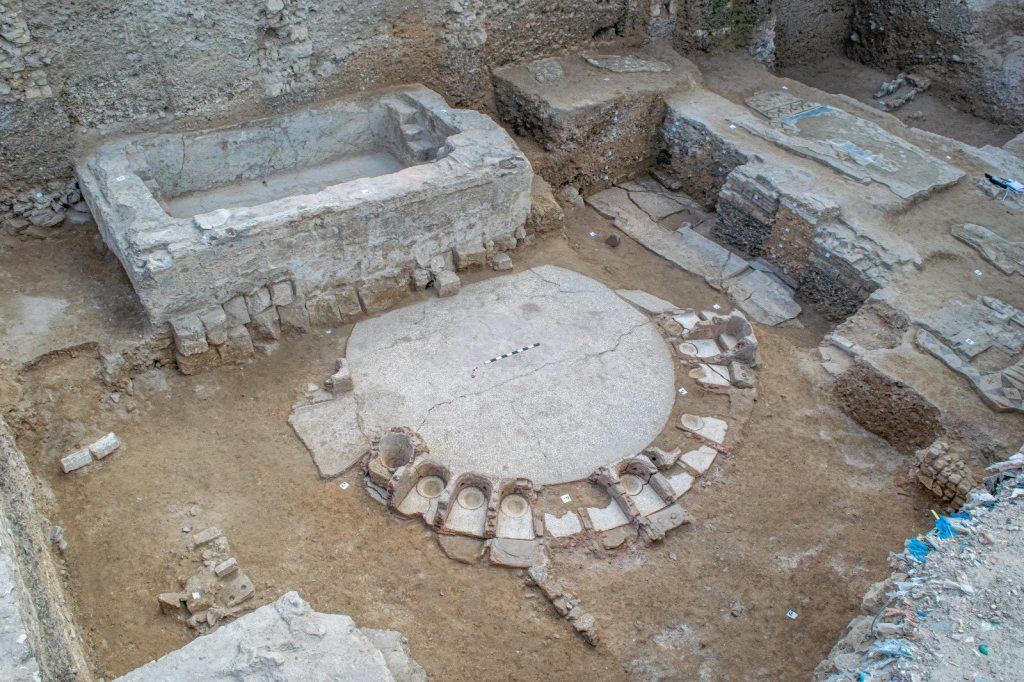
Ancient Greek and Roman Statues Found in Alexandria

An excavation in the Moharam Bek neighborhood of Alexandria, Egypt, has uncovered a significant trove of artifacts from the Greek, Roman, and Byzantine periods, including statues of deities such as Bacchus, Asclepius, and Minerva, as well as coins, lamps, ceramic vessels, a public bathhouse, mosaic flooring from a Roman villa, and advanced water systems. The discovery was announced by Egypt’s Ministry of Tourism and Antiquities and reported by Greek City Times, with officials from the Supreme Council of Antiquities highlighting the site’s comprehensive view of ancient residential and service architecture.

Manhattan D.A.’s Office Returns More Than 650 Looted Artifacts to India

On April 28, Manhattan District Attorney Alvin L. Bragg, Jr., announced the return of 657 trafficked antiquities valued at nearly $14 million to India. The items were recovered by the D.A.'s Antiquities Trafficking Unit and Homeland Security Investigations, and formally returned at a ceremony in New York. Among the repatriated pieces are a bronze figure of Avalokiteshvara (valued at $2 million), stolen from the Mahant Ghasidas Memorial Museum in Raipur in 1982; a red sandstone Buddha statue (valued at $7.5 million) smuggled by convicted dealer Subhash Kapoor; and a sandstone Ganesha sculpture looted by trafficker Vaman Ghiya and sold through Christie's by Nancy Wiener, who was later convicted of antiquities trafficking.

1,000-year-old archaeological site bulldozed during construction of Mexico-US border wall

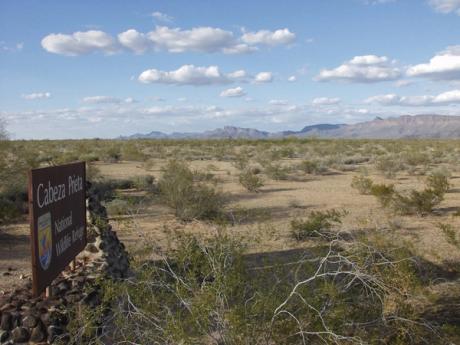
On 24 April, a Department of Homeland Security contractor bulldozed a 1,000-year-old intaglio—a 280ft by 50ft etching in the desert sand—during construction of the US-Mexico border wall in Arizona's Cabeza Prieta National Wildlife Refuge. The site, sacred to local Indigenous communities including the Hia-Ced O’odham, was part of a UNESCO biosphere and contained over 3,000 petroglyphs. Despite warnings from tribal members and refuge staff, the contractor destroyed a 70ft stretch of the fish-shaped intaglio, which elders and archaeologists describe as an irreplaceable cultural and archaeological treasure.

Billionaire Collector Ken Griffin Buys Second Rare Constitution Printing

Billionaire collector Ken Griffin has quietly acquired a second rare first printing of the US Constitution, known as the Van Sinderen copy, through a private deal after it was pulled from a planned Sotheby’s auction in 2022. Griffin, who previously paid $43.2 million at Sotheby’s in 2021 for another copy, now holds the only two copies of the 1787 document still in private hands. The newly acquired document will go on public display starting May 27 at the South Street Seaport Museum in New York, headlining an exhibition titled “The Promise of Liberty” that includes other foundational texts.

Bard President Leon Botstein (Finally) Resigns, Following Epstein Revelations

Leon Botstein, president of Bard College since 1975, announced his retirement on Friday following the release of an independent report by the law firm WilmerHale, commissioned by Bard's board of trustees. The report found that Botstein had not been "fully accurate" in his public accounts of his relationship with convicted sex offender Jeffrey Epstein, revealing visits to Epstein's private island, personal messages, a joint watch purchase worth $56,000, and invitations to campus. While no illegal conduct was identified, the report raised serious concerns about Botstein's leadership and judgment. Botstein will step down on June 30 but remain at Bard as a professor.

Morocco debuts at the Biennale with an exploration of its age-old craft traditions

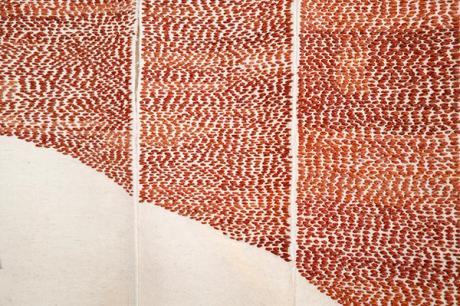
Morocco is debuting its first national pavilion at the Venice Biennale with a monumental installation titled "Asetta" by artist Amina Agueznay. The 300-square-meter site-specific work, located in the Arsenale, draws on centuries-old Moroccan craft traditions, including weaving, beadwork, and embroidery. Agueznay conducted field research across Morocco and collaborated with over 130 artisans, mostly women, some of whom she has worked with for decades. The installation explores the transmission of traditional craftsmanship and shared memory, and incorporates the concept of the threshold (âatba) from Moroccan vernacular architecture, offering visitors both an immersive experience and functional seating.

Reaching for the stars: enduring symbols of Soviet science – in pictures

Photographer Eric Lusito documents Soviet-era scientific institutes across former USSR states in his book "Soviet Scientific Institutes," published by FUEL. The photo essay captures decaying facilities and enduring equipment at locations including the Institute of Radio Astronomy in Kharkiv, Ukraine; the Byurakan astrophysical observatory in Armenia; the Andronikashvili Institute of Physics in Tbilisi, Georgia; and the Fesenkov Astrophysical Institute in Kazakhstan, among others.

Metal Detectorists Unearth Norway’s Largest-Known Viking Coin Hoard

Two hobbyist metal detectorists, Rune Sætre and Vegard Sørlie, discovered Norway's largest-known Viking Age coin hoard in a field in Østerdalen, east-central Norway. Starting with 19 silver coins on April 10, the find grew to over 3,250 coins dating from the 980s to the 1040s, surpassing the previous record of 1,800 coins found in the 1800s. The hoard includes coins minted under Æthelred the Unready, King Cnut, and Holy Roman Emperor Otto III, as well as early Norwegian coins from after Harald Hardråde's return from Byzantium. The coins have been transferred to the Museum of Cultural History in Oslo for expert analysis.

Comment | 'Artnet-Artsy merger: a Bloomberg for art?'

Artnet and Artsy have officially merged under private equity firm Beowolff Capital, founded by former Goldman Sachs trader Andrew Wolff. The deal, which took Artnet private, has already led to layoffs at both companies—including at least seven staff members from Artnet News—and the closure of Artnet's Berlin office. Jeffrey Yin, CEO of Artsy, will lead the combined entity. The merger aims to combine Artnet's vast database of 18 million auction results with Artsy's primary market gallery network to create a seamless user experience for discovering, researching, and buying art.

Australian photographer wins at world photography awards with ‘barefoot volcanologist’ image

Australian photographer Elle Leontiev has been named the Open Photographer of the Year at the 2026 Sony World Photography Awards. Her winning image, titled 'Barefoot Volcanologist,' features Phillip Yamah standing on a lava bomb at Mount Yasur in Vanuatu. Leontiev captured the surreal portrait under challenging technical conditions, relying entirely on autofocus beeps after her camera screens shorted out due to volcanic activity.

Native Americans Played Dice Games Far Earlier Than Previously Known, Study Shows

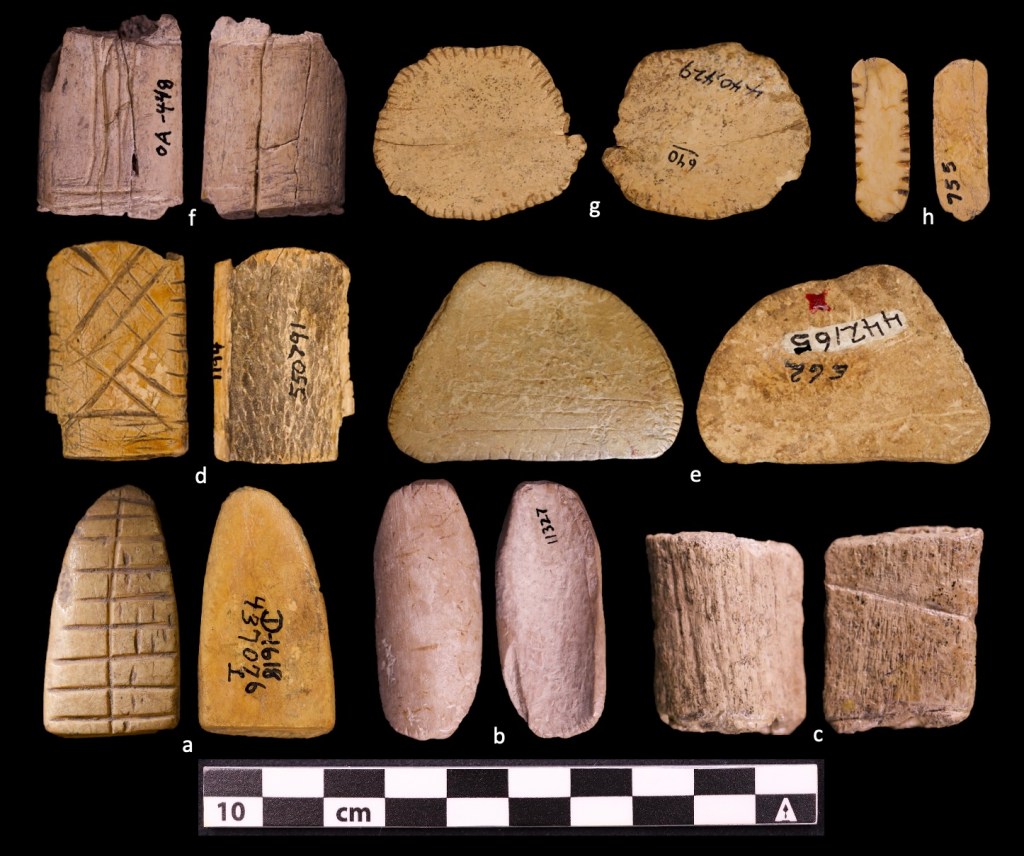
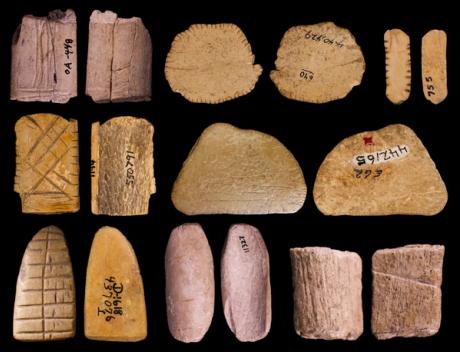
A groundbreaking study from Colorado State University reveals that Native Americans in the western Great Plains were using dice for gaming over 12,000 years ago. Researcher Robert J. Madden identified two-sided dice made of bone or wood from archaeological sites in Wyoming, Colorado, and New Mexico, pushing the known history of games of chance back significantly further than previously recorded.

Wandering Star – a photo essay

Photographer Vanessa Vettorello explores the physical and psychological impact of strabismus, or eye misalignment, through her visual project "Wandering Star." Drawing from her personal childhood experience with diplopia (double vision), Vettorello combines intimate portraits of others living with the condition, medical reportage, and reconstructed memories to illustrate the struggle of navigating a world where depth and distance are distorted.

Colosseum Facelift Restores Ancient Southern Entrance to Its Former Glory

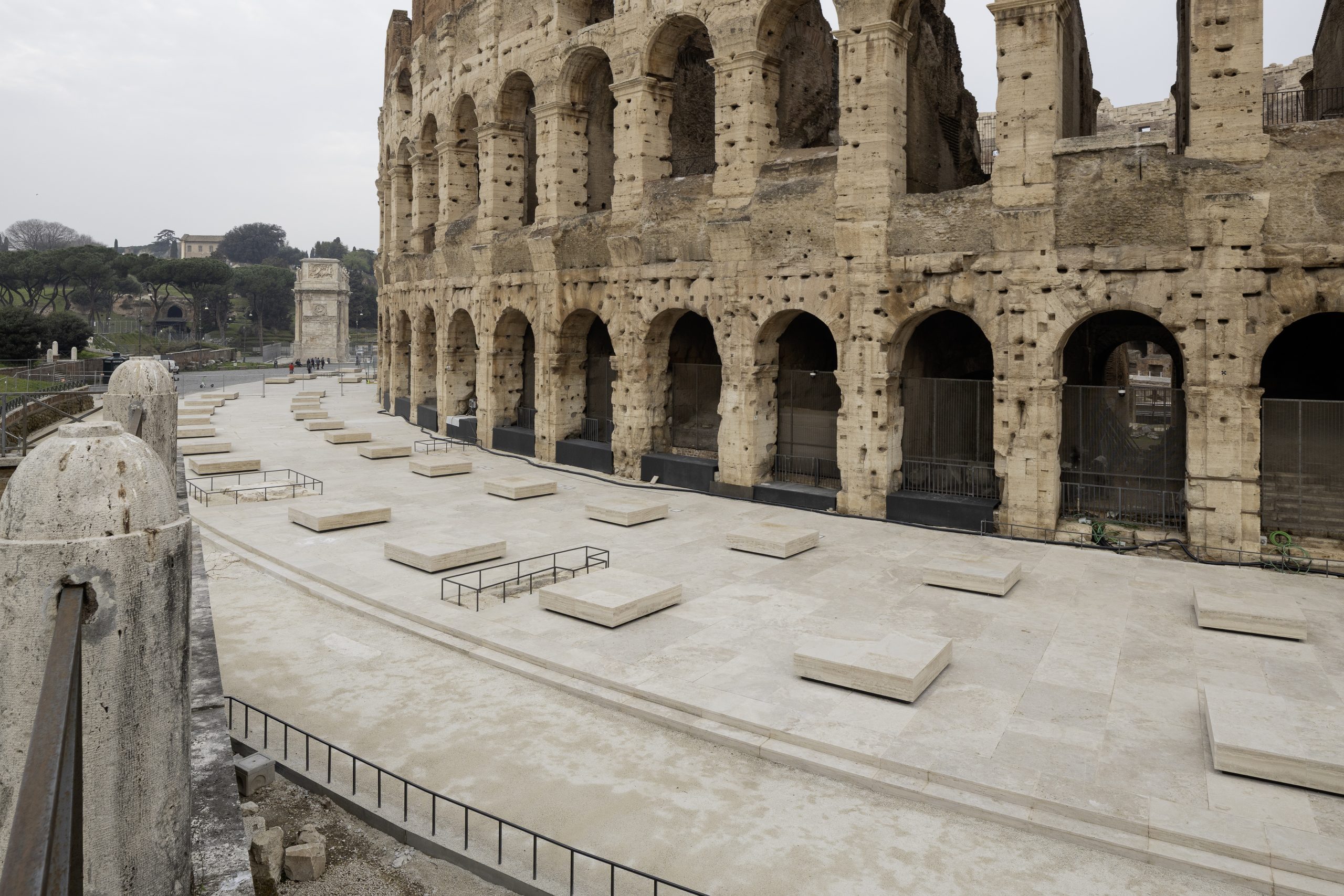
Rome’s Colosseum has unveiled a major four-year restoration of its southern entrance, a project led by Stefano Boeri Interiors in collaboration with the Colosseum Archaeological Park. The renovation lowered the surrounding piazza to its original Roman-era height, reintroduced travertine flooring sourced from ancient quarries, and installed seating blocks that mark the locations of long-lost marble columns. During the excavation process, archaeologists recovered a wealth of historical artifacts, including ancient coins, statues, and gold jewelry, while leaving a specific section untouched to showcase the arena's complex hydraulic foundations.

A missing wolf and a Sydney sunset: photos of the day – Thursday

The Guardian’s picture editors have curated a selection of global photographs capturing significant moments from Thursday, April 9, 2026. The collection spans a wide range of subjects, including a dramatic sunset at Milk Beach in Sydney, environmental concerns over a widening faultline in the Swiss Alps, and political activities involving leaders in Scotland and Italy. It also documents somber events, such as the funeral of Al Jazeera correspondent Mohammed Wishah in Gaza.

154-Million-Year-Old Dinosaur Fossil Debuts in the U.K.—But Its Species Remains a Mystery

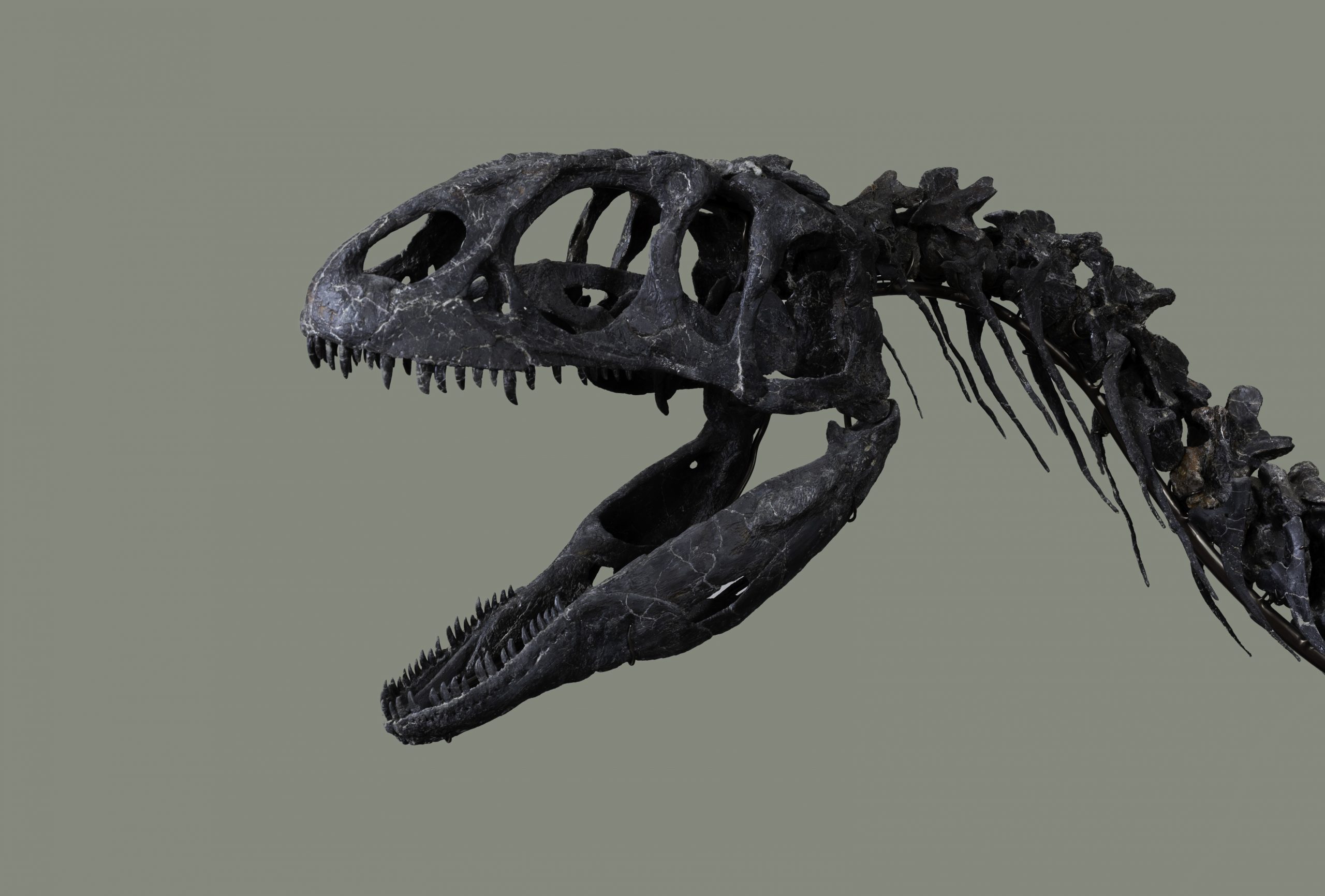
A remarkably complete 154-million-year-old theropod fossil, nicknamed Juliasaurus, has made its public debut at the Hollytrees Museum in Colchester, U.K. Discovered in Wyoming’s Morrison Formation in 2020 and sold by the David Aaron gallery to a private collector, the 20-foot-long specimen is currently part of the “Discover: Museum Wonders” exhibition. While initially thought to be an Allosaurus or Marshosaurus, unique anatomical features in its skull and pelvis suggest it may represent an entirely new species.

Archaeologists Uncover a 2,000-Year-Old Hillfort in Estonia

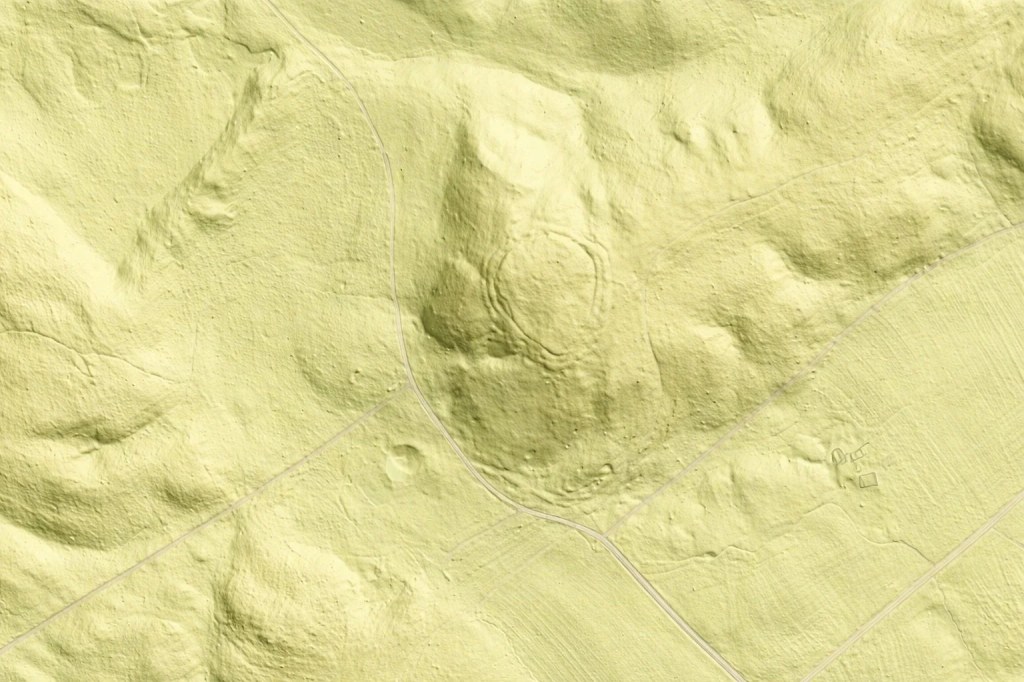
Archaeologists from the University of Tartu have discovered a 2,000-year-old Iron Age hillfort at Köstrimägi in Tartu County, Estonia. Using high-resolution terrain mapping, the team identified a 16,000-square-foot fortification featuring an unusual stepped rampart system that dates back to between 41 BCE and 9 CE. Despite its size, the site yielded few artifacts beyond pottery fragments and charcoal, suggesting a very brief period of occupation before it was destroyed by fire.

Native Americans created dice more than 12,000 years ago, study finds

Archaeological research from Colorado State University has identified the world's oldest known dice, created by Native American hunter-gatherers on the western Great Plains over 12,000 years ago. These two-sided "binary lots," found at Folsom-period sites in Wyoming, Colorado, and New Mexico, predate the earliest known Old World dice by more than 6,000 years. The study reclassifies artifacts previously overlooked or misidentified, highlighting that these objects were the only decorated, non-utilitarian items found at these late-Pleistocene sites.

Navajo Nation: the fight for cultural survival – photo essay

The Navajo Nation is currently navigating a complex struggle to preserve its cultural heritage against the lingering effects of colonial-era boarding schools and the modern pressures of social media and urbanization. While elders like Virginia Brown recount the trauma of forced assimilation and language suppression, a new generation is grappling with a decline in Navajo fluency, which UNESCO now classifies as a vulnerable language. Despite these hurdles, community members are utilizing local schools and traditional practices to reclaim their identity.

NYU Steinhardt Presents 2026 MFA Thesis Exhibitions

NYU Steinhardt's Department of Art and Art Professions is presenting its 2026 MFA Thesis Exhibitions in two parts at the 80WSE Gallery in Greenwich Village. The first exhibition, titled 'Hoodwinked,' runs from April 1 to April 18 and features works by Nicholas Koby, Richard Medina, Roselynn Sadaghiani, Mario Saponaro, and Brooke Schneider. The second, 'Eggshells,' runs from May 6 to May 23 and showcases artists Ariel Barish, Christopher Chan, Mélanie Dumas, Roxie de Là, and Fan Qi.

Remnants of 3,400-Year-Old Loom in Spain Sheds Light on Bronze Age Textile Production

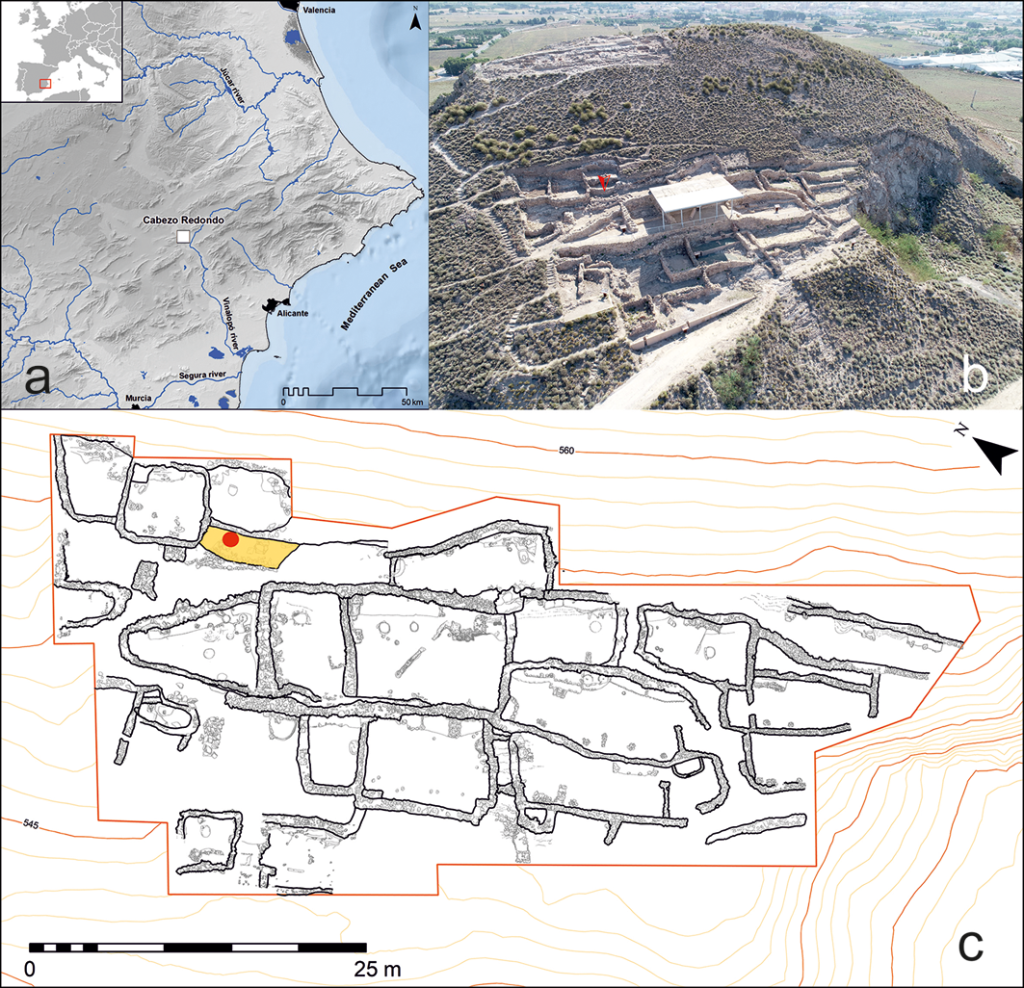
Archaeologists in Spain have published new research on a remarkably preserved 3,450-year-old wooden loom, discovered in 2008 at the Cabezo Redondo site. The loom survived because a fire destroyed the surrounding Bronze Age village and a roof collapsed on it, charring and protecting the wood from decay. This rare find includes over 200 lightweight loom weights, suggesting the community was engaged in intensive production of delicate wool textiles.

Not just dollars, euros and pounds: Tefaf speaker sets out art’s deep value for wellbeing

Professor Daisy Fancourt presented research at the Tefaf Summit in Maastricht, detailing the measurable health benefits of arts engagement. Her findings, drawn from longitudinal data and biological markers, show arts therapies can double symptom improvement for depression and regular cultural attendance can nearly halve depression risk over a decade.

scholars and mps slam uk museums as unethical and sacrilegious for holding vast collections of human remains

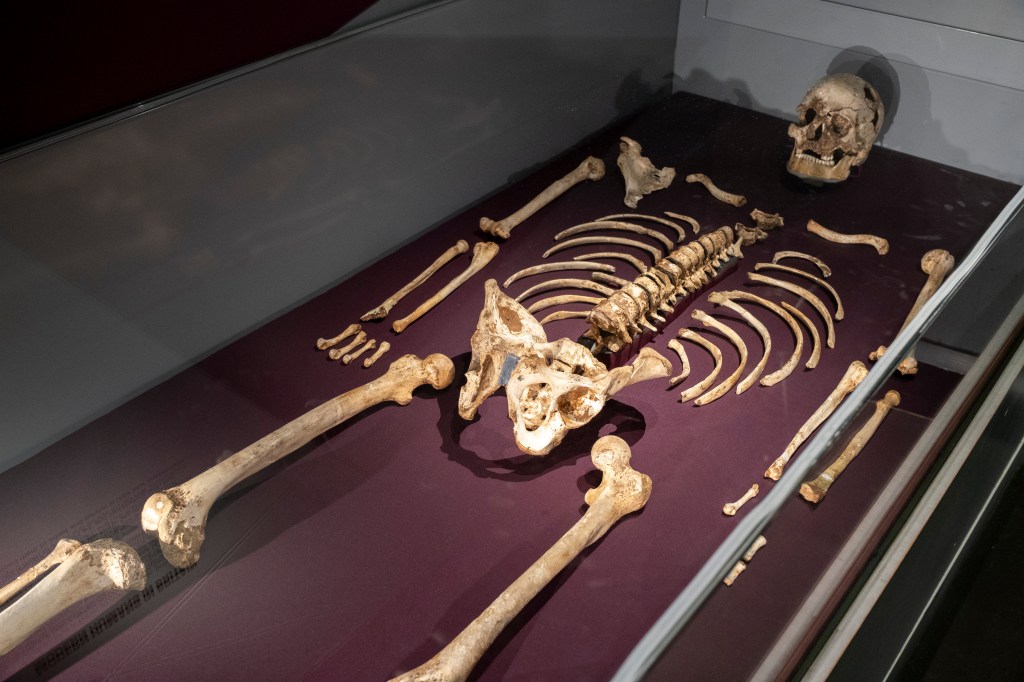
A major investigation has revealed that UK museums and universities hold more than 263,000 human remains, including at least 37,000 sourced from overseas and former British colonies. The findings indicate that many institutions lack proper documentation, with thousands of items stored anonymously in cardboard boxes or mixed together, often in violation of government guidelines regarding respectful handling and transparency.

nonprofits sue trump administration national parks

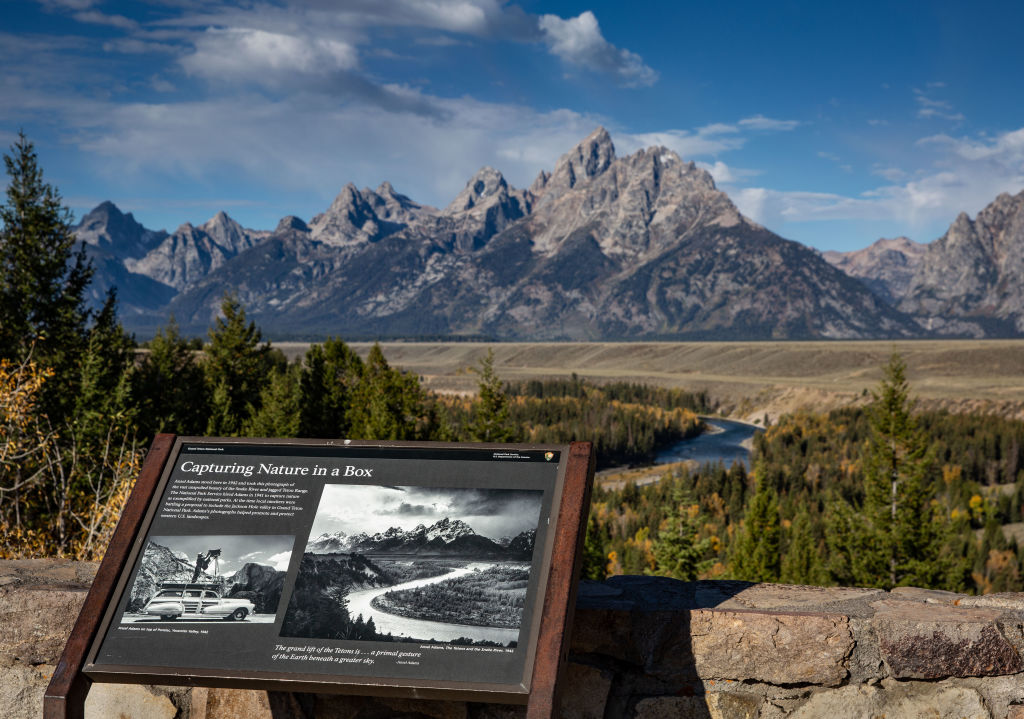
Six national nonprofit organizations have filed a lawsuit against the Trump administration, alleging the illegal censorship and removal of educational signage across U.S. national parks. The legal challenge, filed in the U.S. District Court of Massachusetts, targets the Department of the Interior and the National Park Service for stripping displays related to climate change, slavery, and the history of marginalized groups. The plaintiffs argue these actions violate federal mandates requiring parks to reflect diverse cultural backgrounds and current scientific research.