filter_list Showing 93 results for "eMerge" close Clear
dashboard All 93 museum exhibitions 46article news 11article local 10trending_up market 9article culture 6candle obituary 4rate_review review 2article policy 2person people 2gavel restitution 1
date_range Range Today This Week This Month All
Subscribe

Artist Foundations’ Net Worth Has Nearly Tripled to $9 B., Led by Cy Twombly Foundation’s $1.5 B. in Art and Assets

New research from the Aspen Institute’s Artist-Endowed Foundation Initiative (AEFI) reveals that artist-endowed foundations in the U.S. now control roughly $9 billion in assets, nearly triple the $3.5 billion reported in 2011 and up 17% from $7.7 billion in 2018. The Cy Twombly Foundation leads with $1.5 billion in art and assets, followed by foundations for Alexander Calder, Joan Mitchell, Helen Frankenthaler, and Robert Rauschenberg, each holding over $500 million. The data, drawn from public tax forms, shows that just five of roughly 500 foundations account for more than half the total, with most established by postwar American artists born before 1931.
Remembering Pat Steir, one of the 20th century’s late-blooming great artists

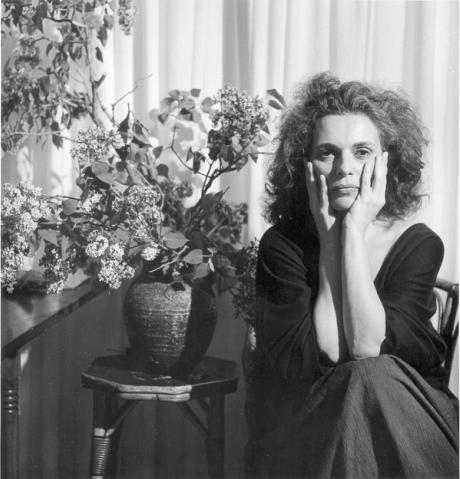
Pat Steir, the acclaimed American painter known for her Waterfall series, died in Manhattan on 25 March at age 87. The article traces her career from early struggles as a freelance illustrator and art director, through her transformative encounter with Sol LeWitt in the early 1970s, to her eventual emergence as a major figure in contemporary painting. It highlights her teaching at CalArts and Parsons, her involvement with feminist and artist-run institutions like Heresies and Printed Matter, and the pivotal moment in the early 1980s when she cut up a reproduction of a Jan Brueghel the Elder flower painting into 64 panels, repainting each in a different historical style.

Digital Art Pioneer Nancy Burson Collapses the Border Between Mysticism and Quantum Physics

Nancy Burson, a pioneering digital artist, presents her latest solo exhibition "Light Matter" at Heft Gallery in New York, featuring "Quantum Entanglement" paintings that appear as white dots on black canvases but reveal jittering forms and depth when viewed through a phone camera. The 78-year-old artist, known for her 1980s composite portraits blending faces of businessmen and movie stars, continues her exploration of perception and technology, claiming a special gift to perceive the universe's emergent energy grid. The exhibition runs through May 2.

A Smaller Art Brussels Represents a Shift in the Fair Ecosystem Toward a ‘Quality-First’ Approach

Art Brussels, now in its 42nd edition (April 23–26), has downsized from 164 to 138 participating galleries, a 15% reduction that allows the fair to fit entirely within one hall of Brussels Expo. Director Nele Verhaeren openly acknowledged the shift, framing it as a deliberate move toward a 'quality-first' approach that prioritizes visitor experience over sheer scale. The fair introduces a new section called Horizons, curated by Devrim Bayar of the upcoming Kanal-Pompidou museum, featuring seven large-scale works in the freed-up space. Dealers like Xavier Hufkens and Nadja Vilenne support the strategy, noting that galleries must now carefully choose which fairs to attend amid rising costs and geopolitical tensions.

Pittsburgh’s burgeoning gallery community readies for its moment in art world spotlight

Pittsburgh's commercial gallery scene is experiencing a resurgence as the Carnegie International, the country's longest-running recurring exhibition, prepares to open its largest edition yet with 61 artists. Since the pandemic, several young gallerists with experience in New York and Los Angeles have opened spaces in the city, including Romance gallery (2023) by former Whitney curator Margaret Kross, and april april gallery (2024) relocated from Brooklyn by Patrick Bova and Lucas Regazzi. Longer-established galleries like Concept, Zynka, and James Gallery have welcomed these newcomers, with local figures such as collector Evan Mirapaul noting that Pittsburgh's robust arts ecosystem—including museums, universities, and nonprofits—has long lacked a strong commercial gallery presence.

Never-Before-Seen Calder Sculpture Emerges on the Auction Block in Paris

A previously unknown sculpture by Alexander Calder, titled 'Stabile-mobile' (1974), will be auctioned by Oger – Blanchet at Hôtel Drouot in Paris on May 22. The small, kinetic work, estimated to sell for €80,000–€120,000, was a gift from the artist to an archivist at the French National Museum of Modern Art and has remained with her family for 50 years.

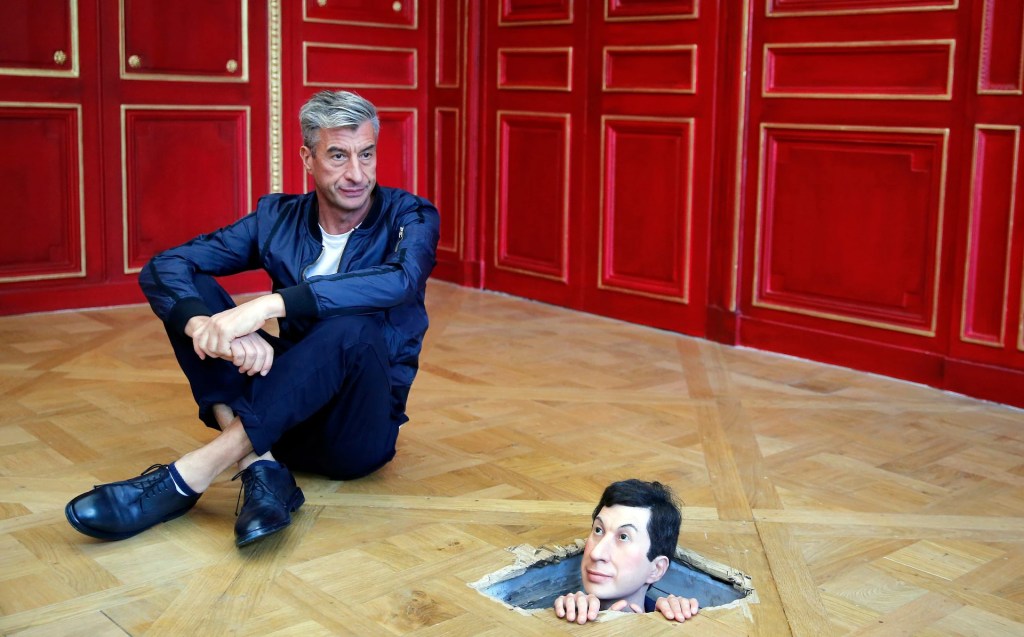
Tensions Rise Over Proposed New Zealand Statue Commemorating ‘Comfort Women’ Japan Forced into Sexual Slavery, Have a Bartering Breakfast with Maurizio Cattelan: Morning Links for April 10, 2026

A diplomatic dispute has emerged between Japan and New Zealand over a proposed bronze statue in Auckland commemorating 'comfort women' forced into sexual slavery by the Japanese military during WWII. Japan’s ambassador warned that the memorial, donated by the Korean Council for Justice and Remembrance, could damage international relations, while the Japanese embassy labeled the project part of an 'anti-Japan' movement.

George Herms, Titan of West Coast Assemblage, Dies at 90

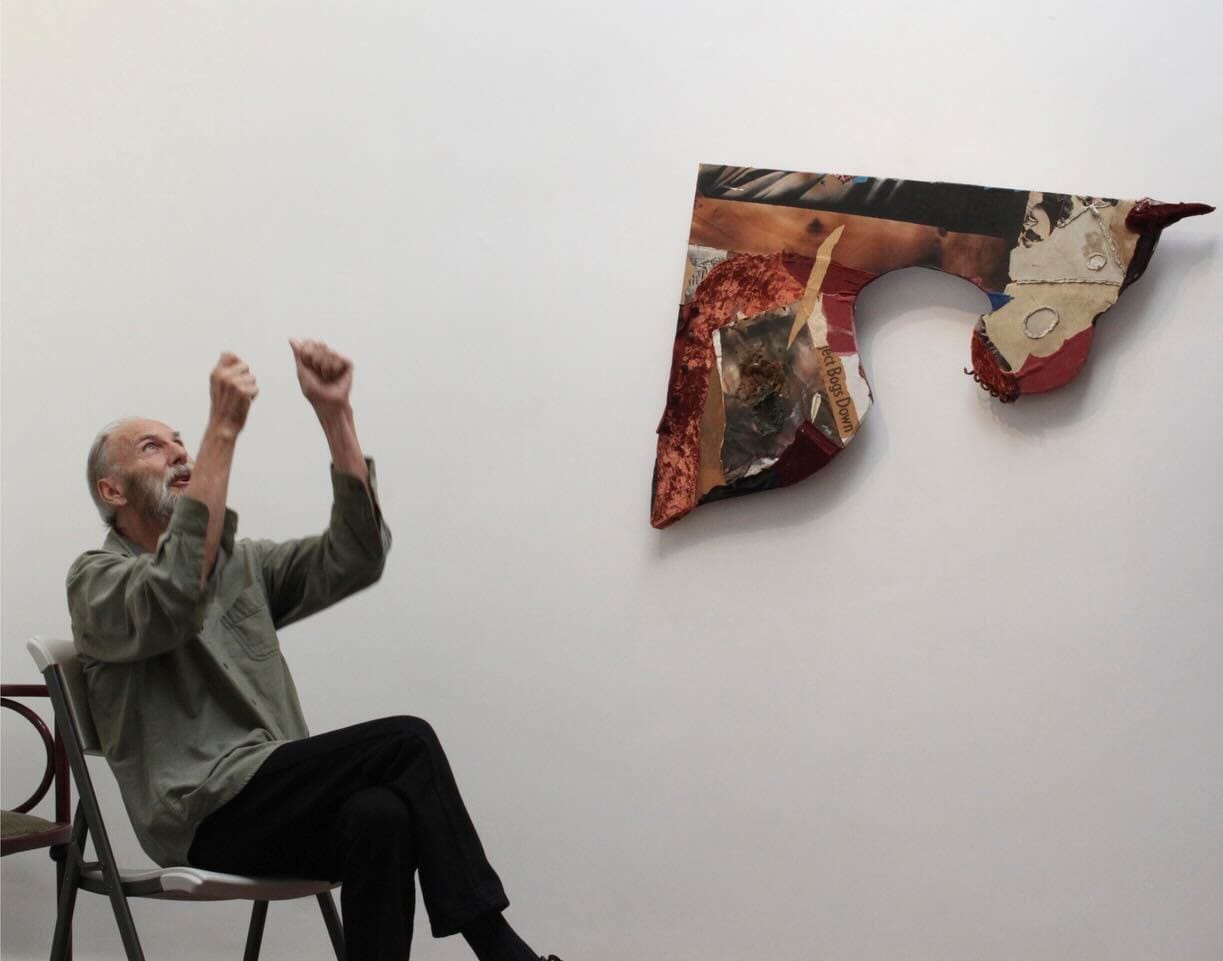
George Herms, a pioneering figure in the West Coast Assemblage movement, died on April 24 at age 90. Known for transforming found materials, rusted metal, and debris into poetic sculptures and collages, Herms emerged from the Beat scene in Topanga Canyon and was influenced by artist Wallace Berman. His first assemblage show, Secret Exhibition (1957), was held in a vacant lot, and he was later included in MoMA's landmark 1961 exhibition The Art of Assemblage. Over seven decades, he exhibited widely, including at the Museum of Contemporary Art, Los Angeles, and Morán Morán, and created public artworks in LA such as 'Portals to Poetry' and 'Clocktower: Monument to the Unknown.'

A Century of Esoteric and Occult Artistry in “A Queer Arcana” at Palm Springs Art Museum

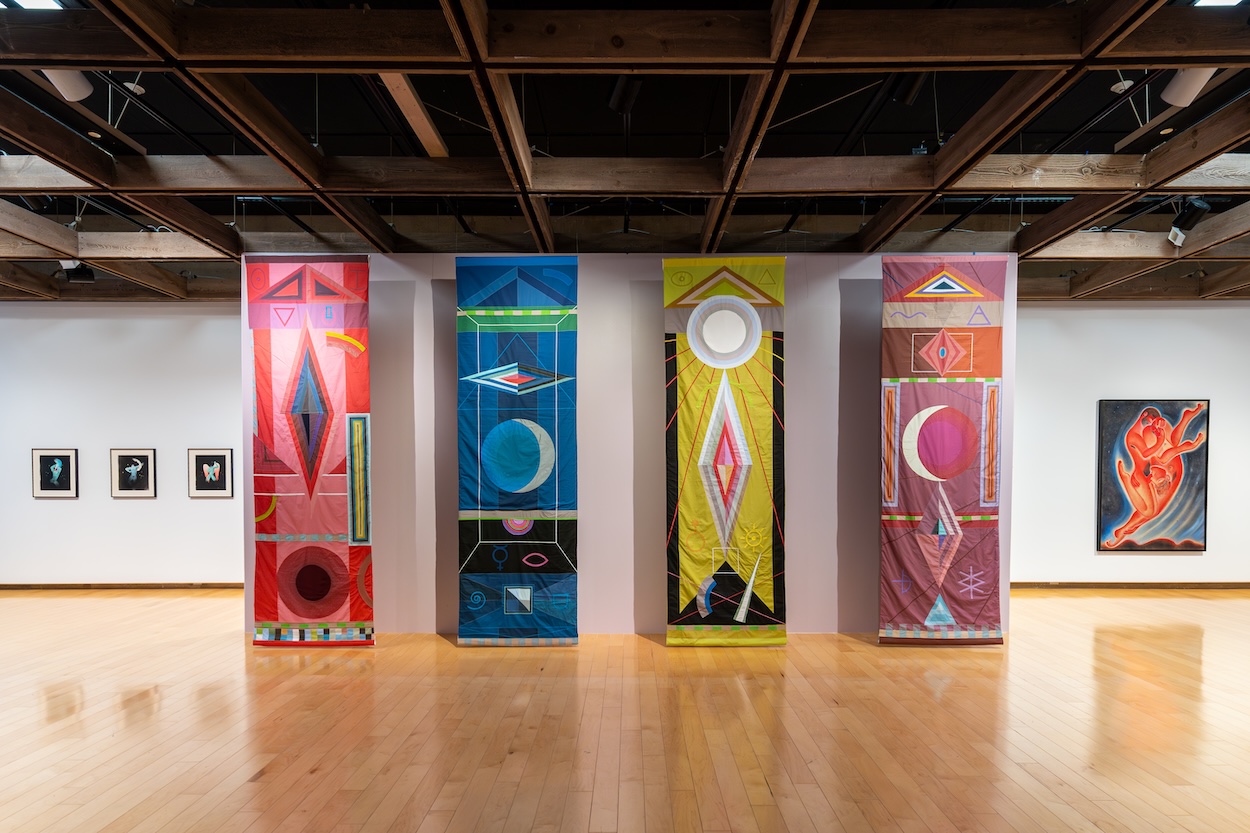
The Palm Springs Art Museum has unveiled "A Queer Arcana," an ambitious exhibition exploring the intersection of LGBTQ+ culture, occultism, and esoteric spirituality. Spanning the 20th and 21st centuries, the show features a diverse array of media—including a major four-banner commission by the collective Hilma’s Ghost—and is organized into thematic sections such as Tarot, Sex Magick, and healing. The project emerged from the museum’s Q+Art initiative, a unique program dedicated to queer art histories within a general art museum context.

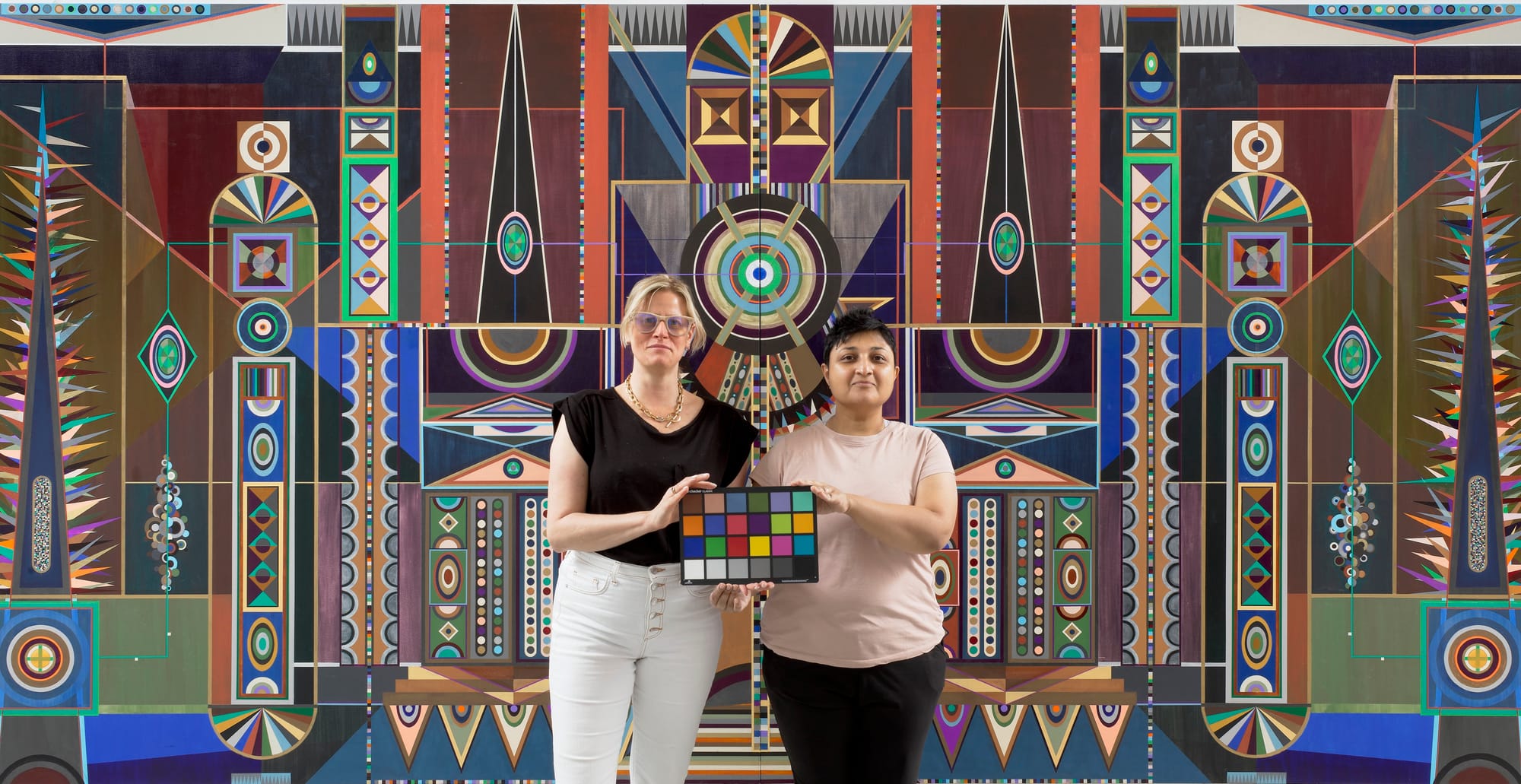
Elucidating the Esoteric with Hilma's Ghost

The feminist art collective Hilma’s Ghost, founded by artists Dannielle Tegeder and Sharmistha Ray, is reclaiming the role of alternative spiritualities and the occult within art history. Sparked by the 2018 Hilma af Klint retrospective at the Guggenheim, the collective emerged during the COVID-19 pandemic as a research-based project that bridges artmaking with esoteric practices like tarot, witchcraft, and neo-tantric cosmologies. Through workshops and collaborative paintings, the duo explores how women and queer artists have historically been erased from the canon due to their unconventional, mystical methods.

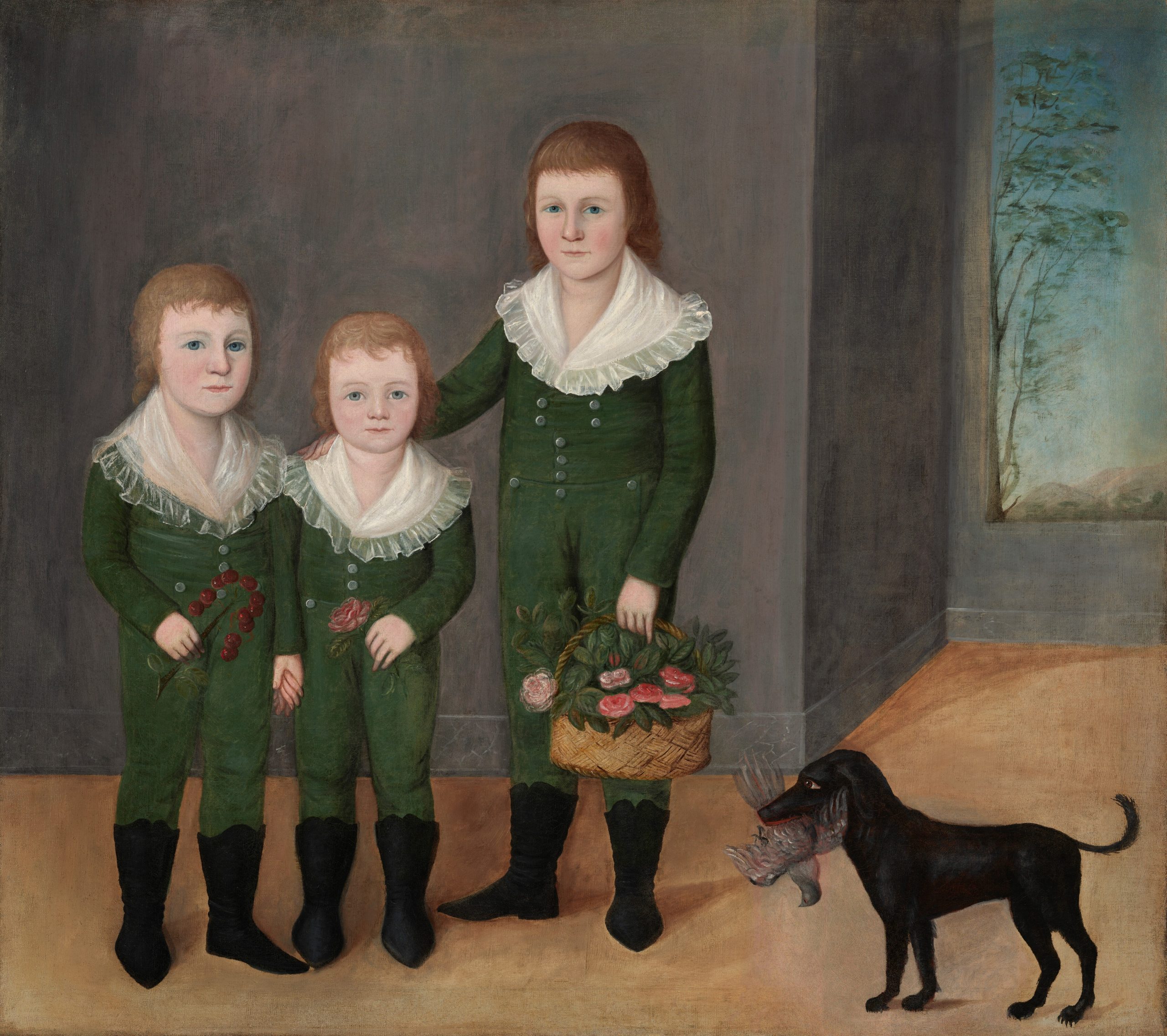
joshua johnson 2745691

Joshua Johnson, born into slavery in Maryland around 1763, emerged in the late 18th century as the first documented Black professional artist in the United States. After gaining his freedom in 1782, Johnson established himself in Baltimore as a self-taught portraitist, advertising his services in local newspapers and catering to the city's prominent families. His body of work, consisting of approximately 83 attributed paintings, is characterized by a distinct flatness and three-quarter profile compositions typical of early American folk art.

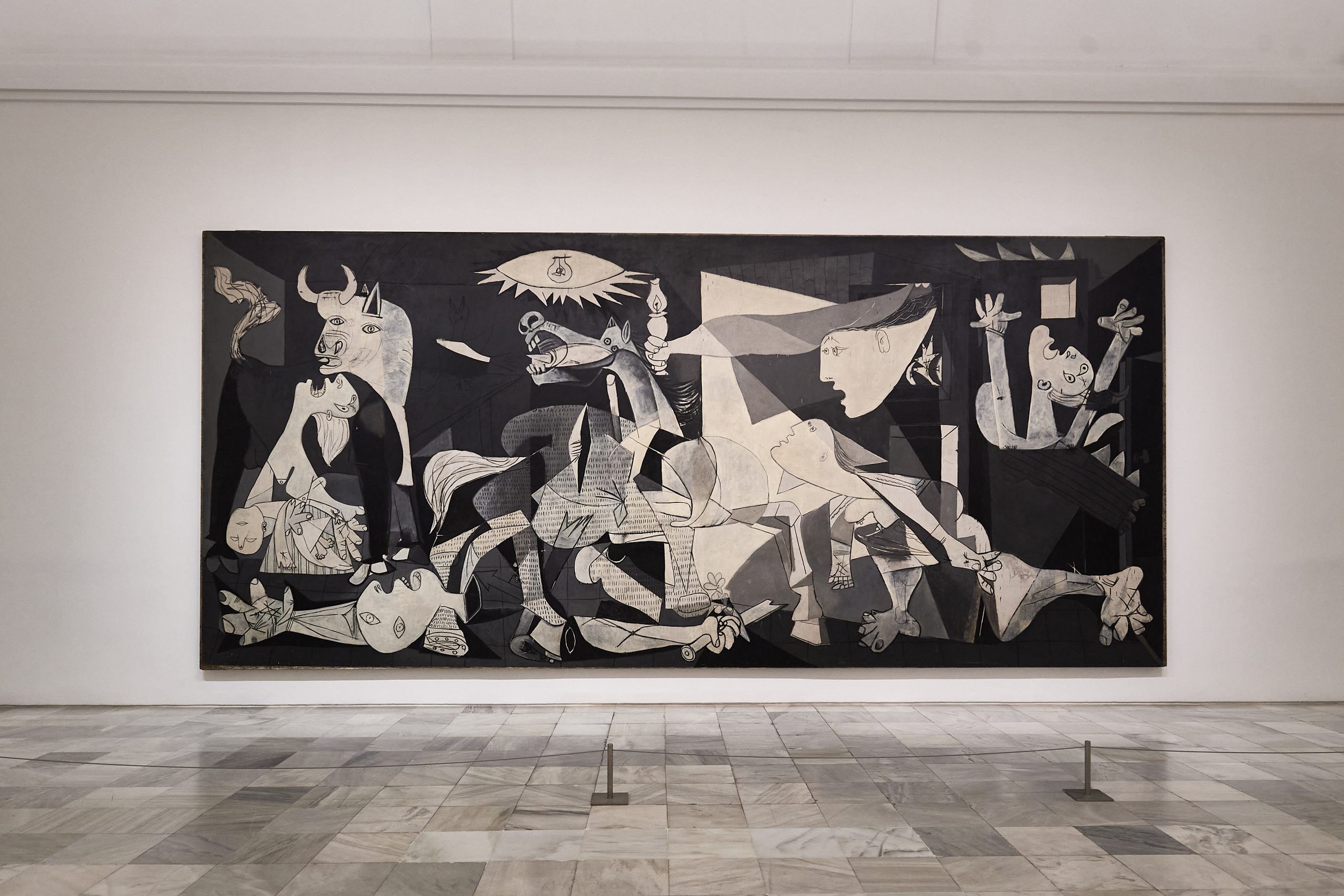
Proposed Loan of Picasso’s ‘Guernica’ Sparks Clash Between Spanish Authorities

A heated political dispute has emerged between the Spanish central government and the Basque regional government over a proposed loan of Pablo Picasso’s 'Guernica' to the Guggenheim Bilbao. The Basque government requested the masterpiece for a 2027 exhibition marking the 90th anniversary of the bombing of Guernica, but the Reina Sofia Museum and Spain’s Ministry of Culture have blocked the move. Officials cite a recent technical report warning that the painting’s massive scale and fragile condition make it too vulnerable to survive the vibrations of transport.

‘This scene is alive’: Abidjan art week showcases city as growing cultural hub

The third edition of Abidjan Art Week recently concluded in Côte d’Ivoire, featuring extended gallery hours, bus tours, and exhibitions across diverse neighborhoods from the administrative Plateau district to the working-class area of Abobo. The event saw a significant expansion this year, with the number of participating galleries more than doubling and featuring artists from across the continent, including Cameroon, Mali, and the Democratic Republic of the Congo.

Protests in Mexico Challenge Move of Frida Kahlo Trove to Spain

A heated controversy has erupted in Mexico following the decision to move a massive trove of Frida Kahlo and Diego Rivera artworks to Spain for a long-term loan. Protesters and cultural advocates are challenging the relocation of the Dolores Olmedo Museum collection, which includes some of Kahlo’s most iconic paintings, to a new private museum in Madrid. In response to the backlash, Mexican officials have issued public assurances that the collection remains national heritage and is legally required to return to Mexico by 2028.

Between setbacks and uncertain collectors, how did the miart 2026 fair go for the galleries?

Tra intoppi di percorso e collezionisti incerti, come è andata la fiera miart 2026 per le gallerie?

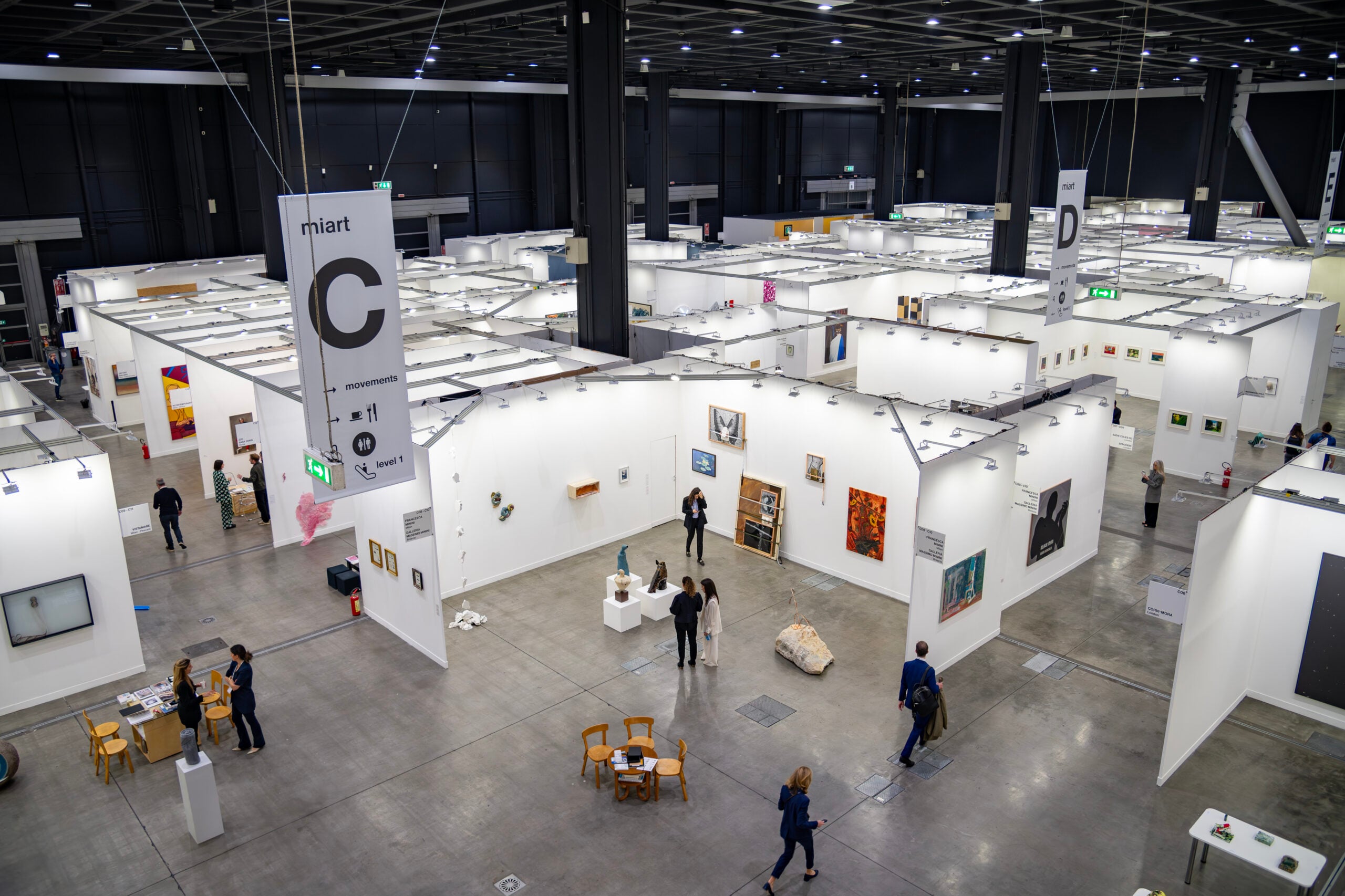
The 2026 edition of the miart fair in Milan faced significant logistical challenges following its move to the South Wing of the Allianz MiCo. While the 'Emergent' section thrived with ample space and natural light, the 'Established' and 'Anthology' sections suffered from a confusing multi-level layout, poor signage, and oppressive lighting. Many galleries, including Alfonso Artiaco, reported that the lack of clear directions turned high-quality exhibition spaces into "cathedrals in the desert," making it difficult for collectors to locate booths.

The Essential Works of Yin Xiuzhen

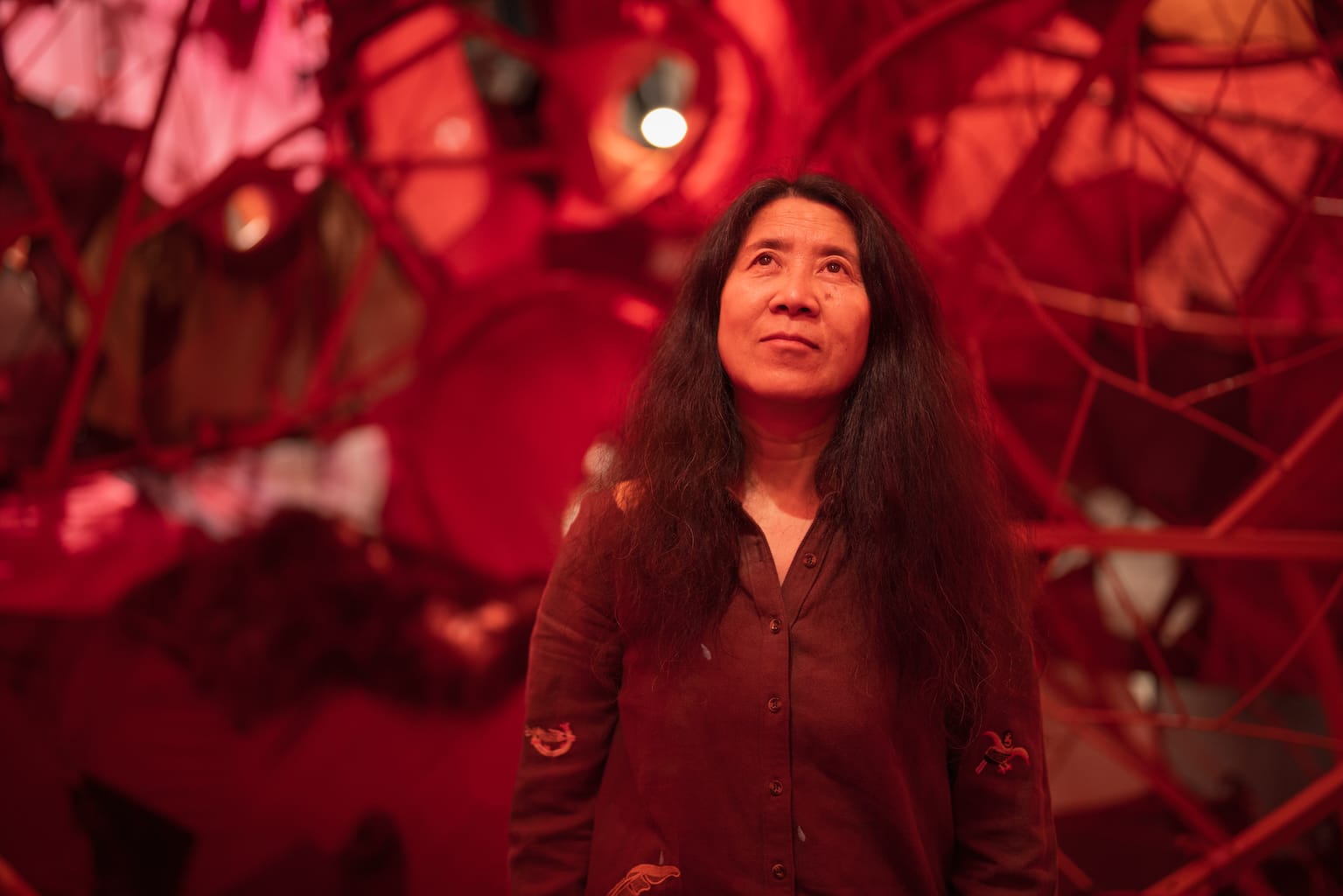
ArtAsiaPacific published a profile of Chinese artist Yin Xiuzhen, born in 1963 in Beijing, highlighting her career as a pivotal figure in Chinese contemporary art since the 1990s. The article revisits milestone works following the closing of her solo exhibition "Yin Xiuzhen: Heart to Heart" at London's Hayward Gallery, including early pieces like *Dress Box* (1995) and *Washing River* (1995). Yin emerged alongside the second wave of Chinese contemporary artists, including Yu Hong, Song Yonghong, Wang Jinsong, and her husband Song Dong, and was an early practitioner of what art historian Gao Minglu termed "Apartment Art." Her practice uses discarded clothing, household ephemera, and industrial materials to address urbanization, globalization, environmental crisis, and collective memory.

The Art Trade Is Taking Calculated Risks With A.I.

The article examines how the art trade is cautiously experimenting with artificial intelligence, noting that while AI tools are being developed to attract newer collectors, the industry remains heavily reliant on trust and personal relationships that technology cannot replicate. It also reports on Fair Warning's new 'No Warning' sealed-bidding auction format, reflecting a rise in private auctions, and highlights a Sotheby's New York sale of the Jean and Terry de Gunzburg collection that set a U.S. record for design auctions at $96 million, led by a set of 15 mirrors by Claude Lalanne for Yves Saint Laurent that sold for $33.5 million.

What’s Left to Learn from Marcel Duchamp?

The article examines Marcel Duchamp's enduring influence on contemporary art, focusing on his readymades such as "Fountain" (1917) and "Bicycle Wheel" (1913/1951). It notes that a major survey co-organized by the Museum of Modern Art and the Philadelphia Museum of Art, 70 years after Duchamp predicted his true public would emerge in 50 to 100 years, reaffirms his status as the most influential artist of the past century. The piece discusses how Duchamp's practice of selecting and presenting ordinary objects as art—from a urinal to a snow shovel—once shocked the art world but now seems quaint compared to later works like Maurizio Cattelan's taped banana.

‘Emergent Figures’ Carves Space for Thai Artists in a Global Canon

Frieze published a critic's guide titled 'Emergent Figures' Carves Space for Thai Artists in a Global Canon, which highlights a group exhibition featuring Thai artists at a venue in Brussels during Art Brussels. The show aims to present Thai contemporary art within a broader international context, moving beyond regional stereotypes. The article is part of a larger guide that also includes recommendations for other must-see shows during the fair, such as Richard Tuttle at Galerie Greta Meert and Lutz Bacher at WIELS.

Exhibition | Bùi Thanh Tâm, 'Here on and after' at Eli Klein Gallery, New York, United States

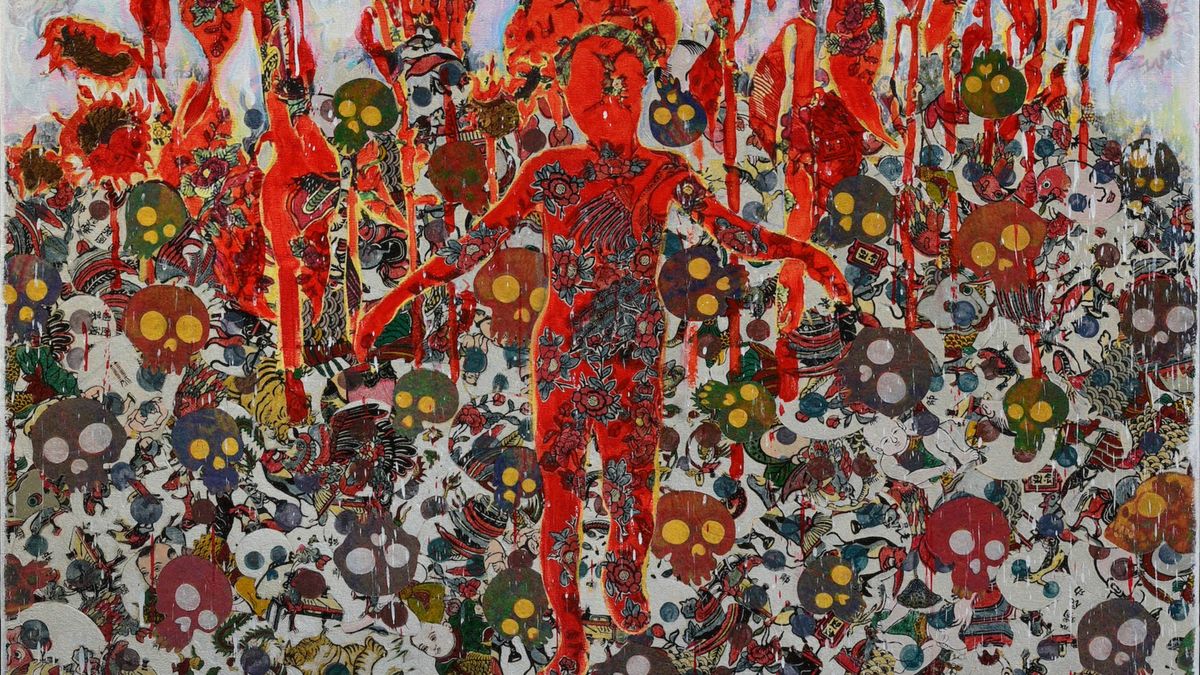
Eli Klein Gallery in New York is presenting "Bùi Thanh Tâm: Here on and after," the Hanoi-based artist's first solo exhibition in the United States. The show features 13 new and recent paintings that explore Vietnam's colonial history, the aftermath of war, and the persistence of memory. Tâm, a leading Vietnamese painter of the postwar generation, incorporates traditional folk woodblock prints—Đông Hồ, Hàng Trống, and Kim Hoàng—into layered, collaged works. The sunflower emerges as a central symbol of resilience and rebirth, influenced by Anselm Kiefer and Francis Bacon, while addressing trauma from French colonialism to Agent Orange. The exhibition includes series such as "Searching for the Sunflower," "Hello. God is here," "Utopia," and "Mutant," each examining themes of healing, endurance, and cultural transformation.

Dorothy Dehner | Dorothy Dehner - Drawing for Sculpture (1955) | Available for Sale

Alpha 137 Gallery has listed a unique 1955 work on paper by American modernist Dorothy Dehner titled "Drawing for Sculpture." The piece, executed in brown marker on found stationery from a New York manufacturer’s agent, represents a pivotal moment in Dehner’s career when she transitioned from painting to the abstract sculpture for which she became famous. The work is hand-signed and dated, reflecting her early exploration of three-dimensional forms through graphic media.

Chicago Art Movements Over The Years, From the Monster Roster to the Modern Moment

Chicago’s art history is defined by a series of indigenous movements that prioritized visceral, existential expression over commercial appeal. The article traces this lineage back to the late 1940s with the emergence of the Monster Roster, a group of artists including Leon Golub and Dominick Di Meo who returned from World War II to produce agonistic work. This movement was catalyzed by institutional resistance at the School of the Art Institute of Chicago, leading to the creation of the independent Momentum Exhibitions which bypassed conservative juried systems.

Historic Tiffany Window, Once Hidden in Texas Church, Reemerges at Crystal Bridges

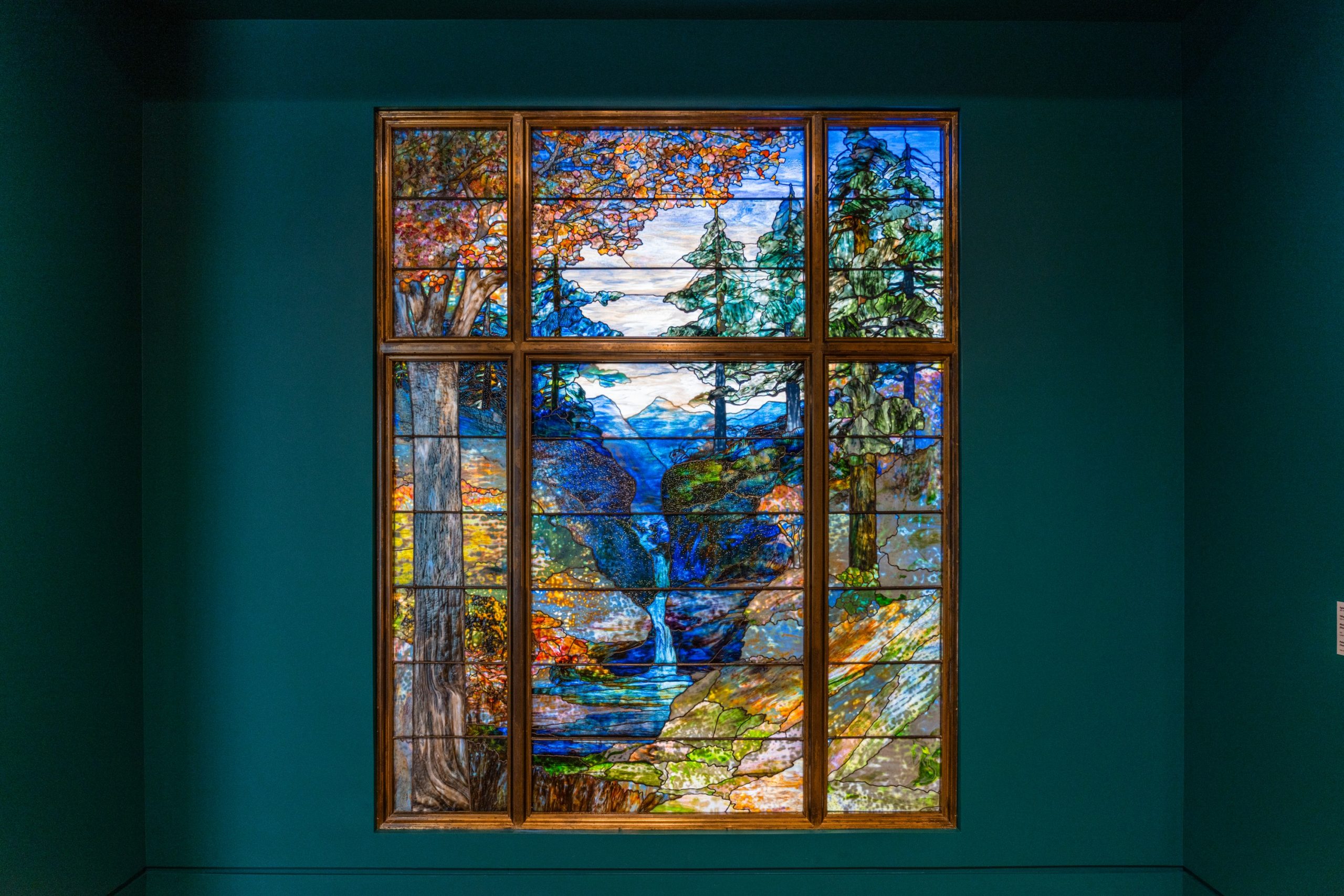
Crystal Bridges Museum of American Art has unveiled a monumental Tiffany Studios window, "Mountain Landscape (Root Memorial Window)," which was previously housed in a San Antonio church. The 1917 stained-glass masterpiece, designed by Agnes Northrup, had been roped off for a decade due to insurance liabilities before the church sought a public institution to ensure its preservation and display. Following a meticulous conservation process, the nine-foot-tall window is now a centerpiece of the museum’s Visions of America Galleries.

At Yale: the commercial empire within the British empire

The Yale Center for British Art presents 'Painters, Ports, and Profits,' an exhibition of 115 items spanning a century of art and history, focusing on the East India Company's commercial empire. The show includes paintings, prints, drawings, books, and artifacts such as a 37-foot watercolor scroll of Lucknow (1826) and works by Indian artist Gangaram Chintaman Navgire Tambat, who emerges as the artistic star with 20 pieces. It also features prints of the company's opium factory and 'The Opium Fleet Descending The Ganges' by Walter Stanhope Sherwill, highlighting the company's role in the Opium Wars with China.

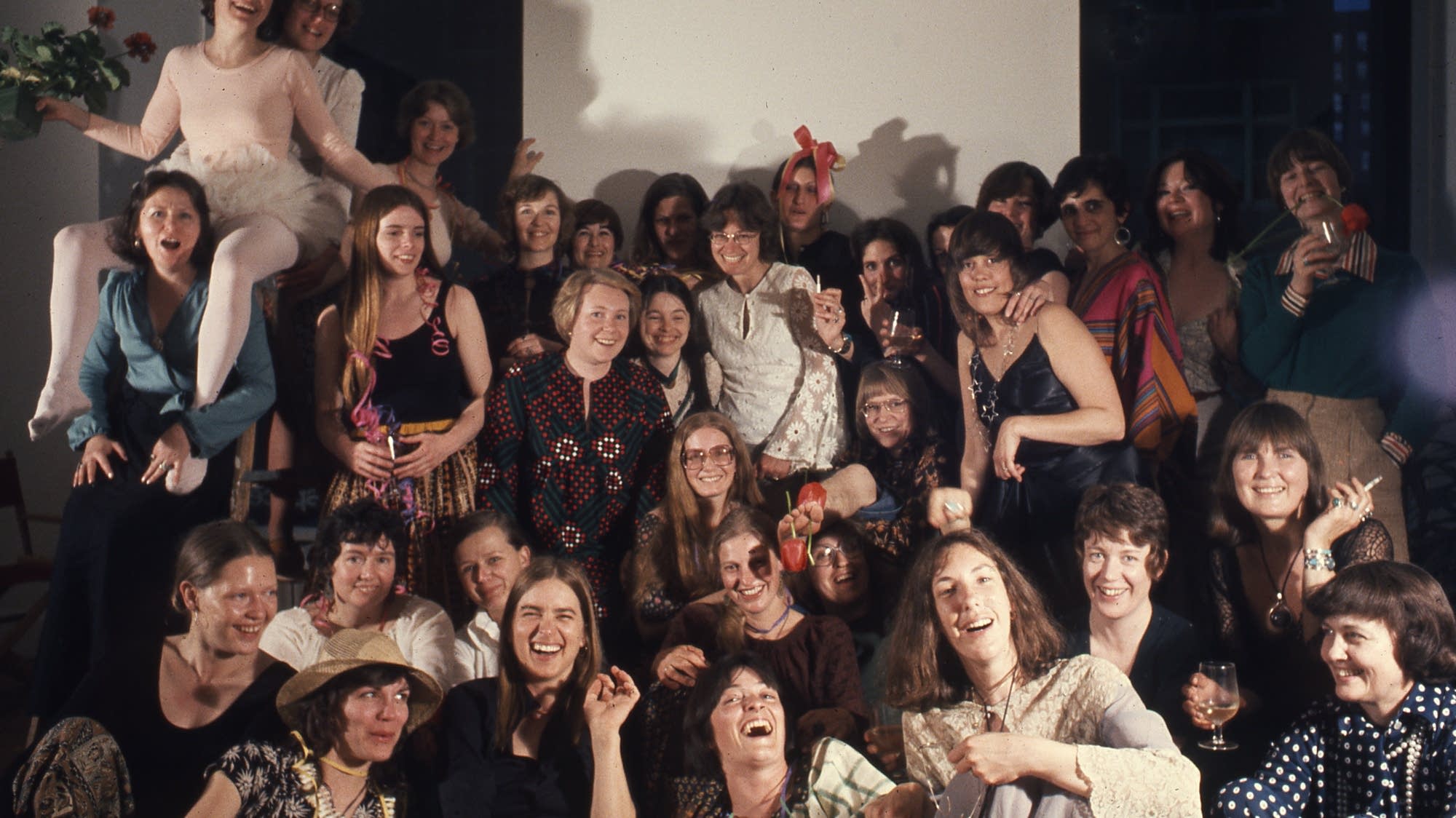
Why this Minneapolis feminist art collective still matters 50 years later

The Women’s Art Registry of Minnesota (WARM), one of the oldest feminist art collectives in the United States, is celebrating its 50th anniversary. Founded in 1973 in Minneapolis, the collective emerged as a grassroots response to the systemic exclusion of women from mainstream galleries and museums, eventually establishing its own gallery space and a robust mentorship program that continues to support female-identifying artists today.

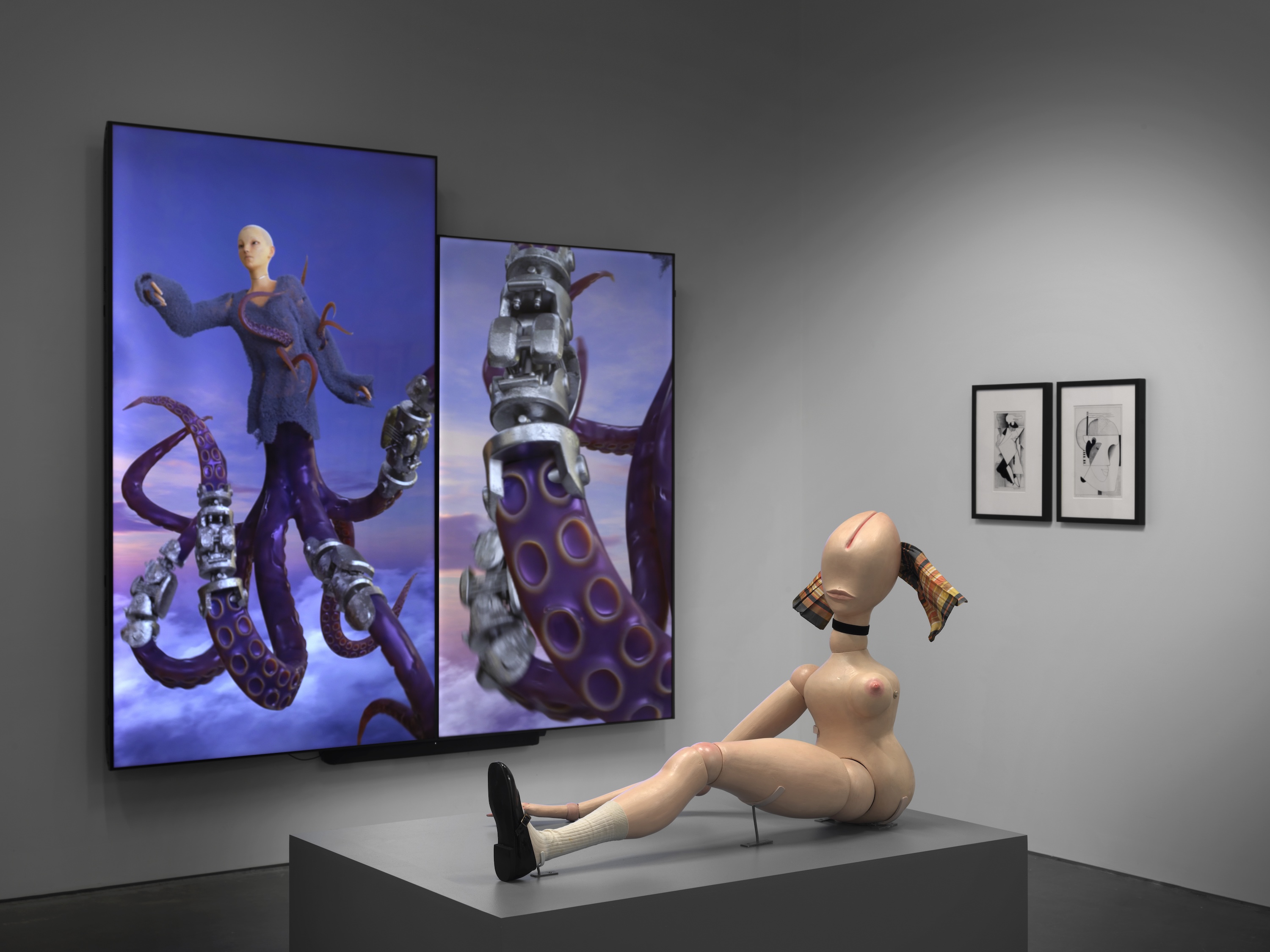
At the New Museum, Parallel Visions of Humanity’s Future Emerge

The New Museum's latest exhibition explores the evolving definition of humanity through the lens of technological advancement and ancestral wisdom. The show juxtaposes the anxieties of modern machine labor—exemplified by Simon Denny’s Amazon worker cage—with Indigenous epistemologies and animist traditions that offer alternative ways of inhabiting the world. By featuring artists like Jaider Esbell and Santiago Yahuarcani, the exhibition highlights how hybridity and relationality can resist the rigid hierarchies of Western modernity.

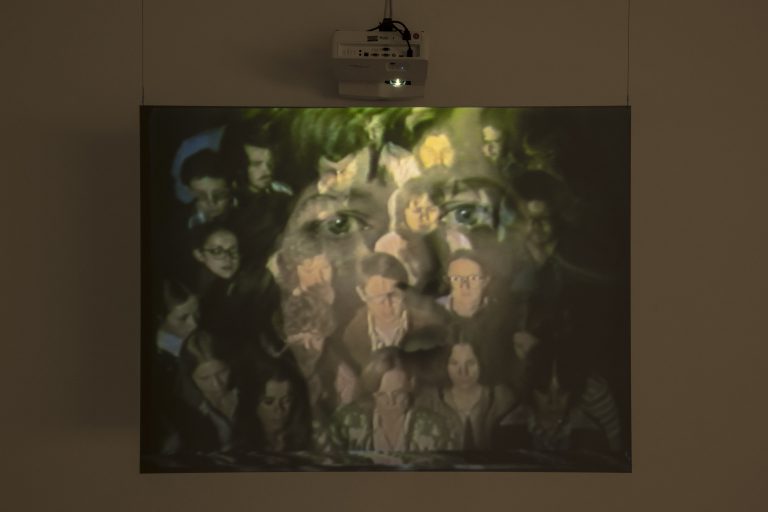
Julia Heyward “Voices of Many Voices” at Westfälischer Kunstverein, Münster

The Westfälischer Kunstverein in Münster is presenting "Voices of Many Voices," a significant exhibition dedicated to the pioneering work of Julia Heyward. The show highlights Heyward’s multidisciplinary practice, which emerged from the 1970s New York performance scene, blending vocal experimentation, monologues, and complex multimedia orchestrations. By juxtaposing music, image, and language, the exhibition captures the artist's unique ability to navigate emotional extremes and the "simultaneity of opposites."

Beyond the prompt: when the medium is generative AI, the artist becomes a systemic director

Oltre il prompt: quando il medium è l’AI generativa l’artista diventa regista sistemico

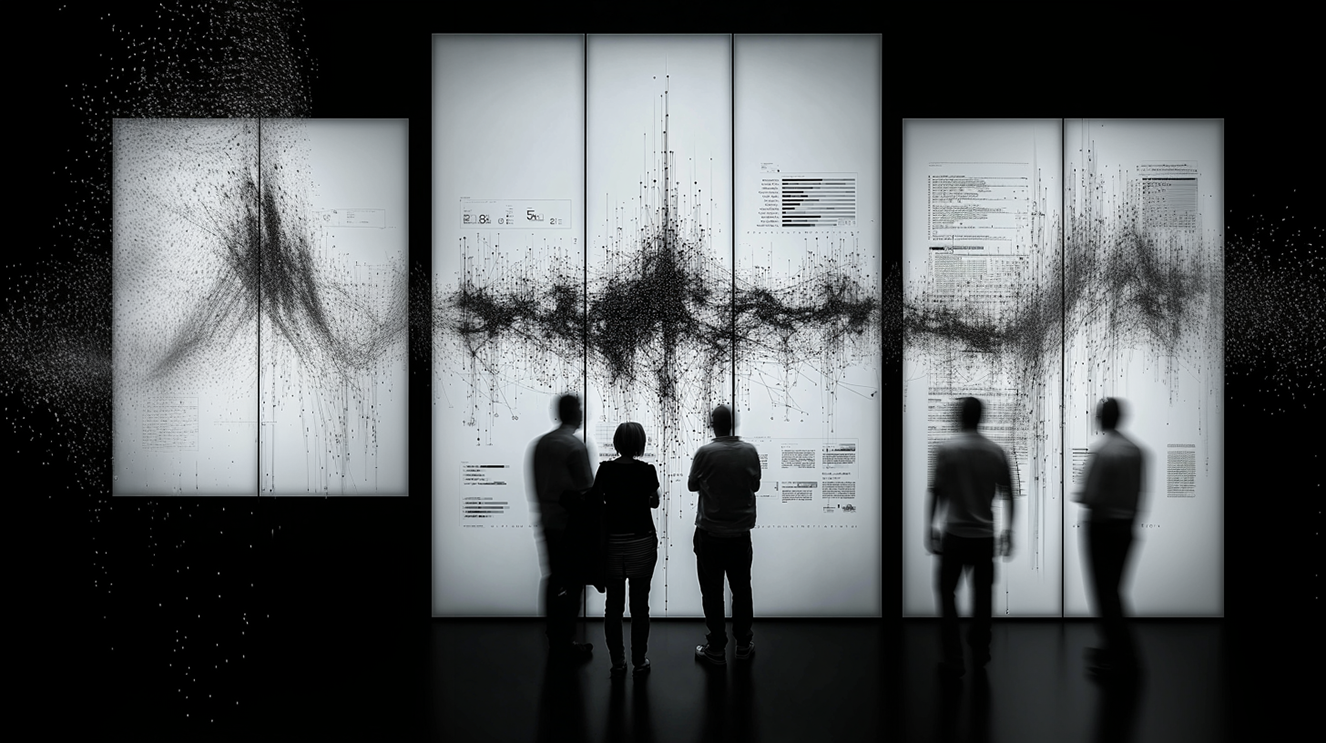
The article argues that as AI-generated images become more spectacular, the role of the artist is often misunderstood as merely writing prompts. Instead, the author contends that the most significant generative artworks are systems—predetermined rule-based environments where the artist designs the conditions for images to emerge. Works like Hans Haacke's "Condensation Cube" (1963-1965) and Refik Anadol's "Unsupervised" (2022) exemplify this shift from object to process, where the artwork is the behavior or architecture itself.

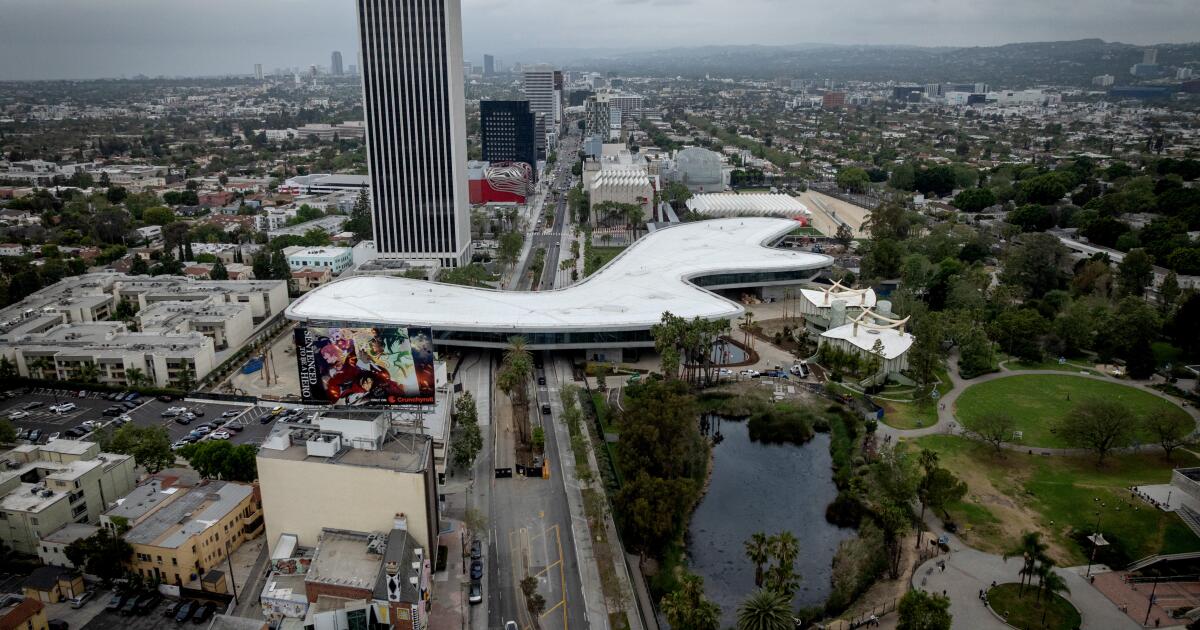
Everything to know about David Geffen Galleries as a new LACMA emerges

The Los Angeles Times reports on the upcoming David Geffen Galleries, a new building that will become the centerpiece of the Los Angeles County Museum of Art (LACMA) as it undergoes a major transformation. Designed by architect Peter Zumthor, the structure is part of a long-delayed, multi-billion-dollar renovation project that aims to modernize the museum's campus and consolidate its collection under one roof. The article details the timeline, design features, and the controversies surrounding the project's cost and scope.

Harper’s Bangkok Gallery Opens its Doors, Bringing Western Artists to Thailand

Harper's Bangkok, a new outpost of the New York-based gallery group founded by Harper Levine, opened in late March 2026 on the ground floor of the Siam Pathumwan House building. Its debut exhibition, 'Lost and Found', is a solo show by American artist Joel Mesler featuring 18 new vibrantly colored works, marking his first presentation in Southeast Asia. The gallery is the first major Western commercial gallery to establish a permanent space in Bangkok, joining a rapidly maturing local art ecosystem.