search
dashboard All 1126 museum exhibitions 606article local 177article culture 88article news 83trending_up market 60person people 35rate_review review 28candle obituary 23article policy 18gavel restitution 6article school 2
date_range Range Today This Week This Month All
Subscribe

The Metro: Detroit’s cultural exports go beyond cars and techno—it’s the blueprint for free public museums

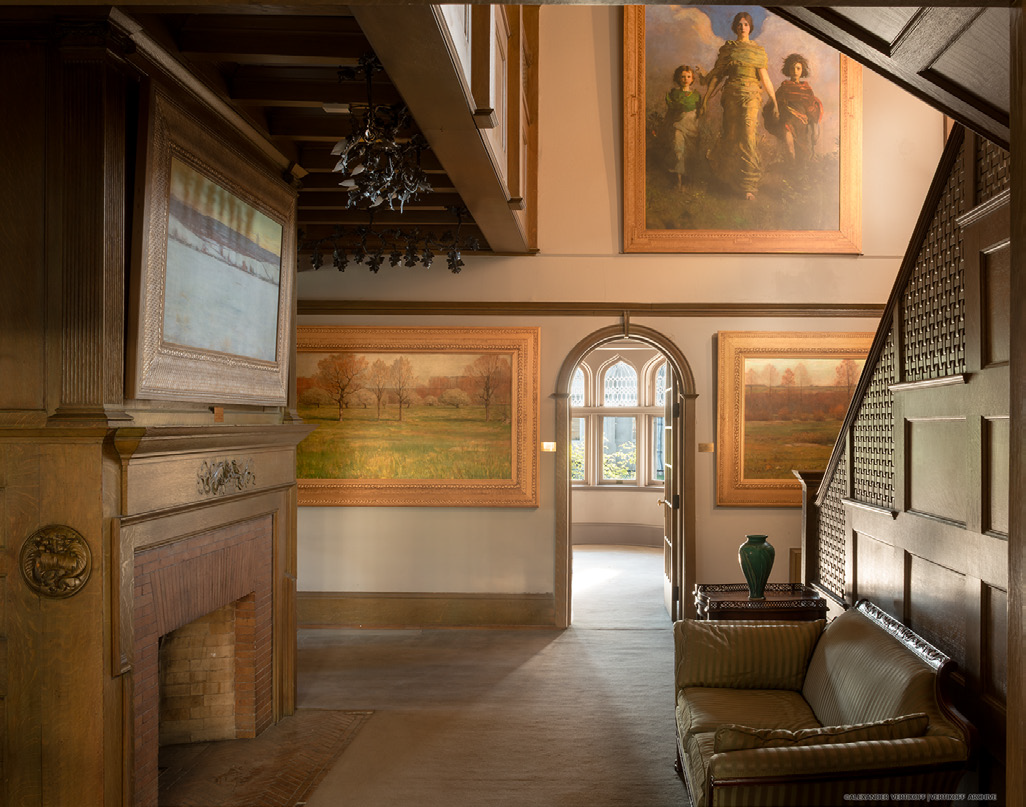
Charles Lang Freer transformed his Detroit home into a gallery of international artwork, which later became the foundation for the first national museum and Asian art museum in Washington, D.C. The article, written by Tia Graham, highlights Freer's residence designed by Wilson Eyre Jr. in 1894 as a cultural landmark that predates and influences the model of free public museums.

France’s Art Museums Remain Silent on Haiti

On April 17, 2025, the bicentennial of France's 1825 decree imposing a massive indemnity on Haiti for its independence, French President Macron announced a joint commission of historians to study the debt's impact. While some institutions like Bordeaux's Musée d'Aquitaine and Paris's Palais de Tokyo engaged with the topic through exhibitions, France's major public art museums and national monuments remained largely silent. Two exhibitions devoted to King Charles X—the monarch who enforced the debt—at the Mobilier National and Château de Maisons highlighted this absence, as they failed to address his role in Haiti's history.

MC Escher — the mathematical visionary who had trouble with numbers

The Financial Times Visual Arts section profiles Dutch graphic artist M.C. Escher, exploring his fascination with repeating patterns, tessellations, and visual paradoxes. Despite struggling with mathematics in school, Escher created intricate works that play with perspective, infinity, and impossible geometries, such as his famous lithographs "Relativity" and "Drawing Hands." The article highlights how his art, initially dismissed by the fine art establishment, gained widespread popularity and continues to captivate audiences worldwide.

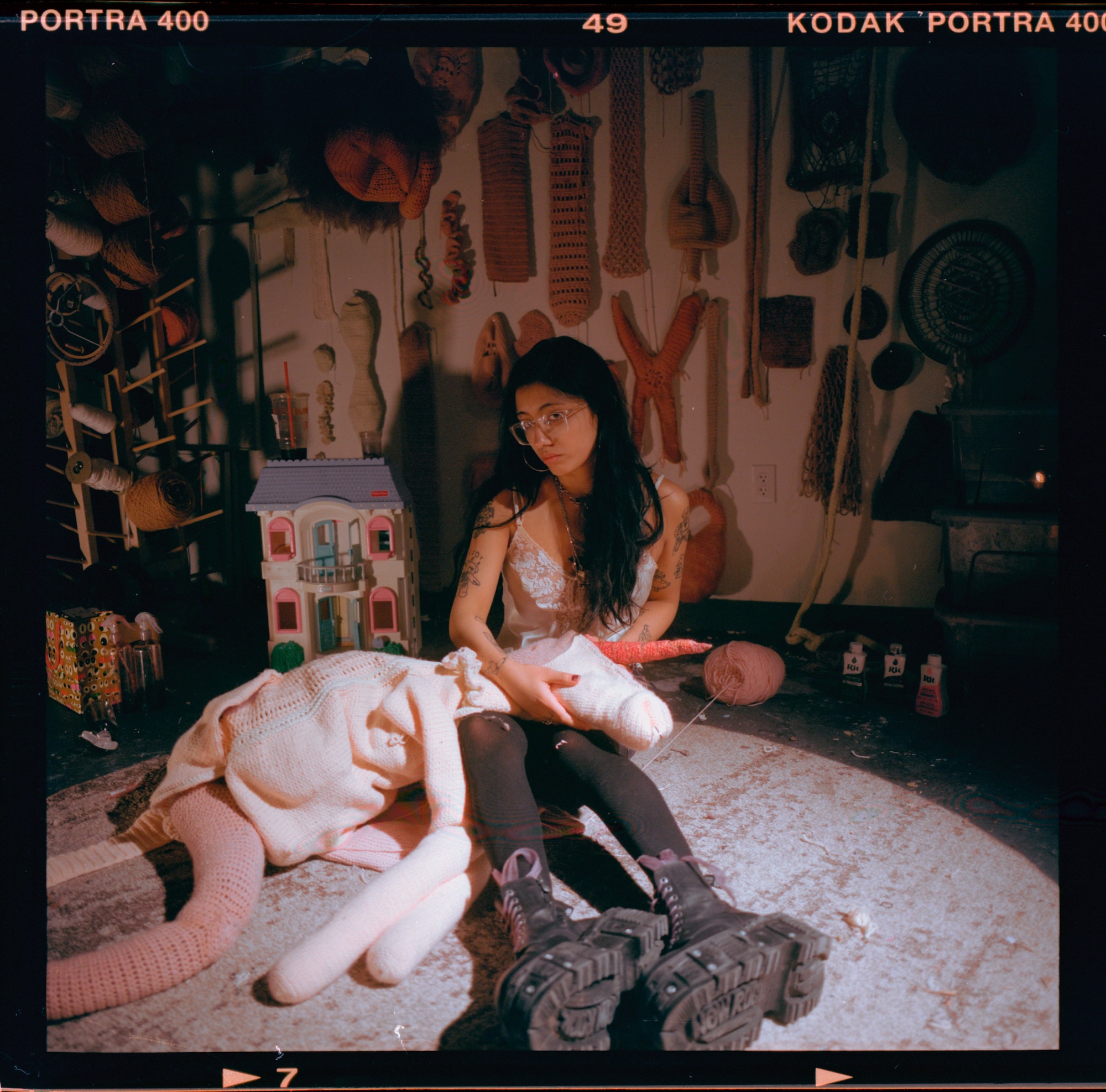
Ophelia Arc talks to Phillip Edward Spradley

Ophelia Arc, a sculptor working primarily in crochet, is the subject of an interview with Phillip Edward Spradley. The article details her practice, which uses yarn, tulle, gauze, and found materials to create biomorphic sculptures that explore emotional contradictions such as care and violence, memory and survival. Arc's work is informed by psychoanalytic thought, feminist philosophy, and autobiographical reflection, and she treats crochet as both a method and a subject, reframing it as a bodily and cognitive process. She received her BFA from Hunter College and her MFA from the Rhode Island School of Design, and has exhibited internationally at venues including 81 Leonard, Kates-Ferri Projects, Lubov Gallery, Lyles & King, Abigail Ogilvy Gallery, and Tube Culture Booth.

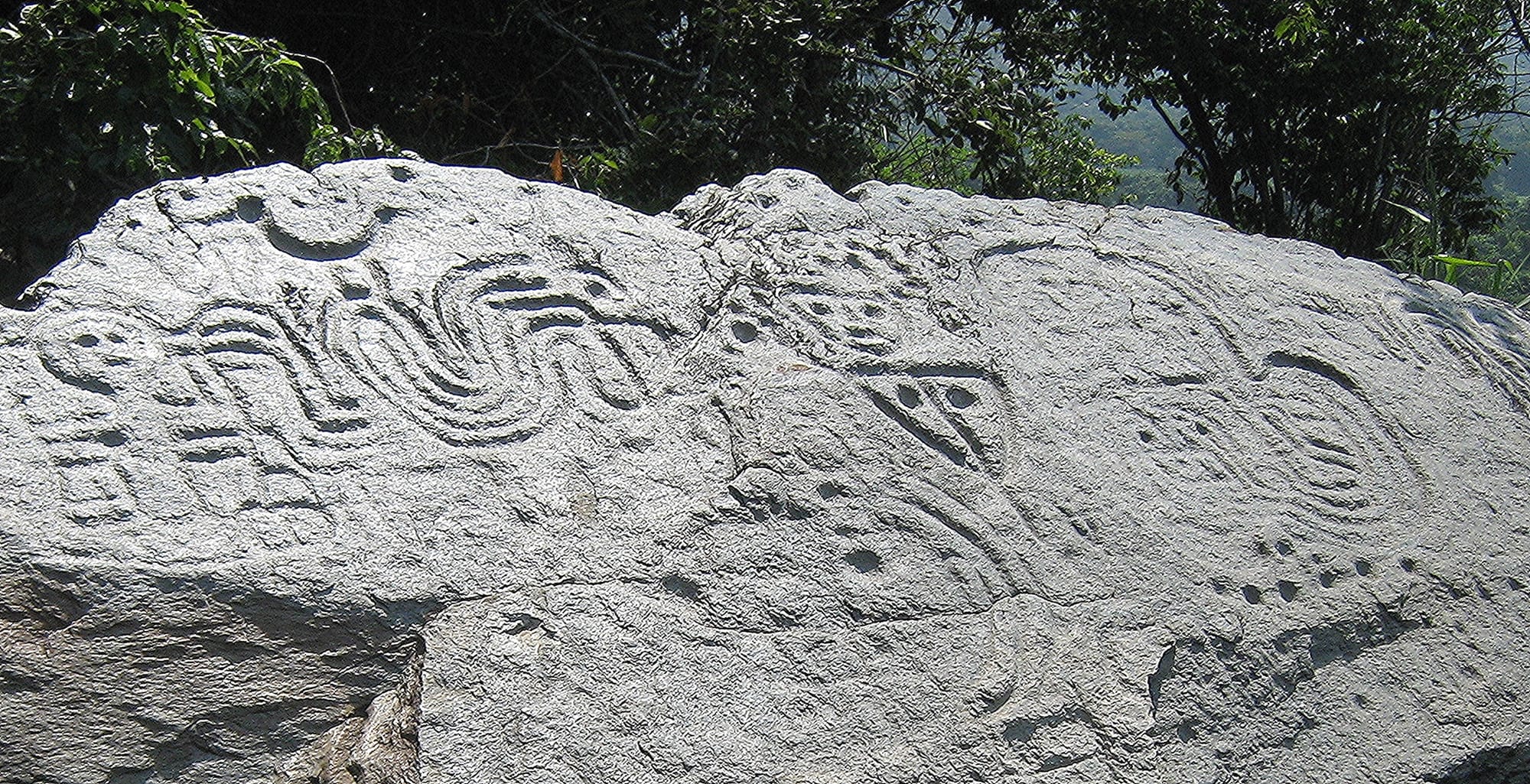
We Must Protect South American Rock Art

The article argues that South America's Northern Lowlands, despite containing abundant rock art and petroglyphs, have only one World Heritage inscription and minimal legal protections. It highlights the Piedra de los Pilones site in Venezuela and the broader Negro-Orinoco-Lake Valencia corridor, a 1,706-mile river system where Indigenous rock art has existed for millennia. The author points to a perfect storm of threats: erosion, climate change, mining, vandalism, and uncontrolled tourism, exacerbated by a lack of coordinated conservation.

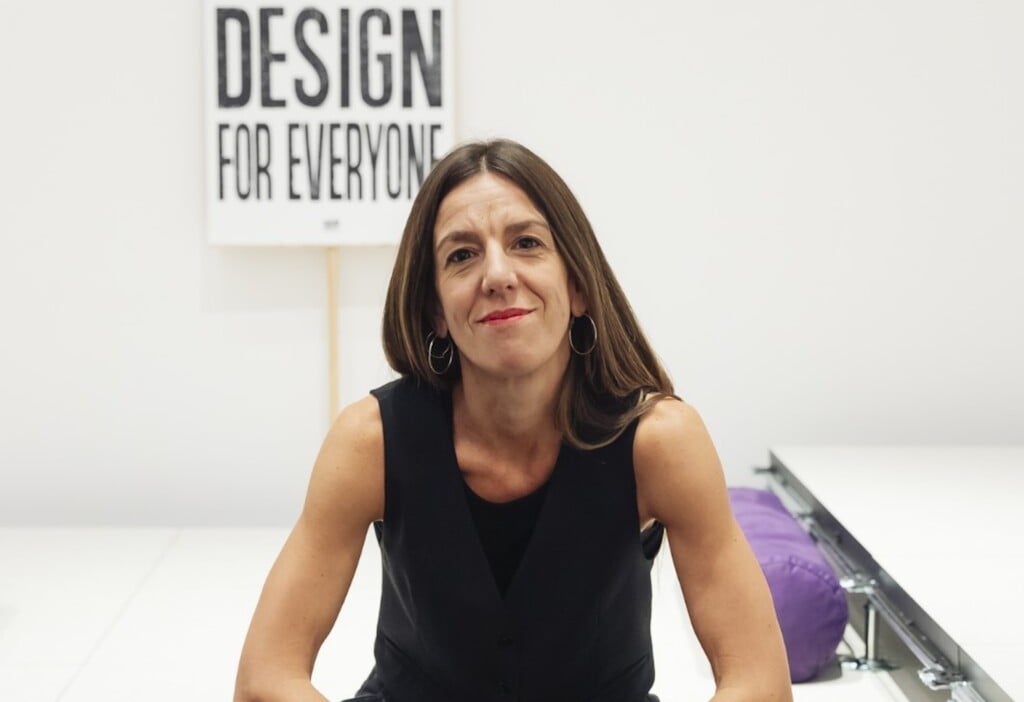
Un libro ripercorre la storia del design con uno sguardo femminista. L’autrice ce lo racconta

Chiara Alessi has published a new book titled "La sedia del sadico. Il design sul corpo delle donne" (The Sadist's Chair: Design on Women's Bodies), published by Laterza. In an interview with Artribune, Alessi explains that the book aims to challenge historically accepted paradigms in design that are often considered "natural" and "neutral." She focuses on objects that have been overlooked by designers yet reinforce social structures of exclusion and silencing, starting from the female body as a lens to examine broader issues of marginalization in design history.

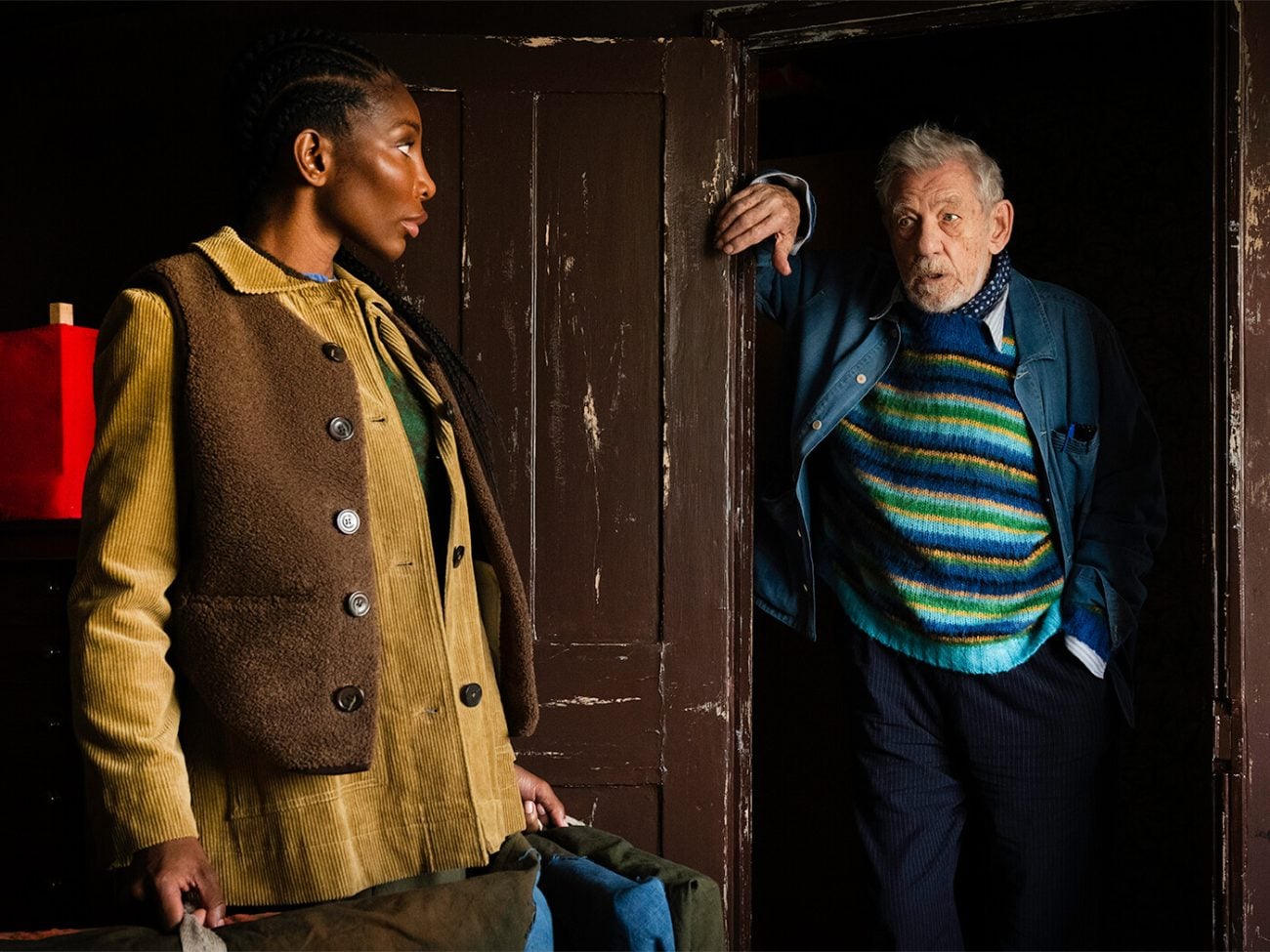
"The Christophers" in theaters: a subtle portrait of the artist and his forger by Steven Soderbergh

« The Christophers » en salles : un subtil portrait de l’artiste et de sa faussaire par Steven Soderbergh

Steven Soderbergh's new film "The Christophers" (2026) follows Julian Sklar (Ian McKellen), a former pop art star living as a reclusive, grumpy dandy. His greedy children hire a restorer and former forger (Michaela Coel) to pose as his assistant, secretly finish a series of eight unfinished paintings, and sell them for profit. The film is a tense, witty two-hander set in Sklar's cluttered home, exploring the dynamics between an aging white artist and a young Black opportunist.

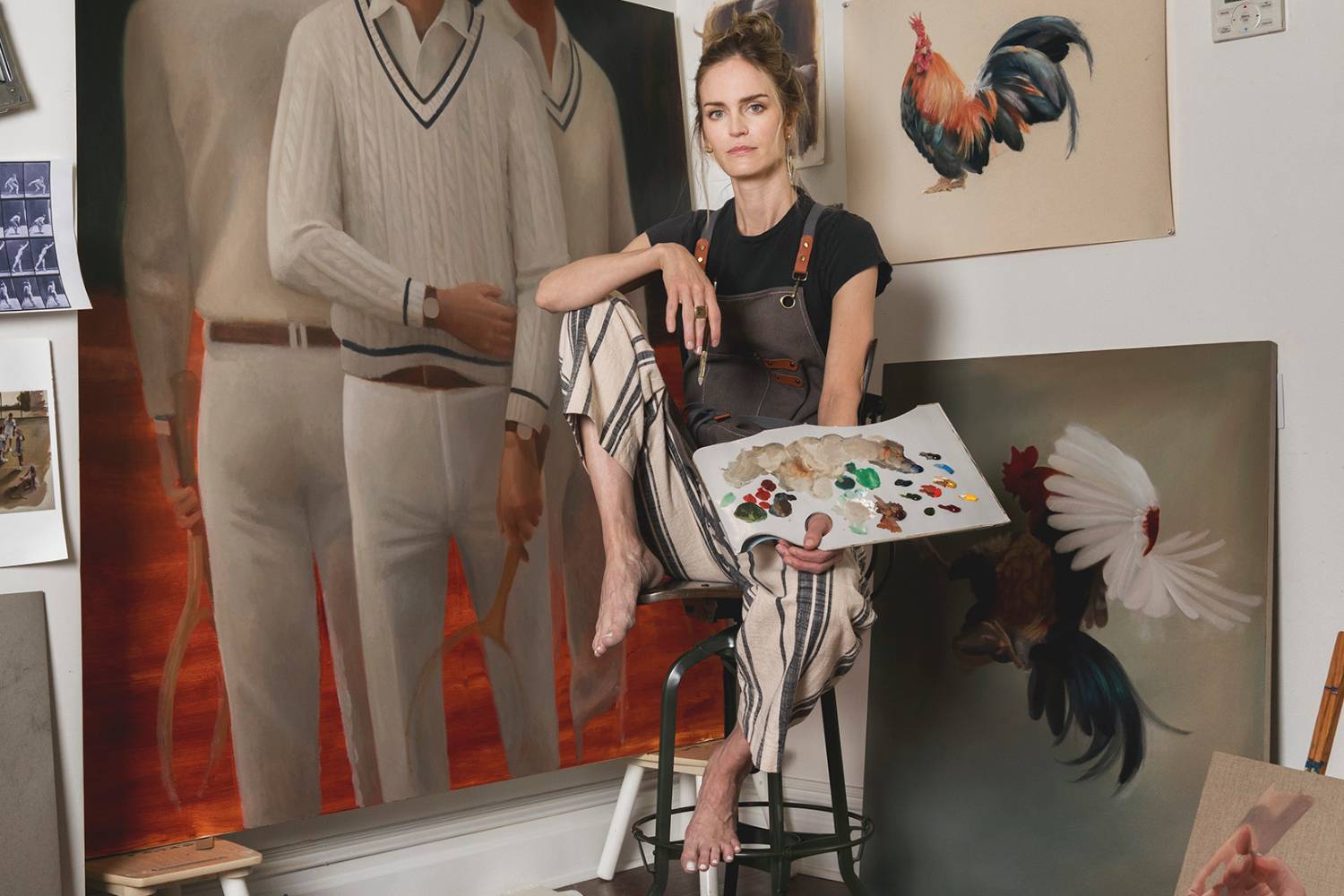
Rising Artist Holly Lowen’s Hyperrealistic Paintings Tap into Raw Competitive Instinct

Rising artist Holly Lowen creates hyperrealistic paintings that explore the raw competitive instincts of animals, specifically focusing on chickens and roosters. In her Tribeca studio, she has produced works depicting roosters in mid-flight and tumbling, drawing on the long history of cockfighting and human-animal relationships dating back to 1500 B.C.E.

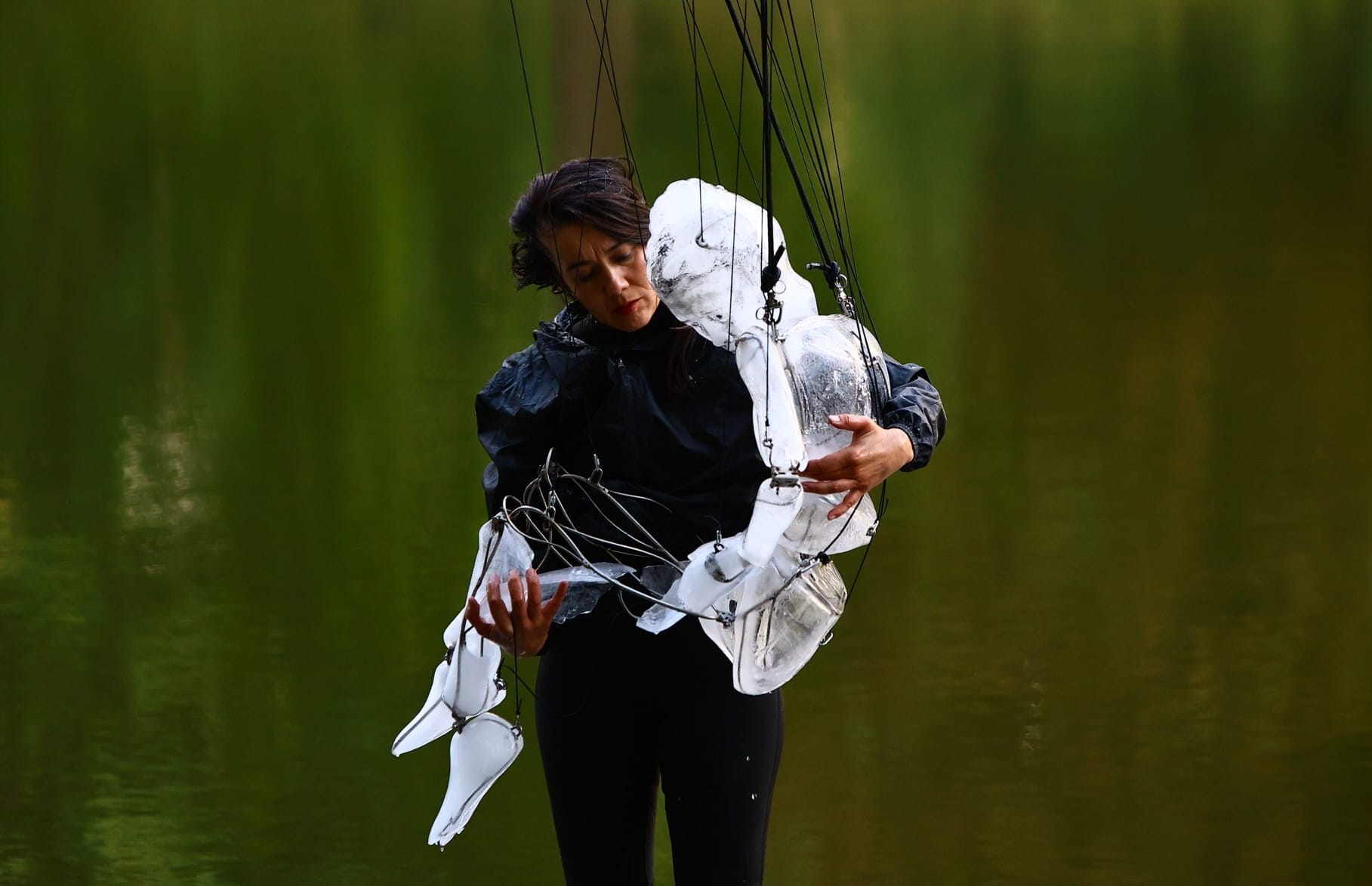
‘MIZU’ Contemplates Fragility and Impermanence in a Poignant Dance with an Ice Puppet

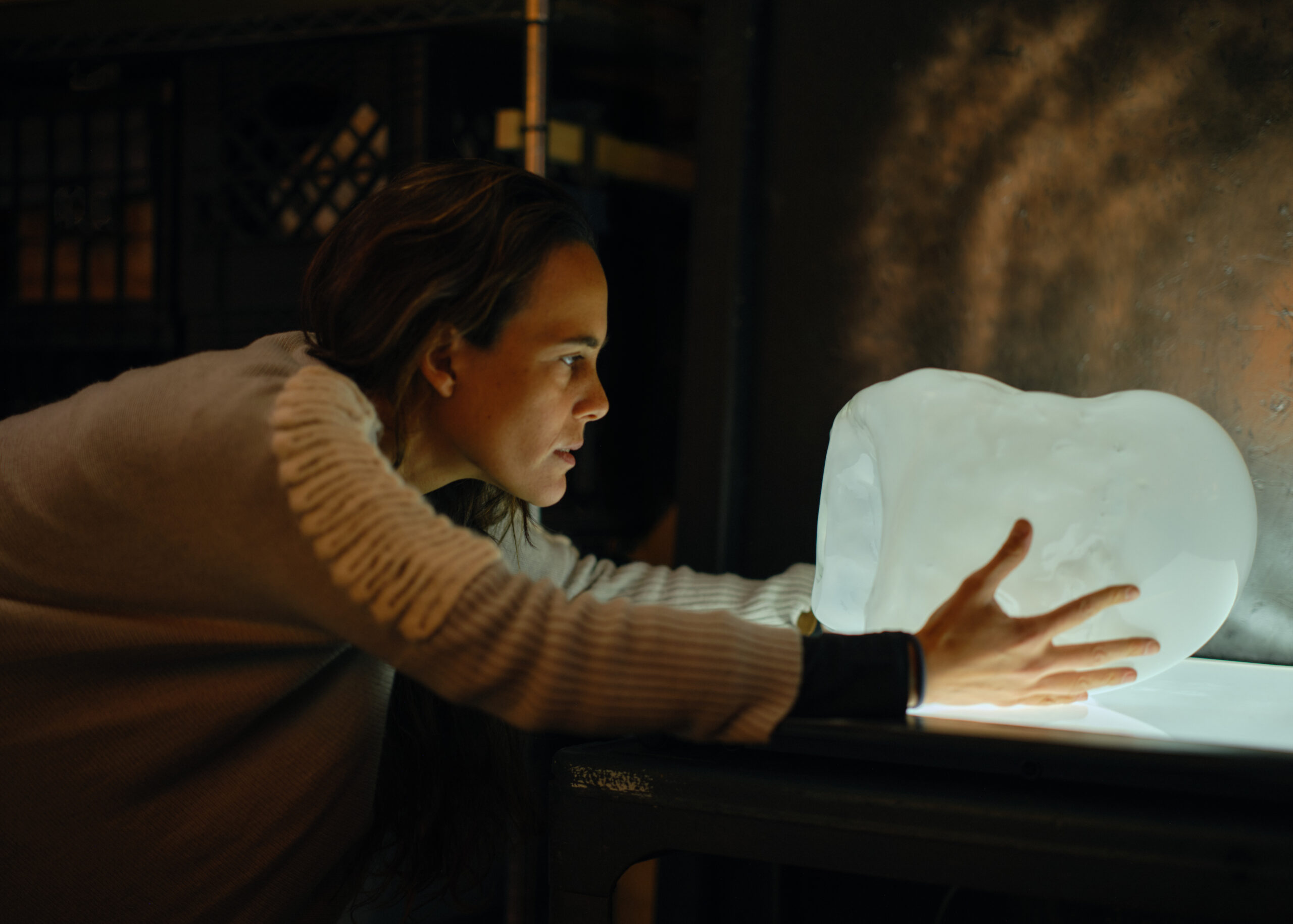
The article introduces 'MIZU,' an ephemeral performance piece created by puppeteer and director Élise Vigneron’s Théâtre de L’entrouvert and Companie Furankaï, in collaboration with choreographer and circus artist Satchie Noro. The performance features a life-sized ice puppet in the form of a woman, with whom a dancer interacts as the figure gradually melts, exploring themes of memory, time, and impermanence. The piece is set in non-traditional architectural environments and is scheduled for summer performances across Europe.

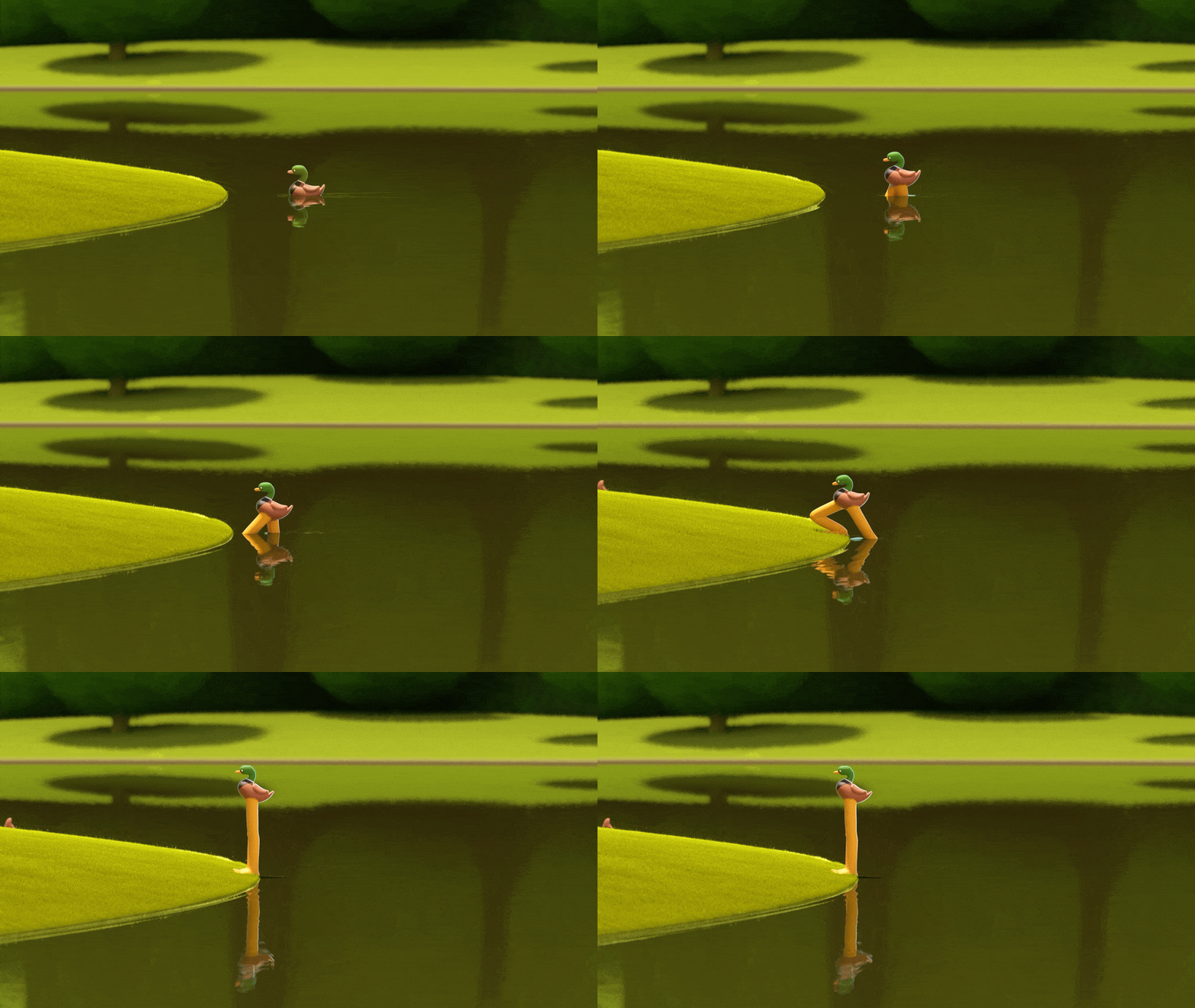
Don’t Feed the Ducks! A Zany Animation Predicts the Absurd Outcomes of Ignoring the Rules

AJ Jeffries has released a new animation titled "DUCKS," which begins as a lighthearted scene at a pond but quickly descends into a dark comedy featuring bizarre transformations and villainous birds. The short film humorously explores the absurd consequences of ignoring park rules about feeding ducks.

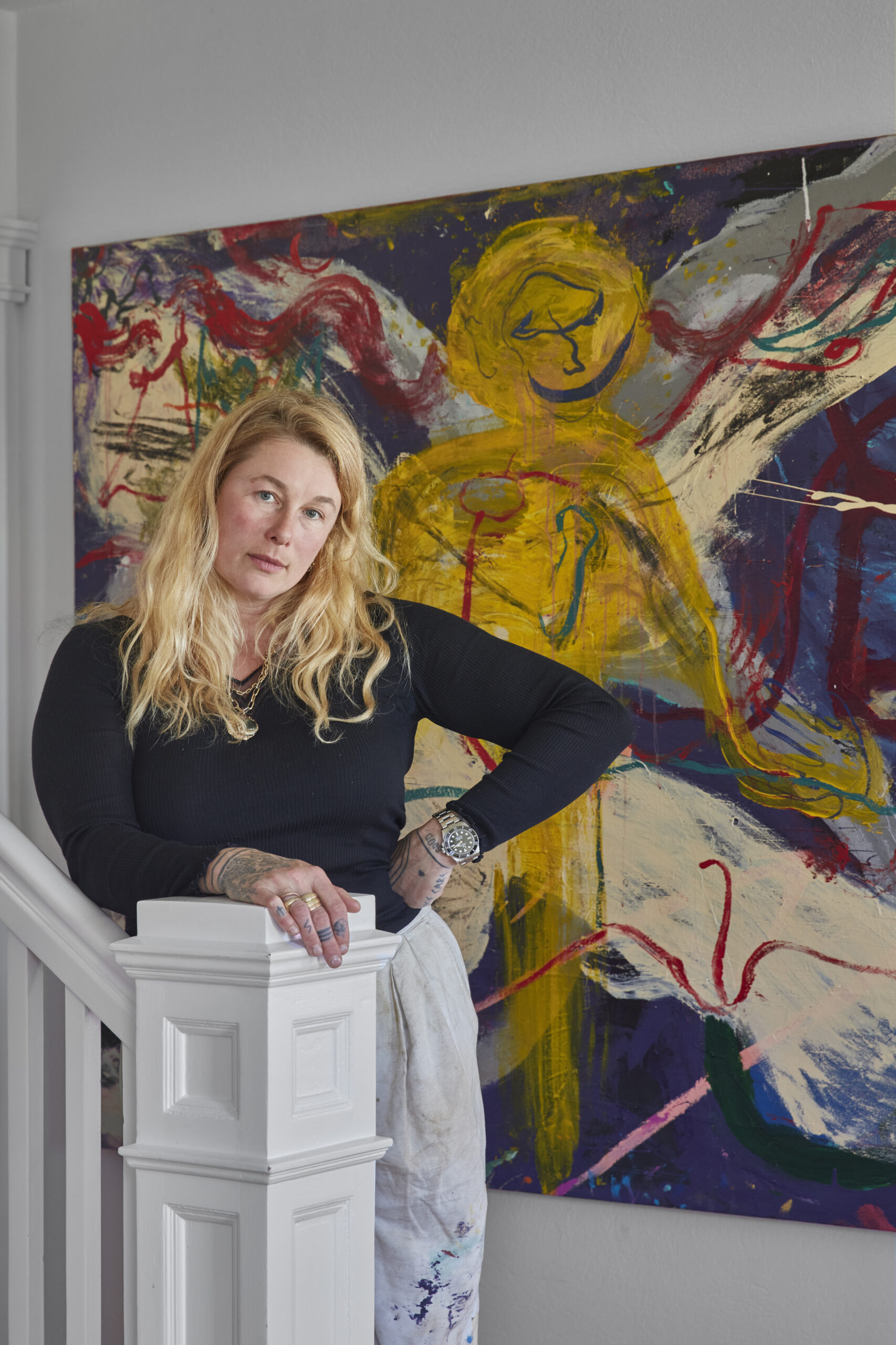
Why Suzannah Wainhouse Went From Selling Her Jewelry at Barneys to Farming in the Hamptons

Suzannah Wainhouse, a former jewelry designer whose work was carried by Barneys New York and celebrated by a cult fashion following, left her New York City studio in 2017 to become a farmer in the Hamptons. She now manages over 200 acres at Marilee’s Farmstand and Sagaponack Farm Distillery, while also painting in a home studio. This summer, her paintings are featured in a collaboration with designer Sean McNanney’s cashmere studio Saved, as part of a pop-up at Il Buco al Mare.

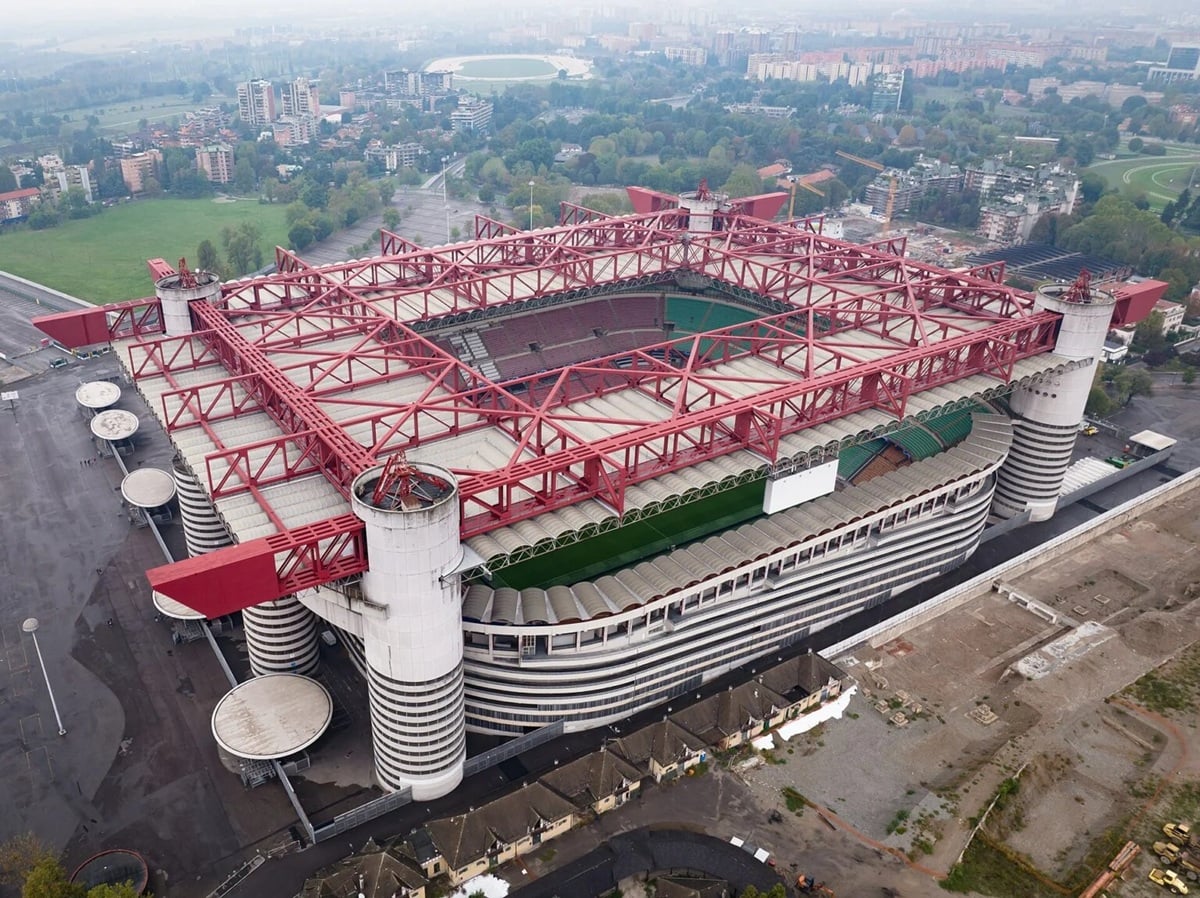
Transforming the old San Siro Stadium into a mega contemporary art museum for monumental installations. A new suggestion for Milan

Trasformare il vecchio Stadio di San Siro in un mega museo d’arte contemporanea per installazioni monumentali. Una nuova suggestione a Milano

The article discusses a proposal to transform Milan's historic Giuseppe Meazza stadium (San Siro) into a contemporary art museum for monumental installations, inspired by the Tate Modern model. The stadium, opened in 1926 and owned by the city since 1935, is set to be partially preserved after Inter and Milan acquired the site for €197 million in November 2025, with a new stadium planned for completion by 2031. The idea, advanced by critic and curator Antonio Grulli and reported by architecture blog Urbanfile, suggests converting the surviving parts of the old stadium—including its helical towers and vast interior spaces—into a museum that could host large-scale outdoor sculptures on the former pitch.

Histoire de l'art, numéro 97

This issue of *Histoire de l'art*, number 97, is a scholarly journal dedicated to exploring hierarchies and reconfigurations of artistic value across time and cultures. It features an interview with Philippe Peltier on hierarchies in Oceanic and African arts, along with studies on Greco-Roman art, 19th-century French classification struggles, medieval artist collaborations, Iranian art from 1600 to 2000, Islamic art historiography, the chief sculptor at La Granja de San Ildefonso, administrative hierarchies in Louvre collections, French views on the Dutch Golden Age, a 1908 women's retrospective exhibition, colonial museum classifications in Vietnam, the strategies of the journal *Third Text*, and the recomposition of artistic hierarchies in 1990s China. The volume also includes chronicles on instrumented art history, a book on Jacqueline Lichtenstein, the restoration of Ghiberti's *Porte du Paradis* in Lyon, women at the Académie royale de peinture et de sculpture, Catalan artists in Paris, and online varia on public clocks and Roseline Bacou.

Inside Scarlett Supple and James Thurstan Waterworth’s English Countryside Cottage

Scarlett Supple and James Thurstan Waterworth have filled their English countryside cottage with a collection of objects sourced from both local and international locations, reflecting their shared passion for collecting. The article explores how the couple has curated their family home with diverse finds that blend personal history and aesthetic appeal.

‘I’m Not Going to Let This Mean Nothing’: Kelly Akashi Reimagines the Ruins of Her Fire-Ravaged Home

Kelly Akashi, a Los Angeles-based artist, is reimagining the ruins of her fire-ravaged home as a creative catalyst rather than a loss. After a devastating wildfire destroyed her residence and studio, Akashi has begun transforming the charred remnants and debris into new sculptural works, refusing to let the disaster define her narrative in purely tragic terms.

‘Light Is the Most Important Thing for Life’: Sophia Loeb’s Visions of Luminescence

Sophia Loeb, an artist whose work centers on the transformative power of light, is the subject of a feature article that explores her luminous paintings and creative philosophy. The piece, published by Ocula, delves into Loeb's belief that light is essential to life and how she translates this conviction into her art, using vibrant colors and ethereal compositions to evoke a sense of radiance and spiritual depth.

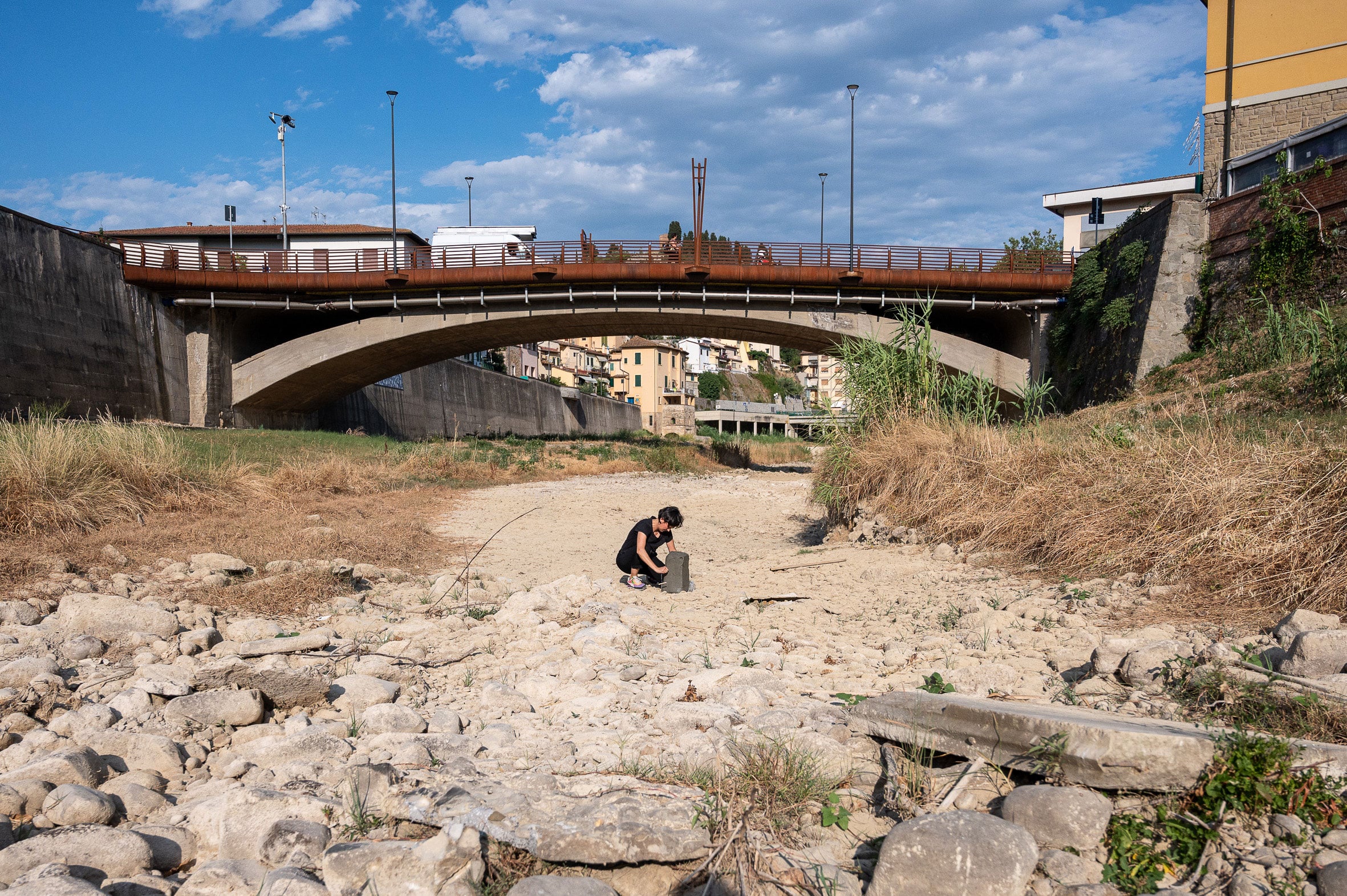
Public Art in Internal Areas: Is There a Risk of Top-Down Regeneration?

Arte pubblica nelle aree interne. C’è il rischio di una rigenerazione calata dall’alto?

The article examines the growing trend of using public art, particularly street art, to regenerate Italy's internal and peripheral areas. It highlights how terms like 'reactivation,' 'community,' and 'sustainability' have become hollow buzzwords, and warns that public art risks being co-opted from a tool of protest into a promotional gimmick for local administrations and corporations engaging in greenwashing. The piece contrasts top-down projects, often funded by public recovery plans like the PNRR, which impose artworks without community involvement, with bottom-up initiatives that genuinely engage residents.

The best museum virtual tours you can take without leaving home

The article highlights a selection of virtual tours offered by major museums worldwide, allowing users to explore collections and exhibitions from home. It features institutions such as the British Museum, the Louvre, the Guggenheim, and the Smithsonian, among others, providing links to their digital offerings.

All our art quizzes: test your knowledge with Beaux Arts!

Tous nos quiz sur l’art : testez vos connaissances avec Beaux Arts !

Beaux Arts Magazine has published a series of online quizzes inviting readers to test their knowledge of art history. The quizzes cover a wide range of topics, including art movements (Impressionism, Realism, Art Deco, Art Nouveau), female artists, iconic masterpieces, and key vocabulary. Each quiz is designed to be completed in a few minutes, with answers accompanied by explanations and anecdotes to deepen understanding.

Artist Interview: Macarena Rojas Osterling

Macarena Rojas Osterling, a Peruvian artist born in 1985, is interviewed about her return to Lima after years in the UK, where she earned an MFA from the Royal College of Art. Her work, which includes glass sculptures, collage paintings, and drawings, is currently featured in the group exhibition "Look How Brightly" at Britannia Row in London, curated by Jenn Ellis and Alex Mills. The interview explores how living near the Pacific Ocean in Lima has influenced her recent pieces, particularly the glass sculptures and collages that incorporate traces of sand, salt, and water damage.

Who the Art World Is Supporting at the FIFA World Cup 2026

Artsy asked a cross-section of artists, curators, and gallerists which teams they are supporting at the FIFA World Cup 2026, which will be co-hosted by the U.S., Canada, and Mexico starting June 11th. The article gathers responses from art-world figures about their chosen national teams, blending soccer fandom with personal and cultural ties.

A Poetic Short Film Animates the Counterproductive Forces of Incarceration

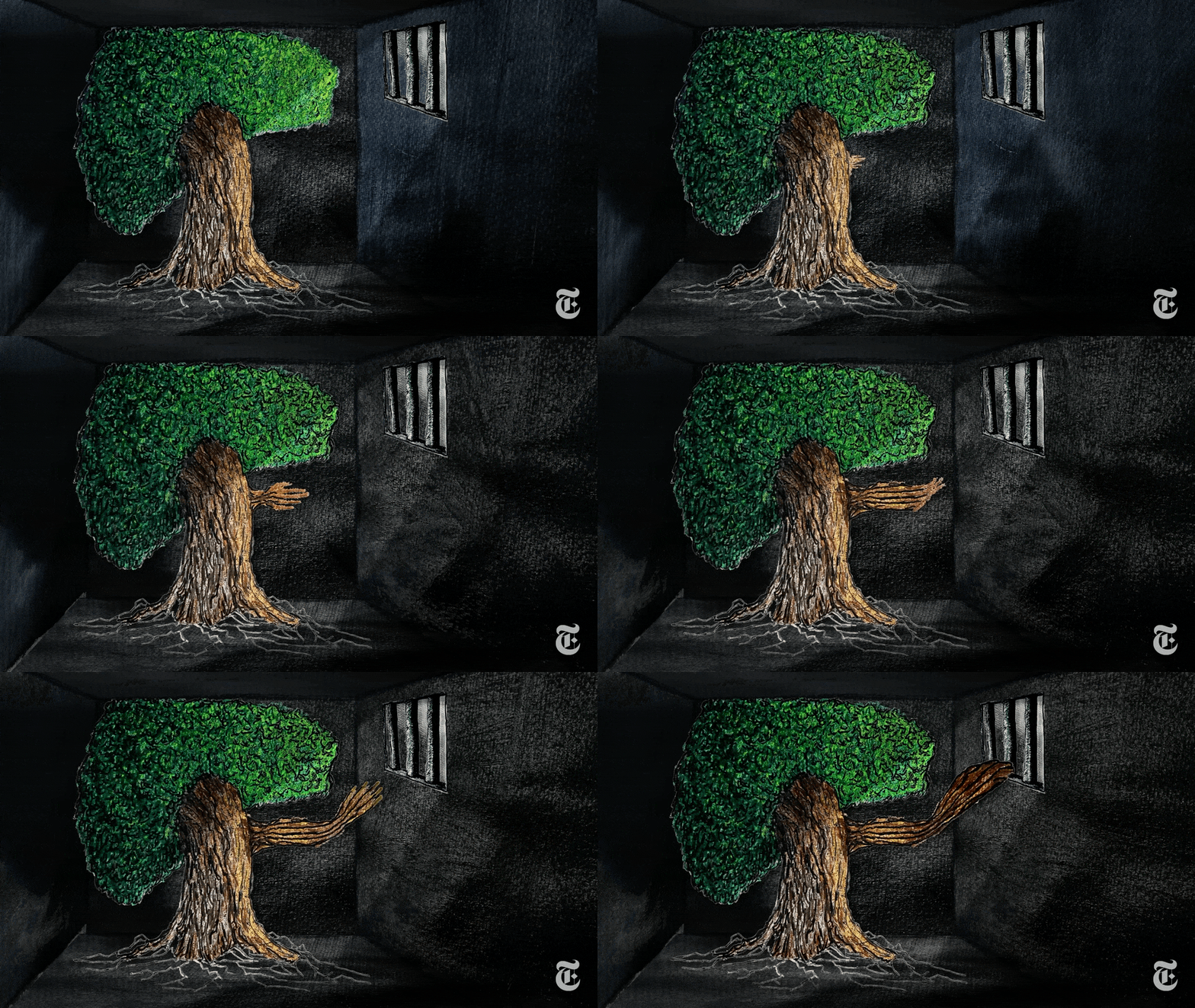
A new animated short film titled "Prison and Time," created by writer Marvin Wade and animator Evan Bode, explores the failures of the U.S. carceral system. The film, presented by The New York Times Opinion section, details Wade's experience while incarcerated and how he obtained his GED, learned conflict resolution, and discovered his love for writing despite the system's focus on punishment rather than rehabilitation. The animation uses watercolor and marker to evoke the claustrophobic conditions of prison life.

Why images of beauty matter in dark times

The article argues that images of beauty hold profound importance during periods of societal darkness and personal hardship. It explores how aesthetic experiences—whether in art, nature, or everyday life—provide not only solace but also a form of resistance, enabling individuals and communities to affirm life and maintain hope. The piece draws on philosophical and artistic references to make the case that beauty is not a frivolous escape but a vital human need.

Interview with Marco Montemaggi, pioneer in Italy of corporate museums

Intervista a Marco Montemaggi, pioniere in Italia dei musei d’impresa

Marco Montemaggi, a pioneer in Italy of corporate museums (musei d'impresa), heritage marketing, and company lands, discusses his career and vision in an interview with Artribune. He highlights two recent projects: the Museo Zordan in Valdagno, an innovative corporate museum focused on processes and sustainability rather than traditional artworks, and the Timelines project for Tecnica Group, which intertwines company history with local and global events. Montemaggi traces his work back to early influences like Adriano Olivetti and his first major assignment at Ducati, where he helped establish its corporate museum.

Asidere/Duke: Artist’s dual identities unfold on canvas

The article profiles an artist whose dual identities—Asidere and Duke—are explored through their work on canvas. It delves into how the artist navigates these two personas, using painting as a medium to express contrasting yet complementary aspects of their cultural and personal background. The piece highlights specific works and techniques that embody this duality, offering insight into the artist's creative process and the narratives behind their art.

Kim Heungsoo: Harmonism Creator and 43-Year Age Gap Romance

Kim Heungsoo, a South Korean artist and creator of the art philosophy 'Harmonism,' has become the subject of public attention due to his romantic relationship with a partner 43 years his junior. The article, published by Chosun Ilbo, highlights both his artistic identity and the personal controversy surrounding the significant age gap in his relationship.

Jpegs transformed the art market — was it for the better?

This article examines how JPEGs and digital reproduction have transformed the art market, making artworks widely accessible online but potentially altering the way audiences engage with original pieces. It explores the tension between convenience and authenticity, questioning whether the proliferation of digital images has enhanced or diminished the value of in-person viewing.

A month in Provence: Nicoletta Fiorucci’s romantic artists’ retreat

Art collector Nicoletta Fiorucci has transformed a historic property near Grasse in Provence into a romantic artists' retreat. The renovation, designed to capture the essence of the surrounding landscape, invites creatives to stay and find inspiration in nature. Fiorucci, known for her patronage, has curated the space to blend art, architecture, and the Provencal environment.