filter_list Showing 21 results for "AEO" close Clear
search
dashboard All 407 article news 166museum exhibitions 124article policy 33gavel restitution 32article culture 21article local 15person people 5rate_review review 4trending_up market 3candle obituary 3article museum 1
date_range Range Today This Week This Month All
Subscribe

labubu art history

An ancient bronze artifact at China's Luoyang Museum has gone viral for its striking resemblance to Labubu, a wildly popular collectible toy created by Hong Kong artist Kasing Lung in 2015. The artifact, an Eastern Zhou Dynasty ceremonial danglu used as horse armor, dates to the Spring and Autumn period (770–476 B.C.E.) and is on display until August. Meanwhile, some internet users have drawn comparisons between Labubu and the Mesopotamian demon Pazuzu, sparking baseless conspiracy theories and TikTok warnings from overly devout Christians.

titian top 10 works ranked

Artnet News ranks the top 10 works of Renaissance master Titian, using criteria of suggestiveness, mystery, and pop culture relevance. The list includes paintings such as "Pietà" (1575–76), "Danaë" (1544–46), "Assumption of the Virgin" (1516–18), and "The Rape of Europa" (1560–61), with commentary on their composition, history, and cultural impact.

Inside the Unlikely Bond Between Lucian Freud and Kate Moss

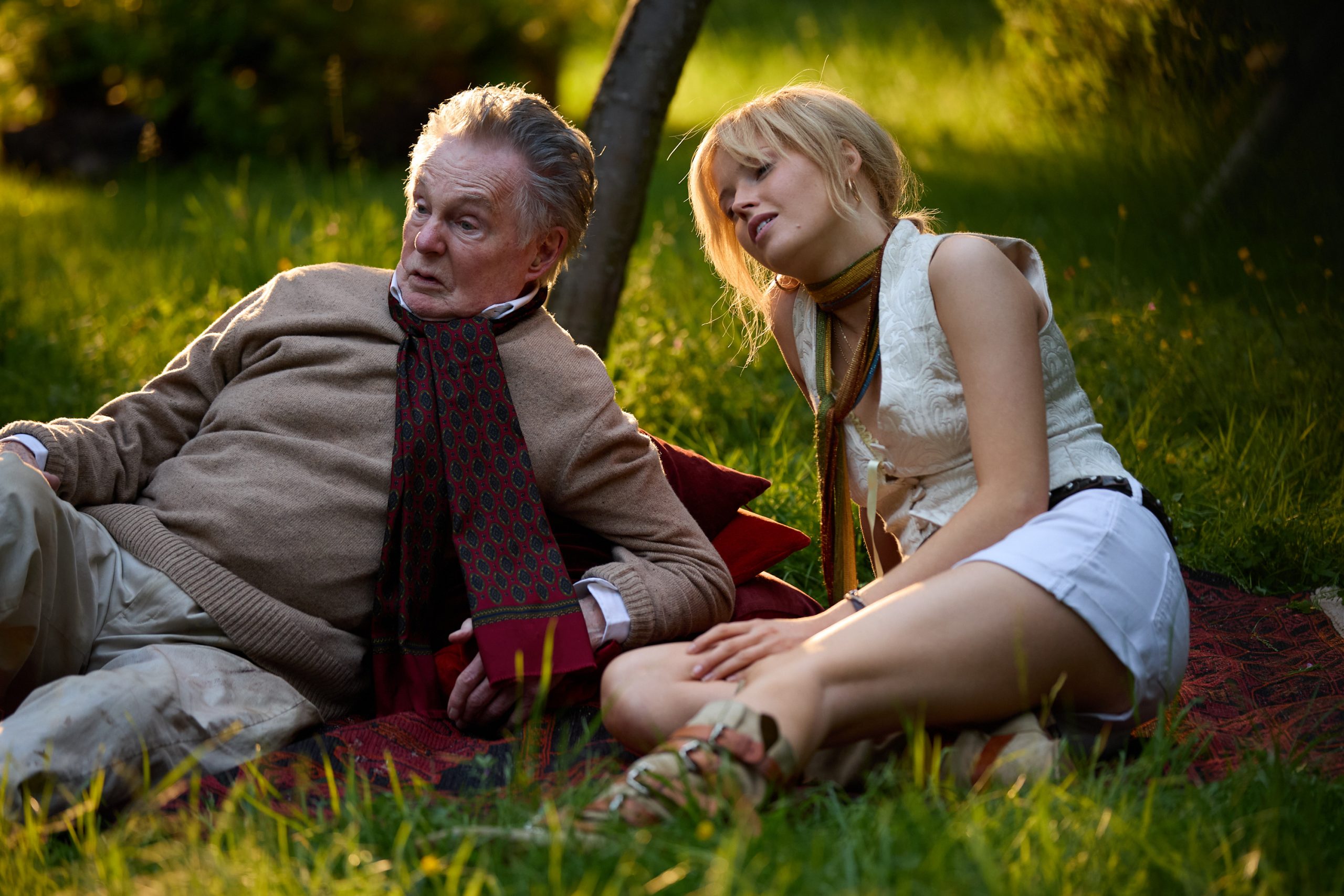
In 2002, Lucian Freud unveiled a portrait of a naked and pregnant Kate Moss, a rare celebrity subject for the artist who had turned down Princess Diana. A new film, *Moss & Freud*, dramatizes the unlikely friendship that developed between the aging painter and the supermodel during the creation of *Naked Portrait (2002)*. Directed by James Lucas, the film stars Ellie Bamber as Moss and Derek Jacobi as Freud, and explores their intense studio sessions, personal revelations, and the bond that formed despite their contrasting lifestyles.

how ancient egypt influenced modern art

The article explores how ancient Egyptian art and design have influenced modern Western aesthetics, from Empire furniture to Art Deco. It traces the phenomenon of 'Egyptomania' back to the 19th century, when European artists and archaeologists like Dominique Vivant Denon, Jean-Léon Gérôme, and Howard Carter brought Egyptian motifs and artifacts to public attention. The piece highlights three key examples: the adoption of Egyptian-inspired Empire furniture under Napoleon, the use of Nubian tribute scenes in decorative arts, and the impact of King Tutankhamun's tomb discovery on early 20th-century design.

zahi hawass the man with the hat documentary

Zahi Hawass, the 78-year-old former Egyptian minister for antiquities, is the subject of a new self-mythologizing documentary titled "The Man With the Hat." The film recounts his rise to international fame through countless TV appearances, his role in overseeing major discoveries like the 3,000-year-old "lost golden city" in Luxor, and his leadership in building the $1 billion Grand Egyptian Museum (GEM). Hawass is also shown advocating for the repatriation of artifacts such as the Nefertiti bust and the Rosetta Stone, while sidestepping controversies that have marked his career.

Dance Your Way to the Museum

Curator Naz Cuguoğlu argues in an opinion essay that museums should embrace the ethos of rave culture to become more welcoming and inclusive spaces, suggesting they can foster new forms of belonging. The article also covers several other art stories, including the discovery of pre-Hispanic rock art in Mexico that led to the rerouting of a train line, an exhibition of Genesis P-Orridge's mail art in Toronto, and artist Jean Shin's memorial project at Green-Wood Cemetery.

When archaeology was dominated by men | Letters

A reader named Elke Bachler writes a letter to The Guardian challenging a sentence in a review of Thomas Laqueur's book *The Dog's Gaze*. The review described a prehistoric scene as showing "a boy and a dog" standing together in wonder before cave art. Bachler argues there is no evidence the child was a boy, noting that archaeology has historically been dominated by men who interpreted evidence through contemporary gender roles.

Order and chaos in contemporary Israeli art

Basia Monka profiles three contemporary Israeli artists—Ariel Hacohen, Jessica Moritz, and others—who, despite diverse backgrounds and mediums, share a common drive to explore order and chaos through repetition in their work. Hacohen, a 2024 Rappaport Prize laureate, uses photography, video, and sculpture to blend archaeology, history, and memory, with current exhibitions at the Haifa Museum of Art and Tel Aviv Museum of Art. The article presents each artist's answers to three questions about inspiration, the definition of art, and what makes their work unique.

Profile of a ruler: how Sheikh Sultan shaped Sharjah’s art scene

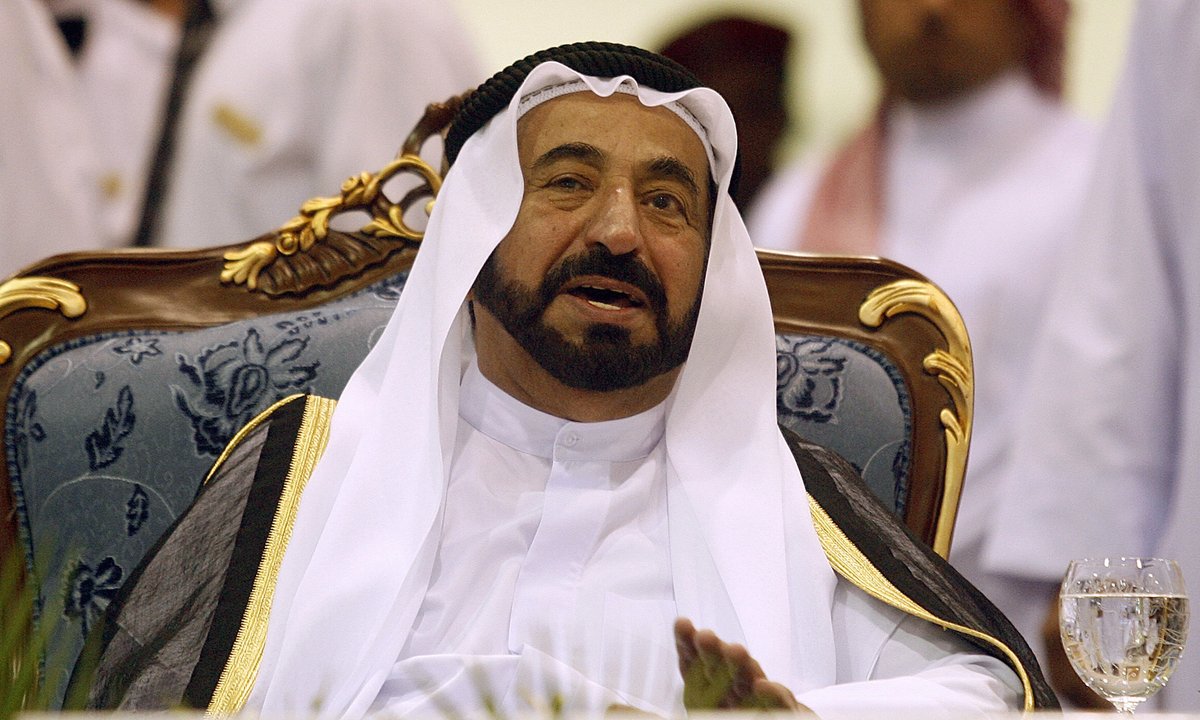
Sheikh Sultan bin Muhammad Al-Qasimi, the ruler of Sharjah since 1972, has transformed the emirate into a major cultural hub in the Gulf through sustained investment in art, education, and heritage. Under his leadership, Sharjah now boasts 23 archaeological sites, 20 museums, 10 universities, three biennials, and institutions like the Sharjah Biennial and Sharjah Art Foundation, run by his daughter Sheikha Hoor Al Qasimi. His vision prioritized arts and culture over commercial development, fostering a community-focused environment distinct from neighboring Dubai.

Extended from one volume to three, the new ‘Taste and the Antique’ expands on four centuries of interactions with sculpture

A new, expanded edition of the seminal art-historical reference work 'Taste and the Antique' has been released, growing from one volume to three. Originally published in 1981 by Francis Haskell and Nicholas Penny, the book traced the reception history of ancient Greek and Roman statues from 1500 to 1900. This updated version features full-color photography of all 95 canonical works, including multiple angles and detail shots, overcoming the original edition's criticized monochrome images. A third volume illustrates copies, prints, casts, and reproductions of the statues across media and centuries, from Renaissance drawings to modern advertisements and photographs.

May Book Bag: from a comic compendium inspired by MoMA to a turning point in the history of photography

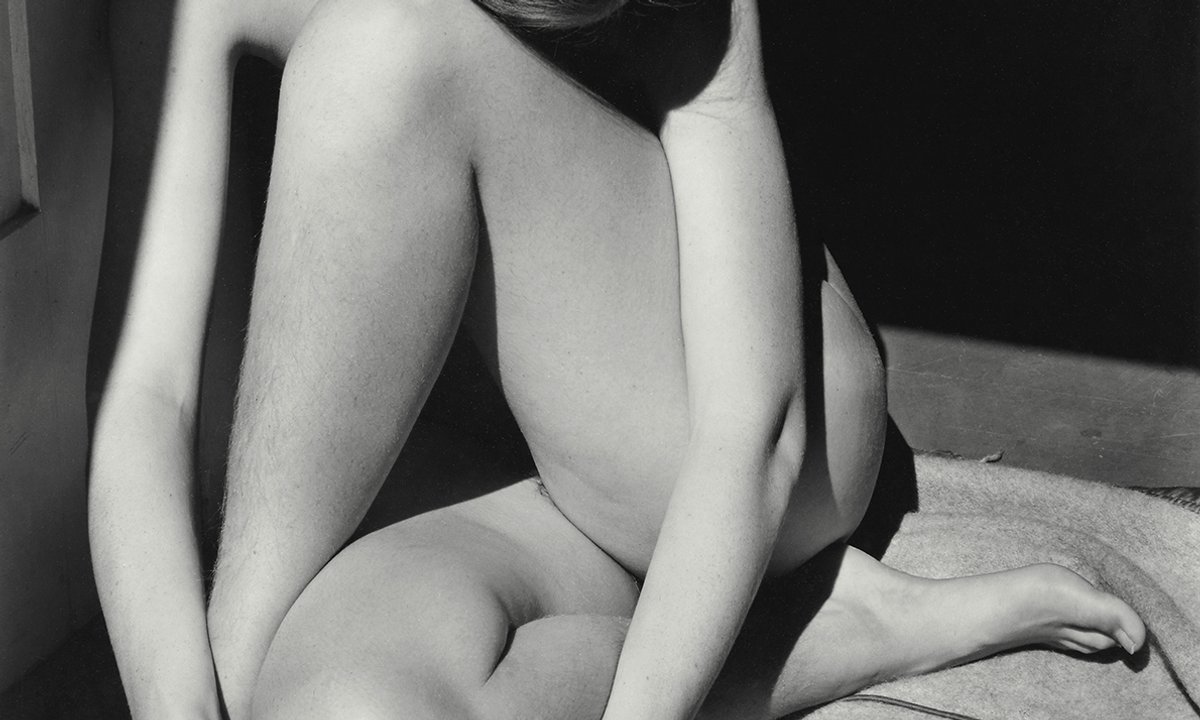
The article reviews three new art-related book releases. It highlights 'Edward Weston: The Flame of Recognition', a 60th-anniversary reissue of Aperture's first monograph, which pairs Weston's photographs with excerpts from his Daybooks and letters, marking a milestone in photography criticism. It also covers 'Drawn to MoMA: Comics Inspired By Modern Art', an anthology of 25 graphic artists exploring the intersection of comics and museum experiences, and 'The Fatal Scroll: A Herculaneum Mystery', a thriller about the antiquities trade and ancient papyrus scrolls.

huge library of ashurbanipal

The British Museum houses the Library of Ashurbanipal, a collection of approximately 30,000 cuneiform tablets from the Assyrian Empire, discovered in the 19th century. Created by King Ashurbanipal (r. 669–631 BCE), the library contains texts on astronomy, medicine, history, and literature, including the Epic of Gilgamesh. The tablets survived a fire set by invading Babylonians and Medes, which hardened them. Recent excavations in Nineveh have uncovered more tablets and a 20-foot-tall winged bull statue, while the British Museum's Ashurbanipal Library Project, now led by curator Jon Taylor, focuses on digitizing and studying medical texts.

That Time Raphael Visited Tivoli, Transforming Antiquity into Art

Quella volta che Raffaello visitò Tivoli trasformando l’antichità in arte

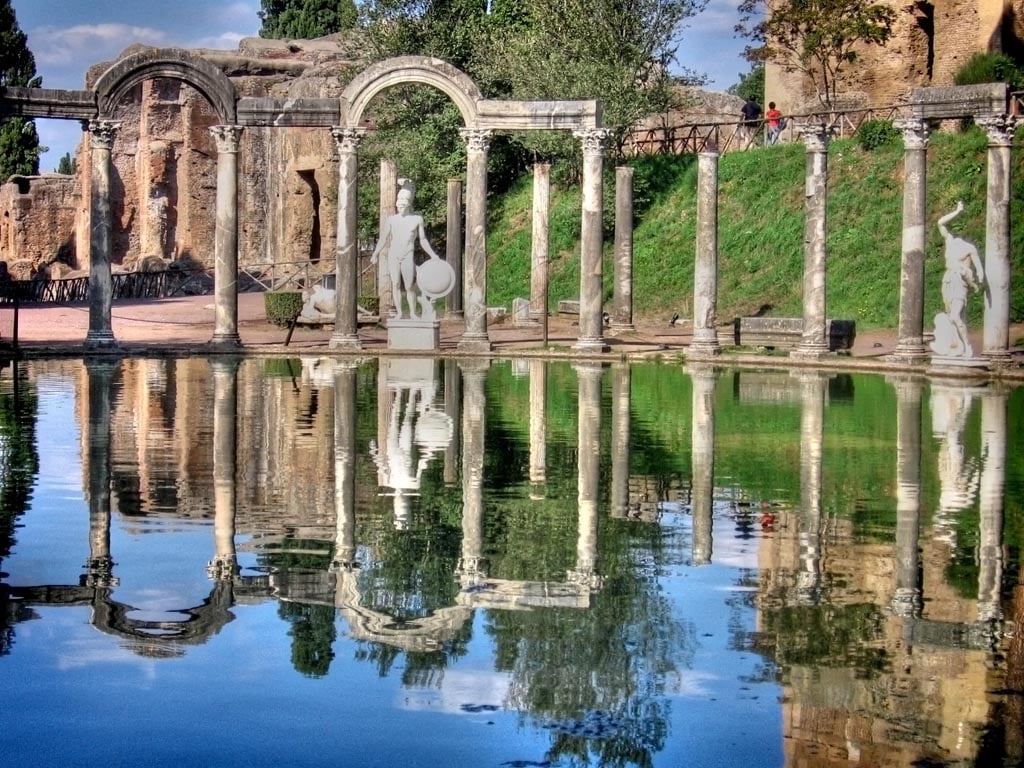
In April 1516, Raphael Sanzio embarked on a historic excursion to Tivoli alongside a prestigious circle of Renaissance intellectuals, including Baldassarre Castiglione and Pietro Bembo. This journey served as a critical field study for Raphael, who had recently been appointed as Rome's prefect of antiquities. By examining the complex ruins of Hadrian's Villa and the Sanctuary of the Sibyl, the group engaged in a sophisticated blend of archaeological investigation and humanist leisure that defined the cultural climate under Pope Leo X.

the hunt sanxingdui civilization china

The article recounts the rediscovery and ongoing excavation of the ancient Sanxingdui civilization in Sichuan, China, beginning with a peasant's accidental find of jade relics in 1929. After decades of political disruption, large-scale digs resumed in the 1980s, uncovering over 50,000 artifacts—including distinctive bronze masks with gold foil—that offer the only clues to this Bronze Age city's culture, trade networks, and mysterious collapse around the 11th century B.C.E.

parthenon dark lighting effects

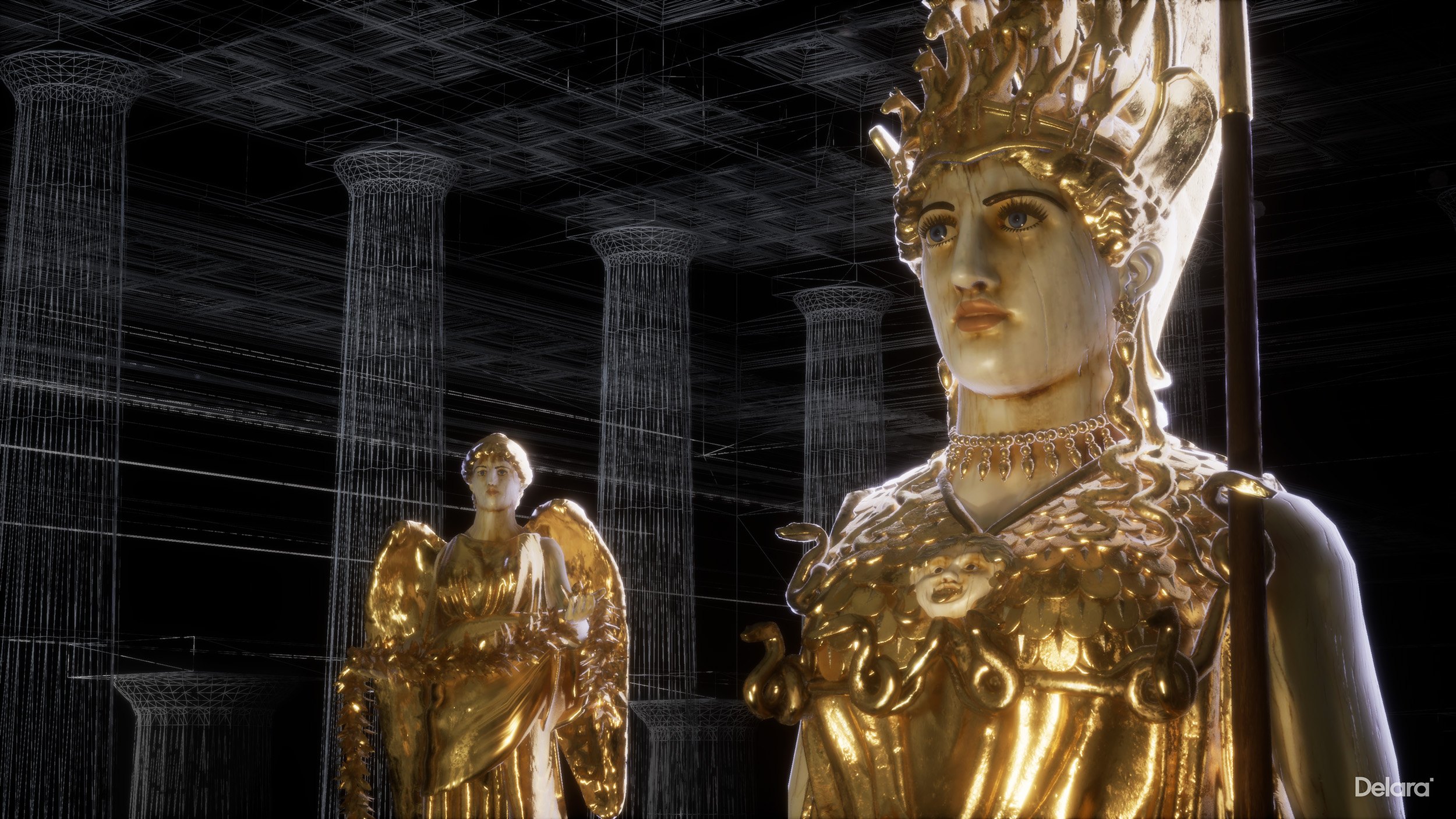
Archaeologist Juan de Lara of Oxford University has published a paper challenging the long-held belief that the Parthenon in Athens was a brightly lit, open space. Using a 3D model that simulates natural and artificial light, Lara argues the temple was actually dark and dim, with sunlight barely reaching the statue of Athena's waist and a wooden ceiling blocking any translucency from marble roof tiles. He also suggests that hand-held torches, rather than numerous lamps, were used for artificial light, and that the reflective pool in front of Athena's statue did little to illuminate the space.

huge olmec heads mesoamerica

A farmer in southern Mexico discovered the first Olmec head in the late 1850s while clearing land for corn cultivation. Since then, 17 colossal stone heads have been unearthed, primarily at the San Lorenzo Tenochtitlan archaeological site in Veracruz. Carved by the Olmec civilization between 1200 and 400 B.C.E., these basalt monuments range from 3.5 to 11.5 feet tall and weigh up to 45 tons. Each head features unique facial expressions and is thought to depict individual Olmec rulers, possibly serving as funerary monuments. The heads are now held by institutions such as the National Museum of Anthropology in Mexico City and the Xalapa Museum of Anthropology.

parties culture sam chermayeff stella roos wedding

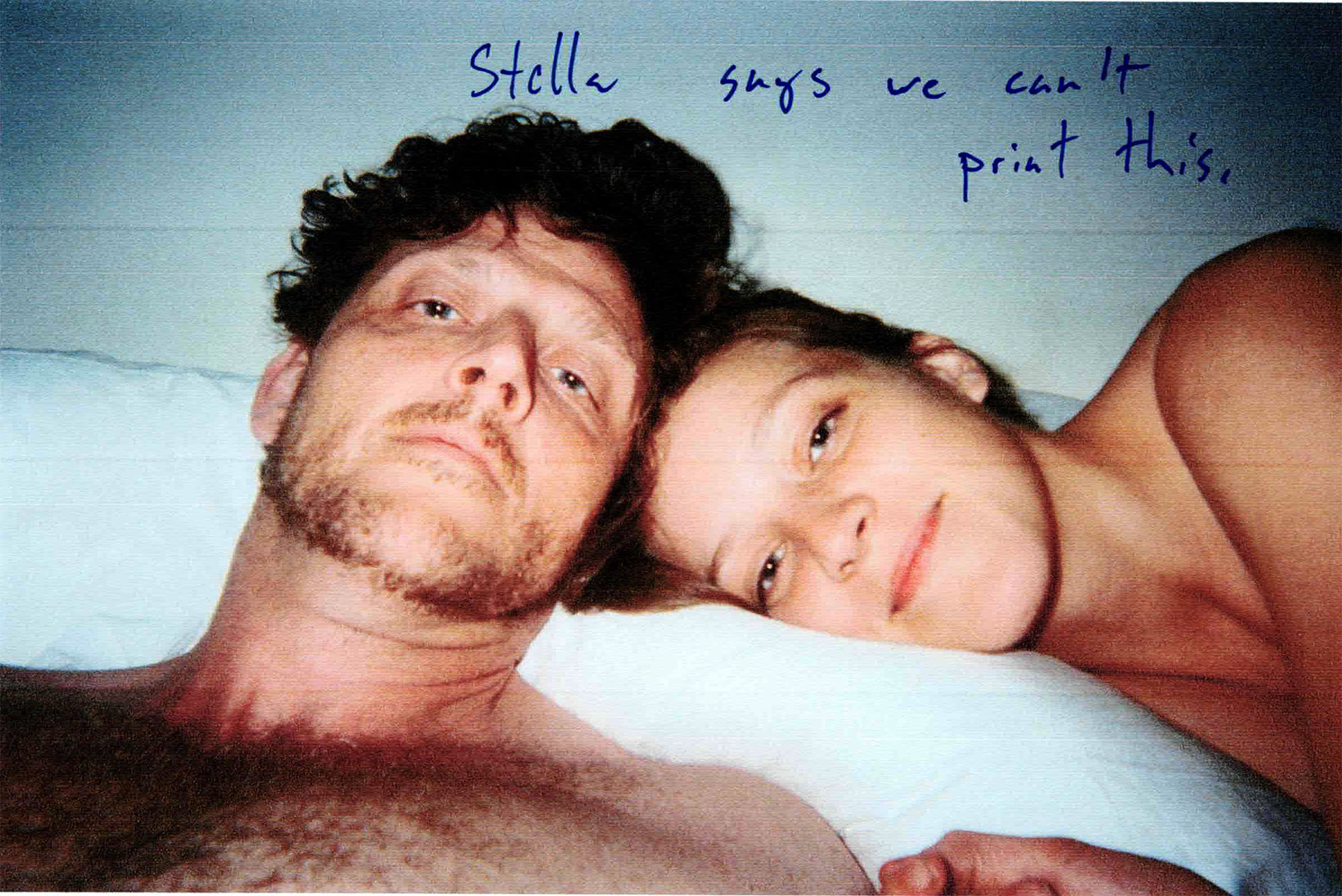
Sam Chermayeff and Stella Roos are planning a day-long wedding party for 250 people in an abandoned Fascist-era villa in Rome, originally built as Olivetti offices. The couple, who live in Berlin but have no family there, decided on Rome for its festive appeal. They initially considered joining the Catholic Church to secure a venue but ultimately arranged to hold their ceremony in a ruined church on the Appia Antica, with artist Tacita Dean asked to officiate. The party venue, inherited by a friend of a friend, sits near the Baths of Caracalla and features overgrown gardens and dusty rooms. Invitations were designed by their friend Leo of Something Fantastic, and the couple's mood board includes whimsical details like an ice sculpture, tiny potatoes, and a flower chain.

Who Created the Book of Kells? A Master Craftsman Takes on the Mystery

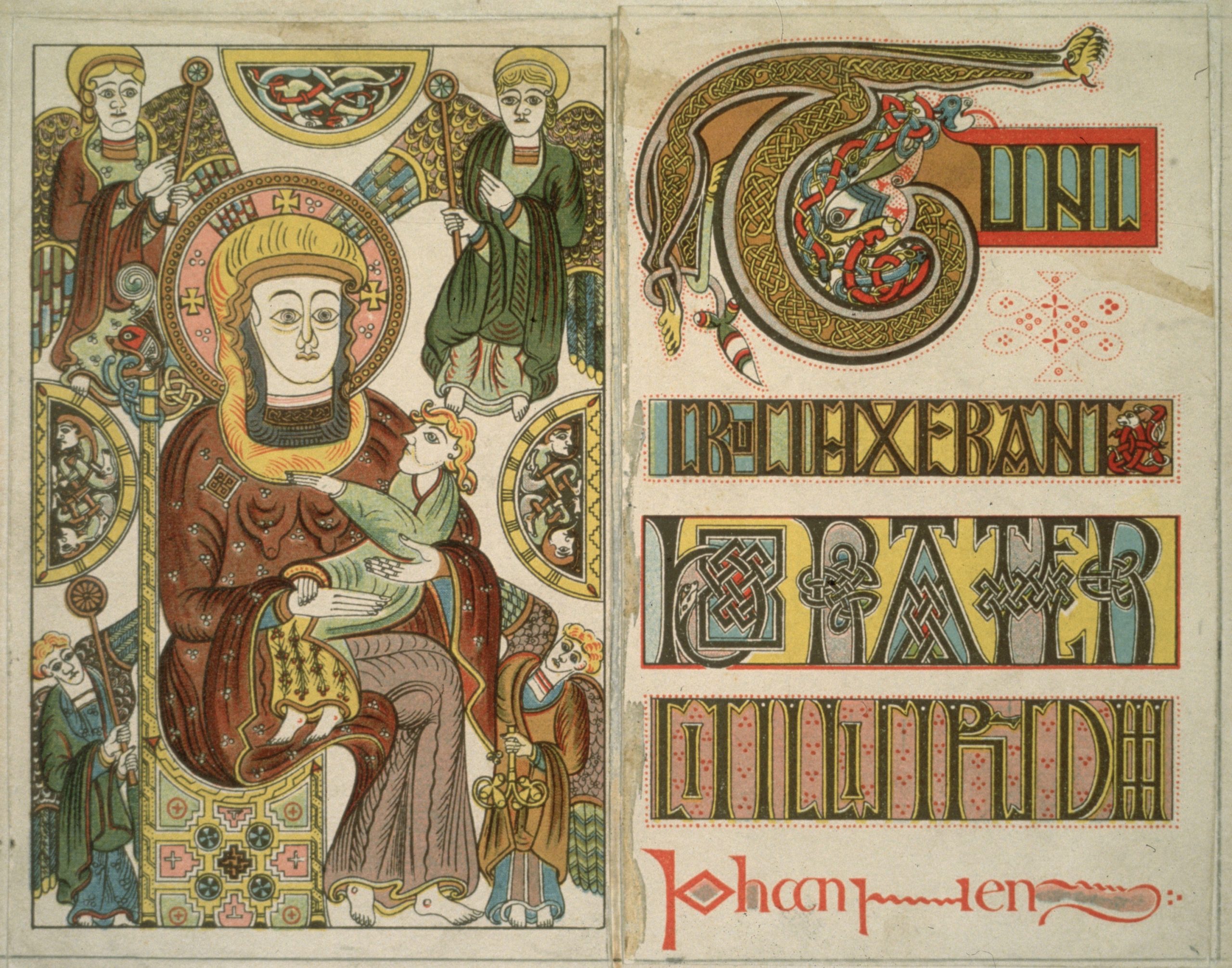
A new project led by master craftsman Thomas Keyes aims to recreate medieval vellum-making techniques to test theories about the origin of the Book of Kells. Keyes will build a replica of a washing tank found at the Scottish monastery of Portmahomack and use historically accurate methods, including potentially using seaweed-based lye, to produce vellum. This experimental archaeology seeks to determine if the manuscript's unique physical characteristics match the production methods used at Portmahomack.

Comment | Climate change is forcing tough choices—how much heritage can we save before it is too late?

Climate change is accelerating the degradation of archaeological sites worldwide, forcing archaeologists to make urgent, difficult choices about what to save. From thawing permafrost in the Canadian Arctic threatening Inuit heritage to landslides endangering ancient Buddhist temples in Nepal, researchers are now deploying innovative technologies like ground-penetrating radar, 3D scanning, and even cosmic-ray muon detectors to digitally document and monitor at-risk sites before they are lost.

Beyond Weapons: Social Strength as True Defense in the Persian Gulf

Oltre le armi. La forza sociale come vera difesa nel Golfo Persico

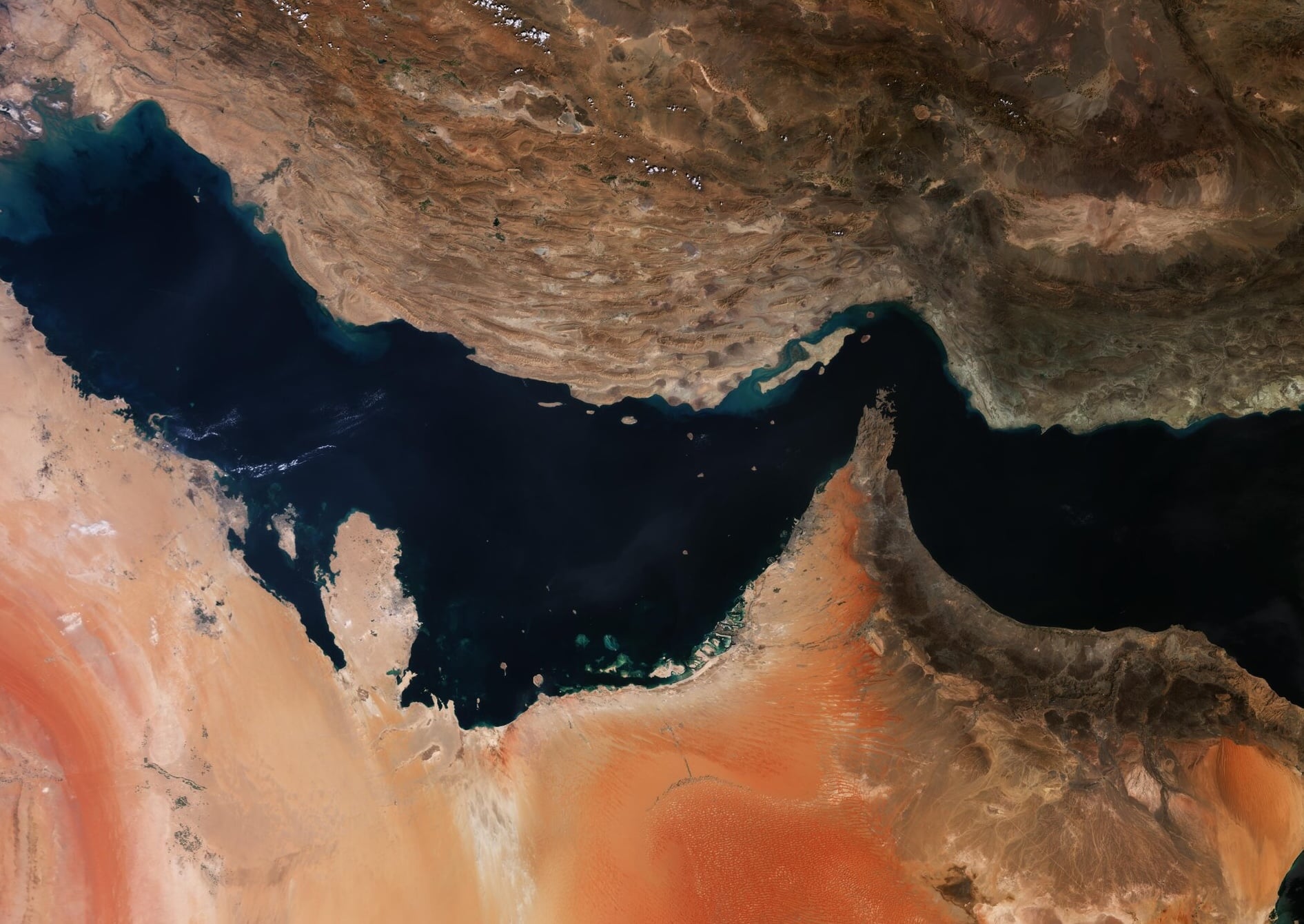
Journalist and observer perspectives highlight that Iran’s geopolitical resilience against international military pressure stems from its vibrant middle class and deep-rooted historical identity rather than just its arsenal. Observations from travels across Iranian cities like Tehran, Shiraz, and Isfahan reveal a society deeply engaged with its own culture, frequenting museums, cafes, and archaeological sites despite political isolation and a lack of foreign tourism.

“La preistoria non è stata solo violenza, ma anche cura”. Intervista all’archeologa femminista Marga Sánchez Romero

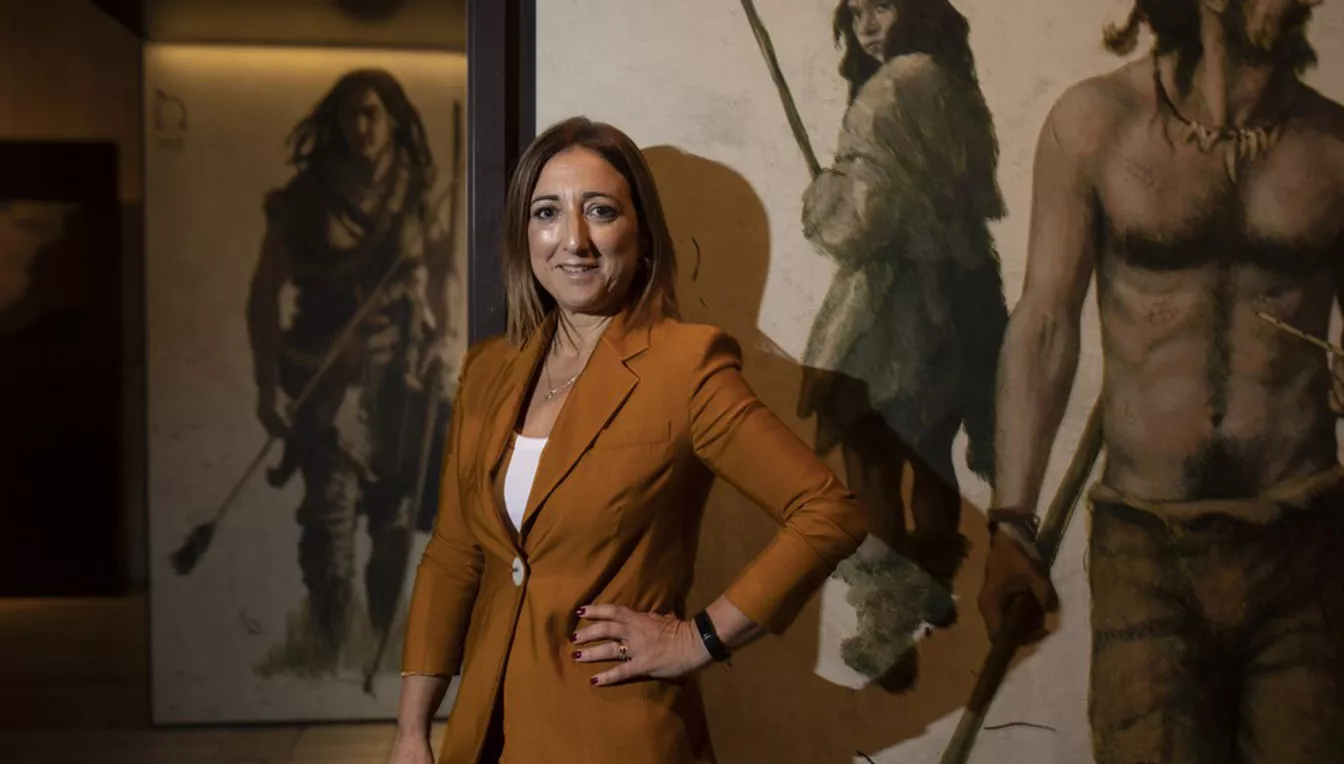
Marga Sánchez Romero, a professor of Prehistory at the University of Granada and a leading voice in feminist archaeology in Spain, argues in an interview that prehistory has been misrepresented as a sequence of violence and hierarchies. She emphasizes that new questions are reshaping our understanding of the past, highlighting that care, cooperation, and solidarity were as crucial as conflict in human evolution. The conversation covers biases in archaeological interpretation, the famous Viking tomb of Birka, the origins of inequality, and the role of museums in creating more inclusive narratives.