filter_list Showing 68 results for "AEO" close Clear
dashboard All 68 article news 37museum exhibitions 19article policy 4gavel restitution 3article culture 3trending_up market 1person people 1
date_range Range Today This Week This Month All
Subscribe

With her monumental frescoes and trompe-l'œil, Lucy McKenzie offers a "critical archaeology" of modernity

Avec ses fresques monumentales et ses trompe-l’œil, Lucy McKenzie offre une “archéologie critique” de la modernité

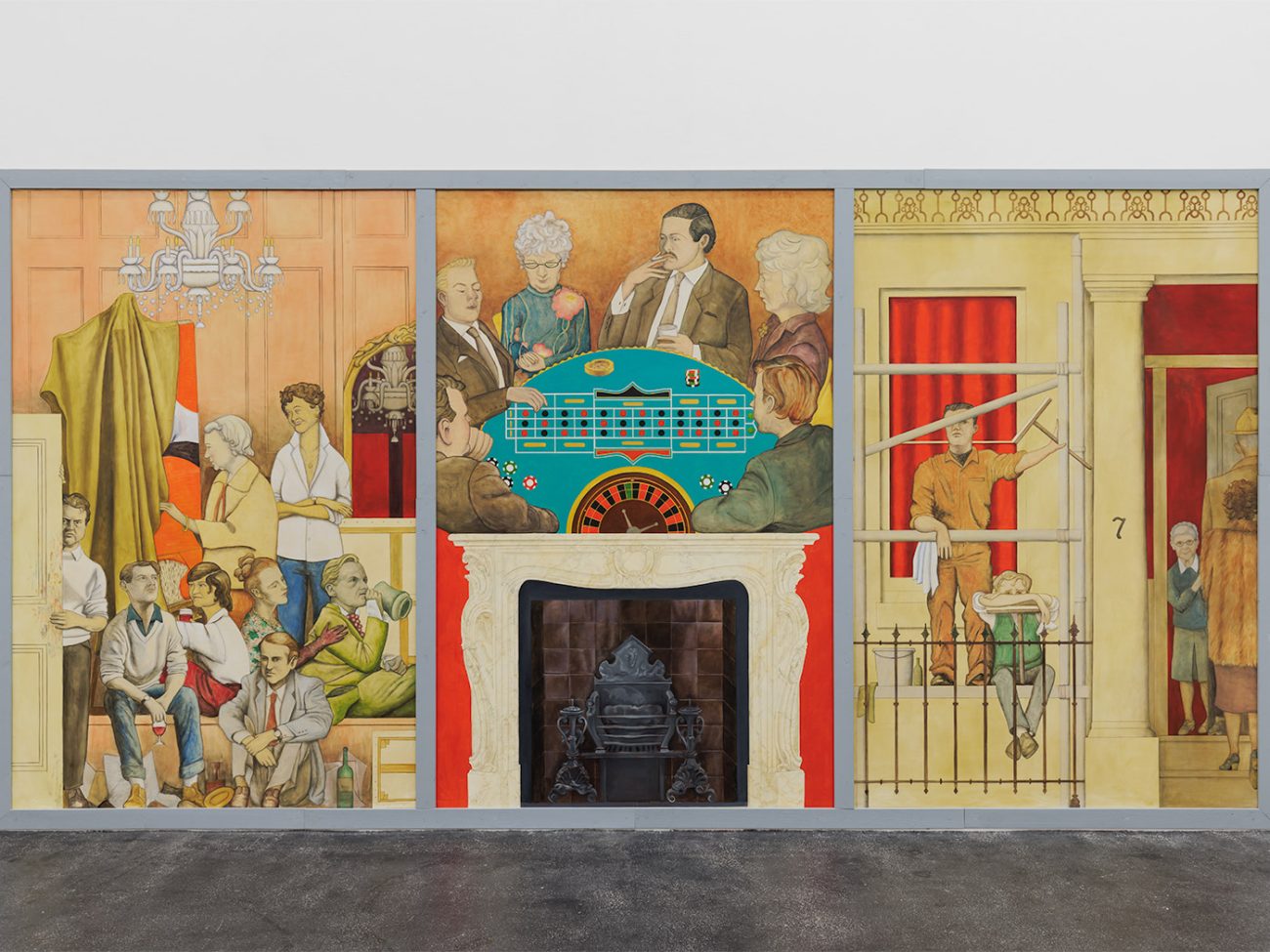
Scottish artist Lucy McKenzie has opened a major solo exhibition titled "Plastic Newspaper" at the Crac Occitanie in Sète, France. This is her first large-scale personal exhibition in the country. The show features monumental frescoes, trompe-l'œil, and immersive installations, including a full-scale fake sports shop facade created with her fashion label Atelier E.B. It represents the third stage of a cycle exploring the origins of mass media, examining 19th-century entertainment devices like panoramas and dioramas.


François-Xavier Gbré Uses His Photography to Fill in History’s Gaps

Artist François-Xavier Gbré's photographic series "Radio Ballast" made its US debut in a duo exhibition at the International Center of Photography in late January. The work documents the century-old railroad system in Côte d'Ivoire, built by French colonizers, exploring the country's colonial history, independence, and modernization through landscapes, train stations, and the communities shaped by the railway.

How a Hopi Potter Named Nampeyo Became a 19th-Century Art Star

The Hopi-Tewa artist Nampeyo (1859–1942) is being celebrated as a foundational figure in modern ceramics for her role in the Sikyátki Revival. By studying ancestral pottery shards from archaeological excavations, Nampeyo revitalized centuries-old techniques and motifs, transforming Pueblo pottery into a globally recognized art form. Her career spanned from selling works at regional trading posts to becoming a celebrated figure who demonstrated her craft at the Grand Canyon and exhibited at major fairs in Chicago.

Large Roman Villa Uncovered in the U.K. During Wind Farm Survey

Archaeologists conducting surveys for an offshore wind farm project in Norfolk, England, have discovered a significant Roman villa dating back to the 1st through 3rd centuries C.E. The expansive estate, which measures over 100 feet in length, featured a bathhouse, a covered porch, and ancillary buildings for crop processing. Excavations also yielded high-status artifacts including an ornate bronze door handle, a lion-headed furniture foot, and imported pottery, alongside evidence of a Roman road and two lost medieval villages.

What to See This Spring at Museums Across the U.S.

Major museums across the United States are preparing to launch a diverse array of exhibitions for the spring season. Highlights include a comprehensive Marcel Duchamp retrospective at the Museum of Modern Art in New York, an exploration of Etruscan civilization at the de Young Museum in San Francisco, and a major fashion-focused exhibition at the Phoenix Art Museum.

The Beautiful Renaissance of the [mac] in Marseille

La belle renaissance du [mac] à Marseille

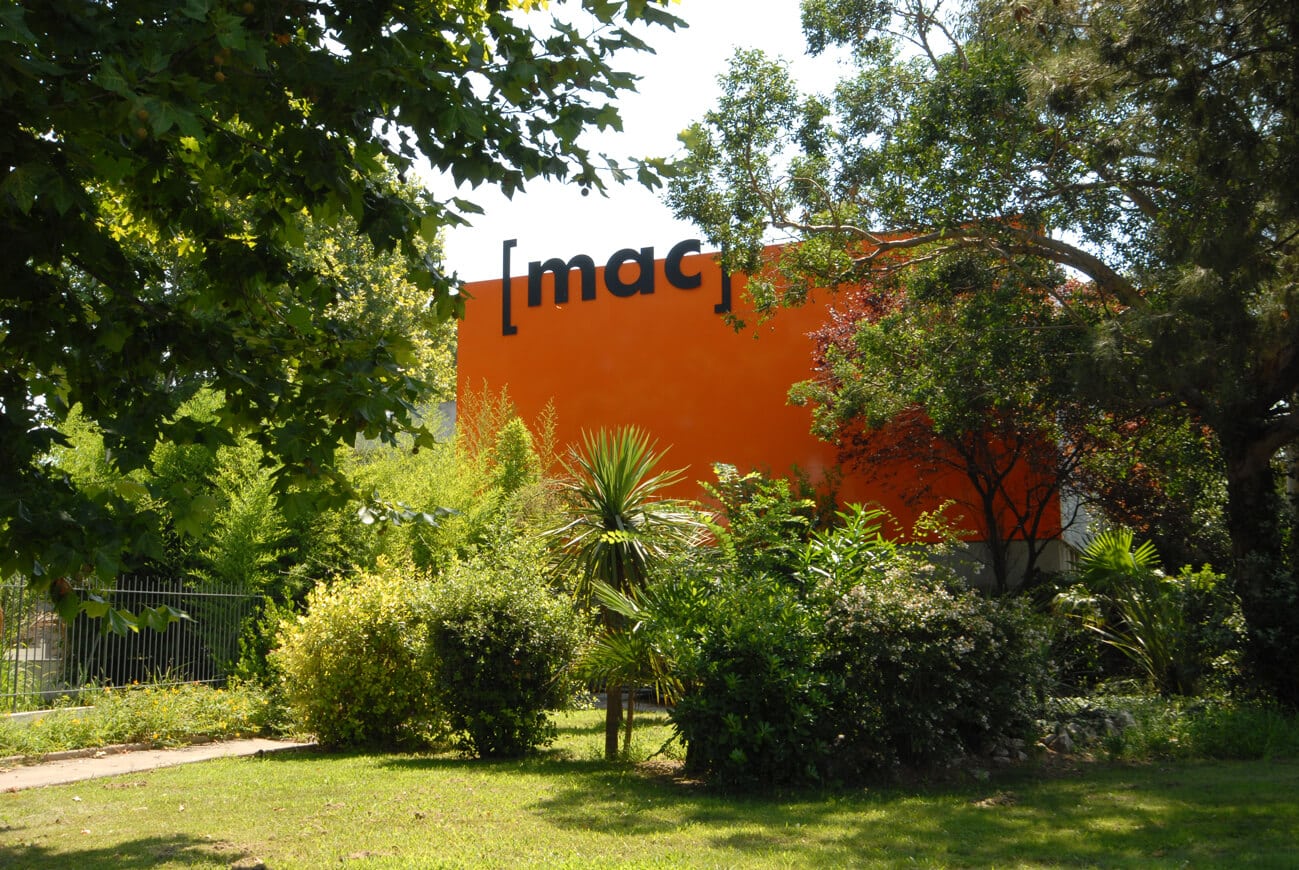
The [mac] (Musée d’Art Contemporain) in Marseille is undergoing a significant revival following years of stagnation and underfunding. Under the new leadership of Stéphanie Airaud, who was appointed in 2023, the museum has completed major renovations including updated storage facilities, a new rooftop terrace, and a reorganized gallery layout. The institution is leveraging its impressive but previously underutilized collection of over 1,000 works—featuring masters like Basquiat, Klein, and Saint Phalle—while actively working to correct historical gender imbalances and strengthen ties to Mediterranean contemporary art.

THE IMMA SHOWCASES THE DEEP REFLECTION OF CECILIA VICUNA

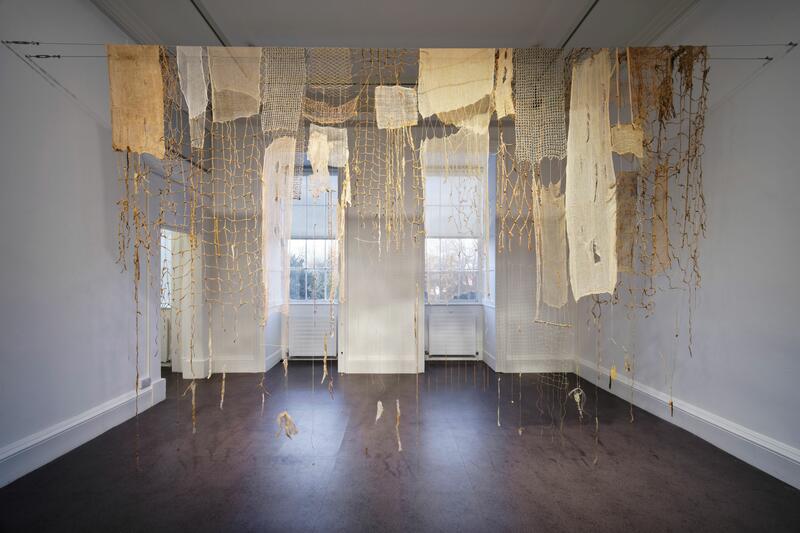
The Irish Museum of Modern Art (IMMA) is presenting "Reverse Migration, a Poetic Journey," the first solo exhibition in Ireland by Chilean artist Cecilia Vicuña. The show features a diverse range of works including her signature 'precarios' and 'quipus'—ancient Andean-inspired textile structures—alongside early paintings and sound installations. Central to the exhibition is Vicuña’s personal connection to Ireland, explored through a 2006 pilgrimage to archaeological sites and new collaborations with local artisans using Irish wool.

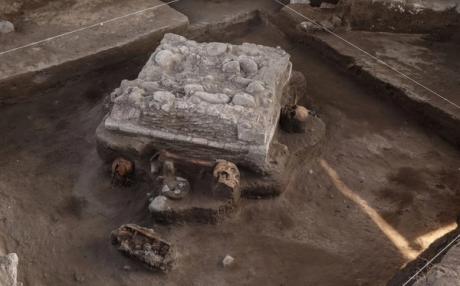
Prehistoric Stone Altar with Human Remains Discovered in Central Mexico

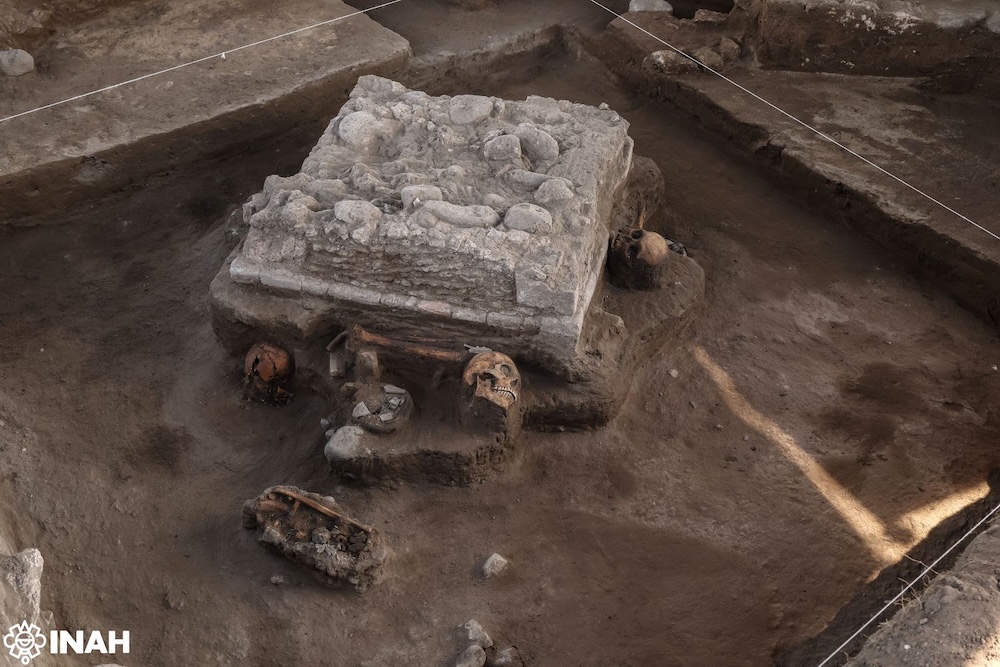
Archaeologists conducting salvage work for a new passenger train line between Querétaro and Mexico City have unearthed a 1,000-year-old Toltec stone altar. Located within the Tula Archaeological Monument Zone in Hidalgo, the three-level structure was found alongside four human skulls, long bones, a black ceramic bowl, and obsidian blades. Preliminary assessments by the National Institute of Anthropology and History (INAH) suggest the remains belong to individuals offered as ritual sacrifices.

France’s new restitution law passes final vote

The French parliament has officially passed framework legislation establishing a legal pathway for the restitution of cultural artifacts looted from former colonies. This landmark law, inspired by a report from former Louvre director Jean-Luc Martinez, allows for the deaccession of items taken by force or under duress between 1815 and 1972. While the law fulfills a 2017 pledge by President Emmanuel Macron, it remains strictly supervised, requiring bilateral scientific committees to verify claims and excluding military archives and archaeological shares.

1,000-year-old Toltec altar with four human skulls found in Mexico

Archaeologists from Mexico’s National Institute of Anthropology and History (INAH) have discovered a 1,000-year-old Toltec altar during salvage work for a new high-speed rail line between Mexico City and Querétaro. The stone structure, known as a momoztli, dates back to AD 900-1150 and was found with four human skulls and leg bones arranged at its base, suggesting ritual or sacrificial use. Located near the ancient site of Tula Chico, the find also included ceramic objects and obsidian artifacts within a compound likely belonging to the local elite.

Turkey Notches Another Successful Restitution After Denver Art Museum Returns 1500-Year-Old Marble Head

The Denver Art Museum has repatriated a 1,500-year-old marble head of a bearded man to Turkey, following a successful restitution claim. The sculpture, which dates back to the fifth century BCE, was originally unearthed in the agora of the ancient city of Smyrna (modern-day Izmir) and was likely trafficked illicitly before entering the museum's collection. The artifact is now on public display at the İzmir Archaeology Museum.

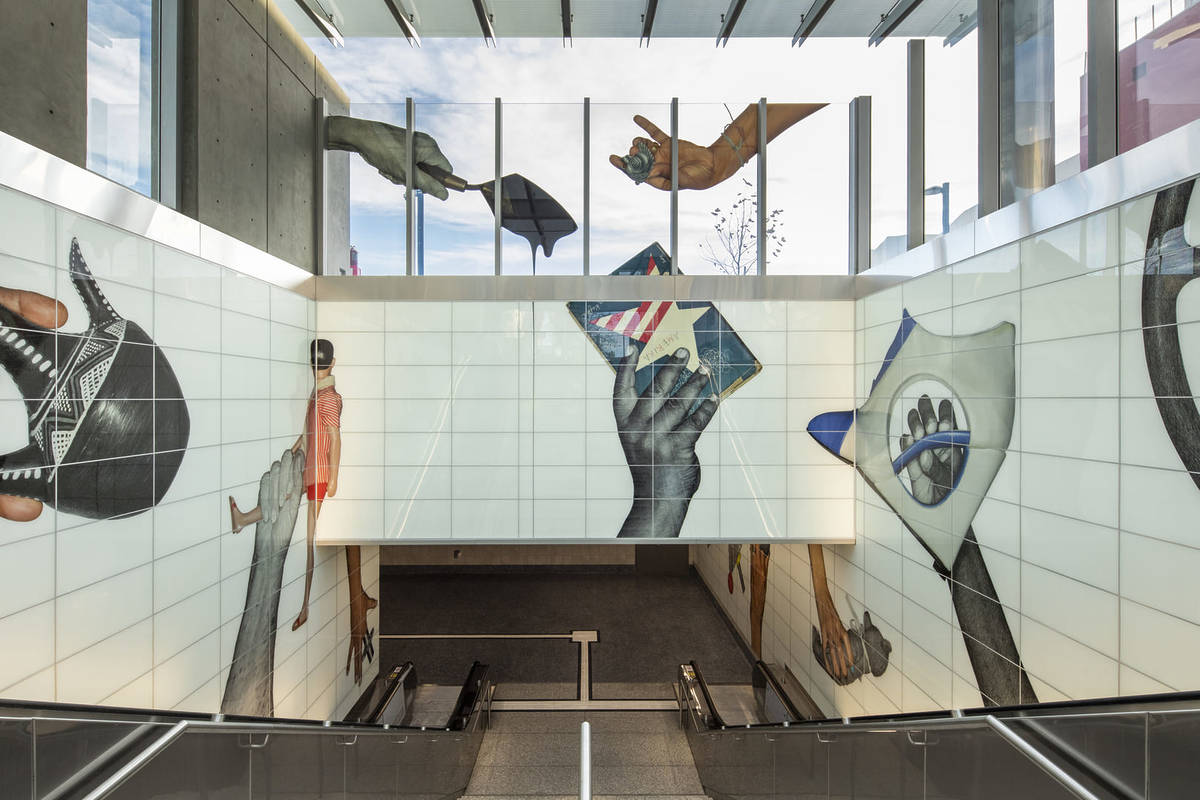
L.A.’s New D Line Stations Have Transformed Into Enormous Underground Art Galleries Ahead Of Next Month's Opening — Here's A Look At The Mesmerizing Large-Scale Murals

Los Angeles Metro is set to unveil three new stations on the D Line Extension on May 8, 2026, featuring massive site-specific art installations. The Wilshire/La Brea, Wilshire/Fairfax, and Wilshire/La Cienega stations have been transformed into underground galleries showcasing large-scale murals, mosaics, and photographic works by prominent Los Angeles-based artists including Karl Haendel, Eamon Ore-Giron, and Ken Gonzales Day.

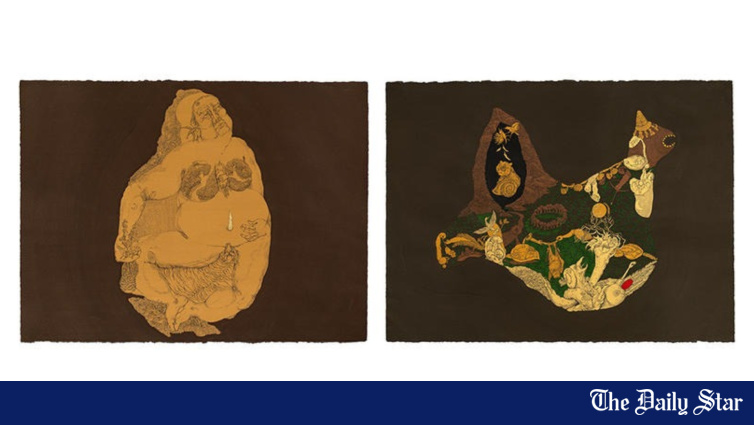
UK Museum hosts first solo exhibition by Bangladeshi artist Soma Surovi Janat, supported by the British Council

The Ashmolean Museum in Oxford has launched "Climate Culture Care," the first solo exhibition by a Bangladesh-based artist in a UK museum, featuring the work of Soma Surovi Jannat. Developed during her residency at the institution, the show includes approximately 40 works, ranging from intricate drawings on paper to a 30-foot-long scroll and an ephemeral site-specific wall drawing. The exhibition is part of the Ashmolean NOW series, which tasks contemporary artists with creating new interventions inspired by the museum’s historical and archaeological collections.

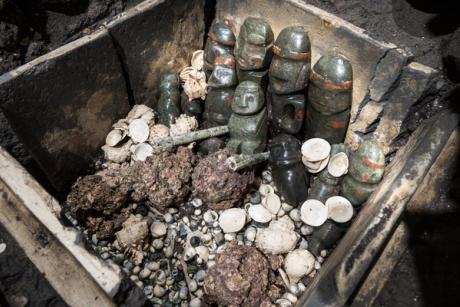
500-year-old Aztec ritual offering uncovered in Mexico City

Archaeologists from Mexico's National Institute of Anthropology and History have uncovered a 500-year-old Aztec ritual offering at the Templo Mayor site in Mexico City. The discovery consists of six volcanic stone boxes containing greenstone sculptures, thousands of marine shells, copal spheres, and pendants, all forming a complete ceremonial assemblage from the reign of Emperor Moctezuma I (1440-1469).

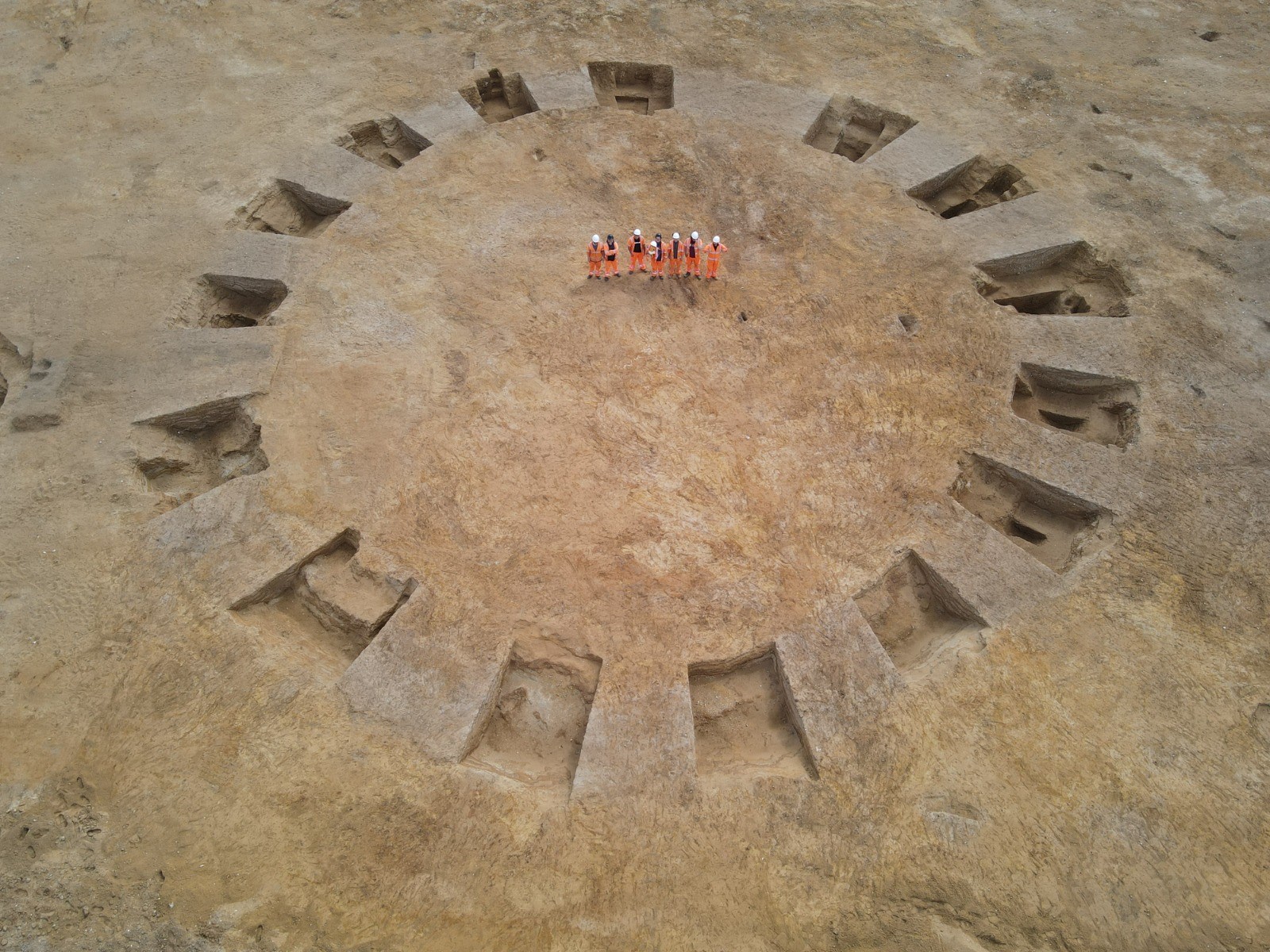
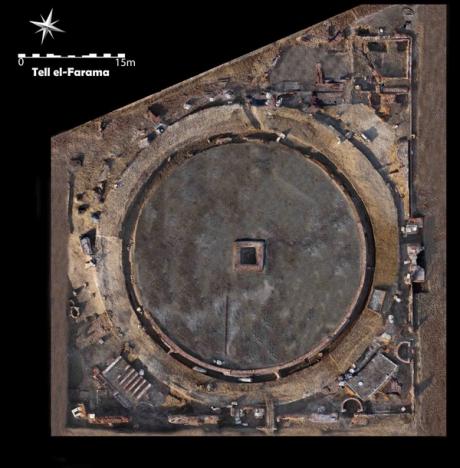
Ruins of ‘unique’, circular water temple discovered in Egypt

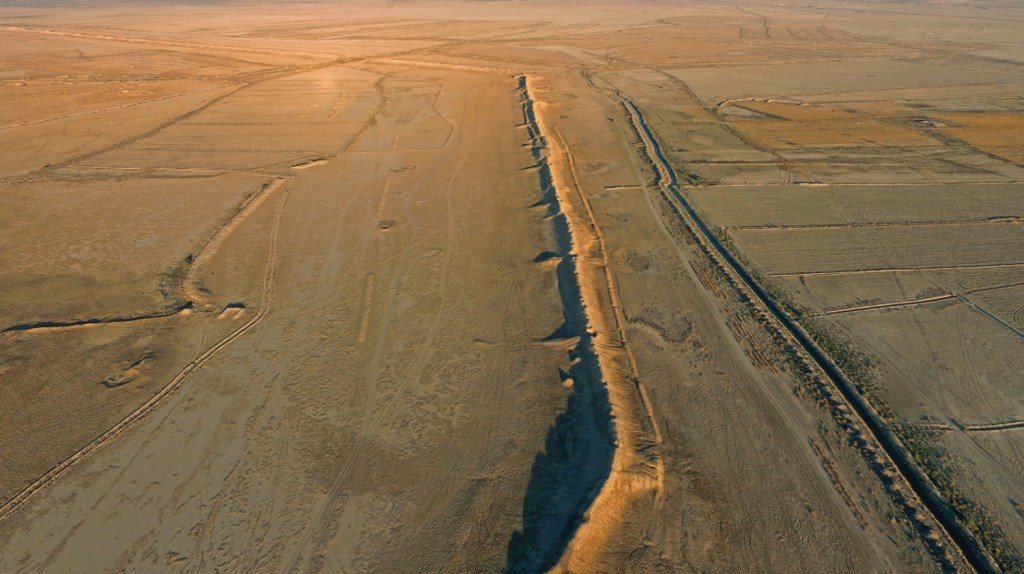
Archaeologists in northern Sinai have unearthed the ruins of a unique circular water temple at the site of ancient Pelusium, dating back to the second century. Initially mistaken for a political senate building, the structure features a 35-meter wide basin and brick walls characteristic of Roman construction, suggesting it was used for religious rituals linked to the local fertility god Pelusius.

Mexico’s culture ministry urges eBay to halt sales of pre-Hispanic artefacts

Mexico's Ministry of Culture has identified 195 pre-Hispanic archaeological objects listed for sale on eBay by a US-based seller and has formally demanded the platform halt the sales and return the items. The ministry, through Secretary Claudia Curiel de Icaza, argues the sale is illegal as the export of such cultural heritage has been prohibited since 1827, and their presence abroad results from illicit extraction. Legal action has been initiated with Mexican and international authorities, including Interpol and US Homeland Security Investigations, to secure repatriation.

Antony Gormley: ‘Put a sculpture on the moon? No, that would be a bad idea’

Renowned British sculptor Antony Gormley is preparing for a major creative season, marked by two upcoming exhibitions at the Royal Museum of Fine Arts in Antwerp and Galleria Continua in San Gimignano, alongside the release of a new book dedicated to his drawings. Speaking from his David Chipperfield-designed studio in London, the artist reflects on his rigorous daily practice and his background in art history, contrasting his own ascetic, industrial aesthetic with the fleshy opulence of Flemish masters like Rubens.

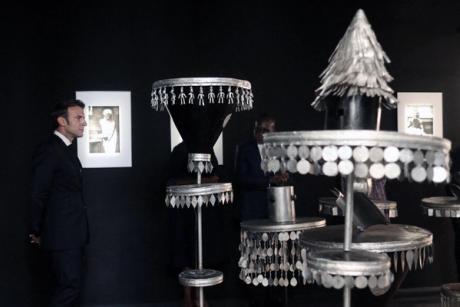
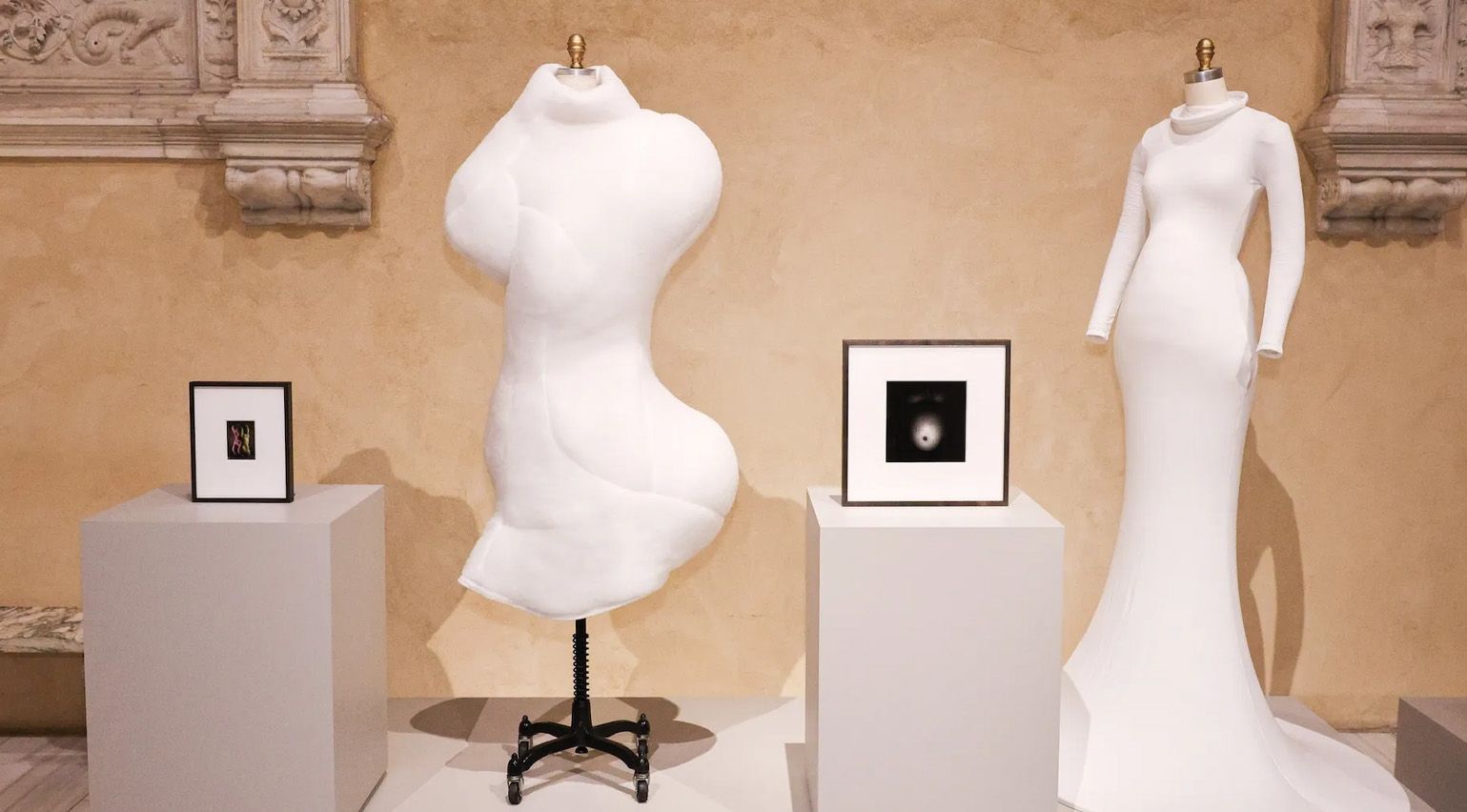
Everything you need to know about the Met Gala 2026 and ‘Costume Art’ exhibition

The Metropolitan Museum of Art has announced details for its 2026 Costume Institute exhibition, titled 'Costume Art,' scheduled to open on May 10, 2026. Curated by Andrew Bolton, the show will explore the 5,000-year history of the 'dressed body' by juxtaposing contemporary and historical fashion with sculpture and antiquities from the museum’s permanent collection. The exhibition will be organized into thematic chapters such as 'The Naked Body' and 'The Pregnant Body,' featuring designers like Rei Kawakubo and Charles James.

Everything you need to know about the Met Gala 2026 and ‘Costume Art’ exhibition

The Metropolitan Museum of Art has announced details for its 2026 Costume Institute exhibition, titled 'Costume Art,' which is set to open on May 10, 2026. Curated by Andrew Bolton, the show will explore the 5,000-year history of the 'dressed body' by juxtaposing contemporary and historical fashion with sculpture, antiquities, and portraiture from across the museum’s 17 departments. The exhibition will be preceded by the annual Met Gala on May 4, 2026, serving as the primary fundraiser for the department.

Mysterious Lake District barn joins national treasures on heritage list

The Department for Culture, Media and Sport has granted Grade II* listed status to "Henry’s Castle," a mysterious limestone structure in the Lake District previously used as a livestock shelter. Following a four-year restoration project involving archaeologists and conservation engineers, experts identified high-status architectural features including a 14th-century oak roof truss, a corbelled chimneystack, and a garderobe. These elements suggest the building was originally a significant residence, such as a hunting lodge or a lookout dwelling, rather than a simple barn.

A majestic former mill in Milan is about to become a new cultural hub: studios, residences, and a creative boutique hotel

In un maestoso ex mulino di Milano sta per nascere un nuovo polo culturale: studi, residenze, alberghetto creativo

A historic 1929 flour mill in Milan, originally designed by Cesare Chiodi and Gio Ponti, is being transformed into 'Mulino Factory,' a multidisciplinary creative hub. Spearheaded by Ludovica Virga, the granddaughter of the building's mid-century owner, the site eschews traditional real estate development in favor of a community-focused ecosystem. The complex already houses artist studios, including that of Lola Montes Schnabel, an art gallery, and a gym, with a boutique hotel designed by Tom Dixon set to open following the 2026 Milan Design Week.

Native Americans Played Dice Games Far Earlier Than Previously Known, Study Shows

A groundbreaking study from Colorado State University reveals that Native Americans in the western Great Plains were using dice for gaming over 12,000 years ago. Researcher Robert J. Madden identified two-sided dice made of bone or wood from archaeological sites in Wyoming, Colorado, and New Mexico, pushing the known history of games of chance back significantly further than previously recorded.

Bronze Age State Metal-Working Center Unearthed Near China’s Yangtse River

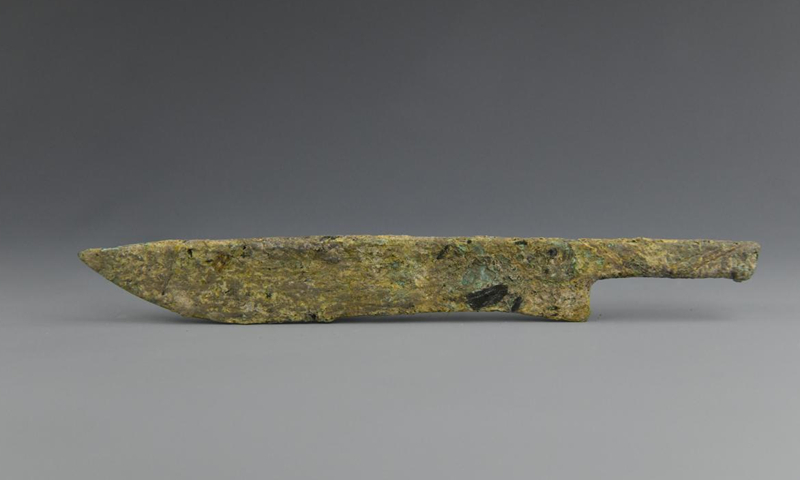
Archaeologists at the Shenduntou site near the Yangtze River have unearthed a significant Bronze Age metal-working center dating back to the Zhou dynasty. The excavation, led by Nanjing Normal University, revealed approximately 1,000 artifacts including clay molds, arrowheads, and knives, alongside evidence of furnaces and protective earthen walls. These findings confirm the existence of a high-level workshop dedicated to large-scale bronze production within the ancient Wu kingdom.

Remnants of 3,400-Year-Old Loom in Spain Sheds Light on Bronze Age Textile Production

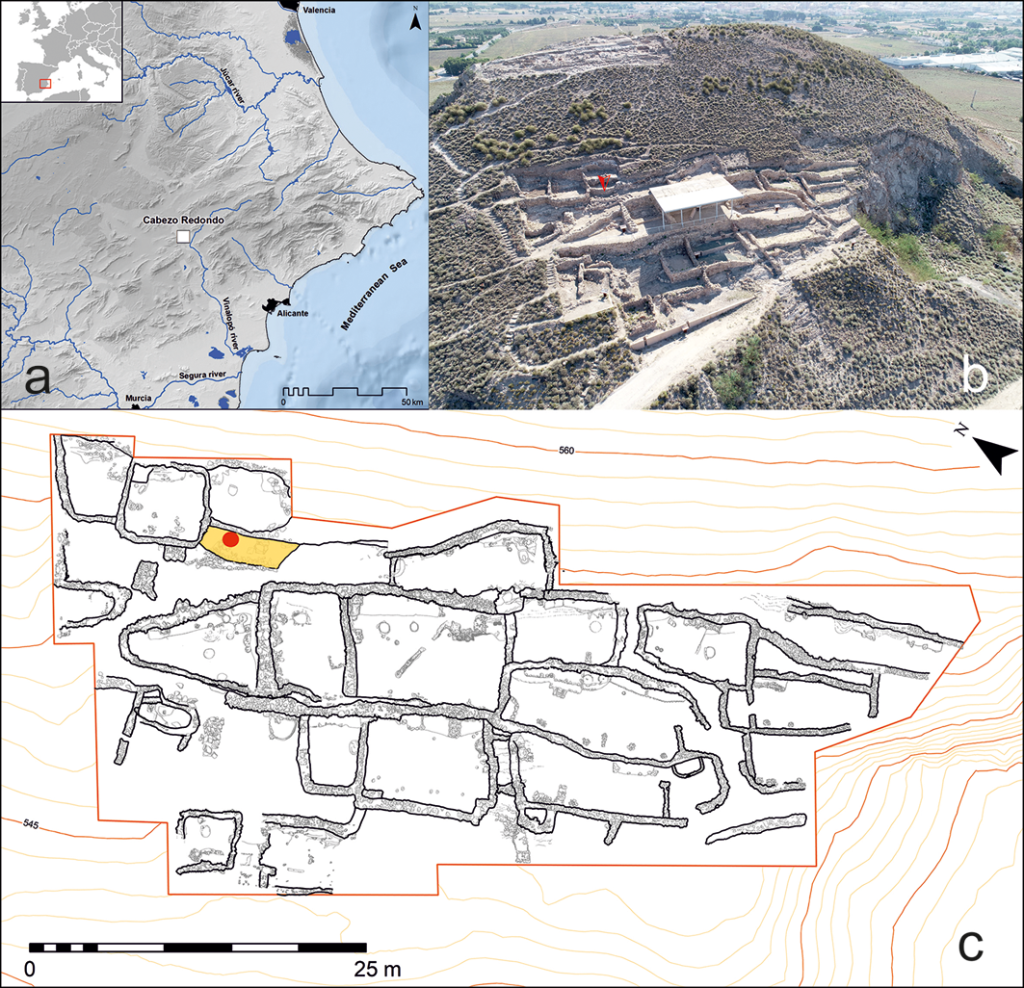
Archaeologists in Spain have published new research on a remarkably preserved 3,450-year-old wooden loom, discovered in 2008 at the Cabezo Redondo site. The loom survived because a fire destroyed the surrounding Bronze Age village and a roof collapsed on it, charring and protecting the wood from decay. This rare find includes over 200 lightweight loom weights, suggesting the community was engaged in intensive production of delicate wool textiles.

250-Year-Old Kiln Discovered on Thomas Jefferson’s Monticello Estate

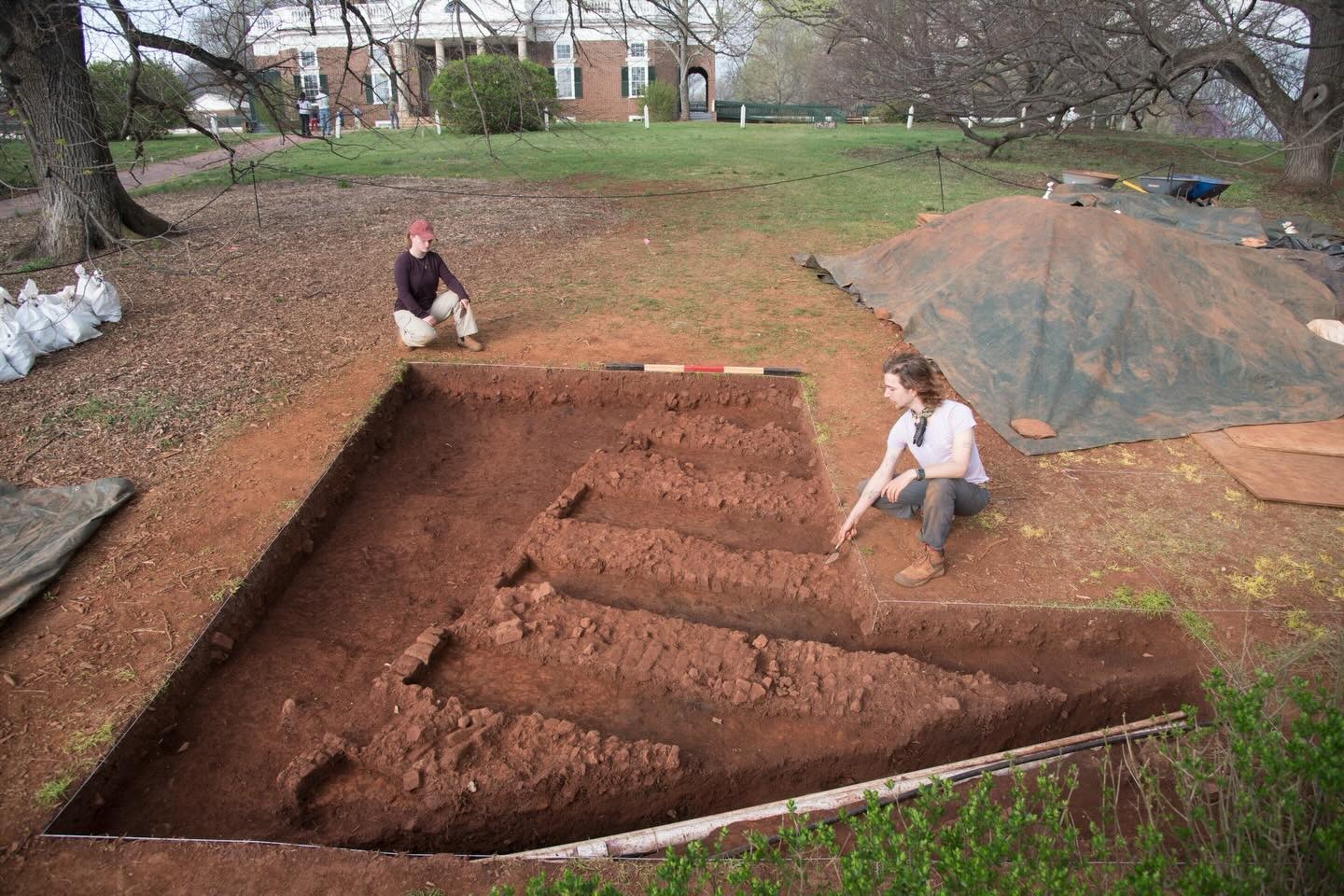
Archaeologists at Thomas Jefferson’s Monticello estate have unearthed a 250-year-old kiln used to fire bricks for the plantation’s original construction. Located on the East Lawn just feet from the main house, the site was identified through the discovery of specialized curved bricks, including cyma-shaped and ovolo-molded specimens. These architectural details confirm the kiln dates back to the "Monticello I" period (1768–1782), as these specific water table features were omitted during Jefferson’s later 18th-century renovations.

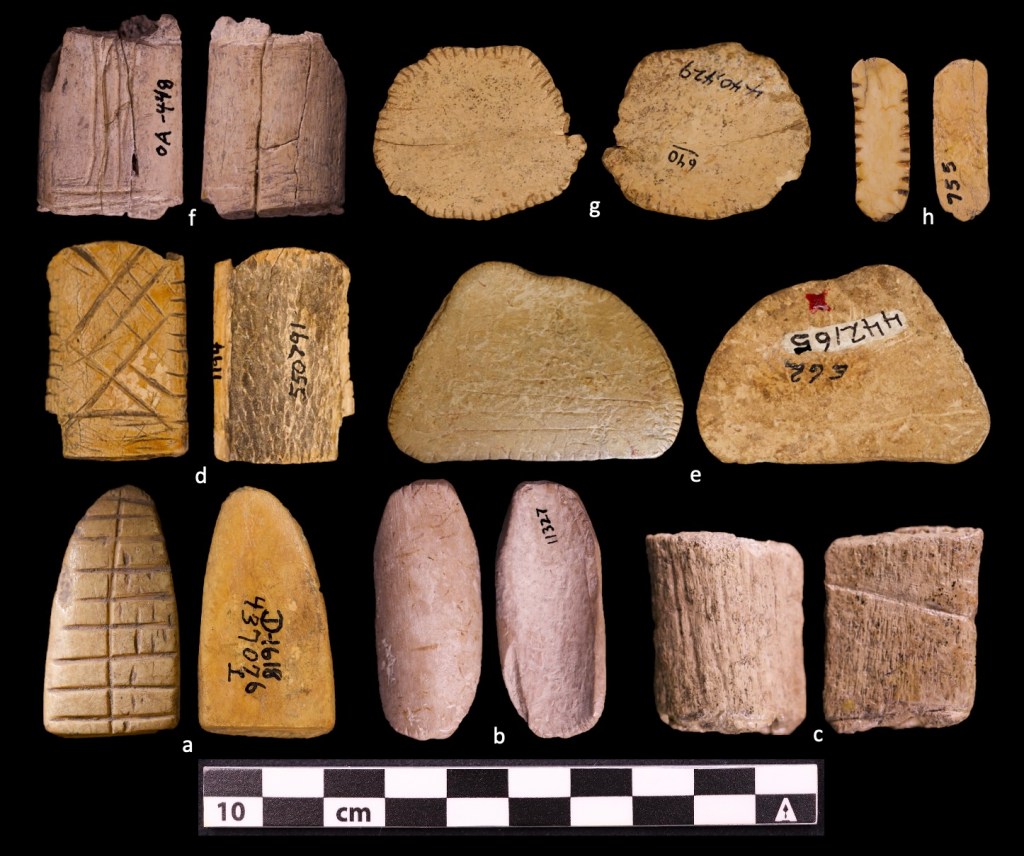
Native Americans created dice more than 12,000 years ago, study finds

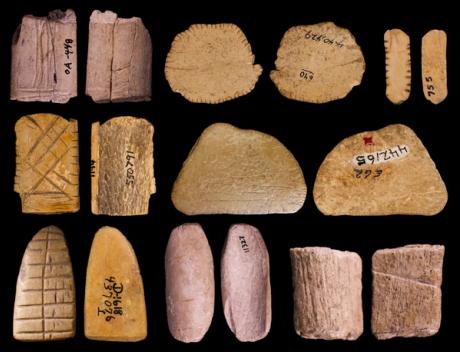
Archaeologist Robert J. Madden of Colorado State University has identified the world's oldest known dice, created by Native American hunter-gatherers on the western Great Plains over 12,000 years ago. By re-examining artifacts from Late Pleistocene Folsom-period sites in Wyoming, Colorado, and New Mexico, Madden discovered that these "binary lots" predate the earliest known Old World dice by more than 6,000 years. These objects are often the only decorated, non-utilitarian items found at these ancient sites, featuring artistic markings that distinguish them from everyday tools.

Native Americans created dice more than 12,000 years ago, study finds

Archaeological research from Colorado State University has identified the world's oldest known dice, created by Native American hunter-gatherers on the western Great Plains over 12,000 years ago. These two-sided "binary lots," found at Folsom-period sites in Wyoming, Colorado, and New Mexico, predate the earliest known Old World dice by more than 6,000 years. The study reclassifies artifacts previously overlooked or misidentified, highlighting that these objects were the only decorated, non-utilitarian items found at these late-Pleistocene sites.

Researchers Confirm Location of Lost City of Alexandria on the Tigris

An international research team has confirmed the rediscovery of the lost city of Alexandria on the Tigris in Iraq. Founded by Alexander the Great, the city was a major trading hub until the 3rd century CE. Its location was identified through a combination of historical research, aerial photography, and recent non-invasive surveys using drones and magnetometry, which revealed the city's planned layout under difficult security conditions.

Butler Art exhibit empowers disabled artist community

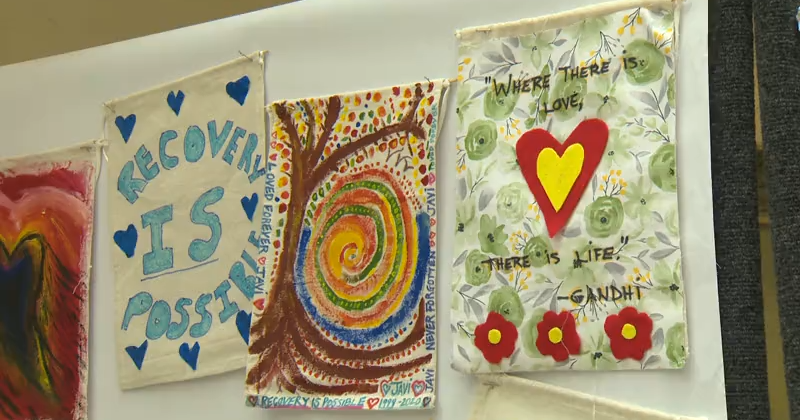
The Butler Institute of American Art in Youngstown, Ohio, recently hosted the opening reception for the 31st annual Accessible Expressions Ohio (AEO) exhibition. Featuring over 50 works by artists with disabilities from across the state, the event included live music from The Feral Cats and workshops for the Remember Love Recovery Project. The exhibition, which runs through June 7, showcases winners across various categories including youth, professional, and emerging artists.

Blue Shields Placed at 34 Archaeological Sites Across Lebanon, Signaling Enhanced Protections

The Lebanese Culture Ministry has placed distinctive blue shields at 34 archaeological sites across the country. This action formally designates the sites as protected cultural property under the 1954 Hague Convention, aiming to shield them from destruction during the ongoing armed conflict involving Israel and Hezbollah.