filter_list Showing 166 results for "AEO" close Clear
search
dashboard All 406 article news 166museum exhibitions 123article policy 33gavel restitution 32article culture 21article local 15person people 5rate_review review 4trending_up market 3candle obituary 3article museum 1
date_range Range Today This Week This Month All
Subscribe

Wet Paint Does Frieze Week: The Dinosaur Dealer Downtown, David Zwirner Tribeca, and More Juicy Art-World Gossip

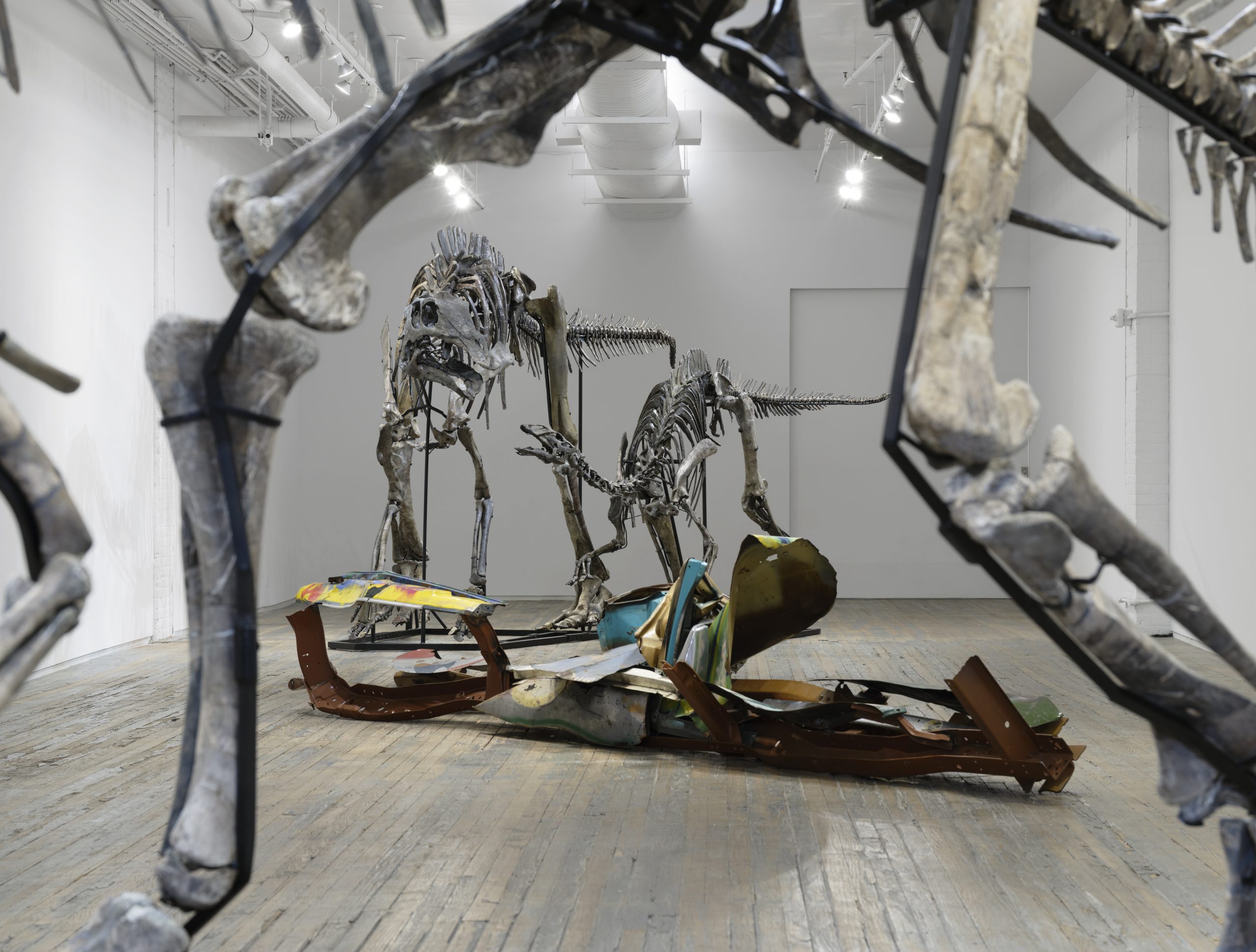
Artnet News' gossip column 'Wet Paint' covers the opening week of Frieze New York, beginning with the group show 'Statics of an Egg' at David Zwirner's newly renamed Tribeca gallery (formerly 52 Walker). Curated by Martin Germann, the exhibition features Japanese artists gathered by Yu Nishimura and Kenji Ide, with Nishimura's painting 'in waiting' highlighted. The column also reports on a private party at the River art-world hangout and a visit to Amanita gallery for 'A Land Before Time: Three Dinosaurs and a Gondola,' which includes a John Chamberlain sculpture. Notable attendees include artists Sasha Gordon, Olivia van Kuiken, Calvin Marcus, and Josh Smith, as well as dealers Marlene Zwirner and Matthew Brown.
Who Went to Venice Last Week? Jenny Saville, Glenn Lowry, Jewel, and Many Other Power Players

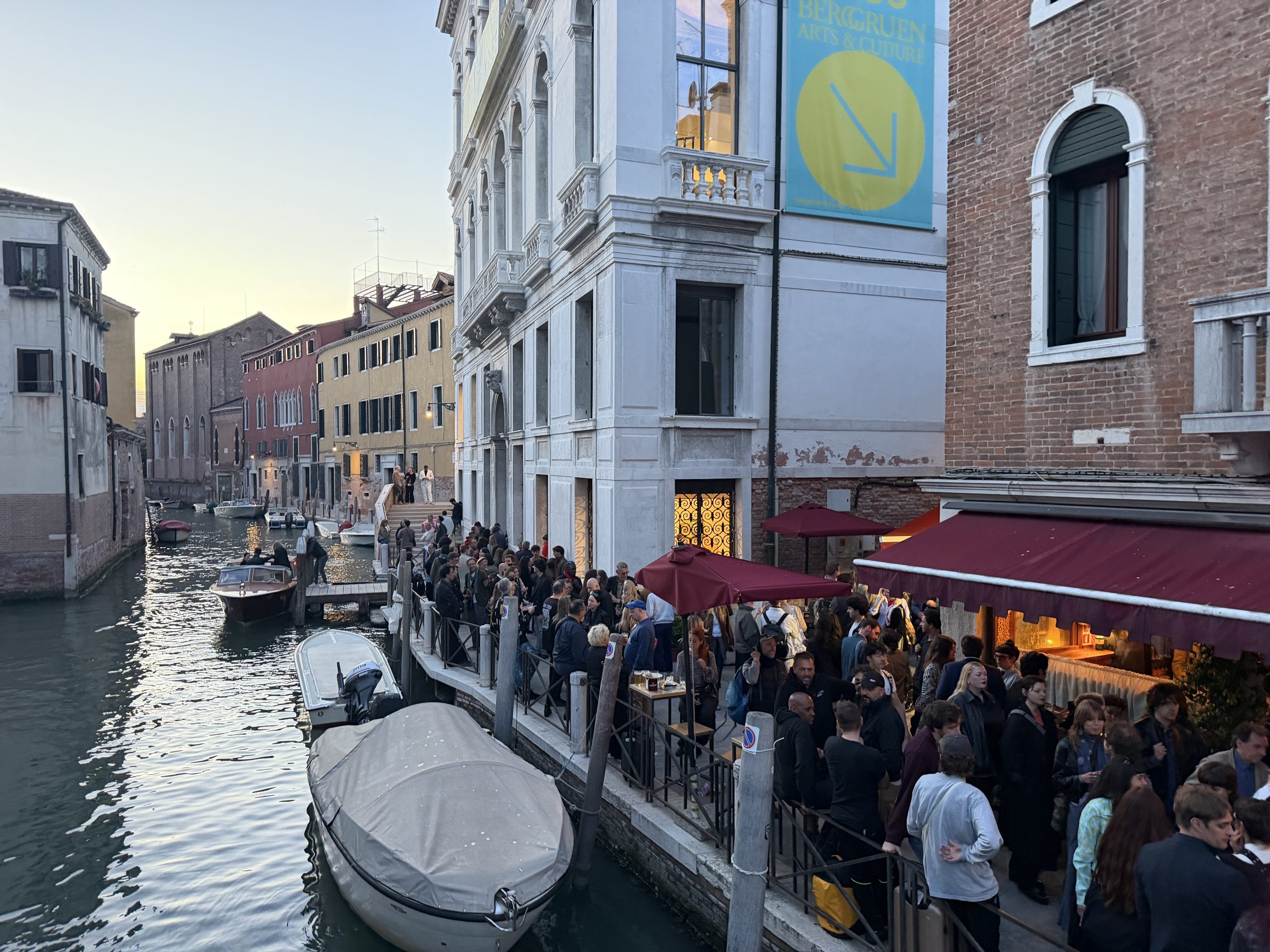
Artnet News reporter Katya Kazakina recounts her experience at the opening week of the 61st Venice Biennale, describing a whirlwind of art, parties, and chance encounters. Notable figures spotted include former MoMA director Glenn Lowry, singer-songwriter Jewel (who debuted her visual art show "Matriclysm: An Archaeology of Connections Lost"), and Japanese Nintendo heir and collector Banjo Yamauchi. High-profile events included Thaddaeus Ropac gallery's reception for Georg Baselitz's final paintings (priced up to $1.5 million) and François Pinault's annual party at Fondazione Giorgio Cini, attended by Selma Hayek, Lorna Simpson, and JR. The article also highlights the social dynamics of the biennale, where dealers, curators, and collectors network across historic palazzos and hotels.

omai portrait joshua reynolds national portrait gallery fundraising campaign

The National Portrait Gallery (NPG) in London is in a last-minute push to raise £50 million ($60 million) to acquire Joshua Reynolds's 1776 portrait of Omai, a Polynesian visitor to Britain, before a temporary export ban expires on March 10. Despite raising roughly £25 million through a grassroots campaign involving public donations, a £2.5 million grant from the Art Fund, and £10 million from the National Heritage Memorial Fund, the NPG remains short of its goal and is reportedly in secret talks with the Getty Museum to jointly purchase the painting.

Despite Uncertainty, Gulf Art World Projects Normalcy

Galleries and museums in Gulf states like the UAE, Qatar, and Saudi Arabia are reopening and projecting normalcy despite the ongoing US-Israel war on Iran, which has entered its fourth week. Major events like Art Dubai have been postponed, and institutions like the Sharjah Art Foundation have delayed gatherings, but many cultural venues are operating with adjusted formats or by appointment.

Major Greek contemporary art non-profit Neon to close after 14 years

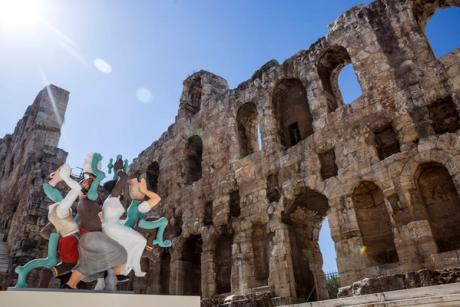
Neon, a major Greek contemporary art non-profit founded by businessman and patron Dimitris Daskalopoulos, is closing after 14 years, stating it has fulfilled its cultural and social mission. Between 2012 and 2026, the organization presented 44 exhibitions across museums, historical sites, and public spaces, commissioning 105 works by Greek and international artists. Notable projects include donating Antony Gormley's sculpture 'RULE II' (2019) to the island of Delos—the first contemporary work permanently installed at an ancient site—and funding the €1.4m renovation of the Lenorman Street Tobacco Factory in Athens into a cultural center. Neon will present its final exhibition, the third installment of 'Michael Rakowitz & Ancient Cultures,' later this year at the Old Acropolis Museum.

Shakespeare’s London Home Finally Located After Centuries of Mystery

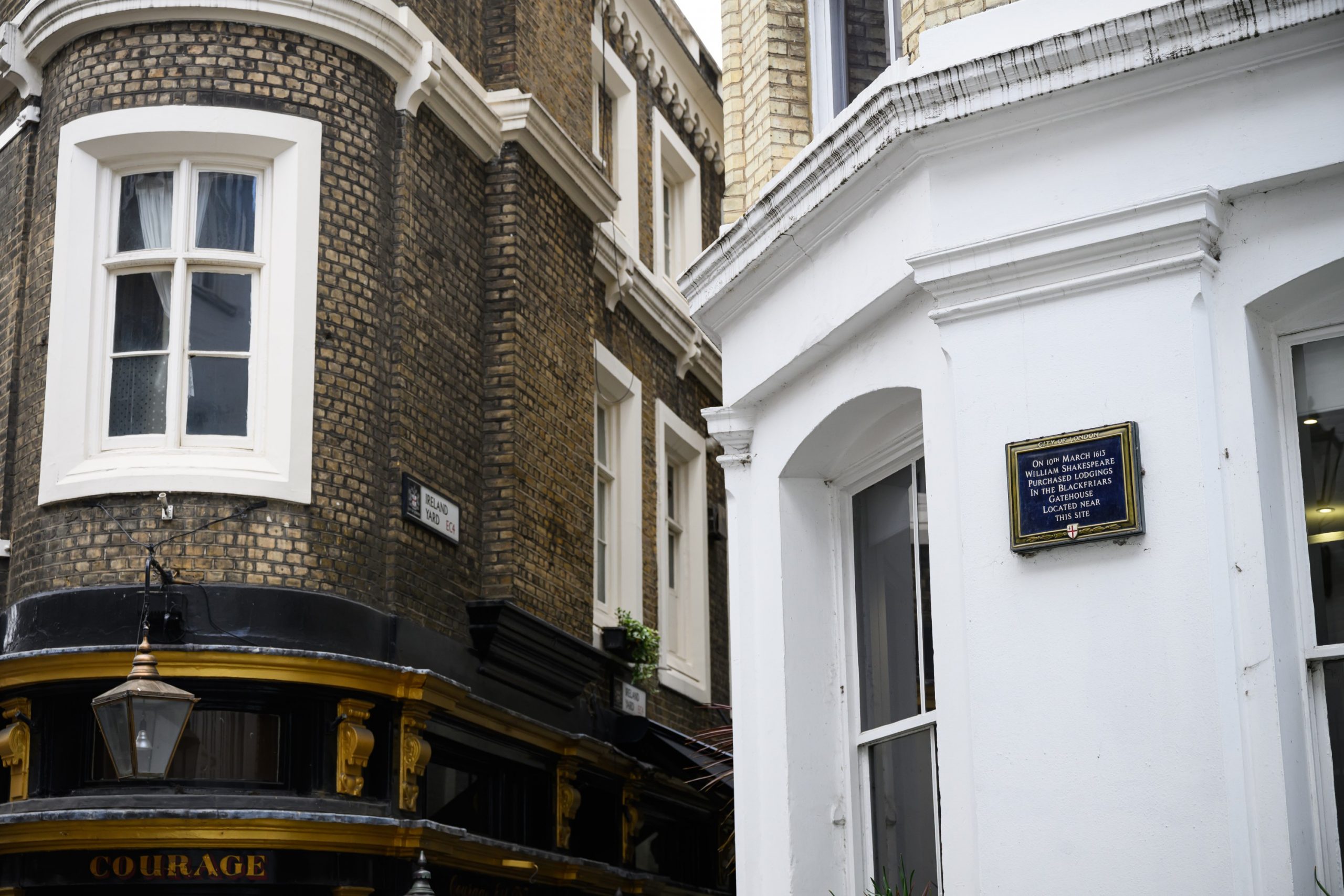
Scholar Lucy Munro of King’s College London has identified the precise location of William Shakespeare’s only owned London home in the Blackfriars neighborhood. By analyzing a 1668 property map created after the Great Fire of London, Munro pinpointed the site—now occupied by Ireland Yard and St. Andrew’s Hill—which was previously known only through vague historical references to the Blackfriars Gatehouse.

How a Hopi Potter Named Nampeyo Became a 19th-Century Art Star

The Hopi-Tewa artist Nampeyo (1859–1942) is being celebrated as a foundational figure in modern ceramics for her role in the Sikyátki Revival. By studying ancestral pottery shards from archaeological excavations, Nampeyo revitalized centuries-old techniques and motifs, transforming Pueblo pottery into a globally recognized art form. Her career spanned from selling works at regional trading posts to becoming a celebrated figure who demonstrated her craft at the Grand Canyon and exhibited at major fairs in Chicago.

the hunt edmonia lewis death of cleopatra statue

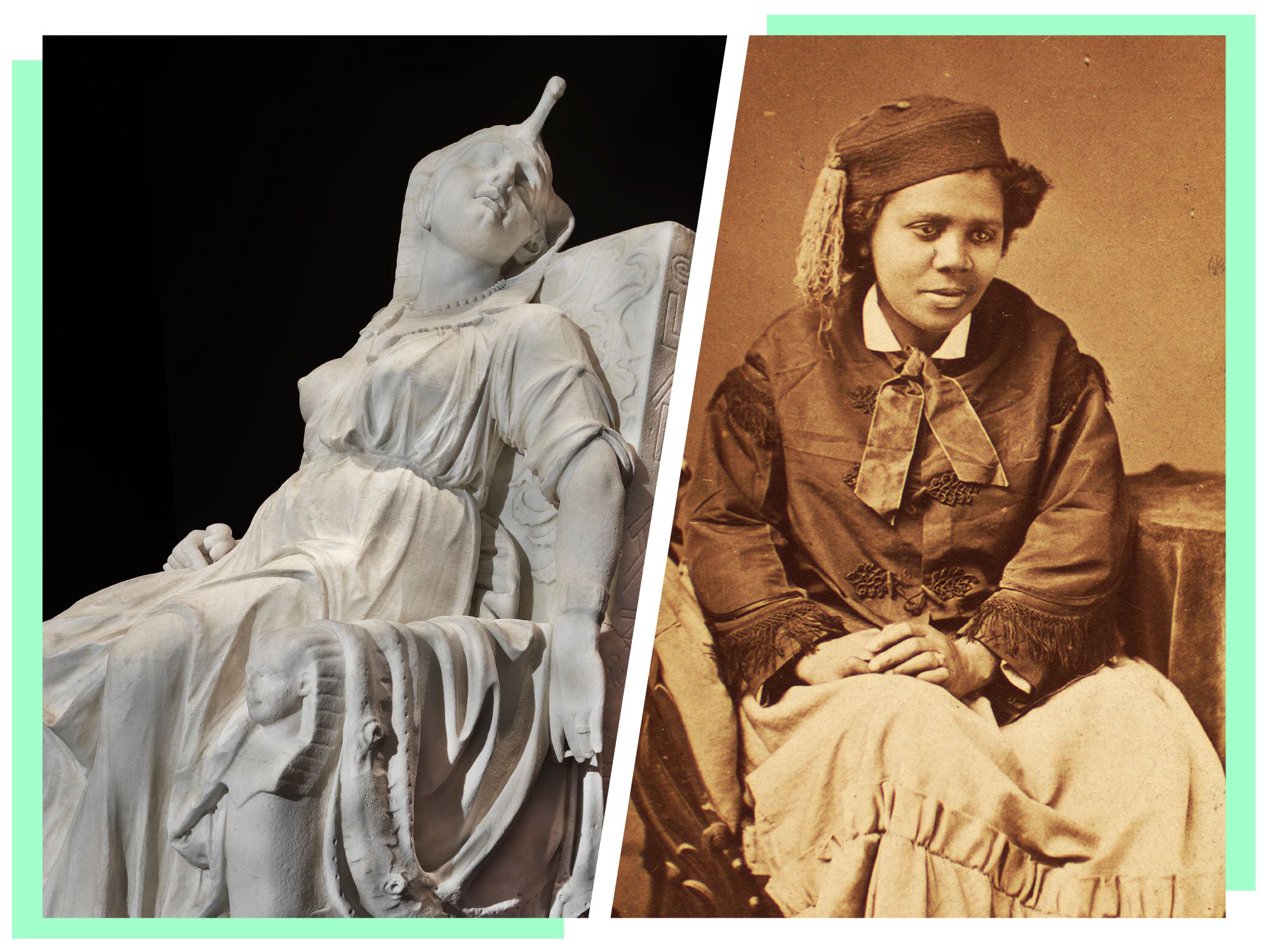
Edmonia Lewis’s monumental marble sculpture, 'The Death of Cleopatra', debuted to massive acclaim at the 1876 Centennial Exhibition in Philadelphia before vanishing into a bizarre century-long obscurity. After failing to sell, the two-ton masterpiece transitioned from Chicago saloons to a racetrack—where it served as a grave marker for a horse—and eventually sat neglected at a shopping mall construction site, exposed to vandalism and the elements.

roman ingots found ceredigion wales

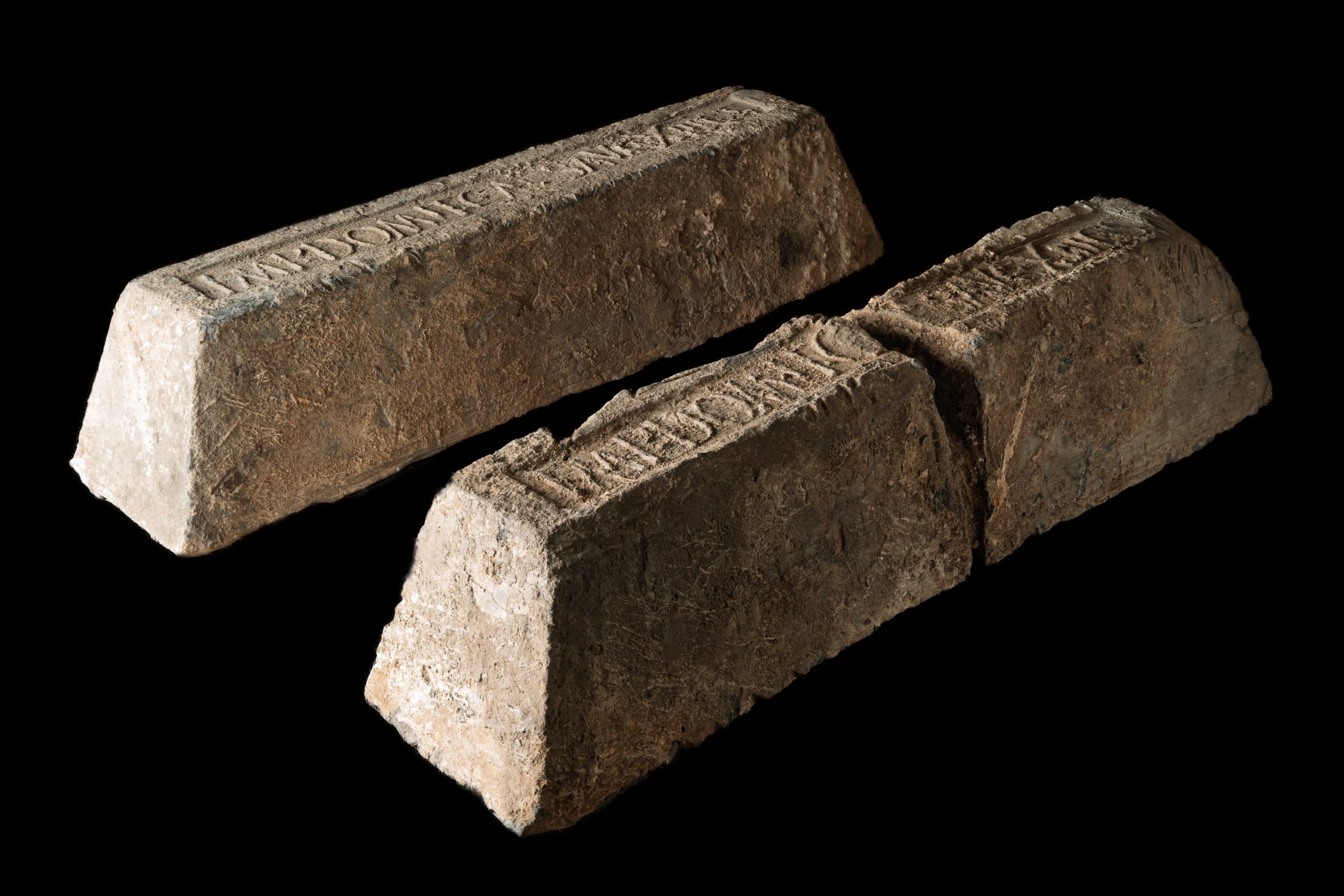
Metal detectorists Nick Yallope and Peter Nicolas discovered two rare Roman lead ingots, or 'pigs,' in the community of Llangynfelyn, West Wales. Dated precisely to 87 C.E. during the reign of Emperor Domitian, the artifacts were found buried approximately 1.5 feet underground. Following a geophysical survey by the archaeology trust Heneb, the finds were officially declared treasure under the U.K.’s Treasure Act, marking a significant addition to the region's archaeological record.

top 6 accidents in museums

This article from Artnet News compiles a list of notable accidents in museums, where visitors, children, or even curators have inadvertently damaged valuable artworks and artifacts. Incidents include a four-year-old boy shattering a $15,000 Lego sculpture of a Zootopia character, a 12-year-old boy punching a $1.5 million Baroque painting by Paolo Porpora at Huashan 1914 Creative Park in Taipei, a Cy Twombly sculpture knocked over at the Menil Collection in Houston, and a visitor breaking a 4,000-year-old Minoan vase at the Heraklion Archaeological Museum in Crete. The article is framed as a lighthearted yet cautionary look at the fragility of museum objects and the human errors that lead to their damage.

roman villa villajoyosa wall fragments

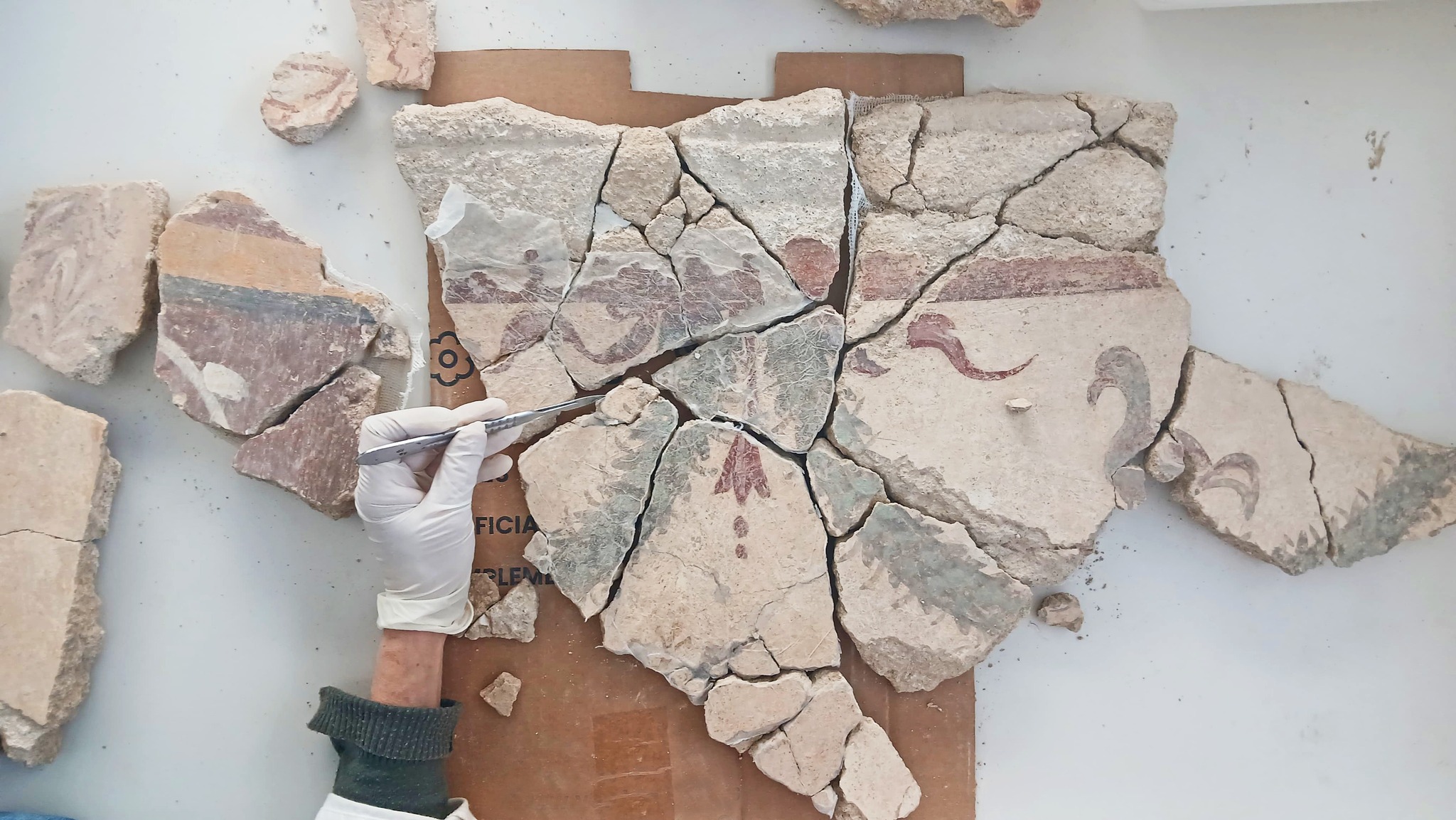
Archaeologists in Villajoyosa, Spain, have uncovered over 4,000 fragments of painted wall plaster from the Roman villa of Barberes Sud, a palatial complex dating to the reign of Emperor Trajan (98–117 C.E.). The fragments were found in a collapsed room, and the team from the Alebus Historical Heritage Company and the Municipal Archaeology Service has catalogued and photographed each piece to enable digital reconstruction. At the Vilamuseu restoration laboratory, 22 fragments have already been reassembled into a panel featuring floral garlands, birds, and painted moldings.

Siteless Athens Arts Institution NEON Closing After 14 Years

The Athens-based cultural institution NEON, founded by prominent art collector Dimitris Daskalopoulos in 2012, is closing after 14 years. Operating without a permanent building, NEON organized 44 exhibitions across unconventional spaces, including ancient archaeological sites, commissioning works by artists such as Marina Abramović, Anastasia Douka, and Danh Vo. Its final project is a trilogy by artist Michael Rakowitz titled "Michael Rakowitz & Ancient Cultures," which began at the Old Acropolis Museum and will conclude later this year.

Artists, Read the Fine Print

Artist Damien Davis writes a critical piece on how so-called 'standard' contracts in the art world systematically undermine artists' power, citing long consignment periods, moral rights waivers, and opaque terms that favor institutions. Separately, the Venice Biennale has scrapped its traditional Golden Lion awards after the awards jury resigned; instead, ticket holders will vote on 'Visitor Lions,' with results announced in November, and notably Israel and Russia remain eligible despite the jury's earlier ban. Other news includes damage to a 1,000-year-old Native American archaeological site by construction crews building President Trump's border wall.

mcny tyger shipwreck research

The Museum of the City of New York (MCNY) is launching a new research project to re-examine a 17th-century shipwreck discovered during a 1916 subway dig in Lower Manhattan. The wreck, long believed to be the Dutch ship *Tyger*—one of the earliest European vessels to anchor in New York Harbor—was excavated by subway foreman James A. Kelly and later donated to MCNY in the 1940s. In partnership with the Cultural Heritage Agency of the Netherlands (RCE), the museum will apply advanced scientific techniques, including dendrochronology and wood species analysis, to the ship's timbers to confirm their origins and better understand the vessel's history.

ancient egyptian relief disappears saqqara necropolis

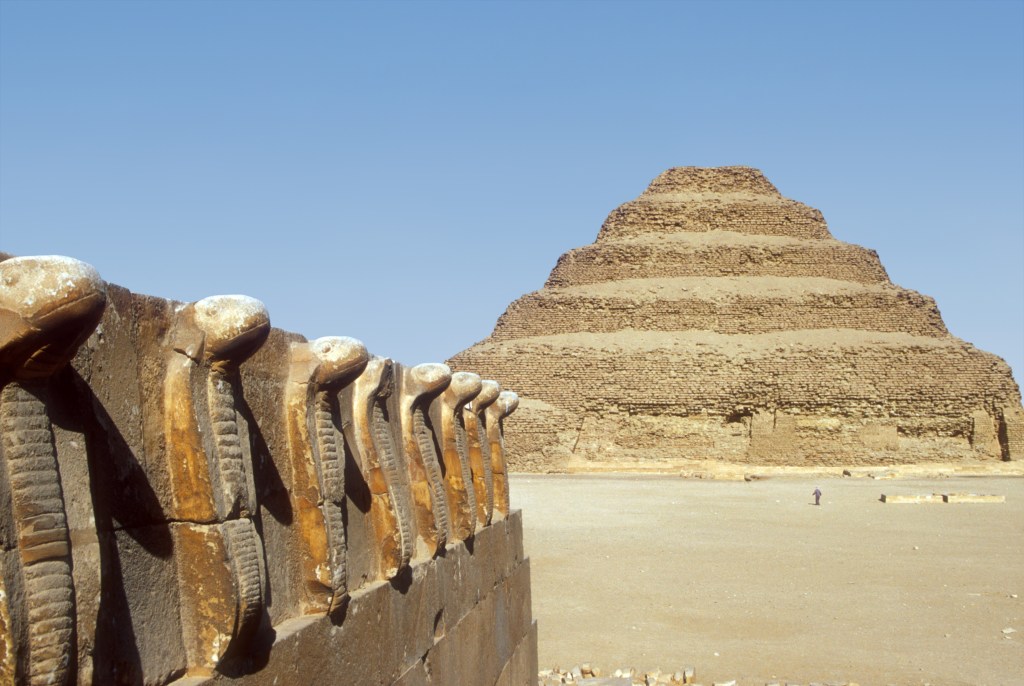
A 4,000-year-old limestone relief depicting the three seasons of the ancient Egyptian calendar has been stolen from the Saqqara necropolis near Cairo. The relief, measuring 16 by 24 inches, was cut from the wall of a Fifth Dynasty tomb belonging to high-ranking official Khenti Ka using an electric saw. Egypt's Ministry of Tourism and Antiquities reported the theft on Sunday, and an archaeological committee has been formed to inventory the tomb's contents while the matter is under investigation by the Public Prosecution.

Pretty in pink: how Toulouse is establishing itself as a top arts destination

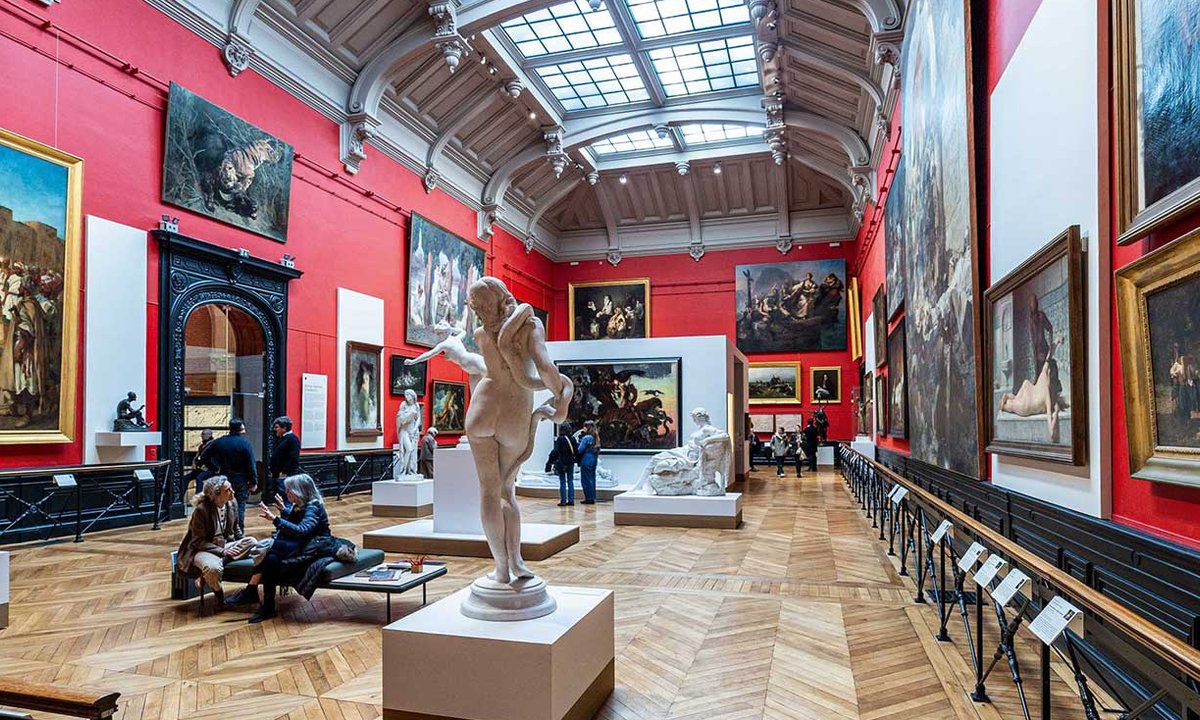
Toulouse is undergoing a cultural transformation aimed at establishing the city as a premier European arts destination. Driven by significant municipal investment, the city recently completed the €25m renovation of the Musée des Augustins and a €4m overhaul of the Le Château d’Eau photography gallery. These efforts, led by Mayor Jean-Luc Moudenc and cultural officials, seek to capitalize on the city's growing population and its recent endorsement as a top travel destination for 2025.

EU imposes sanctions on Mikhail Piotrovsky, director of Russia's State Hermitage Museum

The European Union has imposed sanctions on Mikhail Piotrovsky, the director of Russia's State Hermitage Museum, as part of its 20th sanctions package adopted on 23 April. Piotrovsky, a vocal supporter of Russia's full-scale invasion of Ukraine, is cited for being a close associate of Vladimir Putin and for actively supporting the war, including justifying Russian cultural policies that incorporate Ukrainian museum items into Russia's State Museum Fund and enabling unauthorized archaeological excavations in occupied Crimea. The sanctions also target three other cultural officials involved in the Crimean digs. Meanwhile, Hermitage archaeologist Alexander Butyagin, arrested in Poland in December 2025 at Ukraine's request, was released in a prisoner exchange on 28 April.

Ruins of ‘unique’, circular water temple discovered in Egypt

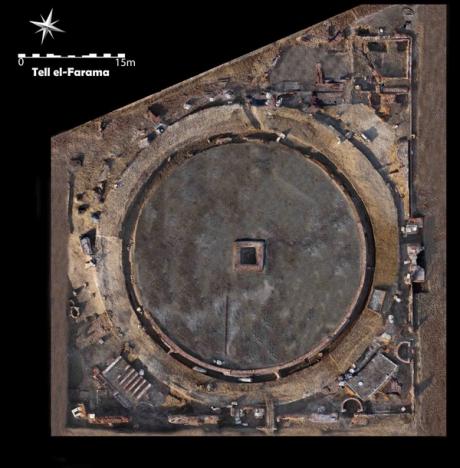
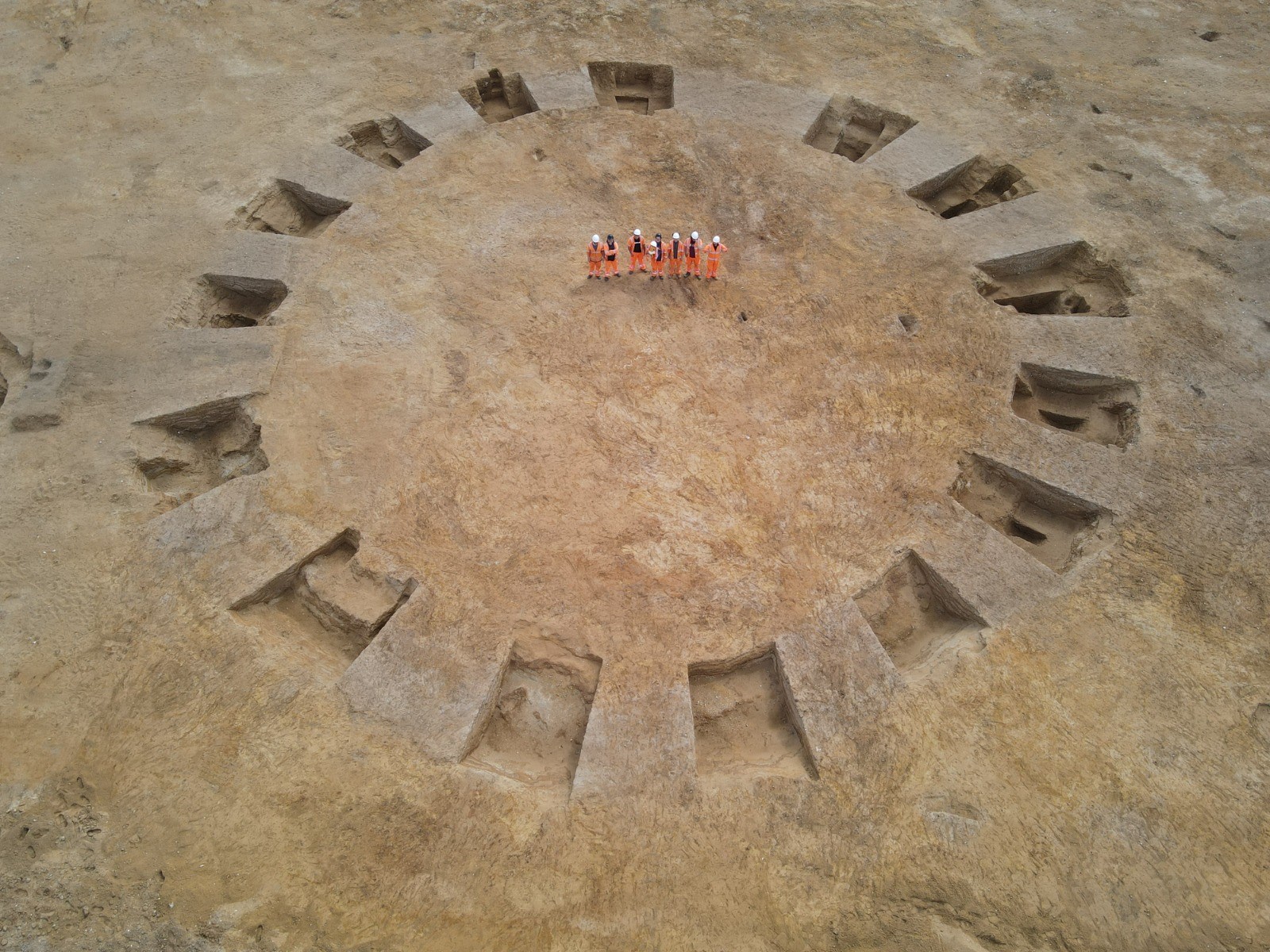
Archaeologists in northern Sinai have unearthed the ruins of a unique circular water temple at the site of ancient Pelusium, dating back to the second century. Initially mistaken for a political senate building, the structure features a 35-meter wide basin and brick walls characteristic of Roman construction, suggesting it was used for religious rituals linked to the local fertility god Pelusius.

Prehistoric Stone Altar with Human Remains Discovered in Central Mexico

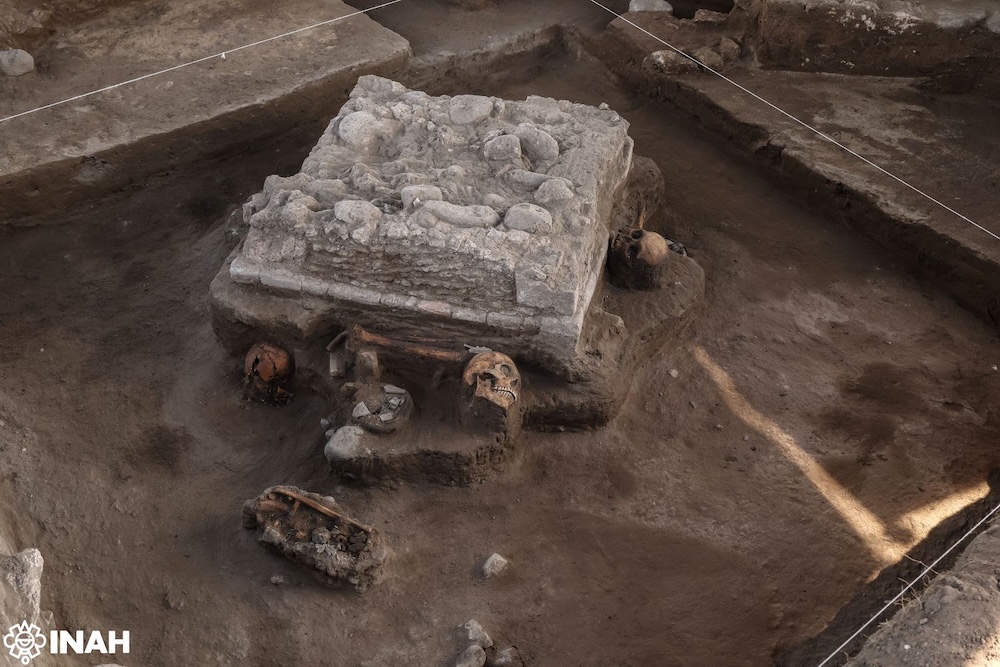
Archaeologists conducting salvage work for a new passenger train line between Querétaro and Mexico City have unearthed a 1,000-year-old Toltec stone altar. Located within the Tula Archaeological Monument Zone in Hidalgo, the three-level structure was found alongside four human skulls, long bones, a black ceramic bowl, and obsidian blades. Preliminary assessments by the National Institute of Anthropology and History (INAH) suggest the remains belong to individuals offered as ritual sacrifices.

1,000-year-old Toltec altar with four human skulls found in Mexico

Archaeologists from Mexico’s National Institute of Anthropology and History (INAH) have discovered a 1,000-year-old Toltec altar during salvage work for a new high-speed rail line between Mexico City and Querétaro. The stone structure, known as a momoztli, dates back to AD 900-1150 and was found with four human skulls and leg bones arranged at its base, suggesting ritual or sacrificial use. Located near the ancient site of Tula Chico, the find also included ceramic objects and obsidian artifacts within a compound likely belonging to the local elite.

Large Roman Villa Uncovered in the U.K. During Wind Farm Survey

Archaeologists conducting surveys for an offshore wind farm project in Norfolk, England, have discovered a significant Roman villa dating back to the 1st through 3rd centuries C.E. The expansive estate, which measures over 100 feet in length, featured a bathhouse, a covered porch, and ancillary buildings for crop processing. Excavations also yielded high-status artifacts including an ornate bronze door handle, a lion-headed furniture foot, and imported pottery, alongside evidence of a Roman road and two lost medieval villages.

500-year-old Aztec ritual offering uncovered in Mexico City

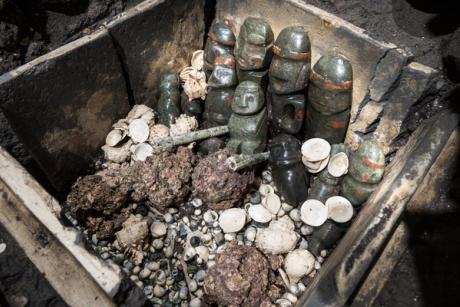
Archaeologists from Mexico's National Institute of Anthropology and History have uncovered a 500-year-old Aztec ritual offering at the Templo Mayor site in Mexico City. The discovery consists of six volcanic stone boxes containing greenstone sculptures, thousands of marine shells, copal spheres, and pendants, all forming a complete ceremonial assemblage from the reign of Emperor Moctezuma I (1440-1469).

ancient egyptians correction fluid book of the dead

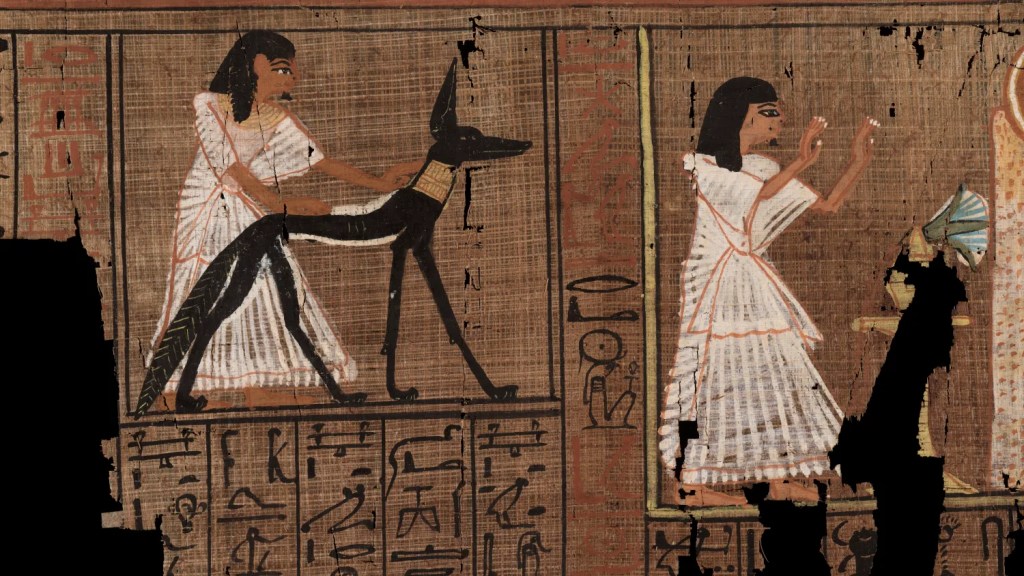
Researchers at the Fitzwilliam Museum have discovered that ancient Egyptian scribes used a primitive form of correction fluid to amend errors on papyrus scrolls. While preparing a 3,300-year-old copy of the Book of the Dead for the tomb of the scribe Ramose, conservators noticed white lines of huntite and calcite mixed with yellow orpiment used to slim down a painted jackal. This 'ancient Wite-Out' was specifically blended to match the cream-colored tone of fresh papyrus, concealing revisions made during the artistic process.

record archeological finds metal detecting british public

The British Museum announced that 2024 was a record year for archaeological discoveries made by the public in the UK, with 79,616 finds recorded. Of these, 1,540 were classified as "treasure" under the 1996 Treasure Act, the highest number ever in a single year and the third consecutive record-breaking year. Ninety-four percent of the discoveries were made by metal detectorists. The figures come from the Portable Antiquities Scheme (PAS), a project jointly managed by the British Museum and Amgueddfa Cymru–Museums Wales. Notable finds include a hoard of silver pennies from Harold II's reign, a Roman vehicle fitting with a panther and severed human head, and early medieval gold and silver objects.

bad bunny backlash artifact mexico museum

Bad Bunny, the Puerto Rican musician, touched a Mayan stela on display at the National Museum of Anthropology in Mexico City and posted an image of the act on Instagram. Mexico’s National Institute of Anthropology and History (INAH) publicly reprimanded him, stating that physical contact with archaeological property is prohibited and that security staff had repeatedly warned him. The post has since been deleted.

villa de poppea frescoes

Several vivid frescoes have been uncovered during the ongoing excavation of Villa di Poppea, an ancient Roman villa in Oplontis near Naples that was buried by the eruption of Vesuvius in 79 A.D. The newly revealed decorations include an intact peacock fresco and fragments of a mask linked to the comedic character Pappus from the Atellan Farce. The discoveries were made in a room now called the Hall of the Peacock, part of the villa's western section, which is being excavated as part of a conservation project. Other finds include four new rooms, tree root casts showing an ornamental garden layout, and two richly decorated cubicula currently undergoing restoration.

palace of westminster dig 6000 years history

Archaeological excavations at the Palace of Westminster in London have uncovered Neolithic flint tools and flakes dating back over 6,000 years, predating the earliest mounds at Stonehenge. The digs, led by the Museum of London Archaeology and overseen by the Houses of Parliament Restoration and Renewal Delivery Authority (R&R), also revealed the remains of Lesser Hall, a 12th-century royal dining space, along with Roman altar fragments, medieval tiles, and 19th-century artifacts. The excavations, running through 2026, are part of a £13 billion restoration project addressing the Palace's deteriorating condition.

mowaa archeological project findings benin city nigeria

The Museum of West African Art (MOWAA) in Benin City, Nigeria, will open its MOWAA Institute next week, the first completed building of a planned 15-acre campus that will also include the Rainforest gallery and other facilities by 2028. In advance of the opening, Antiquity magazine published an updated report on the MOWAA Archeological Project (2022–2024), a collaboration among MOWAA, the British Museum, and Nigeria’s National Commission for Museums and Monuments, with Cambridge Archaeological Unit and Wessex Archaeology as delivery partners. The excavations, the first at the royal palace complex since the 1960s, used both digs and ground-penetrating radar, with radiocarbon dating revealing artifacts spanning from before the Benin Kingdom through its collapse and colonial and postcolonial eras.

bust of egyptian goddess satala turkey

Archaeologists excavating the ancient Roman military stronghold of Satala in northeastern Turkey have unearthed a bronze bust of the Egyptian goddess Isis. The eight-inch-tall sculpture, found in a necropolis, dates to the 2nd or 3rd century CE and depicts Isis atop a circular base with calyx-shaped leaves. The discovery was led by Elif Yavuz Çakmur of Karadeniz Technical University and marks the first sculpture found at the site since the Satala Aphrodite was unearthed in 1872.

egyptian tomb reopens two decade renovation

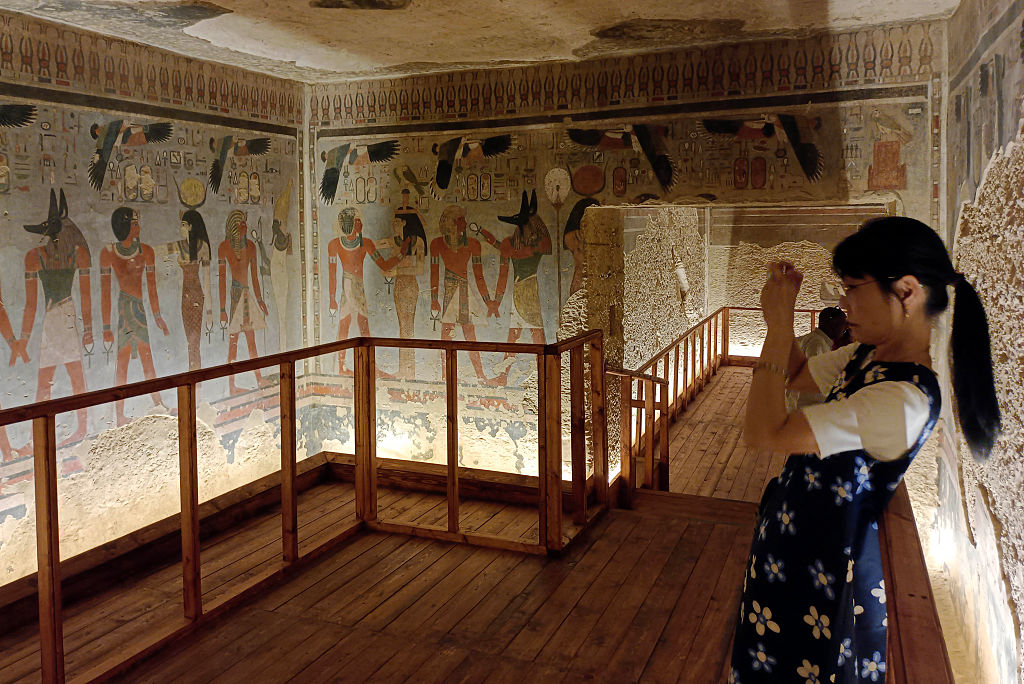
The tomb of Pharaoh Amenhotep III, one of the largest in Egypt's Valley of the Kings, has reopened to the public after a 20-year renovation led by a team from Waseda University in Tokyo. Discovered in 1799 by French engineers and looted in antiquity, the tomb features newly restored wall paintings depicting the pharaoh with ancient Egyptian gods, the structural frame of his sarcophagus, and burial chambers for his two wives. The reopening took place on October 4, 2025.