filter_list Showing 55 results for "Open" close Clear
dashboard All 4894 museum exhibitions 2783article local 1023article news 469trending_up market 258person people 110article policy 92article culture 55rate_review review 45candle obituary 31gavel restitution 21article event 5article school 1article museum 1
date_range Range Today This Week This Month All
Subscribe

museum artists 2726456

The article reflects on the final 2025 edition of the Museum Artists list, which tracks the most exhibited artists in U.S. museums each quarter. The author notes that the top artists—such as Marie Watt, Jeffrey Gibson, and Rose B. Simpson—have remained consistent throughout the year, with a narrow band of stars appearing in many shows while a long tail of artists have limited visibility. Below the top 15, notable names include Julie Mehretu, Wangechi Mutu, and Jean Shin, with a cluster of older white female artists like Petah Coyne and Joyce Kozloff also gaining recognition.
v joy simmons collection tour baldwin hills home 1234756282

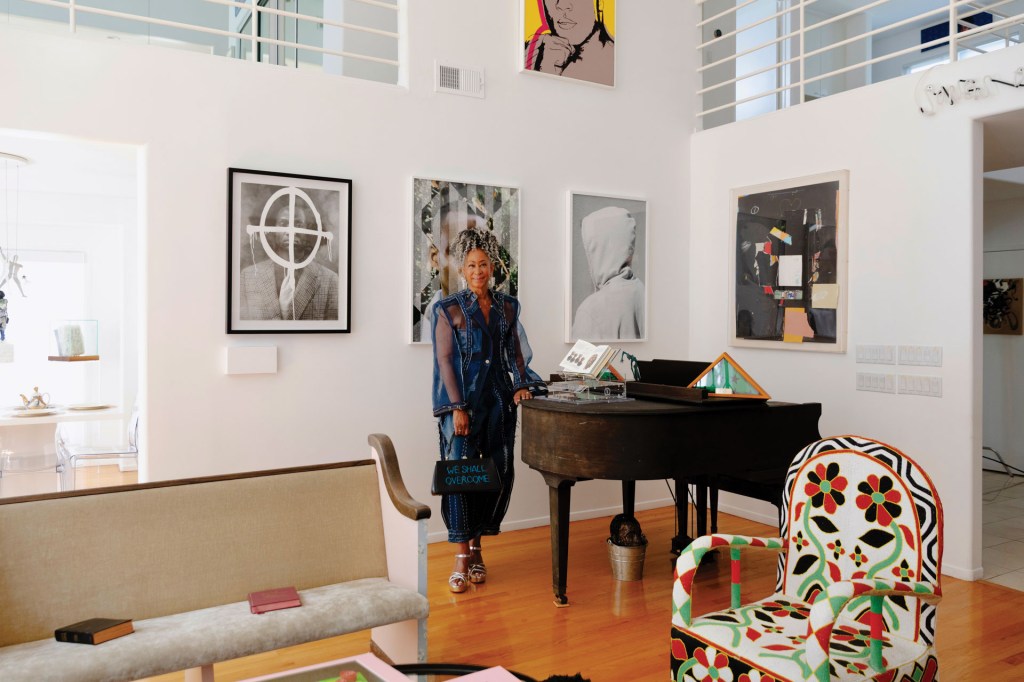
V. Joy Simmons, a Los Angeles-based physician and longtime art collector, opened her Baldwin Hills home to ARTnews for a tour of her extensive collection. The house features over 150 objects, including stained-glass windows by Varnette Honeywood and Joyce Dudnick, a site-specific column installation by Lauren Halsey, and works by Elizabeth Catlett, Romare Bearden, Kerry James Marshall, Mark Bradford, Kehinde Wiley, and Carrie Mae Weems, among many others. Simmons began collecting in the 1970s with a $50 lithograph by Catlett and has since built a collection that spans generations of Black artists, often juxtaposing older and younger artists in her displays.

What’s the True State of Bangkok’s Art Ecosystem?

The article examines the current state of Bangkok's art scene, which is experiencing a surge of private investment and international attention. New institutions like UNITED Unlimited and Misiem's/bangkok are opening, and events like the Bangkok Art Biennale are gaining prominence, leading some international media to compare the city's potential to art hubs like Miami.

antica terra maggie harrison wine box set 1234763237

Maggie Harrison, head winemaker at Antica Terra in Oregon's Willamette Valley, has collaborated with artists Julie Mehretu, Paul Pfeiffer, and Jessica Rankin to create a limited-edition box set of wines. Each set includes wines blended collaboratively and individual artworks packaged with the bottles, described as a “Museum in a Box.” Proceeds from the 150 sets benefit Denniston Hill, the artist residency founded by Mehretu and Pfeiffer. Harrison also opened an Art Meadow at Antica Terra this past summer, featuring a site-specific installation by Lily Clark, with plans for another exhibition next year.

Which City Will Be the Next Asian Art Hub? That’s the Wrong Question

The traditional quest to identify a single dominant Asian art hub is being challenged by the organic growth of decentralized scenes in cities like Bangkok and Hanoi. While Hong Kong and Seoul remain established centers, private initiatives and artist-led projects in Thailand and Vietnam are building resilient, hybrid ecosystems that prioritize long-term structural depth over immediate auction results. From the opening of Dib Bangkok to experimental exhibitions in Hanoi, these cities are transitioning from peripheral status to significant cultural players through a mix of private museums, biennials, and non-profit platforms.

parlez vous le francais french old masters glossary and museum list 32155

Artnet News published a French-language glossary of Old Masters terminology and a list of French museums dedicated to Old Masters. The article defines an Old Master as a European painter who worked before 1800, then provides an A–Z bilingual glossary covering terms from Baroque to Venetian Renaissance. It also profiles two museums: the Musée du Louvre in Paris, highlighting its history, collection size, and a wartime anecdote about Théodore Géricault's "Le Radeau de la Méduse," and the Musée du Louvre-Lens, a branch museum opened in 2012 on a former mining site.

curators reveal their favorite artworks of all time 2717382

Artnet News asked leading curators and museum directors to share their favorite artworks of all time. Connie Butler of MoMA PS1 chose David Hammons's "Bliz-aard Ball Sale" (1983), praising its connection from Duchamp to AI. Julieta Gonzalez of the Wexner Center selected Hans Holbein the Younger's "The Ambassadors" (1533), highlighting its anamorphic skull as a metaphor for viewing modernity from the margins. Madeleine Grynsztejn of MCA Chicago picked Francisco Goya's "A Pilgrimage to San Isidro" (1819–23) from his Black Paintings cycle, calling it a metaphor for fanaticism.

westmoreland frick collection restaurant review 2654568

The Frick Collection in New York has opened its first-ever restaurant, Westmoreland, named after founder Henry Clay Frick's private train car. Located on the museum's newly renovated second floor, the 50-seat dining room features interiors by Bryan O'Sullivan Studio, a mural by artist Darren Waterston, and a menu of comforting, unadventurous fare like caesar salad, club sandwich, and avocado toast. The kitchen is led by Skyllar Hughes, a veteran of Danny Meyer's Ci Siamo, and operated by Union Square Events. Only museum ticket holders can dine, and reservations must be made in person.

Can Art Feel?

Hyperallergic's newsletter explores the question of whether artworks can possess personhood, drawing on Lisa Siraganian's essay that references the 2010 Citizens United Supreme Court decision and Pierre Huyghe's uncanny human statues. Other featured pieces include Ed Simon's review of Elizabeth Goldring's new book on Hans Holbein the Younger, Michael Glover's introduction to George Stubbs's equine portraits at the National Gallery in London, and news of a historic $116M gift to the National Gallery of Art for an artwork lending program. The newsletter also covers Byron Kim's exhibition at James Cohan Gallery, the new V&A East museum in London, and obituaries for Desmond Morris, James Hayward, and Flo Oy Wong.

Andrew Lloyd Webber Is Writing a Musical About the Heist that Made ‘Mona Lisa’ Famous

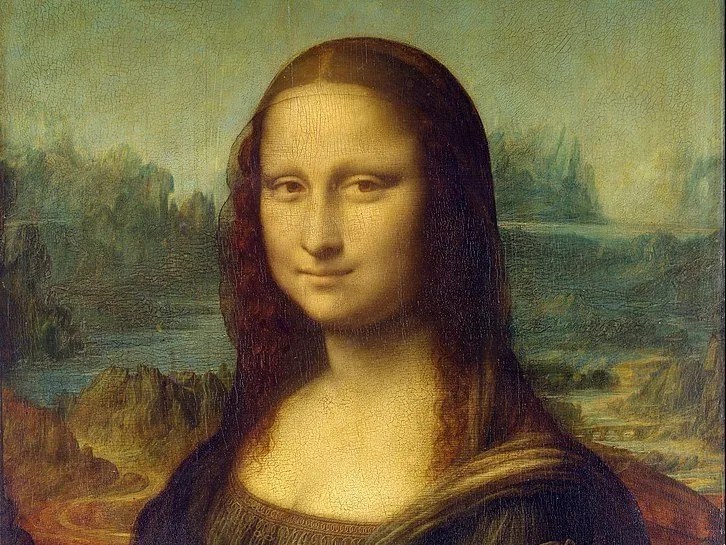
Renowned composer Andrew Lloyd Webber has announced he is developing a new musical centered on the 1911 theft of Leonardo da Vinci’s Mona Lisa. The production will dramatize the true story of Vincenzo Peruggia, a Louvre employee who stole the masterpiece and hid it for two years before it was recovered in Italy. Lloyd Webber revealed the project following the Broadway opening of Cats: The Jellicle Ball, noting that he is beginning the writing process immediately.

timothee chalamet michael heizer city vogue 1234760574

Actor Timothée Chalamet visited Michael Heizer's monumental Land art installation *City* in the Nevada desert for a profile in *Vogue*. The article, tied to Chalamet's upcoming film *Marty Supreme*, includes his brief remarks on the artwork and photographer Annie Leibovitz, who shot his portraits at the site. The piece also quotes art critic Kristen Swenson's reflections on the sensory experience of *City*, which opened in 2022 after decades of construction.

art market open door policy jeff magid 1234753579

Jeff Magid, a New York, Los Angeles, and Mexico City–based art collector, plans to open Cuernavaca Tres, a public art foundation in Mexico City, in 2026. In an opinion piece for ARTnews, he argues that the current downturn in the art market—marked by declining sales and gallery closures—is not due to economic cycles or financialization, but rather a simple mismatch: there are more galleries, auctions, fairs, and artists than ever, while the number of buyers has not kept pace. Magid criticizes the luxury retail model adopted by many galleries, which prioritizes exclusivity and status signaling, and contends that this approach fails to attract enough new collectors to sustain the market.

Harnessing the winds of societal change: how art dealers have been able to shape taste for centuries

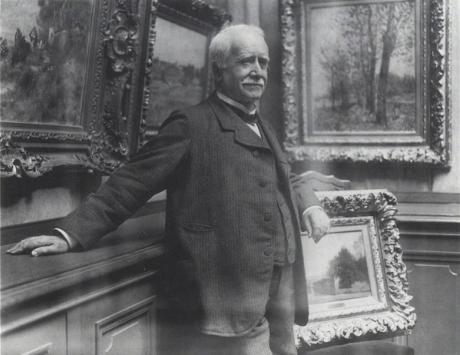
Valentina Castellani, a former Gagosian director, has authored a new book titled *Trading Beauty: Art Market Histories from the Altar to the Gallery* (out 1 May). The book traces how art dealers have historically leveraged societal changes—political, economic, and social—to reshape taste and market structures. Castellani begins in the Middle Ages, when art was made only on commission for patrons like the Catholic church and monarchies, and moves through key shifts such as the Dutch Republic's first open art market in the 17th century, which gave rise to the professional art dealer. She highlights dealers like Paul Durand-Ruel, Joseph Duveen, and Leo Castelli who capitalized on anti-establishment energy, new wealth, and post-war consumer culture to bring avant-garde art to the forefront.

strategies art world 2667436

Cem A., an artist and anthropologist known for the art meme page @freeze_magazine, argues that the art world is suffering from an oversupply of graduates trained by art schools that cannot sustain them. He describes a paradox where art graduates face high unemployment and are dismissed as unqualified for non-art jobs, while those who remain in the field must align with market trends and the attention economy, risking burnout and compromised creativity. Cem A. shares his own experience of being rejected for being "too artsy" before finding success through his Instagram page, which opened doors that traditional career paths could not.

In a Historic Kyoto Neighborhood, a New Hotel Channels the Past

A new hotel, the Ace Hotel Kyoto, has opened in the historic Umekoji neighborhood, housed within a renovated 1920s brick building that was once the Kyoto Central Telephone Office. The project, a collaboration between Ace Hotel Group and Japanese developer NTT Urban Development, blends the original structure's industrial character with contemporary design by Kengo Kuma and Commune Design, featuring guest rooms, restaurants, and a gallery space.

Luca De Michelis, chief executive of Marsilio Arte, on his favourite spots in Venice beyond the Biennale

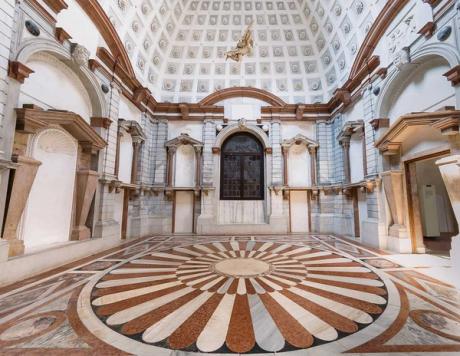
Luca De Michelis, CEO of Marsilio Arte, shares his personal guide to Venice beyond the Biennale, highlighting historic sites, shopping, dining, and cultural venues. His recommendations include Palazzo Grimani, Micheluzzi Glass, the Gardens of the Church of the Redeemer on Giudecca, Antiche Carampane restaurant, the newly opened Dries Van Noten Foundation, San Giorgio Maggiore island, Codroma for spritz, and the upcoming exhibition 'Strange Rules' at Palazzo Diedo’s Berggruen Arts & Culture.

When is art sacred? A Jesuit artist on what makes the absurd, the abstract and the ordinary holy

The article is a first-person reflection by Jesuit artist Nick Leeper on the 2024 Biennale d'Art Contemporain Sacré in Menton, France. Leeper describes entering the Grand Hôtel des Ambassadeurs expecting a traditional sacred art show but finding instead a mix of abstract sculptures, Venetian glassworks, and works by Man Ray, alongside more conventional religious pieces. The biennale, founded in 2019 by Liana Marabini, features 180 artists from 29 countries exploring the theme of "forgiveness," including major names like Damien Hirst, Yayoi Kusama, and Gerhard Richter, as well as artists from religious orders. Leeper recounts how visitors at the opening asked what makes such diverse works sacred.

In Galerie Sardine, a New Idea of What the Art Gallery Can Be

Artist Joe Bradley and his wife Valentina Akerman, neither of whom had run an art gallery before, opened Galerie Sardine in a 1701 farmhouse on Main Street in Amagansett, Long Island. The gallery, named after a small fish to convey modesty and portability, attracted crowds of local and visiting art lovers, including prominent dealer Larry Gagosian. The article profiles the couple's backgrounds—Akerman, an architect and former art director from Colombia, and Bradley, a painter who rose to prominence with a solo show at MoMA PS1 in 2006 and now shows with David Zwirner.

Korean artists are taking the world by storm—but why does their work resonate so widely?

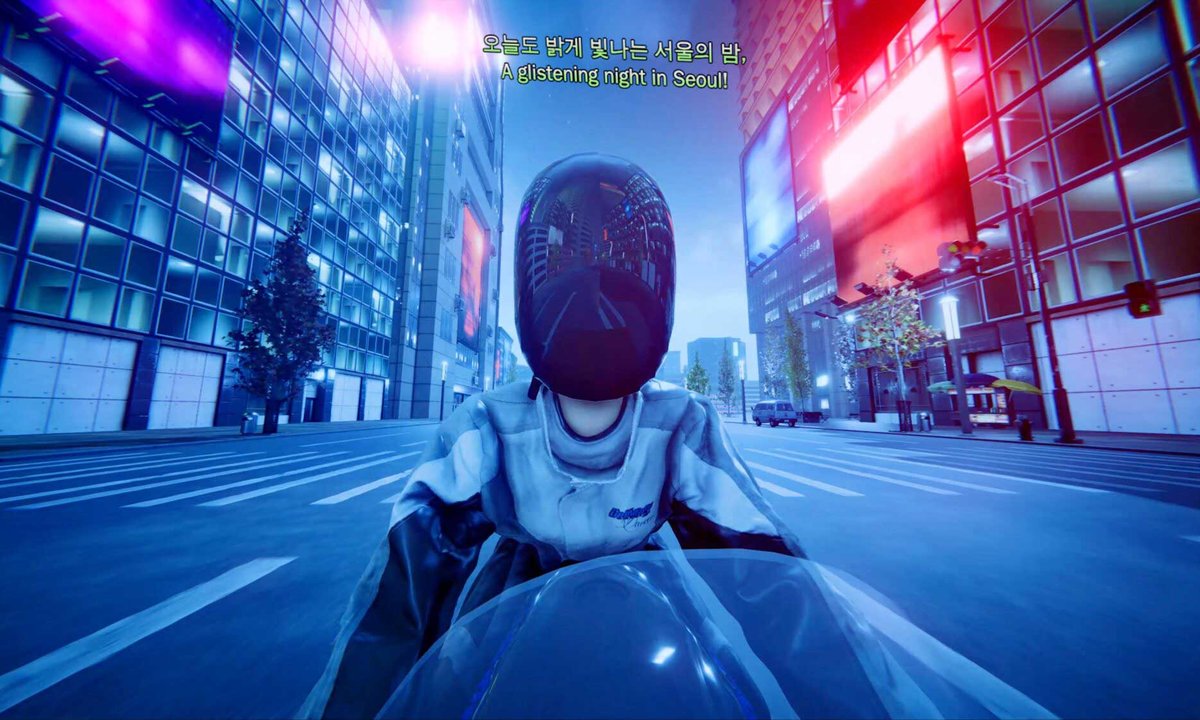
Korean artists are gaining unprecedented global recognition, with figures like Haegue Yang, Do Ho Suh, Lee Bul, and Mire Lee leading a shift from traditional Dansaekhwa abstraction to more conceptual and contemporary practices. The article highlights how K-pop and Korean soap operas have boosted cultural awareness, drawing new audiences to events like Frieze Seoul and prompting major international galleries such as White Cube, Perrotin, and Pace to open in Seoul. Curators and scholars note that Korean art now engages deeply with globalization, historical trauma, and sociopolitical change, facilitated by biennials in Gwangju, Busan, and Seoul, as well as a surge in art institutions.

How AI Will Change Art, According to Arthur Jafa, Marilyn Minter, and Other Artists

Emily McDermott's article, published July 15, 2025, gathers perspectives from artists including Refik Anadol, Arthur Jafa, Marilyn Minter, and others on how AI will change art. It references the controversial Christie's 'Augmented Intelligence' auction in February-March 2025, which generated nearly $730,000 despite an open letter signed by nearly 4,000 individuals urging cancellation over claims that AI models exploit copyrighted material. The artists quoted offer varied views, from Anadol seeing AI as a collaborator that augments creativity to Jafa dismissing most AI-generated work as generic.

Max Mara will stage next cruise show in Shanghai’s Long Museum West Bund - FashionNetwork

Max Mara has announced that its next cruise show, the Resort 2027 collection, will take place at the Long Museum West Bund in Shanghai on June 16, 2026. The event will also mark the opening of a public exhibition titled 'The Max,' curated by French fashion expert Olivier Saillard, celebrating the brand's 75th anniversary. The show continues Max Mara's tradition of staging cruise collections in museums, following previous shows at Berlin's Neues Museum and Venice's Doge Palace.

pantone color of the year white 2724115

Pantone has announced 11-4201 Cloud Dancer, a soft shade of bright white, as its 2026 Color of the Year. This marks the first time the company has chosen a white hue since launching the initiative in 1999, following last year's Mocha Mousse. The decision, announced by Pantone Color Institute vice president Laurie Pressman, is framed as a symbol of calm and a desire for a fresh start in a frenetic society, drawing comparisons to Kazimir Malevich's Suprematist compositions and Robert Ryman's white paintings. The announcement has sparked debate over its cultural and political implications, with critics noting the choice's potential elitism and its resonance amid ongoing racial tensions.

heidi hahn not your woman 2656605

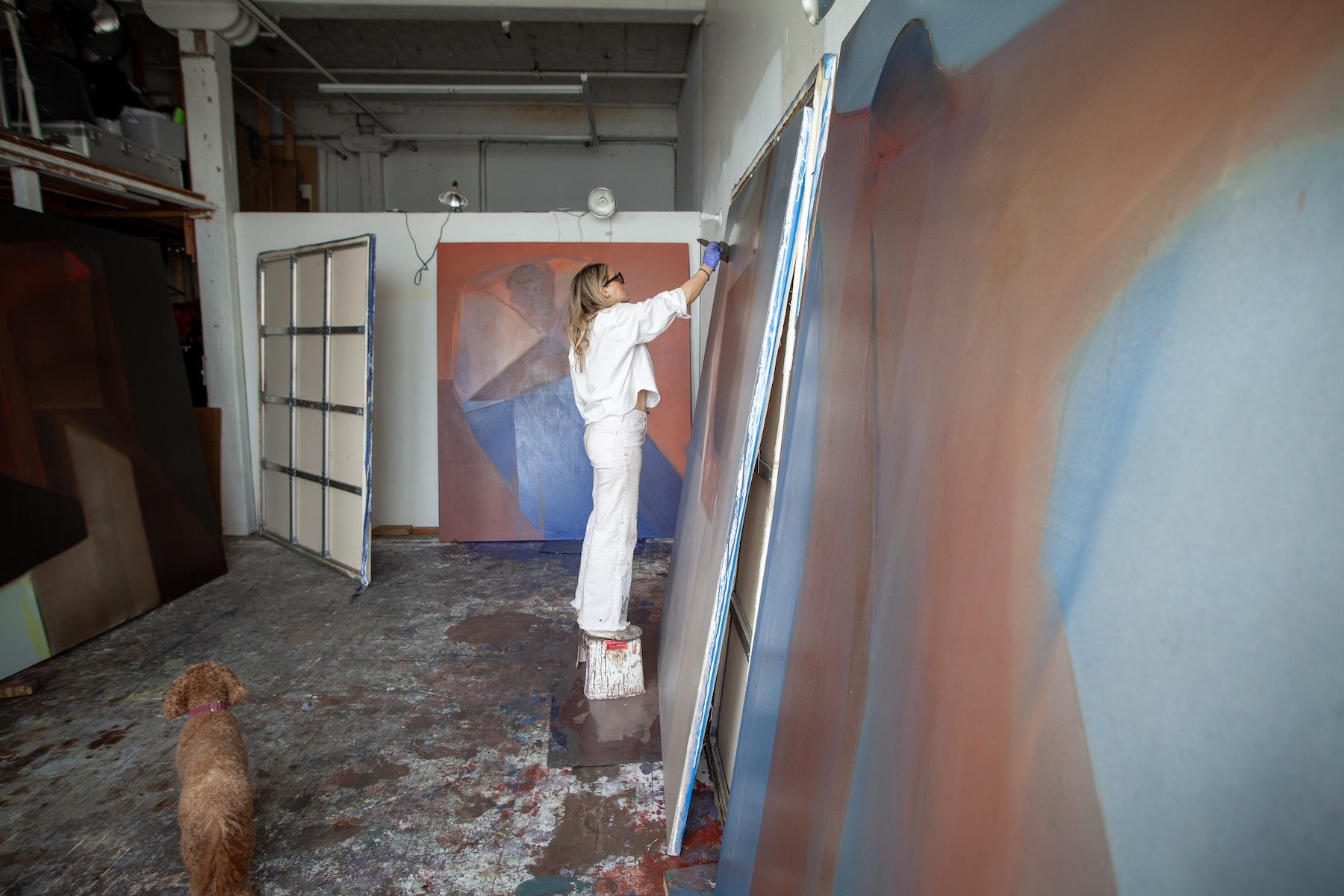
Artist Heidi Hahn discusses her recent exhibition "Not Your Woman" and the emotional journey behind the paintings in an interview with Thalia Stefaniuk. Originally scheduled to open at Mitchell-Innes & Nash's Chelsea gallery, the show was cancelled when the gallery suddenly closed, leaving Hahn feeling discarded and forcing her to rethink the work. The resulting large-scale canvases feature abstract, monumental female bodies rendered in muted oranges, reds, and blues—figures that are faceless, exaggerated, and more like totems or memories than recognizable women. The conversation explores themes of disappointment, failure, and the tension between wanting to be seen and wanting to disappear.

5 new art hotels 2732180

Five new art hotels opened in 2025, including Hotel Saint Augustine in Houston, Texas, and Capella Taipei in Taipei, Taiwan. Hotel Saint Augustine, located near the Menil Drawing Institute, features minimalist interiors by Post Company with custom furnishings and Art Deco-style lighting, while Capella Taipei boasts an art program curated by The Artling, showcasing works by artists such as Chen-Lin Lee, Jasper Huang, Tara Vaughan, Joel Escalona, and Etan Pavavalung. Both properties emphasize craftsmanship and cultural connection through curated art and design.

Artists agonise over when a work is finished—but should we viewers care?

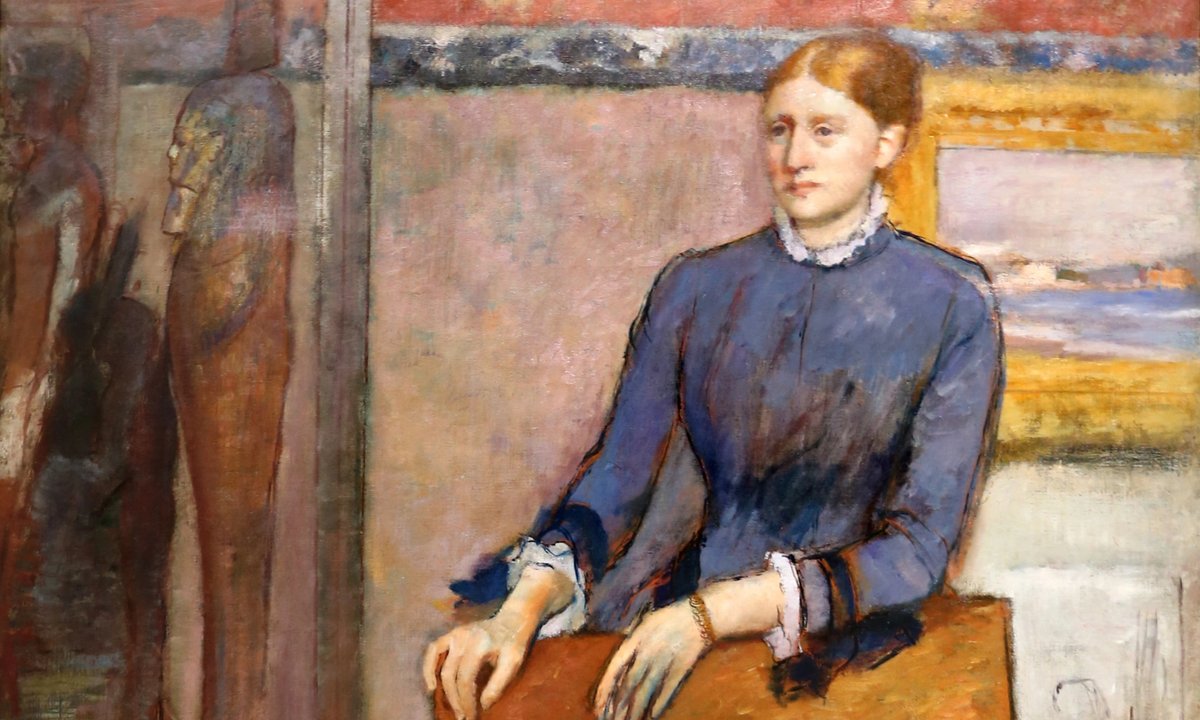
The article explores the perennial struggle artists face in determining when a work is complete, a process often fraught with the risk of overworking or 'wrecking' a piece. Drawing on insights from Howard Hodgkin and David Sylvester, it examines how artists like Degas, Matisse, and Cézanne navigated the boundary between a finished object and a work-in-progress, sometimes intentionally leaving canvases 'open' or 'fragmentarily complete' to preserve their emotional and visual immediacy.

Museum wall texts are an art in their own right—but will they survive the digital age?

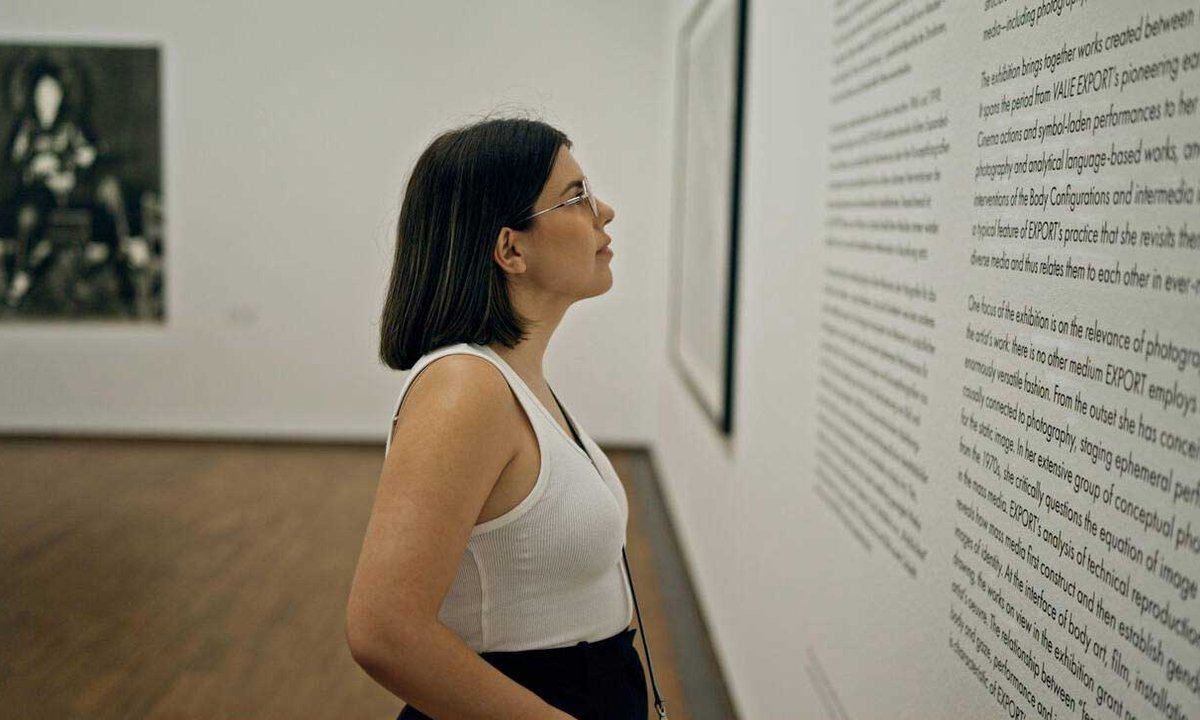
The article explores the debate over museum wall texts, examining whether they enhance or hinder the visitor experience. It highlights contrasting approaches: Calder Gardens in Philadelphia has eliminated wall text entirely, branding itself as "open to interpretation," while institutions like the Frick Pittsburgh and the Royal Ontario Museum (ROM) continue to use carefully crafted labels, often with strict word limits and multiple languages. The Frick Pittsburgh invites guest "labelists" from the local community to write labels, and the ROM focuses on making text shorter and more scannable to hold visitors' limited attention.

Comment | As Cop30 opens in Brazil, it is time for the art world to embrace ethics with aesthetics

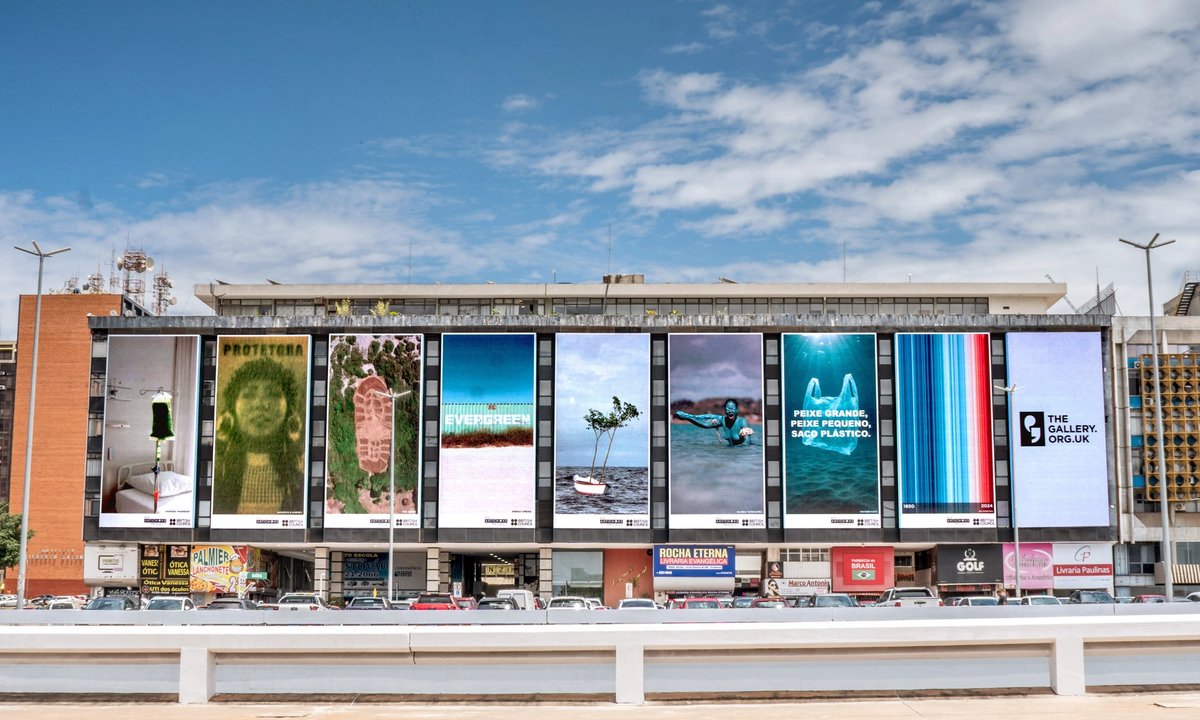
COP30, the United Nations Climate Change Conference, opens in Belém, Brazil, with culture officially on its agenda for the first time, thanks to advocacy from the Amazonian activist group Labverde and Art of Change 21. The conference features interventions and performances by eight Brazilian and indigenous artists, including photographer Christian Braga and activist Beto Oliveira, alongside a flurry of artist-led activities in UK galleries and institutions. The article also marks the tenth anniversary of Gustav Metzger's environmental art project "Remember Nature," which mobilized over 140 artists including Judy Chicago, Olafur Eliasson, and Marina Abramović, and was revisited on November 4, 2025, with sixteen English arts institutions hosting public projects.

The story of Jean-Michel Basquiat’s brief but dazzling life, as told by an art-world insider

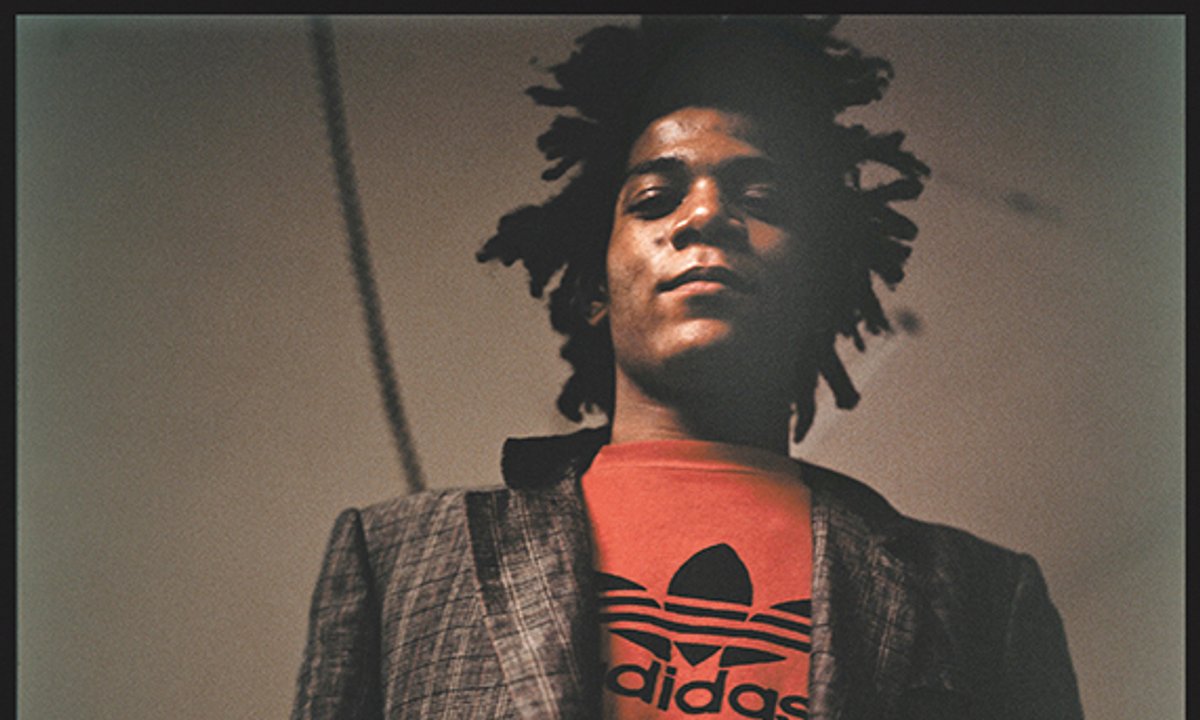
Doug Woodham, former president of Christie's Americas and current managing partner of Art Fiduciary Advisors, has authored a new biography titled "Jean-Michel Basquiat: The Making of an Icon." The book is divided into two halves: the first offers a straightforward biography of Basquiat's life from his gifted childhood in Brooklyn to his rise as a star artist, his friendship with Andy Warhol, and his tragic death from a heroin overdose at age 27. The second half analyzes how Basquiat achieved such early success, examining the influence of his father Gerard, the legal battle with dealer Vrej Baghoomian over the artist's estate, and the roles of collectors like Peter Brant and José Mugrabi. Notably, the Basquiat estate refused permission to include images of his artwork because the book openly addresses sensitive issues about his character and life.

When Gagosian Goes So Do His Galleries, How Hockney’s Swimmer Swam Away, and Green Shoots in the Gallery World

Kenny Schachter's article opens with a broad critique of the political climate under the Trump administration, linking it to a chilling effect on free speech and democracy, before pivoting to the art world. He notes the absence of a U.S. representative for the 61st Venice Biennale, mentions Marilyn Minter's protest piece, and references David Hockney's *Portrait of an Artist (Pool with Two Figures)* at Christie's. The piece also touches on market negativity, the resilience of art, and skepticism about the Middle East as a market savior.

"There are no minor or feminine arts." Domitilla Dardi explains this in her new book

“Non esistono arti minori o femminili”. Ce lo spiega Domitilla Dardi nel suo nuovo libro

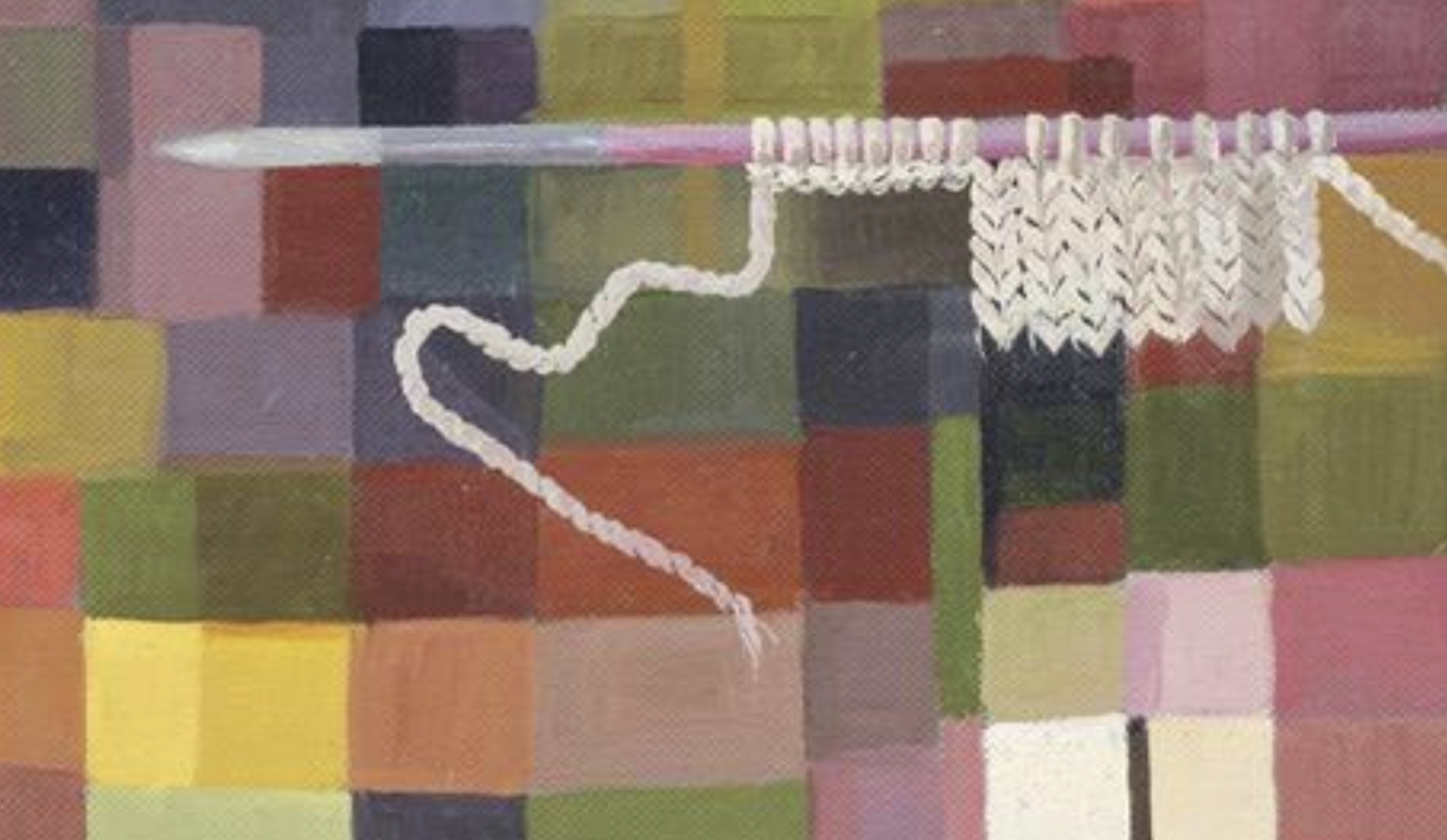
Domitilla Dardi's new book "Cucire Universi" (published by Einaudi) presents a counter-history of design, focusing on techniques traditionally dismissed as "feminine" and "minor"—such as sewing, ceramics, cooking, and knitting. The book argues that these practices have been systematically undervalued by official art histories, yet have contributed significantly to technologically advanced research fields. Dardi uses real historical figures like Emily Dickinson to illustrate how women's creative and scientific talents were channeled into these marginalized domains, and she calls for overcoming the dualistic view that separates art from craft.