filter_list Showing 111 results for "Signal" close Clear
search
dashboard All 3009 museum exhibitions 1111trending_up market 784article news 364person people 302article local 147article policy 133article culture 111gavel restitution 24rate_review review 21candle obituary 5article event 5article gallery 1article events 1
date_range Range Today This Week This Month All
Subscribe

art trends 2026

Art critic Ben Davis reflects on the cultural landscape of early 2026, identifying a chaotic aesthetic defined by AI-generated imagery, esoteric Nazi dog whistles, internet trolling, and gaudy luxury, which he calls the "Chaotic Style." He also discusses the muted response to the 2025 Fall of Freedom initiative, the ongoing credibility crisis of liberal institutions over Gaza, and the need for serious AI criticism that moves beyond dismissing it as "slop."
forget blue chip art its a red chip art world now

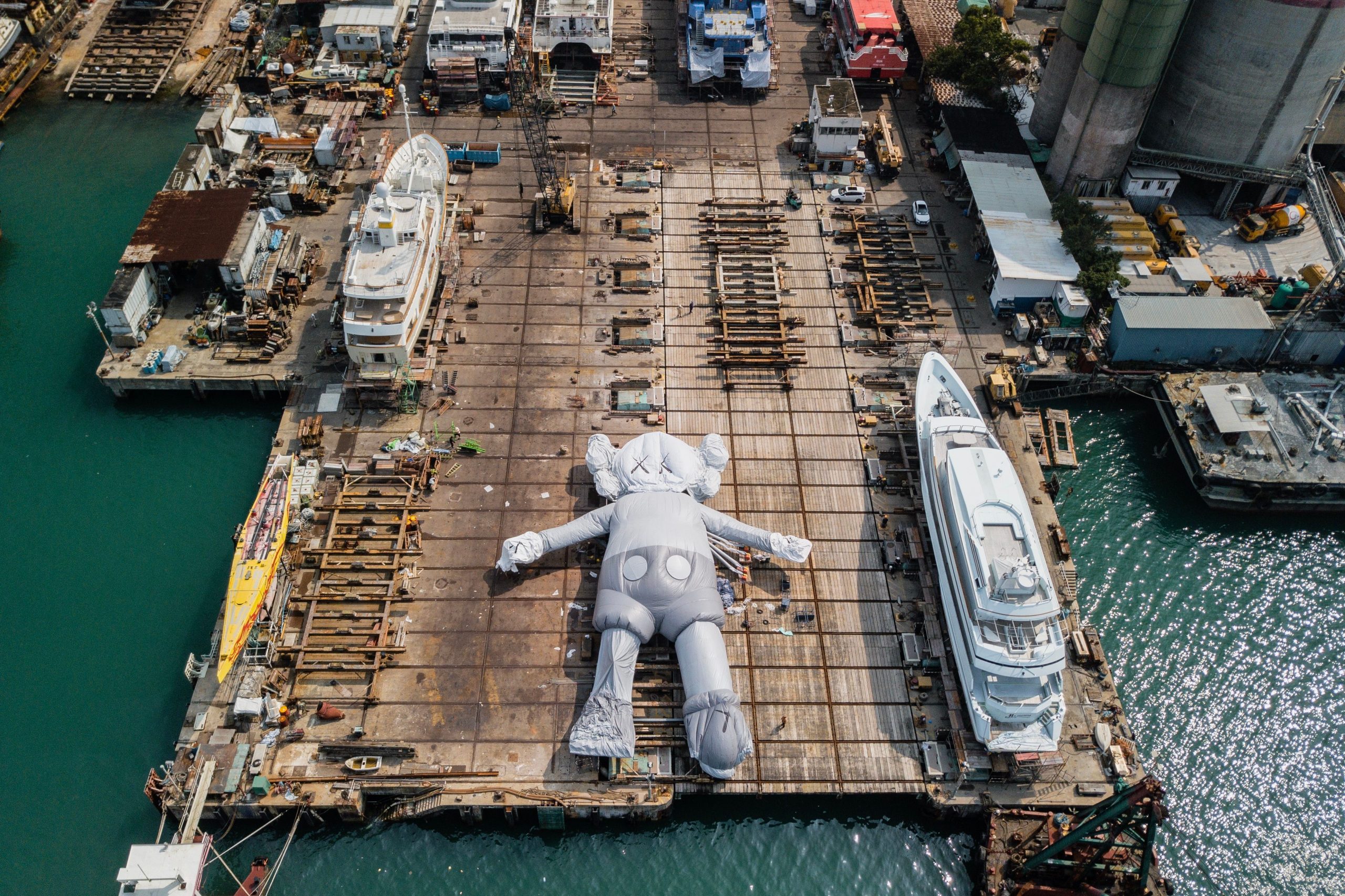
The article introduces and defines the concept of "red-chip art," a new category of art collecting that rejects traditional art-historical reverence in favor of aesthetics rooted in street art, graffiti, super-flat cartoons, multi-colored chrome, and crypto culture. It describes red-chip collectors as mysteriously affluent millennials, techies, hip-hop visionaries, and crypto aspirants who gravitate toward artworks that resemble toys, limited-edition dolls, NFTs, and memecoins, often consumed at venues like the Eden Fine Art gallery at the Wynn in Las Vegas or parties during Art Basel Miami Beach. Key artists associated with this movement include KAWS, George Condo, Virgil Abloh, Tom Sachs, Alex Israel, Damien Hirst, Harmony Korine, Yoshitomo Nara, and Banksy, with Jeff Koons and Takashi Murakami seen as transitional "purple chip" figures.

Which City Will Be the Next Asian Art Hub? That’s the Wrong Question

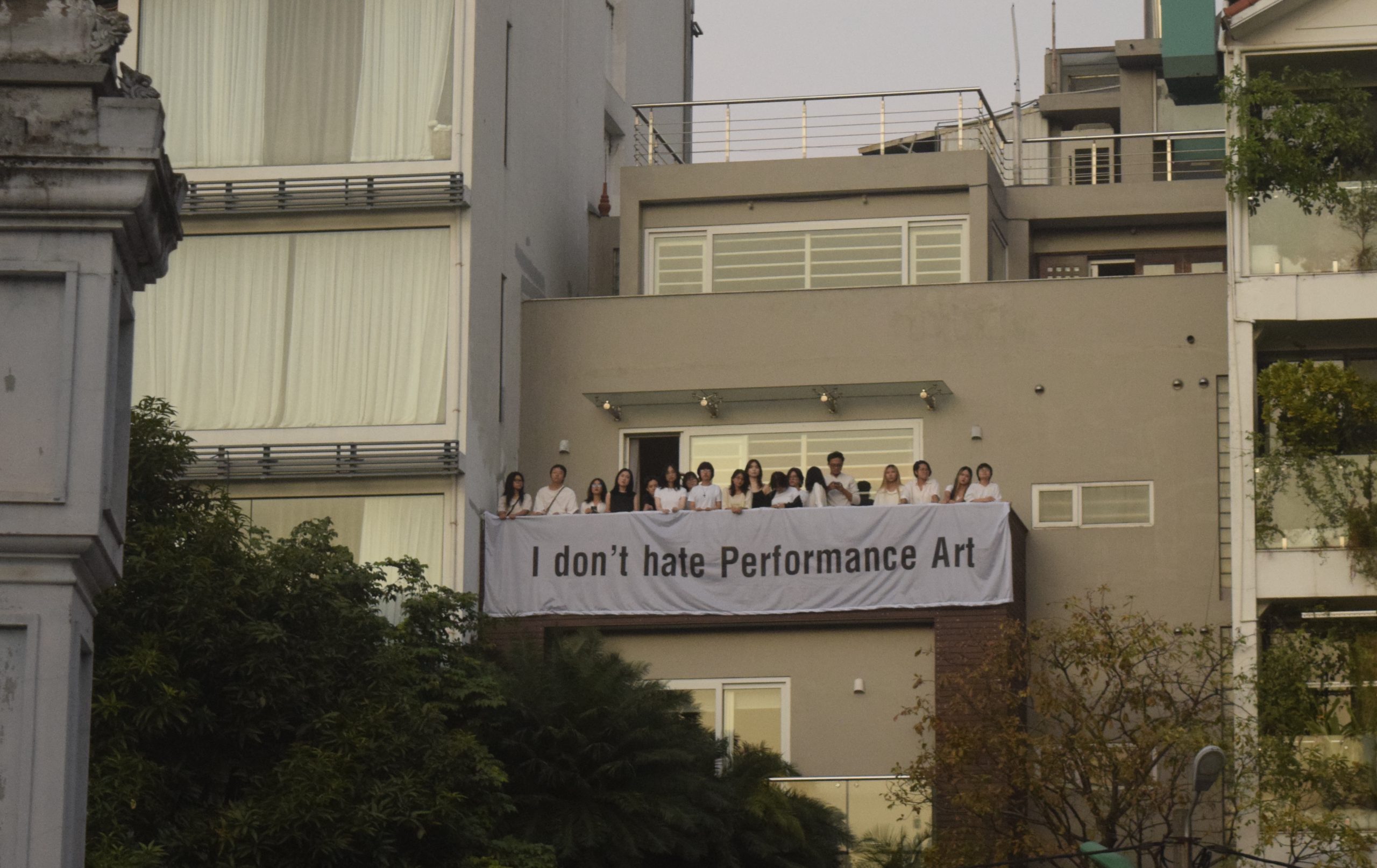
The traditional quest to identify a single dominant Asian art hub is being challenged by the organic growth of decentralized scenes in cities like Bangkok and Hanoi. While Hong Kong and Seoul remain established centers, private initiatives and artist-led projects in Thailand and Vietnam are building resilient, hybrid ecosystems that prioritize long-term structural depth over immediate auction results. From the opening of Dib Bangkok to experimental exhibitions in Hanoi, these cities are transitioning from peripheral status to significant cultural players through a mix of private museums, biennials, and non-profit platforms.

art market open door policy jeff magid

Jeff Magid, a New York, Los Angeles, and Mexico City–based art collector, plans to open Cuernavaca Tres, a public art foundation in Mexico City, in 2026. In an opinion piece for ARTnews, he argues that the current downturn in the art market—marked by declining sales and gallery closures—is not due to economic cycles or financialization, but rather a simple mismatch: there are more galleries, auctions, fairs, and artists than ever, while the number of buyers has not kept pace. Magid criticizes the luxury retail model adopted by many galleries, which prioritizes exclusivity and status signaling, and contends that this approach fails to attract enough new collectors to sustain the market.

The Defining Themes of Today’s Biennial Art

The article analyzes the defining themes and styles of the past four years in the international biennial circuit, based on a survey of 130 biennials. It identifies a core group of artists who appeared most frequently, including Ali Eyal, Apichatpong Weerasethakul, Carolina Caycedo, Kapwani Kiwanga, and Tuan Andrew Nguyen, among others. Many of these artists are also featured in the upcoming 61st Venice Biennale curated by the late Koyo Kouoh. The piece categorizes their work under two broad themes: "Post-Colonial Post-Conceptualism," which involves poetic engagement with colonial history and artifacts, and "Families and Networks," where artists explore personal and political family histories.

how venices legendary hotel cipriani is rethinking luxury with art

The article describes a weekend stay at the Hotel Cipriani, a Belmond hotel in Venice, highlighting its role as a luxurious oasis amid the city's cultural offerings. It details visits to the Peggy Guggenheim Collection, including the exhibition "Manu-Facture: The Ceramics of Lucio Fontana," and the Gallerie dell'Accademia, while focusing on the hotel's upcoming redesign by architect Peter Marino, set to debut in 2025 with new suites and a lobby. The hotel's art program, including past collaborations like Daniel Buren's pavilion and future activations tied to the 2026 Venice Biennale, is also emphasized.

new york fashion week artists designers jason wu rauschenberg

During New York Fashion Week, Canadian designer Jason Wu unveiled his latest collection in a Brooklyn Navy Yard warehouse, but the runway show was preceded by a ten-piece installation of screen prints by American artist Robert Rauschenberg, on loan from the Rauschenberg Foundation. Wu spent months researching the artist's archive, focusing on the little-studied Hoarfrost series, and incorporated image transfers from 1970s newspapers and magazines into his garments. The show also featured other designer-art crossovers, including Proenza Schouler's debut under Rachel Scott at Olney Gleason gallery and Ashlynn Park's presentation at the International Center of Photography alongside works by Iranian artist Sheida Soleimani.

Artists made their mark at 2026 Met Gala

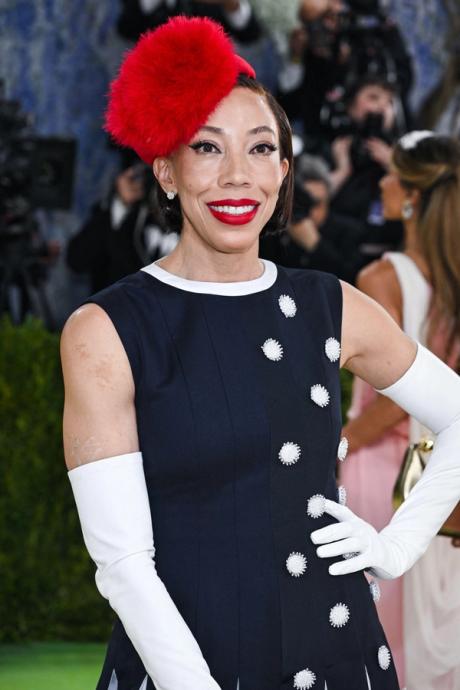
The 2026 Met Gala, held on May 4 at the Metropolitan Museum of Art, raised a record $42 million for the Costume Institute, surpassing last year's $31 million. Honorary chairs Jeff Bezos and Lauren Sanchez Bezos contributed at least $10 million, but their involvement sparked protests outside the event, with demonstrators holding signs like "Tax the Rich" and a group called Everyone Hates Elon leaving fake urine bottles labeled with Bezos's face. Inside, artists made a strong impression: Amy Sherald wore a Thom Browne look based on her painting; Jordan Roth donned a Robert Wun outfit inspired by a Met collection work; and Tschabalala Self collaborated with Brandon Blackwood on a gown evoking Degas's ballerina sculpture. The gala's dress code was "fashion is art," and the accompanying exhibition, "Costume Art" (May 10–January 10, 2027), debuts the Met's new 12,000-square-foot Condé M. Nast Galleries.

these trends defined art in 2025

Artnet News recaps the defining trends of 2025 in the art world, highlighting five key stories. These include the resurgence of elaborate frames in contemporary art ("Bordercore"), the rise of "red-chip art" favored by a new breed of flashy collectors, a "para-pastoral" movement that twists idyllic rural scenes into unsettling visions, and the growing popularity of small-scale paintings driven by intimacy and market shifts.

7 Contemporary Artists to Follow If You Like Cecily Brown

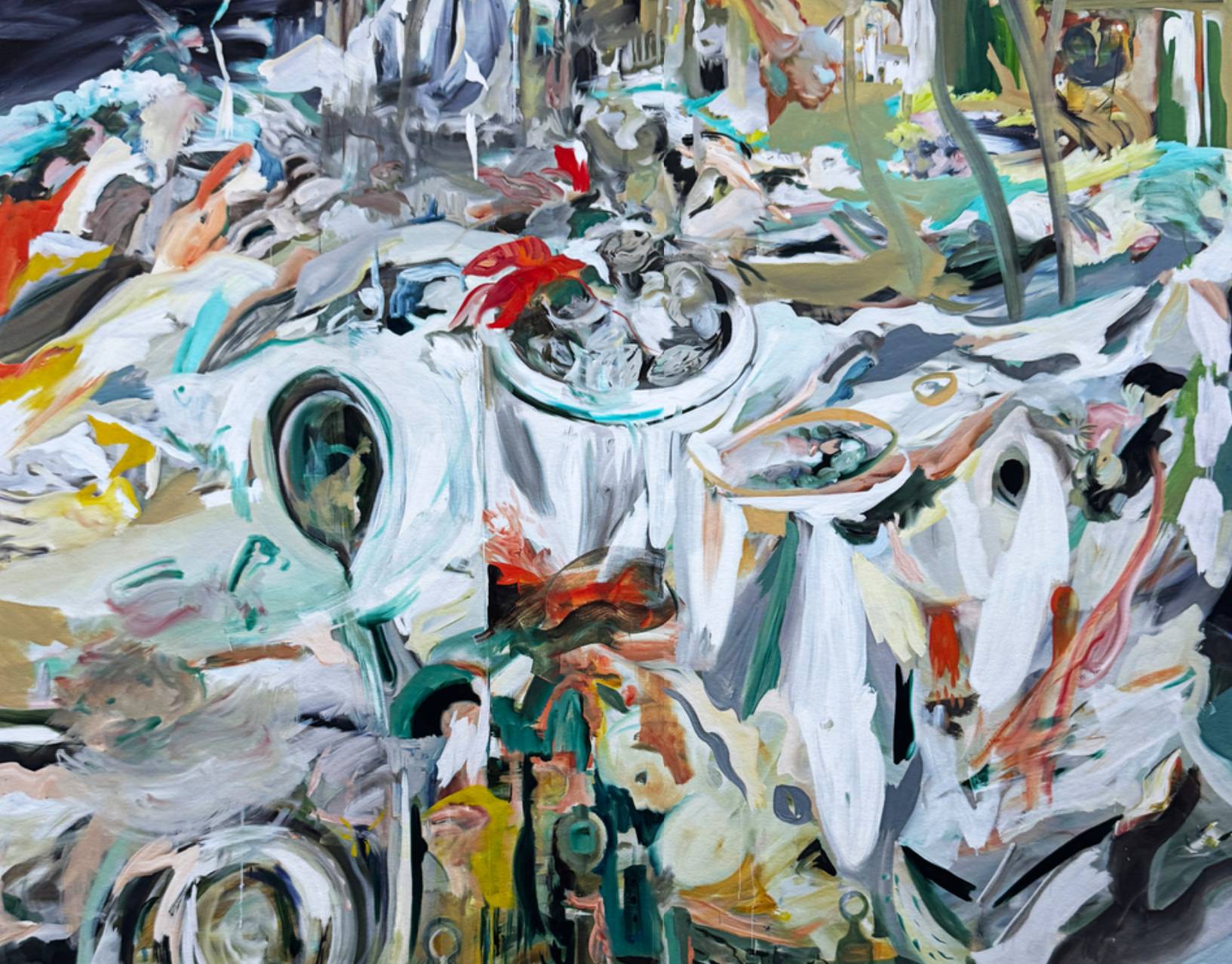
The article presents a curated list of seven contemporary artists whose work shares aesthetic or thematic connections with the painter Cecily Brown. It highlights artists like Jenna Gribbon, known for intimate, luminous portraits; Issy Wood, who blends Old Master techniques with contemporary malaise; and others such as Flora Yukhnovich, Doron Langberg, Louis Fratino, Maia Cruz Palileo, and Somaya Critchlow, each exploring figuration, sensuality, and painterly abstraction in distinct ways.

8 gulf artists defining the regions new cultural renaissance

Artnet News profiles eight Gulf artists who are shaping the region's cultural renaissance, including Mohammad Alfaraj and Dana Awartani. The article highlights their growing international recognition, with Alfaraj winning Art Basel Emerging Artist and Gold Awards in 2025 and Awartani exhibiting at the 2024 Venice Biennale. It notes the expansion of major art fairs like Art Basel and Frieze into the Gulf, alongside new homegrown initiatives such as the Diriyah Contemporary Art Biennale and Rubaiya Qatar.

Meet the Gallerists Trading White Cubes for Unconventional Architecture

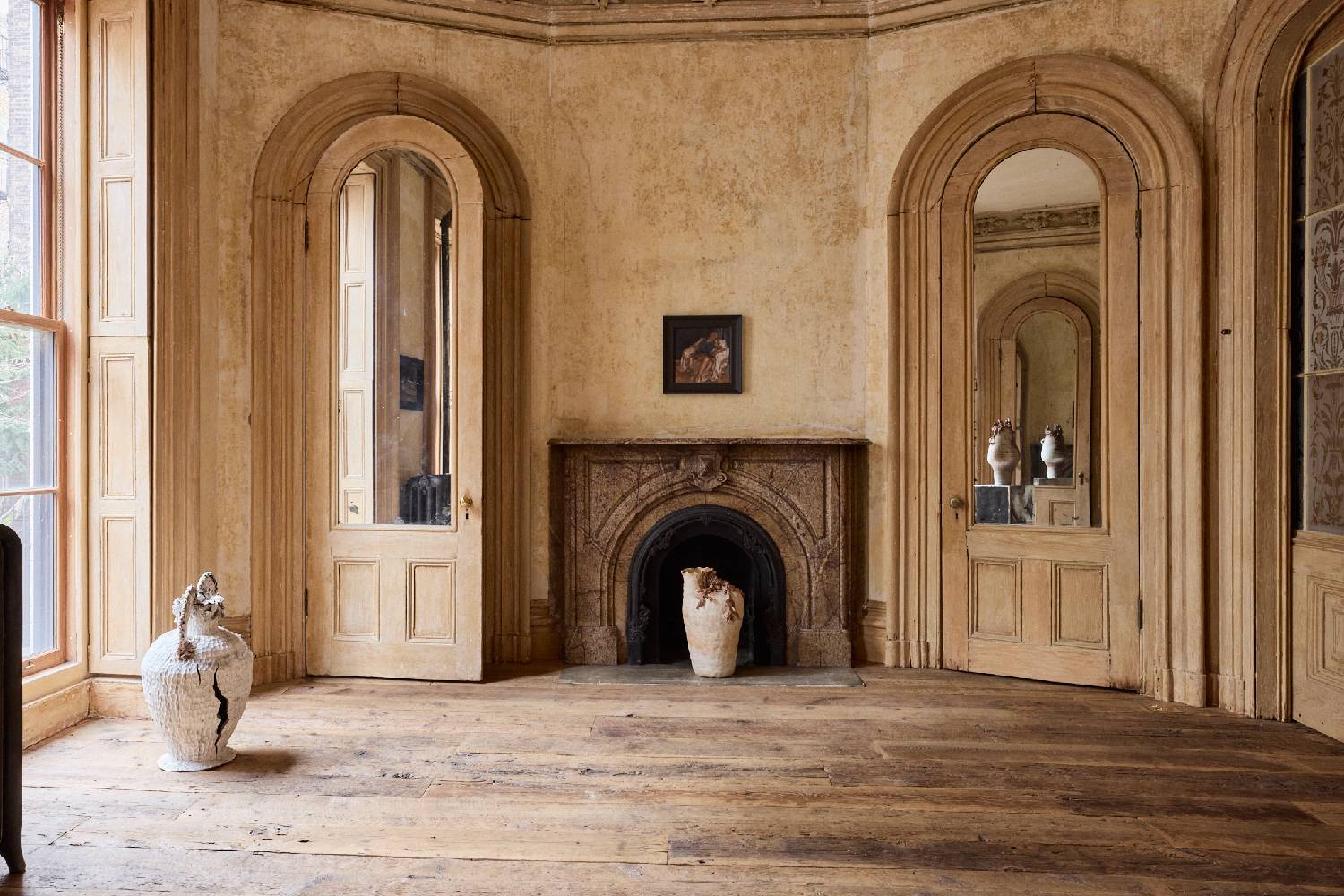
A growing number of gallerists are moving away from the traditional 'white cube' gallery model, opting instead for spaces with unconventional architecture and distinct character. These include locations in repurposed industrial buildings, historic structures, and uniquely designed new constructions that actively shape the visitor's experience of the art.

A modern Tower of Babel? Pope Leo XIV warns against artificial intelligence

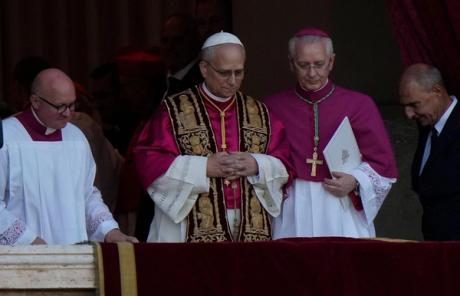
Pope Leo XIV has issued his first encyclical, titled *Magnifica Humanitas*, warning that artificial intelligence poses a major threat to humanity and could lead to a modern Tower of Babel. In the 43,000-word letter, he calls for disarming AI, establishing robust legal frameworks, and regulating tech giants like Meta. He also references Picasso's *Guernica* (1937) as a prophetic work denouncing dehumanization, alongside Beethoven's Ninth Symphony and the novel *Schindler's List*. Separately, the Vatican is expanding its contemporary art program, with a new space called Conciliazone 5 currently showing works by British artist George Rouy, and future exhibitions planned for Yan Pei-Ming and Vivian Suter.

How Is Arts Patronage Changing?

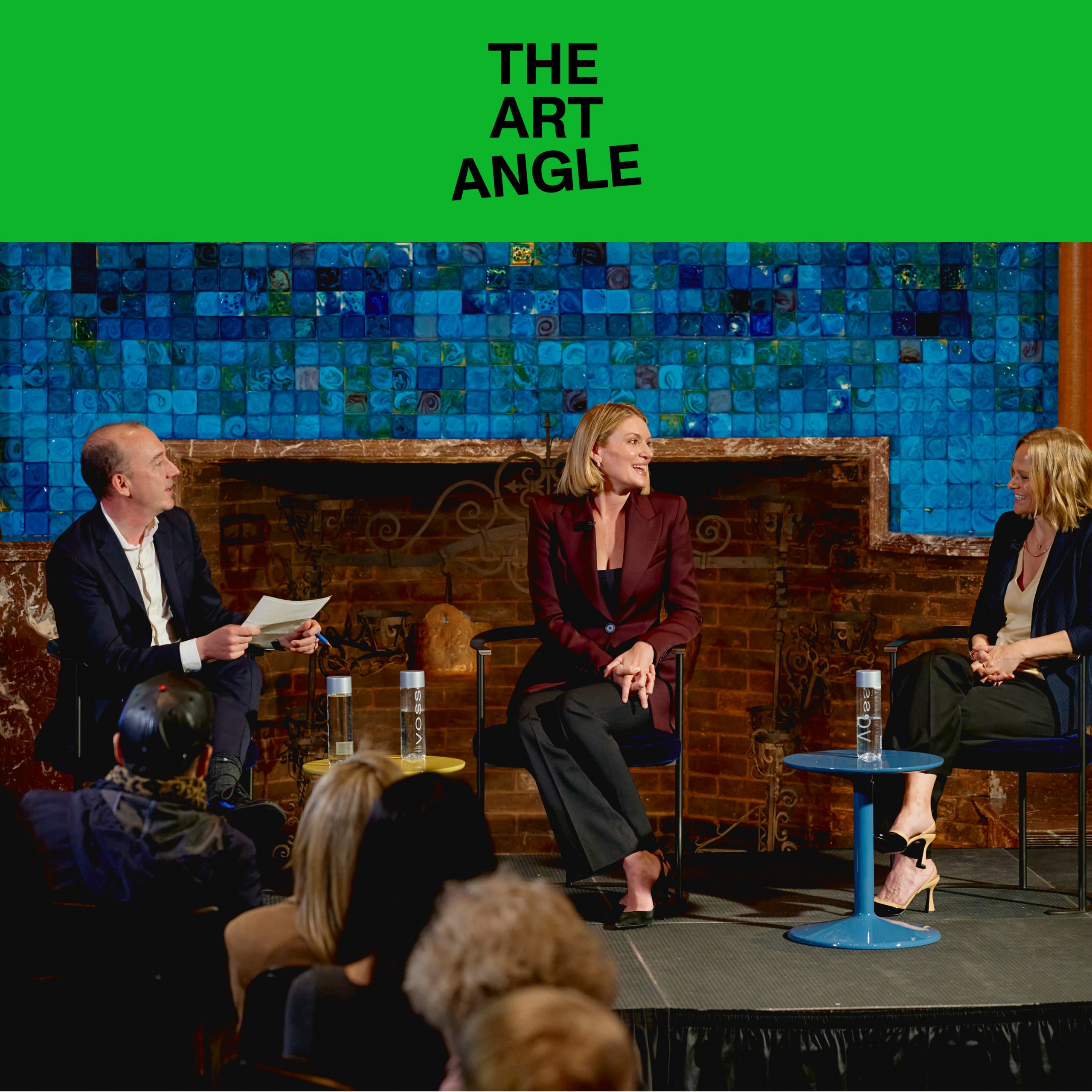
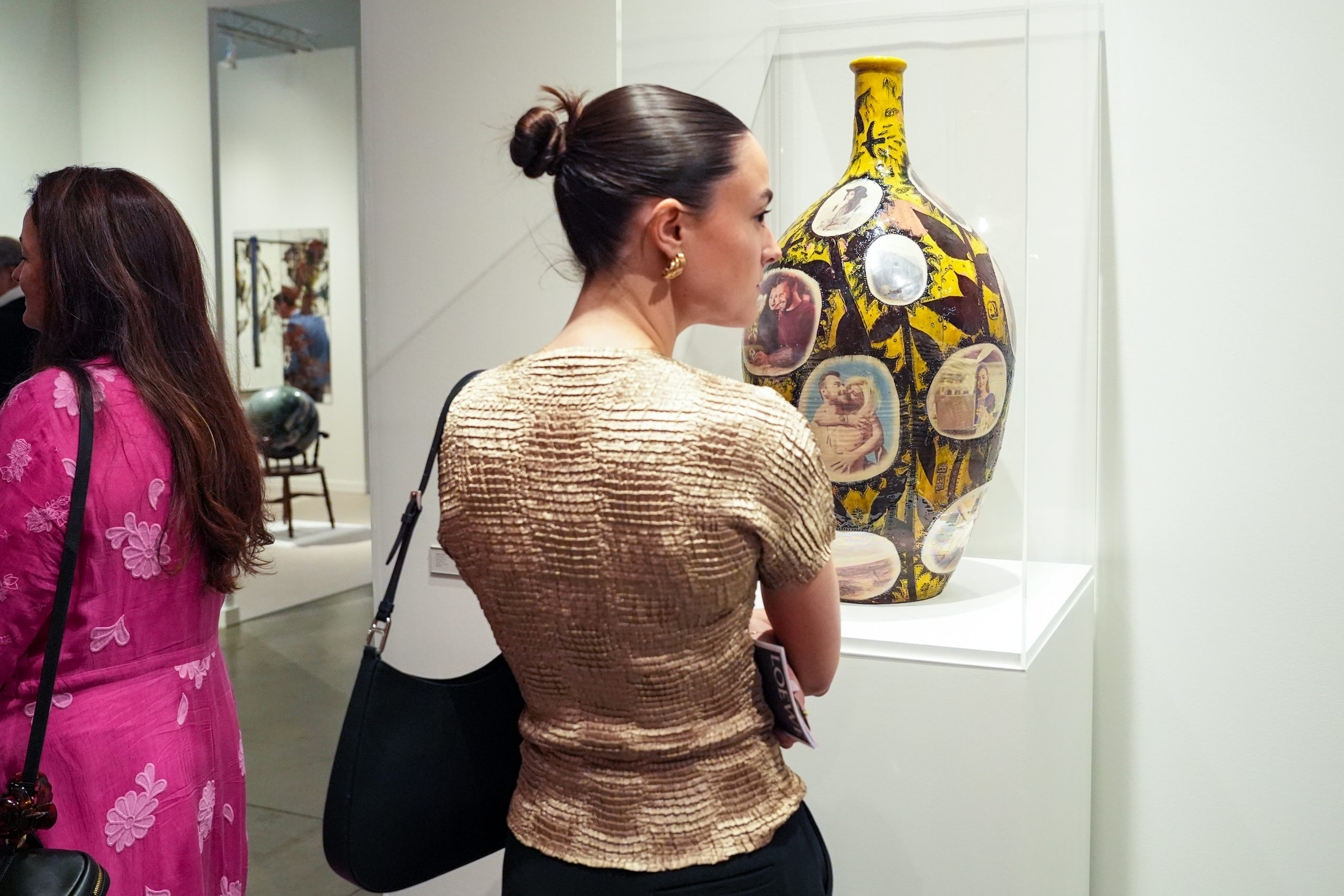
At TEFAF New York, Artnet News editor Andrew Russeth moderated a panel titled “Who Supports Art Now? Patronage in a Shifting Cultural Landscape” featuring two prominent figures in American arts philanthropy: Sarah Arison and Michi Jigarjian. Arison, who became the youngest president of the Museum of Modern Art’s board in 2024 at age 39, also leads the Arison Arts Foundation and chairs YoungArts. Jigarjian, CEO of Work of Art Holdings and a partner at 7G Group, has led Baxter St at CCNY for 15 years and serves on the boards of the Brooklyn Museum and MoMA PS1. The discussion took place during fair week in mid-May at the Park Avenue Armory.

Let’s dress like a Mark Rothko! How gen Z fell for the king of colour field paintings

Mark Rothko, the abstract expressionist known for his color field paintings, is experiencing a cultural resurgence among Generation Z on social media platforms like TikTok and Instagram. Videos inspired by his work amass hundreds of thousands of views, with creators styling outfits based on his canvases, assigning his paintings to personality archetypes, and comparing his palettes to dream pop bands like the Cocteau Twins. The Rothko Chapel in Houston, Texas, has also seen a wave of curious young visitors drawn to the meditative, confrontational experience of his art.

5 Art Novels to Read This Summer

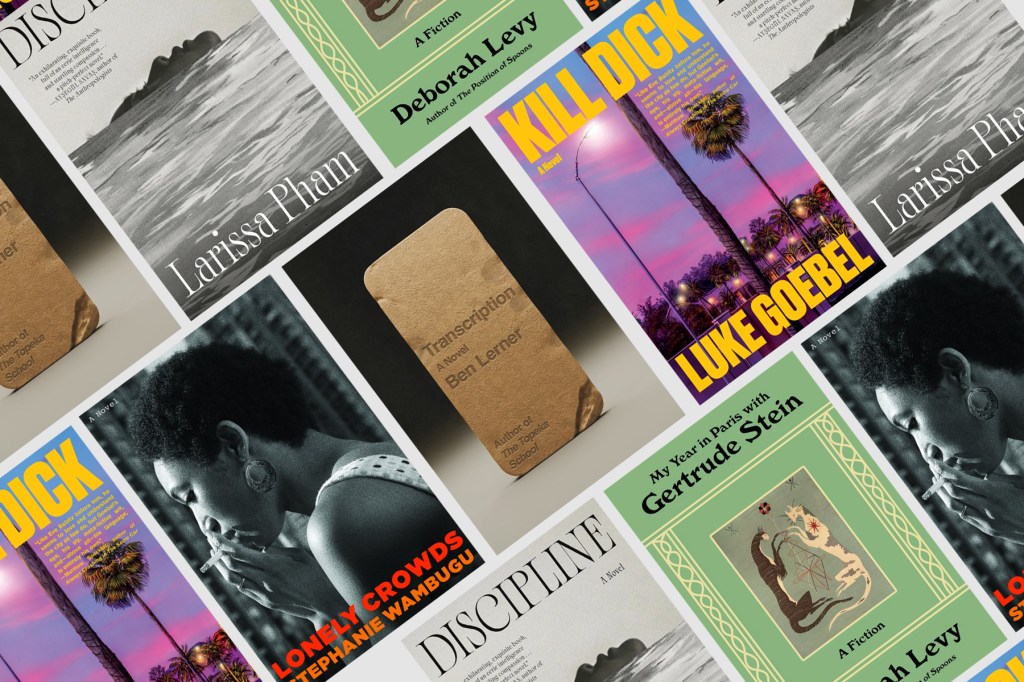
ARTnews has published a list of five art novels to read this summer, all released within the past year. The featured books include Ben Lerner's 'Transcription,' Larissa Pham's 'Discipline,' Deborah Levy's 'My Year in Paris with Gertrude Stein: A Fiction,' Stephanie Wambugu's 'Lonely Crowds,' and Luke Goebel's 'Kill Dick.' Each novel explores how art emerges through relationships—with friends, mentors, parents, lovers, and historical artists—offering a range of perspectives from anxious inner monologues to satirical critiques of the art world.

7 Books We’re Looking Forward to in May

ARTnews has published a list of seven art books to look forward to in May 2026, covering a wide range of topics from contemporary theory and AI imagery to historical biographies and the Venice Biennale. Featured titles include Dena Yago's collected writings 'That Figures,' Victoria Johnson's biography of Frederic Church 'Glorious Country,' Trevor Paglen's 'How to See Like a Machine,' Nicholas Fox Weber's 'Anni Albers: A Life,' Massimiliano Gioni's 'High Waters: An Oral History of the Venice Biennale,' Rennie McDougall's 'Nonstop Bodies: How Dance Shaped New York City,' and Paul Elie's 'Last Supper: Art, Faith, Sex and Controversy in the 1980s.'

Why Was Sarah Miriam Peale, Pioneering Member of America’s First Art Dynasty, Left Behind?

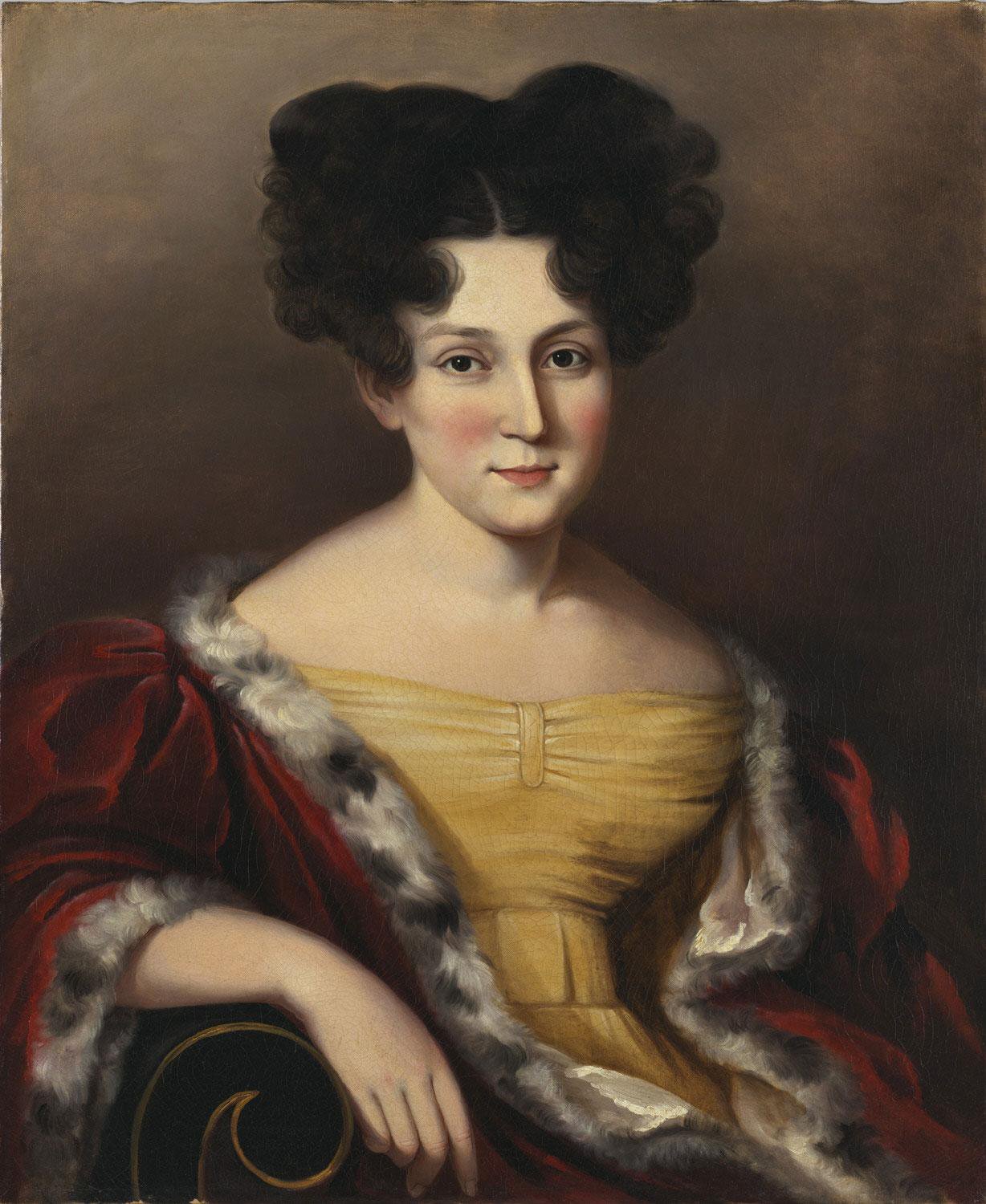
Sarah Miriam Peale, a member of the prominent Peale art dynasty and arguably the first professional woman artist in the United States, is finally receiving long-overdue institutional recognition. Despite a prolific sixty-year career painting portraits of political figures and still lifes in Baltimore and St. Louis, her legacy was largely overshadowed by her uncle Charles Willson Peale and her male cousins. Her independence as an unmarried woman who supported herself entirely through her craft marked a radical departure from the gender norms of the 19th century.

art nouveau renaissance mucha jugendstil paris metro

The article recounts the author's personal rediscovery of Art Nouveau, sparked by encountering an iron doorknob shaped like a Belgian endive at the Bröhan Museum in Berlin. It explores the movement's history, its German variant Jugendstil, and the philosophical debate between Walter Benjamin and Theodor Adorno over its merits—Benjamin criticizing it as a superficial escape from industrial reality, Adorno defending its utopian desire to reconcile art, nature, and technology. The piece also notes a contemporary resurgence of interest in the style.

issy wood charli xcx vanity fair cover

Issy Wood, a rising British artist known for her figurative paintings of luxury objects and body parts, created the cover for Vanity Fair's first art-themed issue in nearly two decades. The cover features a portrait of pop star Charli XCX titled *Charli 2* (2025), painted in oil on velvet with gauzy stars and white forms. Wood cited their shared Britishness and the singer's career longevity as inspiration, while the article draws parallels between Wood's subject matter and the 'Brat universe.'

the art angle canyon art basel adrien brody

The Art Angle podcast team reviews three major art stories from June. First, Canyon, a new museum-like venue dedicated to immersive video art, has been announced for New York's Lower East Side. Second, the team discusses the outcomes of Art Basel in Switzerland, the art world's most important fair, and ongoing volatility in art pricing. Third, they examine the buzz—and mockery—surrounding Oscar-winning actor Adrien Brody's painting exhibition in New York City. Culture editor Min Chen joins host Ben Davis and senior editor Kate Brown to analyze these developments.

westmoreland frick collection restaurant review

The Frick Collection in New York has opened its first-ever restaurant, Westmoreland, named after founder Henry Clay Frick's private train car. Located on the museum's newly renovated second floor, the 50-seat dining room features interiors by Bryan O'Sullivan Studio, a mural by artist Darren Waterston, and a menu of comforting, unadventurous fare like caesar salad, club sandwich, and avocado toast. The kitchen is led by Skyllar Hughes, a veteran of Danny Meyer's Ci Siamo, and operated by Union Square Events. Only museum ticket holders can dine, and reservations must be made in person.

lorde man of the year video walter de maria

Lorde's new single "Man of the Year" from her upcoming album *Virgin* (released June 27) features a music video that visually references Walter De Maria's *New York Earth Room* (1977), a minimalist installation of 280,000 pounds of soil filling a SoHo loft. The video shows Lorde stripping, taping her breasts, and rolling in dirt, while the song's lyrics explore her fluid gender identity. Lorde also cites Italian artist Lucio Fontana and includes an X-ray cover image by photographer Heji Shin.

5 rediscoveries transforming black art narratives

Artnet News highlights five recent rediscoveries and reinterpretations that are reshaping narratives around Black artists and sitters in art history. These include Gustav Klimt's long-lost portrait of Prince William Nii Nortey Dowuona, an Osu prince exhibited in a racist "human zoo" in Vienna, which resurfaced in 2023 and was shown at TEFAF Maastricht with a $16.4 million price tag. Also featured are Edvard Munch's dual portrayals of Sultan Abdul Karim—one intimate, one stereotyped—on view at the National Portrait Gallery in London, and new research identifying James Cumberlidge, a Black servant in a Jean-Baptiste van Loo portrait, correcting a historical misattribution.

7 art history facts

Frieze Week in New York has arrived, drawing tens of thousands of visitors to The Shed for displays from over 65 international galleries. The article offers a collection of art historical trivia to help attendees impress peers, including tales of a potentially fake Picasso gifted to Robin Williams by Disney, Piet Mondrian's fondness for Disney's *Snow White and the Seven Dwarfs*, and a legend that Raphael's pupil Giulio Romano created erotic frescos in the Vatican's Sala di Constantino out of anger over delayed payment from Pope Clement VII.

7 unique hotel experiences around the world for inspired travelers

7 expériences hôtelières inédites à travers le monde pour voyageurs inspirés

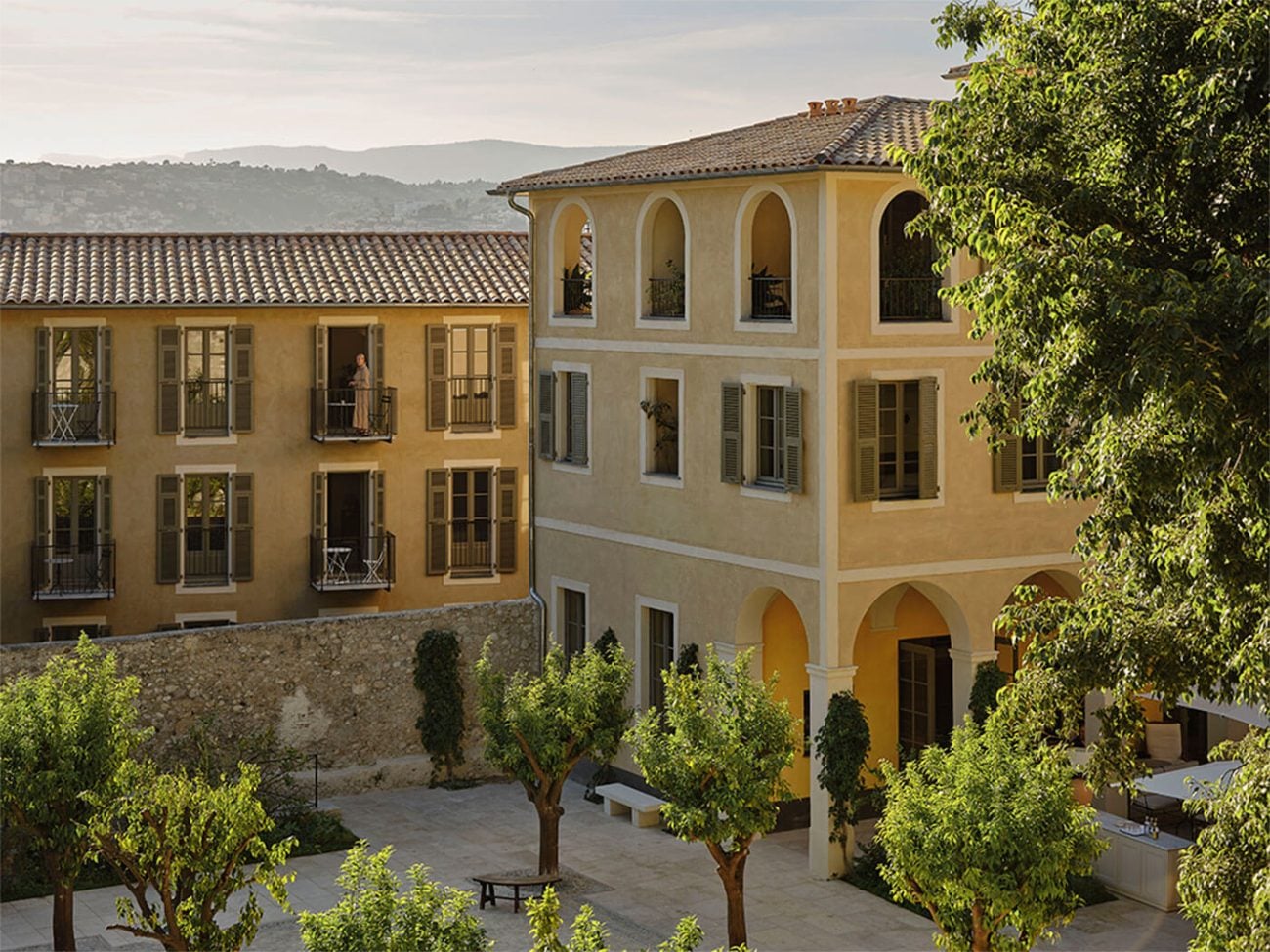
Beaux Arts Magazine presents a curated selection of seven unique hotel experiences worldwide, designed for art-loving travelers. The featured properties include a converted convent in Nice (Hôtel du Couvent, opened summer 2024), a Louis XIII-era castle near Fontainebleau (Domaine de Fleury), a five-star hotel in Amboise (Relais d'Amboise) with artworks by Bernar Venet, and a mountain inn in Sils-Maria, Switzerland (Chesa Marchetta) operated by art dealers Iwan and Manuela Wirth. Each destination blends historic architecture, exceptional landscapes, and artistic elements to offer immersive stays.

Theatre, production, performance: fashion invests in art

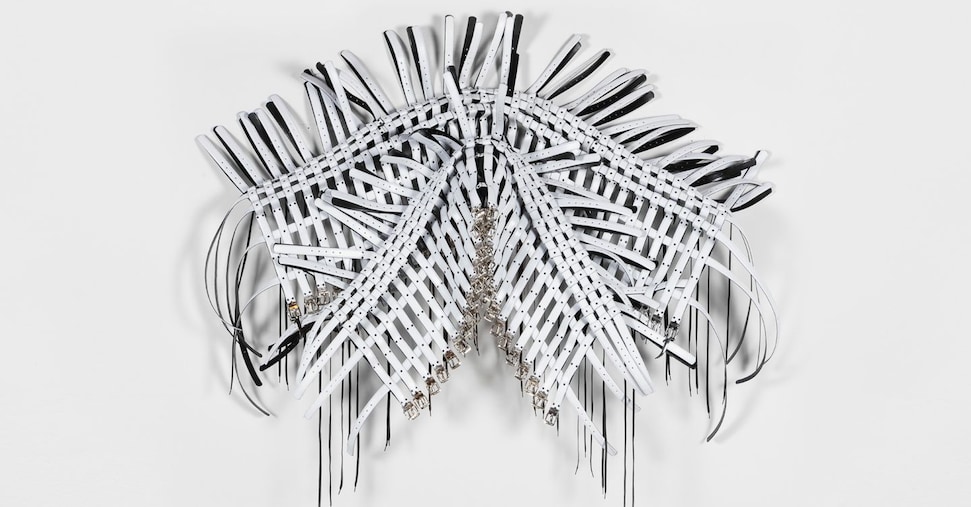
Fashion houses like Chanel are increasingly investing in contemporary art, not merely as inspiration for prints or patterns but as a strategic tool for brand positioning and cultural credibility. Gallery owner Tristan Paprocki, who recently opened a Milan space with partner Guido Romero Pierini, notes that brands now seek out emerging artists to demonstrate foresight and support new talent. Chanel has collaborated with Berlin's Hamburger Bahnhof museum for large-scale installations by artists such as Klára Hosnedlová and Lina Lapelytė, and has announced ten artists for the third edition of its Next Prize 2026, including Bárbara Sánchez-Kane, Pan Daijing, and Álvaro Urbano. These artists work across fashion, sculpture, and performance, blurring the lines between clothing and contemporary art.

Comment | As Cop30 opens in Brazil, it is time for the art world to embrace ethics with aesthetics

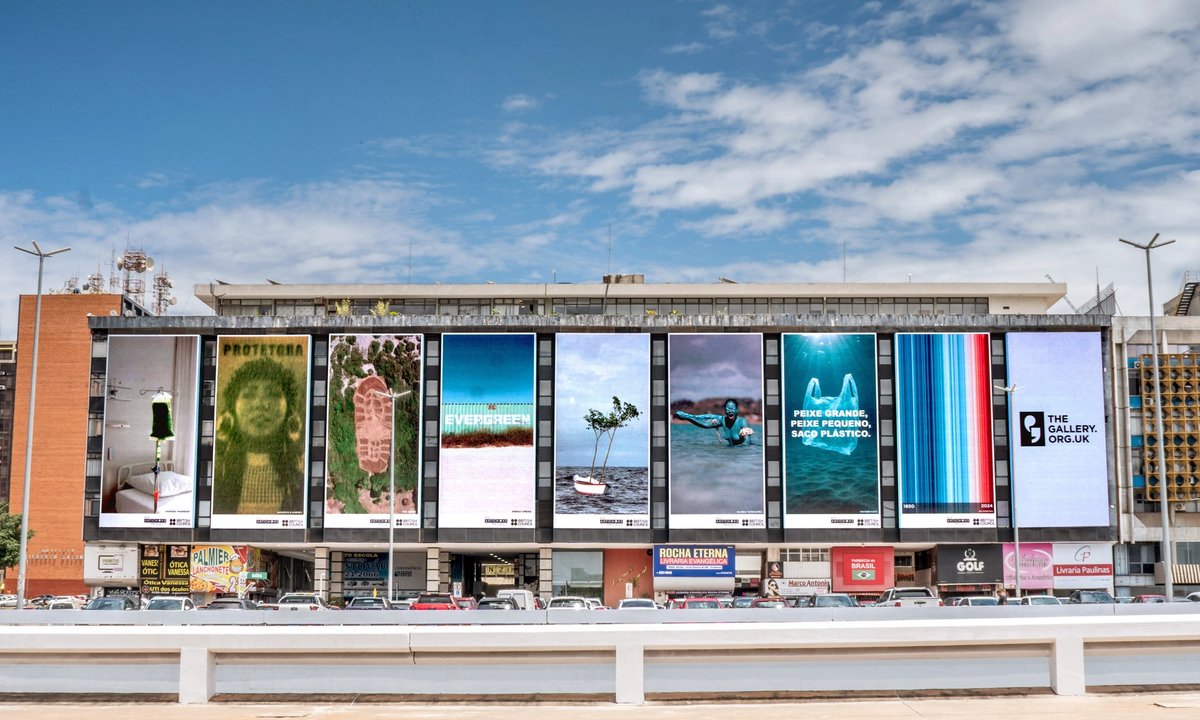
COP30, the United Nations Climate Change Conference, opens in Belém, Brazil, with culture officially on its agenda for the first time, thanks to advocacy from the Amazonian activist group Labverde and Art of Change 21. The conference features interventions and performances by eight Brazilian and indigenous artists, including photographer Christian Braga and activist Beto Oliveira, alongside a flurry of artist-led activities in UK galleries and institutions. The article also marks the tenth anniversary of Gustav Metzger's environmental art project "Remember Nature," which mobilized over 140 artists including Judy Chicago, Olafur Eliasson, and Marina Abramović, and was revisited on November 4, 2025, with sixteen English arts institutions hosting public projects.

A brush with... Hew Locke—podcast

This episode of 'A brush with...' features artist Hew Locke, who discusses his career and artistic practice. Born in Edinburgh in 1959 to artists Donald and Leila Locke, he moved to Guyana as a child and returned to the UK to study art in 1980. Over three decades, Locke has created sculptures, installations, photographs, drawings, and textiles exploring nationhood, culture, and power, often using found objects and cardboard. He reflects on influences including his parents, a tutorial with Paula Rego, and Hans Haacke's 1993 Venice Biennale pavilion, and discusses his upcoming exhibitions: 'Gilt' at Compton Verney (2025-2027), 'Passages' at the Yale Center for British Art (2025-2026), 'Armada' at Newlyn Art Gallery, and 'Cargoes' at King Edward Memorial Park.

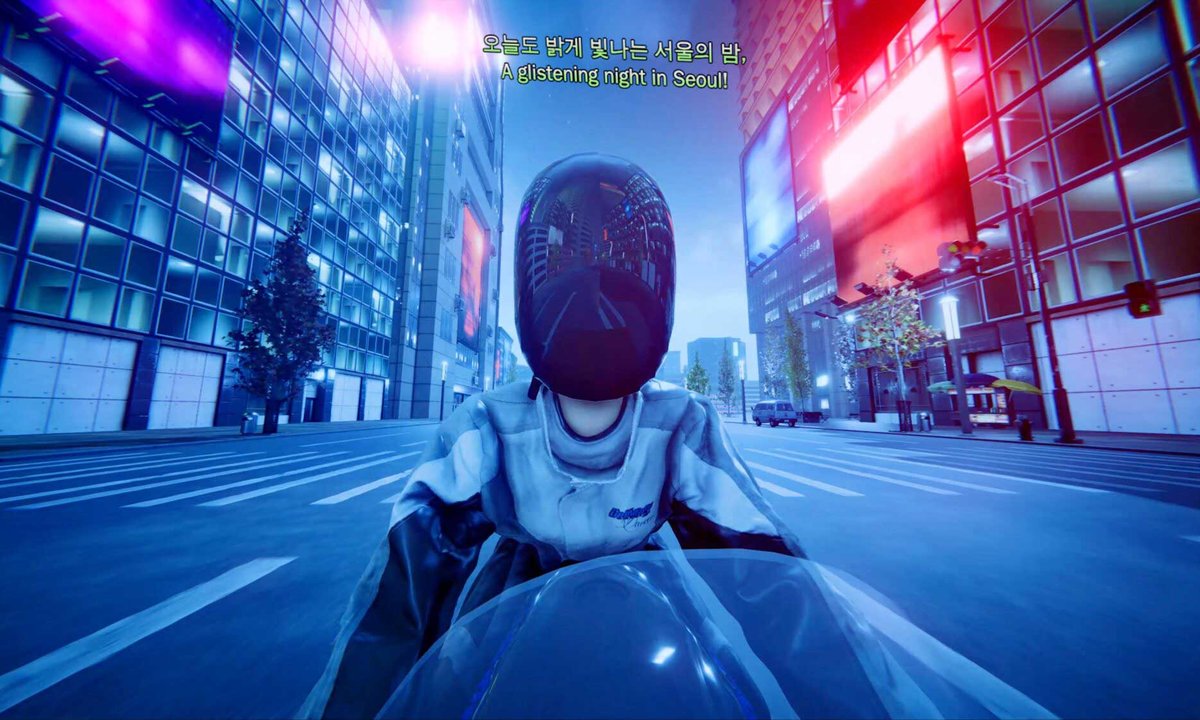
Korean artists are taking the world by storm—but why does their work resonate so widely?

Korean artists are gaining unprecedented global recognition, with figures like Haegue Yang, Do Ho Suh, Lee Bul, and Mire Lee leading a shift from traditional Dansaekhwa abstraction to more conceptual and contemporary practices. The article highlights how K-pop and Korean soap operas have boosted cultural awareness, drawing new audiences to events like Frieze Seoul and prompting major international galleries such as White Cube, Perrotin, and Pace to open in Seoul. Curators and scholars note that Korean art now engages deeply with globalization, historical trauma, and sociopolitical change, facilitated by biennials in Gwangju, Busan, and Seoul, as well as a surge in art institutions.