filter_list Showing 34 results for "VIVE" close Clear
search
dashboard All 324 museum exhibitions 144article news 45trending_up market 35article culture 34article local 24article policy 13rate_review review 8candle obituary 8gavel restitution 8person people 5
date_range Range Today This Week This Month All
Subscribe

art market open door policy jeff magid

Jeff Magid, a New York, Los Angeles, and Mexico City–based art collector, plans to open Cuernavaca Tres, a public art foundation in Mexico City, in 2026. In an opinion piece for ARTnews, he argues that the current downturn in the art market—marked by declining sales and gallery closures—is not due to economic cycles or financialization, but rather a simple mismatch: there are more galleries, auctions, fairs, and artists than ever, while the number of buyers has not kept pace. Magid criticizes the luxury retail model adopted by many galleries, which prioritizes exclusivity and status signaling, and contends that this approach fails to attract enough new collectors to sustain the market.
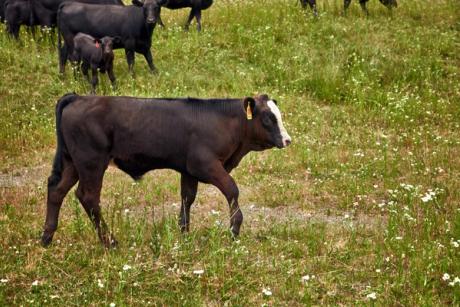
Comment | Cow in MSCHF project survives, but should the project have happened at all?

The Brooklyn-based art collective MSCHF concluded its two-year project 'Our Cow Angus,' in which the fate of a live cow was determined by token holders. Purchasers of tokens representing future hamburgers and leather had the option to return them via a 'remorse portal'; when over 50% were returned by the March 13 deadline, the cow was sent to a sanctuary instead of a slaughterhouse.

new york fashion week artists designers jason wu rauschenberg

During New York Fashion Week, Canadian designer Jason Wu unveiled his latest collection in a Brooklyn Navy Yard warehouse, but the runway show was preceded by a ten-piece installation of screen prints by American artist Robert Rauschenberg, on loan from the Rauschenberg Foundation. Wu spent months researching the artist's archive, focusing on the little-studied Hoarfrost series, and incorporated image transfers from 1970s newspapers and magazines into his garments. The show also featured other designer-art crossovers, including Proenza Schouler's debut under Rachel Scott at Olney Gleason gallery and Ashlynn Park's presentation at the International Center of Photography alongside works by Iranian artist Sheida Soleimani.

Louis Vuitton revives Keith Haring collaboration at lavish New York show

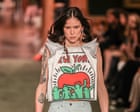
Louis Vuitton staged a lavish fashion show at the Frick Collection in New York, reviving a collaboration with the estate of artist Keith Haring. The collection, designed by Nicolas Ghesquière, featured Haring's signature motifs on classic LV handbags and was presented in the museum's marble galleries. The event also marked a three-year sponsorship deal, with Louis Vuitton funding exhibitions, public access, and a curatorial position at the Frick, including rebranded free entry evenings as Louis Vuitton Free Fridays.

There will be mud! Could my child (and buggy) survive a day at a sculpture park?

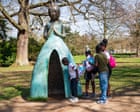
A parent takes their toddler to Yorkshire Sculpture Park (YSP) in West Yorkshire, UK, during a rainy February day. Despite the mud and drizzle, the child engages with outdoor artworks by Barbara Hepworth, Henry Moore, Bharti Kher, Sol LeWitt, Vanessa da Silva, and Damien Hirst, treating the sculptures as playgrounds and objects of discovery. The park offers free activity packs, a Hidden Forest designed for under-fives, and a family-friendly environment that encourages children to explore art and nature without the constraints of indoor galleries.

‘Depraved in all the right ways’: why forgotten no wave visionary Gordon Stevenson is about to take off

The article profiles Gordon Stevenson, a forgotten visionary of the no wave movement in late-1970s New York, who was an artist, jewelry designer, musician, and filmmaker best known for the notorious film *Ecstatic Stigmatic*. Decades after his death from AIDS, a storage unit full of his lost work has been discovered, including jewelry, mail-art collaborations with Ray Johnson, and clues to a surviving print of his film. His family has also recovered hundreds of letters he wrote to his parents, chronicling his life in downtown New York and his experiences as one of the city's first AIDS patients. The piece traces his journey from a small town in Georgia, where he met his wife Mirielle Cervenka (who later renamed Exene Cervenka), to their punk-era jewelry brand LHOOQ and his lasting influence on gothic fashion.

anne imhof doom nike jerseys

Anne Imhof, the German artist known for her sprawling performances and winner of the 2017 Venice Biennale Golden Lion, has created her first brand collaboration with Nike. She designed two rival jerseys for Nike's revived Total 90 line, inspired by the warring 'houses' from her Park Avenue Armory project *Doom: House of Hope*: a black-and-blue short-sleeve jersey for the Tigers and a red long-sleeve jersey with a wolf's head for the Wolves. The designs, realized with Zak Group, feature the Doom crest and 'Imhof 25' on the back, and were launched with a live performance by Berlin musicians Lia Lia and ATK44 during Berlin Art Week. The jerseys will be available from September 16 at Voo Berlin and Dover Street Market in London.

w david marx blanks space

W. David Marx joins Artnet News senior editor Kate Brown on the podcast 'The Art Angle' to discuss his new book, *Blank Space: A Cultural History of the Twenty-First Century*. The book argues that creativity across art, media, and popular culture has stagnated over the past 25 years, driven by commercialization, rapid technology shifts, and a preference for profit-driven formulas over experimentation. Marx identifies a 'conspicuous blank space where art and creativity used to be' and proposes five strategies to revive cultural inventiveness.

Shoot and branch: new photography book highlights the enduring majesty of trees

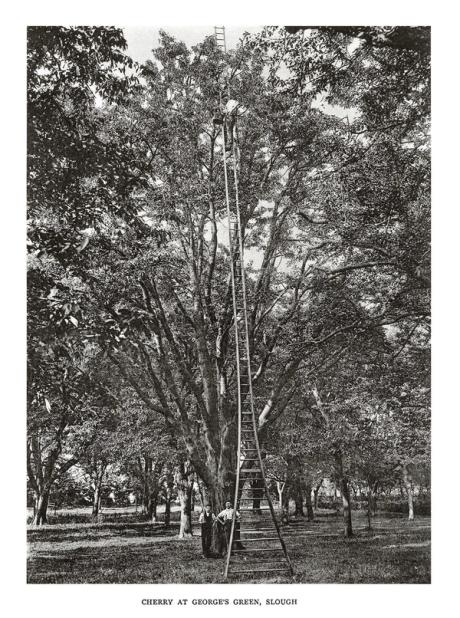
A new photography book, *Trees of Great Britain and Ireland*, reproduces over 60 photographs originally taken between 1906 and 1913 for Henry John Elwes and Augustine Henry's ambitious seven-volume catalogue of tree species. The images, mostly by uncredited photographers, were printed using a collotype process by the Autotype Company and are now newly lithoprinted to preserve their tonal subtlety. The book includes an introduction by Michael Pritchard and notes by photographic historian Björn Andersson, highlighting the historical and aesthetic significance of these botanical photographs.

Working as an Artist in Hong Kong (Michelle Fung)

Michelle Fung reflects on the realities of working as an artist in Hong Kong, dispelling the romantic myth of the bohemian artist. She describes the city's high cost of living, lack of affordable studio space, and the need for artists to take on multiple jobs—from teaching to selling secondhand handbags—to survive. Fung notes that while Hong Kong offers a vibrant art scene with over 70 galleries and a dozen museums, most artists cannot rely on gallery sales alone. She also critiques the Hong Kong Arts Development Council's grant system, which covers project expenses but provides minimal artist fees, contrasting it with more generous systems in Canada and the Netherlands.

the hunt paris catacombs sculptures

The article uncovers the story of three secret sculptures carved by François Décure, a quarryman in the Catacombs of Paris during the late 18th century. Décure, a veteran of the Seven Years' War, used his lunch breaks and spare time to chisel detailed stone models of buildings he remembered from his imprisonment on the island of Menorca, including a fortress called Port Mahon. He died tragically when a staircase he was working on collapsed, but his sculptures survived, were restored in 1854, and remain a highlight of guided tours through the catacombs.

olympics opening ceremony art references

The opening ceremony of the 2026 Milano Cortina Winter Olympics featured significant art-historical references, including a flame cauldron inspired by Leonardo da Vinci's knot drawings and performances that brought to life the marble sculptures of Antonio Canova. Dancers animated recreations of works like 'Psyche Revived by Cupid's Kiss,' and the ceremony included symbolic representations of Italian architectural landmarks like the Colosseum and Florence's Duomo.

pope francis art artists

Artnet News has compiled a selection of artworks created in anticipation of Pope Francis's first visit to the United States. The works include Anthony VanArsdale's portrait for the North American College in Rome, a new addition to the 'Franks' mural at Philadelphia's Dirty Franks bar, a massive photo-realistic mural by Van Hecht-Nielsen overlooking Madison Square Garden in New York, a large-scale mural by Caesar Viveros for the Philadelphia Mural Arts Program, and a controversial, officially licensed portrait by Perry Milou. Other featured pieces include an illustration by Omkar Shivaprasad and a vandalized mural in Bolivia by William Luna and Guillermo Rodriguez.

art bites sistine chapel michelangelo critics

The article recounts the creation and controversy surrounding Michelangelo's fresco of the Last Judgement on the west wall of the Sistine Chapel. While the chapel attracts 25,000 daily visitors and is celebrated as a pinnacle of Renaissance art, the west wall initially provoked scorn from church officials and critics like Biagio da Cesena and Pietro Aretino, who objected to its nudity, pagan imagery, and perceived idolatry. Michelangelo retaliated by painting his detractors into the fresco—Da Cesena as King Minos with donkey ears and a snake biting his genitals, and Aretino as Saint Bartholomew holding flayed skin resembling the artist.

jeffrey deitchs coney art walls exploits artists real estate ploy

Jeffrey Deitch, former dealer and ex-director of MOCA LA, has partnered with property developer Thor Equities to create "Coney Art Walls," a summertime display of street art murals on concrete slabs in Coney Island, New York. Located on a vacant lot at 1320 Bowery Street owned by Thor Equities, the project features works by over a dozen artists including Lady Pink, Daze, Lee Quiñones, Swoon, and Mister Cartoon, and shares space with Smorgasburg, a food and drink pop-up village. The article criticizes the venture as a real estate marketing ploy rather than a genuine art exhibition.

November Book Bag: from a tome of Japanese printmakers to the first Nina Chanel Abney monograph

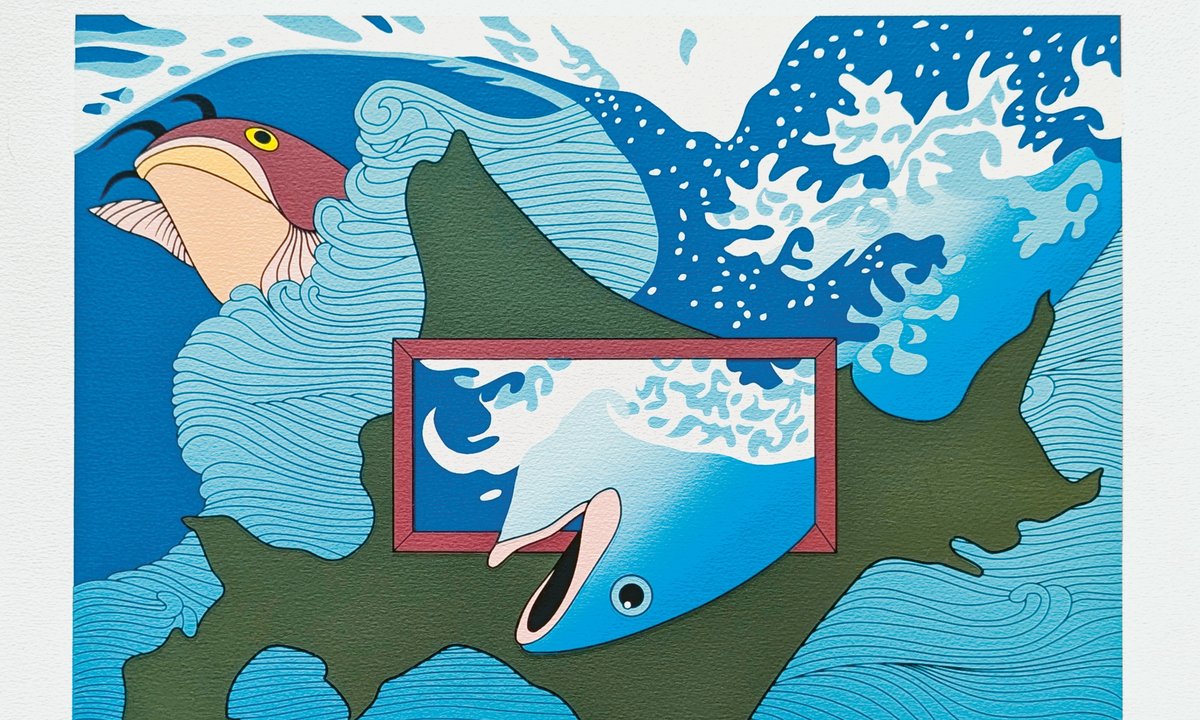
The article reviews four new art books released in November. It covers 'Modern Japanese Printmakers: New Waves and Eruptions' by Malene Wagner (Prestel), a survey of 44 Japanese printmakers from the early 20th century to today; the debut monograph on Nina Chanel Abney (Monacelli) with contributions from Thelma Golden and Jazmine Hughes; 'Massimo Listri: Italian Palaces' (Taschen), a photographic tour of grand Italian palaces; and 'Strange Discoveries: The Art of Denton Welch' (John Swarbrooke Fine Art), a catalogue accompanying the first solo exhibition of Welch's work in over 40 years.

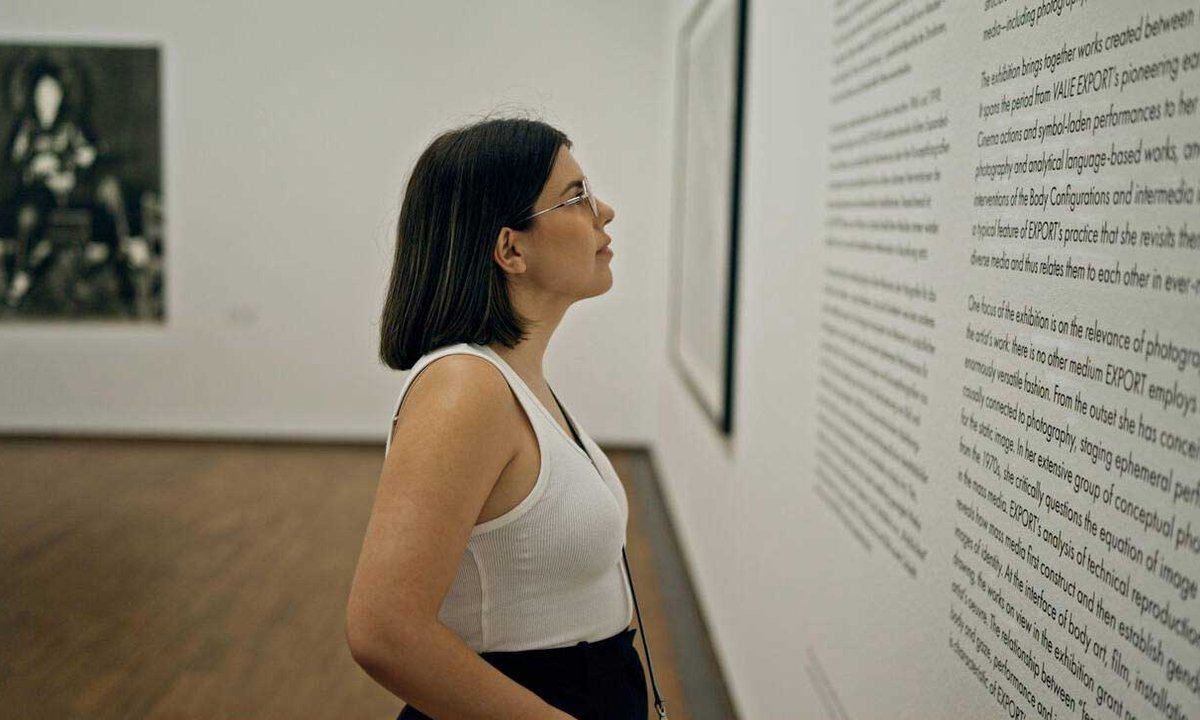
Museum wall texts are an art in their own right—but will they survive the digital age?

The article explores the debate over museum wall texts, examining whether they enhance or hinder the visitor experience. It highlights contrasting approaches: Calder Gardens in Philadelphia has eliminated wall text entirely, branding itself as "open to interpretation," while institutions like the Frick Pittsburgh and the Royal Ontario Museum (ROM) continue to use carefully crafted labels, often with strict word limits and multiple languages. The Frick Pittsburgh invites guest "labelists" from the local community to write labels, and the ROM focuses on making text shorter and more scannable to hold visitors' limited attention.

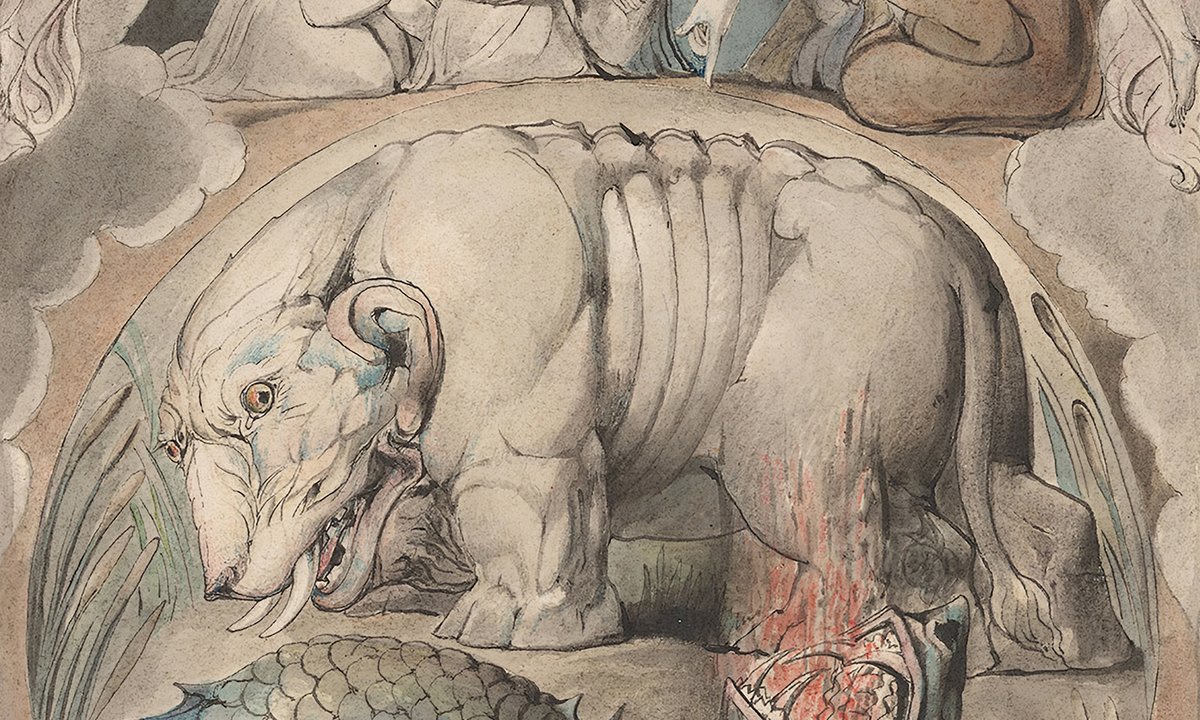
New book offers a suitably poetic vision of Blake and his legacy

A new book titled "William Blake and the Sea Monsters of Love" by biographer and critic Philip Hoare explores the life and work of William Blake, focusing on the three years the artist spent in Felpham, a coastal village in England, starting in 1800. Hoare argues that the ocean profoundly influenced Blake's art and poetry, using the sea as a metaphor to examine Blake's visionary prints, poems like "Milton," and his androgynous, fluid figures. The book also weaves in a cast of other historical figures—including Herman Melville, Paul Nash, and Nancy Cunard—whom Hoare dubs "sea monsters" for their rebellious, queer, and amphibious spirits.

empress sisi of austria portrait

Empress Elisabeth of Austria (1837–1898), known as Princess Sisi, has re-entered the cultural spotlight after eagle-eyed historians noticed a striking similarity between Franz Xaver Winterhalter's informal portrait of the Empress with her hair down and a bridal scene in Guillermo del Toro's new film *Frankenstein*, where actress Mia Goth appears with flowing auburn locks. The comparison, shared widely on social media by historian Rachael Gibson and others, gave Winterhalter's 19th-century portrait a new viral moment, sparking renewed interest in Sisi's life and the role of hair in Victorian Europe.

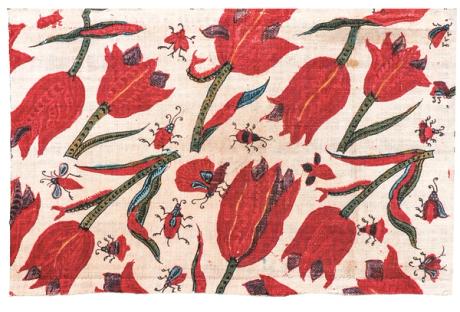
Book reveals how Chintz—India’s precious textile pattern—became a precolonial global export

A new book titled *Chintz: Indian Cotton Textiles from the Karun Thakar Collection* explores the history of chintz, a block-printed Indian textile pattern that was traded globally for over a thousand years before European colonialism. Based on one of the world's largest textile collections, the volume features essays by 12 scholars and traces how these intricately designed cloths traveled to Japan, Indonesia, France, and Britain, influencing local fashions and sparking cross-cultural exchange. The book highlights the challenges of studying textiles from oral societies, where makers remain unnamed and many pieces have not survived.

Go big or go home: how The Lost Giants revived the ancient art of goliath-making

The Lost Giants (TLG), an art collective based in Lostwithiel, Cornwall, is reviving the British tradition of making processional giants—large, community-built figures made from wood, cloth, and papier-mâché. Founded three years ago by theatre designer Ruth Webb and her sister-in-law Amy Webb, the group has created giants for events ranging from local lantern parades to a harvest procession at Hauser & Wirth’s Somerset gallery. This New Year’s Eve, environmentalist Lisa Schneidau joined a massive procession of these giants in Lostwithiel, describing it as an extraordinary experience. The collective recently issued a public callout for an environmental group to collaborate on making a new beastie.

huge library of ashurbanipal

The British Museum houses the Library of Ashurbanipal, a collection of approximately 30,000 cuneiform tablets from the Assyrian Empire, discovered in the 19th century. Created by King Ashurbanipal (r. 669–631 BCE), the library contains texts on astronomy, medicine, history, and literature, including the Epic of Gilgamesh. The tablets survived a fire set by invading Babylonians and Medes, which hardened them. Recent excavations in Nineveh have uncovered more tablets and a 20-foot-tall winged bull statue, while the British Museum's Ashurbanipal Library Project, now led by curator Jon Taylor, focuses on digitizing and studying medical texts.

Being a Street Photographer. Interview with Simone Morelli, the Artist of Slowness

Essere street photographer. Intervista a Simone Morelli, l’artista della lentezza

Simone Morelli, a street photographer born in Rome in 1987, discusses his slow, analog approach to photography in an interview with Artribune. He began after receiving a Praktica film camera as a gift in Sweden in 2012, and was captivated by the process of shooting and printing on film. Morelli describes his method as instinctive yet deliberate, often working on long-term projects that build a coherent visual narrative rather than seeking single 'beautiful' images. He cites Josef Koudelka as a key influence and emphasizes the importance of patience and reflection in an era dominated by fast, digital imagery.

Are the Visitors' Lions at the Venice Biennale an Opportunity for Art Criticism? Let's Seize It?

I Leoni dei Visitatori alla Biennale di Venezia sono un’opportunità per la critica d’arte. Cerchiamo di coglierla?

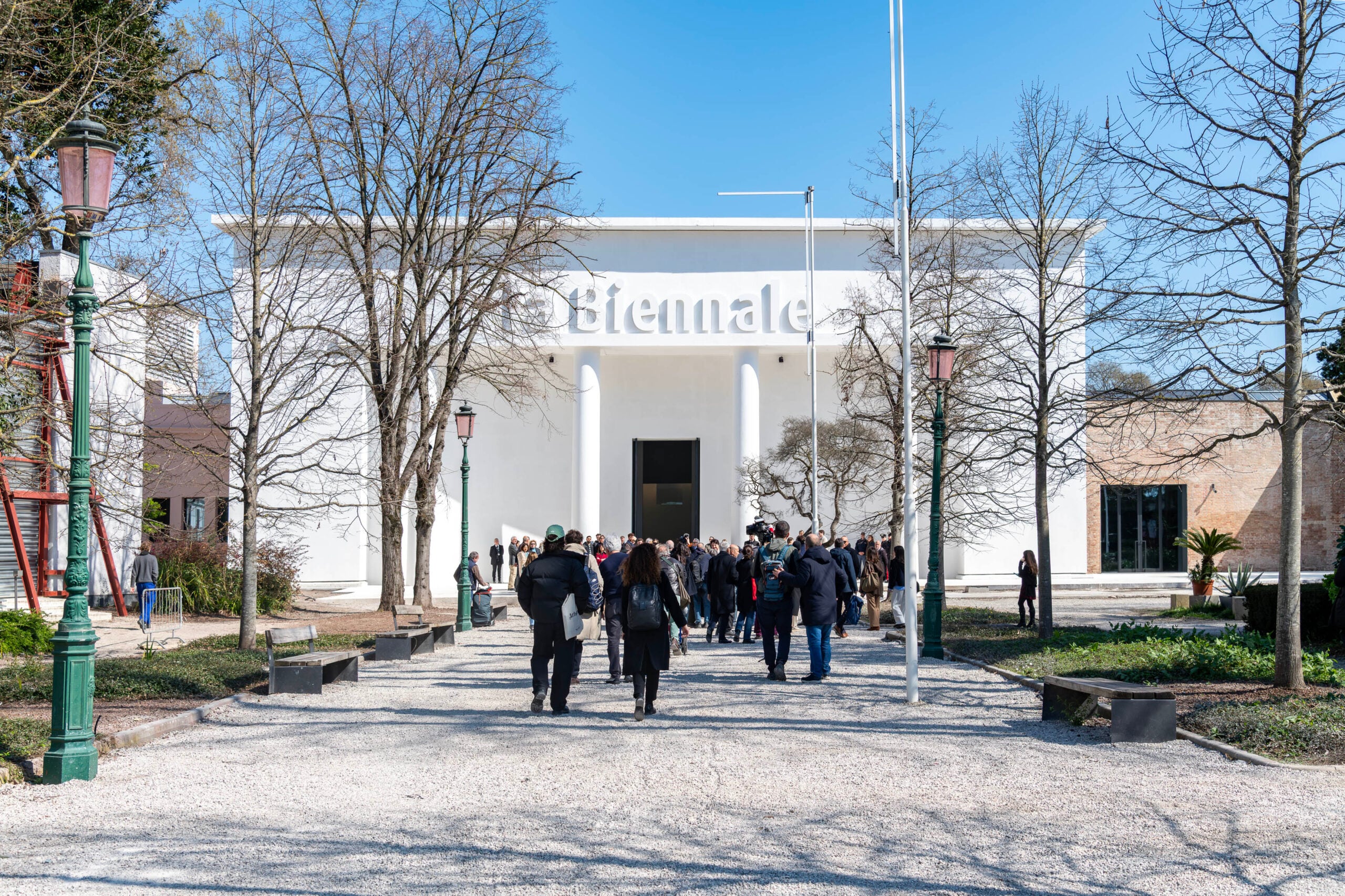
The article discusses the newly instituted "Leoni dei Visitatori" (Visitors' Lions) at the Venice Biennale, established after the resignation of the International Jury. The author, Alberto Villa, argues that this change shifts significant influence to art media and critics, as visitors will rely on reviews and recommendations from specialized magazines, websites, and social media to decide which pavilions to prioritize. Villa calls on critics to embrace this responsibility with heightened critical rigor, seeing it as an opportunity to revive the mediating role of art criticism.

Shopping Experience: How Has the Way of Experiencing Luxury Changed?

Shopping experience: com’è cambiato il modo di vivere il lusso?

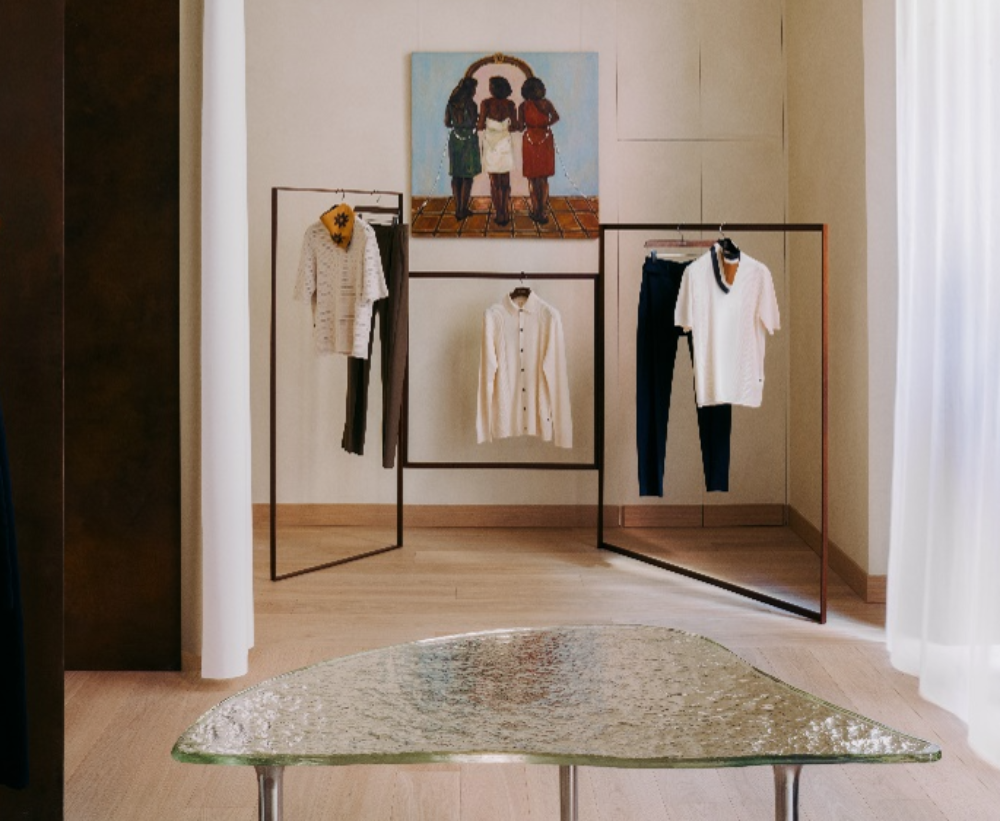
Luxury retail in Milan is undergoing a significant transformation, evolving from simple commercial spaces into 'cultural brandscapes' that blend art, design, and hospitality. Major fashion houses are redesigning their flagship stores to function as urban salons and living galleries, integrating site-specific art installations, historical architecture, and high-end gastronomy to foster community and tangible experiences in an increasingly digital world.

New York is so expensive that it is no longer possible to produce art and culture in the city

New York è così cara che ormai non è più possibile produrre arte e cultura in città

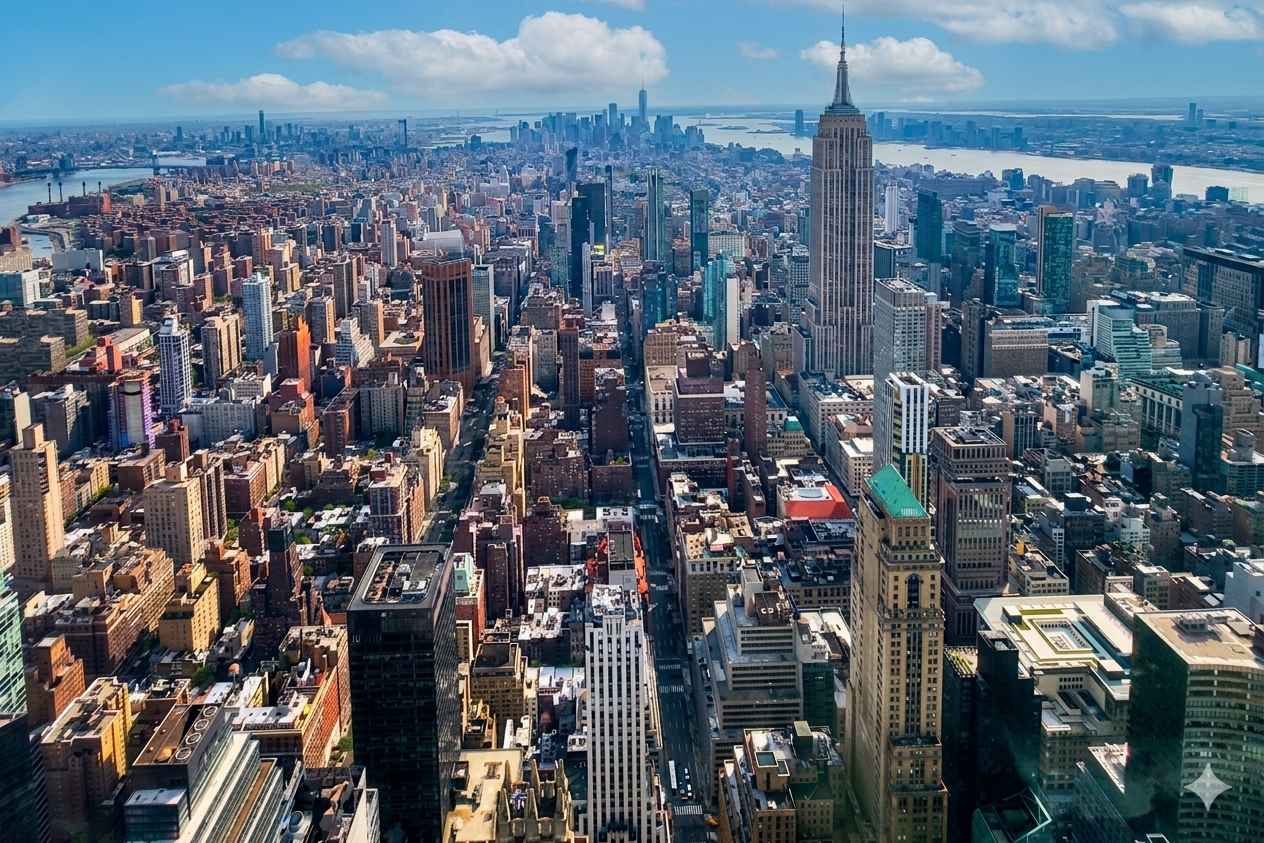
Artist and curator Josh Kline has sparked a significant industry debate with his essay, "New York Real Estate and the Ruin of American Art," which argues that the city's prohibitive real estate market is dismantling its cultural foundation. Kline posits that the financialization of property and the disappearance of affordable lofts and mid-size galleries have created an unsustainable ecosystem where only those with independent wealth can survive. This economic pressure is forcing a generation of creative workers to choose between their practice and basic survival, leading to a stagnation of innovation.

ira sachs director peter hujars day interview

Ira Sachs's new film *Peter Hujar's Day* dramatizes a 1974 interview in which photographer Peter Hujar recounted his day to journalist Linda Rosenkrantz. The transcript, originally intended for a book project, was rediscovered and published by Magic Hour Press in 2021. Starring Ben Whishaw as Hujar and Rebecca Hall as Rosenkrantz, the film is set entirely in a Westbeth apartment, capturing the texture of New York's downtown art scene through Hujar's anecdotes about figures like Susan Sontag, William Burroughs, and Allen Ginsberg.

parties nyfw fashion bethann hardison

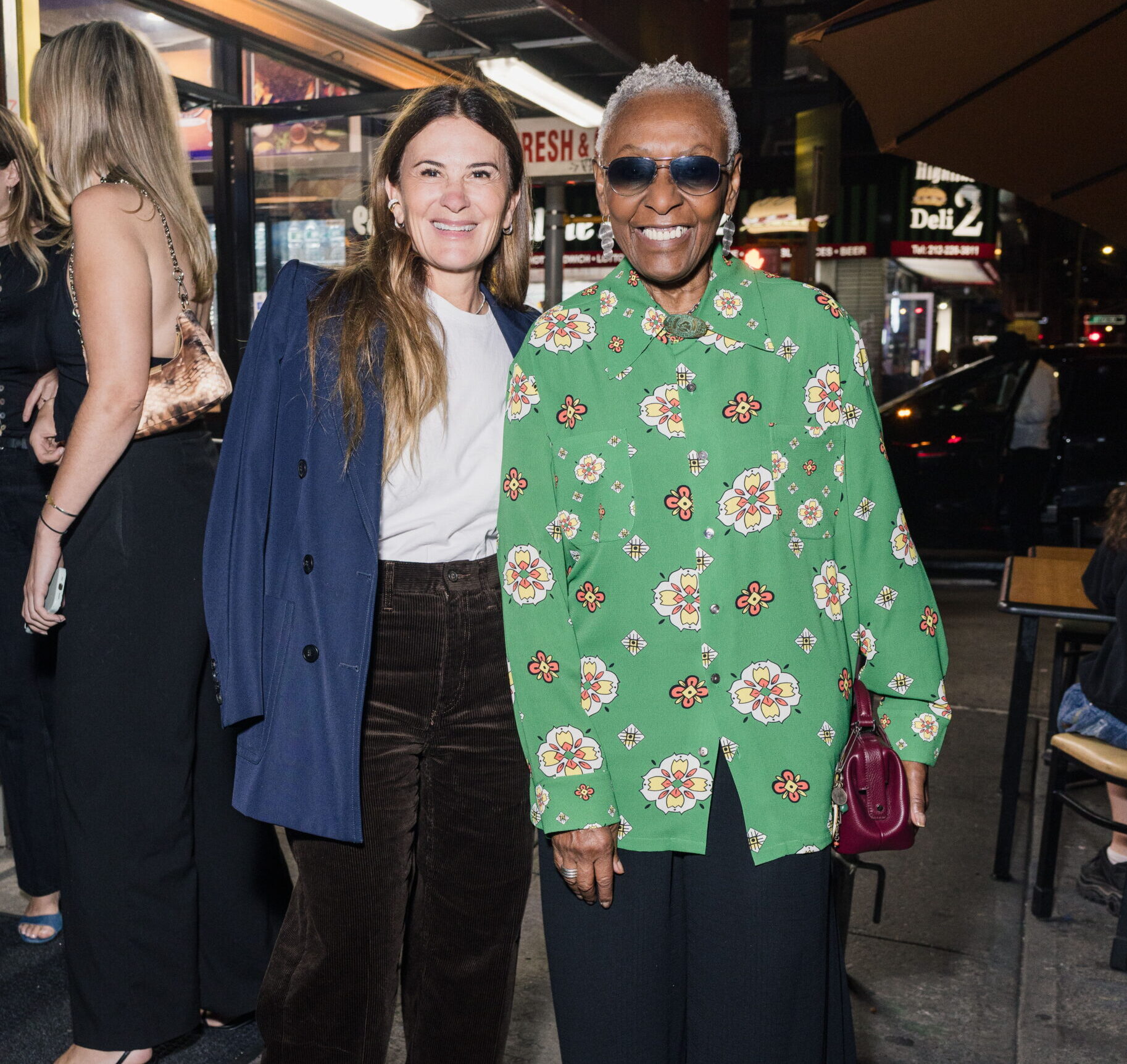
CULTURED magazine hosted a September issue launch party at FOOD, a revived 1970s art-world restaurant now run by artist Lucien Smith and the estate of Gordon Matta-Clark. The event, co-hosted by legendary model and activist Bethann Hardison and CULTURED Editor-in-Chief Sarah Harrelson, drew a crowd of fashion and art insiders including designers, stylists, artists, and editors. Guests enjoyed family-style dishes, Lagavulin cocktails, and left with copies of the magazine's latest covers featuring Julia Fox, Anthony Edwards, Vicky Krieps, Sophie Calle, and Lucien Smith.

‘Anger, curiosity and hope’: a planet of protest – in pictures

Matthew Connors' new photo book, *The Axe Will Survive the Master*, compiles 12 years of protest photography from Hong Kong, Cairo, New York, Kyiv, North Korea, and beyond. Published by MACK Books, the work weaves together images from the Occupy movement, the Egyptian revolution, Hong Kong's pro-democracy protests, the war in Ukraine, and other confrontations with authoritarian power, dissolving geographic boundaries into a single sequence drawn from an archive of 200,000 images.

‘A constant quiet terror’: Getting lost in Irish folklore – in pictures

Maria Lax's photobook *Stray Sod* draws on Irish folklore and archival accounts from the Irish National Archives to explore the phenomenon of the 'stray sod'—enchanted patches of earth said to disorient and lead travelers astray, especially at night. Her images reimagine rural Irish landscapes as sites of sudden confusion, where familiar landmarks vanish and fog or mist descends, evoking a sense of 'constant quiet terror'.