filter_list Showing 24 results for "india" close Clear
search
dashboard All 793 museum exhibitions 388trending_up market 129article local 76article news 72person people 34article policy 25article culture 24gavel restitution 20candle obituary 12rate_review review 11article events 1article event 1
date_range Range Today This Week This Month All
Subscribe

30 Iconic Feminist Works By Women Artists

ARTnews has expanded its list of iconic feminist works by women artists, adding 15 new entries to a previous selection. The article highlights specific pieces, such as Edmonia Lewis's *The Death of Cleopatra* (1876), Mary Cassatt's *The Reader* (1877), and Alice Pike Barney's *Medusa* (1892) and *Lucifer* (1902), providing historical context for each artist and their contribution to feminist discourse through art.

year in latinx art 2025 artists museums

The article reflects on the state of Latinx art in 2025, a year marked by devastating wildfires in Los Angeles and the start of the second Trump administration, which has intensified ICE raids and targeted communities of color. Amid this crisis, artists have created poignant responses, including AMBOS's ceramics project at Frieze Los Angeles benefiting migrants awaiting asylum hearings, and Consuelo Jimenez Underwood's solo exhibition at Artpace in San Antonio, which explored borders both literal and cosmic. The piece also highlights a two-person show by Beatriz Cortez and rafa esparza at the Americas Society, titled "Earth and Cosmos," featuring works that challenge time and space.

How the New Deal Treated Art as Essential to Democracy

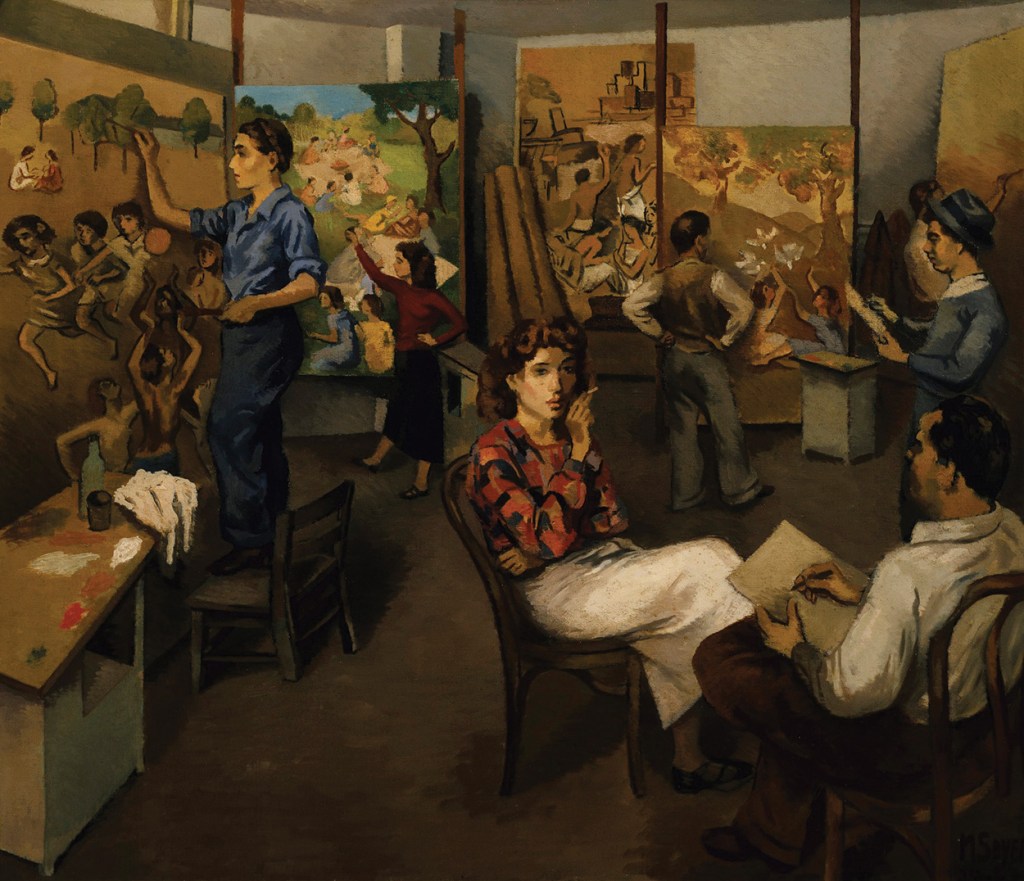
The United States government transformed the role of the artist during the Great Depression by treating art as a vital public resource rather than a private luxury. Between 1933 and 1943, New Deal programs like the Public Works of Art Project (PWAP) commissioned hundreds of thousands of works for schools, libraries, and hospitals, providing 'plumbers' wages' to struggling creators. This federal patronage supported a generation of then-unknown figures, including Jackson Pollock, Mark Rothko, and Alice Neel, while focusing on the 'American scene' to make culture accessible to the general public.

Art as Memorial in Lotusland

The article "Art as Memorial in Lotusland" by Aleina Grace Edwards appears in the February 2026 issue of Contemporary Art Review LA (CARLA). It is part of a larger issue exploring themes like scent in art, tarot, social urgencies in curation, and video art, positioning it within a critical discussion of contemporary art practices in Los Angeles.

collector questionnaire interiors most shocking works of art

Cultured magazine asked 12 collectors to name the single work in their home that most stops guests in their tracks. Responses include Wolfgang Tillmans’s camera-less photograph *Freischwimmer 153* (2010), a medieval illuminated *Book of Hours* (ca. 1480/90), Jordan Wolfson’s robotic installation *(Female figure)* (2014), Julie Curtiss’s hair-covered sculpture *Spider* (2018), and Haegue Yang’s kinetic bell sculpture *Sonic Rotating Geometry Type E – Brass Plated #23* (2014). Each collector explains why the piece provokes awe, laughter, discomfort, or deep conversation.

lego art sets ranked

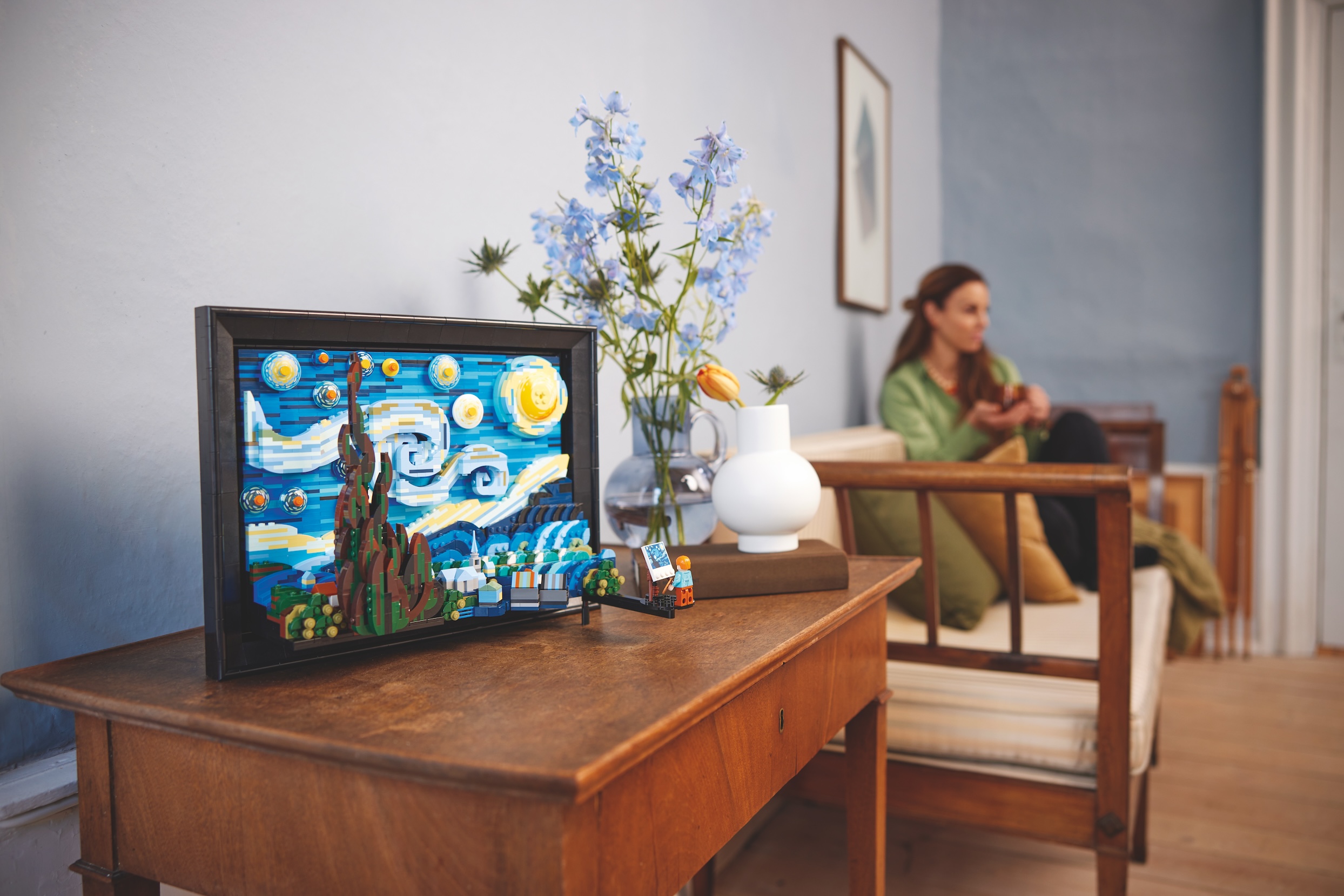
On International Lego Day, the article ranks Lego Art sets inspired by famous artworks, including Vincent van Gogh's *Sunflowers* and *Starry Night*, Hokusai's *The Great Wave*, and others. The ranking is done by the author and their brother, an Adult Fan of Lego, who rate each set from both an art critic and a Lego builder perspective.

7 art history facts

Frieze Week in New York has arrived, drawing tens of thousands of visitors to The Shed for displays from over 65 international galleries. The article offers a collection of art historical trivia to help attendees impress peers, including tales of a potentially fake Picasso gifted to Robin Williams by Disney, Piet Mondrian's fondness for Disney's *Snow White and the Seven Dwarfs*, and a legend that Raphael's pupil Giulio Romano created erotic frescos in the Vatican's Sala di Constantino out of anger over delayed payment from Pope Clement VII.

Dansaekhwa has taken over the modern art world. But the story of how that happened is up for debate.

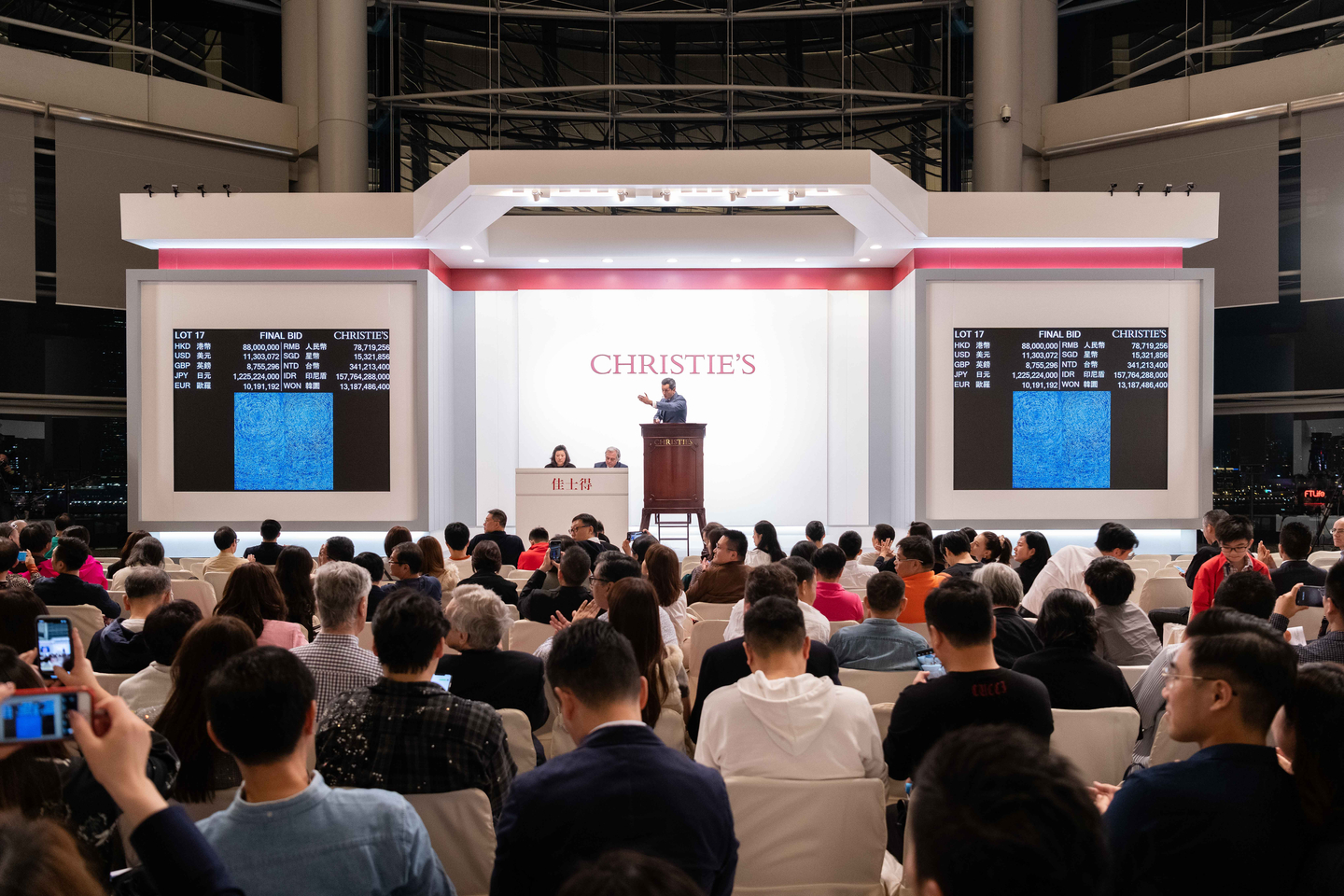
The article examines the global rise of Dansaekhwa, a Korean monochrome painting style that has achieved record auction prices and widespread collector interest over the past decade. It traces key milestones, including two pivotal 2014 exhibitions at Kukje Gallery in Seoul and Blum & Poe in Los Angeles, and the surge in auction prices for artists like Kim Whan-ki, Park Seo-bo, and Chung Sang-hwa, culminating in a $13 million sale in 2019.

25 of 2025: 5 Trailblazing Performance Artists to Know

Artnet News spotlights five trailblazing performance artists defining 2025, including Geumhyung Jeong, whose work "Toys, Selected" (2025) at Canal Projects in New York explores the uncanny relationship between humans and robots through intimate, choreographed interactions with machine parts she built herself. Jeong, who studied acting, dance, and film animation in South Korea, has performed at Kunsthalle Basel, the 2022 Venice Biennale, and London's ICA, and is currently unrepresented by a gallery. The article also profiles Maja Malou Lyse, who was tapped to represent her country at the Venice Biennale.

literature salman rushdie laurie anderson the satanic verses

Salman Rushdie and Laurie Anderson, two legendary New York-based artists, engage in an intimate conversation published by Cultured magazine. Rushdie discusses his recent appearance at the Sundance Film Festival for the documentary "Knife," which adapts his memoir about surviving a 2022 stabbing attack, and his travels to literary festivals in New Orleans and Tucson. Anderson shares anecdotes about her own touring show "Republic of Love" with the band Sexmob, and the pair trade lighthearted observations about movie theaters, desert landscapes, and aliens.

GEORGE FEBRES: TRANSLATION, IRONY, AND LIBERATION. AN ECUADORIAN ARTIST IN THE DIASPORA

The article examines the life and work of George Febres (1943–1996), an Ecuadorian artist who spent most of his career in the United States, primarily in New Orleans. Febres’s practice blends Pop Art, Neo-Surrealism, and Southern US culture with his experiences as a migrant and queer subject, using bilingualism and ironic tropical imagery to create a hybrid, irreverent body of work. Despite his significance, no works by Febres exist in Ecuadorian public collections, and no major retrospective has been held in his home country, reflecting a broader erasure of queer narratives from national art history.

GEORGE FEBRES: TRADUCCIÓN, IRONÍA Y LIBERACIÓN. UN ARTISTA ECUATORIANO EN LA DIÁSPORA

George Febres (Guayaquil, 1943 – New Orleans, 1996) was an Ecuadorian artist whose work blended pop art, neo-surrealism, and Southern U.S. culture, shaped by his experience as a migrant and queer individual. The article traces his life from a privileged but unstable childhood in Ecuador to his migration to the United States, where he was drafted during the Vietnam War and eventually settled in New Orleans. Febres used bilingualism and ironic appropriation of tropical imagery to create a hybrid, irreverent body of work that challenges the official historiography of Ecuadorian art.

lalitha lajmi

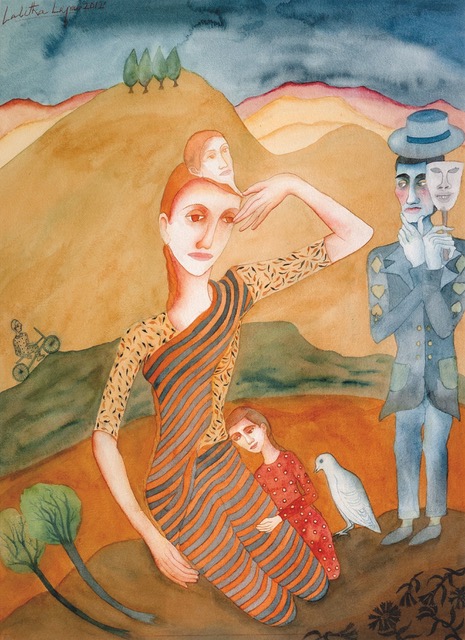
The article excerpts a book about Indian artist Lalitha Lajmi, exploring her creative struggles, loneliness, and distinctive use of blue and red in watercolors. It draws from her dream journals and interviews, describing how she often painted herself in red against blue landscapes, symbolizing desire and isolation, and how her works resemble raw underpaintings that reveal subconscious imagery.

“Edmonia Lewis: Said in Stone” Reconstructs a Life Across Fragments

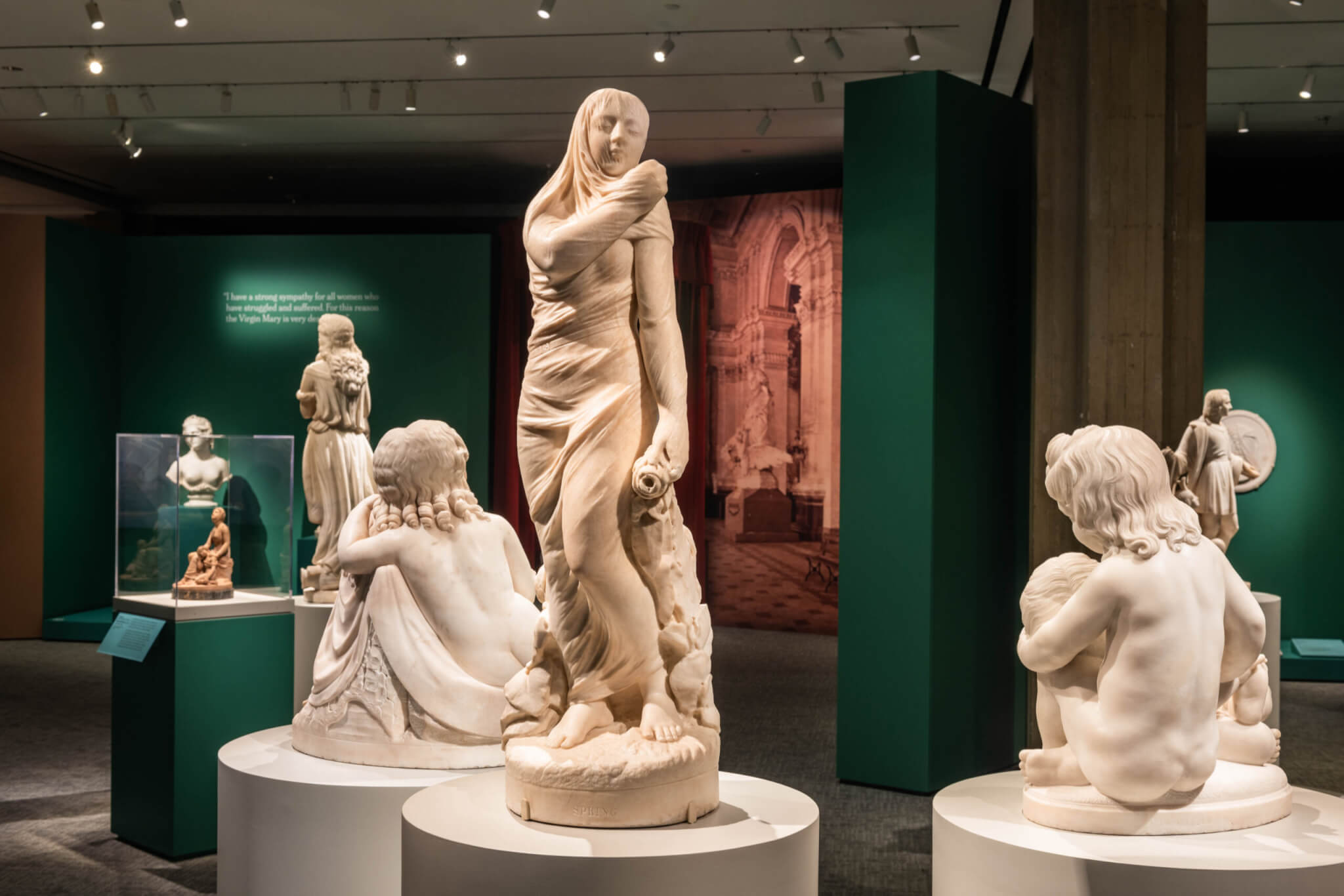
Boston Art Review (BAR) has published an article titled “Edmonia Lewis: Said in Stone” that reconstructs the life of the 19th-century sculptor Edmonia Lewis across fragmented historical records. The piece examines Lewis’s career, her neoclassical marble works, and the challenges of piecing together her biography due to limited archival materials.

Pakistani artist Shahzia Sikander navigates her country’s complex past—a new monograph tells her story

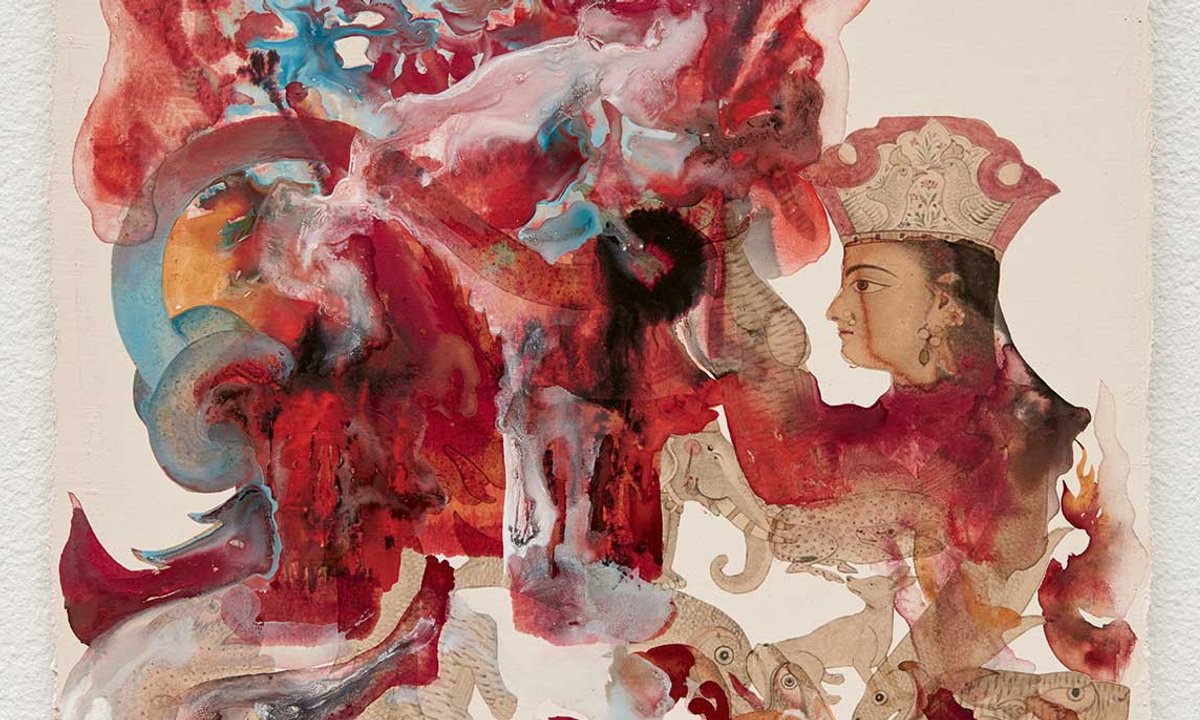
Shahzia Sikander, a Pakistani artist born in Lahore after the Partition of India, is the subject of a new monograph by art historian Jason Rosenfeld. The article traces her rise from the National College of Arts (NCA) in Lahore, where she studied contemporary miniature painting—a genre uniquely associated with Pakistan—to international prominence. It highlights her graduate thesis, *The Scroll* (1989-90), which used the traditional Indo-Persian miniature form to critique General Zia ul Haq's military dictatorship, and positions her alongside Imran Qureshi as one of the best-known living artists of Pakistani origin.

From Dior's golden coat to landscape jewellery at Christie's: where the worlds of art and luxury collide this autumn

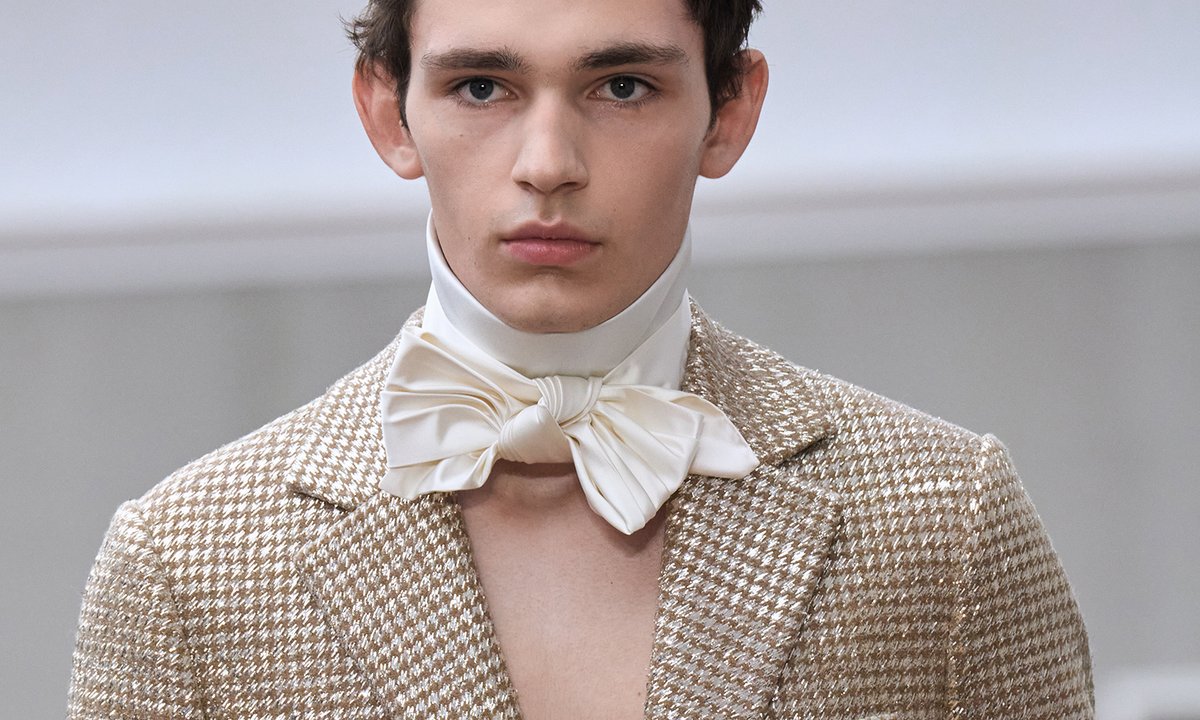
The article highlights two luxury-art crossovers this autumn: Jonathan Anderson's debut Dior menswear collection for spring/summer 2026, presented in Paris, and Natasha Wightman's new jewellery collection displayed at Christie's London. Anderson's show reimagined Dior's iconic women's silhouettes for men, featuring a standout €200,000 coat embroidered with ancient Indian mukesh work that took 12 artisans 34 days to create. Wightman's jewellery incorporates bog oak, a semi-fossilised wood from British fens, carved into pendants celebrating the country's remaining temperate rainforests.

Book reveals how Chintz—India’s precious textile pattern—became a precolonial global export

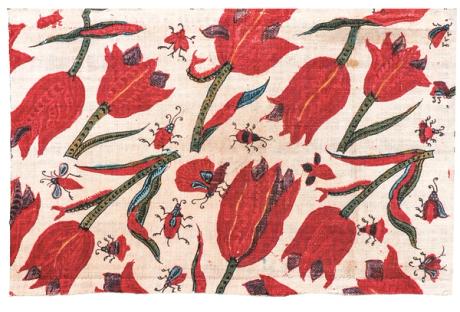
A new book titled *Chintz: Indian Cotton Textiles from the Karun Thakar Collection* explores the history of chintz, a block-printed Indian textile pattern that was traded globally for over a thousand years before European colonialism. Based on one of the world's largest textile collections, the volume features essays by 12 scholars and traces how these intricately designed cloths traveled to Japan, Indonesia, France, and Britain, influencing local fashions and sparking cross-cultural exchange. The book highlights the challenges of studying textiles from oral societies, where makers remain unnamed and many pieces have not survived.

literature ann rower lee and elaine autofiction

Ann Rower's novel "Lee & Elaine," originally published in 2002 by Serpent's Tail, is being reissued next month by Semiotext(e). The autofictional work follows a narrator—a lightly fictionalized version of Rower—who, after learning of the death of her friend, artist Hannah Wilke, becomes obsessed with the graves of Lee Krasner and Elaine de Kooning at Green River Cemetery. The narrator imagines these two women, known primarily as wives of famous male painters, as secret lovers or comrades, and attempts to write a joint biography that doubles as a journey of self-discovery.

New book shows why physical maps have an important role to play in our digital world

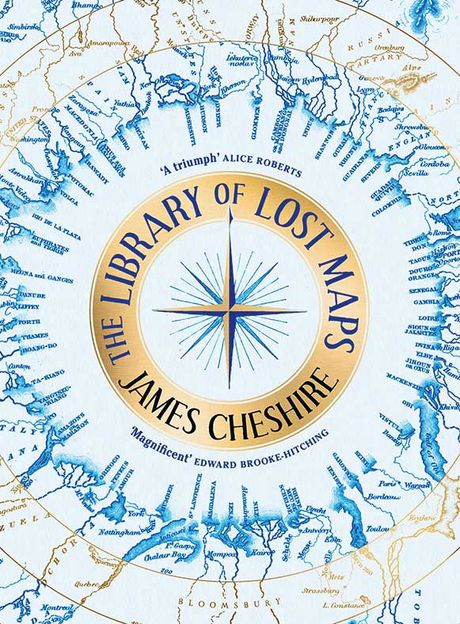
Professor James Cheshire spent three years cataloging forgotten maps in a University College London storage room, resulting in the book 'The Library of Lost Maps.' The volume presents 96 historically significant maps, ranging from a pre-atomic bomb Hiroshima map to a Victorian geological survey of India, highlighting their physical fragility and hidden stories.

The 10 Best Venice Films

Die 10 besten Venedig-Filme

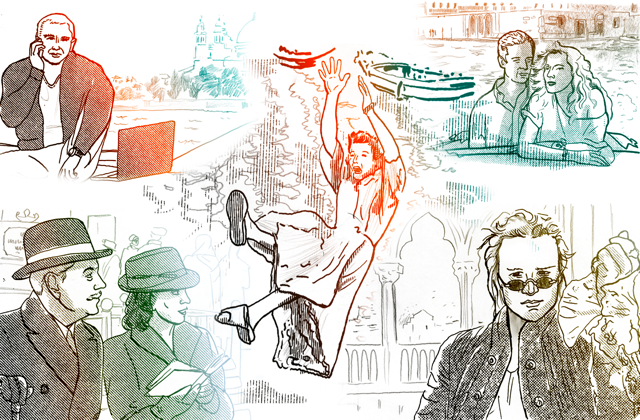
Monopol magazine has published a ranking of the ten best films set in Venice, timed to coincide with the opening of the Venice Art Biennale. The list includes titles such as Steven Spielberg's "Indiana Jones and the Last Crusade" (1989), Joseph L. Mankiewicz's "The Honey Pot" (1967), and Kenneth Branagh's "A Haunting in Venice" (2023), highlighting how the lagoon city serves as a central character in action films, comedies, and love dramas.

How Native American Artists Redefined Contemporary Art in the United States

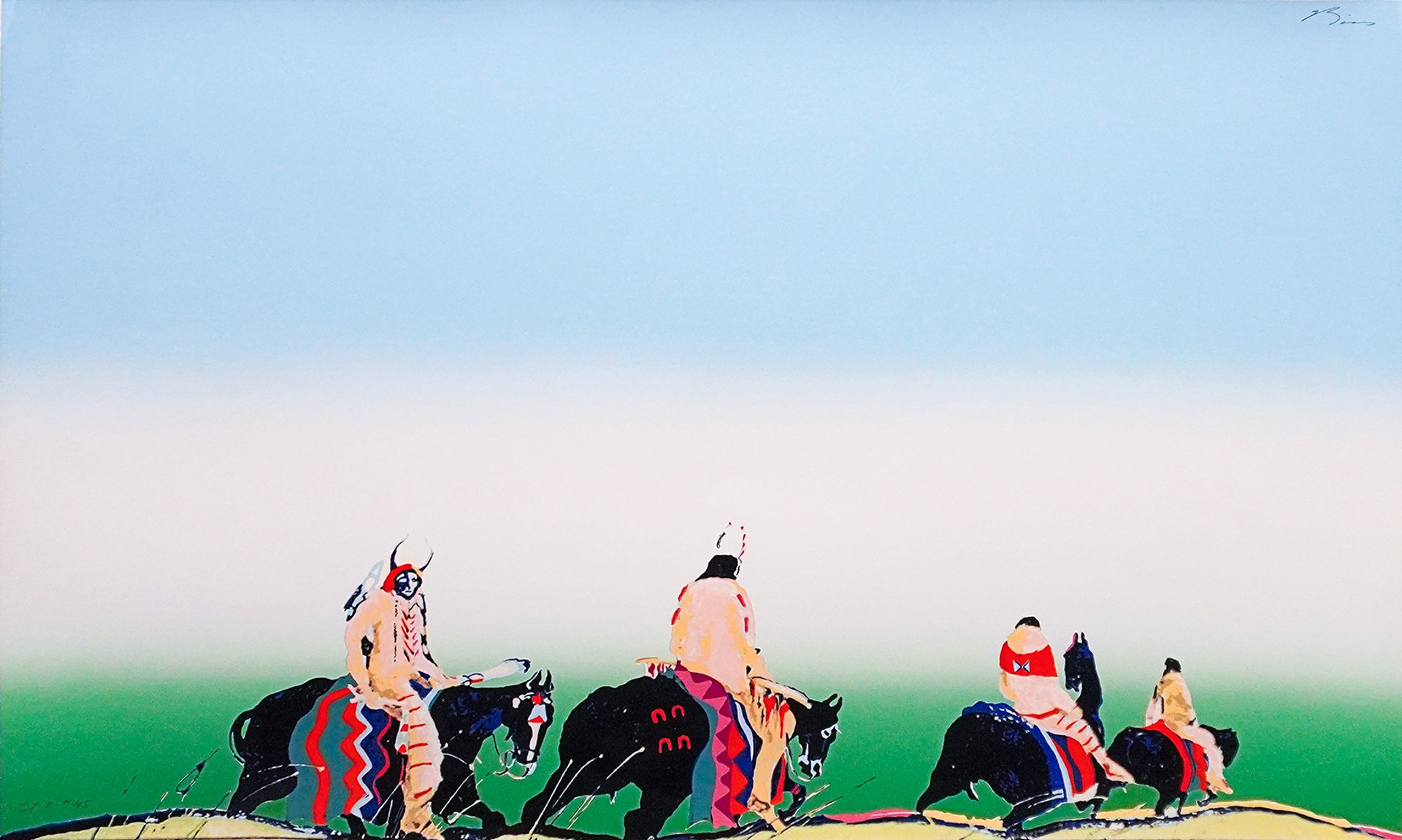
A generation of Native American artists, emerging from the Institute of American Indian Arts (IAIA) in Santa Fe from the 1960s onward, reclaimed Indigenous representation in American art. Figures like Fritz Scholder, T.C. Cannon, Kevin Red Star, and Earl Biss used modernism, irony, and cultural specificity to dismantle colonial stereotypes of Native peoples as romanticized relics, instead portraying them as contemporary individuals with agency and living traditions.

'The Bean' Sculptor Kapoor Blasts America's 'Politics Of Hate' And 'Warmongering'

British-Indian sculptor Anish Kapoor, best known for Chicago's 'Cloud Gate' sculpture (commonly called 'The Bean'), publicly criticized American politics in a recent interview, denouncing what he described as a 'politics of hate' and 'warmongering.' Kapoor, whose monumental public artworks have become global icons, did not specify particular events but spoke broadly about the current political climate in the United States.

Remains of time: Discarded Material Finds New Life As Artwork

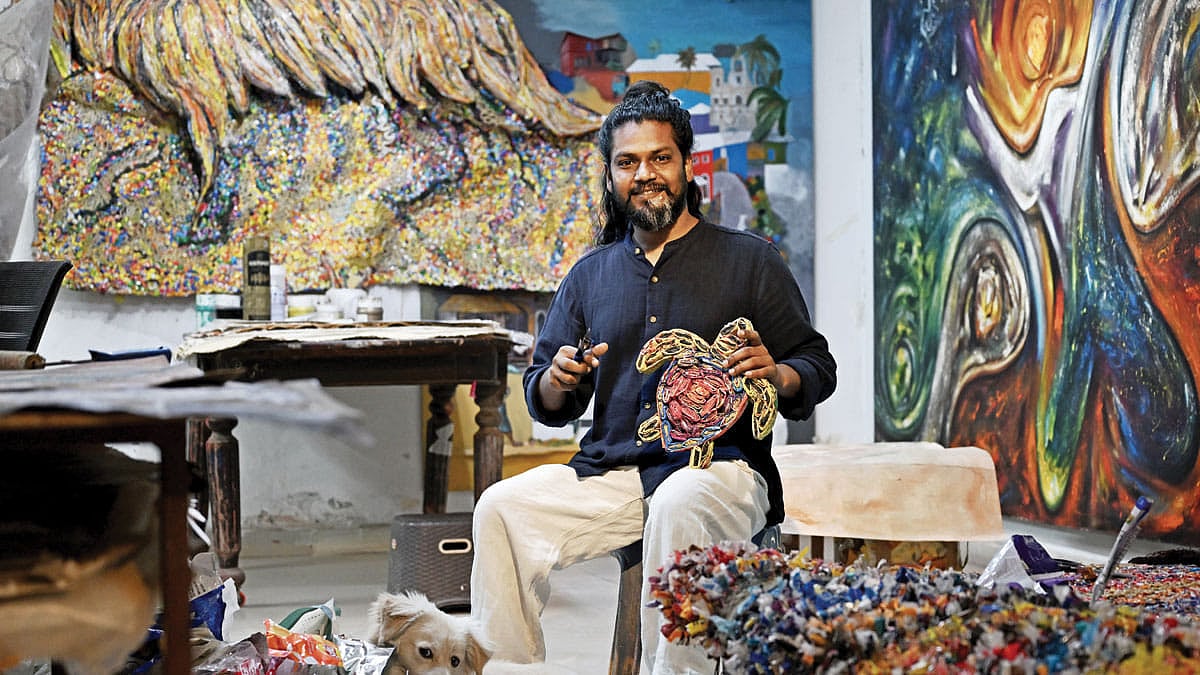
Two Indian artists, Manveer Singh (aka Plasticvalla) and Smriti Dixit, are creating artworks from discarded materials to address environmental degradation. Singh transforms multi-layered plastic waste into sculptures inspired by local landscapes and folk traditions, such as a snow leopard for Spiti Valley and a landfill-inspired piece for Delhi. Dixit finds her practice meditative, while other young artists like Anuja Dasgupta and Mrugen Rathod recently exhibited at the 'Sustaina' exhibition using recycled materials like agricultural waste and discarded hotel textiles. Additionally, Tara Lal's Aranyani Pavilion, made from invasive Lantana Camara wood, was displayed at Sunder Nursery to promote forest restoration.

Exploring Shekhawati: Rajasthan’s open-air art gallery of frescoed havelis

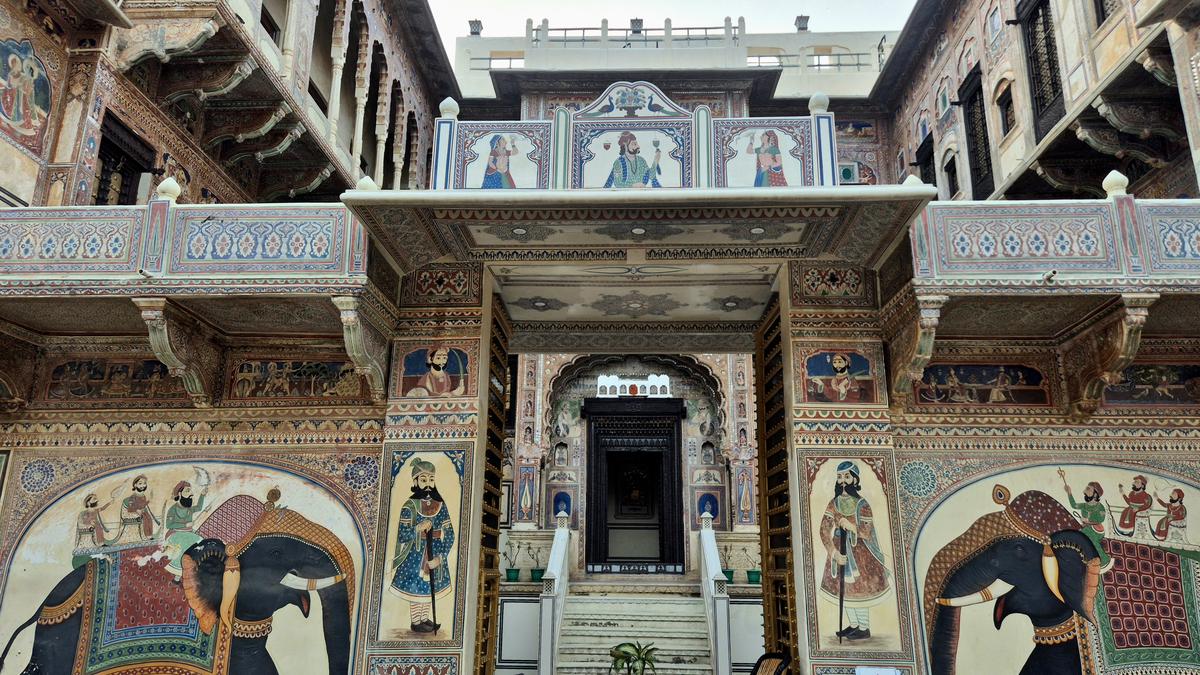
The article explores the Shekhawati region of northern Rajasthan, India, known as the world's largest open-air art gallery. It focuses on the 18th–20th century merchant havelis (mansions) hand-painted with intricate frescoes, many of which are now being restored as heritage hotels. The author recounts a personal stay at Malji Ka Kamra, a restored haveli in Mandawa, describing its blend of Italianate and Rajput architecture and the overwhelming frescoes covering every surface, depicting portraits, floral motifs, and scenes of daily life.