filter_list Showing 37 results for "Ava" close Clear
search
dashboard All 2172 museum exhibitions 1004article news 274article local 256trending_up market 250article culture 162person people 65candle obituary 47article policy 38rate_review review 37gavel restitution 34article event 4article gallery 1
date_range Range Today This Week This Month All
Subscribe

here are 6 of the worst art works we saw all year

Artnet News published a year-end roundup of the worst artworks of 2023, as selected by its writers and editors. The list includes Meta's AI-art chatbot experiments on Instagram, which cloned celebrity likenesses into cringe-worthy avatars like Snoop Dogg's 'The Dungeon Master' and Kendall Jenner's 'Billie,' alongside Refik Anadol's 'Unsupervised' at MoMA, criticized as shallow tech spectacle. Other entries include a poorly received Picasso-themed exhibition and additional works deemed ill-conceived or badly executed.
Anne Hardy’s Hollow Humanoids

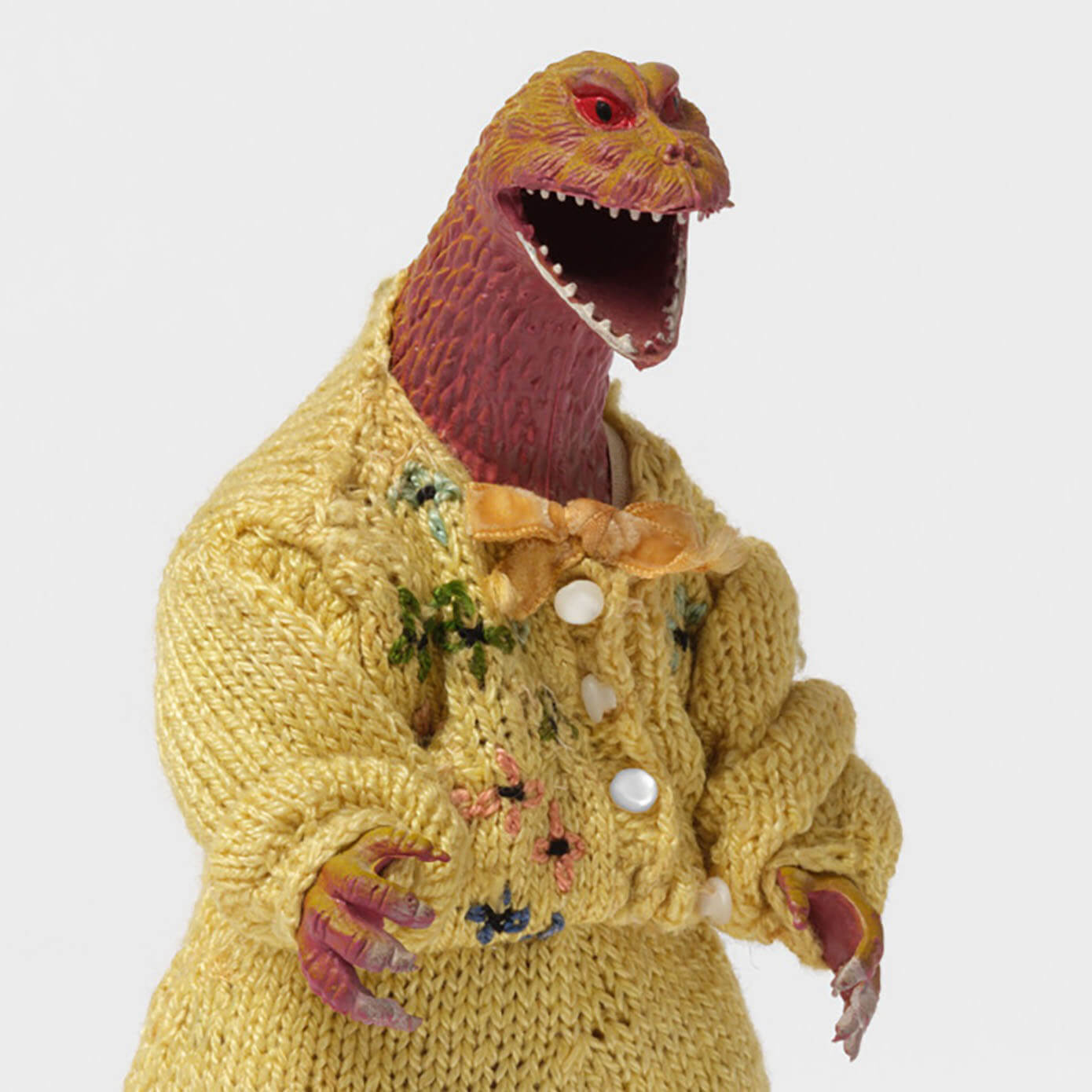
British artist Anne Hardy presents a suite of floor-based installations and assemblage sculptures titled "Interloper" at Visual. The exhibition features a series of "Beings"—twisted, life-size humanoid entities constructed from rusted wire, crushed cans, soil, and the artist’s own cast body parts and clothing. These figures, often posed in yoga-like positions or meditative stances, appear as hollow, faceless outlines that blend a sense of vitality with physical disintegration.

The Robots Were Never the Problem

The New Museum has reopened with 'New Humans: Memories of the Future,' a massive survey featuring over 150 contributors including Hito Steyerl, Precious Okoyomon, and H.R. Giger. Spanning 13 sections across the museum's new 5,500 square-meter extension, the exhibition traces the intersection of art, technology, and the human body from the early 20th century to the present. It juxtaposes interwar European works, such as Hannah Höch’s photomontages and Bauhaus ballets, with contemporary installations like Simon Denny’s sculpture of an Amazon worker's cage.

Konrad Mägi review – these bland, blobby paintings are expressionism without expression

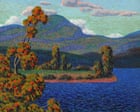
A new exhibition of early 20th-century Estonian painter Konrad Mägi at Dulwich Picture Gallery has received a scathing critical review. The reviewer finds Mägi's colorful, modernist-influenced landscapes and portraits to be bland, derivative, and devoid of the emotional depth or urgency found in the great modernists or the gallery's own Old Master collection.

best new york art criticism critics table

Cultured magazine's critics roundup highlights several notable New York art exhibitions. Cameron Rowland's "Properties" at Dia Beacon is examined as a landmark Land art installation that uses contractual relations to address racial capitalism, with works available only for rent or loan. Other shows include Feliciano Centurión's "Sol naciente" at Ortuzar, Joshua Caleb Weibley's "Game Transfer Phenomena" at Chart, Ian Miyamura's debut at Bureau, and Laura Owens's new show at Matthew Marks Gallery, each reviewed for their conceptual and aesthetic innovations.

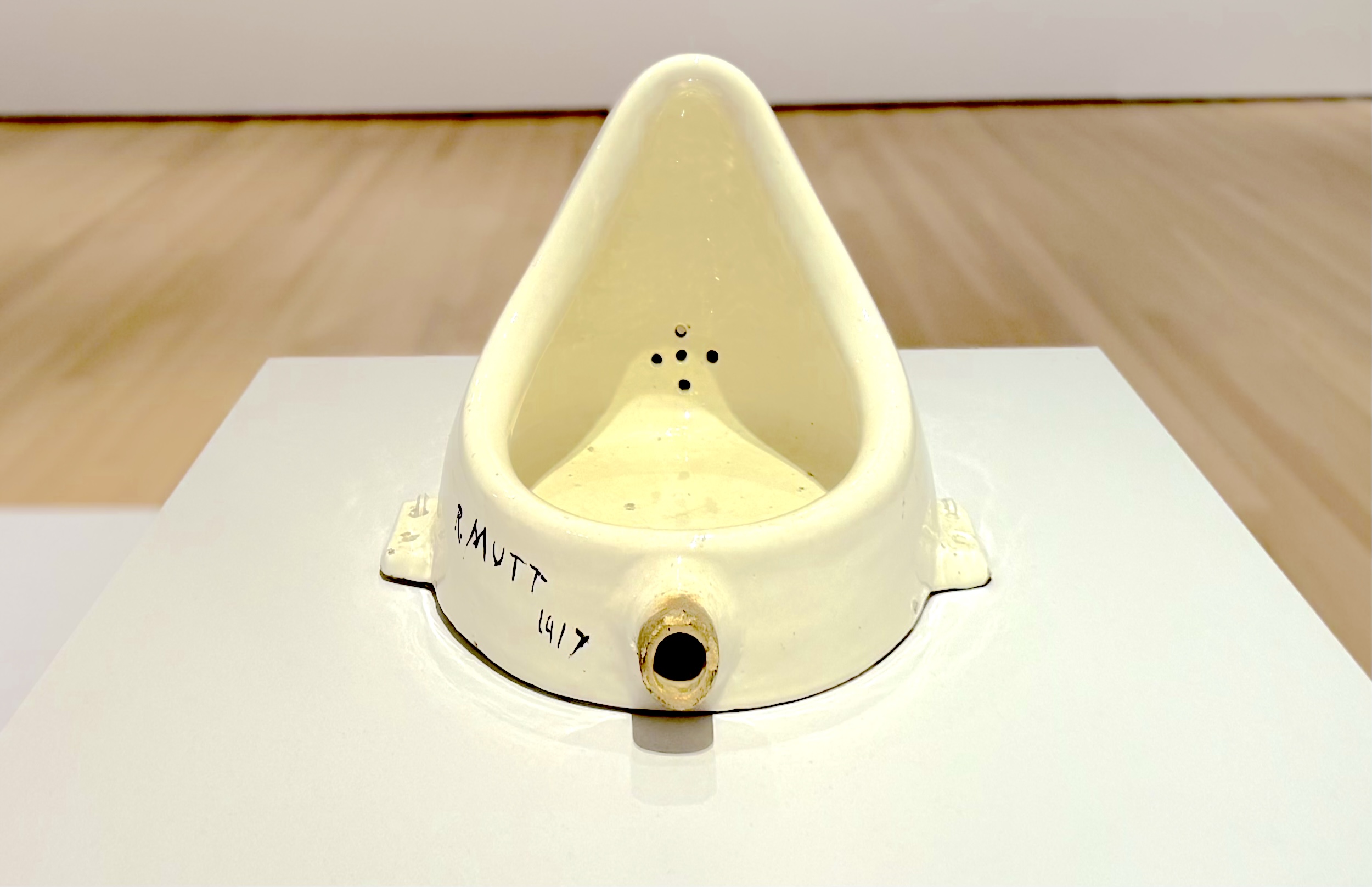
Are We Too Reverent of Marcel Duchamp?

The Museum of Modern Art has launched a major retrospective of Marcel Duchamp, co-organized with the Philadelphia Museum of Art. The exhibition tracks the artist's evolution from his early Cubist experiments and the scandal of 'Nude Descending a Staircase' to his radical invention of the readymade, exemplified by the infamous urinal, 'Fountain'. The show presents a comprehensive look at 'The Duch' through a reverential, church-like atmosphere, concluding with his later years as a dapper, enigmatic figure of the avant-garde.

art best and worst art of 2025 list

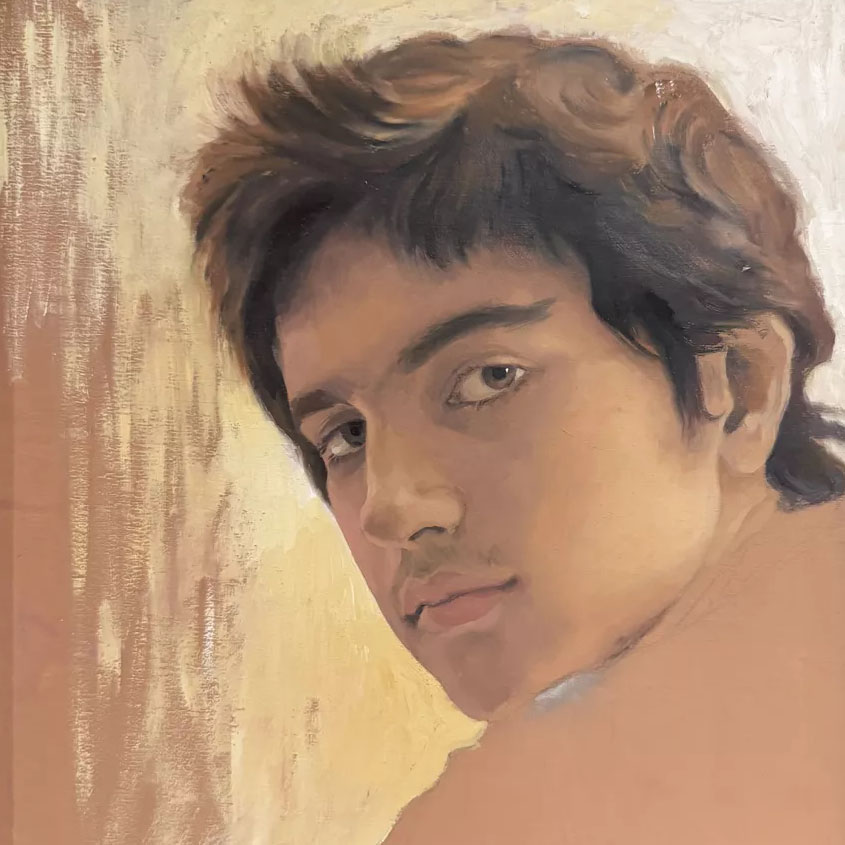
Cultured's art critic reflects on the best and worst of 2025, highlighting standout moments including Salman Toor's 2007 portrait of Zohran Mamdani (now mayor-elect of New York), the posthumous Jack Whitten survey "The Messenger" at MoMA, and Anne Imhof's epic production "DOOM: House of Hope" at the Park Avenue Armory. The article also notes Mamdani's arts-friendly transition committee and the broader resilience of artists amid political turmoil.

Fantastic visions and cosmic rhythms: how Whistler is making me see – and hear – differently

The article explores how the James McNeill Whistler exhibition at Tate in London prompts a reconsideration of the relationship between music and visual art. Whistler titled his works using musical terms like "Arrangement," "Symphony," and "Nocturne," arguing that painting should be abstract and independent of narrative, much like instrumental music. The exhibition, reviewed by Jonathan Jones, highlights Whistler's radical art-for-art's-sake philosophy, which influenced composer Claude Debussy, whose orchestral Nocturnes were directly inspired by Whistler's paintings of light and atmosphere.

V&A Rising Voices review – can decades of stunning global art really be squished into three rooms?

The V&A Museum in London has mounted an exhibition titled "Rising Voices" that attempts to summarize three decades of the Asia Pacific Triennial, a vast survey of contemporary art from Asia, Australia, and the Pacific organized by Queensland Art Gallery. The show crams works from multiple continents, island nations, and Indigenous cultures into just three rooms, featuring bark cloth paintings from Papua New Guinea, Indigenous Australian abstracts, shark sculptures from the Torres Strait, and Tahitian textiles. Many works address colonialism, political oppression, and tyranny, with artists like Elisabet Kauage, Pala Pothupitiye, and Svay Ken using art as resistance. The exhibition includes pieces by Maryam Ayeen, Abbas Shahsavar, Lila Warrimou, Pennyrose Sosa, Aline Amaru, Brenda V Fajardo, and Heri Dono.

The Met’s Costume Institute Needs an Art History Lesson

The Metropolitan Museum of Art's Costume Institute spring exhibition, "Costume Art," pairs fashion with artworks from the Met's collection, including ancient Greek statues and Andy Warhol screenprints, alongside garments by designers from Charles James to CFGNY. Curator Andrew Bolton aims to suggest that fashion can expand understanding of art, but the show's juxtapositions often feel vague and sloppy, with only occasional resonant pairings like a Jean Paul Gaultier shirt and Joe Brainard drawing linked by queer artist lineage.

What We Miss When We Talk About Giacometti

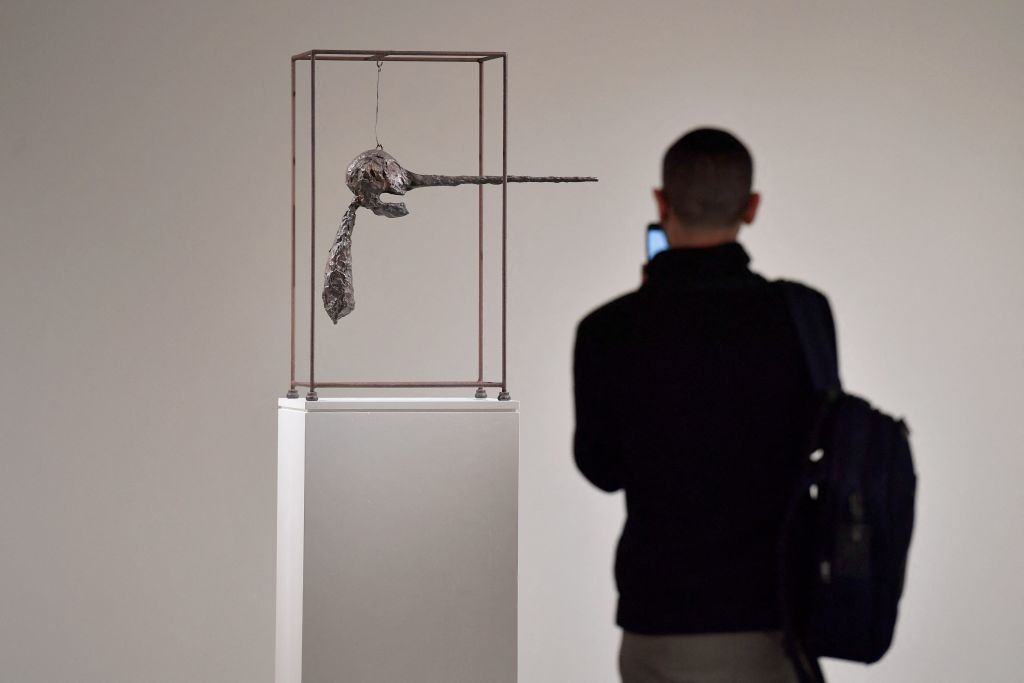
This article explores a critical reevaluation of Alberto Giacometti’s career, specifically focusing on the decade between 1935 and 1945. While Giacometti is globally recognized for his spindly, post-war 'Existentialist' figures, art historian Joanna Fiduccia’s new book, *Figures of Crisis*, argues that his mid-career departure from Surrealism to study human likeness was not a mere transition but a profound response to the political crises and nationalism of interwar France.

carol bove guggenheim museum retrospective review

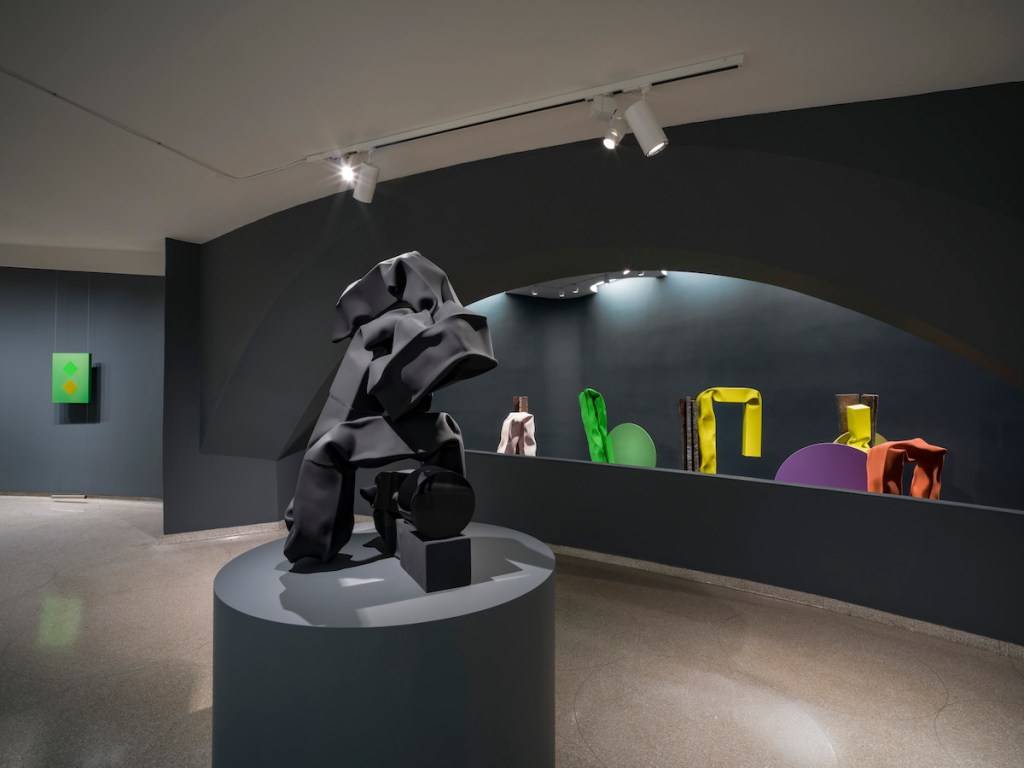
The Solomon R. Guggenheim Museum has launched a major retrospective of Carol Bove, filling the iconic Frank Lloyd Wright rotunda with approximately 100 works spanning her career. The exhibition showcases Bove’s evolution from her early assemblages of driftwood, peacock feathers, and vintage books to her more recent large-scale, brightly colored steel sculptures. A defining feature of the show is Bove’s inclusion of "para-artworks"—pieces by other artists such as Lionel Ziprin, Agnes Martin, and Arnaldo Pomodoro—integrated into her own installations to highlight the influences and histories that inform her practice.

hito steyerl medium hot images heat verso

Artist Hito Steyerl has published a new book, *Medium Hot: Images in the Age of Heat*, through Verso, continuing her long-running exploration of how images, technology, and politics intersect. The article traces her intellectual evolution from earlier works like *The Wretched of the Screen* (2013) and *Duty Free Art* (2017), highlighting key essays and video works such as *How Not to Be Seen: A Fucking Didactic Educational .MOV File* (2013), which satirizes surveillance culture. It notes that Steyerl topped ArtReview’s 2017 Power List as the most influential person in the art world, and that her latest book addresses war and violent conflict in the context of Web3, with a more decisive tone.

The National Gallery of Art’s Dear America Needs a Postscript

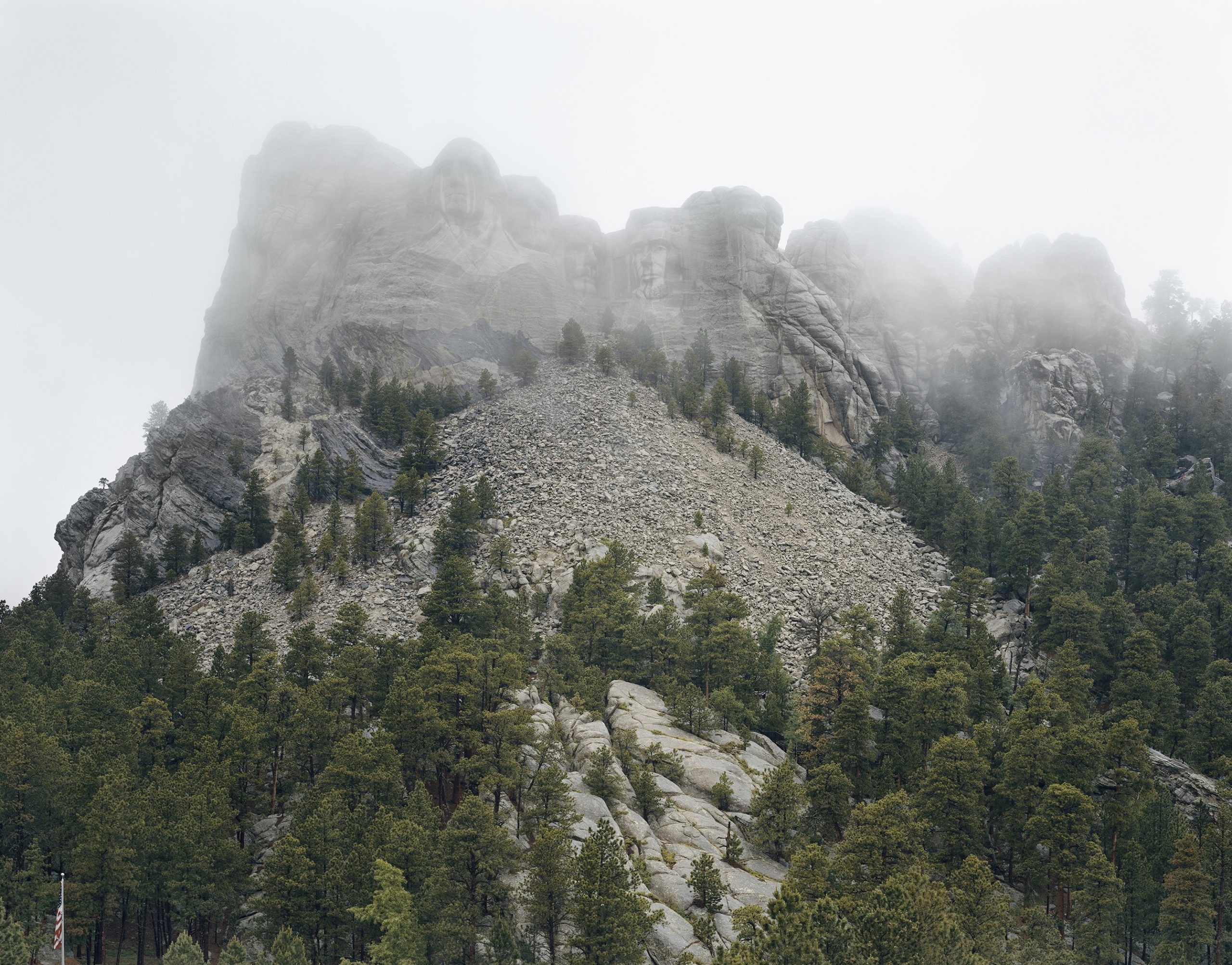
The National Gallery of Art in Washington, D.C. has opened "Dear America," an exhibition organized around the themes of "Land," "Community," and "Freedom" that attempts to survey the entire history of the United States through its collection. The show features works by artists including Mitch Epstein, Victoria Sambunaris, Sedrick E. Huckaby, and Nancy Andrews, with sections on the American landscape, industrialization, and diverse communities. However, the review notes that the exhibition feels overly literal, with American flags prominently featured and a sense of ticking off boxes rather than offering a challenging or intellectually rigorous presentation.

The Enigma of Alison Knowles

Lauren Moya Ford reviews the only book dedicated to Fluxus artist Alison Knowles, who died six months ago. The book, "Performing Chance: The Art of Alison Knowles In/Out of Fluxus" by Nicole L. Woods (2026), attempts to illuminate Knowles's life and work, but Ford notes that much of her personal life remains mysterious despite the author's efforts. The article is part of a broader books newsletter that also features new tomes on Hans Holbein’s portraits, Jan Staller’s photographs of Manhattan construction sites, and a discussion of a Black Panther family album at the Studio Museum in Harlem.

A Blockbuster Take on Ovid’s “Metamorphosis”

The Rijksmuseum in Amsterdam has opened a major exhibition titled 'Metamorphoses,' inspired by Ovid's poem. The show brings together Renaissance masterpieces, antiquities, and contemporary works, grouping them by the myths they depict to explore themes of transformation, desire, and gender through striking visual juxtapositions.

It’s Gabriele Münter’s World, We’re Just Living in It

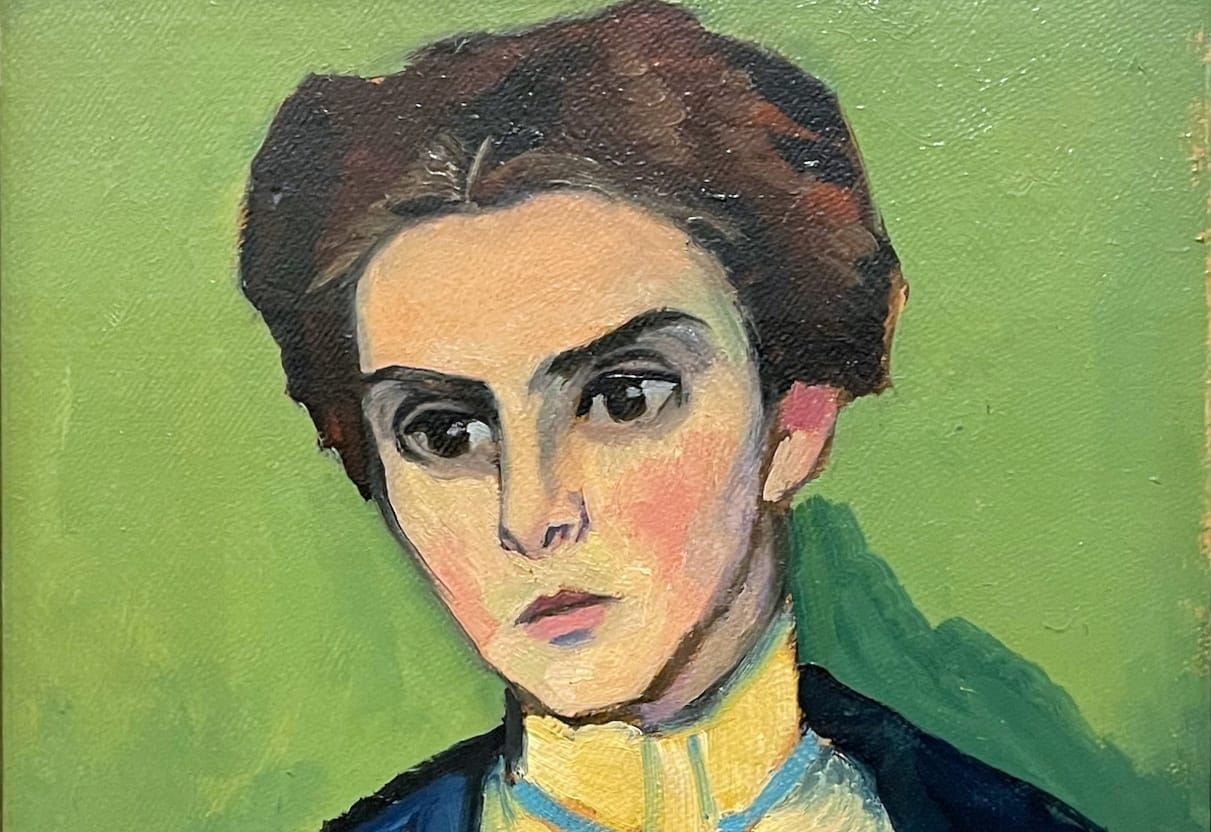
The Solomon R. Guggenheim Museum is hosting "Contours of a World," a retrospective dedicated to Gabriele Münter, a co-founder of the Blue Rider group. The exhibition moves beyond the shadow of her long-time partner Wassily Kandinsky, showcasing her distinct approach to German Expressionism through photography, intimate domestic scenes, and vibrant landscapes. Unlike her contemporaries who leaned toward total abstraction, Münter utilized bold outlines and layered compositions to create a dynamic, phenomenological experience of seeing.

Haroutiun Galentz: The Form of Colour

Haroutiun Galentz: The Form of Colour

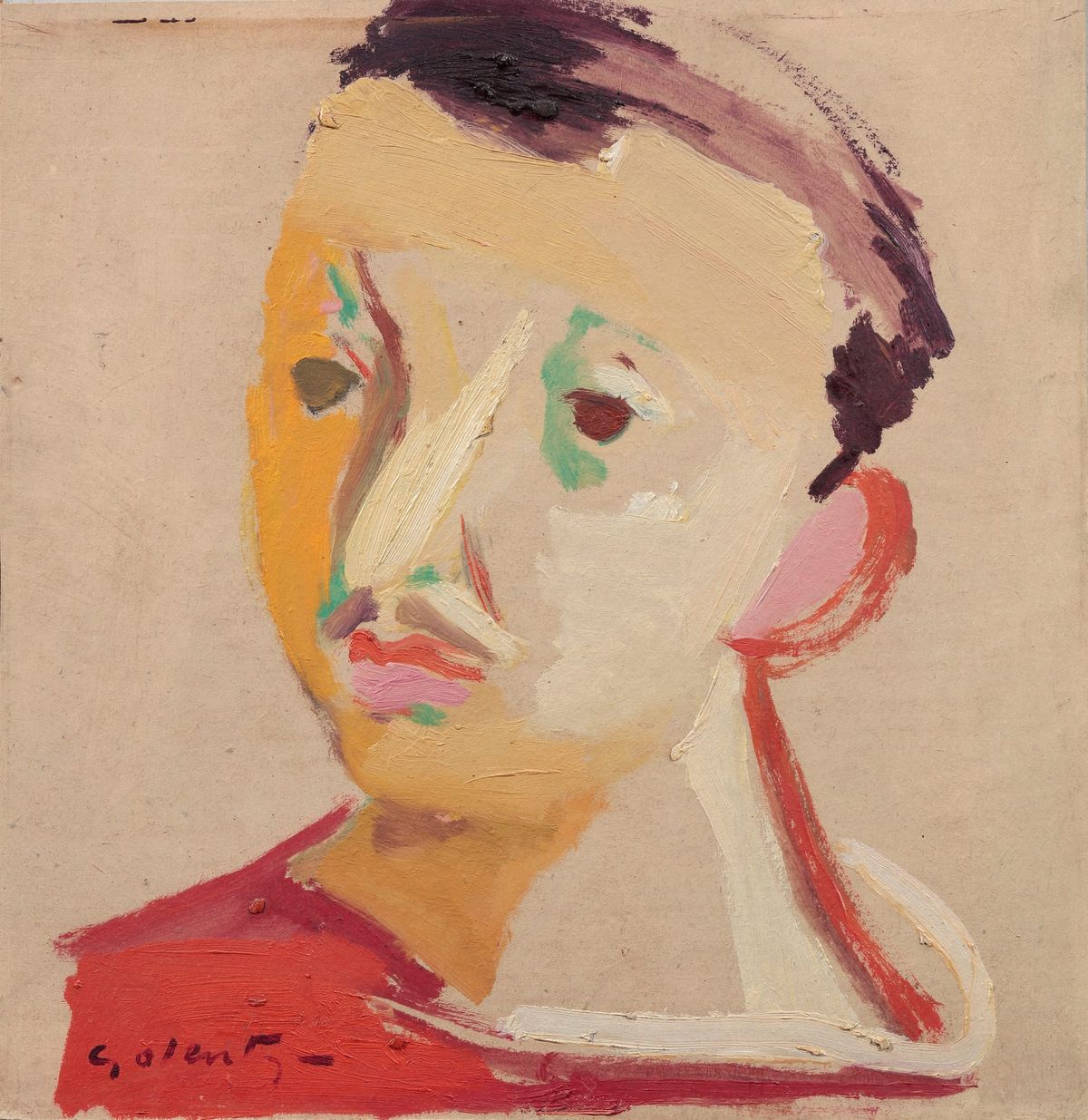
A new English-language monograph, *Haroutiun Galentz: The Form of Colour*, repositions the Armenian-Lebanese painter as a major cosmopolitan modernist. The book assembles his work from international collections, arguing his career—spanning formative years in Beirut's pre-war art scene and a later period in the Soviet Union—must be understood beyond national art historical frameworks.

« L’Angélus » de Millet : une notification à l’humanité hors sol ?

Beaux Arts Magazine publishes a detailed visual analysis of Jean-François Millet's painting "L'Angélus" (1857–1859), housed at the Musée d'Orsay in Paris. The article describes the scene of two peasants pausing their potato harvest to pray at dusk, examining the composition, color, and spiritual resonance of the work. It also traces Millet's biography—from his peasant origins in the Cotentin region to his training under Langlois and Paul Delaroche, and his early career painting portraits and nudes before turning to rural subjects.

j hobermans book everything is now 1960s nyc downtown yoko ono andy warhol

J. Hoberman's new book, *Everything Is Now: The 1960s New York Avant-Garde—Primal Happenings, Underground Movies, Radical Pop*, offers a sweeping cultural history of the downtown New York scene in the 1960s. The book centers on figures like Jonas Mekas, Andy Warhol, Yoko Ono, and Jack Smith, weaving together experimental films, happenings, music, and the chaotic energy of the era. Hoberman, a longtime critic and curator, draws on his personal connections to the scene, including his mentorship under Mekas, and will present a selection of shorts from the book at Anthology Film Archives in June.

The Black American Artists Who Dazzled Post-War Paris

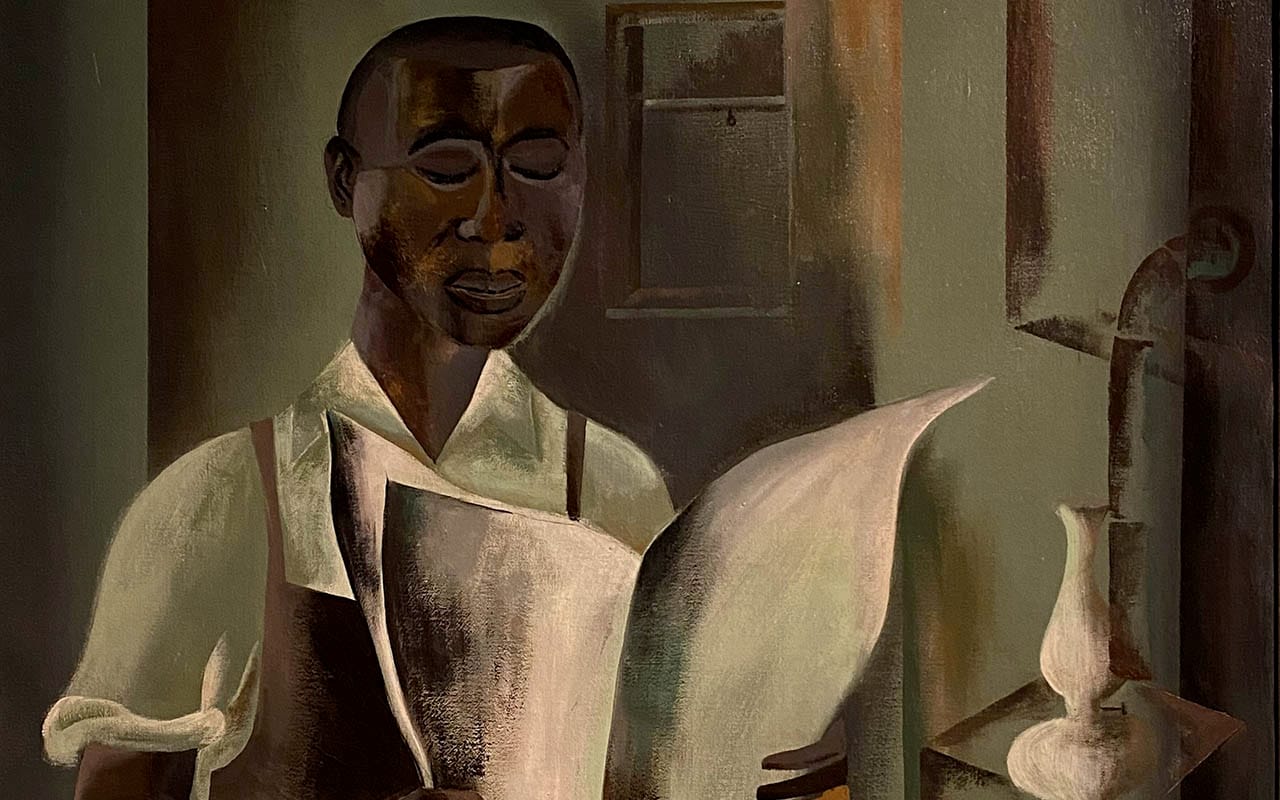
An exhibition titled "Paris in Black: Internationalism and the Black Renaissance" at the DuSable Black History Museum and Education Center in Chicago celebrates the Black American artists, writers, and performers who moved to Paris after World War II to escape American racism. Curated by Danny Dunson, the show features over 100 artworks from the museum's permanent collection, including paintings by Archibald J. Motley Jr., sculptures by Richmond Barthé, Augusta Savage, and William Artis, and ephemera related to Josephine Baker. It traces the global influence of the Harlem Renaissance and the cross-pollination between Paris and U.S. cities like Chicago.

Nancy Holt review – cosmic thrills as the universe’s hidden power is unleashed

The Guardian reviews a major UK exhibition of land artist Nancy Holt (1938-2014) at Goodwood in West Sussex, the largest show of her work to date. The exhibition features two large outdoor installations—Ventilation System, a metallic tubular structure resembling building lungs, and Hydra’s Head, six concrete pools arranged like the Hydra constellation in a chalk quarry—alongside indoor photographs, diagrams, and light works. The review praises the cosmic scale and bodily connection of the outdoor pieces but finds the indoor works less effective at conveying Holt’s themes of universal vastness and interconnectedness.

The Big Review | Jacques-Louis David at the Musée du Louvre, Paris ★★★★★

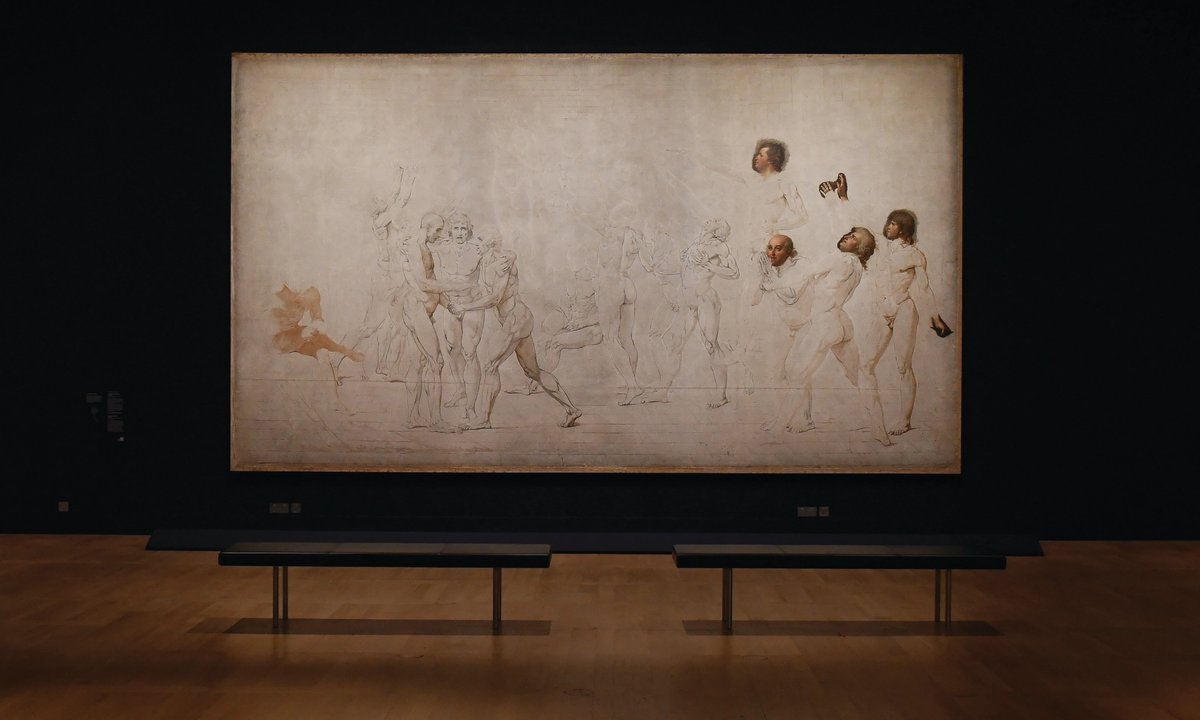
The Musée du Louvre in Paris has opened a major retrospective of Jacques-Louis David (1748-1825), the greatest Neoclassical artist, marking his biggest survey in nearly four decades. The exhibition, mounted for the 200th anniversary of his death, comprises just over 100 works, including strategic loans from France and eight other countries, and complements the Louvre's own holdings. The show aims to redefine David beyond the Neoclassical label, presenting him instead as both a "realist" and an "idealist," and is compared to blockbusters like the Rijksmuseum's Vermeer show.

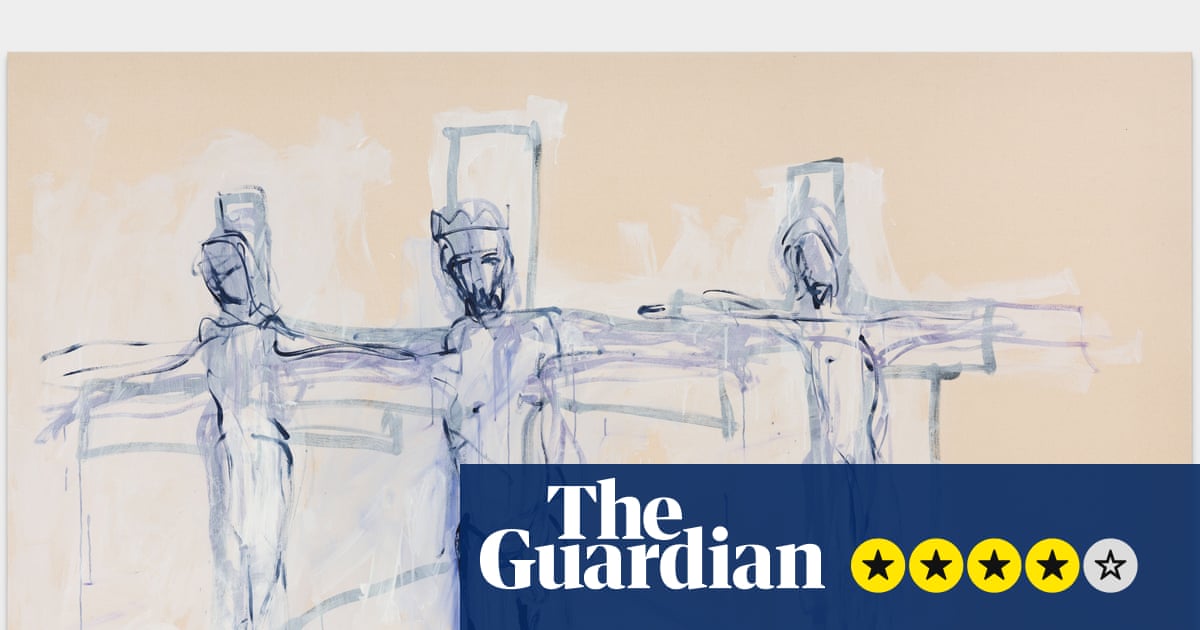
I have seen the light and it’s Tracey Emin’s Jesus – RA Summer Exhibition review | Royal Academy of Arts

The Royal Academy's Summer Exhibition in London features over 1,600 works, with Tracey Emin's painting "The Crucifixion" as the standout piece. The critic describes Emin's work as a sincere, shocking depiction of the crucifixion that reinvigorates religious art, alongside works by Georg Baselitz, Cornelia Parker, Tamara Kostianovsky, George Shaw, Frank Bowling, and Cindy Sherman.

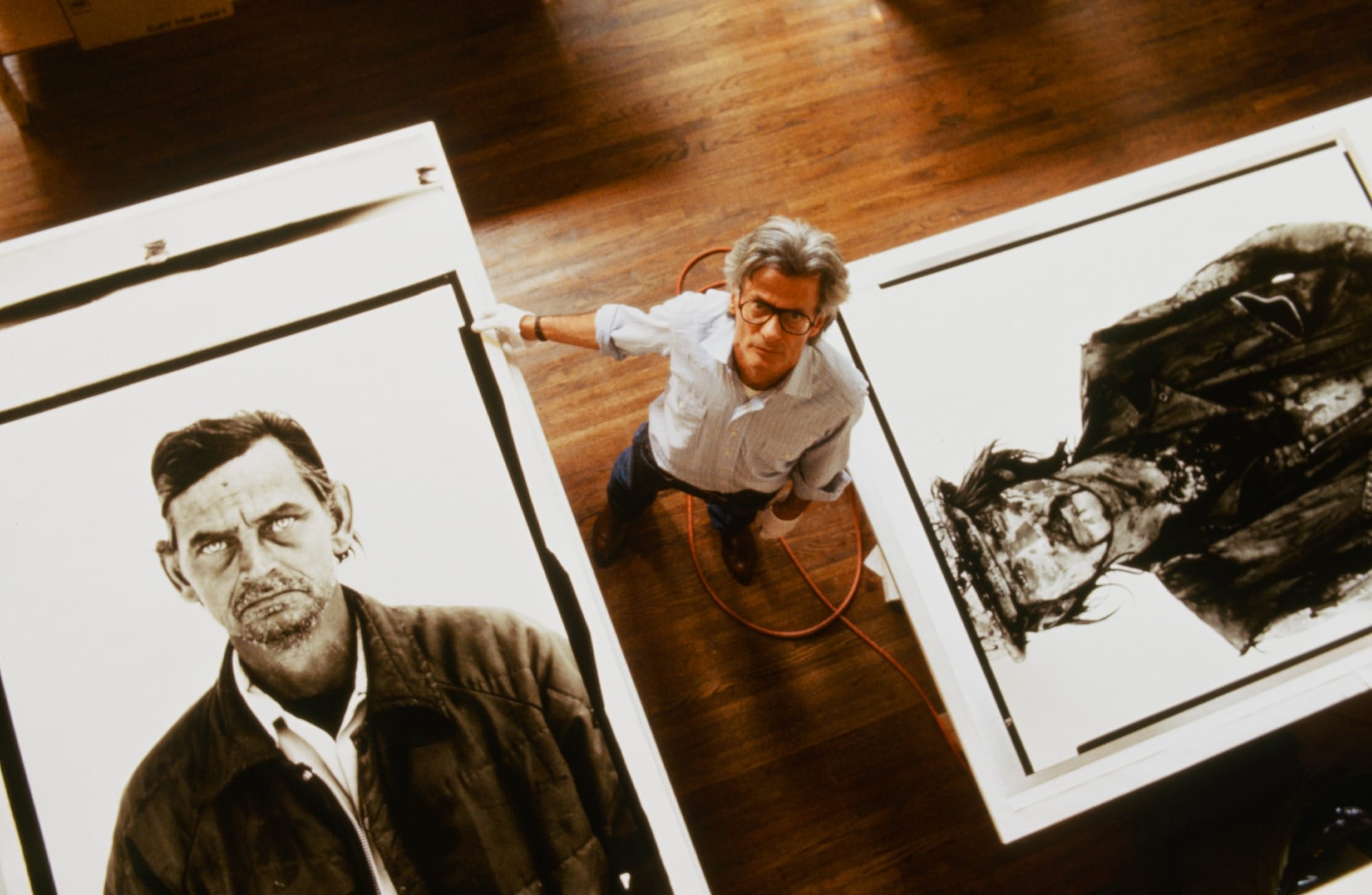
A New Richard Avedon Documentary Lets Him Down

A new documentary titled "Avedon" (2026), directed by Ron Howard, premiered at the Cannes Film Festival. The film offers a conventional tour of the life of famed photographer Richard Avedon, relying on talking-head interviews and behind-the-scenes anecdotes rather than delving into the artistic process or the deeper implications of his work. The review criticizes Howard's approach as hackwork, noting that the documentary misses opportunities to explore Avedon's insights on image culture, his influence on cinema, and the technical evolution of his photography.

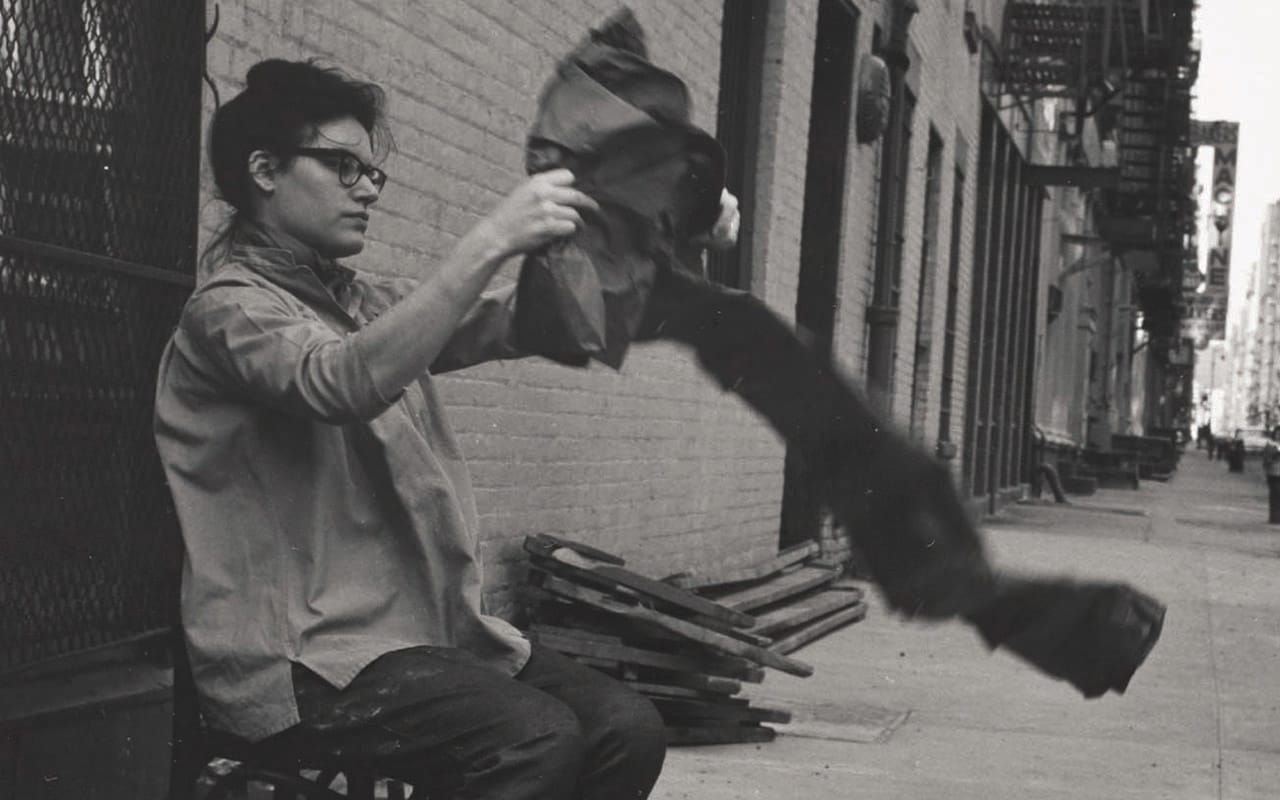
The Mysterious Life of Fluxus Dame Alison Knowles

A new book, "Performing Chance: The Art of Alison Knowles In/Out of Fluxus" by art historian Nicole L. Woods, is the first major study of the late Fluxus artist Alison Knowles, who died last fall at age 92. The book focuses on the first two decades of her career (1958–1975), analyzing key works such as her 1962 performance "Proposition #2: Make a Salad" at London's Institute of Contemporary Arts, and her shift from painting to experimental, ephemeral art after being exiled to a basement by Josef Albers at Syracuse University.

The Fantasy of the Femme Fatale

Le fantasme de la femme fatale

A documentary titled "Le fantasme de la femme fatale" (The Fantasy of the Femme Fatale), directed by Susanne Brand, is available on Arte.tv. The film traces the visual history of the femme fatale, a seductive and dangerous figure prevalent in centuries of figurative painting by male artists like Gustave Moreau and Franz Von Stuck, often depicted as Salome or languid nymphs.

The Left Side of History: On Haile Gerima’s Black Lions—Roman Wolves

The article is a critical essay analyzing Haile Gerima's 2026 film 'Black Lions—Roman Wolves: The Children of Adwa,' focusing on its exploration of Italy's colonial occupation of Ethiopia and the repression of this history. The author uses a scene from Gerima's earlier film 'Teza'—featuring children playing near a decaying fascist monument in Ethiopia—as a starting point to discuss how colonial memory and trauma are cinematically excavated.

Biennale Jogja 18 Review: Occasional Moments of Brilliance

The 18th edition of Biennale Jogja, titled 'KAWRUH: Land of Rooted Practices,' explores Javanese concepts of lived knowledge and alternative epistemologies to challenge Western, human-centric frameworks. The exhibition is split into two phases: a process-driven residency in Boro Hamlet and a larger presentation featuring 60 artists across 11 venues in Yogyakarta. While the show features standout works like Faisal Kamadobat’s mythological illustrations and Yuta Niwa’s cross-cultural mandalas, the physical experience is marred by unfinished venues and logistical hurdles.

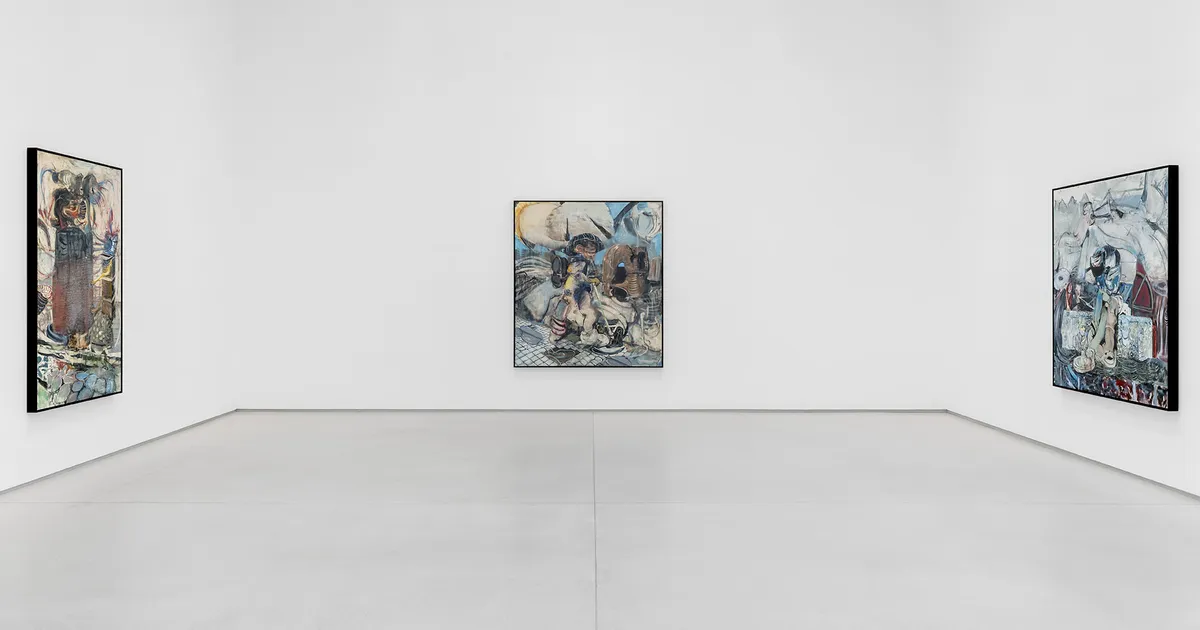
Adrian Ghenie: Roman Campagna | Exhibition review

Adrian Ghenie's exhibition "Roman Campagna" at a Paris gallery presents a series of paintings and charcoal drawings that subvert the romantic cliché of an artist's transformative encounter with Rome. Ghenie populates landscapes inspired by the Appian Way with grotesque, alien-headed figures hunched over smartphones, urinating on monuments, or weeping at sunsets, using brown and grey tones punctuated by bright colors. The works reference Francis Bacon and William S. Burroughs, and include direct allusions to Bacon's reinterpretation of van Gogh's self-portrait, as well as a copy of a Pompeii mosaic. The show also features large charcoal drawings on paper that reveal Ghenie's process of constructing his contemporary, alienated figures.