filter_list Showing 44 results for "Inti" close Clear
search
dashboard All 1655 museum exhibitions 986article local 247trending_up market 130article culture 86article news 54rate_review review 44person people 41candle obituary 40gavel restitution 17article policy 8article events 1article event 1
date_range Range Today This Week This Month All
Subscribe

V&A Rising Voices review – can decades of stunning global art really be squished into three rooms?

The V&A Museum in London has mounted an exhibition titled "Rising Voices" that attempts to summarize three decades of the Asia Pacific Triennial, a vast survey of contemporary art from Asia, Australia, and the Pacific organized by Queensland Art Gallery. The show crams works from multiple continents, island nations, and Indigenous cultures into just three rooms, featuring bark cloth paintings from Papua New Guinea, Indigenous Australian abstracts, shark sculptures from the Torres Strait, and Tahitian textiles. Many works address colonialism, political oppression, and tyranny, with artists like Elisabet Kauage, Pala Pothupitiye, and Svay Ken using art as resistance. The exhibition includes pieces by Maryam Ayeen, Abbas Shahsavar, Lila Warrimou, Pennyrose Sosa, Aline Amaru, Brenda V Fajardo, and Heri Dono.
Zurbarán review – ecstatic visions, primitive surrealism … and the finest loincloths ever painted

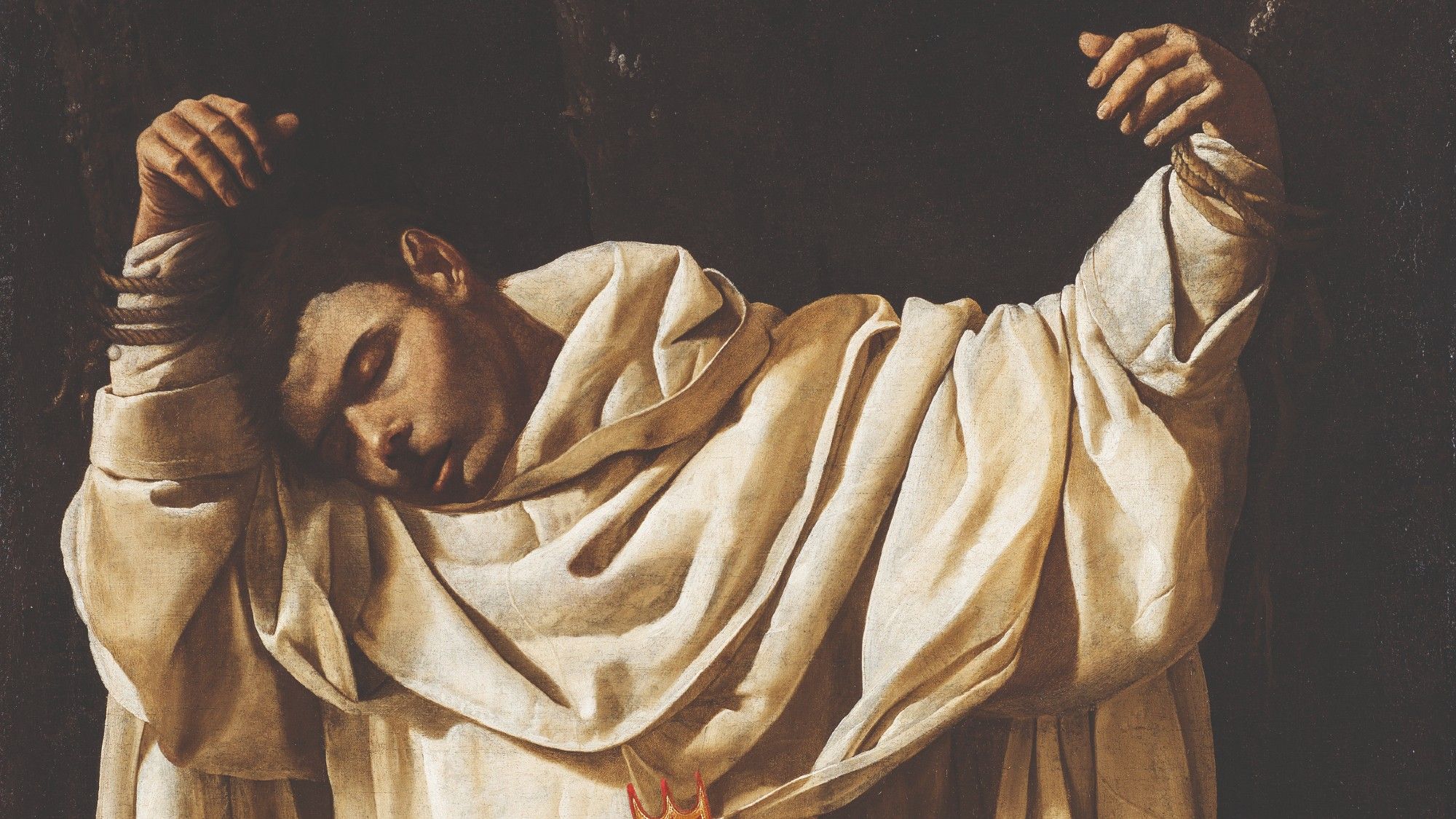
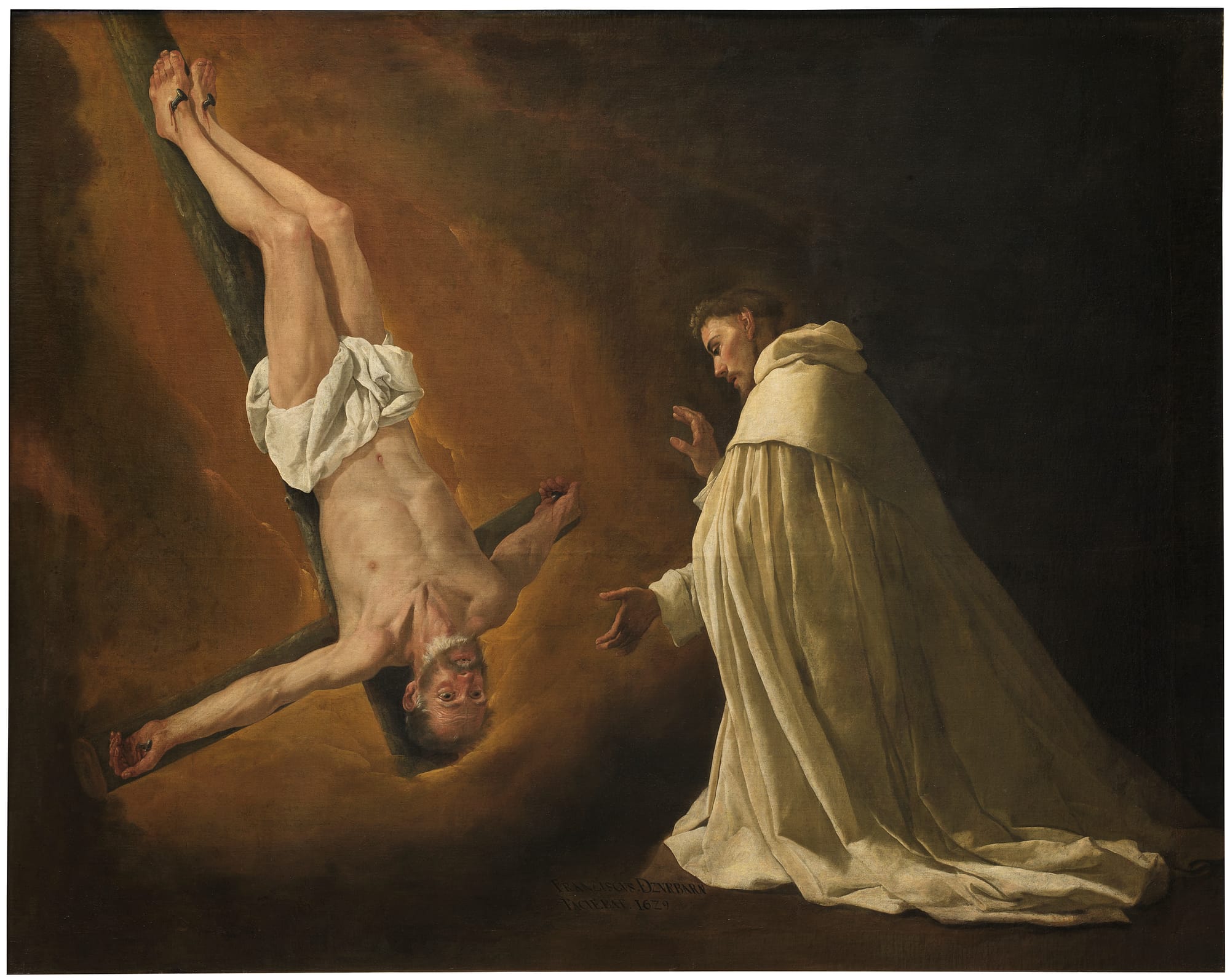
The Guardian reviews a major exhibition of 17th-century Spanish painter Francisco de Zurbarán, highlighting his visionary and surrealist qualities. The show features works such as "The Apparition of Saint Peter to Saint Peter Nolasco" (1629), newly attributed paintings including a giant mask, and iconic pieces like "The Crucified Christ" and "Saint Serapion," all drawn from collections including the Prado and the National Gallery, London. The review emphasizes Zurbarán's ability to paint supernatural subjects with naturalistic conviction, his exquisite rendering of fabrics—especially loincloths—and his influence on modern artists like Salvador Dalí.

Handpicked review – delightful dancing dahlias and petals so pillowy you can feel them

The Guardian reviews "Handpicked," an exhibition at Kettle's Yard in Cambridge that brings together over 40 artists from the 20th century to the present, all sharing a floral passion. The show features works by Rory McEwen, Vanessa Bell, Cedric Morris, Christopher Wood, Tirzah Garwood, Celia Paul, Gluck, and Caroline Walker, among others, displayed on white and leaf-green walls inspired by the fresh flowers and floral paintings in the neighboring house. The review highlights specific pieces, such as McEwen's exquisite tulip watercolor and Garwood's poignant painting from the last year of her life, noting the technical variety and emotional depth across the exhibition.

Salon review – like getting to know fascinating guests at a fabulous party

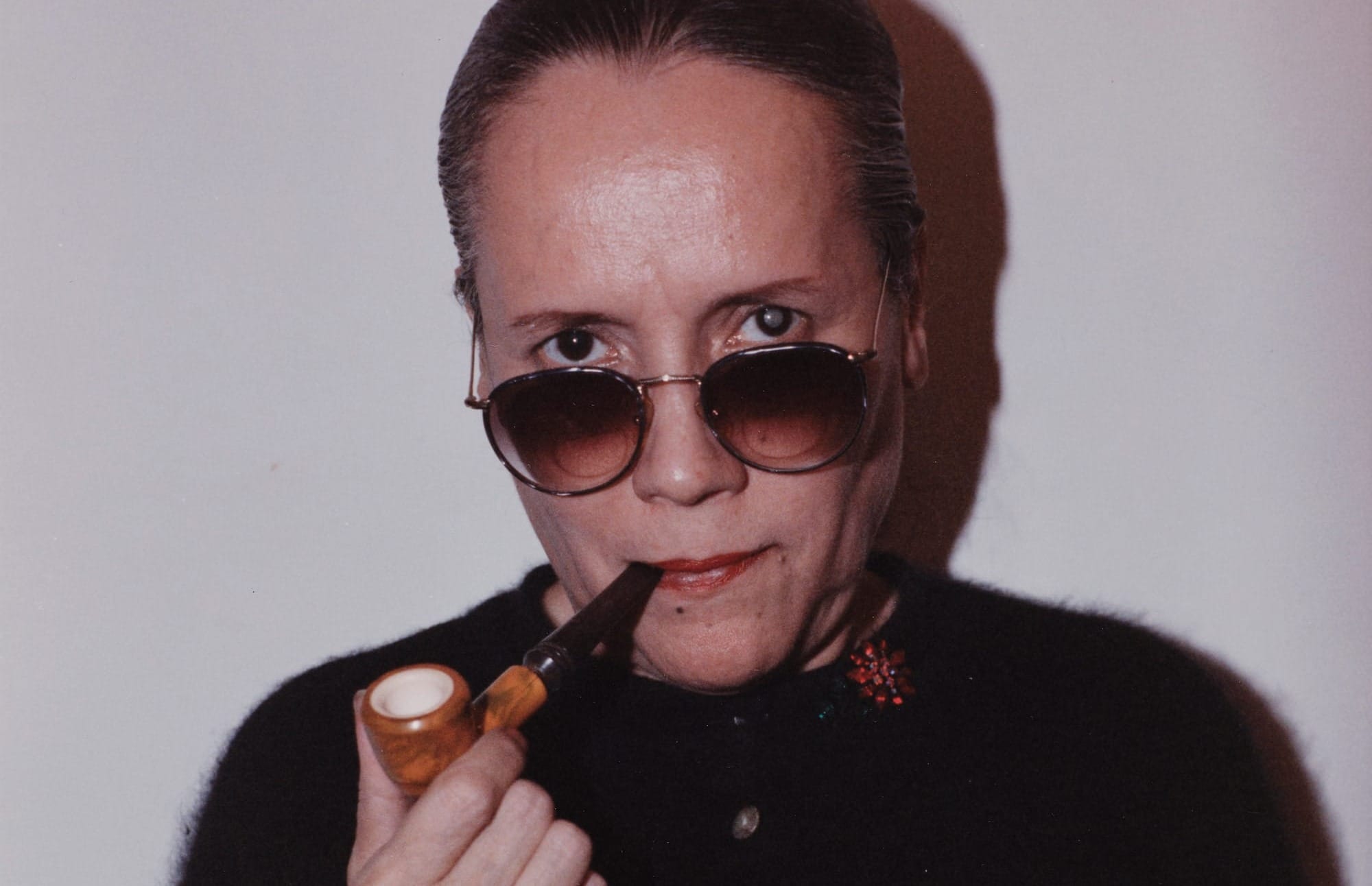
The article reviews a salon-style exhibition curated by Matthew Higgs, director of New York's White Columns gallery, at an unnamed gallery space. The show features 43 paintings by a diverse group of artists including Denzil Forrester, Andrew Cranston, Kaye Donachie, Merlin James, Margot Bergman, Gillian Carnegie, Bill Lynch, and Adam Keay, arranged around mismatched chairs facing white windows painted on the walls. The reviewer describes moving through the space, engaging with individual works, and highlights the eclectic, unthemed curation that prioritizes personal taste and conversation over academic or political messaging.

Sophia Rivera’s Mythology of Everyday New York

The article reviews "Sophie Rivera: Double Exposures" at El Museo del Barrio, the first survey of the late Nuyorican photographer Sophie Rivera, who died in 2021. The exhibition spans her career, including her feminist conceptual series "Rouge et Noir" and "Bowl Study" (c. 1976–78), which depict intimate bodily waste like used tampons and feces, and her socially engaged "Latino Portraits" series from the late 1970s, which countered negative media stereotypes of Puerto Ricans with affectionate, mythologizing portraits. The review highlights a moment where the critic misidentifies abstract toilet photographs as pinhole or double exposures before learning their true subject.

Is This What “Made in America” Looks Like?

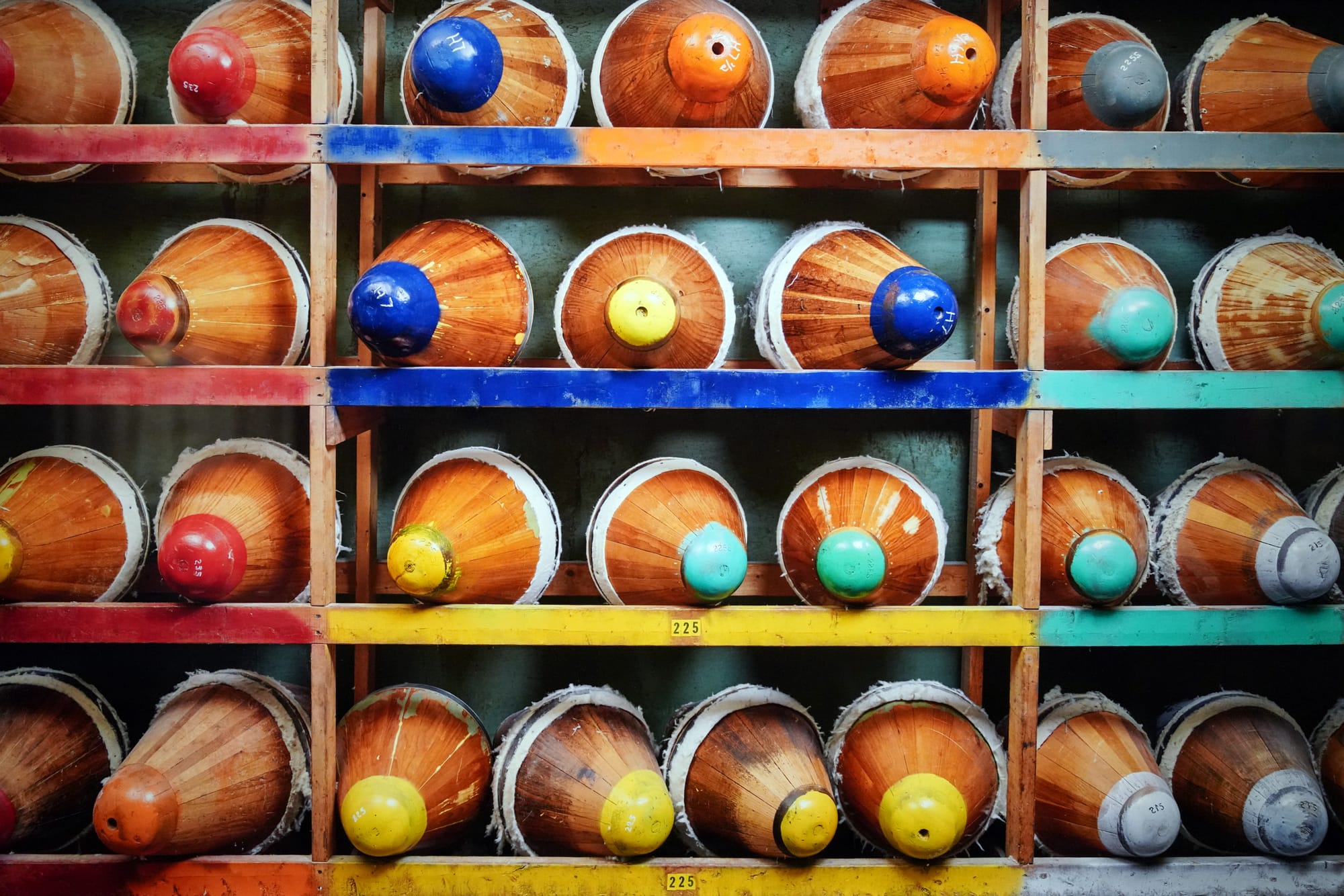
Christopher Payne's exhibition "Made in America: The Industrial Photography of Christopher Payne" at the Cooper Hewitt, Smithsonian Design Museum showcases 72 large-format photographs documenting active American factories and manufacturing processes. The trained architect turned photographer spent a decade visiting dozens of production sites across the United States, from the New York Times printing plant in Queens to the Bollman Hat Company in Pennsylvania, capturing workers' craftsmanship and the intricate steps involved in making everything from Peeps candies to jet engines. The exhibition is organized into three sections—traditional handcraft, large-scale production, and cutting-edge technologies—and coincides with the Smithsonian's celebration of the nation's 250th anniversary.

I’ve Got the Post-Duchamp Blues

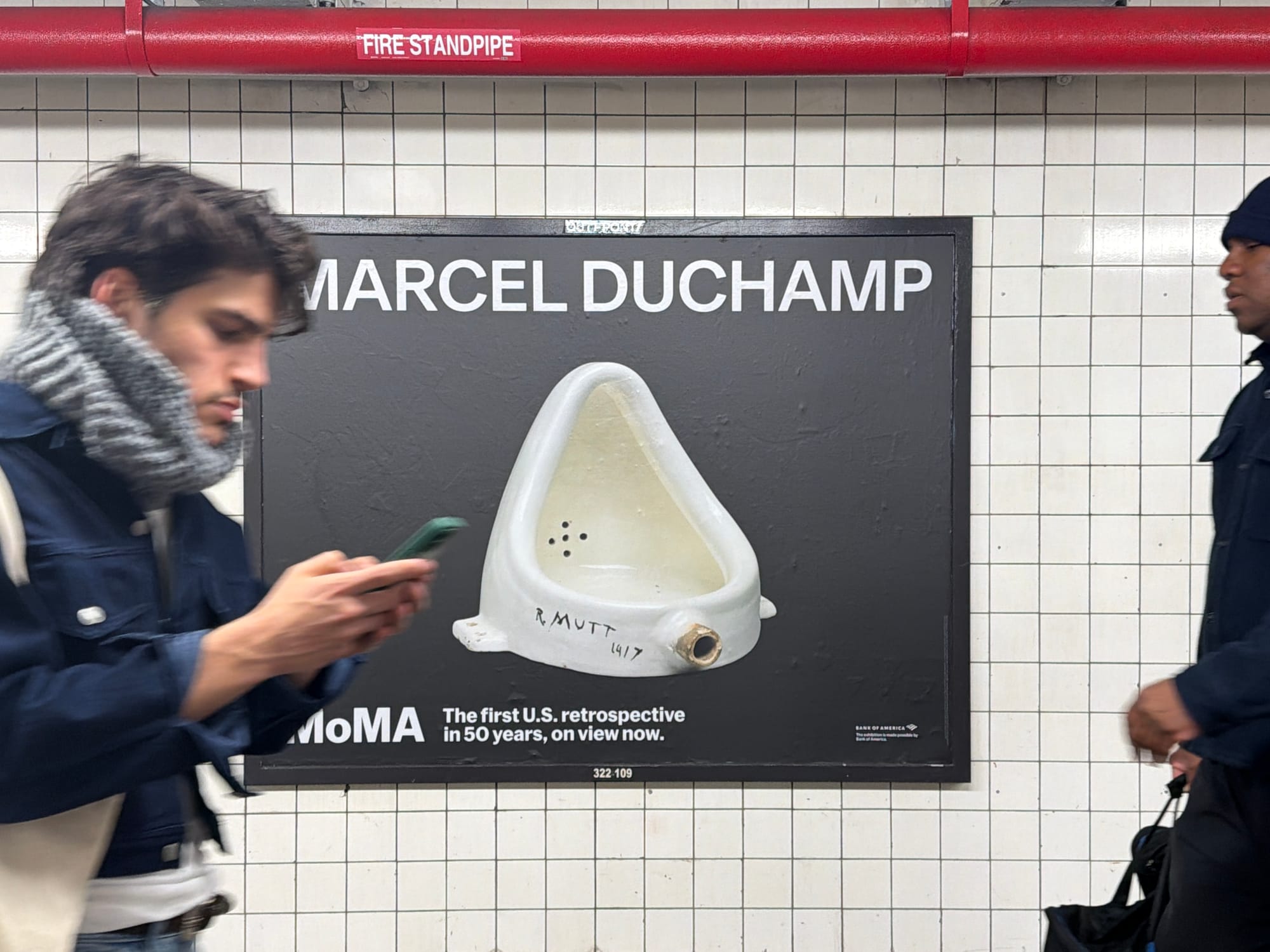
The article is a review of the Marcel Duchamp retrospective at the Museum of Modern Art (MoMA) in New York, the first such show since 1973. Featuring around 300 works from Duchamp's six-decade career, the exhibition includes his iconic readymades like "Fountain" (1917) and early paintings such as "Nude Descending a Staircase, No. 2" (1912). Co-curated by MoMA's Ann Temkin and Michelle Kuo along with Matthew Affron of the Philadelphia Museum of Art, the show runs through August 22, 2026, before traveling to Philadelphia.

Alice Tippit’s Mischievous Erotics

Alice Tippit's solo exhibition "Rose Obsolete" at the DePaul Art Museum in Chicago features 23 small oil paintings, three murals, a neon sign, word drawings, and a series of 46 notepad drawings. The works toggle between multiple interpretations—snakes and smiles, blouses and pears, curtains and bodies—inviting viewers to see shifting forms like a psychological test. Tippit, born in 1975 near Kansas City and based in Chicago since 2006, paints each oil work in a single day without tape, achieving sharp edges and subtle layering that reward close looking.

« L’Angélus » de Millet : une notification à l’humanité hors sol ?

Beaux Arts Magazine publishes a detailed visual analysis of Jean-François Millet's painting "L'Angélus" (1857–1859), housed at the Musée d'Orsay in Paris. The article describes the scene of two peasants pausing their potato harvest to pray at dusk, examining the composition, color, and spiritual resonance of the work. It also traces Millet's biography—from his peasant origins in the Cotentin region to his training under Langlois and Paul Delaroche, and his early career painting portraits and nudes before turning to rural subjects.

Pleasure, parody and propaganda: rethinking the art of illustration in a new history of the genre

D.B. Dowd's new book "Reading Pictures" offers a sweeping 400-page history of illustration, tracing the genre from the Diamond Sutra frontispiece in Tang China (AD868) to Molly Crabapple's Gaza reports in 2015. The book examines key works such as Jules Chéret's 1891 poster for the Alcazar d'Été Club, Stuart Davis's caustic covers for The Masses, and Duong Ngoc Canh's Vietnamese propaganda poster, arguing that illustrations are meant to be "read" rather than admired like museum paintings.

New biography of Chaïm Soutine pieces together illusive artist's life and works

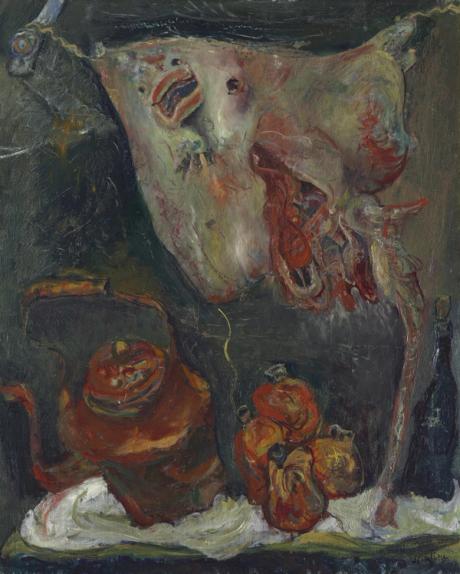
A new biography of Chaïm Soutine, the early 20th-century painter, has been published. The book, written by Celeste Marcus, attempts to piece together the life of the notoriously private and illusive artist, examining his journey from a Belarusian shtetl to the studios of Montparnasse, his complex relationships, and the myths that have grown around his work and persona.

Lubaina Himid’s British pavilion at the Venice Biennale review – alienation in a green and pleasant land

Lubaina Himid's installation at the British pavilion of the Venice Biennale presents monumental paintings and a wall of painted oars depicting tailors, cooks, architects, gardeners, and sailors—figures who shape Britain. The work is accompanied by an audio piece of bucolic country sounds, but the black figures in the paintings exchange sideways glances of discomfort, questioning whether they truly belong. The exhibition is anchored by 26 philosophical questions on the wall, such as "Can flies settle here?" and "Can poison taste delicious?"

Wilhelm Sasnal and the Intimacy of History

The article reviews national pavilions at a major international art exhibition, focusing on the US, British, and German presentations. Andrew Durbin critiques the US pavilion as vacuous and lacking meaning, while praising the British and German installations as incisive and moving. The review highlights a contrast between superficial spectacle and deeply engaging, historically resonant works.

The Black American Artists Who Dazzled Post-War Paris

An exhibition titled "Paris in Black: Internationalism and the Black Renaissance" at the DuSable Black History Museum and Education Center in Chicago celebrates the Black American artists, writers, and performers who moved to Paris after World War II to escape American racism. Curated by Danny Dunson, the show features over 100 artworks from the museum's permanent collection, including paintings by Archibald J. Motley Jr., sculptures by Richmond Barthé, Augusta Savage, and William Artis, and ephemera related to Josephine Baker. It traces the global influence of the Harlem Renaissance and the cross-pollination between Paris and U.S. cities like Chicago.

Martin Wong’s Brick Monument to Popeye

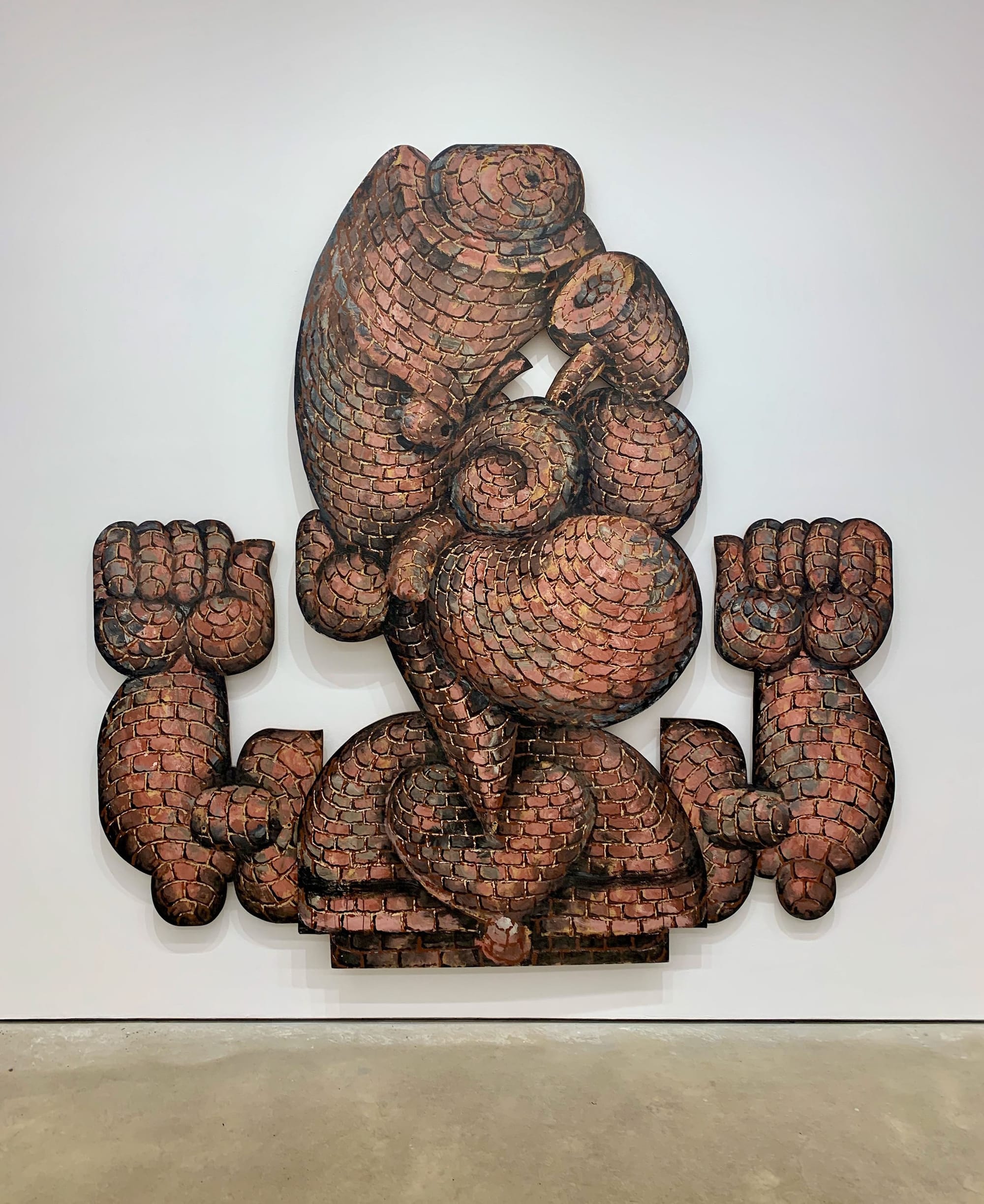
Hyperallergic reviews Martin Wong's posthumous exhibition "Popeye" at PPOW gallery, featuring six motorized plywood panels that reimagine the cartoon character Popeye as curving brickwork. The show includes smaller works like "Sacred Shroud of Pepe Turcel" (1989–90) and paintings of vintage cartoon characters Mutt and Jeff, Little Lulu and Tubby, all rendered in Wong's signature brick style. The review highlights Wong's queer, magpie sensibility and his ability to cross boundaries between high and low culture.

Zurbarán: a ‘magnificently choreographed’ showing of the Spanish ‘genius’

The article reviews the first-ever British exhibition dedicated to Spanish Baroque painter Francisco de Zurbarán, held at the National Gallery in London. The show brings together 40 works from collections spanning Seville to San Diego, featuring his hyper-real religious paintings and radiant still lifes, described as a 'magnificently choreographed' trawl through his oeuvre. Critics praise the exhibition for its dramatic lighting and revelatory presentation, though some note uneven quality in his later works.

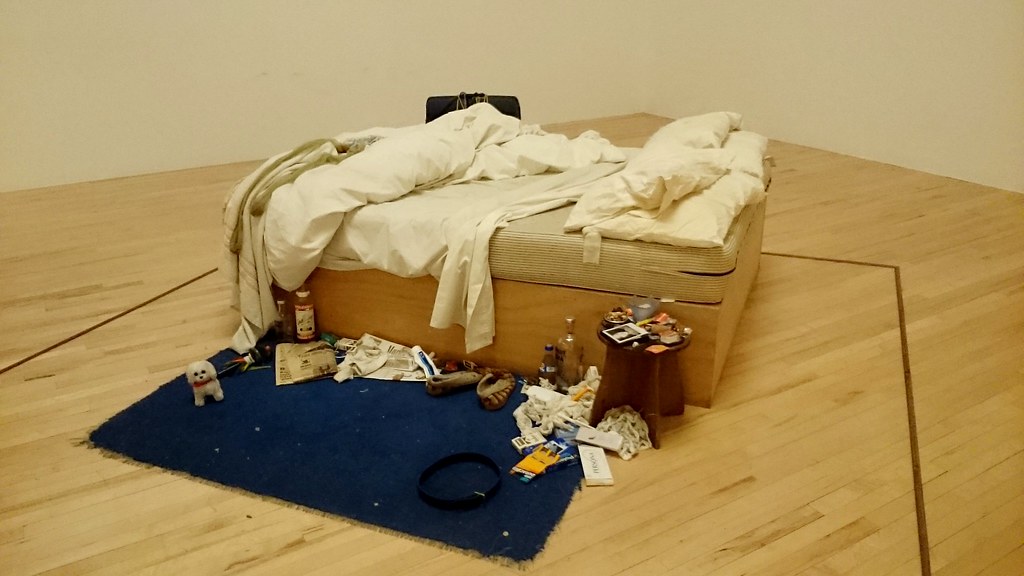
What I learned from Tracey Emin about regeneration

The article reviews Tracey Emin's exhibition "A Second Life" at Tate Modern, describing the author's initial lack of aesthetic connection to the artworks—finding the paintings derivative and neon signs tacky—but ultimately being moved by the exhibition's emotional force and the artist's refusal to disguise pain, humiliation, and grief. The author notes the crowded galleries, the predominantly female audience responding with visceral emotion, and highlights the film "How It Feels" as the most impactful piece, in which Emin discusses her traumatic abortion and its effect on her self-perception.

Zurbarán at the National Gallery is more agony than ecstasy

The article reviews the exhibition 'Zurbarán' at the National Gallery in London, arguing that the show fails to capture the spiritual intensity and emotional power of the Spanish Baroque painter's work. It criticizes the curatorial choices, suggesting the display feels flat and lacks the ecstatic religious fervor that defines Zurbarán's best paintings, leaving viewers with a sense of agony rather than transcendence.

Art for Our Age of Chaos

The article reviews two major New York exhibitions opening in 2026: the Whitney Biennial at the Whitney Museum of American Art, featuring over fifty artists, and "New Humans: Memories of the Future" at the newly expanded New Museum, with over a hundred artists. Both shows are described as enormous and defiant, responding to a distracted public and financial pressures. The reviewer notes that both exhibitions juxtapose large-scale immersive works with tiny, intimate pieces, and finds the Whitney Biennial lacking urgency, while preferring the New Museum's historical narrative about technology and modernity.

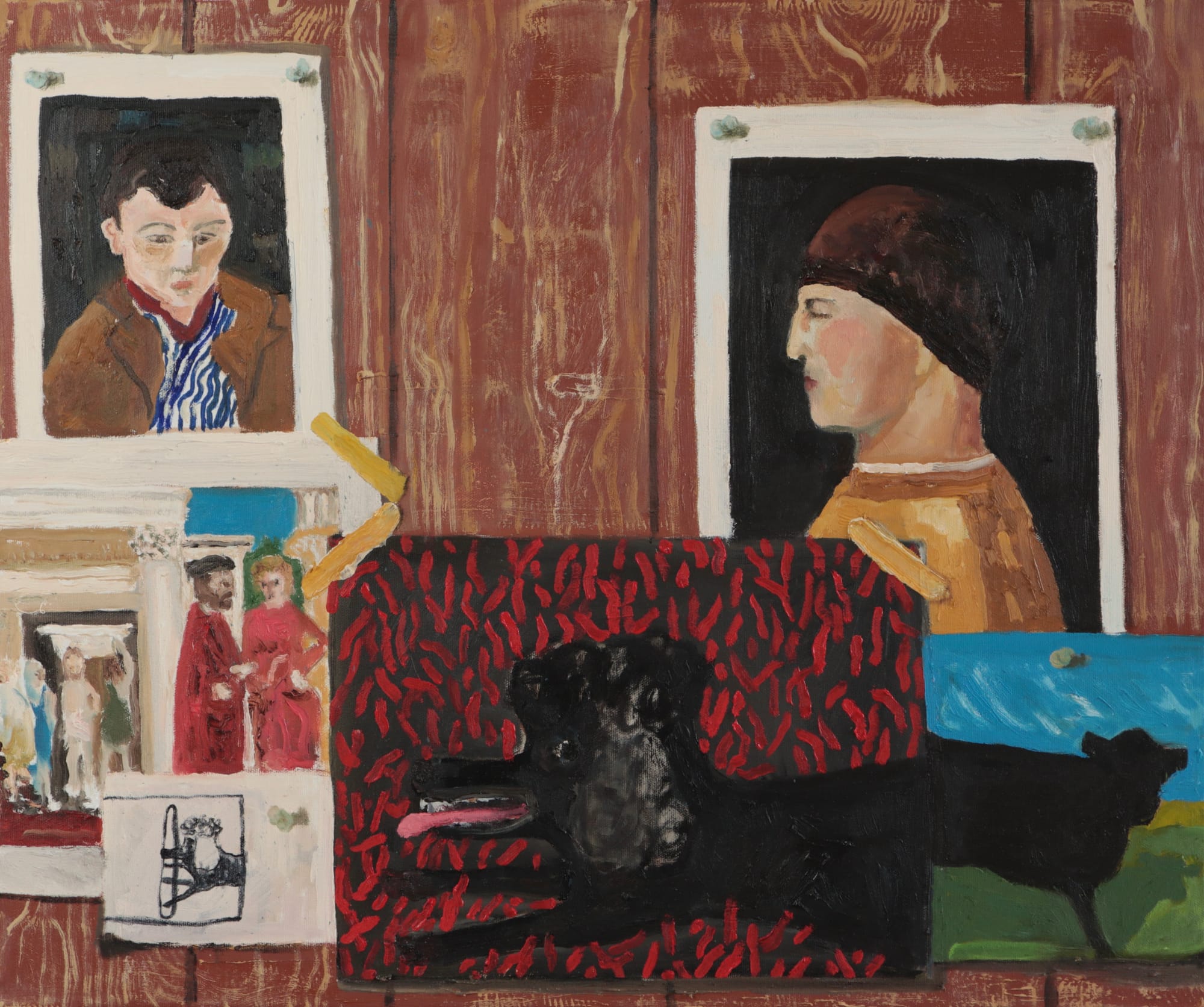
Mark Milroy Sees, Remembers, and Imagines at Once

Artist Mark Milroy, an observational painter in his mid-50s who gained a following during the pandemic through Instagram and online shows at Nancy Margolis Gallery, is now holding his debut New York exhibition, "Jumbo," at JJ Murphy gallery through May 16. The show features 18 oil paintings and 12 colored pencil drawings, with subjects ranging from still lifes and portraits to a titular painting referencing the famous P.T. Barnum elephant killed in Milroy's hometown of St. Thomas, Ontario, in 1885. Milroy's work blends personal memory, art historical insight, and a deliberate gaze, drawing influences from Cedric Morris and 15th-century Florentine painting.

Did Zurbarán Believe What He Painted?

An exhibition of Francisco de Zurbarán's 17th-century religious paintings at London's National Gallery prompts a critic to question whether the artist's personal faith influenced his artistic skill. The show features monumental works from Spanish churches and monasteries, displayed dramatically against black walls, including crucifixion scenes, monks, and saints. The critic notes that no personal records of Zurbarán survive—only contracts—leaving his beliefs unknown, and compares him to Agnolo Bronzino, who painted pious scenes but wrote obscene verses. A small painting of a crucified Christ with a painter, possibly a self-portrait of Bronzino, is presented as ambiguous evidence of faith.

Fight Club Denounces the System From Within the System

Cameroonian artist Pascale Marthine Tayou's first major institutional exhibition in Brazil, "Knockout!," has opened at the Pinacoteca de São Paulo's Pina Luz building. The show spans over 25 years of Tayou's career, featuring installations, sculptures, and paintings across seven rooms. Each room is themed around a historical international conference—including the Berlin Conference of 1884, Yalta, San Francisco, Rome, Rio de Janeiro, Bandung, and a fictional Avignon conference—using these as political and historical axes to critique colonial power structures and global inequality.

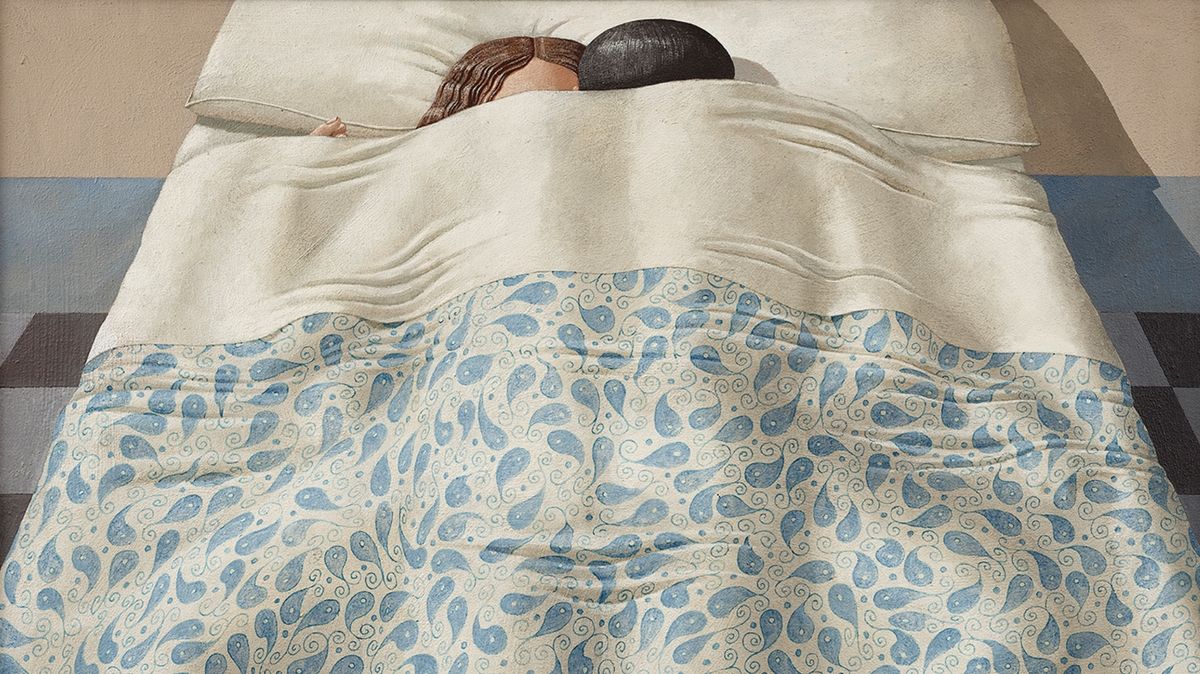
The Anti-Pop Art of Domenico Gnoli

The article reviews "The Adventure of Domenico Gnoli," a retrospective at Lévy Gorvy Dayan in New York, focusing on the Italian artist's 1967 painting *L'inverno (Couple au lit)* and other works featuring intimate, fabric-rich domestic scenes. Gnoli (1933–1970), born into an art-world family, is often associated with Pop Art, but the author argues his work depicts a private, almost childlike world of memory and longing, contrasting with Pop's mass-produced commodities.

"She's Like the Wind"

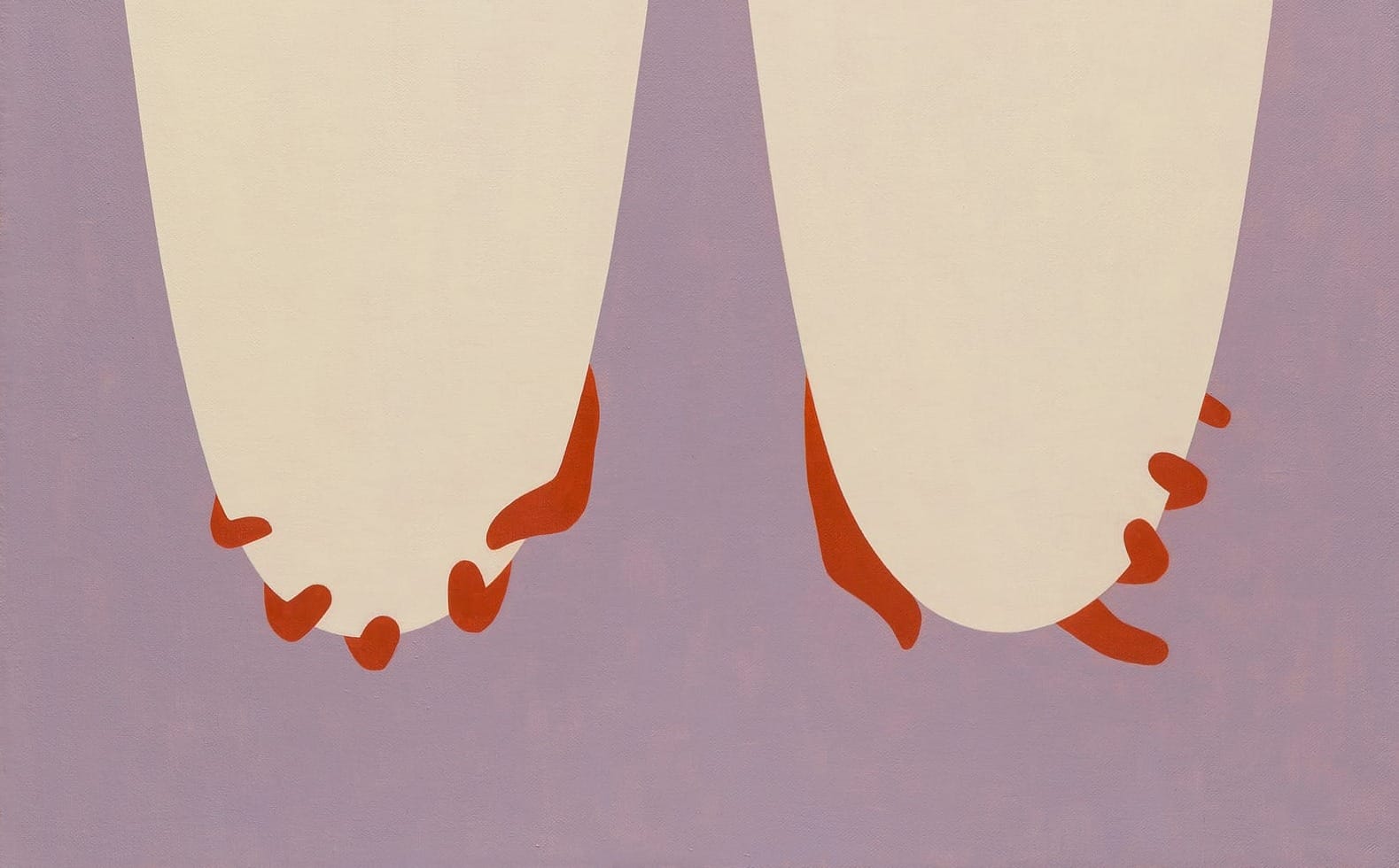
The article reviews "She's Like the Wind," an annual all-female group exhibition at Deep Space gallery in Jersey City, featuring works by artists Delilah Ray Miske, Leigh Cunningham, and SarahGrace. Miske's painting "Lemon Lime Toe of God" shows only a woman's leg and foot, while Cunningham's oil paintings present figures as blurred forms seen through a translucent curtain, and SarahGrace's textile works depict headless female nudes with suggestive titles like "Provoke" and "Dominate." The show marks a departure from the gallery's typically family-friendly, sex-averse programming.

The Mysterious Life of Fluxus Dame Alison Knowles

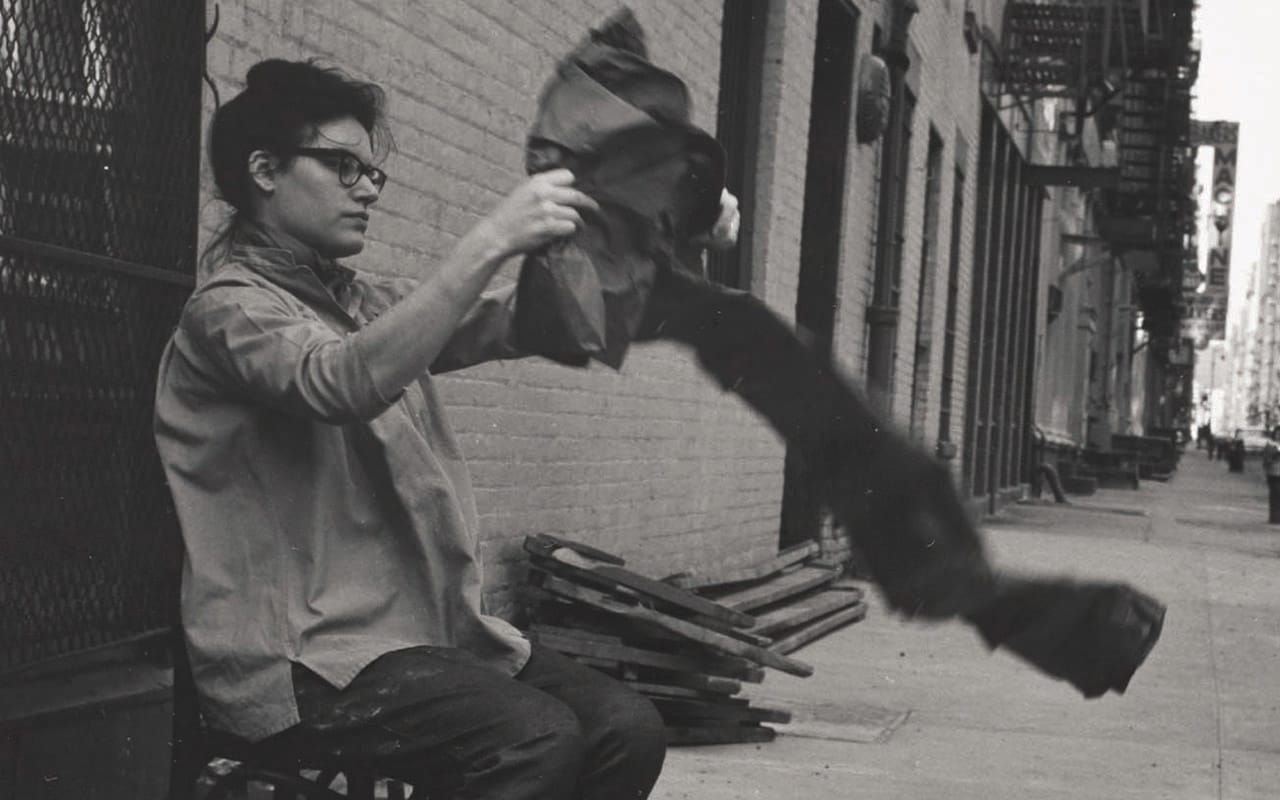
A new book, "Performing Chance: The Art of Alison Knowles In/Out of Fluxus" by art historian Nicole L. Woods, is the first major study of the late Fluxus artist Alison Knowles, who died last fall at age 92. The book focuses on the first two decades of her career (1958–1975), analyzing key works such as her 1962 performance "Proposition #2: Make a Salad" at London's Institute of Contemporary Arts, and her shift from painting to experimental, ephemeral art after being exiled to a basement by Josef Albers at Syracuse University.

Jule Korneffel Finds Meaning at the End of Light

Artist Jule Korneffel's solo exhibition 'In Search of Lost Light' is on view at Spencer Brownstone Gallery through May 2. The show features seven paintings from 2023 to the present, including a site-specific wall work, that explore themes of fading light, memory, and melancholia through a nuanced palette of grays and blues.

Special Interest: Marble

Spezialinteresse: Marmor

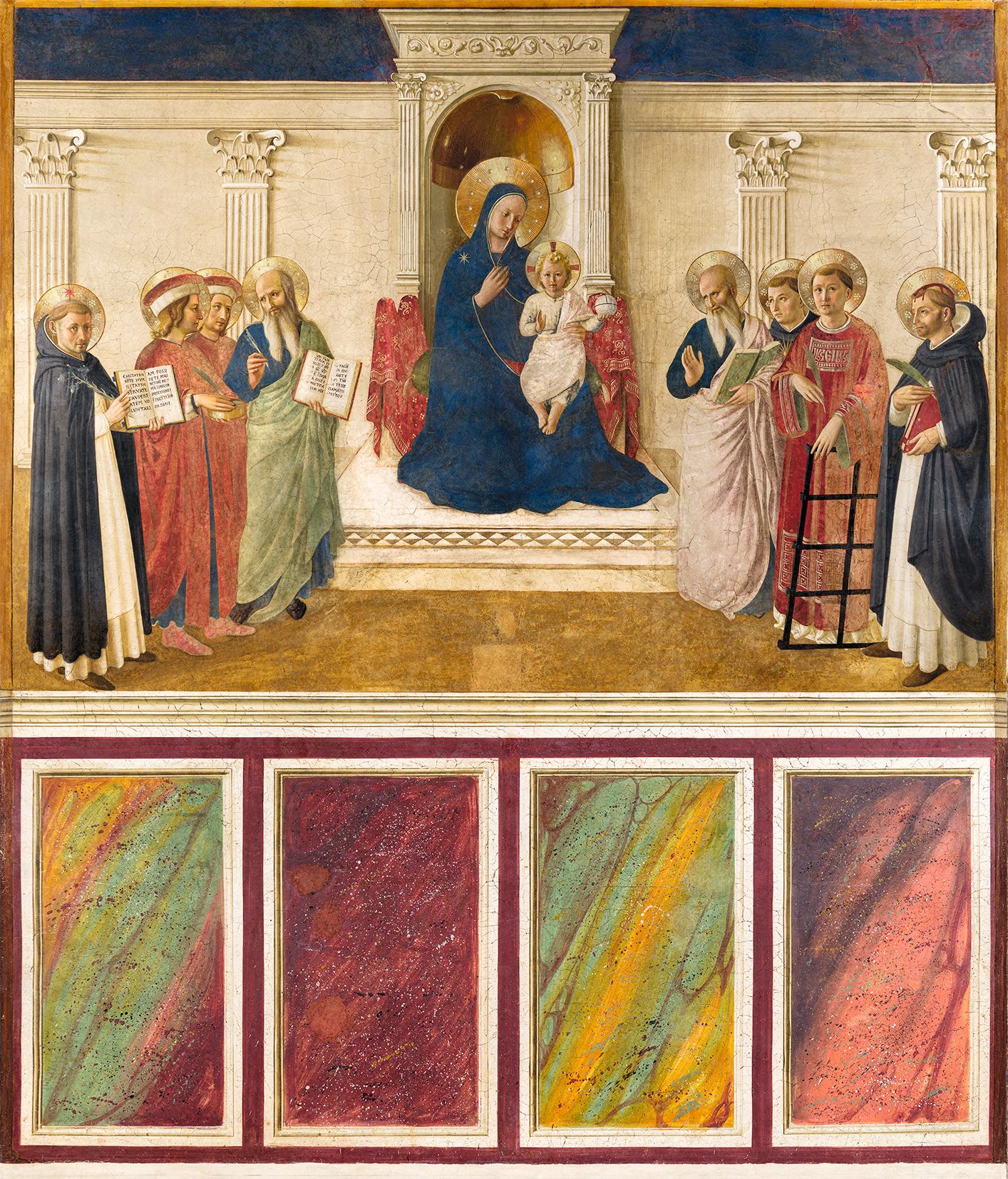
Karl Kolbitz has published a new book focusing on the depiction of marble in Early Renaissance paintings. He explores how artists used the fictional representation of marble to visualize the divine, drawing inspiration from art historian Georges Didi-Huberman and employing modern imaging techniques to reveal previously hidden details.

The Fantasy of the Femme Fatale

Le fantasme de la femme fatale

A documentary titled "Le fantasme de la femme fatale" (The Fantasy of the Femme Fatale), directed by Susanne Brand, is available on Arte.tv. The film traces the visual history of the femme fatale, a seductive and dangerous figure prevalent in centuries of figurative painting by male artists like Gustave Moreau and Franz Von Stuck, often depicted as Salome or languid nymphs.

Genuine Fake Premium Economy review – brilliantly obnoxious millennial rage at a rigged financial world

The exhibition "Genuine Fake Premium Economy" at a London gallery features works by American artists Jenna Bliss, Buck Ellison, and Jasmine Gregory, all born in the mid-1980s. Their pieces—including Bliss's shaky videos of New York's financial district, Ellison's fictional bank advertisements pairing classical paintings with cynical taglines, and Gregory's luxury watch ads stripped of watches—collectively express millennial rage at a rigged financial system and the aftermath of the 2008 crash.

‘The Bed Trick’ by Izabella Scott, Reviewed

Izabella Scott's book *The Bed Trick* examines a British rape case in which Gayle Newland was convicted for pretending to be a man named Kai during a two-year relationship with a woman identified as Miss X. Drawing on court transcripts, Scott explores the legal concept of 'fraud vitiates consent' and traces the historical bed-trick trope from medieval folktales to *The Rocky Horror Picture Show*, questioning how much deception invalidates sexual consent.