filter_list Showing 10 results for "Like" close Clear
search
dashboard All 384 museum exhibitions 208article local 51trending_up market 40article culture 35article news 21rate_review review 10candle obituary 7article policy 6person people 4gavel restitution 2
date_range Range Today This Week This Month All
Subscribe

Hulda Guzmán review – lizards and ghosts gather for an art freakout in the rainforest

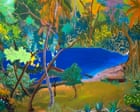
Hulda Guzmán's first institutional exhibition in Europe, "Please Awake – Asked Nature Kindly," is on view at Turner Contemporary in Margate, UK. The show features the Dominican artist's ultra-colorful, psychedelic jungle paintings that blend art historical references—from Japanese ukiyo-e prints to pointillism and symbolism—with personal mythology, demons, spirits, and lush tropical landscapes. The works are drawn from her life in the Dominican rainforest, where she lives and works in a studio built by her architect father.
Fantastic visions and cosmic rhythms: how Whistler is making me see – and hear – differently

The article explores how the James McNeill Whistler exhibition at Tate in London prompts a reconsideration of the relationship between music and visual art. Whistler titled his works using musical terms like "Arrangement," "Symphony," and "Nocturne," arguing that painting should be abstract and independent of narrative, much like instrumental music. The exhibition, reviewed by Jonathan Jones, highlights Whistler's radical art-for-art's-sake philosophy, which influenced composer Claude Debussy, whose orchestral Nocturnes were directly inspired by Whistler's paintings of light and atmosphere.

Mounting Rene Matić’s snapshots in Perspex isn’t really enough to make them interesting | Charlotte Jansen

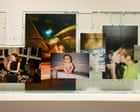
Rene Matić, at 29, became the youngest winner of the £30,000 Deutsche Börse Photography Foundation prize, nominated for their solo exhibition "As Opposed to the Truth" at CCA Berlin. A smaller version of that show is now at the Photographers’ Gallery in London. Matić was also the youngest Turner Prize nominee last year. The article critiques Matić's work, praising their 2022 piece "Upon This Rock" for exploring masculinity, fatherhood, and British identity, but dismissing much of their other output—like the snapshot installation "Feelings Wheel"—as immature, mediocre, and reliant on display gimmicks rather than photographic substance.

The Black American Artists Who Dazzled Post-War Paris

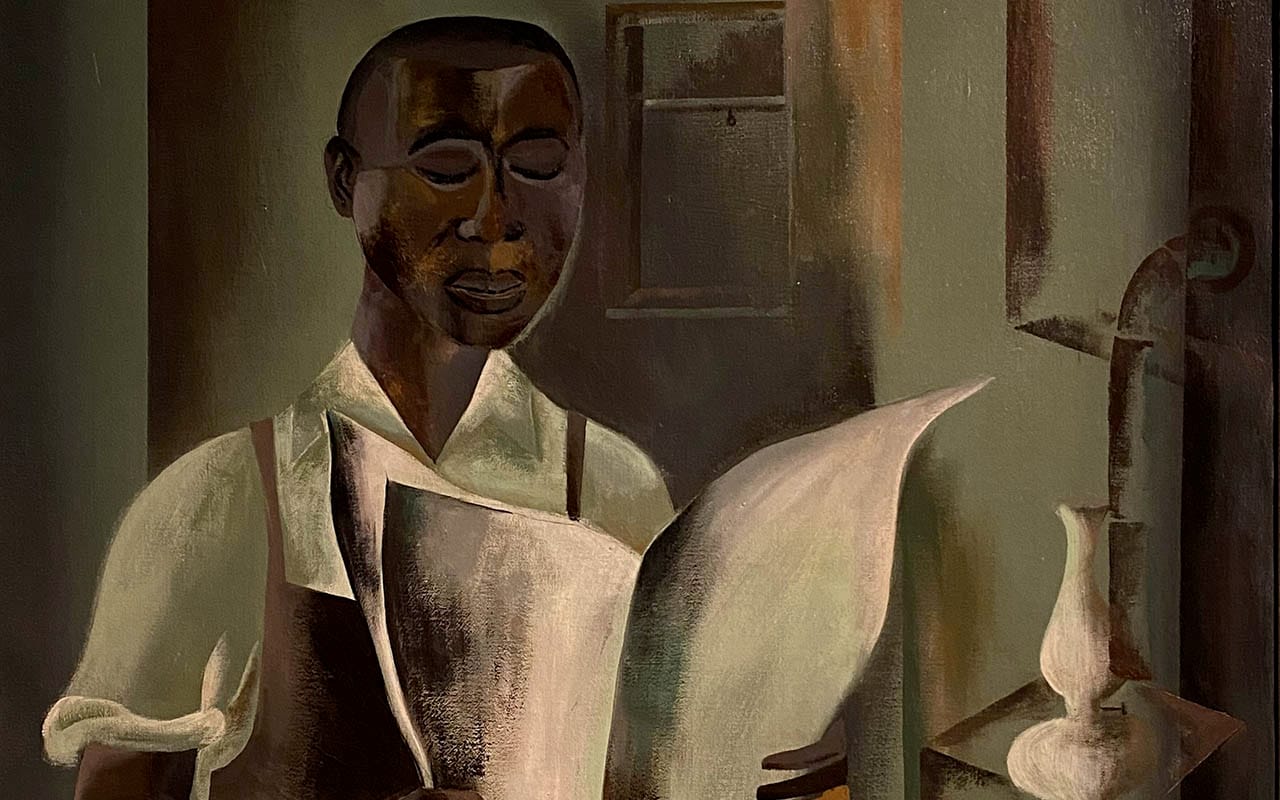
An exhibition titled "Paris in Black: Internationalism and the Black Renaissance" at the DuSable Black History Museum and Education Center in Chicago celebrates the Black American artists, writers, and performers who moved to Paris after World War II to escape American racism. Curated by Danny Dunson, the show features over 100 artworks from the museum's permanent collection, including paintings by Archibald J. Motley Jr., sculptures by Richmond Barthé, Augusta Savage, and William Artis, and ephemera related to Josephine Baker. It traces the global influence of the Harlem Renaissance and the cross-pollination between Paris and U.S. cities like Chicago.

Martin Wong’s Brick Monument to Popeye

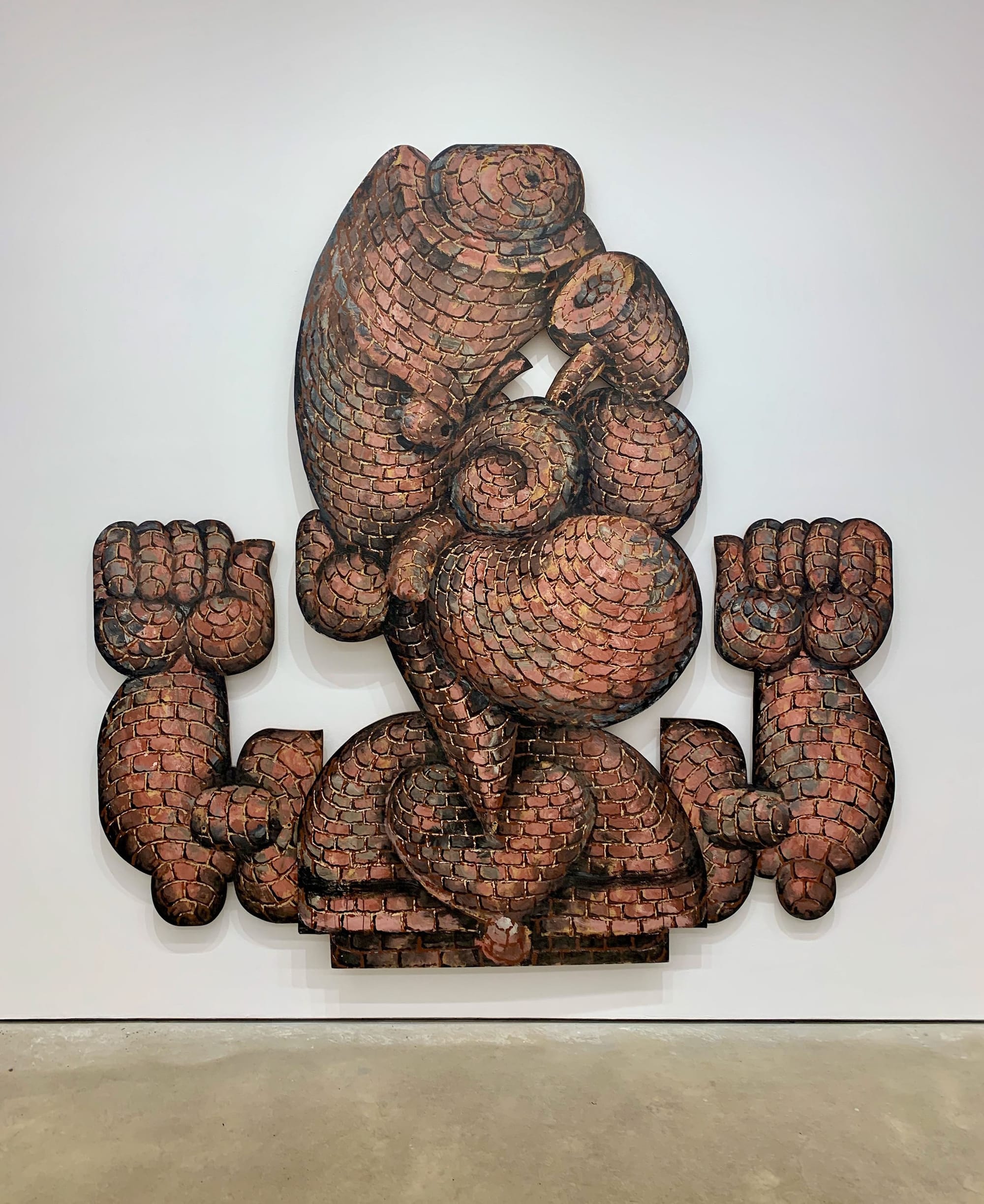
Hyperallergic reviews Martin Wong's posthumous exhibition "Popeye" at PPOW gallery, featuring six motorized plywood panels that reimagine the cartoon character Popeye as curving brickwork. The show includes smaller works like "Sacred Shroud of Pepe Turcel" (1989–90) and paintings of vintage cartoon characters Mutt and Jeff, Little Lulu and Tubby, all rendered in Wong's signature brick style. The review highlights Wong's queer, magpie sensibility and his ability to cross boundaries between high and low culture.

Zurbarán: a ‘magnificently choreographed’ showing of the Spanish ‘genius’

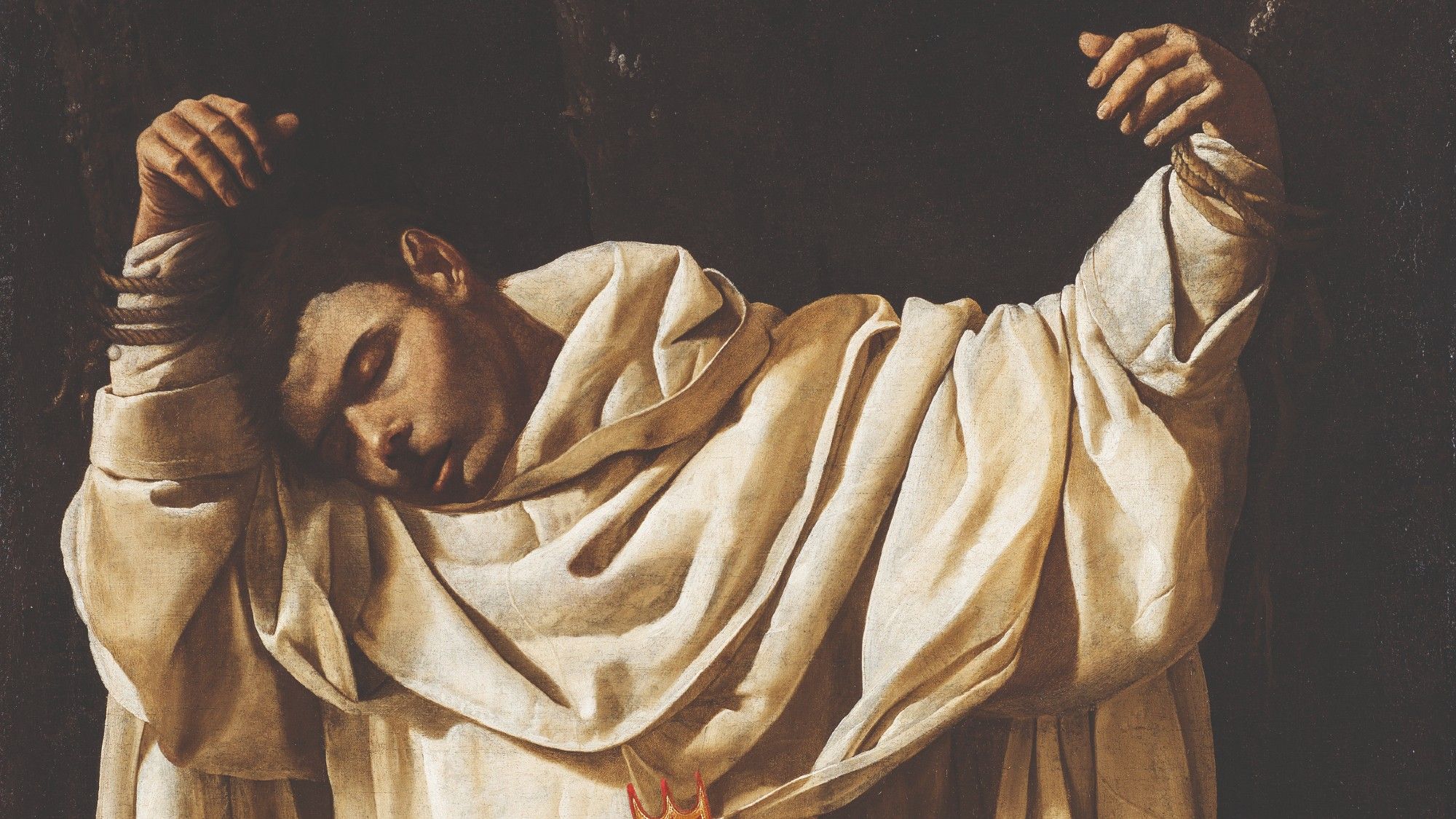
The article reviews the first-ever British exhibition dedicated to Spanish Baroque painter Francisco de Zurbarán, held at the National Gallery in London. The show brings together 40 works from collections spanning Seville to San Diego, featuring his hyper-real religious paintings and radiant still lifes, described as a 'magnificently choreographed' trawl through his oeuvre. Critics praise the exhibition for its dramatic lighting and revelatory presentation, though some note uneven quality in his later works.

Gabrielle Goliath Sounds a Call to Action in Venice

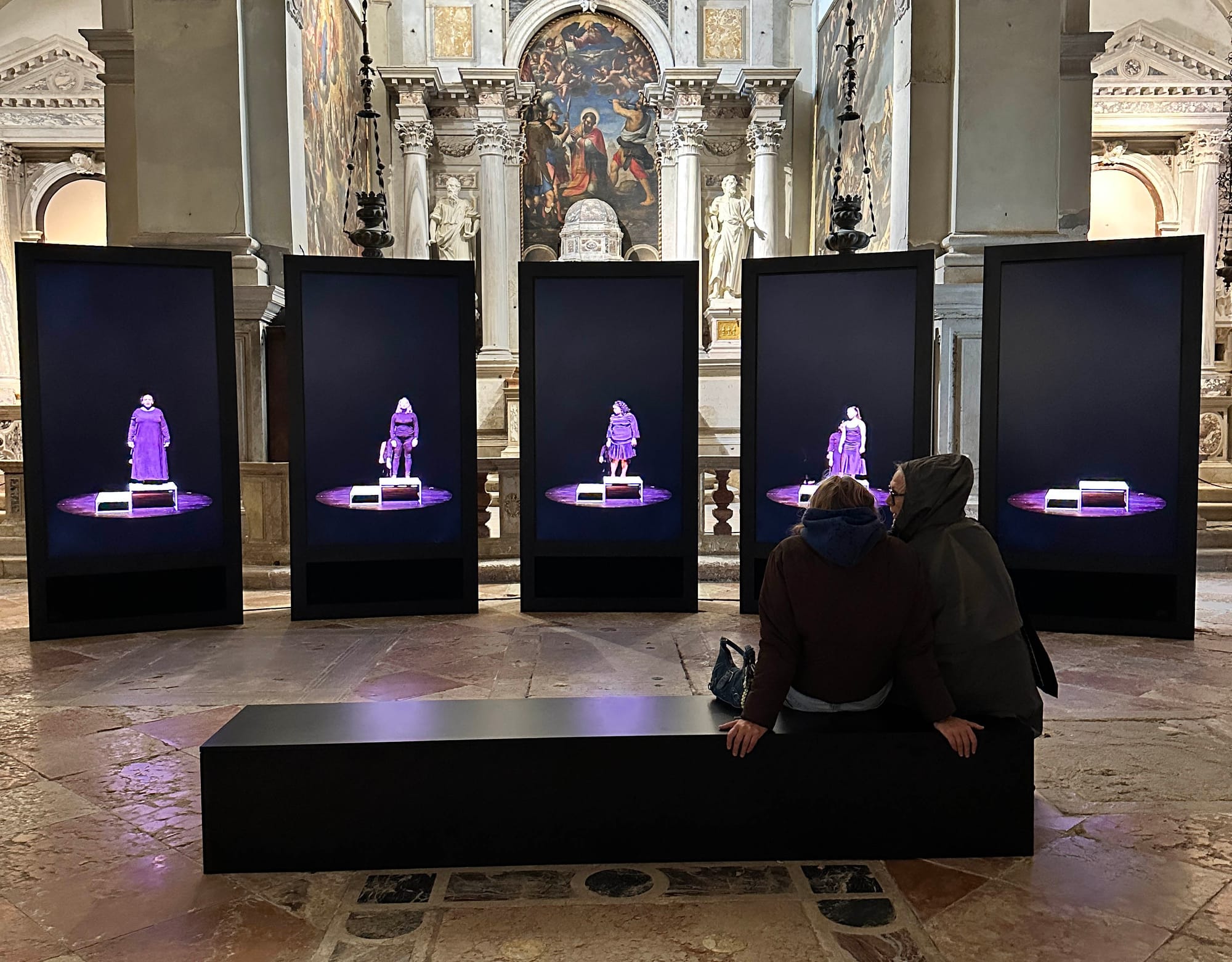
Gabrielle Goliath’s exhibition "Elegy" is presented as South Africa’s unofficial pavilion at the 61st Venice Biennale, after the country’s Culture Minister Gayton McKenzie overrode an independent committee’s selection of Goliath, citing her proposed inclusion of a memorial for Palestinians killed in Gaza. The installation features three video works in which singers sound a single note in tribute to victims of violence: a South African femicide victim, two women killed in Germany’s colonial genocide in Namibia, and Palestinian poet Heba Abunada. The show occupies the Chiesa di Sant'Antonin in Venice, curated with Ingrid Masondo, after a legal challenge against McKenzie was dismissed.

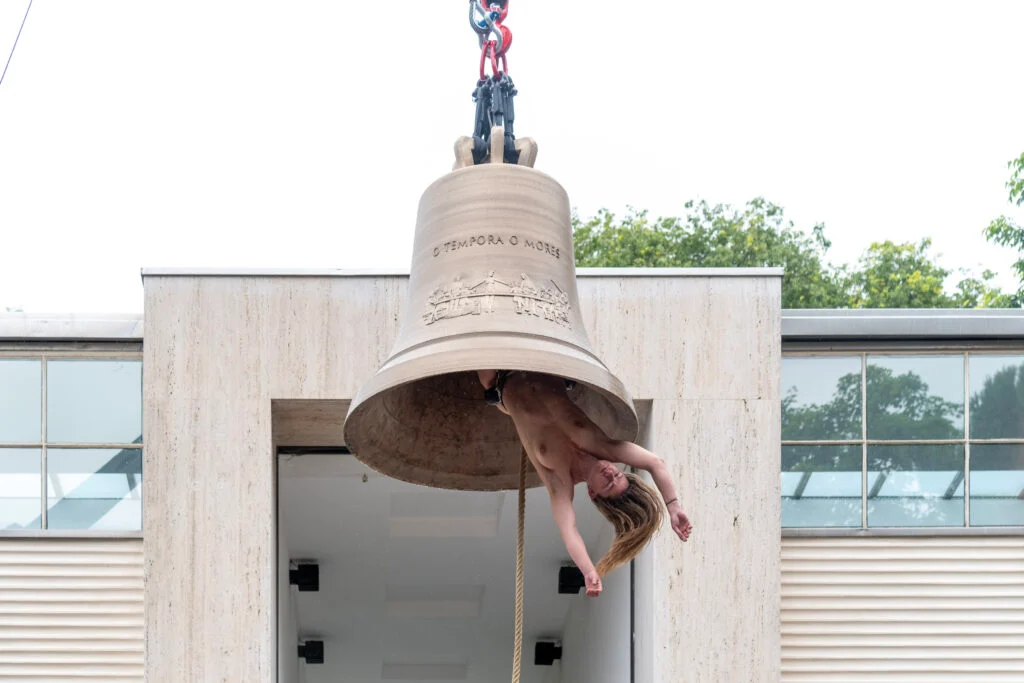
Body as Device. Guide and Reflection on the Performances of the Venice Biennale

Corpo come dispositivo. Guida e riflessione sulle performance della Biennale di Venezia

The article analyzes the role of performance art at the 2026 Venice Biennale, arguing that performance is no longer a rediscovered genre but a structurally institutionalized primary form of experience production. It examines how the body reemerges not as an alternative to image-based works but as an internal interruption of the artwork system, preventing closure and reintroducing instability. Key pavilions are discussed: Austria's Florentina Holzinger with "Sancta" draws on 1970s radical performance and feminist body art, creating an immersive environment of continuous movement; Belgium's Miet Warlop with "IT NEVER SSST" engages post-dramatic theater and postmodern dance repetition; Japan's Ei Arakawa-Nash with "Grass Babies, Moon Babies" activates Gutai avant-garde legacies through viewer interaction with soft dolls.

The Politics of In-action: Review of In-action: Viennese Actionism and the Passivities of Performance Art

Caroline Lillian Schopp's new book *In-action: Viennese Actionism and the Passivities of Performance Art* (2025) offers a revisionist history of Viennese Actionism, a movement retroactively named in 1970 by Peter Weibel and Valie Export. Schopp introduces the term "in-action" to describe a politics of artistic action that emphasizes intimacy, hesitation, and vulnerability rather than the violent or liberatory extremes typically associated with the movement. She expands the canon to include women artists such as Anna Brus, Hanel Koeck, and Ingrid Wiener, and reexamines the work of Rudolf Schwarzkogler, whose death was mythologized as a suicide by self-castration but was actually a fall from a window. Through close readings of photographs, Schopp argues that Schwarzkogler's performances were characterized by passivity and "in-sincerity," challenging the dominant narrative of actionism as aggressive or heroic.

Why is contemporary art afraid of the present?

Warum fürchtet sich die Gegenwartskunst vor der Gegenwart?

The article critiques the 2024 Whitney Biennial, which emphasizes themes of compassion, vulnerability, and community. It argues that the exhibition feels like a capitulation to reality, failing to confront the rise of contemporary fascism and the political urgency of the present moment.