filter_list Showing 122 results for "Quest" close Clear
dashboard All 122 museum exhibitions 58article news 25article culture 12rate_review review 9trending_up market 6person people 4article local 3article policy 3gavel restitution 2
date_range Range Today This Week This Month All
Subscribe

Famous Cranach painting spotted in rare photograph of Hitler’s apartment

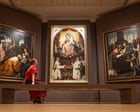
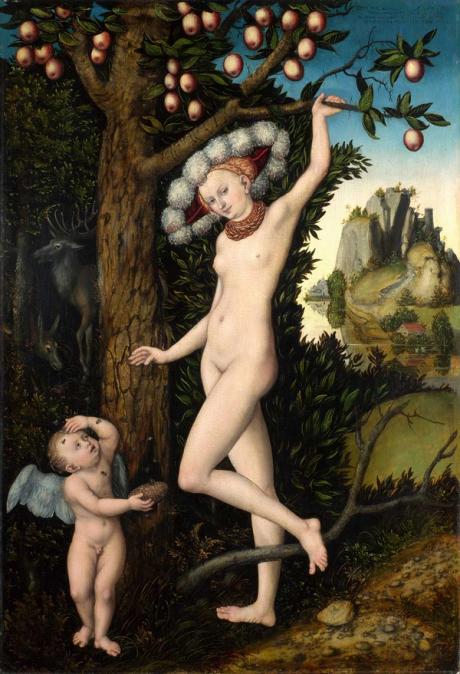
A rare photograph from the early 1940s reveals that Lucas Cranach the Elder's painting *Cupid complaining to Venus* (1526-27), now a masterpiece in the National Gallery, London, once hung in Adolf Hitler's private Munich apartment. The image, previously published in Germany by provenance expert Birgit Schwarz, appears for the first time in an English-language publication. The painting was acquired by the National Gallery in 1963 from E. and A. Silberman Galleries in New York, which provided a false provenance. It had been taken from a warehouse of recovered art in 1945 by American journalist Patricia Lochridge, who smuggled it into the United States.
‘We can all coexist’: artist Es Devlin uses selfies to unite UK in portrait of a nation

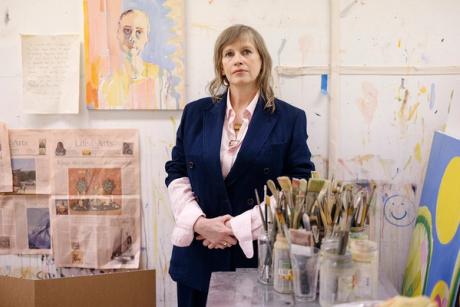
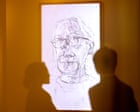
Artist Es Devlin has created a new installation at the National Portrait Gallery in London titled 'A National Portrait for the National Portrait Gallery,' made in collaboration with Google Arts & Culture Lab. The work invites people across the UK to upload selfies, which are transformed into charcoal-and-chalk-style portraits using an AI model trained on Devlin's own hand-drawn works. These portraits then appear on a constantly evolving projected carousel, blending and dissolving into one another. Devlin, known for designing visual worlds for Beyoncé, Adele, and the London Olympics closing ceremony, describes the piece as a non-verbal space for coexistence amid national division.

Most famous image of JMW Turner not a self-portrait, says expert

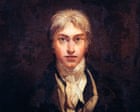
Dr James Hamilton, a leading Turner expert, has claimed that the most famous portrait of JMW Turner—long believed to be a self-portrait and featured on the UK £20 banknote—is actually by the painter John Opie. Hamilton argues that the work, dated around 1799, was mistakenly included in the Turner Bequest after the artist's death in 1851, when his studio was in disarray and the attribution was never properly verified. He points to stylistic evidence, including Opie's characteristic use of dramatic light and shadow, and calls on Tate Britain to reattribute the painting.

The Museo Casa Natal Picasso rescues Marisol Escobar, the forgotten queen of pop art

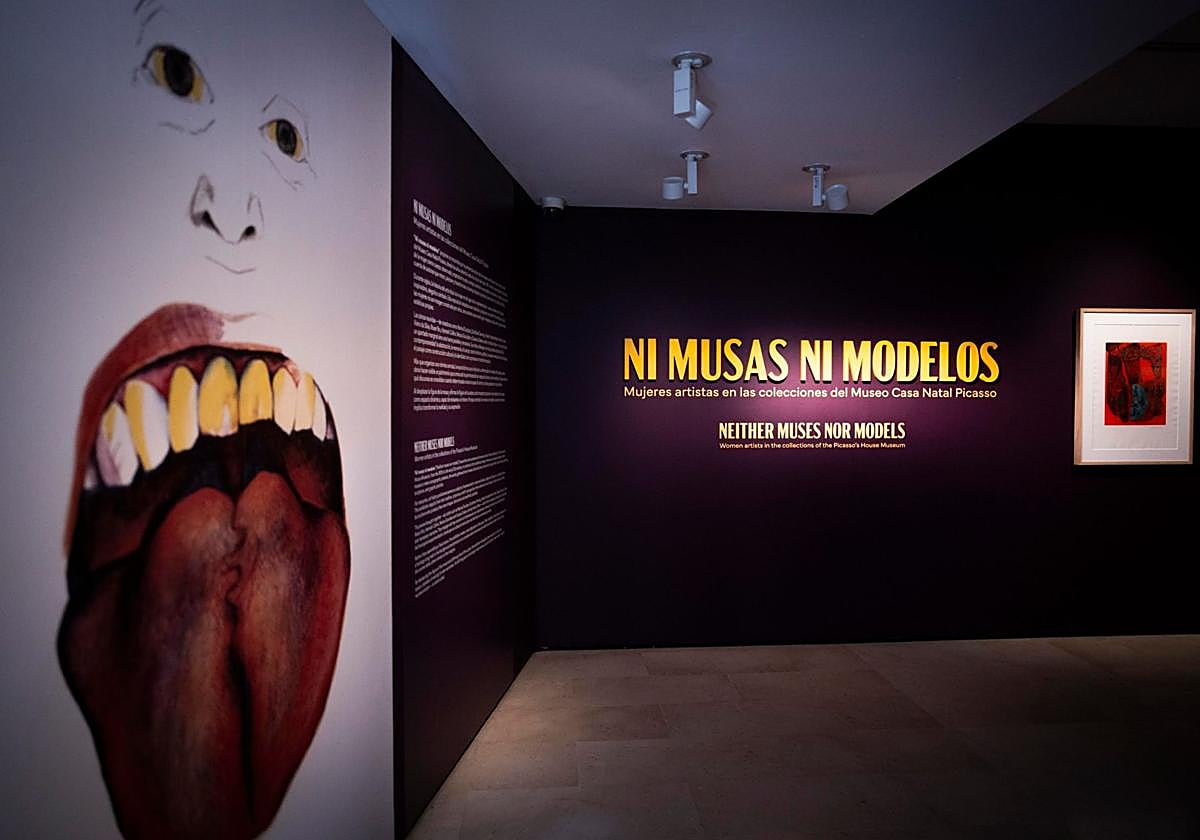
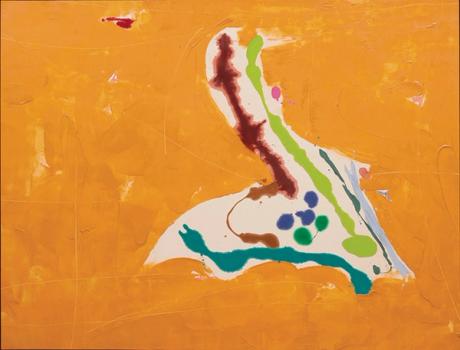
The Museo Casa Natal Picasso in Málaga, Spain, has opened the exhibition "Ni Musas Ni Modelos" (Neither Muses Nor Models), which seeks to reclaim the legacy of Marisol Escobar, a Venezuelan-born pop artist who rose to fame in the 1960s but later fell into obscurity. The show features over forty works by Escobar—including her piece "Saco La Lengua" (I Stick Out My Tongue)—alongside works by thirty other artists such as Dorothea Tanning and Helen Frankenthaler, aiming to correct the historical sidelining of female artists.

Three artists, three questions: Immersed in colors

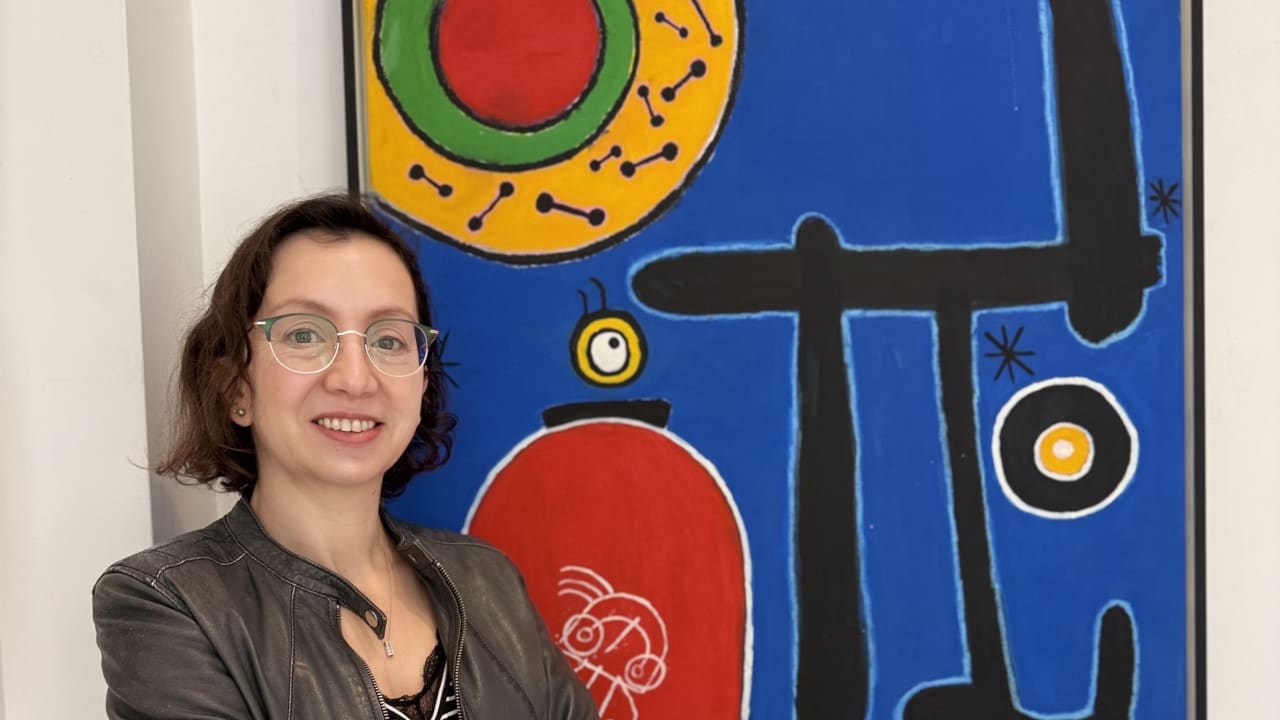
Three Israeli artists—Vera Kunis, Avraham Kan, and Tal Tenne Czaczkes—are featured in a column exploring their use of color amid the ongoing war with Iran. Kunis, a data engineer and artist, opened her first solo exhibition, "Imagination Algorithm," at the Global Art Gallery in Tel Aviv on March 10, 2026, during the conflict. The interview was conducted remotely due to war conditions, with a siren interrupting the conversation. The artists discuss their inspirations, definitions of art, and what makes their work unique, emphasizing resilience and optimism through color.

Art and politics clash at Venice Biennale, as world conflicts upstage exhibition's opening

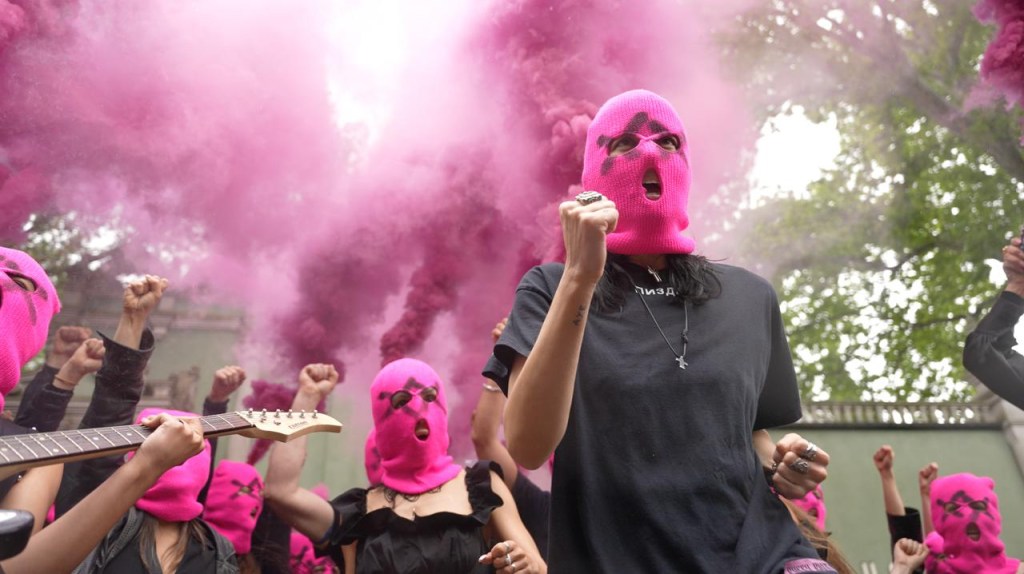
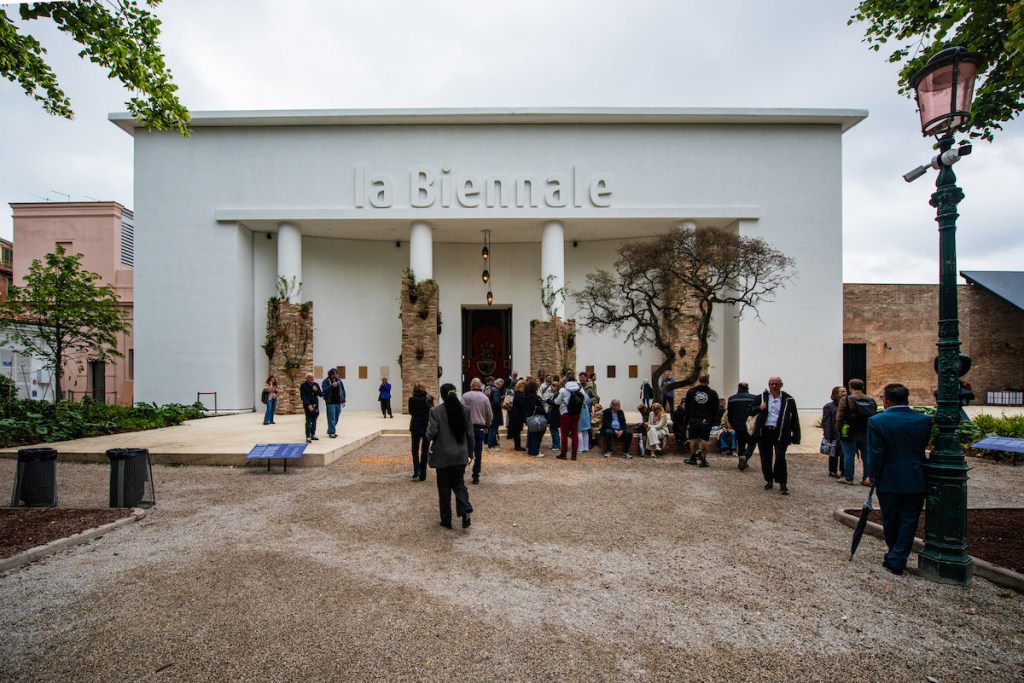
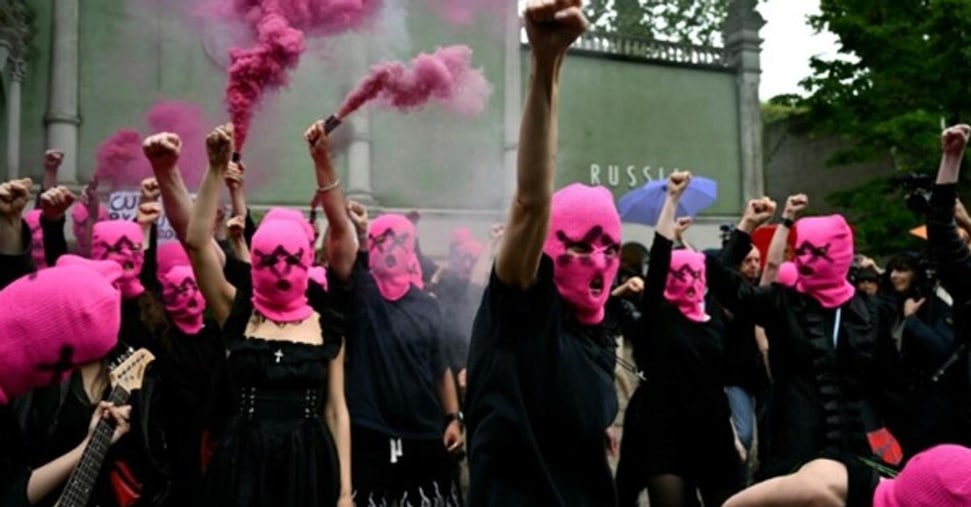
The 61st Venice Biennale, the world's most prestigious art exhibition, opens under unprecedented turmoil. For the first time, its vision was shaped by the late Cameroonian curator Koyo Kouoh, who centered artists from Africa and its diaspora. However, political conflicts over Russia and Israel have overshadowed the art. All five jurors resigned after the Italian culture minister investigated their decision to withhold prizes from Russia and Israel over alleged crimes against humanity. Protests erupted at the Russian pavilion, with Pussy Riot activists denouncing Russia's participation, while the Israeli pavilion artist threatened legal action over the jury's snub. The Biennale will proceed without a jury, with visitors voting for two awards, and the fate of the Golden Lion remains uncertain.

Thinking small and dreaming big in Isabel Nolan’s imaginary world

Dublin-born artist Isabel Nolan discusses her Ireland pavilion exhibition "Dreamshook" at the Venice Biennale, developed with curator Georgina Jackson. The show explores the liminal state between dreaming and waking, weaving a fictional narrative around Renaissance humanist Aldo Manuzio, who popularized portable books. Nolan draws on late Medieval and early Renaissance visual language, using intimate forms like textiles to tackle big ideas about cosmology, religion, and humanism. She describes her ambivalent relationship with European cultural inheritance and the need to recover occluded voices.

Ayan Farah and Asmaa Jama on Representing Somalia at the 61st Venice Biennale

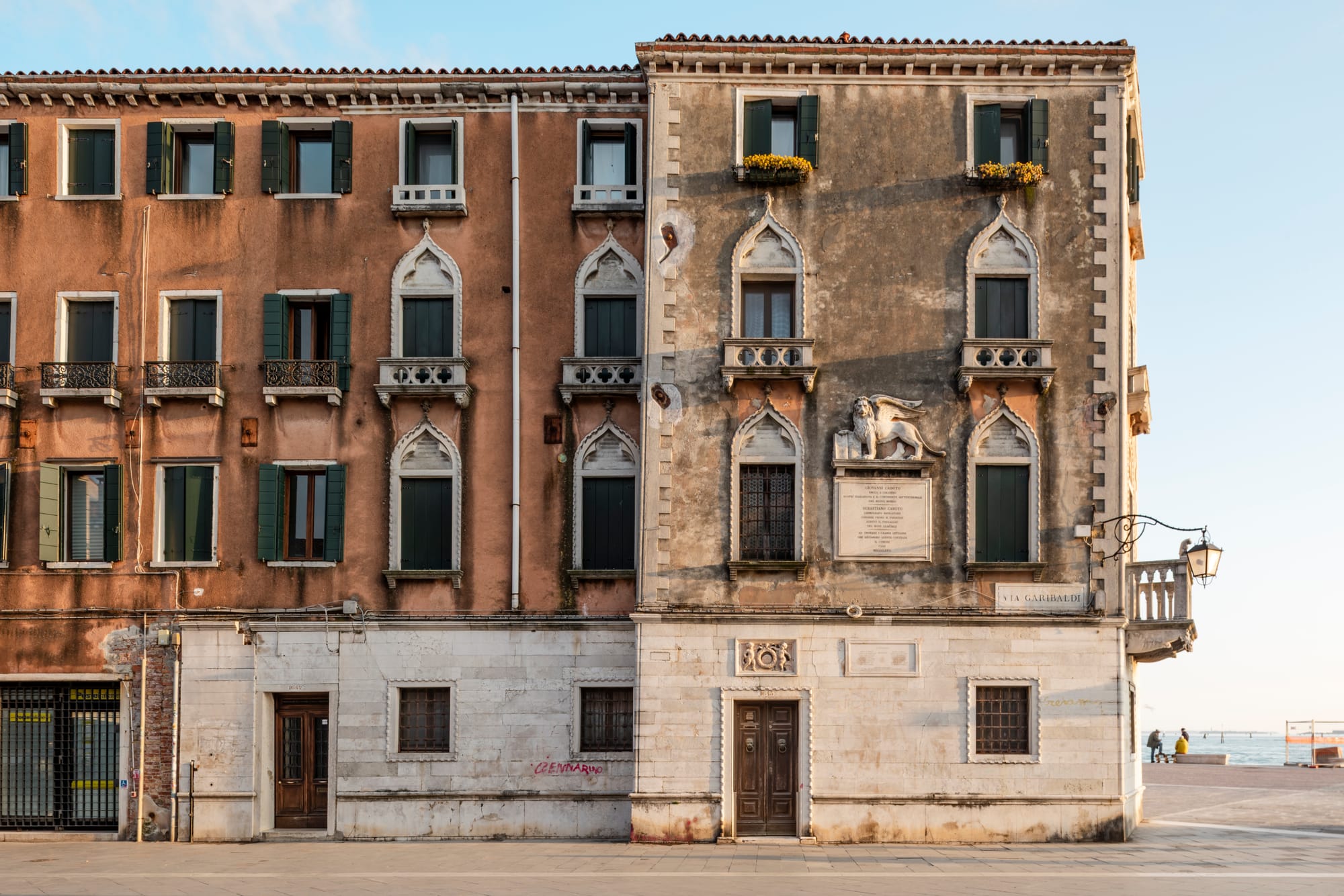
Ayan Farah and Asmaa Jama, two of the three artists representing Somalia at the 61st Venice Biennale (2026), discuss their plans for the national pavilion in an interview with ArtReview. Farah will present an installation of large-scale embroidered landscape paintings using clay pigment sourced from Somalia and shell-derived pigment from Scotland, alongside silk paintings exploring time and nature. Jama will focus on the Somali poetry form saddexleey, creating a sensorial experience through moving image, installation, and visual artworks that draw on magical realism and cinematic surrealism. The pavilion is located in the Palazzo Caboto, and the third representative is poet Warsan Shire.

Somali Artists Take Issue With Nation's First-Ever Venice Biennale Pavilion

Somalia's first-ever national pavilion at the 61st Venice Biennale has sparked controversy, with local cultural organizations accusing organizers of excluding Somalia-based artists. The pavilion, titled SADDEXLEEY, features only diaspora artists—Somali-Swedish painter Ayan Farfah, Somali-Danish poet Asmaa Jama, and Somali-British poet Warsan Shire—while the Somalia Arts Foundation (SAF) and queer collective Warbixinta Cidda have denounced the appointment of Italian co-curator Fabio Scrivanti, citing colonial tensions. SAF founder Sagal Ali and others allege that artists in Somalia were not meaningfully consulted, and that organizers used intimidation tactics against critics. The pavilion's organizers claim it includes Mogadishu-based painter 4C and will host accompanying events, but details remain unconfirmed.

A Roma è tutto pronto per il weekend delle gallerie d’arte: mostre, progetti speciali, inaugurazioni. Il programma

The fourth edition of Roma Gallery Weekend will take place from May 15 to 17, 2026, featuring 31 galleries across Rome. The event kicks off with a new Gallery Night on May 14, where simultaneous openings and special projects serve as a concentrated prologue. Participating galleries include established names like Gagosian, Galleria Continua, and Lorcan O'Neill, as well as emerging spaces such as Amanita and Cantadora. Highlights include exhibitions of Francesca Woodman, Tracey Emin, Friedrich Kunath, and Carlos Garaicoa, alongside site-specific interventions and group shows.

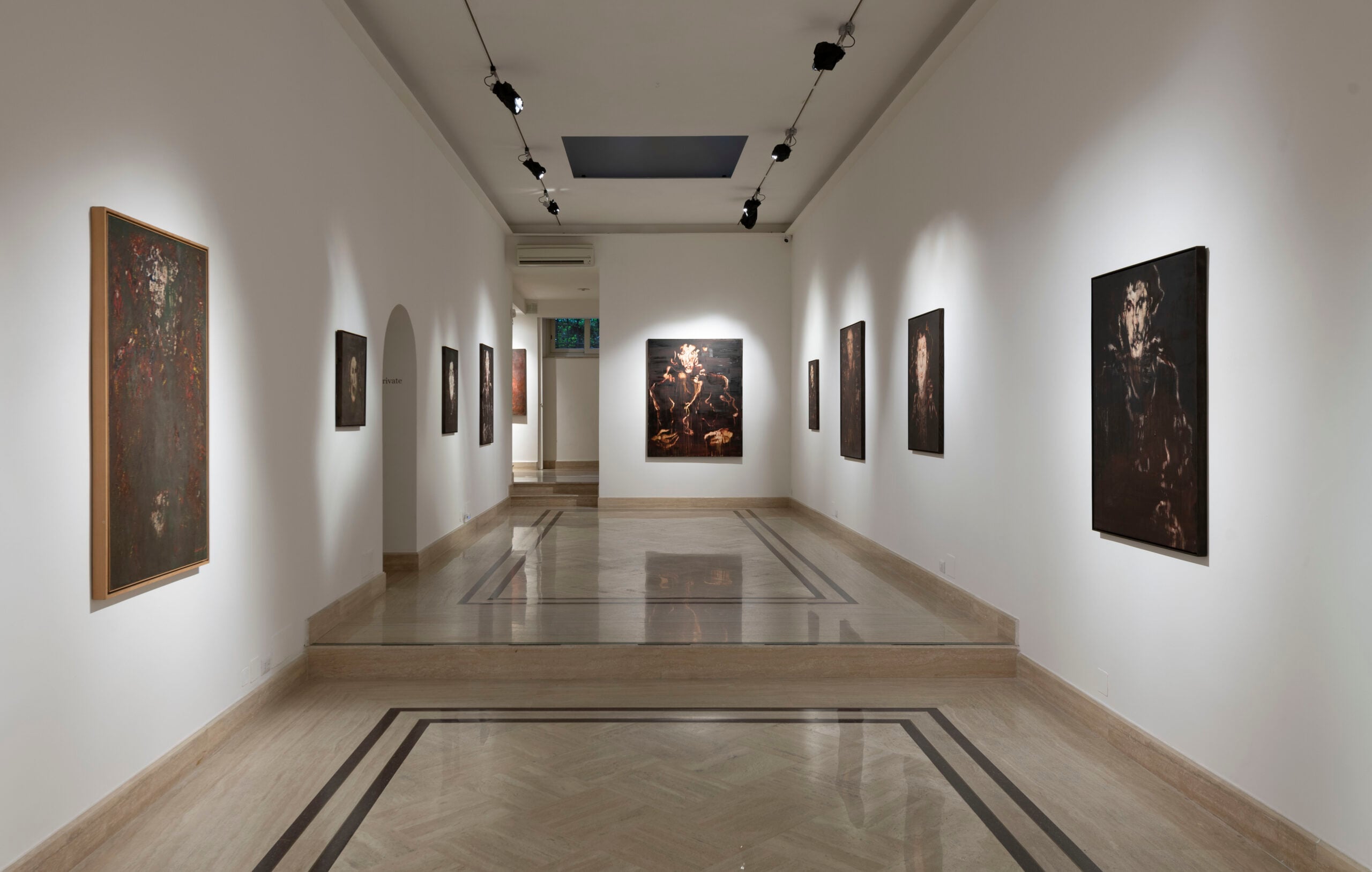
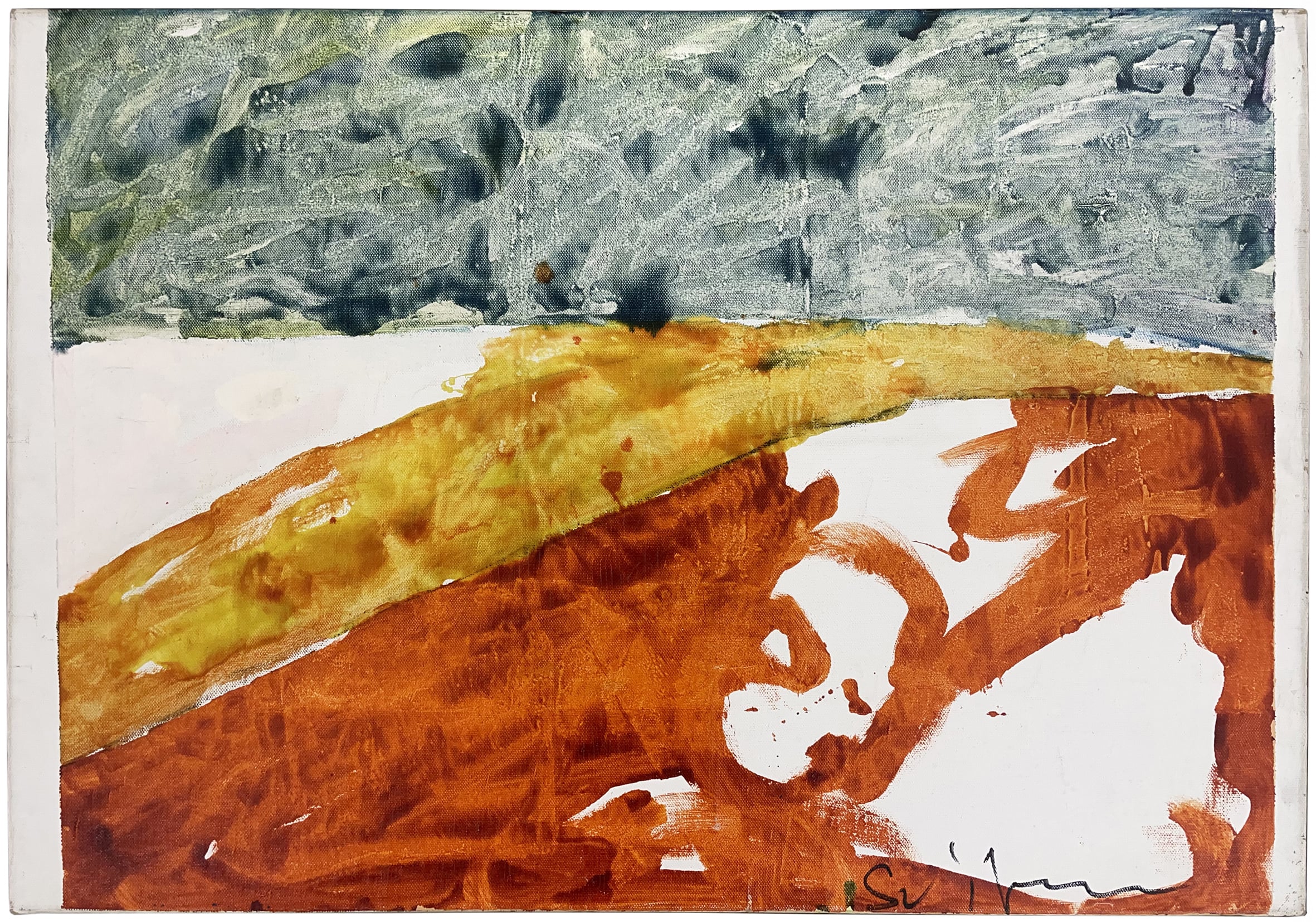
Mario Schifano in mostra a Roma, non solo a Palazzo delle Esposizioni. Alla Galleria Lombardi il pittore che sapeva osservare

A major retrospective of Mario Schifano (1934–1998) continues at Palazzo delle Esposizioni in Rome through May 27, showcasing over 100 works from his entire career—from early informal and material pieces to the first monochromes of the 1960s, TV Landscapes, oversized 1980s paintings, and 1990s works. Concurrently, a smaller exhibition titled "Mario Schifano | Io guardo" is on view until May 16, 2026, at Galleria Lombardi in Rome. Curated by Lorenzo and Enrico Lombardi, it features about twenty works spanning thirty years of the artist's activity, including monochromes, advertising signs, anemical landscapes, the Futurism revisited cycle, equestrian paintings, and chromatic materials of the 1990s. The show is accompanied by a catalog with a critical text by Silvia Pegoraro.

Is there really an energy transformation in Marina Abramović's exhibition in Venice?

Nella mostra di Marina Abramović a Venezia c’è davvero una trasformazione di energia?

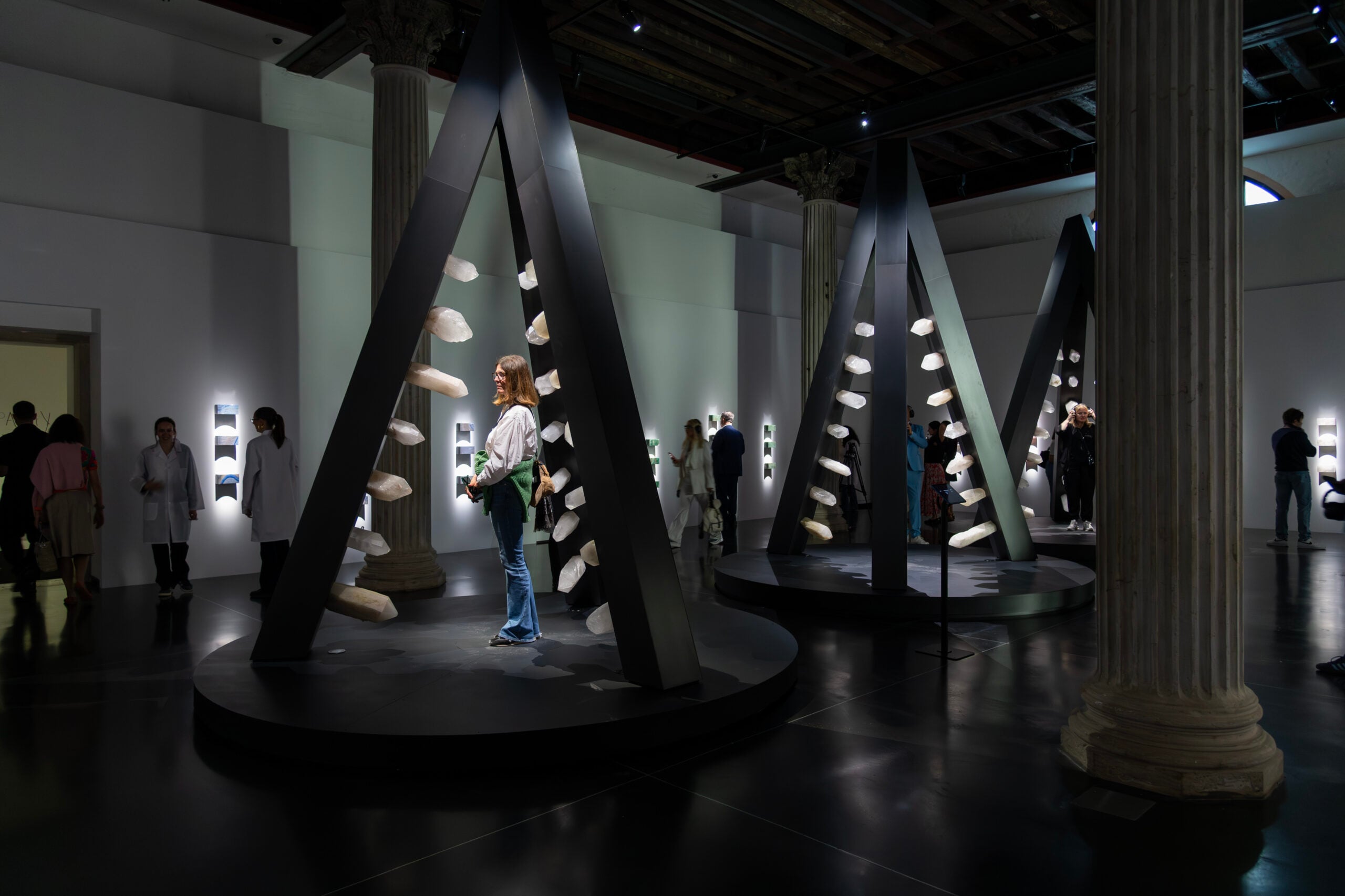
At the Gallerie dell'Accademia in Venice, Marina Abramović's exhibition "Transforming Energy" opens to the public from May 9 to September 30, 2026, as part of the 2026 Venice Biennale. The show is designed as an experiential device that moves beyond traditional exhibition formats, inviting viewers to determine their own presence through a sequence of rooms built around relationships between body, materials, and time. Crystals and locks of hair function not as decoration but as presences to be inhabited, demanding radical attention rather than spectacular participation. During the press conference, Abramović and curator Shai Baitel insisted that the materials, especially the crystals, possess real energy capable of directly affecting the viewer's body and perception, not merely as metaphor but as an active condition.

MFA's Nude Exhibition Challenges Art History's Gender Norms

The Museum of Fine Arts, Boston, has opened a new exhibition that challenges traditional gender norms in art history, featuring a dozen artists who disrupt the conventional nude. The show includes Xandra Ibarra's performance "Nude Laughing," where she paraded naked through the museum's European galleries, and works by Betty Tompkins, whose "Fuck Paintings" and "Women Words Painting" series confront misogyny and the male gaze. The exhibition juxtaposes these contemporary pieces with historical works like Jean-Léon Gérôme's "Moorish Bath" to highlight entrenched racial and gender hierarchies in art.

Enter the unsettled space of Asian American abstraction

The Milton Resnick and Pat Passlof Foundation in New York is hosting the exhibition "How Asian Is It?", featuring 12 pioneering East Asian American abstractionists born between 1928 and 1955. Curated by Lilly Wei, the show includes works by Barbara Takenaga, Emily Cheng, Charles Yuen, and David Diao, among others. These artists navigated an art world where downplaying their Asian identities often felt necessary for survival, especially after the 1965 Immigration and Nationality Act reshaped US immigration policy. The exhibition explores how their abstraction—marked by attention to interval, pause, and what remains unsaid—reflects a disciplined negotiation with space rather than a shared style or manifesto.

Venice Biennale’s Russian Pavilion and Pussy Riot Spar Over Usage of Protest Footage

The Russian Pavilion at the 2026 Venice Biennale has become embroiled in a new controversy after accusing the anti-Putin art collective Pussy Riot of censorship. The pavilion posted on Instagram that Pussy Riot demanded the removal of footage featuring them from a documentary film about the pavilion's project, labeling the request as self-censorship. Pussy Riot responded sarcastically, questioning the pavilion's use of Instagram given Russia's 2022 ban of the platform. The dispute follows earlier protests at the pavilion's opening, led by Pussy Riot and FEMEN, against Russia's participation in the Biennale amid its ongoing invasion of Ukraine.

Putin ‘Won’ the Venice Biennale, Quips Italian Culture Minister

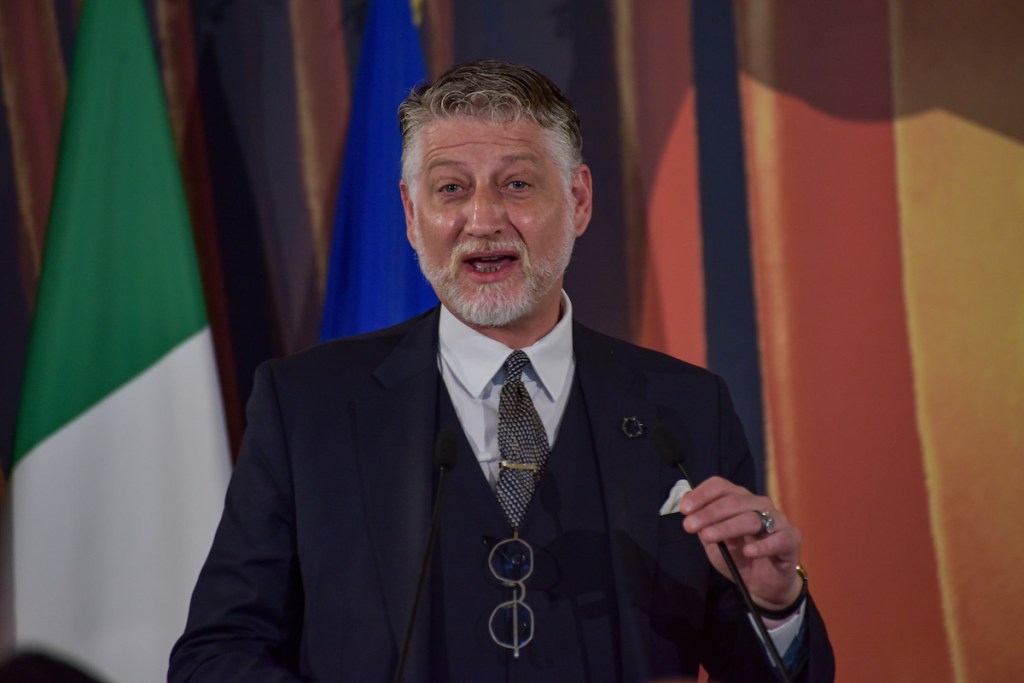
Italian Culture Minister Alessandro Giuli stated that Russian President Vladimir Putin "won" the 2024 Venice Biennale, criticizing Russia's controversial return to the event. Giuli, who repeatedly denounced Russia's presence, told Corriere della Sera that Russian artists in the pavilion cannot express dissent against their regime. The Biennale faced widespread calls to remove Russia, with the EU threatening to withhold a €2 million grant, but organizers argued they lacked legal authority to exclude the country. Protests by Pussy Riot and FEMEN marked the pavilion's opening, while the Biennale's jury resigned en masse after announcing that nations charged with crimes against humanity would be ineligible for Golden Lions.

Venice Biennale Artists Decline Consideration for Golden Lions Chosen by Public Vote

Nearly half of the artists in the main exhibition of the Venice Biennale have signed a statement declining consideration for the Golden Lion awards, in solidarity with the jury that resigned last month. The statement, published by e-flux, includes prominent names such as Alfredo Jaar, Tuan Andrew Nguyen, Otobong Nkanga, and Walid Raad, as well as national pavilion representatives from France, Lithuania, and the Netherlands. The Biennale had planned to replace the jury-selected Golden Lions with "Visitor Lions" decided by public vote, but the artists' refusal marks an unprecedented protest within the exhibition.

Former Korean Prosecutor Convicted in Alleged Lee Ufan Painting Bribery Scheme

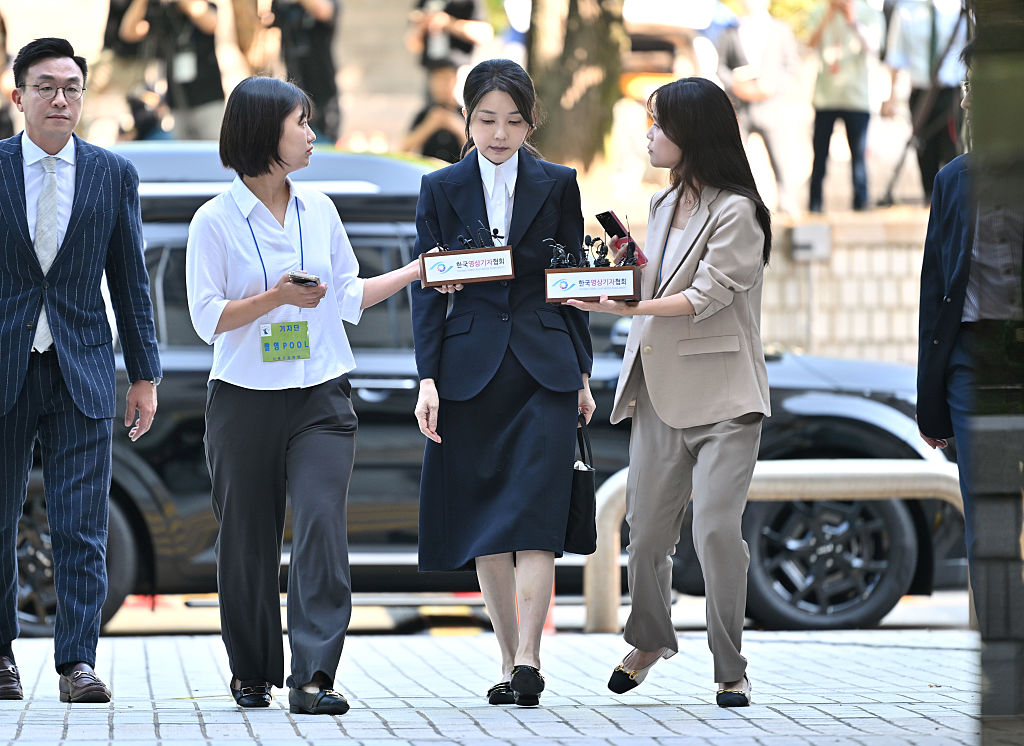
A former senior South Korean prosecutor, Kim Sang-min, has been convicted on appeal for allegedly gifting a painting by renowned artist Lee Ufan to former first lady Kim Keon Hee in exchange for political support ahead of the 2024 parliamentary elections. The Seoul High Court overturned an earlier acquittal, sentencing Kim to two years in prison (suspended for three years) for bribery, plus a separate suspended sentence for illegal political donations. The case took a strange turn when Kim's defense argued the artwork, titled *From Dots (No. 800298)* and valued at 140 million won ($95,500), was a forgery worth less than $700—a claim the court rejected after physically examining the piece and consulting experts.

Drained, Drowning, and Decay: The Best National Pavilions at the Venice Biennale

The 2026 Venice Biennale is defined by themes of ruin and decay, with standout national pavilions exploring bodily, infrastructural, and archaeological collapse. The Slovenian Pavilion features the Nonument Group repurposing materials from past Biennales into a ruin of a mosque for Bosnian Muslim soldiers from World War I. Syria presents its first national pavilion since the Civil War, with Sara Shamma invoking Palmyra, destroyed by ISIS. Germany's pavilion, titled "Ruin," features works by Henrike Naumann (who died in February) and Sung Tieu, questioning the pavilion's fascist architecture and nationalist residue. The Austrian Pavilion, curated by Florentina Holzinger, offers a visceral performance titled "Sea World." The Biennale is also marked by the abrupt resignation of its five-member jury, who refused to consider nations charged with crimes against humanity, leading to awards being chosen by public vote. Additionally, the main exhibition "In Minor Keys" was affected by the death of its curator, Koyo Kouoh.

Lithuanian, Latvian, and Estonian Pavilions Stage Pro-Ukraine Procession During Venice Biennale

On May 6, 2026, the Lithuanian, Latvian, and Estonian pavilions at the Venice Biennale organized a procession in solidarity with Ukraine, walking approximately one and a half miles from the Lithuanian Pavilion in the Fucina del Futuro to the Estonian pavilion. The action honored Ukrainian cultural workers creating under war conditions and those who have died. It is one of several political protests at the contentious 2026 Biennale, including demonstrations by Pussy Riot and FEMEN at the Russian pavilion, a "Solidarity Drone Chorus" opposing Israel's inclusion, and a planned 24-hour strike by the Art Not Genocide Alliance.

The glories of Francisco de Zurbarán’s paintings | Letters

Two letters to the editor respond to Charlotte Higgins's article on Francisco de Zurbarán. Paul McGilchrist critiques the physical inaccuracy of crucifixion depictions, including Zurbarán's *The Crucified Christ*, noting that most paintings fail to convey the true weight and distortion of a body suspended by nails. Jean Wilson highlights Zurbarán's series *Jacob and his 12 Sons* at Auckland Palace in Bishop Auckland, describing its history since 1756 and its connection to Bishop Trevor's support for Jewish rights.

The Swiss Collector Building a Massive Trove of Chinese Art

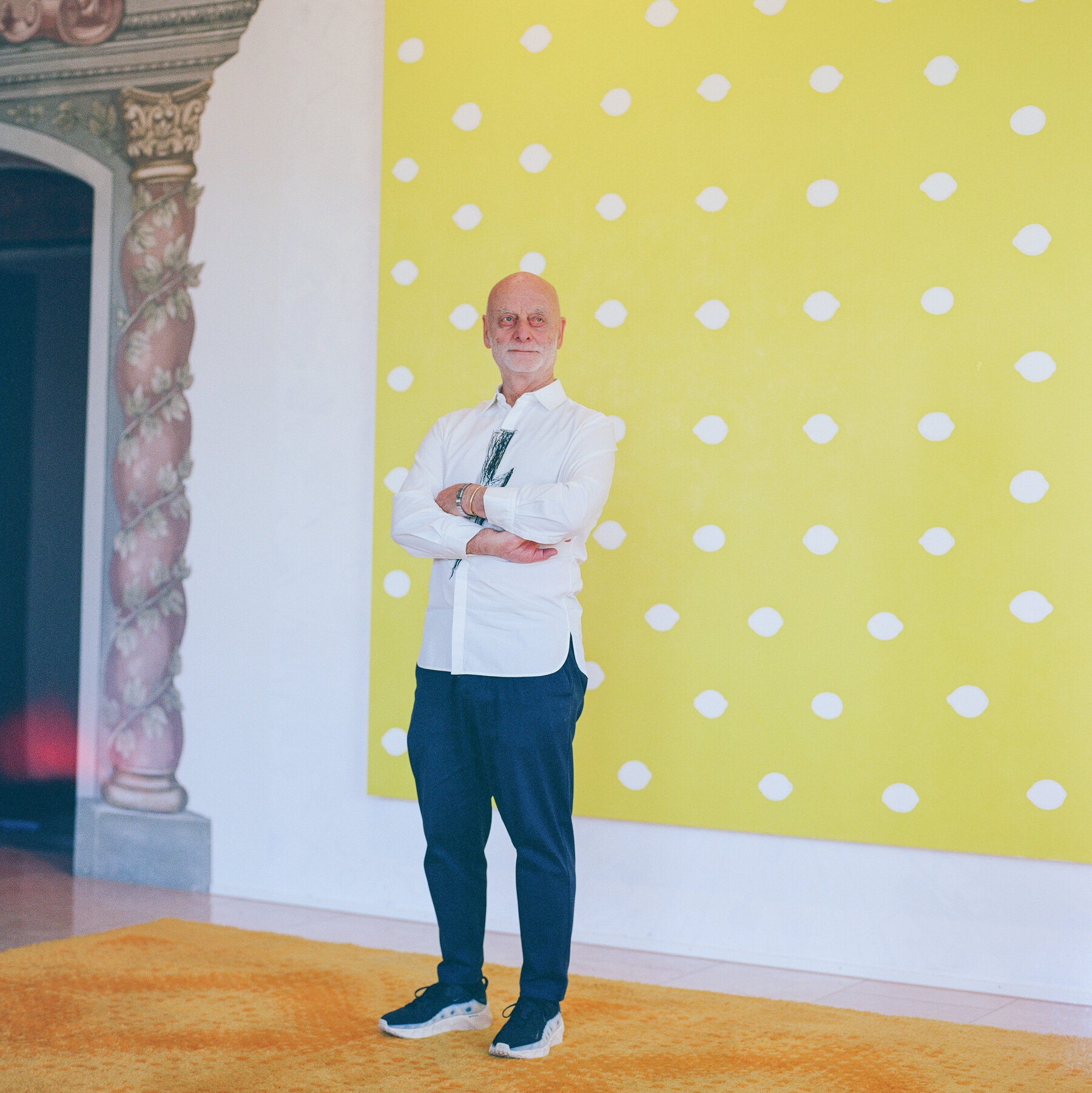
Swiss businessman and former diplomat Uli Sigg has spent over three decades assembling one of the largest private collections of contemporary Chinese art, comprising thousands of works. Artist Ai Weiwei has referred to Sigg as “my maker,” highlighting the collector’s pivotal role in promoting Chinese contemporary art on the global stage.

At the Venice Biennale, Canada’s entry blooms with unease

Montreal artist Abbas Akhavan's installation "Entre chien et loup" transforms the Canadian pavilion at the 2026 Venice Biennale into a living climate system, featuring a humid, Amazon-like environment with a pond of Victoria water lilies. The seeds were sourced from the Royal Botanic Gardens, Kew, and germinated at the Orto Botanico di Padova, with the lilies growing and blooming over the course of the biennale.

Greta Thunberg, Hugh Bonneville sign letter defending Southbank Centre chair Misan Harriman

A petition signed by Greta Thunberg, Hugh Bonneville, and other prominent figures defends Misan Harriman, the photographer and chair of London's Southbank Centre, against what the letter calls a "dishonest smear campaign." The controversy stems from two incidents: Harriman shared a social media post about a stabbing attack in Golders Green, noting that a Muslim victim received less press coverage than two Jewish victims, and later posted a video reflecting on the rise of the right-wing Reform party, citing a conversation about the Holocaust. Right-wing outlets like The Daily Telegraph accused him of equating Reform's electoral success to the Holocaust, leading to widespread backlash. Harriman denies making such equivalences, and nearly 70,000 people have filed complaints with the press regulator IPSO—the largest campaign in its history.

‘Your homes will be destroyed, your family killed’: the US has dropped millions of war propaganda leaflets – but do they work?

The United States military has been dropping propaganda leaflets in psychological operations (psyops) for over a century, from World War I through the Gulf War and the wars in Iraq and Afghanistan. A new interactive exhibit at Pioneer Works in Brooklyn, organized by the digital archive group Khajistan, displays hundreds of these leaflets, including those dropped on Japan during World War II and in more recent conflicts. However, declassified internal documents, such as a 1971 US Air Force report, reveal that leaflets were often used as toilet paper, cigarette rolling paper, or souvenirs by enemy soldiers, undermining the official narrative of their effectiveness.

Cultural Compass: Cello takes centre stage, Antwerp galleries open their doors and wartime art

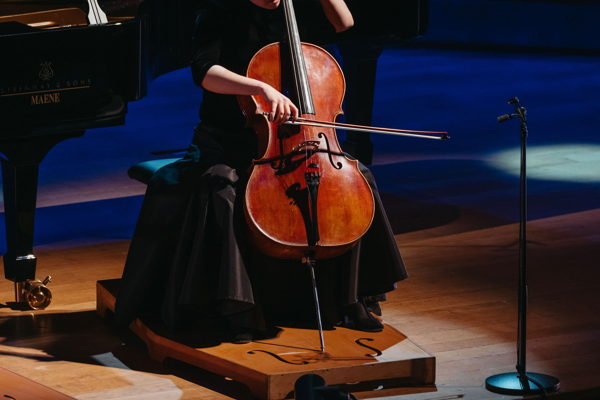
This week's cultural agenda in Belgium highlights three major events: the 75th anniversary of the Queen Elisabeth Competition, which focuses on cello for only the third time since 2017, featuring 64 young cellists from over 20 countries; the 12th edition of Antwerp Art Weekend, spanning 88 venues with a strong emphasis on emerging talent and politically engaged works; and a new exhibition at the Permekemuseum exploring Constant Permeke's formative years in wartime England. The competition includes a world premiere of 'Caffeine' by Belgian composer Harold Noben, and the winner will receive the use of Pablo Casals' historic 1733 Goffriller cello.

Lydia Ourahmane “1752 Photos” at Galerie Chantal Crousel, Paris

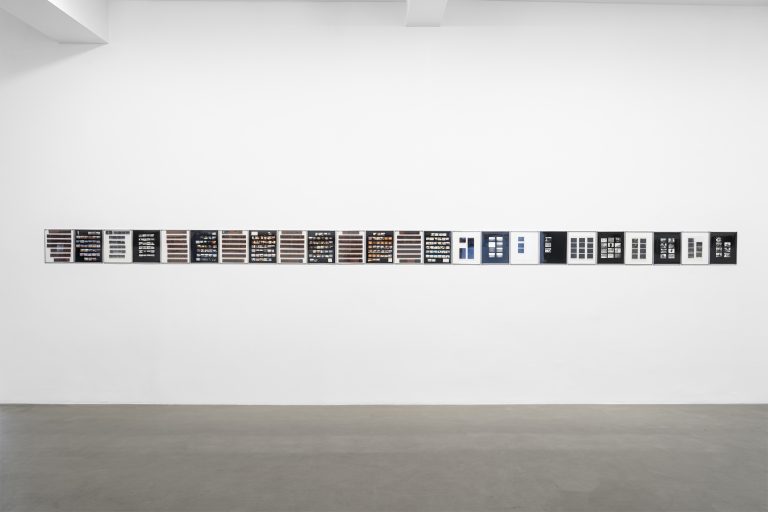
Lydia Ourahmane presents "1752 Photos" at Galerie Chantal Crousel in Paris, an exhibition centered on images that were never intended for public view. The works, stored in boxes and pressed between glass, explore themes of concealment, preservation, and the tension between visibility and obscurity.

Art Biennale: artists reject the popular jury

Fifty-two artists and curators, along with sixteen National Participants of the 61st Venice Art Biennale, have withdrawn from the newly introduced 'Lions of the Visitors' (People's Prizes) competition. The boycott follows the resignation of the jury appointed by artistic director Koyo Kouoh, who died in 2025, and is a protest against the inclusion of Russia and Israel in the prize—countries initially excluded by the international jury. The controversy escalated after Italian Minister of Culture Alessandro Giuli publicly opposed the Biennale president Pietrangelo Buttafuoco's decision to allow Russia's participation, drawing in the European Commission and even Ursula von der Leyen, who warned of potential sanctions violations. The signatories include artists and curators from France, Belgium, Luxembourg, Turkey, Switzerland, Spain, the Netherlands, and several other nations.

Walker Art Center Exhibition Breaks Down Sound Barriers

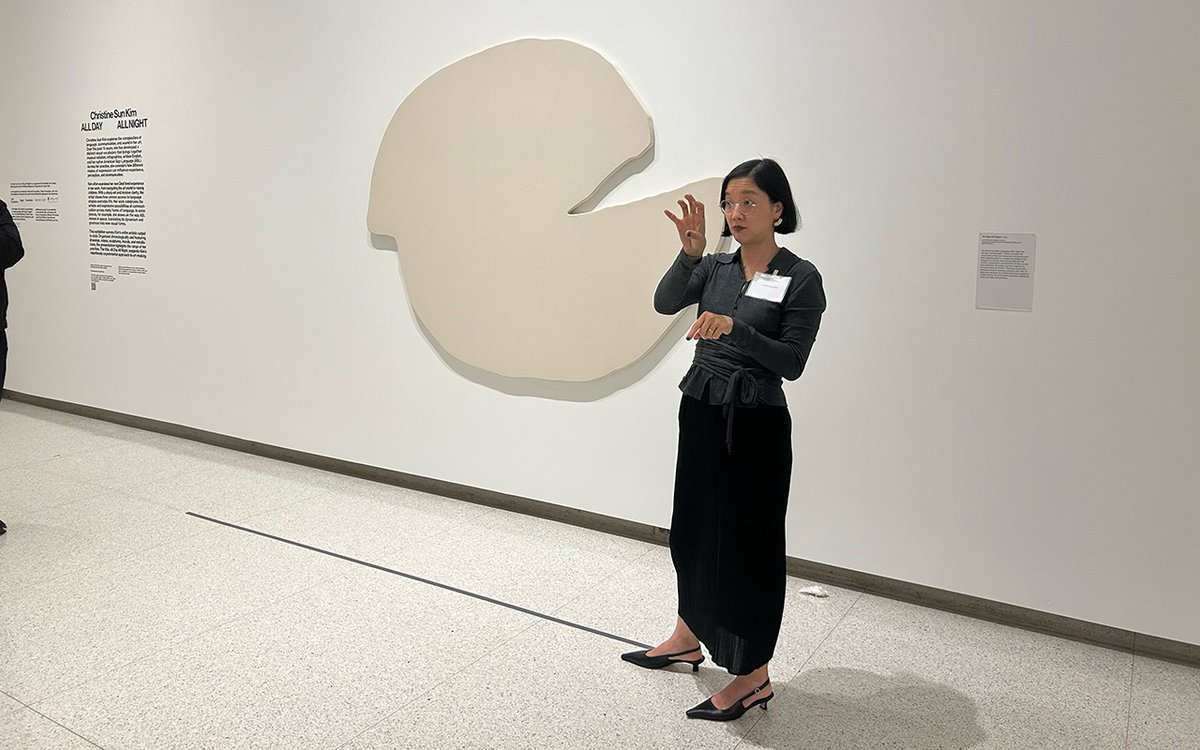
The Walker Art Center, in collaboration with the Whitney Museum of American Art, presents "All Day All Night," a survey of the past 15 years of work by Berlin-based deaf artist Christine Sun Kim. The exhibition, on view until August 30, spans three galleries and includes drawings, videos, participatory pieces, and site-specific installations such as charcoal music notes on floors and stairwells. Kim's early works from the 2010s explore sound waves and Deaf culture, while later pieces incorporate her experiences as a mother and partner, using infographics and ASL-inspired imagery to challenge assumptions about spoken versus signed language.

DOGE Cuts to National Endowment for the Humanities Were Unconstitutional, Court Rules

A federal judge ruled that the cancellation of over 1,400 grants by the National Endowment for the Humanities, carried out by Elon Musk's Department of Governmental Efficiency (DOGE), was unconstitutional. Judge Colleen McMahon of the Federal District Court in Manhattan ordered DOGE to rescind the cancellations, finding that the cuts violated the First Amendment and the equal protection component of the Fifth Amendment. The lawsuits were filed after the NEH chairman was dismissed and the agency was redirected under President Donald Trump's "America First" cultural campaign, with acting chair Michael McDonald cutting most grants awarded by the previous administration. The cuts, totaling more than $100 million, disrupted research, publications, and humanities programming, and were reportedly flagged using ChatGPT to target grants related to diversity, equity, and inclusion.