filter_list Showing 124 results for "Scotland" close Clear
search
dashboard All 124 museum exhibitions 63article news 17article local 12article culture 10trending_up market 9article policy 5person people 3gavel restitution 2rate_review review 2article event 1
date_range Range Today This Week This Month All
Subscribe

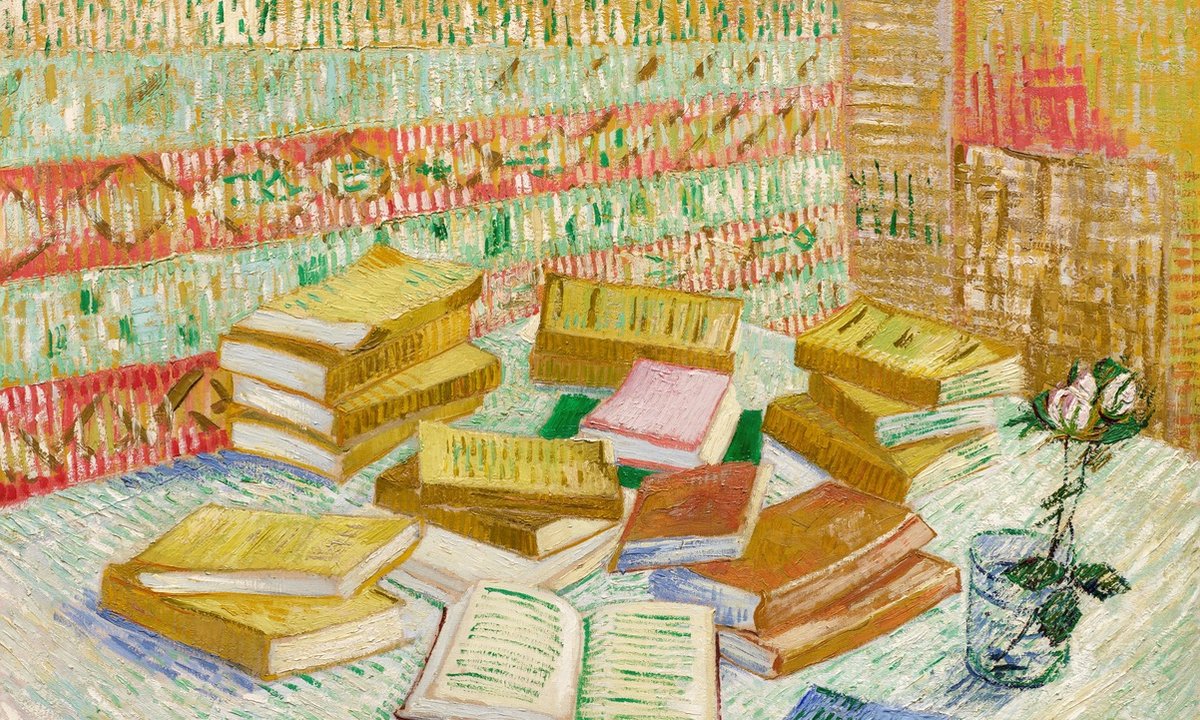
The story behind the Van Gogh still life that looks destined to become his most expensive Paris painting

Van Gogh's 'Parisian Novels' (November-December 1887) will be the leading lot in the Pritzker sale at Sotheby's, New York on 20 November, with an estimate of $40 million. The still life, depicting 22 books and three pink roses, has been consigned by the estate of Cindy Pritzker, who died in March at age 101. The painting was created during Van Gogh's time living with his brother Theo in Paris and was among the first three works publicly exhibited during his lifetime, at the Société des Artistes Indépendants in March 1888. The Pritzker collection sale also includes 36 other works estimated at $120 million, featuring pieces by Paul Gauguin and Henri Matisse.
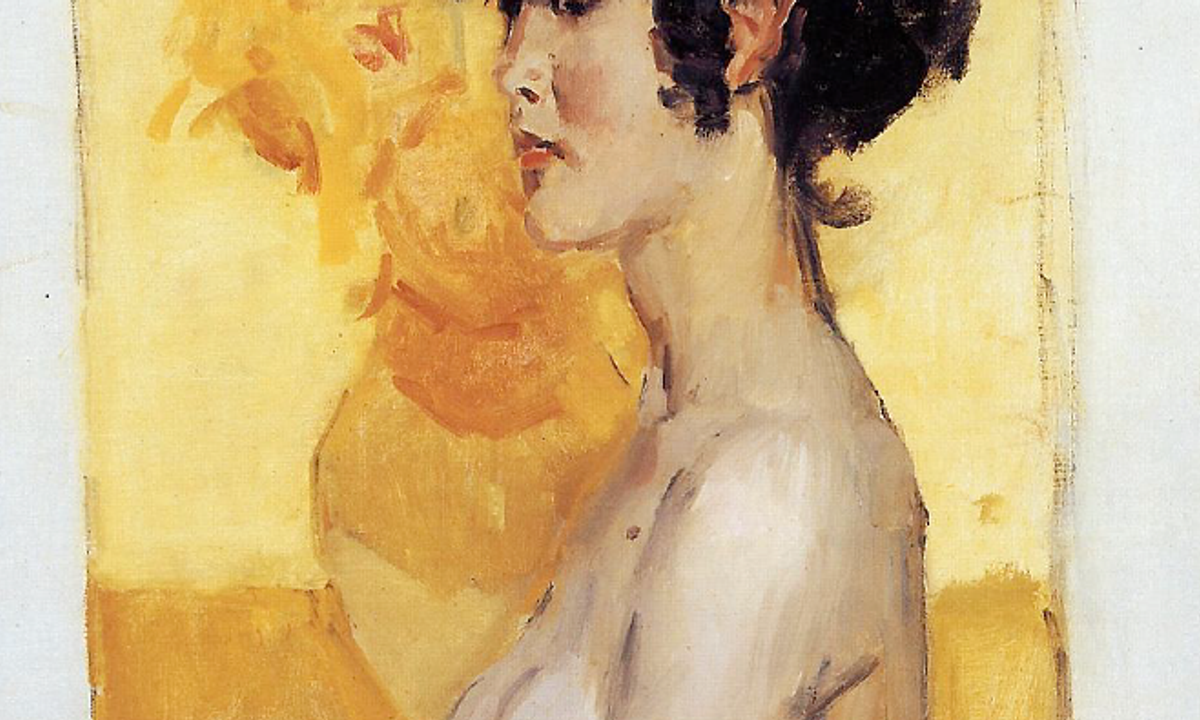
Lovers to friends: the intimate story of Van Gogh's sister-in-law and the artist Isaac Israëls

The Van Gogh Museum in Amsterdam has published 103 letters from Dutch Impressionist painter Isaac Israëls to Jo Bonger, Vincent van Gogh's sister-in-law, revealing a previously secret romantic relationship between them. The museum is also presenting an exhibition titled "Captivated by Vincent: The Intimate Friendship of Jo van Gogh-Bonger and Isaac Israëls" (through January 25, 2026), which explores their brief physical relationship in the 1890s and its aftermath, including how Israëls incorporated Van Gogh's paintings into his own portraits—a practice he called "Vincenting." Twelve of these portraits are on display for the first time.

Most expensive, suicide not murder and more: celebrating 300 Adventures with Van Gogh

Adventures with Van Gogh, a weekly blog launched in 2018, has published its 300th post. To mark the milestone, the blog compiled a list of its most-read posts since the 200th edition in February 2023, updated with new information. Topics range from the ten most expensive Van Gogh paintings at auction (led by *Orchard with Cypresses* at $117m) to a geological feature near Saint-Rémy-de-Provence that appears in *The Olive Trees*, a defense of the suicide theory over murder, the real-life view behind *Starry Night over the Rhône*, Picasso’s granddaughter Marina Picasso quietly buying and selling a Van Gogh watercolour, and the artist’s preference for simple wooden frames over ornate gold ones.

Framing Van Gogh: why the artist did not want to surround his works with gold

London's National Gallery exhibition "Van Gogh: Poets & Lovers" displayed nearly all of its loaned paintings in ornate gilded frames, despite the artist's documented preference for simple, unadorned wooden frames. Van Gogh wrote to his sister Wil questioning the need for gilding, and Paul Gachet Jr., son of the doctor who cared for the artist, called gold frames around Van Gogh's works "an act of moral barbarism." A few exceptions stood out, including six paintings from the Kröller-Müller Museum in Otterlo, which were shown in replica frames based on early 20th-century designs by Jacob van den Bosch, and a Van Gogh from Tokyo's National Museum of Western Art that was reframed in a replica of a frame once owned by Dr. Paul Gachet.

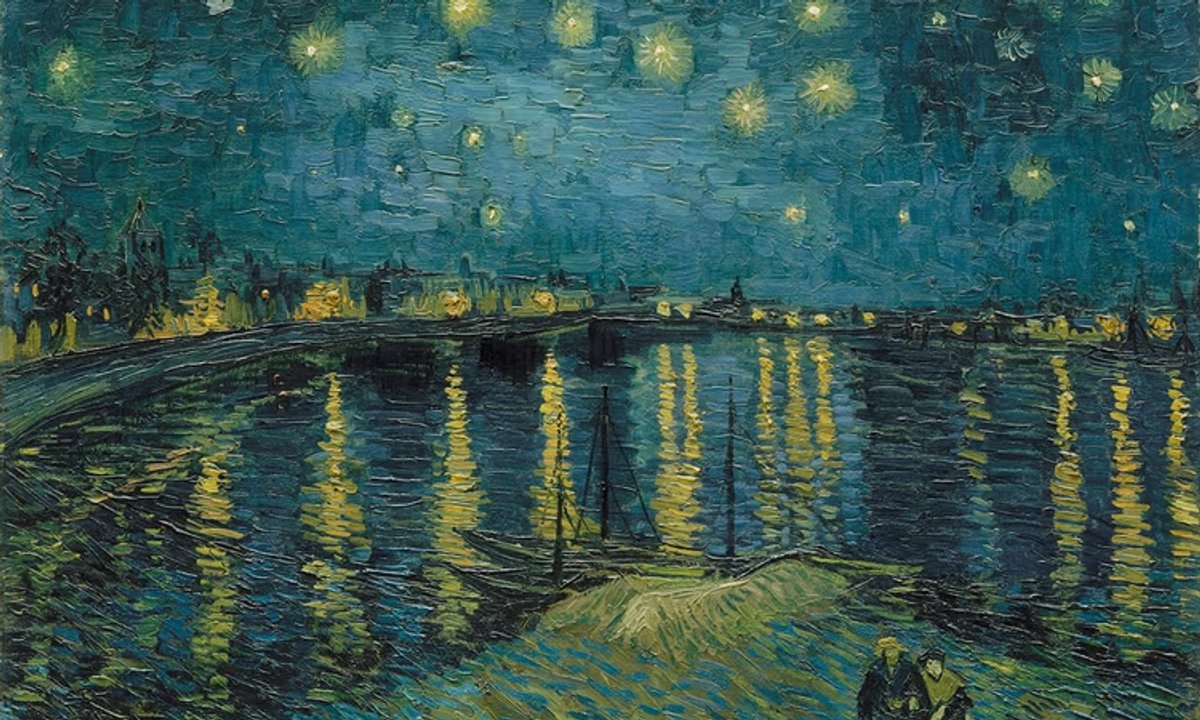
Van Gogh’s Starry Night over the Rhône reveals more of its mysteries

Van Gogh's *Starry Night over the Rhône* (September 1888), housed at the Musée d'Orsay in Paris, is analyzed in detail to separate the actual view of Arles from the artist's imaginative additions. The article examines how Van Gogh repositioned the Plough (Big Dipper) constellation, exaggerated the brightness of gas lamps, and likely painted most of the scene in his studio rather than en plein air. It also reveals that he later reworked the lower-left corner of the canvas, as seen in contemporary sketches.

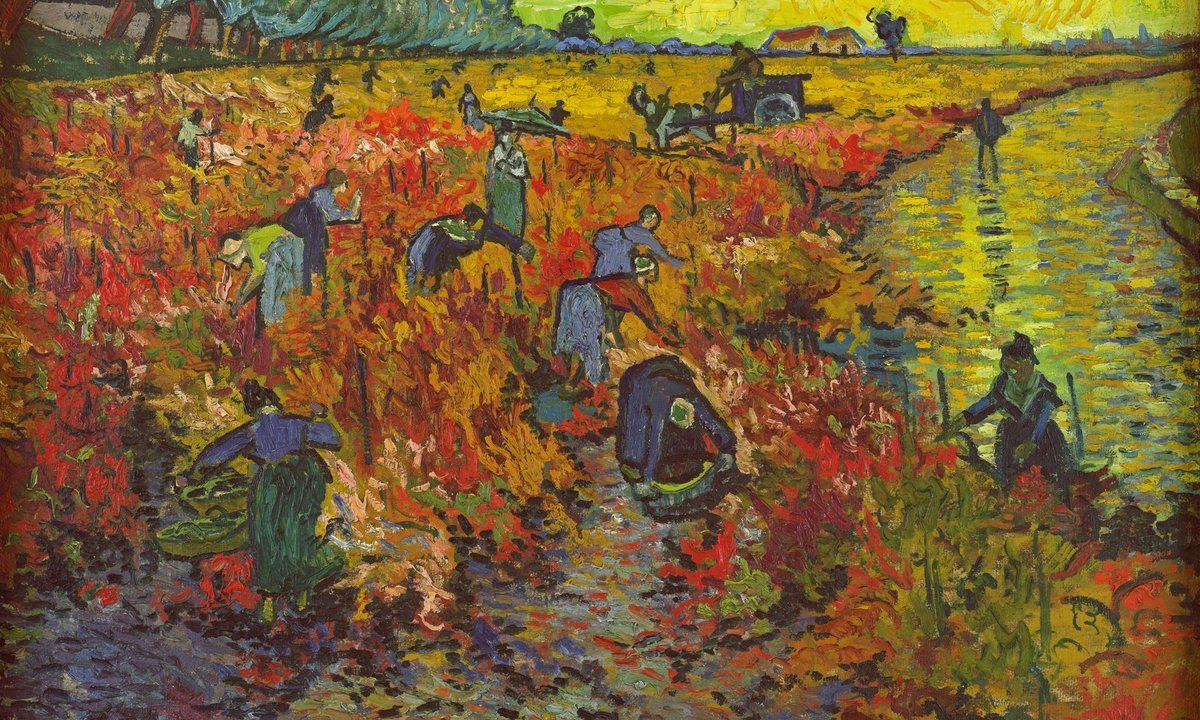
How did the only painting sold by Van Gogh in his lifetime end up in Russia?

The article explores the history and conservation of Vincent van Gogh's "The Red Vineyard," the only painting he is certain to have sold during his lifetime. Sold for 400 francs at a Brussels exhibition in March 1890, the work now resides at the Pushkin State Museum of Fine Arts in Moscow. A recent conservation project used modern scientific techniques to uncover new details about the painting's creation, including Van Gogh's use of paint straight from the tube, compositional changes, and the fading of chrome yellow pigments. The article also recounts the painting's origin during Van Gogh's time in Arles with Paul Gauguin and its journey to Russia.

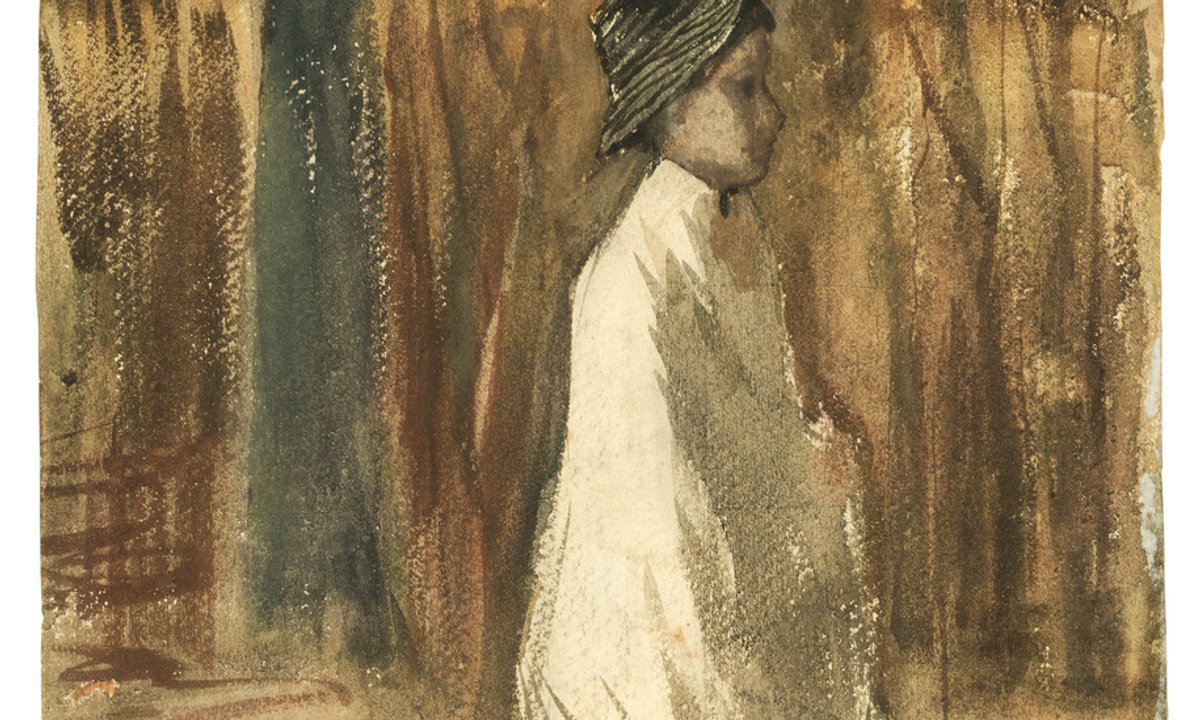
Revealed: Picasso’s granddaughter owned a Van Gogh—which she sold at Sotheby’s

Marina Picasso, granddaughter of Pablo Picasso, owned a Vincent van Gogh watercolor titled *Woman in a Wood* (September-October 1882), which she sold at Sotheby’s in New York on May 13 for $952,500. The work, which also features a sketch of a fishing boat on its reverse, was purchased by Marina in 1987 through Swiss dealer Jan Krugier from a Tehran-based collector. The sale was not publicly known until just before the auction. The article also notes that a separate Van Gogh oil painting, *In the Dunes* (September 1883), sold at Christie’s the previous day for $4 million from the collection of US businessman Jeffrey P. Draime.

Van Gogh’s love of Hiroshige, the Japanese master of the landscape, is reflected in a British Museum exhibition

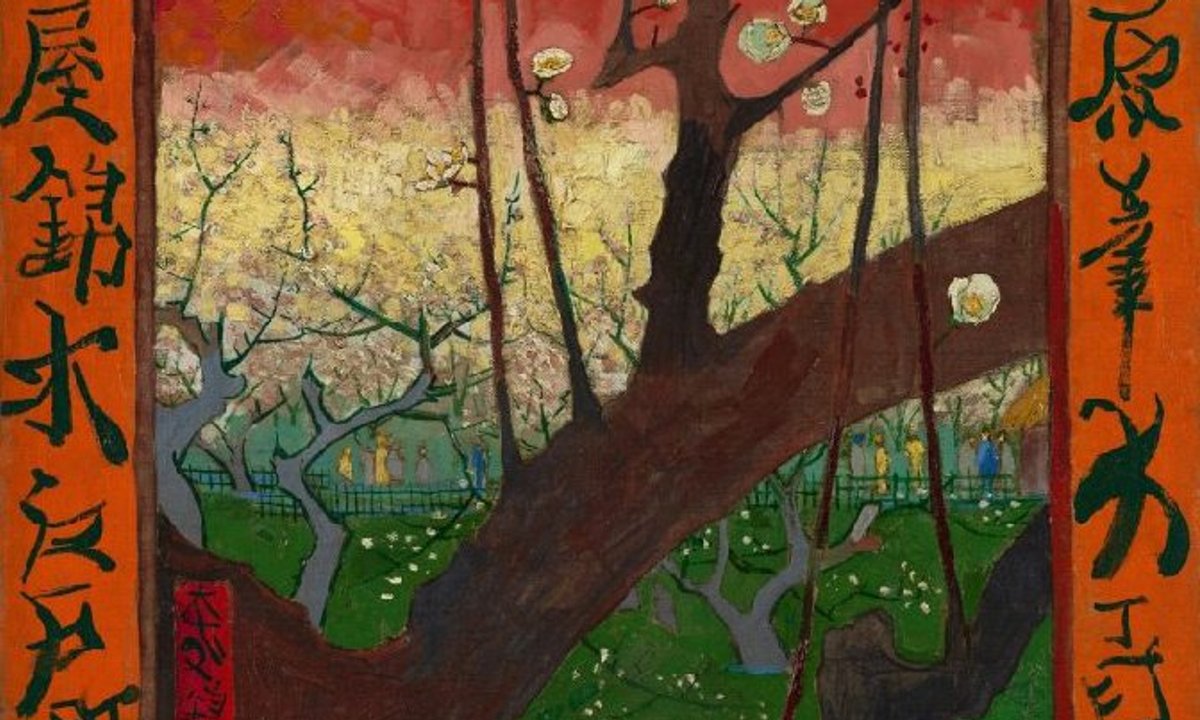
The British Museum's exhibition "Hiroshige: Artist of the Open Road" (through September 7) showcases over 100 prints by the Japanese master Utagawa Hiroshige, including rare loans that highlight his influence on European avant-garde artists. A key display is Vincent van Gogh's own copy of Hiroshige's "The Plum Garden at Kameido" (1857), on loan from the Van Gogh Museum in Amsterdam, along with Van Gogh's squared-up tracing used for his painting. New research by British Museum senior scientist Capucine Korenberg reveals a short pencil line on the print that confirms Van Gogh used this exact copy as a guide for his tracing and subsequent painting.

Van Gogh was not fantasising when he painted mountain landscapes with ‘The Two Holes’

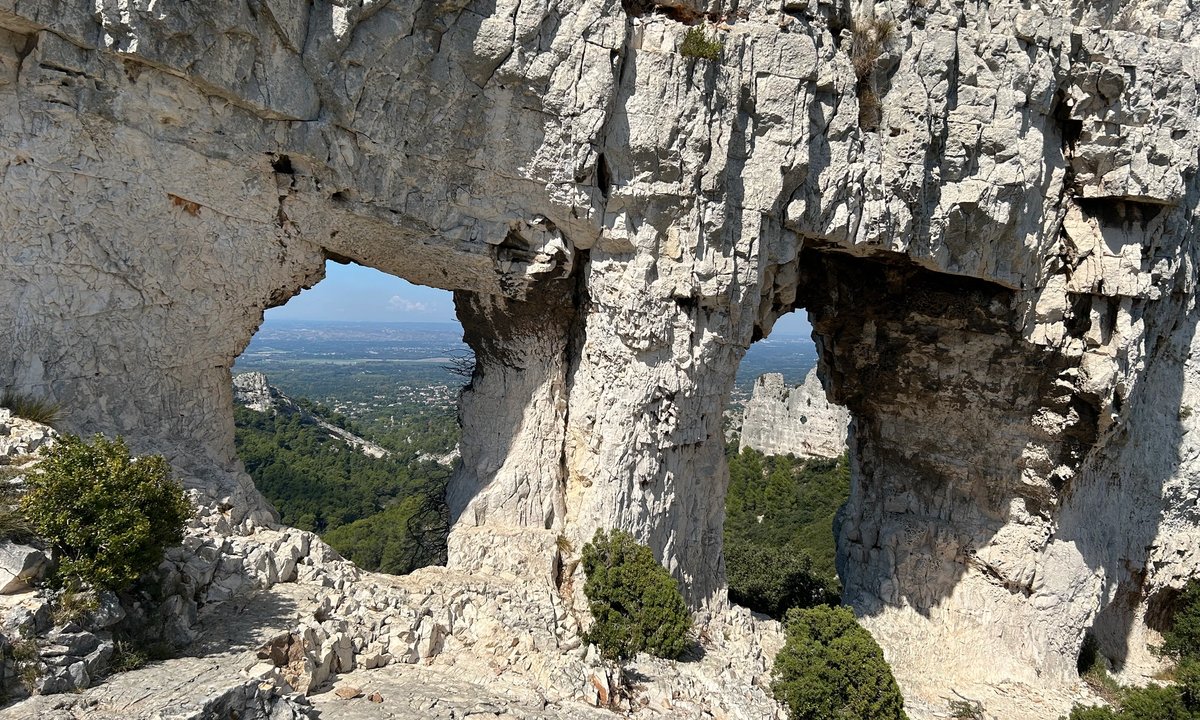
Martin Bailey, a leading Van Gogh specialist, reveals that the distinctive rock formation known as Le Rocher des Deux Trous (The Rock of the Two Holes), which appears in two of Vincent van Gogh's paintings—The Olive Trees (June 1889) and Mountains at Saint-Rémy (July 1889)—is a real geological feature near the asylum in Saint-Rémy-de-Provence, not a figment of the artist's imagination. The two paintings, held by the Museum of Modern Art and the Solomon R. Guggenheim Museum in New York, were recently displayed together at London's National Gallery exhibition Van Gogh: Poets & Lovers (14 September 2024–19 January 2025), offering a rare chance to compare them. Bailey traces the history of the formation, noting that an anonymous 17th-century artist also depicted it, and describes a walking route from the former asylum to the site.

Revealed: how Van Gogh's nephew exchanged two of the artist's drawings for butter and bacon

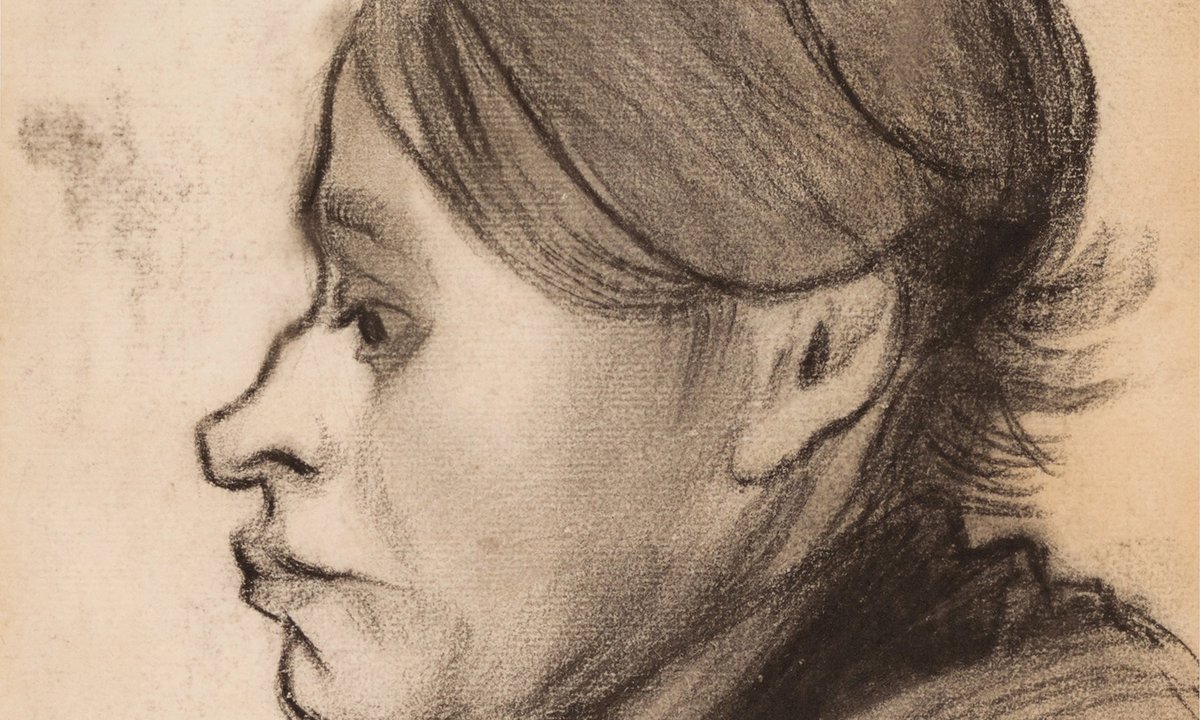
In early 1945, during the Dutch 'Hunger Winter' at the end of World War II, Vincent van Gogh's nephew, Vincent Willem van Gogh, exchanged two of the artist's drawings for 35 packets of butter and some bacon. The swap was arranged with the help of artist Charley Toorop and involved the cheese business Visser Kaas in Heiloo. One of the drawings, *Head of a Peasant Woman, left profile* (December 1884–May 1885), is now being offered at Sotheby's on 25 June with an estimate of £400,000–£600,000, suggesting the pair would be worth around £1 million today. The nephew's family was suffering from starvation and tragedy, including the execution of his eldest son by German forces.

With the help of conservators, one of Van Gogh’s finest Arles landscapes will be heading to Japan

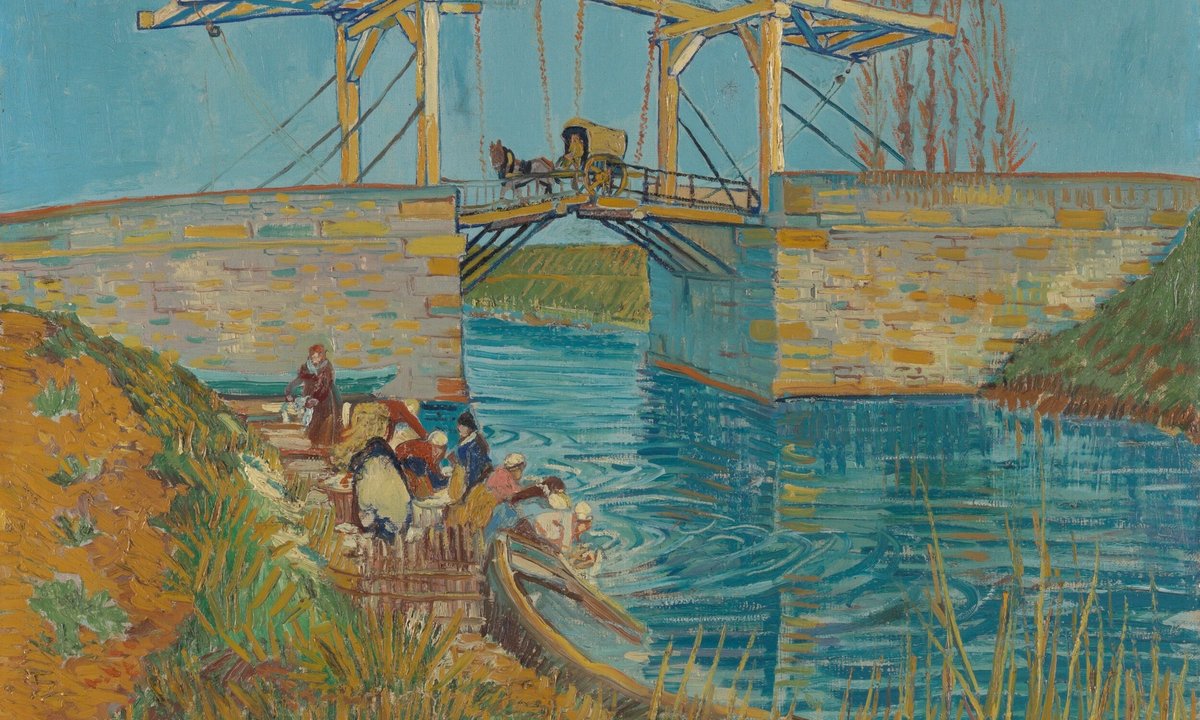
Conservator Margje Leeuwestein has examined Vincent van Gogh's "Bridge at Arles (Pont de Langlois)" (March 1888) at the Kröller-Müller Museum in Otterlo to confirm it is fit for travel. The painting will be the centerpiece of an exhibition touring three Japanese cities in 2027. The article details the painting's history, including Van Gogh's intended gift to Hermanus Tersteeg of the Goupil gallery, a later-scraped dedication, and a rare 1929 photograph of the bridge by Johannes Reiher that mirrors the composition.

Two US ambassadors have displayed Van Goghs in their London residence—but Donald Trump's pick for the job seems unlikely to follow suit

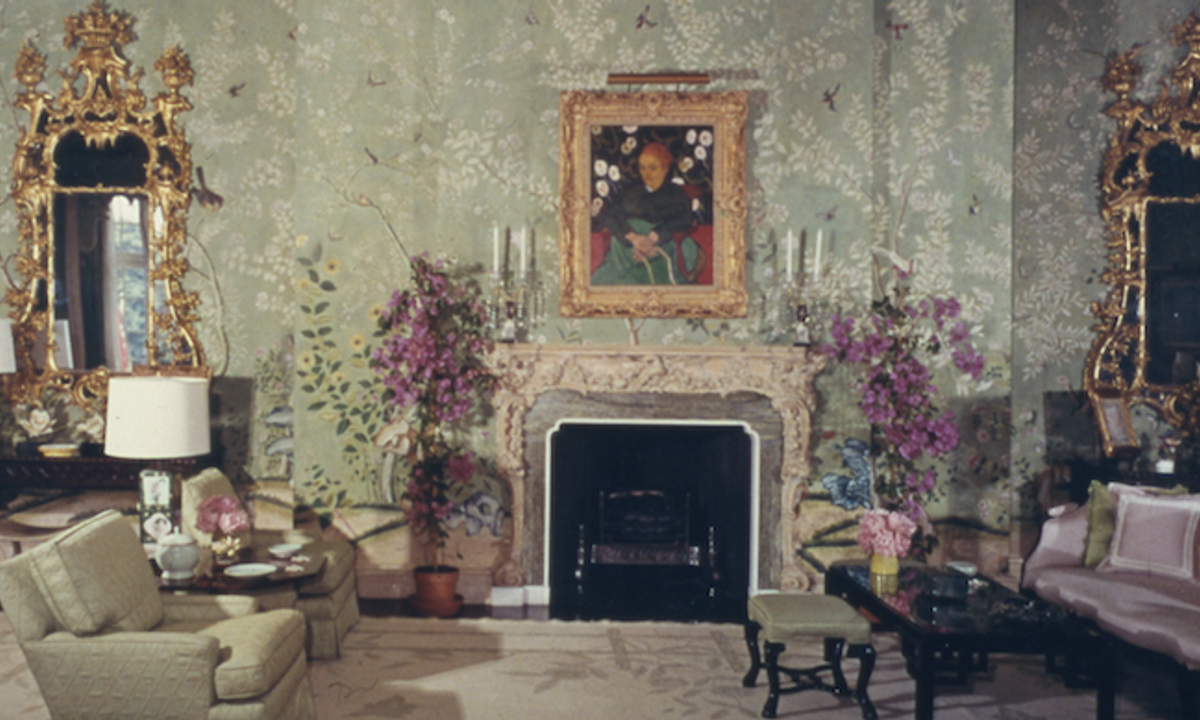
Two former U.S. ambassadors to the UK, John Hay Whitney (1957-61) and Walter Annenberg (1969-74), displayed Van Gogh masterpieces from their personal collections in Winfield House, the official residence in London's Regent's Park. Whitney hung Van Gogh's *Self-portrait* (September 1889) above the mantelpiece in the family dining room, while the Annenbergs placed *La Berceuse* (February 1889) and *Olive Trees* (November 1889) in the green room, alongside works by Gauguin, Degas, Cézanne, Monet, and Renoir. Both ambassadors later donated their Van Goghs to major U.S. museums—Whitney's to the National Gallery of Art in Washington, D.C., and the Annenbergs' to the Metropolitan Museum of Art in New York.

Works by Charley Toorop, one of the first female painters to admire Van Gogh, go on show in the Netherlands

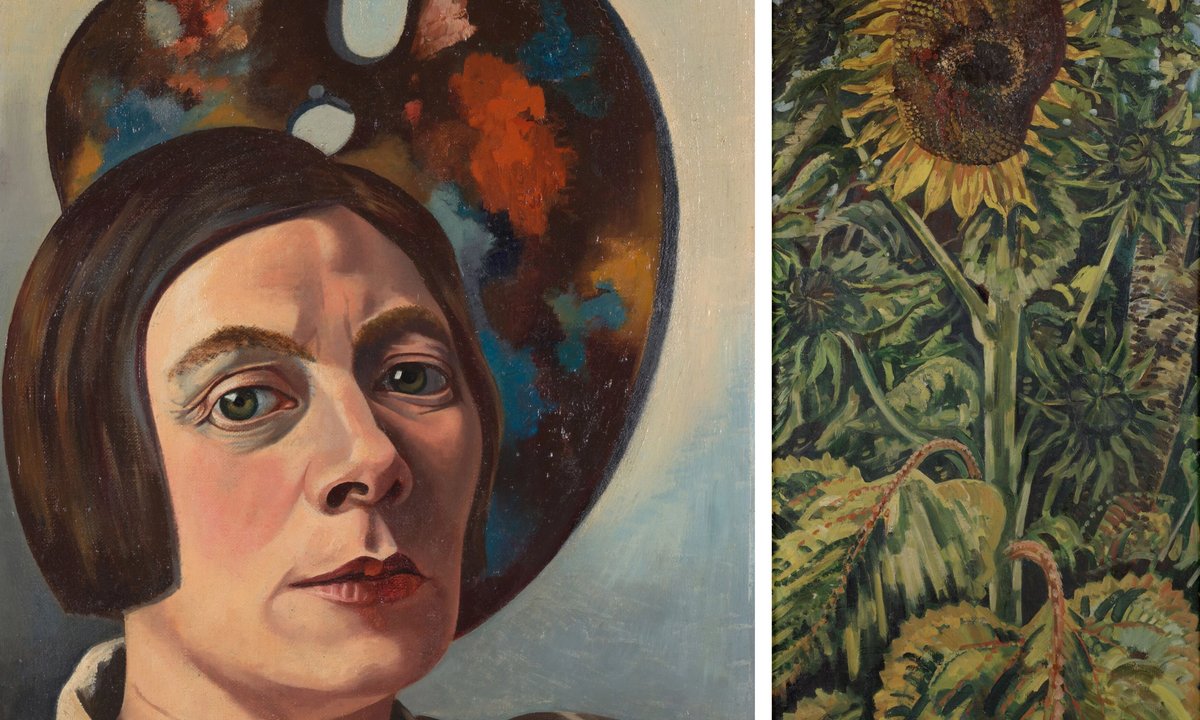
An exhibition titled "Charley Toorop: Love for Van Gogh" opens at the Kröller-Müller Museum in the Netherlands (24 May-14 September), showcasing 60 works by Charley Toorop (1891-1955), one of the first female painters deeply influenced by Vincent van Gogh. The show, curated by Renske Tervaert, draws on the museum's extensive Toorop and Van Gogh collections, supplemented with loans, and highlights how Van Gogh's work shaped Toorop's art, particularly in the early 1920s. A key focus is her 1924 portraits of patients at the Willem Arntsz Medical Asylum for the Insane in Utrecht, where she painted three powerful works after a traumatic marriage to Henk Fernhout, who had been institutionalized there. The exhibition also explores personal connections: Van Gogh's brother Theo was treated and died at the same facility, and Toorop's still lifes echo Van Gogh's motifs, such as her use of knives alluding to domestic strife.

Korea’s first privately owned Van Gogh unveiled at newly opened museum

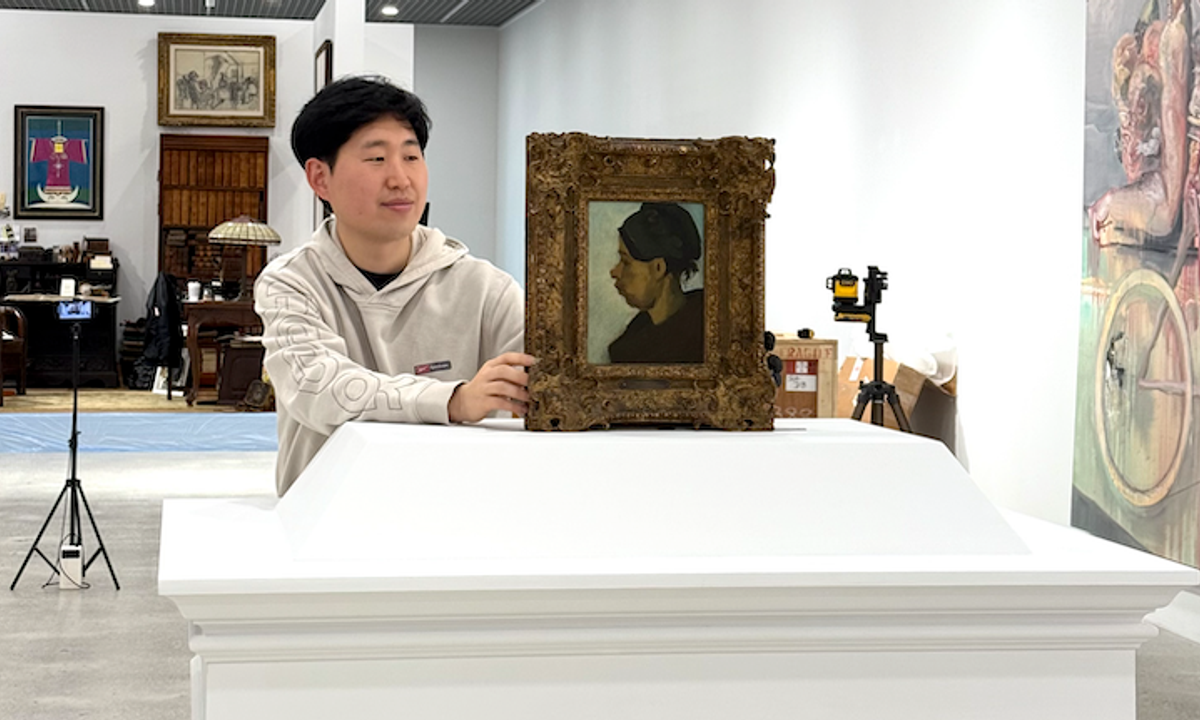
Hong Gyu Shin, a New York-based gallery owner originally from Ulsan, South Korea, became the first named Korean to purchase a Van Gogh when he acquired *Head of a Peasant* (January-March 1885) at Sotheby’s in May 2024 for $787,000—well below its estimate. The painting has now gone on display at the newly opened KAIST Art Museum (KAM) in Daejeon, South Korea, as part of Shin's exhibition *The Vault of Masterpieces* (until 30 August). The show features 49 works from his personal collection, including a recreation of his New York apartment, and marks the first time a Van Gogh has been exhibited on loan from a Korean collector.

When—and why—did Van Gogh paint a pair of crabs?

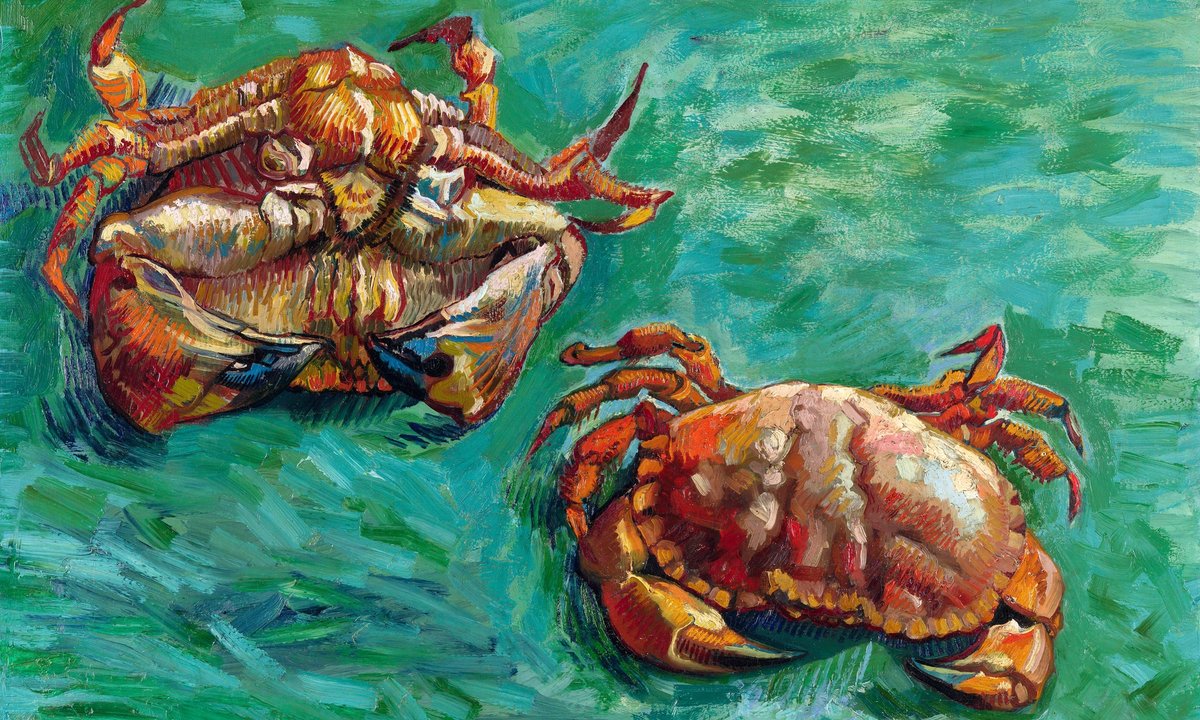
An article explores the story behind Vincent van Gogh's still life "Two Crabs," revealing that the two crabs are likely the same individual—a female Cancer pagurus missing its first pair of walking legs. Paul Clark, a crustacean specialist at London's Natural History Museum, confirmed the sex based on the broad abdomen visible in the painting. The work is on long-term loan to London's National Gallery, where it was recently redisplayed as part of the gallery's major rehang ahead of the Sainsbury Wing reopening on May 10. The article also traces the painting's provenance: it was the first Van Gogh bought by a British collector, William Cherry Robinson, in 1893 for 200 guilders, later sold at auction in 1906 for half that amount, and eventually resold at Sotheby's in 2004 for £5.2 million to an anonymous collector who lent it to the National Gallery.

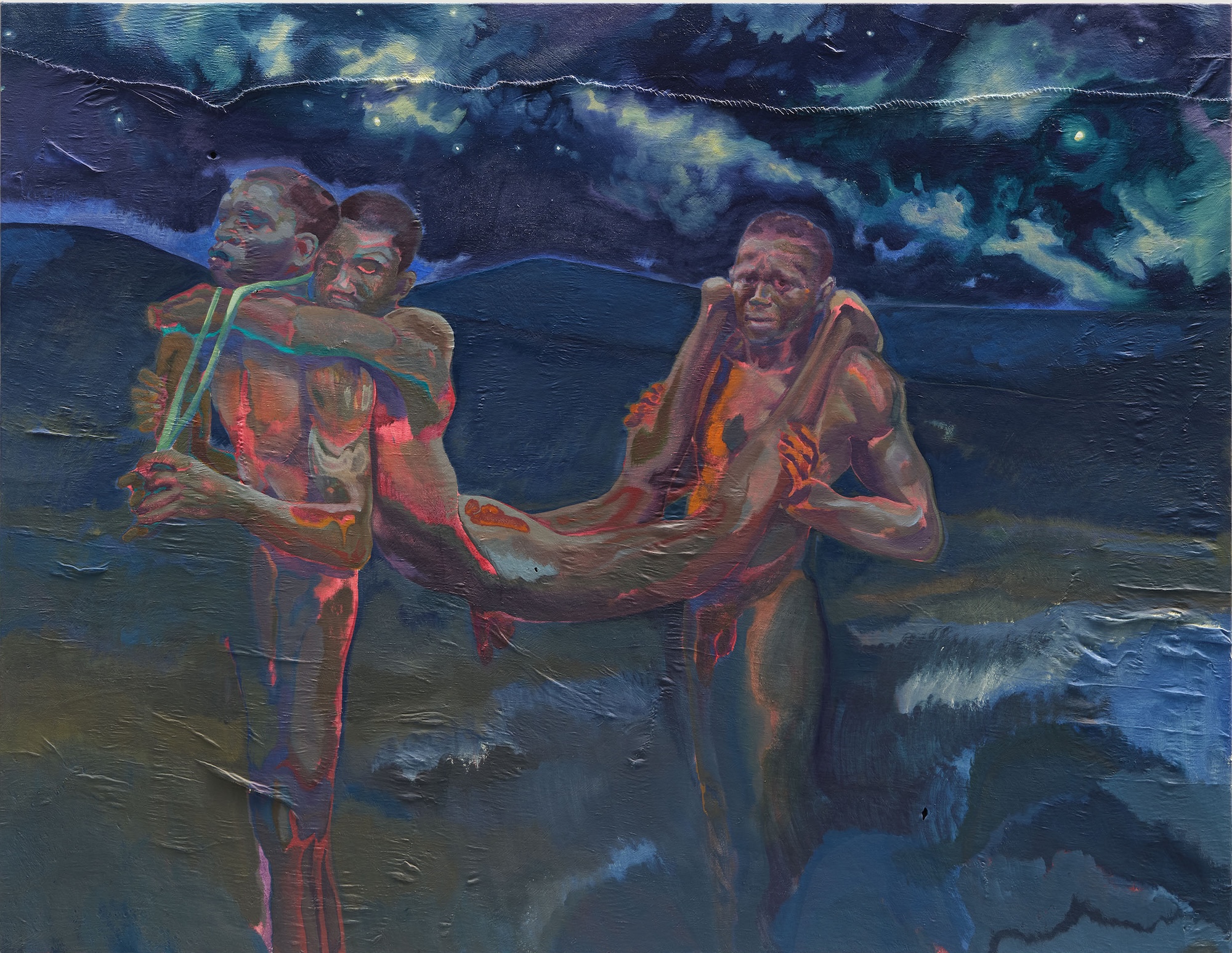
Exhibition | Everlyn Nicodemus, 'Without History' at Goodman Gallery, Cape Town, South Africa

Everlyn Nicodemus presents 'Without History' at Goodman Gallery in Cape Town, marking her first solo exhibition with the gallery and a rare return to the African continent since the 1980s. The show, organized in partnership with Richard Saltoun Gallery, features major bodies of work including the 'Woman in the World' cycle and the 'Wedding' series. These works, created while Nicodemus lived across Europe, explore themes of trauma, gender, and spiritual survival through a practice that blends painting with deep archival research and social anthropology.

Border Crossings: Ten Scottish Masters of Modern Art

The McManus: Dundee's Art Gallery & Museum presents 'Border Crossings: Ten Scottish Masters of Modern Art,' an exhibition running from 28 June 2025 to 14 June 2026. Curated by Janet McKenzie, the show highlights ten Scottish-born artists—including Wilhelmina Barns-Graham, Eduardo Paolozzi, and William Turnbull—who left Scotland to train and build careers in London, Paris, and New York, contributing significantly to international modernism.

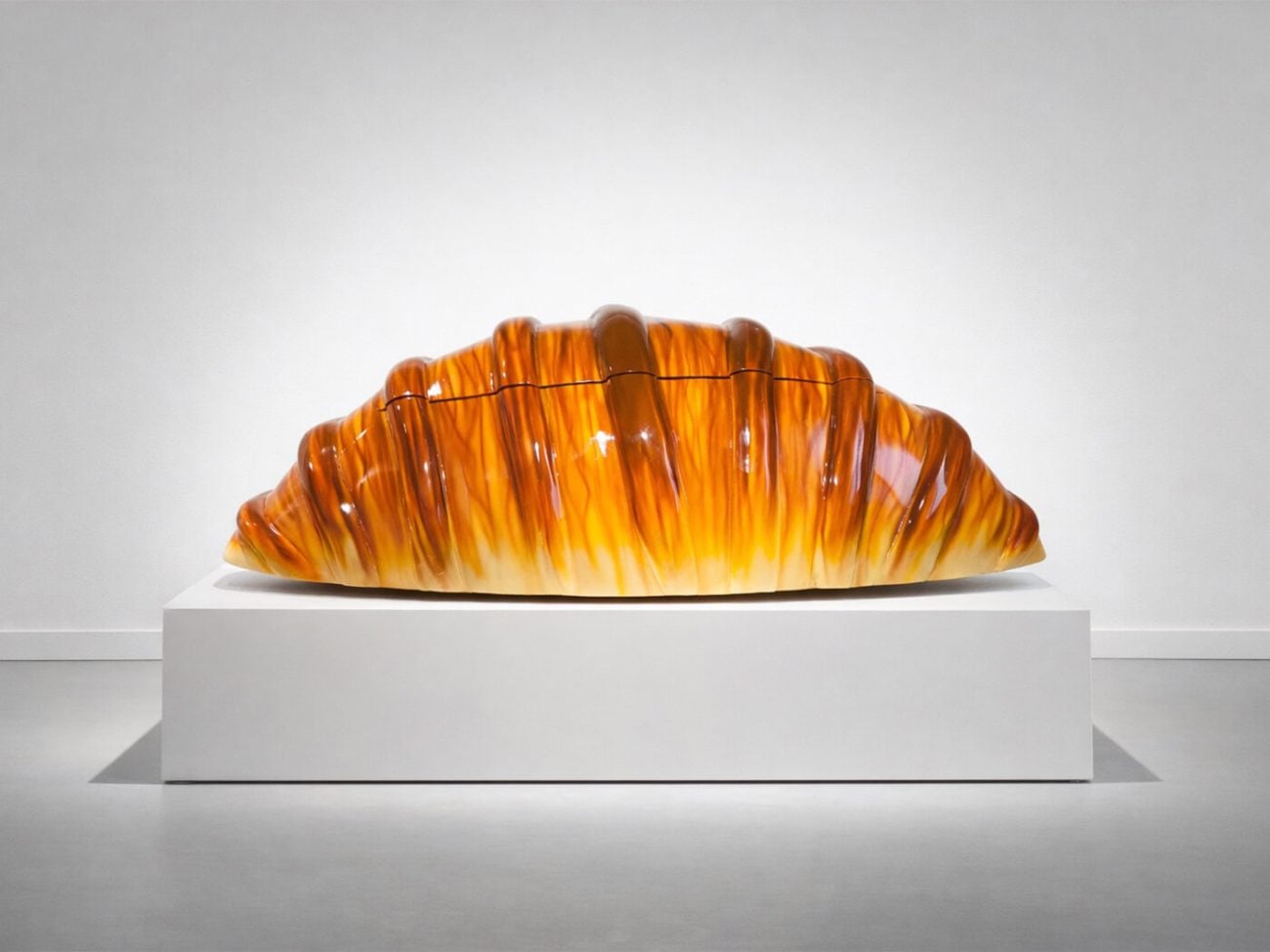
Croissant, pigeon… At Nothing Serious gallery, artist Paa Joe transforms Parisian clichés into pop coffins

Croissant, pigeon… À la galerie Nothing Serious, l’artiste Paa Joe transforme les clichés parisiens en cercueils pop

Ghanaian artist Paa Joe has transformed iconic Parisian symbols into vibrant "fantasy coffins" for his solo exhibition, "From Paa Joe to Paaris," at Galerie Nothing Serious. The show features 25 large-scale sculptures, including a Café de Flore cup, a croissant, a Renault 4L, and a bottle of Pouilly-Fumé, all handcrafted in the tradition of Ga burial customs. Created alongside his son Jacob Tetteh-Ashong, these works reinterpret French clichés through a playful yet surreal lens, marking the gallery's return after a four-year hiatus.

long lost henry raeburn painting found scottish portraitist 1234770714

A long-lost portrait of Scottish poet Robert Burns by Sir Henry Raeburn has been rediscovered and is now on display at the National Galleries of Scotland in Edinburgh. The painting was found at a London house sale last year, consigned to Wimbledon Auctions with a low estimate of £300–£500, but sold for £68,000 after intense bidding. It was purchased by Edinburgh-based art collector William Zachs, who had it restored and brought to Scotland, where experts confirmed it as an authentic Raeburn. The work is a copy Raeburn made in 1803 of a 1787 portrait by Alexander Nasmyth, commissioned by London publishers Cadell & Davies but lost shortly after completion.

robert burns portrait rediscovered 2739747

A long-lost portrait of Scottish poet Robert Burns, painted by Henry Raeburn in 1803, has been rediscovered after 200 years. The painting was found at a house clearance sale by Wimbledon Auctions in London, where it was estimated at just £300–£500 but sold for £68,000 after a bidding war. It has since been conserved and authenticated by the National Galleries of Scotland, and is now on public display in Edinburgh alongside the original 1787 portrait by Alexander Nasmyth, just in time for Burns Night celebrations.

campaign for barbara hepworth sculpture gathers momentum 82025

A campaign to return Barbara Hepworth's sculpture "Rock Form" (1964) to the Mander Centre in Wolverhampton, UK, is gaining momentum. The sculpture, valued at £1 million, was removed from the shopping centre in June 2024 during a redevelopment. Campaigners argue it was originally offered to the previous owner at cost price on the condition of public display, and they fear current owners—the Royal Bank of Scotland and Delancey—may sell it privately.

Ayan Farah and Asmaa Jama on Representing Somalia at the 61st Venice Biennale

Ayan Farah and Asmaa Jama, two of the three artists representing Somalia at the 61st Venice Biennale (2026), discuss their plans for the national pavilion in an interview with ArtReview. Farah will present an installation of large-scale embroidered landscape paintings using clay pigment sourced from Somalia and shell-derived pigment from Scotland, alongside silk paintings exploring time and nature. Jama will focus on the Somali poetry form saddexleey, creating a sensorial experience through moving image, installation, and visual artworks that draw on magical realism and cinematic surrealism. The pavilion is located in the Palazzo Caboto, and the third representative is poet Warsan Shire.

David Zwirner inaugurates new gallery space with Michael Armitage exhibition.

David Zwirner is opening a new gallery building in Chelsea at 533 West 19th Street, inaugurated by an exhibition of new work by Kenyan-British artist Michael Armitage. Titled "Crucible," the show runs from May 8 to June 27, 2025, and features new paintings and bronze reliefs that explore the theme of migration, using Lubugo bark cloth as a support. This is Armitage's first solo show with the gallery since his representation was announced in 2022 and his first solo presentation in New York since 2019.

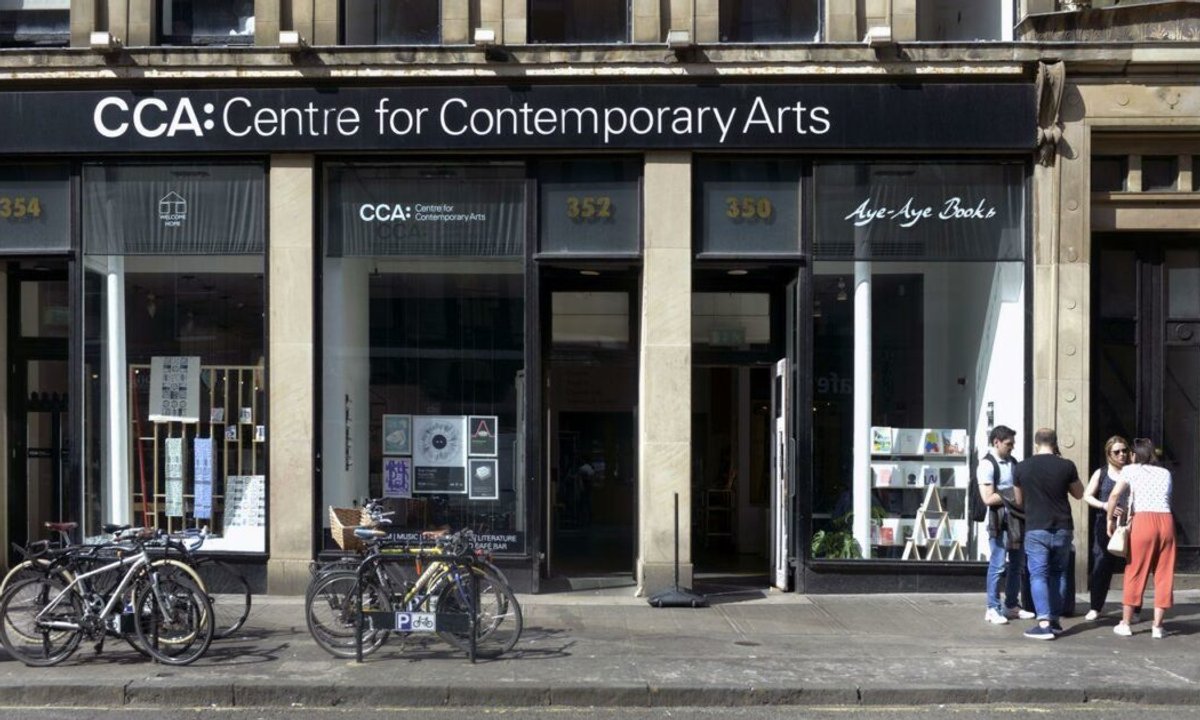
Glasgow’s Centre for Contemporary Arts to close permanently

Glasgow's Centre for Contemporary Arts (CCA) is closing permanently and entering liquidation, effective January 30. The 33-year-old venue, a key hub for experimental art, has cancelled all programs and made its 39 staff redundant. The closure follows a series of financial and operational crises, including a fire-related closure, the pandemic, a staff dispute, and protests over its stance on Israel.

Sound and vision: artists take to the decks for Peter Doig’s Serpentine show

Peter Doig's exhibition 'House of Music' at Serpentine South in London centers on the relationship between visual art and sound, featuring paintings like 'Maracas' (2002-08) and 'Music of the Future' (2002-07) alongside a restored Western Electric/Bell Labs sound system from the late 1920s. The show includes a series of live Sunday events called 'Sound Service,' where Doig, Ed Ruscha, Arthur Jafa, and others play records, transforming the gallery into an immersive audio-visual experience.

11 Art Shows to See in the Hudson Valley in May 2026

The article surveys 11 art exhibitions opening across the Hudson Valley in May 2026, highlighting a regional preoccupation with structure, materiality, and resistance to singular narratives. Featured shows include "Surface, Structure, String" at Hudson Hall, a textile survey curated by Richard Saja with artists like Portia Munson and Laleh Khoramian; "Jose Picayo: 35 Years in Photographs" at Robin Rice Gallery; "The Linda McCartney Retrospective: From the Light" at the Fenimore Art Museum; "Carol Seitz: Growth in Difficult Places" at Convey/er/or; and "Stephen Olivier: Hazmat" at ASK in Kingston, among others.

How to see every painting by Leonardo da Vinci

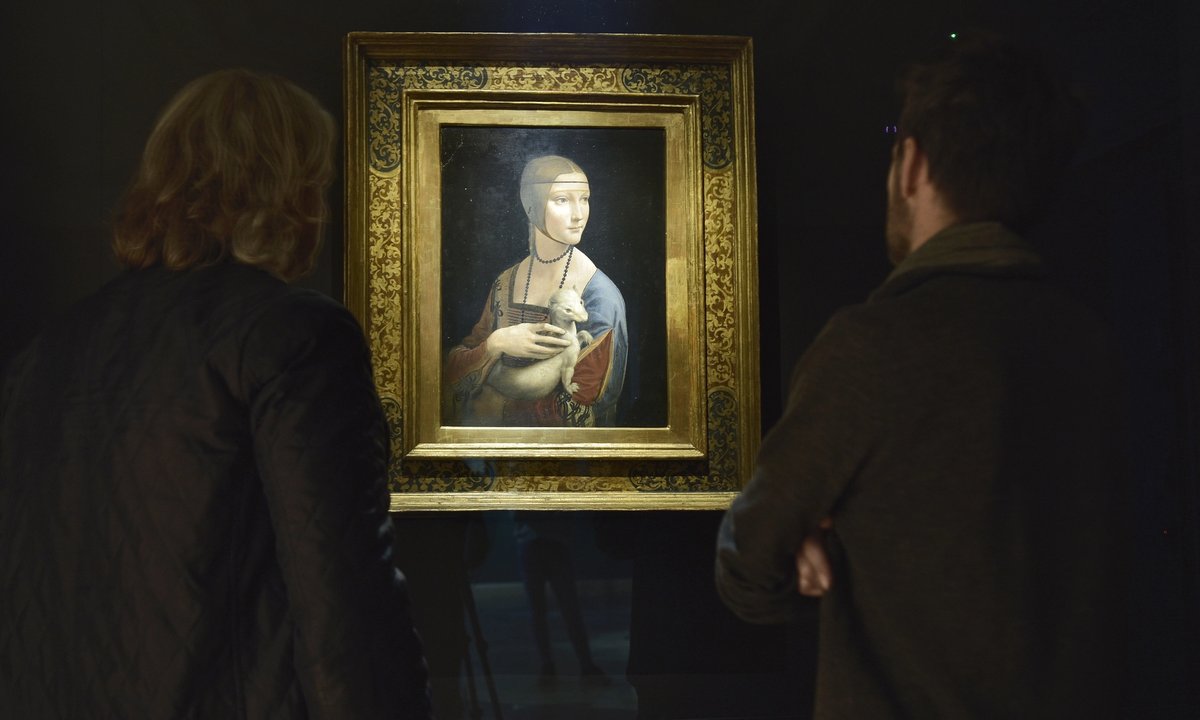
This article guides readers on a global tour to see every surviving painting by Leonardo da Vinci, numbering around 16 works predominantly by the master himself, plus a few with his intervention. It traces his career through Florence, Milan, Rome, and France, highlighting key locations such as the Louvre, the National Gallery in London, the Alte Pinakothek in Munich, the Hermitage in St. Petersburg, the National Gallery of Scotland in Edinburgh, and museums in Washington, D.C., and Krakow. The piece also notes the disputed attribution and unknown whereabouts of the $450m Salvator Mundi.

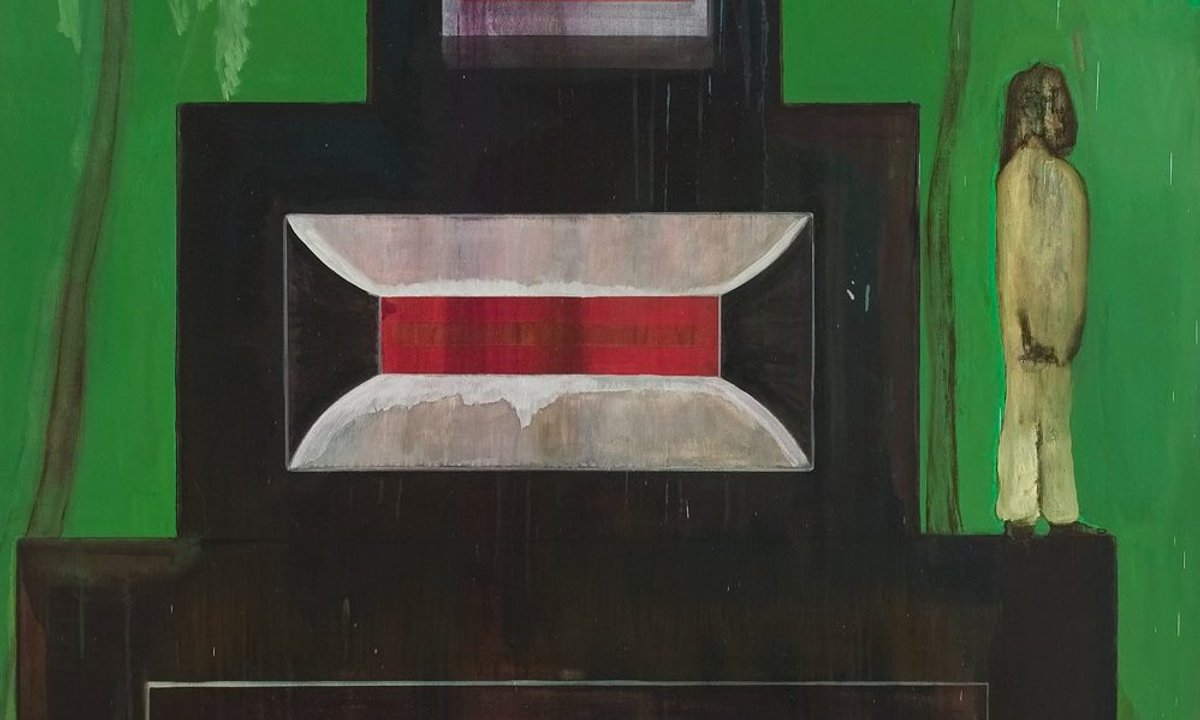
Andrew Cranston’s Paintings of Dreamlike Domesticity

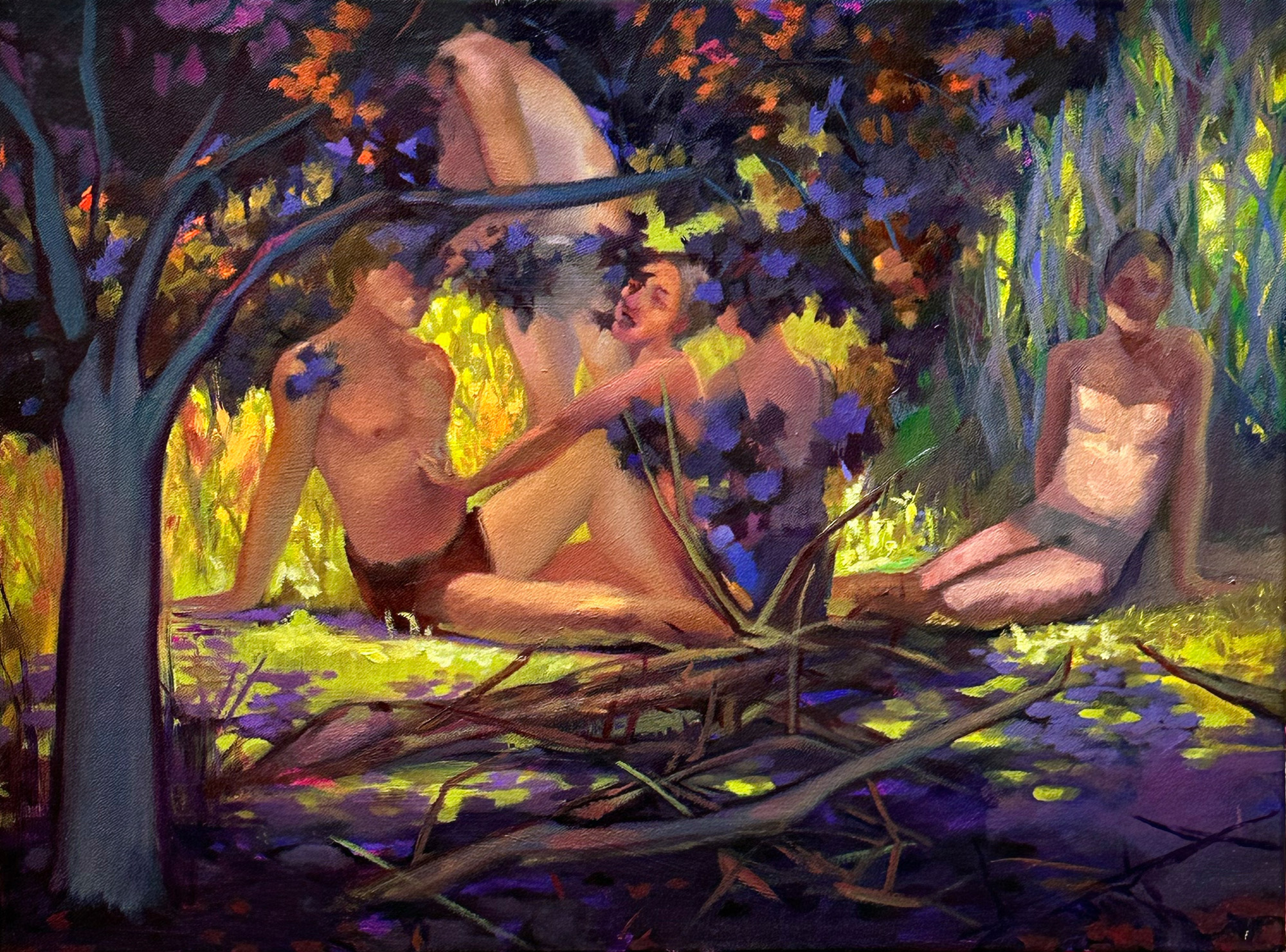
Scottish artist Andrew Cranston has opened a new solo exhibition titled 'I’m going in a field' at Modern Art gallery in London. The show features eleven paintings that blend landscape, memory, and domestic scenes, drawing inspiration from the artist's childhood in Hawick, Scotland, and his reflections on activities like golf, which he views as a form of landscape experience.

‘Still lots to talk about’: UK galleries team up to shine light on female artists

A new exhibition titled 'Making Her Mark' opens at Penlee House in Penzance, Cornwall, featuring works by prominent British female artists such as Tracey Emin, Barbara Hepworth, Laura Knight, Elizabeth Forbes, and Gillian Ayres. The show is a collaboration between Penlee House, Worcester City Art Gallery and Museum, and Kirkcaldy Galleries in Fife, Scotland, with each contributing more than 20 works. It is the first exhibition launched under Art Fund's £5 million 'Going Places' programme, which unites 20 museums across the UK over five years to share and celebrate their collections.

Tanoa Sasraku: ‘I don’t see that the work needs to live forever’

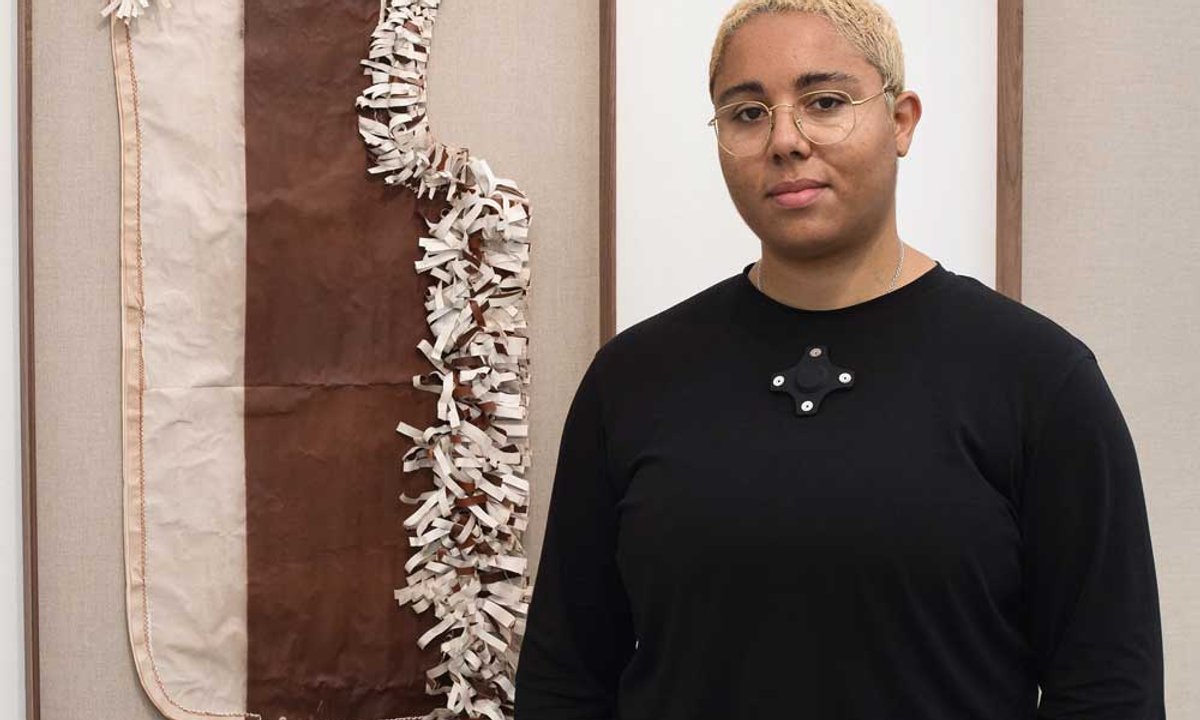
The Institute of Contemporary Arts (ICA) in London has opened "Morale Patch," an exhibition of new work by Plymouth-born multimedia artist Tanoa Sasraku. The show centers on "Watchlist," a commission featuring a collection of branded trinkets from oil companies, and "Subdued Morale Patch," a series of experimental works on paper created using a novel printing technique with water and ultraviolet light. Sasraku's work explores raw materials, particularly crude oil, as a vehicle to examine themes of national identity and conflict, drawing on her collection of military ephemera and corporate oil-industry mementos.