filter_list Showing 660 results for "German" close Clear
search
dashboard All 660 museum exhibitions 279article news 97trending_up market 55candle obituary 47article culture 43gavel restitution 35article policy 30rate_review review 29person people 26article local 19
date_range Range Today This Week This Month All
Subscribe

À Florence, une touriste poursuivie pour avoir endommagé la fontaine de Neptune

In Florence, Italy, a 28-year-old tourist is being prosecuted for damaging the historic Neptune Fountain during a bachelorette party on the night of April 18-19. She allegedly climbed the monument on Piazza della Signoria after a dare from friends to touch the statue's intimate parts, causing an estimated €5,000 in damages to the horses' legs and a decorative frieze. This follows a similar incident in September 2023, when a 22-year-old German tourist caused €5,000 in damage to the same fountain while posing for photos.

Who Are These People? A Conversation with Kai Althoff by Carlo Antonelli

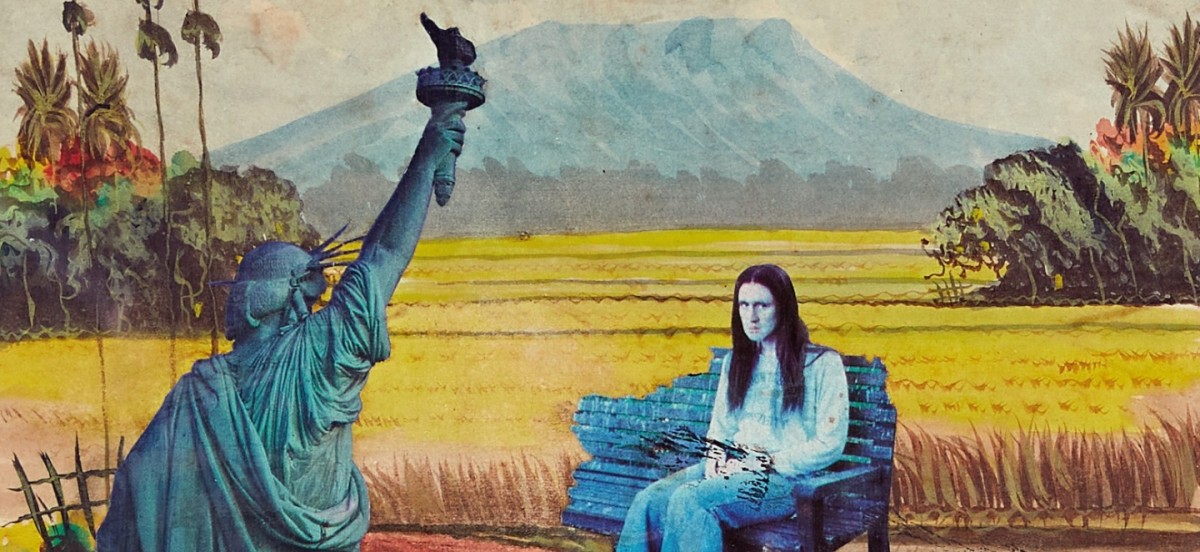
In an intimate interview with Carlo Antonelli, German artist Kai Althoff discusses the psychological origins of the figures that populate his paintings and his collaborative history with Isa Genzken. Althoff describes his characters as a mix of imagined friends, despicable archetypes, and spirits that emerge subconsciously to outshine his own perceived mediocrity. He also reflects on his early influences, ranging from German-localized Marvel horror comics to the improvisational 'home video' skits he produced with Genzken, which he characterizes as a film about love.

Participatory Design or Processual Formalism? Frei Otto, the Ökohaus, and the Ökohäusler by Matthew Kennedy

The Ökohaus (Eco-House) project in Berlin stands as a radical experiment in participatory architecture, born from the 1987 Internationale Bauausstellung (IBA) urban renewal program. Designed by Frei Otto, the complex features three residential buildings characterized by a 'double informality' where dense foliage and a patchwork of diverse cladding materials—ranging from timber and metallic shingles to exposed concrete—create a ruin-like yet meticulously resolved aesthetic. The project challenged traditional housing models by allowing residents, or 'Ökohäusler,' to engage in a collective and individualized construction process.

Alphabet of bread and love for animals. Uri Aran's exhibition at the Museo Madre in Naples

Alfabeto di pane e amore per gli animali. La mostra di Uri Aran al Museo Madre di Napoli

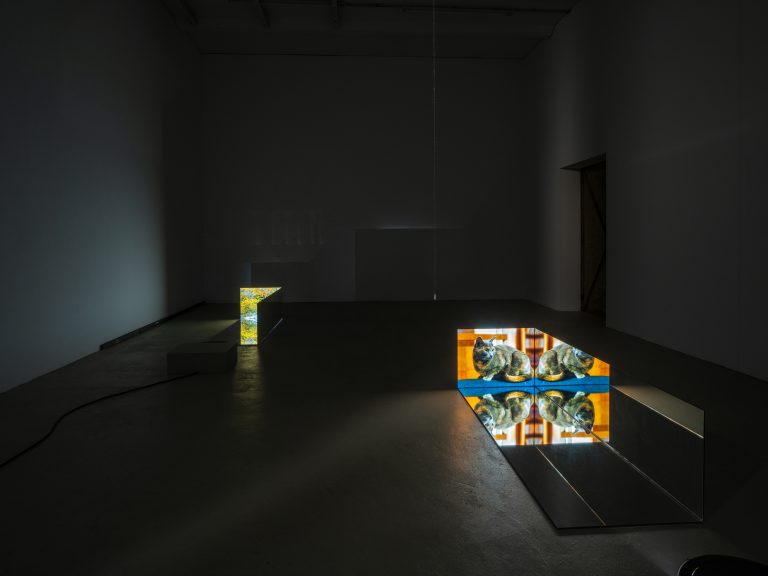
Uri Aran's solo exhibition at the Museo Madre in Naples, curated by director Eva Fabbris, explores language, communication, and connection through a range of works including video, sculpture, and an edible alphabet made of bread. The show, titled "Untitled (I love love)" after a video work, invites viewers into a space where meaning is fluid and inclusive, challenging rigid linguistic structures. Key pieces include the video "Untitled (I love you)" (2012), where Aran addresses plastic animals, and "Untitled (Bread Library)" (2025), a bread alphabet that visitors can rearrange to create new messages.

At the 2026 Venice Biennale, Spain transforms its Pavilion into a museum of accumulation with artist Oriol Vilanova

Alla Biennale Arte 2026 la Spagna trasforma il suo Padiglione in museo dell’accumulo con l’artista Oriol Vilanova

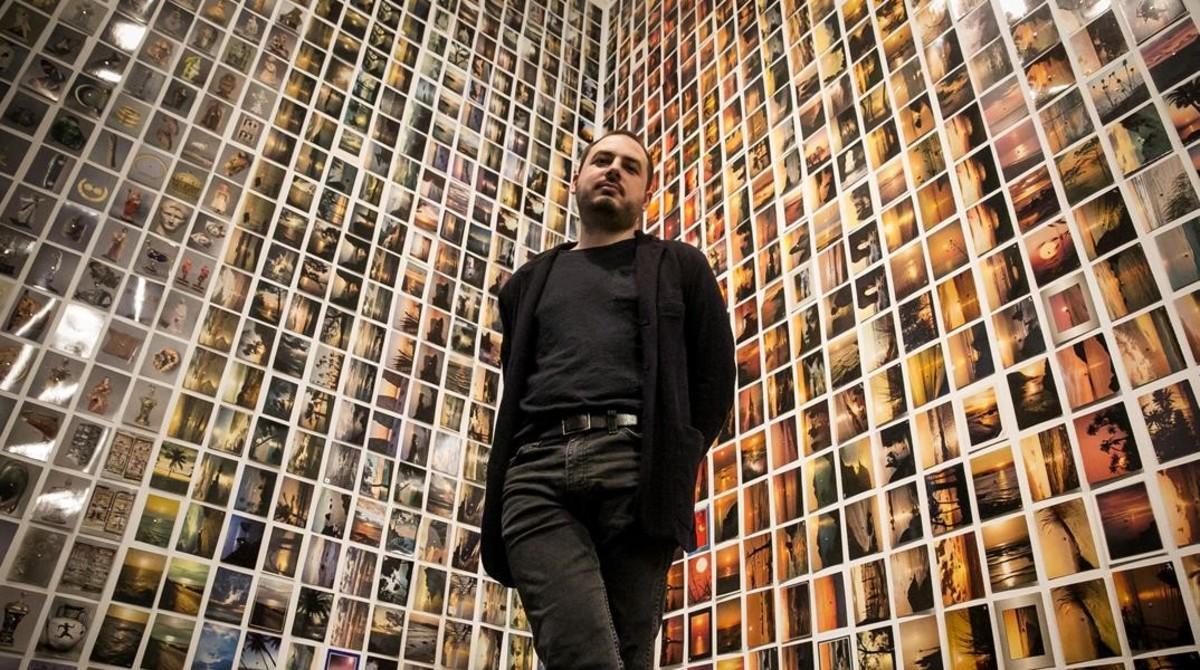
Spain has announced its participation in the 61st Venice Biennale Arte 2026, selecting Catalan artist Oriol Vilanova to represent the country in its newly renovated national pavilion. The project, titled "Los restos," transforms the pavilion into a pseudo-museum of accumulation, featuring Vilanova's vast personal archive of postcards collected over twenty years from flea markets and secondhand circuits. The installation presents these ephemeral fragments as an infinite, non-narrative mural, exploring themes of accumulation and loss. Curated by Carles Guerra, the project also includes a performative intervention titled "Il fantasma della libertà" (2026), which will unfold across the Giardini and Arsenale during the Biennale.

“Yellow Letters”: arte e politica, libertà e censura nel nuovo film di İlker Çatak

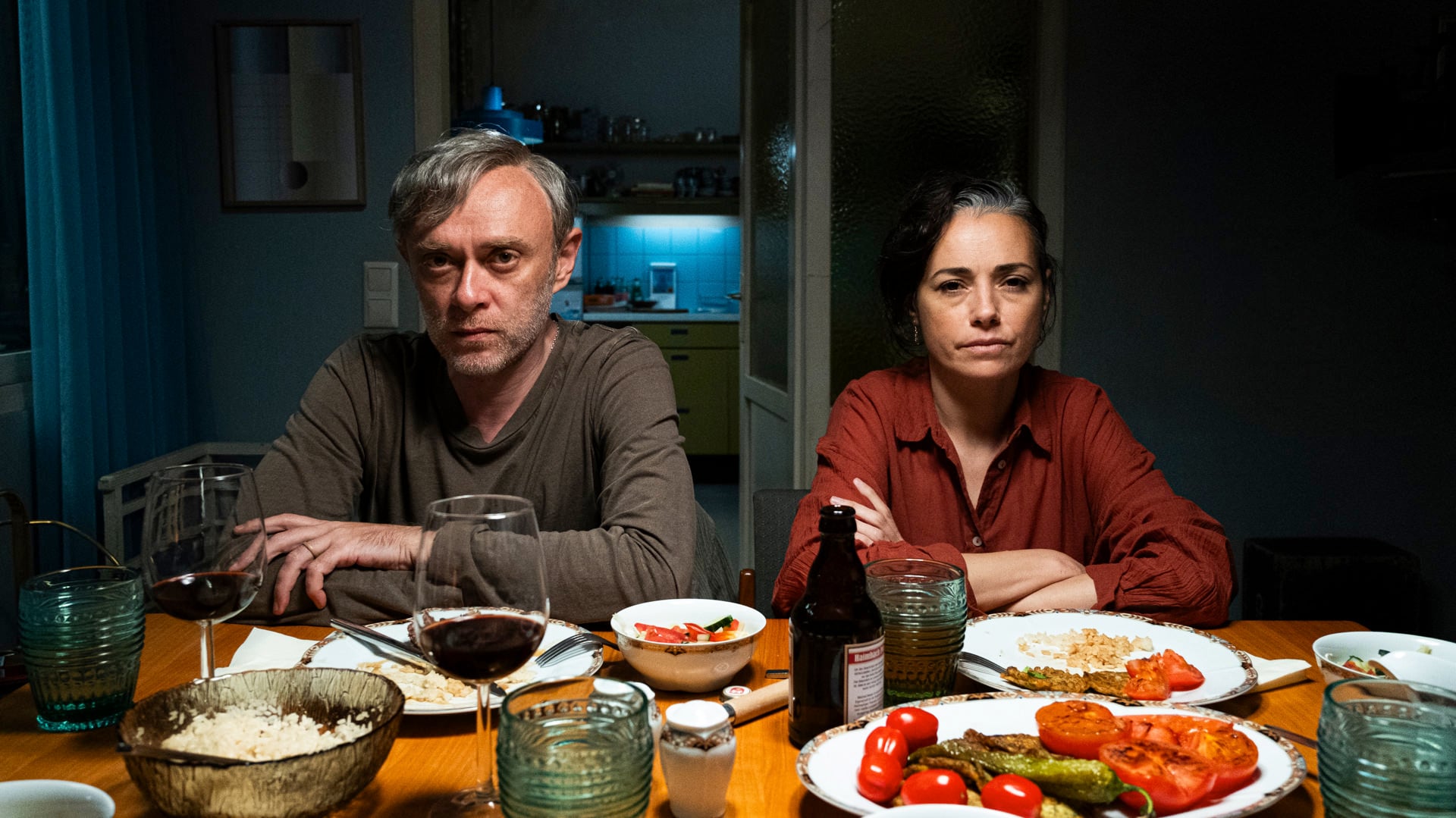
Ilker Çatak's fifth film, "Yellow Letters," premieres on April 30, 2026, distributed by Lucky Red. The story follows Derya and Aziz, a Turkish artist couple whose lives unravel after Aziz, a professor at Ankara University, receives a "yellow letter" terminating his employment. The film, inspired by post-2016 coup purges in Turkey, shifts to Berlin and Hamburg, where the director deliberately avoids mimicking Turkish locations, instead using explicit captions like "Berlin as Ankara" to create a Brechtian alienation effect. Çatak explores how arbitrary state repression fractures personal relationships and moral boundaries, drawing on interviews with artists who faced unjust dismissals.

London Gallery Cancels Antisemitic Art Exhibit After Pro-Israel Lawyers Intervene

A London gallery, Delta House Gallery in Wandsworth, canceled a traveling exhibition titled "Drawings Against Genocide" by British artist Matthew Collings after UK Lawyers for Israel (UKLFI) intervened, citing antisemitic content. The show, scheduled for May 16-24, featured drawings with swastikas, comparisons of Israel to Nazi Germany, and depictions of Jewish figures with horns, among other imagery. Gallery owner Pineapple Corporation Chairman Tom Berglund confirmed the cancellation, stating the exhibition was arranged without owner consultation.

Currently, much that was painstakingly built is being destroyed

"Aktuell wird viel zerstört, das mühsam aufgebaut wurde"

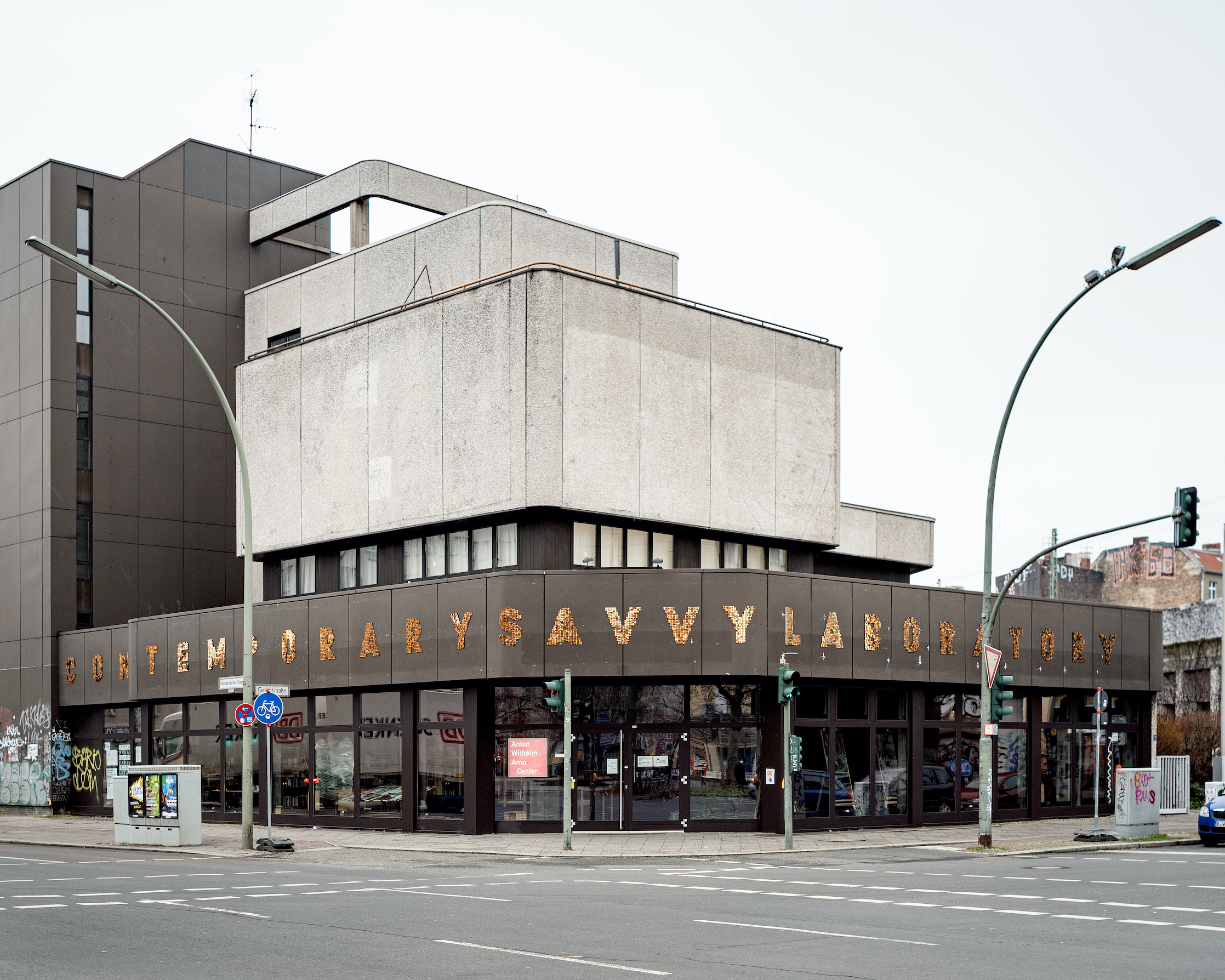
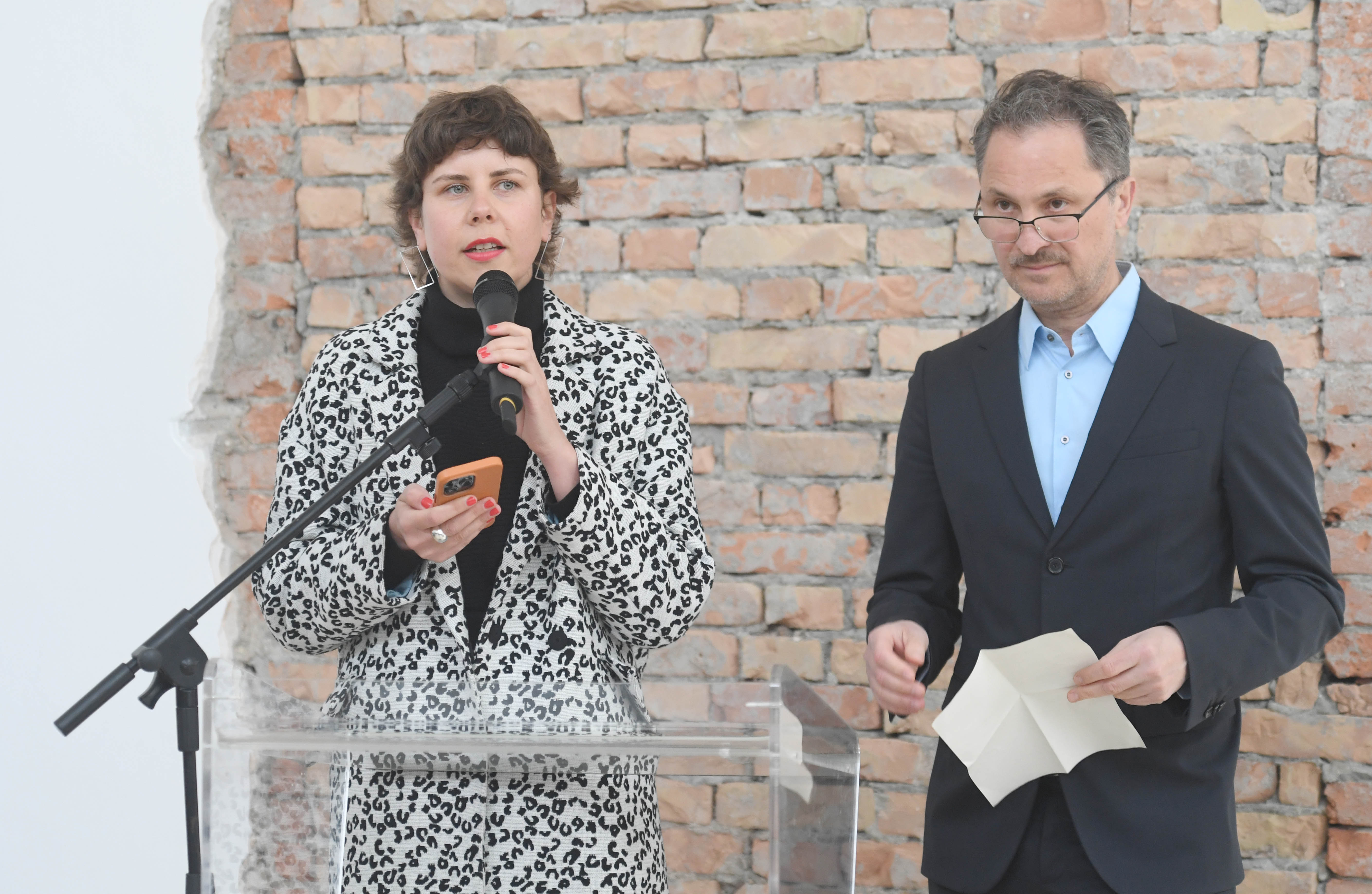
Berlin's Savvy Contemporary, a non-profit art space known for its postcolonial discourse, has been awarded the Art Basel Award in the 'Museums and Institutions' category—the only German institution to receive the honor this year. However, despite the prestigious recognition, Savvy has been unable to open any exhibitions in 2024 due to a lack of funding. In an interview, managing directors Lema Sikod and Lynhan Balatbat-Helbock discuss the award, the institution's 15-year history, and the growing difficulty of sustaining decolonial work amid rising right-wing populism and political backlash.

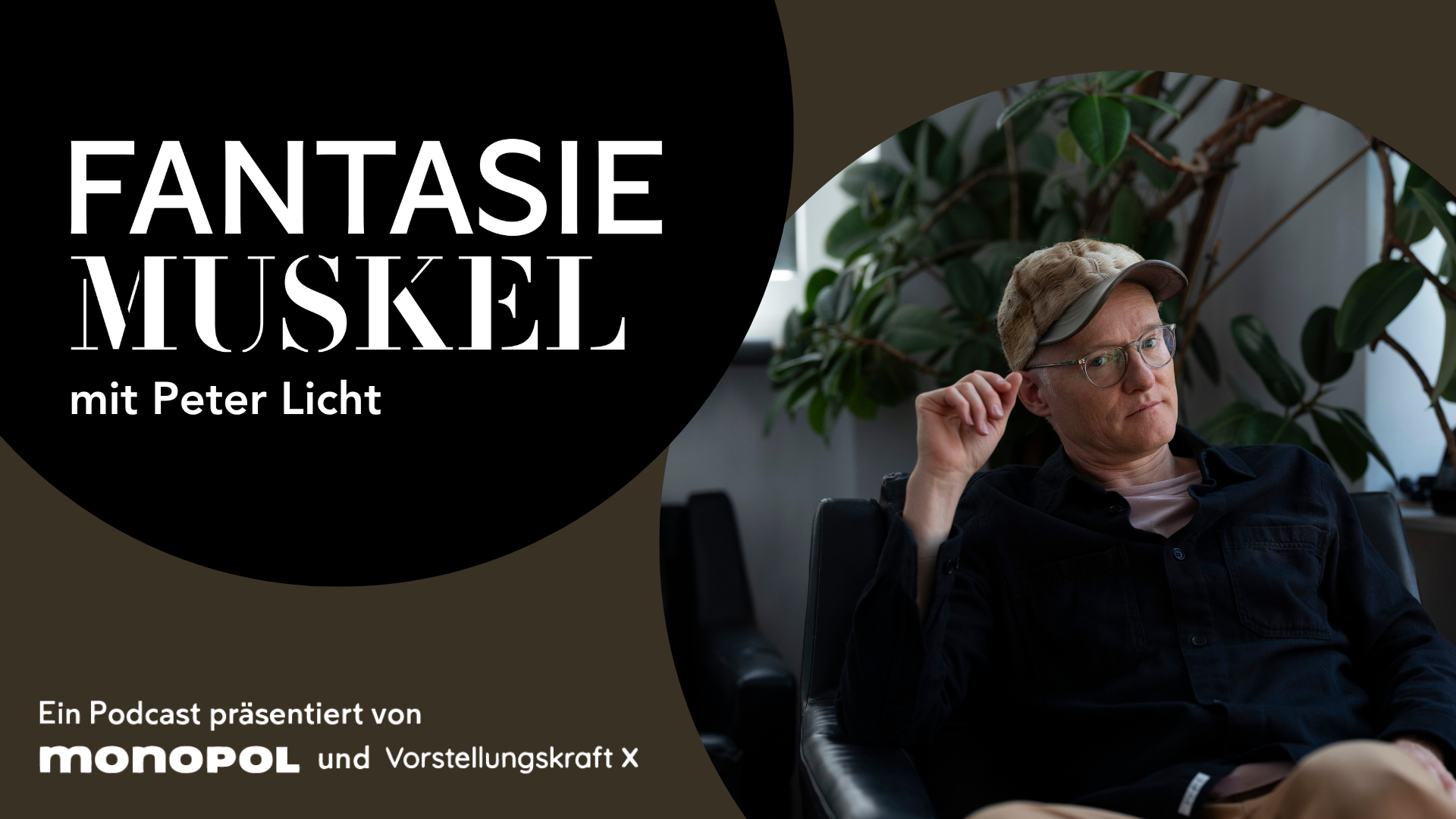
Die Welt als Sound – mit Peter Licht

Peter Licht, a German musician, author, and playwright, appears as a guest on the 82nd episode of the "Fantasiemuskel" podcast, where he discusses his view of the world as a sound phenomenon. He reflects on his 2006 song "Lied vom Ende des Kapitalismus," which preceded the 2008 financial crisis, and explores how language, fear, and utopian moments manifest through sound in his work—whether in pop songs, theater pieces, or novels. Licht also describes a recent "problem-solving show" at Schauspiel Köln, where audience members submit problems that are collectively sung, turning singing into an act of resistance and community-building.

Alchemist of Colors

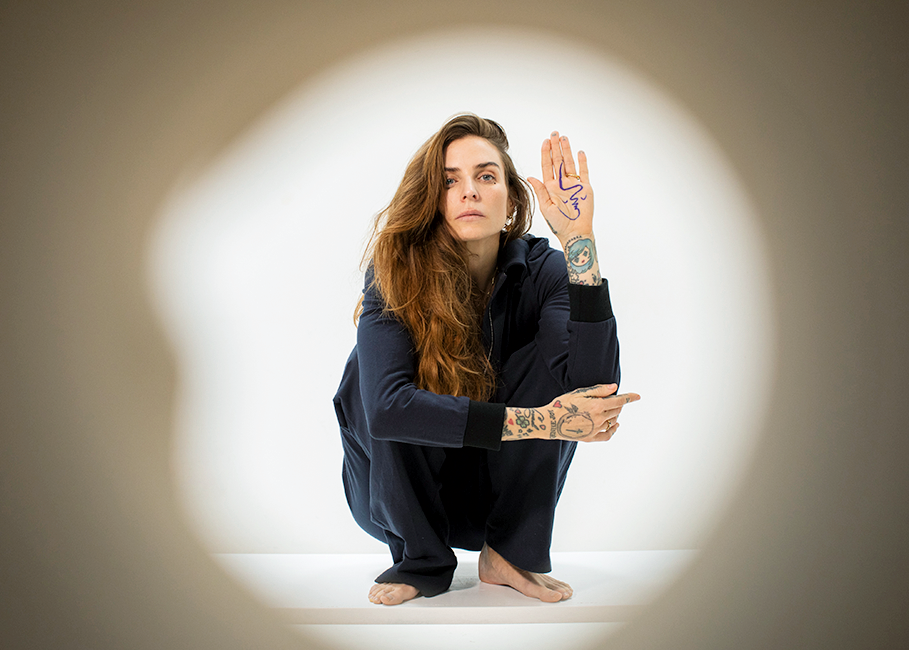
Annina Roescheisen, a German-born artist now based in New York, presents her work in Venice during the opening days of the Venice Biennale. Her paintings are created through an alchemical ritual where she mixes pigments, charcoal, ash, ink, herbs, and salts, producing pulsating fields of color that blur the line between the visible and invisible. A self-taught artist who never attended art school, Roescheisen draws on art history and philosophy, with a particular passion for medieval art. Her series "Flying Dragons" references the ancient Physiologus, and she has also produced watercolors based on drawings made with her eyes closed to explore how visual perception changes from childhood to adulthood.

How the GDR apron became Italian luxury

Wie die DDR-Schürze zum Italo-Luxus wurde

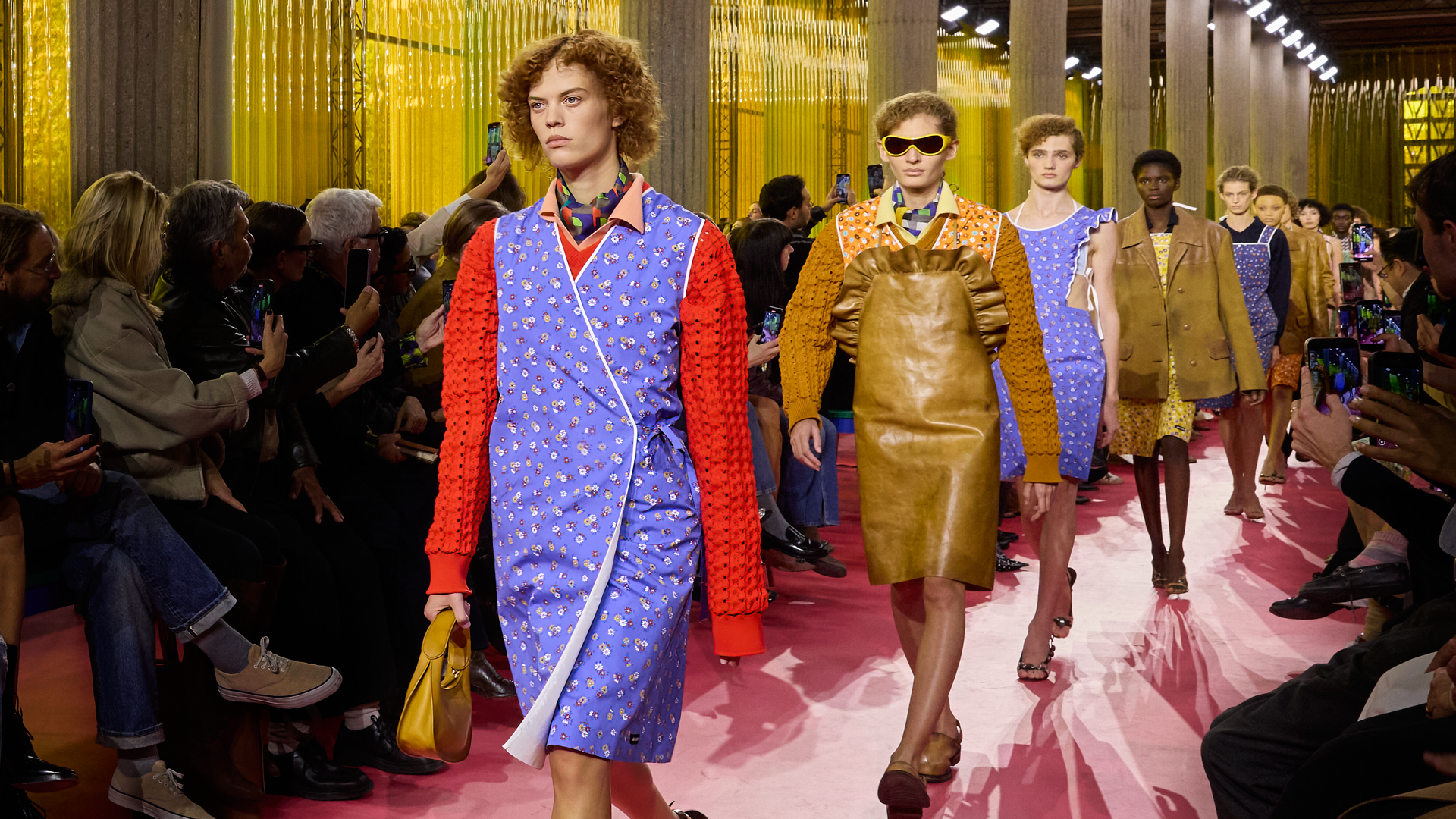
Italian luxury label Miu Miu has released dresses for summer 2026 that resemble 1980s East German kitchen aprons, with prices reaching up to €12,000 for crystal-embroidered versions. The collection debuted on the Paris runway in October, where actress Sandra Hüller opened the show in robust workwear, evoking factory workers from the former GDR. Designer Miuccia Prada, a former member of the Italian Communist Party, drew inspiration from Helga Paris's 1984 photo series "Frauen bei der Arbeit" (Women at Work), which documented female laborers in East Berlin's VEB Treffmodelle textile factory.

Gitte Zschoch wird Generalsekretärin des Goethe-Instituts

Gitte Zschoch has been appointed as the new Secretary General of the Goethe-Institut, taking over the role and chairmanship of the board on July 18. She succeeds Johannes Ebert, who has held the position since 2012 and will now lead the institute's regional office in Athens. Zschoch, currently Secretary General of the Institute for Foreign Cultural Relations (ifa), previously worked for the Goethe-Institut in various roles, including founding director of its branch in the Democratic Republic of Congo. The appointment was confirmed by German Foreign Minister Johann Wadephul and approved by the institute's presidium.

GDR Women Without Filter

DDR-Frauen ohne Filter

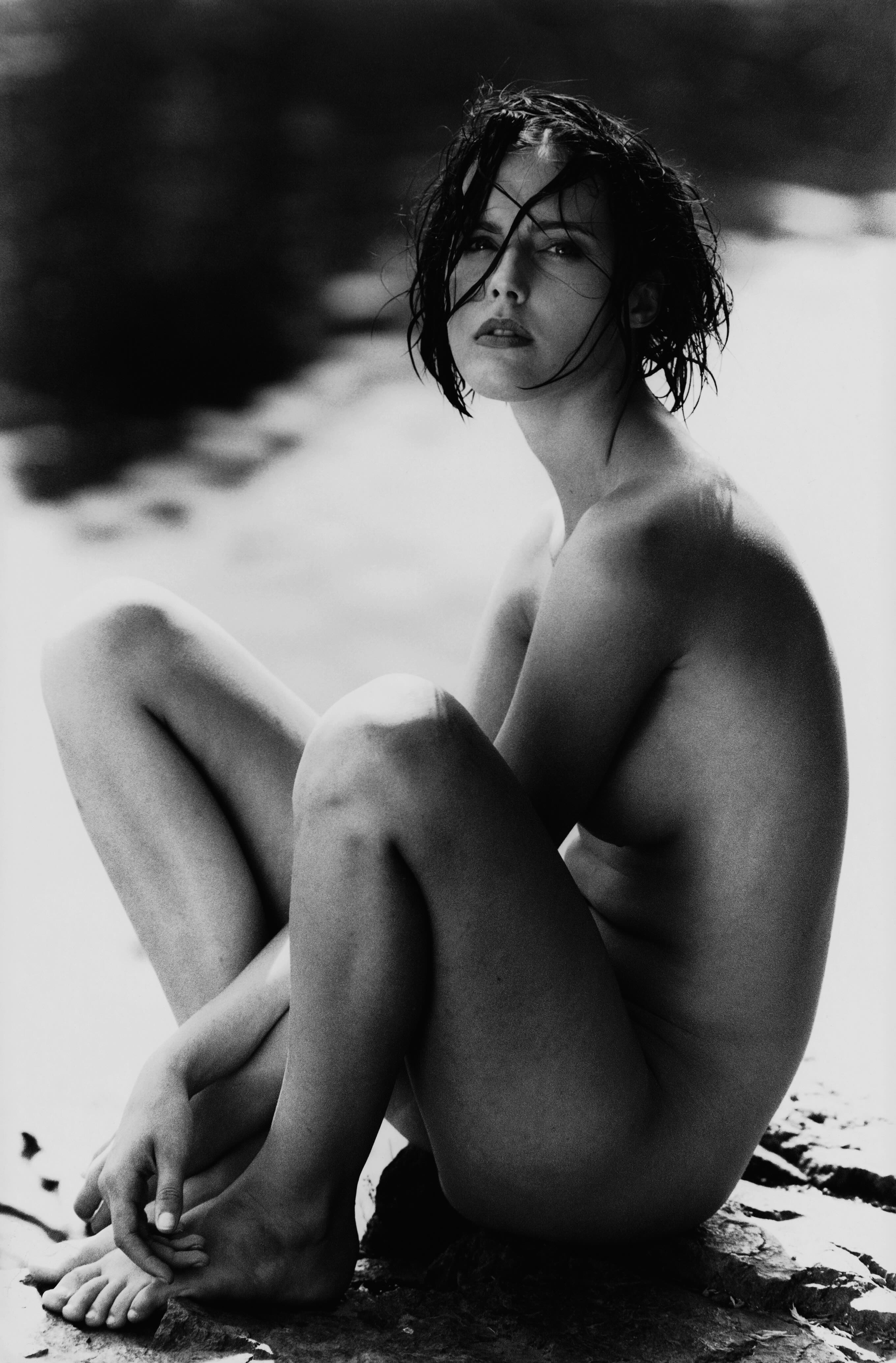
The Kunsthaus Apolda in Thuringia is presenting a posthumous retrospective of Günter Rössler, the East German photographer who defined nude and fashion photography in the GDR, on what would have been his 100th birthday. The exhibition features 130 works spanning six decades, including fashion assignments, reportage from his travels abroad, and large-format black-and-white nudes. It is curated by his widow and estate manager Kirsten Schlegel, and complemented by an audio guide in which Rössler's models reflect on their collaboration with him.

Berlin Museum to Return Almost 600 Skulls

Berliner Museum will fast 600 Schädel zurückgeben

The Prussian Cultural Heritage Foundation in Berlin has announced plans to repatriate hundreds of human skulls to West African nations following a multi-year provenance investigation. The research identified the origins of 574 skulls, with 336 linked to present-day Cameroon, 151 to Togo, 23 to Ghana, and one to Nigeria, while 63 could not be precisely located. The skulls were part of a historical anthropological collection transferred from Berlin's Charité university hospital in 2011.

Historical Museum Returns Painting

Historisches Museum gibt Bild zurück

The German Historical Museum (DHM) in Berlin has restituted a 19th-century portrait of historian Leopold von Ranke to the von der Schulenburg family. The painting by Adolf Jebens, dated 1876, was seized in 1945 during a land reform in the Soviet Occupation Zone from the family's Schloss Lodersleben estate. The museum's director, Raphael Gross, confirmed the return after provenance research identified the work's history.

What You Shouldn't Miss at Art Düsseldorf

Das sollten Sie auf der Art Düsseldorf nicht verpassen

The eighth edition of Art Düsseldorf is set to launch at the Areal Böhler with its most diverse lineup to date, featuring 119 galleries. This year's iteration marks a significant organizational shift with the appointment of Gilles Neiens as the fair's first Artistic Director, a role created to oversee the event's curatorial and programmatic direction. The fair continues to balance its strong regional roots in the Rhineland with an increasingly international selection of painting, sculpture, and experimental works.

Torsten Slama at Neuer Essener Kunstverein

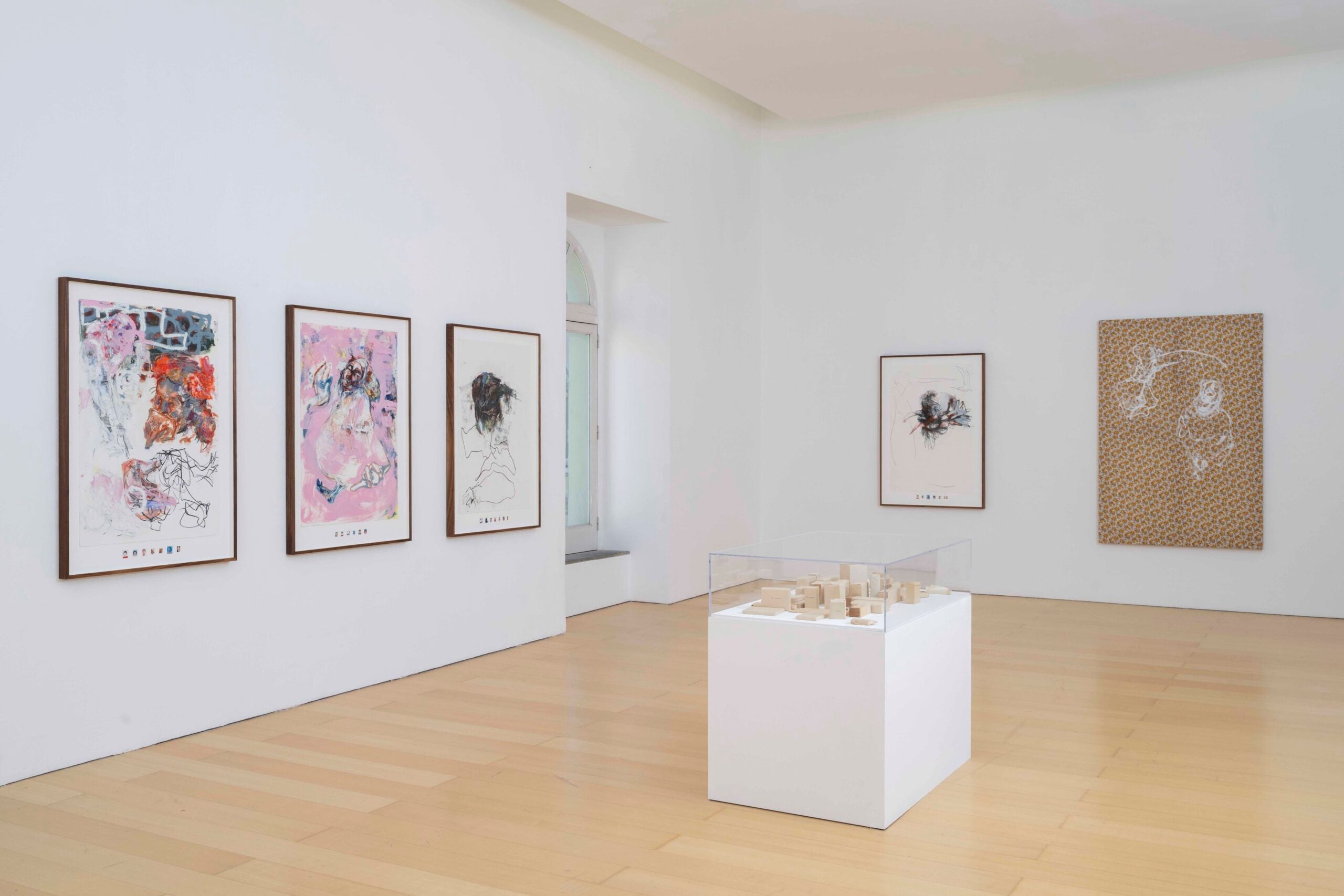
The Neuer Essener Kunstverein in Essen is presenting an exhibition titled "Die Vatermaschine" featuring the work of Torsten Slama, running from February 28 to May 24, 2026. The exhibition is documented through 26 images on Contemporary Art Daily, with press release and floor plan available.

Lenke Rothman “Quality of Life” at Kunstverein in Hamburg

The Kunstverein in Hamburg is presenting "Quality of Life," the first comprehensive survey of Swedish Hungarian artist Lenke Rothman outside of Sweden. The exhibition spans Rothman's career from the 1950s until her death in 2008, showcasing her unique oeuvre that juxtaposes everyday life with her biographical and historical experiences, characterized by a radical processing of personal and collective memory.

Lin May Saeed at Kunsthalle Bern

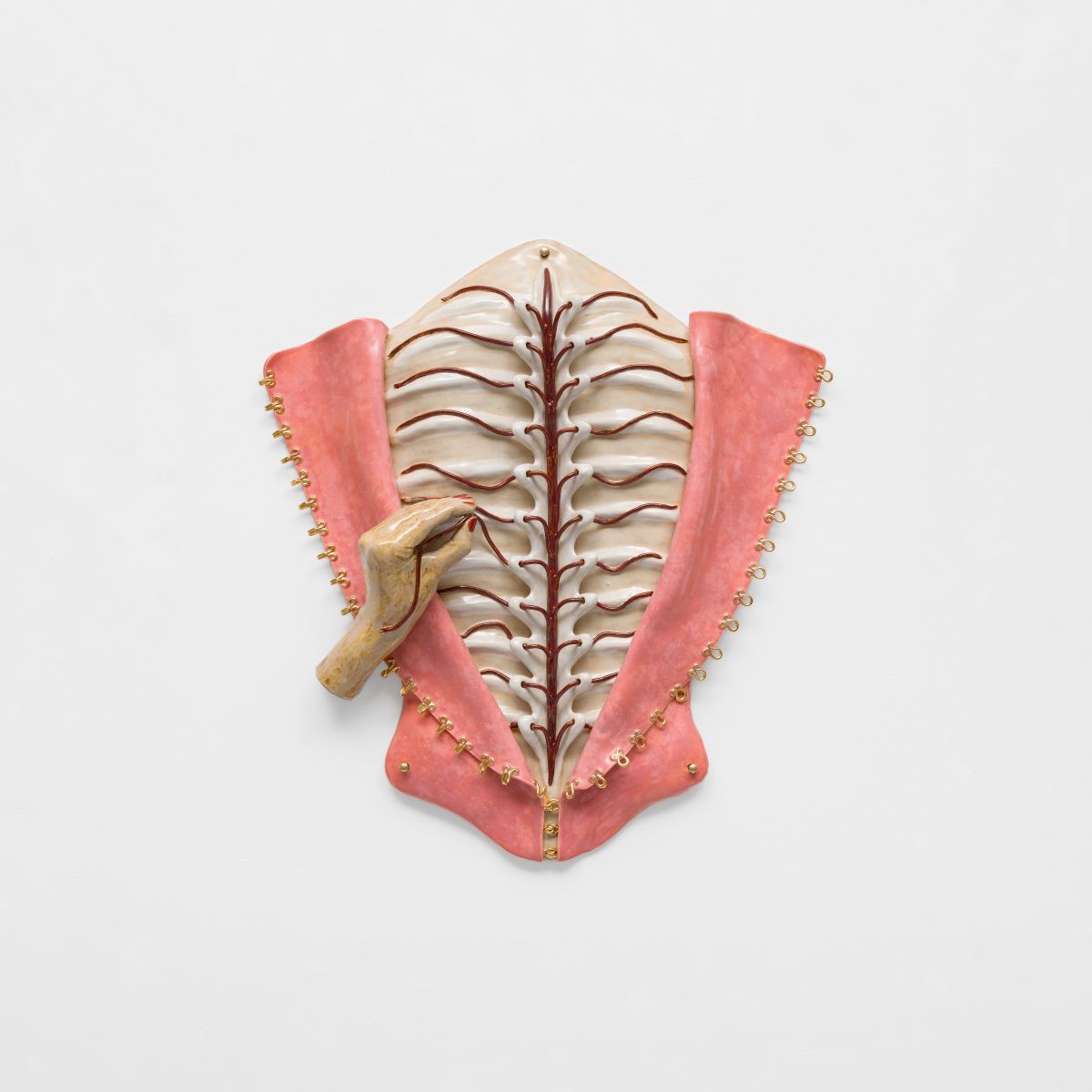
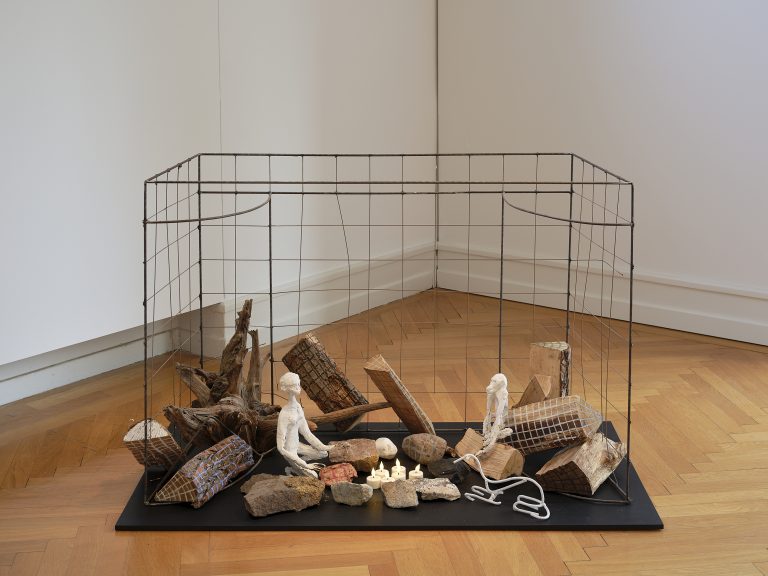
German Iraqi artist Lin May Saeed (1973–2023) is the subject of a posthumous exhibition at Kunsthalle Bern. The show presents her drawings and sculptures, which critically examine the relationship between humans and animals, positioning non-human creatures as active protagonists rather than symbols or decorative elements.

Adriana Ramić “Confusion model into a butterfly” at Kunstverein in Schwerin

The Kunstverein für Mecklenburg und Vorpommern in Schwerin is presenting Adriana Ramić's first institutional solo exhibition in Germany, titled "Confusion model into a butterfly." The exhibition features multimedia installations of video, sculpture, and language that explore hybrid identities and transcultural knowledge.

‘Apoi’ and Weaving What Remains

Ugandan artist Acaye Kerunen presents her first solo museum exhibition in Germany, titled 'Apoi,' at the Kunstmuseen Krefeld. The show, installed across the modernist spaces of Haus Lange and Haus Esters, features handwoven textiles, sculpture, sound, and film that draw on Indigenous knowledge systems and intergenerational exchange. It is part of the museum's ongoing 'HL HE Dialog: What Comes After Art' series.

design cultured at home magazine

CULTURED magazine has launched a new special edition titled "CULTURED at Home," which explores how artists and designers create expressive, non-neutral domestic spaces. The issue features intimate explorations of homes, ruined gardens, and interiors, with contributions from critics, novelists, filmmakers, performers, and designers, aiming to capture the improvisational magic and sensory richness of everyday life.

fashion fall winter isabelle wenzel

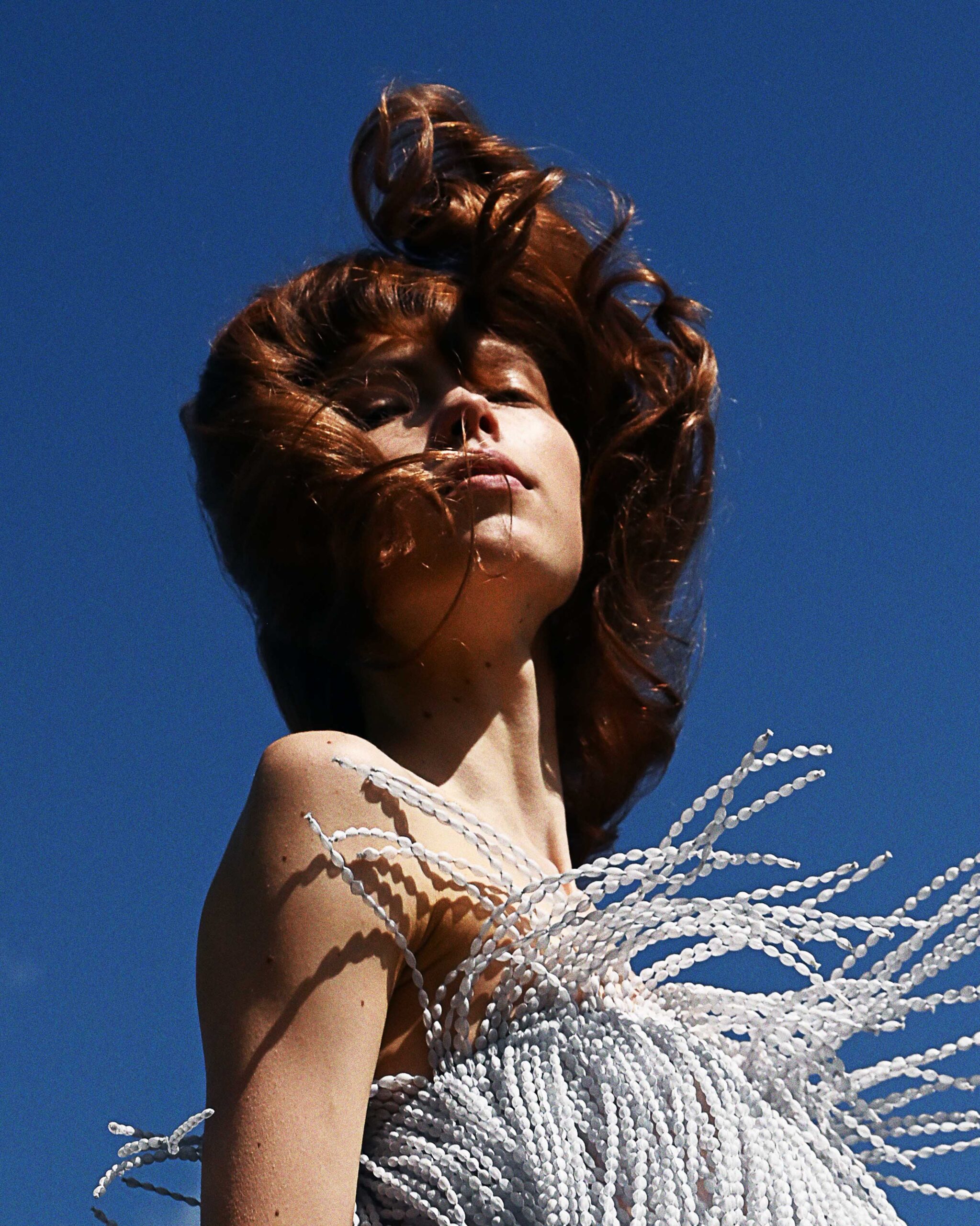
German acrobat-turned-photographer Isabelle Wenzel photographed Fall/Winter 2025 looks from Balenciaga, Loewe, Miu Miu, Alaïa, and other fashion houses for CULTURED's Art + Fashion issue. Her images capture models in sculptural garments—voluminous fabrics, reflective leather, silky fringe—as they tumble, leap, and contort, blending precision with play. The shoot features models Anneliek Heuvel and Akti Konstaninou wearing pieces by Vaquera, Acne Studios, Issey Miyake, Prada, Valentino, Gucci, Chanel, Givenchy, Saint Laurent, and more, with creative direction by Studio&.

Harta Space's 'A Third Eye' exhibition pays tribute to late multi-dimensional artist Askandar Unglehrt

Harta Space in Penang is hosting 'A Third Eye', an exhibition paying tribute to the late multi-dimensional artist Askandar Unglehrt. Born in Germany, Unglehrt studied at the Sorbonne in Paris during the 1960s, where he was influenced by Dadaism and surrealist poet Jean Hans Arp. He later settled in Malaysia, taught at Universiti Sains Malaysia, and developed a distinctive artistic practice rooted in collage, assemblage, and the concept of a 'third eye' that synthesizes Eastern and Western perspectives. The exhibition explores his humorous, esoteric works and his lifelong questioning of art's seriousness.

German Provocateur Artist Sentenced to 8.5 Years in Prison in Russia After Mocking Putin

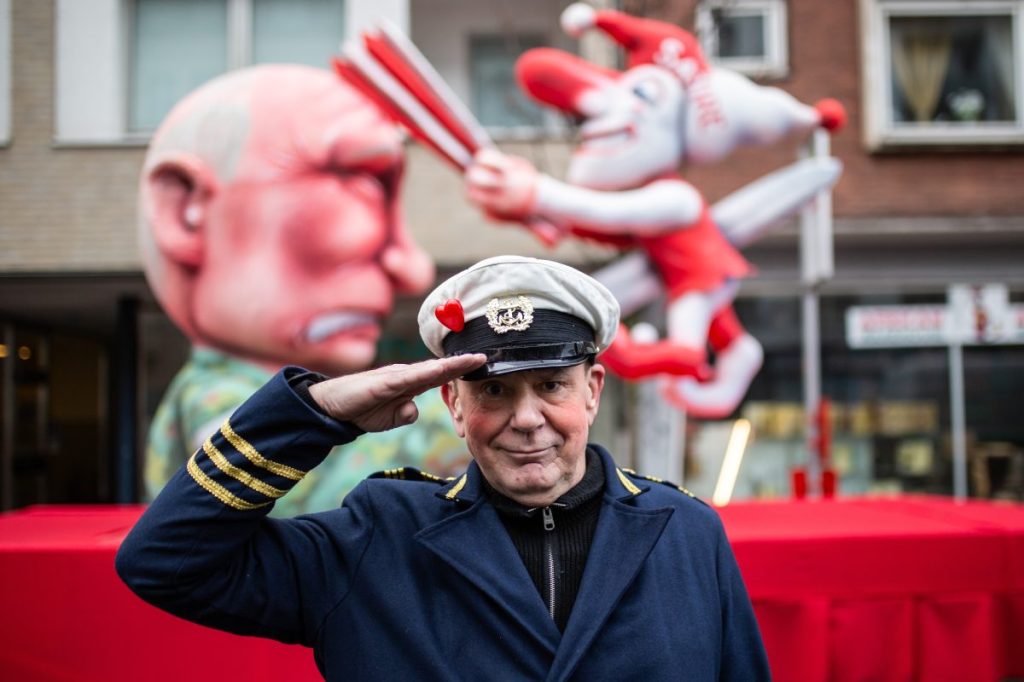
German carnival float artist Jacques Tilly has been sentenced in absentia to 8.5 years in a Russian prison. A Moscow court convicted him on charges of spreading false information about the Russian military and insulting religious feelings due to his satirical floats depicting President Vladimir Putin, including one showing Putin in a blood-filled bathtub painted like the Ukrainian flag.

Archaeologists Identify Lost Medieval Village in Polish Forest

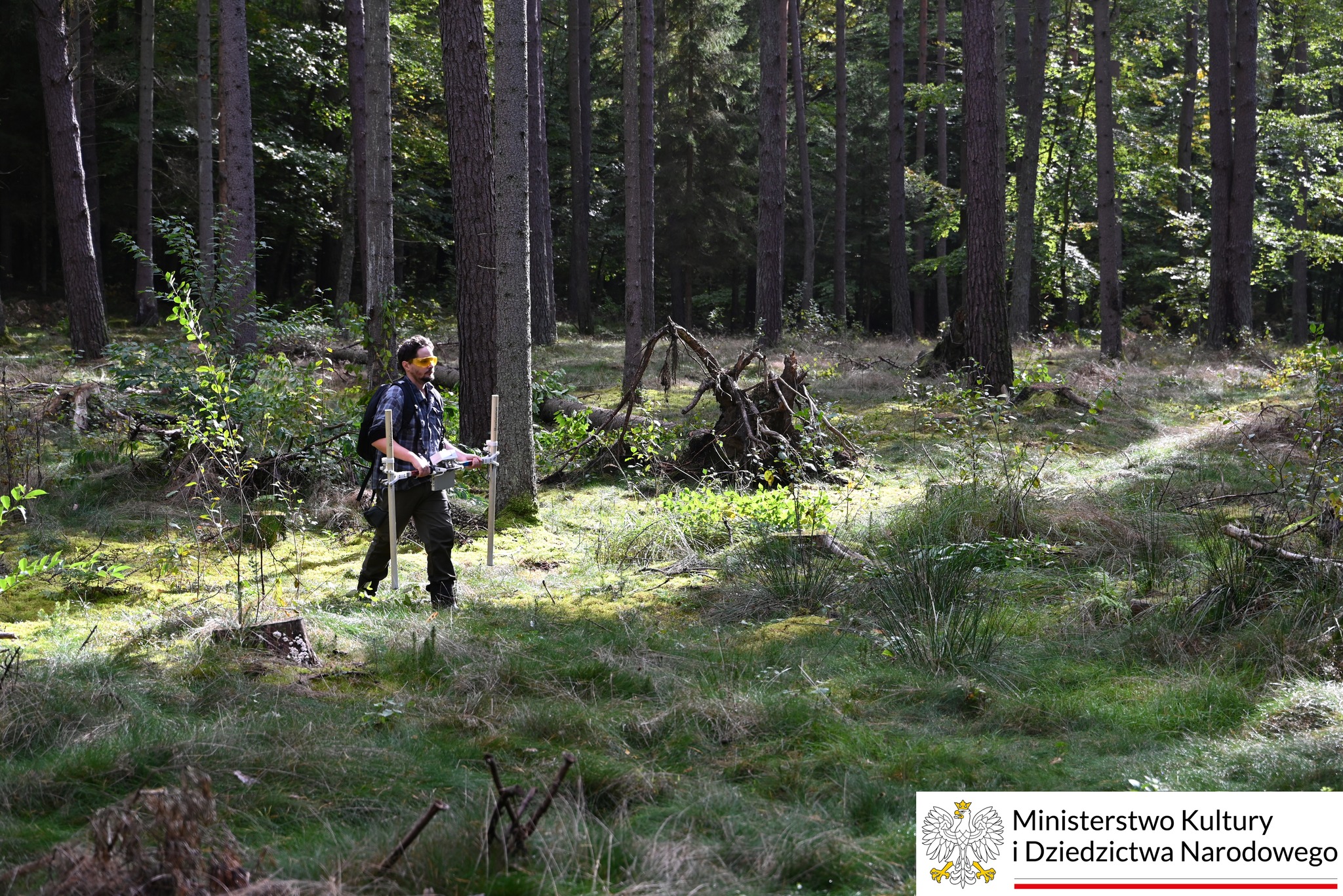
Archaeologists from Poland's Relicta Foundation have located the lost medieval village of Stolzenberg in a dense forest near Sławoborze in northwestern Pomerania. The 15-acre site, identified through a combination of historical research, metal detecting, and advanced geophysical surveys, has yielded 1,500 surface anomalies and 400 artifacts, including coins and belt buckles from the 13th-14th centuries, confirming its medieval origins. Radiocarbon dating places the height of its activity in the 14th century.

nazi bullet holes marseille madonna 1234765138

A restoration of the Madonna and Child statue atop Notre-Dame de la Garde in Marseille has revealed seven bullet holes from Nazi gunfire during World War II. The 37-foot-tall copper and iron statue, known as the Bonne Mère, was shot after the city's liberation in 1944, when German artillery units fired on the church, piercing the bell tower, breaking stained-glass windows, and destroying the ceiling mosaic. The bullet holes were discovered near the end of a five-year restoration that included re-gilding and the installation of a new crown via helicopter.

the oldest blue pigment found in europe identified 1234754260

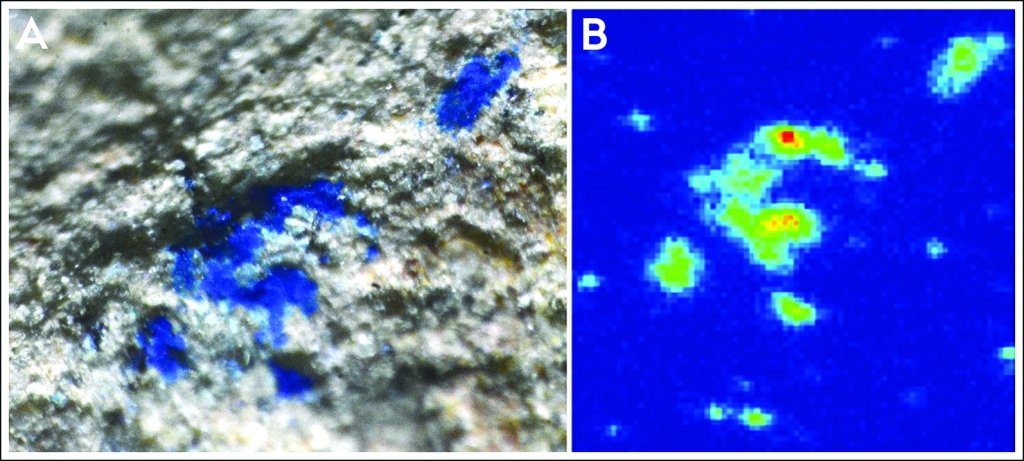
Researchers analyzing a stone from the Paleolithic site Mühlheim-Dietesheim in Germany have identified the earliest known use of blue mineral pigment in Europe. The study, published in the journal Antiquity, found traces of azurite on a roughly 13,000-year-old stone artifact, which is thought to have served as a palette for mixing pigments. This discovery challenges the long-held belief that Paleolithic art relied primarily on red and black pigments, as blue minerals like azurite had not been detected in Europe’s Paleolithic art until now.

three men convicted celtic gold coins theft germany 1234748543

Three men were convicted for stealing 483 ancient Celtic gold coins from the Kelten Römer Museum in Manching, Germany, in November 2022. The coins, dating to the 3rd century BCE and valued at several million euros, were discovered in 1999 near Manching. The thieves cut off telephone and internet service to the entire town to prevent the museum from contacting authorities. A court in Ingolstadt sentenced the men to prison terms ranging from four years and nine months to 11 years for gang robbery; a fourth defendant was acquitted of the museum heist but convicted for other thefts. DNA evidence linked the group to a string of robberies across Germany and Austria since 2014, and some coins were melted down, with 70 lost.

erotic mosaic pompeii nazi officer 1234747699

An ancient mosaic looted during World War II by a Nazi officer has been repatriated to Italy and is now on public display in Pompeii. The mosaic, which depicts an erotic bedroom scene, likely originated near Mount Vesuvius and was taken by a Wehrmacht captain who donated it to a German citizen. It was returned with the help of the Italian consulate in Stuttgart on September 16, 2023, and is now housed at the Pompeii Archaeological Park.