filter_list Showing 660 results for "German" close Clear
search
dashboard All 660 museum exhibitions 279article news 97trending_up market 55candle obituary 47article culture 43gavel restitution 35article policy 30rate_review review 29person people 26article local 19
date_range Range Today This Week This Month All
Subscribe

Week in wildlife: wild boar babies, fenland ponies and a slug with strange genitalia

The article is a photographic roundup of notable wildlife encounters and animal behaviors from around the world. It features images of wild boar piglets in Germany, a wild boar that wandered into a Berlin supermarket, a camouflaged snow leopard in Ladakh, Konik ponies sparring in a UK fenland reserve, a banana slug with unusual reproductive anatomy in California, a seagull with a sea star in Seattle, a Palestine sunbird in Israel, and rhinos reintroduced to a Ugandan national park.
Archaeologists Identify Lost Medieval Village in Polish Forest

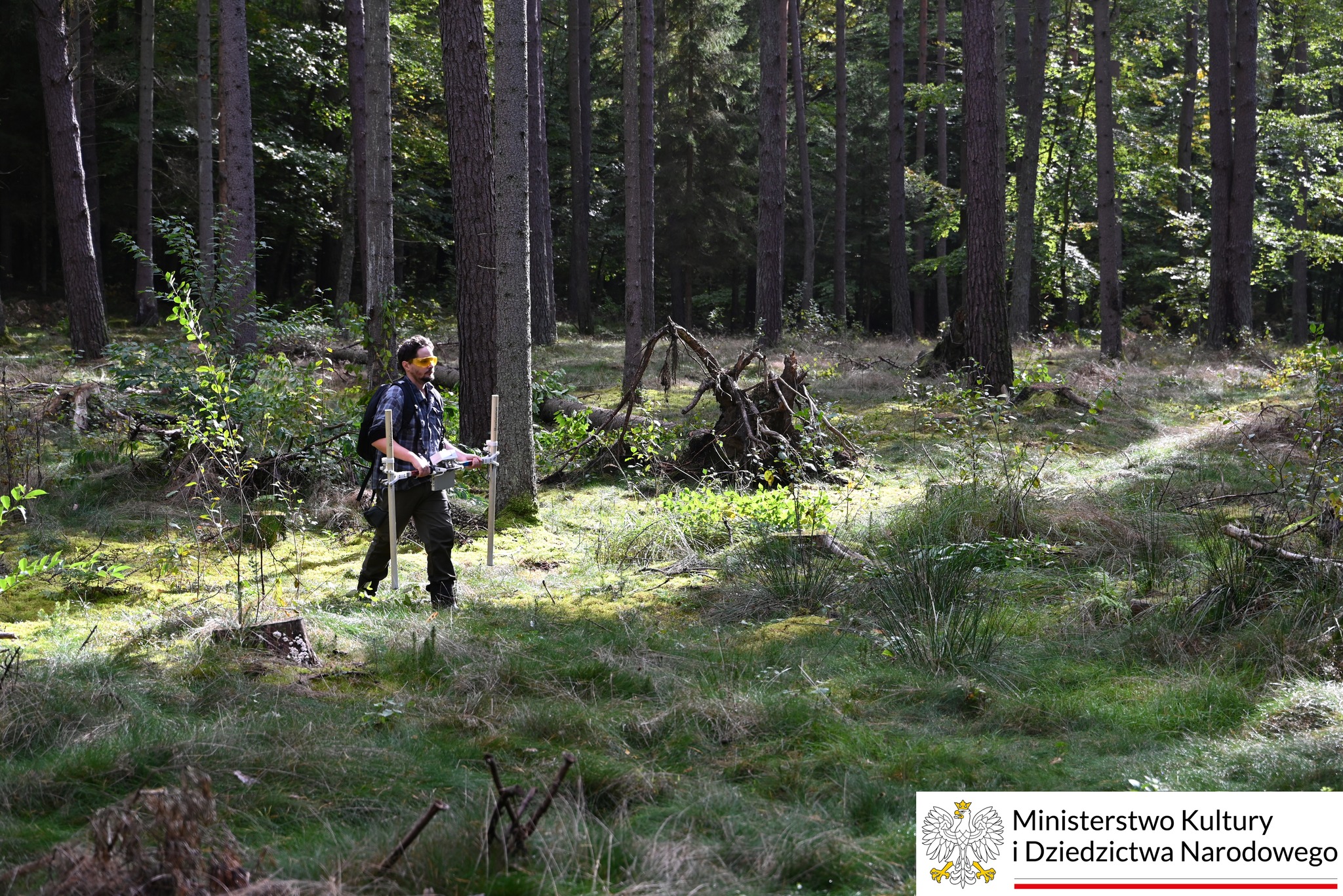
Archaeologists from Poland's Relicta Foundation have located the lost medieval village of Stolzenberg in a dense forest near Sławoborze in northwestern Pomerania. The 15-acre site, identified through a combination of historical research, metal detecting, and advanced geophysical surveys, has yielded 1,500 surface anomalies and 400 artifacts, including coins and belt buckles from the 13th-14th centuries, confirming its medieval origins. Radiocarbon dating places the height of its activity in the 14th century.

nazi bullet holes marseille madonna

A restoration of the Madonna and Child statue atop Notre-Dame de la Garde in Marseille has revealed seven bullet holes from Nazi gunfire during World War II. The 37-foot-tall copper and iron statue, known as the Bonne Mère, was shot after the city's liberation in 1944, when German artillery units fired on the church, piercing the bell tower, breaking stained-glass windows, and destroying the ceiling mosaic. The bullet holes were discovered near the end of a five-year restoration that included re-gilding and the installation of a new crown via helicopter.

the oldest blue pigment found in europe identified

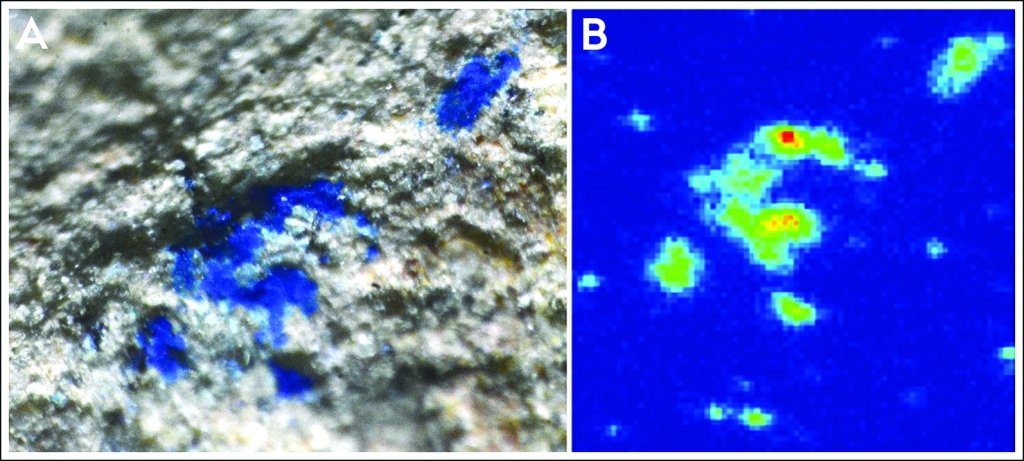
Researchers analyzing a stone from the Paleolithic site Mühlheim-Dietesheim in Germany have identified the earliest known use of blue mineral pigment in Europe. The study, published in the journal Antiquity, found traces of azurite on a roughly 13,000-year-old stone artifact, which is thought to have served as a palette for mixing pigments. This discovery challenges the long-held belief that Paleolithic art relied primarily on red and black pigments, as blue minerals like azurite had not been detected in Europe’s Paleolithic art until now.

three men convicted celtic gold coins theft germany

Three men were convicted for stealing 483 ancient Celtic gold coins from the Kelten Römer Museum in Manching, Germany, in November 2022. The coins, dating to the 3rd century BCE and valued at several million euros, were discovered in 1999 near Manching. The thieves cut off telephone and internet service to the entire town to prevent the museum from contacting authorities. A court in Ingolstadt sentenced the men to prison terms ranging from four years and nine months to 11 years for gang robbery; a fourth defendant was acquitted of the museum heist but convicted for other thefts. DNA evidence linked the group to a string of robberies across Germany and Austria since 2014, and some coins were melted down, with 70 lost.

erotic mosaic pompeii nazi officer

An ancient mosaic looted during World War II by a Nazi officer has been repatriated to Italy and is now on public display in Pompeii. The mosaic, which depicts an erotic bedroom scene, likely originated near Mount Vesuvius and was taken by a Wehrmacht captain who donated it to a German citizen. It was returned with the help of the Italian consulate in Stuttgart on September 16, 2023, and is now housed at the Pompeii Archaeological Park.

polish venus of kolobrzeg

Experts from the Polish Conservator of Monuments have authenticated a Neolithic Venus carving discovered by a Polish farmer in 2022. The Venus of Kołobrzeg, a 6,000-year-old limestone sculpture, is one of the oldest artifacts from an agricultural community in this part of Europe. The figurine, now owned by the Polish Arms Museum in Kołobrzeg, was unveiled after extensive analysis including microscopic residue analysis that found traces of mussel and snail shells. Unlike other prehistoric Venus figures, it lacks distinct facial features but shares the characteristic pronounced breasts and voluptuous hips.

Frieze New Writers Pick Vienna’s Must-See Exhibitions

Andrew Durbin reviews national pavilions at a major art event, contrasting a vacuous US presentation with incisive and moving installations from Britain and Germany. The piece is part of Frieze's 'Critic's Guides' series, offering a pointed critique of the US pavilion's lack of meaning against the strength of its European counterparts.

The Venice Biennale of Art has begun! The pavilions you should not miss this year

The Venice Biennale of Art has officially opened, showcasing national pavilions and exhibitions from around the world. The article highlights key pavilions that visitors should prioritize this year, offering a curated guide to the most notable presentations at the prestigious international art event.

Israeli Artists Slam Venice Biennale Participation: 'Again, Israel as a Victim'

The 61st Venice Biennale opened on Saturday amid significant upheaval, including the unexpected death of its curator Koyo Kouoh and the passing of German artist Henrike Naumann. Israeli artists have publicly criticized their country's participation in the event, with one artist quoted as saying, 'Again, Israel as a victim,' reflecting ongoing anti-Israel protests and the resignation of the Biennale's judges.

As the South African Pavilion Sits Empty, Gabrielle Goliath Continues a ‘Life-Work of Mourning’

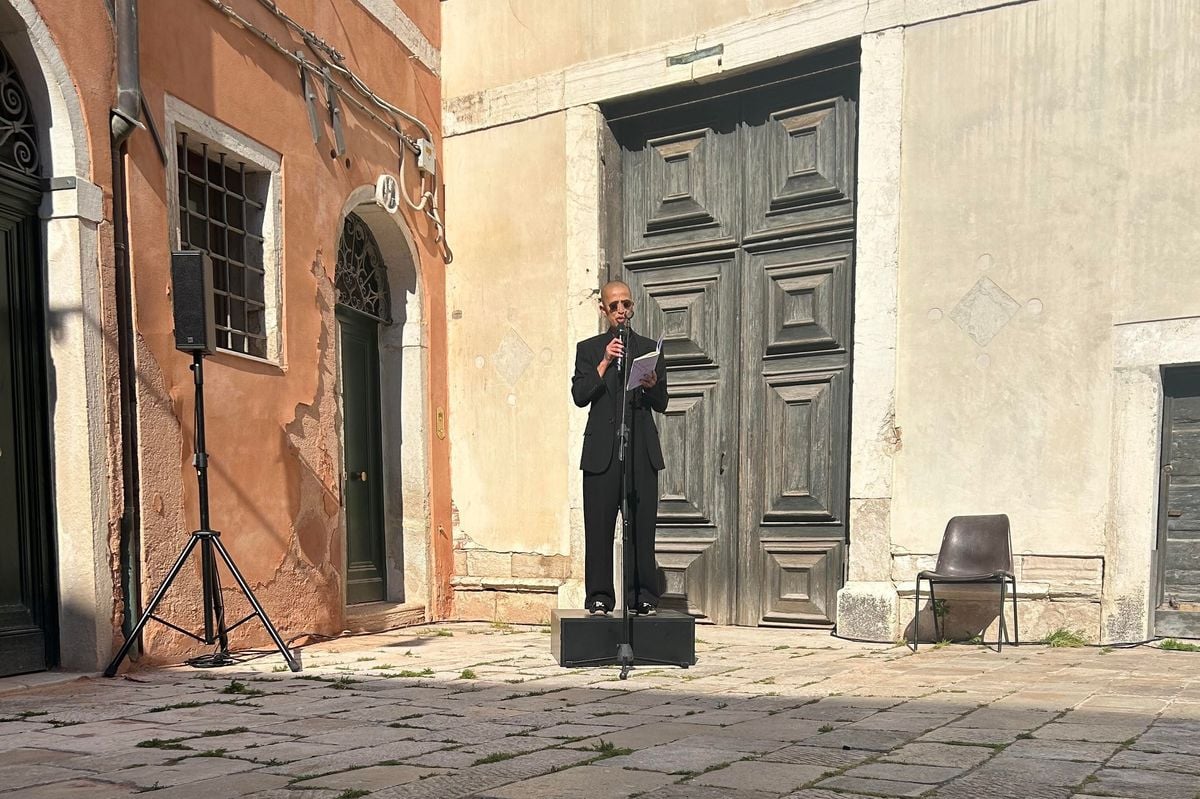
South African artist Gabrielle Goliath inaugurated an off-site Venice exhibition with a public poetry reading after her official presentation at the South African Pavilion was canceled. The performance, part of her ongoing series *Elegy* (2015), features seven singers sustaining a single tone for an hour as a mourning ritual. The work addresses femicide, rape culture, and the killing of Palestinian civilians, and includes new video and sound installations lamenting specific victims: South African teenager Ipeleng Christine Moholane, Nama women killed during Germany’s colonization of Namibia, and Palestinian poet Hiba Abu Nada. The South African Department of Sport, Arts and Culture rescinded Goliath’s invitation in January, deeming the work “related to an ongoing international conflict that is widely polarising.” Goliath unsuccessfully challenged the decision in South Africa’s high court, and the exhibition now runs throughout the Venice Biennale outside the official program before traveling to London in October.

In Minor Keys and legacies held in common

The article reflects on the 61st Venice Biennale, curated by Koyo Kouoh, who passed away on 10 May 2025 at age 57 after a cancer diagnosis. Her curatorial concept, "In Minor Keys," will be realized posthumously by her team. The Biennale preview opens on 6 May 2026, with the public opening on 9 May. Additionally, artist Henrike Naumann, selected for the German Pavilion, died on 14 February 2025 at age 41, also from cancer; her work will be shown in her name.

Modern Art and Politics in Germany 1910–1945

The article examines the complex and often fraught relationship between modern art and political power in Germany from 1910 to 1945. It details how avant-garde movements like Expressionism, Dada, and the Bauhaus initially flourished, only to be systematically suppressed and labeled "degenerate" by the Nazi regime after 1933.

Henrike Naumann—selected for this year's Germany pavilion at the Venice Biennale—has died

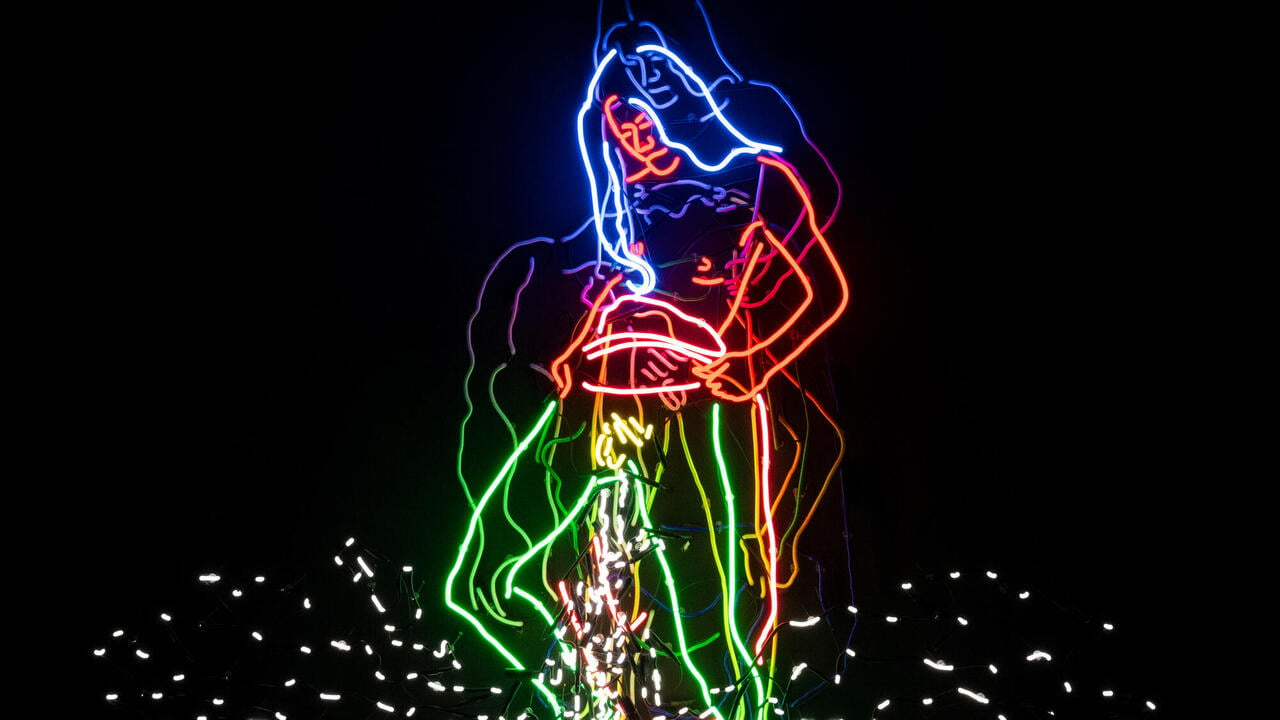
Artist Henrike Naumann, who was selected alongside Sung Tieu to represent Germany at the 2024 Venice Biennale, has died at age 39. She passed away on February 14 in Berlin after a short, serious illness, which her website specified was a late cancer diagnosis. The Institut für Auslandsbeziehungen (Ifa), which oversees the German Pavilion, confirmed her death and stated that her planned work for the Biennale will be realized posthumously according to her completed vision.

Get your skates on: artist puts ice rink in Venice palazzo

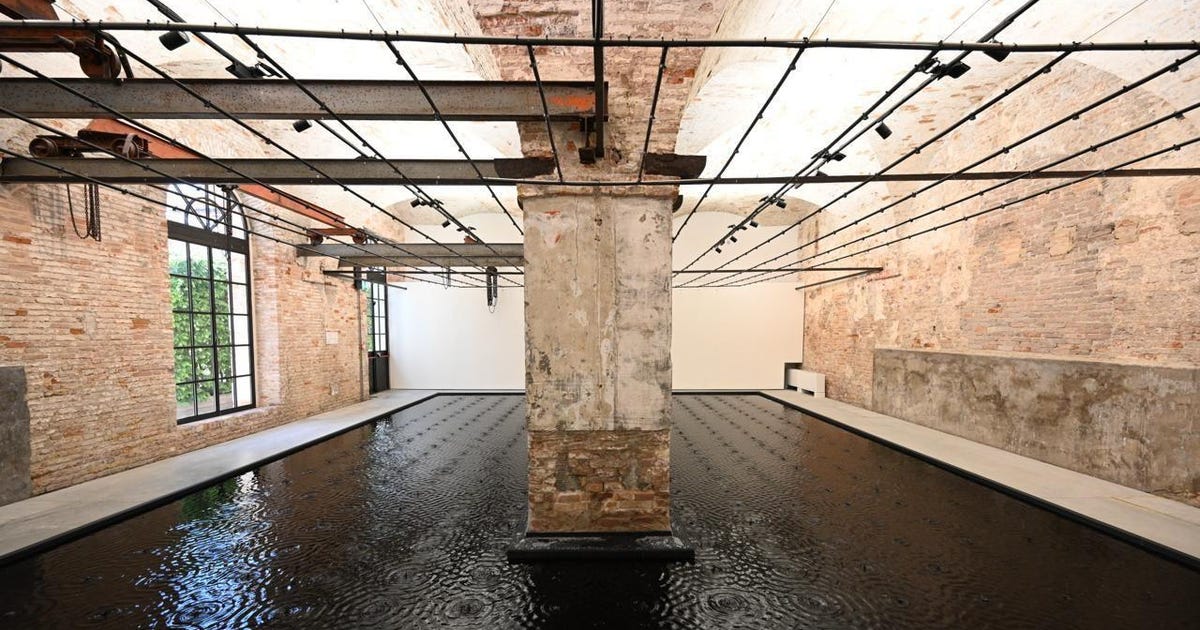
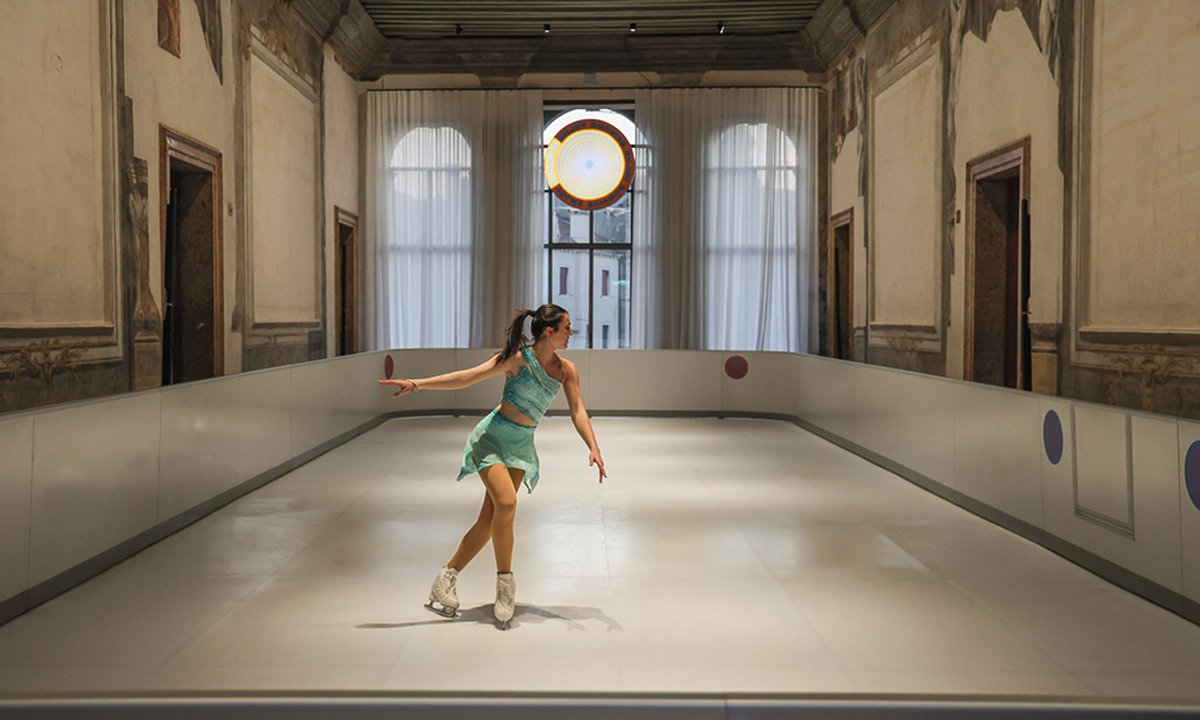
German artist Olaf Nicolai has installed a functional ice rink titled 'Eisfeld II' within the frescoed grand banqueting hall of the 18th-century Palazzo Diedo in Venice. The installation, which includes a soundtrack by the Berlin band To Rococo Rot and two lightboxes, is a reinterpretation of a work first developed over two decades ago and will be on view until February 22.

In bid to diversify KW Institute in Berlin, artist Sung Tieu sells work to fund new board member

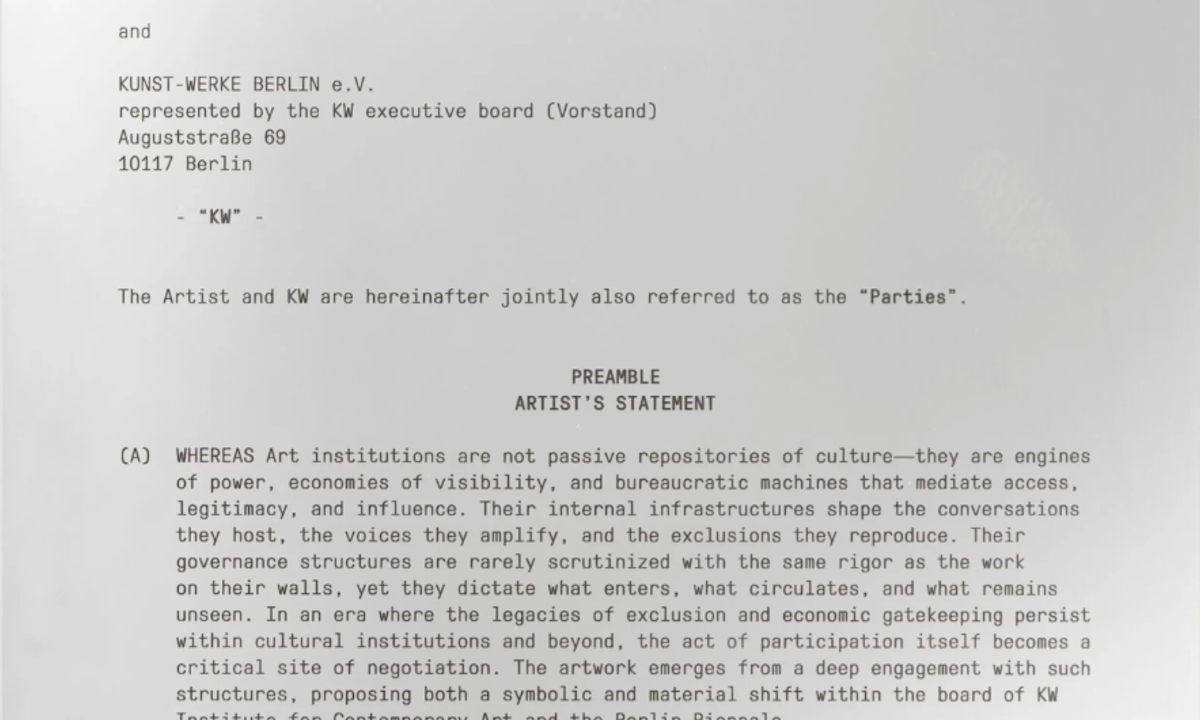
Artist Sung Tieu has sold her work *Declaration of Donation* (2025) for €25,000 to fund a new board member at KW Institute of Contemporary Art in Berlin. The work, a contract engraved on four A4-sized mirrors, stipulates that the proceeds cover the five-year term of curator and academic Mi You, whom Tieu nominated to the board. The sale directly challenges KW’s board structure, which requires a €5,000 annual fee from each member—a key revenue stream for the institution amid Berlin’s arts funding cuts. Tieu’s piece argues that such fees perpetuate exclusion and economic gatekeeping, and that institutional change requires structural shifts, not mere declarations of inclusivity.

The Interview: Sea Art Festival 2025

The 2025 Sea Art Festival, titled 'Undercurrents: Waves Walking on the Water,' is co-directed by Keumhwa Kim and Bernard Vienat, who were selected through an international open call. The biennial returns to Dadaepo Beach in Busan, South Korea, focusing on outdoor installations and sculptures that engage with the natural landscape and local communities. Kim, founder of Keum Art Projects, and Vienat, founder of art-werk and leader of the (re)connecting.earth biennial, emphasize collaboration with scientists such as paleontologists and bioacoustic researchers to highlight invisible ecological and social structures.

Arboretum poppies, a tribute to late Wyndmoor artist

The Morris Arboretum & Gardens in Philadelphia recently displayed supersized red poppies at its entrance, reproductions of the colossal sculptures "Papaver Rubrum Giganteum" created by the late artist Gary G. Miller. Originally installed at the arboretum in May 2008, the installation featured 300 handmade aluminum poppies with 20-inch flower heads on 10-foot stems. Miller, a sculpture and photography teacher at Germantown Friends School and a facilitator at Woodmere Art Museum, was killed by a drunk driver in 2013. To commemorate his work, the Chestnut Hill Community Association organized an exhibition titled "Papaver Rubrum Giganteum Redux," featuring photographs of the poppies in a pop-up space from September 27 to October 4.

De Bruyne to auction art from personal collection for charity

Kevin De Bruyne, the Napoli and Belgium midfielder, is auctioning a piece from his personal art collection to benefit Metabolic Diseases UZ Gent, a non-profit funding research into metabolic disorders. He announced the initiative on X, starting with an abstract painting by German artist Claus Bertermann, and called on other artists and collectors to contribute works to the auction.

Six Indian artists reframe the ladies compartment of a Mumbai local train

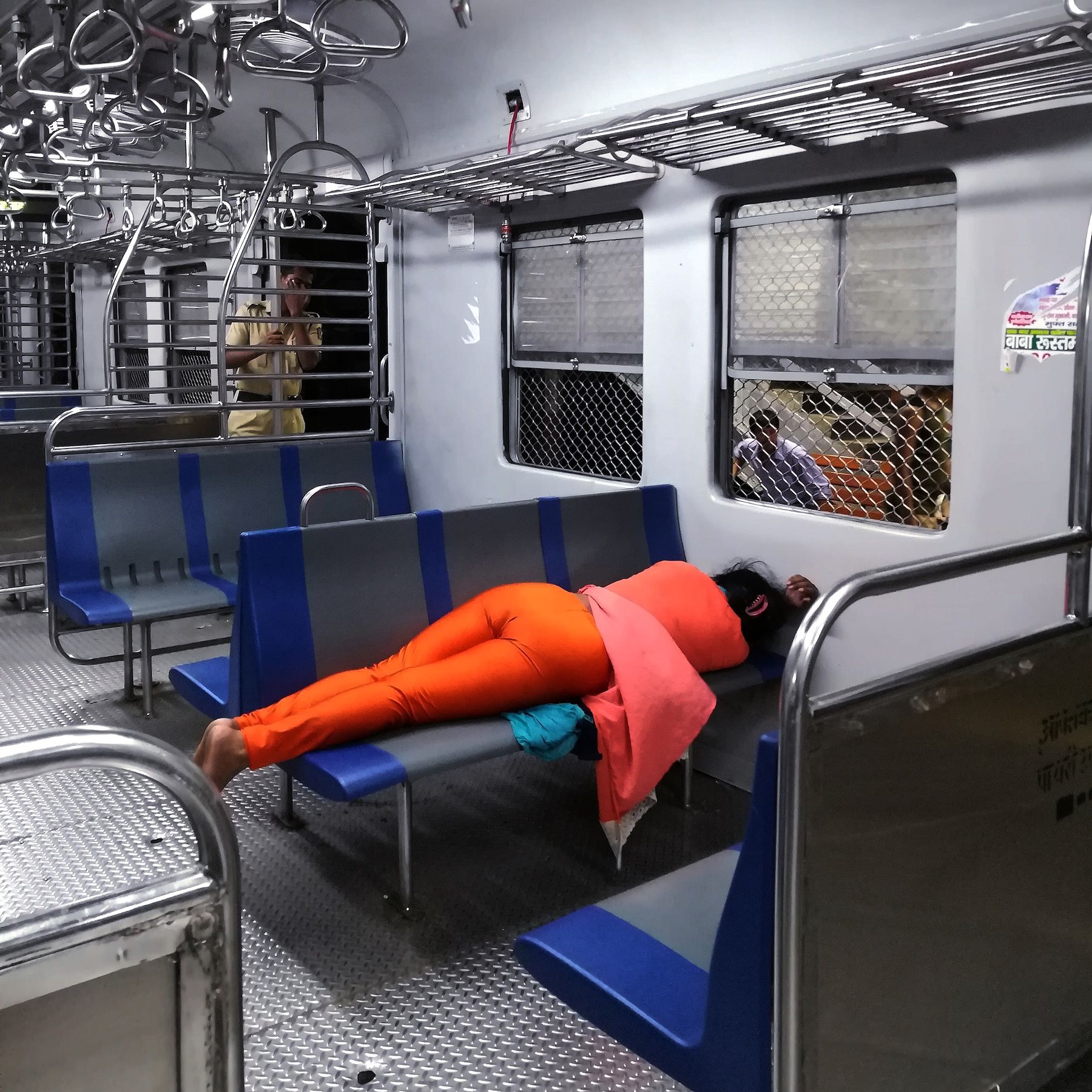
Ladies Compartment, an exhibition by Method (India) now showing at Galerie Melike Bilir in Hamburg, features six Indian women artists—Anushree Fadnavis, Avani Rai, Darshika Singh, Keerthana Kunnath, Krithika Sriram, and Shaheen Peer—who reframe the gendered space of a Mumbai local train's ladies compartment through photography, pigment, video, and self-portraiture. The show coincides with India Week Hamburg 2025 and marks Method's debut in Germany, curated by Sahil Arora.

Must-Visit: Meow Wolf Grapevine Named 2025 Top Location-Based Experience in the World

Meow Wolf Grapevine's exhibition "The Real Unreal" has been named the 2025 Top Location-Based Experience in the world at the IAAPA Honors, held at Europa-Park in Germany. The award, from the International Association of Amusement Parks and Attractions, recognizes creativity and impact across the global attractions industry. Additionally, Meow Wolf Houston won Best Food & Beverage Building Renovation or New Build for its Cowboix Hevvven bar and grill, and took home two Webby Awards for its Radio Tave experience.

At Luckygirl Gourmet Gallery, Art Leads and Snacks Follow

Nikki Brovold has opened Luckygirl Gourmet Gallery in Portland's Pearl District, a hybrid space where art takes precedence over food. The gallery's inaugural exhibition, "Who's That Girl," features nine artists including Tom Relth, Eric Rue, Paul Solevad, Michelle Yamamoto, Richard Cutshall, and Paula Bullwinkel, with a focus on abstractive figuration and feminine perspectives. Brovold, who previously worked at a global consulting firm in New York and as a gallerist at the Portland Art Museum, curates the art while also offering a small selection of elevated snacks and drinks, such as Makabi & Sons cookies and Puff Coffee cold brew. The space is co-owned by Brovold's husband, Shawn Przybilla.

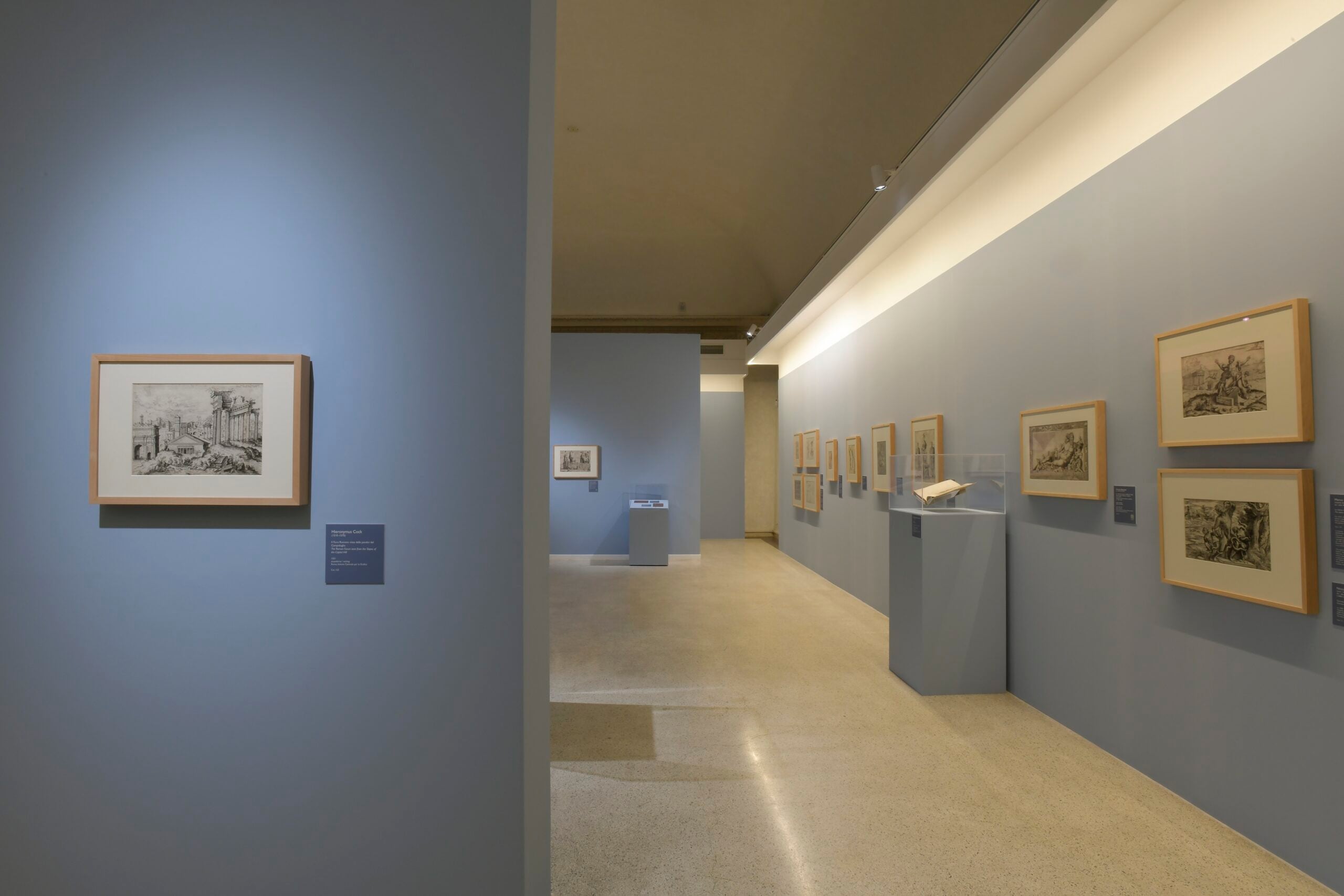
16th-Century Rome Through the Eyes of a Foreigner: The Exhibition

La Roma del Cinquecento vista con gli occhi di uno straniero. La mostra

Fabio De Chirico has been appointed as the new director of the Istituto Centrale per la Grafica in Rome, with a mission to boost research, strengthen international dialogue, and enhance the institution's collections. His tenure opens with the exhibition "Maarten van Heemskerck e il fascino di Roma: percorsi visivi della Città Eterna," curated by Tatjana Bartsch, Rita Bernini, and Giorgio Marini, running until June 7, 2026. The show features drawings by the 16th-century Dutch artist Maarten van Heemskerck, on loan from the Kupferstichkabinett of the Staatliche Museen zu Berlin, alongside over sixty works from the institute's own holdings—including prints, engravings, and archival photographs—plus loans from the Bibliotheca Hertziana, the Musei Capitolini, and the Istituto Archeologico Germanico di Roma.

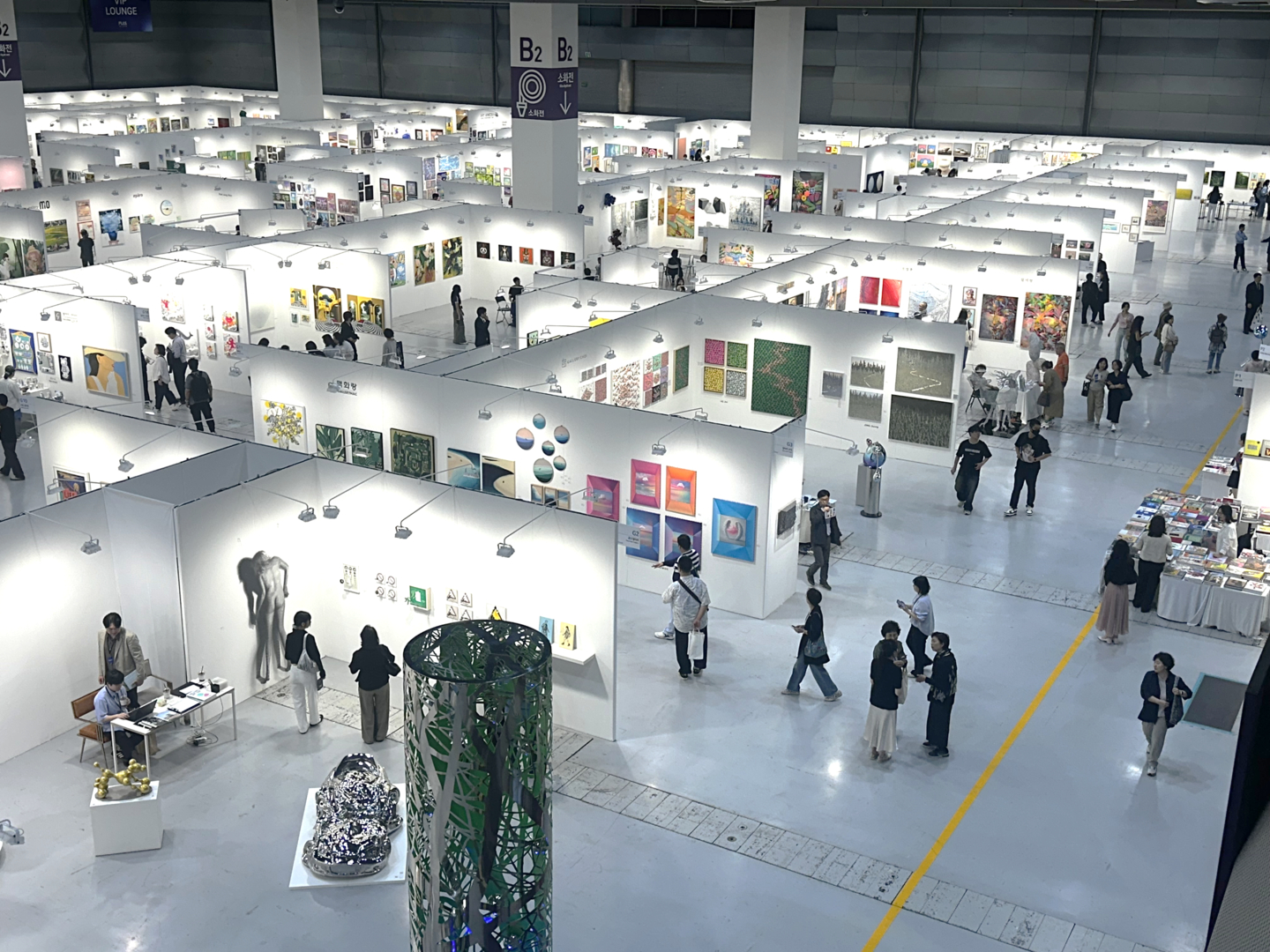
Plas Art Show goes back to basics with renewed focus on its sculpture, 3-D work

The Plas Art Show, a Seoul-based art fair specializing in sculpture and three-dimensional works, returns for its 11th edition from June 4 at Coex in Gangnam District. Featuring 102 galleries (91 domestic and 11 from Taiwan, Germany, Japan, and Georgia), the fair presents roughly 750 artists and 3,500 works under the theme “New Chance.” Fair president Shin Jun-won acknowledged criticism that the event had drifted from its sculptural focus and announced stricter curation, including on-site inspections and penalties for galleries that fail to include at least one three-dimensional artist and one stereoscopic work. Standard booth prices range from 5.7 to 6.7 million won, which Shin says attracts Gangnam-area galleries priced out of larger venues.

A War Souvenir for Düsseldorf

Un souvenir de guerre pour Düsseldorf

The Kunstpalast museum in Düsseldorf has acquired a war-related painting by Bordeaux-born artist William Laparra, who was mobilized in 1917 into the French camouflage section during World War I. Laparra served as a brigadier-chief in the 1st group of the 10th Army at the Chantilly workshop, a unit created in 1915 by figures including Eugène Corbin, Louis Guingot, and painter Guirand de Scévola, who developed earth-toned uniforms and painted canvas to conceal artillery from German aircraft.

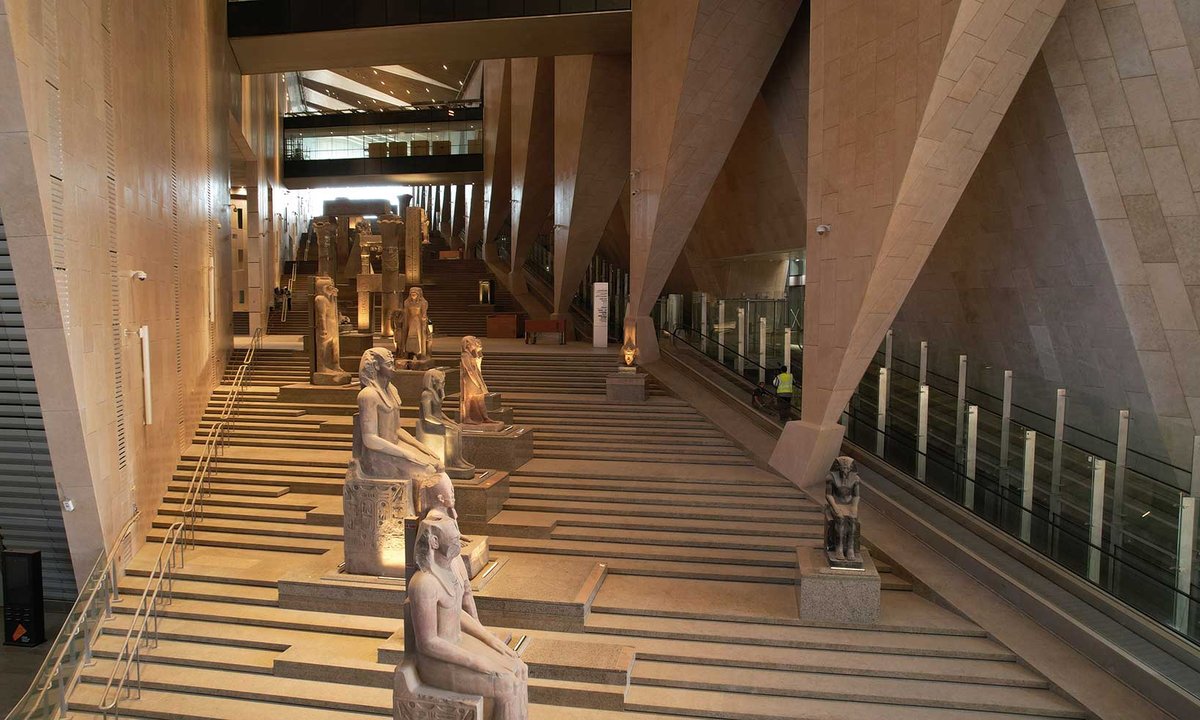
Tutankhamun set to debut at delayed Grand Egyptian Museum opening

The Grand Egyptian Museum (GEM) will hold its official opening ceremony on November 1, more than 30 years after its initial proposal. The centerpiece of the inauguration is the Tutankhamun Gallery, featuring the famous gold funerary mask under bulletproof glass and a full-scale reproduction of the king's tomb. Designed by German studio Atelier Brückner, the gallery offers two narrative paths: one tracing Tutankhamun's life and reign, the other following Howard Carter's 1922 discovery. The museum, located near the Giza pyramids, has already been partially open to visitors, with conservation labs operating since 2010 and contemporary programming running for two years.

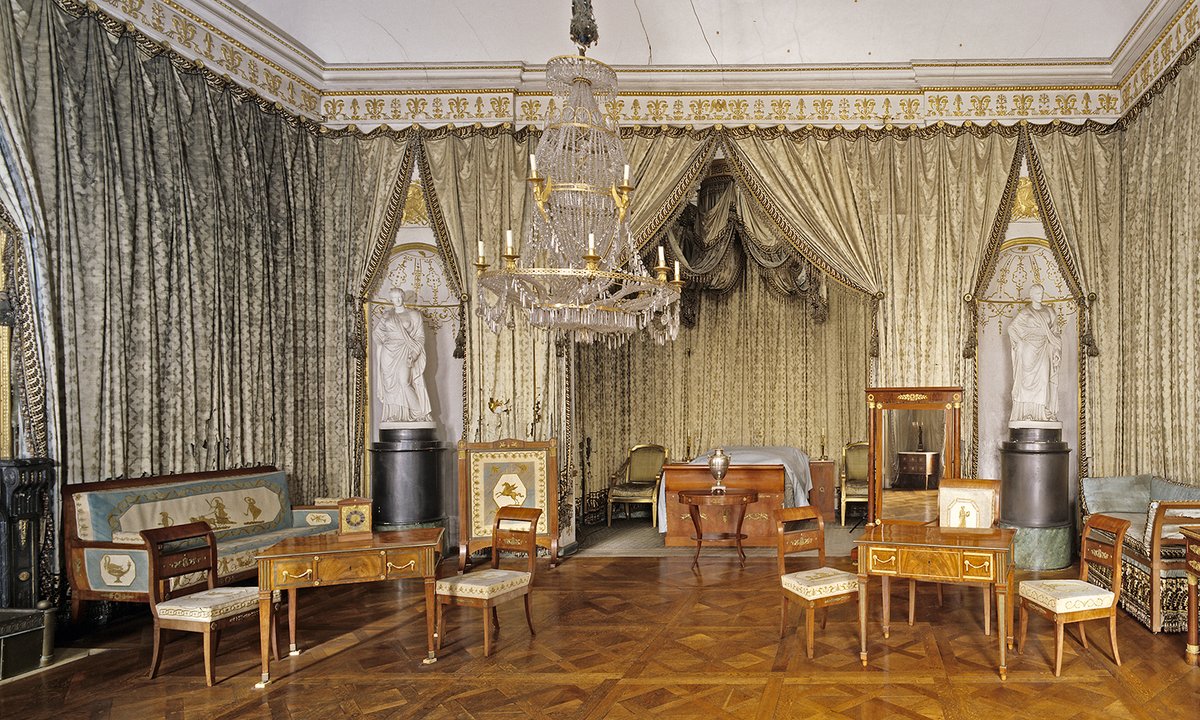
Fit for a king: the drapery bedchamber at Germany's ‘Versailles of Swabia’ presents conservators with a special challenge

Friedrich I of Baden-Württemberg upgraded his summer residence, Ludwigsburg Palace in Germany, after allying with Napoleon and becoming king. Four prized rooms, including the unusually complete drapery bedchamber, are set to reopen in 2026 after substantial restoration. The bedchamber features original turquoise silks, now faded blue-green, and over 6,000 tassels, presenting a major conservation challenge. Textile conservator Anu-Susanna Ventelä notes it is likely the only palace in Europe with such an intact drapery room. The project is part of a larger revamp of 35 rooms funded by the State of Baden-Württemberg, with conservators consulting historical inventories to restore furnishings to their original layout.

‘Final spurt’: decades-long rebuilding of Dresden’s Royal Palace nears completion

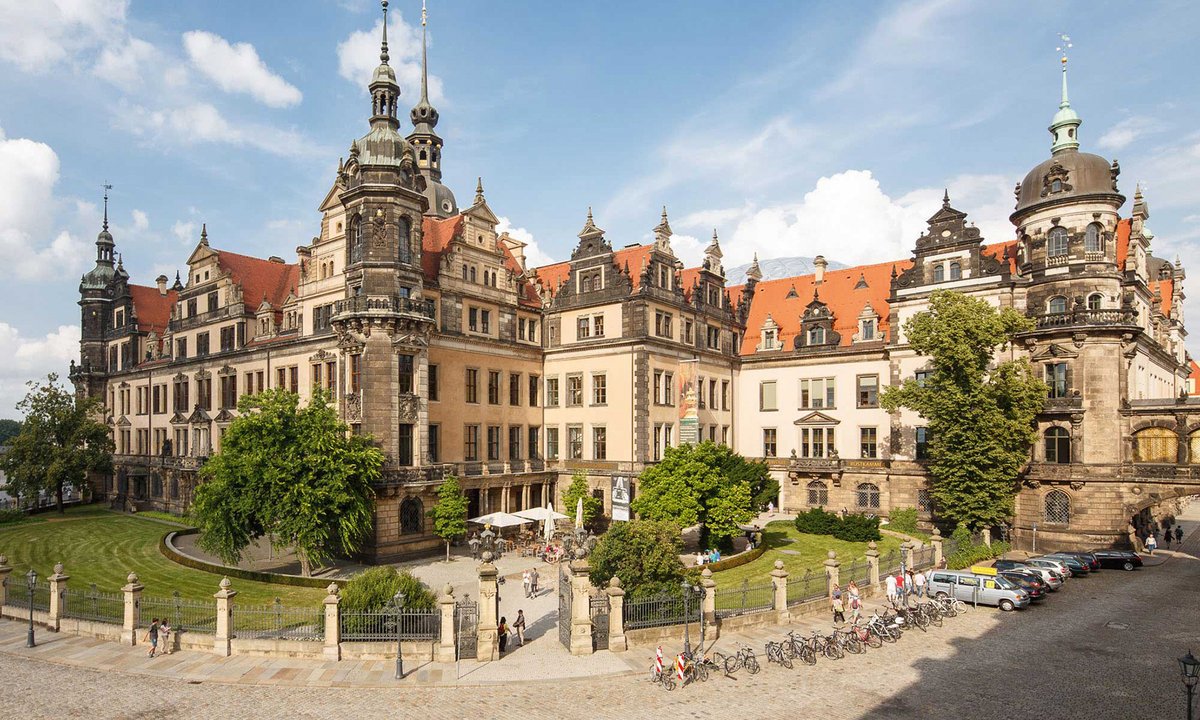
The decades-long reconstruction of Dresden's Royal Palace (Residenzschloss), a project costing €400 million, is nearing completion after beginning in 1985. The palace, which was reduced to a burnt-out shell by Allied bombing in February 1945 and remained a ruin through much of East Germany's history, will see its final phases unfold from autumn 2024 through 2027. These include a new installation in the former picture galleries, the rebuilt Schlosskapelle (palace chapel) opening in November, a Rüstkammer installation in the ballroom in early 2026, the completion of the Grosser Schlosshof courtyard in 2027, and a new exhibit in the Gothic Hall chronicling the palace's history. The palace now houses major collections of the Staatliche Kunstsammlungen Dresden (SKD), including the Grünes Gewölbe, Kupferstich-Kabinett, and Rüstkammer.

Ole Scheeren’s Róng Museum: From Tech‑City to Cultural Capital

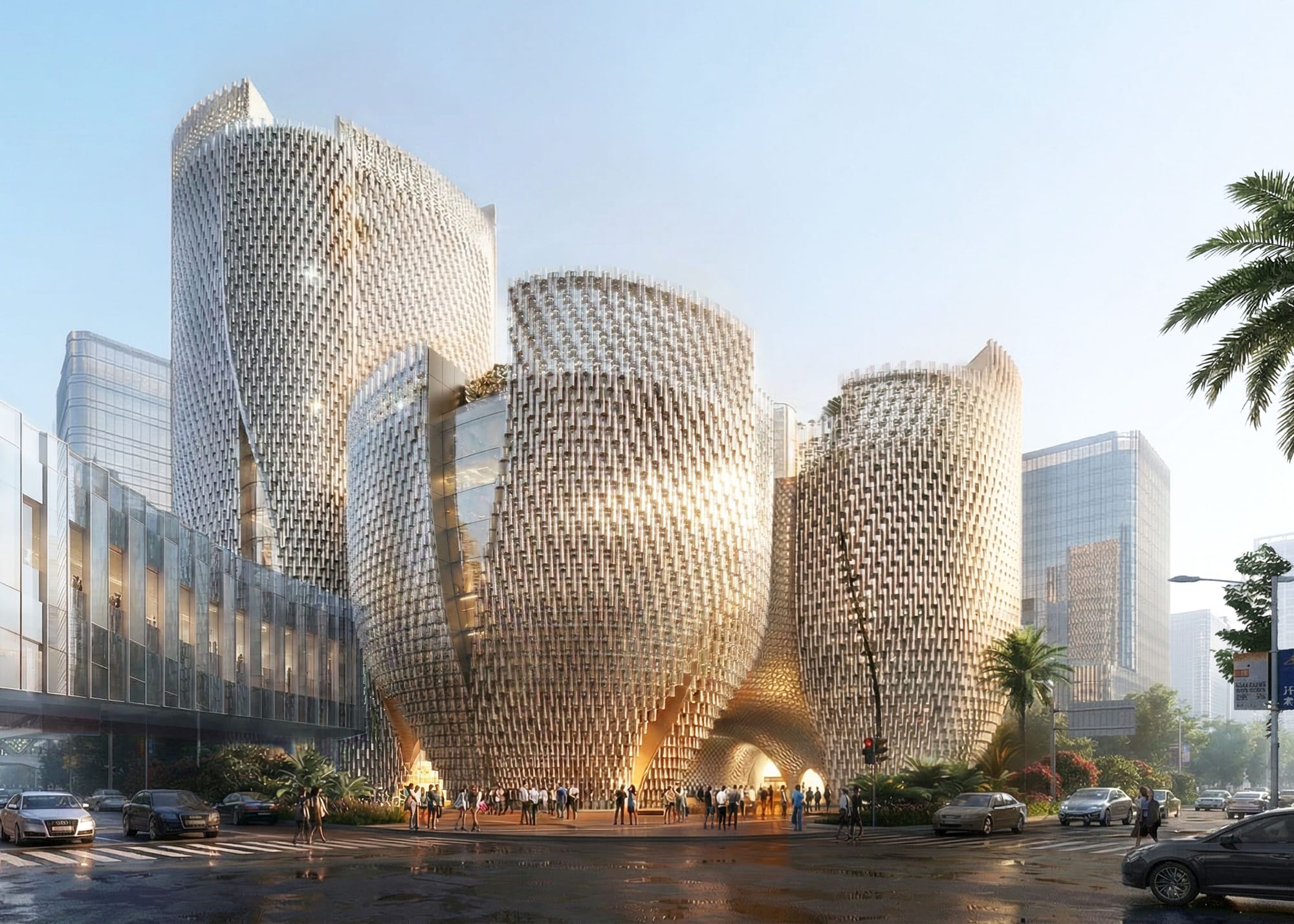
German architect Ole Scheeren is designing the Róng Museum of Art, a beehive-like cultural complex set to open in 2027 in Shenzhen's Houhai Hybrid Campus. The museum represents his latest major architectural project in China, following his iconic work on Beijing's CCTV headquarters and other landmark structures across Asia.

Frank Fluegel Gallery at Art Cologne Palma Mallorca 2026

Frank Fluegel Gallery will participate in the inaugural edition of Art Cologne Palma Mallorca in 2026. The gallery, based in Nuremberg, will present a curated selection of contemporary art at the new Spanish fair.