filter_list Showing 192 results for "The Sun" close Clear
search
dashboard All 192 museum exhibitions 102article local 22article culture 19article news 18trending_up market 15person people 8candle obituary 4gavel restitution 2rate_review review 2
date_range Range Today This Week This Month All
Subscribe

Van Gogh in 2025: Record prices, memorable shows and the first Korean acquisition

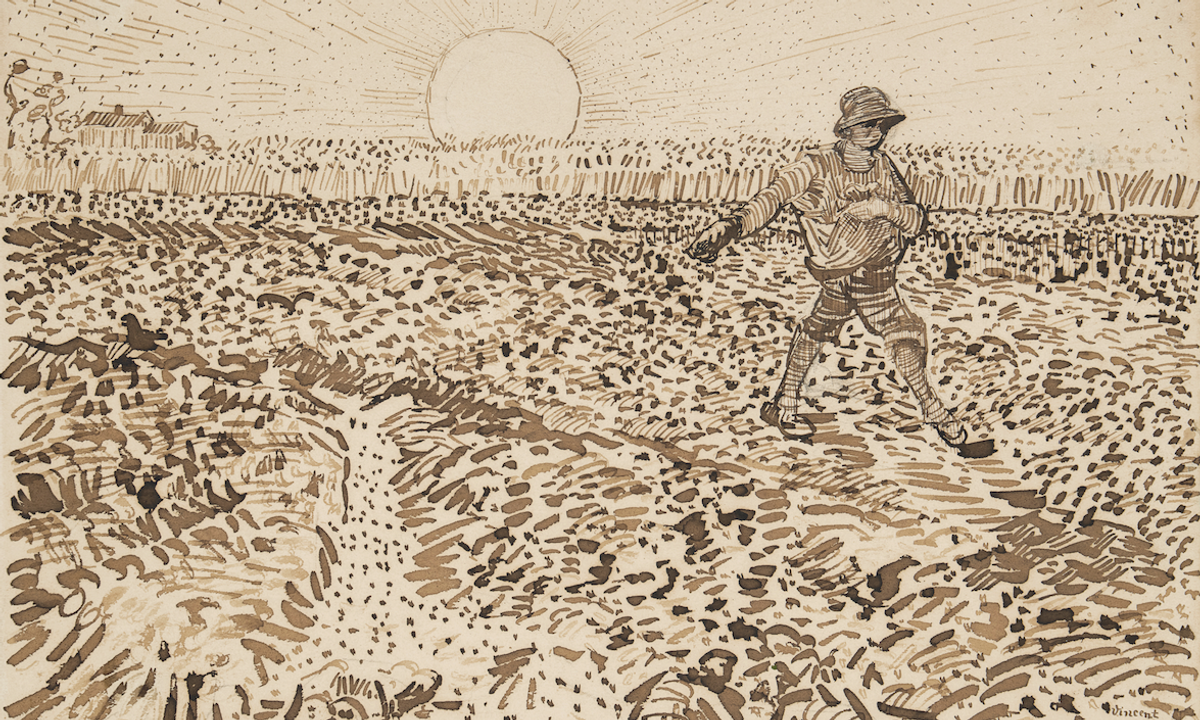
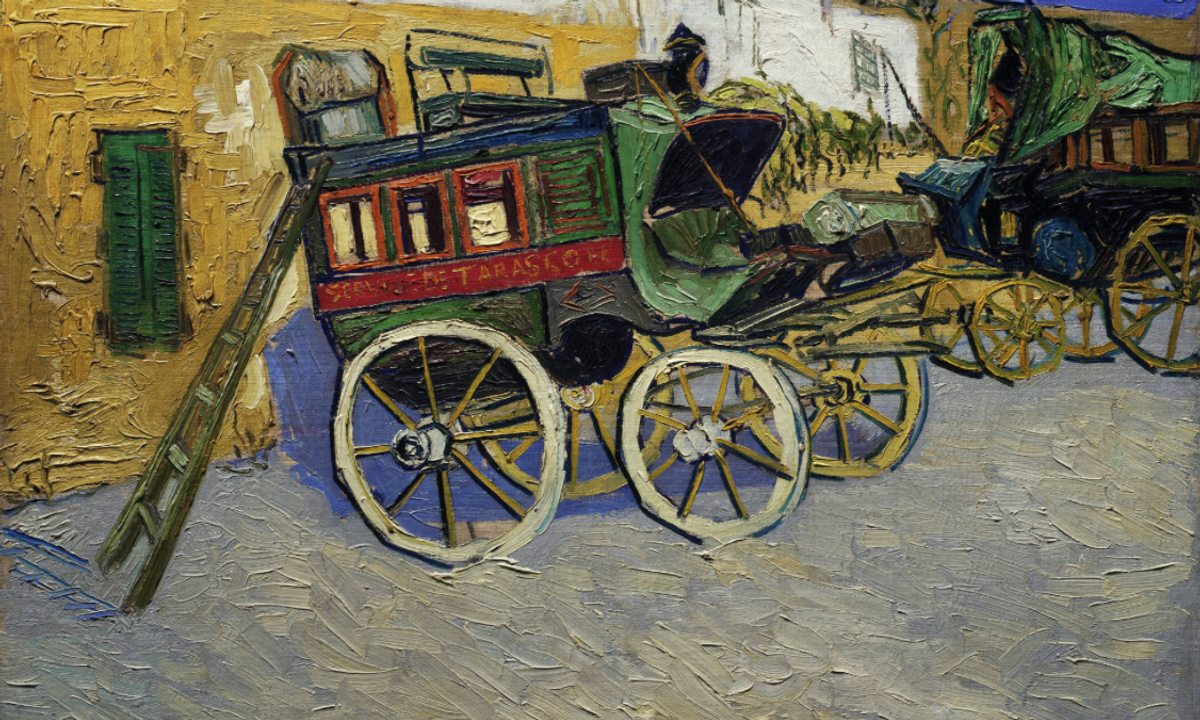
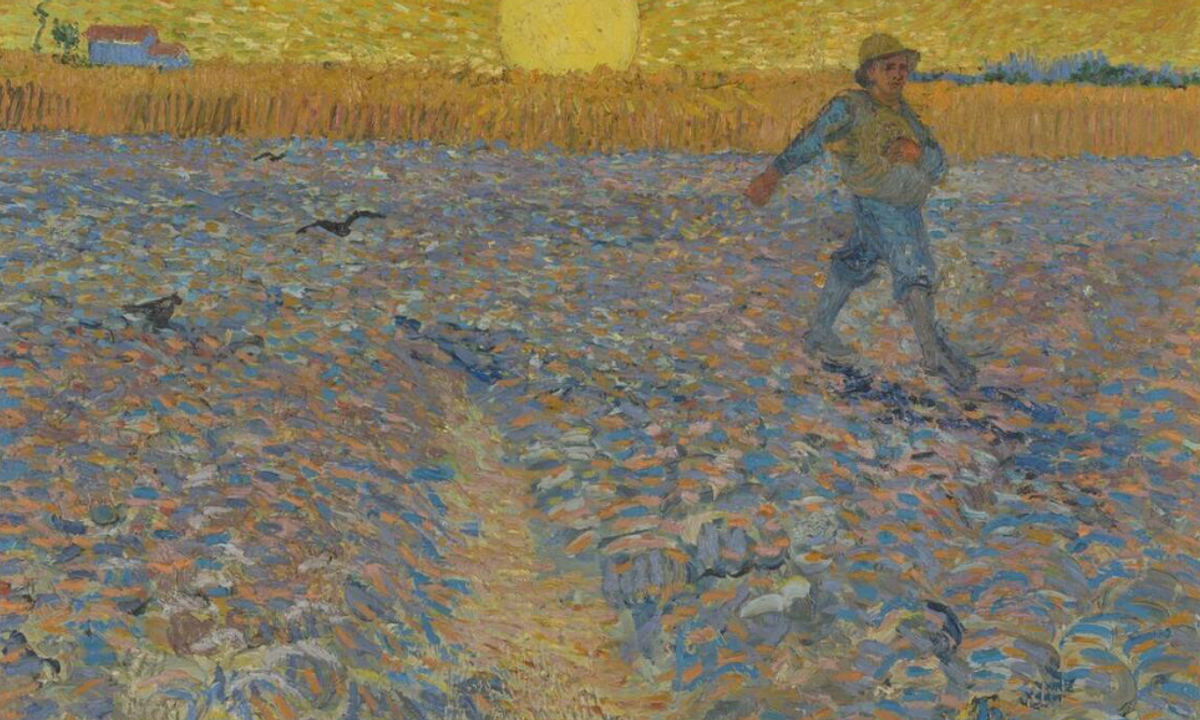
The article reviews the Van Gogh year in 2025, highlighting several key developments. The Van Gogh Museum in Amsterdam faces potential closure unless the Dutch government increases its annual building subsidy from €8.5m to €11m, leading the museum to file a legal complaint. At auction, two Van Gogh paintings sold, with "Parisian Novels" (1887) fetching $62.7m at Sotheby's, a record for his Paris period, and eight drawings were sold, including "Sower in a Wheatfield with setting Sun" (1888) for $11.2m. Acquisitions included "Tarascon Stagecoach" (1888) given to LACMA via the Henry and Rose Pearlman Foundation, and "Head of a Peasant" (1885) bought by Korean-born gallery owner Hong Gyu Shin, marking the first known Van Gogh acquisition by a Korean.
‘Lust for Life’: The Van Gogh book designed to fit in pockets of US soldiers during the Second World War

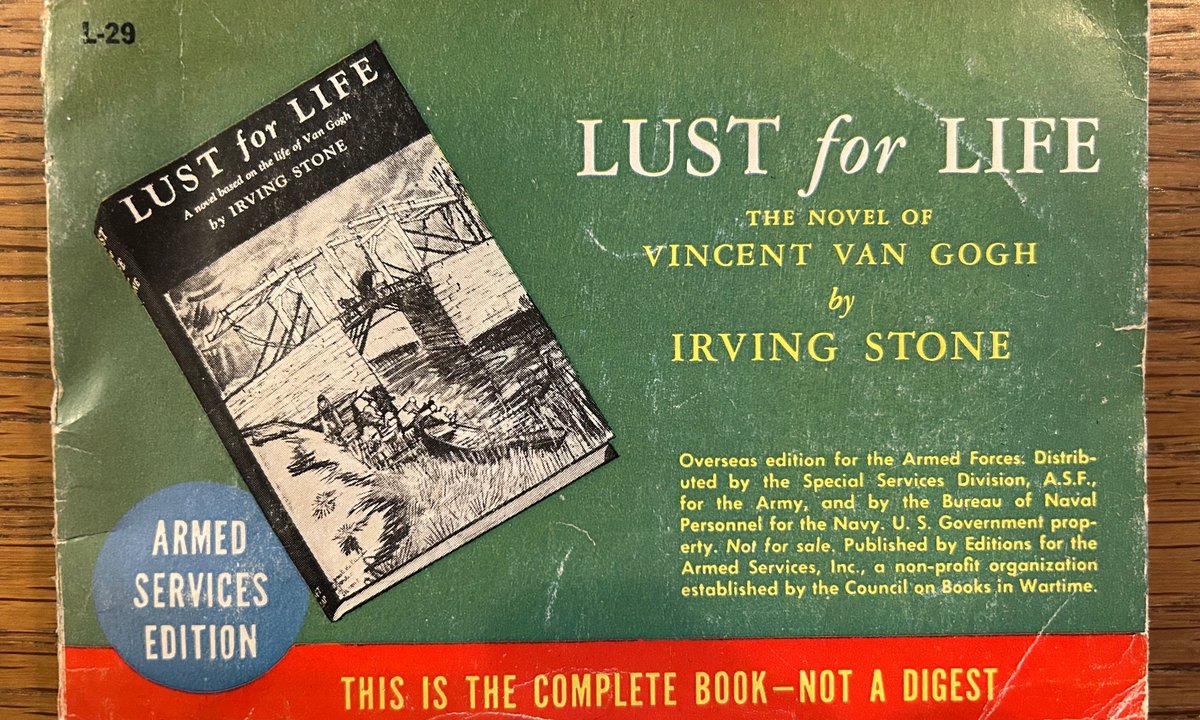
Irving Stone's 1934 novel *Lust for Life*, a fictionalized biography of Vincent van Gogh, was published as an Armed Services Edition during World War II for U.S. soldiers. These pocket-sized books, measuring 11cm by 17cm, were designed to fit in uniform pockets and withstand harsh conditions. Over 123 million copies of various titles were printed from 1943 to 1947, with distribution including parachute drops to troops on Pacific islands and handouts to soldiers before the Normandy Landings. The surviving copies are scarce and often damaged, with browned pages and covers marked as U.S. government property, not to be resold.

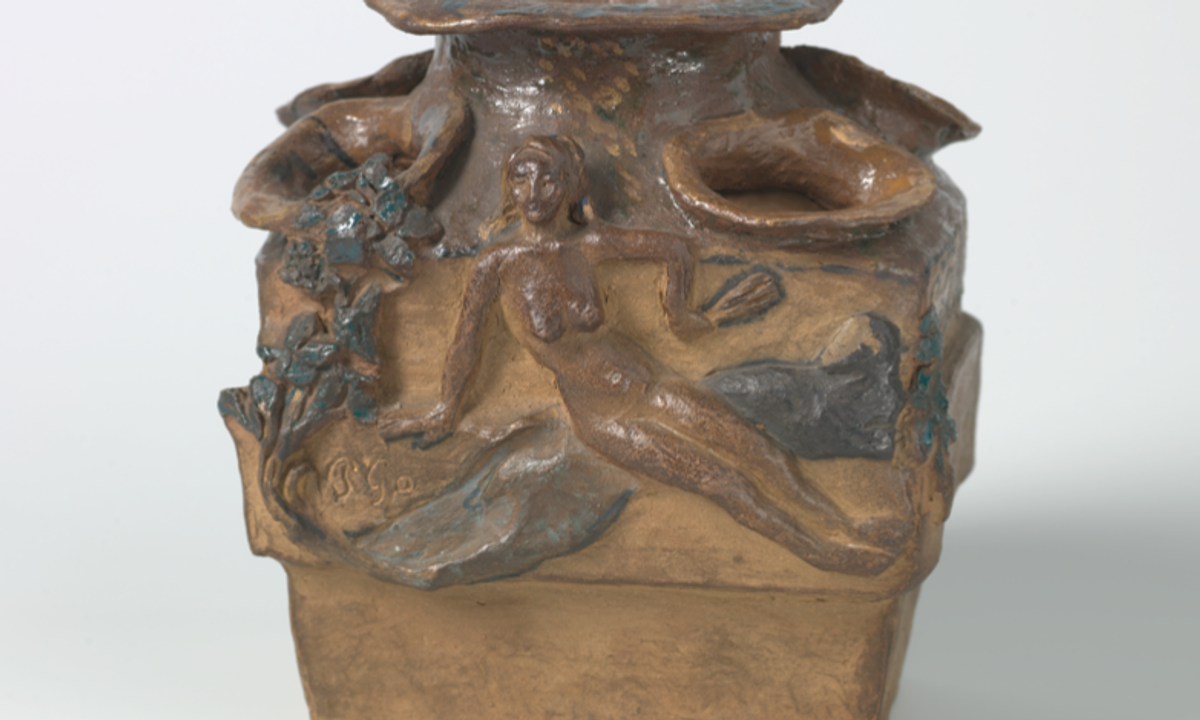
Van Gogh’s family used an erotic Gauguin ceramic as a flower vase

A researcher at the Van Gogh Museum, Joost van der Hoeven, has revealed that Paul Gauguin's erotic ceramic, the Cleopatra Pot (winter 1887-88), was used as a flower vase by Vincent van Gogh's family. Gauguin brought the pot to Arles when he stayed with Van Gogh in 1888, and after Van Gogh's ear incident, Gauguin gave the pot to Vincent's brother Theo as a gift. The pot later remained with Theo's widow, Jo Bonger, and a photograph from 1925-26 shows it on her piano holding flowers, surrounded by still-life paintings.

Van Gogh’s ‘Sower’ will soon go on sale at Sotheby's—where it's set to make record price

Van Gogh's drawing 'Sower in a Wheatfield with setting Sun' (July 1888) will be auctioned at Sotheby's New York on 18 November with an estimate of $8m-$10m. The work, which belonged to the late cosmetics heir and collector Leonard Lauder, is expected to set a new auction record for a Van Gogh drawing if it exceeds the $8.8m achieved by 'La Mousmé' in 2021. The drawing was originally made for the artist Émile Bernard and later passed through notable hands including dealer Ambroise Vollard and critic Théodore Duret before entering the Lauder collection. It will be sold alongside 23 other major works from Lauder's collection, including three important Gustav Klimt paintings, in a sale expected to fetch over $400m.

Exclusive: Philadelphia Art Museum to host sensational Van Gogh exhibition featuring two ‘Sunflowers’

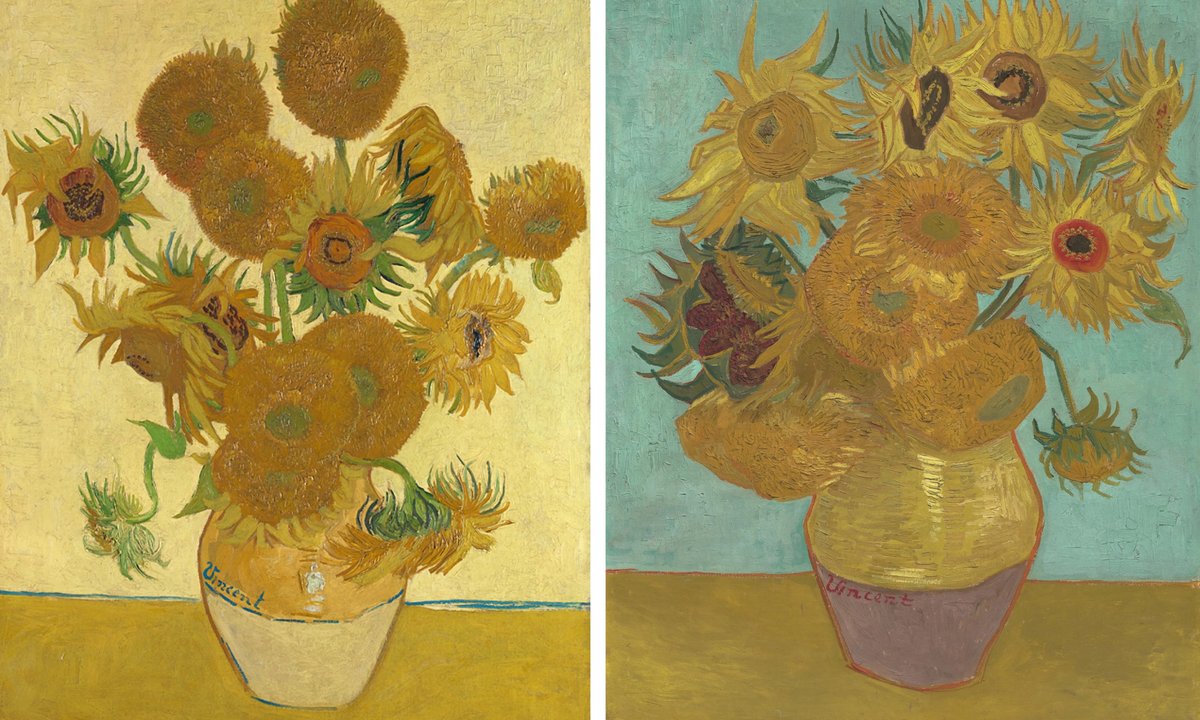
The Philadelphia Museum of Art will host a major exhibition titled *Van Gogh’s Sunflowers: A Symphony in Blue and Yellow* from June 6 to October 11, 2026, bringing together two iconic Sunflower paintings: the museum’s own turquoise-background version (January 1889) and the original yellow-background version (August 1888) from London’s National Gallery. This marks a rare international loan for the London painting, which has only traveled abroad four times since 1924. The exhibition will explore Van Gogh’s use of color and brushwork, and will reunite the two canvases in a triptych arrangement with *La Berceuse* (January 1889, Museum of Fine Arts, Boston), as originally envisioned by the artist in a letter to his brother Theo.

Van Gogh’s exuberant ‘Tarascon Stagecoach’ will be donated to a Los Angeles museum

The Henry and Rose Pearlman Foundation is donating 63 works to three major U.S. museums, led by Vincent van Gogh's *Tarascon Stagecoach* (October 1888). The painting will debut at the Los Angeles County Museum of Art (LACMA) from February 22 to July 5, 2026, then travel to the Brooklyn Museum of Art in autumn 2026 and New York's Museum of Modern Art in 2027. The work depicts a horse-drawn coach in Arles, was sketched in a letter to Van Gogh's brother Theo, and has a rich provenance including early ownership by sculptor Medardo Rosso and a journey to Uruguay as the first Van Gogh in the Americas.

A manure mystery: why did Van Gogh depict heaps of sand in a painting of his beloved Yellow House?

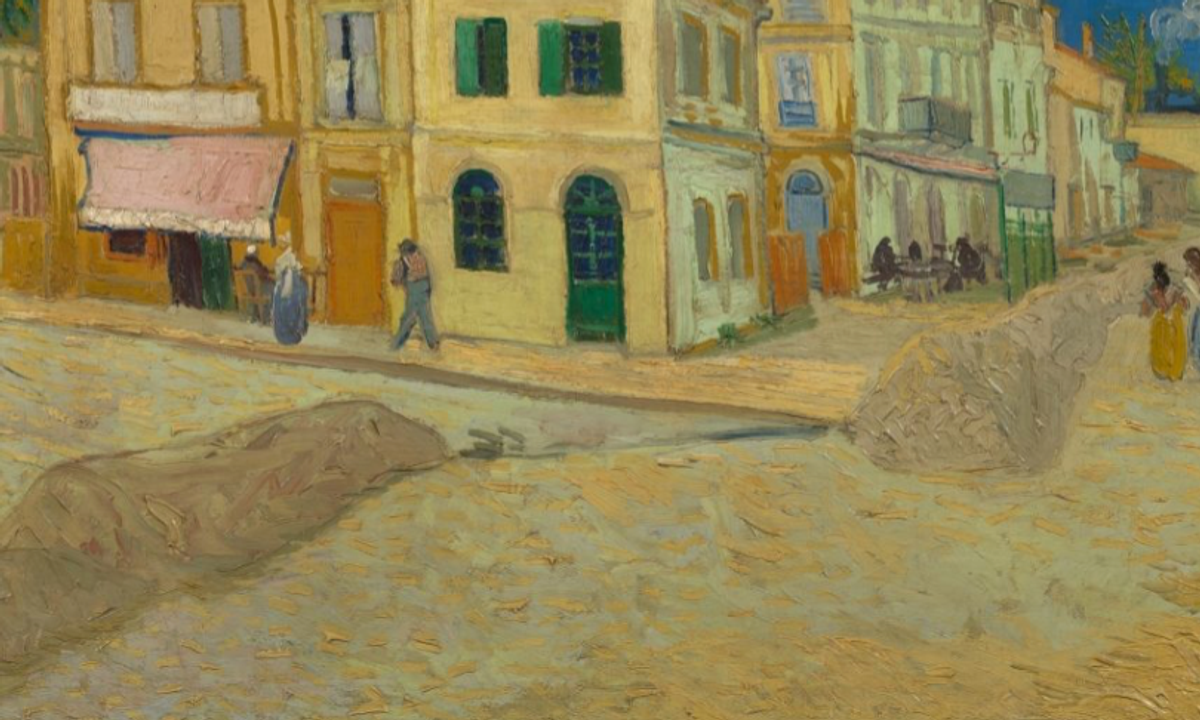
A new study by Van Gogh Museum senior researcher Teio Meedendorp proposes that the mysterious piles of sand in Vincent van Gogh's 1888 painting "The Yellow House" are not, as previously thought, related to gas pipe installation, but rather cleansing sand used to absorb horse manure and urine on the streets of Arles. Meedendorp supports his theory with historical postcards from 1902 showing similar sand piles and street-cleaning practices, as well as municipal records indicating the city had outsourced dung removal in August 1888.

An exhibition on the potato in art? Only Van Gogh could pull it off

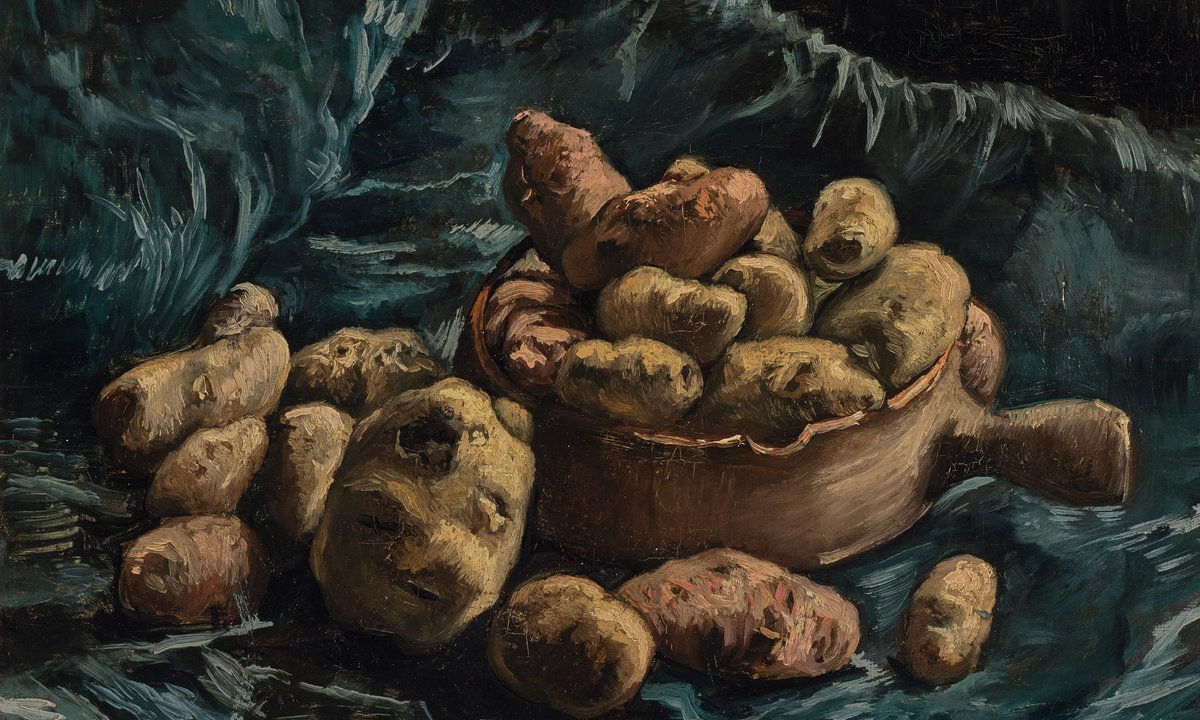
The Noordbrabants Museum in 's-Hertogenbosch, Netherlands, opens a focused exhibition titled "Van Gogh and the Potato" on 11 October, running until 1 February 2026. The show features five Van Gogh paintings, two drawings, and a print centered on the potato motif, including "Still life with Potatoes" (autumn 1886), which has been newly identified as depicting "rat's back" potatoes. A key highlight is the study "Head of a Woman (Gordina de Groot)" (March-April 1885), acquired by the museum last year for €8.6 million. The exhibition also includes a lithograph of "The Potato Eaters" and explores Van Gogh's shift from peasant subjects to flower still lifes after moving to Paris.

Van Gogh’s ‘Postman’, and the very chair seen in the painting, go on show in a revelatory Amsterdam exhibition

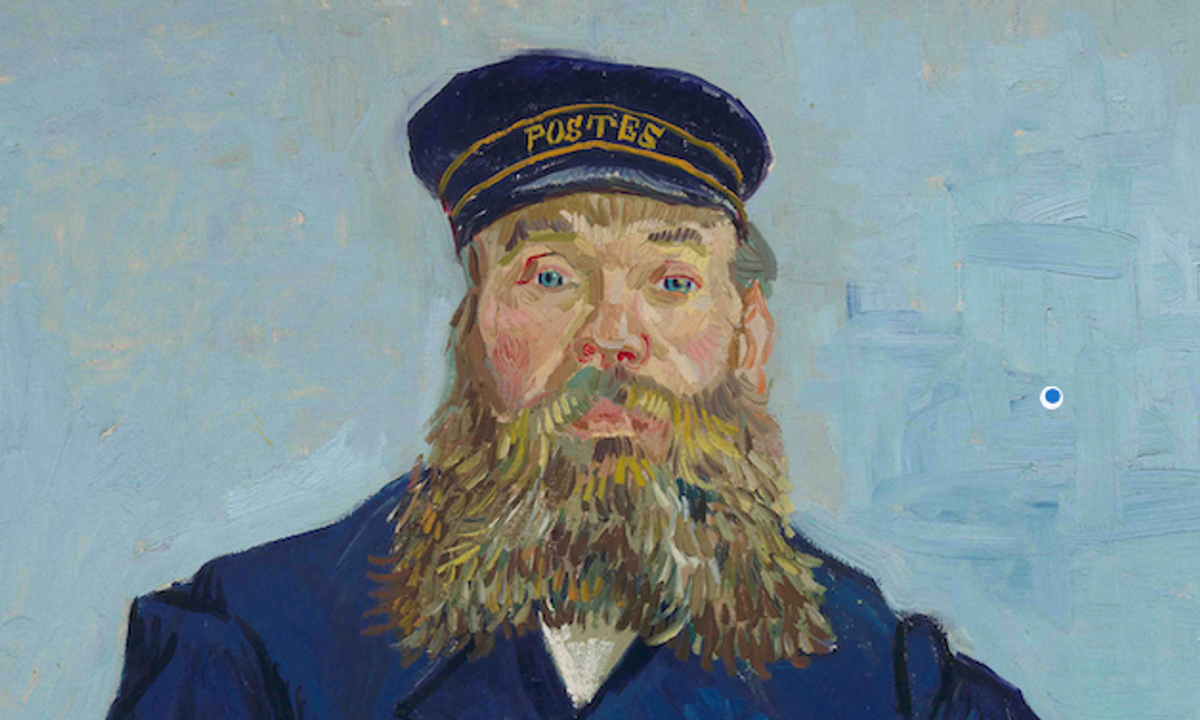
The Van Gogh Museum in Amsterdam has opened "Van Gogh and the Roulins: Together Again at Last," the first comprehensive exhibition dedicated to Vincent van Gogh's portraits of postman Joseph Roulin and his family. The show, which runs until January 11, 2026, features the artist's first portrait of Roulin on loan from the Museum of Fine Arts, Boston, alongside the very wicker armchair on which Roulin posed in 1888. The chair, originally bought by Van Gogh for his Yellow House in Arles, was acquired by the museum in 1969 and is exhibited for the first time since then. The exhibition previously drew 280,000 visitors in Boston.

The story behind the Van Gogh still life that looks destined to become his most expensive Paris painting

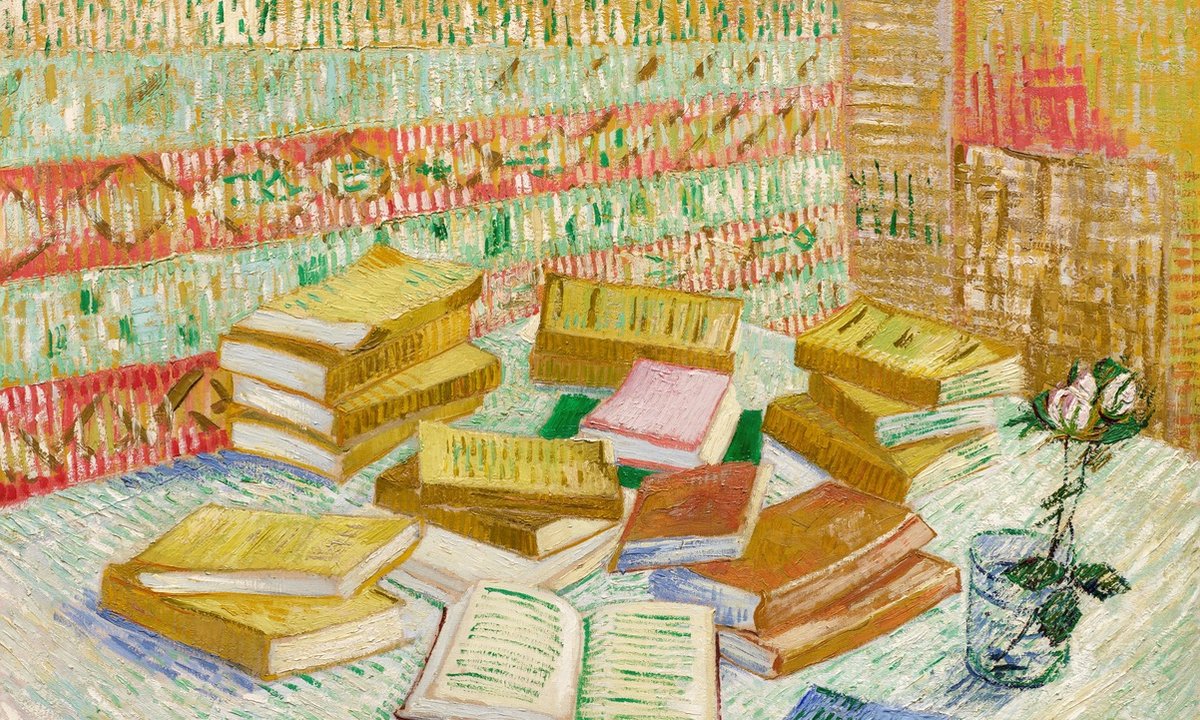
Van Gogh's 'Parisian Novels' (November-December 1887) will be the leading lot in the Pritzker sale at Sotheby's, New York on 20 November, with an estimate of $40 million. The still life, depicting 22 books and three pink roses, has been consigned by the estate of Cindy Pritzker, who died in March at age 101. The painting was created during Van Gogh's time living with his brother Theo in Paris and was among the first three works publicly exhibited during his lifetime, at the Société des Artistes Indépendants in March 1888. The Pritzker collection sale also includes 36 other works estimated at $120 million, featuring pieces by Paul Gauguin and Henri Matisse.

Lovers to friends: the intimate story of Van Gogh's sister-in-law and the artist Isaac Israëls

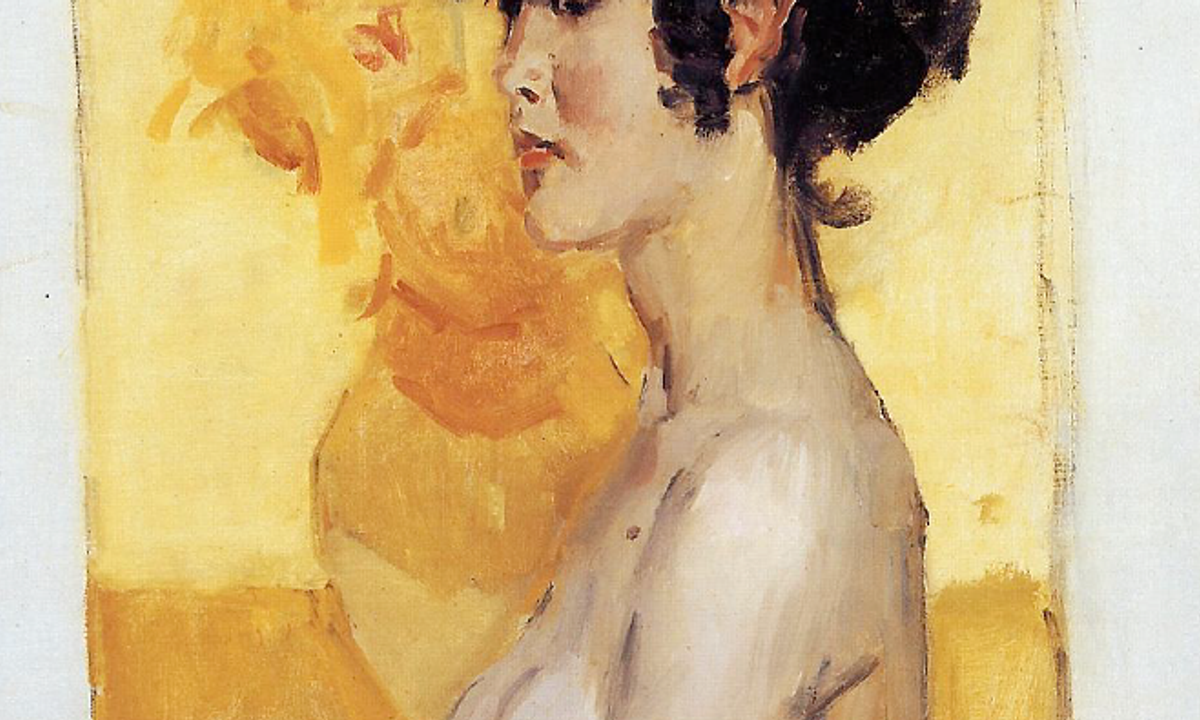
The Van Gogh Museum in Amsterdam has published 103 letters from Dutch Impressionist painter Isaac Israëls to Jo Bonger, Vincent van Gogh's sister-in-law, revealing a previously secret romantic relationship between them. The museum is also presenting an exhibition titled "Captivated by Vincent: The Intimate Friendship of Jo van Gogh-Bonger and Isaac Israëls" (through January 25, 2026), which explores their brief physical relationship in the 1890s and its aftermath, including how Israëls incorporated Van Gogh's paintings into his own portraits—a practice he called "Vincenting." Twelve of these portraits are on display for the first time.

The National Gallery's new exhibition includes Van Gogh's brief foray into Neo-Impressionism

The National Gallery in London opens 'Radical Harmony: Helene Kröller-Müller’s Neo-Impressionists' tomorrow, running until 8 February 2026. The exhibition features works by Van Gogh’s Parisian colleagues, including Georges Seurat and Paul Signac, and highlights Van Gogh’s brief experimentation with Neo-Impressionist dot-like technique. A key work on display is Van Gogh's 'The Sower' (June 1888), which also recently received a papal mention by Pope Leo XIV, who referenced the painting in his first general audience at the Vatican, interpreting its sun as a symbol of God.

Most expensive, suicide not murder and more: celebrating 300 Adventures with Van Gogh

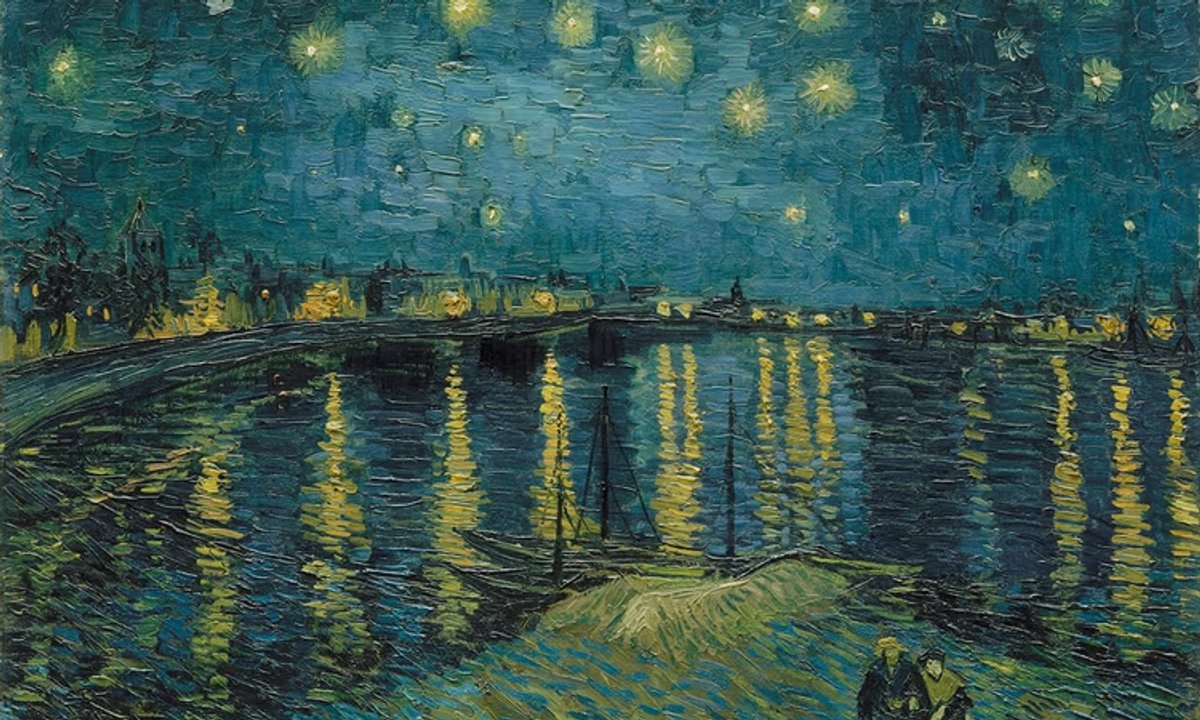
Adventures with Van Gogh, a weekly blog launched in 2018, has published its 300th post. To mark the milestone, the blog compiled a list of its most-read posts since the 200th edition in February 2023, updated with new information. Topics range from the ten most expensive Van Gogh paintings at auction (led by *Orchard with Cypresses* at $117m) to a geological feature near Saint-Rémy-de-Provence that appears in *The Olive Trees*, a defense of the suicide theory over murder, the real-life view behind *Starry Night over the Rhône*, Picasso’s granddaughter Marina Picasso quietly buying and selling a Van Gogh watercolour, and the artist’s preference for simple wooden frames over ornate gold ones.

Framing Van Gogh: why the artist did not want to surround his works with gold

London's National Gallery exhibition "Van Gogh: Poets & Lovers" displayed nearly all of its loaned paintings in ornate gilded frames, despite the artist's documented preference for simple, unadorned wooden frames. Van Gogh wrote to his sister Wil questioning the need for gilding, and Paul Gachet Jr., son of the doctor who cared for the artist, called gold frames around Van Gogh's works "an act of moral barbarism." A few exceptions stood out, including six paintings from the Kröller-Müller Museum in Otterlo, which were shown in replica frames based on early 20th-century designs by Jacob van den Bosch, and a Van Gogh from Tokyo's National Museum of Western Art that was reframed in a replica of a frame once owned by Dr. Paul Gachet.

Van Gogh’s Starry Night over the Rhône reveals more of its mysteries

Van Gogh's *Starry Night over the Rhône* (September 1888), housed at the Musée d'Orsay in Paris, is analyzed in detail to separate the actual view of Arles from the artist's imaginative additions. The article examines how Van Gogh repositioned the Plough (Big Dipper) constellation, exaggerated the brightness of gas lamps, and likely painted most of the scene in his studio rather than en plein air. It also reveals that he later reworked the lower-left corner of the canvas, as seen in contemporary sketches.

How did the only painting sold by Van Gogh in his lifetime end up in Russia?

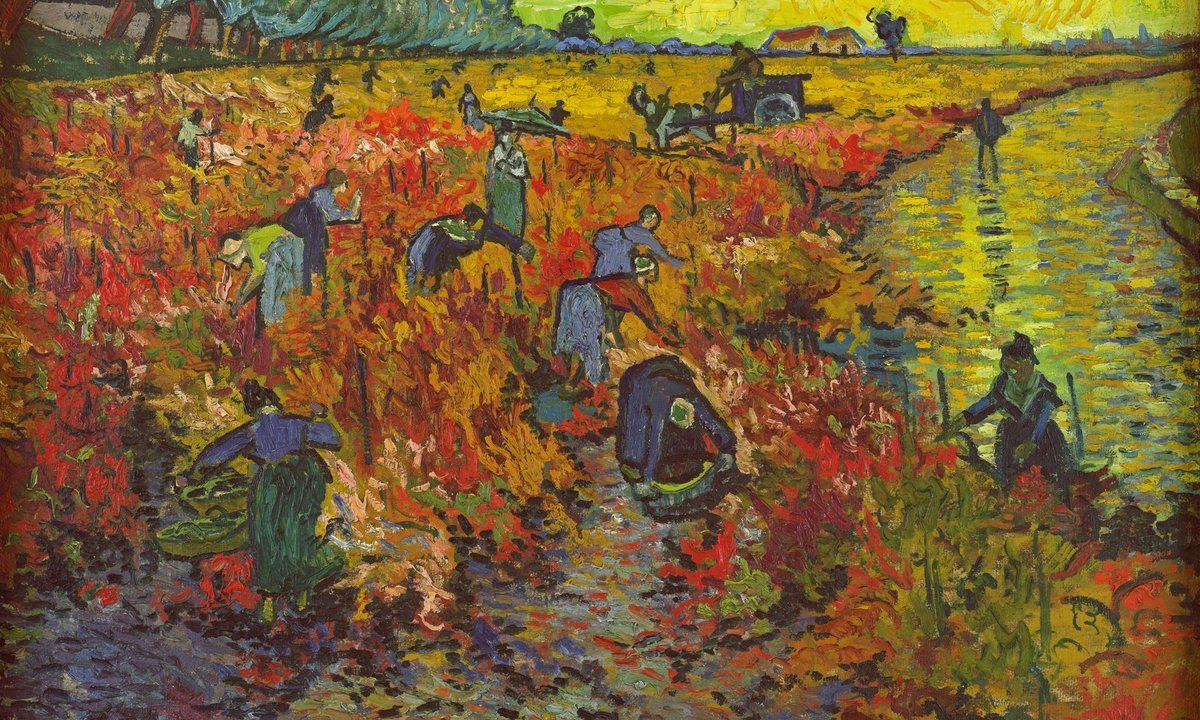
The article explores the history and conservation of Vincent van Gogh's "The Red Vineyard," the only painting he is certain to have sold during his lifetime. Sold for 400 francs at a Brussels exhibition in March 1890, the work now resides at the Pushkin State Museum of Fine Arts in Moscow. A recent conservation project used modern scientific techniques to uncover new details about the painting's creation, including Van Gogh's use of paint straight from the tube, compositional changes, and the fading of chrome yellow pigments. The article also recounts the painting's origin during Van Gogh's time in Arles with Paul Gauguin and its journey to Russia.

Revealed: Picasso’s granddaughter owned a Van Gogh—which she sold at Sotheby’s

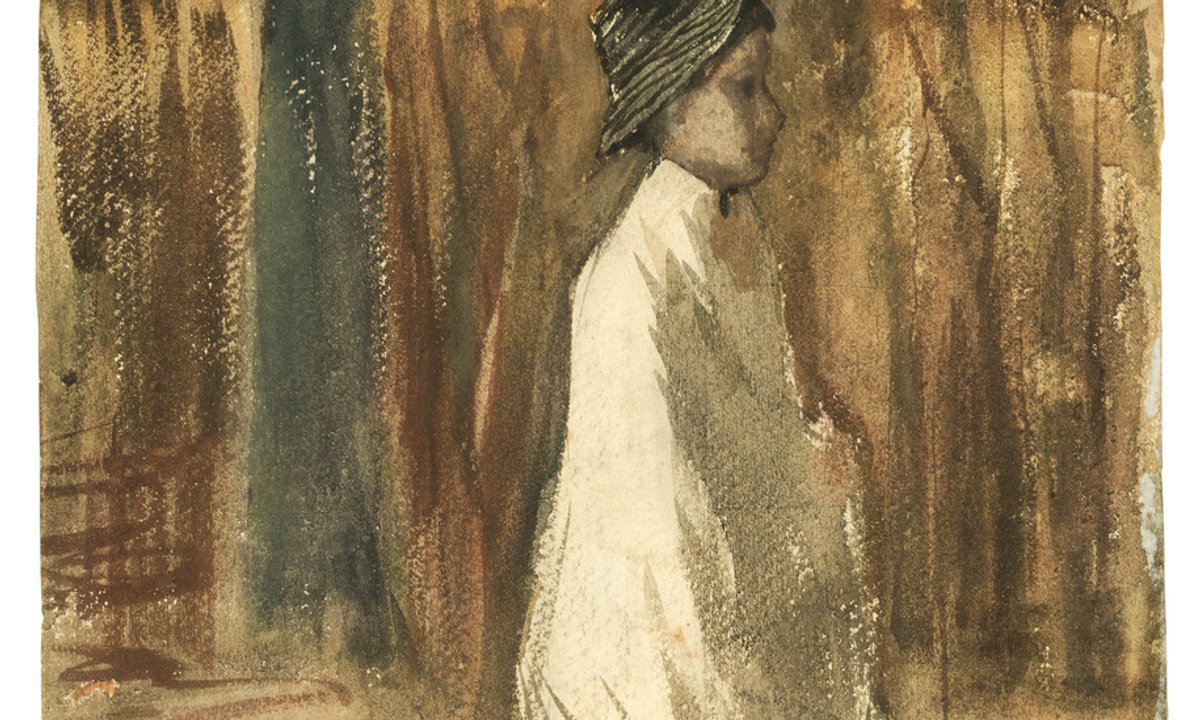
Marina Picasso, granddaughter of Pablo Picasso, owned a Vincent van Gogh watercolor titled *Woman in a Wood* (September-October 1882), which she sold at Sotheby’s in New York on May 13 for $952,500. The work, which also features a sketch of a fishing boat on its reverse, was purchased by Marina in 1987 through Swiss dealer Jan Krugier from a Tehran-based collector. The sale was not publicly known until just before the auction. The article also notes that a separate Van Gogh oil painting, *In the Dunes* (September 1883), sold at Christie’s the previous day for $4 million from the collection of US businessman Jeffrey P. Draime.

Van Gogh’s love of Hiroshige, the Japanese master of the landscape, is reflected in a British Museum exhibition

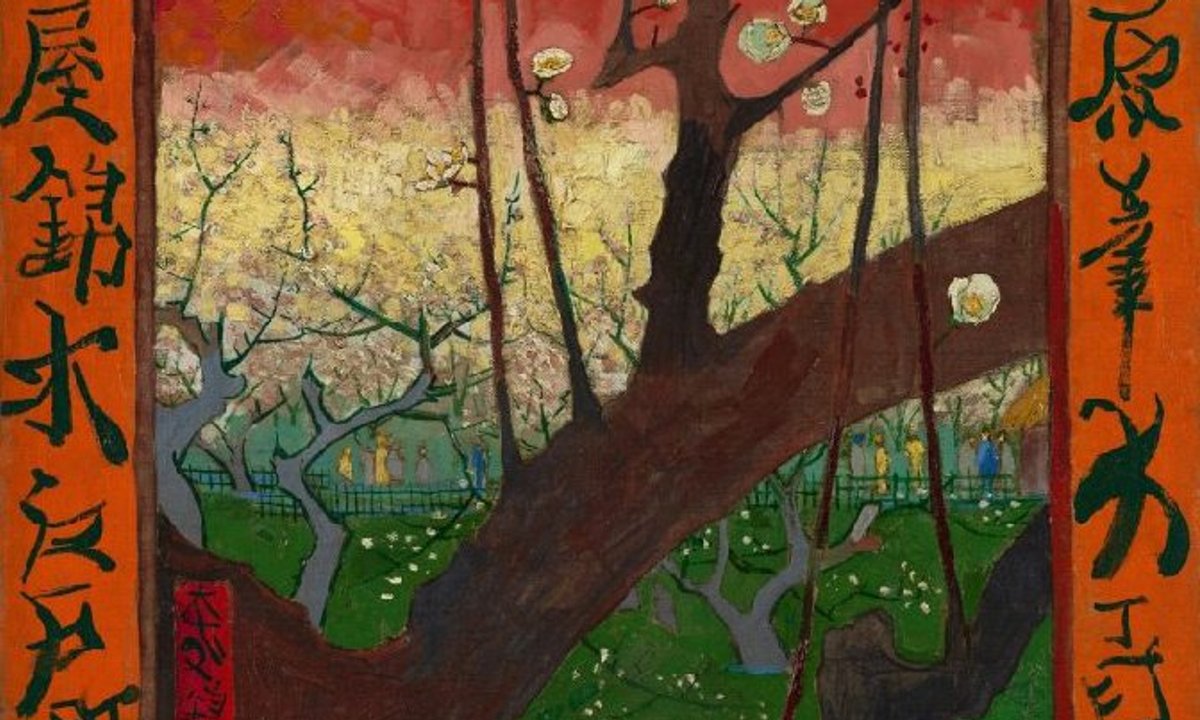
The British Museum's exhibition "Hiroshige: Artist of the Open Road" (through September 7) showcases over 100 prints by the Japanese master Utagawa Hiroshige, including rare loans that highlight his influence on European avant-garde artists. A key display is Vincent van Gogh's own copy of Hiroshige's "The Plum Garden at Kameido" (1857), on loan from the Van Gogh Museum in Amsterdam, along with Van Gogh's squared-up tracing used for his painting. New research by British Museum senior scientist Capucine Korenberg reveals a short pencil line on the print that confirms Van Gogh used this exact copy as a guide for his tracing and subsequent painting.

Van Gogh was not fantasising when he painted mountain landscapes with ‘The Two Holes’

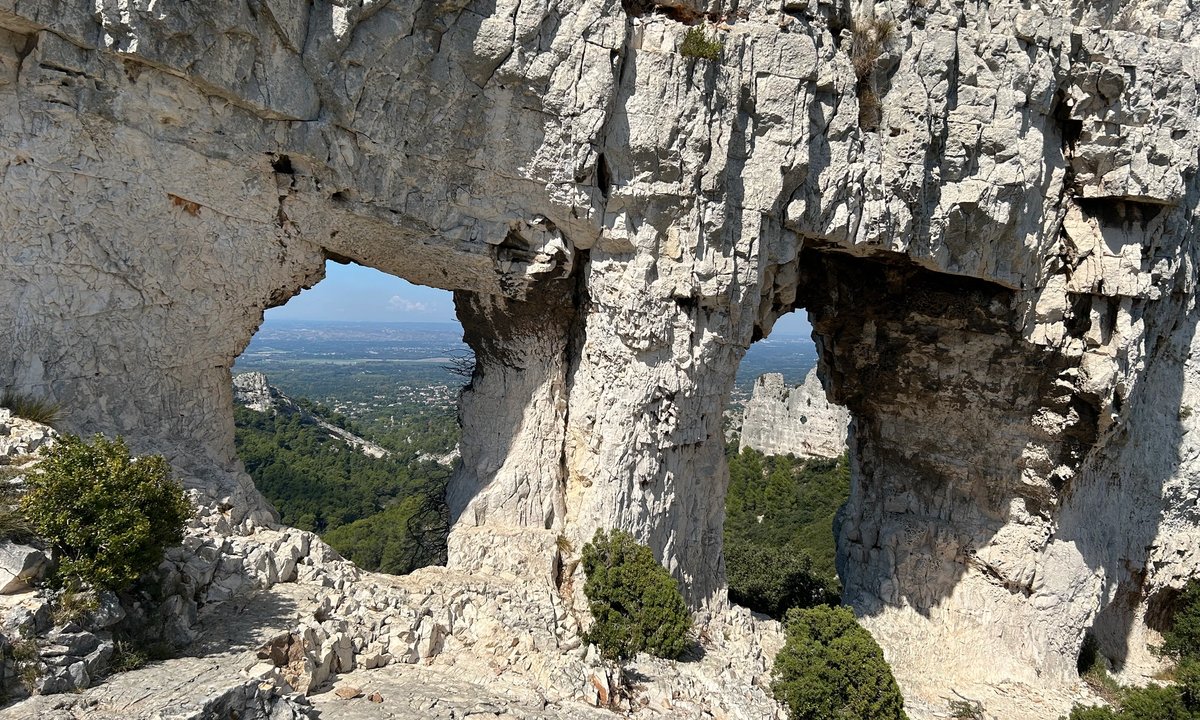
Martin Bailey, a leading Van Gogh specialist, reveals that the distinctive rock formation known as Le Rocher des Deux Trous (The Rock of the Two Holes), which appears in two of Vincent van Gogh's paintings—The Olive Trees (June 1889) and Mountains at Saint-Rémy (July 1889)—is a real geological feature near the asylum in Saint-Rémy-de-Provence, not a figment of the artist's imagination. The two paintings, held by the Museum of Modern Art and the Solomon R. Guggenheim Museum in New York, were recently displayed together at London's National Gallery exhibition Van Gogh: Poets & Lovers (14 September 2024–19 January 2025), offering a rare chance to compare them. Bailey traces the history of the formation, noting that an anonymous 17th-century artist also depicted it, and describes a walking route from the former asylum to the site.

The Royal Academy’s Kiefer-Van Gogh show offers a soaring spectacle

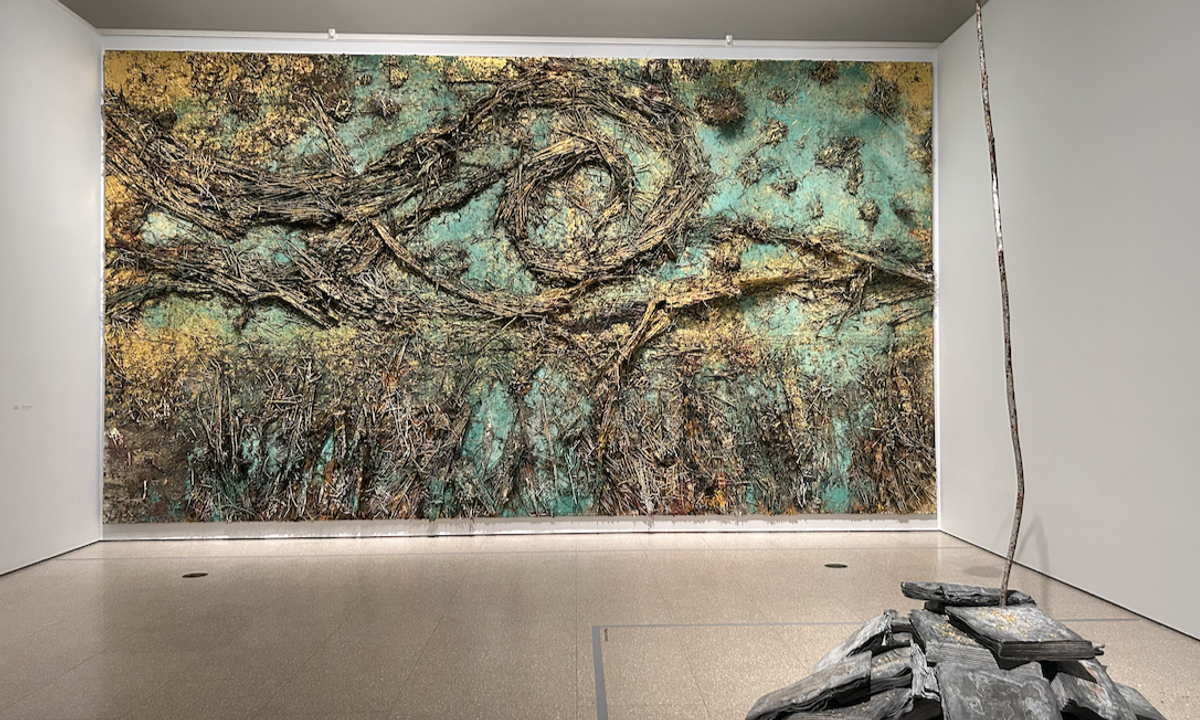
The Royal Academy of Arts in London is hosting "Kiefer/Van Gogh" (28 June–26 October), a focused exhibition pairing Anselm Kiefer's monumental multimedia works with Vincent van Gogh's paintings and drawings. The show, curated by Julien Domercq, features seven huge Kiefer pieces including the 8.4m-wide "The Starry Night" (2019) and a single sculpture, alongside 11 Van Gogh works—five on loan from the Van Gogh Museum. It previously ran at the Van Gogh Museum in Amsterdam, where it drew 340,000 visitors. The London iteration is smaller but includes different works, with a central room dedicated to Van Gogh's pieces spanning his career.

Party time: Cate Blanchett, Beth Ditto, Lily Allen and more light up glitzy Serpentine summer bash

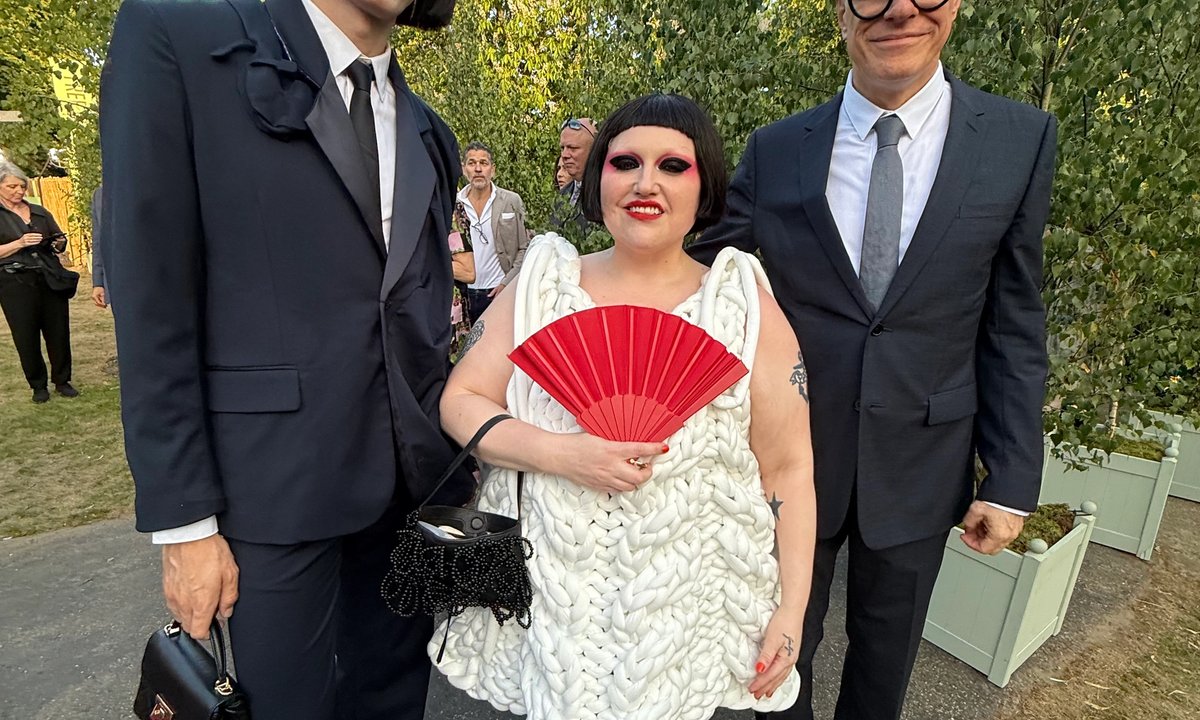
The Serpentine in London hosted its annual invitation-only Summer Party, a glitzy fundraising gala that drew a mix of art, fashion, tech, and showbiz figures. For the first time since 2000, a single artist co-hosted the event: Australian actor and humanitarian Cate Blanchett. The evening featured the Lego Group's bright orange Play Pavilion, a reimagined installation by Indian artist Subodh Gupta, and the Serpentine Pavilion designed by Bangladeshi architect Marina Tabassum. Notable attendees included sculptors Thomas J. Price and Antony Gormley, artists Grayson Perry, Es Devlin, and Yinka Shonibare, along with celebrities like Lily Allen, Beth Ditto, will.i.am, and Jessica Gunning. The event also highlighted Giuseppe Penone's exhibition 'Thoughts in the Roots' and was supported by partners including Bloomberg Philanthropies, Ruinart, Gagosian, and Google Arts & Culture.

Revealed: how Van Gogh's nephew exchanged two of the artist's drawings for butter and bacon

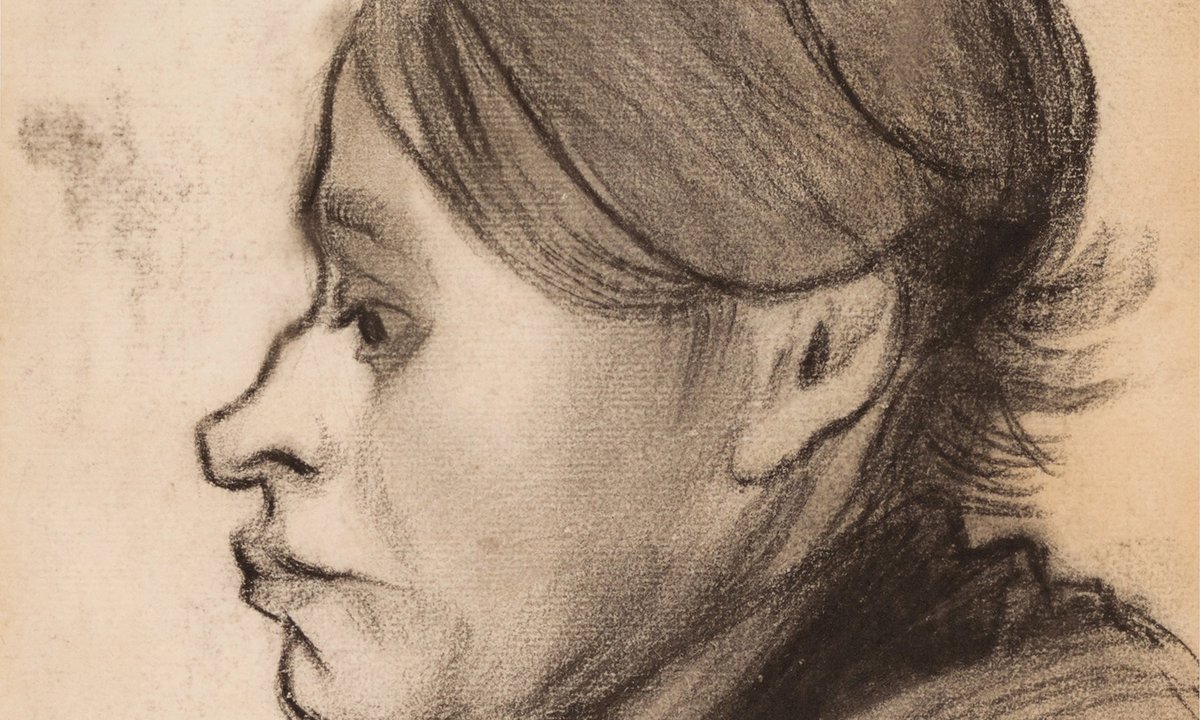
In early 1945, during the Dutch 'Hunger Winter' at the end of World War II, Vincent van Gogh's nephew, Vincent Willem van Gogh, exchanged two of the artist's drawings for 35 packets of butter and some bacon. The swap was arranged with the help of artist Charley Toorop and involved the cheese business Visser Kaas in Heiloo. One of the drawings, *Head of a Peasant Woman, left profile* (December 1884–May 1885), is now being offered at Sotheby's on 25 June with an estimate of £400,000–£600,000, suggesting the pair would be worth around £1 million today. The nephew's family was suffering from starvation and tragedy, including the execution of his eldest son by German forces.

With the help of conservators, one of Van Gogh’s finest Arles landscapes will be heading to Japan

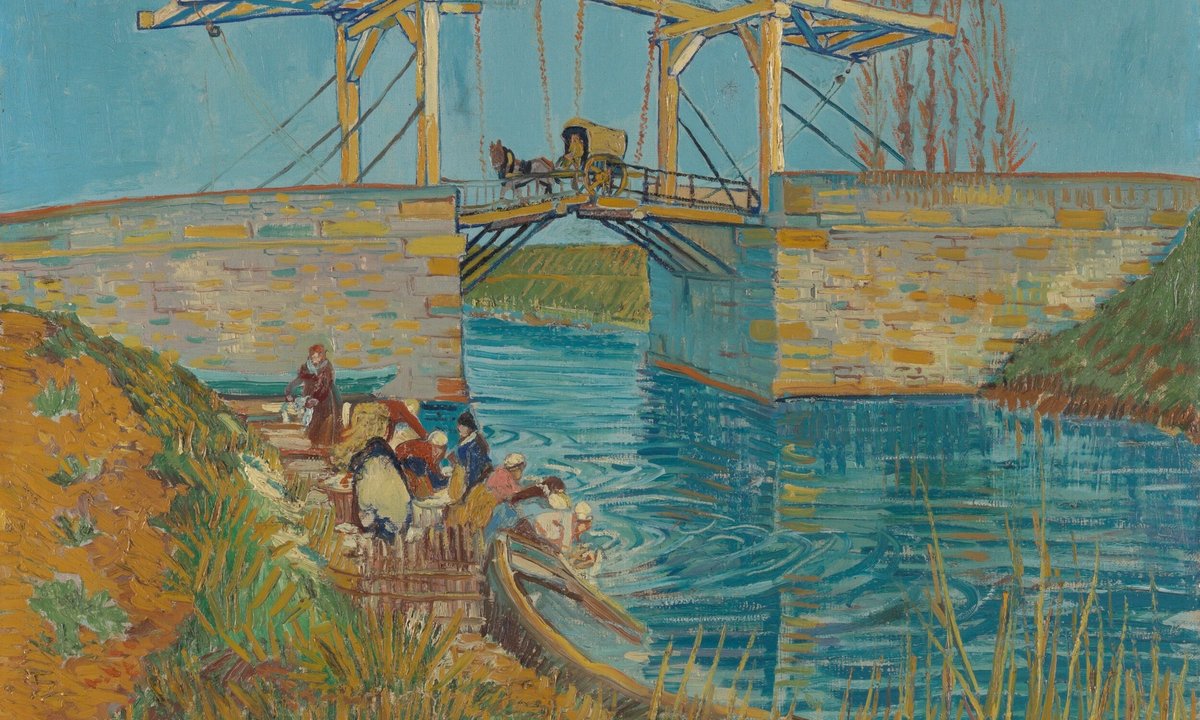
Conservator Margje Leeuwestein has examined Vincent van Gogh's "Bridge at Arles (Pont de Langlois)" (March 1888) at the Kröller-Müller Museum in Otterlo to confirm it is fit for travel. The painting will be the centerpiece of an exhibition touring three Japanese cities in 2027. The article details the painting's history, including Van Gogh's intended gift to Hermanus Tersteeg of the Goupil gallery, a later-scraped dedication, and a rare 1929 photograph of the bridge by Johannes Reiher that mirrors the composition.

Introducing CULTURED’s Inaugural Young Dealers List

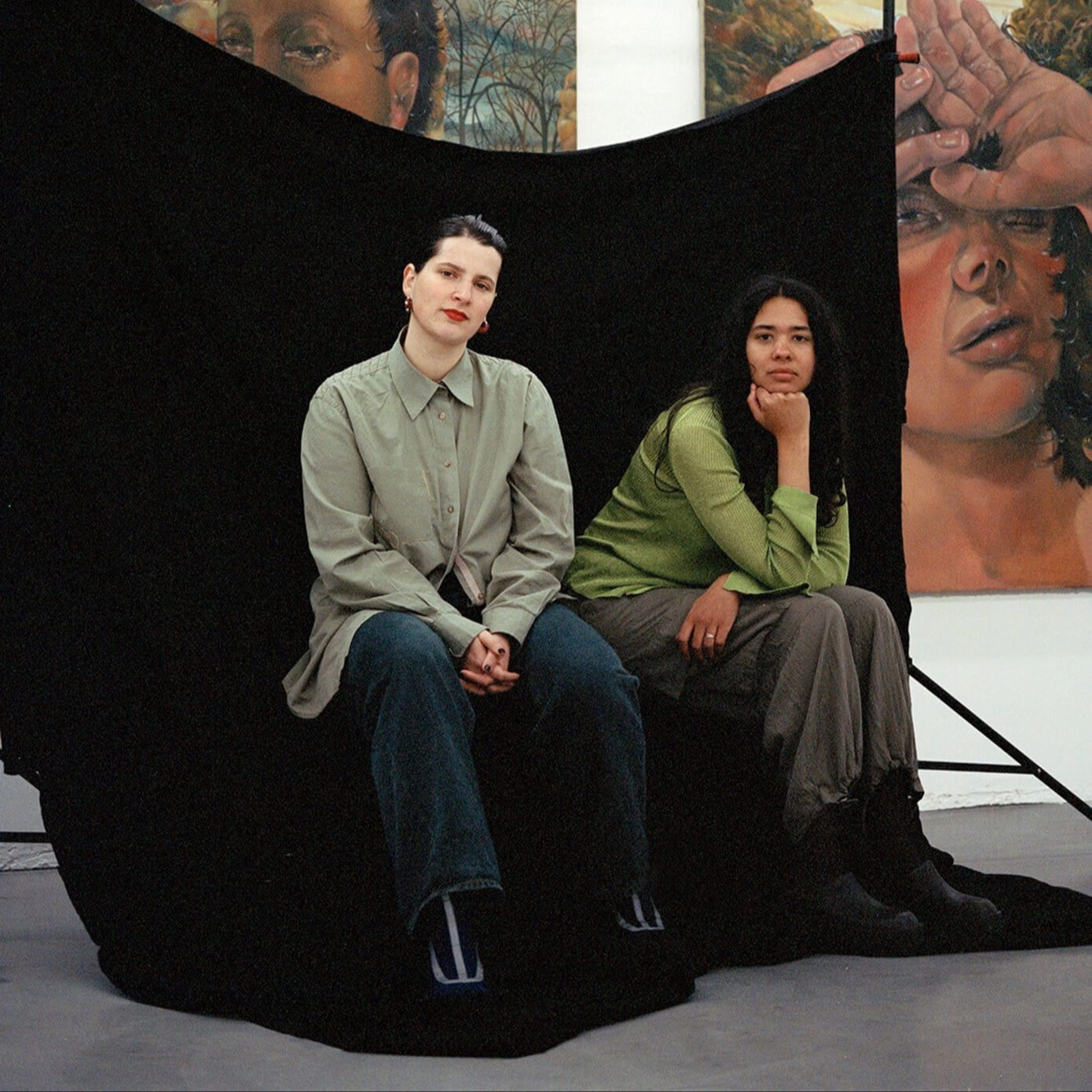
CULTURED magazine has launched its inaugural Young Dealers List, highlighting 23 galleries under five years old that are reshaping the art world. Selected from over 100 recommendations gathered from more than 40 collectors, advisors, and curators, the list features ambitious new spaces in cities from Accra to Berlin. One featured gallerist, Adora Mba of ADA \ Contemporary Art Gallery in Accra, comes from a family of collectors and opened her gallery after working as a cultural news producer; she has dedicated her 2025 program to women artists and curators.

Two US ambassadors have displayed Van Goghs in their London residence—but Donald Trump's pick for the job seems unlikely to follow suit

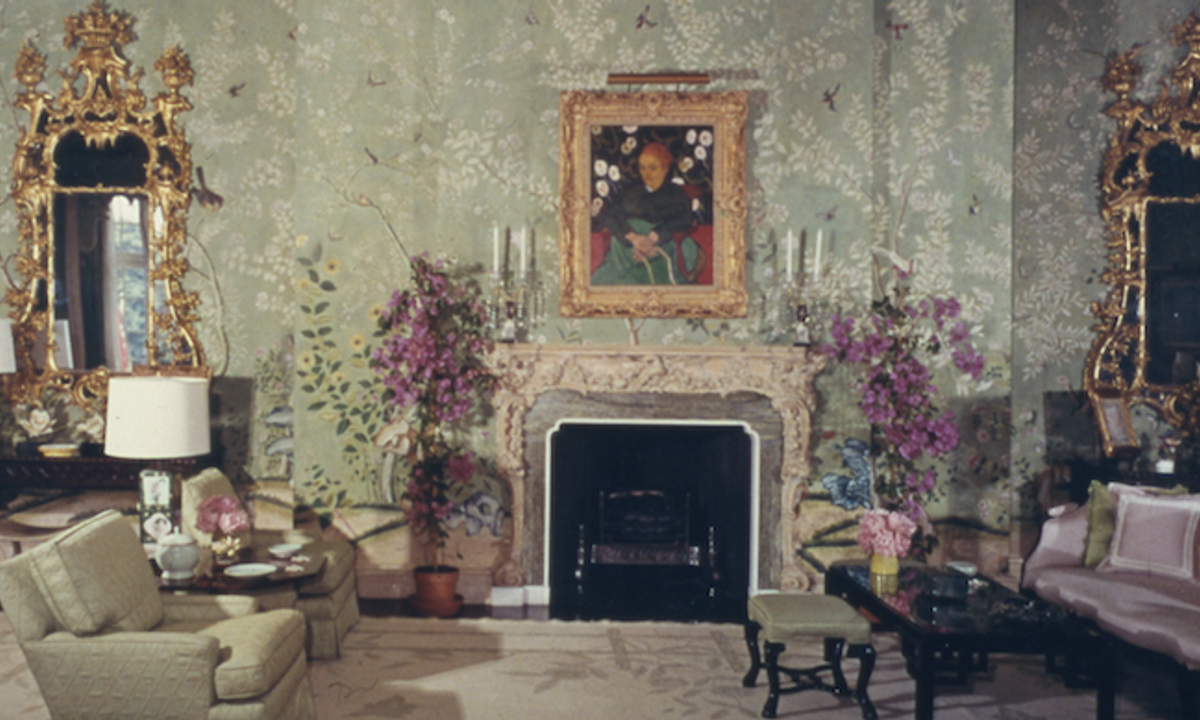
Two former U.S. ambassadors to the UK, John Hay Whitney (1957-61) and Walter Annenberg (1969-74), displayed Van Gogh masterpieces from their personal collections in Winfield House, the official residence in London's Regent's Park. Whitney hung Van Gogh's *Self-portrait* (September 1889) above the mantelpiece in the family dining room, while the Annenbergs placed *La Berceuse* (February 1889) and *Olive Trees* (November 1889) in the green room, alongside works by Gauguin, Degas, Cézanne, Monet, and Renoir. Both ambassadors later donated their Van Goghs to major U.S. museums—Whitney's to the National Gallery of Art in Washington, D.C., and the Annenbergs' to the Metropolitan Museum of Art in New York.

An exhibition in a most extraordinary building explores Japan’s love for Van Gogh

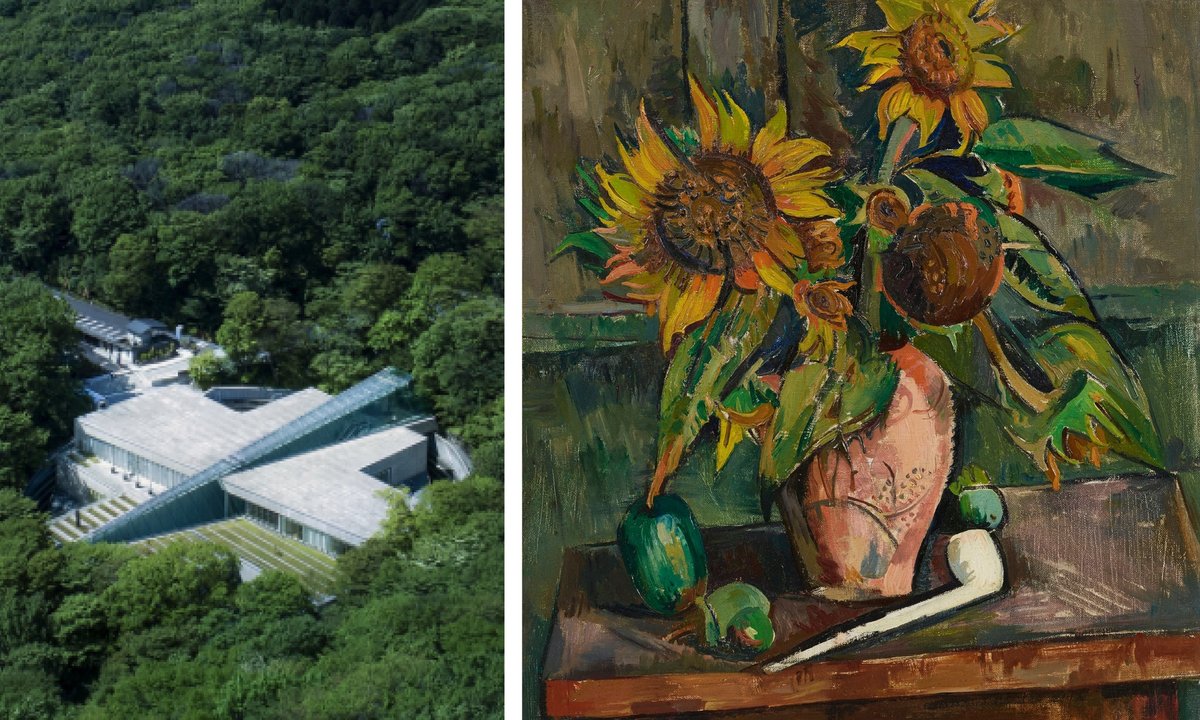
An exhibition titled 'A Renewal of Passion: The Impact of Van Gogh' opens at the Pola Museum of Art in Hakone, Japan, running from May 31 to November 30. It explores Van Gogh's influence on Japanese art, featuring three Van Gogh paintings from the museum's own collection—acquired by founder Suzuki Tsuneshi—alongside loans from other Japanese institutions, including the Morohashi Museum of Modern Art and the Kuboso Memorial Museum of Arts. The show highlights works by Japanese artists like Kishida Ryusei, Maeta Kanji, and Nakamura Tsune, who were inspired by Van Gogh, as well as contemporary pieces such as Fiona Tan's photographic series 'Ascent' (2016).

Works by Charley Toorop, one of the first female painters to admire Van Gogh, go on show in the Netherlands

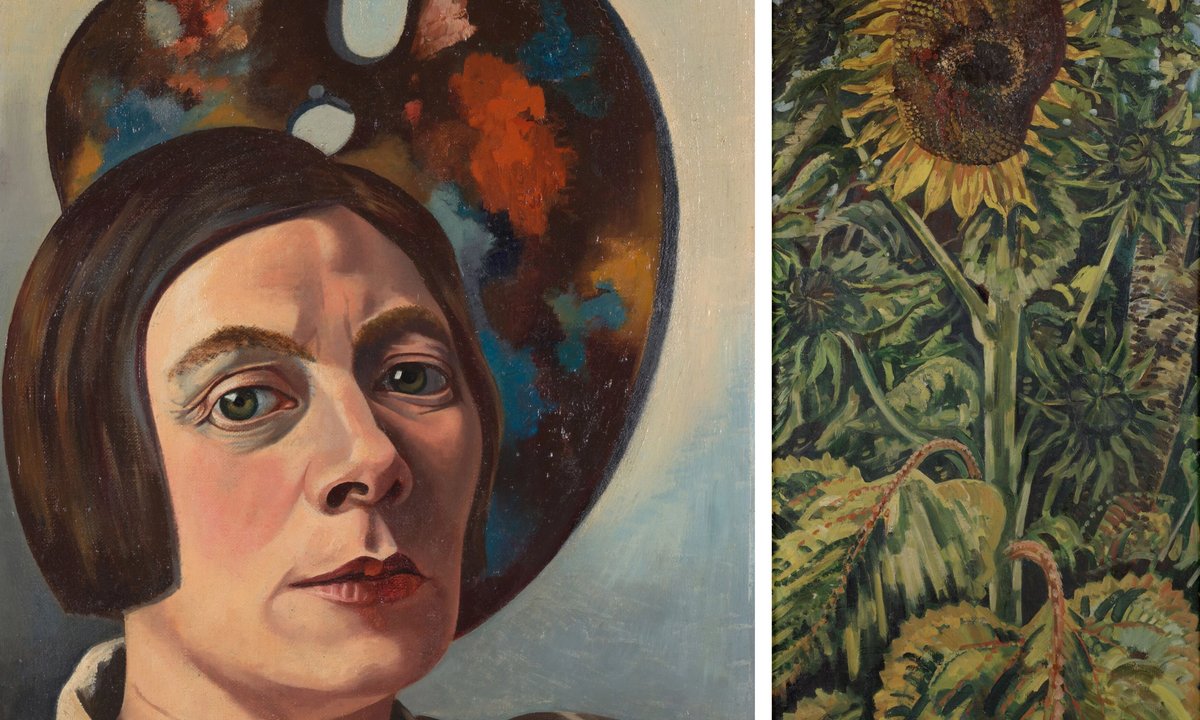
An exhibition titled "Charley Toorop: Love for Van Gogh" opens at the Kröller-Müller Museum in the Netherlands (24 May-14 September), showcasing 60 works by Charley Toorop (1891-1955), one of the first female painters deeply influenced by Vincent van Gogh. The show, curated by Renske Tervaert, draws on the museum's extensive Toorop and Van Gogh collections, supplemented with loans, and highlights how Van Gogh's work shaped Toorop's art, particularly in the early 1920s. A key focus is her 1924 portraits of patients at the Willem Arntsz Medical Asylum for the Insane in Utrecht, where she painted three powerful works after a traumatic marriage to Henk Fernhout, who had been institutionalized there. The exhibition also explores personal connections: Van Gogh's brother Theo was treated and died at the same facility, and Toorop's still lifes echo Van Gogh's motifs, such as her use of knives alluding to domestic strife.

Korea’s first privately owned Van Gogh unveiled at newly opened museum

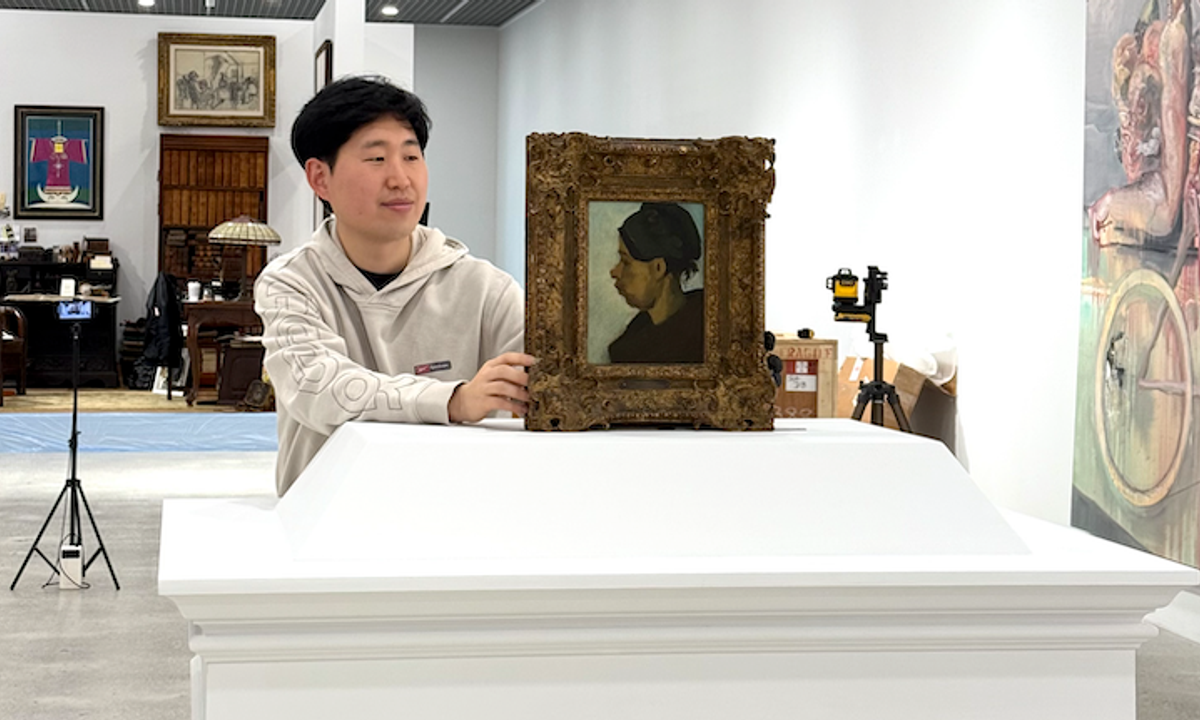
Hong Gyu Shin, a New York-based gallery owner originally from Ulsan, South Korea, became the first named Korean to purchase a Van Gogh when he acquired *Head of a Peasant* (January-March 1885) at Sotheby’s in May 2024 for $787,000—well below its estimate. The painting has now gone on display at the newly opened KAIST Art Museum (KAM) in Daejeon, South Korea, as part of Shin's exhibition *The Vault of Masterpieces* (until 30 August). The show features 49 works from his personal collection, including a recreation of his New York apartment, and marks the first time a Van Gogh has been exhibited on loan from a Korean collector.

When—and why—did Van Gogh paint a pair of crabs?

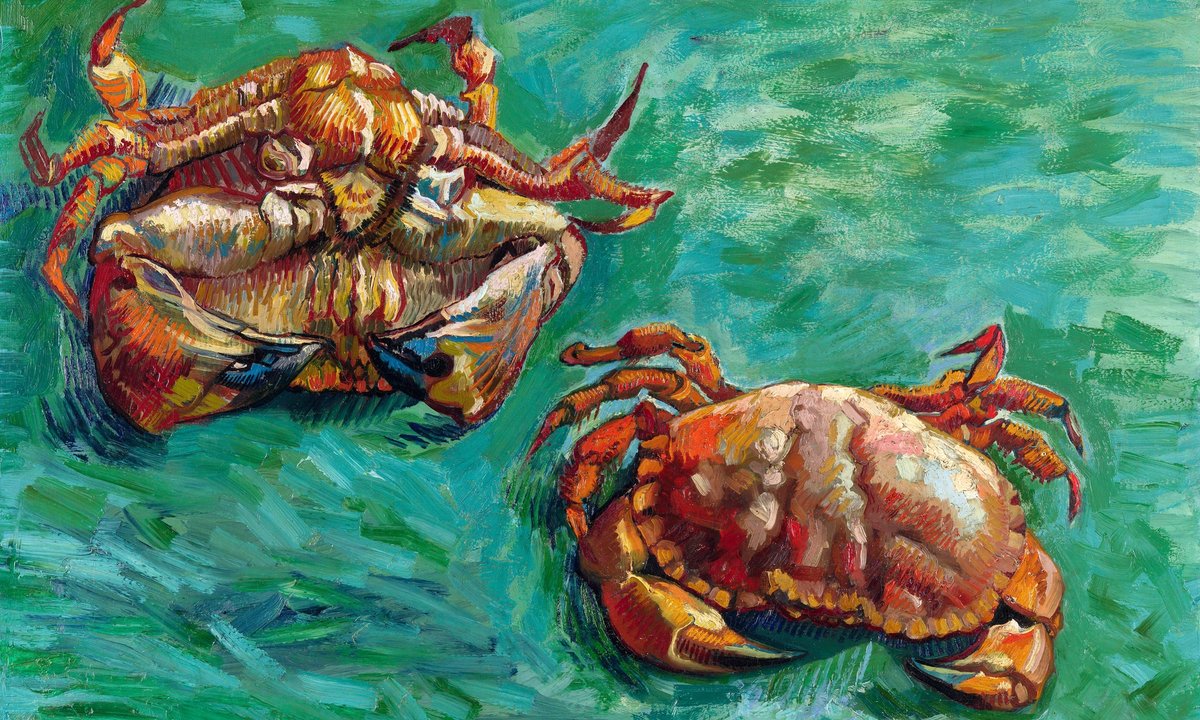
An article explores the story behind Vincent van Gogh's still life "Two Crabs," revealing that the two crabs are likely the same individual—a female Cancer pagurus missing its first pair of walking legs. Paul Clark, a crustacean specialist at London's Natural History Museum, confirmed the sex based on the broad abdomen visible in the painting. The work is on long-term loan to London's National Gallery, where it was recently redisplayed as part of the gallery's major rehang ahead of the Sainsbury Wing reopening on May 10. The article also traces the painting's provenance: it was the first Van Gogh bought by a British collector, William Cherry Robinson, in 1893 for 200 guilders, later sold at auction in 1906 for half that amount, and eventually resold at Sotheby's in 2004 for £5.2 million to an anonymous collector who lent it to the National Gallery.

sue williamson retrospective iziko south africa

Sue Williamson's first-ever retrospective, "There's something I must tell you," is on view at the Iziko National Gallery in Cape Town through September 24, 2025. The exhibition spans five decades of her practice, which combines photography, drawing, and installation to explore themes of memory, remembrance, and the enduring impacts of apartheid and colonialism in South Africa. Key works include the video "There's something I must tell you" (2013), featuring conversations between anti-apartheid activists and their granddaughters; "A Few South Africans" (1982–87), a series of photo etchings celebrating influential women; and the installation "Messages from the Moat" (1997), which memorializes enslaved people brought to Cape Town. A new installation, "Don't Let the Sun Catch You Crying" (2024), is also featured.