filter_list Showing 97 results for "protests" close Clear
dashboard All 97 article news 47museum exhibitions 30article culture 15rate_review review 4person people 1
date_range Range Today This Week This Month All
Subscribe

I Have Always Been Drawn to the Despised

"Ich habe mich schon immer zum Verachteten hingezogen gefühlt"

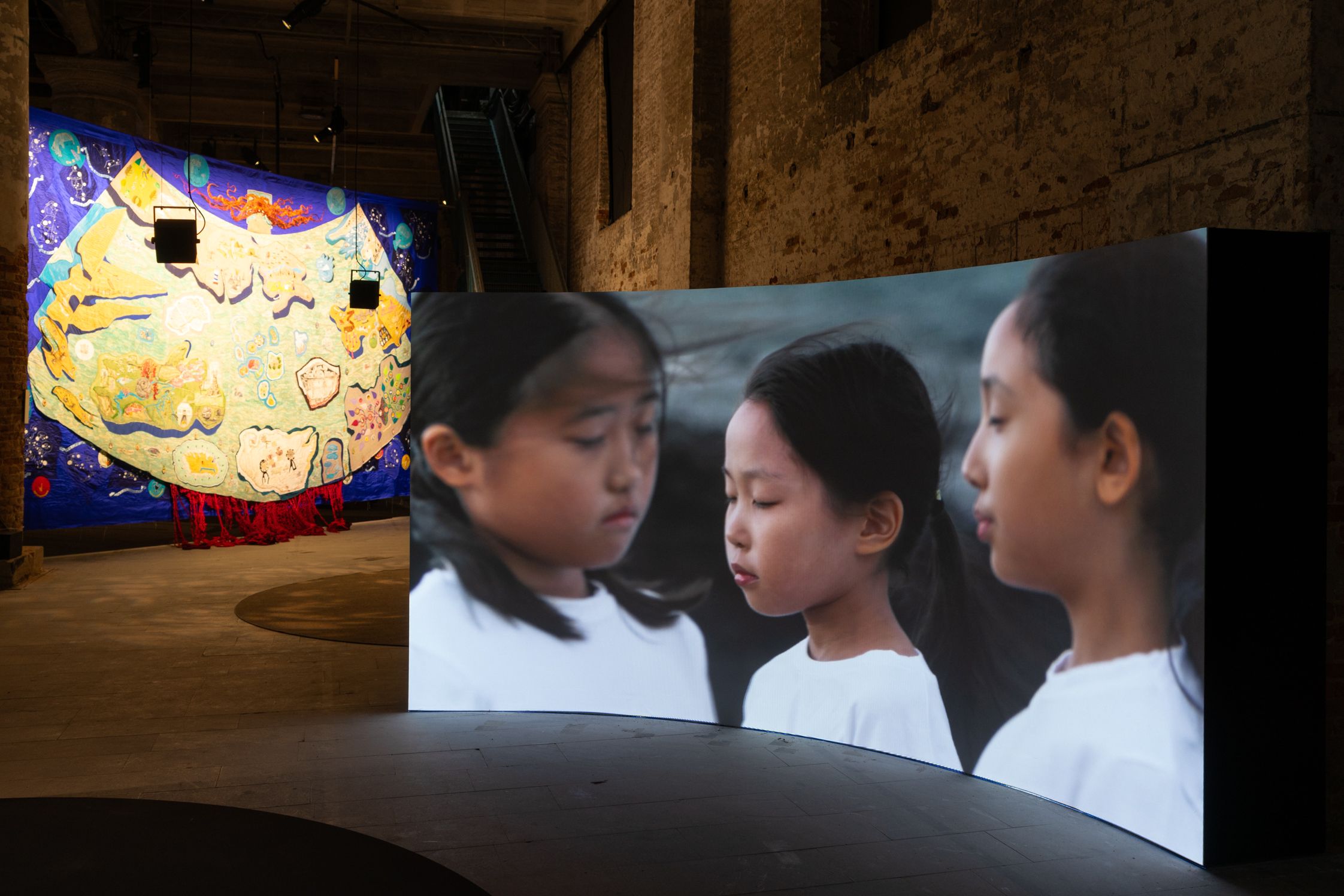
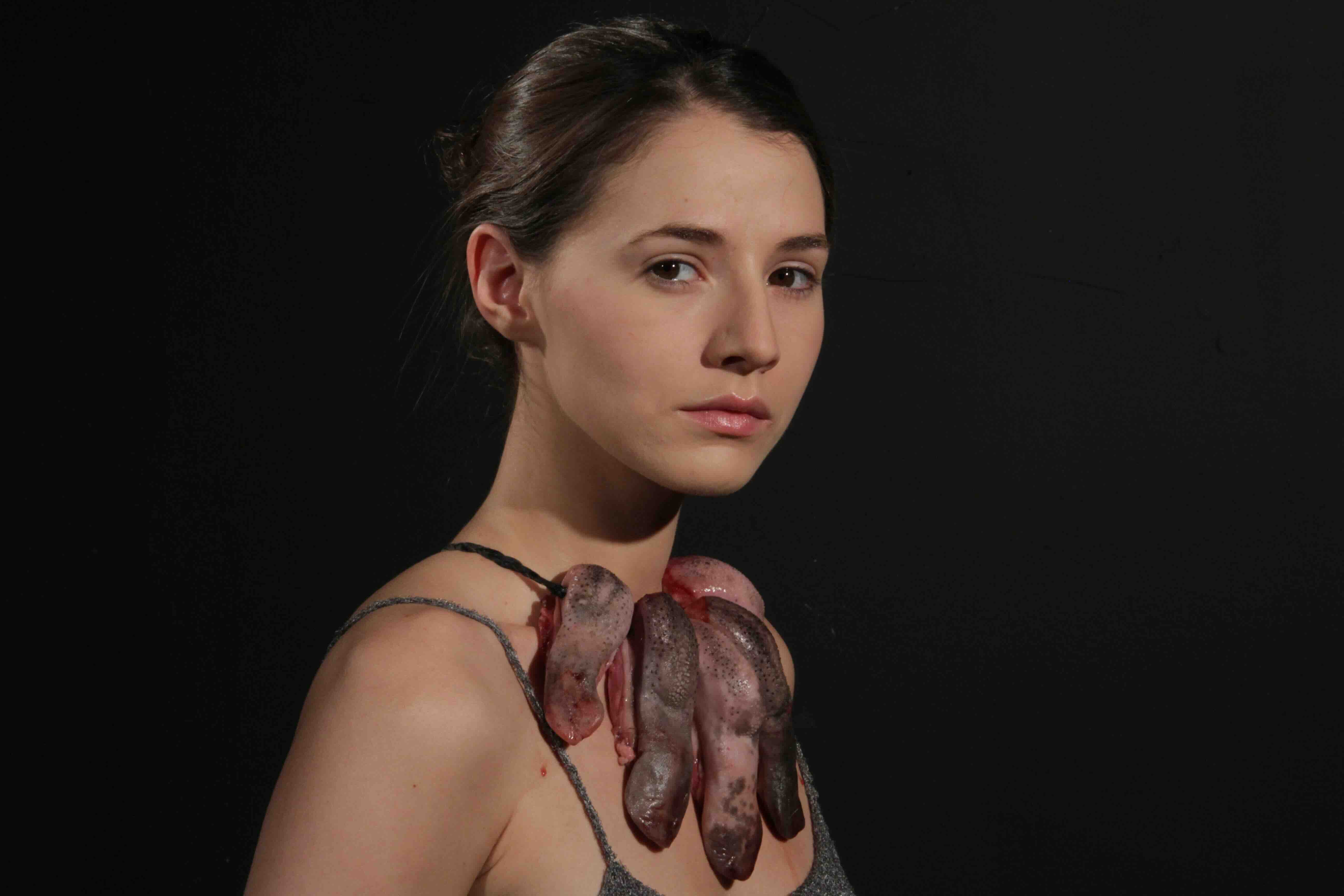
Irish artist Alice Maher discusses her ongoing exploration of patriarchal structures, mythology, and the symbolic power of female hair in her practice. Her current work focuses on large-scale drawings of Sibyls—ancient female prophets—whose excessive hair serves as a metaphor for identity, power, and the 'monstrous feminine.' Maher reflects on her career-long engagement with Irish history, from collecting hair during the Troubles to her collaborative textile masterpiece, "The Map," which reclaims the legacy of Mary Magdalene from Catholic institutional narratives.
Open Letter on Auction of “Tributes” to the Russian Avant-Garde

An open letter signed by art historians, curators, and researchers protests an upcoming auction at Stanley's Auction House in Zaventem, Belgium, scheduled for April 23, titled “Tributes to the Russian Avant-Garde & Constructivists.” The second sale is organized in cooperation with Drouot, a major French auction platform, and offers approximately one hundred works from the so-called Toporovsky collection, which has been linked to a scandal involving forged Russian modernist paintings at the Museum of Fine Arts Ghent. The alleged suppliers, Igor Toporovsky and Olga Toporovsky, face criminal charges including the sale of 171 forged works for about €20 million, with court proceedings beginning in May in Ghent. The signatories argue that the auction, with works priced around €300 each, is deeply troubling given the pending legal case and the undisclosed consignor identity.

Protests and Shutdowns Engulf 61st Venice Biennale Opening

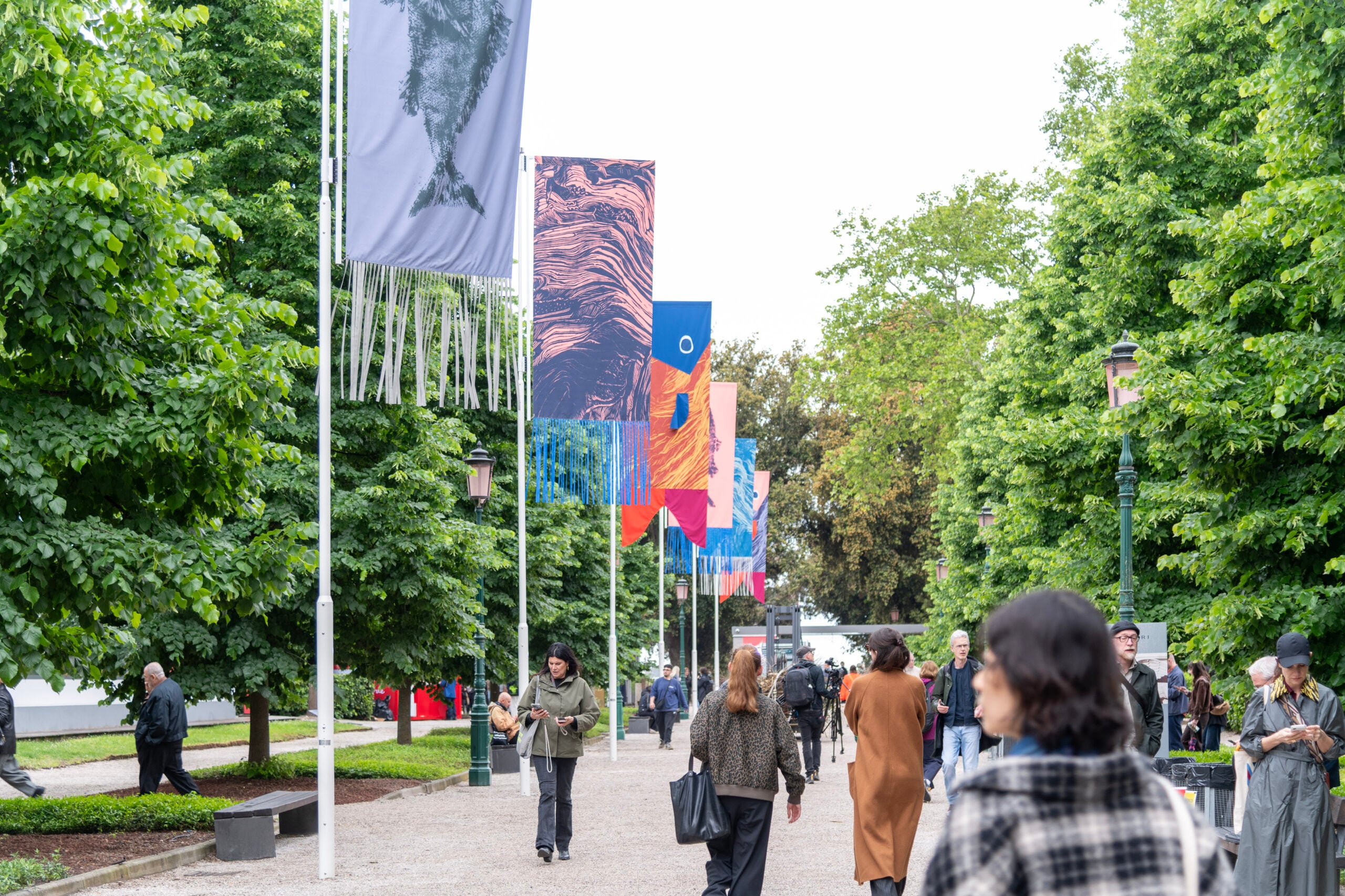
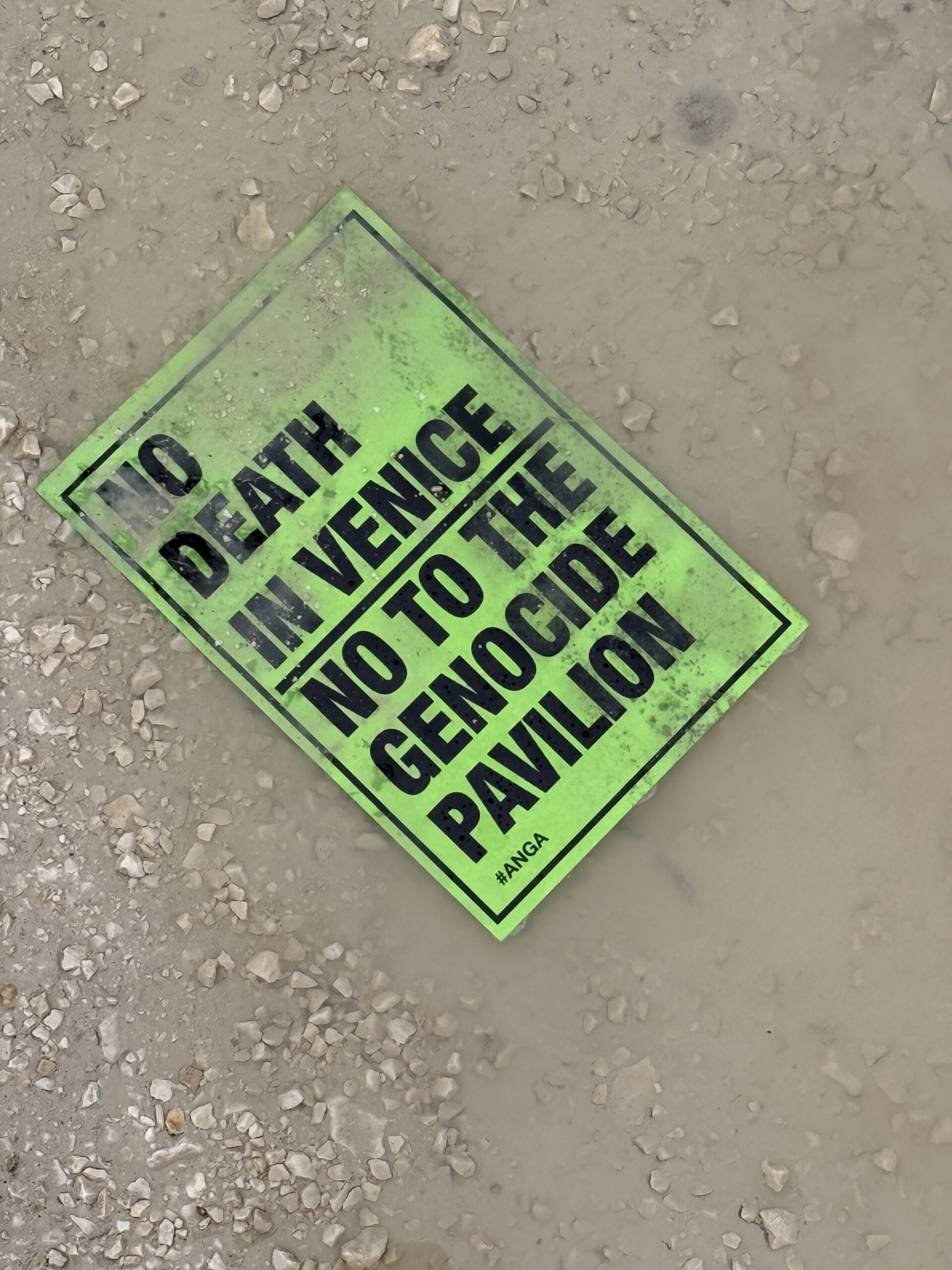
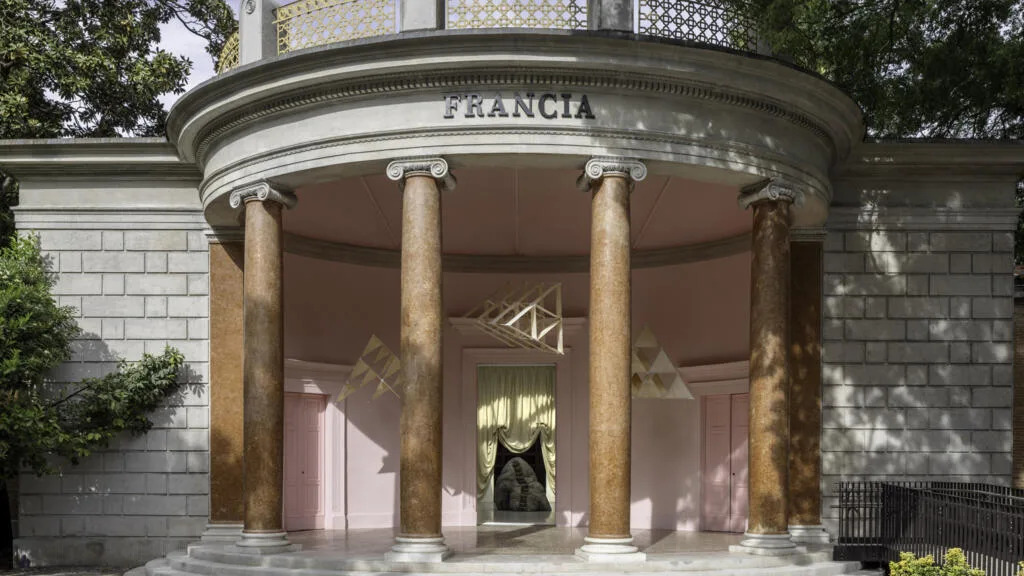
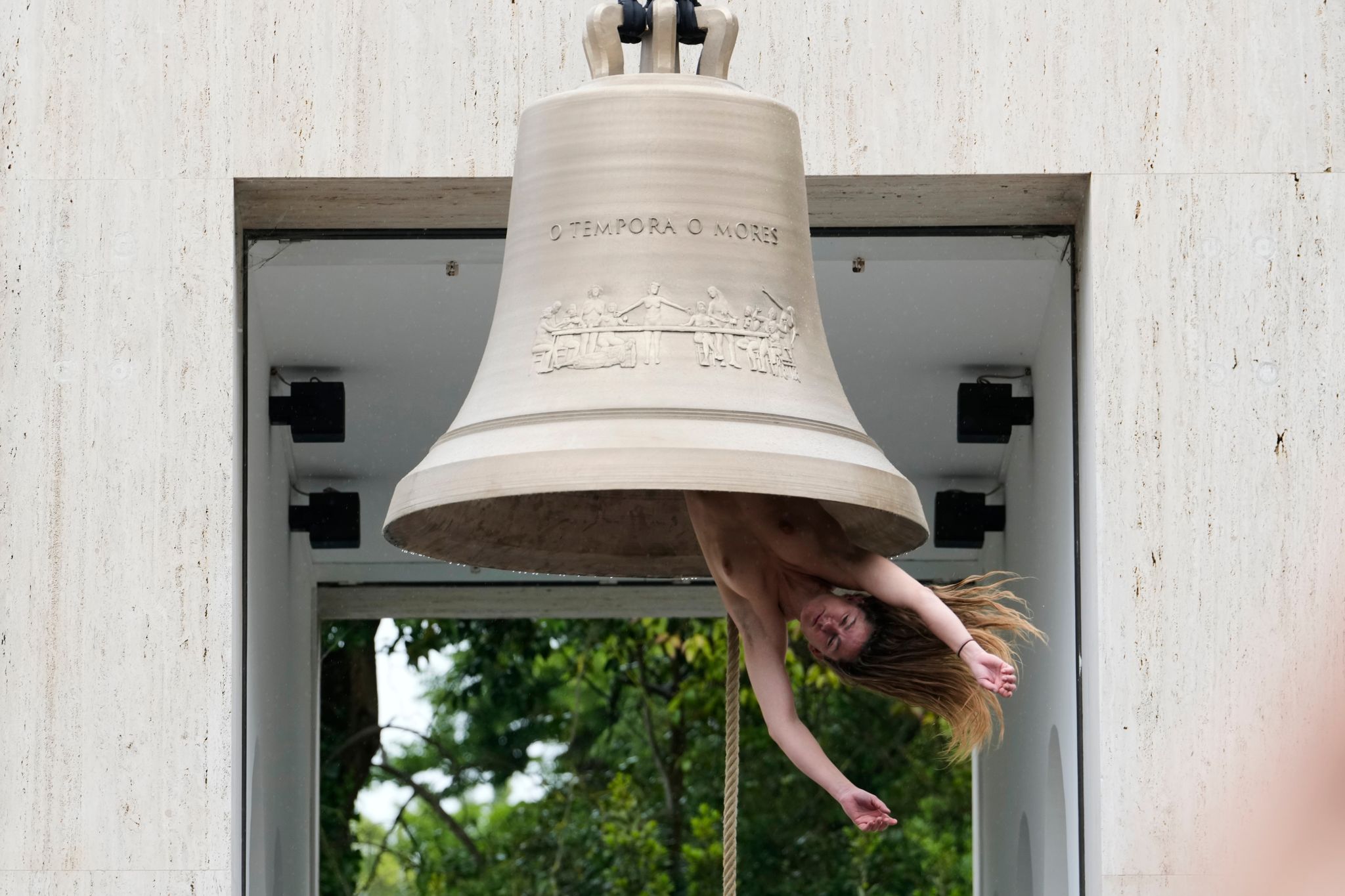
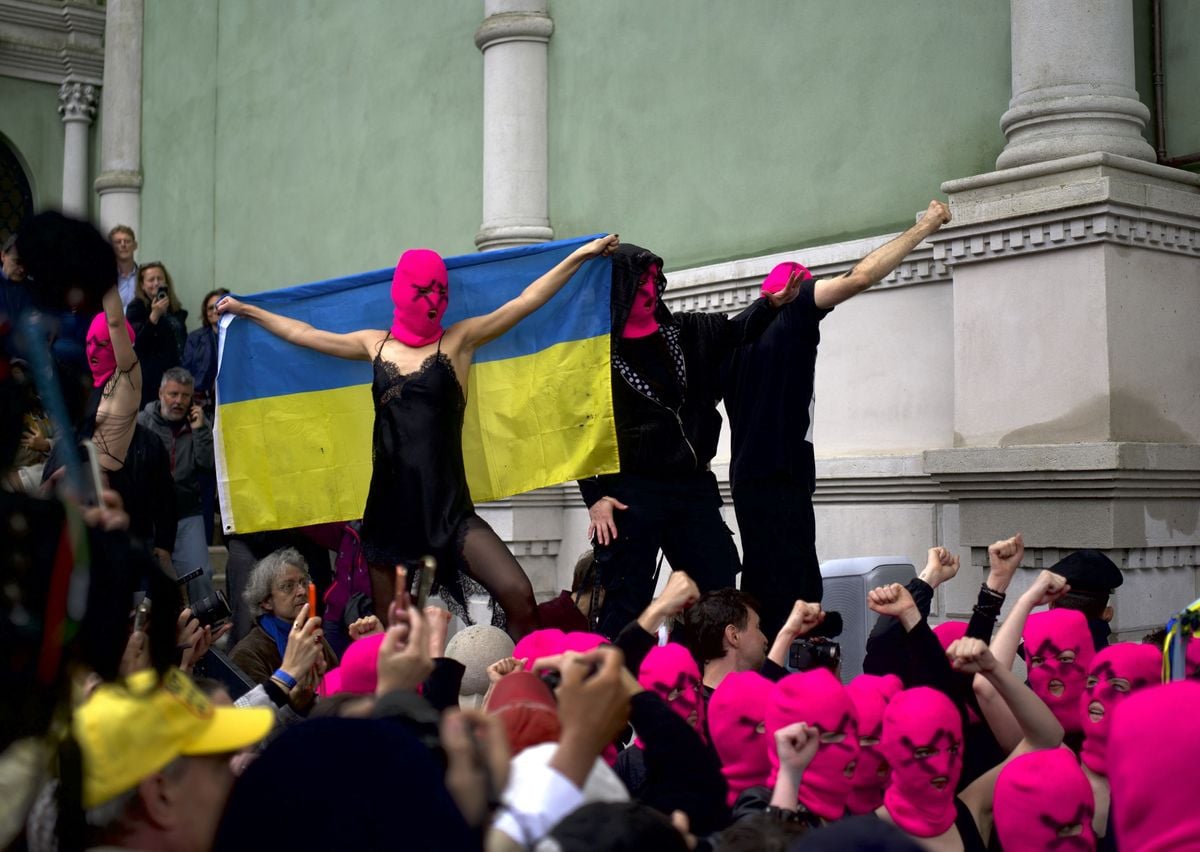
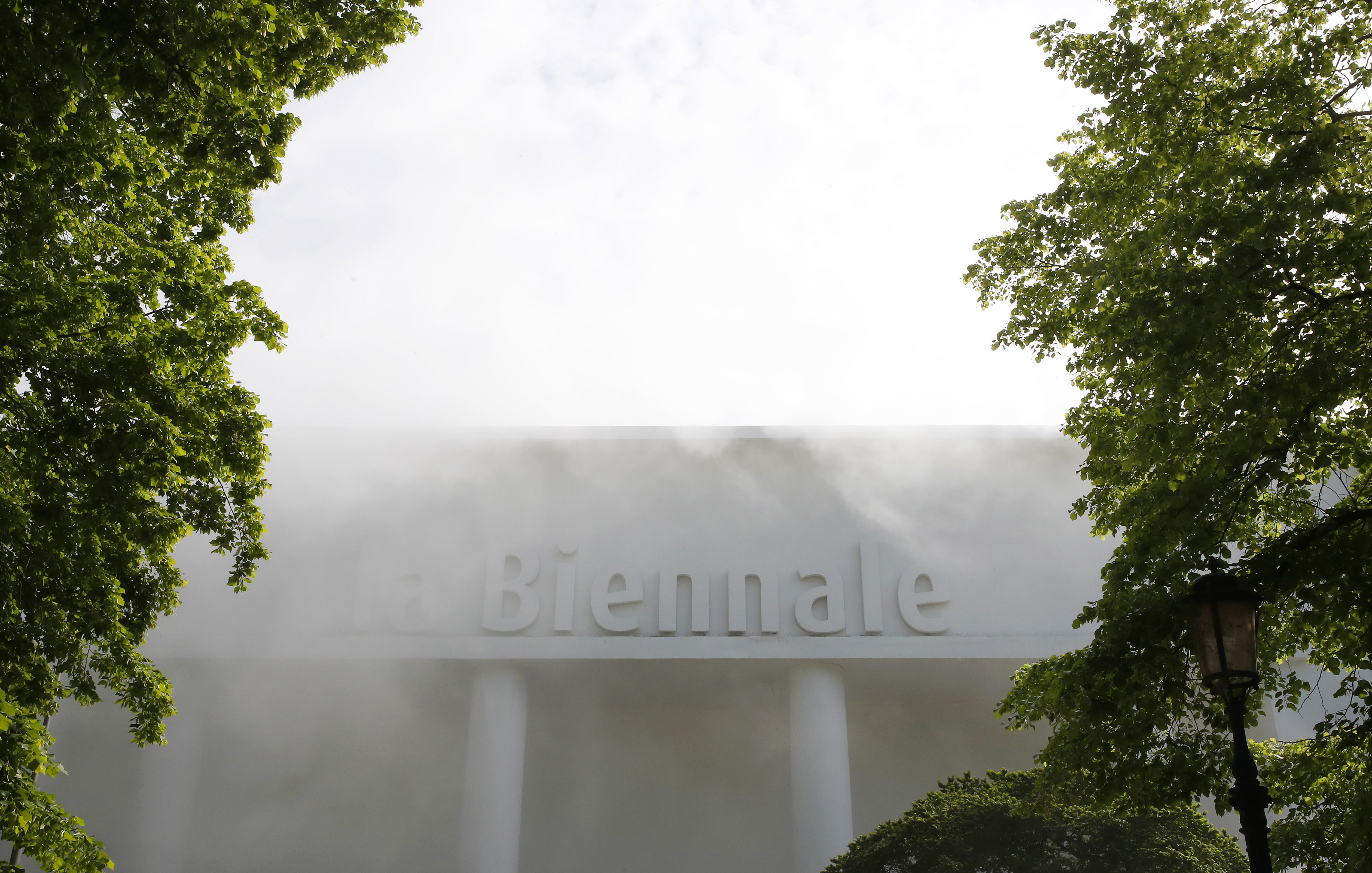
The 61st Venice Biennale preview week, opening to press and professionals ahead of its May 9 public launch, has been engulfed by protests and institutional crises. On May 5, around 60 artists from Koyo Kouoh's exhibition “In Minor Keys” staged a Solidarity Drone Chorus outside the Giardini, drawing on Gazan composer Ahmed Muin's Drone Song (2025) to highlight victims of warfare. On May 6, the Art Not Genocide Alliance (ANGA) organized protests outside Israel's pavilion at the Arsenale, leading to a security-enforced closure, while Pussy Riot and FEMEN demonstrated outside the Russian pavilion. The jury resigned on April 30 after controversy over award eligibility tied to ICC arrest warrants, prompting the Biennale to scrap Golden Lions and transfer prize voting to the public. Iran withdrew its pavilion on May 4, and Russia's will close on May 9, with only exterior video projections remaining. ANGA and Italian unions have announced a 24-hour strike on May 8.

Venice Biennale Jury Says It Won’t Consider Countries Charged with Crimes Against Humanity, Including Israel and Russia

The Venice Biennale's jury announced it will not consider nations whose leaders are charged with crimes against humanity by the International Criminal Court, effectively excluding Israel and Russia from competing for top honors. The jury, led by Videobrasil founder Solange Farkas, stated this decision aligns with curator Koyo Kouoh's vision and the Biennale's historical role as a platform connecting art to urgent issues. The ICC has issued arrest warrants for Israeli Prime Minister Benjamin Netanyahu and Russian President Vladimir Putin, while other indicted leaders like Sudan's Omar al-Bashir and Afghan officials lack Biennale pavilions.

Galle Facing

Colombo’s skyline has undergone a radical transformation into a forest of glass and steel towers, epitomized by projects like the Lotus Tower and Port City. This rapid urbanization, driven by a state ambition to create a 'world-class city' following decades of civil war, has resulted in the displacement of local neighborhoods and the burial of historical layers under new infrastructure.

The 10 best pavilions to see at the 2026 Venice Art Biennale. Artribune's top ten

I 10 migliori padiglioni da vedere alla Biennale d’Arte di Venezia 2026. La top ten di Artribune

Artribune presents its top ten must-see national pavilions at the 2026 Venice Biennale, which features a record 100 participating countries. The article highlights standout projects including Greece's escape room by Andreas Angelidakis critiquing nationalist populism, Belgium's participatory dance installation by Miet Warloop, and Canada's greenhouse-like pavilion by Abbas Akhavan exploring colonial botany. The Biennale, curated by Koyo Kouoh under the theme "In Minor Keys," is marked by last-minute jury resignations leading to public voting for the Golden Lions, as well as protests over the participation of Russia and Israel.

Go big or go home: how The Lost Giants revived the ancient art of goliath-making

The Lost Giants (TLG), an art collective based in Lostwithiel, Cornwall, is reviving the British tradition of making processional giants—large, community-built figures made from wood, cloth, and papier-mâché. Founded three years ago by theatre designer Ruth Webb and her sister-in-law Amy Webb, the group has created giants for events ranging from local lantern parades to a harvest procession at Hauser & Wirth’s Somerset gallery. This New Year’s Eve, environmentalist Lisa Schneidau joined a massive procession of these giants in Lostwithiel, describing it as an extraordinary experience. The collective recently issued a public callout for an environmental group to collaborate on making a new beastie.

The Bad Bunny chairs taking over the art world

Edra Soto, a Puerto Rican artist based in Chicago, has created a series of plastic lawn chairs upholstered with the face of reggaetón superstar Bad Bunny, now on view in the exhibition "Dancing the Revolution: From Dancehall to Reggaetón" at the Museum of Contemporary Art Chicago. The chairs, part of Soto's broader practice transforming everyday Puerto Rican objects into art, also appear at the Kemper Museum of Contemporary Art in Kansas City and were shown at EXPO Chicago. The exhibition explores the visual history and political power of Caribbean music, highlighting Bad Bunny's role in the 2019 protests that led to the resignation of Governor Ricardo Rosselló.

The Death of the Art School

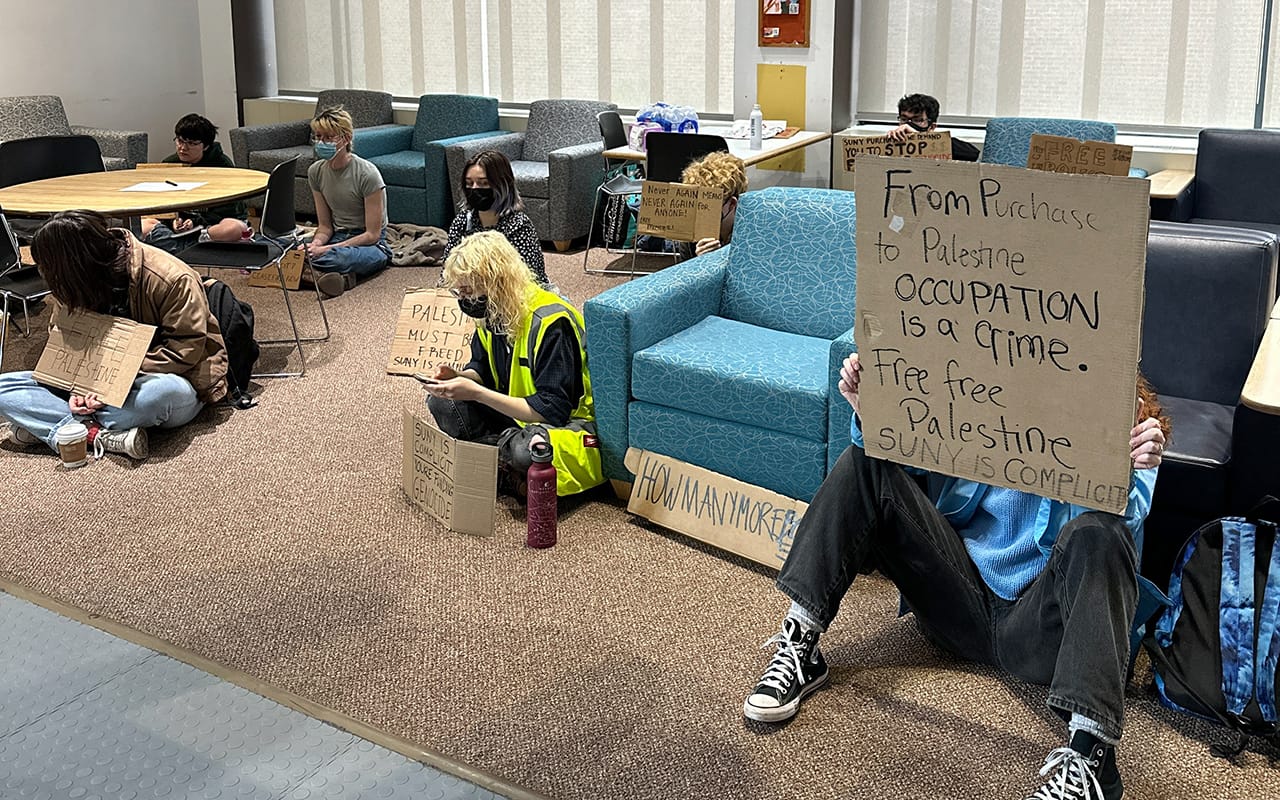
In a faculty meeting at Purchase College in New York, an administrator referred to students as "consumers," prompting the author to reflect on the pervasive corporatization and "administrification" of American higher education. The article argues that this language reflects a broader restructuring of universities as businesses, where students are customers, knowledge is a product, and faculty are service providers. It cites data showing that between 1976 and 2011, non-faculty professional positions grew by 369% while tenure-track faculty grew by only 23%, and at Purchase College, administrator salaries rose over 45% from 2016 to 2024 while assistant professor salaries rose just 14%, with inflation at 31%.

At the Venice Biennale, protests, self-mutilation and rage against Israel and Russia. Is anyone left to talk about the art?

At the 61st Venice Biennale, protests and controversies have overshadowed the art itself. The Art Not Genocide Alliance (ANGA) demonstrated against the inclusion of Israel and Russia, while the Israeli Pavilion became a flashpoint. Artist Belu-Simion Fainaru, presenting his installation "Rose of Nothingness" in a temporary space, complained that he was forced to defend his art's right to exist amid questions about politics rather than his work. The Biennale also saw barricades, strikes, the resignation of the Golden Lion jury, Iran's last-minute withdrawal, and anger directed at the American pavilion over Trump administration policies. The central exhibition, "In Minor Keys," curated by the late Koyo Kouoh, was eclipsed by these events.

Since 1968, Protests Have Revealed the Real Impact of the Venice Biennale

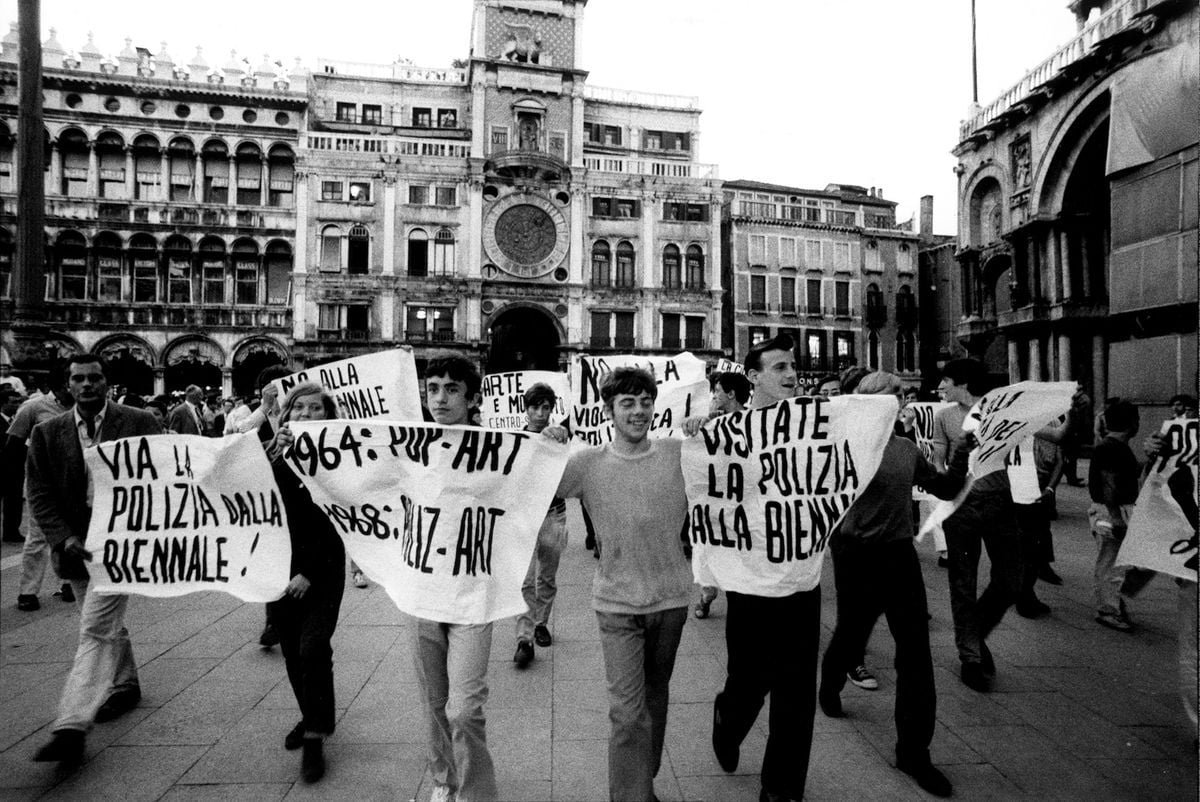
The article recounts the 1968 protests at the Venice Biennale, where artists, students, and activists clashed with police over the event's perceived ties to bourgeois power and capitalist commodification. It draws parallels to the 2024 Biennale, where groups like Art Not Genocide Alliance, Pussy Riot, and Femen demonstrated against the participation of Russia and Israel, while artists staged strikes and performances like the Solidarity Drone Chorus to highlight the Gaza conflict.

Venice Biennale Opens Amid Strikes, Protests and Institutional Rupture.

The 61st Venice Biennale opened in May 2026 amid strikes, protests, and political unrest, rather than celebration. Coordinated by Italian labor groups and transnational coalitions, demonstrators targeted the Biennale's decision to allow participation by Israel and Russia during the ongoing wars in Gaza and Ukraine. The Art Not Genocide Alliance (ANGA) led protests against Israel's participation, while Pussy Riot and FEMEN activists staged a protest outside the Russian pavilion. The Israeli pavilion's relocation from the Giardini to the Arsenale added symbolic weight, with critics viewing it as institutional endorsement. The late curator Koyo Kouoh's vision for the exhibition, titled "In Minor Keys," emphasized tenderness and complexity, contrasting with the volatile atmosphere.

Iran Abruptly Drops Out of Venice Biennale as US and Israel’s War Continues

Iran has abruptly withdrawn from the 61st Venice Biennale, scheduled for May 9–November 22, 2026, reducing the number of participating nations from 101 to 100. The Biennale confirmed the withdrawal in a statement but did not provide a reason; Iran is now the only country listed without any artist representatives, though Aydin Mahdizadeh Tehrani remains listed as the pavilion's commissioner. The announcement comes as the Biennale opens to press amid ongoing controversy over the participation of Israel and Russia, whose pavilions have drawn protests from artists and politicians.

A Theatre Group of Exiled Belarusian Artists Arrive in Venice, With an Exhibition That Shows What Repression Feels Like

The Belarus Free Theatre, an exiled underground theater group, will stage its first official collateral exhibition at the 61st Venice Biennale, titled “Official. Unofficial. Belarus.” The show, held in the historic La Chiesa di San Giovanni Evangelista di Venezia, features site-specific paintings, a sound installation, and large-scale sculptures that aim to immerse visitors in the experience of repression under authoritarian rule. This marks only the fifth time Belarus has been present at the Biennale, and the first time it appears not as a state but as a self-governing cultural body, challenging the official narratives of nations like Russia.

From Eurovision to the Venice Biennale, culture contests are being overshadowed by politics

The Venice Biennale and Eurovision Song Contest are being overshadowed by political controversies rather than artistic merit. At the Venice Biennale, the Russian pavilion opened for press previews for the first time since the Ukraine invasion, a decision that may cost the festival €2m in EU funds. The Israeli pavilion will open despite protests from 200 artists and curators, while the South African pavilion will remain empty after its government blocked an artist's tribute to a Palestinian poet. The Iranian pavilion is also shut, and the awarding jury has resigned en masse, meaning no Golden or Silver Lion awards will be given for the first time in 40 years. Similarly, Eurovision's 70th anniversary is dominated by five countries boycotting over Israel's participation, with little focus on the music.

Preemptive Listening review – artist’s film about sirens is buzzing with sonic ideas

The Guardian reviews Aura Satz's art film "Preemptive Listening," which explores the cultural and political meanings of sirens as warning devices. The film features a drone shot of a siren in a residential area, a soundtrack by composer Laurie Spiegel, and commentary from British-Egyptian actor Khalid Abdalla on sirens during the 2011 Arab Spring protests. It also covers sirens on Nakba day in Palestine, a US activist linking emergency vehicle lights to danger for Black women, clocks frozen at the time of the Fukushima disaster, and a Maori activist discussing environmental catastrophe. The reviewer finds the film's ideas interesting but notes it lacks coherence as a feature-length experience, suggesting it would be better suited to a gallery setting.

Venice Biennale opens under shadow of protests over Russia and Israel

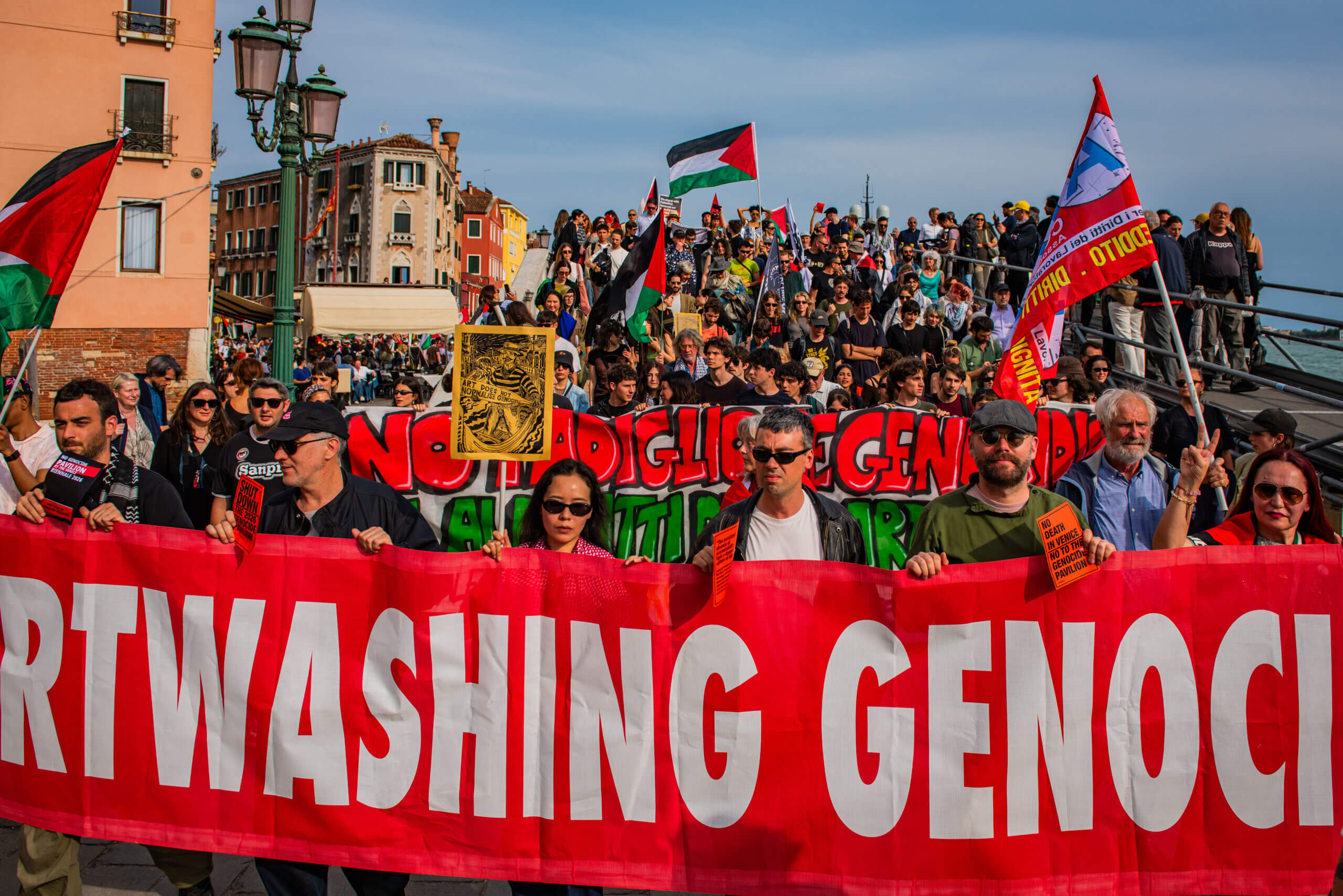
The 61st Venice Biennale opened under heavy protest as Russia returns to the event for the first time since its 2022 invasion of Ukraine. Ukrainian feminist collective Femen and Russian punk band Pussy Riot demonstrated outside the Russian pavilion, with activists accusing Russia of using art as a weapon in a hybrid war. Meanwhile, pro-Palestinian protesters gathered outside Israel's pavilion, holding banners reading 'No artwashing genocide' and demanding Israel's exclusion over the war in Gaza. The Biennale's international jury resigned last month, refusing to award prizes to countries led by figures subject to ICC arrest warrants, namely Vladimir Putin and Benjamin Netanyahu. EU foreign policy chief Kaja Kallas called Russia's participation 'morally wrong' and threatened to cut €2 million in funding, while culture ministers from 22 European countries urged organizers to reconsider.

Venice Biennale opens without a jury amid strife over Russian and Israeli participation

The Venice Biennale, one of the world's most prestigious contemporary art exhibitions, opens its most contested edition in memory without a jury after the jury resigned in protest over the participation of Israel and Russia, both under investigation by the International Criminal Court for human rights abuses. Protests have erupted outside the Israeli and Russian pavilions, with demonstrators clashing with police, while feminist groups from Ukraine and Russia converged on the Russian Pavilion and Palestinians remembered artists killed in Gaza. The Biennale has replaced the jury with a public vote via email, with winners announced at the close on November 22.

Rika Nakajima: A New Book of the Dead, Part 3

連載 中島りか 新しい死者の書 第三回

Japanese artist Rika Nakajima reflects on the trial of Tetsuya Yamagami, who assassinated former Prime Minister Shinzo Abe in 2022, weaving together her own experience running the project space "Datsuisho – (a) place to be naked" in Tokyo's Yanaka district. As the space faced demolition in late 2025, Nakajima draws parallels between the trial's timing and the closure of her venue, recalling earlier events at the space that discussed the state funeral controversy and the cult issues exposed by the assassination. She describes attending the trial in Nara, observing Yamagami's demeanor, and connecting the case to broader themes of political aesthetics, fascism, and the theatricality of the judicial system.

‘In Minor Keys’: discover the themes that define the 61st Venice Biennale exhibition

The 61st Venice Biennale's main exhibition, 'In Minor Keys', curated by the late Koyo Kouoh, has opened after her sudden passing in 2025. Kouoh had fully planned the exhibition before her death, and a team of seven realized her vision. The show features 110 artists, including Wangechi Mutu, Nick Cave, Alfredo Jaar, and emerging talents like Ranti Bam. It opens with a poem by Refaat Alareer and an installation by Khaled Sabsabi, setting a contemplative tone amid themes of mourning, grief, and healing. The exhibition also highlights minority perspectives, including Caribbean and Central American artists, and confronts colonial histories through works like Florence Lazar's film on a hurricane-exposed necropolis.

Anti-Russia Protests Spread Beyond the Biennale and Into Venice

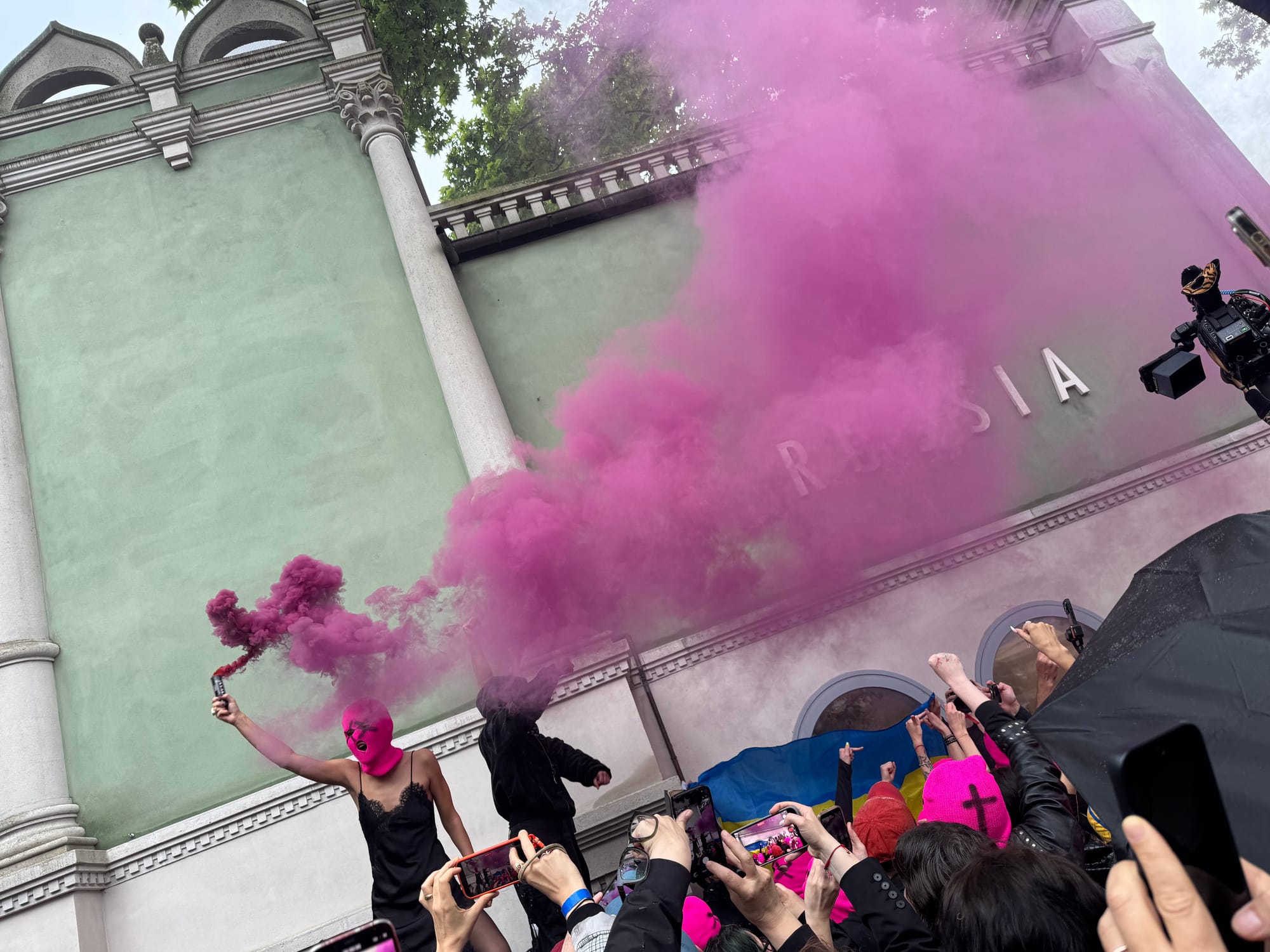
Protests against the reopening of the Russian pavilion erupted at the Venice Biennale and spread across the city on the second day of the 61st edition. Visual artist Shalva Nikvashvili, who grew up in post-Soviet Georgia, began a silent performance wearing a muzzle-style mask and carrying a chair, holding a sign reading “La Biennale di Venezia” and “violence.” Shortly after, a group of about 20 protesters led by Pussy Riot co-founder Nadya Tolokonnikova gathered outside the Russian pavilion, chanting against Vladimir Putin, waving Ukrainian flags, and releasing a pink smoke flare. The protests followed the Biennale's decision to allow Russia to participate for the first time since its 2022 invasion of Ukraine, despite calls from artists and politicians to exclude the country.

In "Dancing the Revolution," Puerto Rico Pushes Back

The article reviews "Dancing the Revolution," a multi-genre collective exhibition at the Museum of Contemporary Art Chicago that explores the music of dancehall and reggaetón, their roots, history, and evolution, and their inextricable link to colonial oppression. The show is inspired by the massive 2019 protests in Puerto Rico against then-Governor Ricardo Rosselló, where music and dance were used as forms of resistance, drawing on centuries of Black Atlantic protest in the Caribbean.

In Dancehall and Reggaetón’s Evolution, MCA Chicago Charts a Global Awakening

The Museum of Contemporary Art Chicago has opened "Dancing the Revolution: From Dancehall to Reggaetón," an ambitious exhibition exploring the historical evolution of dancehall and reggaetón as cultural movements and their influence on contemporary art. Curated by Carla Acevedo-Yates, the show features over 40 international artists including Isaac Julien, Edra Soto, Alberta Whittle, Carolina Caycedo, supakid, and Lee "Scratch" Perry, tracing the genres' roots from Afro-Caribbean traditions through their emergence in Jamaica, Panama, and Puerto Rico to global mainstream dominance by figures like Daddy Yankee and Bad Bunny.

Commentary: This year's Met Gala proved one thing: The real devil who wears Prada is Jeff Bezos

Jeff Bezos and his wife Lauren Sánchez Bezos served as honorary co-chairs and sponsors of this year's Met Gala, sparking widespread protests and calls for boycotts. Guerrilla activist group Everyone Hates Elon plastered New York with anti-Bezos signage, and activists placed 300 bottles filled with fake urine inside the Metropolitan Museum of Art to highlight Amazon workers' bathroom break complaints. New York Mayor Zohran Mamdani declined his invitation, and the absence of celebrities like Meryl Streep and Zendaya fueled speculation about a boycott, though representatives denied any coordinated protest. Despite the controversy, the gala proceeded with many attendees and is expected to raise more than last year's $31 million for the Costume Institute.

On the eve of Mother’s Day, New Orleans art exhibit protests the death of Black sons

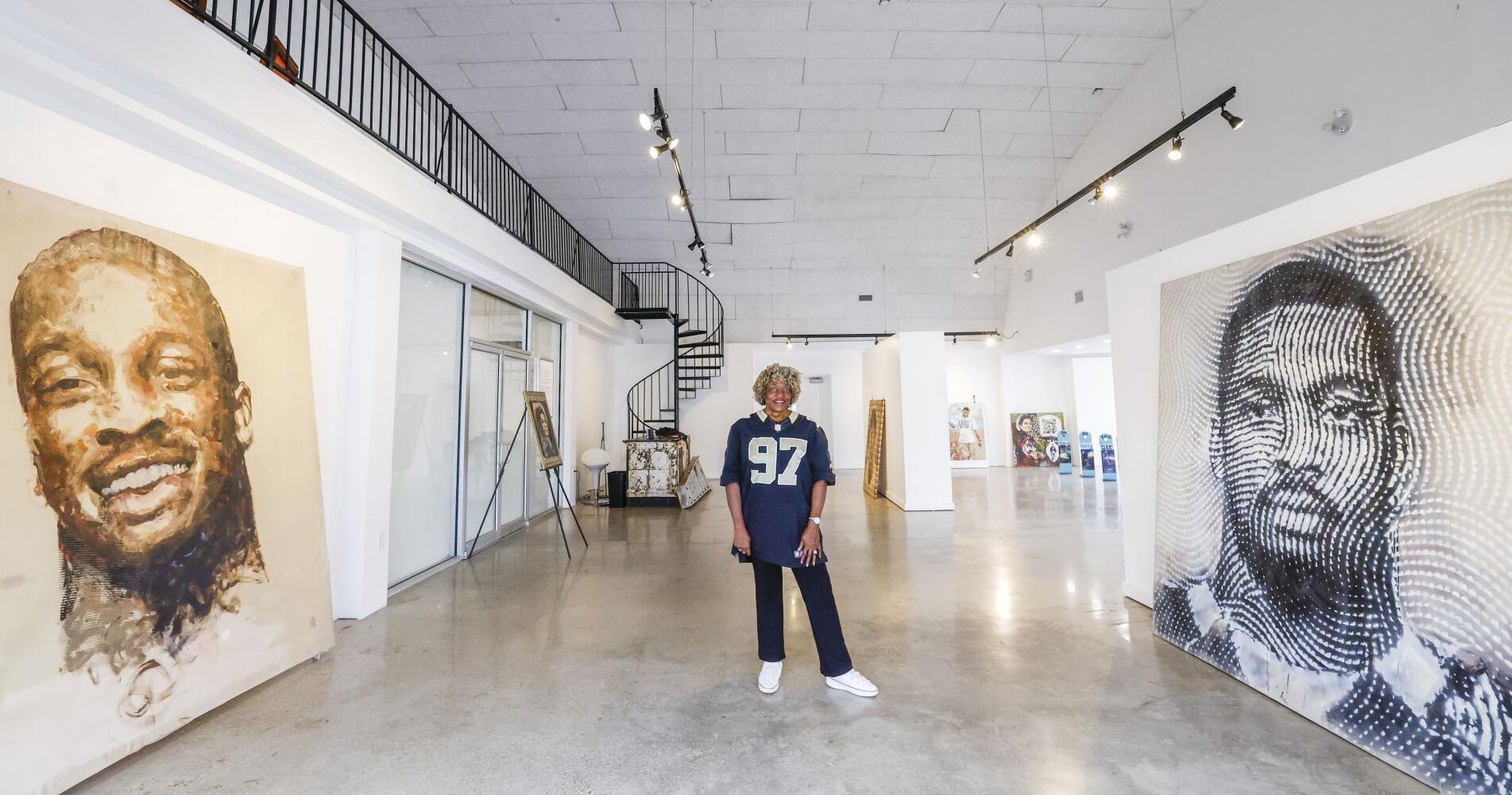
On the eve of Mother's Day 2026, an art exhibit titled "The Four Lost Sons" opened at [ART] CONSCIOUS gallery in Arabi, Louisiana. The show features large portraits of four Black men from Louisiana who died in police custody or altercations, created by the pseudonymous artist Walta Focq. The exhibit coincides with the anniversary of Ronald Greene's death, who was beaten and tased by Louisiana State Police in 2019. The mothers of the four men are involved in the project and plan to speak at the opening reception.

Jury of the Venice Biennale Resigns

Jury der Venedig-Biennale tritt zurück

The entire jury of the Venice Biennale, appointed by artistic director Koyo Kouoh, has resigned with immediate effect. In a statement released on Thursday, the jury members—including chair Solange Oliveira Farkas, Zoe Butt, Elvira Dyangani Ose, Marta Kuzma, and Giovanna Zapperi—cited a prior declaration from April 22 in which they announced they would not award Golden or Silver Lions to artists from countries whose political leadership is currently indicted by the International Criminal Court (ICC) for crimes against humanity. Although no specific countries were named, the move implicitly targets Russia (President Vladimir Putin) and Israel (Prime Minister Benjamin Netanyahu), both subject to ICC arrest warrants. The resignation comes amid escalating tensions over Russia's participation in the Biennale despite EU sanctions, which had already led to a freeze of EU funding and widespread protests.

Tabula Rasa: The Geometry of the Collective.

Peterson Kamwathi's exhibition 'Tabula Rasa: The Geometry of the Collective' opened at the Nairobi Contemporary Art Institute. The show features his work exploring how individual bodies accumulate and dissolve into larger social and political formations, mapping the dynamics of crowds, protests, and collective identity.

61st Venice Biennale: Cultural workers and artists strike and protest against the Israeli genocide in Gaza

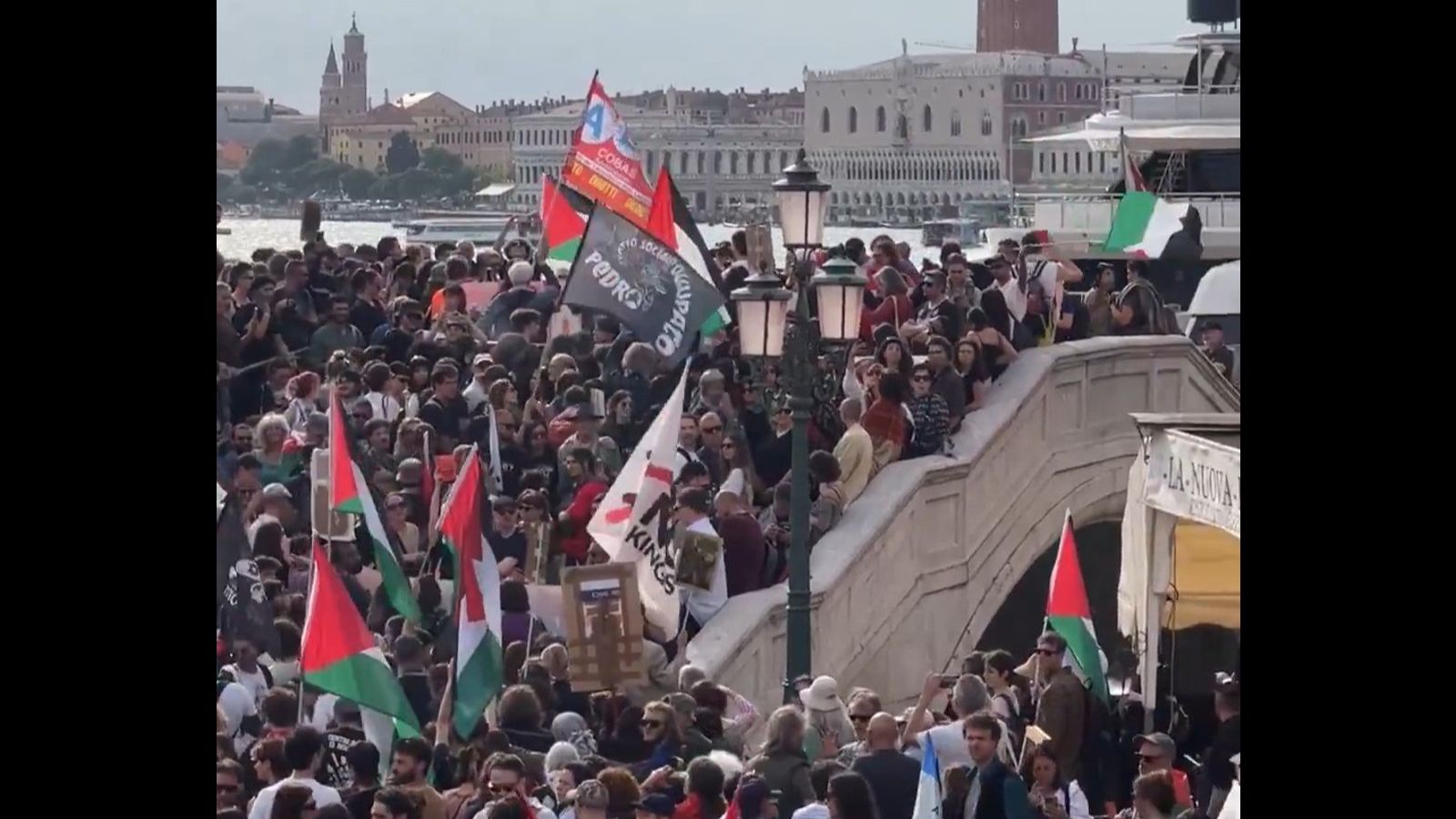
Thousands of artists, cultural workers, and protesters marched through Venice on May 8, 2026, one day before the opening of the 61st Venice Biennale, to protest the Israeli genocide in Gaza and Lebanon. The strike, organized by the Art Not Genocide Alliance (ANGA), led to the closure of approximately 27 of the Biennale's 100 national pavilions, with signs reading "We Stand with Palestine." The Israeli pavilion remained closed and guarded by armed police, who clashed with protesters. Meanwhile, the European Commission threatened to suspend €2 million in EU grants to the Biennale Foundation over its decision to allow Russia to participate, citing incompatibility with EU sanctions and the invasion of Ukraine.

Hong Kong wows the crowds to sleep at the 2026 Venice Biennale

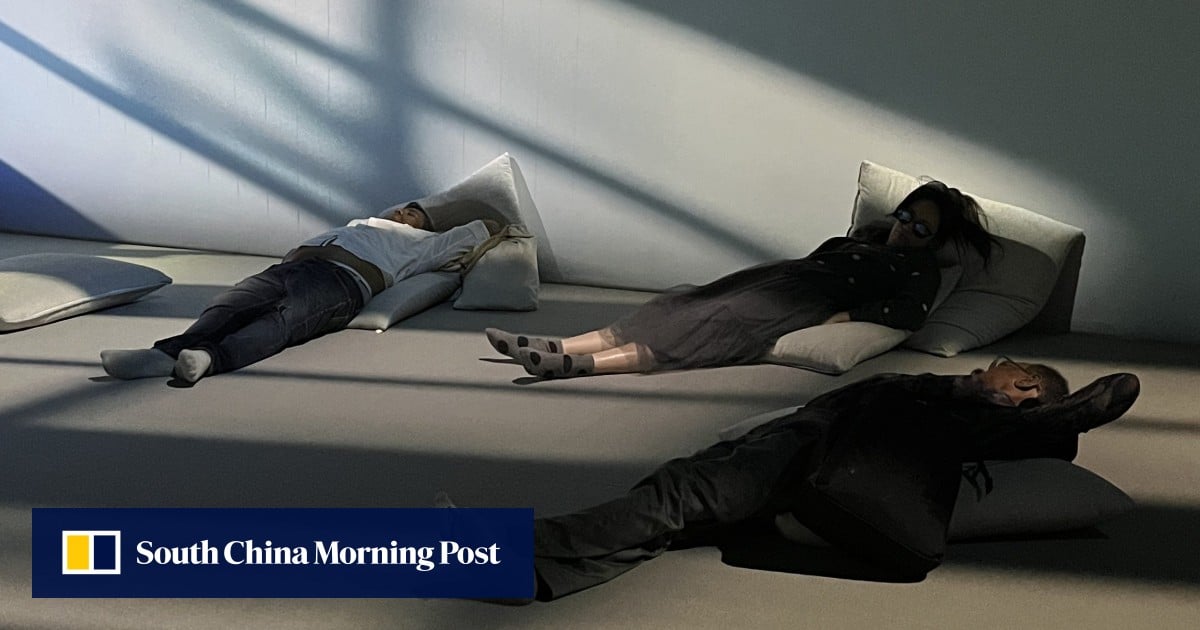
The 2026 Venice Biennale, titled "In Minor Keys" by its late artistic director Koyo Kouoh, has been marked by loud protests and urgent environmental alarms, notably at Florentina Holzinger's Austria pavilion. Amid this chaos, the Hong Kong collateral exhibition "Fermata" at Campo della Tana offers a quiet counterpoint, featuring Kingsley Ng Siu-king's installation *Laundry Nocturne (2026)*, a rest lounge with padded floors and cushions that has caused visitors to doze off. The exhibition follows Kouoh's curatorial vision of creating space for silenced voices and convivial collectivity.

Israeli Artists Slam Venice Biennale Participation: 'Again, Israel as a Victim'

The 61st Venice Biennale opened on Saturday amid significant upheaval, including the unexpected death of its curator Koyo Kouoh and the passing of German artist Henrike Naumann. Israeli artists have publicly criticized their country's participation in the event, with one artist quoted as saying, 'Again, Israel as a victim,' reflecting ongoing anti-Israel protests and the resignation of the Biennale's judges.