filter_list Showing 181 results for "interview" close Clear
dashboard All 181 museum exhibitions 67article culture 41person people 35article news 21candle obituary 8article local 6rate_review review 2gavel restitution 1
date_range Range Today This Week This Month All
Subscribe

What lies behind the choice of a dress? We asked one of the most famous stylists in the world

Cosa c’è dietro alla scelta di un vestito? Lo abbiamo chiesto a uno degli stylist più famosi del mondo

Tom Eerebout, a renowned stylist and fashion consultant known for his work with Lady Gaga, Kylie Minogue, and Austin Butler, has curated an exhibition titled "Exposure – Il potere di essere visti" at ITS Arcademy in Trieste. The show, which runs alongside the ITS Contest where Eerebout serves as a judge for the third consecutive year, explores styling as a tool for constructing identity and shaping contemporary visual culture. In an interview, Eerebout discusses his creative process, his early childhood experiments with costumes, and his belief that styling is not about appearance but about how we exist.
The Poet of Light. Interview with Lighting Designer Davide Groppi

Il poeta della luce. Intervista al lighting designer Davide Groppi

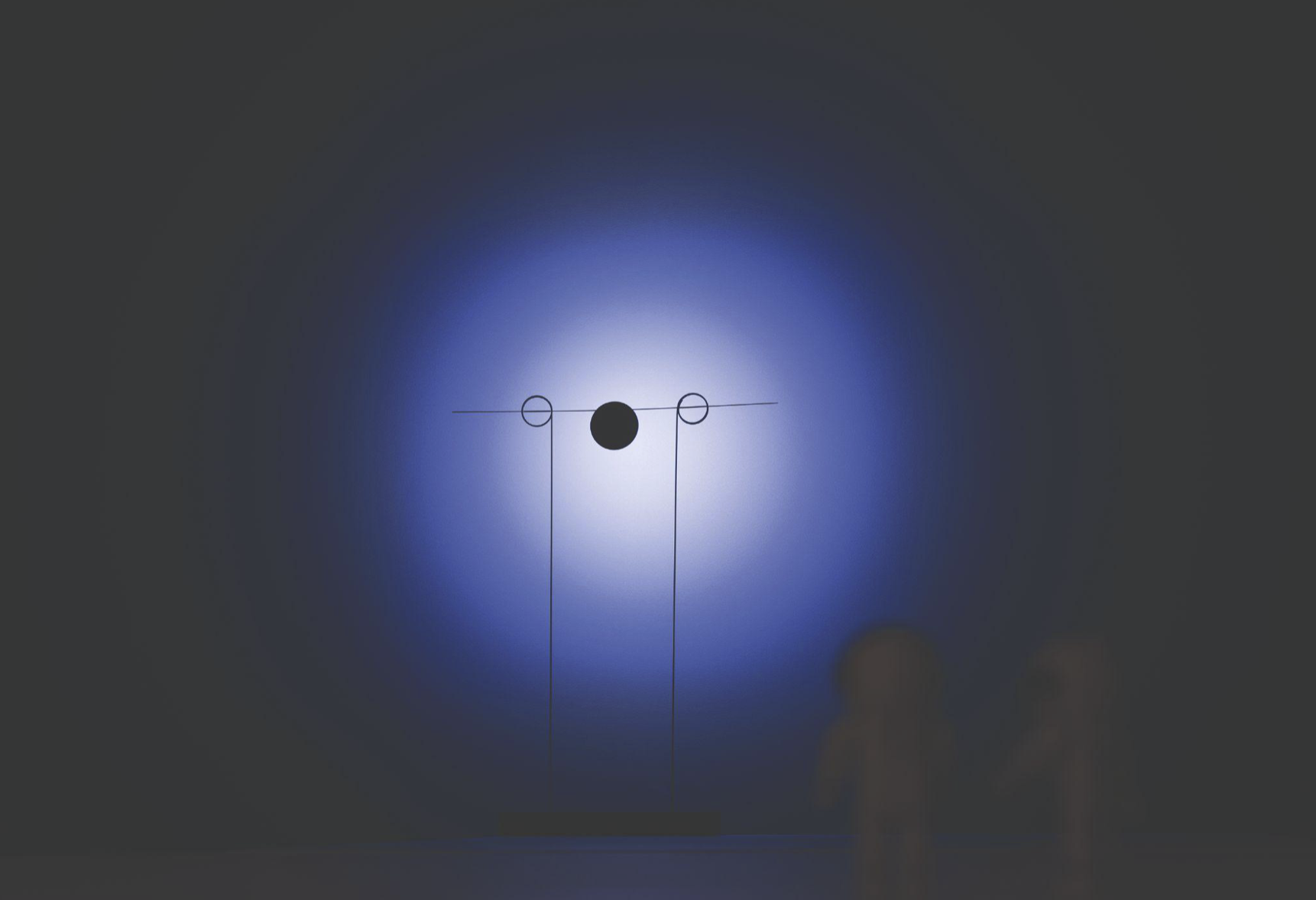
Lighting designer Davide Groppi (born 1963 in Piacenza) is the subject of a rare retrospective exhibition titled "Un'ora di luce" (An Hour of Light), on view until May 26 at the Volumnia gallery in Piacenza, curated by Marco Sammicheli. The show, held in a deconsecrated late-16th-century church, traces Groppi's nearly 40-year career through products, prototypes, and personal artistic research, including his iconic lamp "Nulla" (2010), which won the first of his three Compasso d'Oro awards. In an interview, Groppi discusses the exhibition's themes of lightness, cosmic references, and his philosophy of subtraction in design.

3 Questions with Gallerist Daniel Cooney

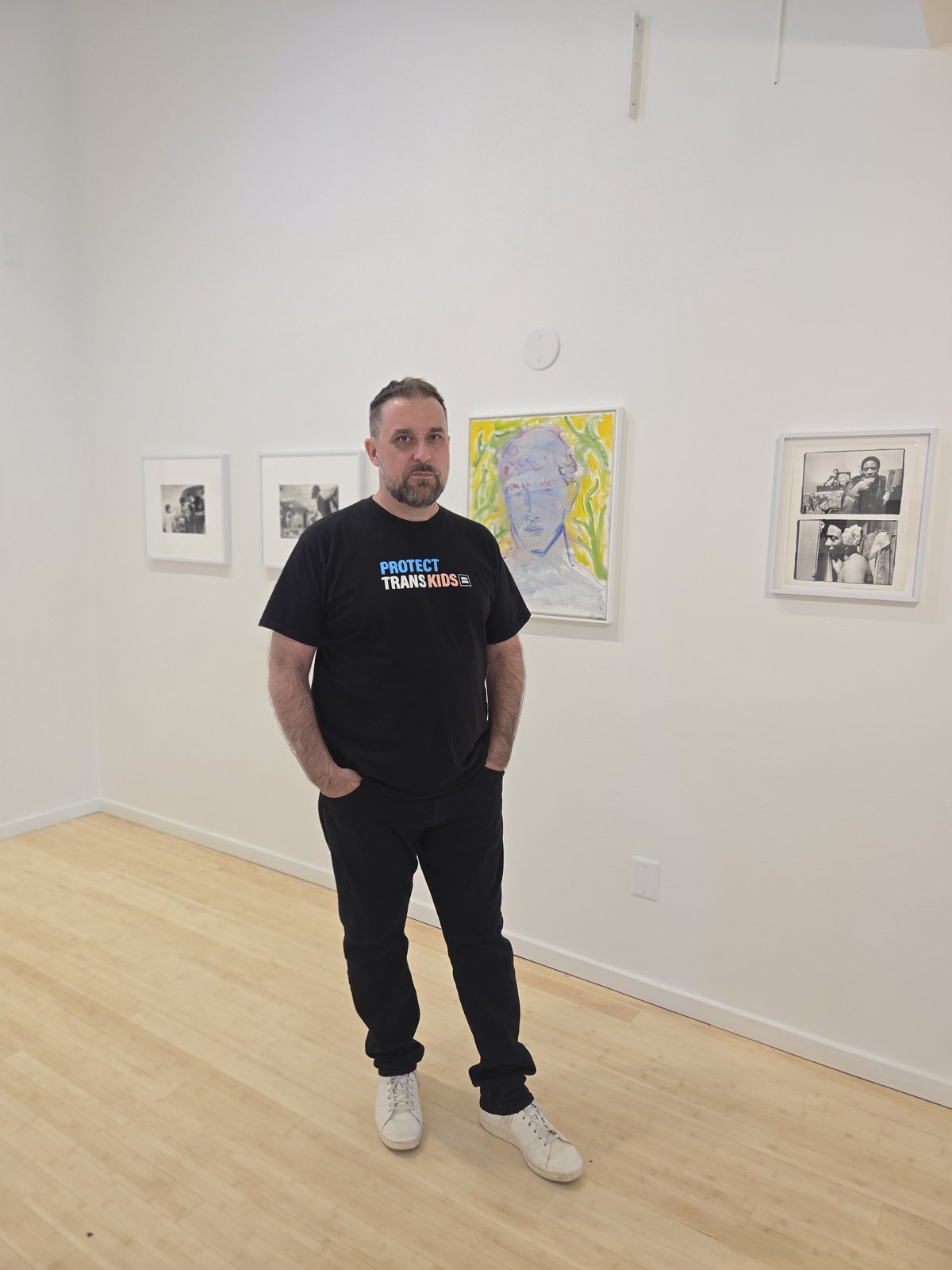
Santa Fe gallerist Daniel Cooney of Daniel Cooney Fine Art discusses his gallery's focus one year after relocating from New York City. In an interview, Cooney explains that while his gallery prominently features LGBTQ artists, its core mission is supporting underrepresented artists broadly—including emerging talents, overlooked older artists, and estates. He notes a continued emphasis on photography, his own background, but also shows other mediums. Cooney expresses interest in featuring more local New Mexico artists but has not yet integrated deeply into the local scene.

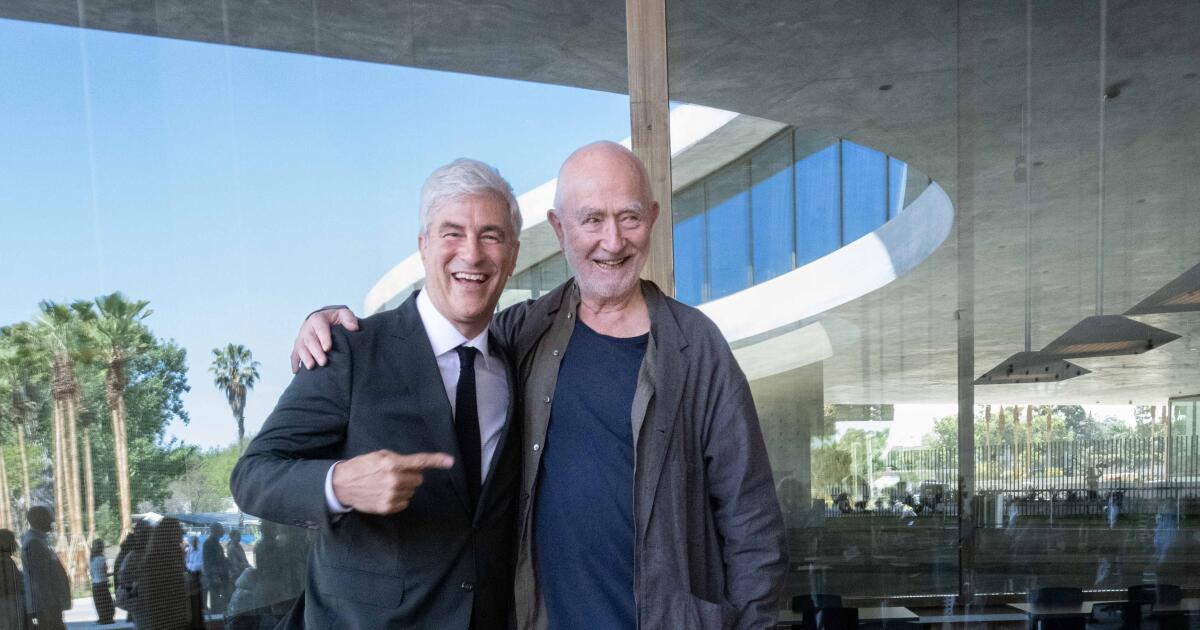
'L.A. has changed me,' says architect of LACMA's divisive David Geffen Galleries

Peter Zumthor, the Pritzker Prize-winning architect, discusses the making of the Los Angeles County Museum of Art's (LACMA) new David Geffen Galleries in an interview. He explains his rejection of overly slick, corporate architecture in favor of a raw, handmade concrete structure, describing the building as a "concrete sculpture." Zumthor details his collaboration with LACMA director Michael Govan, who encouraged him to incorporate "American roughness" into the design, a lesson Zumthor says he has brought back to his European practice.

Karmic Modernism. In Conversation with Elizabeth Englander by Nick Irvin

Elizabeth Englander, an artist working primarily in assemblage with materials like children's furniture, nutcrackers, and old clothing, discusses her recent exhibitions and spiritual approach to art in an interview with Nick Irvin for Flash Art. The conversation covers her show "The Elizabethan Lumber Room" (2026) at a. SQUIRE in London, the modular barrister's bookcase inherited from her mother, and her "Parinirvana" series (2025) that explores themes of death and sacred art through papier-mâché, paint, and mylar. Englander also references influences such as Constantin Brâncuși, her graduate advisor Tom Weaver, and Erwin Panofsky's writings on tomb sculpture.

Fight in the Museum: Q&A with Sean Carney

Sean Carney, a painter and longtime art teacher at Lawrence High School, discusses his artistic journey and evolving practice in a Q&A with Thomas Kelly. Carney, who works with water-based wood stains on wood panels, recently shifted his subject matter from cityscapes to iconic automobiles in his "Driven by Design" series, inspired by a visit to the Saratoga Automobile Museum. His work has been exhibited at Barsky Gallery in Hoboken and other venues, and he credits influences including professors Ray Statlander and Ben Jones, as well as artist Mel Leipzig.

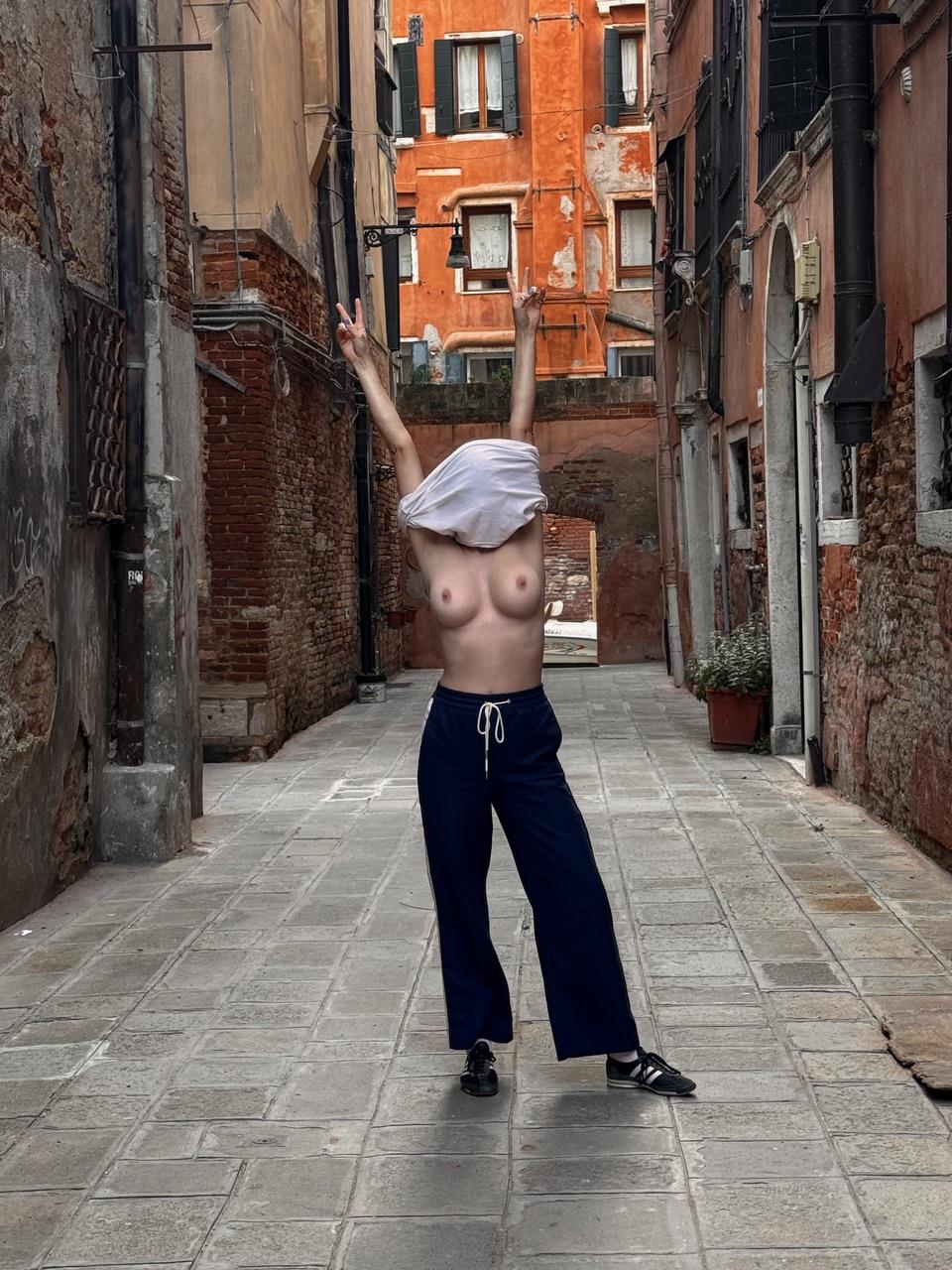
And who are you?

Und wer seid ihr?

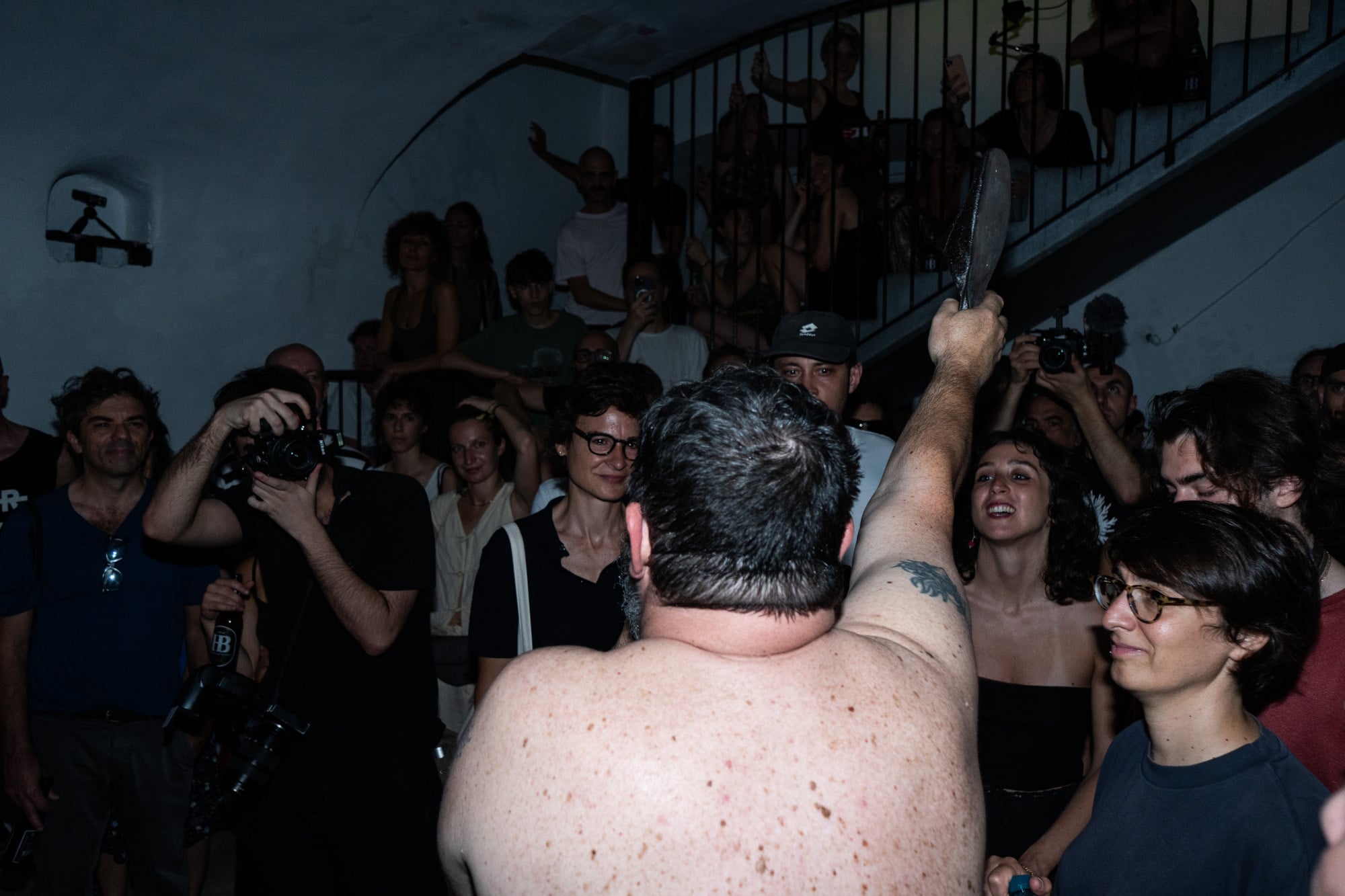
The article is a brief interview conducted at the Venice Biennale, where a visitor named Franzi explains her presence at the event and discusses her favorite pavilion. She cites the Austrian Pavilion by Florentina Holzinger as her absolute favorite after five days of art, and clarifies that her bare chest is not a political protest against Putin but a homage to Holzinger's work. She also mentions missing the Vatican Pavilion due to long queues.

It's a Rollercoaster of Emotions

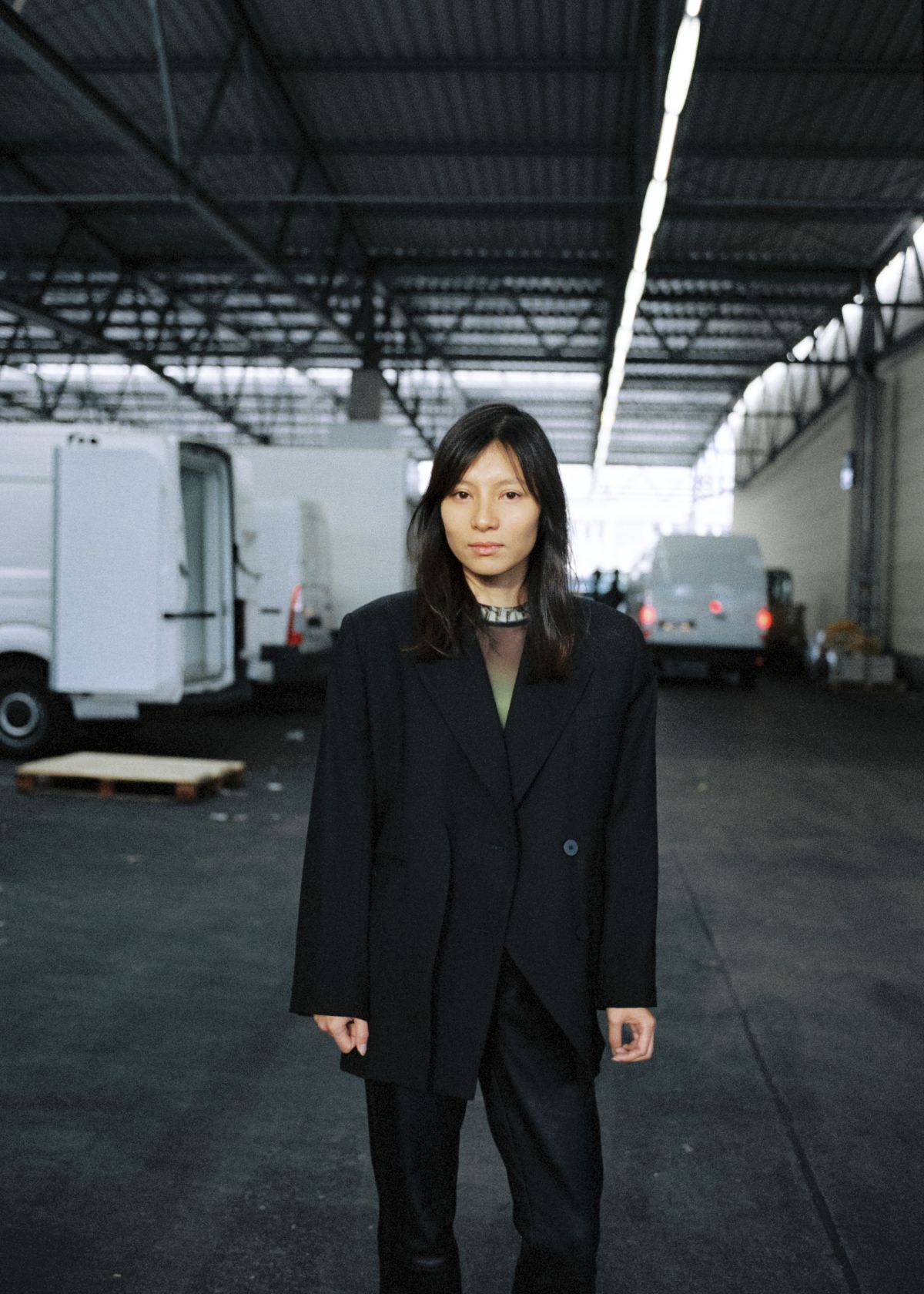
"Es ist ein Wechselbad der Gefühle"

Sung Tieu has been selected to represent Germany at the Venice Biennale with a solo exhibition in the German Pavilion. In an interview with Monopol, she discusses how her personal biography—as a Vietnamese-German artist—informs her practice, which examines Vietnamese migration to East Germany, the rise of right-wing extremism, and the cold, bureaucratic language of state power. The exhibition will bring these themes to an international audience in Venice.

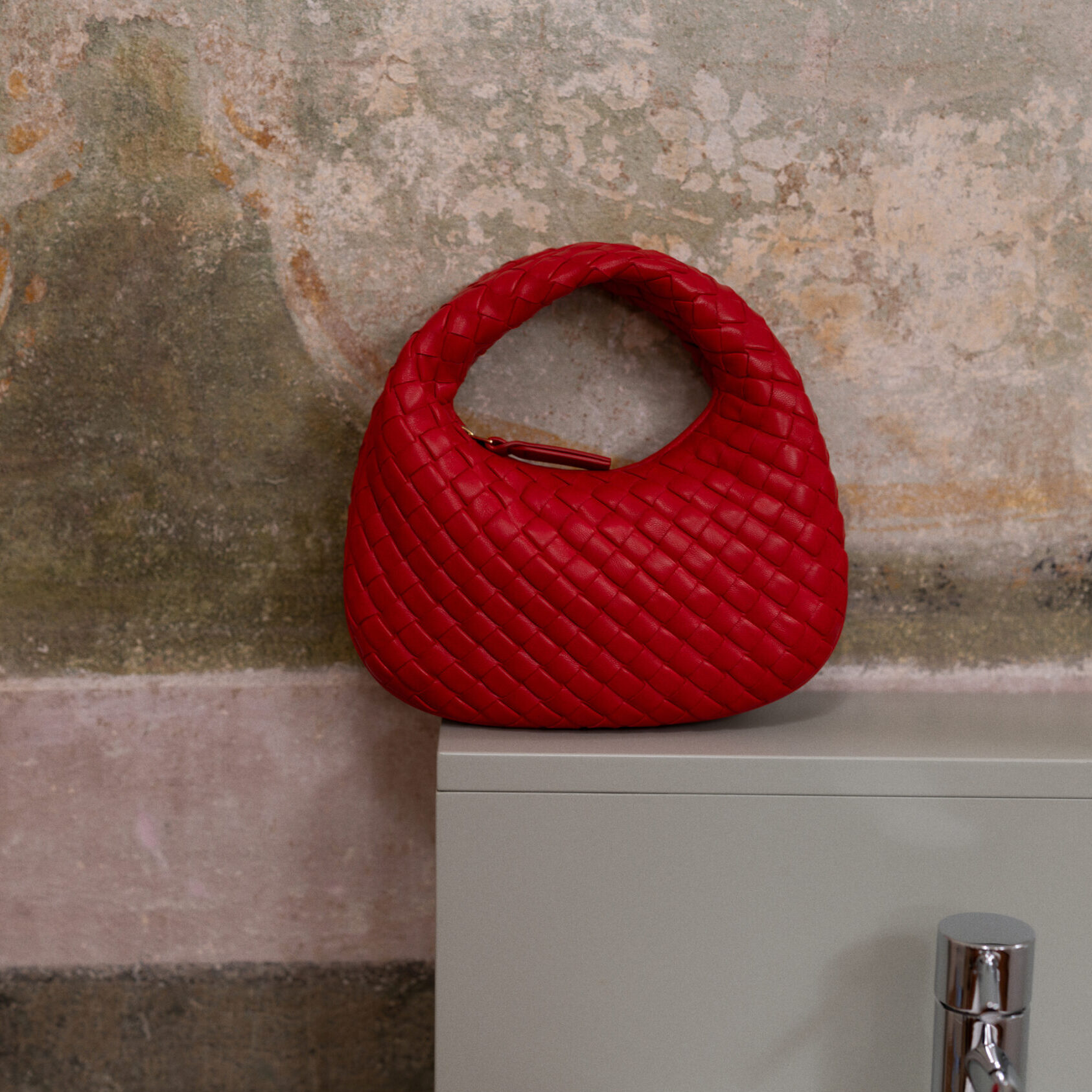
fashion bottega veneta peter fraser venice

Photographer Peter Fraser has collaborated with Bottega Veneta on a new series of 27 photographs exploring Venice, capturing both its iconic landmarks—canals, marble floors, Byzantine façades—and its overlooked details like construction cranes, discarded plaster casts, and beached boats. The images are juxtaposed with Bottega Veneta's intrecciato bags from Louise Trotter's first collection, nodding to the fashion house's long history in the Veneto region. In an interview, Fraser discusses his approach to photographing a city burdened by its own legacy, emphasizing the need to distance himself from preconceptions and to shoot based on feeling rather than appearance.

art mamadou abou catherine sarr collectors

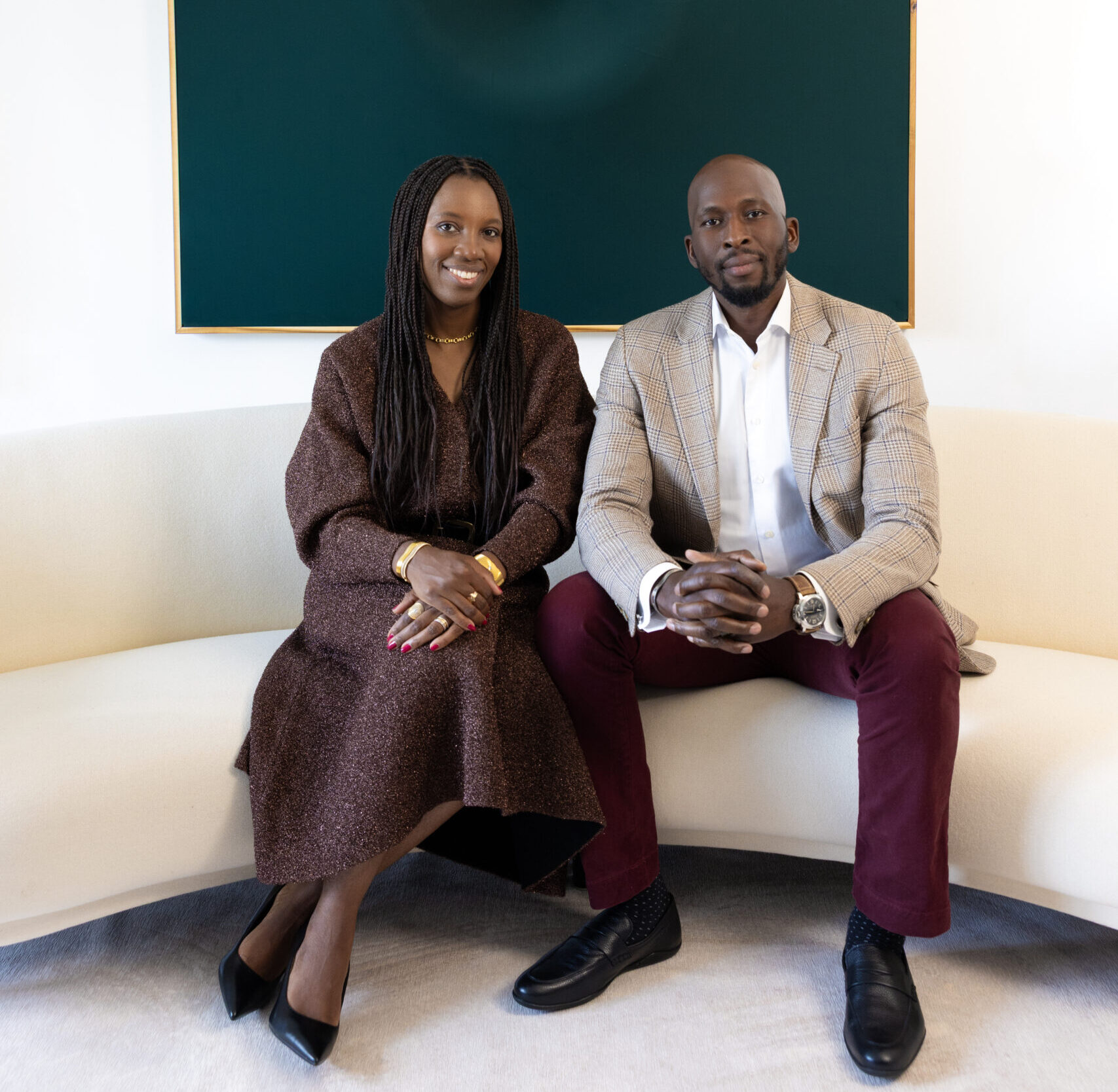
Chicago-based collectors Mamadou-Abou and Catherine Sarr discuss their art collection, which spans works from West Africa, France, and the U.S., in an interview with Cultured. The couple, an investor and a jewelry designer, share how their collection began with Mamadou-Abou's discovery of contemporary African photography and emphasize a patient, conviction-driven approach to acquiring art. They also detail the SARR Prize, an initiative supporting emerging France-based artists with cash awards and a residency at Villa Albertine in Chicago.

Manet Under the Magnifying Glass

Manet à la loupe

A new documentary film titled 'Le Monde dans un tableau : les lampes de Manet' offers a detailed investigation into Édouard Manet's final major painting, 'Un bar aux Folies Bergère'. The film features an eclectic mix of interviewees, from a Folies Bergère lighting technician to a Shintō monk and a Tokyo print editor, weaving together art history and broader historical context around the iconic work.

Kengo Kuma: "The first time architecture moved me, it was a church"

Kengo Kuma : « La première fois qu’une architecture m’a ému, c’était celle d’une église »

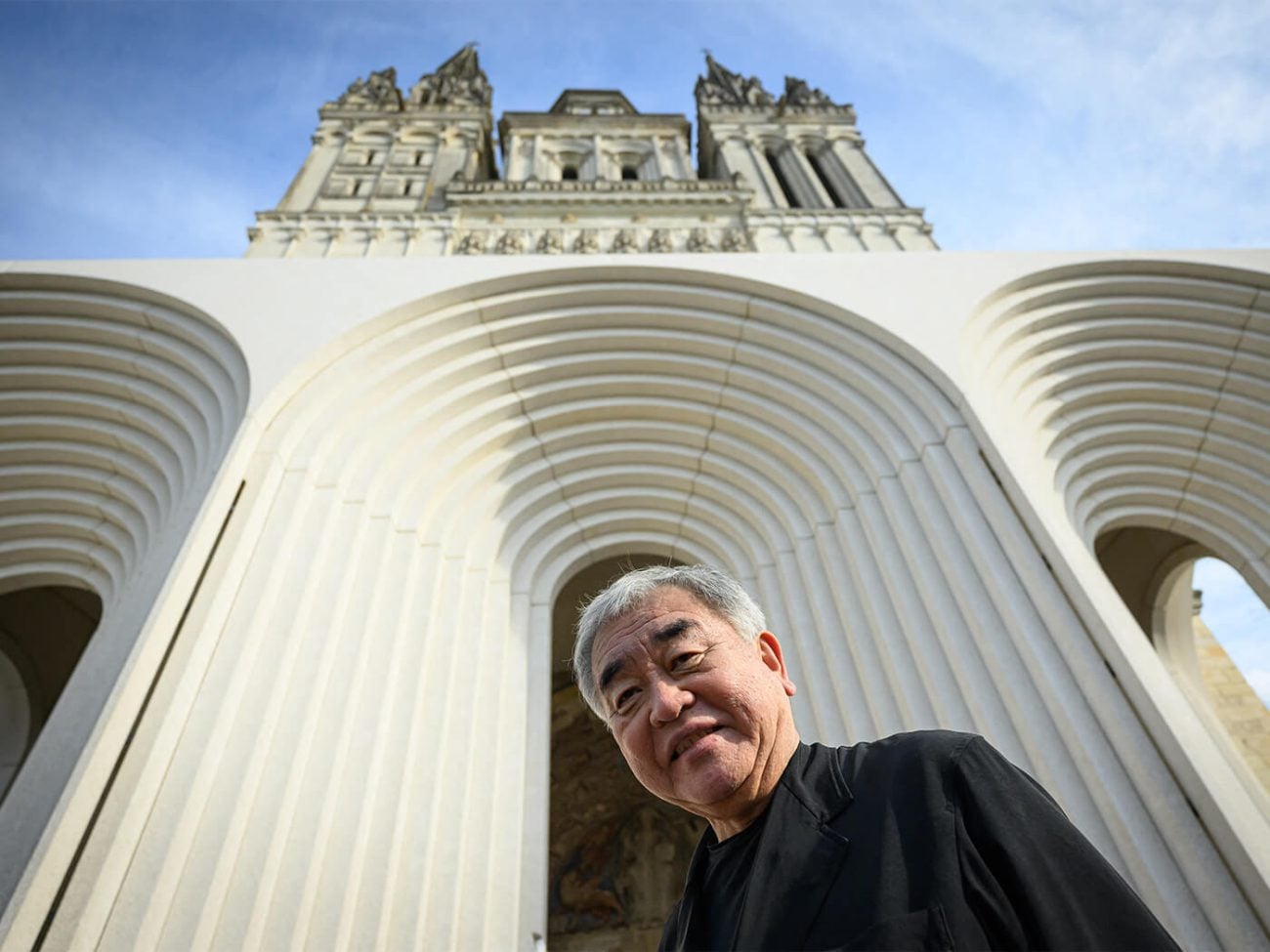
Renowned Japanese architect Kengo Kuma discusses his design philosophy and his recent intervention at the Angers Cathedral in France. He emphasizes a "dialogue with the place" over architectural ego, focusing on topography, local materials, and the Japanese concept of wabi-sabi, which finds beauty in the aging of materials over time. Kuma reflects on how his first emotional encounter with architecture occurred in a Christian chapel as a child, an experience that continues to inform his use of light and verticality.

Jersey Arts TV: Exploring Native Knowledge and Art at Montclair Art Museum

Jersey Arts TV has released a new episode exploring Native knowledge and art at the Montclair Art Museum. The episode highlights the museum's commitment to showcasing Indigenous perspectives through its collections and exhibitions, featuring interviews with curators and artists who discuss the cultural significance and contemporary relevance of Native American art. The segment aims to educate viewers on the intersection of traditional knowledge and modern artistic expression.

Nelson-Aktins 1975 Chinese art exhibit still resonates in Kansas City today | Opinion

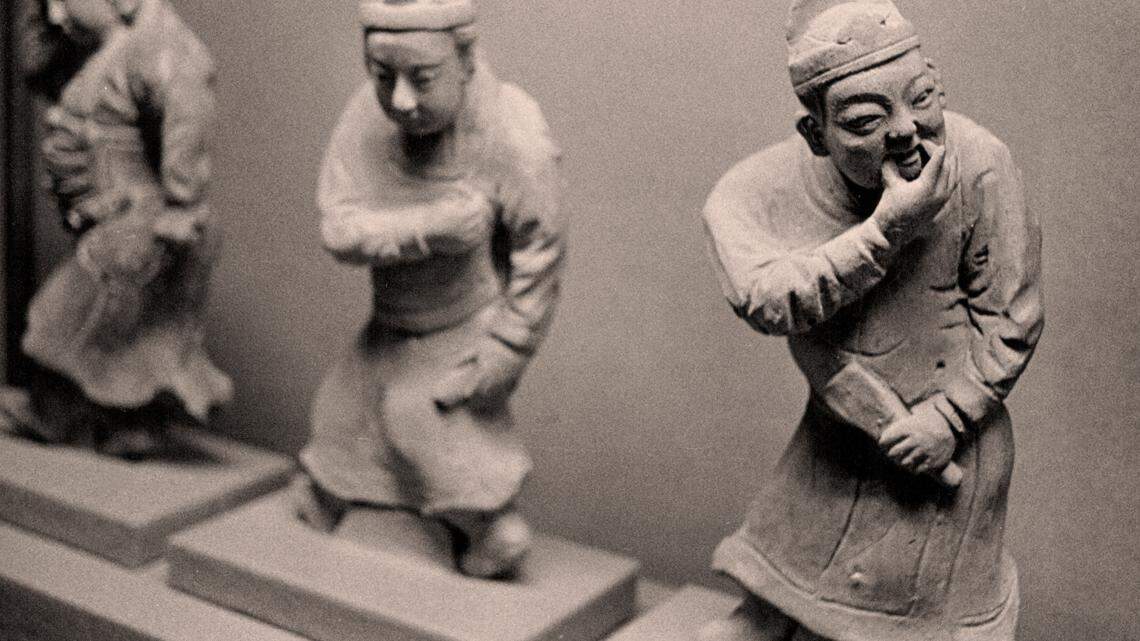
In spring 1975, the Nelson-Atkins Museum of Art in Kansas City hosted the second American stop of "The Exhibition of Archaeological Finds of the People's Republic of China," a landmark traveling show of ancient Chinese artifacts including jade, silk, and bronze sculptures. The author, then a University of Missouri-Kansas City economics student, worked behind the scenes at the museum, describing an unusual interview conducted while gardening and his task of touch-painting gallery walls with a dry brush to cover visitor smudges before opening.

Sécurité dans les musées

This issue of Le Journal des Arts (No. 676, May 2, 2026) covers a range of visual art news: the Whitney Biennial's perceived neutrality, the increasing complexity of art taxation in 2025, an interview with Bourges mayor Yann Galut about scaling back the Bourges 2028 project, the opening of a contemporary gallery at Angers Cathedral, the abandonment of the Frigos artist site in Paris, and a profile of auctioneer Hubert L'Huillier.

L’architecte du Musée Gandur

The article covers several art news items from the May 2, 2026 issue of Le Journal des Arts, including the Whitney Biennial's perceived neutrality, the increasing complexity of art taxation in 2025, an interview with Bourges mayor Yann Galut about the resized Bourges 2028 project, the unveiling of a contemporary gallery at Angers Cathedral, the abandonment of the Frigos artist site in Paris, and a profile of auctioneer Hubert L'Huillier.

The Art of Performing Maintenance

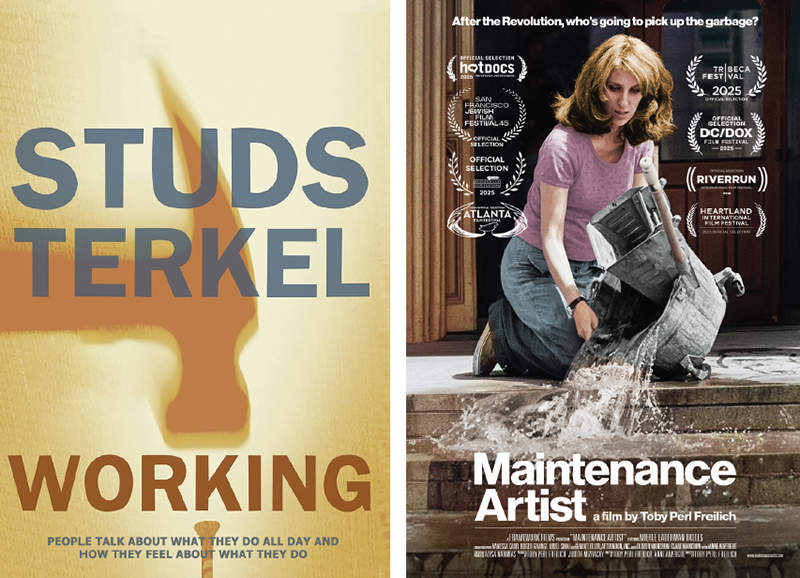
This article explores the work of artist Mierle Laderman Ukeles, who in 1969 wrote her "Manifesto for Maintenance Art" after experiencing a crisis of meaning following the birth of her first child. She proposed that routine maintenance tasks—like cleaning, cooking, and laundry—could be redefined as art when performed in public, particularly in museums. The article traces her early exhibitions at the Wadsworth Athenaeum, where she swept and mopped as performance, and her later projects interviewing passersby on New York City sidewalks and embedding herself in a Manhattan office building, where she invited workers to declare their maintenance tasks art.

'The Bean' Sculptor Kapoor Blasts America's 'Politics Of Hate' And 'Warmongering'

British-Indian sculptor Anish Kapoor, best known for Chicago's 'Cloud Gate' sculpture (commonly called 'The Bean'), publicly criticized American politics in a recent interview, denouncing what he described as a 'politics of hate' and 'warmongering.' Kapoor, whose monumental public artworks have become global icons, did not specify particular events but spoke broadly about the current political climate in the United States.

Intermezzo: revisiting Helmut Newton

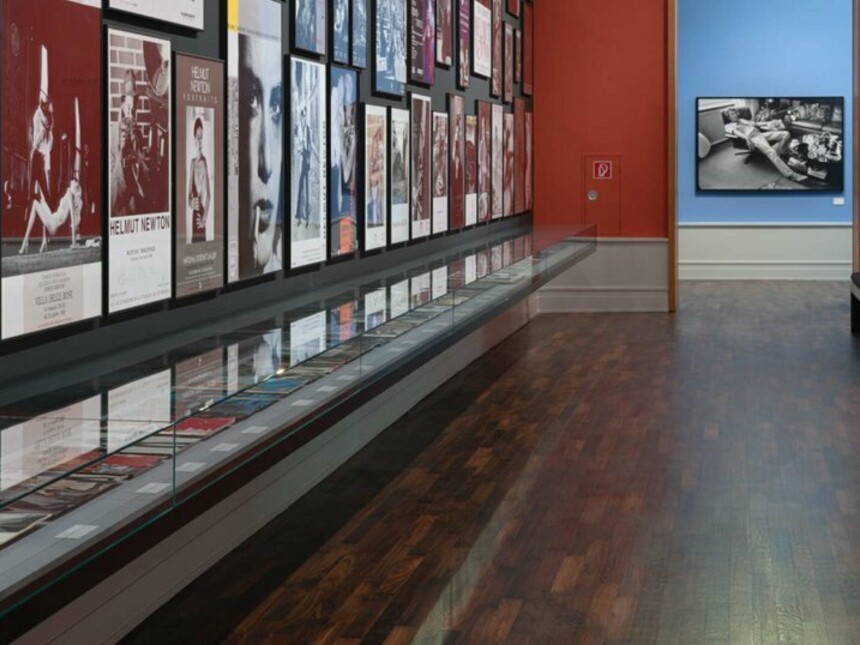
The Helmut Newton Foundation at Berlin's Museum für Fotografie is overhauling its permanent exhibition after more than 20 years, introducing a cinematic installation called "Intermezzo" that uses eight video projectors across four screens to present a film portrait of Helmut Newton. The film incorporates previously unreleased material, including personal recordings by his wife June Newton, and features interviews with figures from Newton's world such as Philippe Garner, Carla Sozzani, and Matthias Harder. Alongside the immersive film, the ground-floor gallery displays nearly 100 of Newton's exhibition posters and launches a new curatorial series, "Spotlight: behind the frame," which will focus on iconic photographs by Helmut Newton or Alice Springs, starting with Newton's 1975 "Rue Aubriot" and Alice Springs' 1970 Gitanes advertisement.

Janet Werner Is Distorting Fashion’s Beauty Ideals Through Painting

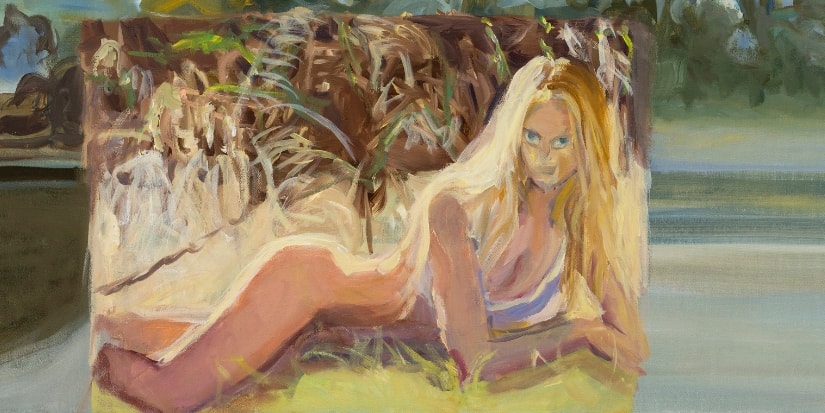
Janet Werner, an artist with a nearly four-decade career, has created a new body of work titled "Landscape with Legs" that distorts fashion imagery from Vogue archives and vintage campaigns by Marc Jacobs. Her paintings transform archetypal fashion models—thin, blonde, and emblematic of privilege—into unsettling, complex figures that expose a tension between glamor and the grotesque. The exhibition runs from May 1 to June 12, 2026, at Anat Ebgi Gallery in New York, marking her second solo show there. In an interview, Werner discusses her background as a dancer, her creative process of collaging photographic images with art historical references like Watteau and Caspar David Friedrich, and the political moment that makes the show feel urgent.

Korea’s art market grows, but working conditions for entry-level workers do not

A 20-something intern at a small Seoul gallery, identified as Park, accepted a job paying 1.35 million won ($910) per month after taxes—below South Korea's minimum wage—because she believed early experience was essential for career advancement in the art world. The article, based on interviews with the Korea JoongAng Daily, reveals that many entry-level workers face low pay and precarious conditions, exacerbated by a severe oversupply of arts graduates (48,000 annually) versus only about 3,523 job postings per year on the industry site Art More, leading to reliance on personal connections and informal hiring.

Delicacy as Resistance. Interview with the Curator of the Turkey Pavilion at the Venice Biennale

La delicatezza come resistenza. Intervista alla curatrice del Padiglione Turchia alla Biennale di Venezia

For the 2026 Venice Biennale, the Turkey Pavilion, commissioned by the Istanbul Foundation for Culture and Arts (İKSV), will present "A Kiss on the Eyes" by artist Nilbar Güreş, curated by Başak Doğa Temür. The exhibition takes its title from a Turkish expression conveying affectionate closeness without intrusion, and features a mix of new productions and earlier works spanning sculpture, installation, painting, and works on paper and fabric. In an interview, curator Temür explains that the project avoids a retrospective or didactic approach, instead creating a spatial rhythm of approach, pause, and slight withdrawal, where intimacy, politics, irony, and fragility press against one another.

Interview to discover Theo Eshetu, the only Italian artist at the 2026 Venice Biennale

Intervista per scoprire Theo Eshetu, unico artista italiano alla Biennale di Venezia 2026

Theo Eshetu (London, 1958), the only Italian artist invited to the central exhibition "In Minor Keys" of the 2026 Venice Biennale curated by Koyo Kouoh, is profiled in an interview. Born to an Ethiopian father and Dutch mother, Eshetu trained in the Netherlands and London before settling in Rome in the early 1980s. He discusses his cosmopolitan background, his early struggles with belonging, and how he transformed that into artistic strength. The interview covers his career, his memories of the Roman art scene in the 1980s and 1990s, and his current work presented at the Biennale, including the piece "The Return of the Axum Obelisk" (2010).

“Yellow Letters”: arte e politica, libertà e censura nel nuovo film di İlker Çatak

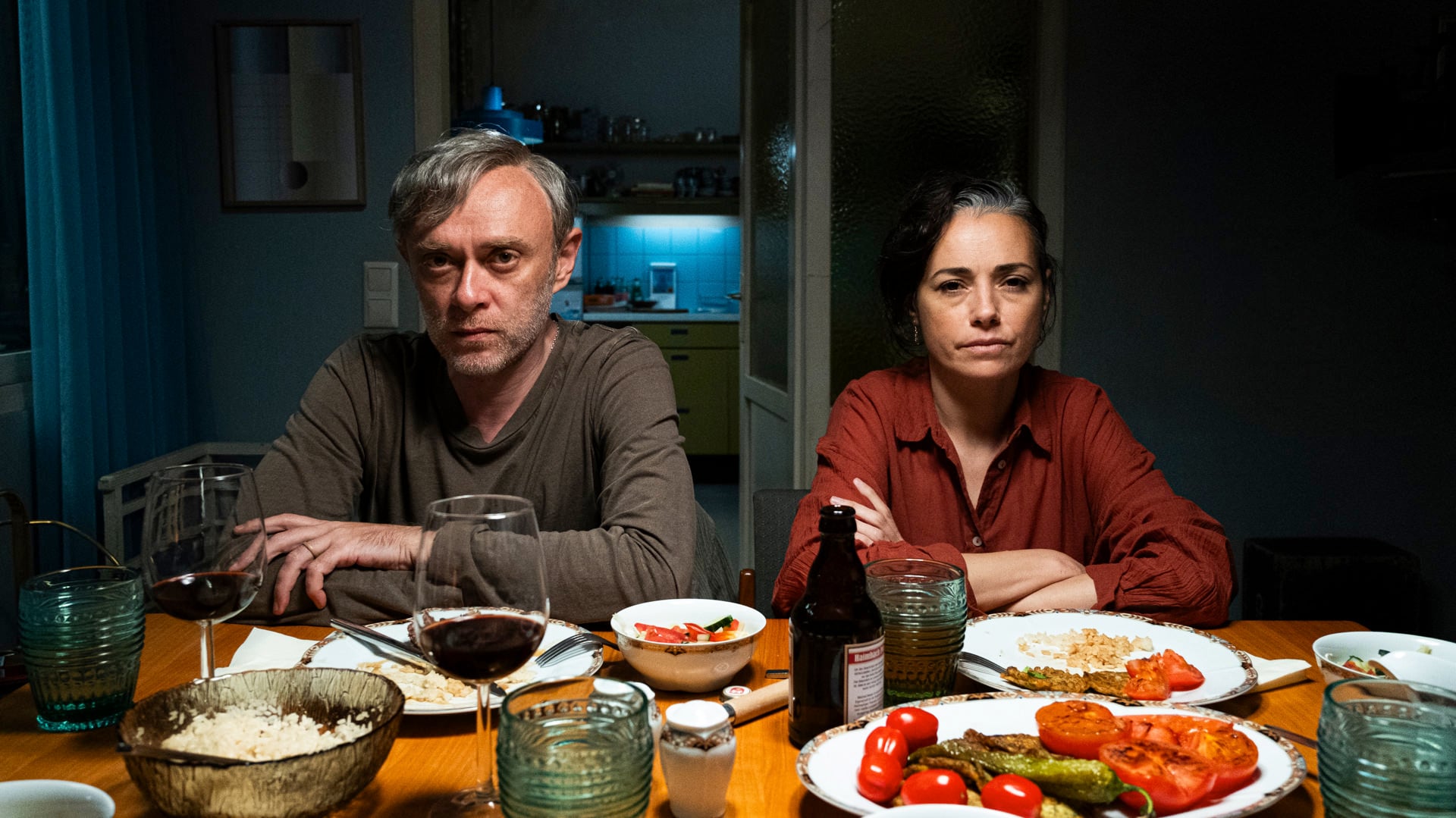
Ilker Çatak's fifth film, "Yellow Letters," premieres on April 30, 2026, distributed by Lucky Red. The story follows Derya and Aziz, a Turkish artist couple whose lives unravel after Aziz, a professor at Ankara University, receives a "yellow letter" terminating his employment. The film, inspired by post-2016 coup purges in Turkey, shifts to Berlin and Hamburg, where the director deliberately avoids mimicking Turkish locations, instead using explicit captions like "Berlin as Ankara" to create a Brechtian alienation effect. Çatak explores how arbitrary state repression fractures personal relationships and moral boundaries, drawing on interviews with artists who faced unjust dismissals.

Cosmic Province. Between bar and studio, or the punk life of Jacopo Benassi

Provincia Cosmica. Tra bar e studio, ovvero la vita punk di Jacopo Benassi

Italian artist Jacopo Benassi, born in 1970 and shaped by the punk scene, discusses his return to his hometown of La Spezia after years in Milan, where he worked as a photographer for Rolling Stone. He describes his life revolving around his studio and local bars, and reflects on founding the underground club B-Tomic in 2011, which became a hub for his artistic and photographic work blending music and performance. He also mentions an upcoming book of drawings and texts by Renzo Daveti (alias Benzo), a formative figure from the Italian punk scene.

Loved by the public, but not by art critics. Jack Vettriano on show in Rome (interview with the curator)

Amato dal pubblico, ma non dai critici d’arte. Jack Vettriano in mostra a Roma (intervista alla curatrice)

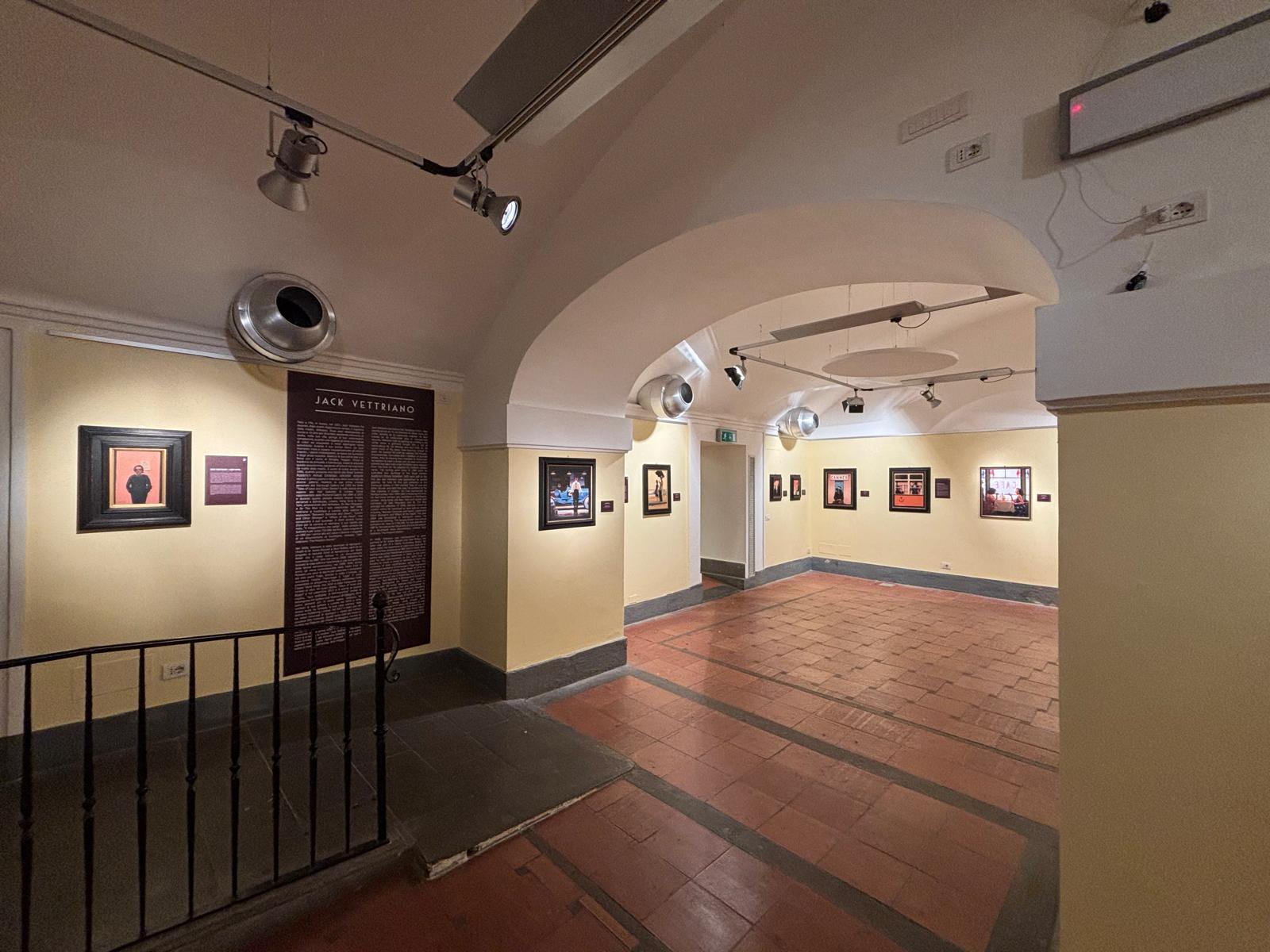
A major retrospective exhibition of Scottish painter Jack Vettriano has opened at Palazzo Velli in Rome. The show, which originated in Bologna at Palazzo Pallavicini, was transformed into a posthumous retrospective following the artist's death in March 2025. It features both original oil paintings and high-quality, limited-edition reproductions on museum paper, a curatorial choice made by Vettriano himself to make his work more accessible.

Tania El Khoury’s Soothing “Revenge Art”

Lebanese artist and Bard College professor Tania El Khoury discusses her multidisciplinary practice and her recent experience living through the escalation of conflict in Beirut. The interview highlights her interactive performance piece, "The Search for Power," which uses her own 2018 wedding blackout as a jumping-off point to investigate the colonial roots of Lebanon's systemic infrastructure failures. Originally set for a Beirut run in March, the production was postponed due to the outbreak of war.

Before Language: An Interview with Song E Yoon at Biennale Arte 2026

Song E Yoon's exhibition "Songs Across Time" at Spazio 996/A in Venice, presented as a Collateral Event of the 61st International Art Exhibition – La Biennale di Venezia, pairs her Song E Code with Frédéric Bruly Bouabré's Bété alphabet. In an interview with Kun Sok, Yoon discusses how her work uses dots, intervals, and repetition to create a visual language that exists before conventional meaning, emphasizing bodily encounter, sensation, and the productive role of misreading.

Currently, much that was painstakingly built is being destroyed

"Aktuell wird viel zerstört, das mühsam aufgebaut wurde"

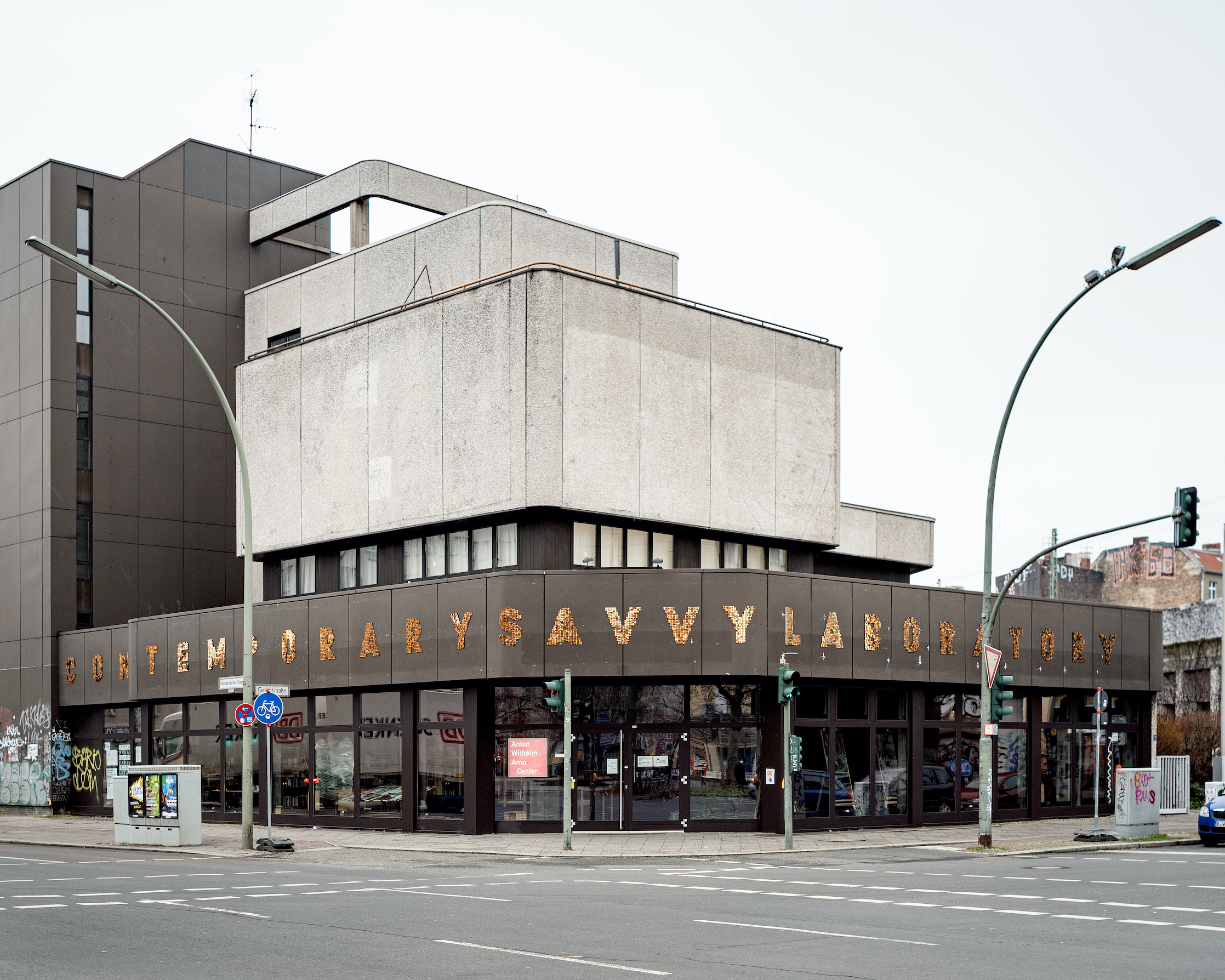
Berlin's Savvy Contemporary, a non-profit art space known for its postcolonial discourse, has been awarded the Art Basel Award in the 'Museums and Institutions' category—the only German institution to receive the honor this year. However, despite the prestigious recognition, Savvy has been unable to open any exhibitions in 2024 due to a lack of funding. In an interview, managing directors Lema Sikod and Lynhan Balatbat-Helbock discuss the award, the institution's 15-year history, and the growing difficulty of sustaining decolonial work amid rising right-wing populism and political backlash.

When the Night Bleeds into the Day

Wenn die Nacht auf den Tag abfärbt

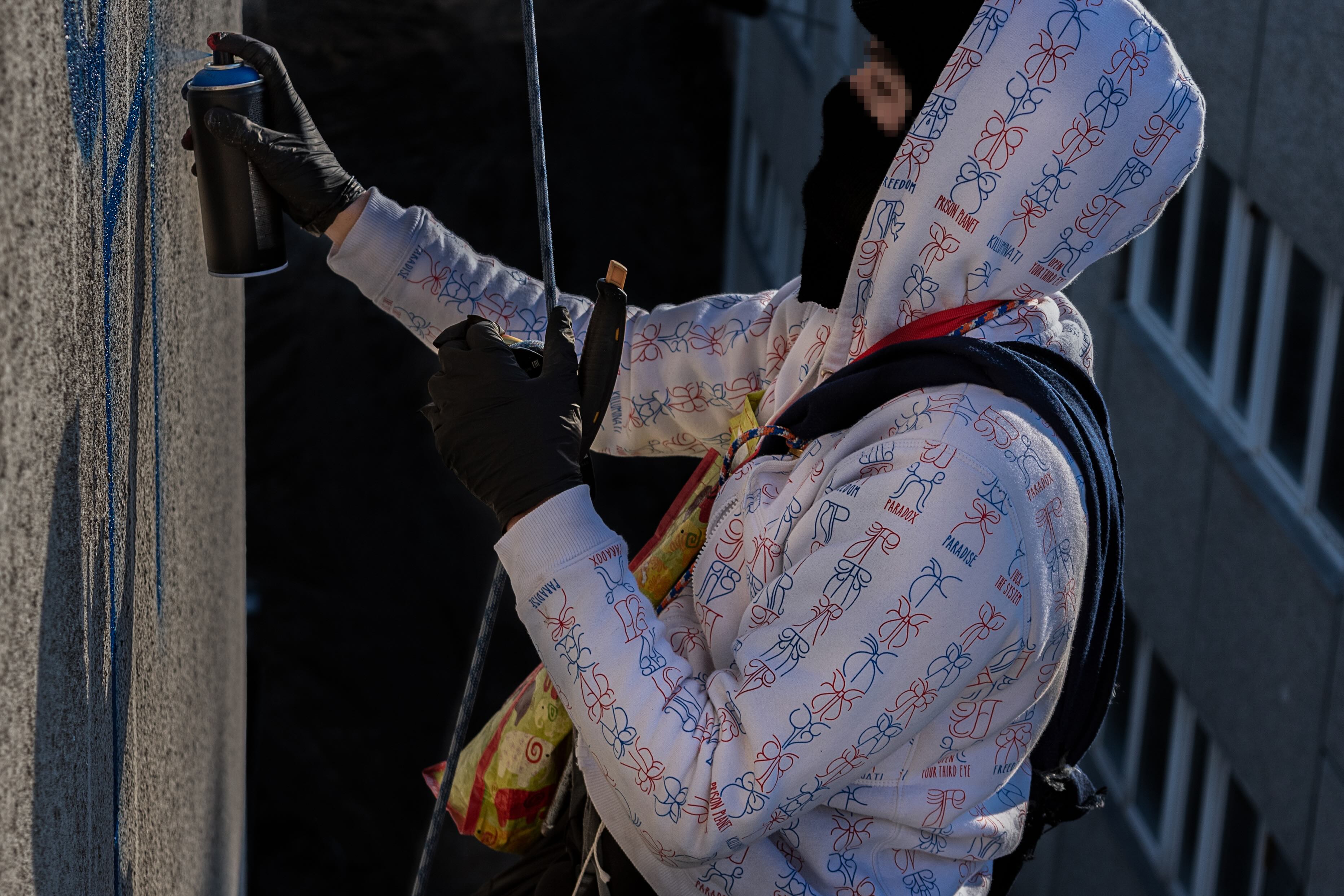
Berlin-based graffiti artist Paradox Paradise, known for his distinctive red-and-blue "Paraglyphs" painted on high facades, discusses his evolution from classic graffiti to a radically reduced visual language. In an interview with Monopol, he explains how he stripped away decorative elements to focus on precise, vertical outlines and messages like "Mieten runter Wände bunter" (lower rents, more colorful walls). He describes his nocturnal actions as states of heightened presence requiring weeks of planning, where every movement has immediate consequences.