filter_list Showing 232 results for "protests" close Clear
dashboard All 232 article news 97museum exhibitions 64article culture 25article policy 23person people 7rate_review review 7article local 4gavel restitution 3trending_up market 2
date_range Range Today This Week This Month All
Subscribe

Colectivo Los Ingrávidos wins Schering Stiftung Award

The Colectivo Los Ingrávidos, an anonymous film collective based in Tehuacán, Mexico, has been named the winner of the 2026 Schering Stiftung Award for Artistic Research. The group will receive a €15,000 prize, a solo exhibition at Berlin's KW Institute of Contemporary Art featuring a newly produced work, and a publication.

Venice Biennale opens under shadow of protests over Russia and Israel

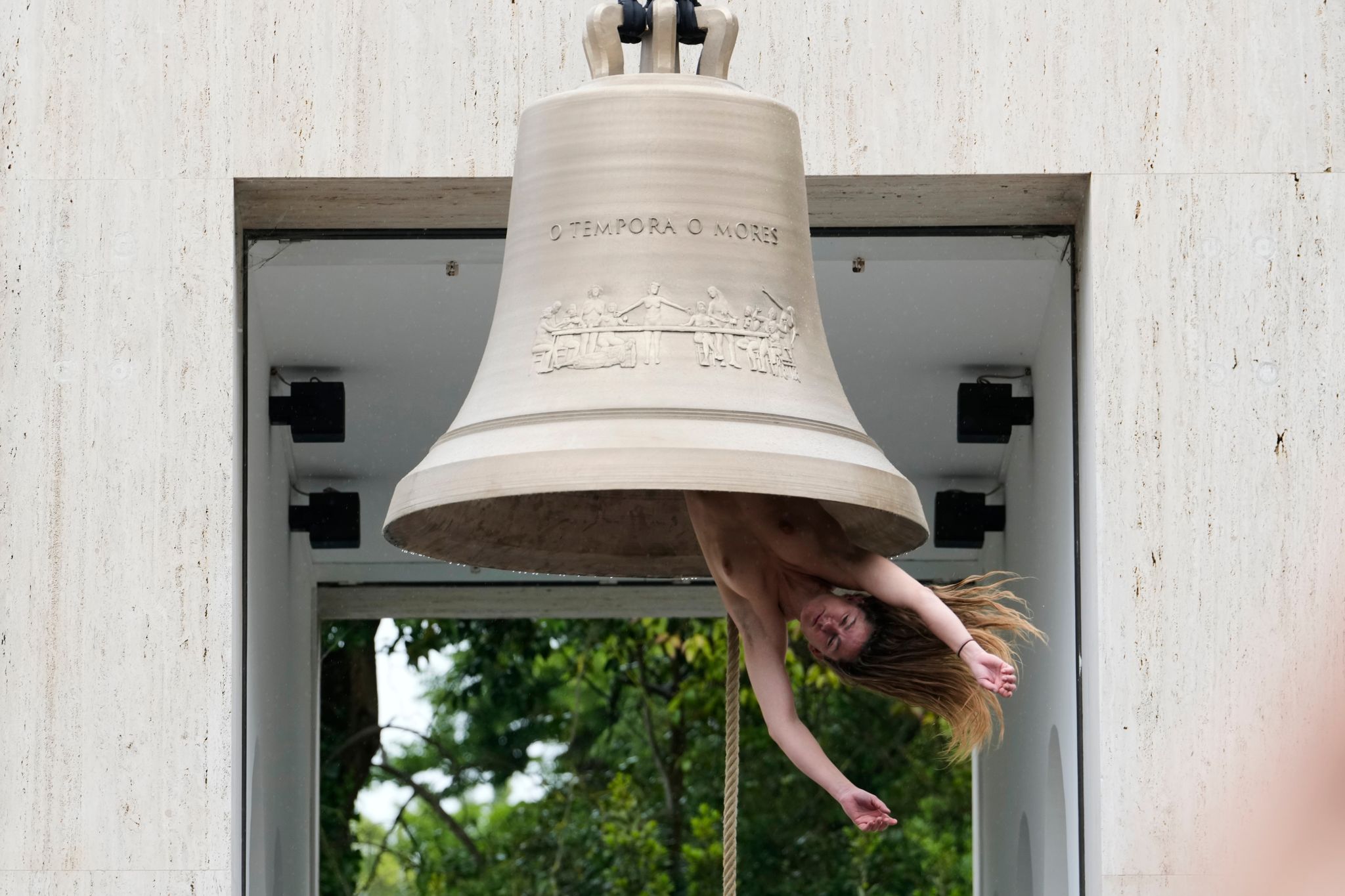
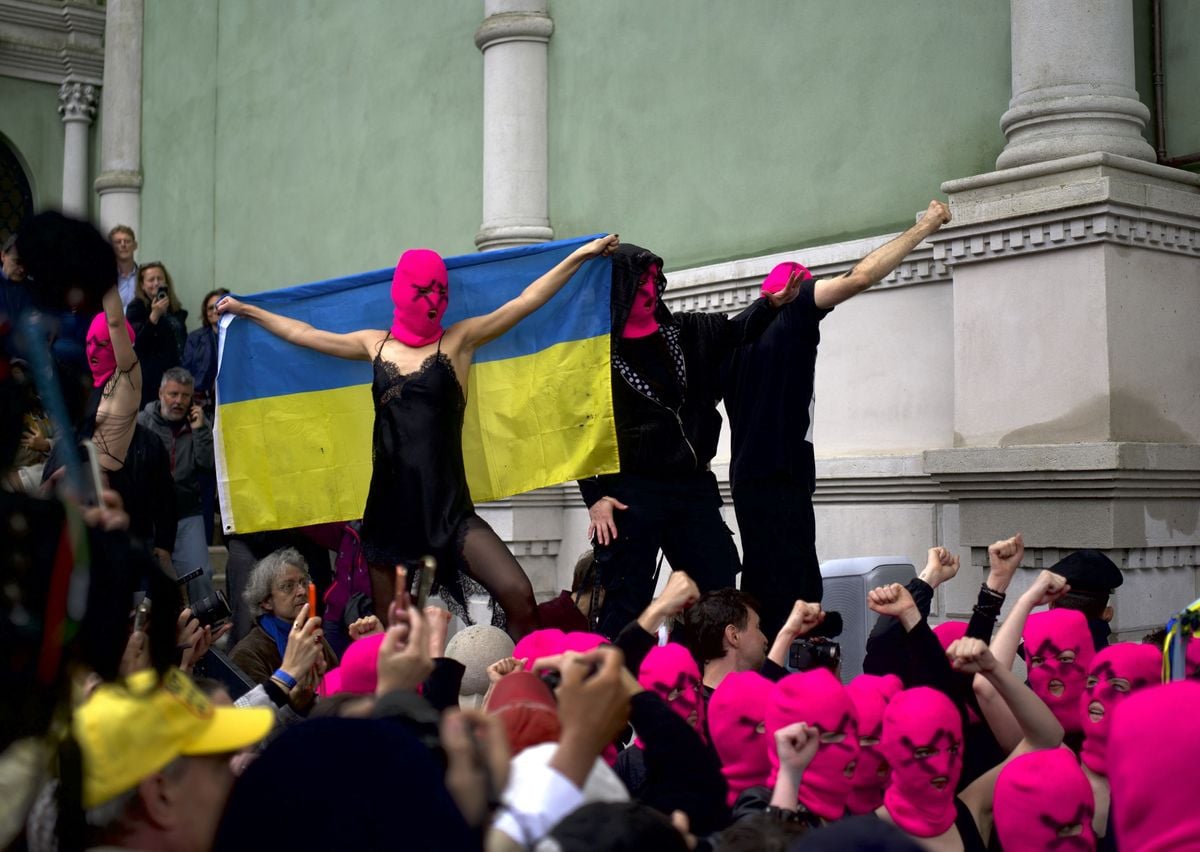
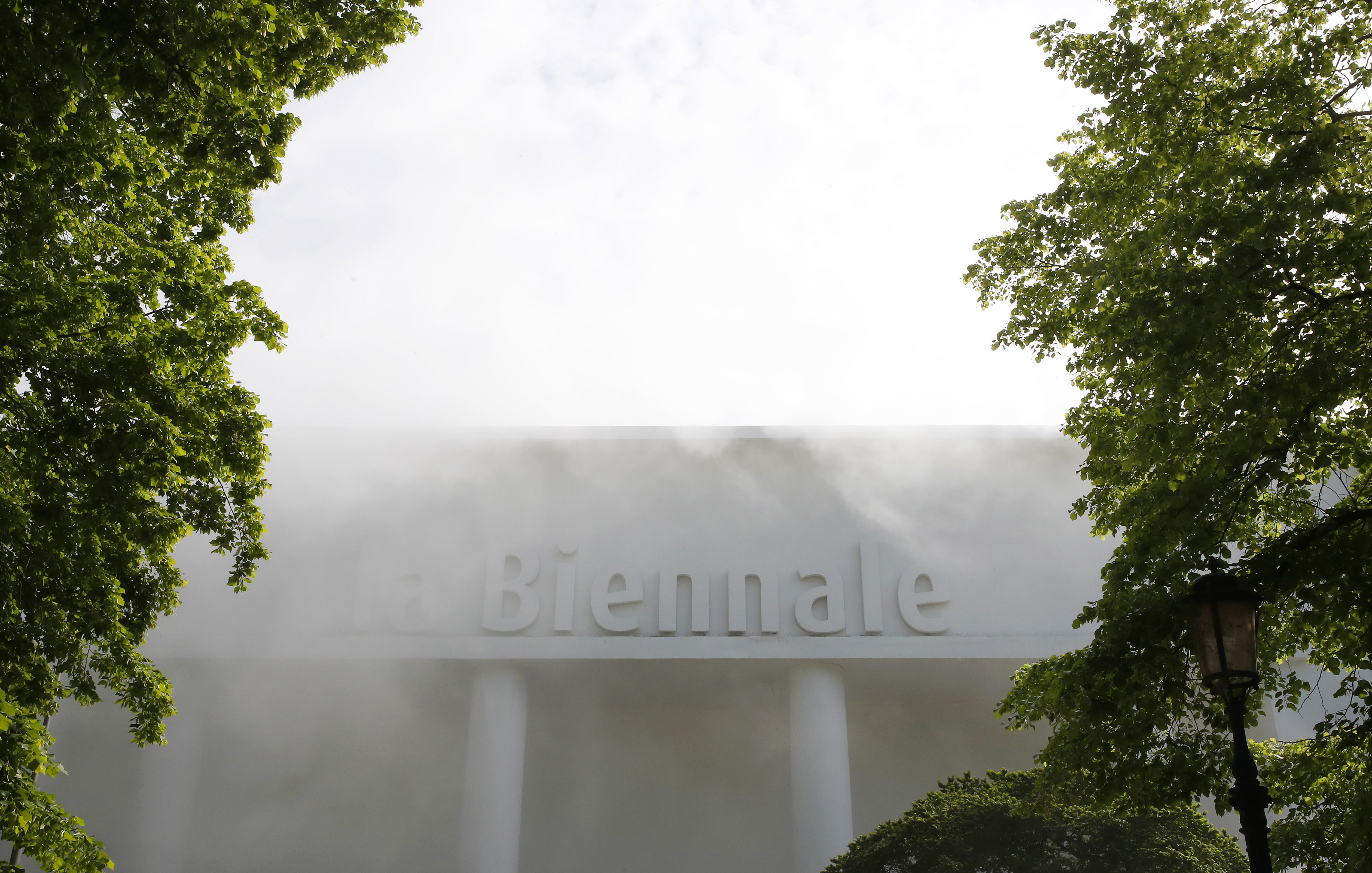
The 61st Venice Biennale opened under heavy protest as Russia returns to the event for the first time since its 2022 invasion of Ukraine. Ukrainian feminist collective Femen and Russian punk band Pussy Riot demonstrated outside the Russian pavilion, with activists accusing Russia of using art as a weapon in a hybrid war. Meanwhile, pro-Palestinian protesters gathered outside Israel's pavilion, holding banners reading 'No artwashing genocide' and demanding Israel's exclusion over the war in Gaza. The Biennale's international jury resigned last month, refusing to award prizes to countries led by figures subject to ICC arrest warrants, namely Vladimir Putin and Benjamin Netanyahu. EU foreign policy chief Kaja Kallas called Russia's participation 'morally wrong' and threatened to cut €2 million in funding, while culture ministers from 22 European countries urged organizers to reconsider.

Venice Biennale opens without a jury amid strife over Russian and Israeli participation

The Venice Biennale, one of the world's most prestigious contemporary art exhibitions, opens its most contested edition in memory without a jury after the jury resigned in protest over the participation of Israel and Russia, both under investigation by the International Criminal Court for human rights abuses. Protests have erupted outside the Israeli and Russian pavilions, with demonstrators clashing with police, while feminist groups from Ukraine and Russia converged on the Russian Pavilion and Palestinians remembered artists killed in Gaza. The Biennale has replaced the jury with a public vote via email, with winners announced at the close on November 22.

Rika Nakajima: A New Book of the Dead, Part 3

連載 中島りか 新しい死者の書 第三回

Japanese artist Rika Nakajima reflects on the trial of Tetsuya Yamagami, who assassinated former Prime Minister Shinzo Abe in 2022, weaving together her own experience running the project space "Datsuisho – (a) place to be naked" in Tokyo's Yanaka district. As the space faced demolition in late 2025, Nakajima draws parallels between the trial's timing and the closure of her venue, recalling earlier events at the space that discussed the state funeral controversy and the cult issues exposed by the assassination. She describes attending the trial in Nara, observing Yamagami's demeanor, and connecting the case to broader themes of political aesthetics, fascism, and the theatricality of the judicial system.

Social Malpractice in the Age of Cultural Compliance

Artist Ed Woodham reflects on the evolution and co-option of socially engaged art, using his own projects like 'The Keepers' protests and the Art in Odd Places initiative as examples. He describes a troubling trend where the language and strategies of social practice art, once used to challenge systems, are now being adopted by developers, corporations, and institutions for branding, place-making, and community engagement initiatives that often operate within the very economic structures driving displacement and eroding public space.

Warsaw’s Neon Museum sparks revival of interest in cold war signs and aesthetic

Warsaw is experiencing a significant revival of interest in its Cold War-era neon signs, a movement spearheaded by the city’s Neon Museum. Founded in 2012 by photographer Ilona Karwińska and designer David Hill, the museum has rescued hundreds of historic illuminations that were once discarded as worthless relics of the communist past. Originally commissioned by Soviet-era authorities as a form of "socialist modernization," these signs were designed by leading artists of the Polish Poster School and have now transitioned from propaganda tools to beloved cultural icons.

Carbon Strata: Billings artist finds meaning in carbon and chaos in Yellowstone Art Museum exhibit

Billings artist Jon Lodge opened his solo exhibition "Carbon Strata" at the Yellowstone Art Museum (YAM) on September 5, 2025. The sprawling multimedia show fills one of the museum's largest galleries with works climbing walls, filling skylights, and spilling onto windows and outdoor spaces, exploring abstraction and the elemental concept of carbon as a unifying thread in life and matter. Lodge, an 80-year-old multimedia creator with a decades-long career, has a long history with YAM as a supporter, donor, and collaborator, including a solo show in 1999.

Artists Enclave holds 'Tierra Verde' Juried Exhibition to combine art with activism

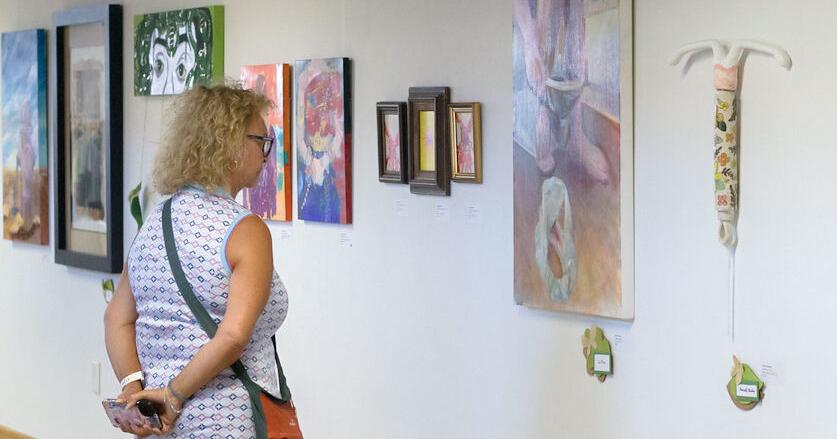
Artists Enclave, a Denton arts networking organization based at UNT CoLab, hosted the "Tierra Verde" Juried Exhibition throughout August 2025. The show featured over 60 artworks by Texas artists exploring the intersection of art and activism, with pieces addressing environmental issues, protests, political beliefs, and social stigmas such as menstruation. The exhibition opened on Aug. 1 with a reception attended by over 175 guests, featuring live music by Rachel Yeatts, and awarded prizes to artists including Aileen Khuu, Jose Angel Hernandez, Anadara Braun-Good, Lauren Doorish, and Genie Baranoff.

Teen artists portrayed their lives — some adults didn't want to see the full picture

Teen artists in Washington, D.C., created two exhibitions—'The Teen Experience' at the American University Museum and a mural at the Smithsonian Folklife Festival—depicting honest portrayals of their lives, including school lockdowns, protests, self-doubt, and the pandemic. The Museum of Contemporary American Teenagers (MoCAT), founded by teacher David Lopilato, organized both shows, but some adults objected to the full range of topics addressed, such as the 'Free Palestine' protest sign in the mural.

‘In Minor Keys’: discover the themes that define the 61st Venice Biennale exhibition

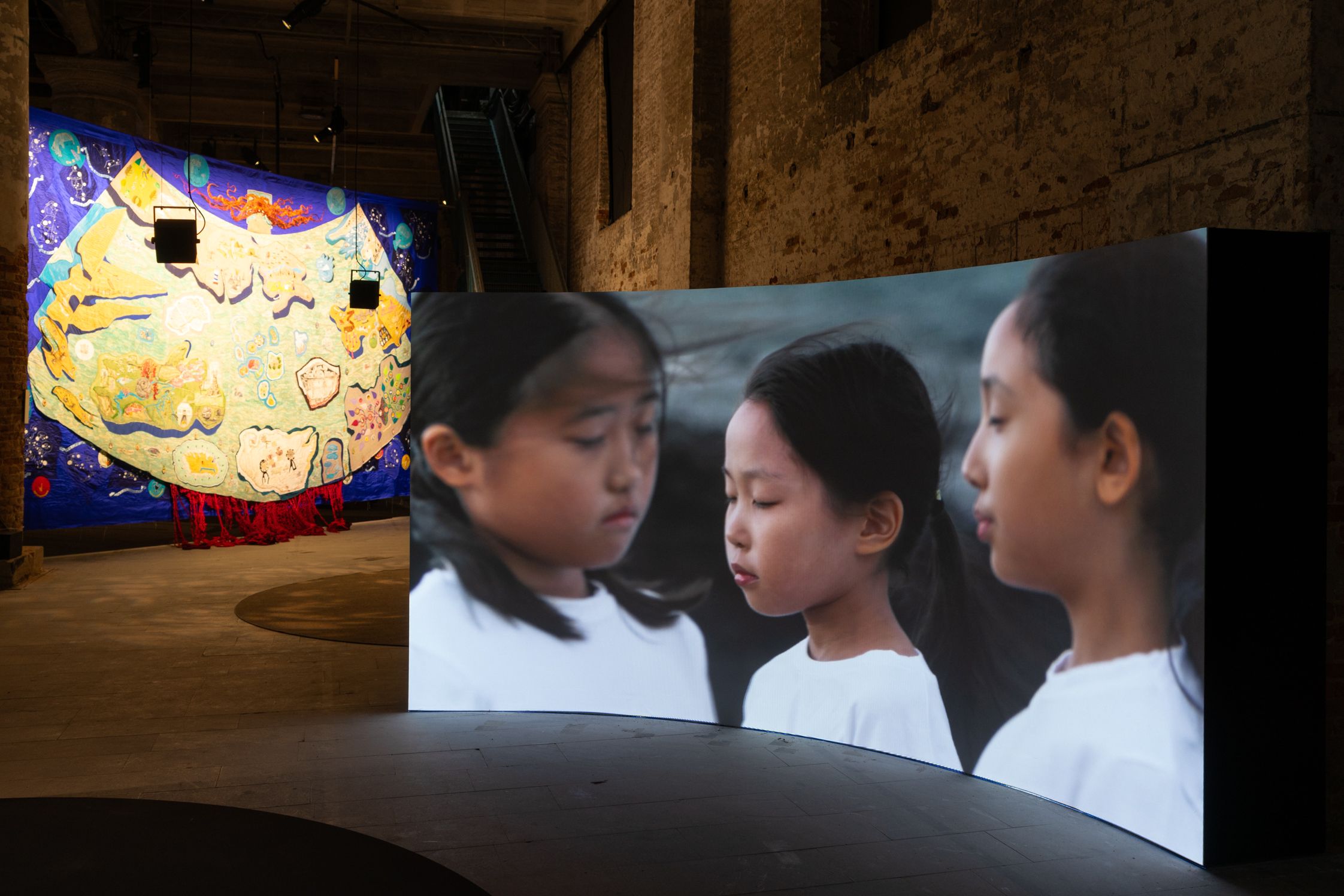
The 61st Venice Biennale's main exhibition, 'In Minor Keys', curated by the late Koyo Kouoh, has opened after her sudden passing in 2025. Kouoh had fully planned the exhibition before her death, and a team of seven realized her vision. The show features 110 artists, including Wangechi Mutu, Nick Cave, Alfredo Jaar, and emerging talents like Ranti Bam. It opens with a poem by Refaat Alareer and an installation by Khaled Sabsabi, setting a contemplative tone amid themes of mourning, grief, and healing. The exhibition also highlights minority perspectives, including Caribbean and Central American artists, and confronts colonial histories through works like Florence Lazar's film on a hurricane-exposed necropolis.

Anti-Russia Protests Spread Beyond the Biennale and Into Venice

Protests against the reopening of the Russian pavilion erupted at the Venice Biennale and spread across the city on the second day of the 61st edition. Visual artist Shalva Nikvashvili, who grew up in post-Soviet Georgia, began a silent performance wearing a muzzle-style mask and carrying a chair, holding a sign reading “La Biennale di Venezia” and “violence.” Shortly after, a group of about 20 protesters led by Pussy Riot co-founder Nadya Tolokonnikova gathered outside the Russian pavilion, chanting against Vladimir Putin, waving Ukrainian flags, and releasing a pink smoke flare. The protests followed the Biennale's decision to allow Russia to participate for the first time since its 2022 invasion of Ukraine, despite calls from artists and politicians to exclude the country.

In "Dancing the Revolution," Puerto Rico Pushes Back

The article reviews "Dancing the Revolution," a multi-genre collective exhibition at the Museum of Contemporary Art Chicago that explores the music of dancehall and reggaetón, their roots, history, and evolution, and their inextricable link to colonial oppression. The show is inspired by the massive 2019 protests in Puerto Rico against then-Governor Ricardo Rosselló, where music and dance were used as forms of resistance, drawing on centuries of Black Atlantic protest in the Caribbean.

In Dancehall and Reggaetón’s Evolution, MCA Chicago Charts a Global Awakening

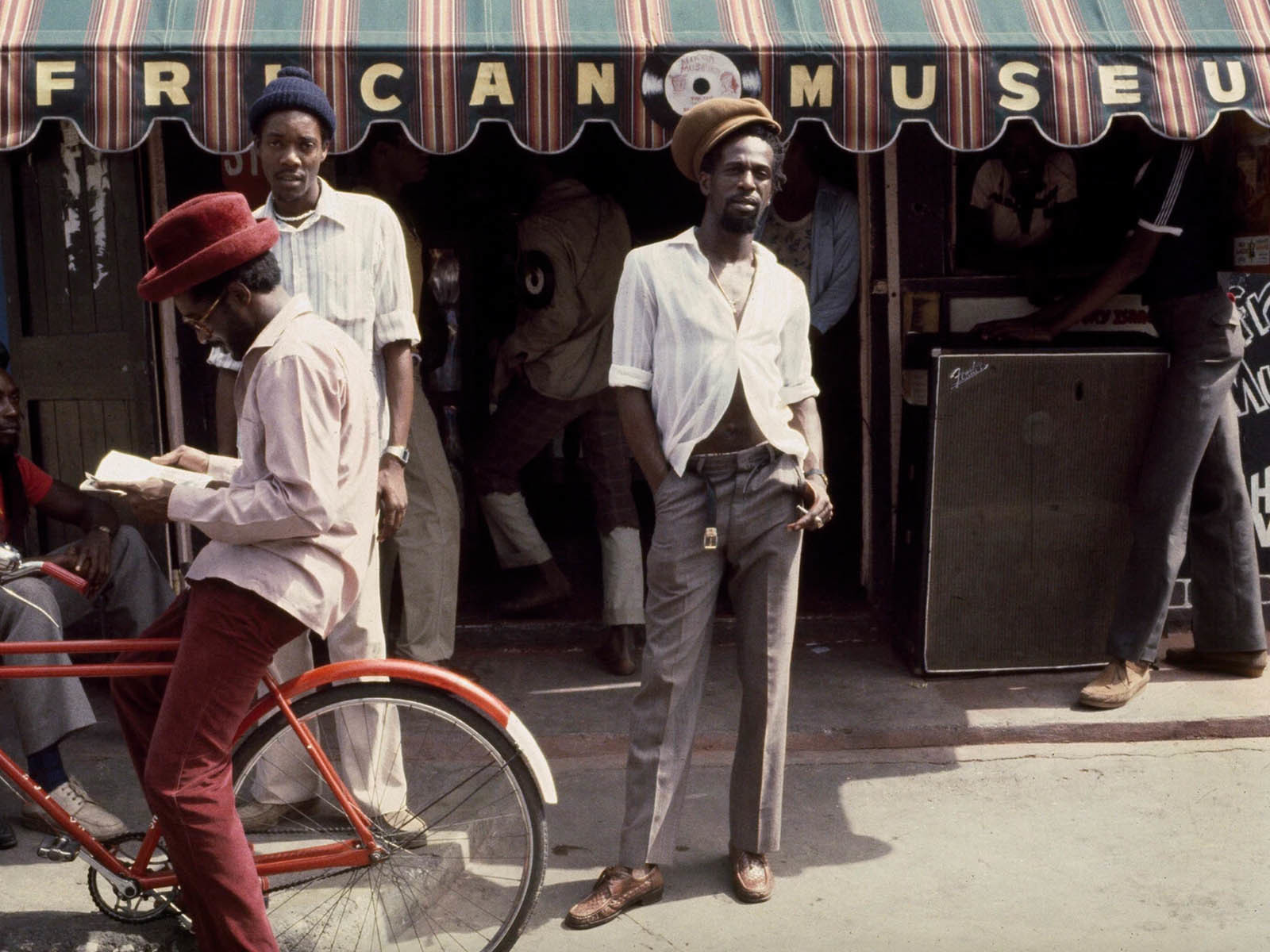
The Museum of Contemporary Art Chicago has opened "Dancing the Revolution: From Dancehall to Reggaetón," an ambitious exhibition exploring the historical evolution of dancehall and reggaetón as cultural movements and their influence on contemporary art. Curated by Carla Acevedo-Yates, the show features over 40 international artists including Isaac Julien, Edra Soto, Alberta Whittle, Carolina Caycedo, supakid, and Lee "Scratch" Perry, tracing the genres' roots from Afro-Caribbean traditions through their emergence in Jamaica, Panama, and Puerto Rico to global mainstream dominance by figures like Daddy Yankee and Bad Bunny.

The Prizes

Los premios

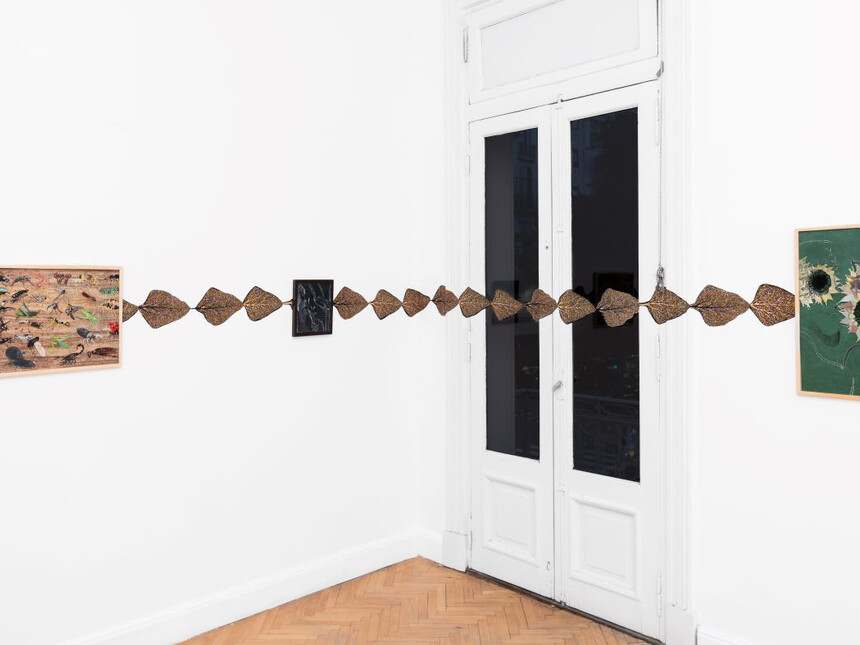
Artist Gala Berger presents a three-act exhibition titled "Los premios" (The Prizes), which revisits the radical spirit of the 1968 Latin American avant-garde. The show specifically references two historic 1968 exhibitions at the National Museum of Fine Arts in Buenos Aires—the Georges Braque Prize and "Materials, new techniques, new expressions"—where artists staged protests involving egg-throwing, stink bombs, and manifestos against censorship and institutional tutelage.

MCA Chicago show explores the power of Dancehall and Reggaeton

The Museum of Contemporary Art Chicago has launched "Dancing the Revolution: From Dancehall to Reggaetón," an interdisciplinary exhibition exploring the political and cultural impact of Caribbean music genres. Curated by Carla Acevedo-Yates, the show was inspired by the 2019 "perreo combativo" protests in Puerto Rico that led to the governor's resignation. The exhibition features a diverse array of media, including paintings by Jean-Michel Basquiat and Denzil Forrester, sculptures by Michael Richards, and archival materials like Dancehall posters and sound system equipment.

Exhibition of Black artists reinterpreting the US flag opens without key Dread Scott work

An exhibition titled 'America Will Be!' opened at the University of Maryland's David C. Driskell Center, exploring how Black artists have reinterpreted the US flag. However, the show opened without a key work by artist Dread Scott, 'What is the Proper Way to Display a US Flag? (1988)', after the loan request was rescinded by the curators citing logistical and safety concerns.

Ecuador's Bienal de Cuenca marks 40th anniversary with a playful theme but a serious tone

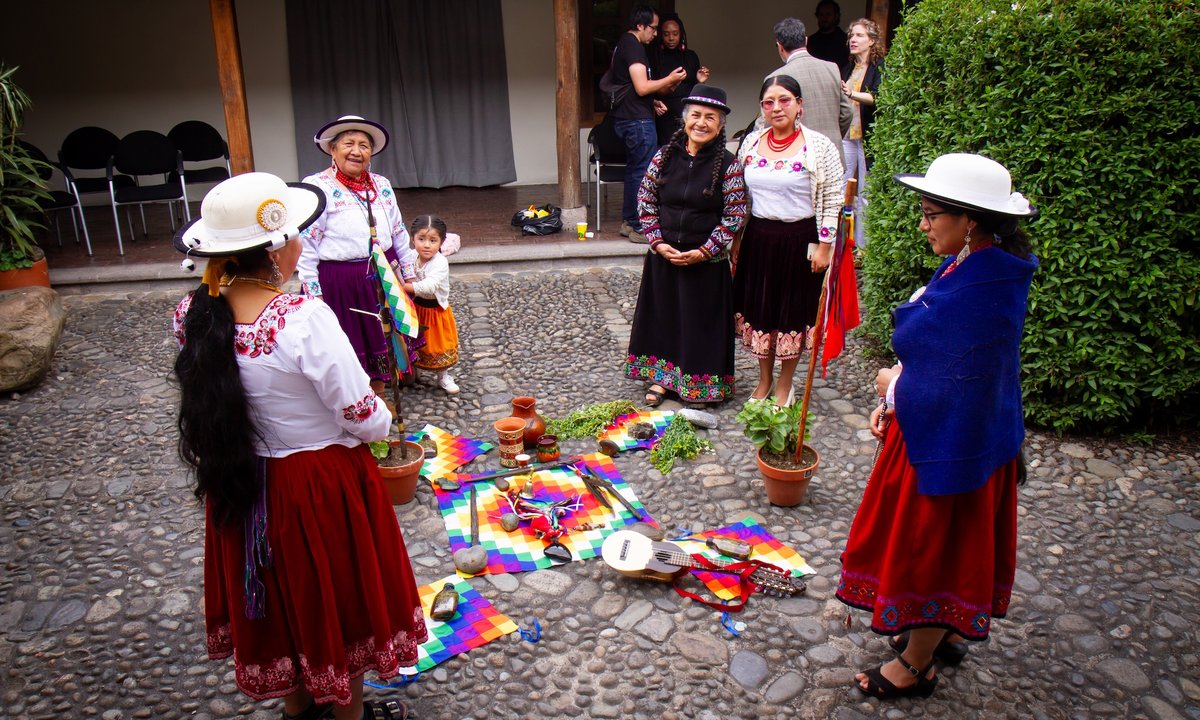
The 17th Bienal de Cuenca, titled "The Game," opened on 24 October in Cuenca, Ecuador, marking its 40th anniversary. The biennial features 51 artists selected by 17 international curators, with works displayed across multiple venues including museums, gardens, and the airport. The event highlights artists and curators from the Global South, focusing on social and political concerns rather than market priorities. It opened just two days after political protests ended, with a ceremony featuring an Andean ritual led by artist Carmen Vicente, whose installation "Infinite Steps" won the acquisition prize.

Opening of Museum of West African Art in Nigeria delayed after protests

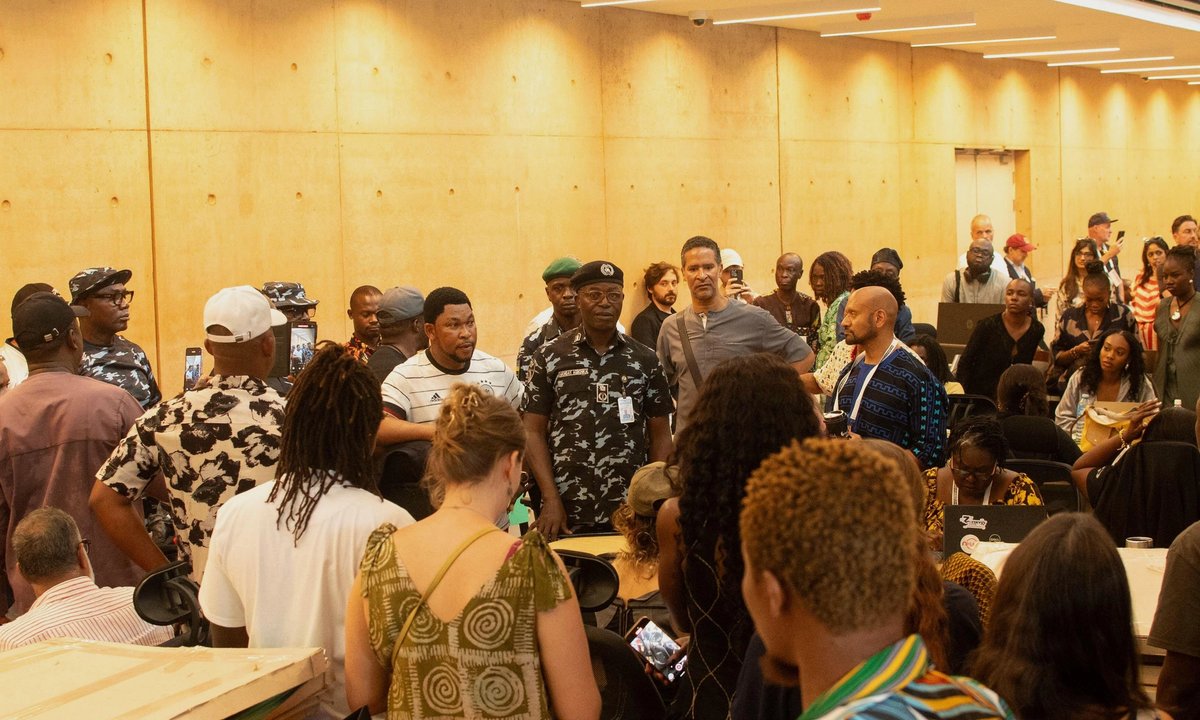
The official preview weekend of the Museum of West African Art (MOWAA) in Benin City, Nigeria, was disrupted on Sunday when a group of protestors broke into the main building. Over 250 invited guests, including donors and diplomats, had gathered for a cultural program featuring the exhibition "Nigeria Imaginary: Homecoming," which was an expanded presentation of the Nigerian Pavilion at the 2024 Venice Biennale. The protestors, wearing red hats, blocked access, shouted accusations about former governor Godwin Obaseki, and forced their way inside, leading to the indefinite cancellation of remaining events. MOWAA subsequently announced a postponement of public opening events, citing the protests and misconceptions about its role, while welcoming a presidential committee to resolve related matters.

Aichi Triennale confronts war, memory and environmental collapse

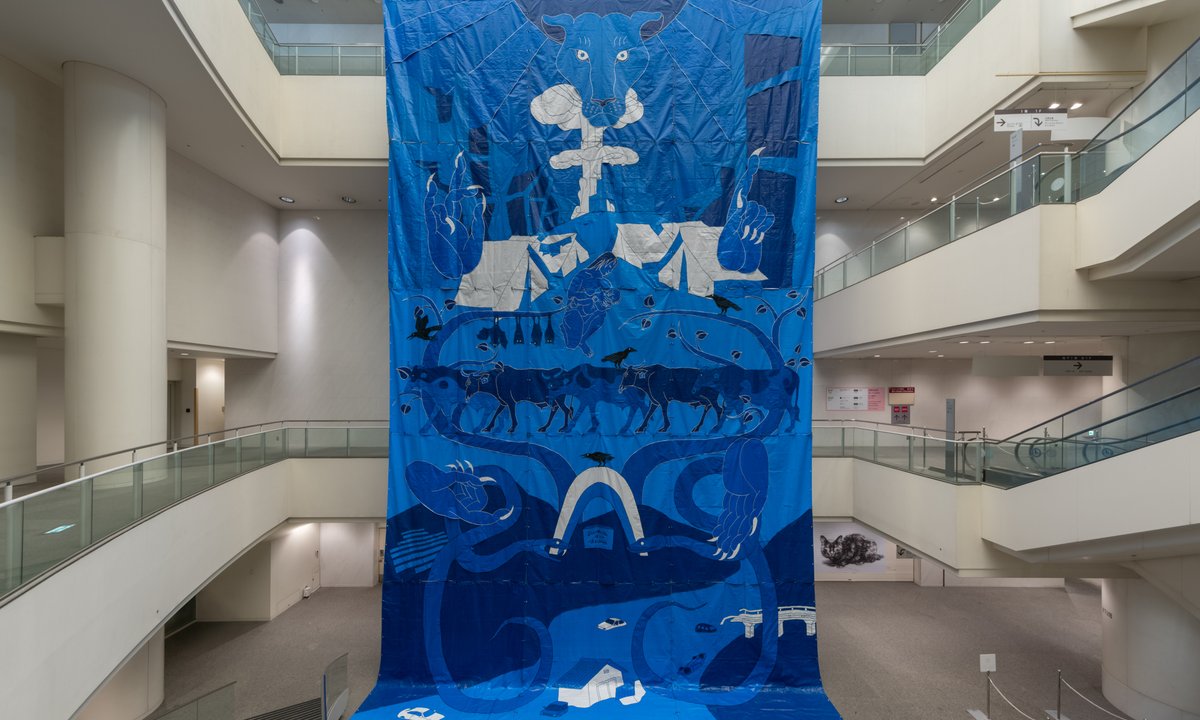
The sixth edition of the Aichi Triennale, titled "A Time Between Ashes and Roses," opened in Japan in September and runs until 30 November. Curated by Hoor Al Qasimi, the first non-Japanese artistic director of the triennial, the exhibition confronts themes of war, displacement, memory, and environmental collapse. Works include Kubo Hiroko's tapestry marking the 80th anniversary of the Hiroshima atomic bombing and a video installation by Palestinian duo Basel Abbas and Ruanne Abou-Rahme. Al Qasimi explicitly linked the triennial to the situation in Gaza, stating, "Free Palestine," during a press conference. Controversy erupted over the Aichi-Israel Matching Program, a separate prefectural initiative pairing Israeli startups with local companies, leading to protests and the resignation of vice chairman Hideyuki Tomita from the organizing committee.

As Iraq's economy shows signs of recovery, a thirst for new art is emerging

Iraq's improving economy and security situation, despite regional conflict, is fueling a revival in its art scene. Artists who fled violence are returning, and curators from the Arab region are touring the country. Key initiatives include Tarkib, a Baghdad art platform co-founded by Hella Mewis that offers workshops and exhibitions, and Babil Performance Art, set up by Zurich-based artist Wathiq Al Ameri to focus on performance work. These efforts reflect a generational shift spurred by the 2019 Tishreen protests, particularly among young women.

Commentary: This year's Met Gala proved one thing: The real devil who wears Prada is Jeff Bezos

Jeff Bezos and his wife Lauren Sánchez Bezos served as honorary co-chairs and sponsors of this year's Met Gala, sparking widespread protests and calls for boycotts. Guerrilla activist group Everyone Hates Elon plastered New York with anti-Bezos signage, and activists placed 300 bottles filled with fake urine inside the Metropolitan Museum of Art to highlight Amazon workers' bathroom break complaints. New York Mayor Zohran Mamdani declined his invitation, and the absence of celebrities like Meryl Streep and Zendaya fueled speculation about a boycott, though representatives denied any coordinated protest. Despite the controversy, the gala proceeded with many attendees and is expected to raise more than last year's $31 million for the Costume Institute.

On the eve of Mother’s Day, New Orleans art exhibit protests the death of Black sons

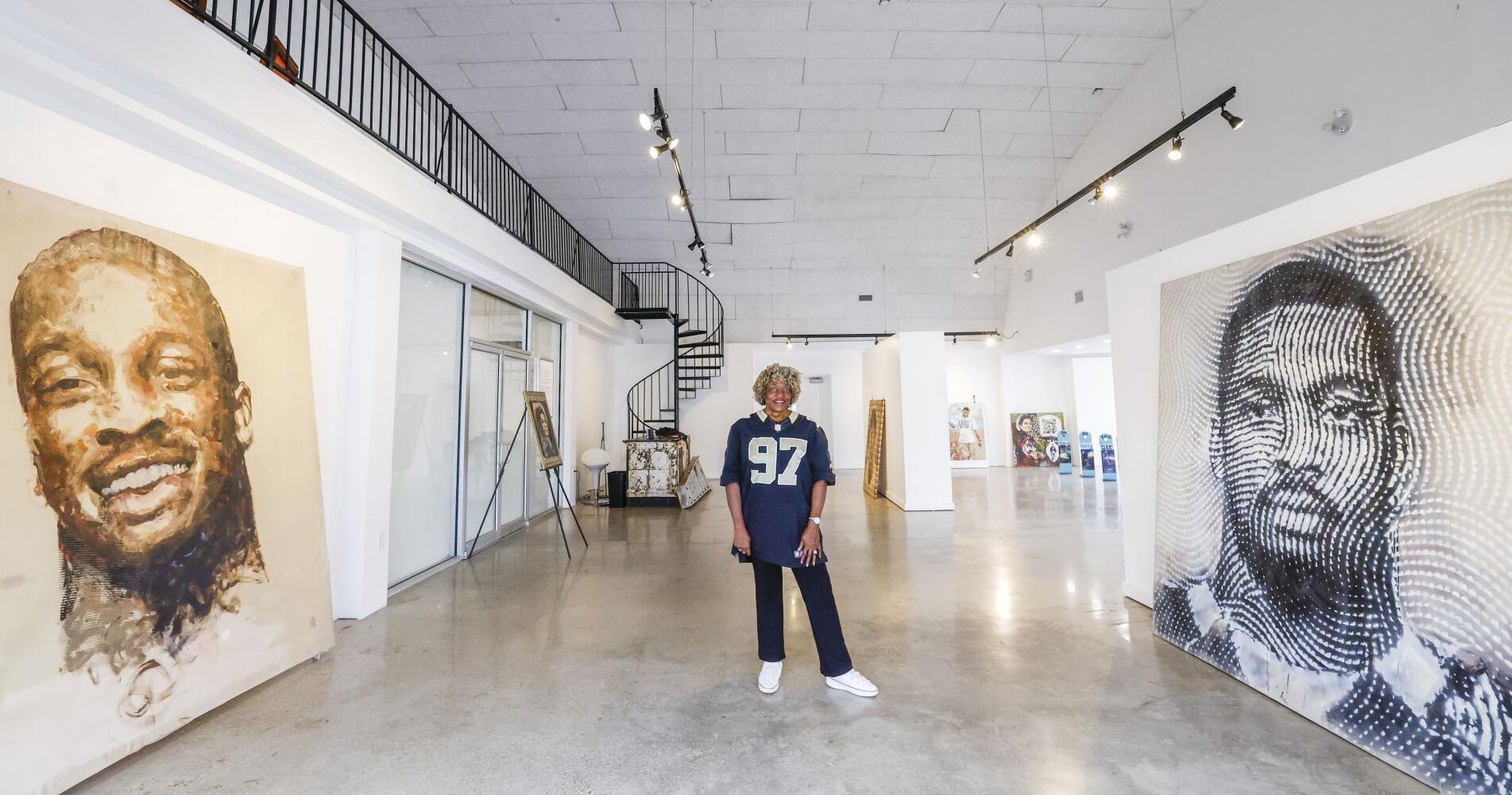
On the eve of Mother's Day 2026, an art exhibit titled "The Four Lost Sons" opened at [ART] CONSCIOUS gallery in Arabi, Louisiana. The show features large portraits of four Black men from Louisiana who died in police custody or altercations, created by the pseudonymous artist Walta Focq. The exhibit coincides with the anniversary of Ronald Greene's death, who was beaten and tased by Louisiana State Police in 2019. The mothers of the four men are involved in the project and plan to speak at the opening reception.

Israeli Artist’s Show in Mexico City Closes After Antisemitic Harassment

An exhibition by Israeli artist Amir Fattal at König gallery in Mexico City was forced to close a week early after a campaign of antisemitic harassment escalated from online abuse to physical protests and vandalism. Vandals spray-painted swastikas, Stars of David, and the phrase "here there are terrorists" on the gallery's facade, and protesters gathered outside calling the artist a murderer and Mossad agent.

Jury of the Venice Biennale Resigns

Jury der Venedig-Biennale tritt zurück

The entire jury of the Venice Biennale, appointed by artistic director Koyo Kouoh, has resigned with immediate effect. In a statement released on Thursday, the jury members—including chair Solange Oliveira Farkas, Zoe Butt, Elvira Dyangani Ose, Marta Kuzma, and Giovanna Zapperi—cited a prior declaration from April 22 in which they announced they would not award Golden or Silver Lions to artists from countries whose political leadership is currently indicted by the International Criminal Court (ICC) for crimes against humanity. Although no specific countries were named, the move implicitly targets Russia (President Vladimir Putin) and Israel (Prime Minister Benjamin Netanyahu), both subject to ICC arrest warrants. The resignation comes amid escalating tensions over Russia's participation in the Biennale despite EU sanctions, which had already led to a freeze of EU funding and widespread protests.

Mexico faces sales of pre-Columbian art

Le Mexique face aux ventes d’art précolombien

The Mexican government is facing ongoing legal and diplomatic hurdles in its attempts to halt the sale of pre-Columbian artifacts in Paris. Despite formal protests from the Mexican embassy citing national heritage laws from 1827, auction houses like Millon continue to proceed with sales, generating millions in revenue. French authorities and legal experts maintain that Mexican national laws do not supersede French jurisdiction, which largely adheres to the 1970 UNESCO Convention regarding the illicit import and export of cultural property.

Tabula Rasa: The Geometry of the Collective.

Peterson Kamwathi's exhibition 'Tabula Rasa: The Geometry of the Collective' opened at the Nairobi Contemporary Art Institute. The show features his work exploring how individual bodies accumulate and dissolve into larger social and political formations, mapping the dynamics of crowds, protests, and collective identity.

Harta Space's 'A Third Eye' exhibition pays tribute to late multi-dimensional artist Askandar Unglehrt

Harta Space in Penang is hosting 'A Third Eye', an exhibition paying tribute to the late multi-dimensional artist Askandar Unglehrt. Born in Germany, Unglehrt studied at the Sorbonne in Paris during the 1960s, where he was influenced by Dadaism and surrealist poet Jean Hans Arp. He later settled in Malaysia, taught at Universiti Sains Malaysia, and developed a distinctive artistic practice rooted in collage, assemblage, and the concept of a 'third eye' that synthesizes Eastern and Western perspectives. The exhibition explores his humorous, esoteric works and his lifelong questioning of art's seriousness.

61st Venice Biennale: Cultural workers and artists strike and protest against the Israeli genocide in Gaza

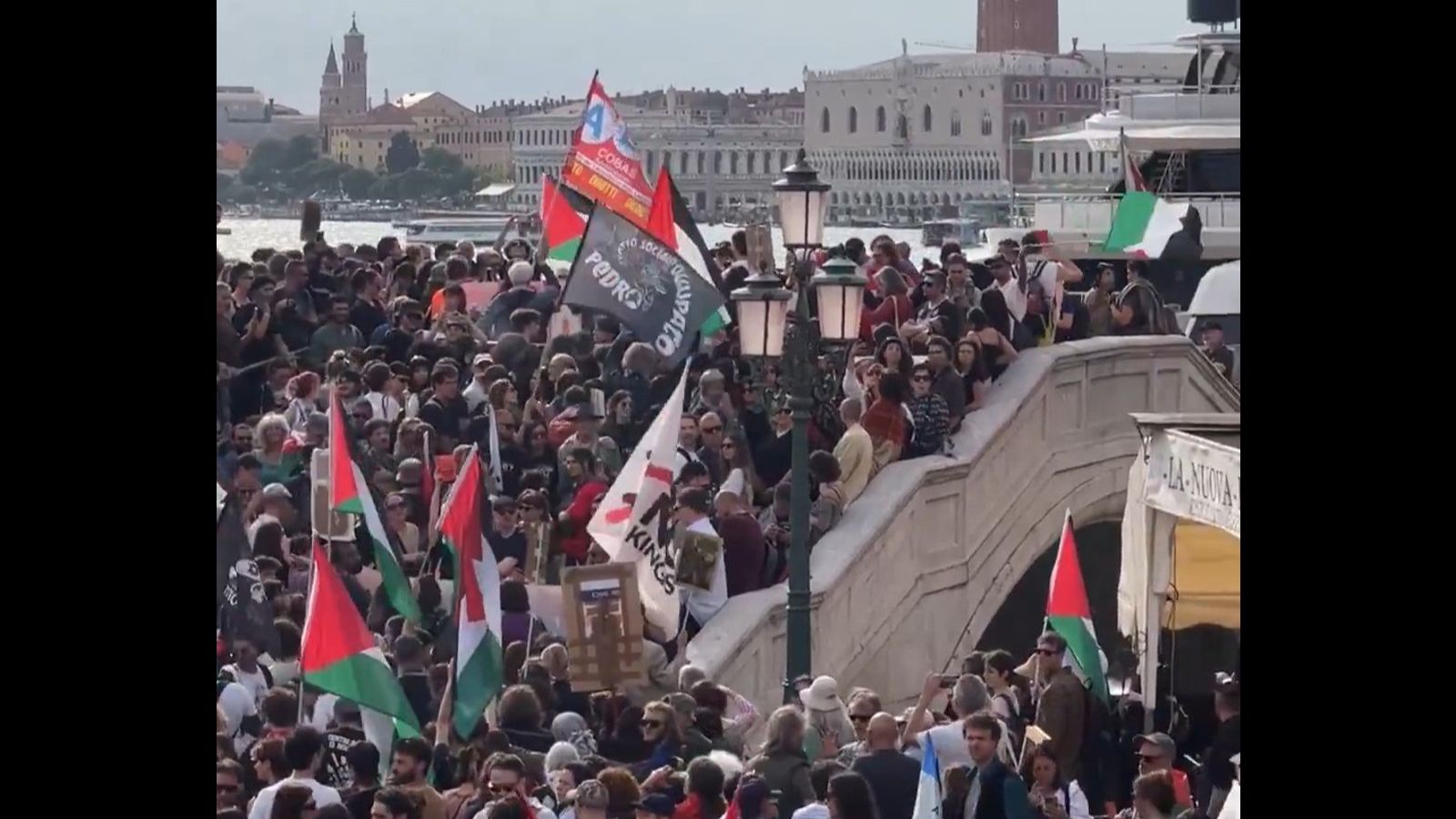
Thousands of artists, cultural workers, and protesters marched through Venice on May 8, 2026, one day before the opening of the 61st Venice Biennale, to protest the Israeli genocide in Gaza and Lebanon. The strike, organized by the Art Not Genocide Alliance (ANGA), led to the closure of approximately 27 of the Biennale's 100 national pavilions, with signs reading "We Stand with Palestine." The Israeli pavilion remained closed and guarded by armed police, who clashed with protesters. Meanwhile, the European Commission threatened to suspend €2 million in EU grants to the Biennale Foundation over its decision to allow Russia to participate, citing incompatibility with EU sanctions and the invasion of Ukraine.

In West Philly, “third space” Studio 34 offers healing to everyone

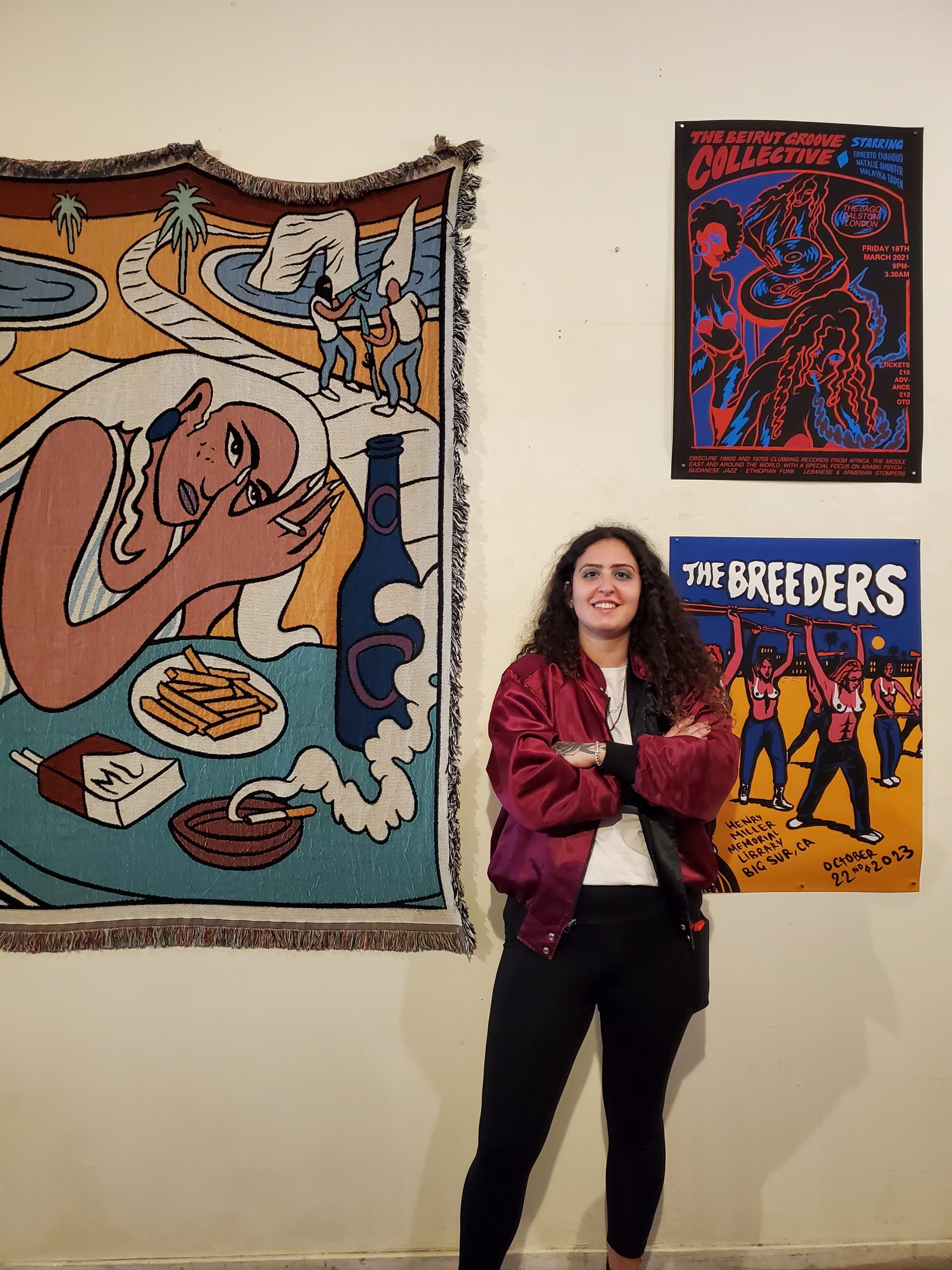
Studio 34, a wellness and community center located at 4522 Baltimore Avenue in West Philadelphia, is hosting a new solo exhibition by Lebanese multidisciplinary artist Tracy Chahwan. Titled “Alien of Extraordinary Abilities,” the show runs through the end of May and features over a decade of Chahwan's work in posters, textiles, and comics. The exhibition traces her journey from designing posters for Beirut's music scene and collaborating with the Samandal and Zeez comics collectives to arriving in Philadelphia during the pandemic, where she was stranded after a planned short visit turned into a permanent relocation.

“Those Who Tell You What to Wear Today Will Tell You What to Think Tomorrow”: Revisiting International Women’s Day 1979 in Iran

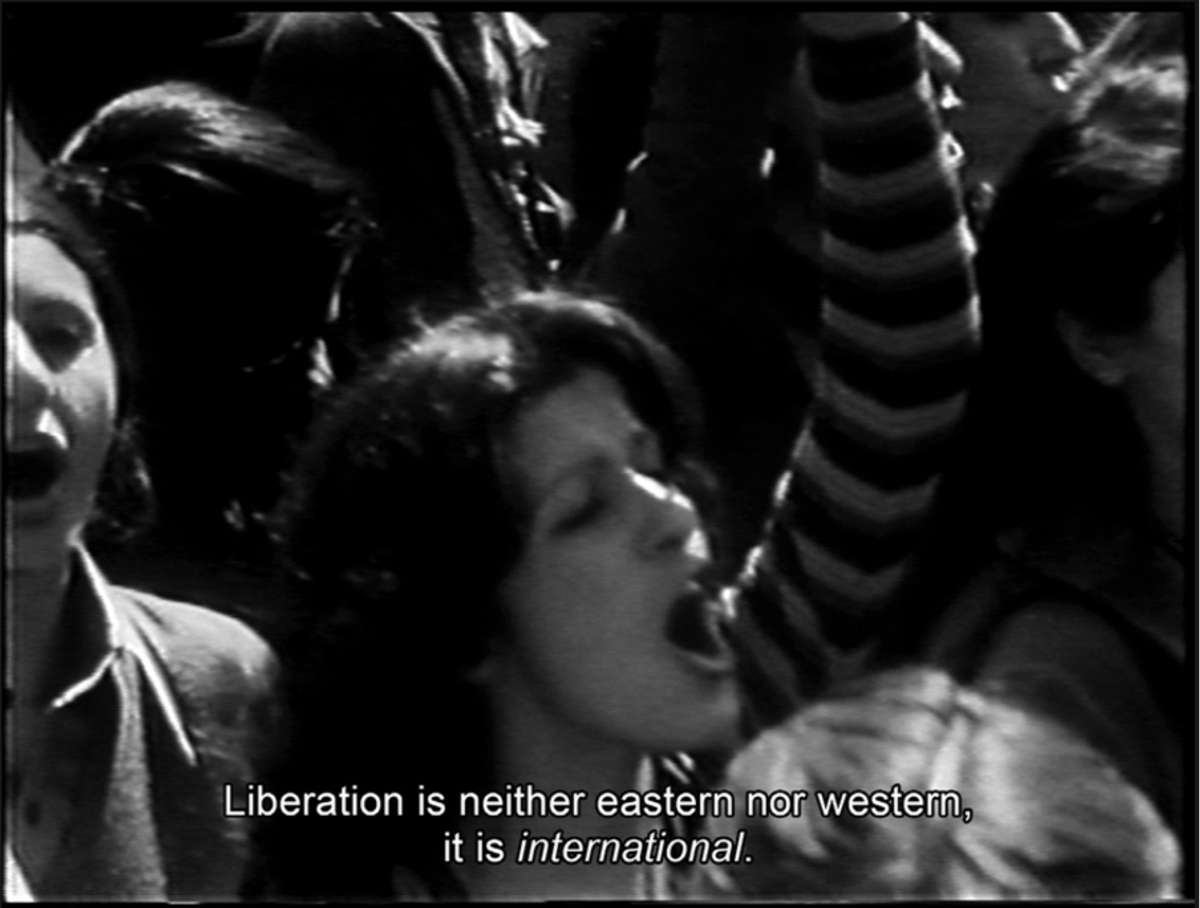
The article revisits the six-day nationwide women's protests in Iran that began on International Women's Day, March 8, 1979. Thousands of women marched in Tehran and other major cities in response to Ayatollah Ruhollah Khomeini's declaration mandating the hijab in public ministries, marking the first mass organized resistance against the compulsory hijab and the rising Islamic Republic.