filter_list Showing 17 results for "AEO" close Clear
dashboard All 17 article news 9museum exhibitions 4gavel restitution 2article culture 1person people 1
date_range Range Today This Week This Month All
Subscribe

What to See This Spring at Museums Across the U.S.

Major museums across the United States are preparing to launch a diverse array of exhibitions for the spring season. Highlights include a comprehensive Marcel Duchamp retrospective at the Museum of Modern Art in New York, an exploration of Etruscan civilization at the de Young Museum in San Francisco, and a major fashion-focused exhibition at the Phoenix Art Museum.
THE IMMA SHOWCASES THE DEEP REFLECTION OF CECILIA VICUNA

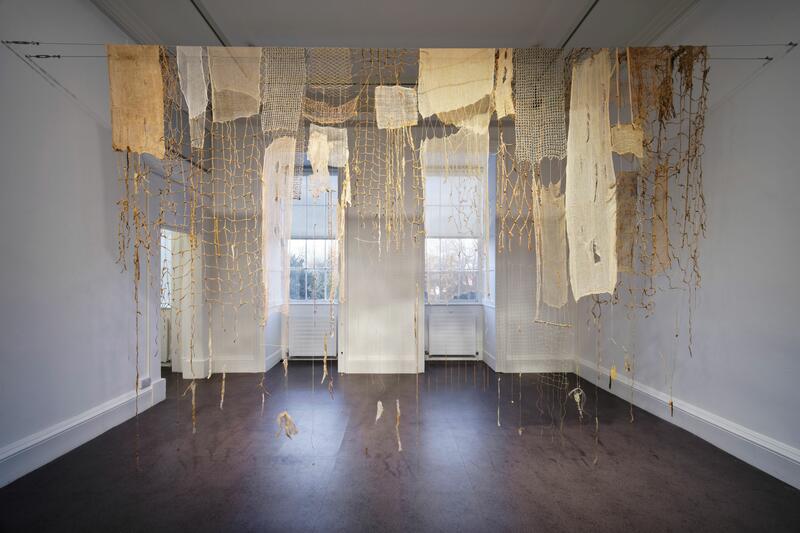
The Irish Museum of Modern Art (IMMA) is presenting "Reverse Migration, a Poetic Journey," the first solo exhibition in Ireland by Chilean artist Cecilia Vicuña. The show features a diverse range of works including her signature 'precarios' and 'quipus'—ancient Andean-inspired textile structures—alongside early paintings and sound installations. Central to the exhibition is Vicuña’s personal connection to Ireland, explored through a 2006 pilgrimage to archaeological sites and new collaborations with local artisans using Irish wool.

Prehistoric Stone Altar with Human Remains Discovered in Central Mexico

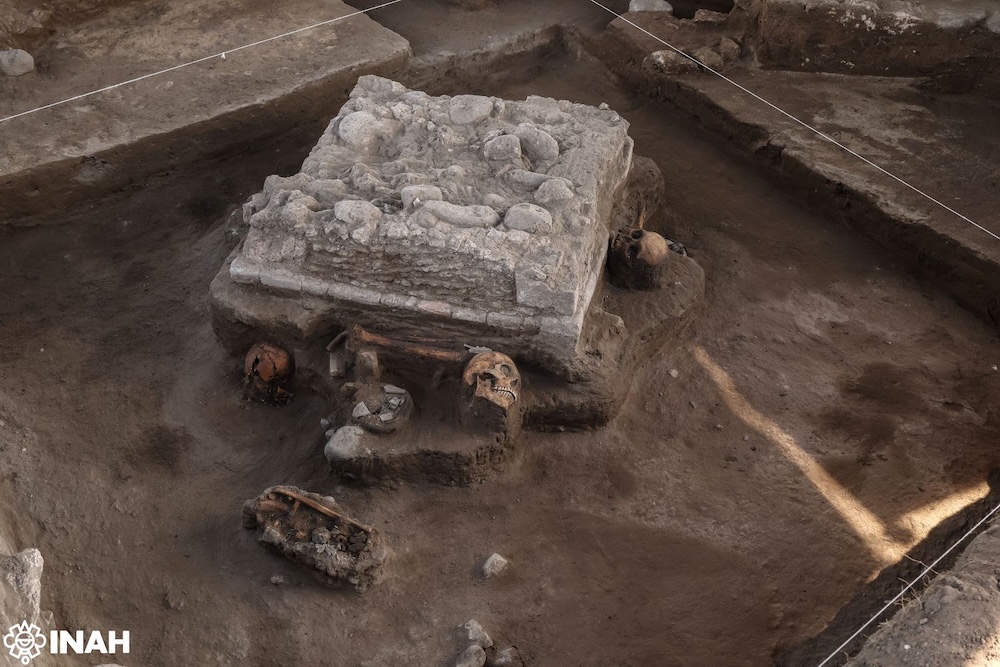
Archaeologists conducting salvage work for a new passenger train line between Querétaro and Mexico City have unearthed a 1,000-year-old Toltec stone altar. Located within the Tula Archaeological Monument Zone in Hidalgo, the three-level structure was found alongside four human skulls, long bones, a black ceramic bowl, and obsidian blades. Preliminary assessments by the National Institute of Anthropology and History (INAH) suggest the remains belong to individuals offered as ritual sacrifices.

France’s new restitution law passes final vote

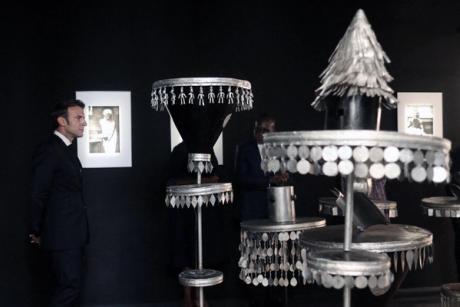
The French parliament has officially passed framework legislation establishing a legal pathway for the restitution of cultural artifacts looted from former colonies. This landmark law, inspired by a report from former Louvre director Jean-Luc Martinez, allows for the deaccession of items taken by force or under duress between 1815 and 1972. While the law fulfills a 2017 pledge by President Emmanuel Macron, it remains strictly supervised, requiring bilateral scientific committees to verify claims and excluding military archives and archaeological shares.

Turkey Notches Another Successful Restitution After Denver Art Museum Returns 1500-Year-Old Marble Head

The Denver Art Museum has repatriated a 1,500-year-old marble head of a bearded man to Turkey, following a successful restitution claim. The sculpture, which dates back to the fifth century BCE, was originally unearthed in the agora of the ancient city of Smyrna (modern-day Izmir) and was likely trafficked illicitly before entering the museum's collection. The artifact is now on public display at the İzmir Archaeology Museum.

Ruins of ‘unique’, circular water temple discovered in Egypt

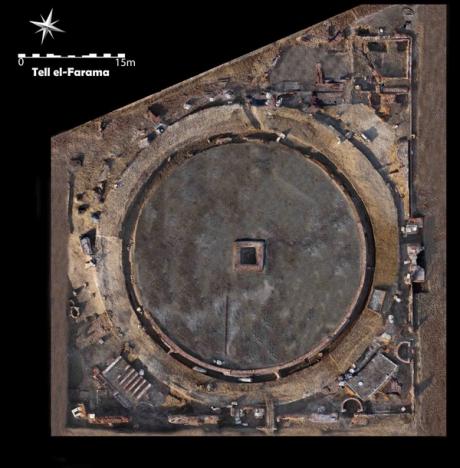
Archaeologists in northern Sinai have unearthed the ruins of a unique circular water temple at the site of ancient Pelusium, dating back to the second century. Initially mistaken for a political senate building, the structure features a 35-meter wide basin and brick walls characteristic of Roman construction, suggesting it was used for religious rituals linked to the local fertility god Pelusius.

Antony Gormley: ‘Put a sculpture on the moon? No, that would be a bad idea’

Renowned British sculptor Antony Gormley is preparing for a major creative season, marked by two upcoming exhibitions at the Royal Museum of Fine Arts in Antwerp and Galleria Continua in San Gimignano, alongside the release of a new book dedicated to his drawings. Speaking from his David Chipperfield-designed studio in London, the artist reflects on his rigorous daily practice and his background in art history, contrasting his own ascetic, industrial aesthetic with the fleshy opulence of Flemish masters like Rubens.

A majestic former mill in Milan is about to become a new cultural hub: studios, residences, and a creative boutique hotel

In un maestoso ex mulino di Milano sta per nascere un nuovo polo culturale: studi, residenze, alberghetto creativo

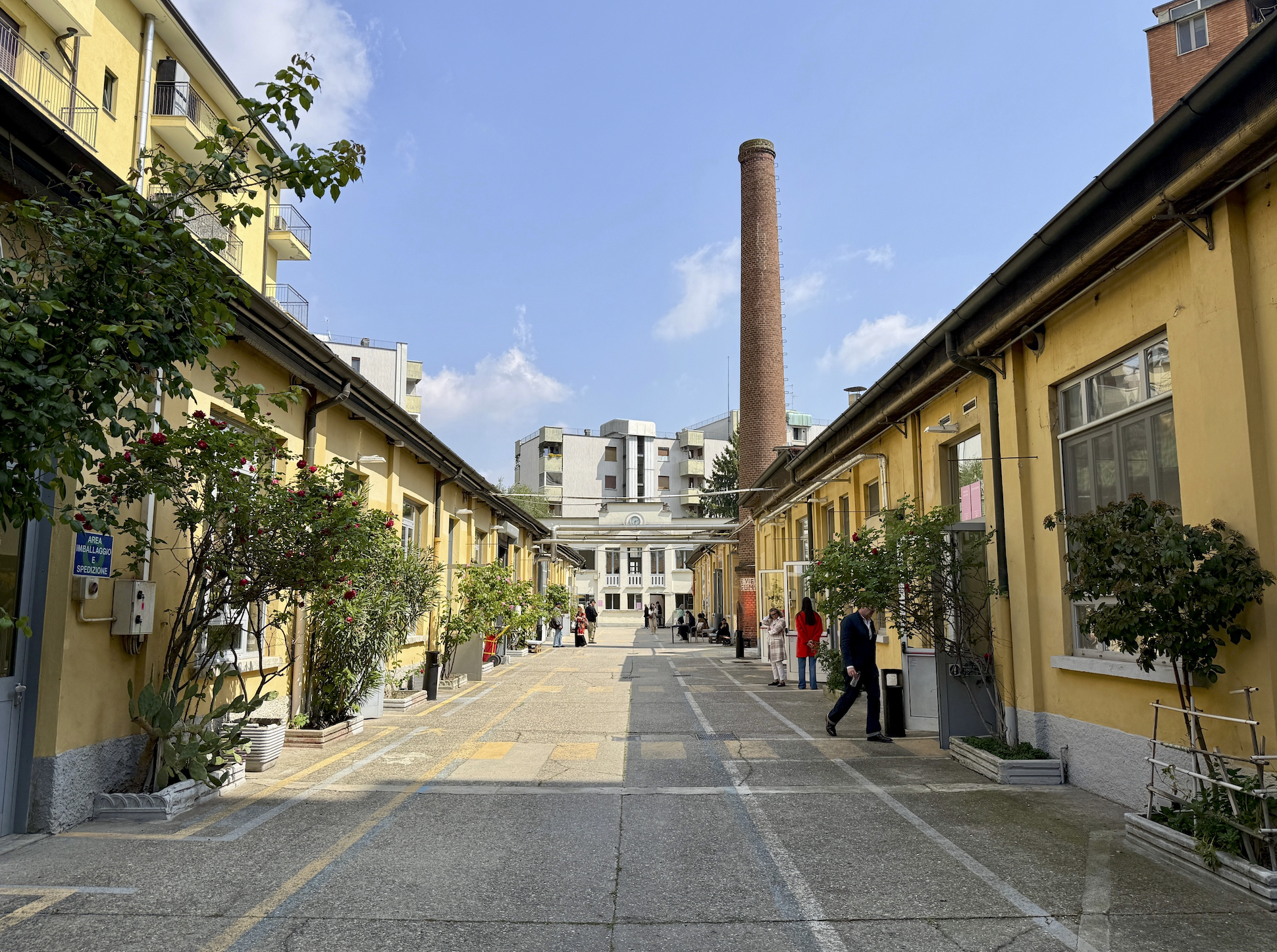
A historic 1929 flour mill in Milan, originally designed by Cesare Chiodi and Gio Ponti, is being transformed into 'Mulino Factory,' a multidisciplinary creative hub. Spearheaded by Ludovica Virga, the granddaughter of the building's mid-century owner, the site eschews traditional real estate development in favor of a community-focused ecosystem. The complex already houses artist studios, including that of Lola Montes Schnabel, an art gallery, and a gym, with a boutique hotel designed by Tom Dixon set to open following the 2026 Milan Design Week.

Native Americans Played Dice Games Far Earlier Than Previously Known, Study Shows

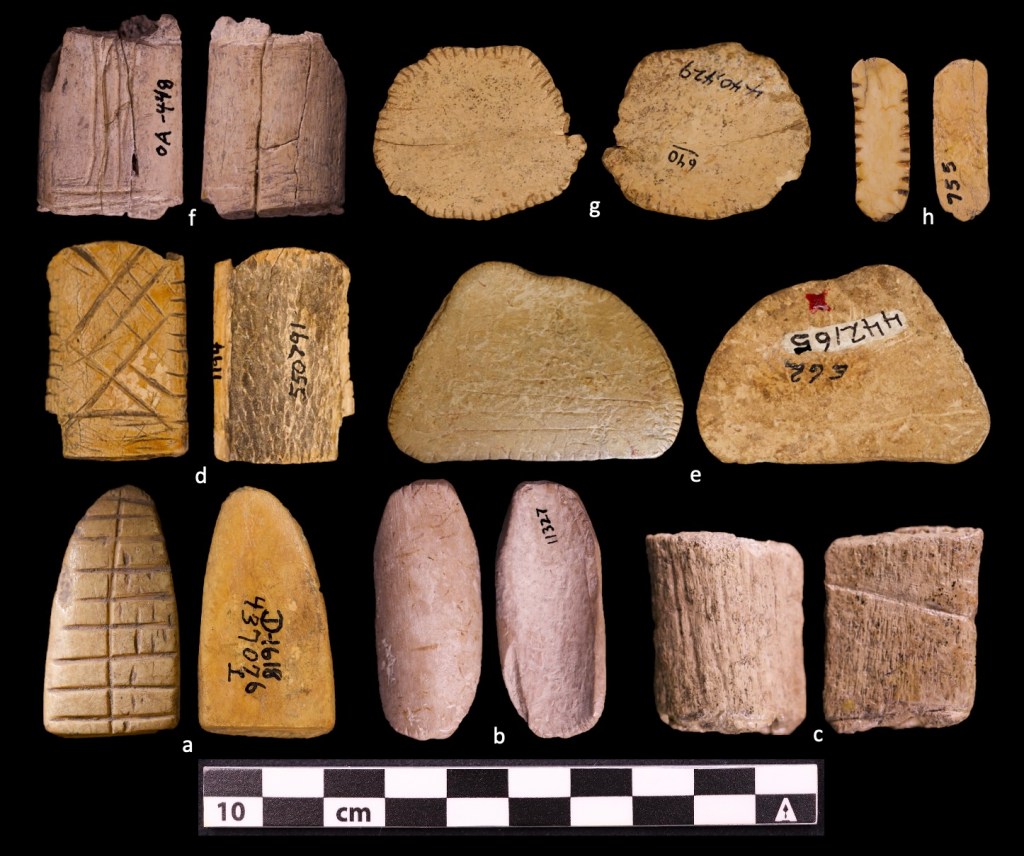
A groundbreaking study from Colorado State University reveals that Native Americans in the western Great Plains were using dice for gaming over 12,000 years ago. Researcher Robert J. Madden identified two-sided dice made of bone or wood from archaeological sites in Wyoming, Colorado, and New Mexico, pushing the known history of games of chance back significantly further than previously recorded.

The MEGA Fair-Exhibition Opens in a Former Milanese Factory: Photos and 5 Must-See Booths

In ex fabbrica di Milano ha aperto la mostra-fiera MEGA. Tutte le foto e 5 stand da non mancare

The third edition of MEGA Art Fair has opened in Milan, relocating to SPAZIO PROFUMO, a former perfume factory in the Barona district. Running from April 15 to 25, 2026, the event strategically bridges Milan Art Week and Design Week, featuring over 30 international exhibitors from Europe, Latin America, and Asia. Eschewing traditional booth structures, the fair utilizes a cohesive curatorial layout that integrates industrial archaeology with contemporary practices, including a dedicated video program and a section titled 'City of Glass.'

Lebanon appeals to Unesco to intervene amid fears protected citadel has been destroyed

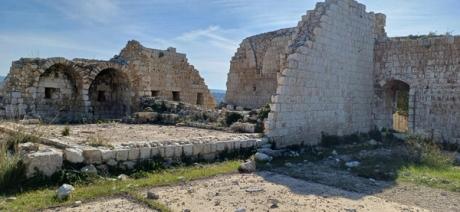
Lebanon’s Ministry of Culture has filed an urgent complaint with Unesco following reports that Israeli military forces destroyed the 12th-century Chama’ Citadel in southern Lebanon. The site, a Crusader-era fortress, had recently been granted "enhanced protection" status under the 1954 Hague Convention, a designation intended to shield it from military targeting. Lebanese authorities are currently unable to access the site due to ongoing military occupation and have requested that Unesco utilize satellite imagery to verify the extent of the demolition.

Archaeologists Discover 6,000-Year-Old ‘Megastructure’ in Romania

Archaeologists in northeastern Romania have unearthed a 6,000-year-old 'megastructure' at the Stăuceni-"Holm" site, attributed to the Cucuteni-Trypillia culture. Measuring approximately 350 square meters, the building is significantly larger than typical dwellings of the period and was strategically positioned near the settlement's entrance. The absence of domestic tools or ritual statuettes suggests the space served as a communal assembly hall or administrative center rather than a private residence.

Petroglyphs and cave paintings, some more than 4,000 years old, discovered in Mexico

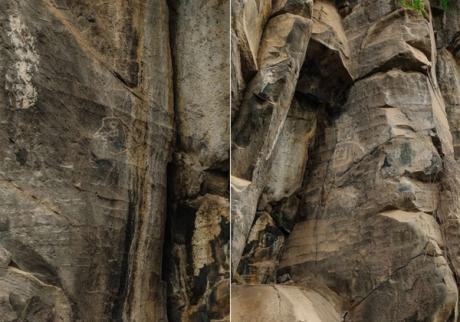
Archaeologists from Mexico’s Instituto Nacional de Antropología e Historia (INAH) have identified 16 petroglyphs and cave paintings near the Tula River in Hidalgo. The artworks span over 4,000 years, ranging from prehistoric times through the Mesoamerican Postclassic period and into the early colonial era. The discovery, which includes depictions of the rain god Tláloc and various anthropomorphic figures, was made during archaeological salvage work for a new passenger rail line connecting Mexico City and Querétaro.

A 1st-Century Roman Cargo Uncovered in Lake Neuchâtel

Une cargaison romaine du Ier siècle mise au jour dans le lac de Neuchâtel

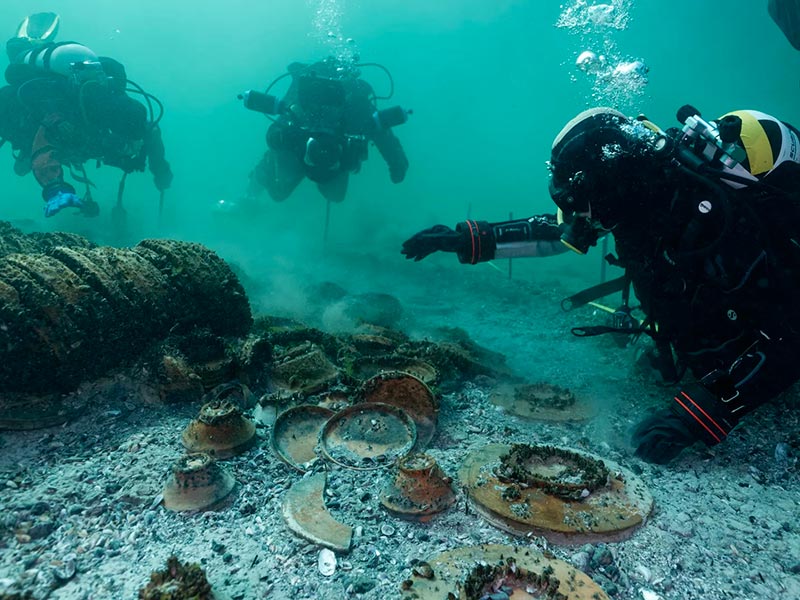
Archaeologists have completed two major underwater excavation campaigns in Lake Neuchâtel, Switzerland, recovering over 1,000 artifacts from a Roman cargo shipment dating between 20 and 50 AD. The discovery, initially spotted via aerial photography in 2024, includes exceptionally well-preserved items such as Spanish olive oil amphorae, tableware, military weaponry, and rare organic materials like a wicker basket and chariot wheels. The site was kept secret for two years to prevent looting while divers meticulously retrieved the historical treasures.

New Exhibition: Art of the Prehistoric Museum

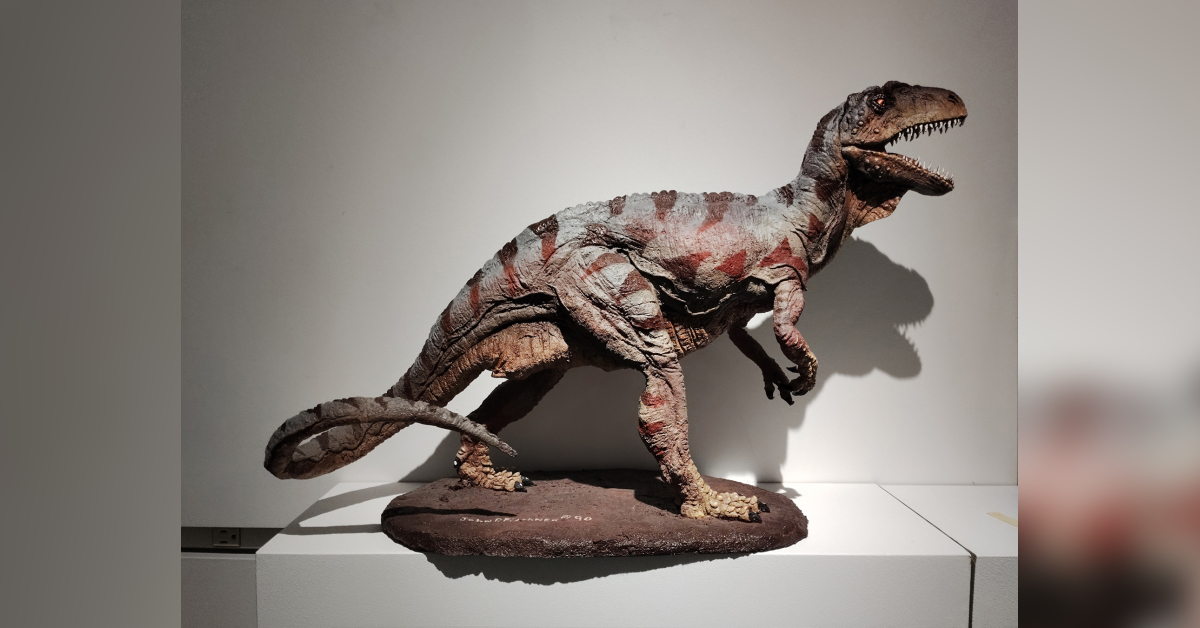
The Prehistoric Museum at Utah State University Eastern has announced a new exhibition titled "ART of the Prehistoric Museum – 65 Years of Handmade Interpretive Media and Objects." Opening in April 2026, the show features a diverse array of works ranging from 1960s prehistoric paintings by the Carbon Art League to massive mammoth bone casts produced in Price for global distribution. The exhibition highlights the long-standing collaboration between the museum and local artisans in eastern Utah.

Ruins of a ‘Unique‘ Temple Complex Discovered in Northern Sinai

An Egyptian archaeological mission has unearthed a unique temple complex at Tell el-Farama, the site of the ancient city of Pelusium in northern Sinai. The discovery features a massive circular water basin, approximately 100 feet in diameter, surrounded by drainage channels and a central plinth likely intended for a statue. Initially mistaken for a civic building when first excavated in 2019, further study has revealed the site to be a sacred water installation used for religious rituals between the 2nd century BC and the 6th century AD.

That Time Raphael Visited Tivoli, Transforming Antiquity into Art

Quella volta che Raffaello visitò Tivoli trasformando l’antichità in arte

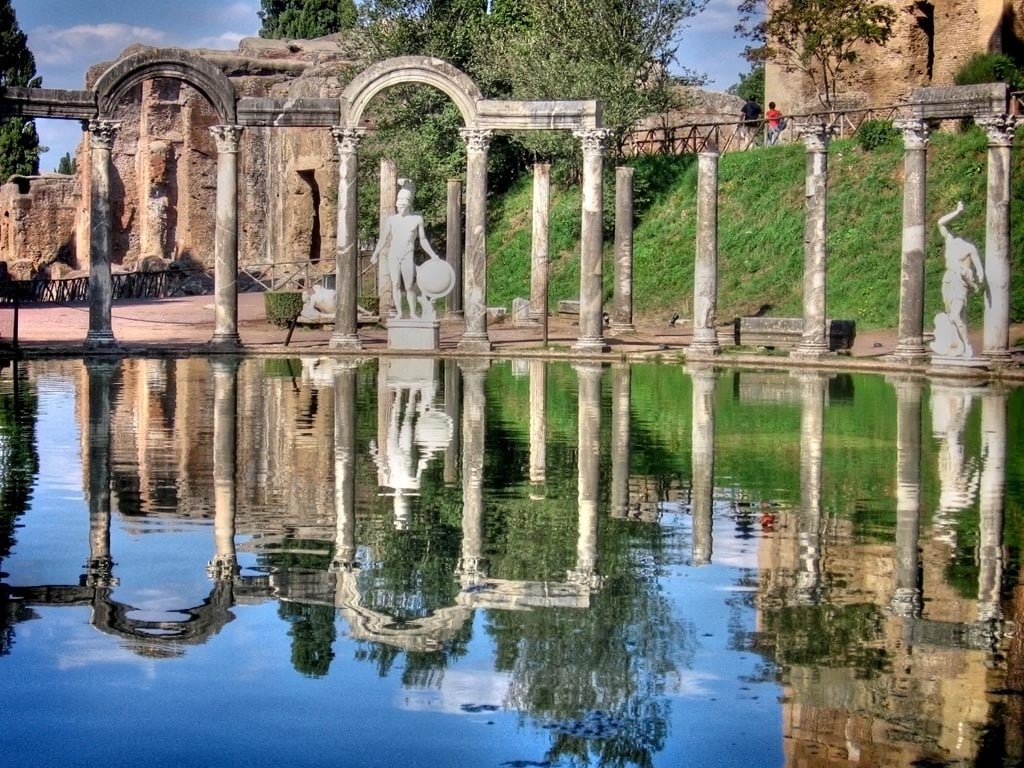
In April 1516, Raphael Sanzio embarked on a historic excursion to Tivoli alongside a prestigious circle of Renaissance intellectuals, including Baldassarre Castiglione and Pietro Bembo. This journey served as a critical field study for Raphael, who had recently been appointed as Rome's prefect of antiquities. By examining the complex ruins of Hadrian's Villa and the Sanctuary of the Sibyl, the group engaged in a sophisticated blend of archaeological investigation and humanist leisure that defined the cultural climate under Pope Leo X.