filter_list Showing 27 results for "eMerge" close Clear
dashboard All 379 museum exhibitions 144trending_up market 63article news 52article local 39article culture 27article policy 18person people 16candle obituary 8rate_review review 7gavel restitution 5
date_range Range Today This Week This Month All
Subscribe

modern contemporary art 2639749

The article explores the distinction between Modern and contemporary art, explaining that Modern art emerged in the late 19th century as a reaction to classical art and the Industrial Revolution, with movements like Impressionism, Cubism, Futurism, and Surrealism redefining painting in response to photography. Contemporary art, by contrast, is a reaction to Modern art, with its start debated between World War II and the 1960s-70s consumerist era, encompassing diverse mediums such as sculpture, street art, and performance art, exemplified by artists like Jeff Koons, Banksy, and Yoko Ono.

okwui enwezor cuator duke collected writings 1234748432

A new two-volume collection of Okwui Enwezor's writings, titled "Okwui Enwezor: Selected Writings, Volume 1: Toward a New African Art Discourse" and "Volume 2: Curating the Postcolonial Condition," has been published by Duke University Press in 2025, edited by Terry Smith. Spanning over a thousand pages and covering the years 1994 to 2019, the collection gathers Enwezor's catalog essays, exhibition reviews, and analyses, tracing his evolution as a poet, writer, curator, theorist, educator, and museum director who died in 2019 at age 56.

joshua johnson 2745691

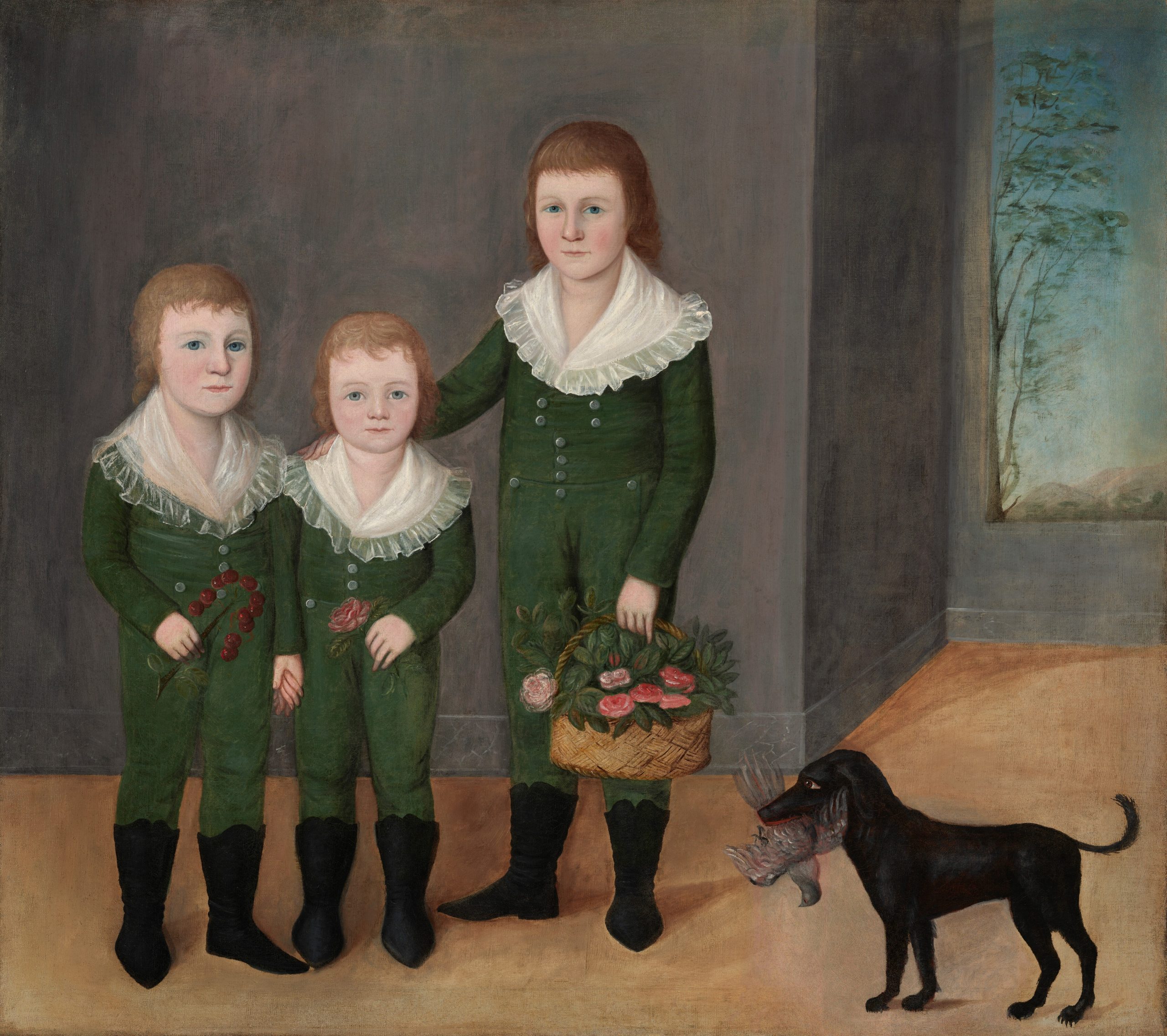
Joshua Johnson, born into slavery in Maryland around 1763, emerged in the late 18th century as the first documented Black professional artist in the United States. After gaining his freedom in 1782, Johnson established himself in Baltimore as a self-taught portraitist, advertising his services in local newspapers and catering to the city's prominent families. His body of work, consisting of approximately 83 attributed paintings, is characterized by a distinct flatness and three-quarter profile compositions typical of early American folk art.

Story of enslaved boy featured in 1748 Joshua Reynolds portrait emerges in new study

A research project by the National Trust, the National Gallery in London, and Royal Museums Greenwich has uncovered new details about the identity of an enslaved boy known only as “Jersey,” who appears in a 1748 portrait by Sir Joshua Reynolds. The painting, which hangs at Saltram in Devon, depicts Jersey with his enslaver, naval officer and MP Paul Henry Ourry. Through admiralty records, muster books, and baptismal certificates, researchers identified the boy as “Boston Jersey,” later baptised as George Walker, and found evidence of his naval service and possible path to freedom.

art always too late after avant garde 1234757291

This article argues that the traditional view of art as a vanguard force predicting cultural change is outdated in the early 21st century. It contends that the rapid acceleration of mainstream culture, driven by social media and news cycles, makes it nearly impossible for traditional fine art media like painting and sculpture to stay ahead of the curve. The author suggests that forward-looking art now emerges from para-artistic digital practices such as AI experiments, Red Chip art, NFTs, memes, and TikTok lore, which often challenge conventional aesthetic and ethical standards. Citing Claire Bishop's 2024 book *Disordered Attention*, the piece notes that contemporary artworks tend to be symptomatic of larger conditions rather than anticipatory, and that artists like Artie Vierkant, Joshua Citarella, and Brad Troemel have pivoted from art-making to art-adjacent content creation.

Chicago Art Movements Over The Years, From the Monster Roster to the Modern Moment

Chicago’s art history is defined by a series of indigenous movements that prioritized visceral, existential expression over commercial appeal. The article traces this lineage back to the late 1940s with the emergence of the Monster Roster, a group of artists including Leon Golub and Dominick Di Meo who returned from World War II to produce agonistic work. This movement was catalyzed by institutional resistance at the School of the Art Institute of Chicago, leading to the creation of the independent Momentum Exhibitions which bypassed conservative juried systems.

The Myth of the “Emerging” Black Artist: Ageism and Access in the Art World

The article, written by Chenoa Baker, critiques the art world's labeling system that categorizes artists as emerging, mid-career, or established. It argues that these labels are particularly harmful to Black artists, who are often kept in the "emerging" category for years despite significant achievements, collections, and decades of practice. The piece highlights the cases of Cheryl Miller, a self-taught analog photographer whose work is held by major institutions yet who had to "re-emerge" after relocating, and Ifé Franklin, a queer Black artist whose career was sidelined by systemic erasure and who is now being honored as an "elder" artist. The article connects these labels to ageism, lack of access to elite schools and galleries, and the undervaluing of self-taught artists and those working outside traditional art centers.

takahashi mizuki textile art 2634939

In a recent edition of Artnet Pro's newsletter 'The Asia Pivot', the director of CHAT (Centre for Heritage, Arts and Textile) in Hong Kong reflects on highlights from Art Basel Hong Kong, including textile-based works by Movana Chen, Huan Po-Chi, and Ade Darmawan. The article discusses the growing engagement of contemporary artists with traditional craft practices like weaving, embroidery, and dyeing, particularly during the pandemic, and notes the distinct lineage of fiber art in Asia compared to the West, where it emerged as a subgenre of Modernism in the 1960s.

Beyond the prompt: when the medium is generative AI, the artist becomes a systemic director

Oltre il prompt: quando il medium è l’AI generativa l’artista diventa regista sistemico

The article argues that as AI-generated images become more spectacular, the role of the artist is often misunderstood as merely writing prompts. Instead, the author contends that the most significant generative artworks are systems—predetermined rule-based environments where the artist designs the conditions for images to emerge. Works like Hans Haacke's "Condensation Cube" (1963-1965) and Refik Anadol's "Unsupervised" (2022) exemplify this shift from object to process, where the artwork is the behavior or architecture itself.

What Made Marcel Duchamp’s Readymades So Revolutionary?

Marcel Duchamp transformed the trajectory of 20th-century art by introducing the 'Readymade,' a concept where mass-produced, everyday objects are elevated to the status of art through the artist's selection rather than manual craft. Beginning with a bicycle wheel in 1913 and a bottle rack in 1914, Duchamp eventually formalized the term during a 1915 stay in New York, where the city's industrial modernity and lack of rigid class structures inspired him to challenge traditional definitions of creativity.

ai weiwei censorship artificial intelligence deepseek 1234773741

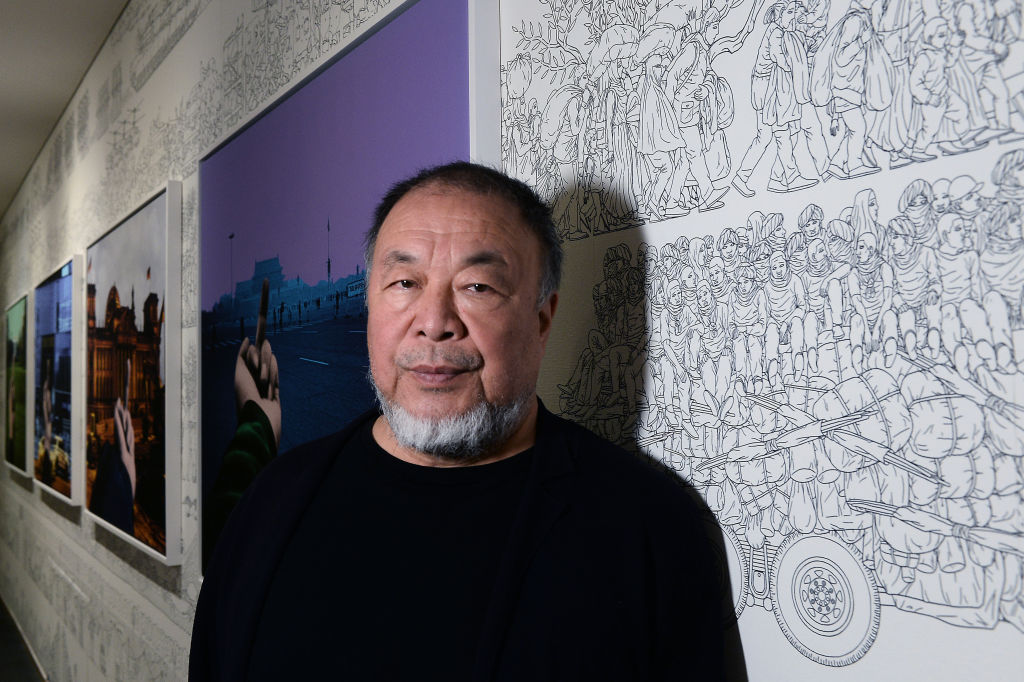
Renowned artist and activist Ai Weiwei critiques the intersection of artificial intelligence and censorship, drawing parallels between AI's algorithmic limitations and the Chinese government's systematic suppression of dissent. Using the emergence of the Chinese AI model DeepSeek as a catalyst, Ai recounts how the tool refused to discuss him, mirroring the state's long-standing strategy of erasing sensitive topics from public discourse. He argues that AI's reliance on existing data sets inherently replicates societal biases and moral codes, leading to factual inaccuracies and the homogenization of human thought.

design art precious okoyomon garden

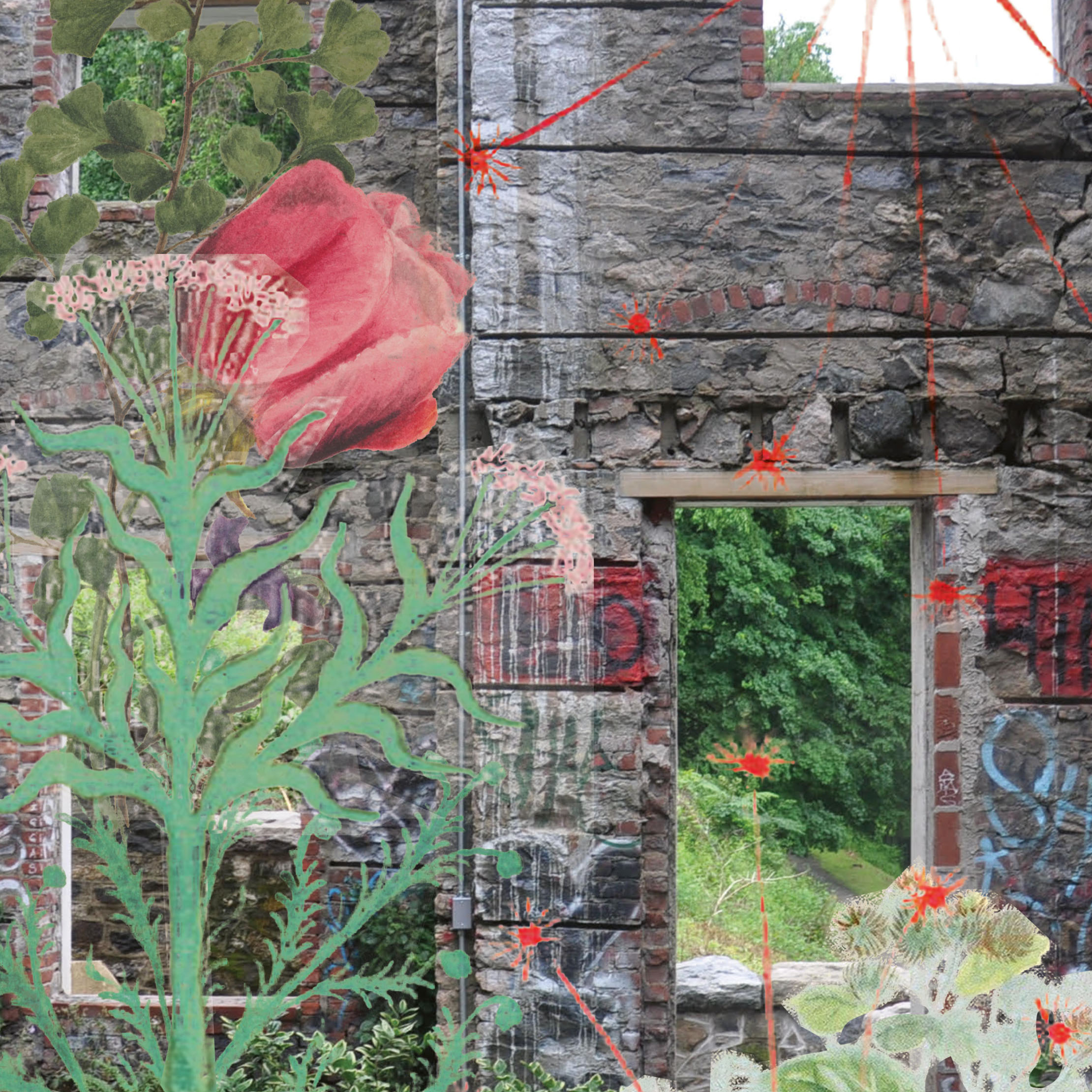
Precious Okoyomon, editor of CULTURED at Home gardens, selects five unconventional natural landscapes that thrive against difficult odds. These include Dumbarton Oaks in Washington DC with its ancient wisteria, the radioactive waste site Dead Horse Bay in Brooklyn where invasive species bloom, the childhood haven Glen Helen Nature Preserve in Ohio, the Persian-inspired Untermyer Gardens in Yonkers, and Derek Jarman's seaside garden beside a nuclear plant in Dungeness, UK. Each location is described through Okoyomon's personal reflections, illustrated by Erin Knutson.

who was joan shogren computer art 2619360

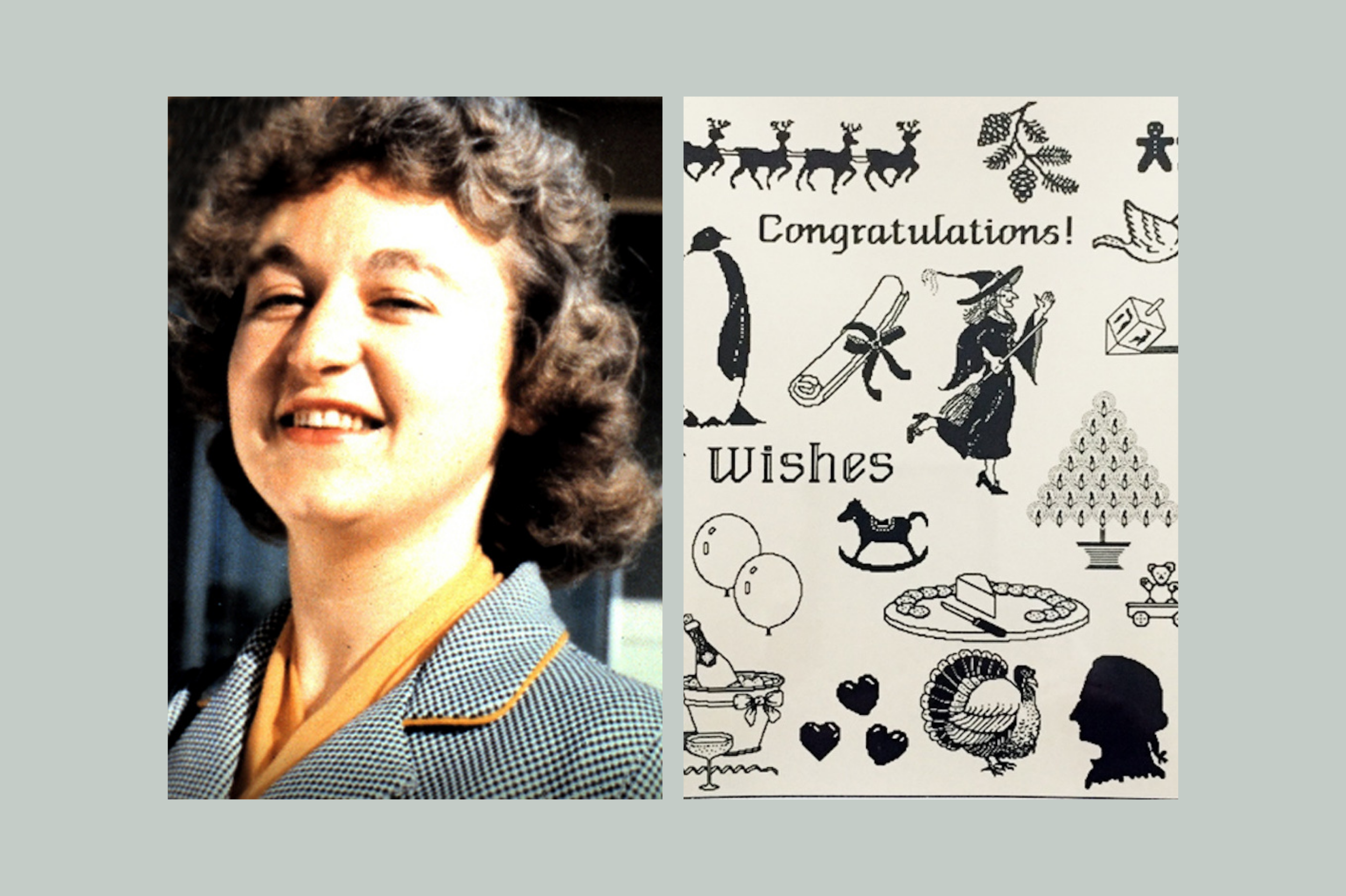
Joan Shogren, a chemistry graduate from San José State University (SJSU) in the early 1950s, created some of the world's first computer-generated art in 1963 while working as a secretary in the chemistry department. Collaborating with graduate student Jim Larson and assistant professor Ralph Fessenden, she developed a theory that computers could create art if given "rules" of proportion, balance, and center of interest. Fessenden translated her "laws of art" into code on an IBM 1620 computer, producing artworks that were printed as number arrays and later hand-colored by artist Marvin Coon. Shogren exhibited these works in May 1963 at the campus bookstore, recognized as the first public display of computer art. Two decades later, she was commissioned by software company T/Maker to create the first clip art, "ClickArt," released in 1984 for Macintosh computers, designed pixel by pixel.

‘The Queen of the Ghetto’ Gave New York’s Immigrant Community a Voice. A Century Later, It’s Re-emerging

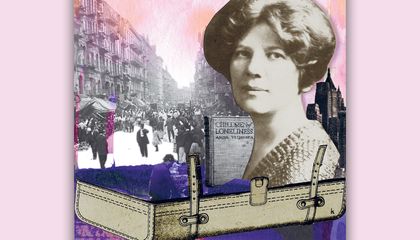
Anzia Yezierska, a Polish-Jewish immigrant who arrived in New York in 1890, defied traditional gender expectations to become a leading literary voice of the 1920s. Dubbed the 'Queen of the Ghetto,' she documented the raw struggles of immigrant women on the Lower East Side using a unique 'immigrant English' style that captured Yiddish idioms. After escaping a restrictive marriage and pursuing an education at Columbia University, she channeled her personal frustrations into stories of poverty, ambition, and the psychological toll of assimilation.

Why this Minneapolis feminist art collective still matters 50 years later

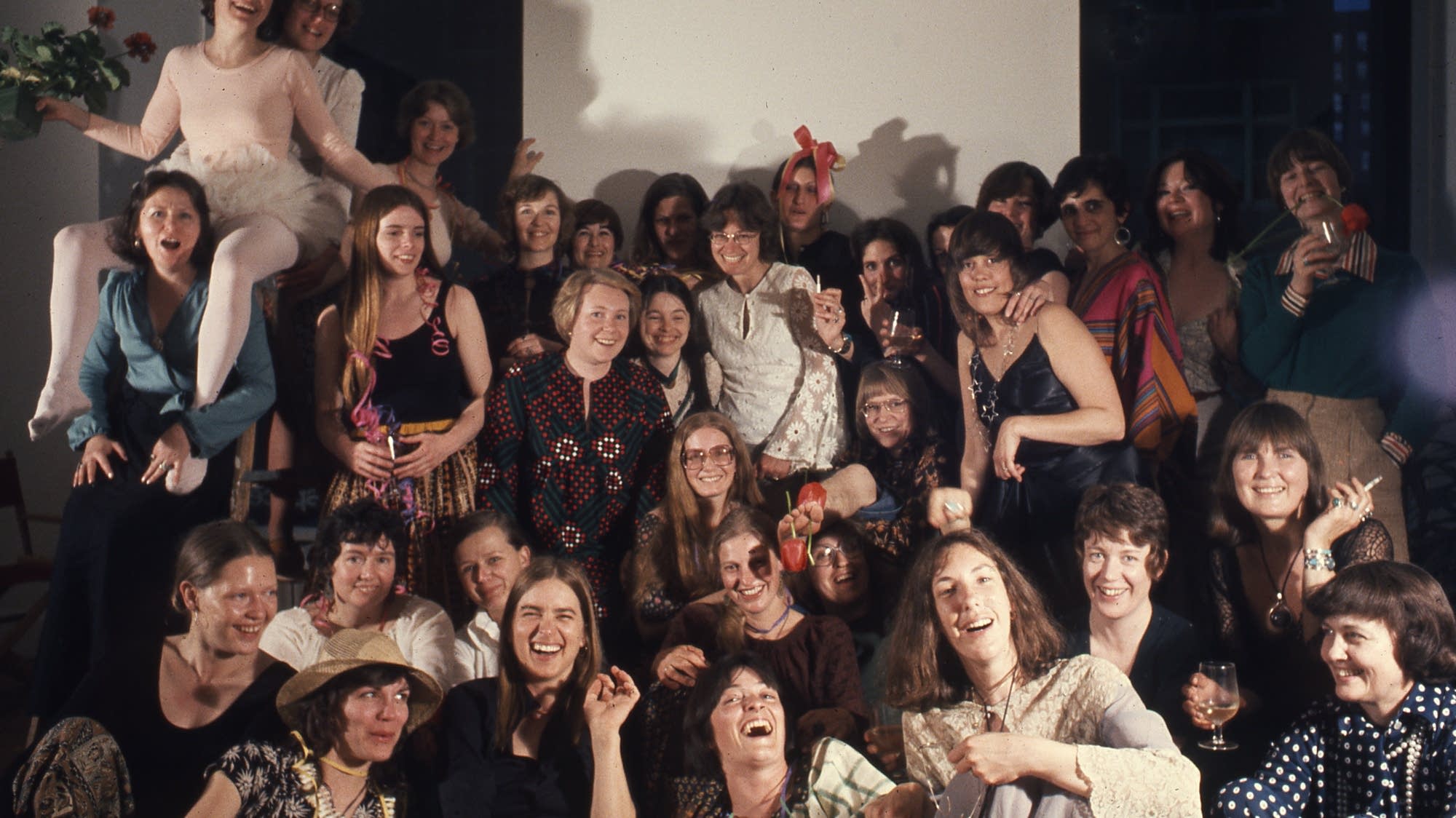
The Women’s Art Registry of Minnesota (WARM), one of the oldest feminist art collectives in the United States, is celebrating its 50th anniversary. Founded in 1973 in Minneapolis, the collective emerged as a grassroots response to the systemic exclusion of women from mainstream galleries and museums, eventually establishing its own gallery space and a robust mentorship program that continues to support female-identifying artists today.

Pakistani artist Shahzia Sikander navigates her country’s complex past—a new monograph tells her story

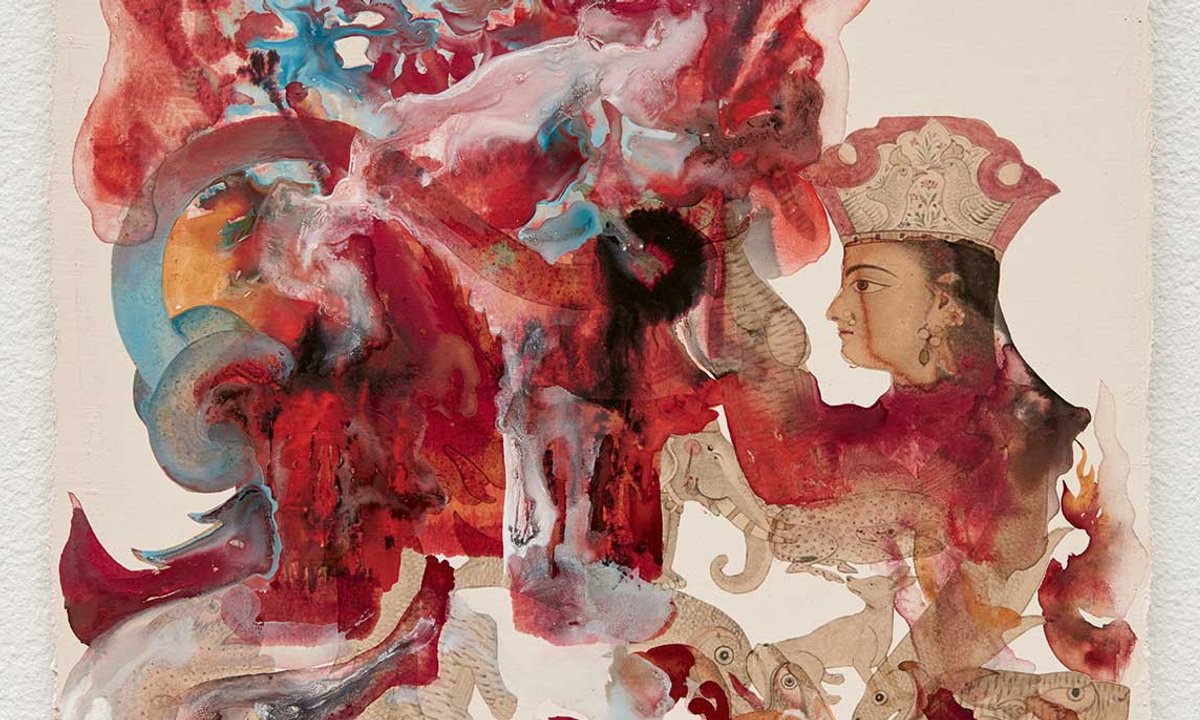
Shahzia Sikander, a Pakistani artist born in Lahore after the Partition of India, is the subject of a new monograph by art historian Jason Rosenfeld. The article traces her rise from the National College of Arts (NCA) in Lahore, where she studied contemporary miniature painting—a genre uniquely associated with Pakistan—to international prominence. It highlights her graduate thesis, *The Scroll* (1989-90), which used the traditional Indo-Persian miniature form to critique General Zia ul Haq's military dictatorship, and positions her alongside Imran Qureshi as one of the best-known living artists of Pakistani origin.

The Disturbing Lessons of the 1937 ‘Degenerate Art’ Show

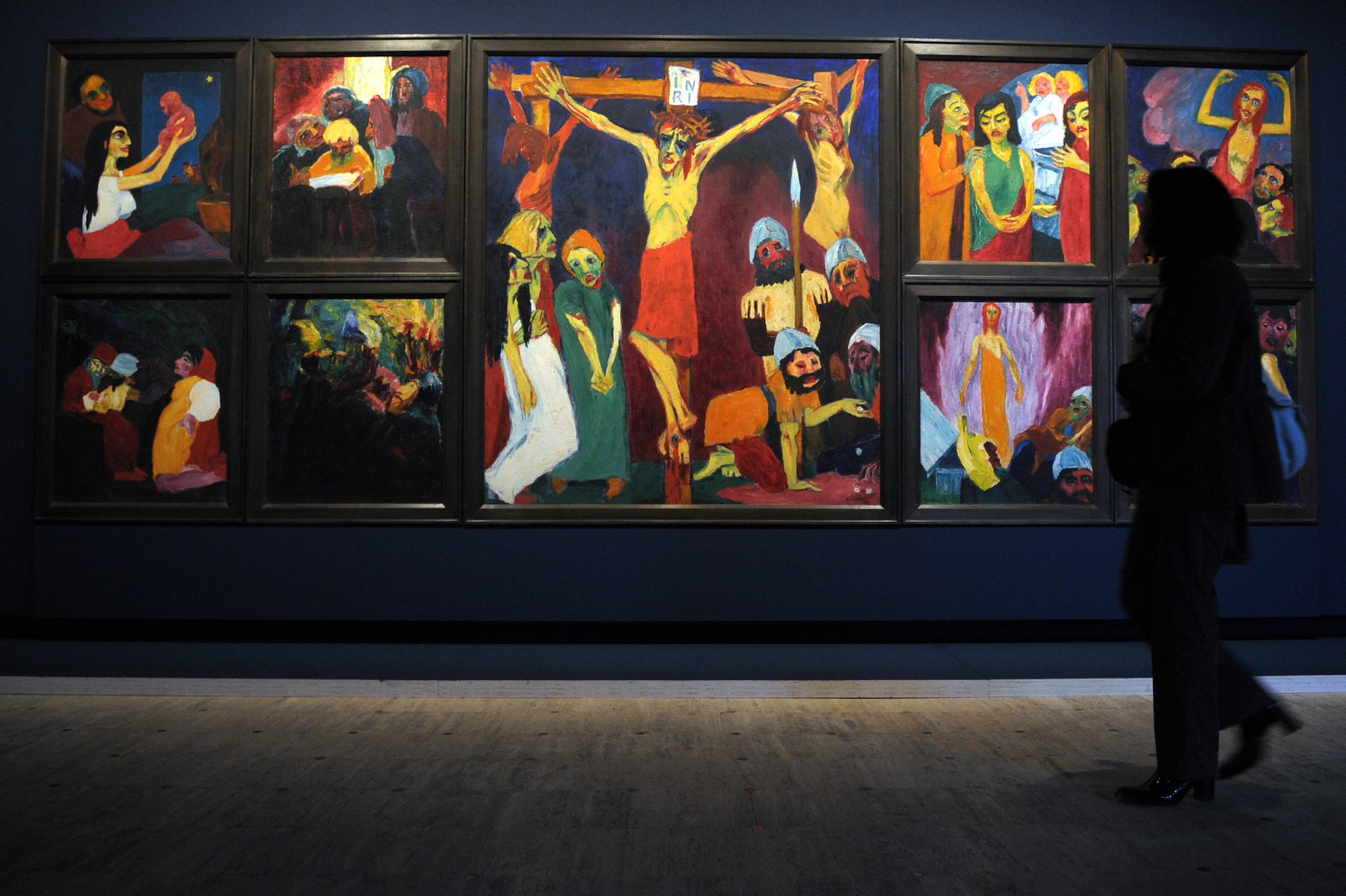
The article examines the historical context and enduring relevance of the 1937 Nazi-organized 'Degenerate Art Show' (Entartete Kunst) in Munich, which displayed hundreds of works by modern artists like George Grosz, Wassily Kandinsky, and Paul Klee as examples of moral and cultural corruption. It traces the concept's roots in 19th-century Social Darwinism, its adoption by Adolf Hitler and the Nazi Party to denigrate modern art, and the gradual escalation of cultural purification policies after Hitler seized power in 1933, including the firing of museum directors and the construction of the Haus der Deutschen Kunst.

Museum: Art, Collections, and Exhibits

Museum - Art, Collections, Exhibits

This comprehensive overview traces the historical evolution of the museum from its origins as private royal collections and 'cabinets of curiosities' to the modern public institutions of the 21st century. It details the emergence of landmark spaces like the Ashmolean, the British Museum, and the Louvre, while examining how the 'museum boom' of the 20th century expanded these institutions globally across the United States, Asia, and Africa.

ai generators artists tools creative process 1234758030

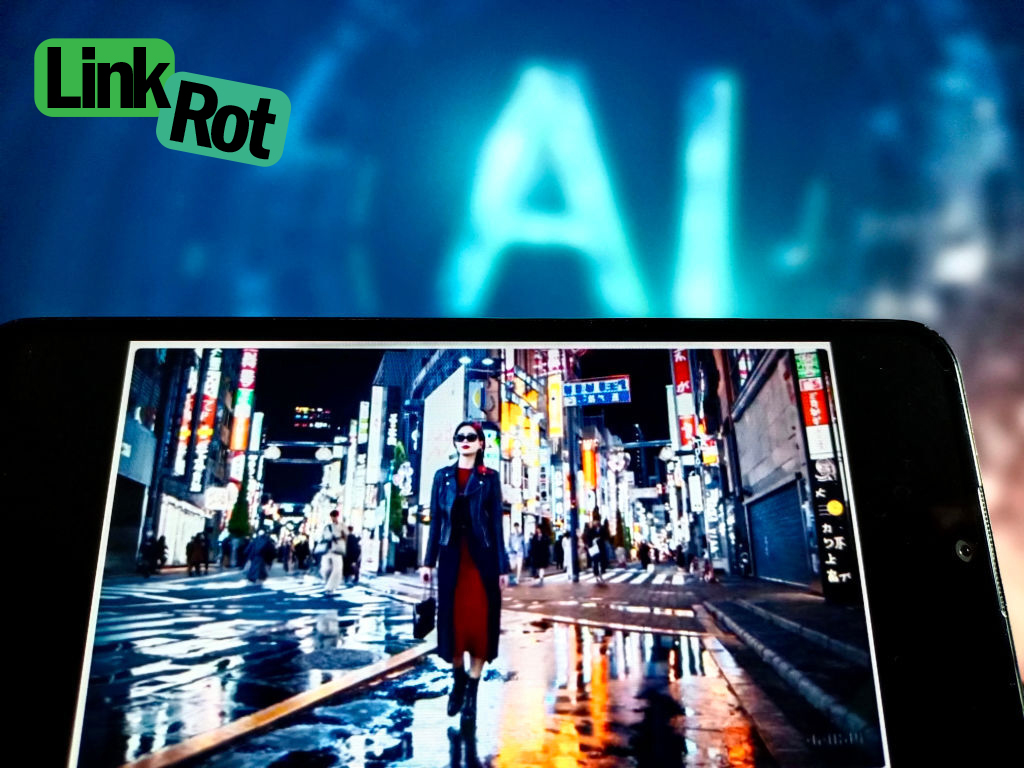
Shanti Escalante-De Mattei's column 'Link Rot' examines the debate over generative AI in creative fields, focusing on the argument that AI is just another tool like a paintbrush. The article critiques this view by highlighting how AI is being used by clients and studios to pressure animators, cut pay, and impose unrealistic deadlines, while the technology was built on ethically questionable datasets scraped from public websites without permission.

The Museum Breathing Life Into New York's Downtown Performance Scene

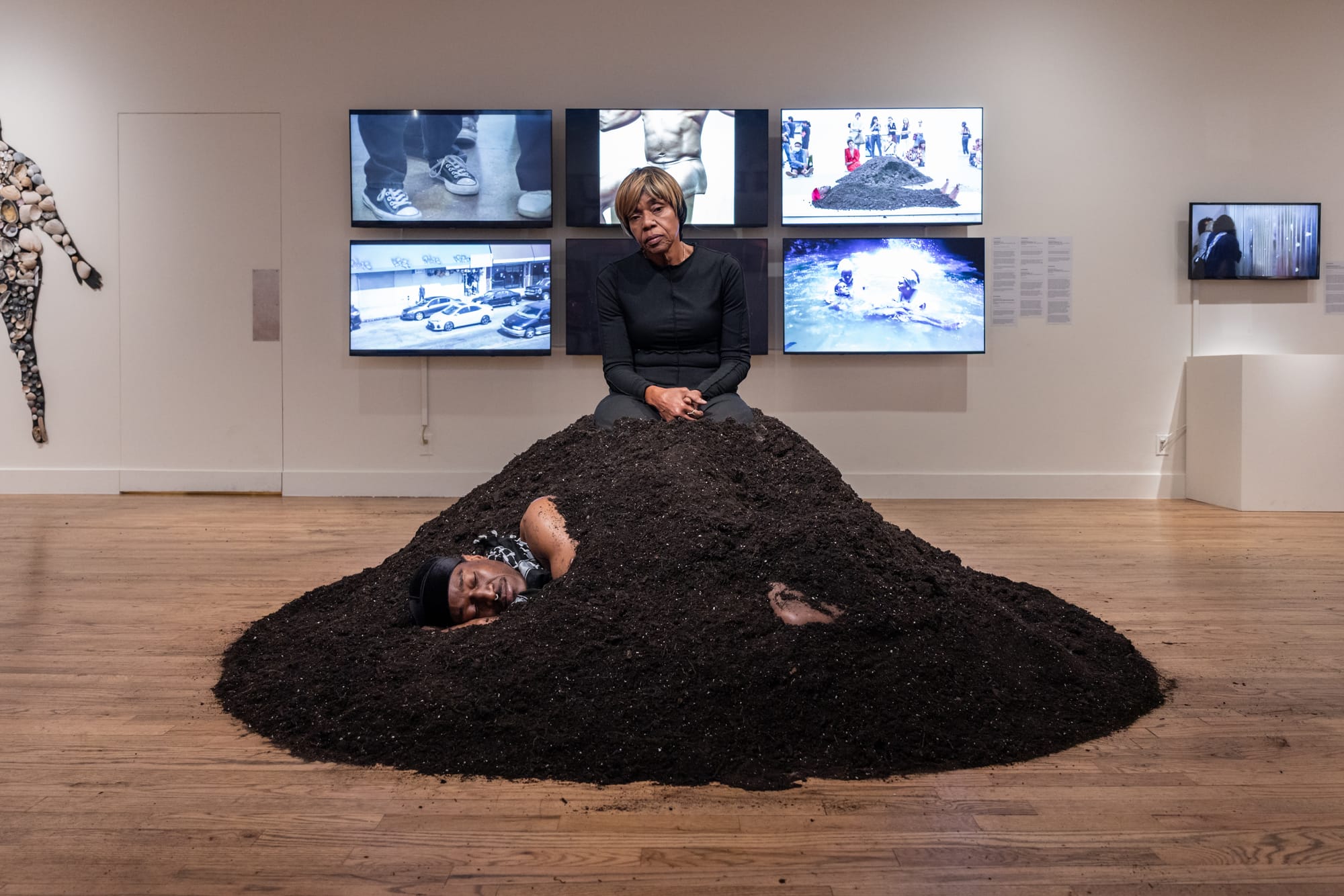
The Leslie-Lohman Museum of Art in SoHo has emerged as a vital hub for New York’s downtown performance scene through its intergenerational exhibition, "Sacred and Profane." Featuring a collaborative residency between poet Pamela Sneed and performance artist Carlos Martiel, the programming centers on themes of Black maternal grief, queer identity, and the exhumation of suppressed histories. Recent performances included Martiel’s "No Resurrection," a ritualistic piece involving his mother and a mound of earth, and Sneed’s readings that address the collective trauma and "urgent care" status of the LGBTQ+ community.

‘Cultural innovation comes from the margins’—tales of artists pushing boundaries in 1960s New York

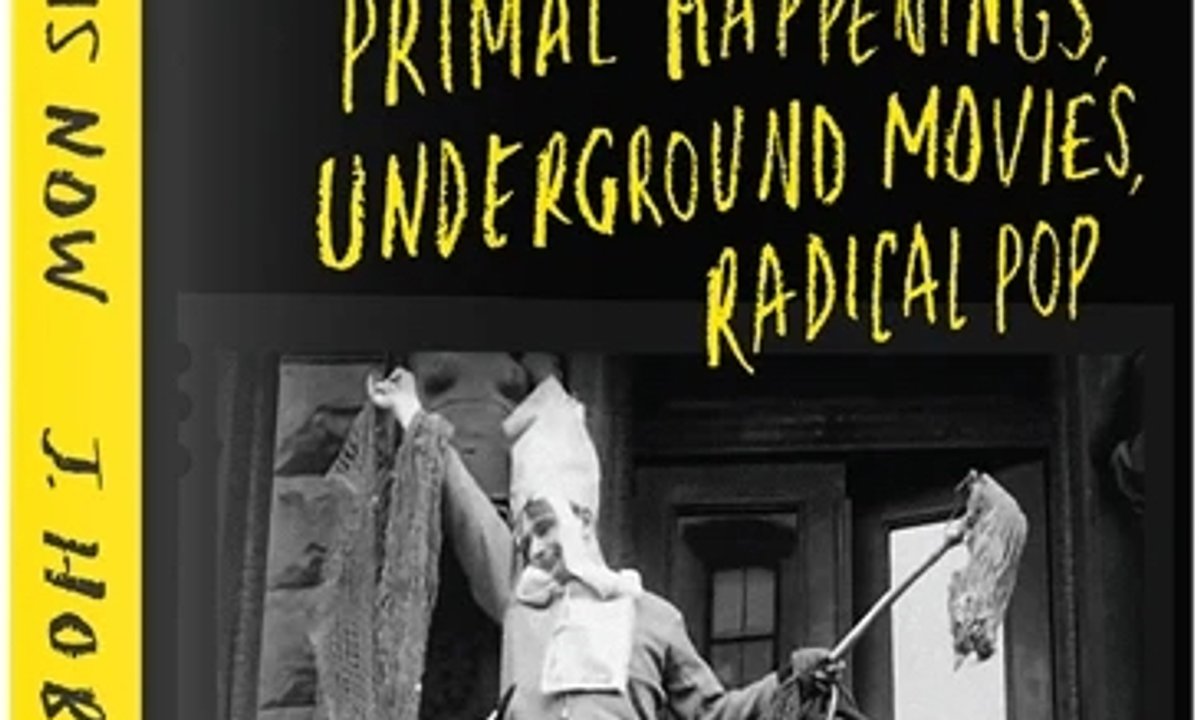
J. Hoberman, the longtime Village Voice film critic, has published a new book titled *Everything Is Now: The 1960s New York Avant-Garde—Primal Happenings, Underground Movies, Radical Pop*. The book expands his focus from cinema to a broad array of artists, poets, theater makers, musicians, and other figures in New York City's 1960s arts scene, including Andy Warhol, Barbara Rubin, Edie Sedgwick, Yoko Ono, and Jonas Mekas. Hoberman emphasizes collective and marginal cultural innovation, tracing how these figures influenced each other and responded to events of the era, such as Robert Moses's urban redevelopment plans.

From Micro to Mega, Jon McCormack’s Striking Photos Reveal Nature’s Patterns

Photographer Jon McCormack, who grew up in the Australian Outback and has traveled to all seven continents, has a new book titled "Patterns: Art of the Natural World," forthcoming from Damiani Books. The project emerged during the pandemic when limited travel led him to revisit local spots and develop a patient, attentive approach to capturing nature's hidden harmony and symmetry. The book features 90 images ranging from microscopic crystals to aerial views of flamingos in Kenya, along with text contributions from fellow photographers and conservationists.

Collapse Finance, Part 2: Longevity Capitalism—Life as an Asset Class

The essay explores the emergence of "longevity capitalism," a financial and biopolitical regime where biological duration and life expectancy are treated as assets for capital accumulation. As traditional welfare systems and collective pension schemes collapse, the uncertainty of human lifespan has been transformed into a speculative frontier, with retirement security increasingly tied to volatile private equity and cryptocurrency markets.

design david webster anthony ross costanzo new york

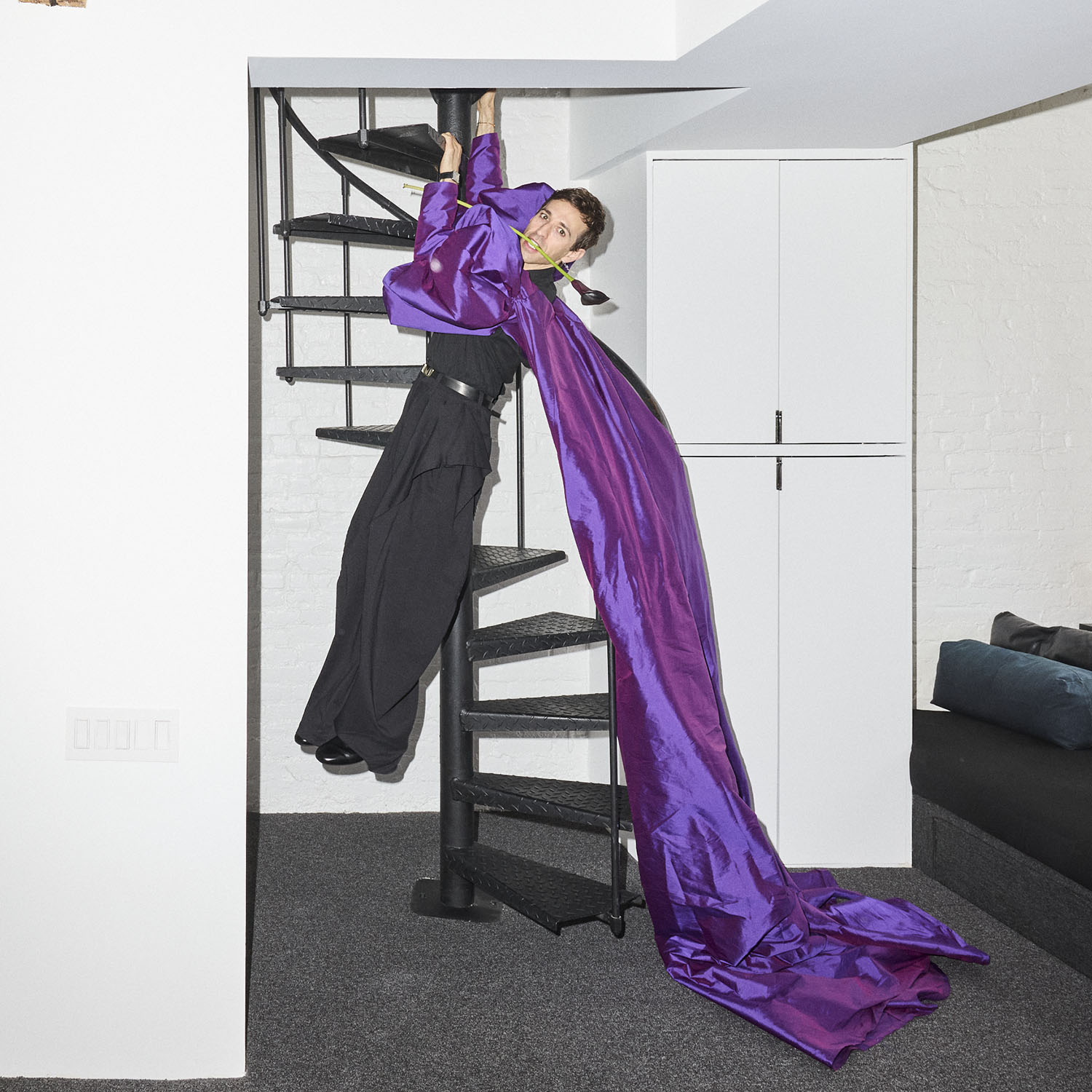
Architect David Webster's preserved High-Tech design home and office in New York, completed in 1981, has been purchased by countertenor and Opera Philadelphia general director Anthony Roth Costanzo. The apartment, located near the Chelsea Hotel, features an industrial, off-the-shelf aesthetic with repurposed vanity lightstrips, custom iron windows, and a sliding door. Webster and Costanzo discuss the home's history, design details, and the legacy of gatherings that once included writer and AIDS activist Larry Kramer.

‘Eudaimonic well-being’ — the impact of art in healthcare - The Island News

The article discusses the growing recognition of art's role in healthcare settings, citing research that visual art enhances 'eudaimonic well-being'—a sense of meaning, growth, and purpose—which aids patient healing. Studies, including a 2025 review in The Journal of Positive Psychology, show that incorporating art in hospitals reduces stress and anxiety for patients and staff, improves communication, and even reduces patient aggression in high-stress areas like emergency rooms.

In Her 90s, a Painter Finally Confronts Her Nazi Trauma

The New York Times profiles a painter in her 90s who has finally begun to address the trauma she experienced during the Nazi era through her artwork. The article details how she survived persecution and displacement as a child under Nazi rule, and how for decades she avoided directly depicting those experiences in her paintings. Now, late in life, she is creating works that confront her past, using art as a means of processing long-suppressed memories and emotions.

The Art Prodigies of the Nirvana Era Look Back on the ’90s

The New York Times article features a group of artists who emerged as prodigies during the 1990s, reflecting on their formative years and the cultural landscape of the Nirvana era. These artists, now established figures, discuss how the grunge movement, shifting social dynamics, and the art world of the '90s shaped their early careers and creative identities.