filter_list Showing 21 results for "Bone" close Clear
search
dashboard All 174 museum exhibitions 99article news 21trending_up market 18article culture 11article local 10person people 7rate_review review 5article policy 2candle obituary 1
date_range Range Today This Week This Month All
Subscribe

Pinta Panama Art Week 2026 Reaffirms the Country as a Hub for Regional Contemporary Art

PINTA PANAMA ART WEEK 2026 REAFFIRMS THE COUNTRY AS A HUB FOR REGIONAL CONTEMPORARY ART

The second edition of Pinta Panamá Art Week will be held from March 18-22, 2026, featuring works by Panamanian artists like Cisco Merel, Lulu Molinares, Arístides Ureña Ramos, and Isabel de Obaldía. Their projects, ranging from sculpture and textiles to immersive installations and studio visits, explore themes of memory, territory, and everyday life through the manipulation of materials and space.

New York art world spared worst of logistics woes

New York's spring art fairs—including Frieze, Tefaf, Independent, and Nada—are proceeding largely on schedule despite ongoing disruptions from the war in Iran. Airspace closures, reduced flights, rising fuel costs, and the closure of the Strait of Hormuz have strained global art logistics, forcing rerouting, last-minute cancellations, and cost increases of up to 2,500%. Logistics firms like Hasenkamp and Gander & White report that while shipments are still arriving, the system has become fragile, with clients prioritizing safety and resilience over speed.

List of Failed Business Ideas Found Beneath Rembrandt’s “The Night Watch”

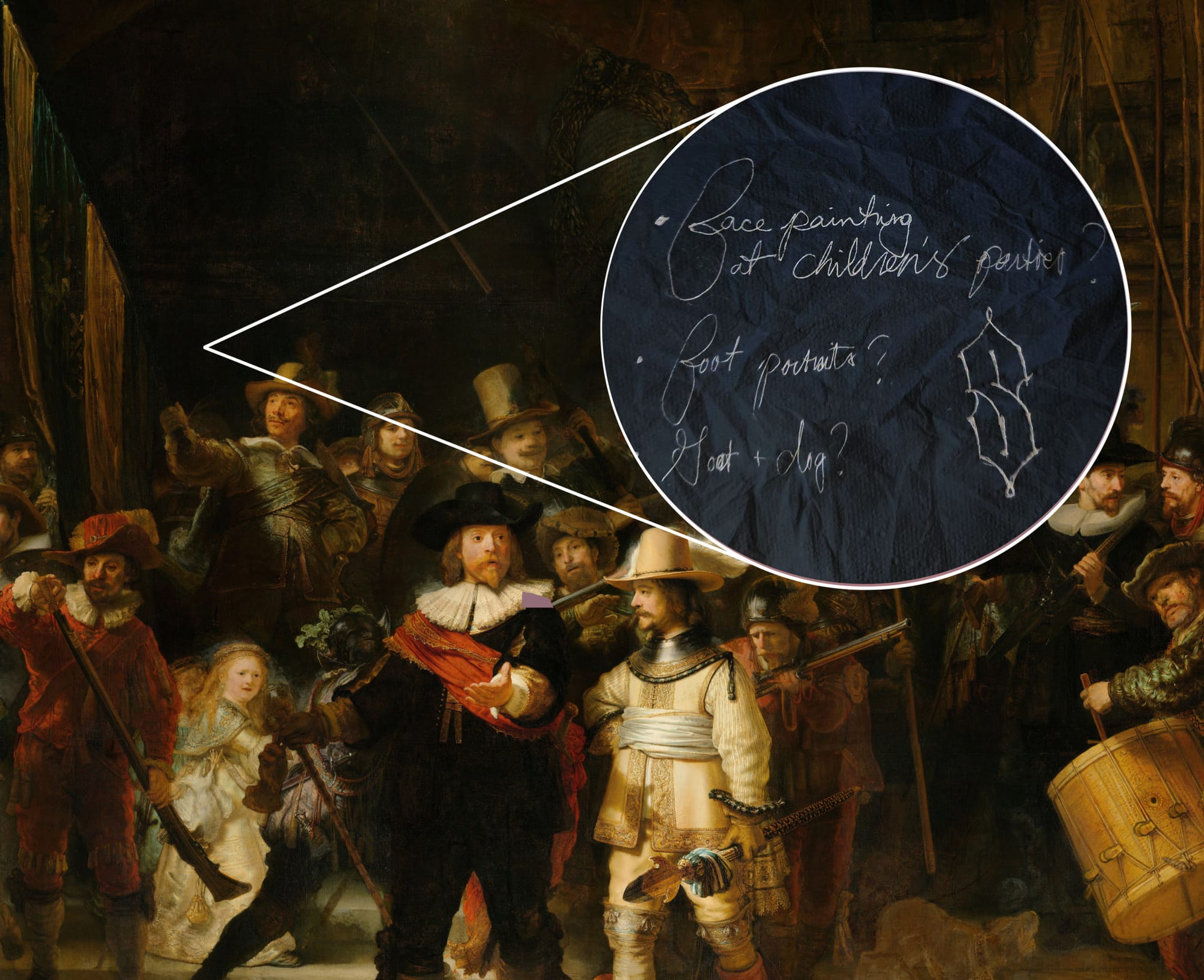
A recent conservation analysis of Rembrandt's "The Night Watch" at the Rijksmuseum has revealed a surprising discovery beneath the painting's surface. Using macro X-ray fluorescence, researchers uncovered a handwritten list of alternative business ideas considered by the young Rembrandt, including face-painting at children's parties, an umbrella repair shop, and making luxury combs from fishbones.

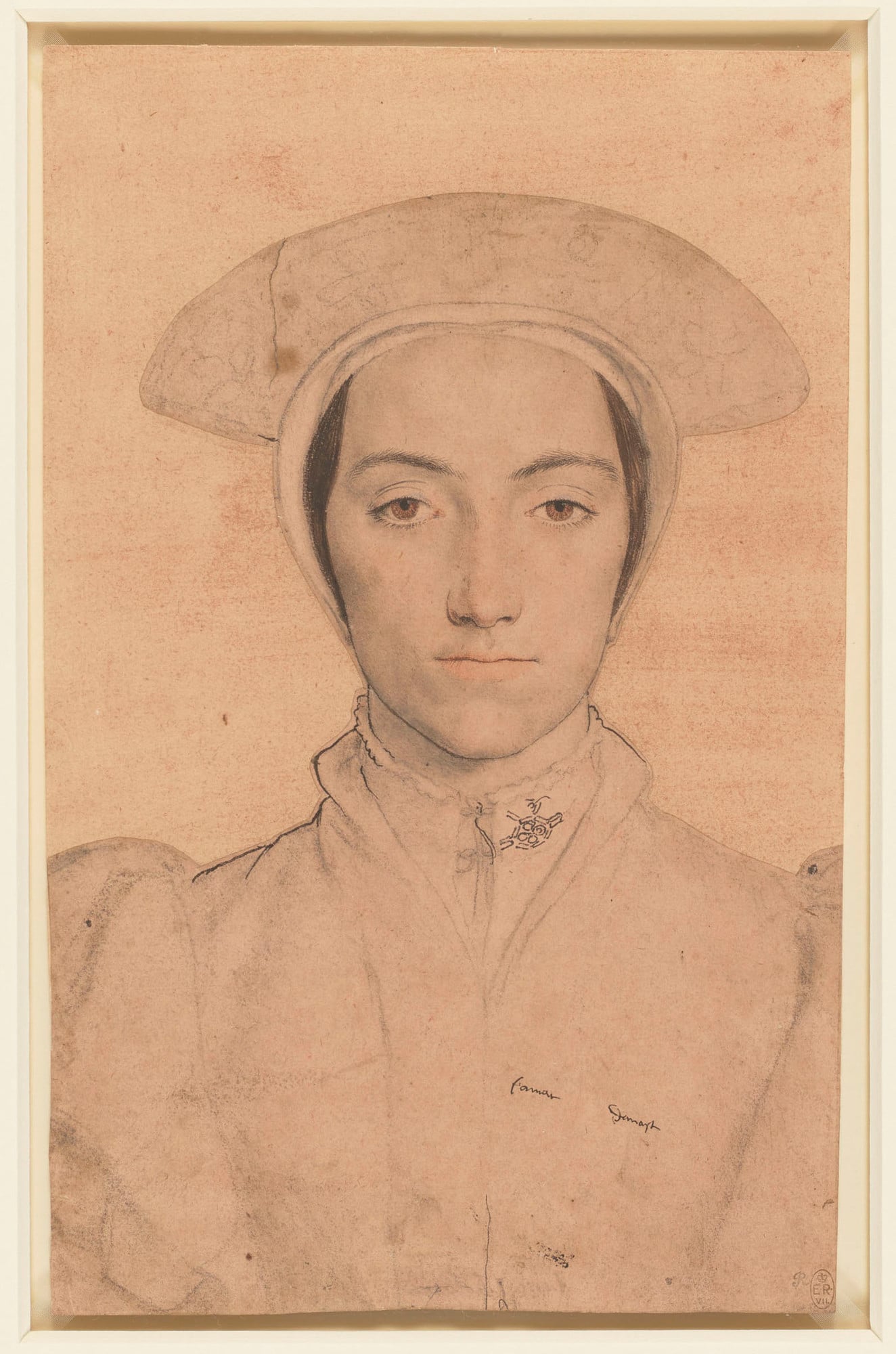
A.I. Identifies Holbein Drawing as Possible Portrait of Anne Boleyn

Researchers at the University of Bradford have used artificial intelligence to analyze preparatory drawings by Hans Holbein the Younger in the Royal Collection at Windsor Castle. The AI model, which previously identified a forgotten Raphael painting, suggests that a drawing long believed to depict Anne Boleyn actually shows her mother, Elizabeth Howard, while another drawing labeled "Unidentified Woman" likely portrays Anne Boleyn herself. The findings, published in Heritage Science, are based on biometric analysis of facial features, bone architecture, and proportional relationships, offering quantifiable evidence to resolve long-standing scholarly uncertainty about the sitters' identities.

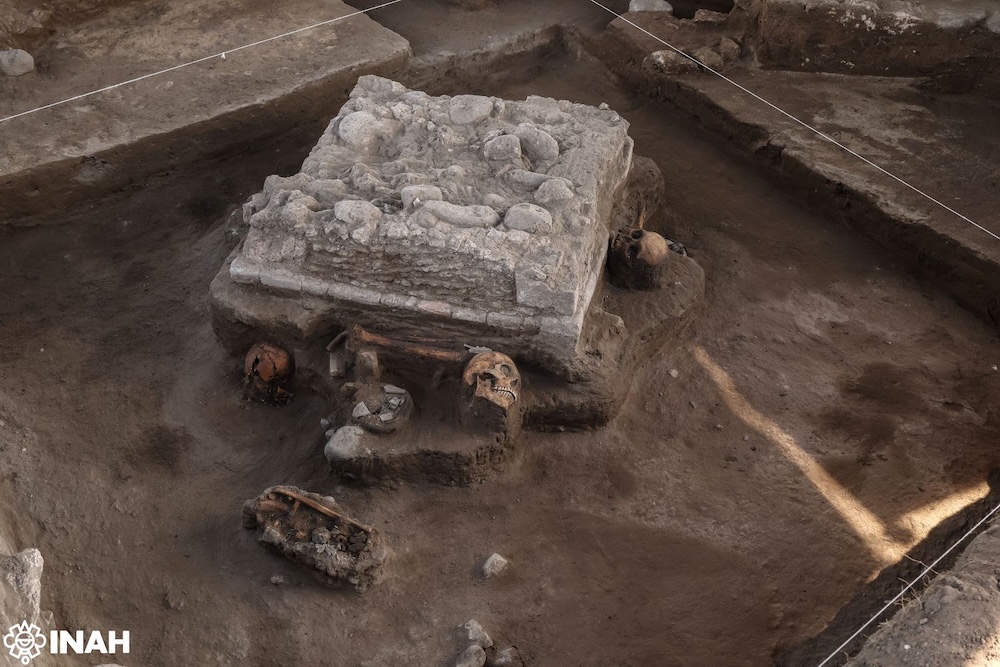
Prehistoric Stone Altar with Human Remains Discovered in Central Mexico

Archaeologists conducting salvage work for a new passenger train line between Querétaro and Mexico City have unearthed a 1,000-year-old Toltec stone altar. Located within the Tula Archaeological Monument Zone in Hidalgo, the three-level structure was found alongside four human skulls, long bones, a black ceramic bowl, and obsidian blades. Preliminary assessments by the National Institute of Anthropology and History (INAH) suggest the remains belong to individuals offered as ritual sacrifices.

1,000-year-old Toltec altar with four human skulls found in Mexico

Archaeologists from Mexico’s National Institute of Anthropology and History (INAH) have discovered a 1,000-year-old Toltec altar during salvage work for a new high-speed rail line between Mexico City and Querétaro. The stone structure, known as a momoztli, dates back to AD 900-1150 and was found with four human skulls and leg bones arranged at its base, suggesting ritual or sacrificial use. Located near the ancient site of Tula Chico, the find also included ceramic objects and obsidian artifacts within a compound likely belonging to the local elite.

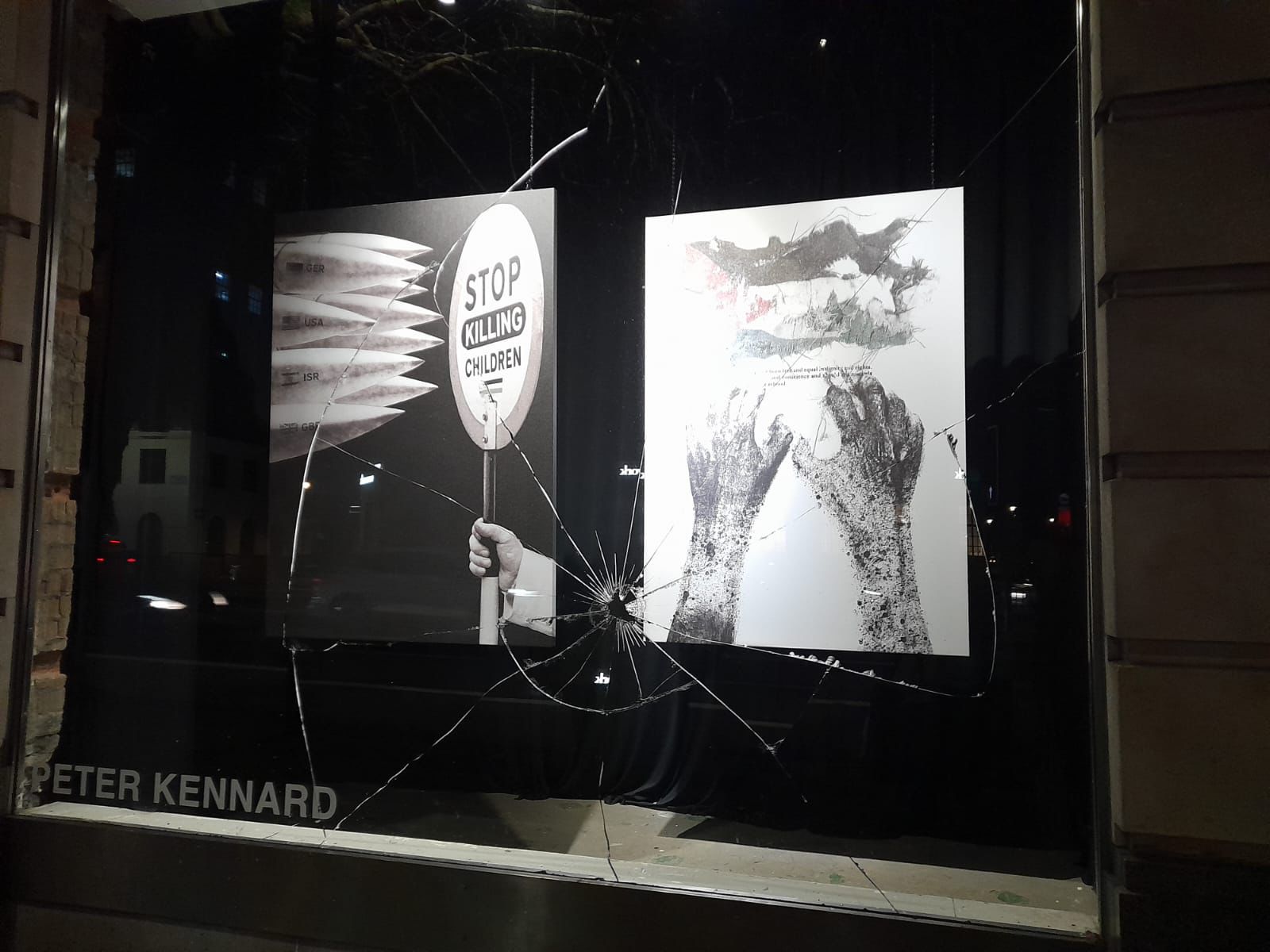
london bomb factory show vandalized

An exhibition titled “Window Wonderland 2025,” mounted by the Bomb Factory Art Foundation in London, was shut down early after three consecutive nights of vandal attacks at its Marylebone and Holborn locations. Vandals used hammers and an ice axe to smash windows, defaced displays with stickers of the Union Jack and St. George’s cross, and scrawled “Free U.K.” in lipstick, causing an estimated £15,000 ($20,000) in damage. The show, which explored themes of anti-war activism, immigration, and queer and trans identity, closed on January 9, 2025, instead of its scheduled January 18 closing date. Police are investigating the attacks, which organizers say were intended to silence the exhibition’s message of inclusivity.

blenheim palace conservation graffiti

Conservators restoring paintings in the Great Hall of Blenheim Palace, a UNESCO World Heritage site in the UK, discovered graffiti names written on the ceiling dating back to 1843. The names, found over 60 feet up, include workers such as a plasterer from 1843 and individuals from 1968, along with dates like 1931 and 1939. The discovery was made during a $16 million roof restoration project that began in 2024 and is set to finish next year.

sutton hoo bromeswell bucket not bucket

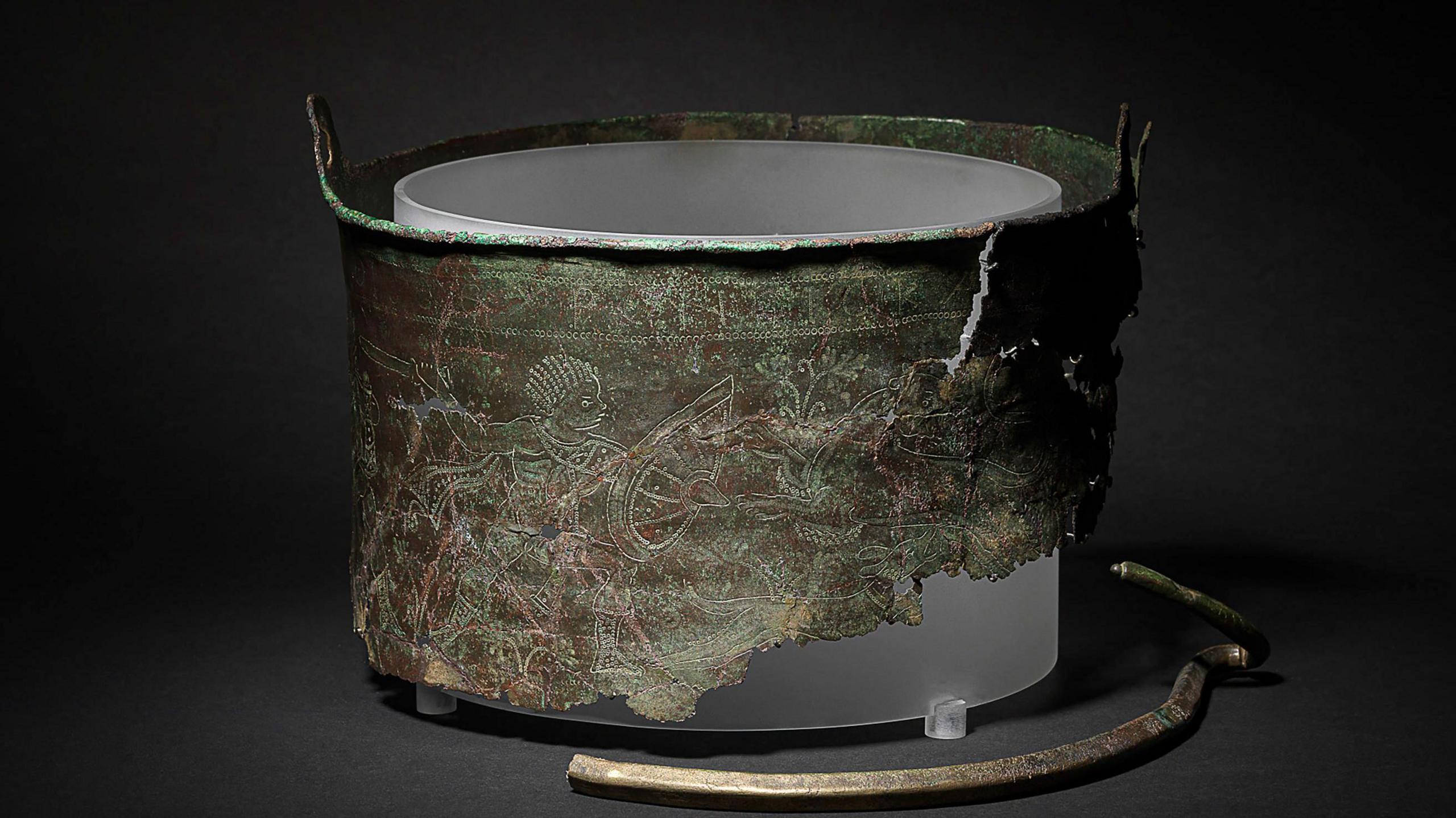
Archaeologists have discovered the base of the Bromeswell Bucket, a Byzantine-era vessel from Sutton Hoo in Suffolk, U.K., revealing that it was used as a cremation urn. The bucket, first found in fragments in 1986, 2012, and 2023, features a hunting scene and a Greek inscription. Excavations by the TV program Time Team, the National Trust, FAS Heritage, and volunteers uncovered the base, which contained cremated human and animal remains, including a skull and talus, as well as bones from an animal larger than a pig. The remains were likely stored in a bag, confirming the bucket's funerary purpose.

Anna Ridler x Sofia Crespo win the Artist of the Year at ABS Digital Art Prize 2025.

Anna Ridler and Sofia Crespo have won the Artist of the Year award at the ABS Digital Art Prize 2025, recognizing their collaborative work combining analog photography and AI to explore nature and technology. The Emerging Artist of the Year category, introduced this year, was awarded to Cezar Mocan for his artwork "World Upstream," a real-time simulation that intersects contemporary art, game design, and media theory. The prize, established by Arab Bank Switzerland, received over 120 applications from 38 countries for the emerging category, and winners receive networking opportunities and a solo show or exhibition at a cultural institution within 12 months.

Old Master Grandeur and Modern Patronage Converge at the 2026 Norton Museum of Art Gala

The Norton Museum of Art's 2026 annual gala drew nearly 700 guests and raised nearly $5 million for the museum's programs. The event featured a live auction hosted by Sotheby's Oliver Barker, selling works by contemporary artists like Julie Curtiss, Jeffrey Gibson, Jessie Henson, and Marilyn Minter, and honored trustee Ronnie Heyman and artist Loie Hollowell. The evening's design was inspired by the concurrent exhibition "Art and Life in Rembrandt's Time: Masterpieces from the Leiden Collection."

5 Artists on Our Radar in August 2025

Artsy Editorial's August 2025 edition of 'Artists on Our Radar' highlights five emerging visual artists: Jesse Akele, Ficus Interfaith (the duo of Ryan Bush and Raphael Martinez Cohen), and Shuling Guo. Akele's hazy figurative paintings explore fleeting place and memory, featured in WORKPLACE's group show 'Cold Enough for Snow.' Ficus Interfaith creates playful terrazzo sculptures blending fine art, design, and craft, with a solo exhibition 'Furniture Music' at P.P.O.W in New York. Shuling Guo produces transcendental works in color pencil and oil paint, alluding to her life experiences, with pieces at Hollis Taggart and Mindy Solomon Gallery.

Native Americans Played Dice Games Far Earlier Than Previously Known, Study Shows

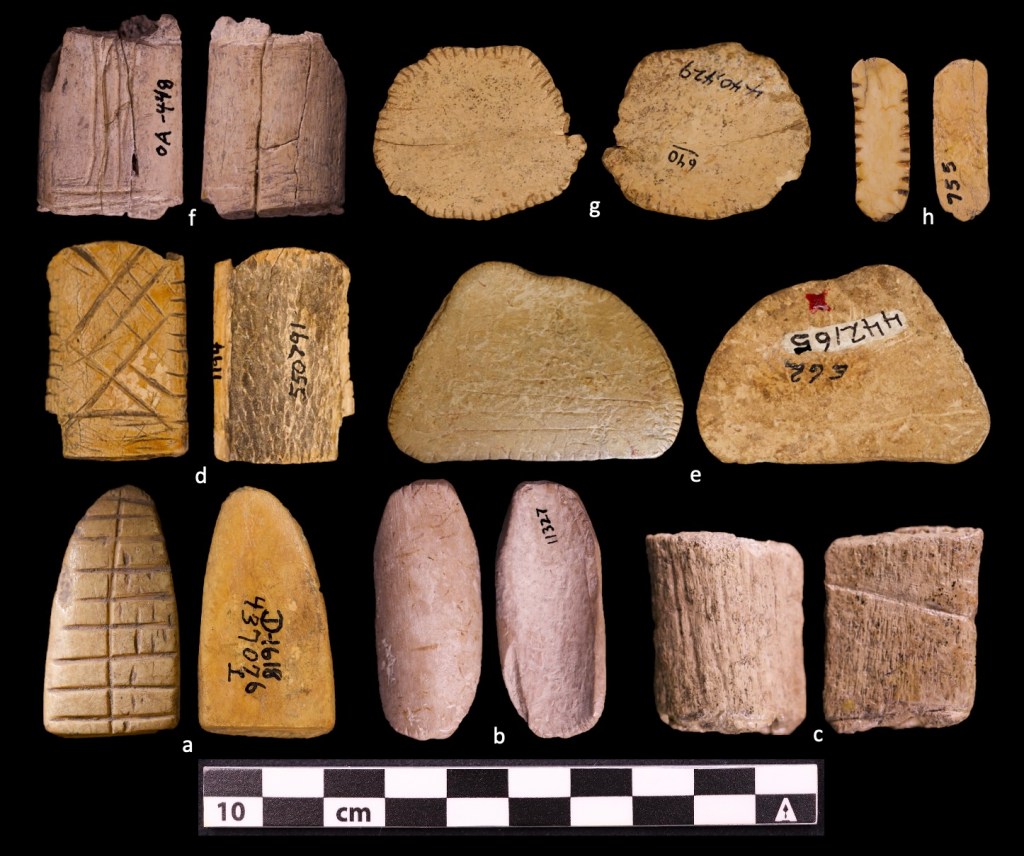
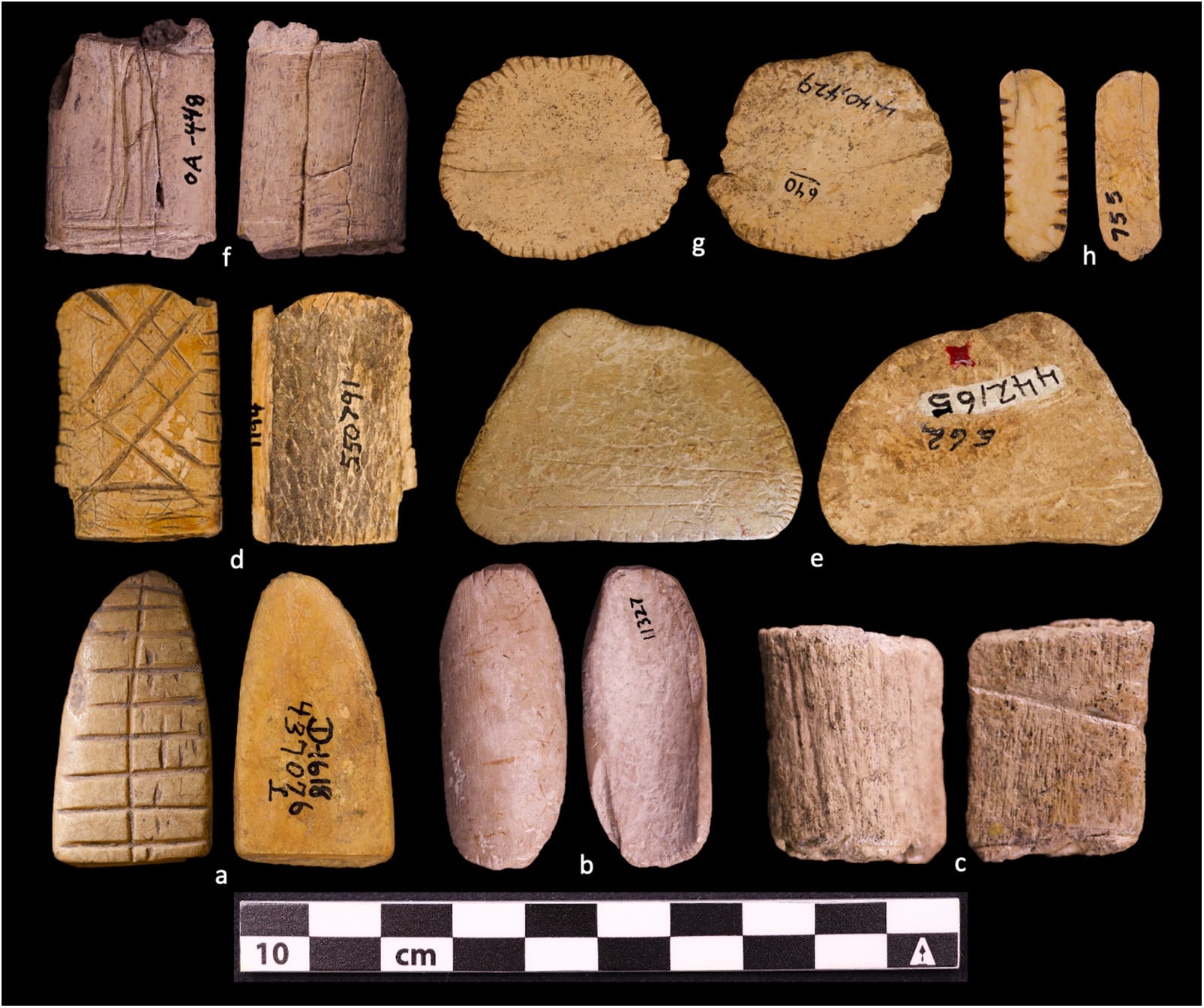
A groundbreaking study from Colorado State University reveals that Native Americans in the western Great Plains were using dice for gaming over 12,000 years ago. Researcher Robert J. Madden identified two-sided dice made of bone or wood from archaeological sites in Wyoming, Colorado, and New Mexico, pushing the known history of games of chance back significantly further than previously recorded.

Dutch Museum Discovers 8-Inch Ancient Roman Phallus

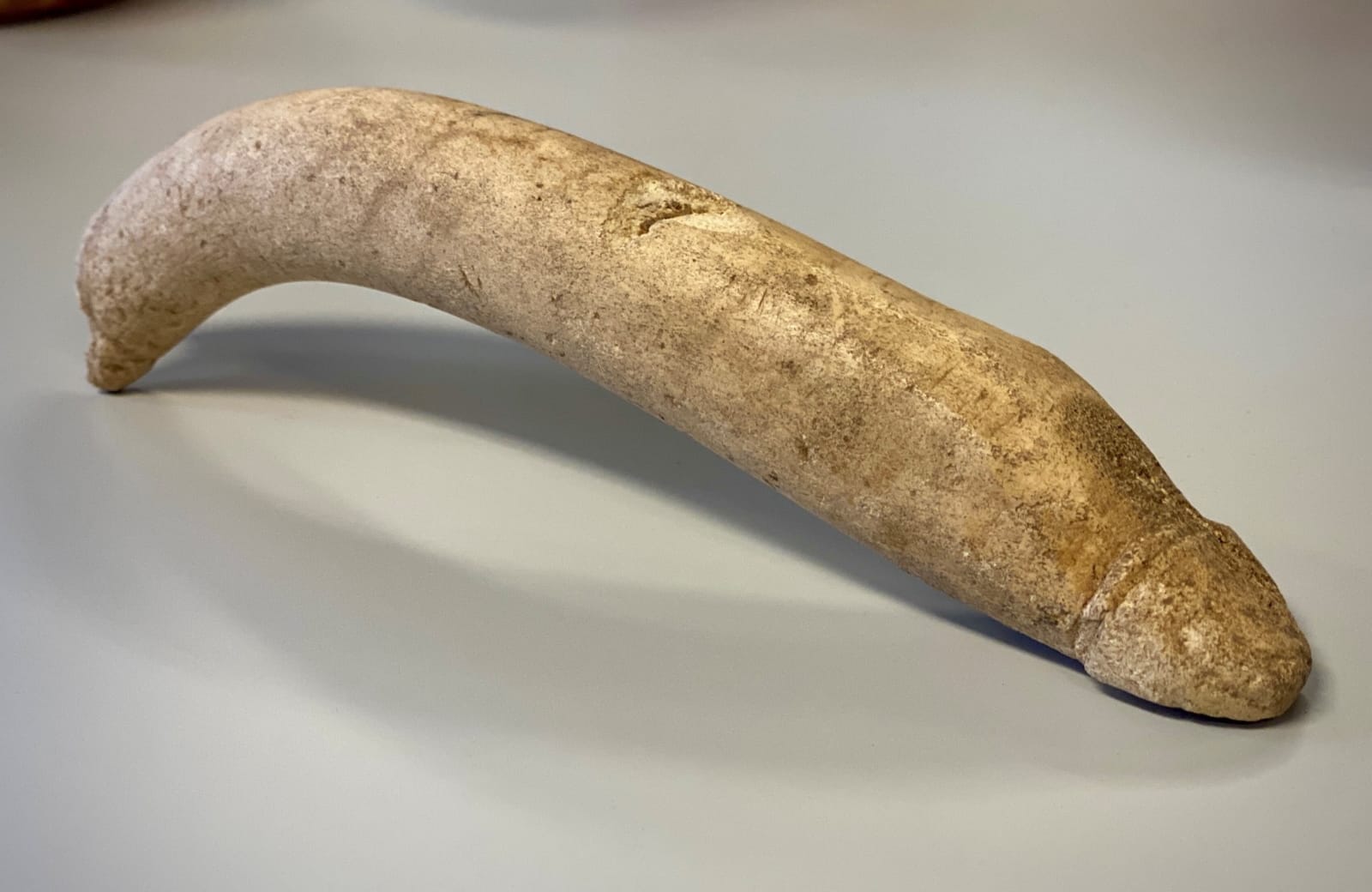
Archaeologists at the Valkhof Museum in Nijmegen discovered a rare, eight-inch Ancient Roman phallus carved from bone while cataloging a massive backlog of 16,000 archaeological boxes. The artifact was found alongside high-quality Roman tableware during an €8 million government-funded inventory project aimed at processing collections from defunct storage depots in the province of Gelderland.

lower pecos cave paintings radiocarbon date

Three Texas-based researchers have successfully radiocarbon dated ancient cave paintings in the Lower Pecos Canyonlands along the Rio Grande border between Mexico and West Texas, using a novel combination of technologies. By dating the deer bone marrow used as a paint binder—rather than the mineral pigments themselves—and employing plasma oxidation to extract carbon, the team analyzed 53 figures across 12 sites. Their findings, published in *Science Advances*, reveal that individual murals were created in single painting events, not accumulated over centuries, and that the paintings span four millennia, from about 5,760 to 1,035 years ago.

A Massive Fire Destroyed Her Brooklyn Studio. She Has Only 10 Works Left

A massive fire destroyed Claudia Kaatziza Cortínez's Brooklyn studio in the Beard and Robinson Stores building in Red Hook on September 18, just days before her solo exhibition "Salt and Bone" opened at the Furnace: Art on Paper gallery in Falls Village, Connecticut. The blaze, which required 250 firefighters and a barge to contain, consumed 15 years of archives, tools, and equipment, leaving only the 10 works in the exhibition as the entirety of her art practice. The cause remains under investigation, and the building is off-limits.

Dice Are 6,000 Years Older Than Previously Believed, Study Says

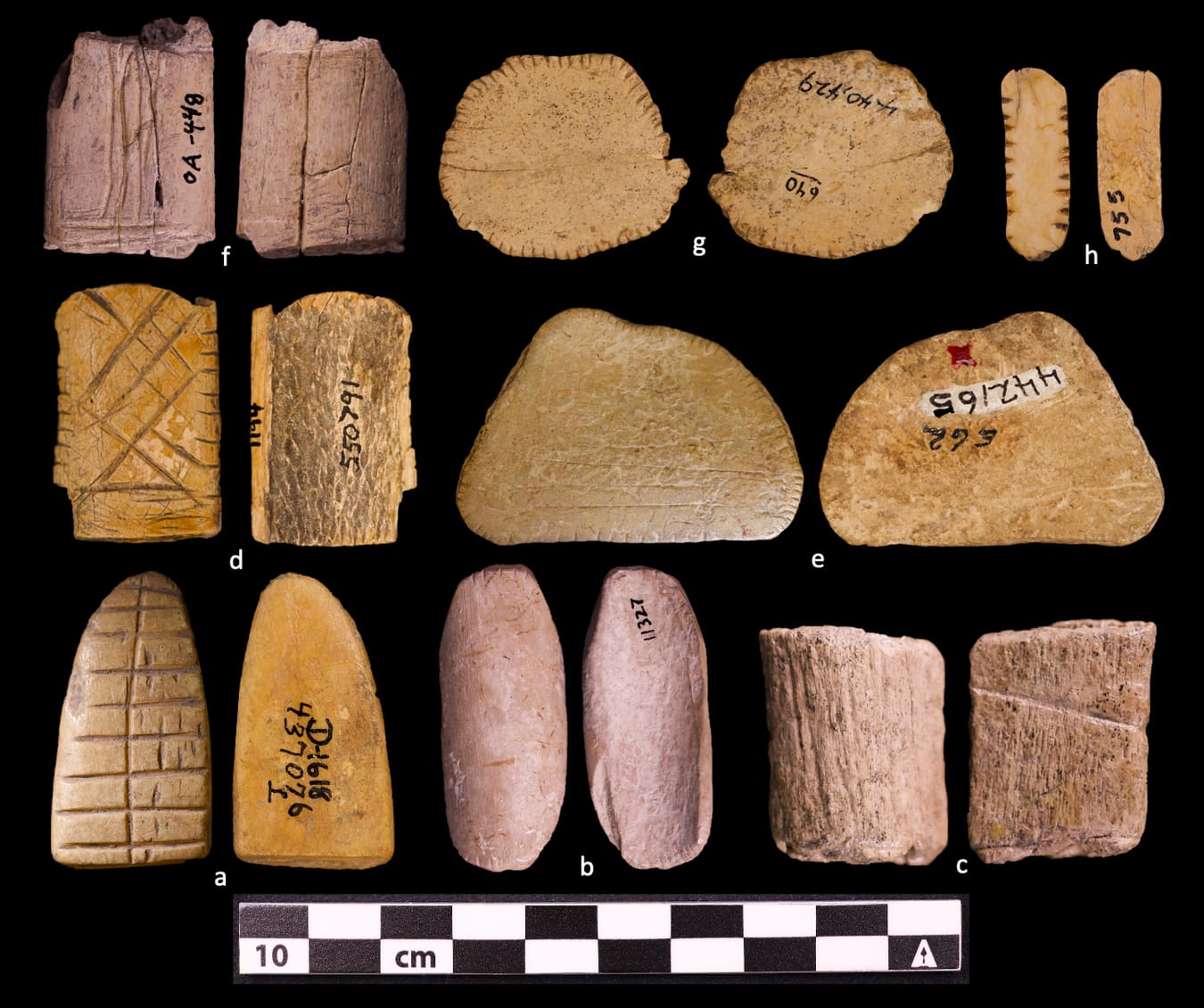
Archaeologist Robert J. Madden has published a groundbreaking study in the journal American Antiquity identifying over 600 prehistoric objects as two-sided dice. These artifacts, found across 57 sites in the American West, date back more than 12,000 years to the Late Pleistocene era. By applying criteria from historic Native American gaming traditions to these bone and wood fragments, Madden argues that dice-based games of chance existed 6,000 years earlier than previously recorded in the archaeological record.

12,000 Years Ago, Native Americans Were Playing Games of Chance with Handmade Dice

Archaeologists have discovered that Native Americans were engaging in games of chance using handmade dice as far back as 12,000 years ago, during the Late Pleistocene. A new study by researcher Robert Madden reveals that these artifacts, found in sites across Wyoming, Colorado, and New Mexico, predate the previously oldest known dice from Mesopotamia and the Indus Valley by over 6,000 years. These early dice, often made of bone and decorated with pigments, were used by the hunter-gatherer Folsom culture.

Street artist Ozmo acquitted in court: 'His work is not vandalism and has cultural value' (but in the meantime it has been erased)

Lo street artist Ozmo assolto in tribunale: “La sua opera non è imbrattamento e ha valore culturale” (ma nel frattempo è stata cancellata)

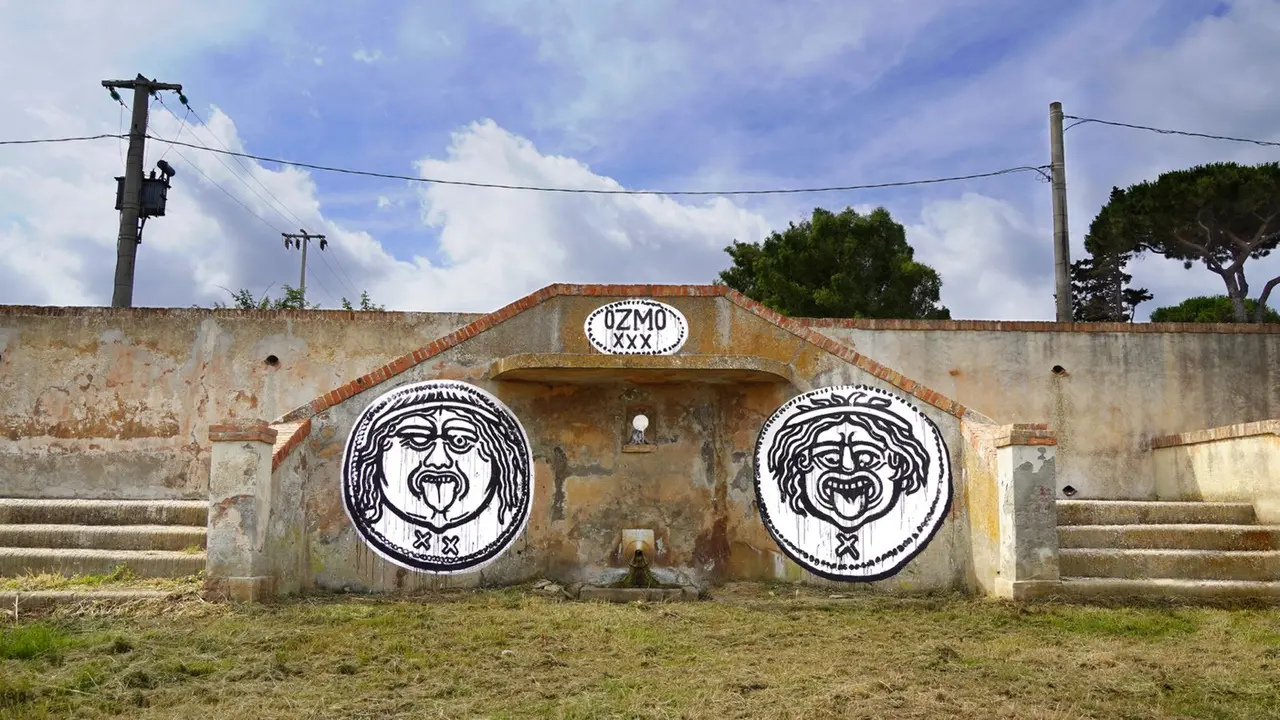
In summer 2022, street artist Ozmo (Gionata Gesi) created an unauthorized site-specific work on the Fonte di San Cerbone in Baratti, Italy, depicting two Etruscan coins with Medusa's face. The work sparked debate: the Piombino municipality and museum director Carolina Megale welcomed it, but the Soprintendenza (cultural heritage authority) reported it to prosecutors as illegal defacement. The artwork was vandalized and later removed in April 2023. On April 29, the Livorno court acquitted Ozmo, ruling that his intervention was not a crime but an artwork with cultural value, setting a legal precedent.

The Invisible Pain: The Story of the Asylum in Alessandro Bencivenga's Latest Film

Il dolore che non si vede: il racconto del manicomio nell’ultimo film di Alessandro Bencivenga

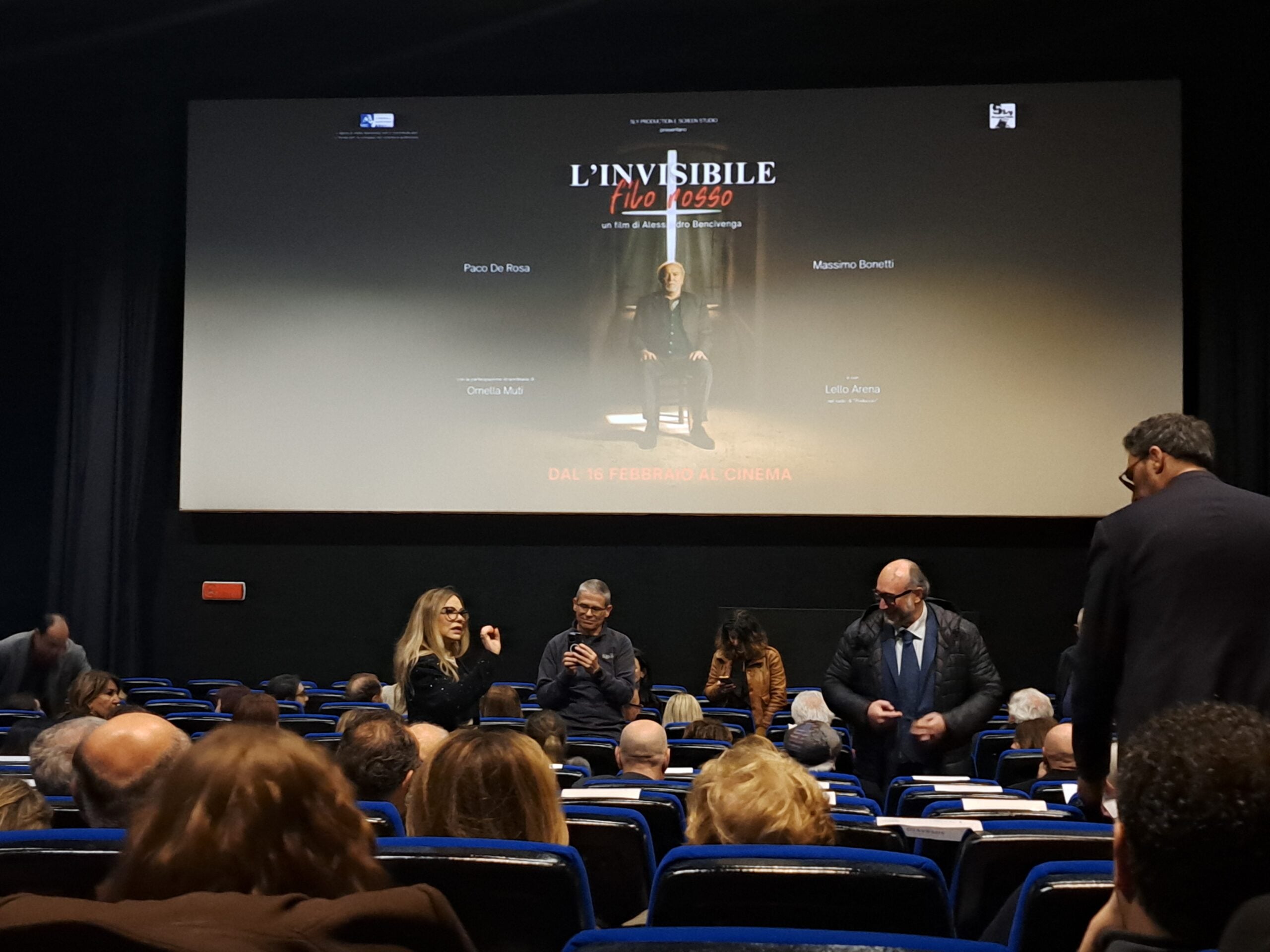
Director Alessandro Bencivenga’s new film, L’invisibile filo rosso, debuted out of competition at the 82nd Venice Film Festival, offering a poignant look at the Pergine Valsugana psychiatric hospital in the 1950s. Based on extensive archival research, the narrative follows a young nurse from Ischia who witnesses the hidden horrors and human dignity within the asylum. The film features a notable cast including Massimo Bonetti, who portrays the real-life figure Giovanni Giulio Anesini, and Ornella Muti as Ida Dalser, the persecuted first wife of Benito Mussolini.

‘An entertainment pavilion on bones’: new Russian museum opens in occupied Mariupol

A new museum called Pole Bitvy (Battlefield) has opened in the Russian-occupied Ukrainian city of Mariupol, glorifying Russia's full-scale invasion and linking it to the Soviet Union's victory in World War II. Russian officials, including senator Vladimir Yakushev and project head Sergei Ladochkin, presented the museum as a symbol of liberation from 'neo-Nazis,' while Ukrainian officials condemn it as an 'entertainment pavilion on bones' in a city where tens of thousands died during the 2022 siege.