filter_list Showing 15 results for "Bone" close Clear
dashboard All 15 article news 8museum exhibitions 4article culture 1article policy 1trending_up market 1
date_range Range Today This Week This Month All
Subscribe

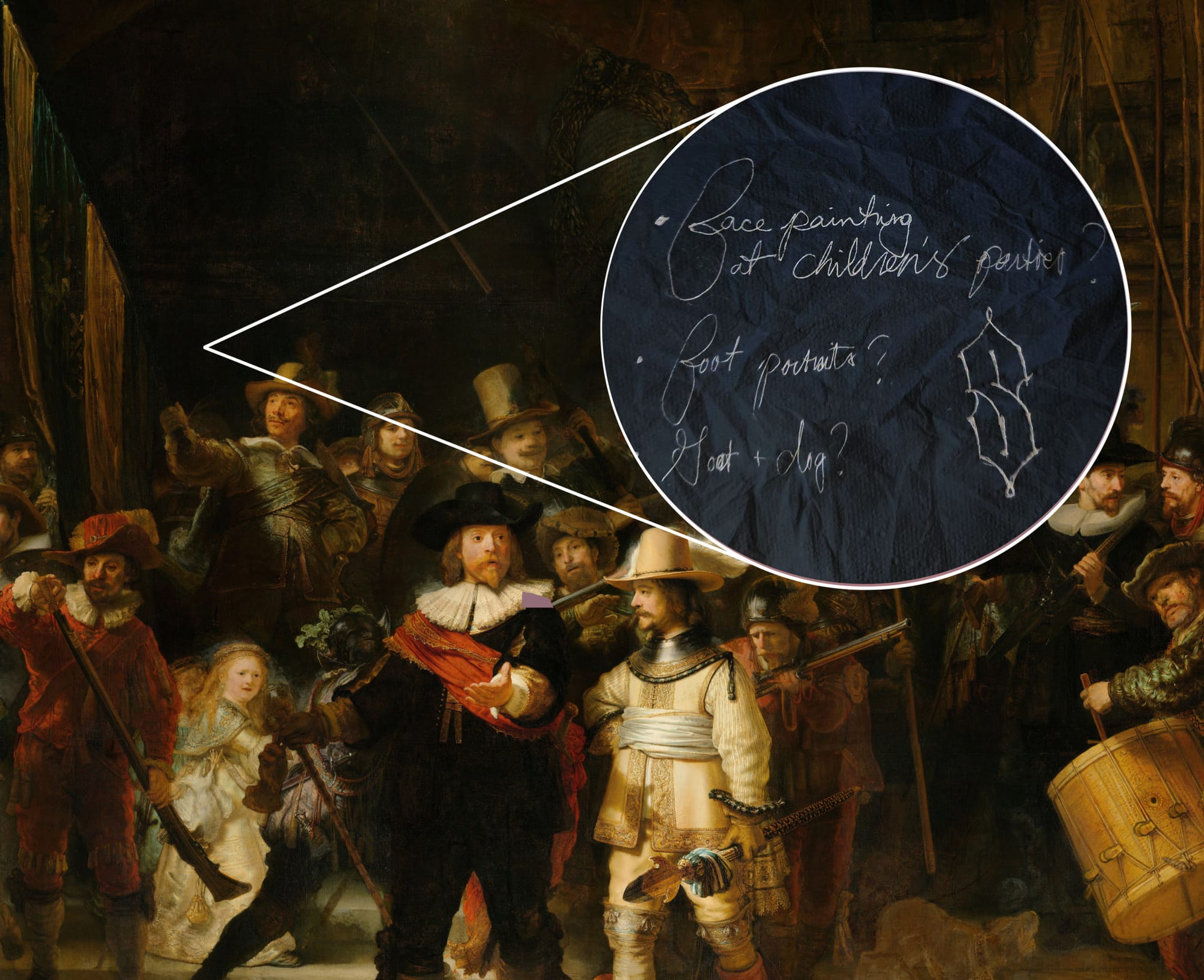
List of Failed Business Ideas Found Beneath Rembrandt’s “The Night Watch”

A recent conservation analysis of Rembrandt's "The Night Watch" at the Rijksmuseum has revealed a surprising discovery beneath the painting's surface. Using macro X-ray fluorescence, researchers uncovered a handwritten list of alternative business ideas considered by the young Rembrandt, including face-painting at children's parties, an umbrella repair shop, and making luxury combs from fishbones.
Prehistoric Stone Altar with Human Remains Discovered in Central Mexico

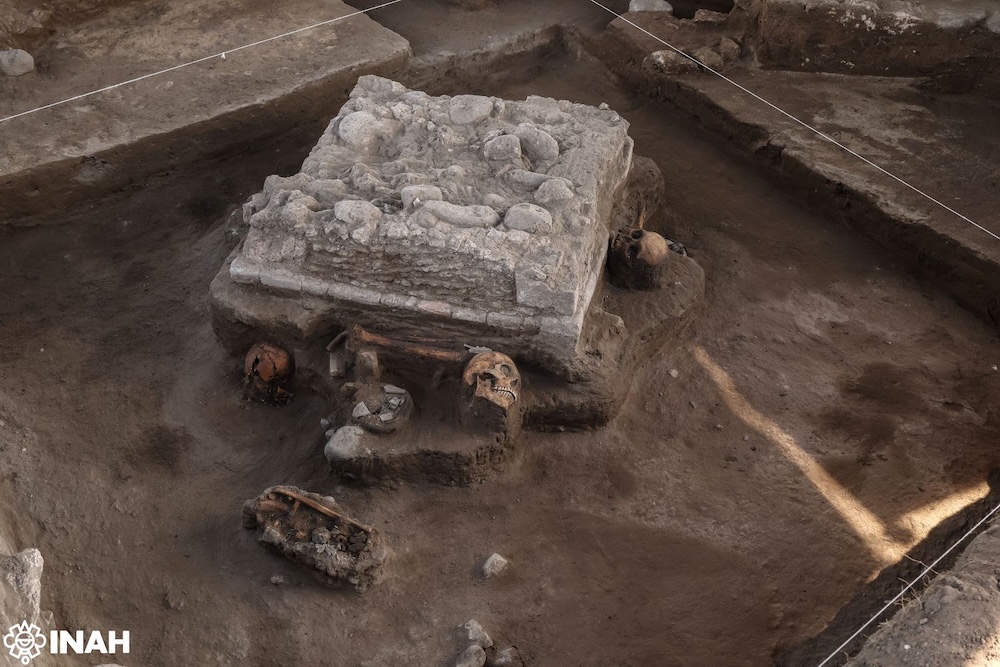
Archaeologists conducting salvage work for a new passenger train line between Querétaro and Mexico City have unearthed a 1,000-year-old Toltec stone altar. Located within the Tula Archaeological Monument Zone in Hidalgo, the three-level structure was found alongside four human skulls, long bones, a black ceramic bowl, and obsidian blades. Preliminary assessments by the National Institute of Anthropology and History (INAH) suggest the remains belong to individuals offered as ritual sacrifices.

1,000-year-old Toltec altar with four human skulls found in Mexico

Archaeologists from Mexico’s National Institute of Anthropology and History (INAH) have discovered a 1,000-year-old Toltec altar during salvage work for a new high-speed rail line between Mexico City and Querétaro. The stone structure, known as a momoztli, dates back to AD 900-1150 and was found with four human skulls and leg bones arranged at its base, suggesting ritual or sacrificial use. Located near the ancient site of Tula Chico, the find also included ceramic objects and obsidian artifacts within a compound likely belonging to the local elite.

Native Americans Played Dice Games Far Earlier Than Previously Known, Study Shows

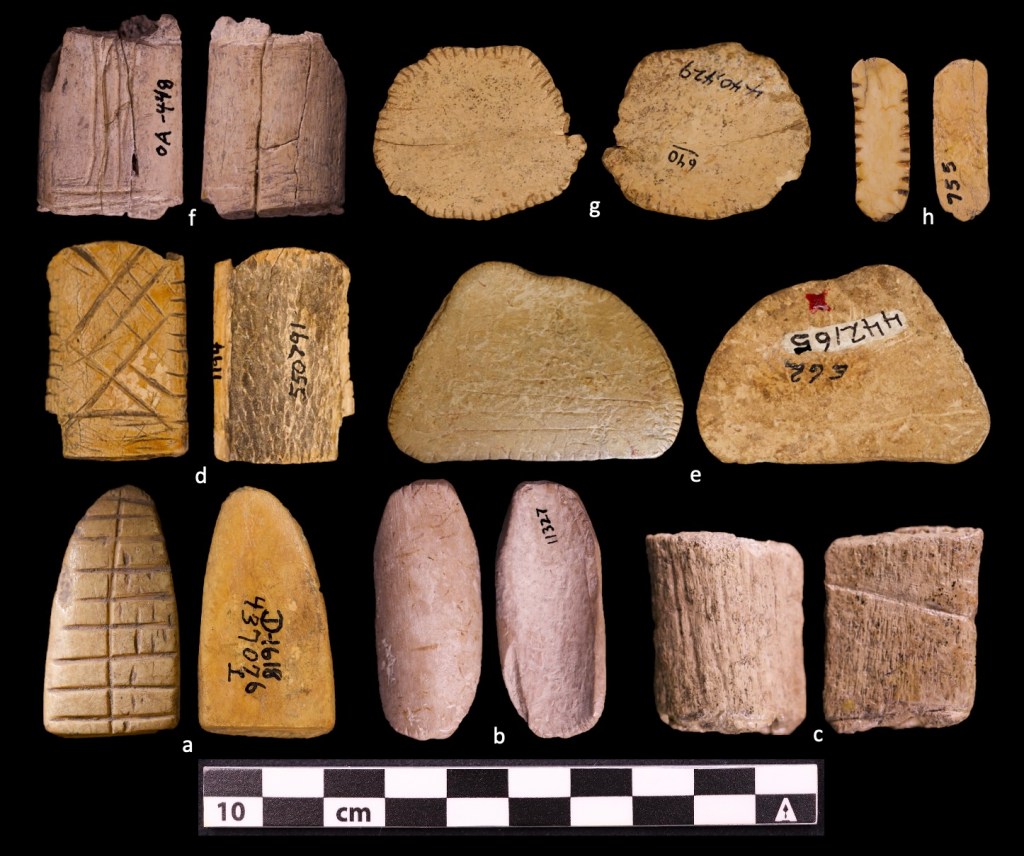
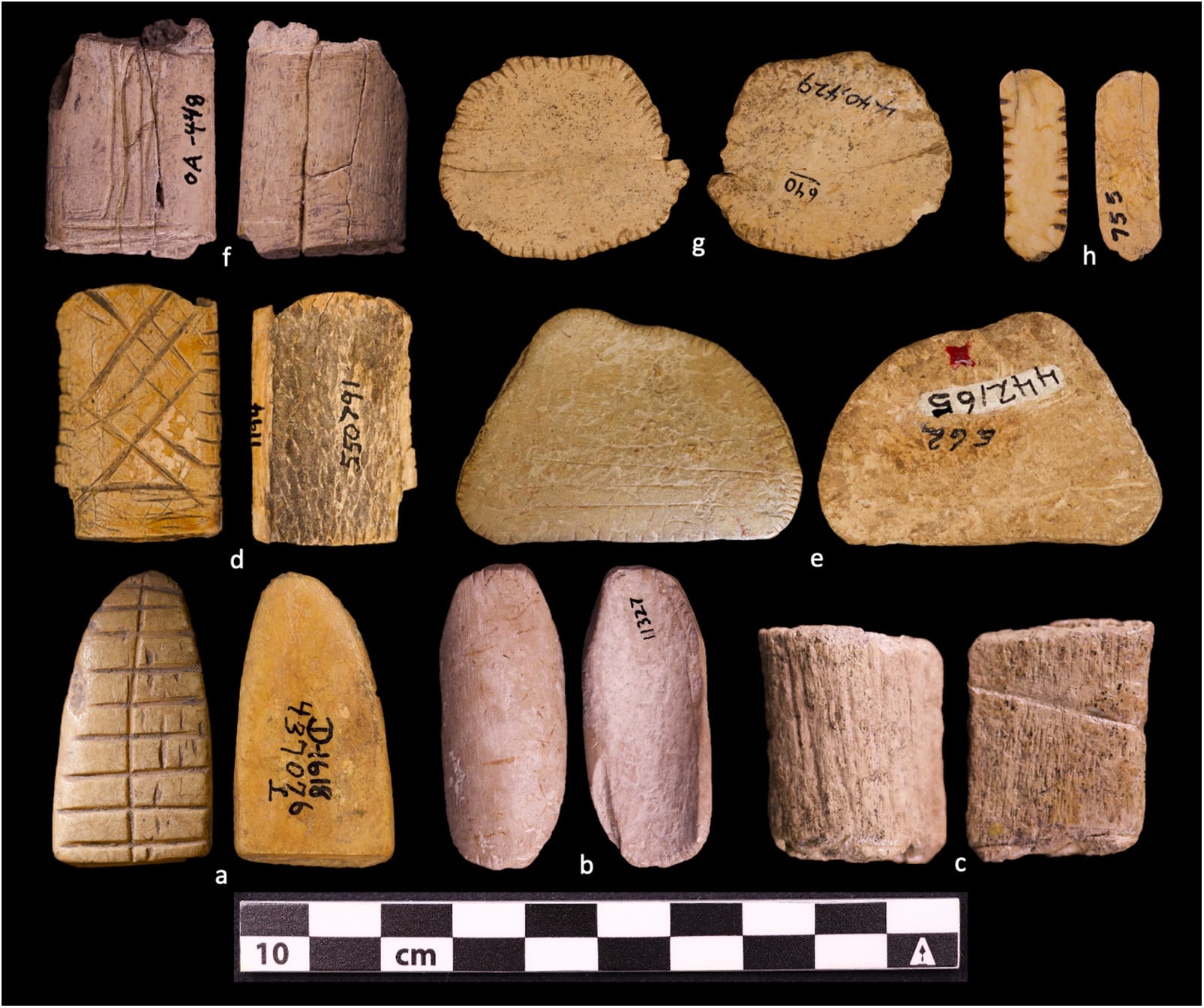
A groundbreaking study from Colorado State University reveals that Native Americans in the western Great Plains were using dice for gaming over 12,000 years ago. Researcher Robert J. Madden identified two-sided dice made of bone or wood from archaeological sites in Wyoming, Colorado, and New Mexico, pushing the known history of games of chance back significantly further than previously recorded.

Dice Are 6,000 Years Older Than Previously Believed, Study Says

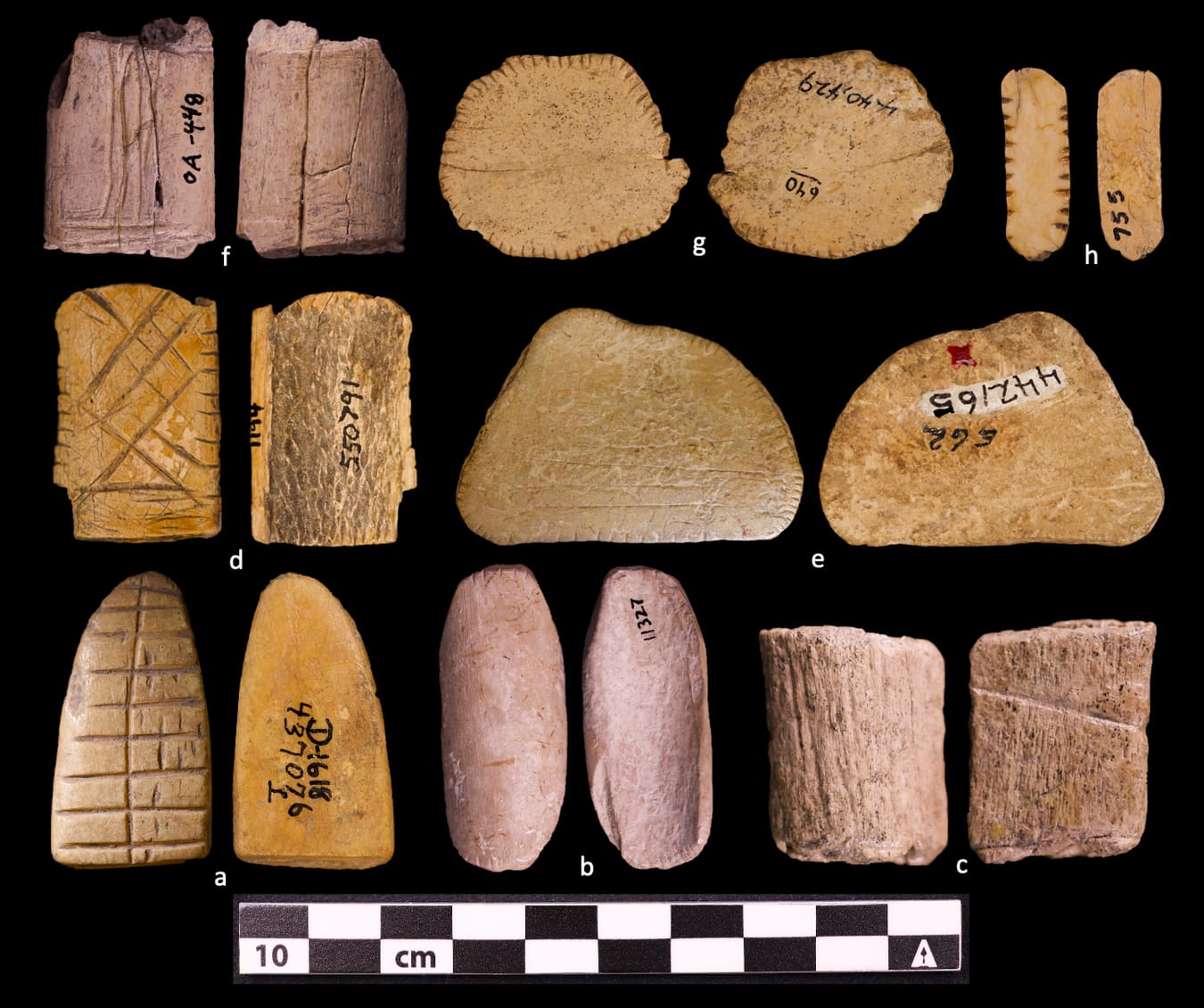
Archaeologist Robert J. Madden has published a groundbreaking study in the journal American Antiquity identifying over 600 prehistoric objects as two-sided dice. These artifacts, found across 57 sites in the American West, date back more than 12,000 years to the Late Pleistocene era. By applying criteria from historic Native American gaming traditions to these bone and wood fragments, Madden argues that dice-based games of chance existed 6,000 years earlier than previously recorded in the archaeological record.

Dutch Museum Discovers 8-Inch Ancient Roman Phallus

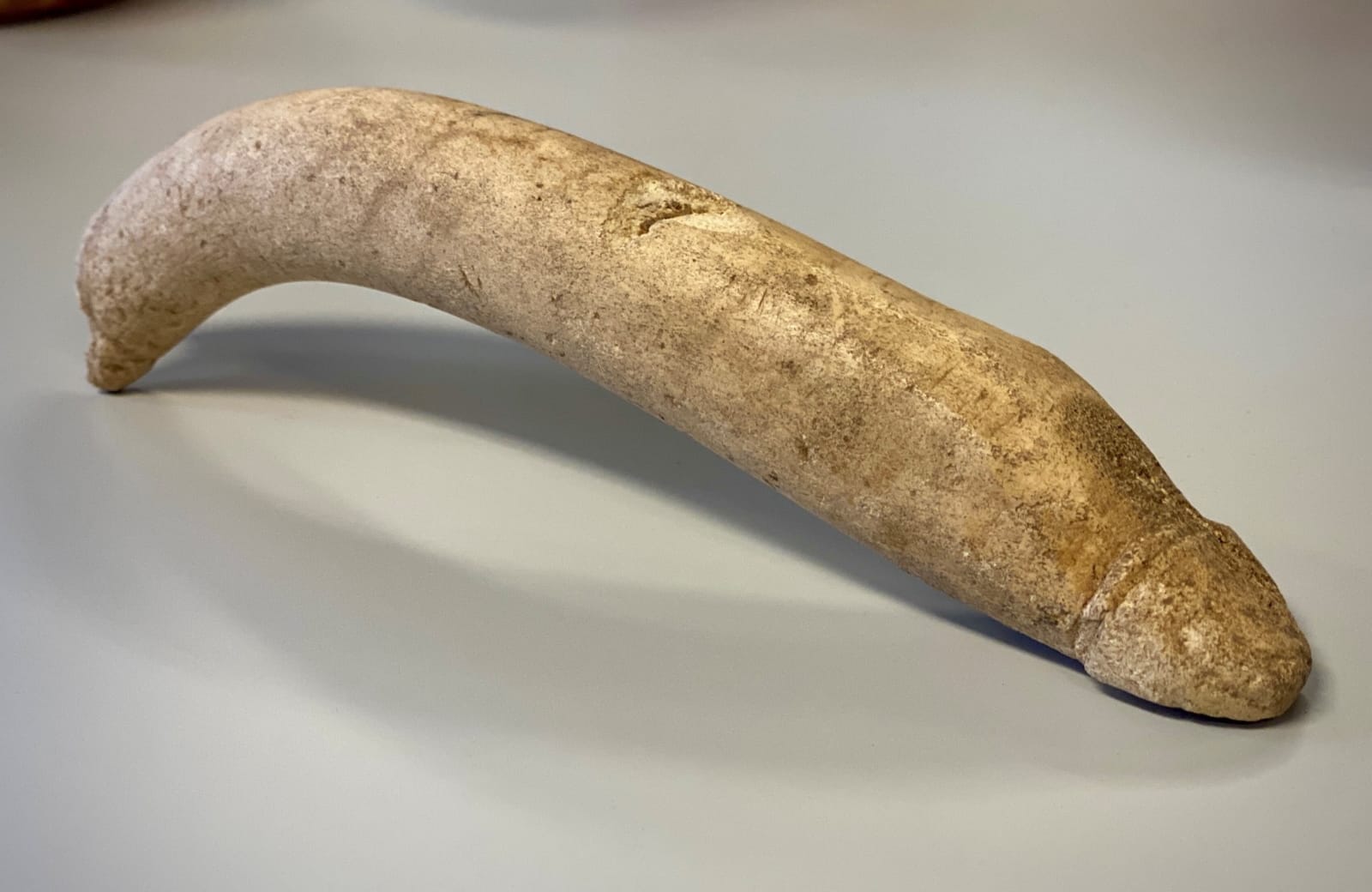
Archaeologists at the Valkhof Museum in Nijmegen discovered a rare, eight-inch Ancient Roman phallus carved from bone while cataloging a massive backlog of 16,000 archaeological boxes. The artifact was found alongside high-quality Roman tableware during an €8 million government-funded inventory project aimed at processing collections from defunct storage depots in the province of Gelderland.

Eating Challenges Are All the Rage. But When Was the Last Time You Saw Someone Eat a Mutton Shoulder Bone?

English farmer Nicholas Wood, known as the "Great Eater of Kent," was famed in the 17th century for consuming staggering quantities of food, including a mutton shoulder—bones and all. The article highlights other historic eating feats, from Nathan's Famous first hot dog contest in 1972 to extravagant 19th-century "Fat Men's Clubs" and a massive ice cream sundae competition in 1976.

The Invisible Pain: The Story of the Asylum in Alessandro Bencivenga's Latest Film

Il dolore che non si vede: il racconto del manicomio nell’ultimo film di Alessandro Bencivenga

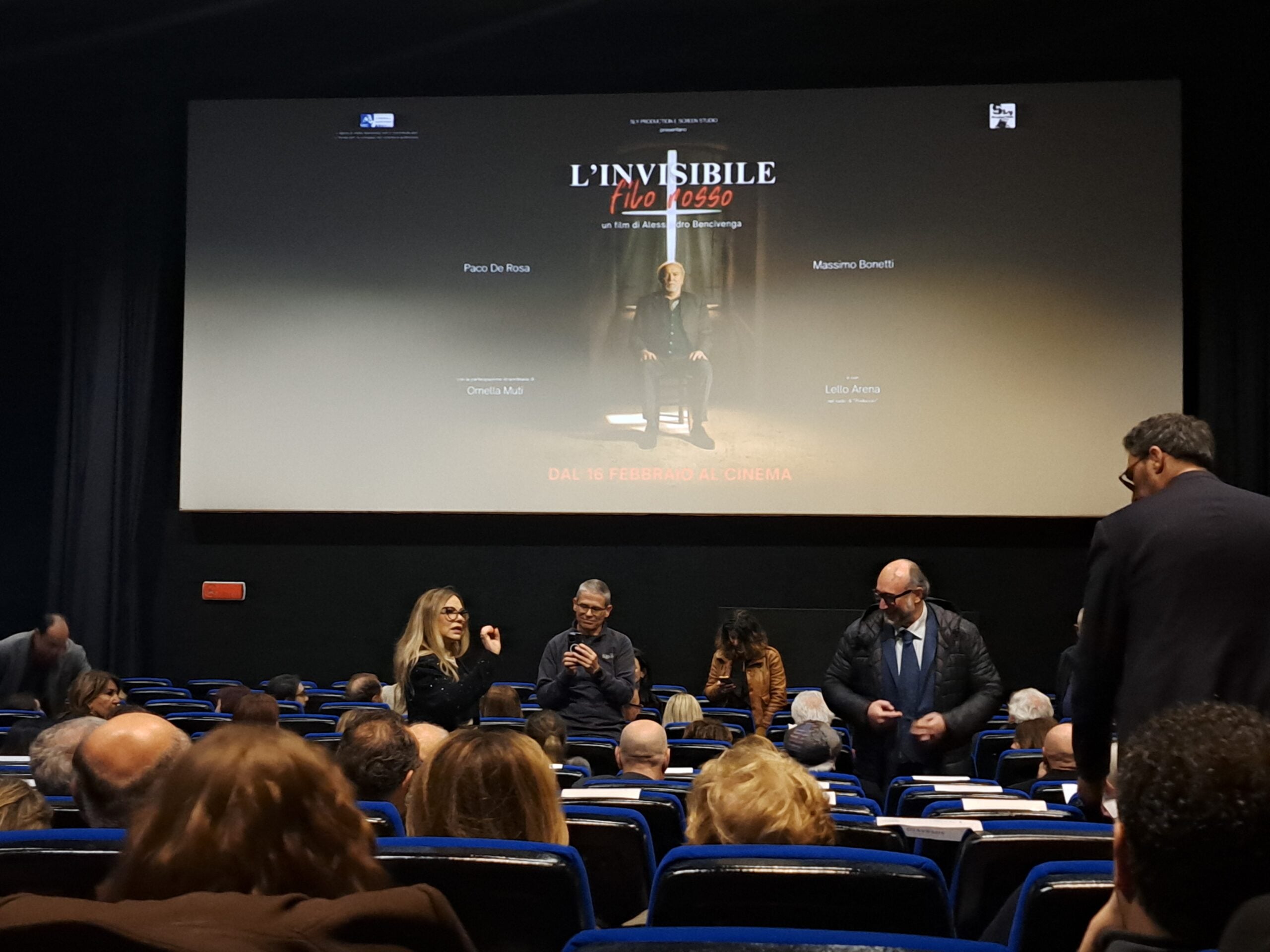
Director Alessandro Bencivenga’s new film, L’invisibile filo rosso, debuted out of competition at the 82nd Venice Film Festival, offering a poignant look at the Pergine Valsugana psychiatric hospital in the 1950s. Based on extensive archival research, the narrative follows a young nurse from Ischia who witnesses the hidden horrors and human dignity within the asylum. The film features a notable cast including Massimo Bonetti, who portrays the real-life figure Giovanni Giulio Anesini, and Ornella Muti as Ida Dalser, the persecuted first wife of Benito Mussolini.

Competition in the Auction Business’s Middle Market is Fierce, and Growing Fiercer

The auction industry's middle market, generally defined as lots valued below $1 million, is experiencing intense competition and shrinking profit margins. While this segment accounts for the vast majority of transactions and a significant share of auction house earnings, rising overhead and sellers demanding complex financial deals—like enhanced hammers and guarantees—are squeezing profitability. Regional and specialized auction houses are fiercely competing for business against each other and against third-party online platforms.

12,000 Years Ago, Native Americans Were Playing Games of Chance with Handmade Dice

Archaeologists have discovered that Native Americans were engaging in games of chance using handmade dice as far back as 12,000 years ago, during the Late Pleistocene. A new study by researcher Robert Madden reveals that these artifacts, found in sites across Wyoming, Colorado, and New Mexico, predate the previously oldest known dice from Mesopotamia and the Indus Valley by over 6,000 years. These early dice, often made of bone and decorated with pigments, were used by the hunter-gatherer Folsom culture.

New Exhibition: Art of the Prehistoric Museum

The Prehistoric Museum at Utah State University Eastern has announced a new exhibition titled "ART of the Prehistoric Museum – 65 Years of Handmade Interpretive Media and Objects." Opening in April 2026, the show features a diverse array of works ranging from 1960s prehistoric paintings by the Carbon Art League to massive mammoth bone casts produced in Price for global distribution. The exhibition highlights the long-standing collaboration between the museum and local artisans in eastern Utah.

'Claude Viallat' at Templon, Brussels, Belgium on 22 Apr–6 Jun 2026

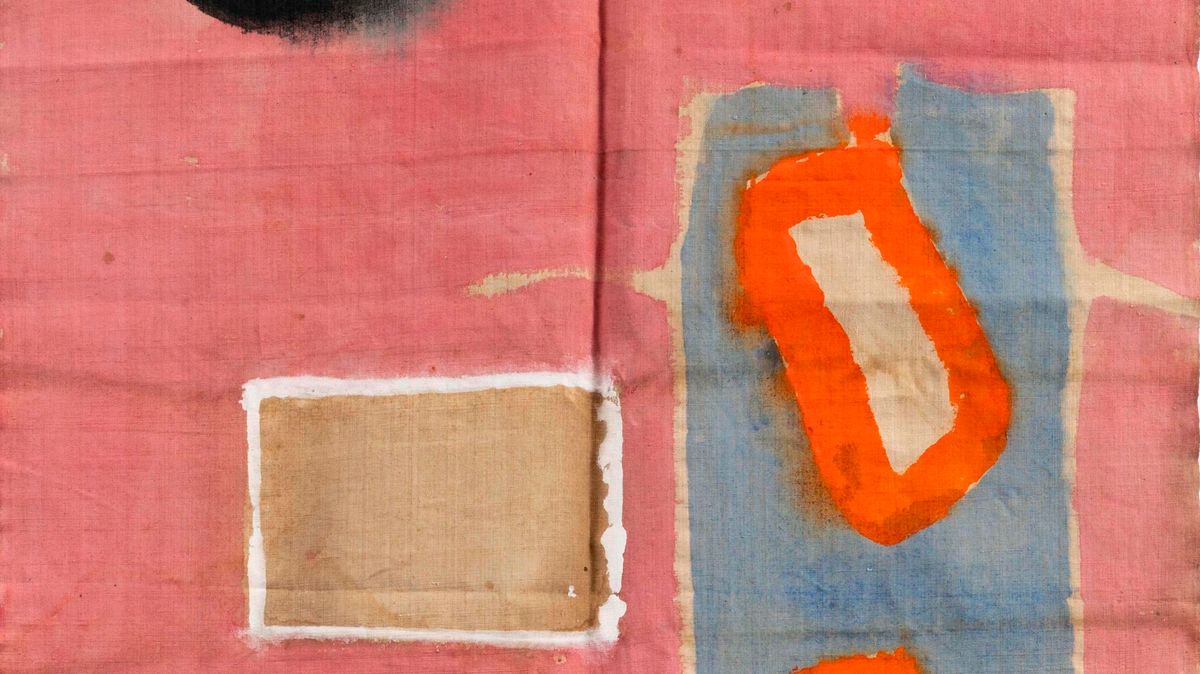
Galerie Templon in Brussels is presenting a solo exhibition of Claude Viallat, celebrating the 60th anniversary of his signature bone-shaped motif. The show features around thirty recent experimental canvases and objects from 2024 to 2026, exploring his practice of repetition and variation on diverse fabrics and found materials.

Bones in the Canal and Other Photographs

David Kordansky Gallery in New York is presenting 'Bones in the Canal and Other Photographs,' a solo exhibition of new work by Norwegian artist Torbjørn Rødland. This marks his first New York gallery show in nearly a decade. The exhibition features two distinct series, including a significant new body of smaller-format 35mm photographs that represent a major shift in his 30-year practice. The show runs from March 12 to April 25, 2026, at the gallery's West 20th Street location.

Galleries condemned, bones exploding… The National Museum of Natural History is in a serious state of disrepair, warns its president

Galeries condamnées, ossements qui explosent… Le Muséum national d’Histoire naturelle est dans un grave état de vétusté, alerte son président

The president of the Muséum national d’Histoire naturelle in Paris, Gilles Bloch, has issued a public alarm about the institution's severe state of disrepair. He warns that 74% of the museum complex is in grave danger, with urgent repairs costing an estimated €500 million needed to prevent collapse and reopen closed galleries. The deterioration includes mold-infested herbariums, flooded archives, and mineralized bones exploding due to heat and humidity, threatening the museum's world-class collection of over 70 million specimens.

Bone Insurrection

Artist Rabih Mroué's text "Bone Insurrection" is being published by Film Notes in conjunction with an upcoming screening of his films and videos at the e-flux Screening Room in New York. The text is a poetic, first-person narrative that explores the physical and psychological aftermath of historical violence, framing the self as an excavation site where trauma persists in the body.