filter_list Showing 53 results for "Found" close Clear
dashboard All 2918 museum exhibitions 1214article news 473trending_up market 302article local 276person people 183article culture 152article policy 117candle obituary 91rate_review review 53gavel restitution 49article event 3article gallery 2article museums & heritage 1article museums 1article museum 1
date_range Range Today This Week This Month All
Subscribe

the worst art we saw in 2025 2706930

Artnet News editors and writers compiled a list of the worst art of 2025, calling out works they found lazy, cynical, overhyped, or ethically dubious. Highlights include Flora Yukhnovich's site-specific painting installation at the Frick Collection, which critics deemed middling and out of place among the museum's historic masterpieces; Jeff Koons's eight-foot-tall Hulk (Tubas) sculpture, sold for $3 million at Frieze New York and described as an obnoxious trophy piece; and actor Adrien Brody's interactive gum wall installation, which invited visitors to stick chewed gum onto a canvas.

christian marclay one hit wonder clocks doors brooklyn museum 1234747681

Christian Marclay's latest supercut film, "Doors," is now on view at the Brooklyn Museum after stops in Boston and Europe. The 50-minute looped video compiles scenes of famous actors opening and closing doors from various movies, following the success of Marclay's 2011 hit "The Clock," a 24-hour video-clock that synchronizes on-screen timepieces with the viewer's actual time. The article critiques "Doors" as a less profound, more self-obsessed work that lacks the emotional resonance of its predecessor.

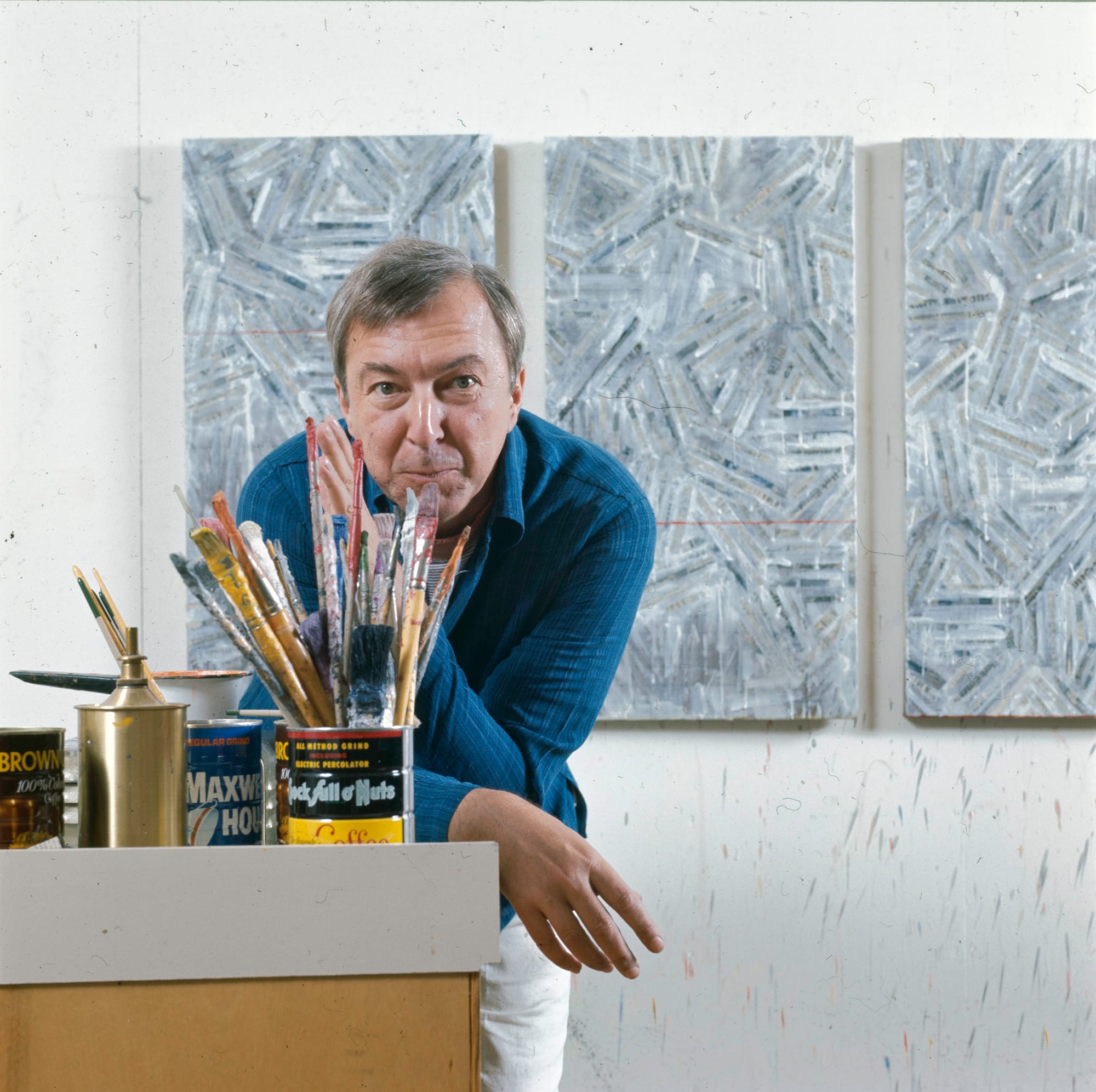
Jasper Johns Keeps Looking

Jasper Johns’s latest exhibition at Gagosian, 'Between the Clock and the Bed,' serves as a profound meditation on the artist's career-long investigation into the 'things the mind already knows.' By revisiting his signature motifs—including flags, targets, and crosshatch patterns—the show highlights Johns’s rejection of Abstract Expressionist spontaneity in favor of a deliberate, analytical process using encaustic and collage. The works document a transformation where familiar symbols are rendered into a complex visual language that bridges the gap between memory and physical presence.

lutz bacher retrospective oslo brussels 1234757045

The article reviews the first posthumous retrospective of the elusive artist Lutz Bacher, titled "Burning the Days," at the Astrup Fearnley Museum in Oslo. Bacher, who died in 2019 and whose real name was never revealed, is known for her use of found photographs and a pseudonym that led many to mistake her for a German man. The exhibition opens with her work "The Lee Harvey Oswald Interview" (1976–78), in which she discusses photography and perception by using Oswald as a stand-in, and includes other pieces such as "Jackie & Me" (1989) and "Men at War" (1975), all exploring how images and narratives produce meaning.

artists resisted fascism comrades in art andy friend 1234752655

A group of British artists, frustrated by the Great Depression and inspired by socialist ideologies, founded the Artists International Association (AIA) in the early 1930s. Initially a Communist-inflected agit-prop group, it rebranded in 1935 to broaden its anti-fascist coalition, a move that sparked internal debates about ideological purity. The article, reviewing Andy Friend's book *Comrades in Art: Artists Against Fascism, 1933–1943*, highlights key episodes such as the AIA's 1940 exhibition 'The Face of Britain,' which opened amid the Blitz after bombs damaged the gallery.

Martin Parr: Global Warning review – the great photographer in all his gluttonous, giddy glory

A major retrospective exhibition of photographer Martin Parr's work, titled 'Global Warning,' has opened at the Jeu de Paume museum in Paris. The show, which Parr helped plan before his death in December 2023, is on track to become the museum's most visited exhibition, showcasing his signature saturated, ironic, and unflinching observations of global tourism and consumerism.

Konrad Mägi review – these bland, blobby paintings are expressionism without expression

A new exhibition of early 20th-century Estonian painter Konrad Mägi at Dulwich Picture Gallery has received a scathing critical review. The reviewer finds Mägi's colorful, modernist-influenced landscapes and portraits to be bland, derivative, and devoid of the emotional depth or urgency found in the great modernists or the gallery's own Old Master collection.

What We Miss When We Talk About Giacometti

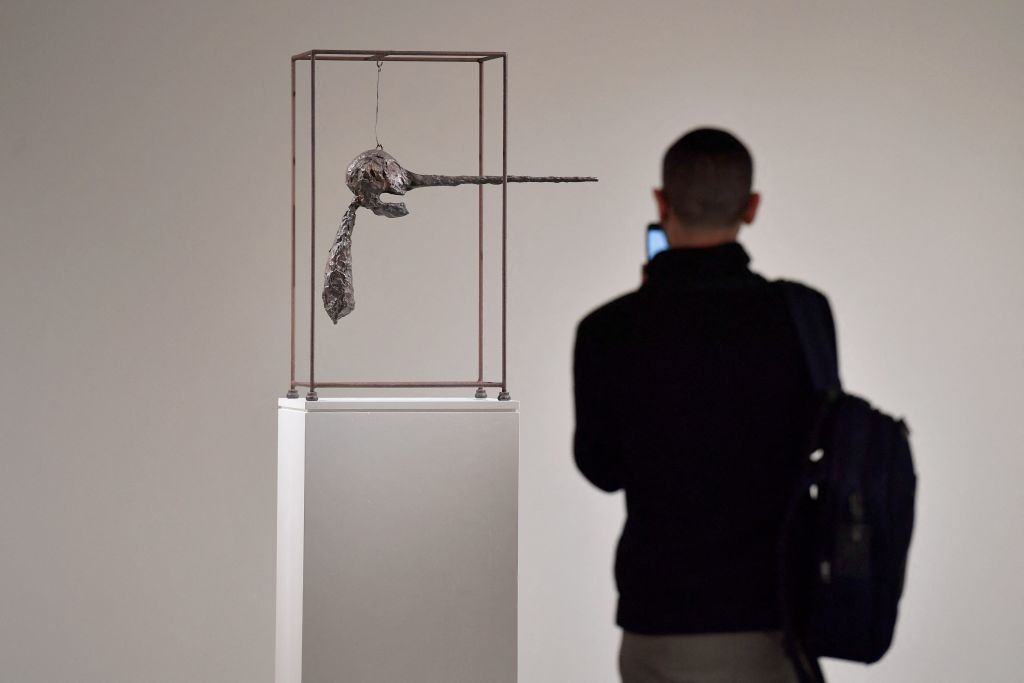
This article explores a critical reevaluation of Alberto Giacometti’s career, specifically focusing on the decade between 1935 and 1945. While Giacometti is globally recognized for his spindly, post-war 'Existentialist' figures, art historian Joanna Fiduccia’s new book, *Figures of Crisis*, argues that his mid-career departure from Surrealism to study human likeness was not a mere transition but a profound response to the political crises and nationalism of interwar France.

The Big Review: Rothko in Florence ★★★★★

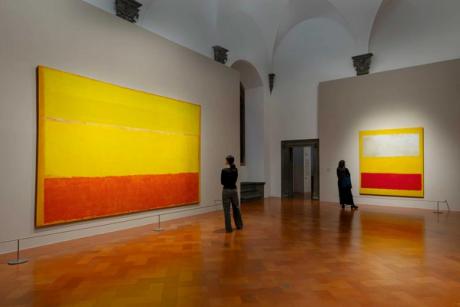
The Palazzo Strozzi in Florence has launched a major exhibition exploring the profound influence of the Italian Renaissance on Mark Rothko. Co-curated by the artist's son, Christopher Rothko, the show spans three historic locations: the Palazzo Strozzi, the Museo di San Marco, and the Biblioteca Medicea Laurenziana. By placing Rothko’s abstract canvases in direct dialogue with Fra Angelico’s frescoes and Michelangelo’s architecture, the exhibition highlights how the artist’s visits to Italy in the 1950s and 60s shaped his spatial thinking and spiritual intensity.

15th Shanghai Biennale Review: Code Switching

The 15th Shanghai Biennale, titled 'Code Switching,' has opened at the Power Station of Art (PSA). The exhibition, centered on the theme of what hears and what can be heard, features immersive installations like Allora & Calzadilla's floating yellow synthetic flowers in the atrium, which create a striking yet artificial environment that visitors eagerly photograph. The experience is framed by promotional gestures, such as free manuka honey samples, blurring lines between art, commerce, and audience participation.

worst artworks we saw around the world in 2022 2219621

Artnet News editors compiled a list of the worst artworks they encountered in 2022, including a chaotic performance by Poncili Creación at NADA Miami, an overproduced Danish Pavilion installation by Uffe Isolotto at the Venice Biennale, and a Paul Cézanne painting at the Barnes Foundation that disappointed a critic. The article offers subjective, critical takes on these works, describing the NADA performance as bizarre and jolting, the Danish pavilion as graphic and lacking a powerful message, and the Cézanne as a disappointment within an otherwise memorable museum visit.

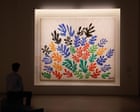
Matisse, 1941-1954 review – hit after glorious hit in a show of life-enhancing genius

A major exhibition at the Centre Pompidou and the Grand Palais focuses on the final, revolutionary period of Henri Matisse's career, from 1941 to 1954. The show charts his artistic reinvention following a life-threatening surgery, beginning with obsessive, reworked paintings from his Nice studio during the war and culminating in the radiant, large-scale cut-outs for which he is widely celebrated.

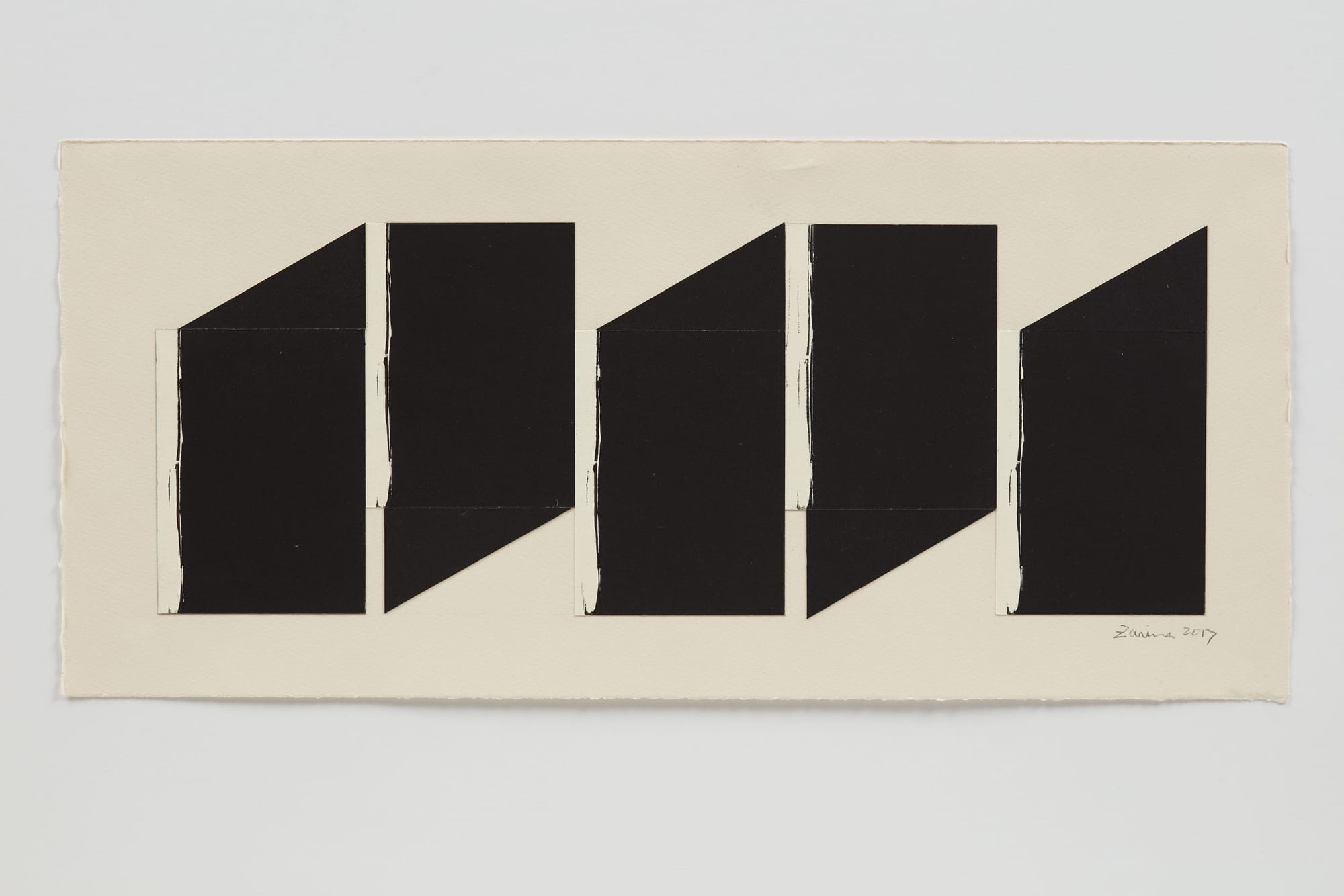
Zarina Brought the World to New York

The article reviews the exhibition "Beyond the Stars" at Luhring Augustine Gallery, showcasing the work of artist Zarina Hashmi (known as Zarina). It highlights her spare, post-minimalist prints and sculptures that explore themes of mapping, home, and migration, rooted in her peripatetic life from pre-Partition India to New York. The show features 32 works that demonstrate her unique visual language, embedded in Urdu, South Asian histories, and mysticisms.

Notes from New York: The World in a Convex Mirror

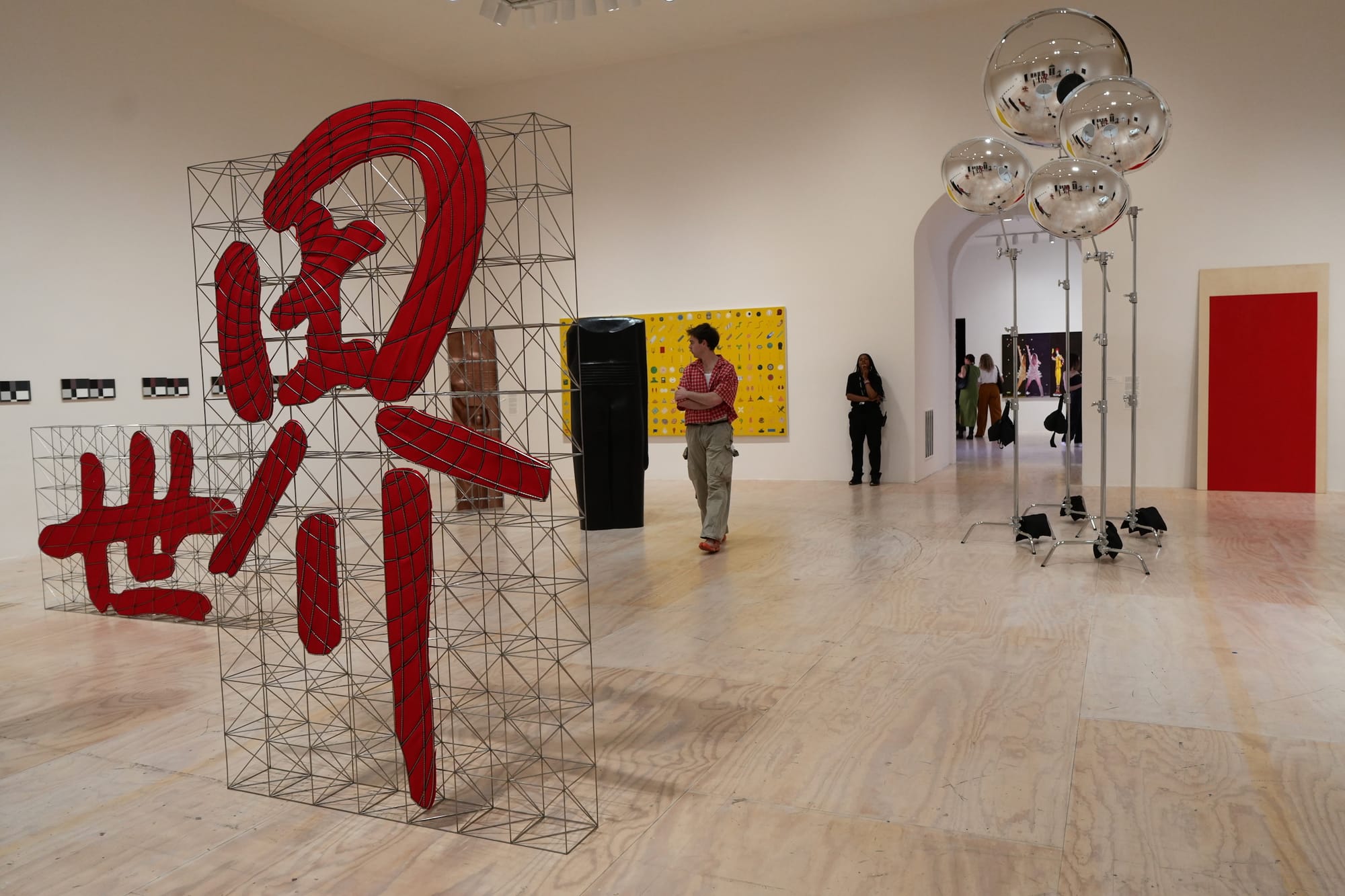
The article reviews the sixth edition of MoMA PS1's quinquennial survey 'Greater New York 2026,' which coincides with the institution's 50th anniversary. It highlights works by artists such as Covey Gong, Win McCarthy, Mekko Harjo, and Sophie Friedman-Pappas, noting how the exhibition's themeless structure and use of reflective surfaces create a hall of distorted reflections. The show includes 53 emerging and midcareer artists, mostly millennials, and is accompanied by a block party and gala rather than a dedicated commemorative exhibition like FORTY (2016).

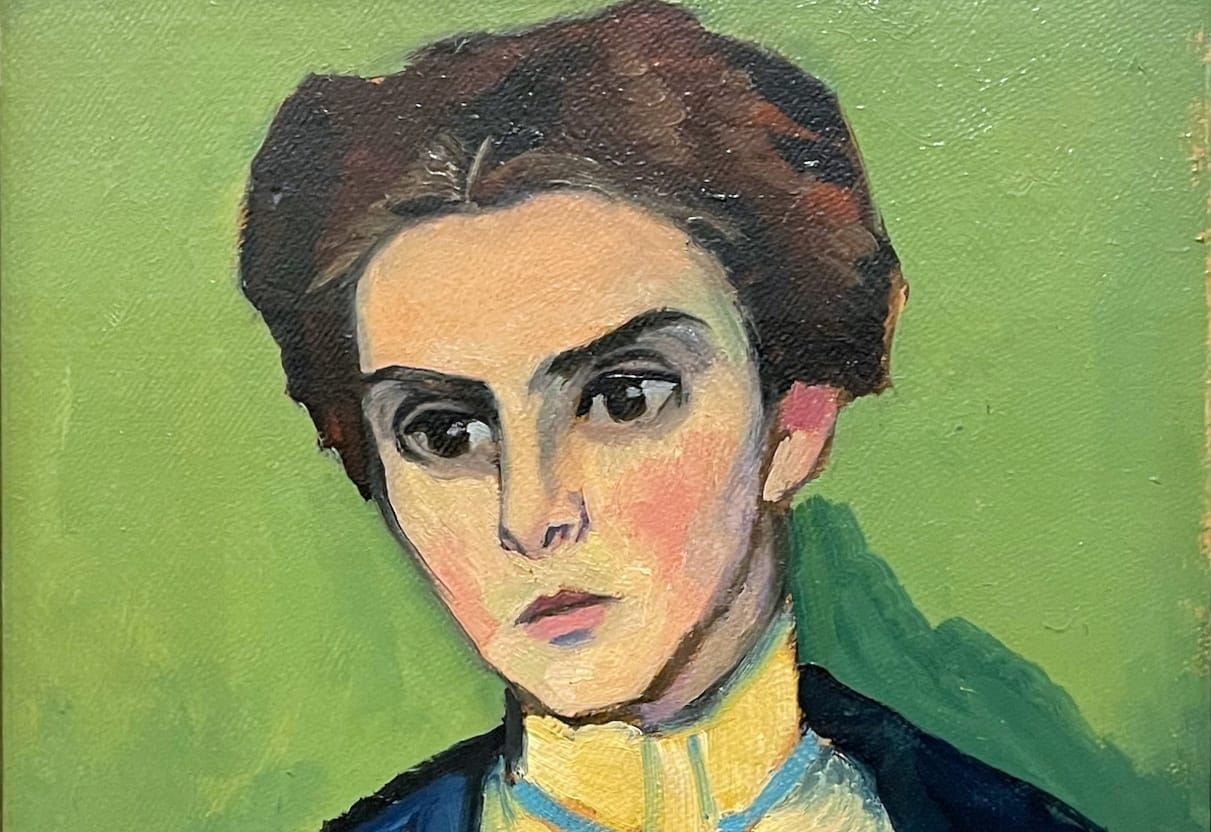
It’s Gabriele Münter’s World, We’re Just Living in It

The Solomon R. Guggenheim Museum is hosting "Contours of a World," a retrospective dedicated to Gabriele Münter, a co-founder of the Blue Rider group. The exhibition moves beyond the shadow of her long-time partner Wassily Kandinsky, showcasing her distinct approach to German Expressionism through photography, intimate domestic scenes, and vibrant landscapes. Unlike her contemporaries who leaned toward total abstraction, Münter utilized bold outlines and layered compositions to create a dynamic, phenomenological experience of seeing.

Nat Faulkner: The Stuff of Photography

Artist Nat Faulkner has opened a new exhibition at Camden Art Centre featuring works that explore the physical and chemical foundations of photography. The show includes large-scale photographic pieces like 'Aqua Fortis' and sculptural works such as 'Aperture (Iodine)', which uses iodine solution in skylight panels to bathe the space in amber light, alongside silver-plated 'Analogue' reliefs created through electroplating.

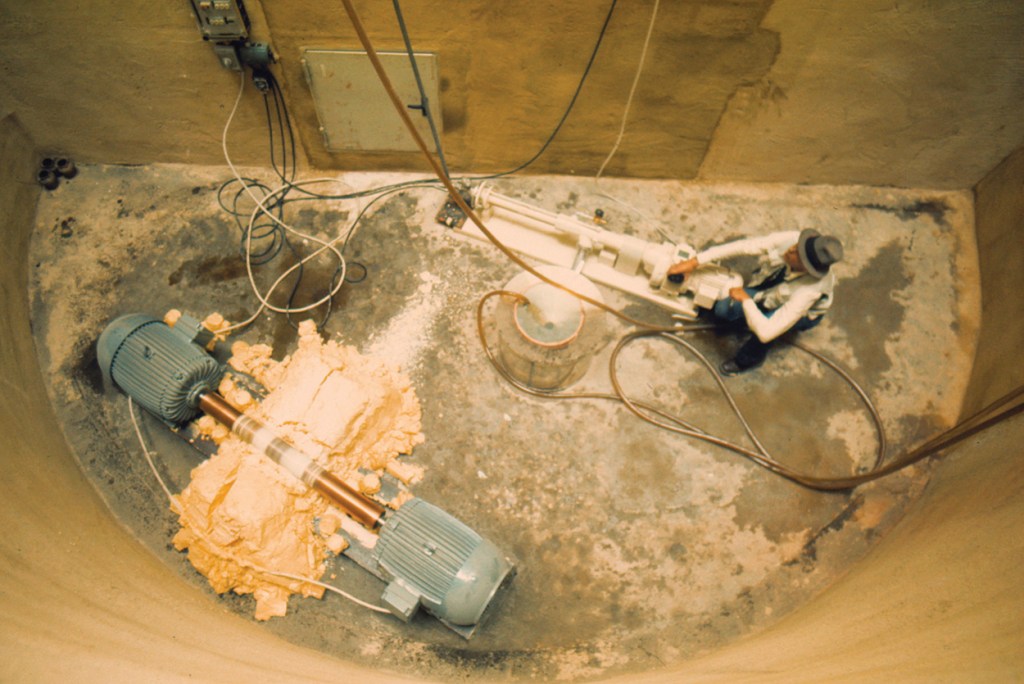
joseph beuys daniel spaulding honigpumpe 1234776979

Joseph Beuys remains one of the most polarizing figures in 20th-century art, a former Nazi soldier who reinvented himself as a shamanic healer and a founding member of the Green Party. A new monographic study by art historian Daniel Spaulding, 'Joseph Beuys and History', re-evaluates the artist's legacy by confronting his refusal to apologize for his wartime past and his use of ambiguous materials like fat and felt. Spaulding argues that Beuys’s work should be read through the lens of 'bad faith,' where his utopian slogans masked a deep, unresolved engagement with the horrors of the Holocaust.

Zurbarán review – ecstatic visions, primitive surrealism … and the finest loincloths ever painted

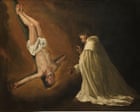
The Guardian reviews a major exhibition of 17th-century Spanish painter Francisco de Zurbarán, highlighting his visionary and surrealist qualities. The show features works such as "The Apparition of Saint Peter to Saint Peter Nolasco" (1629), newly attributed paintings including a giant mask, and iconic pieces like "The Crucified Christ" and "Saint Serapion," all drawn from collections including the Prado and the National Gallery, London. The review emphasizes Zurbarán's ability to paint supernatural subjects with naturalistic conviction, his exquisite rendering of fabrics—especially loincloths—and his influence on modern artists like Salvador Dalí.

Handpicked review – delightful dancing dahlias and petals so pillowy you can feel them

The Guardian reviews "Handpicked," an exhibition at Kettle's Yard in Cambridge that brings together over 40 artists from the 20th century to the present, all sharing a floral passion. The show features works by Rory McEwen, Vanessa Bell, Cedric Morris, Christopher Wood, Tirzah Garwood, Celia Paul, Gluck, and Caroline Walker, among others, displayed on white and leaf-green walls inspired by the fresh flowers and floral paintings in the neighboring house. The review highlights specific pieces, such as McEwen's exquisite tulip watercolor and Garwood's poignant painting from the last year of her life, noting the technical variety and emotional depth across the exhibition.

MoMA Survey Shows How Marcel Duchamp Changed the Art Game

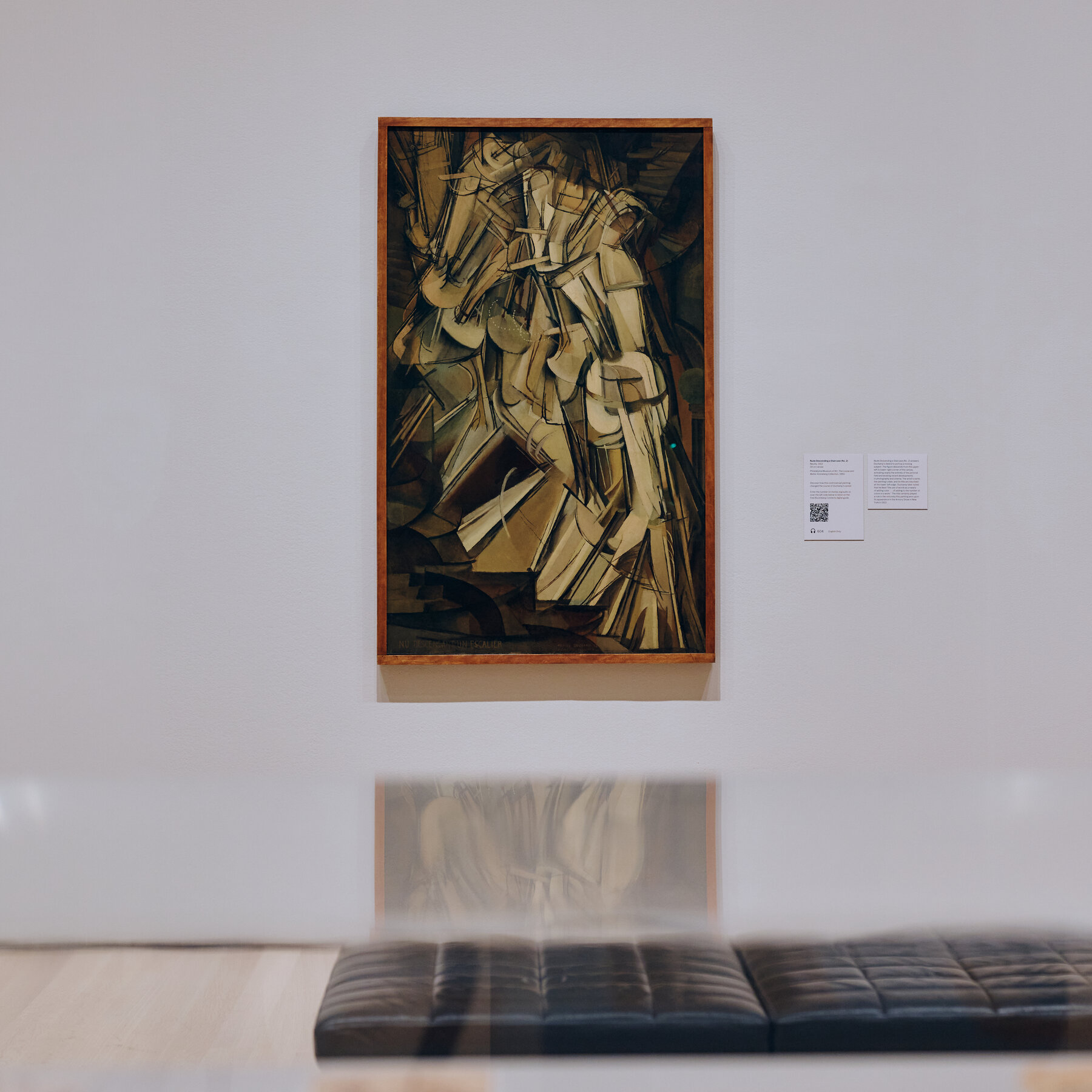
The Museum of Modern Art (MoMA) has launched a comprehensive survey of Marcel Duchamp’s work, highlighting the artist's revolutionary impact on the definition of art. The exhibition traces Duchamp's transition from traditional painting to his radical 'readymades,' which prioritized intellectual concepts over aesthetic craftsmanship.

Why Felix Gonzalez-Torres’s Go-Go Dancer Piece Remains Subversive

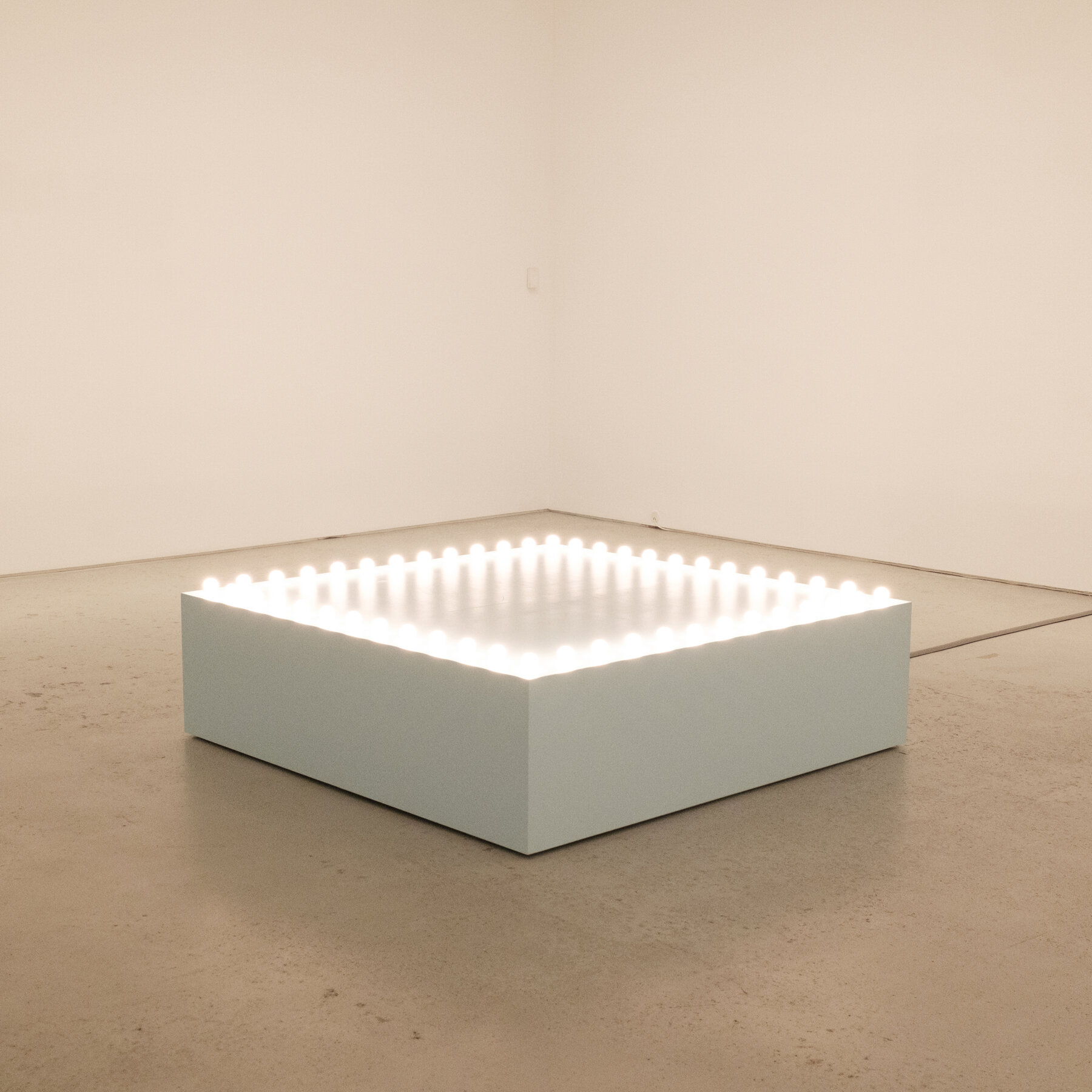
The New York Times examines the enduring power of Felix Gonzalez-Torres's 1991 performance piece "Untitled" (Go-Go Dancing Platform), in which a go-go dancer performs on a pedestal for a brief, scheduled period each day. The work, currently on view at the Art Institute of Chicago, uses the dancer's absence as a central component, creating a poignant metaphor for queer presence and loss.

Paula Rego review – tantalising drawings with the shoeprints left on them

Victoria Miro is hosting the largest exhibition of Paula Rego’s drawings to date, curated by the artist’s son, Nick Willing. Spanning from the 1950s until her death in 2022, the show features intimate pencil sketches, pastels, and ink drawings that reveal the foundational narratives of her career, including her early childhood sketches, her fierce opposition to the Salazar dictatorship, and her advocacy for women's rights.

Locating Luigi Ghirri

Fashion photographer Alessio Bolzoni and film director Luca Guadagnino have collaborated on 'Felicità', a new book and exhibition at Thomas Dane Gallery featuring 45 previously unseen color photographs by the late Italian master Luigi Ghirri. The project is divided into two portfolios: the first focuses on intimate, abstract details of found objects and surfaces in Modena, while the second expands into larger vistas and populated spaces across Italy during the 1980s.

What’s Left to Learn from Marcel Duchamp?

The article examines Marcel Duchamp's enduring influence on contemporary art, focusing on his readymades such as "Fountain" (1917) and "Bicycle Wheel" (1913/1951). It notes that a major survey co-organized by the Museum of Modern Art and the Philadelphia Museum of Art, 70 years after Duchamp predicted his true public would emerge in 50 to 100 years, reaffirms his status as the most influential artist of the past century. The piece discusses how Duchamp's practice of selecting and presenting ordinary objects as art—from a urinal to a snow shovel—once shocked the art world but now seems quaint compared to later works like Maurizio Cattelan's taped banana.

Exhibition Review: “Alan Davie: Paintings, 1959 - 1971” at A Hug from the Art World, Chelsea (long-term viewing, by appointment)

A Hug from the Art World in Chelsea is presenting a long-term exhibition of Scottish Abstract Expressionist Alan Davie (1920–2014), focusing on his work from 1959 to 1971. Gallery founder Adam Cohen, who discovered a Davie painting in his father Frank Cohen's collection, curated the show to highlight what he considers Davie's most influential period, when his style evolved into a psychedelic, complex visual language amid the rise of Pop Art and Minimalism.

Hans Holbein Painted the Human

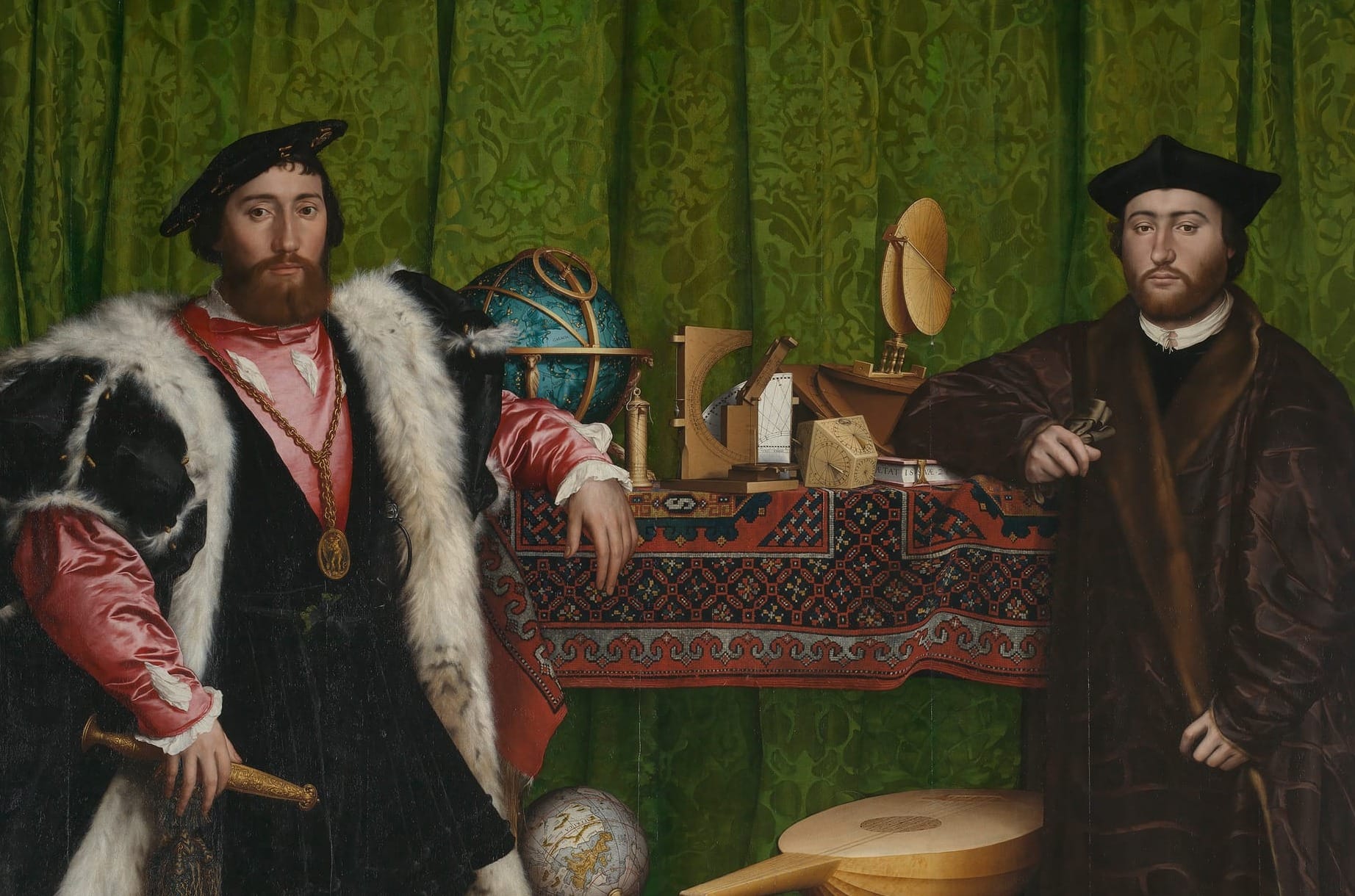
A new book, 'Holbein: Renaissance Master' by Elizabeth Goldring, published by Yale University Press and the Paul Mellon Centre, offers a comprehensive scholarly examination of the 16th-century German painter Hans Holbein the Younger. The review focuses on Holbein's masterful portraiture, particularly his depictions of opposing Tudor-era figures like Sir Thomas More and Thomas Cromwell, which are highlighted as embodying the era's complex political and religious tensions through their visual presentation at the Frick Collection in New York.

MoMA PS1’s “Greater New York” Is Gritty, Stunning, and Gutting

MoMA PS1 has launched the sixth edition of "Greater New York," a quinquennial survey featuring over 50 artists living and working in the city. Coinciding with the museum’s 50th anniversary, the 2026 iteration focuses on artists in the formative stages of their careers, emphasizing a gritty, raw aesthetic over the polished, market-driven surfaces often found in major biennials. The exhibition highlights photography and installation work that reflects the city's complex immigrant narratives and evolving urban identity.

An Analog Tether

A new wave of gallery exhibitions is championing analog physicality and personal intimacy as a direct counter-response to the rise of AI-generated imagery. Artists like Ben Wolf Noam and Joseph Geagan are utilizing traditional mediums such as charcoal, lithography, and oil paint to capture spontaneous, sentimental moments of human connection, from family dinners to portraits of friends. These works emphasize the "hospitable mess" of real life, prioritizing the recognizable faces and tangible textures that AI often flattens.

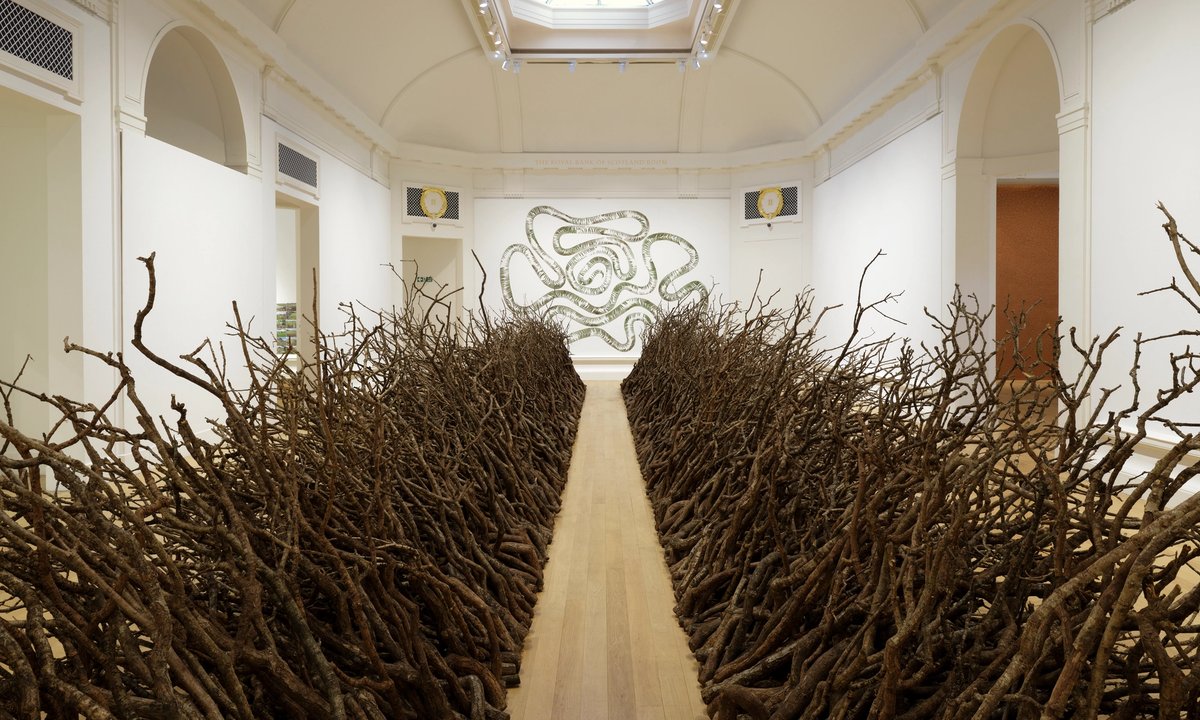
Comment | I used to think it wasn’t cool to like Andy Goldsworthy—now I see how he helps us appreciate the natural world

Mia maxima culpa. For many years I felt it wasn’t cool to like Andy Goldsworthy. The British artist’s interventions in and workings with nature, while highly skilful and often very beautiful, seemed out of kilter with an increasingly hardcore, conceptually underpinned and urban-orientated art world. It also didn’t help that most of his work could only be experienced at one remove. Books and photographs were the only record of the ephemeral pieces he’d created from ice, leaves, sticks and stones; as well as of the more lasting installations—walls, sheepfolds, cairn paths and giant arches—he’d make in situ, usually in remote locations across the world.

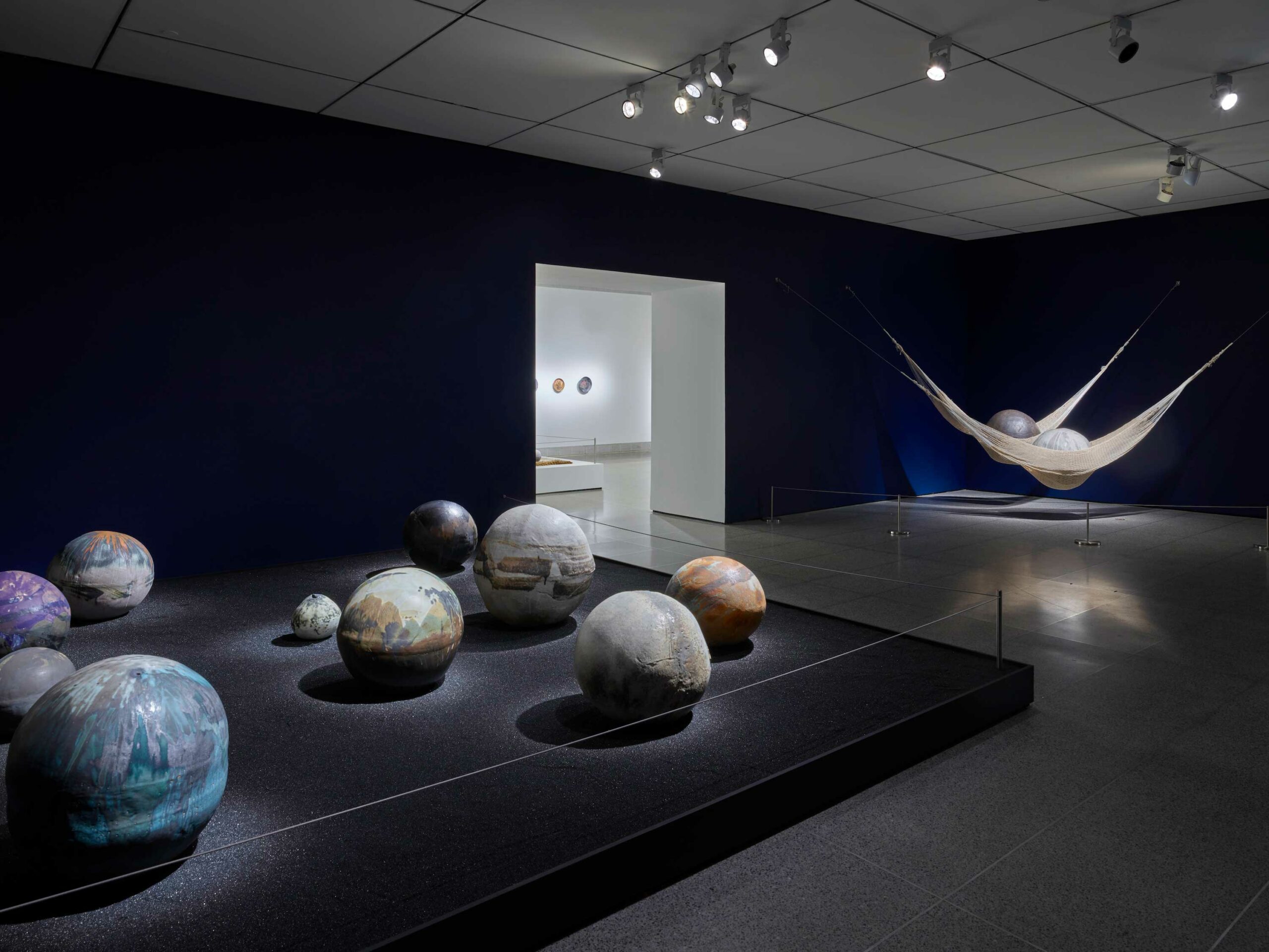
Review: “Toshiko Takaezu: Worlds Within” at the Museum of Fine Arts, Houston

The article reviews "Toshiko Takaezu: Worlds Within" at the Museum of Fine Arts, Houston, the artist's first nationally touring retrospective in 20 years. Organized by the Isamu Noguchi Foundation and Garden Museum, the exhibition features some 100 artworks from the 1950s until her death in 2011, including large-scale ceramics, weavings, and paintings. It traces Takaezu's journey from her childhood on a Maui watercress plantation to her transformative studies at Cranbrook Academy of Art and a pivotal trip to Japan, where she studied Zen Buddhism and worked under various ceramicists.