filter_list Showing 23 results for "VISION" close Clear
search
dashboard All 431 museum exhibitions 255article news 37article culture 33article local 32person people 23rate_review review 23candle obituary 11trending_up market 9article policy 8
date_range Range Today This Week This Month All
Subscribe

The Big Review | Venice Biennale 2026: In Minor Keys ★★★½

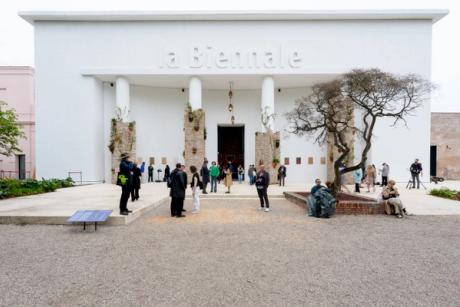
The Venice Biennale 2026, titled "In Minor Keys," was curated posthumously following the death of artistic director Koyo Kouoh in May 2025. A team of five curators and advisors—Gabe Beckhurst Feijoo, Marie Hélène Pereira, Rasha Salti, Siddhartha Mitter, and Rory Tsapayi—executed her vision across the Giardini and Arsenale venues. The exhibition features 110 artists, with a strong emphasis on new commissions, and is structured around themes of procession, resistance, and joy. Key works include Big Chief Demond Melancon's "Amistad Takeover" (2026), Nick Cave's "Amalgam (Origin)" (2025), and Otobong Nkanga's rewilded columns at the Central Pavilion.
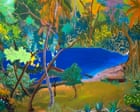
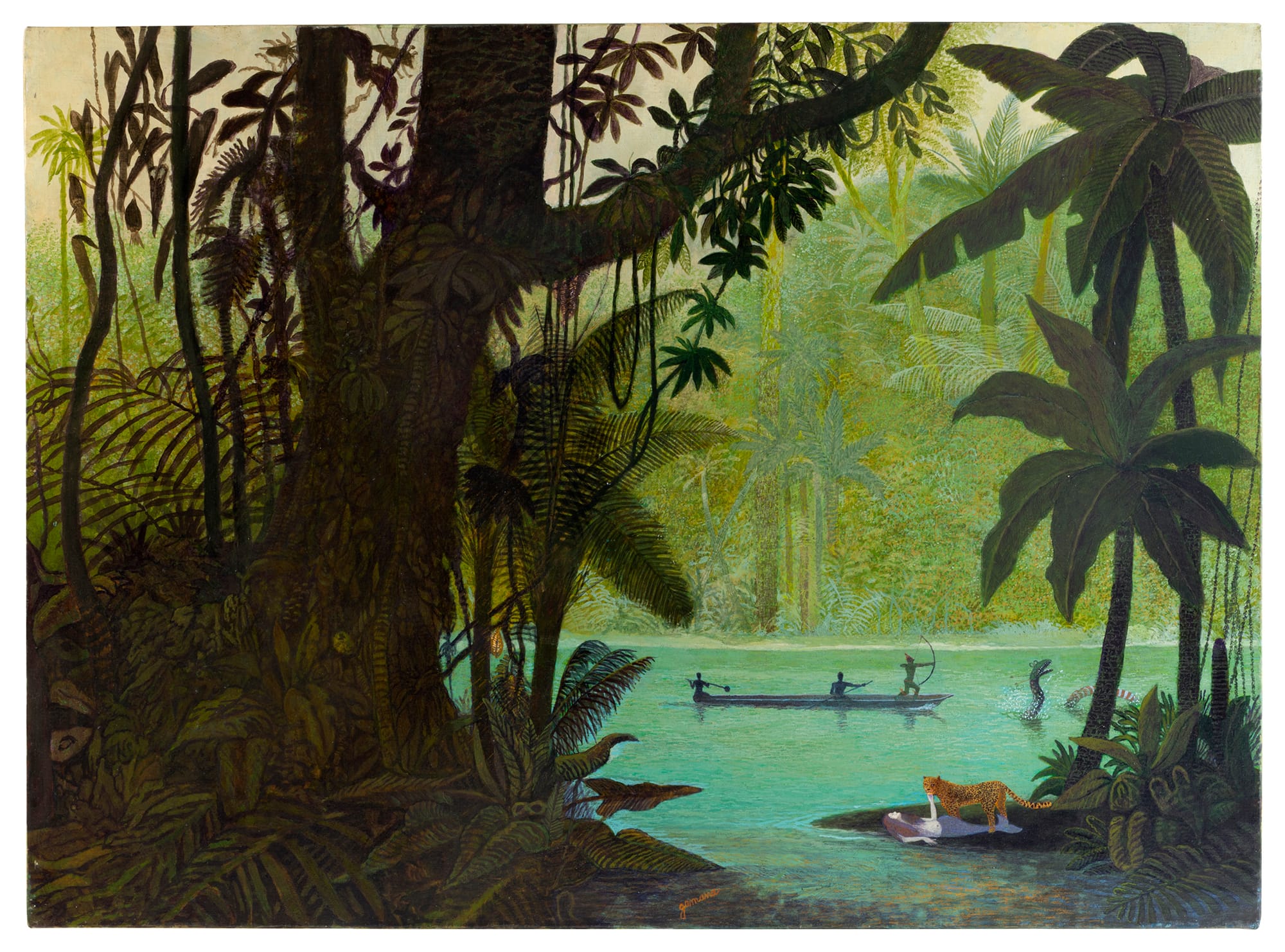
Hulda Guzmán review – lizards and ghosts gather for an art freakout in the rainforest

Hulda Guzmán's first institutional exhibition in Europe, "Please Awake – Asked Nature Kindly," is on view at Turner Contemporary in Margate, UK. The show features the Dominican artist's ultra-colorful, psychedelic jungle paintings that blend art historical references—from Japanese ukiyo-e prints to pointillism and symbolism—with personal mythology, demons, spirits, and lush tropical landscapes. The works are drawn from her life in the Dominican rainforest, where she lives and works in a studio built by her architect father.

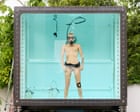
What does a woman swimming in urine tell us about the state of the world? Lots! – Venice Biennale review

The 2026 Venice Biennale, curated by the late Koyo Kouoh under the theme "In Minor Keys," has been plagued by months of turmoil including countries withdrawing, artists being fired, exhibitions cancelled, funding pulled, and protests during the preview. A five-person curatorial team took over after Kouoh's death, resulting in what the critic describes as a disjointed, committee-driven exhibition that prioritizes quiet contemplation and healing over direct political engagement. The central shows in the Giardini and Arsenale feature a vast, poorly explained array of art from the global south, with installations of ceramics, textiles, slide projectors, and serene natural scenes that the critic finds anachronistic and dull.

Fantastic visions and cosmic rhythms: how Whistler is making me see – and hear – differently

The article explores how the James McNeill Whistler exhibition at Tate in London prompts a reconsideration of the relationship between music and visual art. Whistler titled his works using musical terms like "Arrangement," "Symphony," and "Nocturne," arguing that painting should be abstract and independent of narrative, much like instrumental music. The exhibition, reviewed by Jonathan Jones, highlights Whistler's radical art-for-art's-sake philosophy, which influenced composer Claude Debussy, whose orchestral Nocturnes were directly inspired by Whistler's paintings of light and atmosphere.

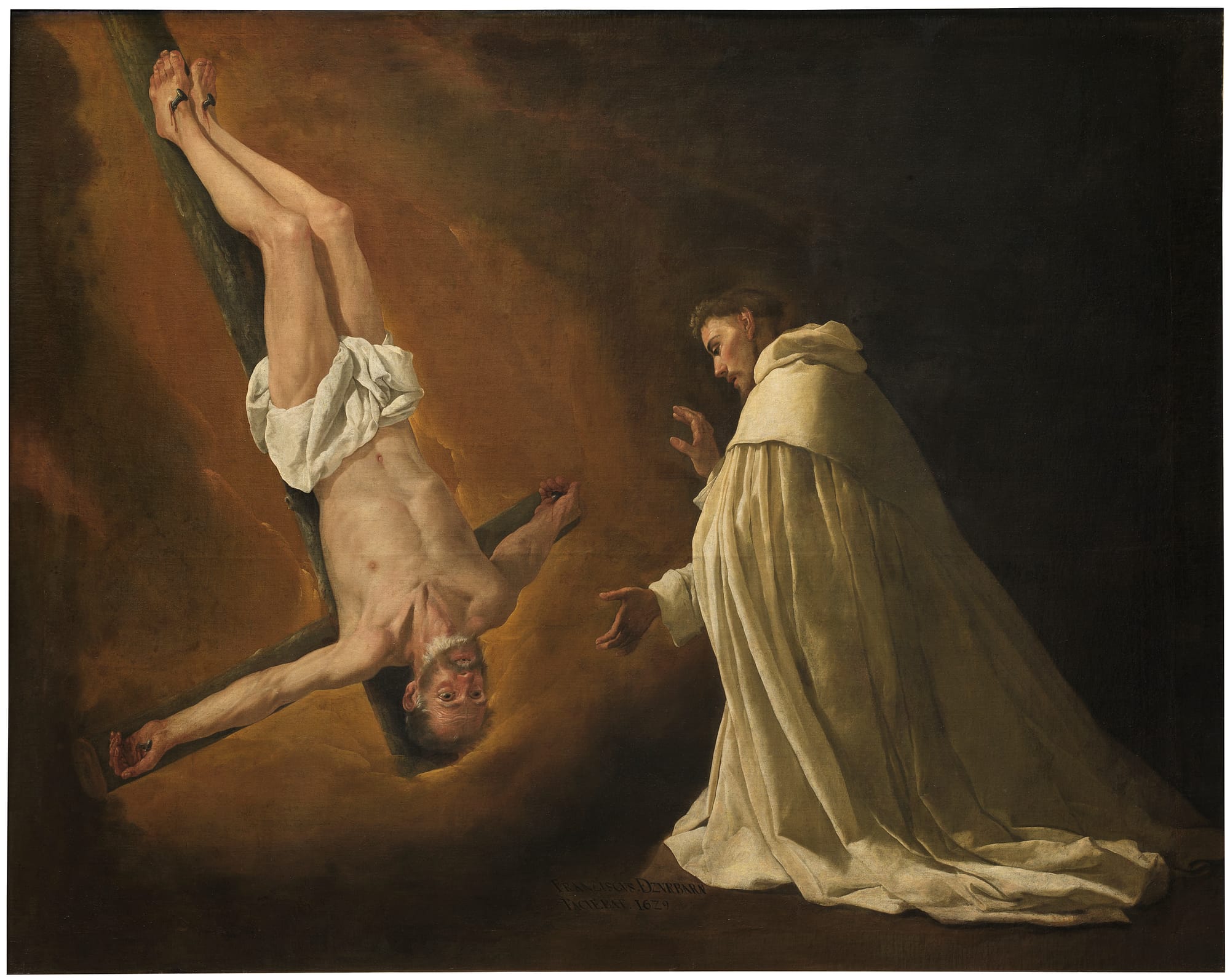
Zurbarán review – ecstatic visions, primitive surrealism … and the finest loincloths ever painted

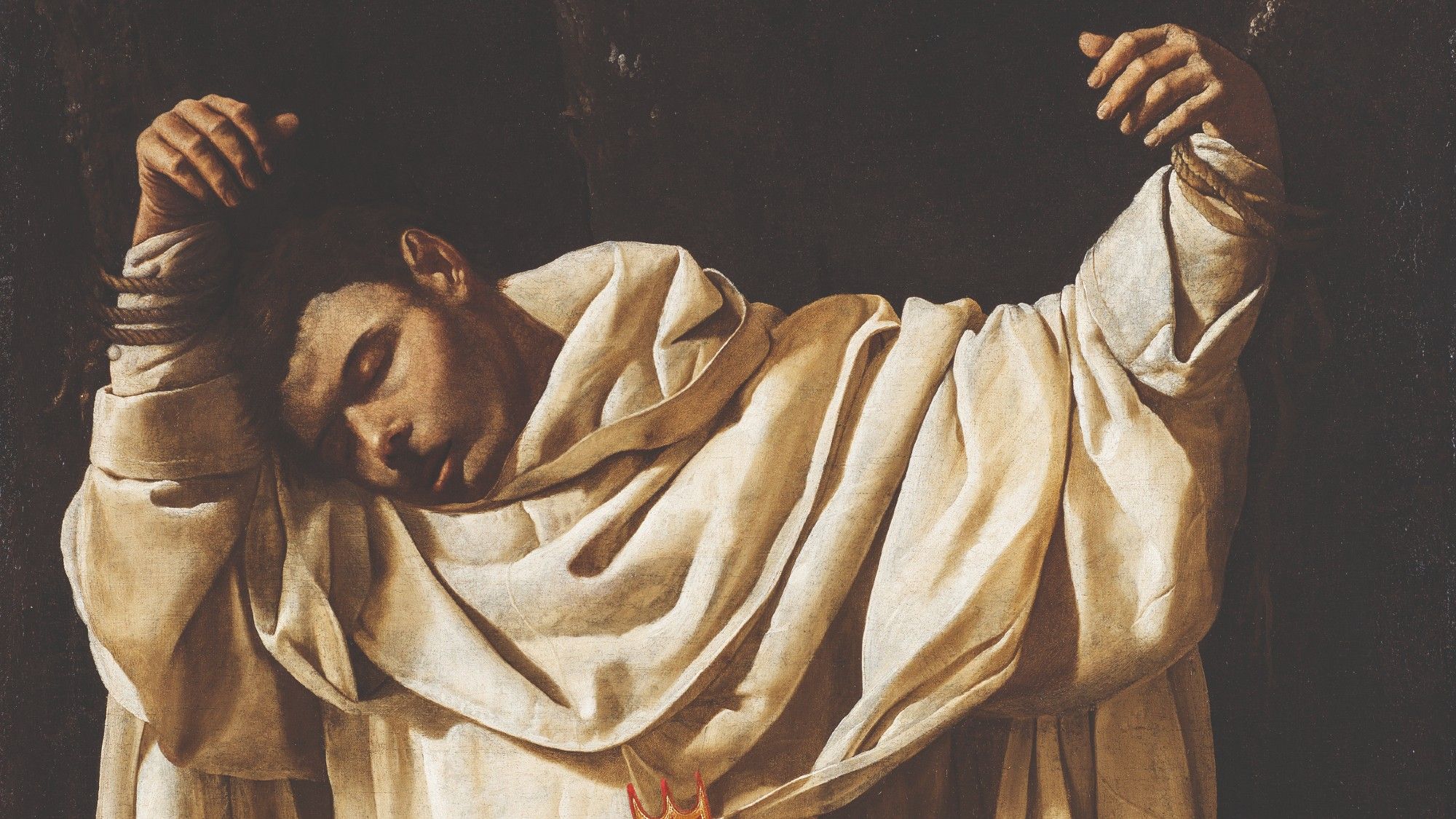
The Guardian reviews a major exhibition of 17th-century Spanish painter Francisco de Zurbarán, highlighting his visionary and surrealist qualities. The show features works such as "The Apparition of Saint Peter to Saint Peter Nolasco" (1629), newly attributed paintings including a giant mask, and iconic pieces like "The Crucified Christ" and "Saint Serapion," all drawn from collections including the Prado and the National Gallery, London. The review emphasizes Zurbarán's ability to paint supernatural subjects with naturalistic conviction, his exquisite rendering of fabrics—especially loincloths—and his influence on modern artists like Salvador Dalí.

The Carnegie International Looks Back at Itself

The 58th Carnegie International at the Carnegie Museum of Art in Pittsburgh looks back at its own 130-year history, featuring a gallery dedicated to past iterations. The exhibition includes Chris Ofili's "The Adoration of Captain Shit and the Legend of the Black Stars" (1998), which was originally shown in the 53rd International in 1999, the same year Ofili's more notorious "The Holy Virgin Mary" sparked controversy at the Brooklyn Museum. The article reviews how the current iteration captures the excitement of earlier exhibitions while providing commentary on authoritarianism and militarism.

Édouard Glissant’s Museum-as-Archipelago

The article reviews the exhibition "The Earth, the Fire, the Water, and the Winds: For a Museum of Errantry with Édouard Glissant" at the Center for Art, Research and Alliances (CARA) in New York, the first U.S. showing of works from the personal collection of Martinician philosopher and writer Édouard Glissant. Curated from his archive, the exhibition features artists such as Roberto Matta, Wifredo Lam, Etel Adnan, Irving Petlin, Antonio Seguí, Öyvind Fahlström, Jack Whitten, and Mel Edwards, reflecting Glissant's friendships and intellectual exchanges across Europe, Africa, and the Americas. Highlights include Antonio Seguí's large pastel works from his Titanic series.

Roses and Thorns of Greater New York

The article is a digest of recent art news, with a primary focus on critical reviews of the 2026 "Greater New York" exhibition at MoMA PS1. Hyperallergic's editorial team provides mixed assessments of the works in the massive quinquennial survey of local artists. The piece also covers American-French sculptor Barbara Chase-Riboud's decision to decline an invitation to represent the United States at the 61st Venice Biennale, citing the problematic nature of the pavilion's commissioning entity.

Mary Frank Creates Her Own Pantheon

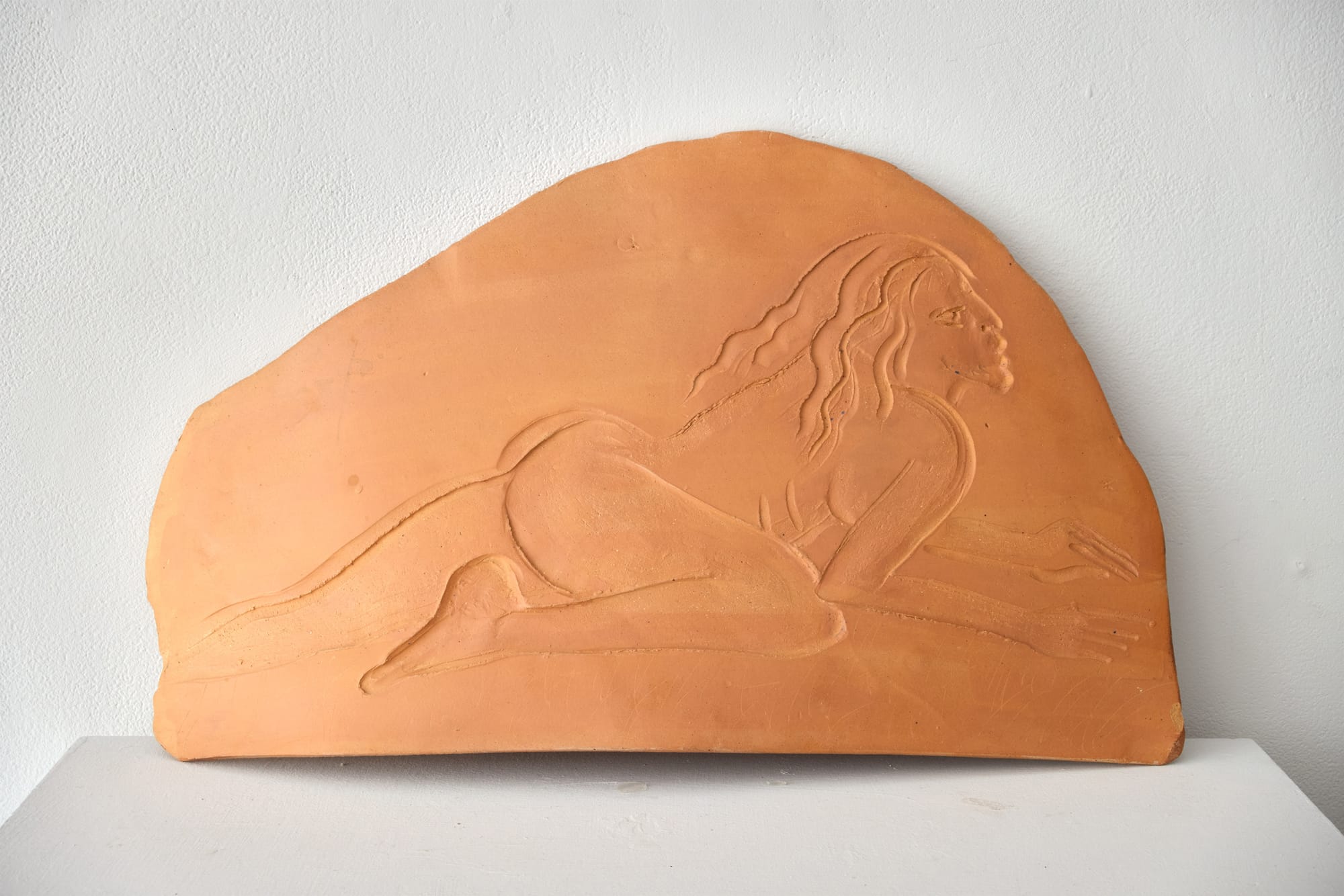
Mary Frank, an artist in her early 90s known for mythologically rooted sculpture and works on paper, is the subject of a focused exhibition at Steven Harvey Fine Art Projects in New York. Curated by Steven Harvey, the show presents 11 sculptures in wood, bronze, and ceramic from 1958 to 1985, alongside five works on paper, including a monotype and an oil-on-paper piece. Frank’s work, influenced by her study with Martha Graham, centers on self-sustaining female figures that embody agency, tenderness, and survival, often rendered in ceramic slabs or carved wood.

How Former Fashion Designer Emma Safir Turns Fabric into Beguiling Paintings

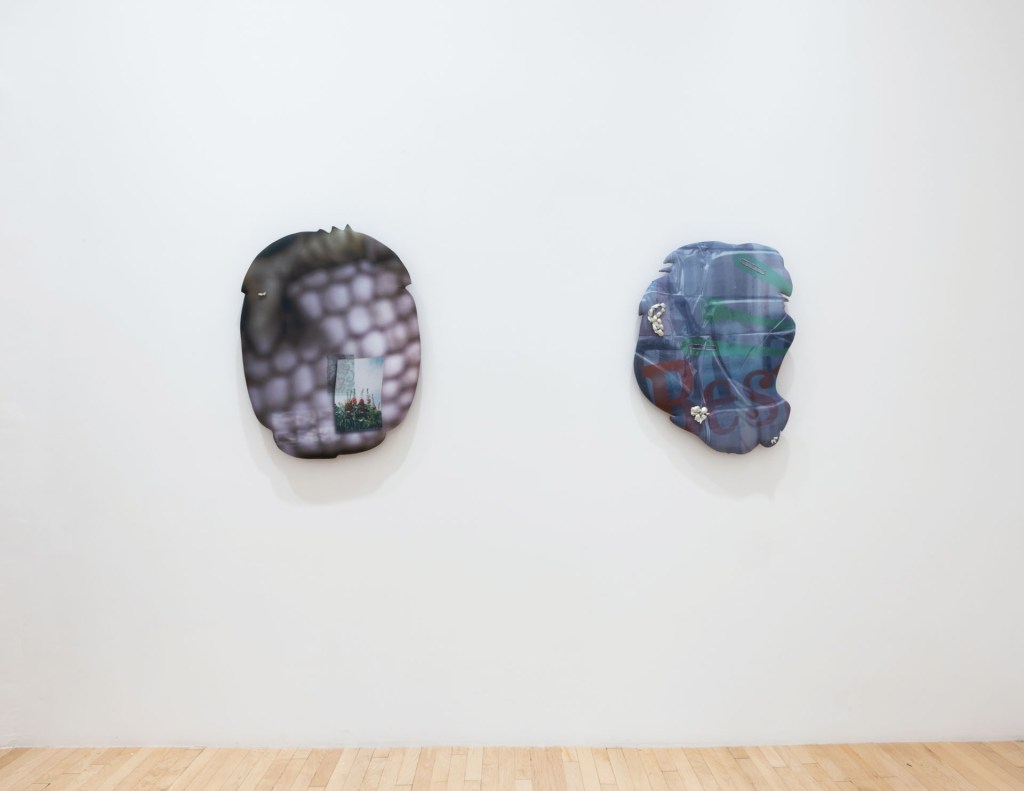
Emma Safir, a former fashion designer and printmaker, creates beguiling paintings and tapestries that blend textiles, digital printing, and traditional embroidery techniques. Her works, such as "APRICOT SILK" (2025) and "BABY DARLING" (2025), use smocking, glass beads, and shells to produce organic, jewel-toned surfaces that resist easy reflection or entry, challenging viewers to engage with layered material hierarchies.

Martin Wong’s Brick Monument to Popeye

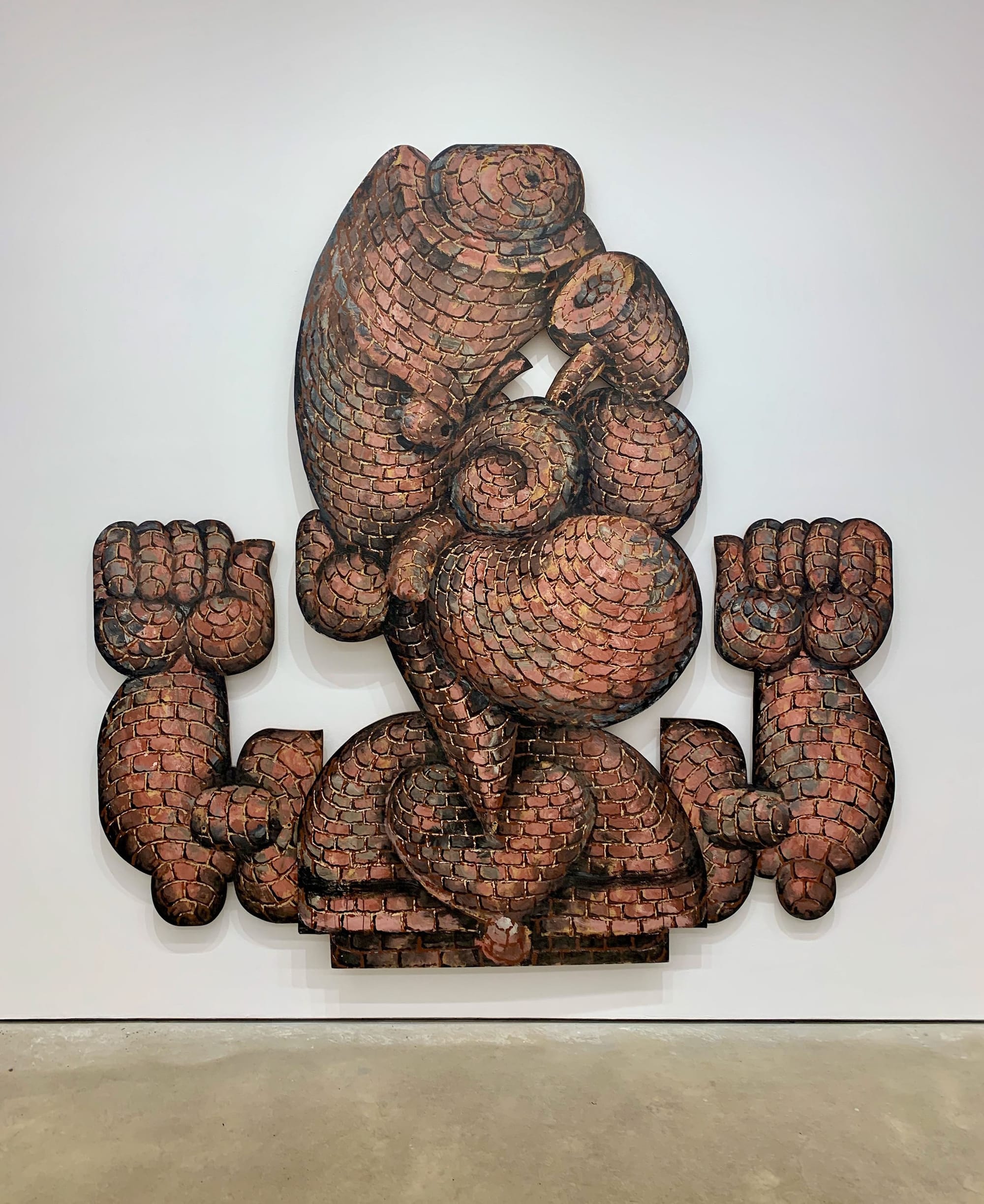
Hyperallergic reviews Martin Wong's posthumous exhibition "Popeye" at PPOW gallery, featuring six motorized plywood panels that reimagine the cartoon character Popeye as curving brickwork. The show includes smaller works like "Sacred Shroud of Pepe Turcel" (1989–90) and paintings of vintage cartoon characters Mutt and Jeff, Little Lulu and Tubby, all rendered in Wong's signature brick style. The review highlights Wong's queer, magpie sensibility and his ability to cross boundaries between high and low culture.

Zurbarán: a ‘magnificently choreographed’ showing of the Spanish ‘genius’

The article reviews the first-ever British exhibition dedicated to Spanish Baroque painter Francisco de Zurbarán, held at the National Gallery in London. The show brings together 40 works from collections spanning Seville to San Diego, featuring his hyper-real religious paintings and radiant still lifes, described as a 'magnificently choreographed' trawl through his oeuvre. Critics praise the exhibition for its dramatic lighting and revelatory presentation, though some note uneven quality in his later works.

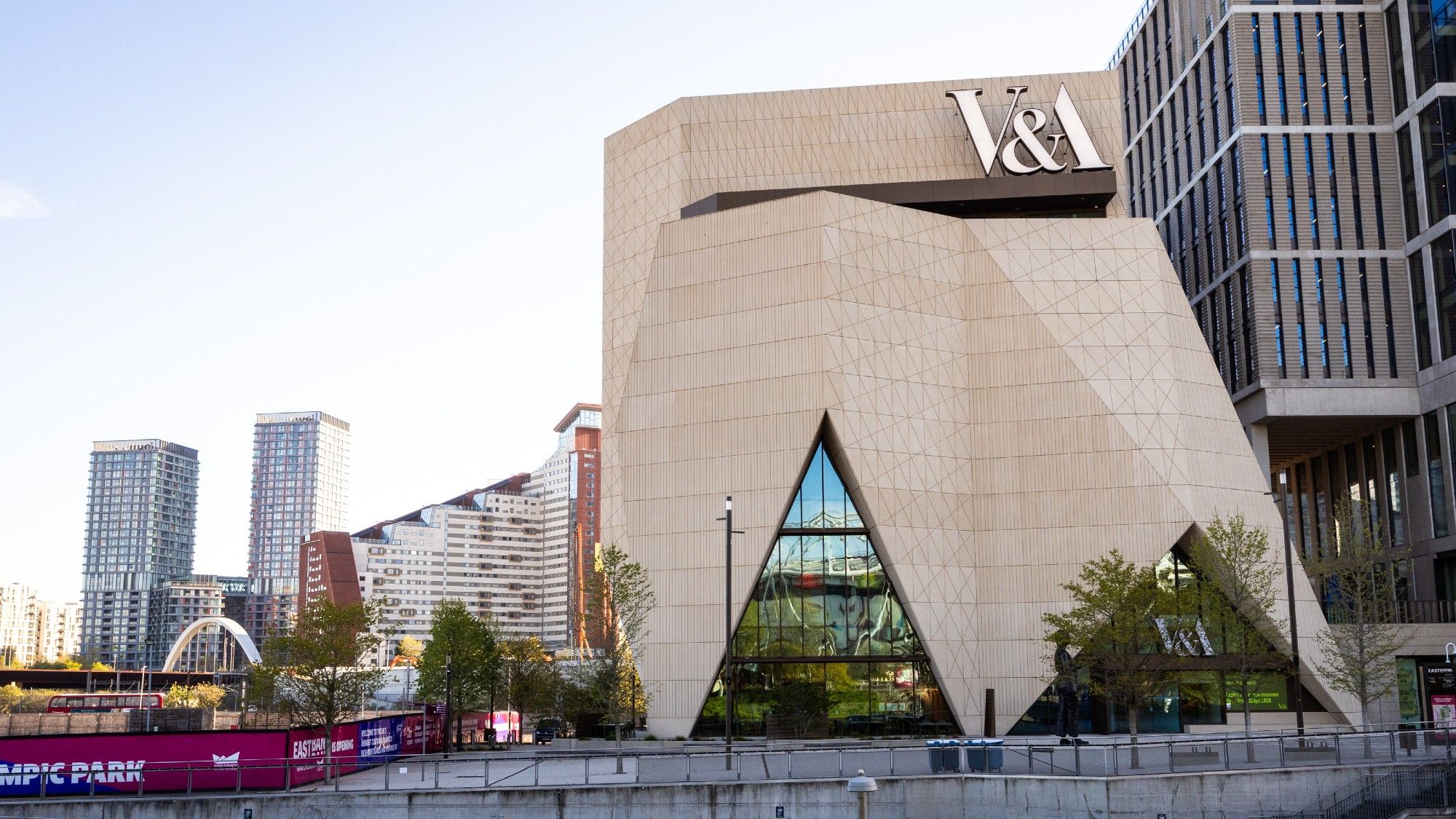
The new London museum that looks like a ‘reconstructed Toblerone’

The V&A has opened a new outpost in east London's Lower Lea Valley, a former industrial area transformed into a cultural quarter after the 2012 Olympics. The museum, described as looking like a 'reconstructed Toblerone', is the latest addition to the 'Olympicopolis' vision, which aimed to create a cultural legacy akin to west London's Albertopolis. The article, written by Catherine Slessor in The Guardian, offers a mixed review: praising the beauty and craftsmanship of the galleries while criticizing overuse of trendy phrases like 'lived experience' and 'transcultural identities'.

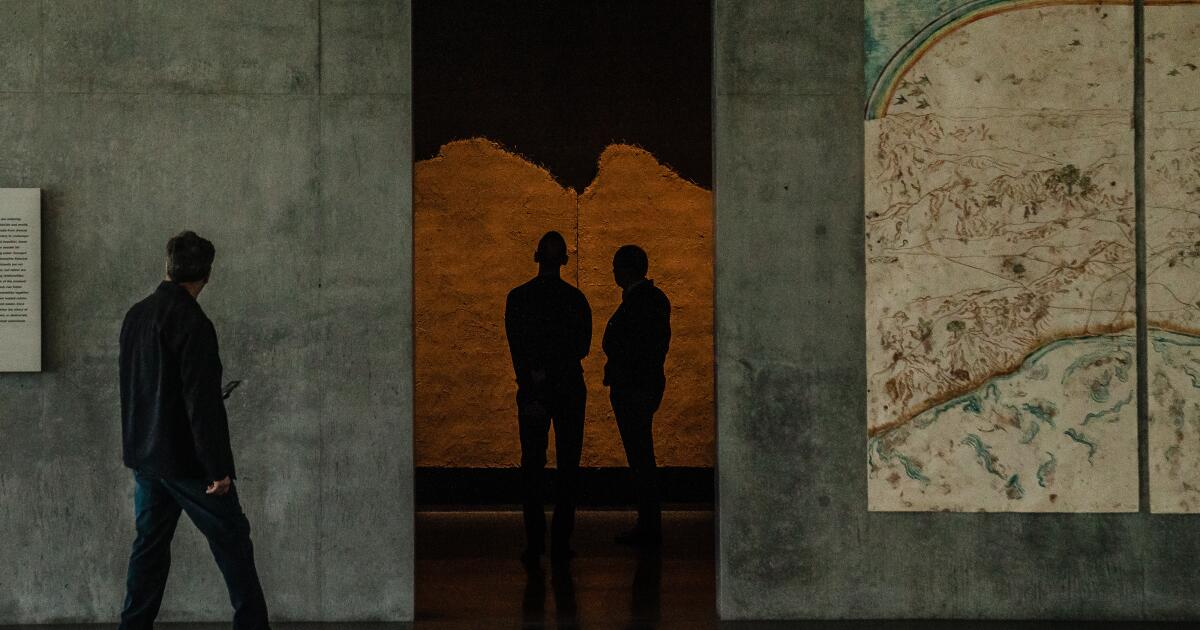
Review: Getting lost in the art is the best part of LACMA’s new revisionist fever dream of a museum

The Los Angeles County Museum of Art (LACMA) has opened its new David Geffen Galleries, a radical reinvention of the museum experience. The installation, conceived by director Michael Govan and architect Peter Zumthor, abandons traditional chronological and departmental silos, instead creating a continuous, curving flow of art from across time, place, and medium. Visitors are encouraged to wander and get lost, forging their own connections between works.

Did Zurbarán Believe What He Painted?

An exhibition of Francisco de Zurbarán's 17th-century religious paintings at London's National Gallery prompts a critic to question whether the artist's personal faith influenced his artistic skill. The show features monumental works from Spanish churches and monasteries, displayed dramatically against black walls, including crucifixion scenes, monks, and saints. The critic notes that no personal records of Zurbarán survive—only contracts—leaving his beliefs unknown, and compares him to Agnolo Bronzino, who painted pious scenes but wrote obscene verses. A small painting of a crucified Christ with a painter, possibly a self-portrait of Bronzino, is presented as ambiguous evidence of faith.

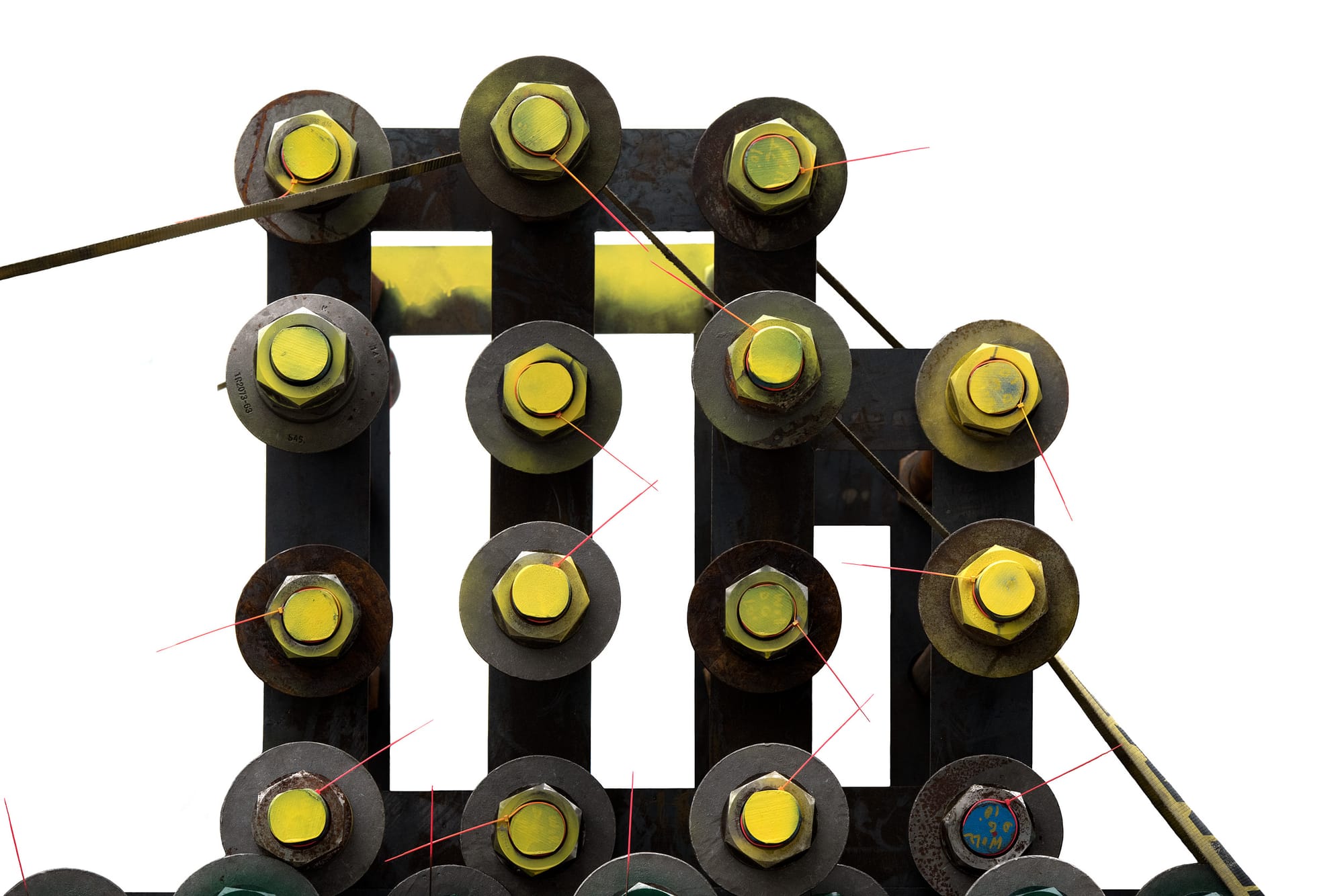
Jan Staller Photographs the Nuts and Bolts of Manhattan's Urban Symphony

Photographer Jan Staller has released a new book titled "Manhattan Project," featuring photographs of construction materials—pipes, beams, rebar, and drill bits—suspended midair against white skies. The book marks a shift from his earlier moody night photography to a hard-edged focus on utilitarian objects, transforming New York City's construction sites into otherworldly, readymade-like visions. The book includes a foreword by Neil deGrasse Tyson and an essay by curator Brett Littman, with images spanning locations across the Upper West Side.

Ariel West Probes Our Desire for Oil

Andrew Durbin reviews the national pavilions at the 2026 Venice Biennale, contrasting a vacuous US presentation with incisive and moving installations from Britain and Germany. The review critiques the US pavilion for lacking meaningful content, while praising the British and German contributions for their depth and emotional resonance.

Seven Shows to Catch Across the US This May

Art critic Andrew Durbin reviews national pavilion presentations at the Venice Biennale, contrasting a vacuous US exhibition with incisive and moving installations from Britain and Germany. The review highlights the disparity in thematic depth and emotional resonance among the three pavilions.

‘In Minor Keys’ Review: Its Best Moments Live in the Institutions Koyo Kouoh Built

Andrew Durbin reviews the national pavilions at the 2026 Venice Biennale, contrasting a vacuous US presentation with incisive and moving installations from Britain and Germany. The review highlights how the best moments of the exhibition live in the institutions built by curator Koyo Kouoh, who organized the Biennale's main exhibition.

Adrian Ghenie: Roman Campagna | Exhibition review

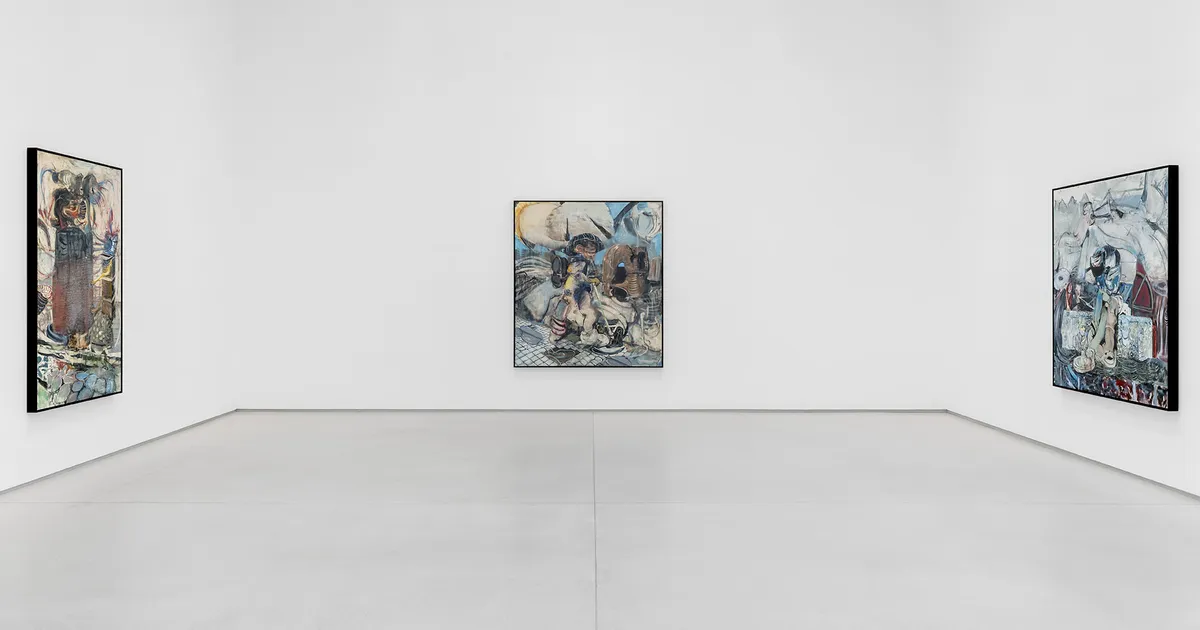
Adrian Ghenie's exhibition "Roman Campagna" at a Paris gallery presents a series of paintings and charcoal drawings that subvert the romantic cliché of an artist's transformative encounter with Rome. Ghenie populates landscapes inspired by the Appian Way with grotesque, alien-headed figures hunched over smartphones, urinating on monuments, or weeping at sunsets, using brown and grey tones punctuated by bright colors. The works reference Francis Bacon and William S. Burroughs, and include direct allusions to Bacon's reinterpretation of van Gogh's self-portrait, as well as a copy of a Pompeii mosaic. The show also features large charcoal drawings on paper that reveal Ghenie's process of constructing his contemporary, alienated figures.

Patchwork Lost – A Critique of the Princeton University Art Museum’s American Art Wing

The article critiques the newly opened American art wing at the Princeton University Art Museum, arguing that its curatorial approach prioritizes contemporary social justice narratives over historical accuracy and national pride. The author contends that the exhibition presents a fragmented, politicized view of American history, highlighting slavery and racial injustice while omitting or minimizing the contributions of Princeton alumni to the nation's founding, such as James Madison and John Witherspoon. Specific examples include the inclusion of a 2022 revisionist painting of the Signing of the Constitution and selective signage that emphasizes marginalized figures while ignoring male patriots.

The Politics of In-action: Review of In-action: Viennese Actionism and the Passivities of Performance Art

Caroline Lillian Schopp's new book *In-action: Viennese Actionism and the Passivities of Performance Art* (2025) offers a revisionist history of Viennese Actionism, a movement retroactively named in 1970 by Peter Weibel and Valie Export. Schopp introduces the term "in-action" to describe a politics of artistic action that emphasizes intimacy, hesitation, and vulnerability rather than the violent or liberatory extremes typically associated with the movement. She expands the canon to include women artists such as Anna Brus, Hanel Koeck, and Ingrid Wiener, and reexamines the work of Rudolf Schwarzkogler, whose death was mythologized as a suicide by self-castration but was actually a fall from a window. Through close readings of photographs, Schopp argues that Schwarzkogler's performances were characterized by passivity and "in-sincerity," challenging the dominant narrative of actionism as aggressive or heroic.

Rome and its visions in contemporary photography: from Carbone to De Angelis, to Hervé Gloaguen

Roma e le sue visioni nella fotografia contemporanea: da Carbone a De Angelis, fino a Hervé Gloaguen

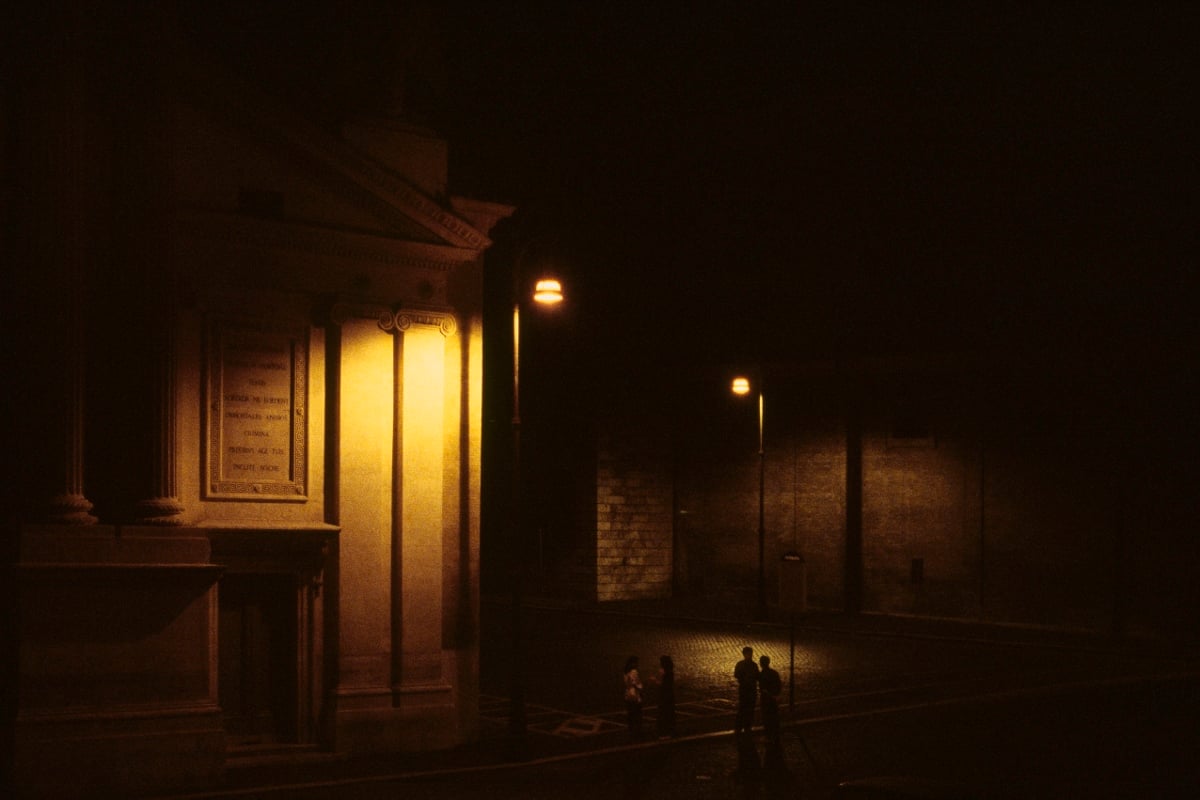
The article critiques a recent trend in contemporary photography of Rome, exemplified by a 2020 exhibition at the Mattatoio (Nuove produzioni 2020 per la collezione Roma) that presented black-and-white images reducing the urban landscape to a dark, lifeless mass. The author contrasts this with a personal photograph of a horse taken during the Covid-19 pandemic, which captures Rome's periphery with warmth and specificity, and praises the 2024 exhibition "Roma 1975, città, volti e storie dell'anno giubilare" featuring photojournalist Fabio De Angelis's rediscovered work as a vital counterpoint.