filter_list Showing 22 results for "biography" close Clear
search
dashboard All 168 museum exhibitions 59article culture 46rate_review review 22trending_up market 15person people 11article news 7candle obituary 5article local 2article policy 1
date_range Range Today This Week This Month All
Subscribe

Can a Play Capture an Artist as Enigmatic as Henry Darger?

Can a Play Capture an Artist as Enigmatic as Henry Darger?

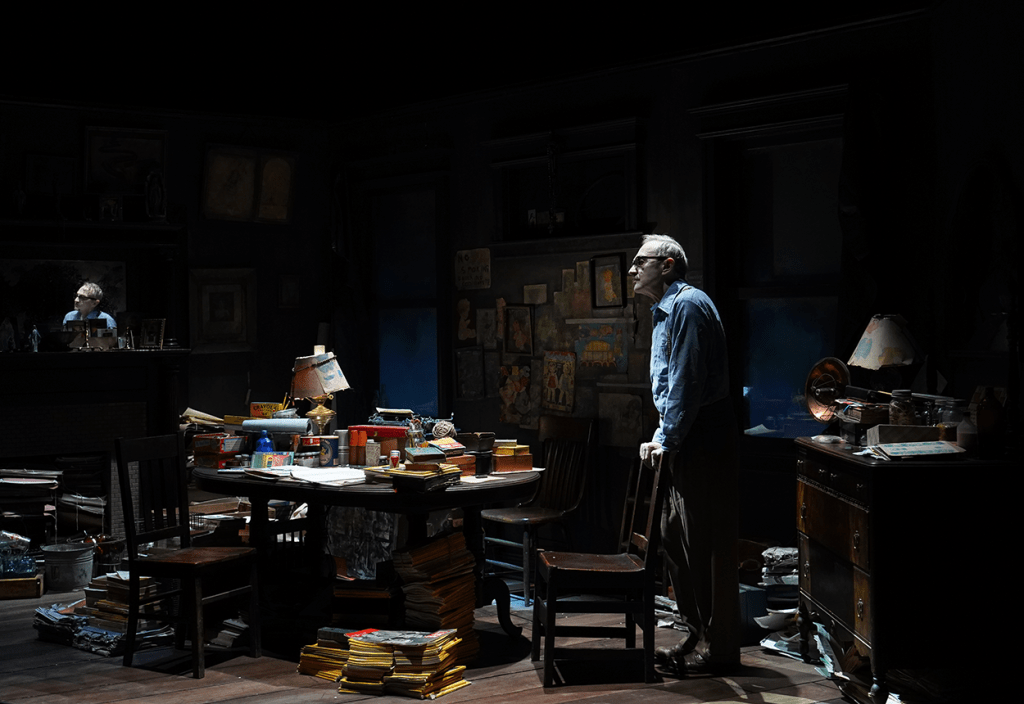
A new play, *Bughouse*, is attempting to portray the life of reclusive artist Henry Darger on stage at New York's Vineyard Theater. The one-man show, starring John Kelly, draws from Darger's own lengthy autobiography to depict his traumatic childhood, institutionalization, and decades of solitary life in Chicago, where he secretly created his vast, fantastical artwork and writings.
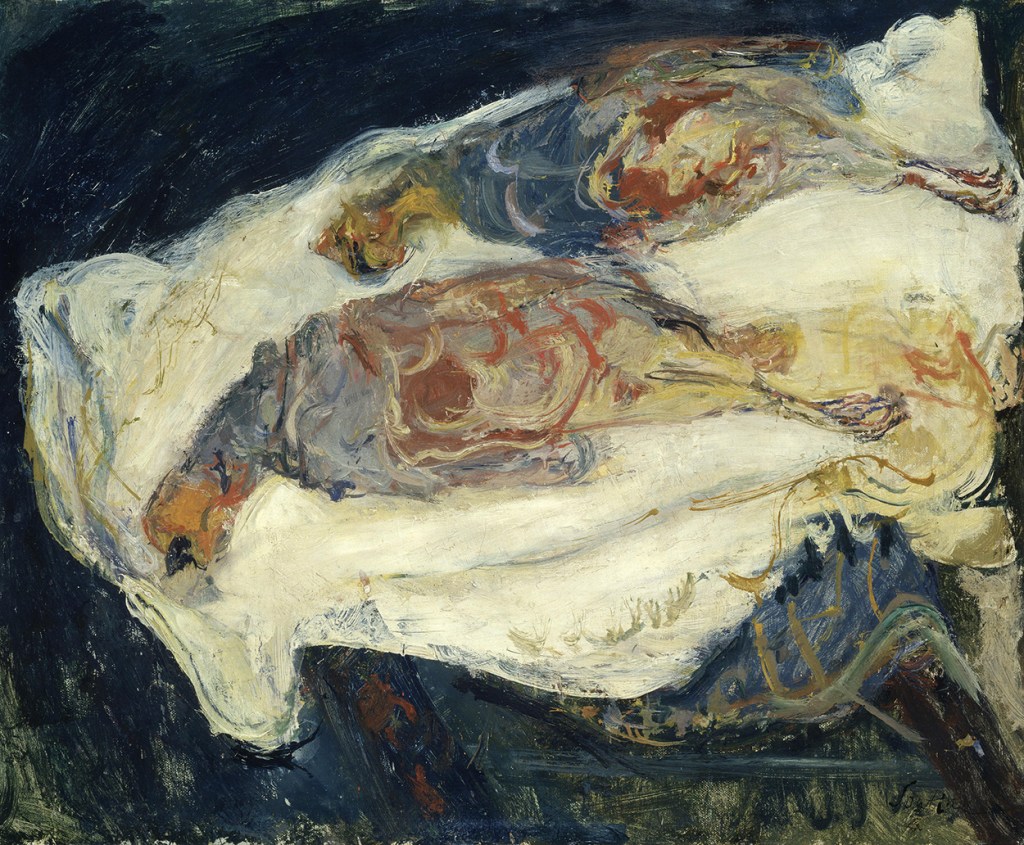
New biography of Chaïm Soutine pieces together illusive artist's life and works

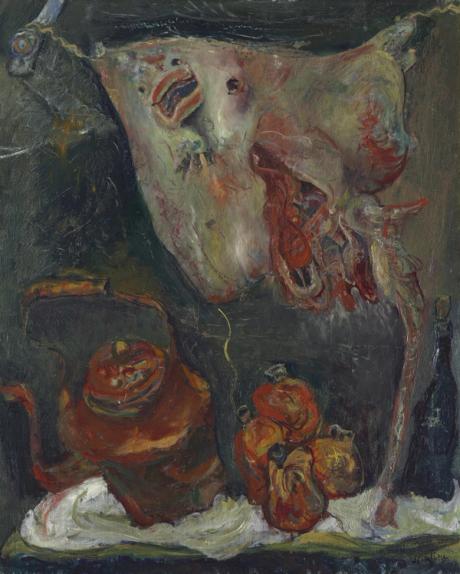
A new biography of Chaïm Soutine, the early 20th-century painter, has been published. The book, written by Celeste Marcus, attempts to piece together the life of the notoriously private and illusive artist, examining his journey from a Belarusian shtetl to the studios of Montparnasse, his complex relationships, and the myths that have grown around his work and persona.

8 Books We’re Looking Forward to in April

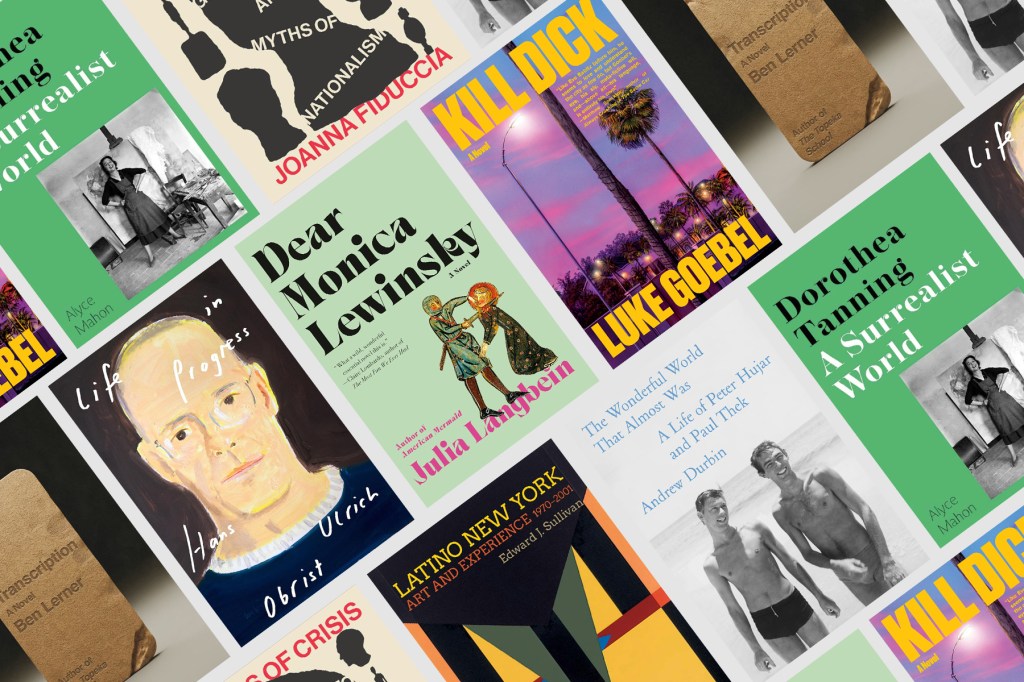
ARTnews previews eight notable art and culture books scheduled for release in April 2026. The list includes Ben Lerner's novel "Transcription," a dual biography of artists Peter Hujar and Paul Thek by Andrew Durbin, Luke Goebel's art-world satire "Kill Dick," and an academic study of Alberto Giacometti's 1930s work by Joanna Fiduccia. Also featured are a memoir by curator Hans Ulrich Obrist, a book on Dorothea Tanning, and Julia Langbein's unconventional book about Monica Lewinsky.

Joseph Grigely's 'Otherhow' Primary Information on Disability Arts and Being Deaf

joseph grigely primary information otherhow disability arts deaf

Artist and writer Joseph Grigely has published a new essay collection, 'Otherhow: Essays and Documents on Art and Disability 1985–2024.' The book compiles decades of his work, blending art, autobiography, and advocacy through ephemera like postcards, emails, and legal documents to chronicle his experiences navigating the art world as a deaf man.

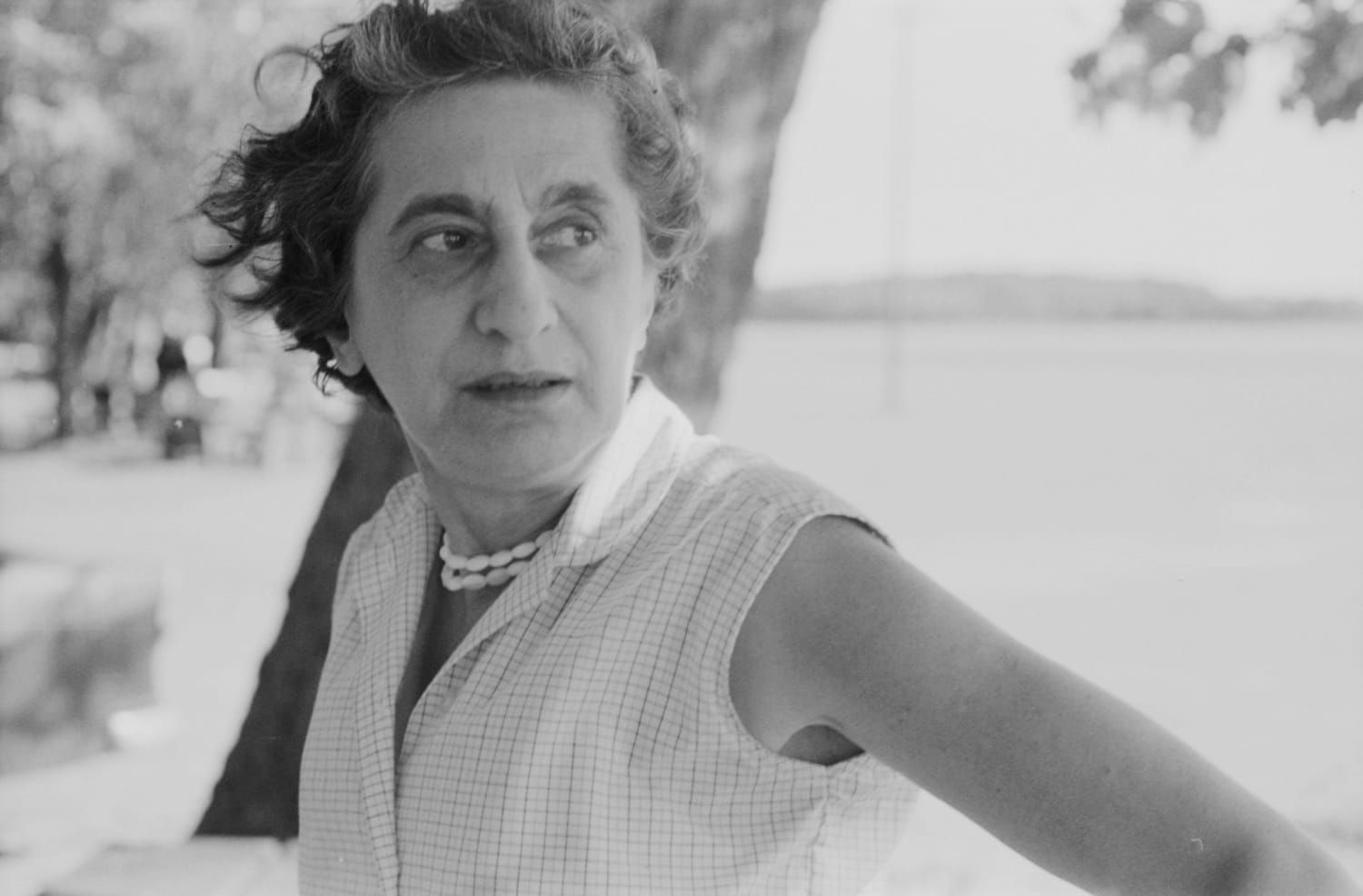
Anni Albers Wasn’t Afraid to Start From Zero

Nicholas Fox Weber's new biography, *Anni Albers: A Life*, draws on his nearly 25-year friendship with the artist to offer an intimate, nuanced portrait of the pioneering textile artist. The book traces Albers's journey from her birth in Berlin in 1899, through her studies and teaching at the Bauhaus and Black Mountain College, her escape from Nazi Germany in 1933, and her later years in Connecticut. Weber, who serves as executive director of the Josef & Anni Albers Foundation, fills the biography with lively anecdotes—from her love of Kentucky Fried Chicken to her sharp wit—while correcting the "stock stories" she often repeated, revealing her personality and artistic dedication with rare depth.

The Enigma of Alison Knowles

Lauren Moya Ford reviews the only book dedicated to Fluxus artist Alison Knowles, who died six months ago. The book, "Performing Chance: The Art of Alison Knowles In/Out of Fluxus" by Nicole L. Woods (2026), attempts to illuminate Knowles's life and work, but Ford notes that much of her personal life remains mysterious despite the author's efforts. The article is part of a broader books newsletter that also features new tomes on Hans Holbein’s portraits, Jan Staller’s photographs of Manhattan construction sites, and a discussion of a Black Panther family album at the Studio Museum in Harlem.

« L’Angélus » de Millet : une notification à l’humanité hors sol ?

Beaux Arts Magazine publishes a detailed visual analysis of Jean-François Millet's painting "L'Angélus" (1857–1859), housed at the Musée d'Orsay in Paris. The article describes the scene of two peasants pausing their potato harvest to pray at dusk, examining the composition, color, and spiritual resonance of the work. It also traces Millet's biography—from his peasant origins in the Cotentin region to his training under Langlois and Paul Delaroche, and his early career painting portraits and nudes before turning to rural subjects.

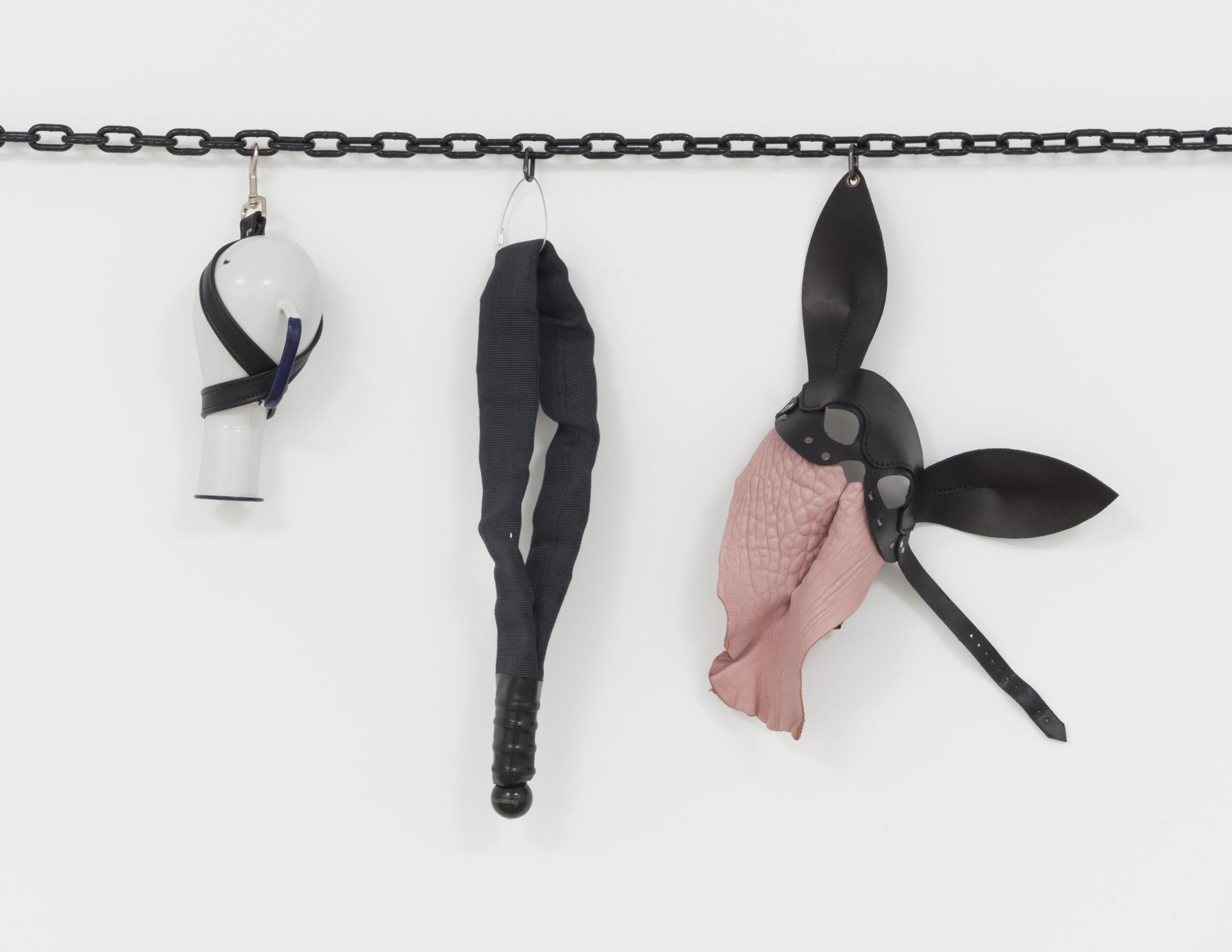
art criticism nayland blake david rimanelli review

Nayland Blake presents a three-part exhibition at Matthew Marks Gallery in New York, featuring the retrospective "Sex in the 90s" curated by Beau Rutland and a new installation titled "Session." The show spans two gallery spaces on West 22nd Street, displaying a diverse array of works including plexiglass boxes of mass-market paperbacks, graphite drawings, a yellow stuffed bunny with Kaposi sarcoma lesions, and sculptures referencing kink and fetish culture. The new work "Session" uses artisanal implements of pleasure and pain clipped to black chains, evoking personal narrative and autobiography.

Ruminations on Rashid Johnson’s “A Poem for Deep Thinkers”

The article is a reflective review of Rashid Johnson's exhibition "A Poem for Deep Thinkers" at the Modern Art Museum of Fort Worth. The author describes standing before Johnson's work "Falling Man" (2016), a piece incorporating broken mirrors, burned wood, and personal objects like a copy of Harry Haywood's "Black Bolshevik" and shea butter, which prompts meditations on visibility, identity, and Frantz Fanon's "Black Skin, White Masks." The review also examines Johnson's large-scale installation "Antoine's Organ" (2016/2026), which fills a gallery typically reserved for Ellsworth Kelly's minimalist canvases, transforming the space with scaffolding, plants, books, and video monitors.

The Wonderful World that Almost Was by Andrew Durbin review – the queer artists who shaped New York cool

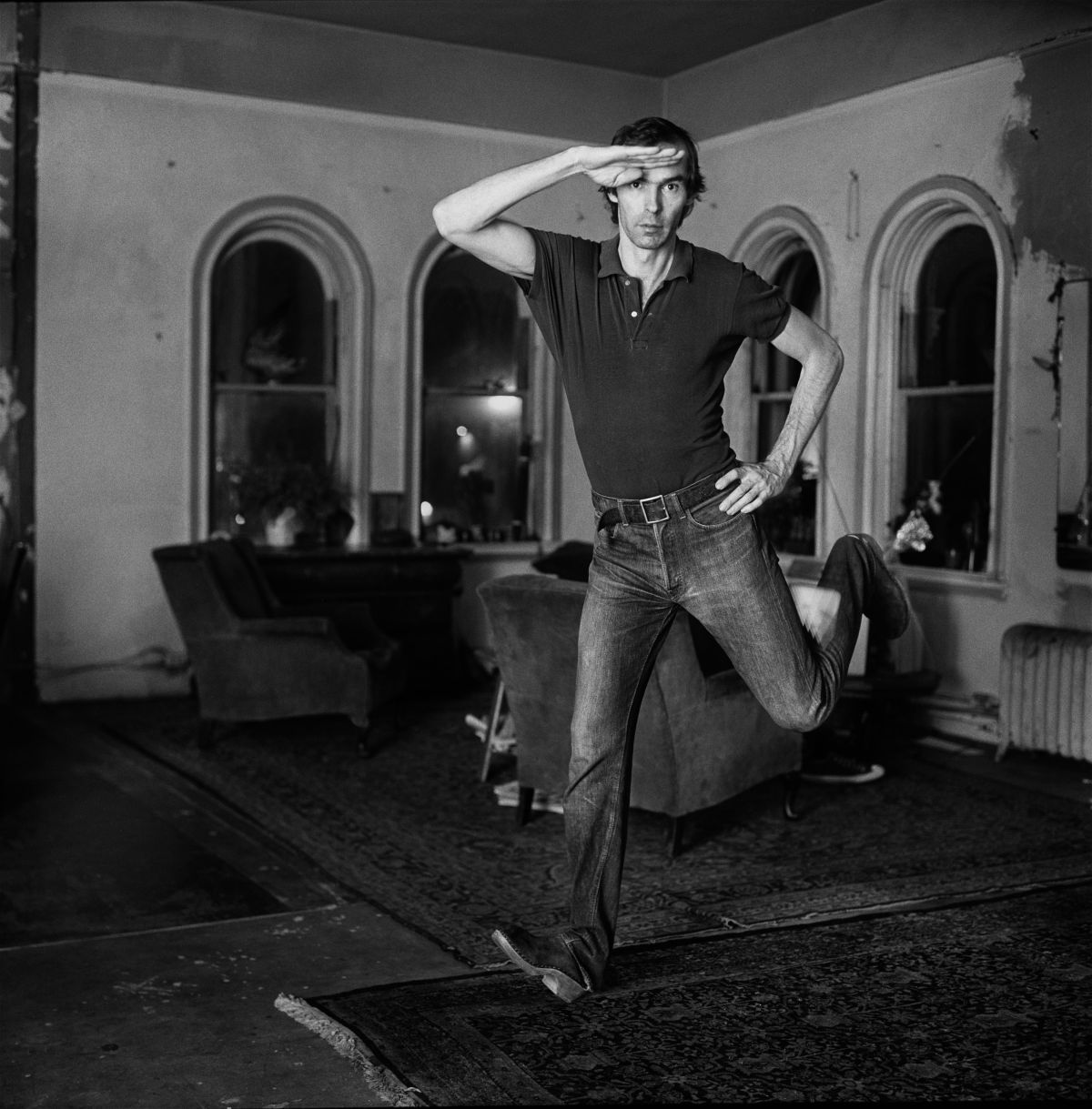
Andrew Durbin's new book, 'The Wonderful World that Almost Was,' is a double biography of painter and sculptor Paul Thek and photographer Peter Hujar. It chronicles their artistic maturation, their open and unapologetic gay relationship, and their central role in defining the 'cool' of the New York creative scene from the 1950s to the mid-1970s, before their deaths from AIDS.

chaim soutine biography celeste marcus

A new biography titled *Chaïm Soutine: Genius, Obsession, and a Dramatic Life in Art*, written by Celeste Marcus, explores the life and work of the early 20th-century painter Chaïm Soutine. Marcus argues that Soutine’s intensely visceral paintings—featuring dizzying landscapes, bloody carcasses, and penetrating portraits—are the key to understanding the artist, who left behind few personal records. The book challenges the tendency to read historical tragedy, particularly Soutine’s identity as an Eastern European Jew before WWII, into his turbulent brushwork, instead emphasizing the life force and internal logic of his compositions.

Losing Frida Kahlo in "The Making of an Icon"

The article critiques the Museum of Fine Arts, Houston's (MFAH) exhibition "Frida: The Making of an Icon," arguing that it perpetuates a fetishized, commercialized view of Frida Kahlo by focusing on her biography—her marriage to Diego Rivera, her affairs, her accident—rather than her artistic skill. The author contrasts this with a visit to the Museo de Arte Moderno (MAM) in Mexico City, where the exhibition "Relatos modernos. Obras emblemáticas de la Colección Gelman Santander" presents Kahlo's work alongside other Mexican masters in a quiet, understated manner that allows viewers to appreciate her technical abilities without overwhelming narrative.

The Many Forms of Marcel Duchamp

The New Yorker's Hilton Als reviews "Marcel Duchamp," a major retrospective at the Museum of Modern Art (MoMA) in New York, running through August 22, 2026. Curated by Matthew Affron, Michelle Kuo, and Ann Temkin, it is the first North American retrospective of Duchamp's work since 1973, organized in collaboration with the Philadelphia Museum of Art. The exhibition spans MoMA's entire sixth floor, showcasing Duchamp's shape-shifting practice—from iconic works like "Nude Descending a Staircase (No. 2)" (1912) and "Bicycle Wheel" (1951) to his readymades and conceptual pieces—emphasizing his rejection of commodification and embrace of intellectual freedom, play, and queer sensibilities.

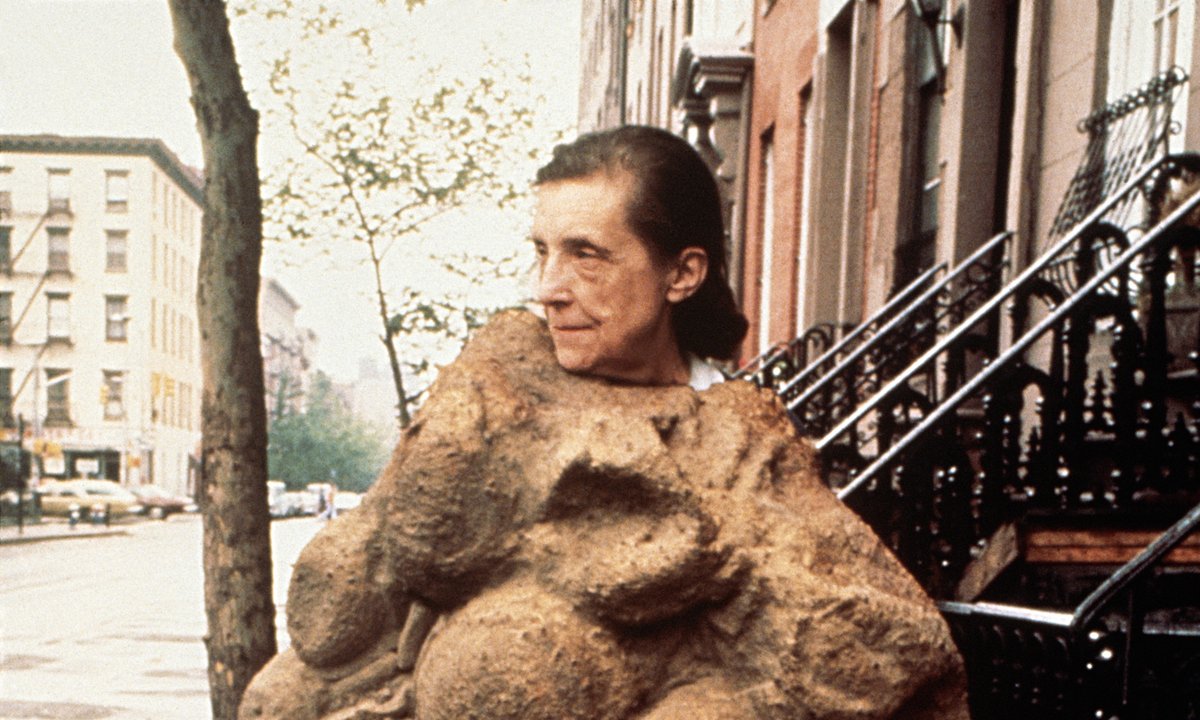
New biography offers well-crafted story of Louise Bourgeois’s rich life

Marie-Laure Bernadac’s new biography, 'Knife-Woman: The Life of Louise Bourgeois', provides a comprehensive look at the French-American artist’s prolific career and traumatic upbringing. The book explores how Bourgeois transformed childhood wounds—specifically her father’s infidelity and psychological cruelty—into a radical body of work spanning sculpture, installation, and textiles. From her early encouragement by Fernand Léger to her late-career fame with the 'Maman' spider sculptures, the biography traces her evolution from a painter to a boundary-defying sculptor who utilized materials ranging from latex to marble.

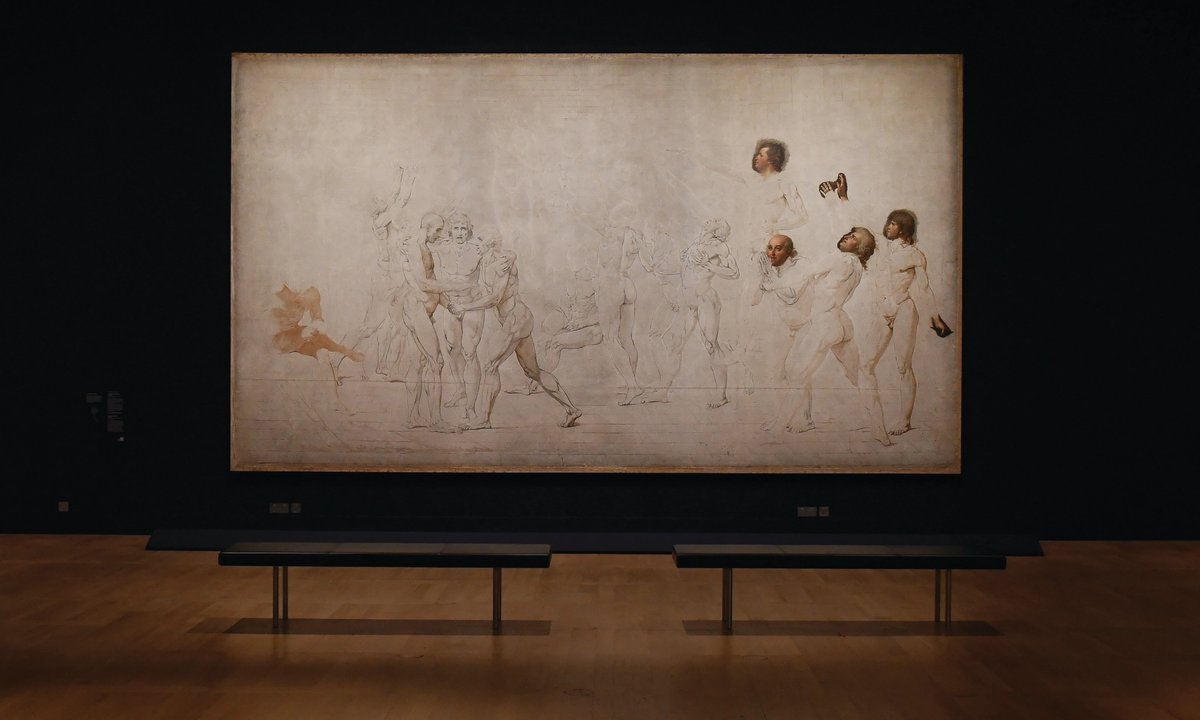
The Big Review | Jacques-Louis David at the Musée du Louvre, Paris ★★★★★

The Musée du Louvre in Paris has opened a major retrospective of Jacques-Louis David (1748-1825), the greatest Neoclassical artist, marking his biggest survey in nearly four decades. The exhibition, mounted for the 200th anniversary of his death, comprises just over 100 works, including strategic loans from France and eight other countries, and complements the Louvre's own holdings. The show aims to redefine David beyond the Neoclassical label, presenting him instead as both a "realist" and an "idealist," and is compared to blockbusters like the Rijksmuseum's Vermeer show.

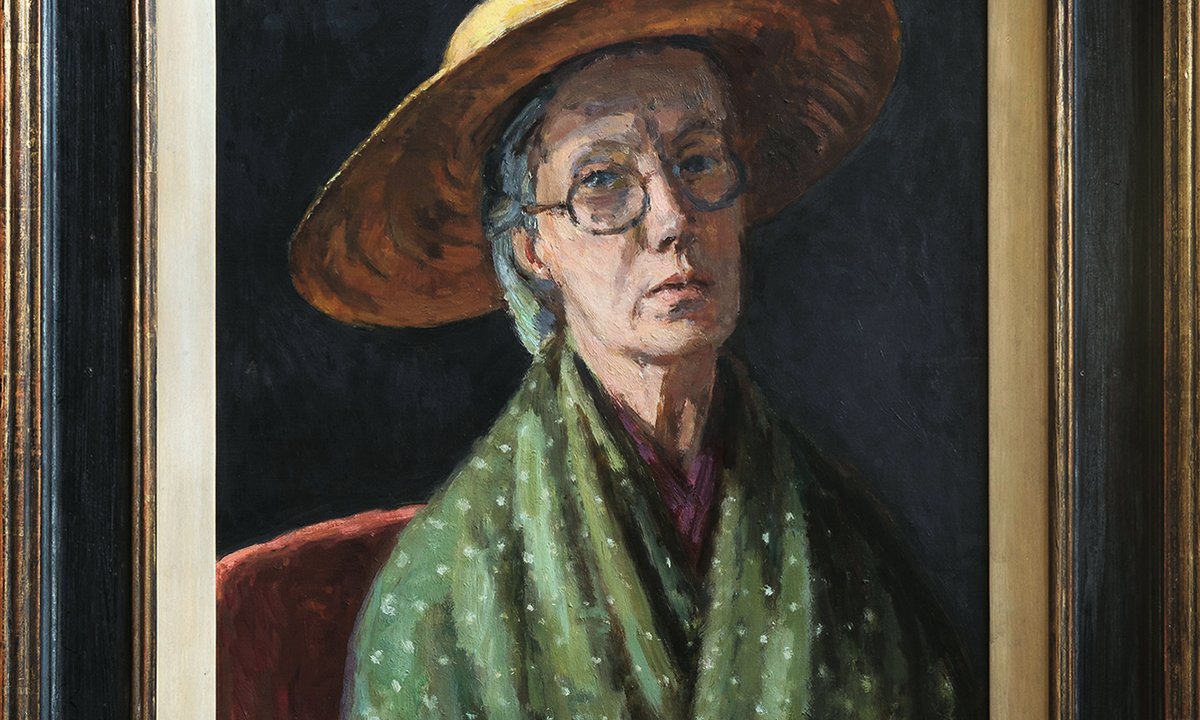
In a new biography, Vanessa Bell is cast as the Bloomsbury Group's leading light—and as central to 20th-century visual culture

Wendy Hitchmough’s new biography, *Vanessa Bell: The Life and Art of a Bloomsbury Radical*, argues that Vanessa Bell (1879–1961) was a central figure in 20th-century visual culture, both as an artist and designer. The book details how Bell navigated sexism through collaboration and anonymity, with works like *Dancing Couple* only attributed to her in 1999. Hitchmough, a former curator of Charleston, presents Bell’s life with a matter-of-fact tone, weaving in the complex personal and professional entanglements of the Bloomsbury Group, including her relationships with Clive Bell, Roger Fry, and Molly MacCarthy.

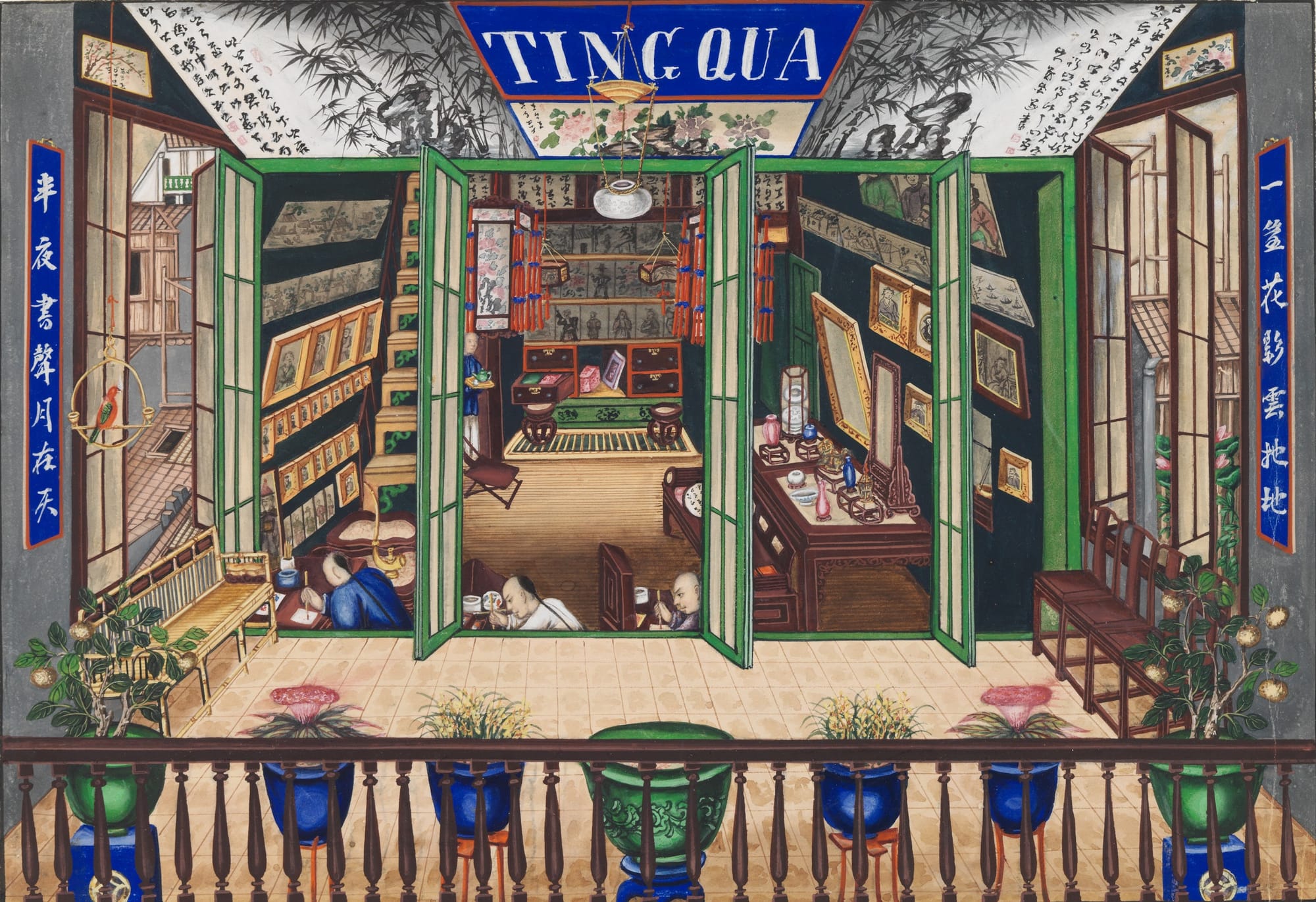
The Unnameable Artists of the Canton Trade System

Art historian Winnie Wong’s new book, *The Many Names of Anonymity: Portraitists of the Canton Trade*, investigates the lives and legacies of 18th and 19th-century Chinese artists who produced works for Western traders under the Canton system. These artists, often dismissed by history as mere copyists or left anonymous in museum "tombstone" labels, created complex works that blended European techniques with Chinese traditions. Wong challenges the reductive category of "Asian export art," proposing instead the term "Canton trade painting" to better reflect the unique atmosphere of cultural exchange in Guangzhou.

Queer Saints, Big Egos

Queere Heilige, große Egos

Andrew Durbin's new biography examines the intertwined lives of artists Peter Hujar and Paul Thek, focusing on their art, desire, and self-staging. The review notes that while the book covers their creative circles—including figures like David Wojnarowicz, Divine, John Waters, and Susan Sontag—it loses sight of the urgent political and social context that animated their work, particularly the AIDS crisis and Reagan-era repression.

Holbein biography interrogates the artist's life and work from a different angle

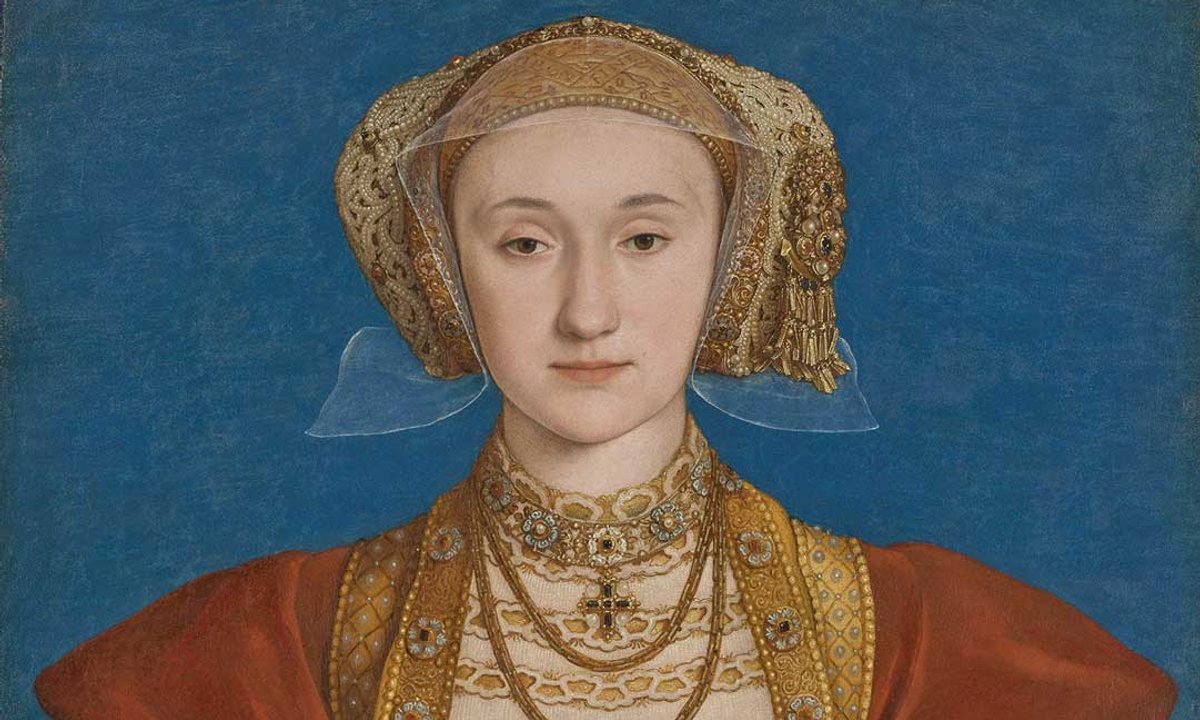
Elizabeth Goldring’s new biography of Hans Holbein the Younger takes a documentary-focused approach, prioritizing archival evidence over visual analysis. The book examines Holbein’s life (1497/8–1543) through chronological chapters, using inventories, correspondence, and other records to correct long-held assumptions and propose new theories about his work. Goldring’s detective work includes identifying the green curtain in Holbein’s portrait of Sir Thomas More as a reference to the sitter’s role as chancellor of the Duchy of Lancaster, and suggesting that a lost painting of the More family was given to Erasmus as a gift.

Clash of the Renaissance titans: an intriguing double biography of Titian and Michelangelo

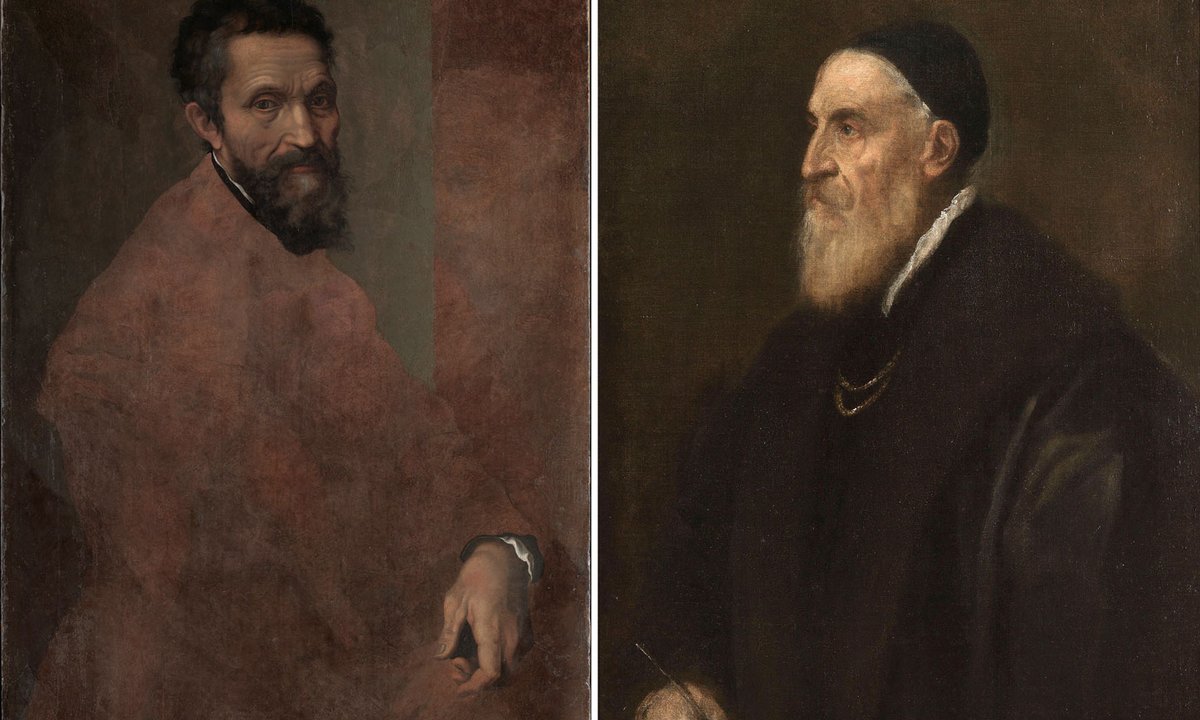
Art historian William E. Wallace explores the parallel lives and artistic philosophies of the two greatest masters of the Italian Renaissance, Michelangelo and Titian. The narrative examines the traditional art-historical divide between the Florentine emphasis on 'disegno' (structured drawing and design) and the Venetian mastery of 'colore' (spontaneous, painterly execution), while highlighting how these two titans influenced one another despite their distinct approaches.

A new ‘anti-biography’ rips apart the myth of Leonardo as a solitary genius

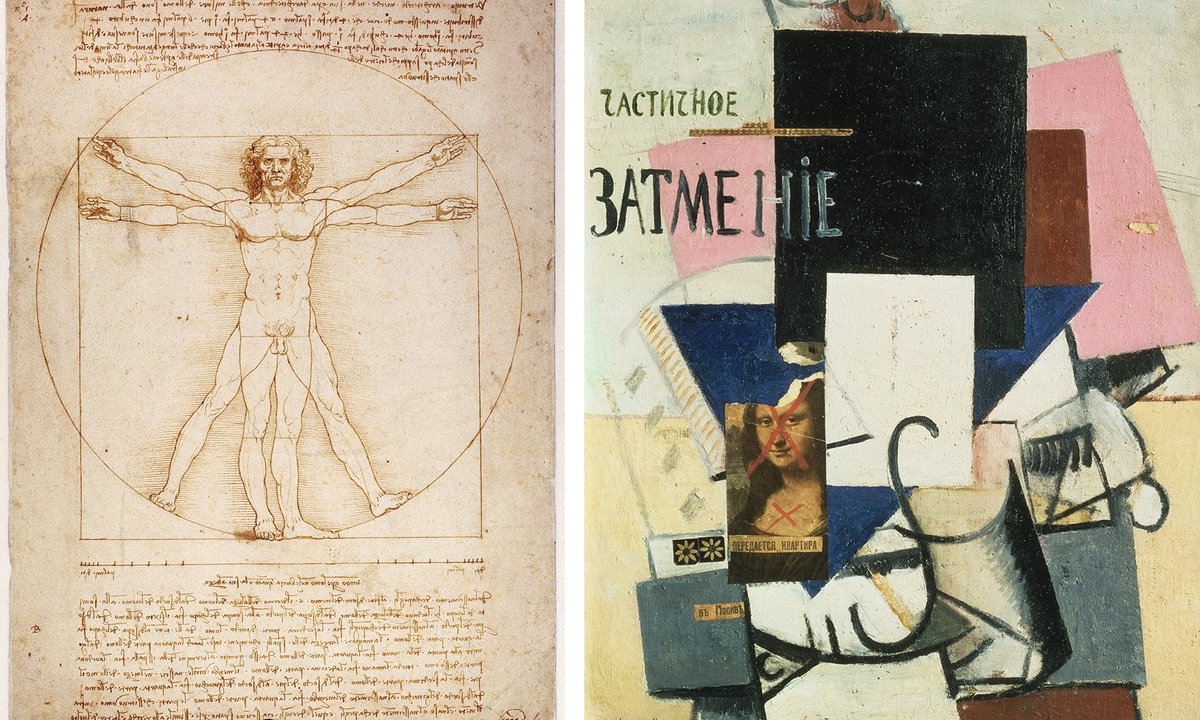
Stephen J. Campbell, a professor of art history at Johns Hopkins University, has published a new book titled *Leonardo da Vinci: An Untraceable Life*, which he frames as an "anti-biography." The book aims to dismantle the mythology surrounding Leonardo da Vinci, arguing that the fragmentary archival record has led to speculative and often outlandish theories that portray him as a solitary genius ahead of his time. Campbell repositions Leonardo within the artistic and intellectual context of late 15th- and early 16th-century Europe, critiquing how media, the art market, and popular culture have commercialized his legacy.

Beyond the body: Jess Self’s emotive power at the Marietta Cobb Museum of Art

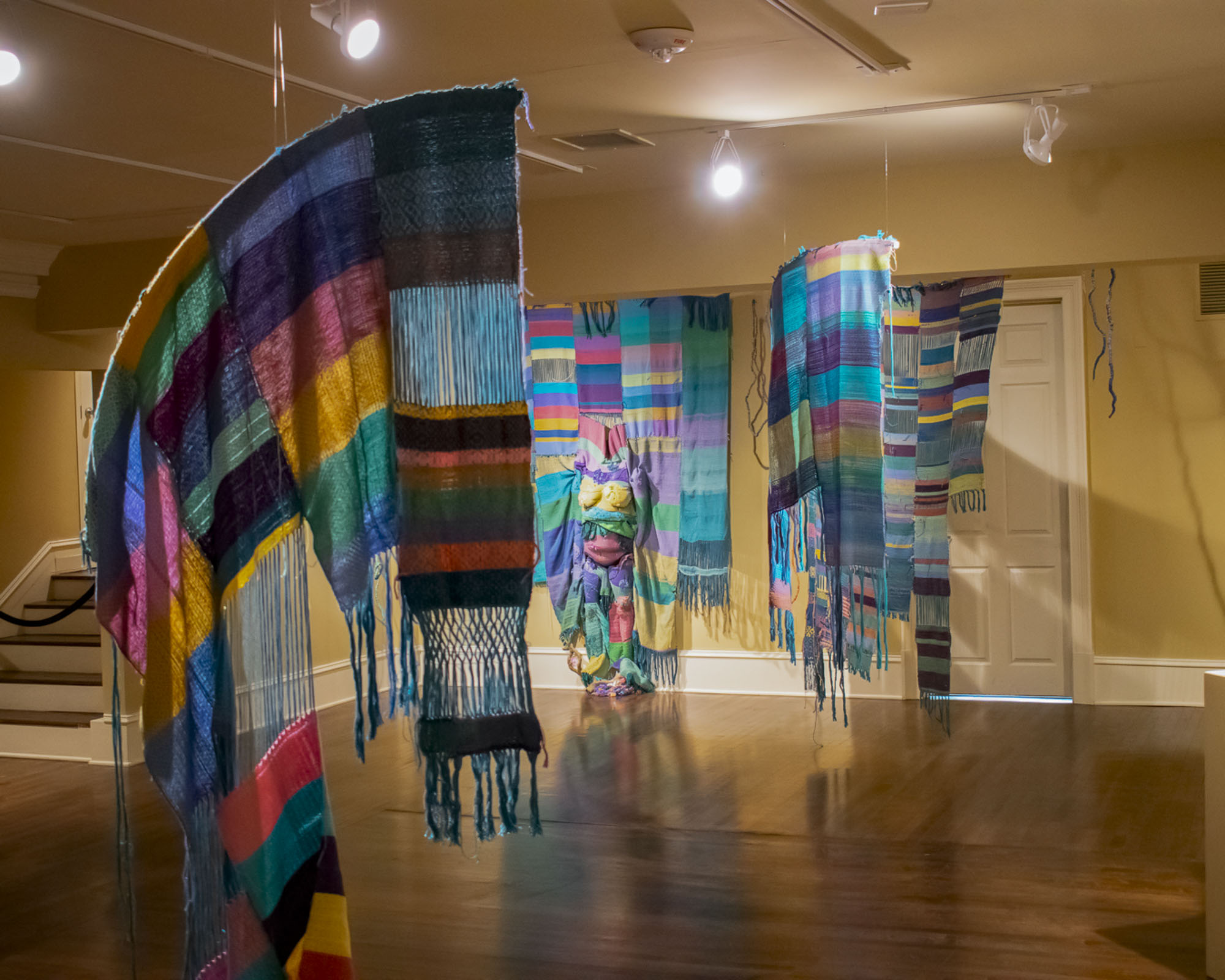
Jess Self, a Decatur-based sculptor and educator, presents *Celestial Perspectives* at the Marietta Cobb Museum of Art, an immersive textile environment that explores autobiography through figurative form. The exhibition features works in resin, plaster, felted wool, fiber, and rope, including the large-scale installation *The Veil* and the compelling *She Who Ties Magic Knots*, a resin and plaster cast of the artist's pregnant torso. Self's practice draws on Jungian archetypes and spiritual traditions, and the show communicates themes of connectivity, motherhood, bodily experience, and transcendence without relying on wall text.