filter_list Showing 678 results for "German" close Clear
search
dashboard All 678 museum exhibitions 284article news 99trending_up market 56candle obituary 48article culture 45gavel restitution 35article policy 32rate_review review 31person people 27article local 21
date_range Range Today This Week This Month All
Subscribe

nefertiti bust egypt zahi hawass demands return

Egyptian archaeologist Zahi Hawass has renewed his demand for the return of the ancient bust of Nefertiti from Berlin's State Museums, citing the recent full opening of the Grand Egyptian Museum (GEM) near Giza as proof that Egypt can properly safeguard its artifacts. The bust, dating to ca. 1351–1334 BCE and discovered in 1912 by German Egyptologist Ludwig Borchardt, has been on display at the Neues Museum since 2009. Hawass, who has shifted his position over time—calling the bust not looted in 2010 but “brazenly stolen” in 2024—argues that Western museums can no longer claim Egyptian institutions lack adequate climate control and display standards.

msk ghent declines to return nazi looted painting

The Museum of Fine Arts (MSK) in Ghent has refused to return Gaspar de Craye's Nazi-looted *Portrait of Bishop Triest* to the heirs of its original owner, Samuel Hartveld. An independent commission found the painting was sold under duress after the German occupation of Belgium in 1940, but concluded that Hartveld and his family were later financially compensated by the city, leading MSK to retain the work. Jewish groups EJA and JID are contesting the decision, arguing that international principles mandate restitution regardless of compensation.

felzmann holocaust auction canceled

Felzmann auction house in Neuss, Germany, canceled its planned 'System of Terror Vol II' auction of Holocaust artifacts following international pressure from groups including the International Auschwitz Committee and the European Jewish Association. The sale, which included documents, letters, and Stars of David from Nazi victims between 1933 and 1945, was condemned as exploitative by critics such as executive vice president Christoph Heubner, who called it 'a cynical and shameless undertaking.' Polish Foreign Minister Radoslaw Sikorski and Culture Minister Marta Cienkowska also called for restitution of the items to Poland.

documenta 16 artistic team naomi beckwith

Naomi Beckwith, deputy director and chief curator of the Guggenheim Museum, has announced her four-person artistic team for Documenta 16, set to open in Kassel, Germany, in June 2027. The team includes Carla Acevedo-Yates, Romi Crawford, Mayra A. Rodríguez Castro, and Xiaoyu Weng, who will collaborate on the exhibition, publication, and programming for the quinquennial.

king tutankhamen egyptian artifact auction grasshopper

An intricately carved ivory and wood grasshopper from the Age of Tutankhamun, known as the 'Guennol Grasshopper,' is set to be auctioned by Apollo Art Auctions in July with an estimate of £300,000–£500,000. Egyptian art historians, including German Egyptologist Christian Loeben, have raised concerns that the cosmetic vessel may have been stolen by British archaeologist Howard Carter, who discovered King Tutankhamen’s tomb and allegedly kept some items for his own collection. The auction house states there is no documented evidence linking the object to the tomb, and it has been cleared against the Art Loss Register, but experts like former Met director Thomas Hoving have long connected it to the pharaoh’s burial.

benin dialogue group ocotober 2018

Major European museums have agreed to loan important artifacts, including the Benin bronzes looted during the 1897 Benin Expedition, back to Nigeria for a new museum planned to open in 2021. The agreement was reached at a meeting of the Benin Dialogue Group in the Netherlands, involving representatives from Austria, Germany, the Netherlands, Sweden, and Britain, who committed to facilitating a rotating display at the planned Royal Museum in Benin City within three years, though specific objects and loan periods remain unconfirmed.

sutton hoo bromeswell bucket not bucket

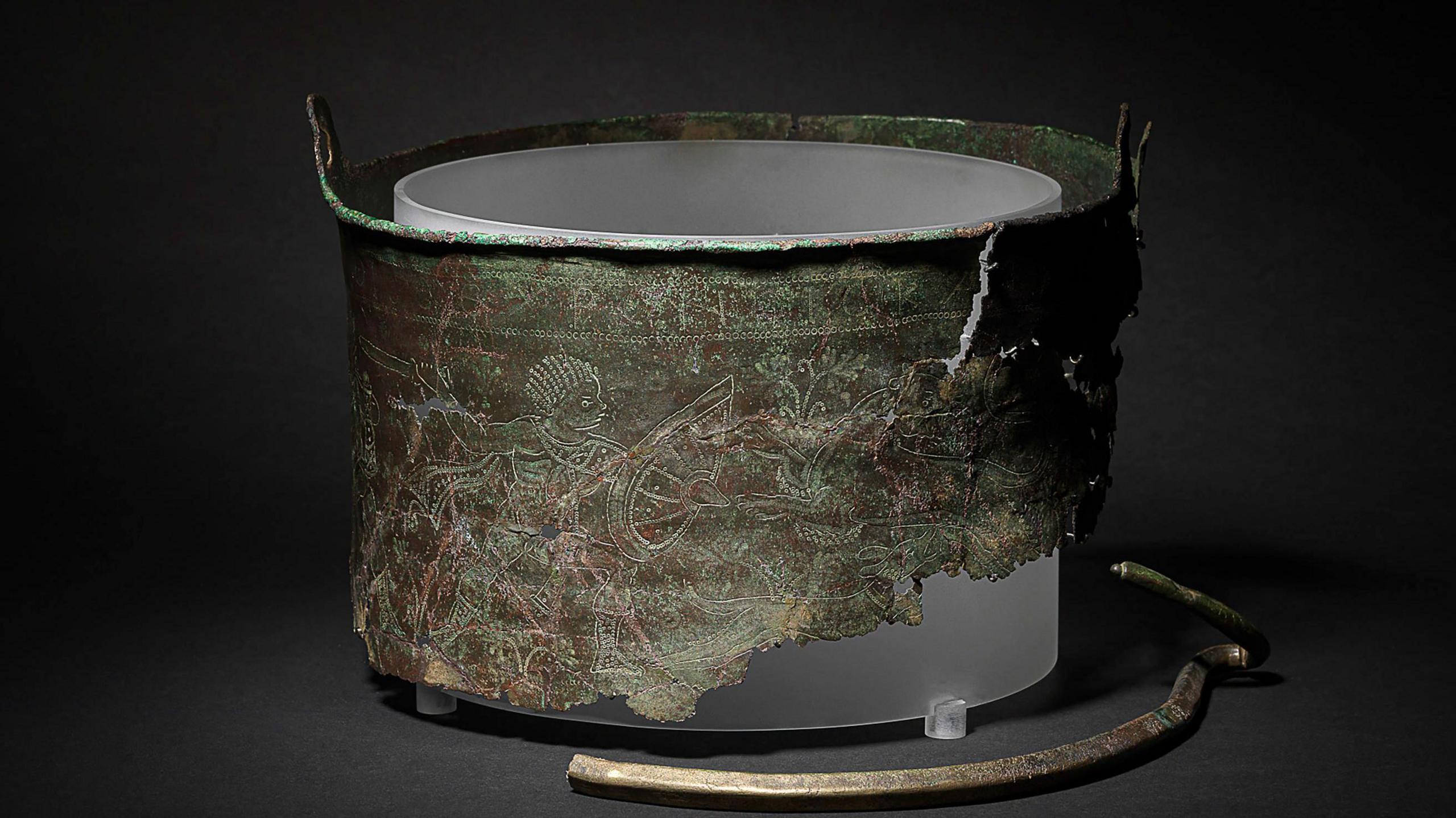
Archaeologists have discovered the base of the Bromeswell Bucket, a Byzantine-era vessel from Sutton Hoo in Suffolk, U.K., revealing that it was used as a cremation urn. The bucket, first found in fragments in 1986, 2012, and 2023, features a hunting scene and a Greek inscription. Excavations by the TV program Time Team, the National Trust, FAS Heritage, and volunteers uncovered the base, which contained cremated human and animal remains, including a skull and talus, as well as bones from an animal larger than a pig. The remains were likely stored in a bag, confirming the bucket's funerary purpose.

monumental relief last assyrian ruler unearthed nineveh

A team of German archaeologists from Heidelberg University has uncovered a monumental stone relief in the throne room of the North Palace of King Ashurbanipal at Nineveh, near Mosul, Iraq. The slab, measuring 5.5 meters long and 3 meters high and weighing 12 tons, depicts the last great Assyrian ruler alongside the deities Ashur and Ishtar, as well as a mythological fish genius. The discovery was announced by Professor Aaron Schmitt, who noted that no other known Assyrian palace reliefs feature major deities, making this find exceptional. The excavation is part of the Heidelberg Nineveh project, ongoing since 2018.

bayeux tapestry fragment rediscovered in germany

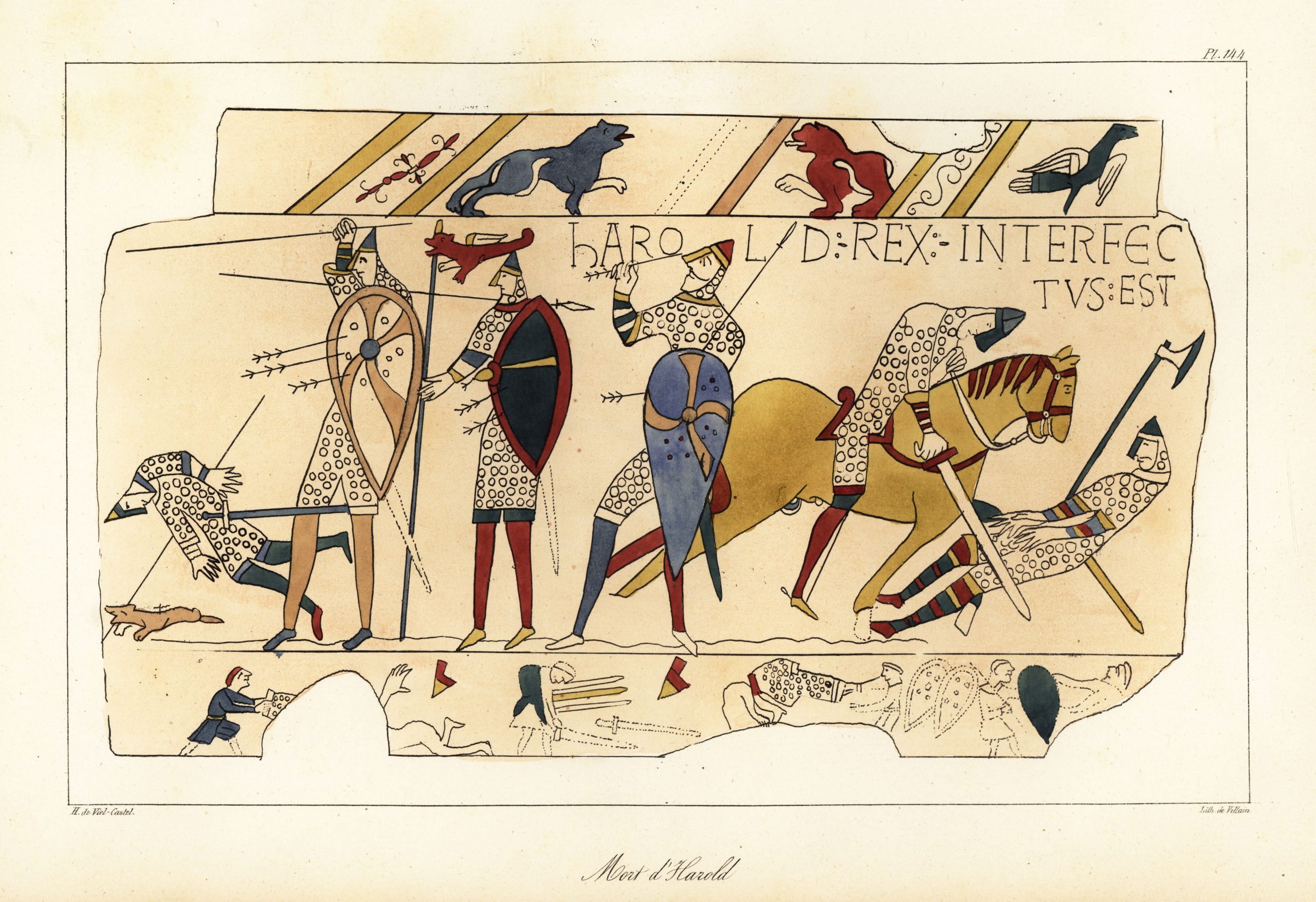
A long-lost fragment of the Bayeux Tapestry, the 11th-century embroidered chronicle of the Norman Conquest of England, has been rediscovered in the Schleswig-Holstein State Archives in Schleswig, Germany. The roughly one-inch linen piece belonged to the estate of archaeologist Karl Schlabow, who had been part of a Nazi-affiliated group that re-measured the tapestry in 1941. The fragment will be repatriated to France later this year, but first it will go on public display at the Museum of Archaeology at Gottorf Castle as part of the exhibition “Viking Twilight: Turning Point in the North” from April 16 through November 2.

Venice’s Chicest Invite This Week? A Pizza Party Where the Artists Chose the Ingredients

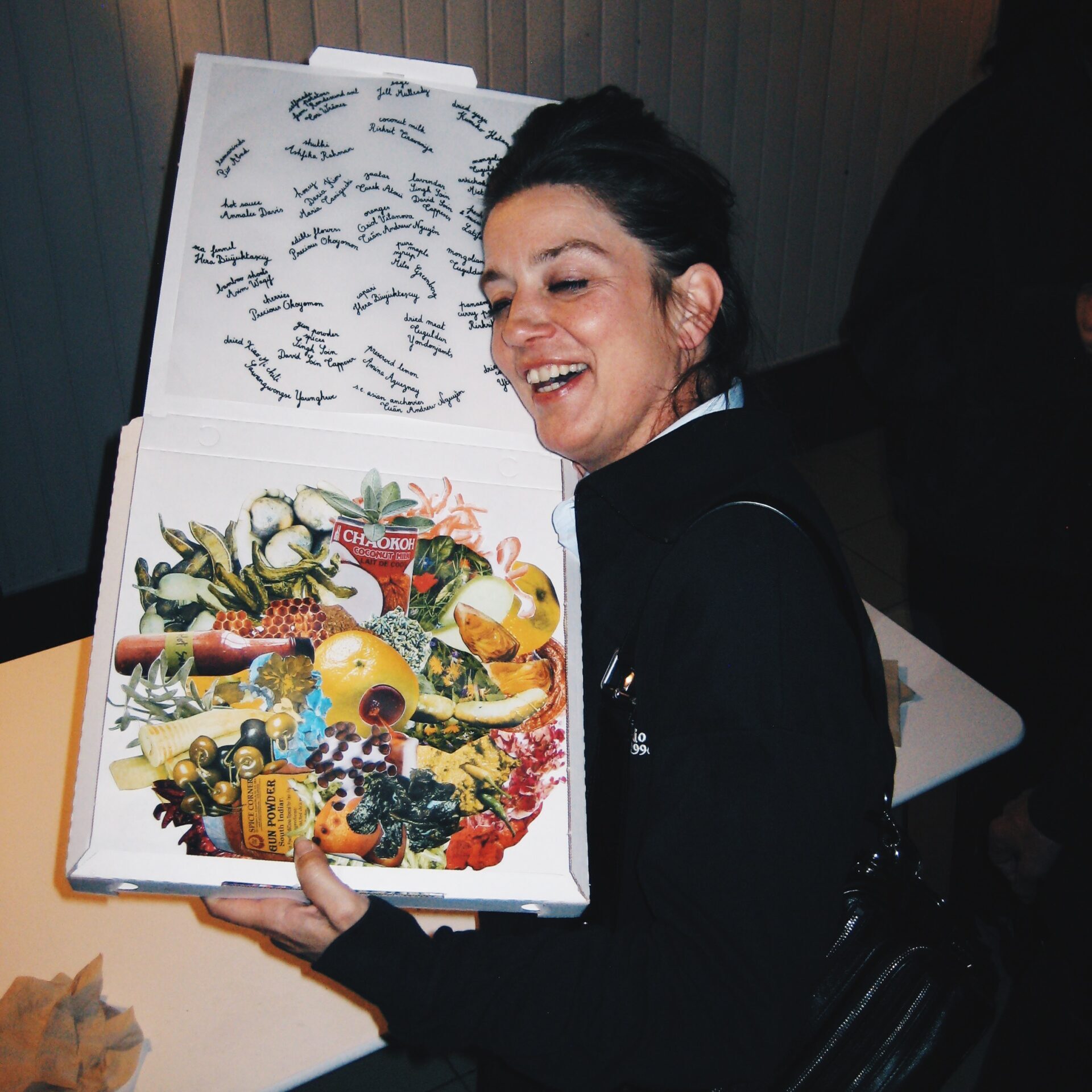
Diana Campbell, Chomwan Weeraworawit, and Paris-based art advisors Samy Ghiyati and Nicolas Nahab of NG Partners organized a pizza party called Pizzalo Mundo during the Venice Biennale. Each artist contributed an ingredient from home: Rirkrit Tiravanija brought a Penang coconut base, Precious Okoyomon added flowers, Daria Kim wild honey, Tarek Atoui za'atar on hummus, Miet Warlop artichoke hearts, Tori Wrånes self-grown potatoes, and Alexa Kumiko Hatanaka fig leaf oil with yuzu salt. The event drew a crowd of curators, directors, and collectors from institutions including Tate, Musée d'Orsay, Guggenheim Abu Dhabi, MoMA, and Centre Pompidou.

art naomi beckwith guggenheim museum curator

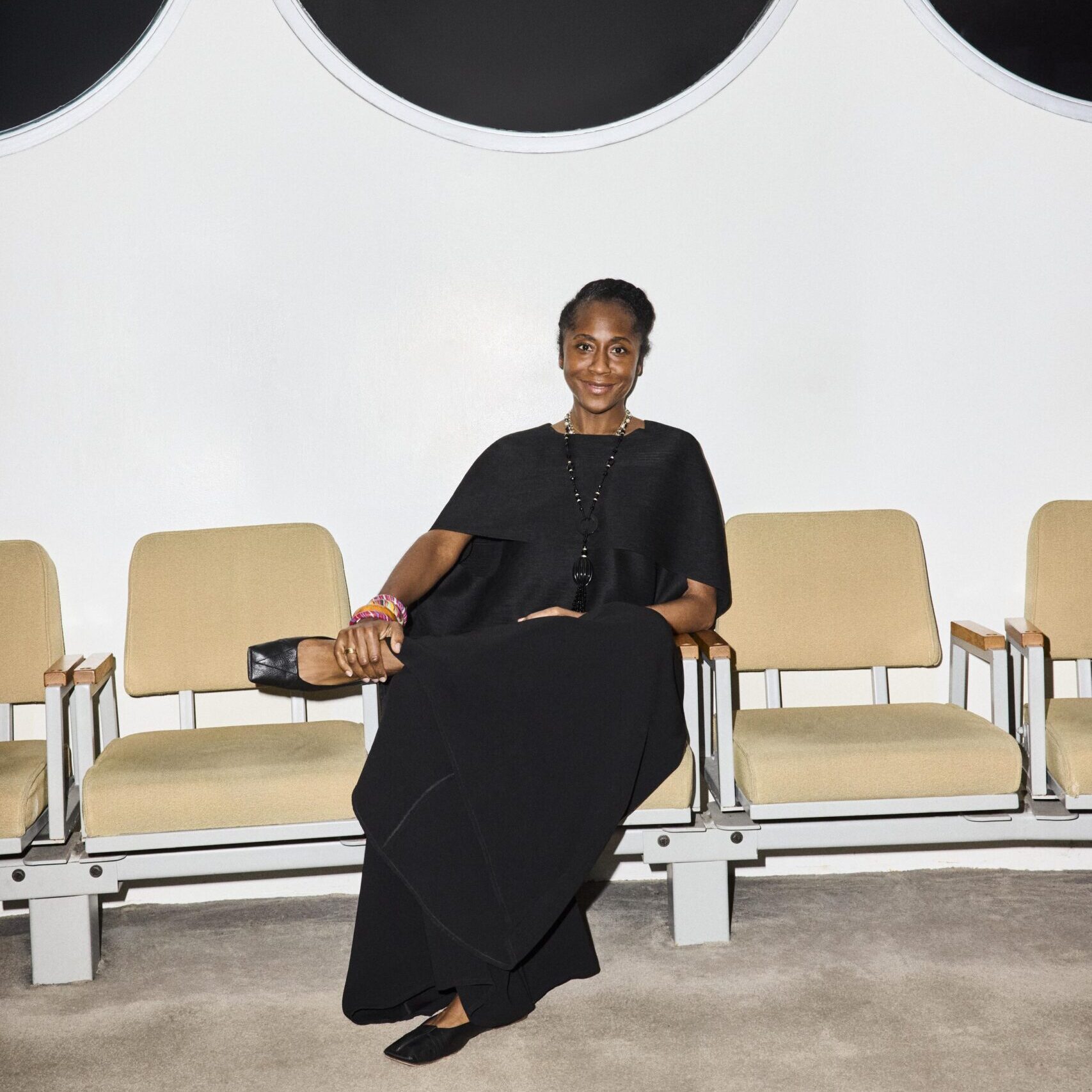
Naomi Beckwith, deputy director and chief curator of the Guggenheim Museum and Foundation, has relocated to Kassel, Germany, as artistic director of Documenta 16, which opens in June 2027. The article follows her early impressions of Kassel, a city shaped by immigration and still grappling with its post-reunification identity, and touches on the political and cultural debates surrounding Documenta after controversy over antisemitic imagery in its previous edition. Beckwith is also organizing a concurrent exhibition at the Palais de Tokyo in Paris, titled "Echo Delay Reverb: American Art, Francophone Thought."

friedrich kunath pace aimless love art music

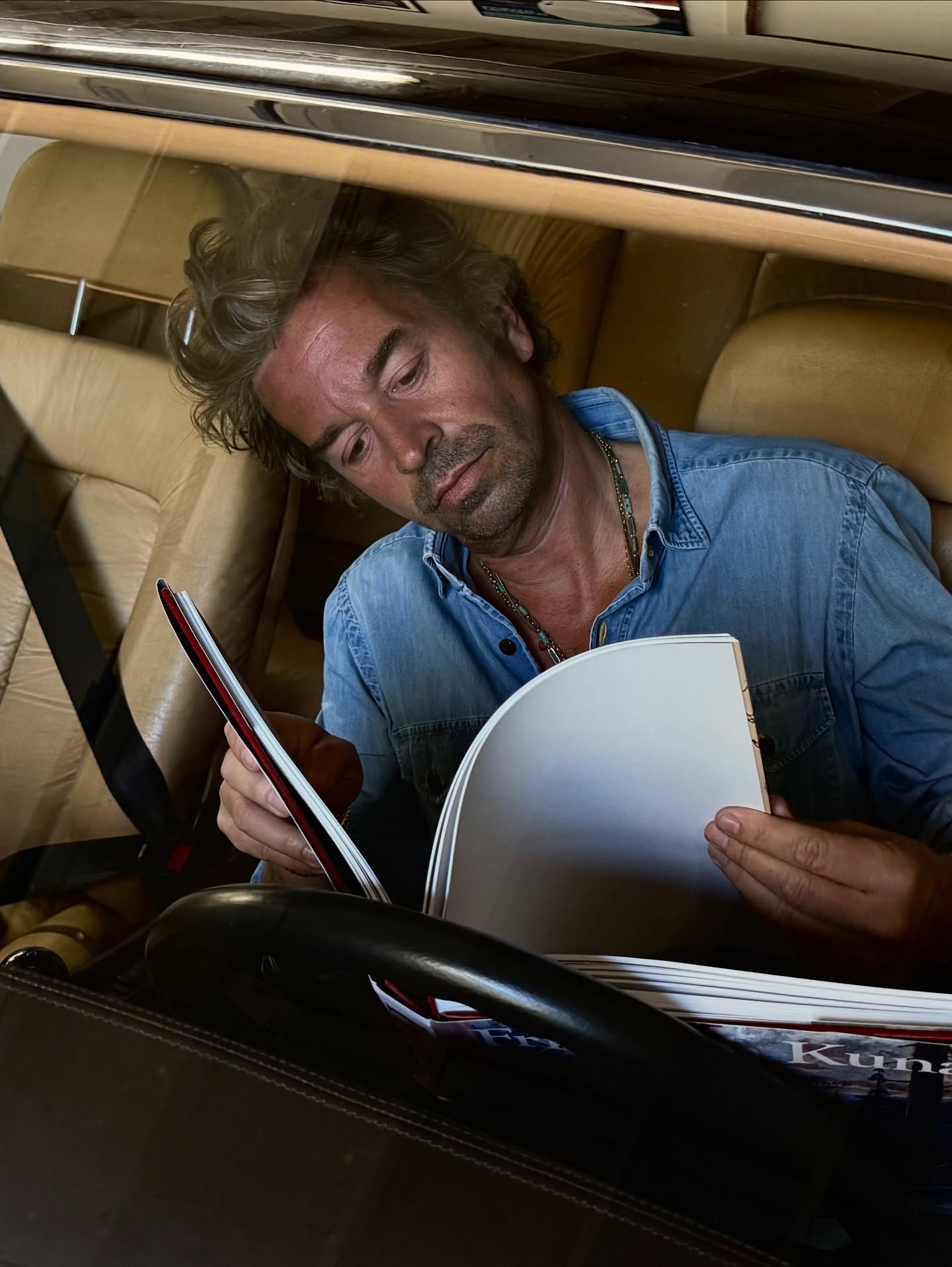
Friedrich Kunath, a contemporary artist known for blending German romanticism with pop culture, has a new solo exhibition titled "Aimless Love" at Pace Gallery in Chelsea, New York, on view through December 20. The show marks his first with the mega-gallery since Pace announced representation in May, and his first New York show since 2019. Kunath, who also co-wrote Liam Gallagher's song "Everything's Electric" in 2022, gave an interview from his Los Angeles studio, discussing his creative process, studio habits, and inspirations. The article includes a studio visit format with questions about his routines, influences, and the eclectic environment he works in, featuring vintage cars, a private bar, and multiple rooms each with its own music, film, and scent.

Stephan Balkenhol New Bronze Sculptures 2026 - Man in a White

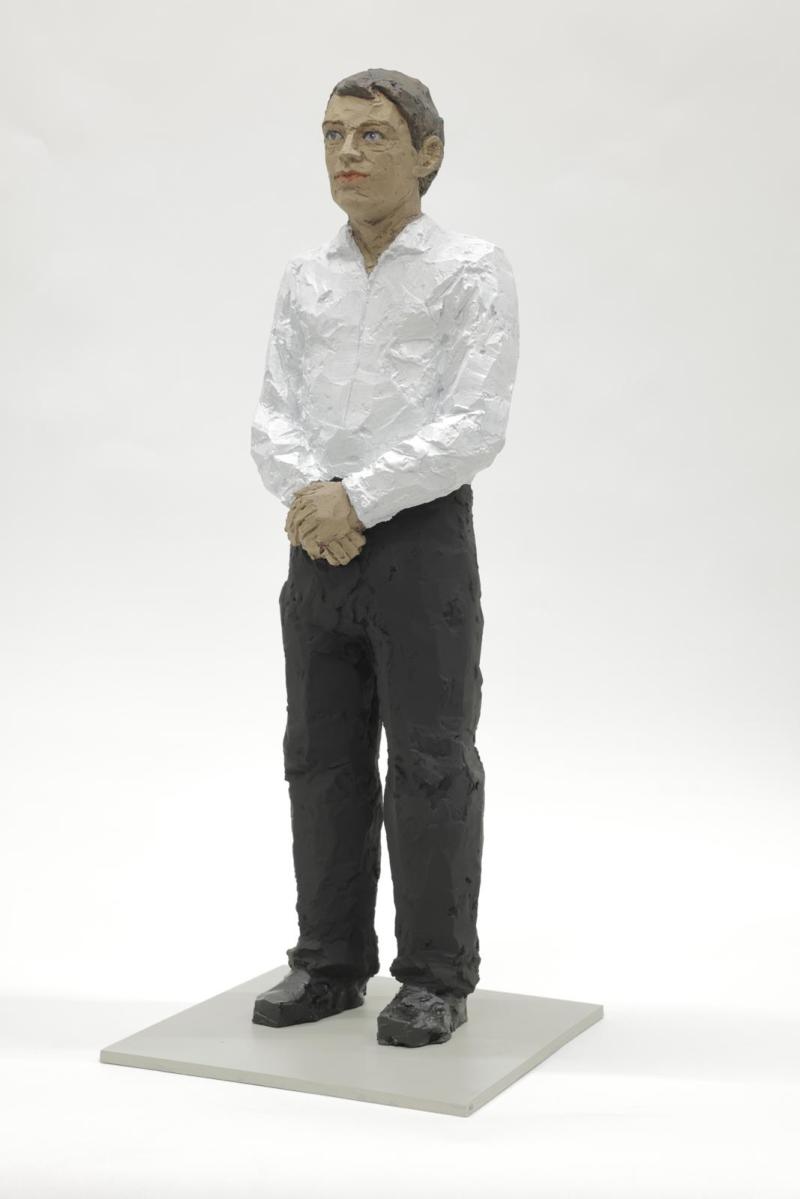
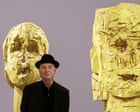
German sculptor Stephan Balkenhol has unveiled two new hand-painted bronze editions, "Man in a White Shirt and Black Pants 2026" and "Venus 2026." Released in editions of 30 and standing 68 cm tall, the works are being showcased and sold through Frank Fluegel Galerie across its Nuremberg and Kitzbühel locations. The release coincides with the artist's participation in the Art Cologne Palma de Mallorca Fair and precedes his 70th birthday in 2027.

New York gallery Kasmin will close this autumn as leadership launches new venture, Olney Gleason

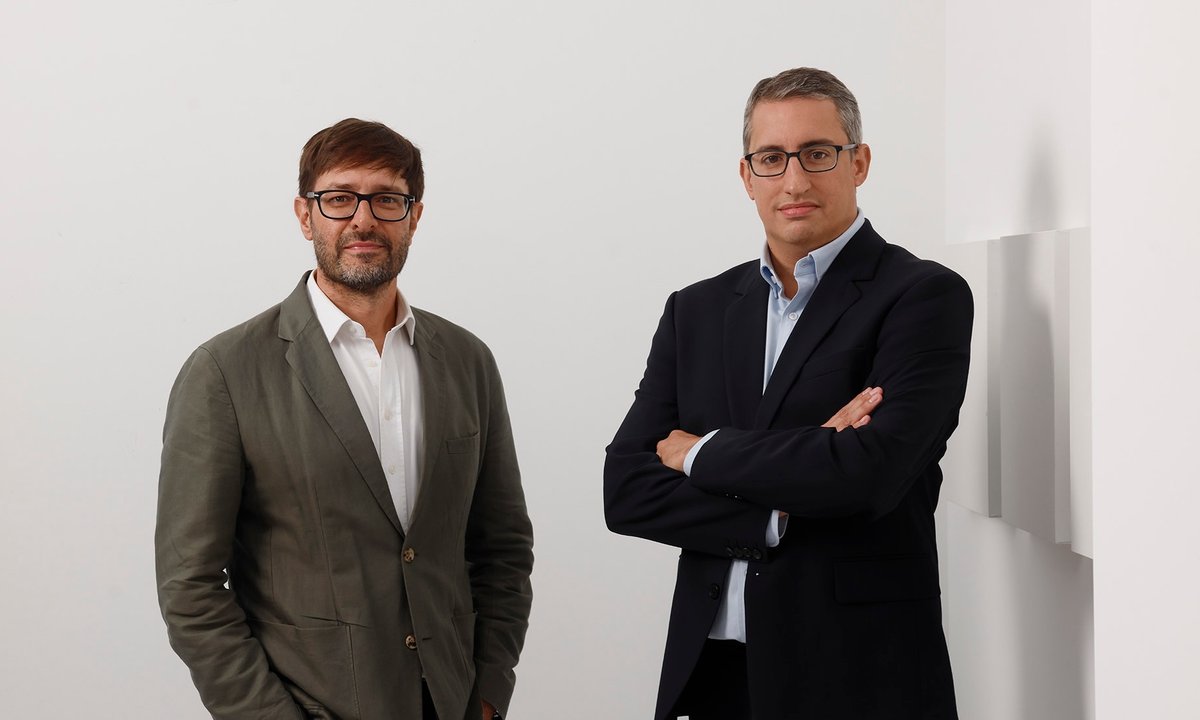
The Chelsea gallery Kasmin will close this autumn after 35 years of operation, transitioning into a new venture called Olney Gleason. The new gallery will be led by Kasmin president Nick Olney and senior director Eric Gleason, both longtime employees who say the move aligns with the wishes of the late founder Paul Kasmin. Olney Gleason will continue working with an unspecified number of artists and estates from Kasmin's roster, including François-Xavier and Claude Lalanne, Lee Krasner, and Jackson Pollock's estate, and will open a flagship space in Chelsea with an inaugural show this autumn.

With more than 40 galleries represented, Germany is a major player at Art Basel this year

Germany is the second-most represented country at Art Basel in Switzerland this year, with over 40 galleries participating, trailing only the United States. The fair is led by German-born director Maike Cruse, and features prominent German artists including Katharina Grosse, Martin Kippenberger, Tim Eitel, and Jana Schröder. Despite lacking mega-galleries, Germany boasts respected spaces like Galerie Max Hetzler and renowned collectors such as Reinhard Ernst, Julia Stoschek, and the Plattner family. Dealer Gerd Harry Lybke notes Germany's art market is 'very stable' compared to other locations.

Marianna Simnett schafft eine exklusive Edition für Monopol

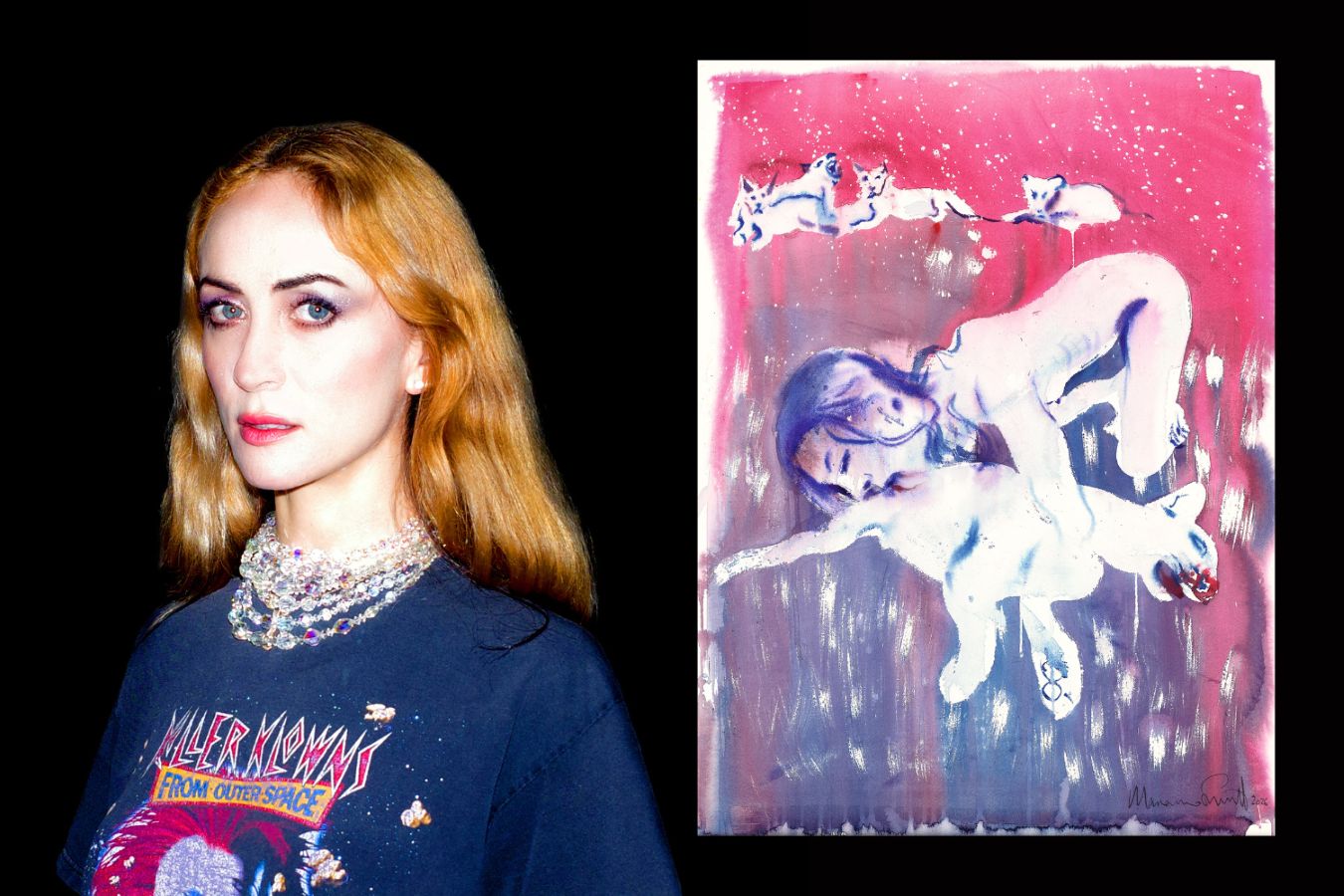
Marianna Simnett, one of the most radical contemporary artists known for exploring metamorphosis, myth, ecstasy, sex, and pain, has created an exclusive edition titled "The Healer" for the German art magazine Monopol. The work is a watercolor depicting a naked female figure licking a lion lying on the ground, with other lions roaring in the background. The edition is an archival pigment print in a size of 60 x 79 cm, published in an edition of 25 plus two artist's proofs, priced at 950 euros plus VAT.

Prize commemorates Henrike Naumann – MMK takes over estate

Preis erinnert an Henrike Naumann – MMK übernimmt Nachlass

A new prize named after the late artist Henrike Naumann has been established by the Institut für Auslandsbeziehungen (ifa) and the Zeit Stiftung Bucerius, coinciding with her posthumous presentation at the German Pavilion of the Venice Biennale. The €15,000 Henrike-Naumann-Preis für Bildende Kunst, plus €5,000 in production funds, will be awarded regularly starting this year to early- to mid-career artists whose work engages with social transformation, political fault lines, or transnational contexts. Meanwhile, the Museum für Moderne Kunst Frankfurt (MMK) has acquired Naumann's estate, which will be catalogued and made publicly accessible to ensure her work receives long-term scholarly and curatorial attention.

Venice in Crisis Mode

Venedig im Krisenmodus

The 61st Venice Biennale has opened under extraordinary circumstances, marked by political protests, a jury resignation, and canceled awards. The Biennale's jury resigned en masse after announcing they would exclude Israeli and Russian contributions from their decisions, leading to the cancellation of the Golden Lion awards and a crisis over the international competition's legitimacy. A newly introduced audience prize also faced boycotts from artists in solidarity. Protests, closed pavilions, and pro-Palestinian actions dominated the preview days, with artists pasting protest posters directly onto their works, reflecting heightened tensions.

DHM main building likely closed until 2031

DHM-Hauptbau wohl bis 2031 dicht

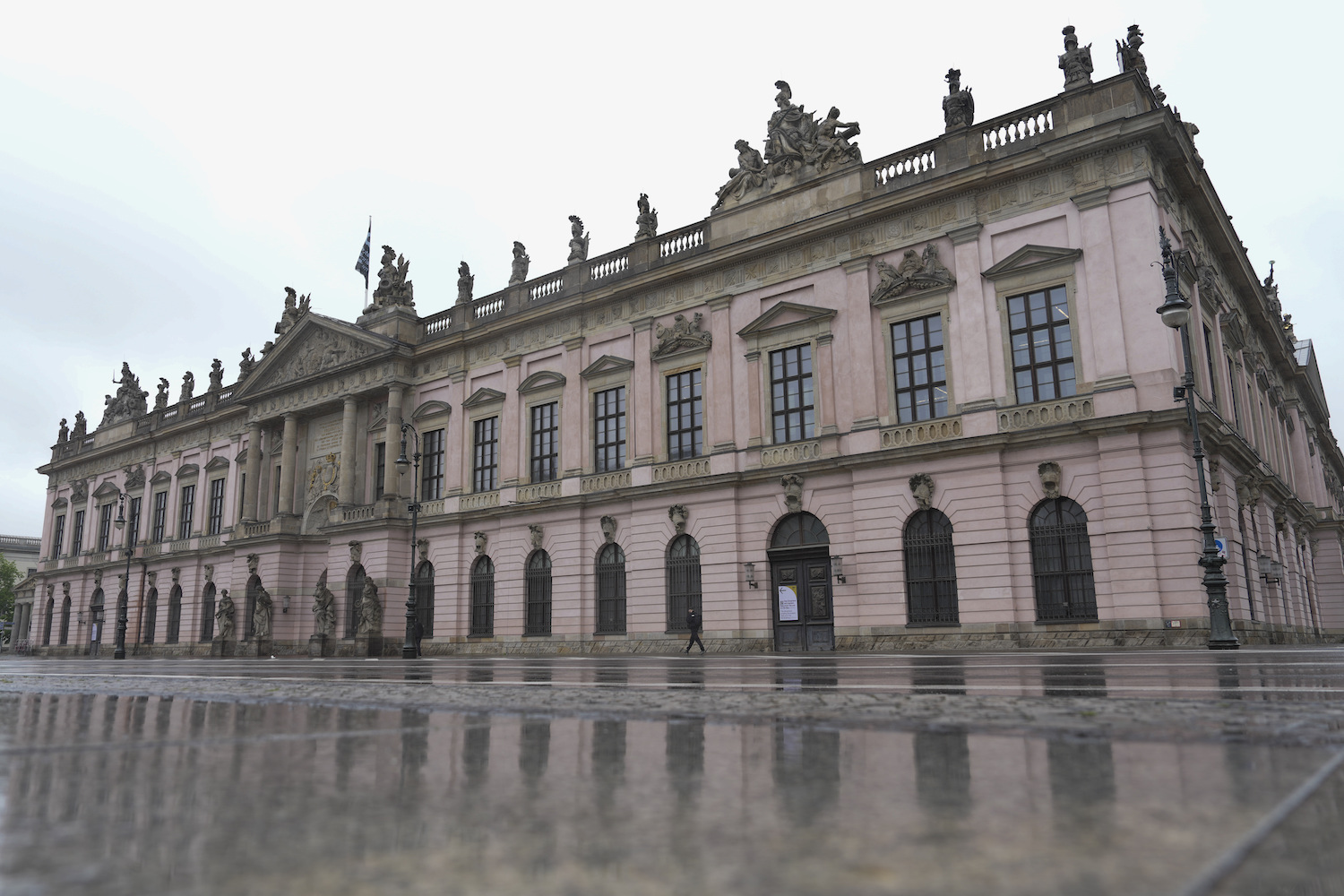
The German Historical Museum (DHM) in Berlin will remain without its main building, the Zeughaus on Unter den Linden, until at least 2031 due to further delays in its renovation. Museum director Raphael Gross announced that a binding timeline from the property owner and the federal construction authority is not expected until 2027, and a reopening before 2031 is unrealistic. In the meantime, the museum is using its modern Pei-Bau wing to host a new exhibition titled "Objekte. Geschichte. Geschichten," featuring around 200 highlights from its collection of one million objects, including a samurai armor once gifted to Adolf Hitler and objects from a refugee shelter.

Deutscher Pavillon wird zum Plattenbau

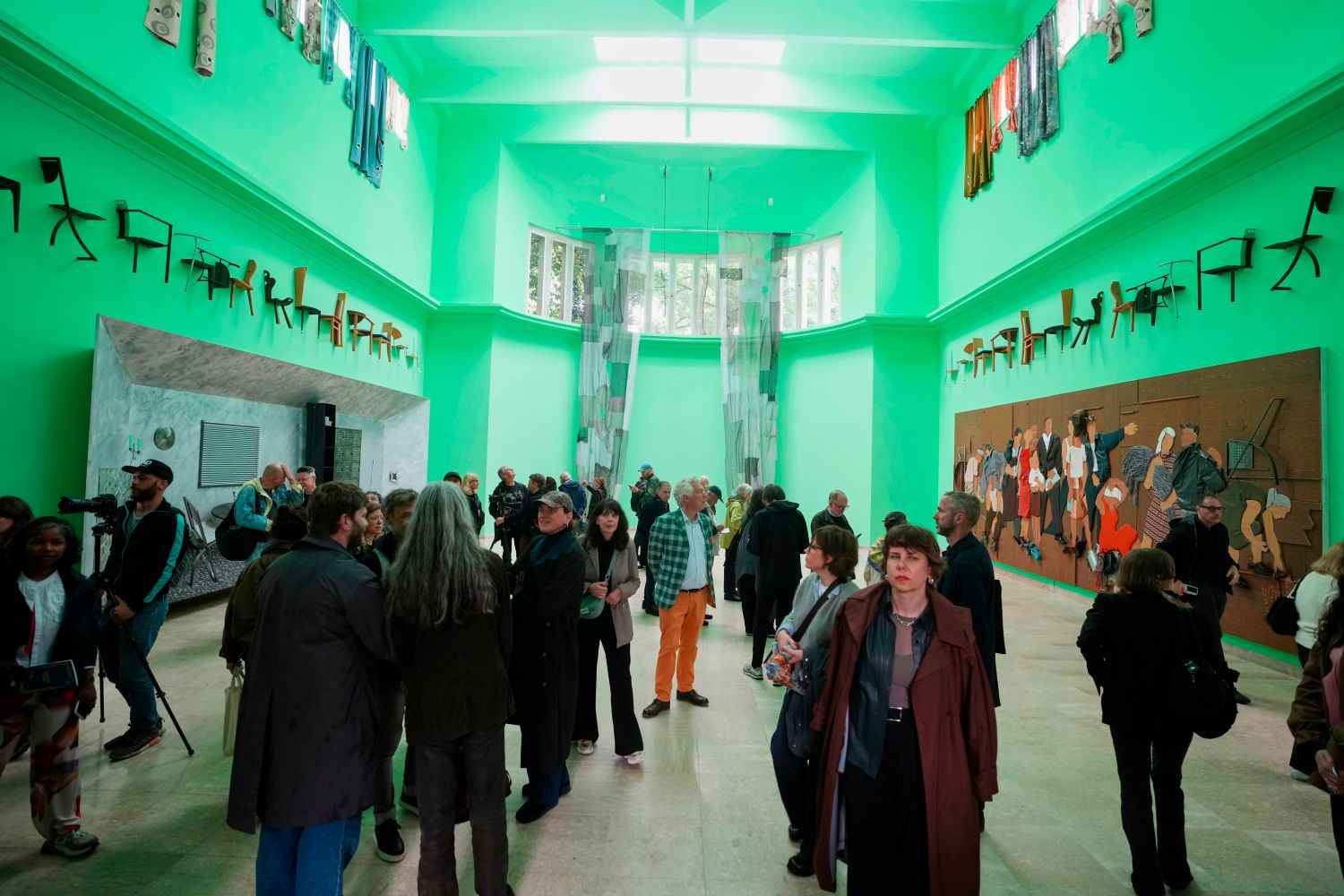
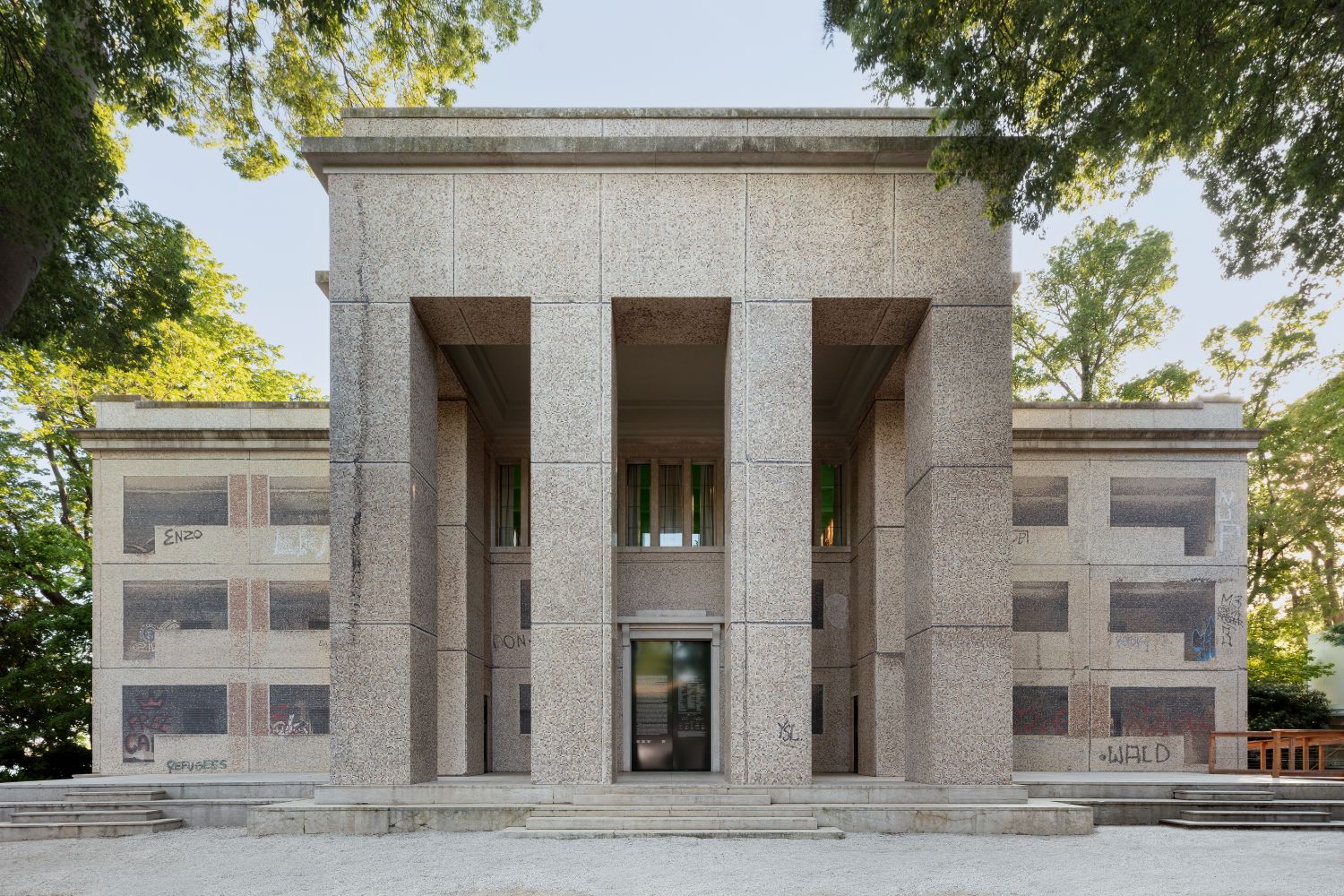
The German Pavilion at the Venice Art Biennale has been transformed into a prefabricated concrete slab building (Plattenbau) for this year's edition, designed by artists Sung Tieu and the late Henrike Naumann, who died suddenly in February at age 41 from cancer. Curator Kathleen Reinhardt described the pavilion as part of a highly political Biennale, with Tieu covering the 1938 fascist-era building with a mosaic of over three million tiles depicting a Berlin apartment block that once housed Vietnamese contract workers. Naumann's interior installation features mint-green references to Soviet barracks in East Germany, a cartography of war, and works including a relief of chairs, a curtain of chainmail, and the performance "Trümmerfrau."

Where to go in May?

Wohin im Mai?

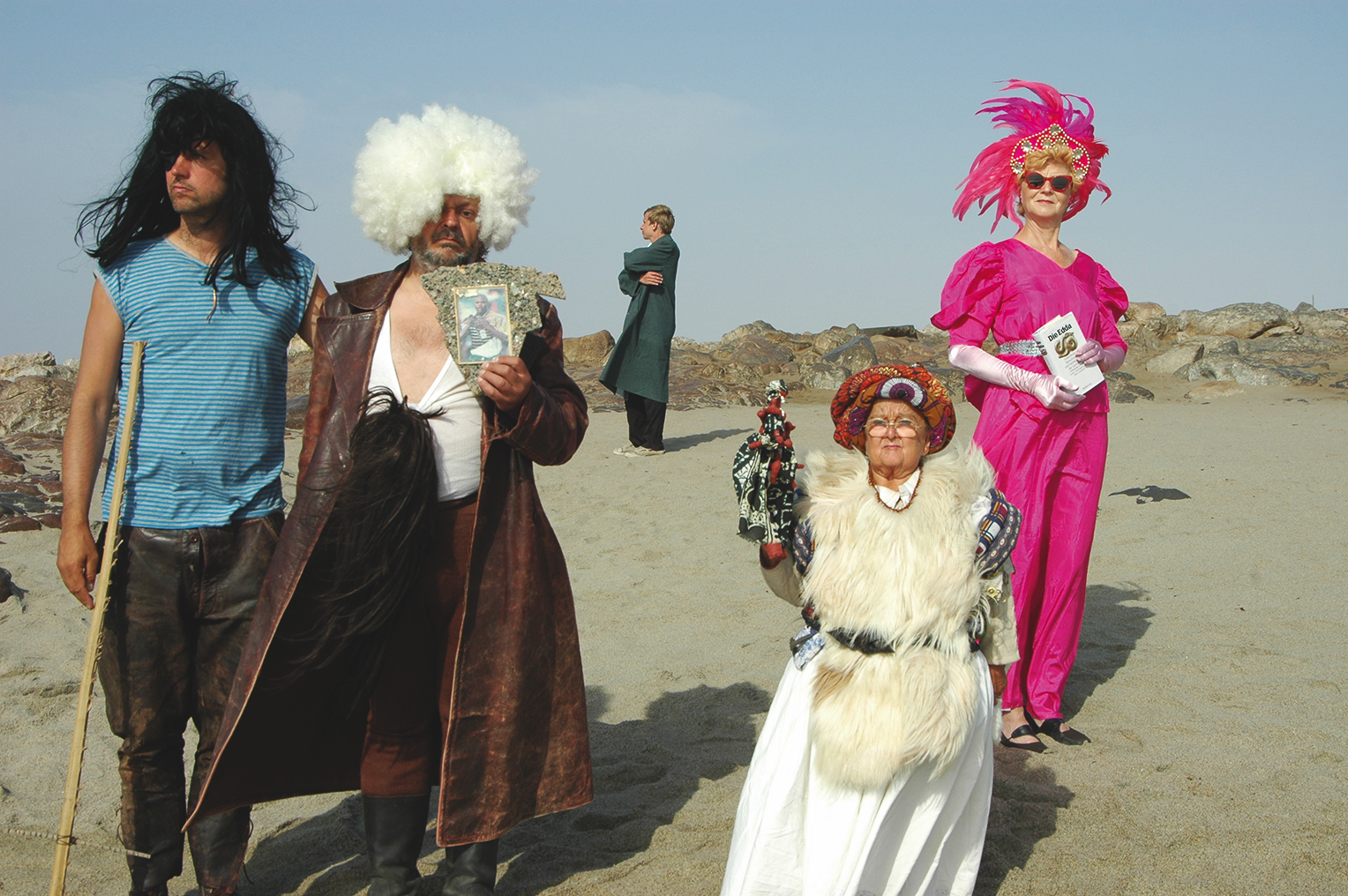
The article, published by Monopol magazine, previews a selection of art exhibitions and biennials opening in May. Highlights include the 61st Venice Biennale, a solo show by Lina Lapelytė at Hamburger Bahnhof in Berlin (part of the CHANEL COMMISSION series), a group exhibition titled "Lebt und arbeitet in Wien. Contemporary Art from Vienna" at Kunsthalle Wien, and a presentation of Christoph Schlingensief's work "The African Twin Towers" (2005) at MAK Wien. Also featured is Maximiliane Baumgärtner's exhibition at Kunstverein für die Rheinlande und Westfalen in Düsseldorf.

An Old Man Whose Egoscentrism Knows No Bounds

"Ein alter Mann, dessen Ich-Sucht keine Grenzen kennt"

More than 30 current and former jury members of the Stiftung Kunstfonds have issued a formal protest against German Culture Minister Wolfram Weimer, accusing his office of political interference and intimidation. The controversy stems from reports that the ministry requested lists of all jury members across various art institutions and bypassed jury decisions to exclude specific recipients from awards based on intelligence service reports.

Foreign Office Reprimands Goethe-Institut for Exhibition

Auswärtiges Amt rügt Goethe-Institut für Ausstellung

The German Foreign Office has formally reprimanded the Goethe-Institut for its involvement in an exhibition in Vilnius, Lithuania, featuring Palestinian-American artist Basma al-Sharif. The ministry stated that events organized by German cultural intermediaries must leave no doubt about the government's firm rejection of antisemitism and hatred of Israel, and demanded greater care in planning and conceptualizing such events with partners. The exhibition, "Bells and Cannons - Contemporary Art in Times of Militarization," was a collaboration between the Goethe-Institut Vilnius, the Contemporary Art Centre Vilnius, and the Berlin Academy of Arts.

The Delicate Bouquet of Roses and Peonies by Redouté and Thilo Westermann at Malmaison

Le délicat bouquet de roses et de pivoines de Redouté et de Thilo Westermann à Malmaison

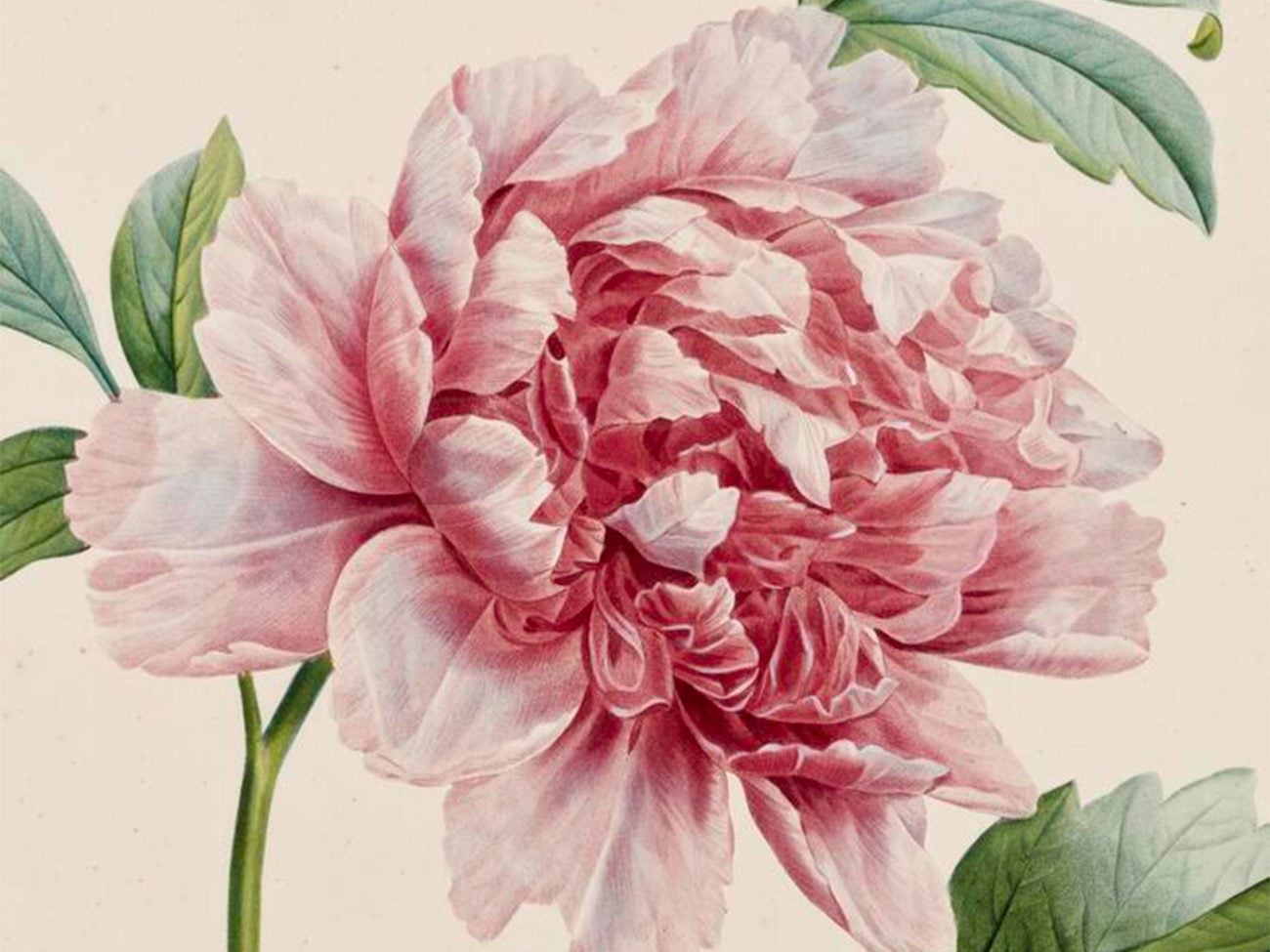
An exhibition titled "Roses & Pivoines" has opened at the Château de Bois-Préau in Malmaison, France, pairing the 19th-century botanical watercolors of Pierre-Joseph Redouté with contemporary glass-painting works by German artist Thilo Westermann. Redouté, famous for his meticulous rose and peony illustrations commissioned by Empress Joséphine Bonaparte, is shown alongside Westermann's pointillist technique on glass, which he developed from 2014 onward. The show also includes works by Jan-Frans van Dael and Cornelis van Spaendonck, plus scent stations for visitors to smell rose essences.

Martin Schongauer en toute majesté

The Louvre Museum in Paris has opened a major retrospective dedicated to Martin Schongauer (c. 1445–1491), the German engraver and painter from Colmar, bringing together a large portion of his known works. The exhibition features around one hundred pieces, including fifty engravings, five of his rare drawings, and nearly all of his attributed paintings—such as the "Virgin and Child at the Window" (c. 1480) from the Getty Museum and the "Orlier Altarpiece" (c. 1470–1475) from the Musée Unterlinden. The centerpiece is Schongauer's "Virgin of the Rose Bush" (1473), displayed at low height to reveal its botanical precision. Co-curated by Pantxika Béguerie De Paepe and Hélène Grollemund, the show also highlights Schongauer's influence on contemporaries and later artists through comparative works by Rogier van der Weyden and others.

Drained, Drowning, and Decay: The Best National Pavilions at the Venice Biennale

The 2026 Venice Biennale is defined by themes of ruin and decay, with standout national pavilions exploring bodily, infrastructural, and archaeological collapse. The Slovenian Pavilion features the Nonument Group repurposing materials from past Biennales into a ruin of a mosque for Bosnian Muslim soldiers from World War I. Syria presents its first national pavilion since the Civil War, with Sara Shamma invoking Palmyra, destroyed by ISIS. Germany's pavilion, titled "Ruin," features works by Henrike Naumann (who died in February) and Sung Tieu, questioning the pavilion's fascist architecture and nationalist residue. The Austrian Pavilion, curated by Florentina Holzinger, offers a visceral performance titled "Sea World." The Biennale is also marked by the abrupt resignation of its five-member jury, who refused to consider nations charged with crimes against humanity, leading to awards being chosen by public vote. Additionally, the main exhibition "In Minor Keys" was affected by the death of its curator, Koyo Kouoh.

A Pavilion of Ruins: Germany Reconsiders Its Past in Venice

The German Pavilion at the 61st Venice Biennale features a dual presentation exploring the country's layered political history. Artist Sung Tieu has cloaked the pavilion's fascist-era facade with a mosaic reconstruction of a GDR housing estate for Vietnamese contract workers, where she lived as a child. Inside, the late Henrike Naumann's immersive installation 'The Home Front' uses furniture and design to stage a confrontation between East and West German domestic and political ideologies. Naumann died in February 2025 at age 41, but her fully realized concept was completed collaboratively by her partner and curator Kathleen Reinhardt.

Venice Diary Day 1: At the Giardini, Artists Refuse to Make Fascism Cozy

Henrike Naumann's posthumous installation at the German Pavilion, which retains its 1938 Nazi-era fascist architecture, refuses to make the space 'cozy' by adorning windows with violently ripped domestic fabrics. The 2026 Venice Biennale is the first under president Pietrangelo Buttafuoco, associated with neo-fascist politics, and is overshadowed by controversy over his 'neutrality' policy allowing all countries to participate despite human rights concerns. The exhibition jury initially announced it would not consider pavilions from countries whose leaders are charged with crimes against humanity, then abruptly quit, leaving the situation unresolved. The US Pavilion features unimpressive blobs by Alma Allen, while the Russian Pavilion offers cut flowers and free vodka, and Andreas Angelidakis responds to fascist aesthetics at the Greek Pavilion.

Women behind the lens: ‘After state massacres, I began burning the prints as an act of mourning’

Iranian-Canadian visual journalist and artist Parisa Azadi describes her process of creating protest photographs during the 2022 Iranian revolution from exile in Dubai. Unable to return to Iran, she used open-source protest footage from social media, isolating frames and printing them with a Fujifilm instax camera to transform ephemeral digital images into physical objects. In January 2026, after state massacres and executions, she began burning these prints as an act of mourning, scarring their surfaces to echo the violence they depict.

‘In every drop of paint he slurped, you see the Holocaust’: the genius and torments of Georg Baselitz

Georg Baselitz, the German painter and sculptor known for his provocative confrontations with Nazi history, has died. Born in 1938, he was one of the last living artists with direct childhood memories of the Third Reich. His early works, such as *Die große Nacht im Eimer* (1961) and his upside-down German eagles, deliberately shocked postwar West Germany by depicting obscene, shameful images of a society trying to forget the Holocaust. He famously exhibited a zombie Hitler woodcarving at the 1980 Venice Biennale alongside Anselm Kiefer, insisting on confronting rather than ignoring the Nazi heritage of the German Pavilion.