filter_list Showing 239 results for "Evidence" close Clear
search
dashboard All 239 article news 81museum exhibitions 56trending_up market 25gavel restitution 20article culture 20article policy 18article local 7person people 6rate_review review 3candle obituary 3
date_range Range Today This Week This Month All
Subscribe

Conduit Gallery Announces Move to New Dallas Design District Location

Conduit Gallery, a contemporary art gallery in Dallas, announced it will move to a new location at 1845 East Levee Street in the Dallas Design District in January 2026, after 25 years at its current space on Hi Line Drive. The gallery will share a building with Cris Worley Fine Art, in the former home of Holly Johnson Gallery, which closed earlier this year. The move comes as the gallery celebrates its 40th anniversary, having been founded in 1984 with a focus on emerging and nationally recognized artists, particularly those working in Texas.


Artist Tammy Nguyen’s New Show Finds Heaven on Earth

Artist Tammy Nguyen presents her new exhibition "A Comedy for Mortals: Paradiso" at Lehmann Maupin New York, running from June 5 to August 15. The show is the final installment of a three-part series inspired by Dante's Divine Comedy, following earlier presentations in Seoul (Inferno) and London (Purgatory). Nguyen, a 40-year-old painter, professor at Wesleyan, and founder of Passenger Pigeon Press, creates dense, polymathic canvases that weave together imagery from Dante's celestial journey with contemporary references, including Frankenstein, President Eisenhower's military-industrial complex warning, and drones. The exhibition explores paradise as a journey of endless knowledge, while also delving into darker historical events like the 1815 Mount Tambora eruption.

Notre-Dame Stained Glass: The Fight Continues!

Vitraux de Notre-Dame : le combat continue !

The French government has authorized the removal and replacement of the 19th-century stained-glass windows designed by Eugène Viollet-le-Duc in Notre-Dame Cathedral with new windows by contemporary artist Claire Tabouret. This decision, posted as a work permit on the cathedral, is being challenged in court by the heritage association Sites & Monuments, which argues the replacement is not a legitimate act of conservation or restoration.

Trial Begins in Brent Sikkema Murder-For-Hire Case

Opening statements and witness testimony began on Tuesday in a Manhattan court for the murder-for-hire trial following the 2024 killing of New York art dealer Brent Sikkema. Alejandro Triana Prevez, a Cuban national, was arrested shortly after Sikkema was found murdered in his Rio de Janeiro apartment, and claims that Sikkema's ex-husband, Daniel Carrera Sikkema, offered him $200,000 to commit the crime. Carrera Sikkema was charged in February 2025 with hiring Prevez. Prosecutors presented evidence including phone records, financial transactions, and witness testimony, while the defense argued the case relies on circumstantial evidence and that Carrera Sikkema's statements were made amid a contentious divorce.

Art and Cultural Engagement Can Slow the Pace of Aging: Report

A new study published in the journal *Innovation in Aging* finds that engaging with arts and cultural activities can slow biological aging at a molecular level. Led by Daisy Fancourt of University College London, the research measured participation in four types of activities—participatory arts, receptive arts, visiting heritage sites, and other cultural activities—and used epigenetic clocks to assess aging. Those who engaged at least once a week showed a four-percent slowdown in aging, while monthly engagement yielded a three-percent slowdown.

Ancient Greek and Roman Statues Found in Alexandria

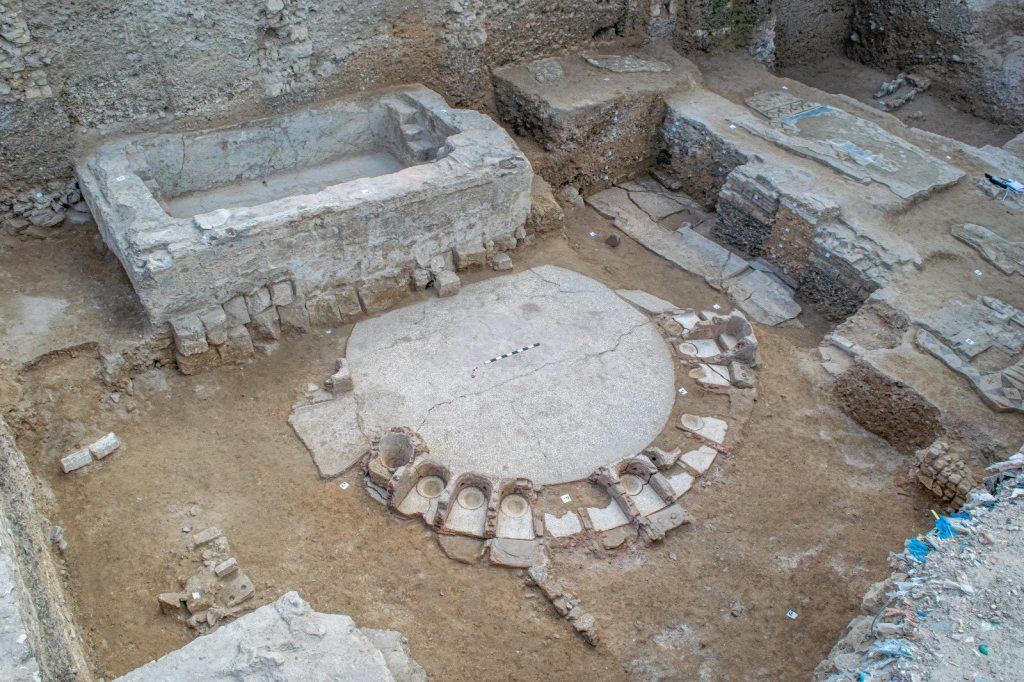
An excavation in the Moharam Bek neighborhood of Alexandria, Egypt, has uncovered a significant trove of artifacts from the Greek, Roman, and Byzantine periods, including statues of deities such as Bacchus, Asclepius, and Minerva, as well as coins, lamps, ceramic vessels, a public bathhouse, mosaic flooring from a Roman villa, and advanced water systems. The discovery was announced by Egypt’s Ministry of Tourism and Antiquities and reported by Greek City Times, with officials from the Supreme Council of Antiquities highlighting the site’s comprehensive view of ancient residential and service architecture.

Seven-Foot-Tall Monument to Ramses II Discovered in Eastern Nile Delta Region

Archaeologists in Egypt have discovered the upper half of a 7-foot-tall statue of Ramses II at the site of Tell El-Faraoun in the eastern Nile Delta. Weighing over 5 tons, the fragment is believed to have originally been carved for a temple in the ancient capital of Per-Ramesses and was later relocated. The find was announced by the Egyptian Ministry of Tourism and Antiquities, with Hisham El-Leithy of the Supreme Council of Antiquities noting its importance for understanding how statues were moved and reused during the New Kingdom.

Ruins of a ‘Unique‘ Temple Complex Discovered in Northern Sinai

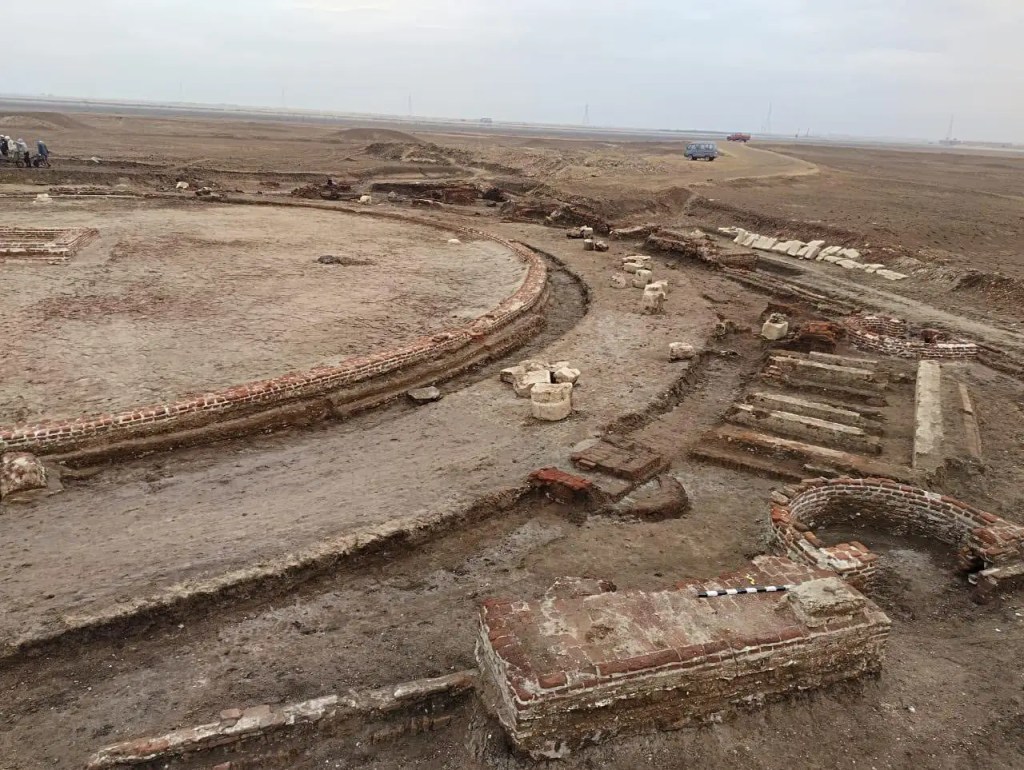
An Egyptian archaeological mission has unearthed a unique temple complex at Tell el-Farama, the site of the ancient city of Pelusium in northern Sinai. The discovery features a massive circular water basin, approximately 100 feet in diameter, surrounded by drainage channels and a central plinth likely intended for a statue. Initially mistaken for a civic building when first excavated in 2019, further study has revealed the site to be a sacred water installation used for religious rituals between the 2nd century BC and the 6th century AD.

Rare Winnie-the-Pooh Drawings Surface for the First Time

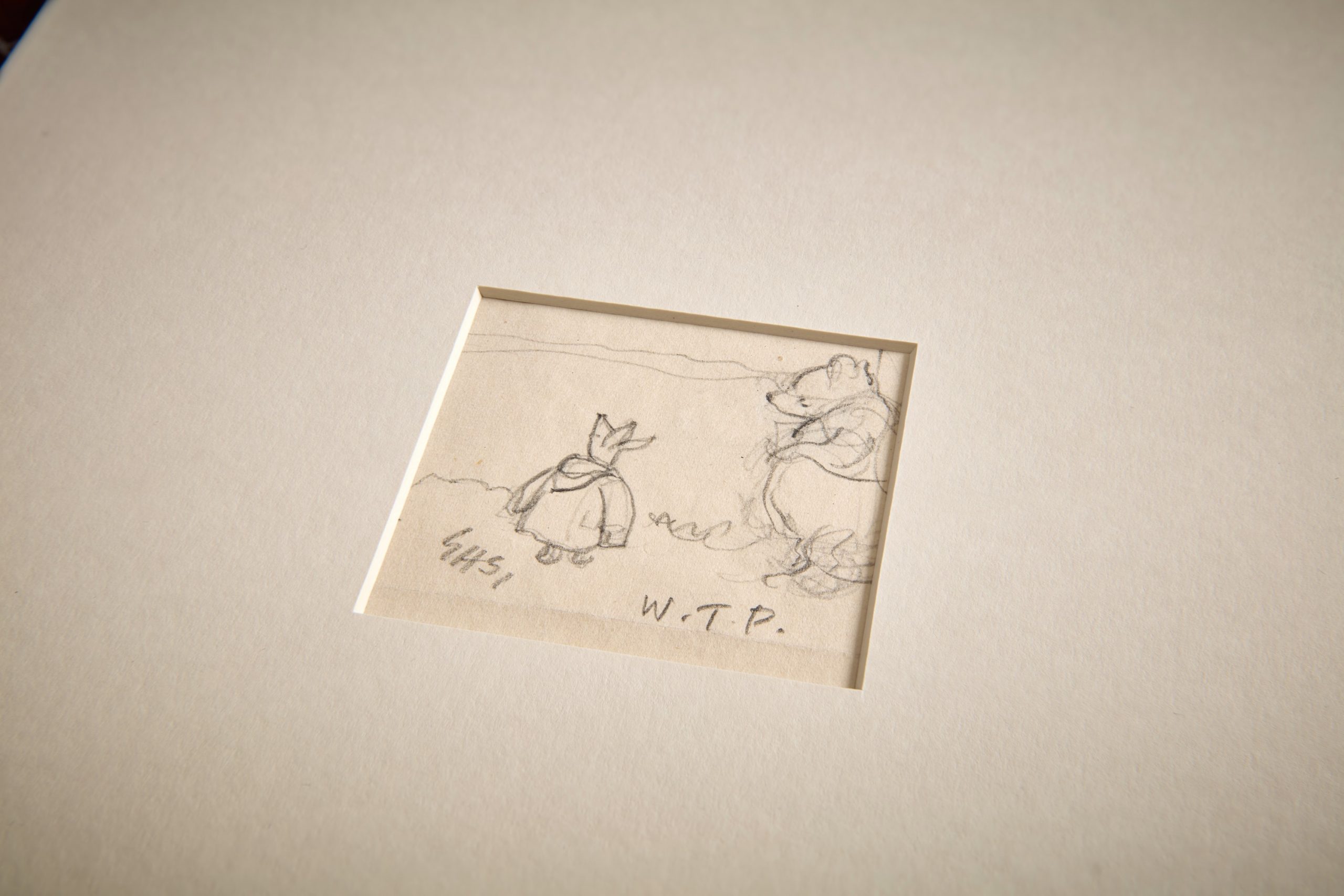
Two previously unseen preliminary drawings of Winnie-the-Pooh by illustrator E.H. Shepard have surfaced for the first time on the centenary of the children's classic. Brought forward by Shepard’s family, the pencil sketches depict scenes from A.A. Milne’s original 1926 book that were never fully realized or published. These rare works, along with several other preliminary sketches that did make it into print, are currently on display and for sale at Peter Harrington Rare Books in London before traveling to the New York International Antiquarian Book Fair.

Archaeologists Uncover a 2,000-Year-Old Hillfort in Estonia

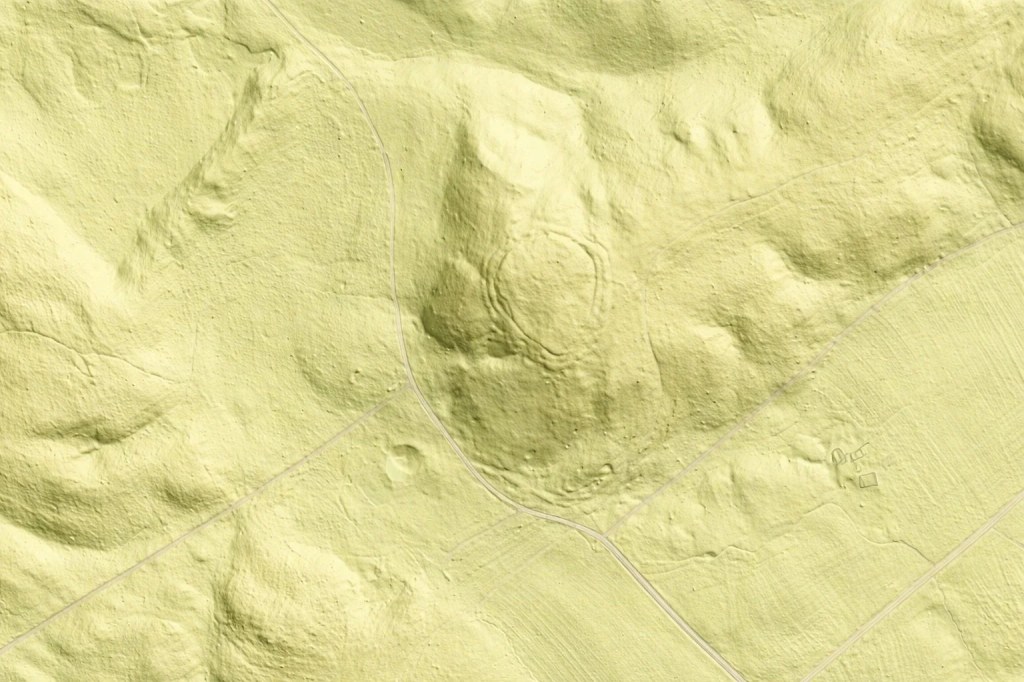
Archaeologists from the University of Tartu have discovered a 2,000-year-old Iron Age hillfort at Köstrimägi in Tartu County, Estonia. Using high-resolution terrain mapping, the team identified a 16,000-square-foot fortification featuring an unusual stepped rampart system that dates back to between 41 BCE and 9 CE. Despite its size, the site yielded few artifacts beyond pottery fragments and charcoal, suggesting a very brief period of occupation before it was destroyed by fire.

Bronze Age State Metal-Working Center Unearthed Near China’s Yangtse River

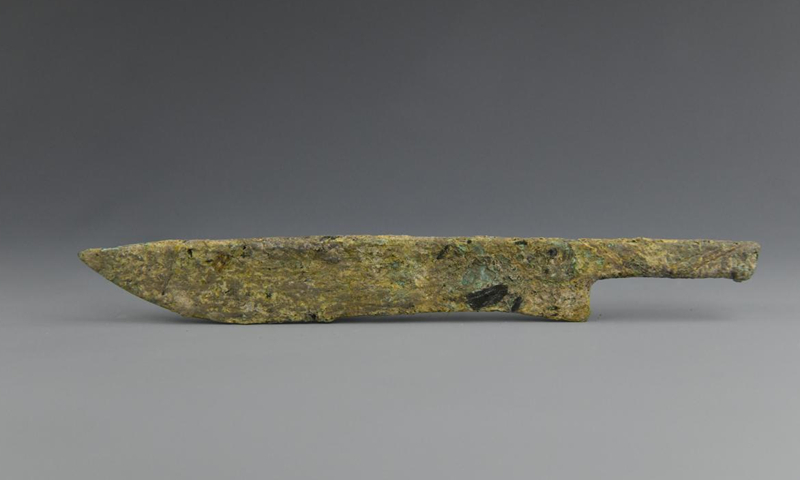
Archaeologists at the Shenduntou site near the Yangtze River have unearthed a significant Bronze Age metal-working center dating back to the Zhou dynasty. The excavation, led by Nanjing Normal University, revealed approximately 1,000 artifacts including clay molds, arrowheads, and knives, alongside evidence of furnaces and protective earthen walls. These findings confirm the existence of a high-level workshop dedicated to large-scale bronze production within the ancient Wu kingdom.

Newly Translated 2,000-Year-Old Graffiti Proves Presence of Indian Visitors to Egypt’s Valley of the Kings

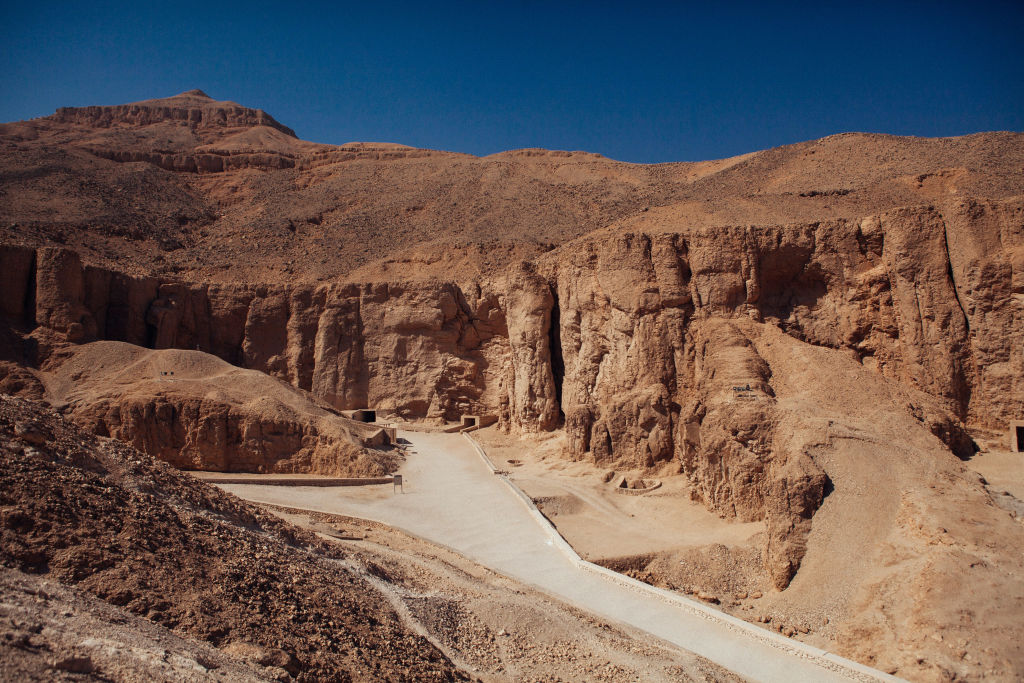
Archaeologists have translated 2,000-year-old graffiti in Old Tamil, Sanskrit, and Kharosti script found on the walls of six tombs in Egypt's Valley of the Kings. The inscriptions, dating from the 1st to 3rd centuries CE, include one individual, Cikai Korran, who wrote his name eight times across five tombs, effectively 'tagging' the ancient site.

Remnants of 3,400-Year-Old Loom in Spain Sheds Light on Bronze Age Textile Production

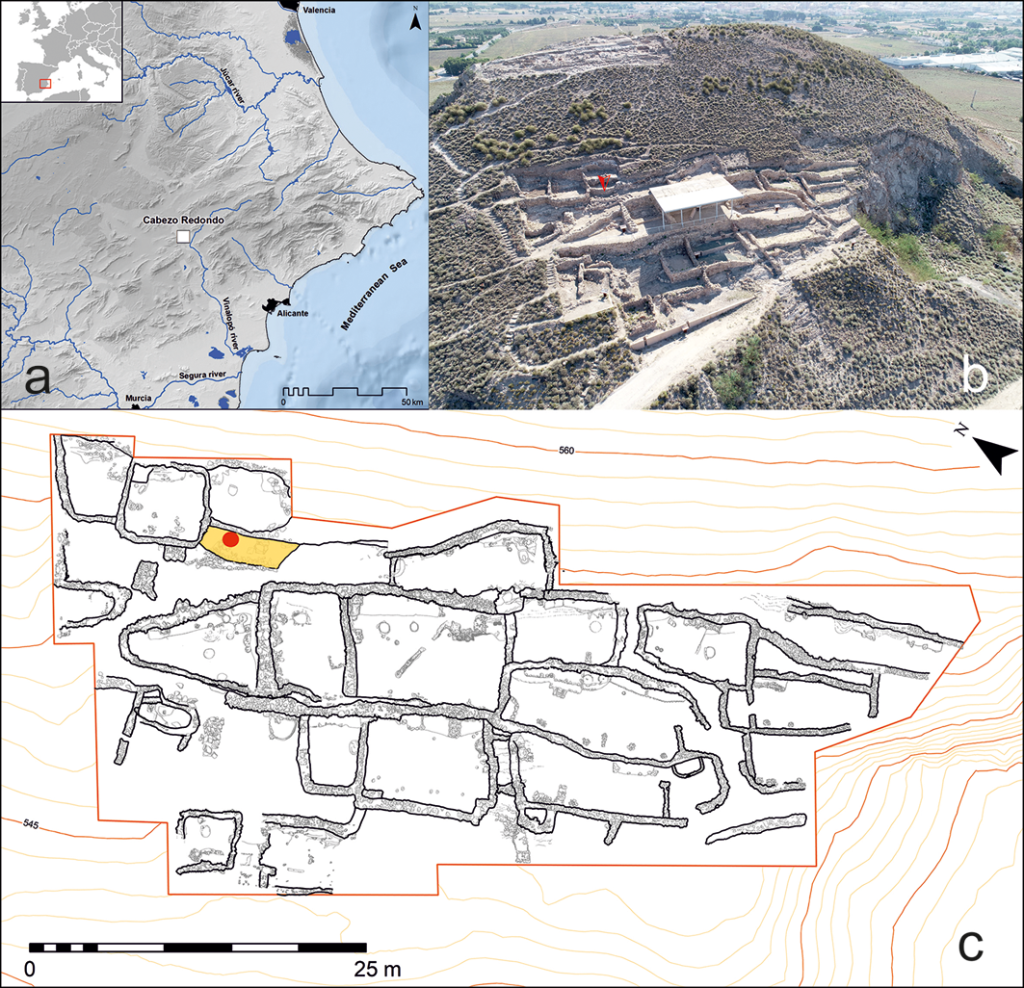
Archaeologists in Spain have published new research on a remarkably preserved 3,450-year-old wooden loom, discovered in 2008 at the Cabezo Redondo site. The loom survived because a fire destroyed the surrounding Bronze Age village and a roof collapsed on it, charring and protecting the wood from decay. This rare find includes over 200 lightweight loom weights, suggesting the community was engaged in intensive production of delicate wool textiles.

roman ingots found ceredigion wales 2751825

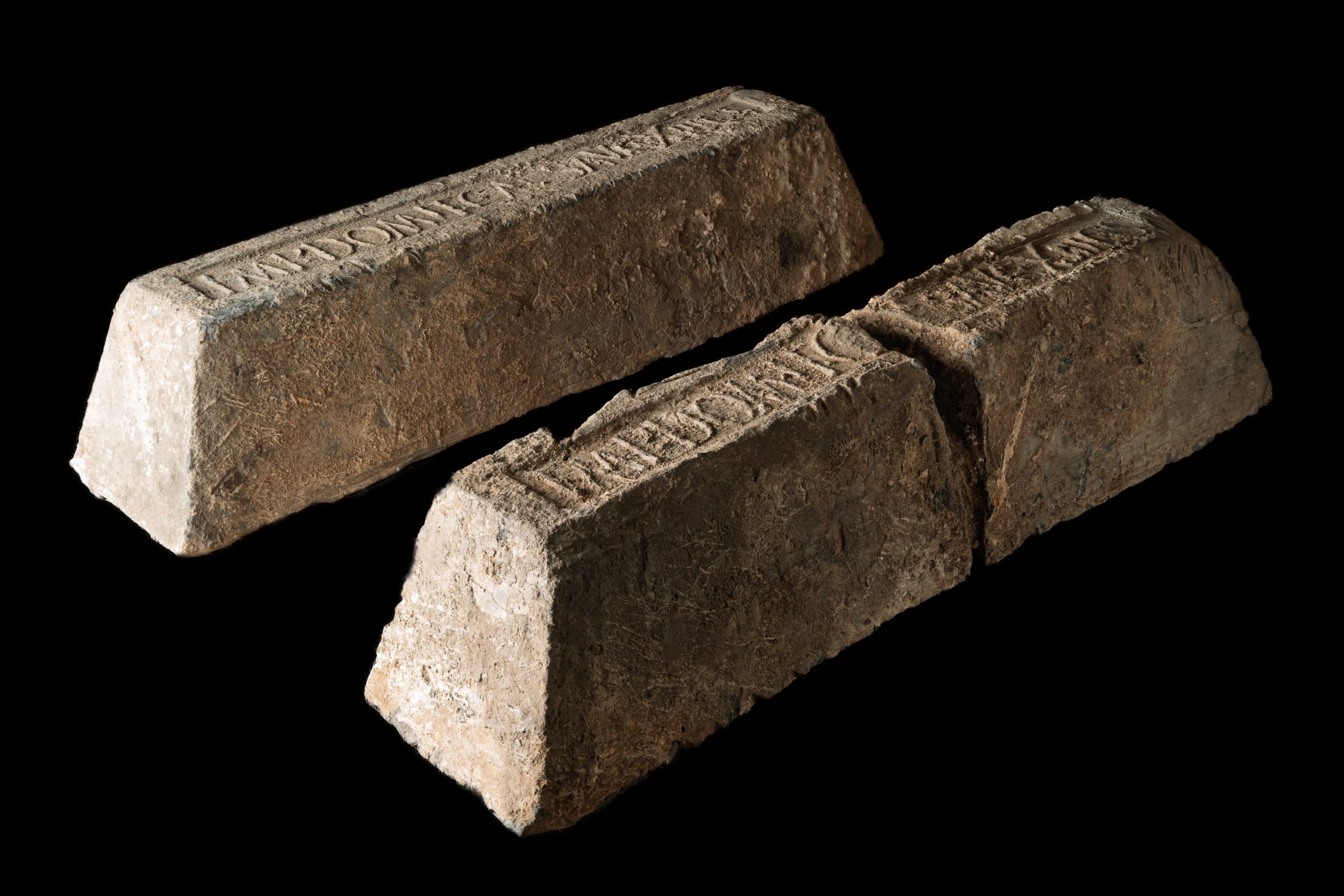
Metal detectorists Nick Yallope and Peter Nicolas discovered two rare Roman lead ingots, or 'pigs,' in the community of Llangynfelyn, West Wales. Dated precisely to 87 C.E. during the reign of Emperor Domitian, the artifacts were found buried approximately 1.5 feet underground. Following a geophysical survey by the archaeology trust Heneb, the finds were officially declared treasure under the U.K.’s Treasure Act, marking a significant addition to the region's archaeological record.

UK Government AI Copyright Rules Decision

uk government ai copyright rules decision 1234775962

The UK government is currently navigating a contentious legal overhaul of intellectual property laws regarding artificial intelligence and copyright. A controversial proposal that would allow AI firms like OpenAI to train models on copyrighted material without creator consent has sparked fierce backlash from artists, MPs, and the House of Lords. While a formal update is expected in mid-March, reports suggest the government may delay a final decision for another year to gather further evidence.

bayeux tapestry canterbury mealtime reading 2730665

A new study by University of Bristol historian Benjamin Pohl, published in the journal *Historical Research*, proposes that the Bayeux Tapestry was originally designed as mealtime reading for monks in the refectory of St. Augustine’s Abbey in Canterbury. Pohl argues that the tapestry’s moralistic episodes, inclusion of Aesop’s fables, and simple Latin text align with Benedictine rules requiring silent dining accompanied by edifying readings. The theory builds on earlier speculation that the tapestry once hung in a private school’s refectory, but Pohl provides documentary and archaeological evidence for the Canterbury location.

ancient egyptian pleasure boat portus magnus 2725487

Underwater archaeologist Franck Goddio and his Institut Européen d’Archéologie Sous-Marine (IEASM) team have discovered the remains of a 35-meter-long ancient Egyptian pleasure boat, known as a thalamagos, in the submerged Portus Magnus off Alexandria’s harbor. The 28-meter preserved timbers, found seven meters underwater and buried under sediment, represent the first physical evidence of such vessels, previously known only from ancient texts like Strabo's Geography and the Nile mosaic at Palestrina. The ship, built in Alexandria and propelled by oars, features a central pavilion and Greek graffiti from the 1st century C.E., and may have sunk around 50 C.E. during the destruction of the temple of Isis on Antirhodos Island.

the hunt sanxingdui civilization china 2715270

The article recounts the rediscovery and ongoing excavation of the ancient Sanxingdui civilization in Sichuan, China, beginning with a peasant's accidental find of jade relics in 1929. After decades of political disruption, large-scale digs resumed in the 1980s, uncovering over 50,000 artifacts—including distinctive bronze masks with gold foil—that offer the only clues to this Bronze Age city's culture, trade networks, and mysterious collapse around the 11th century B.C.E.

san francisco asian art museum returns sculptures thailand 1234766049

Four ancient bronze sculptures illegally removed from Thailand in the 1960s have been repatriated from San Francisco’s Asian Art Museum to their original home in Thailand, following an investigation led by the US Department of Homeland Security. The works, which were featured in the museum’s 2024 exhibition “Moving Objects: Learning from Local and Global Communities,” were linked to convicted antiquities trafficker Douglas Latchford and had been acquired by the museum’s founding collector Avery Brundage. The Asian Art Commission unanimously approved the return after a two-stage voting process that began in September 2024 and concluded in April 2025.

egyptian ceramic vessel ancient pompeii canteen 1234760907

A nearly 2,000-year-old Egyptian ceramic vessel, a bucket-shaped situla, was discovered during conservation work at the Thermopolium of Regio V in Pompeii. The faience pot, decorated with Egyptian-style hunting reliefs, was found in the kitchen of a well-preserved fast-food restaurant that served the working- and middle-class residents of the Roman city before its destruction by Mount Vesuvius in 79 CE. The discovery was published by the Pompeii Archaeological Park’s online journal.

forged polish painting returns to the national museum in poznan poland 1234753722

A painting long attributed to Polish Realist painter Józef Pankiewicz and held by the National Museum in Poznań has been revealed as a forgery. The work, titled 'Vegetable Market at Żelaznej Bramy Square in Warsaw' and dated 1888, was awarded a silver medal at the 1889 Universal Exposition in Paris and acquired by the museum in 1948. In 2017, scholar Michał Haake noticed discrepancies between the museum's version and historical reproductions, prompting an investigation. Conservators removed overpainting and found that the canvas, pigments, and composition differed from the original, with Pankiewicz's signature added after completion. The forgery, now attributed to an unidentified early 20th-century artist, is back on display alongside a photo of the original in the exhibition 'Succumb to Illusion.' The original painting has been missing since 1890.

archaeologists peru ancient 3500 year old city penico 1234747025

Peru’s Ministry of Culture has unveiled the archaeological site of Peñico, a 3,500-year-old city in the province of Huaura, after eight years of research and conservation. Dating back to 1800 BCE, the “City of Social Integration” was strategically built to enhance monumentality, prevent flooding, and promote trade. It likely served as a hub linking Pacific coast cultures with the Andes and Amazon. Archaeologist Ruth Shady, director of the Caral Archaeological Zone, led the research and noted that Peñico emerged after the Caral civilization was devastated by climate change. The site includes 18 structures, among them a major administrative building with depictions of conch shell trumpets called pututus, and yielded artifacts such as clay sculptures, necklaces, and stone tools. The site opened for tourism on July 3, with a traditional Andean festival planned for July 12.

remnants enaissance equestrian statue french dig 2662751

Archaeologists from INRAP (the National Institute of Preventive Archaeological Research) have unearthed a Renaissance-era limestone equestrian statue in Toul, northeastern France. The statue, broken into 27 pieces, was found buried under a roadway among the remains of a medieval gate demolished around 1700. The largest fragment measures about three-and-a-half feet, and the intact work would have stood over five feet high. The horse's trunk and head are preserved, along with the rider's hips and upper thighs, but the rider's head and limbs are missing, making identification uncertain. INRAP suggests the rider may have been Henry II, King of France, or more likely John III of Lorraine, Cardinal of Lorraine and Bishop of Toul, and that Italian artists may have been involved in its creation.

pompeii garden of hercules restoration 2657556

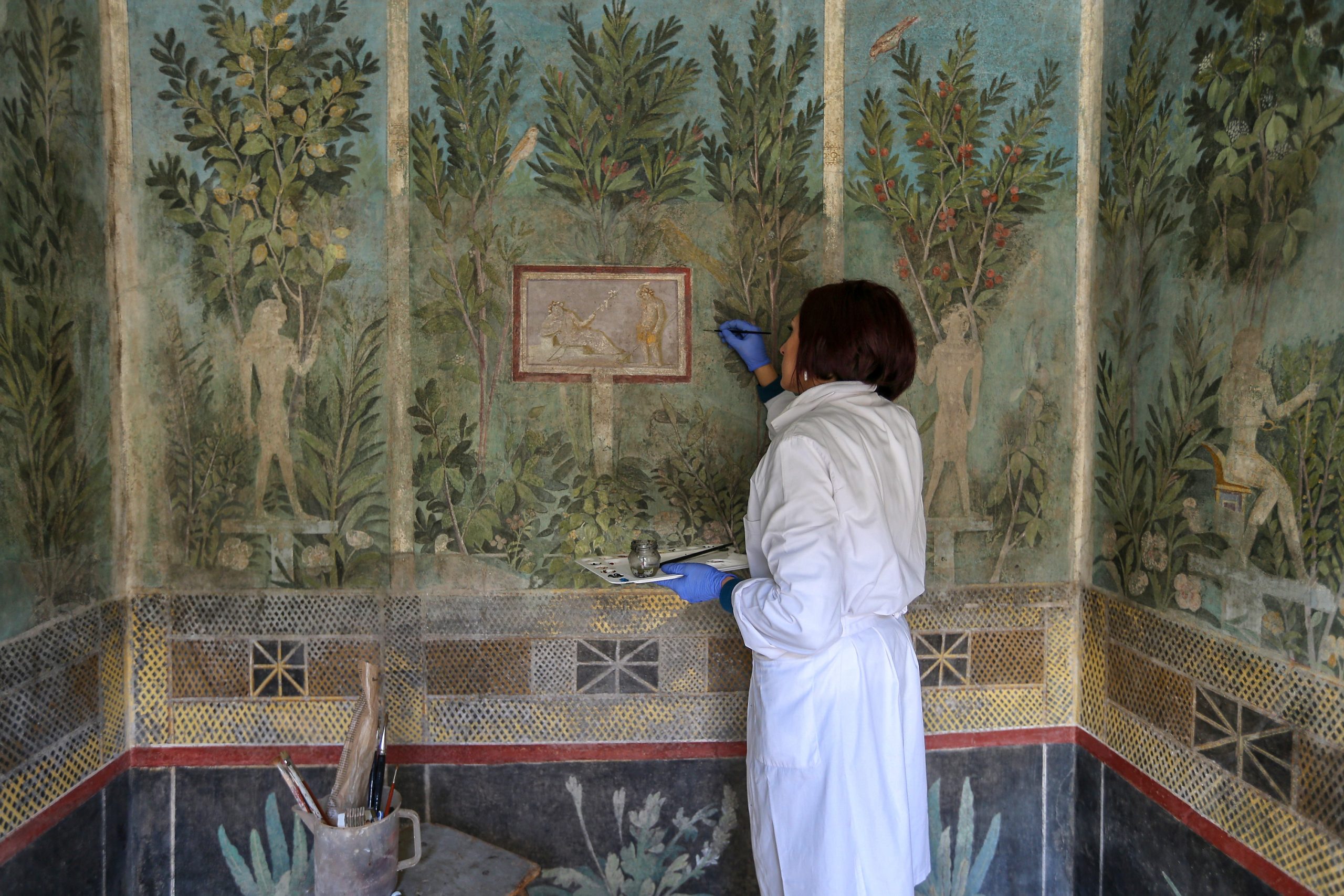
The Pompeii Archaeological Park has unveiled the restored Garden of Hercules, replanted with 1,200 violets, 1,000 ruscus plants, 800 antique roses, vines, and fruit trees to mirror its appearance 2,000 years ago. The restoration is based on botanical research from the 1950s by Wilhelmina Jashemski, who identified pollen, spores, and plant fossils at the site. The garden, located on Regio VIII, Insula 2, also features a recreated ancient irrigation system and a terracotta statue of Hercules, and was once used for commercial perfume production.

murujuga rock art woodside gas unesco concerns 1234745566

Australian politicians are pushing back against UNESCO's concerns that ancient rock art in Murujuga, Western Australia, is endangered by the proposed expansion of the Karratha Gas Plant, operated by Woodside Energy. The site contains up to 1 million petroglyphs, some dating back 47,000 years, and UNESCO's advisory body ICOMOS has warned that industrial emissions are a major threat. Australia's environmental minister Murray Watt has disputed ICOMOS's findings, calling them factually inaccurate, while Woodside claims the expansion will help transition away from coal and achieve net zero by 2050.

women ancient pompeii 2640517

A new exhibition at the Pompeii Archaeological Park, titled “Being a Woman in Ancient Pompeii,” aims to correct centuries of historical neglect by highlighting the lives of real women from the ancient city. Through frescoes, artifacts, inscriptions, and an interactive app, the show presents the stories of entrepreneurs, priestesses, innkeepers, artisans, sex workers, and slaves—including Clodia Nigella, a public pig-keeper; Faustilla, a pawnbroker; Asellina, a tavern owner who employed bar workers and sex workers; Julia Felix, an independent property owner who rented out her bathhouse; and Eumachia, a businesswoman. Co-curated by archaeologist Francesca Ghedini, the exhibition uses archaeological evidence to reconstruct the personalities and daily activities of these women, whose roles have long been obscured by male-dominated historical narratives.

eu import regulations 2653480

The European Union's Regulation 2019/880, aimed at combating illicit trafficking and terrorism, will take effect on June 28, imposing stricter import controls on antiquities and artworks over 200 years old and valued above €18,000 ($19,500). The regulation requires importers to provide evidence that an object was lawfully exported from its country of origin, even for items exported decades ago when such documentation was not required. This reverses the presumption of innocence, placing the burden of proof on importers. Dealers and experts express concern that the rules are not based on market realities, as importers must be registered within the E.U., forcing non-E.U. dealers to rely on third-party agents or shippers. The regulation also poses challenges for ancient objects, where borders and export controls may be historically ambiguous.

world press photo foundation suspends the terror of war attribution 1234742611

The World Press Photo Foundation has suspended the authorship attribution of the iconic 1972 photograph 'The Terror of War' (also known as 'Napalm Girl') from Associated Press photographer Nick Út. The decision follows new research presented in the documentary 'The Stringer' (January 2025) by the VII Foundation, which suggests that the image was more likely captured by stringer Nguyễn Thành Nghệ or Huỳnh Công Phúc. An independent investigation by forensic analysts and media experts, along with separate inquiries by AP and World Press Photo, found insufficient evidence to definitively confirm the original credit, leading to the suspension until authorship can be conclusively determined.

who took famous napalm girl photo 2645951

A documentary film titled *The Stringer* has sparked a controversy over the authorship of the iconic 1972 Vietnam War photograph known as "Napalm Girl" (officially *The Terror of War*). Both the Associated Press and World Press Photo conducted investigations into whether the credited photographer, Nick Ut, actually took the image. While the AP decided to maintain Ut's credit due to insufficient evidence to the contrary, World Press Photo stripped his authorship, concluding that the level of doubt is too significant to keep the existing attribution. The organization found that two other photographers—Nguyen Thanh Nghe and Huỳnh Công Phúc—were also present and could have taken the shot, but it could not definitively reassign authorship.

pompeii discoveries 2638433

Archaeologists have uncovered a series of remarkable discoveries at Pompeii, the ancient Roman city buried by Mount Vesuvius in 79 C.E. Recent finds include life-sized statues of a priestess and a man from a tomb, frescoes depicting Dionysian rituals and mythological scenes, an extravagantly decorated 'tiny house' called the House of Phaedra, and evidence of aspirational interior design. These artifacts, unearthed in suburban villas and tombs, range from a bejeweled priestess statue to children's gladiator doodles and ancient fast-food counters, revealing new details about daily life in the Roman Republic.