filter_list Showing 524 results for "Discovery" close Clear
search
dashboard All 524 article news 178museum exhibitions 168trending_up market 86article culture 30article local 30gavel restitution 15person people 8article policy 3article event 2candle obituary 2rate_review review 2
date_range Range Today This Week This Month All
Subscribe

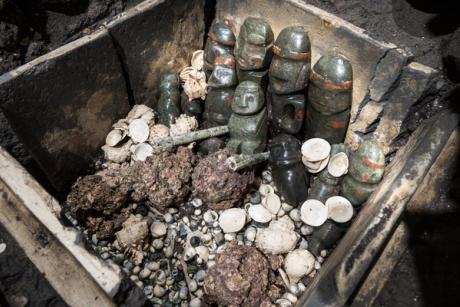
500-year-old Aztec ritual offering uncovered in Mexico City

Archaeologists from Mexico's National Institute of Anthropology and History have uncovered a 500-year-old Aztec ritual offering at the Templo Mayor site in Mexico City. The discovery consists of six volcanic stone boxes containing greenstone sculptures, thousands of marine shells, copal spheres, and pendants, all forming a complete ceremonial assemblage from the reign of Emperor Moctezuma I (1440-1469).
Ancient Egyptian Papyrus Reveals 3,300-Year-Old White-Out Fluid

ancient egyptian papyrus white out fluid

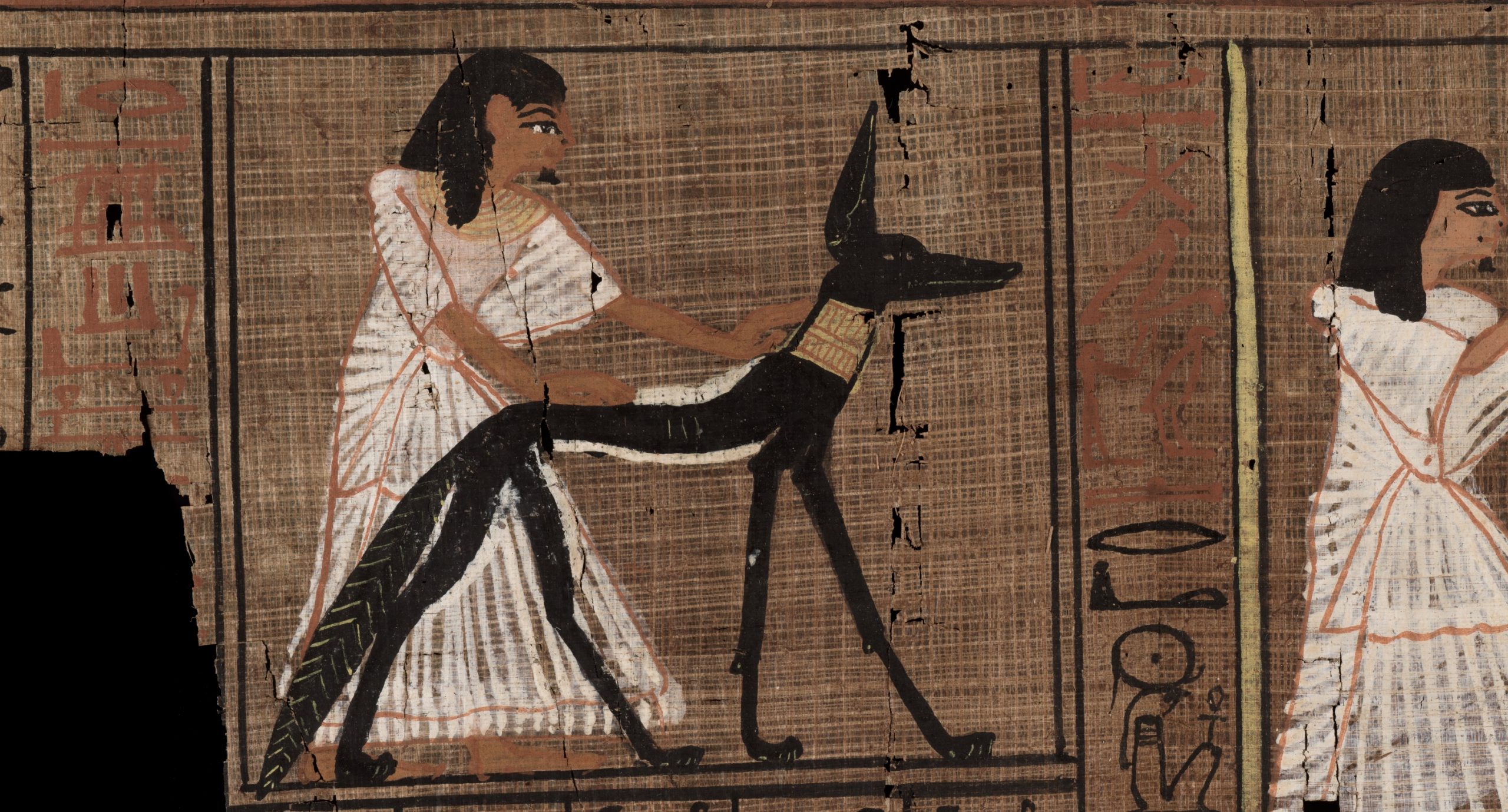
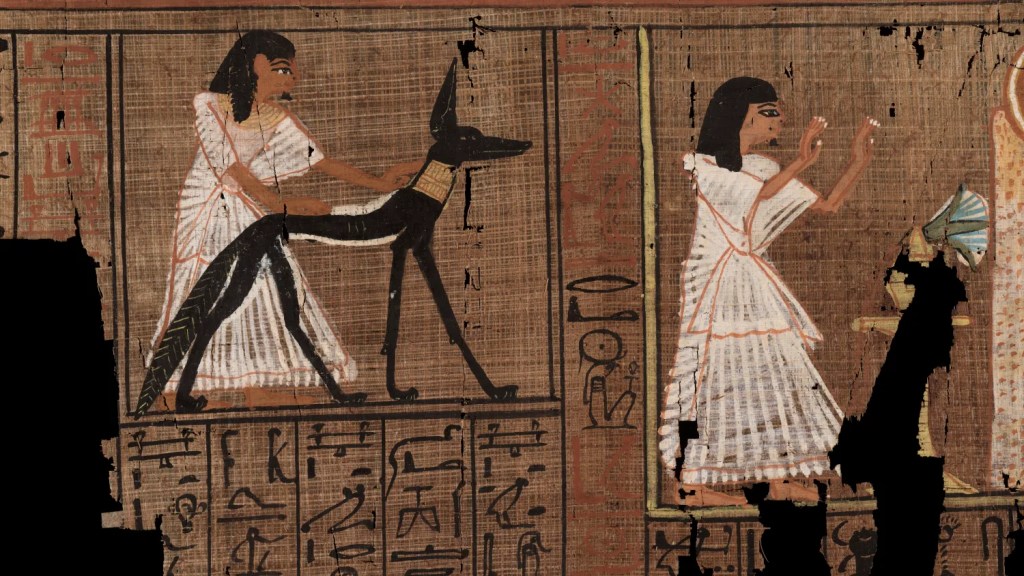
Researchers at the Fitzwilliam Museum have discovered evidence of 3,300-year-old "white-out" used to correct an artistic error on an ancient Egyptian papyrus. While preparing for an upcoming exhibition, curators identified a modification on a copy of the Book of the Dead belonging to the royal scribe Ramose, where a mixture of calcite and huntite was applied to slim down the figure of a jackal deity.

ancient egyptians correction fluid book of the dead

Researchers at the Fitzwilliam Museum have discovered that ancient Egyptian scribes used a primitive form of correction fluid to amend errors on papyrus scrolls. While preparing a 3,300-year-old copy of the Book of the Dead for the tomb of the scribe Ramose, conservators noticed white lines of huntite and calcite mixed with yellow orpiment used to slim down a painted jackal. This 'ancient Wite-Out' was specifically blended to match the cream-colored tone of fresh papyrus, concealing revisions made during the artistic process.

record archeological finds metal detecting british public

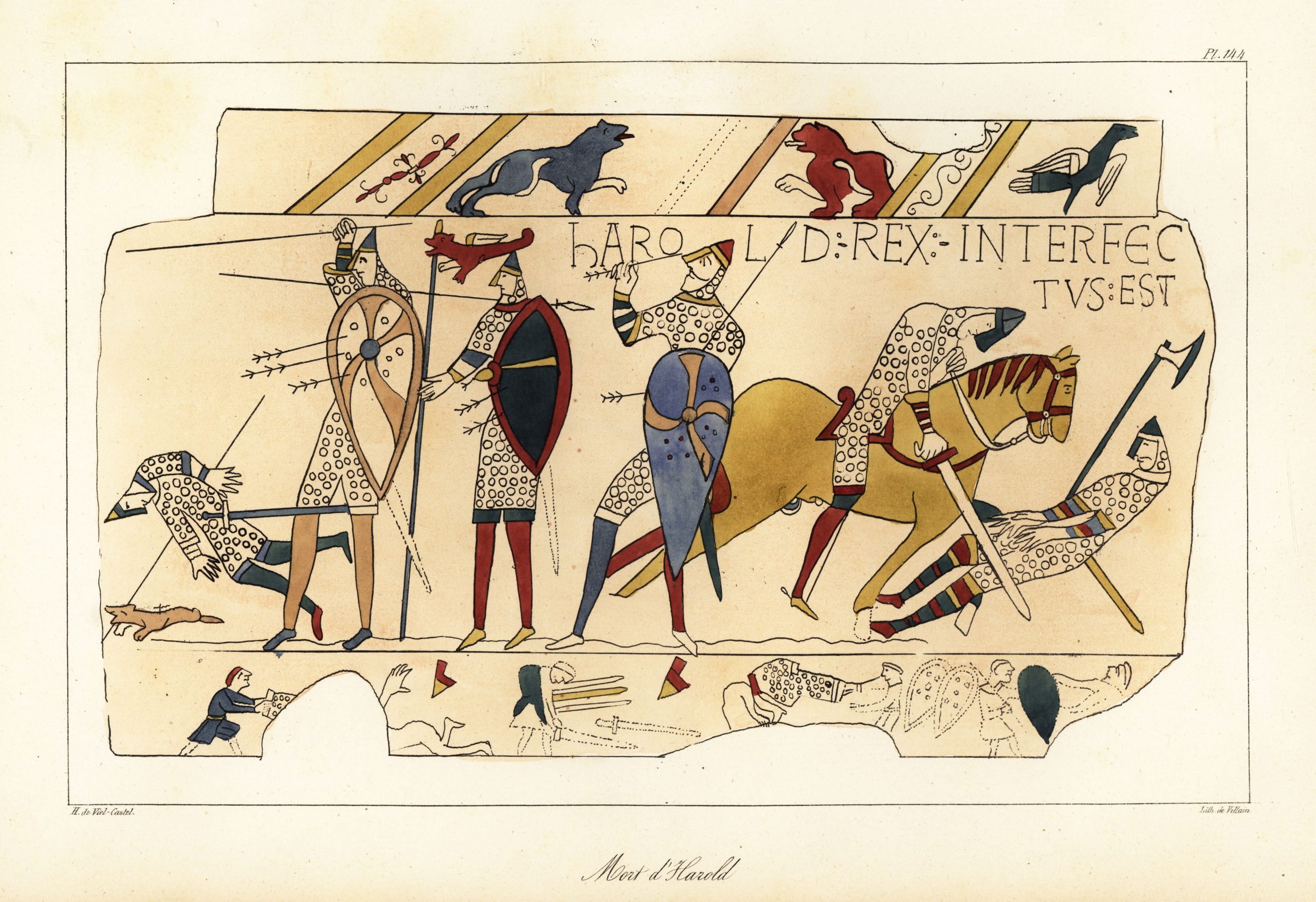
The British Museum announced that 2024 was a record year for archaeological discoveries made by the public in the UK, with 79,616 finds recorded. Of these, 1,540 were classified as "treasure" under the 1996 Treasure Act, the highest number ever in a single year and the third consecutive record-breaking year. Ninety-four percent of the discoveries were made by metal detectorists. The figures come from the Portable Antiquities Scheme (PAS), a project jointly managed by the British Museum and Amgueddfa Cymru–Museums Wales. Notable finds include a hoard of silver pennies from Harold II's reign, a Roman vehicle fitting with a panther and severed human head, and early medieval gold and silver objects.

blenheim palace conservation graffiti

Conservators restoring paintings in the Great Hall of Blenheim Palace, a UNESCO World Heritage site in the UK, discovered graffiti names written on the ceiling dating back to 1843. The names, found over 60 feet up, include workers such as a plasterer from 1843 and individuals from 1968, along with dates like 1931 and 1939. The discovery was made during a $16 million roof restoration project that began in 2024 and is set to finish next year.

the hunt amarna letters diplomacy

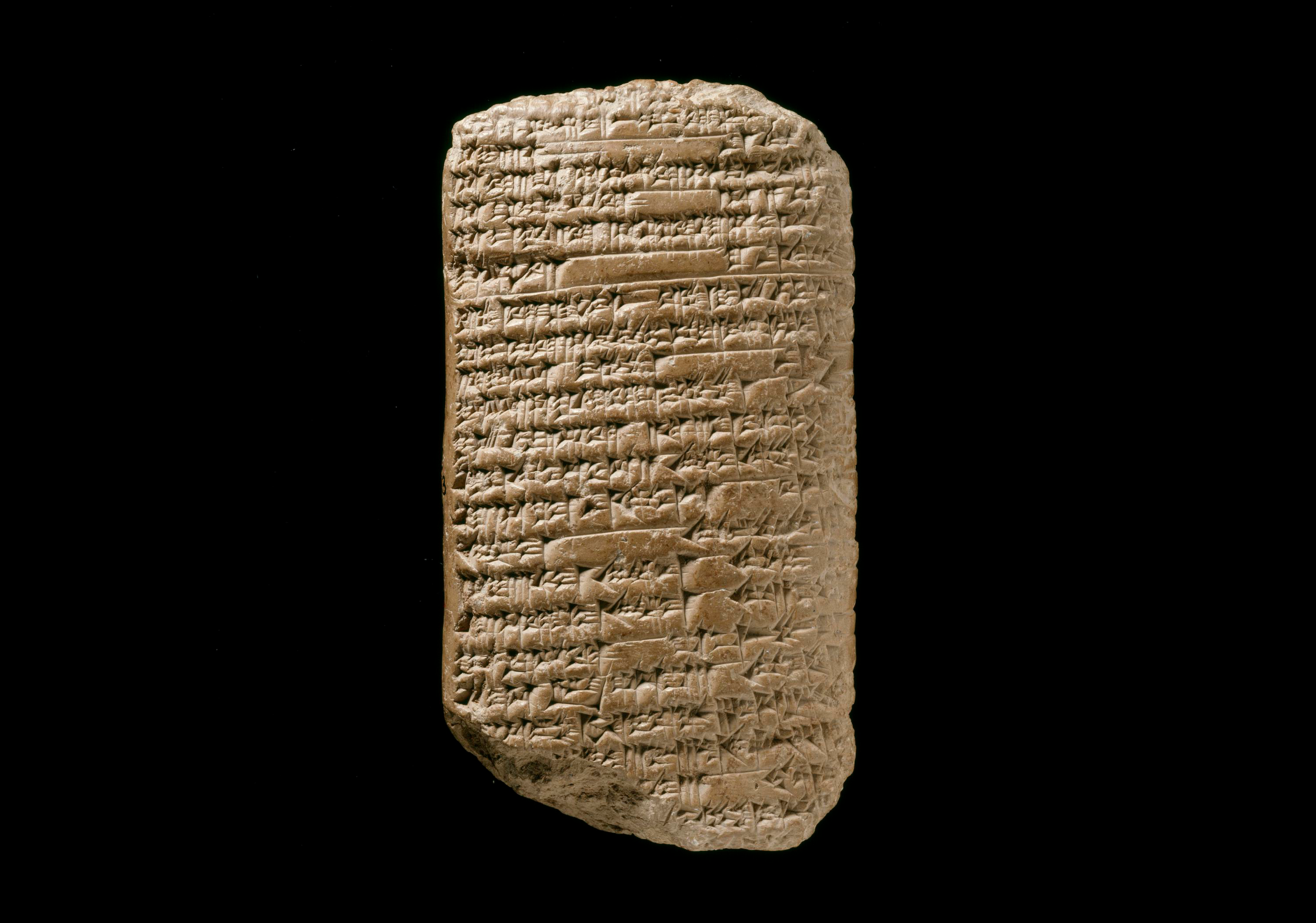
The article explores the discovery and significance of the Amarna Letters, a collection of 382 clay tablets found in the ancient Egyptian city of Amarna. Initially dismissed as forgeries due to their unusual material (clay instead of papyrus) and language (cuneiform Akkadian, not Egyptian), the letters date to the 14th century B.C.E. and were written by vassal rulers and rival kings to the pharaoh, primarily Akhenaten. They document diplomatic correspondence, including reports on trade, governance, and military operations, as well as gift exchanges and marriage proposals between equal powers.

palace of westminster dig 6000 years history

Archaeological excavations at the Palace of Westminster in London have uncovered Neolithic flint tools and flakes dating back over 6,000 years, predating the earliest mounds at Stonehenge. The digs, led by the Museum of London Archaeology and overseen by the Houses of Parliament Restoration and Renewal Delivery Authority (R&R), also revealed the remains of Lesser Hall, a 12th-century royal dining space, along with Roman altar fragments, medieval tiles, and 19th-century artifacts. The excavations, running through 2026, are part of a £13 billion restoration project addressing the Palace's deteriorating condition.

bust of egyptian goddess satala turkey

Archaeologists excavating the ancient Roman military stronghold of Satala in northeastern Turkey have unearthed a bronze bust of the Egyptian goddess Isis. The eight-inch-tall sculpture, found in a necropolis, dates to the 2nd or 3rd century CE and depicts Isis atop a circular base with calyx-shaped leaves. The discovery was led by Elif Yavuz Çakmur of Karadeniz Technical University and marks the first sculpture found at the site since the Satala Aphrodite was unearthed in 1872.

unknown roman matron identified chersonesos taurica crimea

Researchers have identified a marble statue head unearthed in 2003 in Chersonesos Taurica, an ancient Roman colony in Crimea, as depicting a Roman matron named Laodice. The discovery, published in the journal Nature, was made by scientists at Poland's Adam Mickiewicz University, who matched the head to an inscribed pedestal found in the archives of the Archaeological Museum in Odessa, Ukraine. Laodice was the wife of city councilman Titus Flavius Parthenokles and was honored with the statue around 140 CE, when the city was granted eleutheria (self-governing status). The statue, carved from Parian marble and originally over six feet tall, is one of only five marble sculpture fragments found at the site in 200 years.

kazimir malevich mnac bucharest yaniv cohen dispute

Yaniv Cohen, a Bucharest-based Israeli businessman, is threatening to sue the art publication e-flux and Ukrainian American art historian Konstantin Akinsha for defamation over an article questioning the authenticity of three paintings attributed to Kazimir Malevich. The works—'Suprematist Composition in Color' (ca. 1915), 'Cubo-Futurist Composition' (ca. 1912–13), and 'Linear Suprematism' (ca. 1916)—are currently on view at the National Museum of Contemporary Art (MNAC) in Bucharest as part of the exhibition 'Kazimir Malevich: Outliving History.' Akinsha accused MNAC of lacking expertise and challenged the provenance of the previously unseen works, prompting Cohen to demand the article's removal and an apology via a letter from the Tel Aviv–based law firm Rosen-Ben Gal.

ancient ceramics found preserved in shipwreck turkey

Hundreds of ancient ceramics from the Late Hellenistic-Early Roman Period have been discovered perfectly preserved in a shipwreck off the coast of Adrasan, Turkey. The cargo ship, dating back approximately two thousand years, contained plates, trays, and bowls stacked inside one another with raw clay, which protected their original colors and patterns. Turkish Minister of Culture and Tourism Mehmet Nuri Ersoy visited the site and announced the finds as part of the ministry's 'Heritage of the Future' project, which aims to accelerate archaeological excavations.

vatican museums restored raphael rooms cleaning project

The Vatican Museums have unveiled the final room of the Raphael Rooms in the Apostolic Palace after a decade-long cleaning and restoration. The project revealed that Raphael used a novel mural painting technique, applying oil paint directly to the wall rather than using traditional fresco. Restorers discovered a grid of metal nails embedded in the walls, intended to hold a natural resin surface for the oil paint, confirming earlier reports of this experimental approach. The room, dedicated to the Roman emperor Constantine, was completed by Raphael's students after his death in 1520.

inside grand egyptian museum

The Grand Egyptian Museum (GEM) in Cairo has delayed its official opening again, now expected in the fourth quarter of 2025, due to regional conflicts including the Israel-Iran war. Originally proposed in 1992 and under construction since 2002, the $1 billion museum has faced repeated setbacks from the Arab Spring, the pandemic, and wars in Gaza and Sudan. When it opens, it will showcase over 100,000 artifacts, making it the largest archaeological museum in the world, with the Tutankhamun galleries as its centerpiece featuring over 5,398 objects from the pharaoh's tomb.

1000 year old sword intact river netherlands

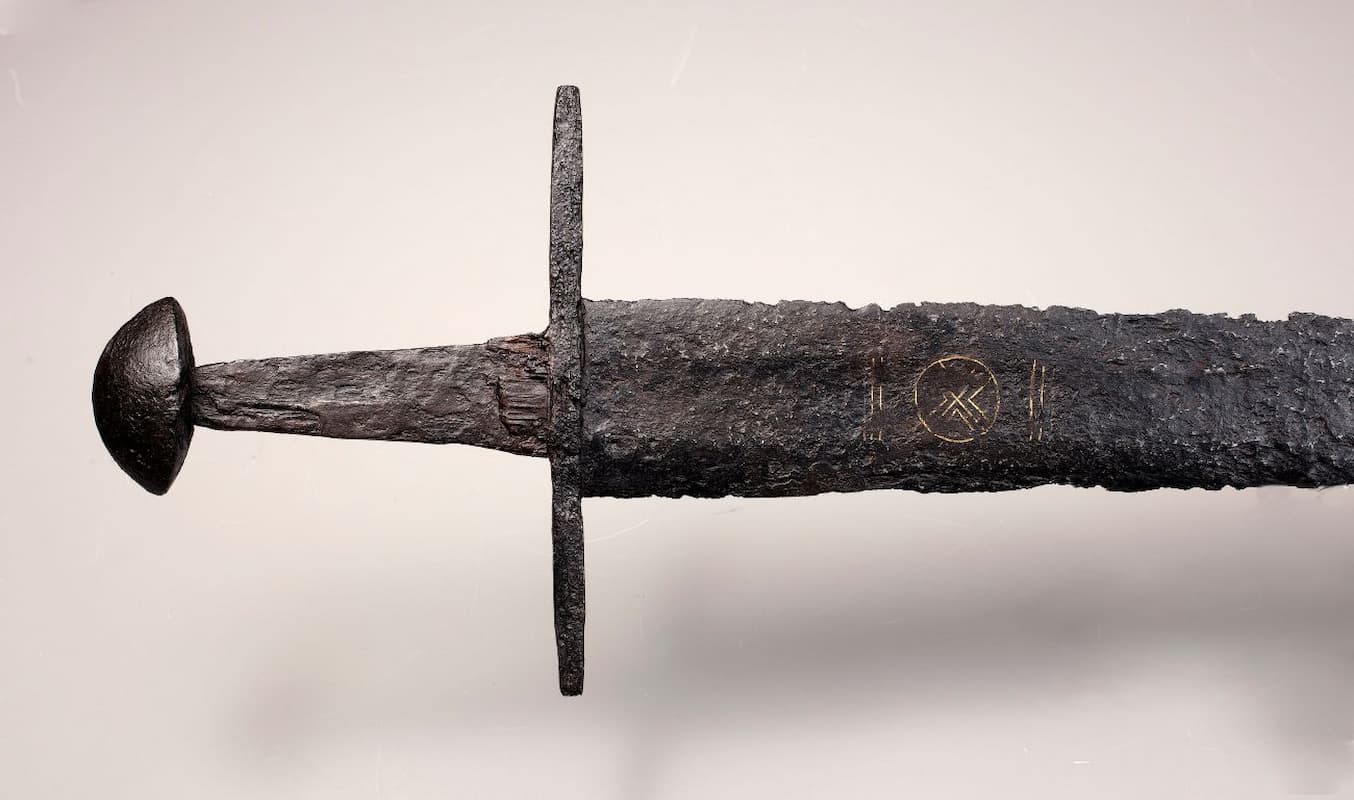
Construction workers discovered a 1,000-year-old sword in the Korte Linschoten River on a private estate in the Netherlands in March. The blade, forged between 1050 and 1150 C.E., features a Brazil-nut-shaped pommel and copper wire inlays of spiritual symbols. After conservation, it was donated to the Rijksmuseum van Oudheden in Leiden, where it is now on free public view through August.

lough kinale book shrine medieval manuscripts national museum ireland

In 1986, divers recovered ancient fragments from a lake in Longford County, Ireland, which were later identified as the Lough Kinale Book Shrine, the largest and oldest book shrine in Ireland. After a 39-year conservation process at the National Museum of Ireland (NMI), the 9th-century oak and bronze container is now on public display. The shrine, featuring intricate metalwork, snake-head hinges, and a permanently sealed interior, was reconstructed using photogrammetry and 3D modeling. It is part of the NMI exhibition "Words on the Wave," which showcases over 100 early medieval artifacts, including manuscripts on loan from the Abbey Library of St. Gall in Switzerland.

king tuts iconic death mask was intended for someone else researchers say

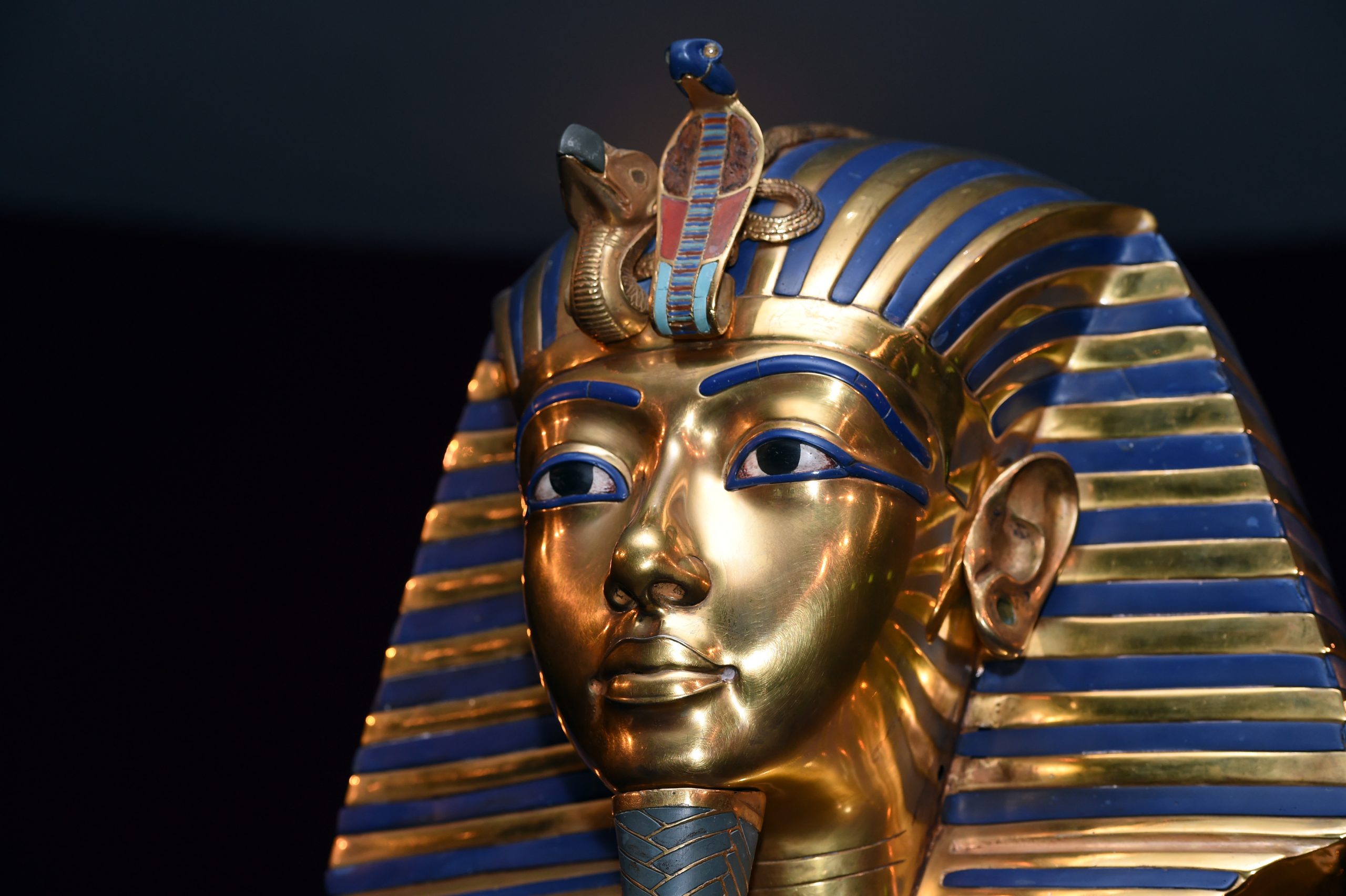
Researchers from the University of York have proposed that King Tutankhamun's iconic death mask, discovered in 1925 by Egyptologist Howard Carter, was not originally made for the young pharaoh. The theory, based on the mask's pierced ears—a feature typically found on female rulers and children—suggests it was intended for a regal female burial, possibly Queen Nefertiti. Analysis of the gold used on the face versus the rest of the mask indicates the face was added later, effectively grafted onto a pre-existing mask. This idea, first raised by British Egyptologist Nicholas Reeves in 2015, is supported by evidence that Tutankhamun's death at around age 19 was sudden, leading to a hurried burial with repurposed funerary objects.

assyrian king ashurbanipal relief nineveh

A team of archaeologists from Heidelberg University has uncovered a monumental stone relief in Nineveh, Iraq, depicting King Ashurbanipal flanked by two major Assyrian gods, Ashur and Ishtar, along with demigods. The 2,600-year-old relief, measuring nearly 20 feet across and 10 feet high, was found buried in a pit at the northern palace, a site first excavated in the 19th century by Austen Henry Layard. The discovery is part of the Heidelberg Nineveh Project, launched in 2018 after the liberation of Mosul from the Islamic State.

secret mall apartment documentary michael townsend

A new documentary titled *Secret Mall Apartment*, directed by Jeremy Workman and produced by Jesse Eisenberg, tells the true story of eight artists who secretly built and lived in a hidden apartment inside the Providence Place mall in Providence, Rhode Island, for four years in the late 1990s and early 2000s. Led by Michael Townsend, the group—including Adriana Valdez Young, Andrew Oesch, Jay Zehngebot, Colin Bliss, James Mercer, Greta Scheing, and Emily Ustach—transformed a forgotten dead zone of the corporate complex into a living space and art collective headquarters, calling the project "Malllife." The film features never-before-identified participants and footage of their discovery by mall authorities.

sutton hoo bromeswell bucket not bucket

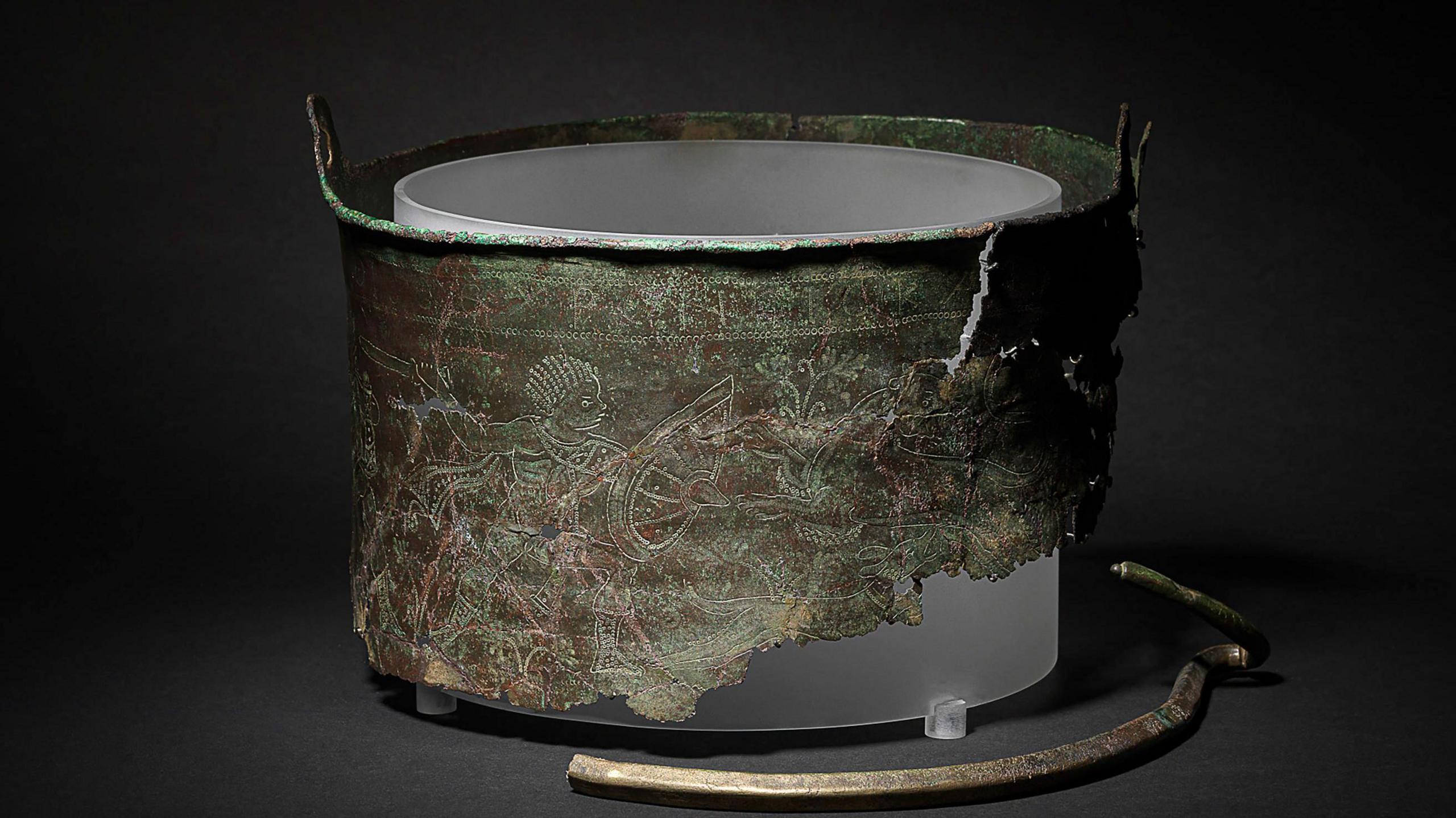
Archaeologists have discovered the base of the Bromeswell Bucket, a Byzantine-era vessel from Sutton Hoo in Suffolk, U.K., revealing that it was used as a cremation urn. The bucket, first found in fragments in 1986, 2012, and 2023, features a hunting scene and a Greek inscription. Excavations by the TV program Time Team, the National Trust, FAS Heritage, and volunteers uncovered the base, which contained cremated human and animal remains, including a skull and talus, as well as bones from an animal larger than a pig. The remains were likely stored in a bag, confirming the bucket's funerary purpose.

monumental relief last assyrian ruler unearthed nineveh

A team of German archaeologists from Heidelberg University has uncovered a monumental stone relief in the throne room of the North Palace of King Ashurbanipal at Nineveh, near Mosul, Iraq. The slab, measuring 5.5 meters long and 3 meters high and weighing 12 tons, depicts the last great Assyrian ruler alongside the deities Ashur and Ishtar, as well as a mythological fish genius. The discovery was announced by Professor Aaron Schmitt, who noted that no other known Assyrian palace reliefs feature major deities, making this find exceptional. The excavation is part of the Heidelberg Nineveh project, ongoing since 2018.

grand egyptian museum king tut treasures

The Grand Egyptian Museum (GEM) in Giza has received another 163 artifacts from the tomb of King Tutankhamun, transferred from the Egyptian Museum in Cairo's Tahrir Square. This delivery includes the pharaoh's ceremonial chair, gilded footstool, canopic shrine, and jewelry, bringing the museum closer to staging the first-ever complete display of the boy king's treasures. The artifacts were transported with care and underwent condition reports at GEM's conservation labs. The final piece to arrive will be Tutankhamun's funerary mask, ahead of the museum's long-awaited grand opening on July 3.

flannery o connor hidden artwork exhibition

An exhibition titled "Hidden Treasures" at Andalusia Farm in Milledgeville, Georgia, is showcasing dozens of previously unseen artworks by celebrated Southern Gothic writer Flannery O’Connor, including childhood drawings, cartoons, paintings on wood, a stuffed doll, and a 1952 self-portrait. The works were recently rediscovered in a storage unit behind a fast-food restaurant and in the attic of a townhouse belonging to O’Connor’s late cousin Louise Florencourt, who had guarded the archive for decades. The exhibition marks the centennial of O’Connor’s birth and is organized by the Andalusia Interpretive Center in partnership with Georgia College & State University.

cultural projects worth 6 13 billion were finished in 2024 a big drop from 2023 report

The 2024 Cultural Infrastructure Index (CII) reports a 17% drop in completed cultural projects (from 192 to 159) and a 29% decline in total cost, from $8.58 billion to $6.13 billion. However, the value of future projects announced in 2024 rose 47% to $8.32 billion, though the number of announced projects fell from 198 to 175, indicating fewer but more expensive buildings. The report, developed by AEA Consulting, tracks 334 large-scale cultural infrastructure projects worldwide, with museums and galleries remaining the most common building type. The U.S. led with 62 new facilities, while the Grand Egyptian Museum in Giza was the most expensive completed project at $1 billion, and the Metropolitan Museum of Art's new modern wing topped announced projects at $500 million.

bayeux tapestry fragment rediscovered in germany

A long-lost fragment of the Bayeux Tapestry, the 11th-century embroidered chronicle of the Norman Conquest of England, has been rediscovered in the Schleswig-Holstein State Archives in Schleswig, Germany. The roughly one-inch linen piece belonged to the estate of archaeologist Karl Schlabow, who had been part of a Nazi-affiliated group that re-measured the tapestry in 1941. The fragment will be repatriated to France later this year, but first it will go on public display at the Museum of Archaeology at Gottorf Castle as part of the exhibition “Viking Twilight: Turning Point in the North” from April 16 through November 2.

Who’s The Next Obsession? 12 European Collectors Reveal How They Discover New Talent

Cultured magazine asked 12 European collectors how they discover new talent, timed to the 61st Venice Biennale. Collectors like Nicole Saikalis Bay, Amélie du Chalard, Belma Gaudio, and Laurent Asscher share their personal approaches—ranging from emotional resonance and dialogue with existing works to long-term obsession with an artist before acquiring a piece. The responses reveal a diversity of methods, from instinct-driven buying to conceptual and technical evaluation.

culture jamieson webster psychoanalysis ai sex

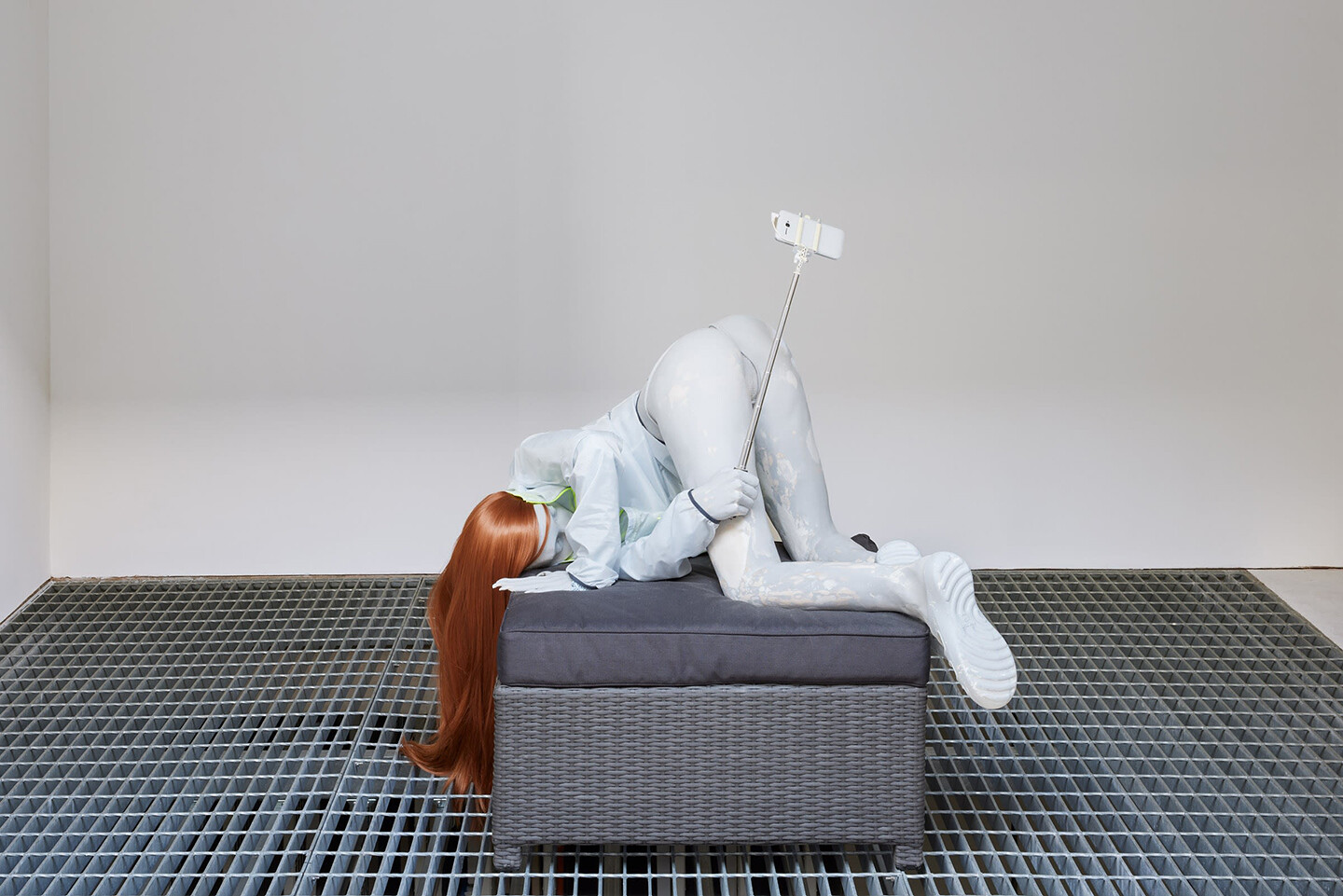
Psychoanalyst Jamieson Webster launches a new column for CULTURED titled "Neurotica," exploring the intersection of psychoanalysis, technology, and sexuality. In the debut installment, she interviews artist and theorist Mindy Seu about her work "A SEXUAL HISTORY OF THE INTERNET," which traces how sex workers were integral to developing digital platforms like chat rooms, e-commerce, and webcams, only to have their innovations co-opted by Big Tech. Webster reflects on how AI, chatbots, and online intimacy are reshaping human desire, pleasure, and relationships, drawing on Freud's pleasure-principle and contemporary anxieties about AI psychosis and digital dependency.

In Karyn Lyons’s Paintings, the Ghost of Girlhood Lingers

American painter Karyn Lyons explores the longing and desolation of adolescent girlhood in her solo exhibition “Day for Night” at Stems Gallery in Paris, which opened ahead of Art Basel Paris. The show features paintings of an adolescent girl in affluent yet lonely settings, which Lyons describes as metaphoric pages from her diary. After studying journalism and working in advertising and fashion, Lyons earned a post-baccalaureate degree from the School of the Museum of Fine Arts in Boston in 2003, but kept her work private for nearly two decades until a creative breakthrough during the pandemic led her to explore her own adolescence more psychologically.

Nicéphore Niépce in 2 Minutes

Nicéphore Niépce en 2 minutes

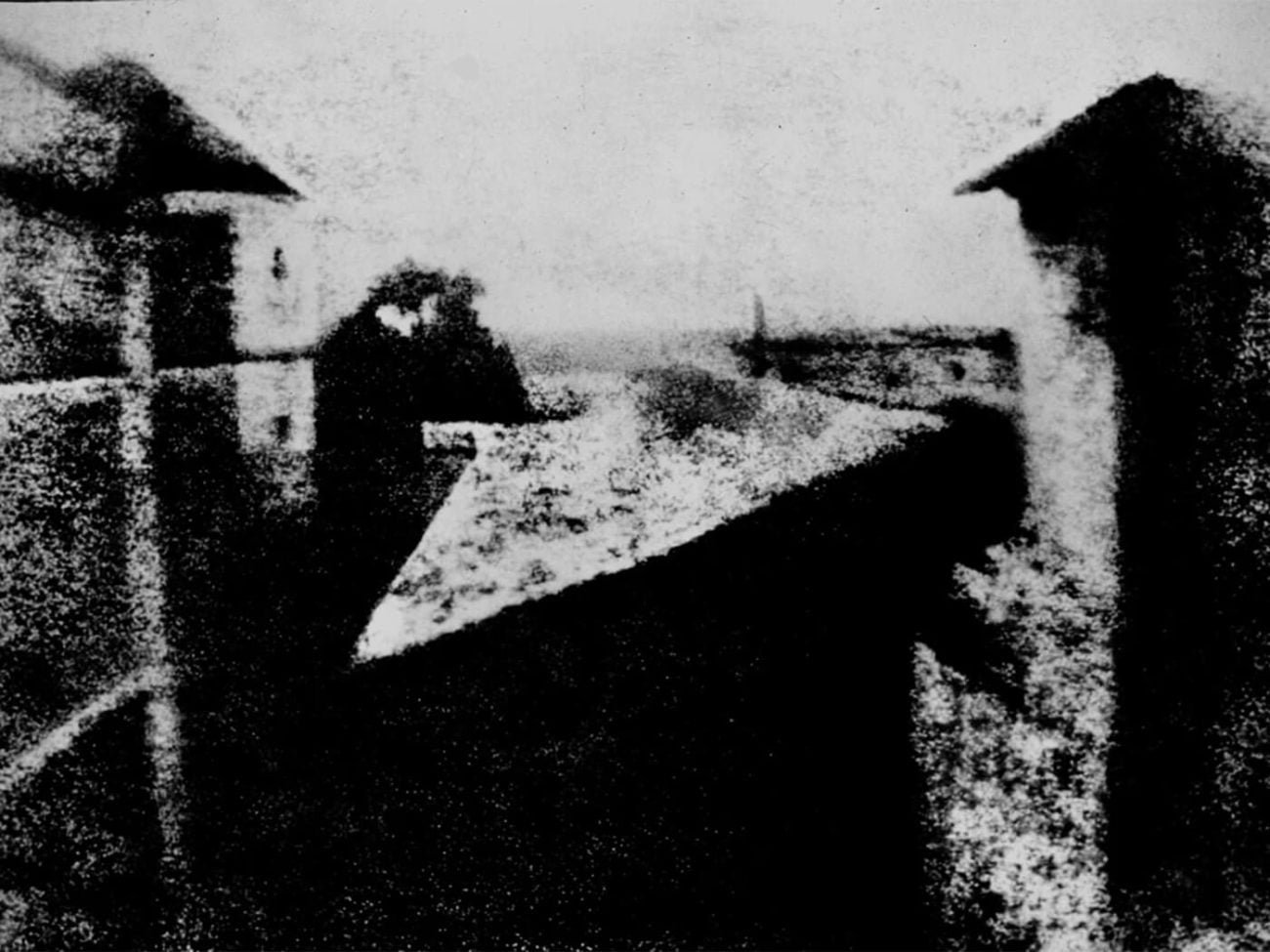
Joseph Nicéphore Niépce, a Burgundian engineer and inventor, is credited with creating the world's first permanent photograph, "Point de vue du Gras," in 1827. Using a process he termed heliography, Niépce utilized bitumen of Judea on pewter plates to fix images captured in a camera obscura. Despite his groundbreaking achievement, he died in relative obscurity in 1833, shortly after entering a partnership with Louis Daguerre, who would later receive the primary credit for the invention of photography.

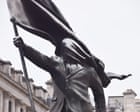
Statue with Banksy signature of man blinded by flag appears in London

A new statue bearing Banksy's signature has appeared in Waterloo Place, central London, depicting a man marching forward with a large flag obscuring his face. The elusive artist has not yet confirmed the work, though he typically posts confirmation on his website after public discovery. The statue stands near monuments to Edward VII and Florence Nightingale, and follows Banksy's previous sculptural works like *The Drinker* (2004) and recent murals addressing homelessness and protest.

How Art Firms Are—or Should Be—Using A.I. Right Now

Art firms are increasingly experimenting with artificial intelligence, but concrete use cases remain limited and industry-specific tools are still in their infancy. A new partnership between Bonhams and tech company ARTDAI aims to apply AI to market analytics, valuation, and specialist research, while companies like Artsy and Artnet are integrating AI capabilities into their platforms. Industry experts, including former Art Basel chief Marc Spiegler, note that the art market's small size has historically discouraged tech development, but AI now makes high-performance tools accessible to smaller businesses.