filter_list Showing 544 results for "Discovery" close Clear
search
dashboard All 544 article news 178museum exhibitions 177trending_up market 93article local 32article culture 31gavel restitution 15person people 9article policy 3article event 2candle obituary 2rate_review review 2
date_range Range Today This Week This Month All
Subscribe

Coastal Discovery Museum hosting annual Beaufort County High School Regional Art Exhibition

The Coastal Discovery Museum is hosting the fifth annual Beaufort County High School Regional Art Exhibition, a juried showcase featuring over 100 works by local students. Running through May 5, the exhibition includes a diverse range of media such as painting, photography, ceramics, and digital art from eight public and private schools. A public reception and awards ceremony are scheduled for April 9 to celebrate the technical skill and creativity of these emerging young artists.
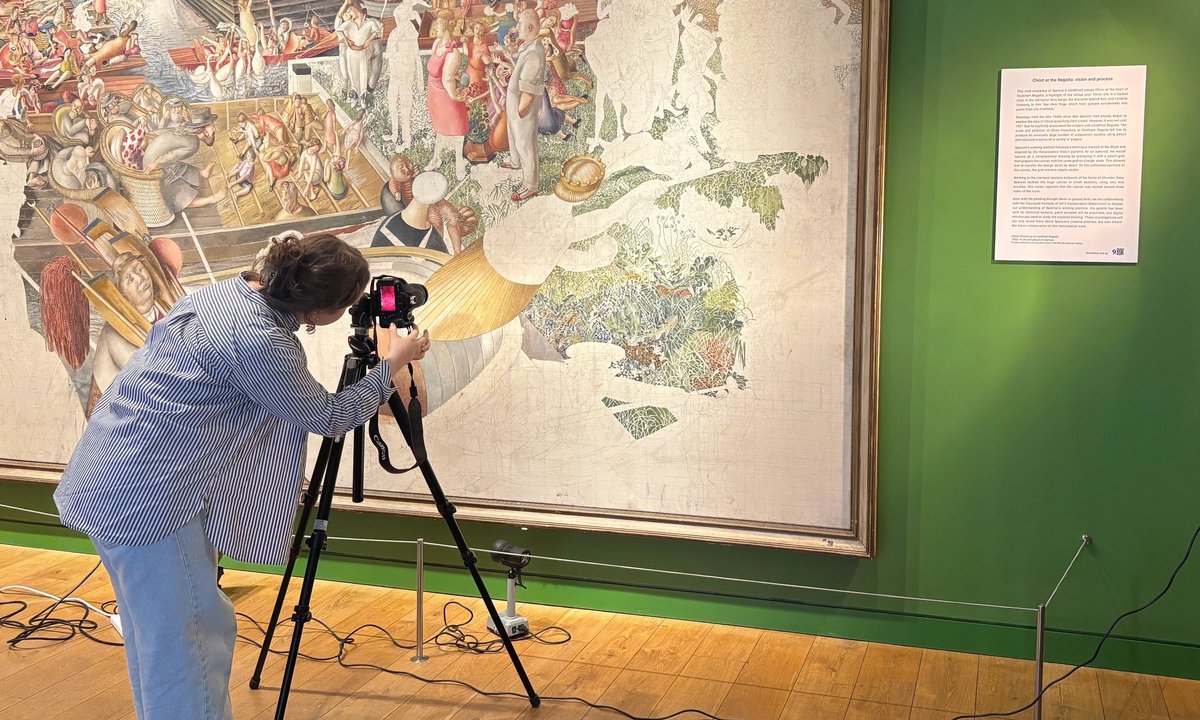
Live conservation reveals hidden surprises of unfinished Spencer painting

A new exhibition at the Stanley Spencer Gallery in Cookham, titled *Revealing Genius, Conserving Art: Stanley Spencer’s Final Masterpiece*, offers visitors a rare chance to watch conservator Olivia Leake work on Spencer’s unfinished painting *Christ Preaching at Cookham Regatta*. The large canvas, which Spencer labored over for over a decade but left incomplete at his death in 1959, has been lowered from its usual high hanging for live conservation. Using UV light and paint analysis, Leake has discovered surprising details: extremely thin paint layers, a green water area later overpainted in blue, and multiple changes to underdrawings—contradicting anecdotes that Spencer never altered his initial drawings.

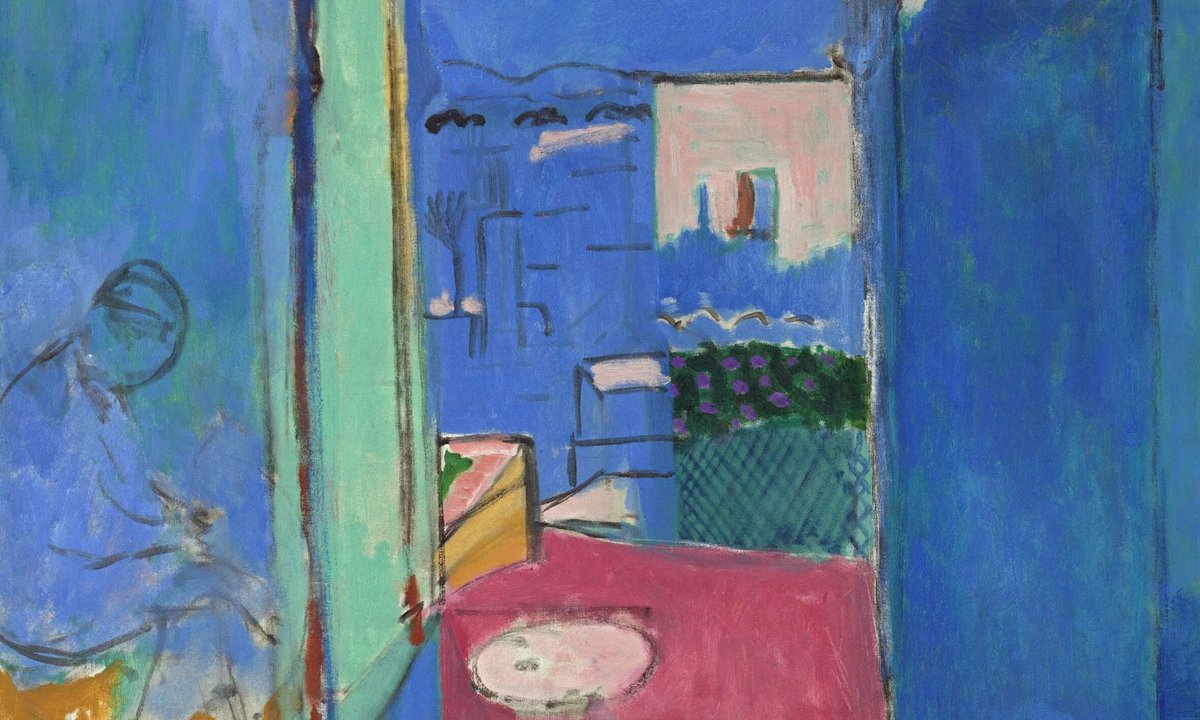
Rain, insomnia and finding a model: how Morocco challenged and changed Matisse

Henri Matisse made two pivotal trips to Tangier, Morocco, in 1912-1913, documented in Jeff Koehler's new book *Matisse in Morocco: A Journey of Light and Colour*. At a low point in his career—having lost patrons and critical support after his Fauve period—Matisse sought new inspiration, producing over 20 paintings despite challenges like rain, insomnia, and difficulty finding models. Commissions from Russian collectors Sergei Shchukin and Ivan Morozov helped fund the trips, and Matisse worked at the Villa Brooks estate, creating works such as *Moroccan Landscape (Acanthus)* (1912) and *The Palm* (1912). The article also highlights Matisse's discovery of fingerprints on *View of the Bay of Tangier* (1912-13) and his reliance on a Moroccan model named Zorah.

Anna-Eva Bergman

The article reports on the life and work of Anna-Eva Bergman, a Norwegian-born painter whose abstract, minimalist works are gaining renewed attention. It highlights her recent exhibitions and the growing recognition of her contributions to post-war European art, particularly her use of metallic pigments and geometric forms inspired by Nordic landscapes.

Vibrant Victorian-Era Transparencies Illuminate a Host of Microscopic Creatures

Osh Gallery in London is exhibiting 'The Hudson Transparencies,' a collection of 58 original illustrations by Charles Thomas Hudson, a 19th-century educator and amateur scientist. Created for his lectures, these large-scale transparencies (37.8 by 29.5 inches) combine painted paper and perforated pinholes to depict microscopic creatures such as rotifers, algae, protozoa, and marine organisms. When back-lit, the dark, seemingly unfinished images transform into vivid, detailed visions of life invisible to the naked eye, showcasing the intersection of Victorian-era optical innovation and scientific discovery.

Could TikTok become the place to buy and sell works of art?

TikTok potrà diventare il posto dove comprare e vendere opere d’arte?

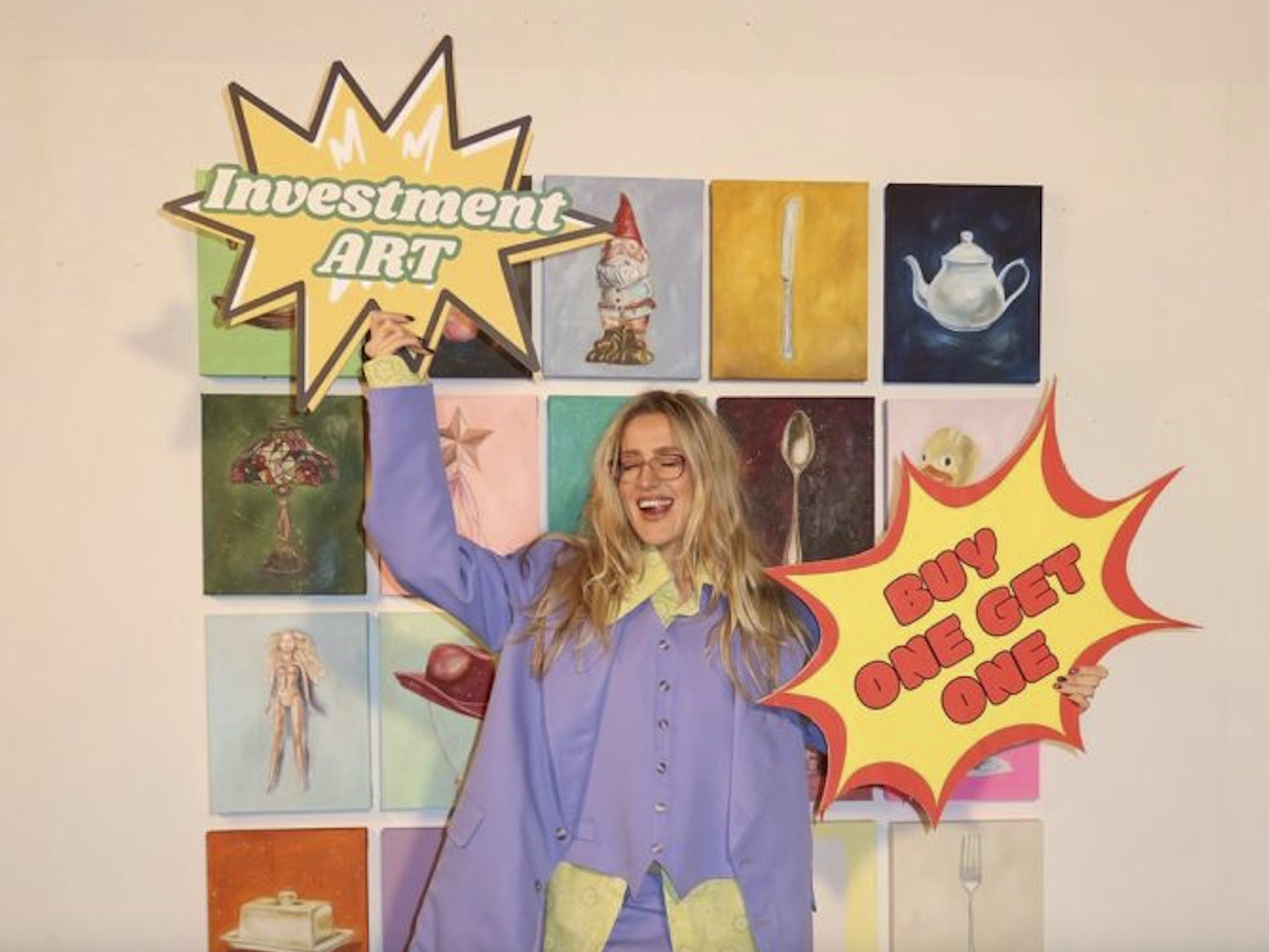
TikTok Shop has launched a new "Fine Art" category, allowing users to buy and sell artworks directly within the app. The initiative was spearheaded by British artist-influencer Sophie Tea, who sold a series of 20 oil paintings titled "Bric-a-Brac" during a three-hour live stream that combined performance art, studio visits, and televised sales. Each piece sold for around £2,800, with TikTok taking a 9% commission. The move applies discovery commerce—where products find users through social feeds rather than active searches—to the art market, bypassing traditional gallery intermediaries.

Mexico to Divert Train Route After Cave Art Discovery

Archaeologists in Mexico discovered 16 pre-Hispanic paintings and petroglyphs along the planned route of a high-speed passenger train connecting Mexico City to Querétaro. The discovery, made in the state of Hidalgo, includes rock art dating from 4,000 years ago to the Postclassic period (900-1521 CE), with imagery linked to Aztec deities and the Toltec city of Tula. In response, President Claudia Sheinbaum announced the $8 billion train project will be rerouted to preserve the ancient site.

In Lucca, the Perfect Exhibition to Rediscover the Talent of Painter Emilio Malerba

A Lucca c’è la mostra perfetta per riscoprire il talento del pittore Emilio Malerba

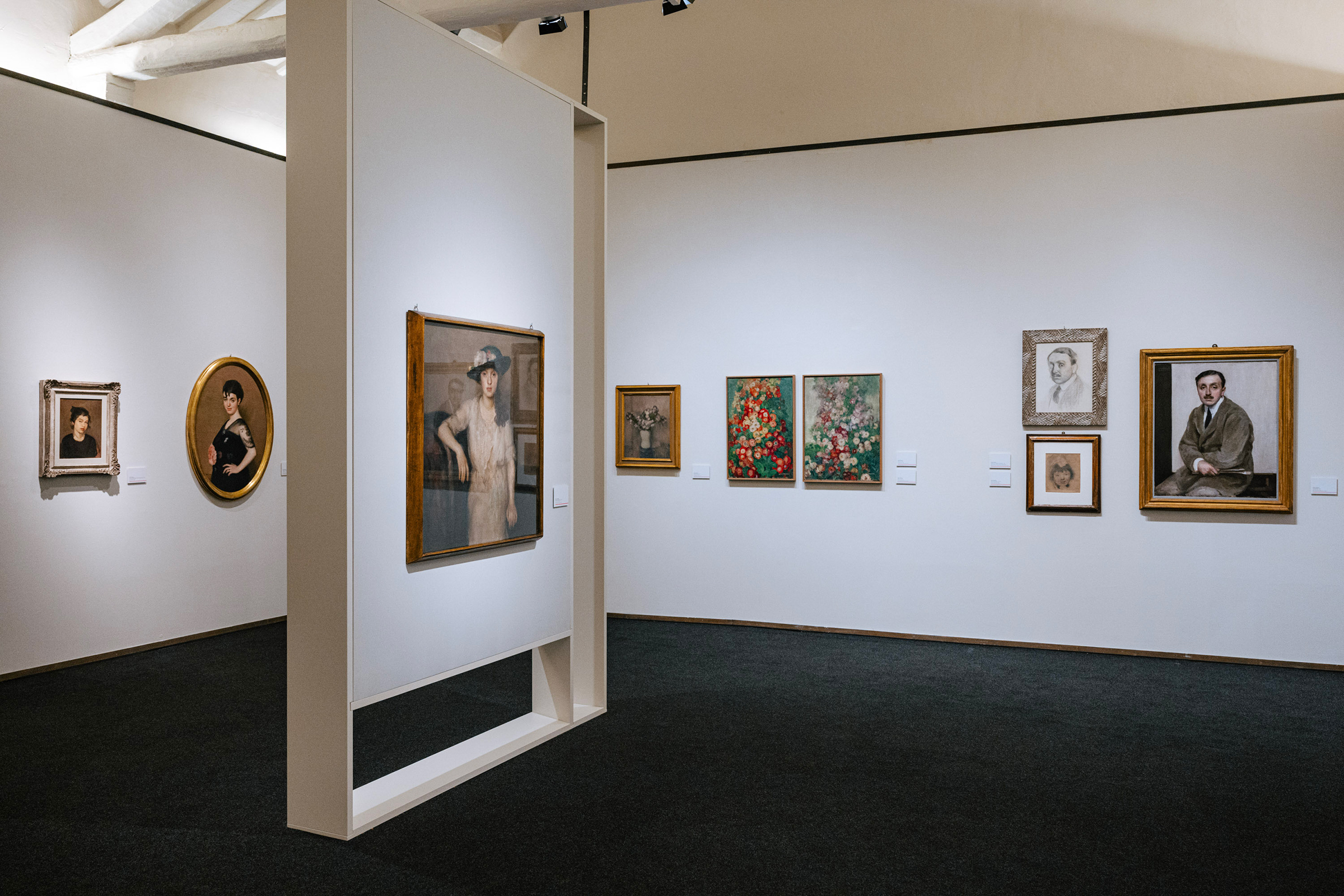
The Fondazione Ragghianti in Lucca is hosting a major retrospective dedicated to Emilio Malerba, a key member of the Novecento Italiano movement who died a century ago. Curated by Paolo Bolpagni and Elena Pontiggia, the exhibition marks the first solo presentation of Malerba’s work since 1931. The showcase spans his early career in commercial advertising for brands like Amaro Ramazzotti to his mature paintings that lean toward Magic Realism, featuring intimate portraits that prioritize psychological depth over narrative.

Italy's Soft Power in China Thanks to Two Major Exhibitions on Pompeii and Palladio

Il soft power dell’Italia in Cina grazie a due grandi mostre su Pompei e Palladio

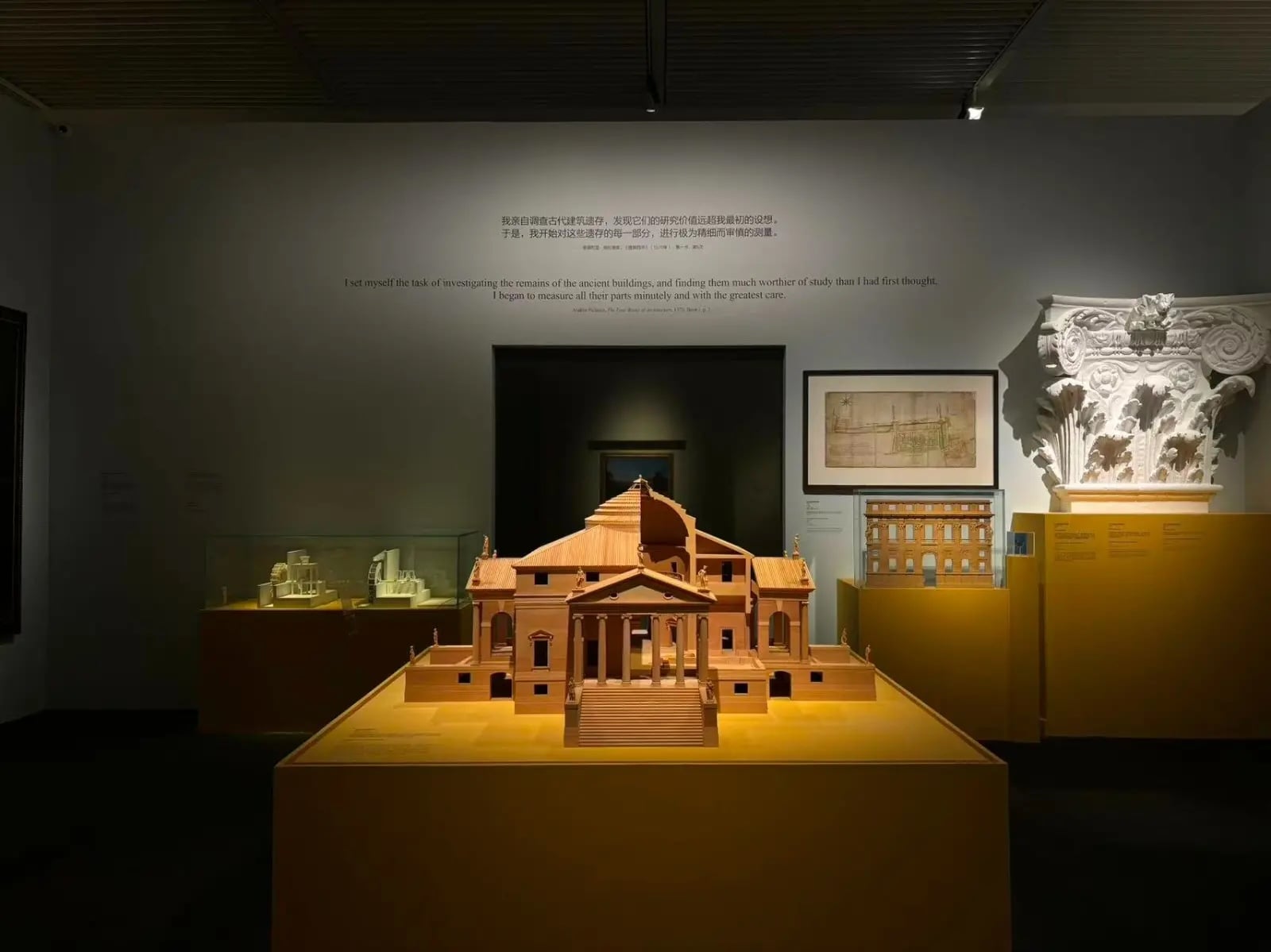
The National Museum of China in Beijing is currently hosting two major exhibitions celebrating Italian cultural heritage: "Pompeii: An Eternal Discovery" and "Geometry, Harmony and Life: The Architecture of Andrea Palladio from Antiquity to Classicism." These exhibitions, marking the 55th anniversary of diplomatic relations between Italy and China, were inaugurated by Italian Culture Minister Alessandro Giuli. The Pompeii showcase traces 250 years of archaeological history using artifacts and multimedia, while the Palladio exhibition explores the Renaissance master’s influence on Western architecture and creates a cross-cultural dialogue with traditional Chinese building techniques.

Dice Are 6,000 Years Older Than Previously Believed, Study Says

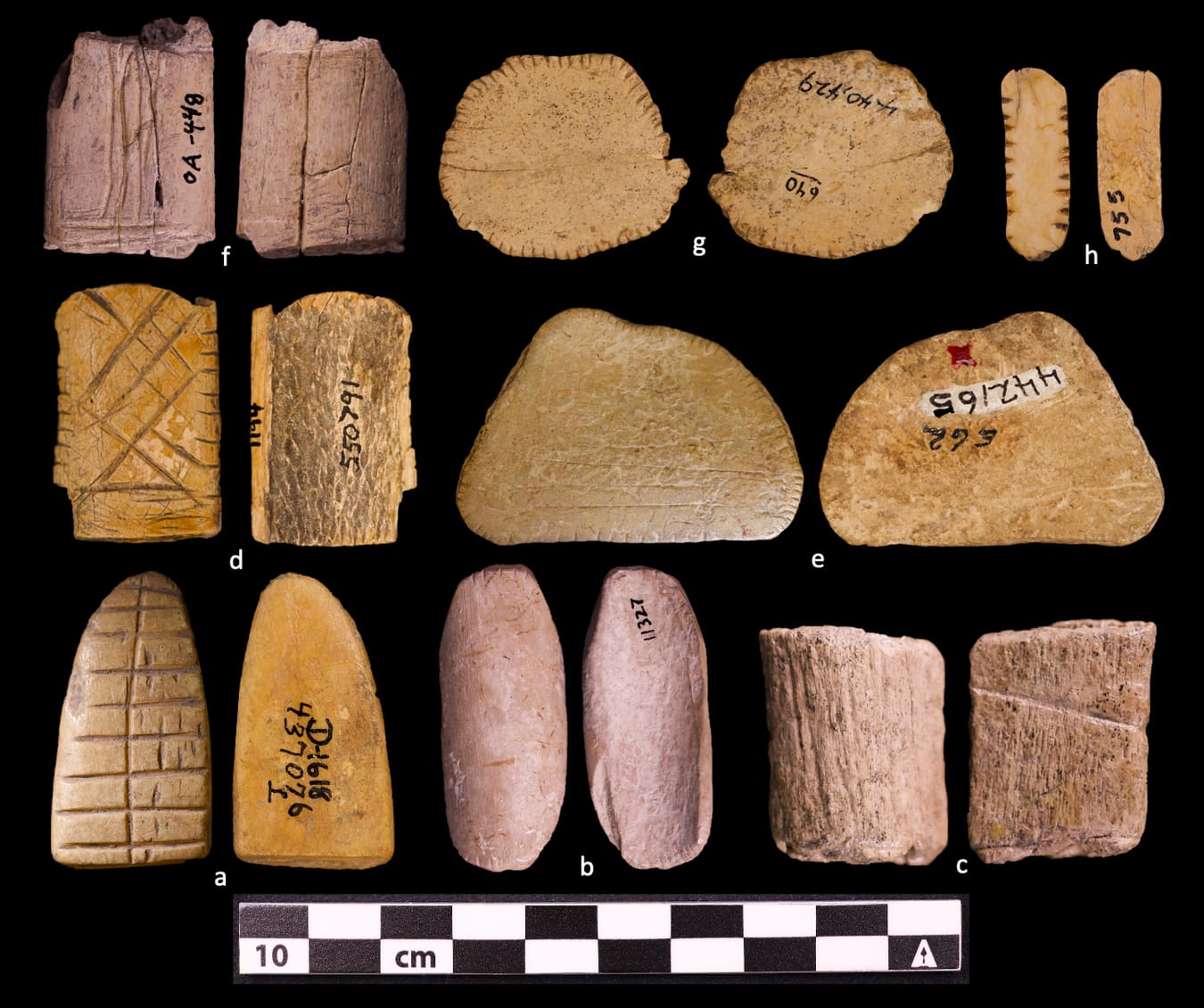
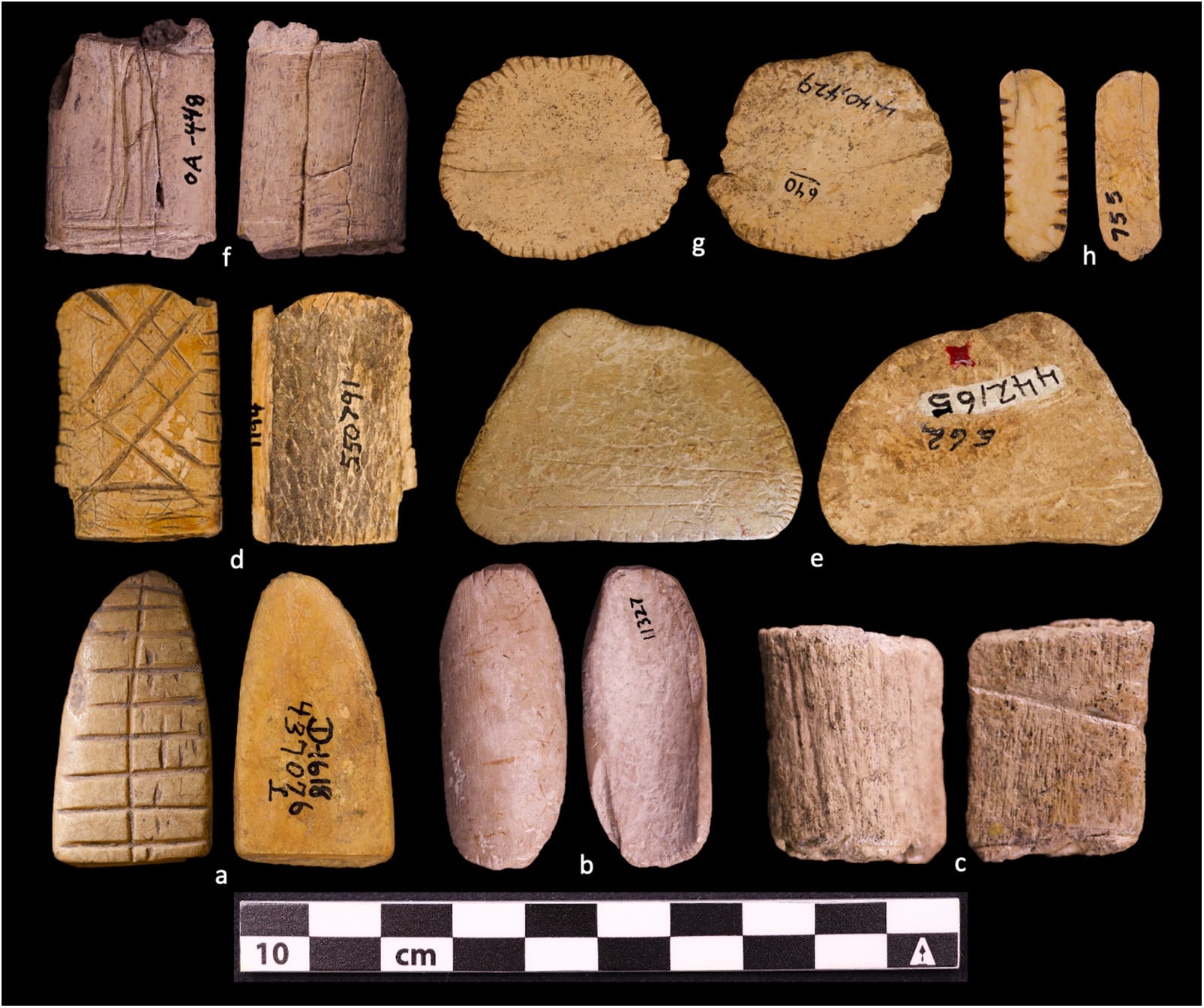
Archaeologist Robert J. Madden has published a groundbreaking study in the journal American Antiquity identifying over 600 prehistoric objects as two-sided dice. These artifacts, found across 57 sites in the American West, date back more than 12,000 years to the Late Pleistocene era. By applying criteria from historic Native American gaming traditions to these bone and wood fragments, Madden argues that dice-based games of chance existed 6,000 years earlier than previously recorded in the archaeological record.

egypt prince waserif re tomb discovered saqqara

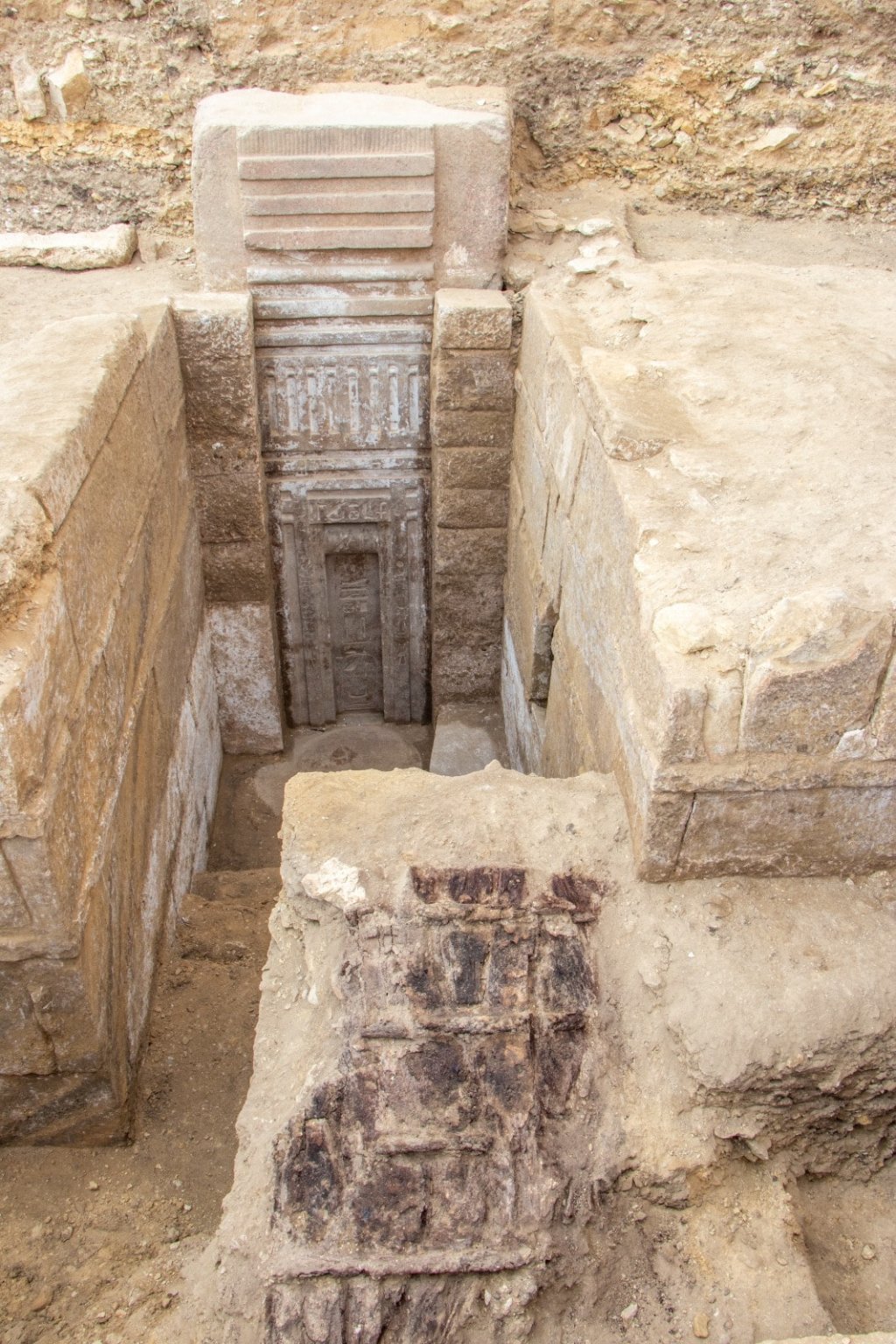
Archaeologists in Egypt have discovered the tomb of Prince Waserif Re, son of King Userkaf, founder of the Fifth Dynasty, at the Saqqara necropolis. The multi-chamber tomb features a 15-foot-tall pink granite false door inscribed with the prince's name and titles, a red granite offering table, and statues of Third Dynasty pharaoh Djoser, his wife, and ten daughters that were moved there during the Late Period. A black granite statue with hieroglyphic inscriptions from the 26th Dynasty suggests the tomb was reused nearly 2,000 years after its original construction. The joint Egyptian mission was led by the Supreme Council of Antiquities and the Dr. Zahi Hawass Foundation for Antiquities and Heritage.

Kingston’s Art After Dark showcases emerging artists, veterans alike

Kingston’s Art After Dark event took place on Friday, May 22, 2026, transforming downtown Kingston into an open gallery for three hours. Organized by the Downtown Kingston Business Improvement Area, the self-guided crawl featured over 30 venues including boutiques, studios, and improvised gallery spaces, showcasing painting, photography, sculpture, live demonstrations, and interactive art. Emerging artists and veterans alike participated, with painter David Gilmore demonstrating watercolour and body painter Cornelia Rose creating face art on patrons.

Tom Vattakuzhy’s Mumbai exhibition follows the feeling a story leaves behind

Tom Vattakuzhy's new exhibition "Where Words End" opens in Mumbai from May 3–17, 2026, at ICIA Gallery in Kalaghoda. The show presents a series of "story paintings" that explore the emotional residue left behind after reading a narrative, focusing on moods and sensations rather than plot or illustration. Vattakuzhy, who began his career as an illustrator, shifts here toward open-ended scenes where figures appear mid-gesture and rooms feel charged with unspoken meaning, drawing from literary sources as points of departure rather than literal subjects.

The Rapprochement Between Artnet and Artsy Takes Shape

Le rapprochement entre Artnet et Artsy prend corps

Artnet and Artsy, two major online art market platforms, have announced a strategic merger under the common ownership of British investment fund Beowolff Capital. The companies will retain their distinct brands and websites but will be led by a unified management team, with Artsy's CEO Jeffrey Yin taking the helm. The consolidation has already resulted in dozens of job cuts, particularly at Artnet News, and follows a period of economic strain for Artnet, which reported a 12% revenue drop in the first half of 2025.

12,000 Years Ago, Native Americans Were Playing Games of Chance with Handmade Dice

Archaeologists have discovered that Native Americans were engaging in games of chance using handmade dice as far back as 12,000 years ago, during the Late Pleistocene. A new study by researcher Robert Madden reveals that these artifacts, found in sites across Wyoming, Colorado, and New Mexico, predate the previously oldest known dice from Mesopotamia and the Indus Valley by over 6,000 years. These early dice, often made of bone and decorated with pigments, were used by the hunter-gatherer Folsom culture.

Doyen retrouve la chapelle Saint-Louis

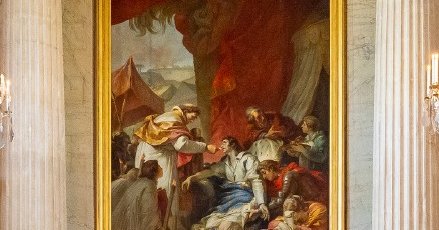
A cycle of eleven paintings commissioned in 1772 for the Chapelle Saint-Louis at the École Militaire in Paris, depicting the life of Saint Louis, has been rediscovered. The chapel was built under Louis XV by architect Ange-Jacques Gabriel, and the paintings were executed by Jean-Baptiste-Marie Pierre following a carefully devised iconographic program. The discovery sheds new light on a major decorative ensemble from the Ancien Régime.

art young photographer sara messinger

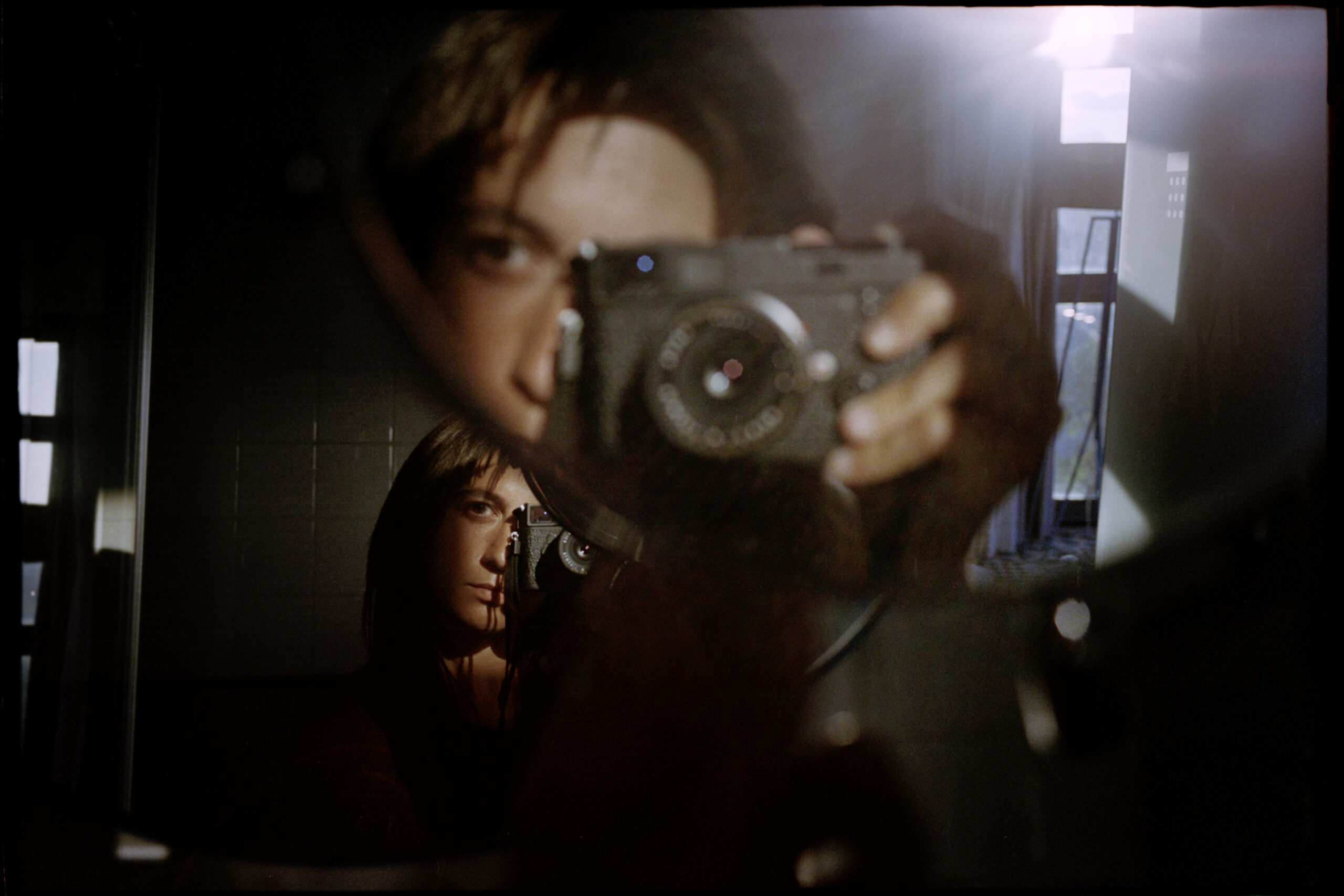
Sara Messinger, a 26-year-old photographer based in New York, has been nominated by Michael Foley, director of Leica Gallery NY, for her poignant portraits of teenagers. Her work, which has appeared in The Cut, The New York Times, and The New Yorker, was recently exhibited alongside Magnum photographer Bruce Davidson at Leica's New York gallery. Messinger describes her focus on teenagers as an organic discovery, drawn to their authenticity and honesty, and uses her photography to explore childhood fears and a search for connection.

hamptons guide hidden gems beaches restaurants

A group of Hamptons locals—including fashion designer Ulla Johnson, hotelier Sean MacPherson, and landscape designer Edwina Von Gal—share their favorite under-the-radar spots in the East End for CULTURED's July/August Hamptons issue. Recommendations range from the curated art and design space Galerie Sardine in Amagansett to secluded beaches like Culloden Point, hiking trails at Camp Hero and Shadmoor, and nature preserves such as the Walking Dunes. The guide emphasizes quiet, scenic alternatives to crowded hotspots, with personal anecdotes about kayaking, bonfires, and local services like barber Danny Dimauro.

Bohol artist Jjawzip debuts solo exhibit “April’s Fool” at Dajon Art Gallery Bohol

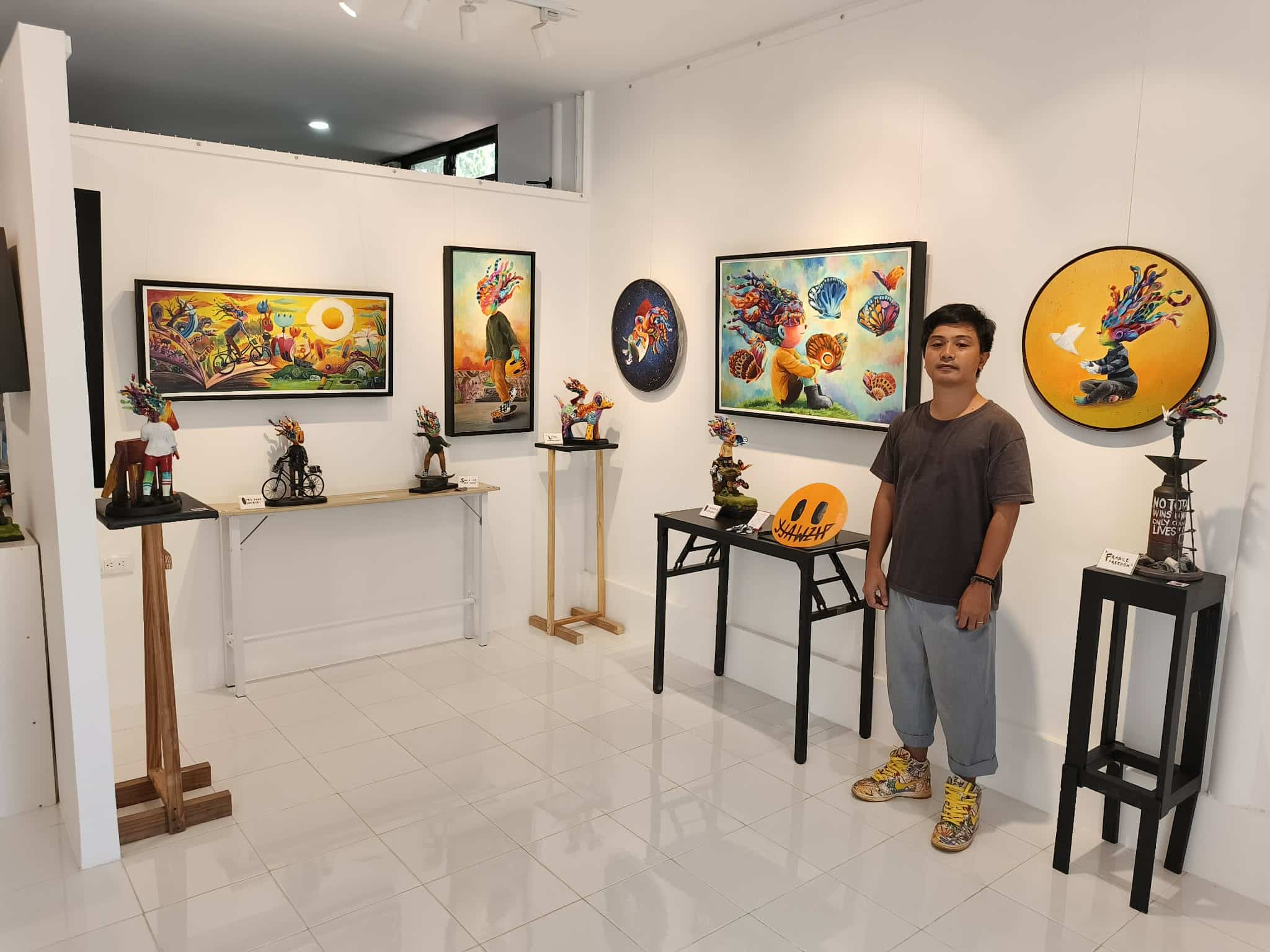
Boholano mixed-media artist Joseph “Jjawzip” Ingking has launched his debut physical solo exhibition, “April’s Fool,” at Dajon Art Studio & Gallery in Baclayon, Bohol. The showcase features a series of paired paintings and toy sculptures that explore the recurring character "Energy Kid," a figure shaped by the artist’s personal history. Utilizing vibrant colors and recycled materials, the works—such as “Fragile Freedom” and “Radiance Reimagined”—blend fantasy with social commentary on themes ranging from the fragility of peace to the vitality of creative discovery.

This Indian creative has just opened a new gallery in the UK that uses art to heal

Deep Kailey, a former Vogue India fashion editor turned artistic director, has opened a new 7,500-square-foot gallery in Slough, UK, under the not-for-profit arts platform Without Shape Without Form. The inaugural exhibition, 'Reflections – Sangat and the Self' (on view until May 2, 2026), features works by South Asian artists Jasmir Creed and Roo Dhissou, alongside participatory installations like The Whisper Box and 'Focus, Form and Repeat', all designed to encourage mindfulness, meditation, and community gathering.

Art, museum exhibits in Kenosha, Racine counties this week

This article provides a weekly listing of art and museum exhibits in Kenosha and Racine counties in Wisconsin, including details on hours, locations, and current or permanent exhibitions. Featured venues include the Anderson Arts Center, Artists Gallery, Carthage College Art Gallery, Civil War Museum, Dinosaur Discovery Museum, Kenosha History Center, Kenosha Public Museum, Lemon Street Gallery, OS Projects, and Photographic Design Gallery & Framing.

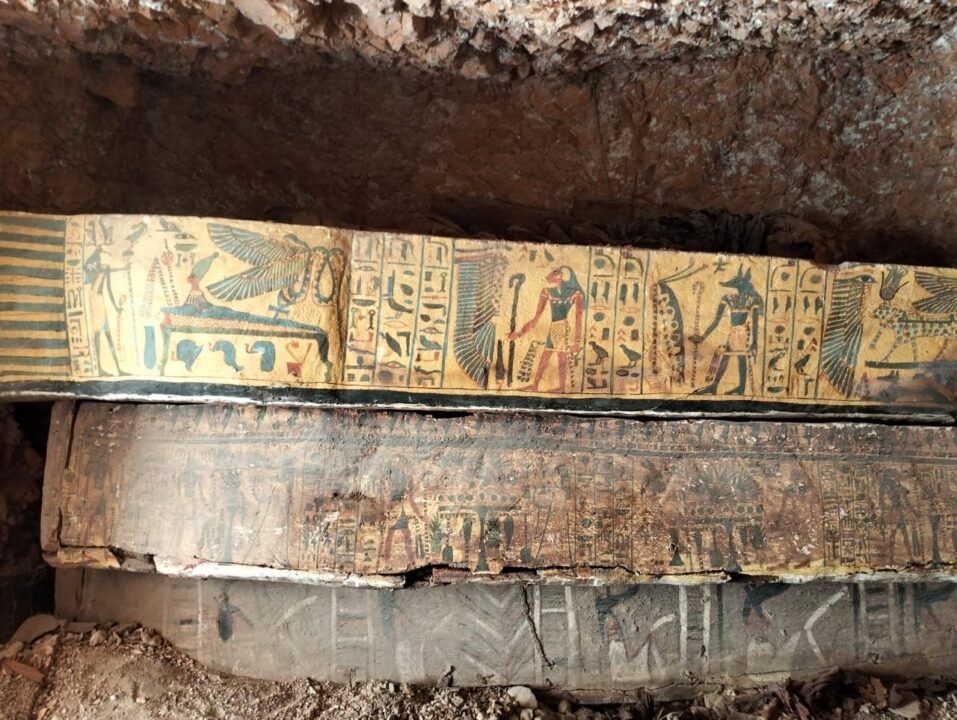
Egypt Unveils a Hidden Tomb of 3,500-Year-Old Coffins at Luxor’s Abu el-Naga

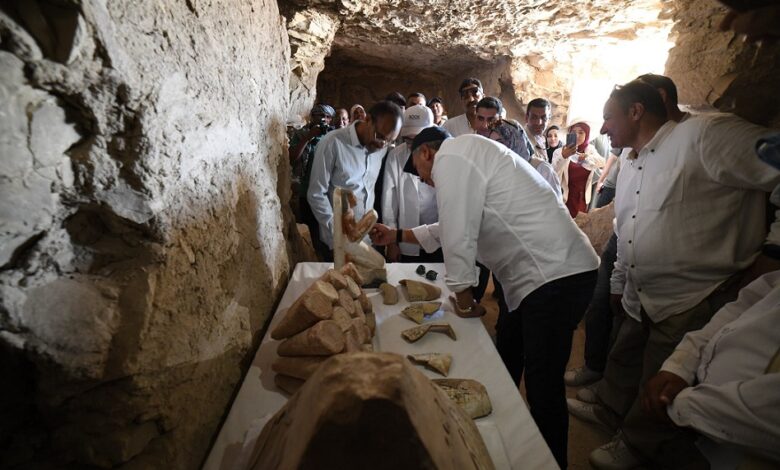
An Egyptian archaeological mission excavating at the Abu El-Naga necropolis near Luxor has uncovered a cache of ten well-preserved painted wooden coffins hidden in the courtyard shaft of the tomb of Baki. The coffins span multiple periods, including the 18th Dynasty, the Ramesside period, and the Late Period, with inscriptions naming individuals such as Merit, a chantress of the god Amun, and Padi-Amun, a priest in the Temple of Amun. The team also discovered the tomb of a purification priest named A-Shafi-Nakhtu, decorated with funerary scenes, and a burial site containing over 30 mummified cats from the Ptolemaic Period. The discoveries were announced by Egypt's Supreme Council of Antiquities, with the excavation season beginning in November 2025.

Underground Railroad stop in New York threatened by real-estate development

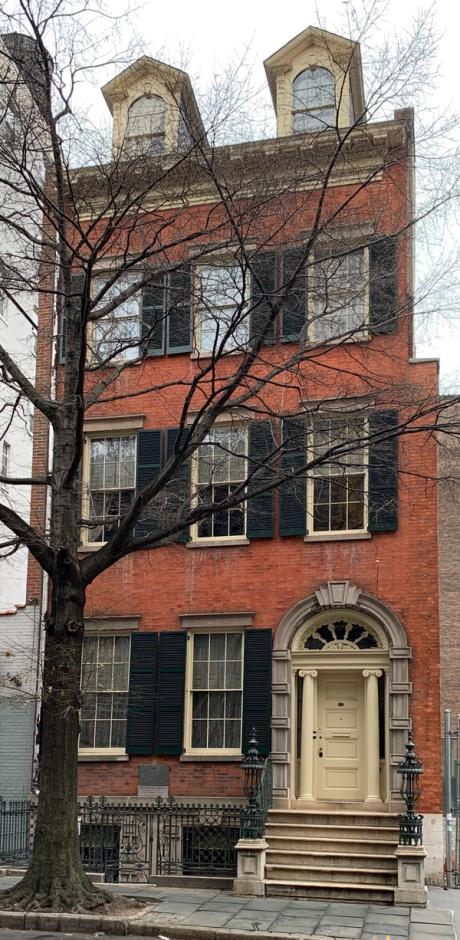
A hidden chute within the Merchant's House Museum in Manhattan, identified as a rare surviving stop on the Underground Railroad, is threatened by a planned real-estate development next door. The two-foot-square vertical passage, concealed behind a built-in dresser, was built in 1832 by abolitionists Joseph and Susanna Brewster to shelter Black fugitives escaping slavery. The museum's western wall, which contains the hideaway, adjoins a one-story garage slated for demolition to make way for a commercial building, prompting the museum team to oppose the development due to risk of structural damage.

Was This Anne Boleyn’s Seat? Rare 500-Year-Old Chair Linked to Tudor Queen

A rare, intricately carved wooden chair, potentially used by Anne Boleyn during her time in the French courts between 1510 and 1520, has been acquired and is now on display at Hever Castle. The chair was purchased by antiques dealer Paul Fitzsimmons from an online American auction in 2022, and its carvings—featuring dolphins, a Tudor rose, and the initials "AB" intertwined with a cordelière emblem of Queen Claude—suggest a strong link to the Tudor queen's early life.

Archaeologists Discover 6,000-Year-Old ‘Megastructure’ in Romania

Archaeologists in northeastern Romania have unearthed a 6,000-year-old 'megastructure' at the Stăuceni-"Holm" site, attributed to the Cucuteni-Trypillia culture. Measuring approximately 350 square meters, the building is significantly larger than typical dwellings of the period and was strategically positioned near the settlement's entrance. The absence of domestic tools or ritual statuettes suggests the space served as a communal assembly hall or administrative center rather than a private residence.

Ancient Roman Cargo Lost for 2,000 Years Resurfaces in Swiss Lake

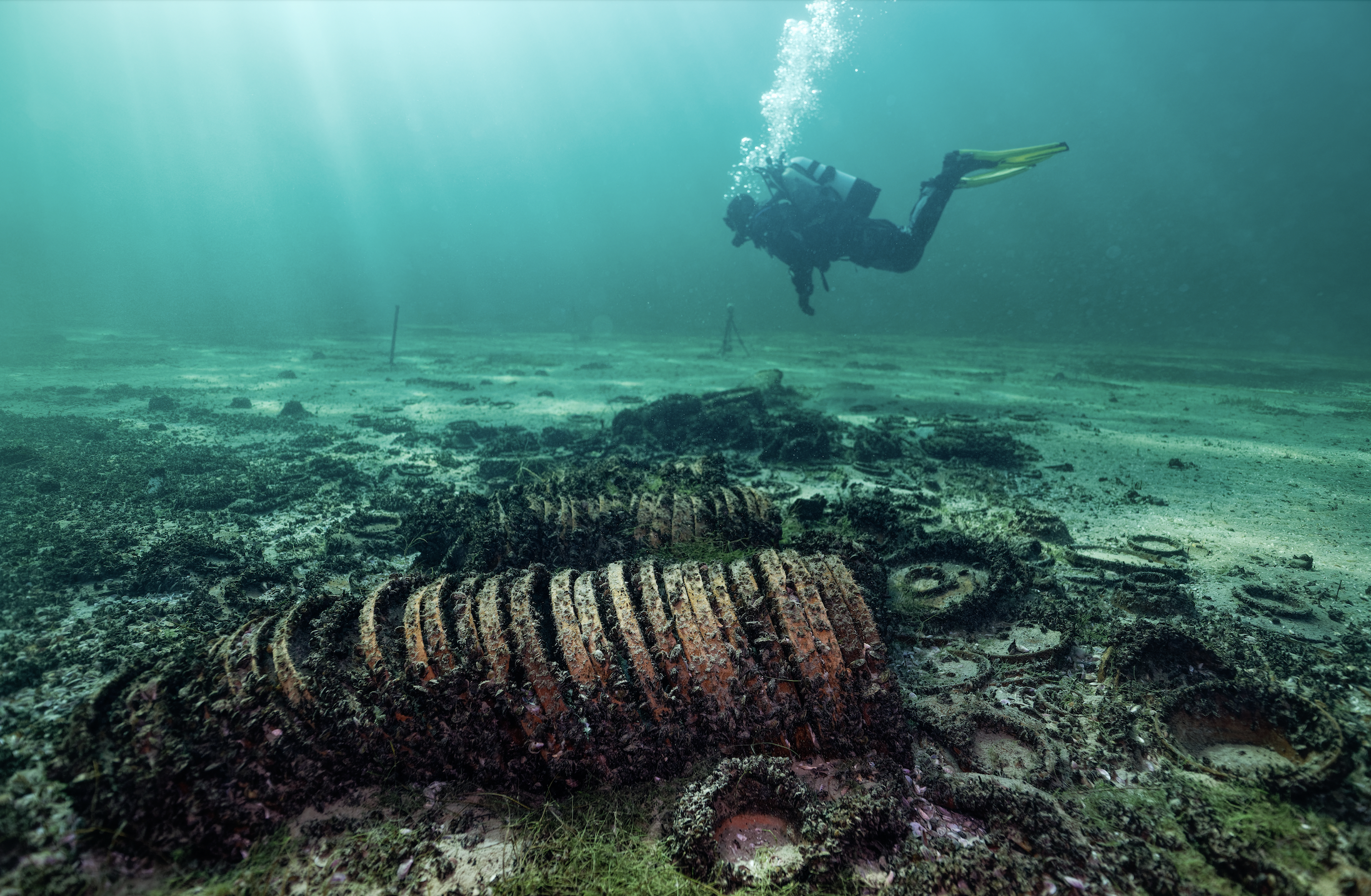
A team of Swiss archaeologists and the nonprofit Octopus Foundation have recovered a 2,000-year-old Roman cargo from Lake Neuchâtel. The haul consists of approximately 600 remarkably preserved artifacts, including stacks of brand-new ceramic plates, bowls, goblets, weapons, tools, chariot wheels, and a wicker basket, dating from between 50 B.C.E. and 50 C.E. The ship itself was not found.

What Did Pompeii Smell Like? A New Study Analyzes Its Ancient Incense

A team of international researchers has published the first scientific analysis of ritual incense residues from Pompeii. By examining ash from two ancient censers—one from an inn and another from a domestic shrine—they identified charred plants like oak and laurel, as well as evidence of imported frankincense from India.

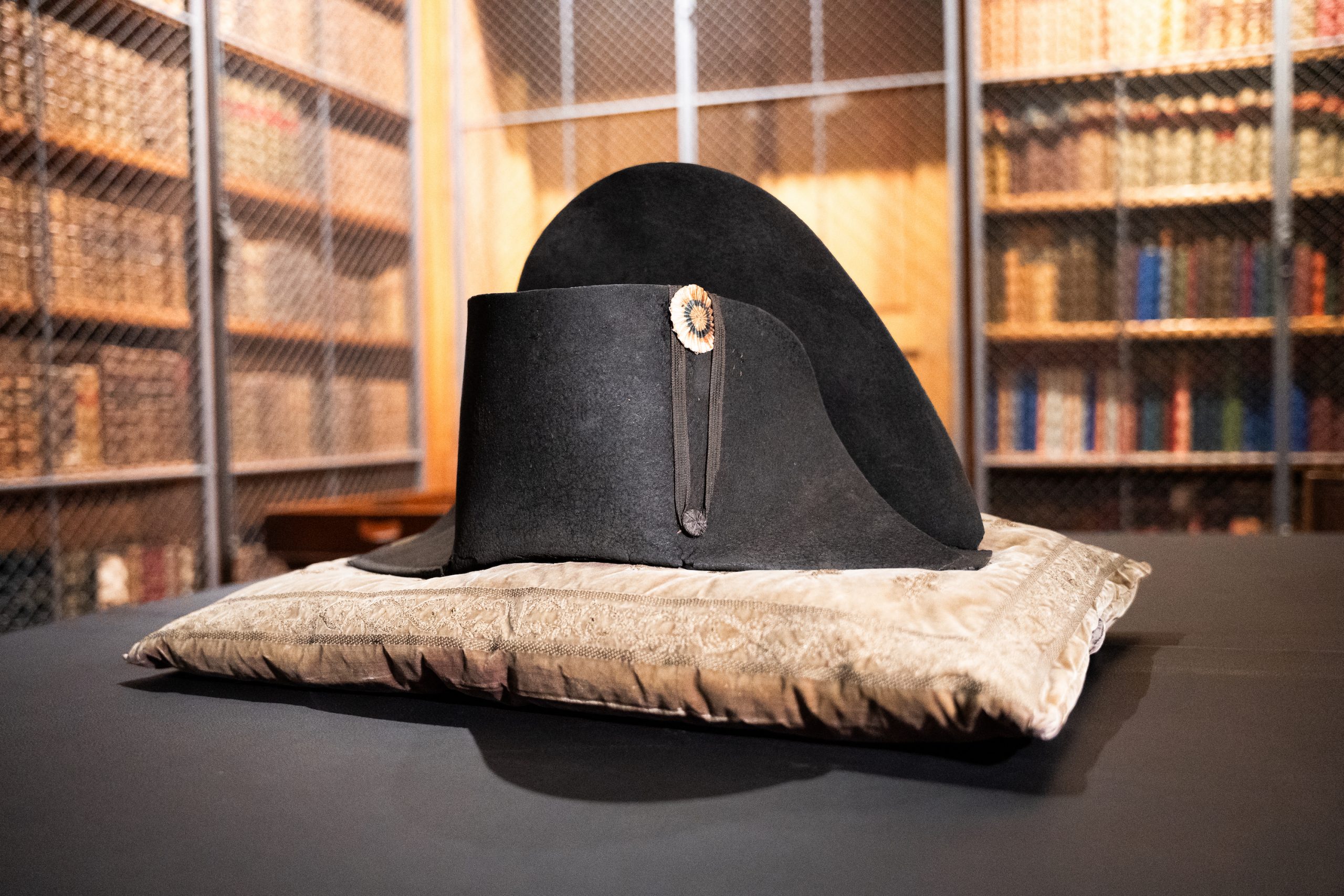
One of Napoleon’s Sweaty Hats Was Just Rediscovered After a Century in Storage

A distinctive bicorne hat belonging to Napoleon Bonaparte, worn during his final exile on Saint Helena, has been rediscovered after more than a century in storage at the Condé Museum. Curators found the beaver pelt hat, made by his official hat-maker Poupard, while preparing for an upcoming exhibition, and its provenance has been confirmed through extensive study.

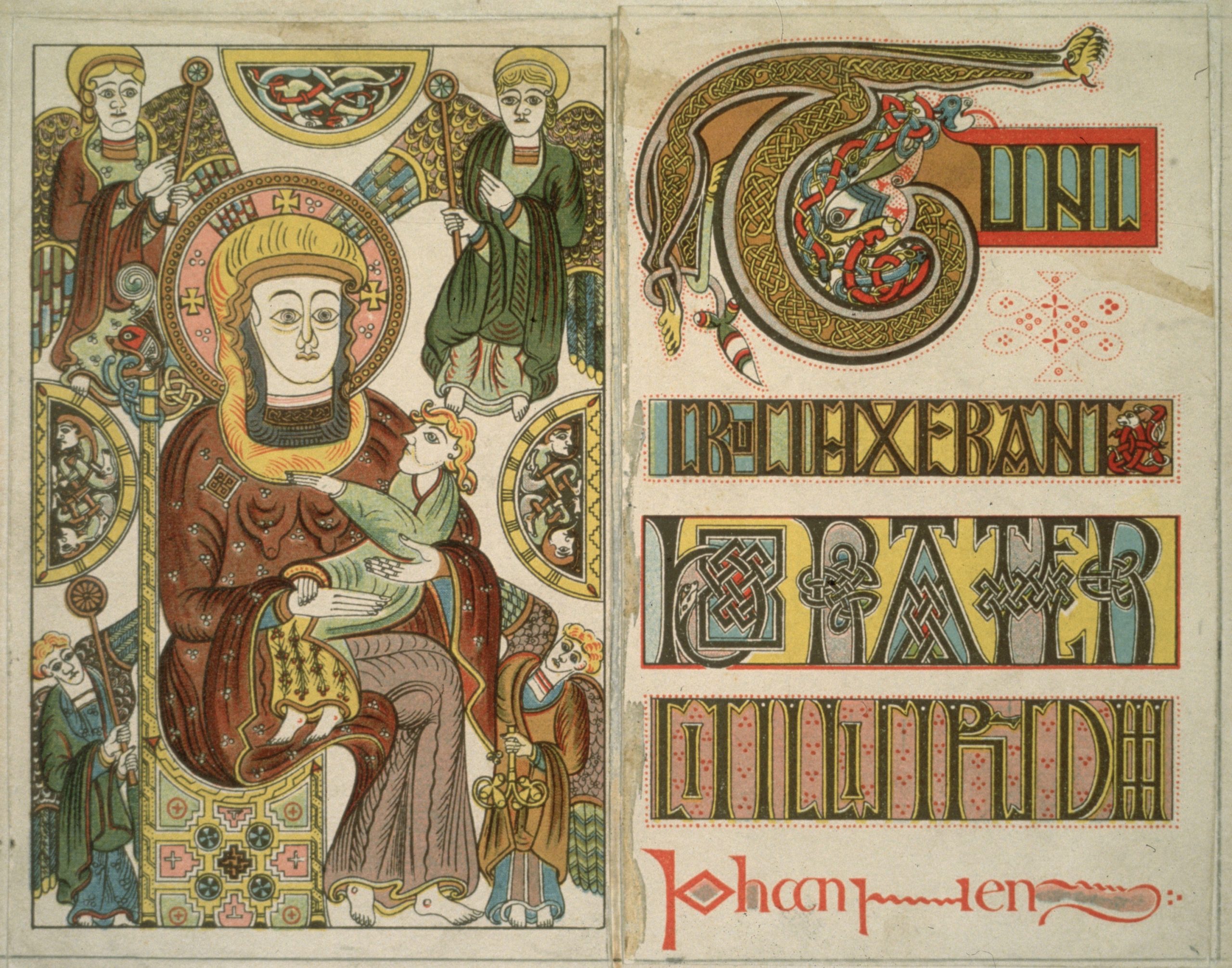
Who Created the Book of Kells? A Master Craftsman Takes on the Mystery

A new project led by master craftsman Thomas Keyes aims to recreate medieval vellum-making techniques to test theories about the origin of the Book of Kells. Keyes will build a replica of a washing tank found at the Scottish monastery of Portmahomack and use historically accurate methods, including potentially using seaweed-based lye, to produce vellum. This experimental archaeology seeks to determine if the manuscript's unique physical characteristics match the production methods used at Portmahomack.

Egyptian Archeologists Find 3,000-Year-Old Coffins of Temple Chanters in Luxor

Archaeologists in Luxor have discovered 22 painted wooden coffins containing mummies, along with eight sealed papyrus scrolls, in a tomb within the Theban Necropolis. The coffins, dating to Egypt's Third Intermediate Period (1077–664 BCE), were found stacked in a rock-cut chamber, indicating they had been moved from their original burial sites.