filter_list Showing 97 results for "RIOT" close Clear
search
dashboard All 97 article news 47museum exhibitions 30article culture 7article local 4article policy 3candle obituary 2rate_review review 2trending_up market 1person people 1
date_range Range Today This Week This Month All
Subscribe

"Hier darf laut gelacht werden"

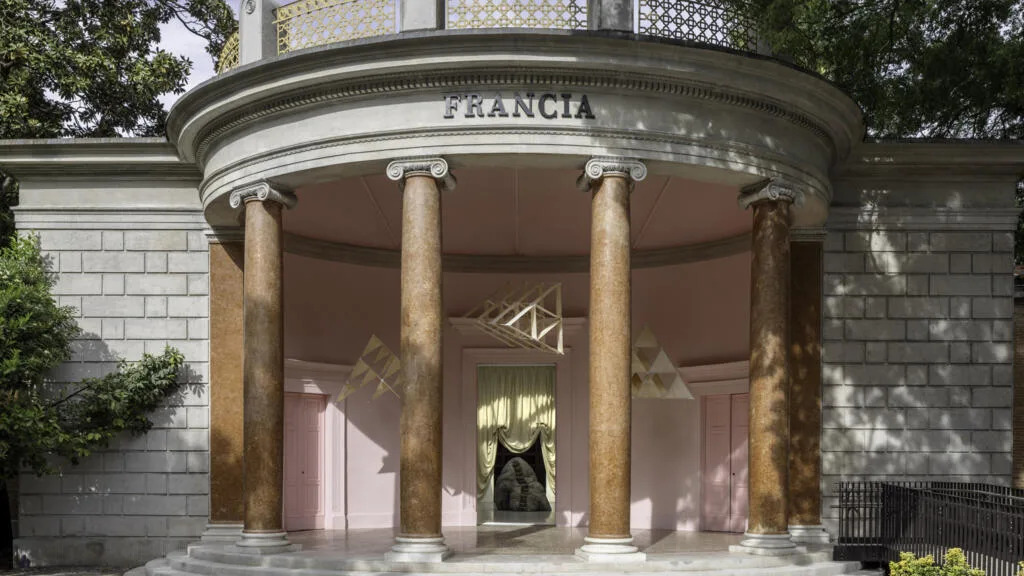
During the opening week of the Venice Biennale, multiple reports detail controversies surrounding the Israeli and Russian pavilions. According to Hyperallergic, artist Belu-Simion Fainaru of the Israeli pavilion threatened legal action against the Biennale after the jury sought to exclude Israel and Russia from prizes over alleged human rights violations, citing antisemitism and nationality-based discrimination. This may have prompted the jury's sudden resignation. Meanwhile, taz reports that Russia's pavilion is a macabre 'dance of death' blending techno and political denial, while Israel's pavilion faces a 'silent boycott' and social ostracism. Zeit describes protests by Pussy Riot and Femen outside the Russian pavilion as a defining image, with activists chanting 'blood sticks to the art of this country.'
Where to go for the next scandal?

Wo bitte geht's zum nächsten Skandal?

The article reports on the 2024 Venice Biennale preview days, where the atmosphere is dominated by political protests, media stunts, and social-media pressure rather than the art itself. Incidents include a solidarity drone choir for Gaza, a Pussy Riot and FEMEN protest at the Russian Pavilion, and a planned demonstration near the Israeli Pavilion, all amplified by PR agencies and WhatsApp alerts. A journalist describes being pressured by editors to cover scandals and political controversies instead of art reviews, which they say no longer attract clicks.

Possible new Banksy appears in London

Möglicherweise neuer Banksy in London aufgetaucht

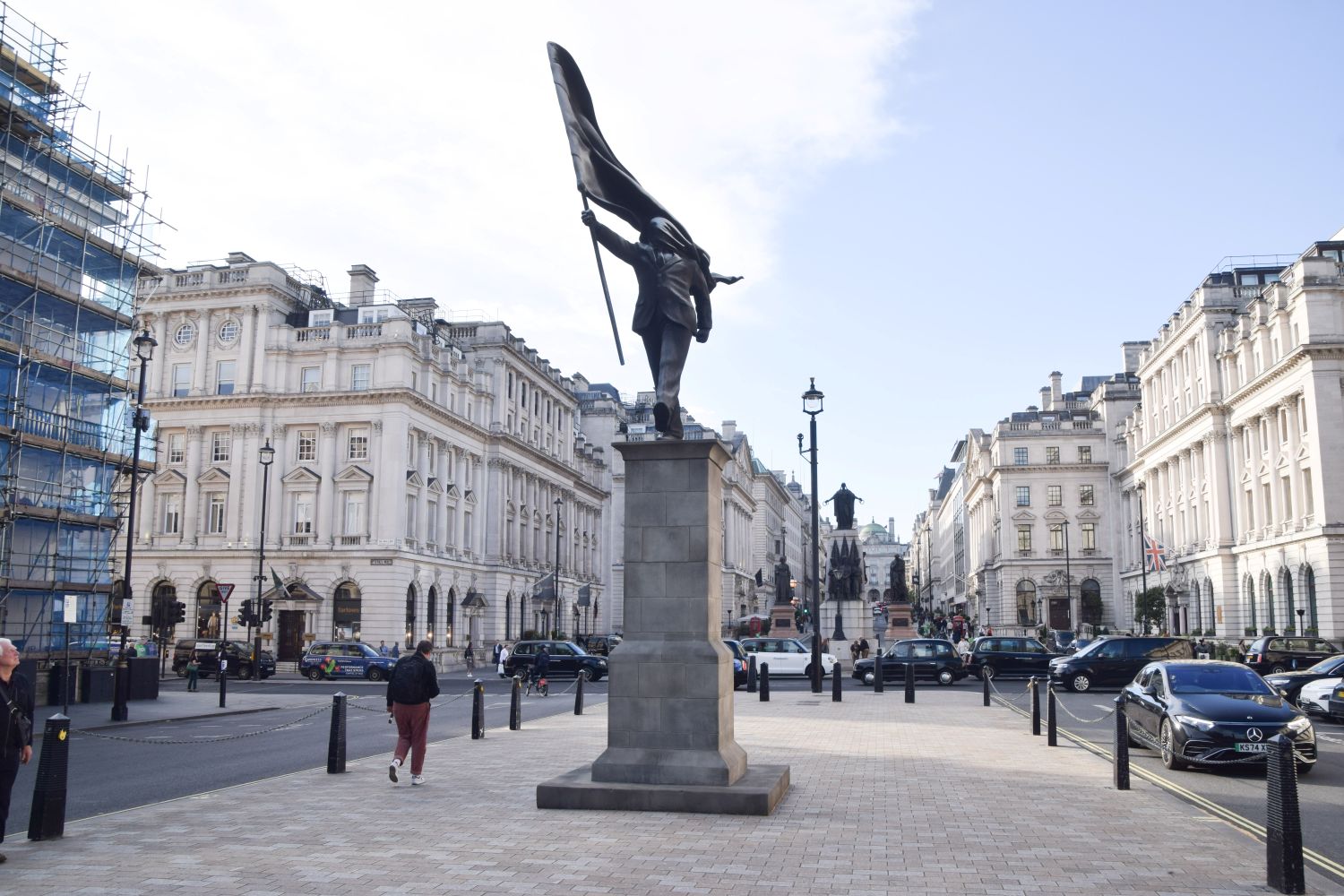
A life-sized statue has suddenly appeared on Waterloo Place in central London, depicting a figure stepping off a pedestal into the void with a flag blowing in its face. The base bears the signature "Banksy," leading to speculation that the anonymous street artist is behind the work. However, as of the morning, Banksy had not posted the piece on Instagram as he typically does, leaving its authenticity unconfirmed.

« No art washing ! » : à la Biennale de Venise, près de 3 000 manifestants réunis pour dénoncer la présence du pavillon israélien

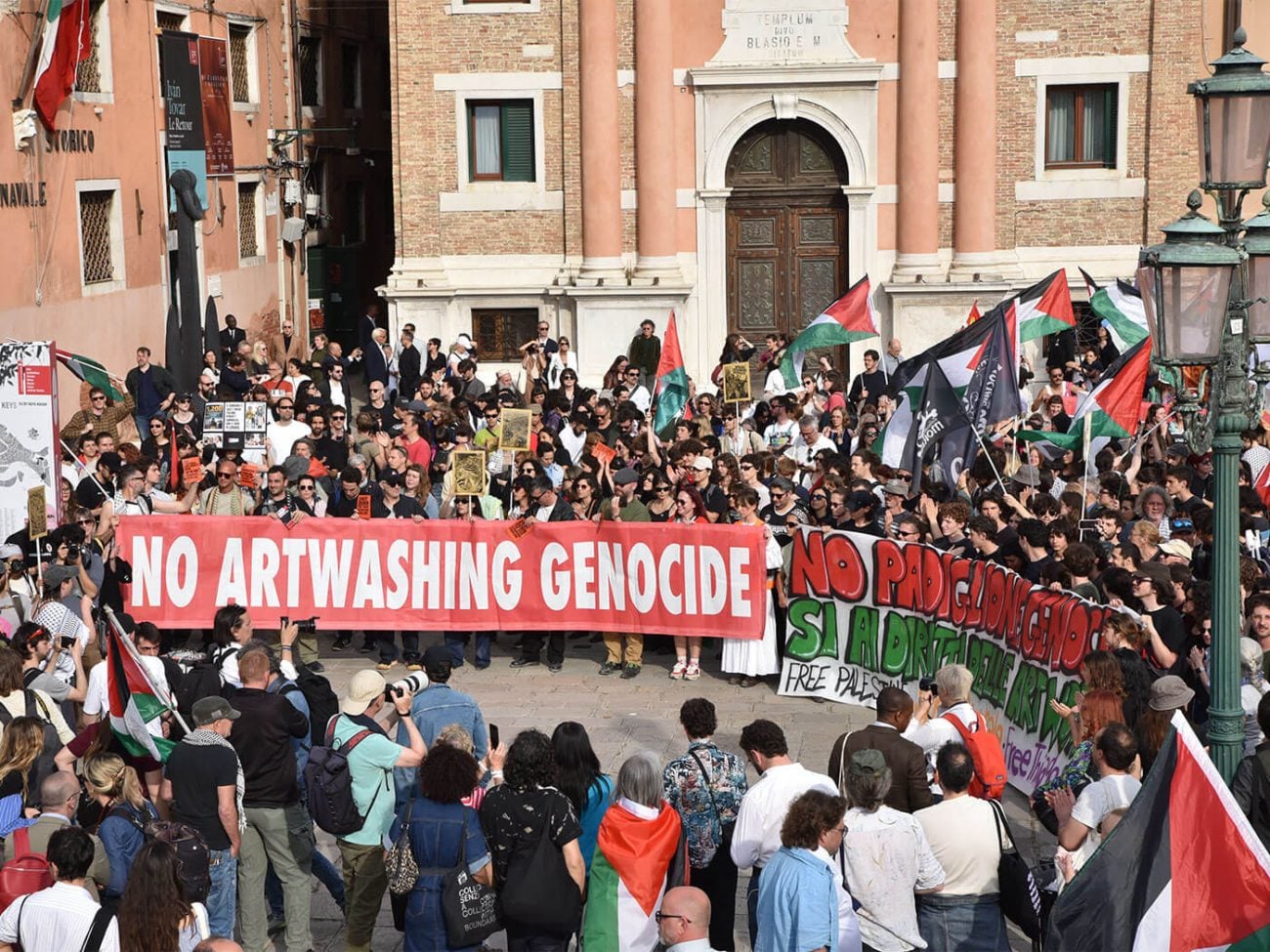
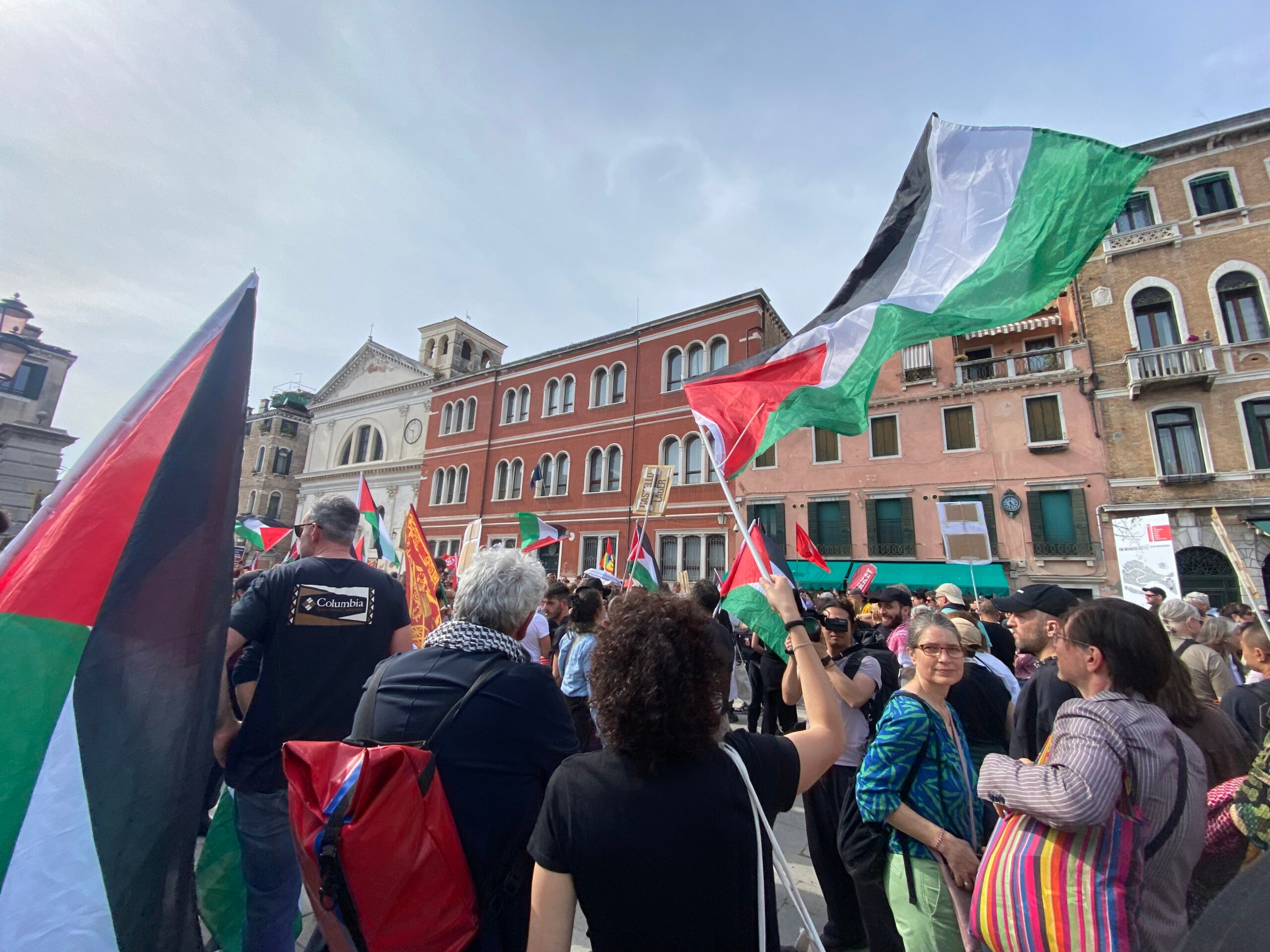
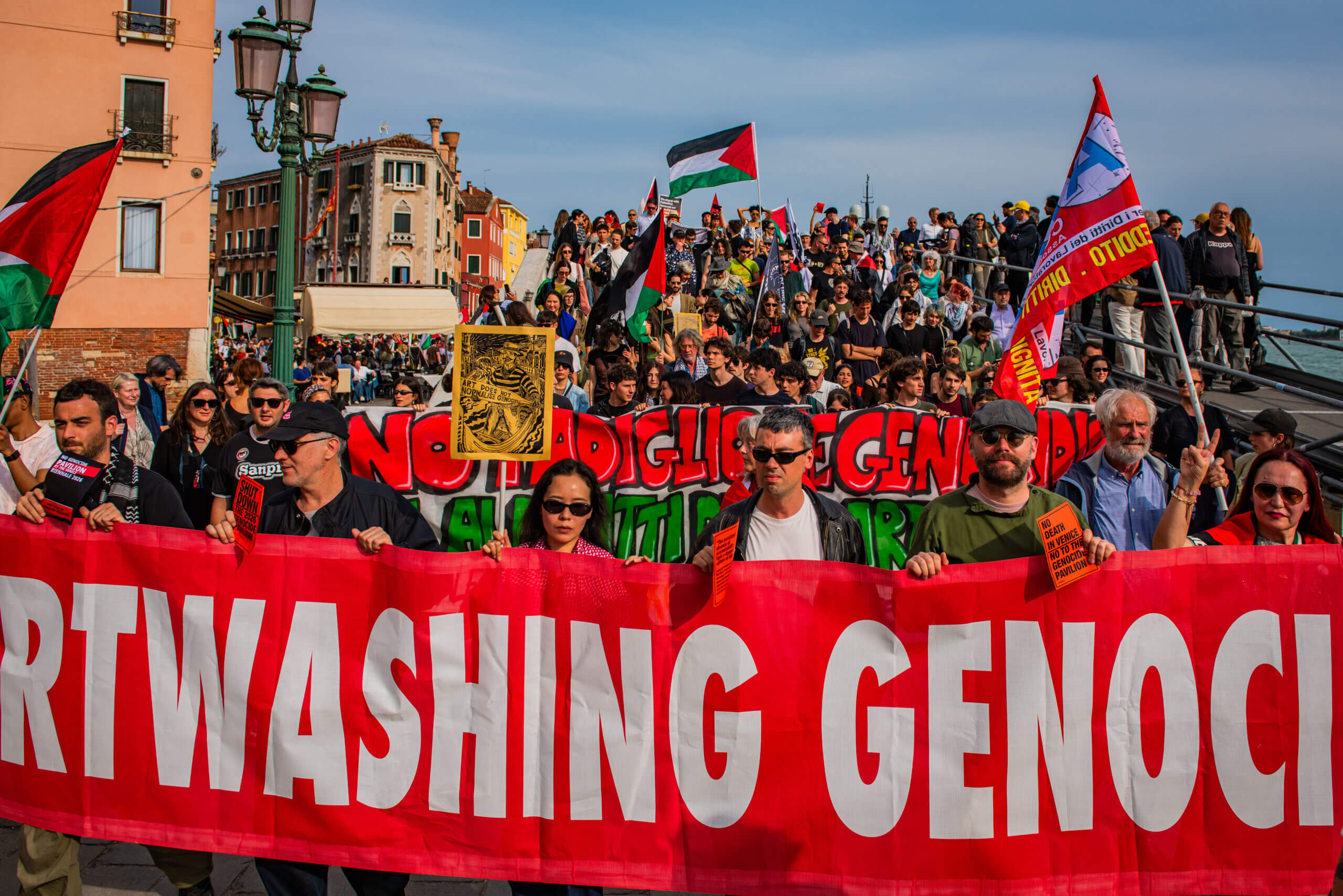
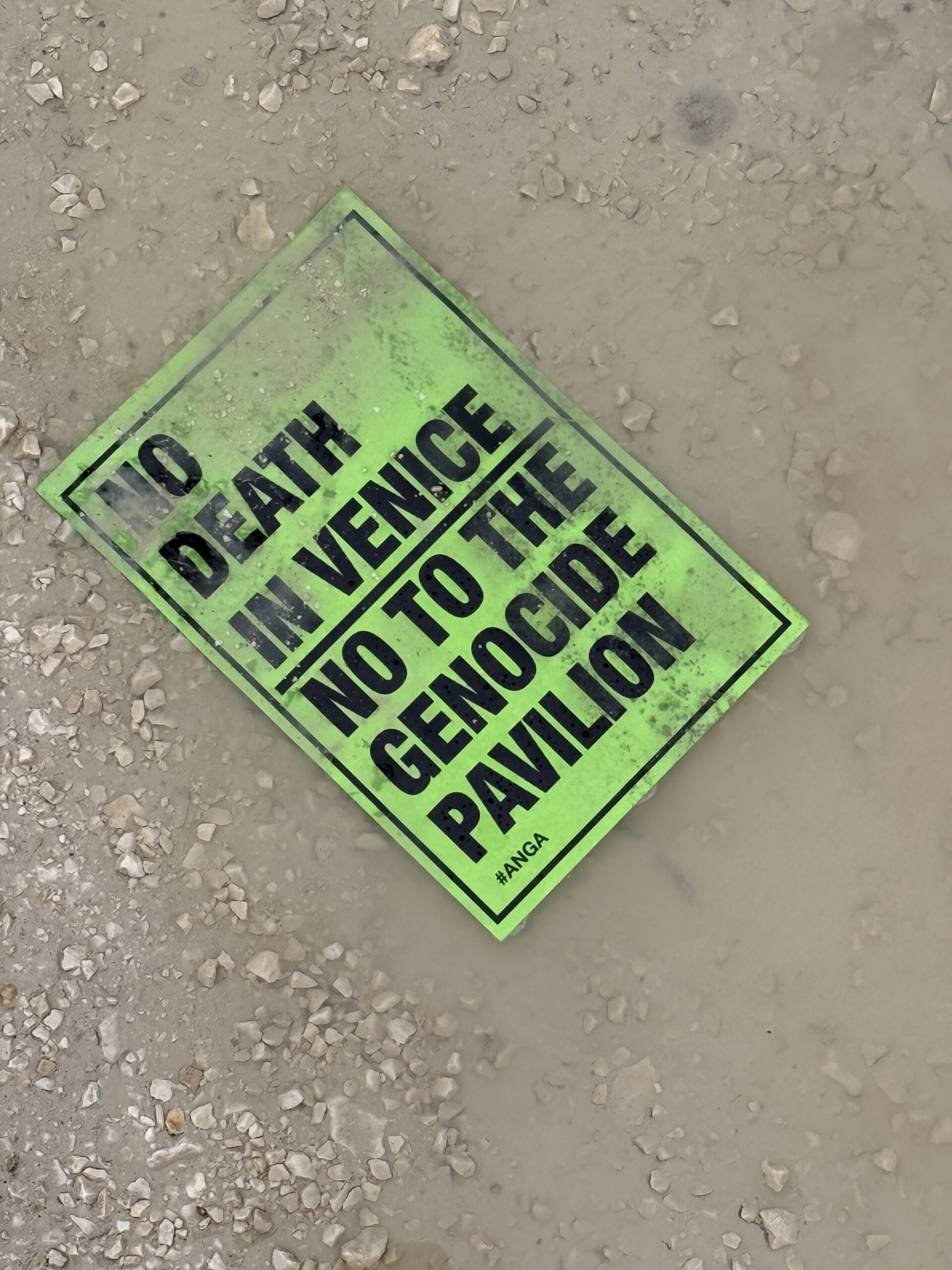
On May 8, 2026, nearly 3,000 protesters gathered in Venice to demonstrate against the presence of the Israeli pavilion at the Venice Biennale. Led by the collective Art Not Genocide Alliance (Anga), the crowd included artists, curators, and cultural workers who chanted slogans such as "Stop al Padiglione genocidio" and called for a strike on the closing day of the professional previews. Dozens of national pavilions, including those of France, Belgium, Poland, Spain, the United Kingdom, Lebanon, and Ukraine, closed in solidarity. The protest followed a letter sent by Anga in March demanding Israel's exclusion, which went unanswered, and the self-dissolution of the awards jury on April 30 over the presence of both Israel and Russia.

Une grande statue signée Banksy apparaît à Waterloo Place à Londres

On April 29, a large statue attributed to Banksy appeared on a plinth at Waterloo Place in London's St James's district. The work depicts a man in a suit stepping forward with a flag covering his face, bearing the artist's signature. Banksy later claimed the piece on Instagram, sparking crowds and speculation.

Dozens of Pavilions Close During Strike at 61st Venice Biennale

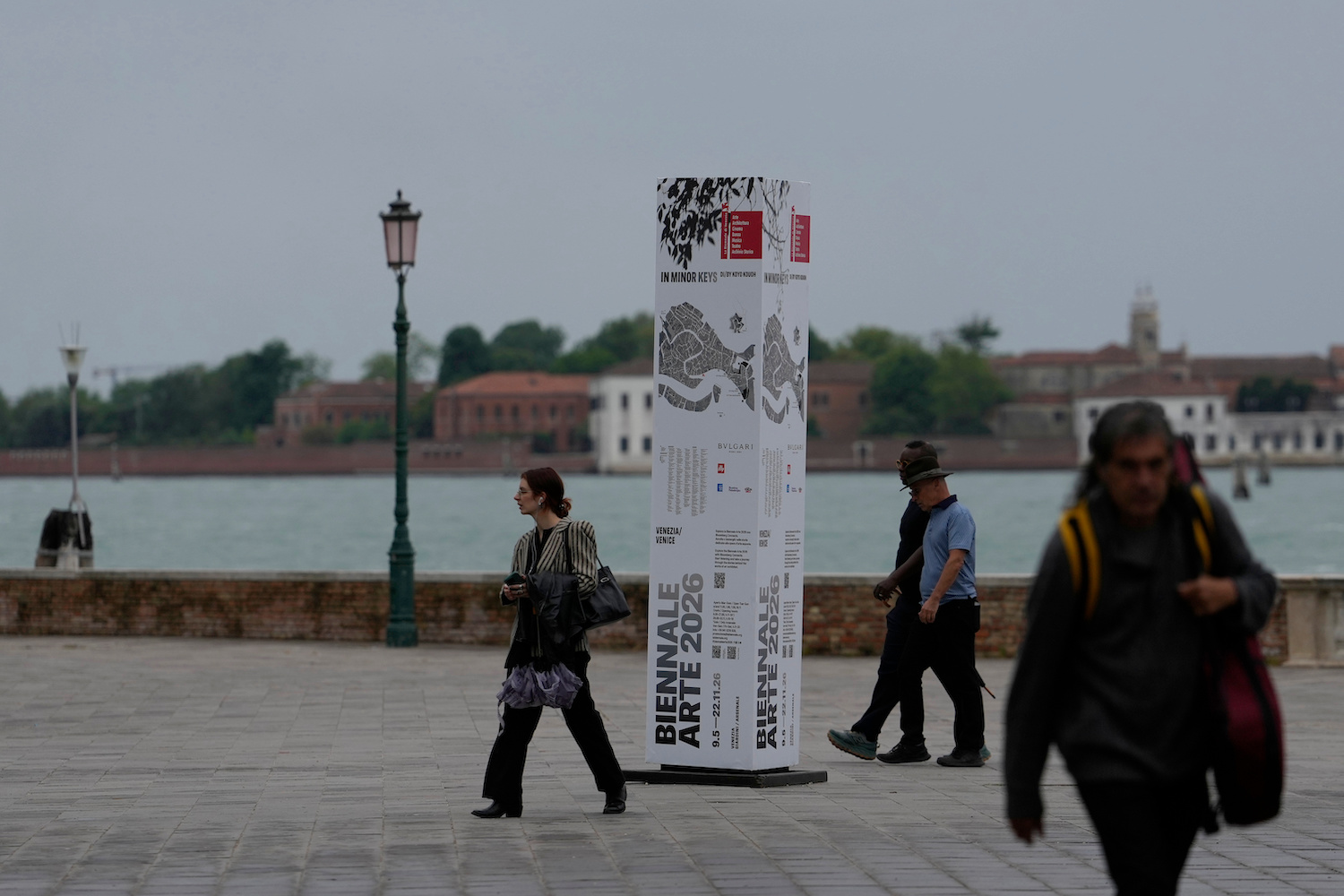
On May 8, 2026, a 24-hour strike organized by the Art Not Genocide Alliance (ANGA) and several Italian activist groups brought the 61st Venice Biennale to a standstill. Approximately 27 of the 100 national pavilions closed fully or partially in solidarity with protesters demanding Israel’s exclusion from the event, including those of Austria, Belgium, France, Great Britain, Japan, South Korea, and Ukraine. Over 3,500 people marched through Venice, with speakers including artist Gabrielle Goliath and curator Caroline Dumalin. The main exhibition, "In Minor Keys," curated by the late Koyo Kouoh, closed by late afternoon, and riot police were stationed outside the Arsenale. The Israeli pavilion, already shuttered during previews, remained closed.

Protests and Shutdowns Engulf 61st Venice Biennale Opening

The 61st Venice Biennale preview week, opening to press and professionals ahead of its May 9 public launch, has been engulfed by protests and institutional crises. On May 5, around 60 artists from Koyo Kouoh's exhibition “In Minor Keys” staged a Solidarity Drone Chorus outside the Giardini, drawing on Gazan composer Ahmed Muin's Drone Song (2025) to highlight victims of warfare. On May 6, the Art Not Genocide Alliance (ANGA) organized protests outside Israel's pavilion at the Arsenale, leading to a security-enforced closure, while Pussy Riot and FEMEN demonstrated outside the Russian pavilion. The jury resigned on April 30 after controversy over award eligibility tied to ICC arrest warrants, prompting the Biennale to scrap Golden Lions and transfer prize voting to the public. Iran withdrew its pavilion on May 4, and Russia's will close on May 9, with only exterior video projections remaining. ANGA and Italian unions have announced a 24-hour strike on May 8.

Van Cleef & Arpels cashes in on lucrative secondary market for vintage jewellery

Van Cleef & Arpels has capitalized on the growing secondary market for vintage jewelry through its Heritage Collection, launched in 2007. The collection offers around 150 curated 20th-century pieces, authenticated and restored by the maison, allowing clients to buy directly from the jeweler rather than through auction houses like Sotheby's, Christie's, and Artcurial, which sold over €120 million in Van Cleef jewels in 2024.

Parliamentary report calls for major changes at French museums in the wake of Louvre heist

A French parliamentary report published on 13 May, following the October 19 heist of the crown jewels at the Louvre, issues a damning assessment of the country's museum security and management. The commission heard around 100 testimonies and examined some 2,000 museums, dedicating a special chapter to the Louvre. It blames former director Laurence des Cars's leadership for a "dysfunctional drift" that prioritized contemporary art interventions and fashion shows over basic infrastructure and collection protection, allowing the heist to occur. The report lists rising threats including riots, burglaries, cyberattacks (which forced the National Museum of Natural History in Paris to cancel an exhibition after a ransomware attack in July 2025), and terrorist plots. It proposes 40 recommendations, including raising budgets by an estimated €20–25 billion over a decade, enhancing staff training, and overhauling museum leadership.

Museum exhibitions to coffeehouse chats: How to celebrate America 250 this summer

The article outlines various events and exhibitions in Washington, D.C., celebrating the 250th anniversary of the United States this summer. Highlights include the "In Pursuit of Life, Liberty, and Happiness" exhibit at the National Museum of American History, featuring 250 objects from 1776 to the present; a Gen-Z-focused coffeehouse chat at Tudor Place; exhibitions at the National Museum of Women in the Arts, including "Ms. Americana" and "Burnished: Pueblo Pottery"; and the Spirit of America Festival at the National Archives, showcasing rare documents.

Patchwork Lost – A Critique of the Princeton University Art Museum’s American Art Wing

The article critiques the newly opened American art wing at the Princeton University Art Museum, arguing that its curatorial approach prioritizes contemporary social justice narratives over historical accuracy and national pride. The author contends that the exhibition presents a fragmented, politicized view of American history, highlighting slavery and racial injustice while omitting or minimizing the contributions of Princeton alumni to the nation's founding, such as James Madison and John Witherspoon. Specific examples include the inclusion of a 2022 revisionist painting of the Signing of the Constitution and selective signage that emphasizes marginalized figures while ignoring male patriots.

At the 2026 Venice Biennale, pavilions shut down for pro-Palestine strike. The map of protests

Alla Biennale di Venezia 2026 serrata dei padiglioni per sciopero pro Palestina. La mappa delle proteste

On May 8, 2026, the third VIP preview day of the 61st Venice Biennale, a massive strike shut down numerous national pavilions and disrupted the exhibition. Led by the Art Not Genocide Alliance (Anga), the protest demands Israel's exclusion from the Biennale over allegations of genocide in Palestine, and also targets poor labor conditions in the cultural sector. Pavilions closed one after another due to staff shortages, and protest posters appeared around artworks at the Giardini and Arsenale. The strike involved the Biennale Foundation itself, along with about twenty contractors managing services and national pavilions, with unions Adl Cobas, USB Lavoro privato, and Cub supporting the action. Tensions rose when the UK Pavilion reportedly replaced striking staff to remain open, and the Foundation issued a statement falsely denying that its employees were covered by the strike.

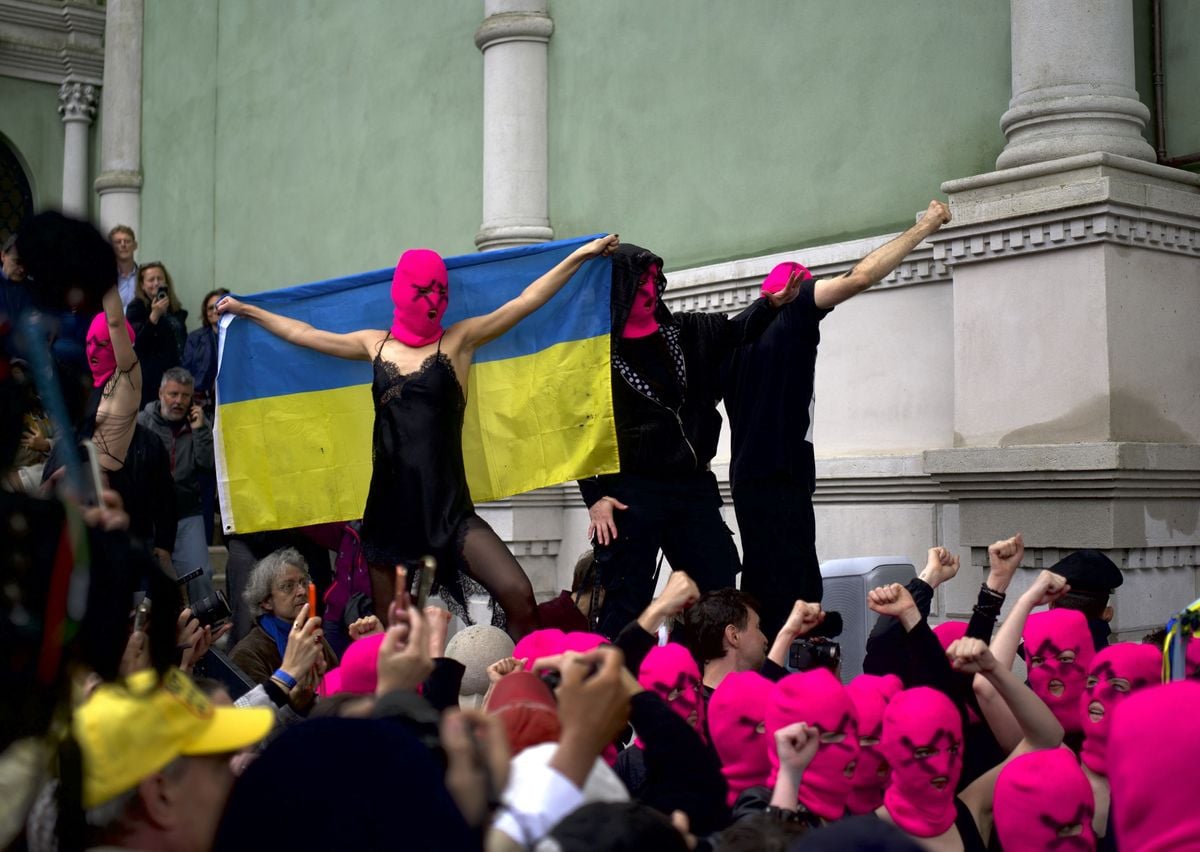
Pussy Riot and FEMEN protest at the Russian Pavilion at the Venice Biennale. "Blood is the true language of Russia"

Le Pussy Riot e le FEMEN in protesta al Padiglione russo alla Biennale di Venezia. “Il sangue è il vero linguaggio della Russia”

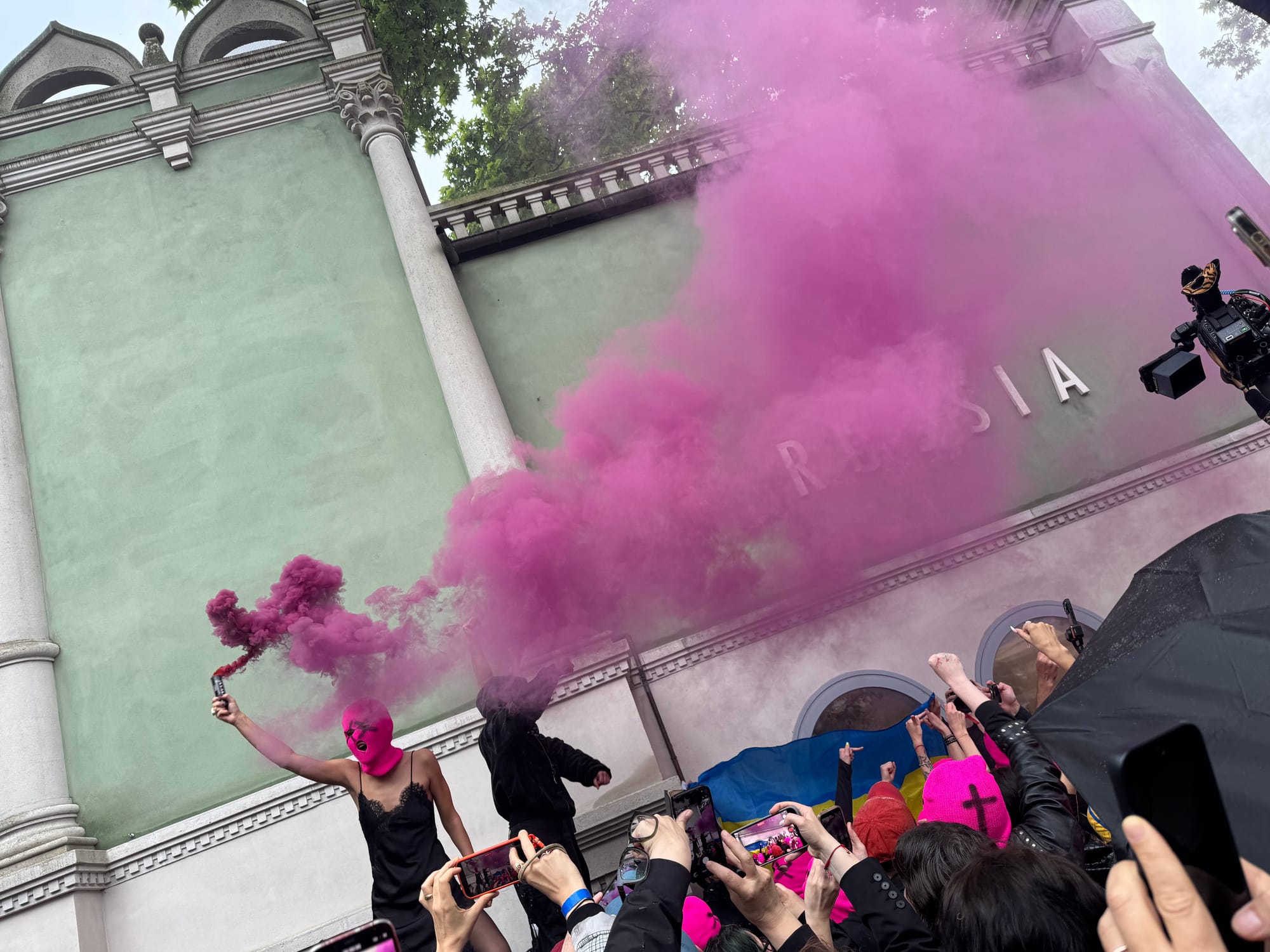
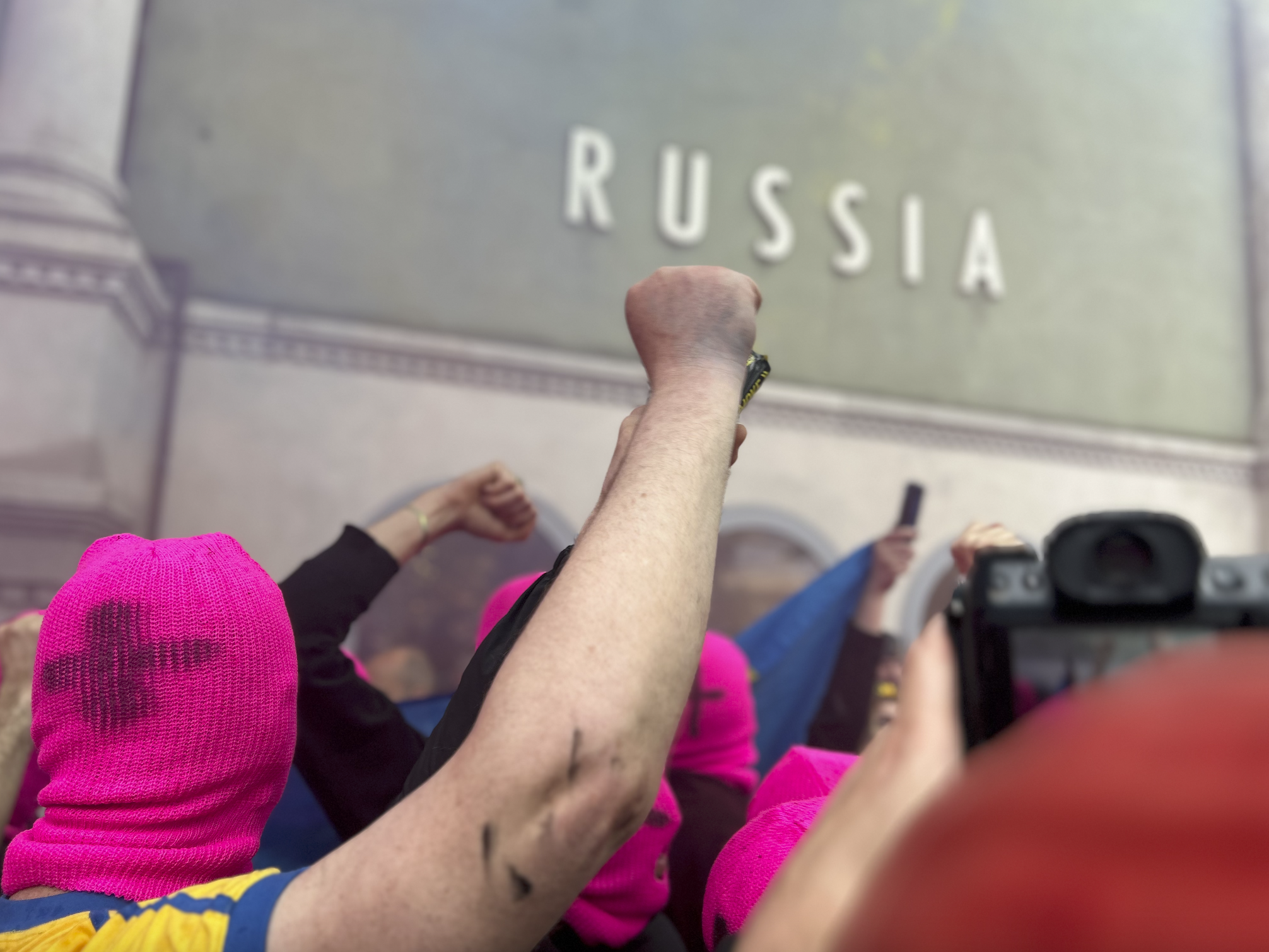
On May 6, 2026, during the preview days of the 61st Venice Biennale, Pussy Riot and FEMEN staged a joint protest outside the Russian Pavilion. Led by Nadya Tolokonnikova, the activists denounced Russia's participation in the Biennale as a form of political normalization while the war in Ukraine continues. The action included chants and slogans such as "Russia kills, Biennale exhibits. Blood is Russia's art," and targeted the Russian ambassador present inside the pavilion. The protest was unannounced and caught Biennale security off guard, drawing a crowd of journalists, visitors, and art professionals.

At the Venice Biennale, protests, self-mutilation and rage against Israel and Russia. Is anyone left to talk about the art?

At the 61st Venice Biennale, protests and controversies have overshadowed the art itself. The Art Not Genocide Alliance (ANGA) demonstrated against the inclusion of Israel and Russia, while the Israeli Pavilion became a flashpoint. Artist Belu-Simion Fainaru, presenting his installation "Rose of Nothingness" in a temporary space, complained that he was forced to defend his art's right to exist amid questions about politics rather than his work. The Biennale also saw barricades, strikes, the resignation of the Golden Lion jury, Iran's last-minute withdrawal, and anger directed at the American pavilion over Trump administration policies. The central exhibition, "In Minor Keys," curated by the late Koyo Kouoh, was eclipsed by these events.

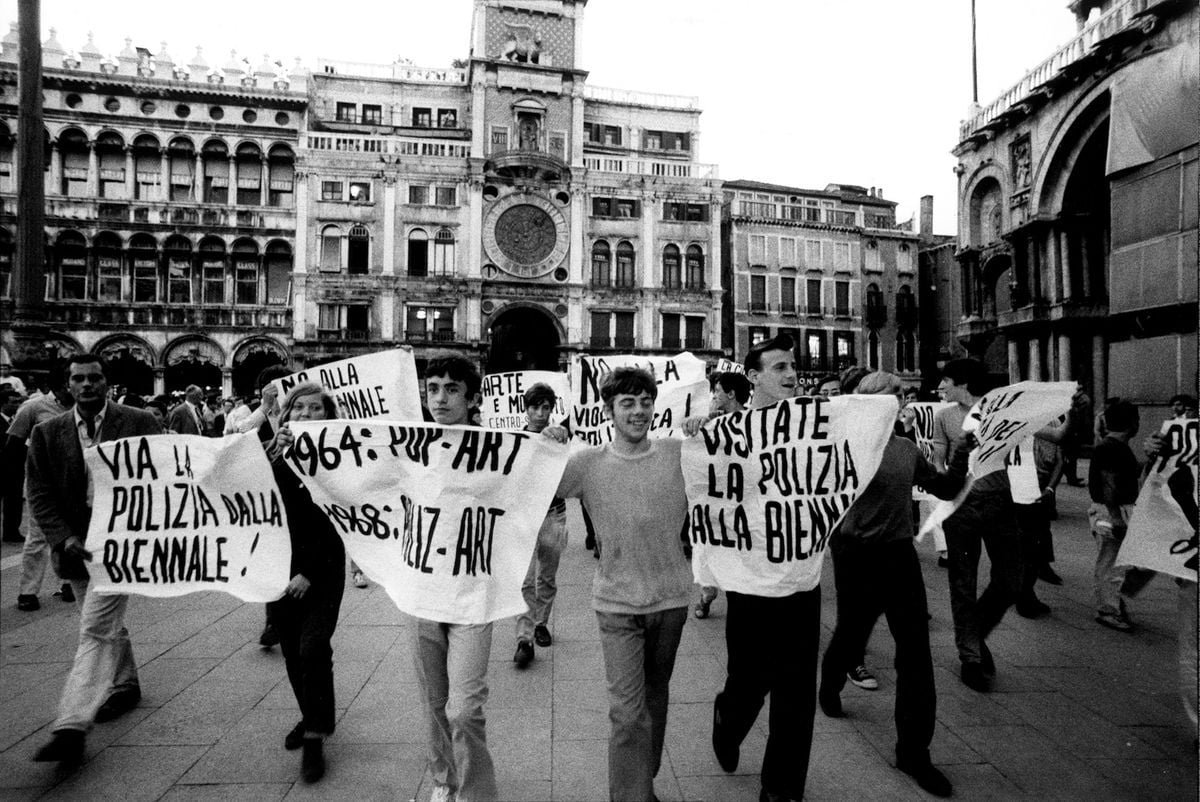
Since 1968, Protests Have Revealed the Real Impact of the Venice Biennale

The article recounts the 1968 protests at the Venice Biennale, where artists, students, and activists clashed with police over the event's perceived ties to bourgeois power and capitalist commodification. It draws parallels to the 2024 Biennale, where groups like Art Not Genocide Alliance, Pussy Riot, and Femen demonstrated against the participation of Russia and Israel, while artists staged strikes and performances like the Solidarity Drone Chorus to highlight the Gaza conflict.

Venice Biennale Opens Amid Strikes, Protests and Institutional Rupture.

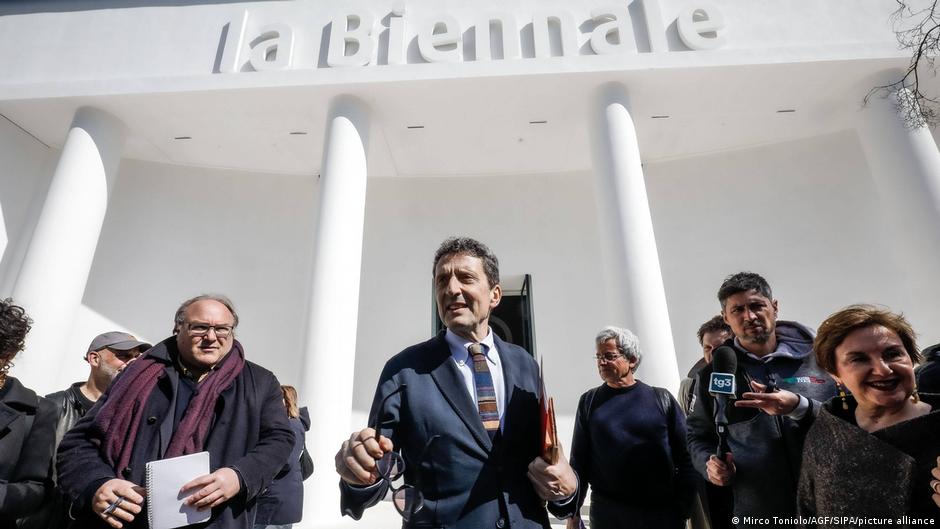
The 61st Venice Biennale opened in May 2026 amid strikes, protests, and political unrest, rather than celebration. Coordinated by Italian labor groups and transnational coalitions, demonstrators targeted the Biennale's decision to allow participation by Israel and Russia during the ongoing wars in Gaza and Ukraine. The Art Not Genocide Alliance (ANGA) led protests against Israel's participation, while Pussy Riot and FEMEN activists staged a protest outside the Russian pavilion. The Israeli pavilion's relocation from the Giardini to the Arsenale added symbolic weight, with critics viewing it as institutional endorsement. The late curator Koyo Kouoh's vision for the exhibition, titled "In Minor Keys," emphasized tenderness and complexity, contrasting with the volatile atmosphere.

A sonic tribute to the act of speech on New York City’s Roosevelt Island

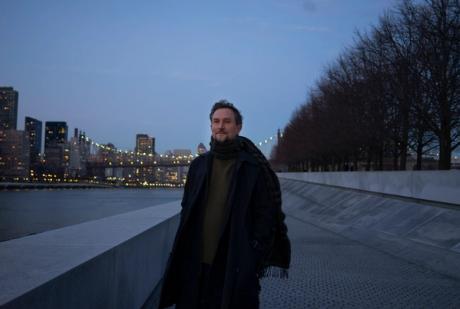
Sound artist Hans Rosenström has launched a site-specific sound installation titled "Out of Silence" at Four Freedoms Park on New York City's Roosevelt Island, running until 21 June. The multi-speaker work features layered voices sung by the Estonian choir Vox Clamantis, arranged across four sections of the park as an homage to Franklin D. Roosevelt's 1941 Four Freedoms speech. Rosenström, a Finnish artist based in Stockholm, developed the project during an International Studio & Curatorial Program residency in New York in 2024, after being approached by Latvian curator Alina Girshovich to mark the 90th birthday of composer Arvo Pärt. The park's memorial to FDR was designed by architect Louis Kahn, who was born in Estonia and benefited from New Deal programs.

The Art of the Chosen Family

Die Kunst der Wahlfamilie

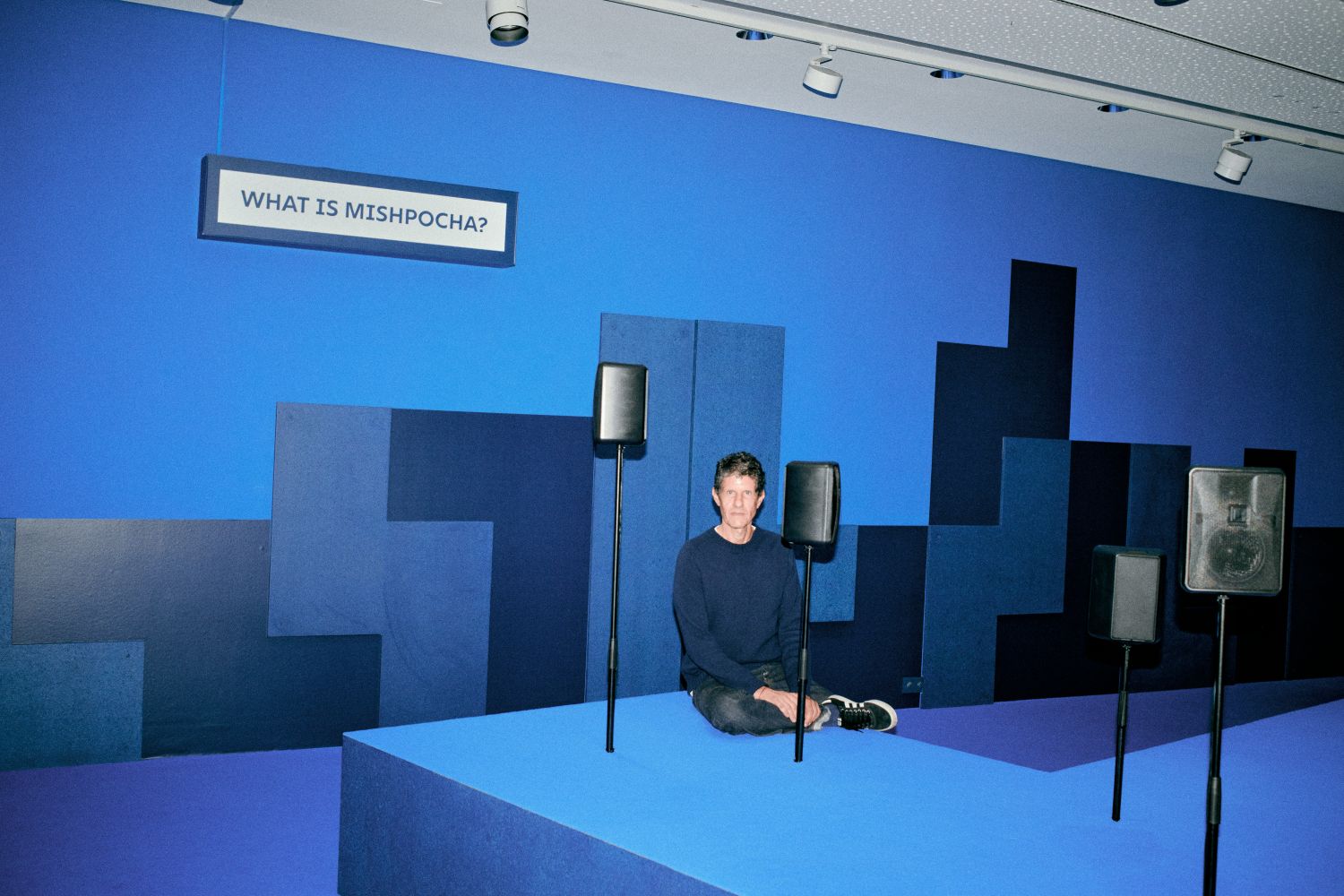
Mike D, co-founder of the Beastie Boys, has co-curated an exhibition titled "Mishpocha. The Art of Collaboration" at the Jewish Museum Frankfurt. The show explores the concept of family beyond biological ties, featuring works such as Ira Eduardovna's video installation "The Library Room," which depicts a family packing for emigration, and immersive audiovisual spaces evoking techno, hip-hop, punk, and Riot Grrrl subcultures. The exhibition includes contributions from artist Jan Ove Hennig, photographer Jan Zappner, design studio Atelier Markgraph, and hospitality group Ima Clique, with Mike D serving as artistic director and ambassador.

Venice Biennale opens under shadow of protests over Russia and Israel

The 61st Venice Biennale opened under heavy protest as Russia returns to the event for the first time since its 2022 invasion of Ukraine. Ukrainian feminist collective Femen and Russian punk band Pussy Riot demonstrated outside the Russian pavilion, with activists accusing Russia of using art as a weapon in a hybrid war. Meanwhile, pro-Palestinian protesters gathered outside Israel's pavilion, holding banners reading 'No artwashing genocide' and demanding Israel's exclusion over the war in Gaza. The Biennale's international jury resigned last month, refusing to award prizes to countries led by figures subject to ICC arrest warrants, namely Vladimir Putin and Benjamin Netanyahu. EU foreign policy chief Kaja Kallas called Russia's participation 'morally wrong' and threatened to cut €2 million in funding, while culture ministers from 22 European countries urged organizers to reconsider.

Anti-Russia Protests Spread Beyond the Biennale and Into Venice

Protests against the reopening of the Russian pavilion erupted at the Venice Biennale and spread across the city on the second day of the 61st edition. Visual artist Shalva Nikvashvili, who grew up in post-Soviet Georgia, began a silent performance wearing a muzzle-style mask and carrying a chair, holding a sign reading “La Biennale di Venezia” and “violence.” Shortly after, a group of about 20 protesters led by Pussy Riot co-founder Nadya Tolokonnikova gathered outside the Russian pavilion, chanting against Vladimir Putin, waving Ukrainian flags, and releasing a pink smoke flare. The protests followed the Biennale's decision to allow Russia to participate for the first time since its 2022 invasion of Ukraine, despite calls from artists and politicians to exclude the country.

Venice Biennale in crisis: The controversies explained

The Venice Art Biennale's official awards ceremony, scheduled for May 9, has been canceled after the entire five-member jury resigned days before the event. The jury had previously announced they would not consider countries whose leaders face International Criminal Court charges, directly impacting Russia and Israel. Instead of jury-selected prizes, visitors will vote throughout the Biennale's run, with "Visitor Lions" awarded on November 22. The event, running from May 9 to November 22, features 100 national participations, including seven first-time countries, and a posthumous main exhibition titled "In Minor Keys" curated by the late Koyo Kouoh, the first African woman to lead the show. Iran withdrew on May 4 amid Middle East tensions, while Russia's return to the Biennale in 2026 has sparked EU threats to cut funding.

Intermezzo: revisiting Helmut Newton

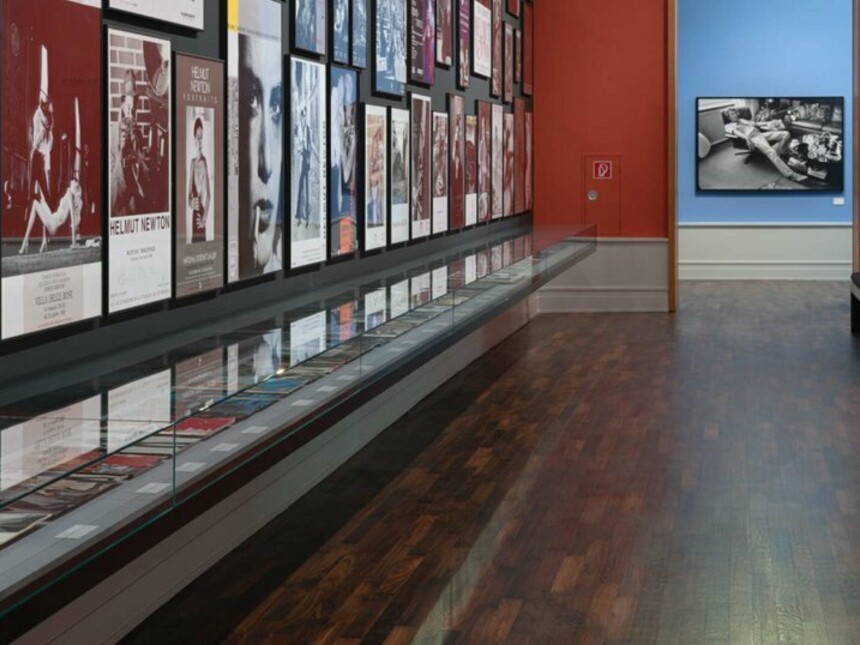
The Helmut Newton Foundation at Berlin's Museum für Fotografie is overhauling its permanent exhibition after more than 20 years, introducing a cinematic installation called "Intermezzo" that uses eight video projectors across four screens to present a film portrait of Helmut Newton. The film incorporates previously unreleased material, including personal recordings by his wife June Newton, and features interviews with figures from Newton's world such as Philippe Garner, Carla Sozzani, and Matthias Harder. Alongside the immersive film, the ground-floor gallery displays nearly 100 of Newton's exhibition posters and launches a new curatorial series, "Spotlight: behind the frame," which will focus on iconic photographs by Helmut Newton or Alice Springs, starting with Newton's 1975 "Rue Aubriot" and Alice Springs' 1970 Gitanes advertisement.

In Dancehall and Reggaetón’s Evolution, MCA Chicago Charts a Global Awakening

The Museum of Contemporary Art Chicago has opened "Dancing the Revolution: From Dancehall to Reggaetón," an ambitious exhibition exploring the historical evolution of dancehall and reggaetón as cultural movements and their influence on contemporary art. Curated by Carla Acevedo-Yates, the show features over 40 international artists including Isaac Julien, Edra Soto, Alberta Whittle, Carolina Caycedo, supakid, and Lee "Scratch" Perry, tracing the genres' roots from Afro-Caribbean traditions through their emergence in Jamaica, Panama, and Puerto Rico to global mainstream dominance by figures like Daddy Yankee and Bad Bunny.

Ndidi Dike “Rare Earth Rare Justice” at Secession, Vienna

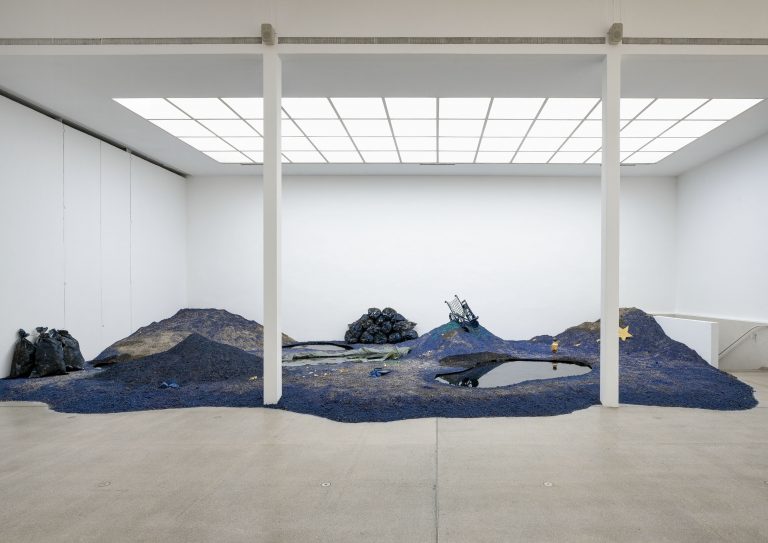
Ndidi Dike, a British-Nigerian sculptor and multi-disciplinary artist, presents her first major solo exhibition at an Austrian institution, titled "Rare Earth Rare Justice," at Secession in Vienna. The show features works across mixed media, painting, sculpture, collage, photography, video, and installation, addressing social, political, and economic conditions of the modern world.

Arts Council News – Fine Art Exhibition Awards

A Genova riapre dopo un lungo restauro la Torre Grimaldina. La visita al belvedere di Palazzo Ducale

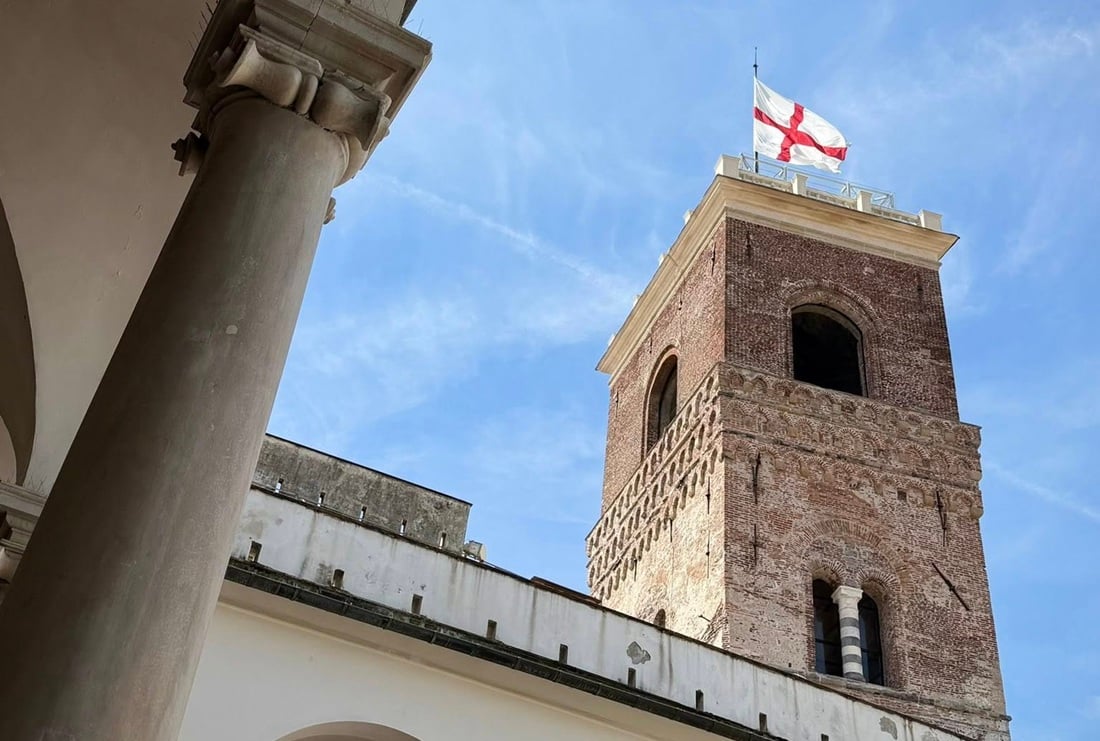
The Torre Grimaldina, a medieval tower in Genoa's Palazzo Ducale, has reopened after extensive restoration and safety upgrades funded by Italy's PNRR (National Recovery and Resilience Plan). Built in the late 13th century as a symbol of municipal power, the tower later served as a prison for political dissidents, including Risorgimento patriots and anti-fascist activists, as well as the violinist Niccolò Paganini. The restoration has preserved historic graffiti and inscriptions left by inmates, while reopening the tower's belvedere offering panoramic views of the city.

At Mcube, the movement and memory of jatras come alive

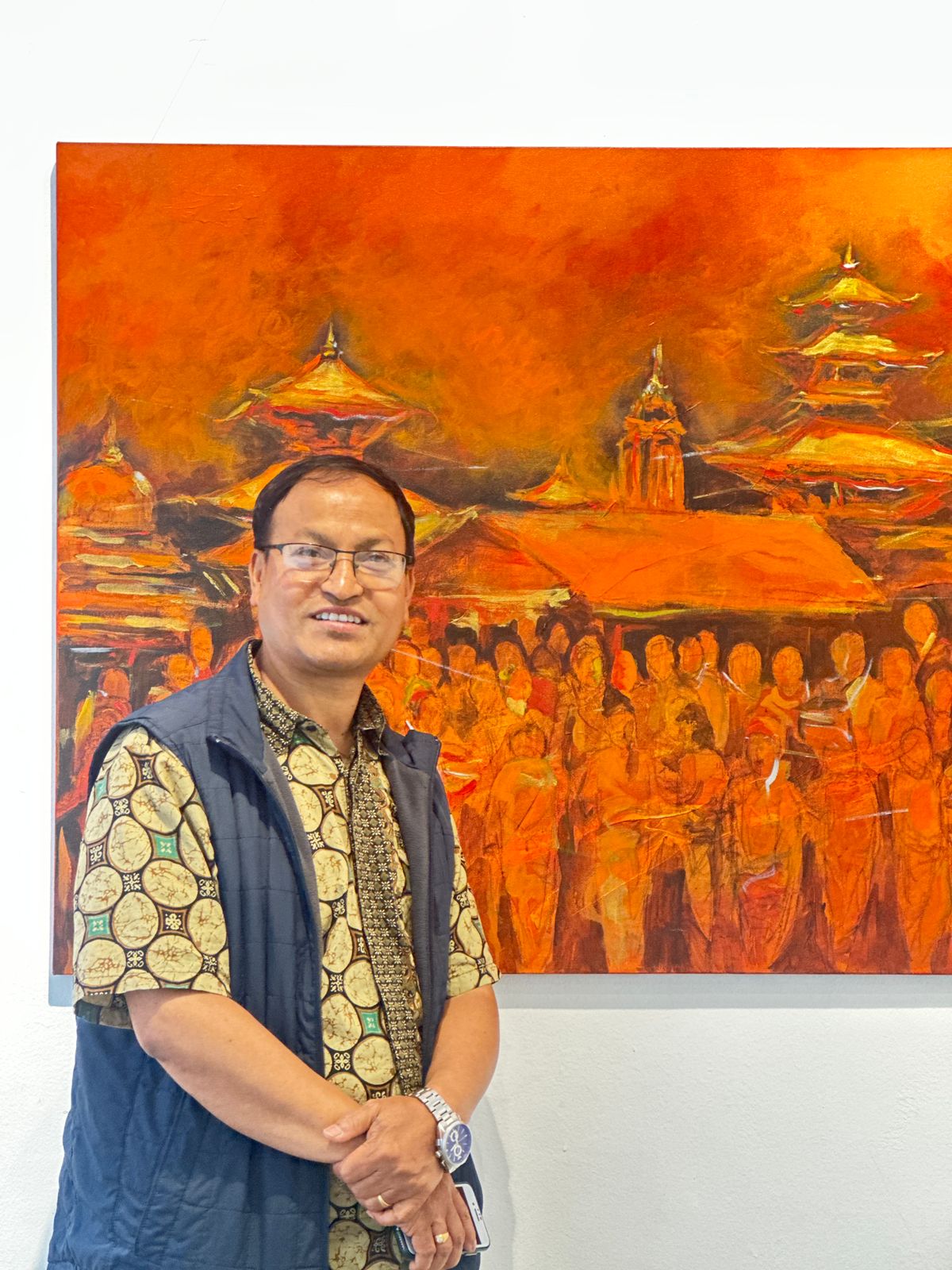
Pradip Kumar Bajracharya's solo exhibition 'Festive Spirit' at Gallery Mcube in Kathmandu marks his return to solo shows after over a decade. The exhibition captures the movement and memory of Nepal's jatras (festivals), focusing on the cultural celebrations of the Newa people. Bajracharya uses abstraction and fluid acrylic techniques to depict events like Bhaktapur's Sindure Jatra and Indra Jatra, often decentering faces to emphasize atmosphere and emotion. The works also reflect on the pandemic's halt of festivities, with paintings referencing locked chariots and temple guardians.

Double vandalism on the Place de la Concorde

Double vandalisme place de la Concorde

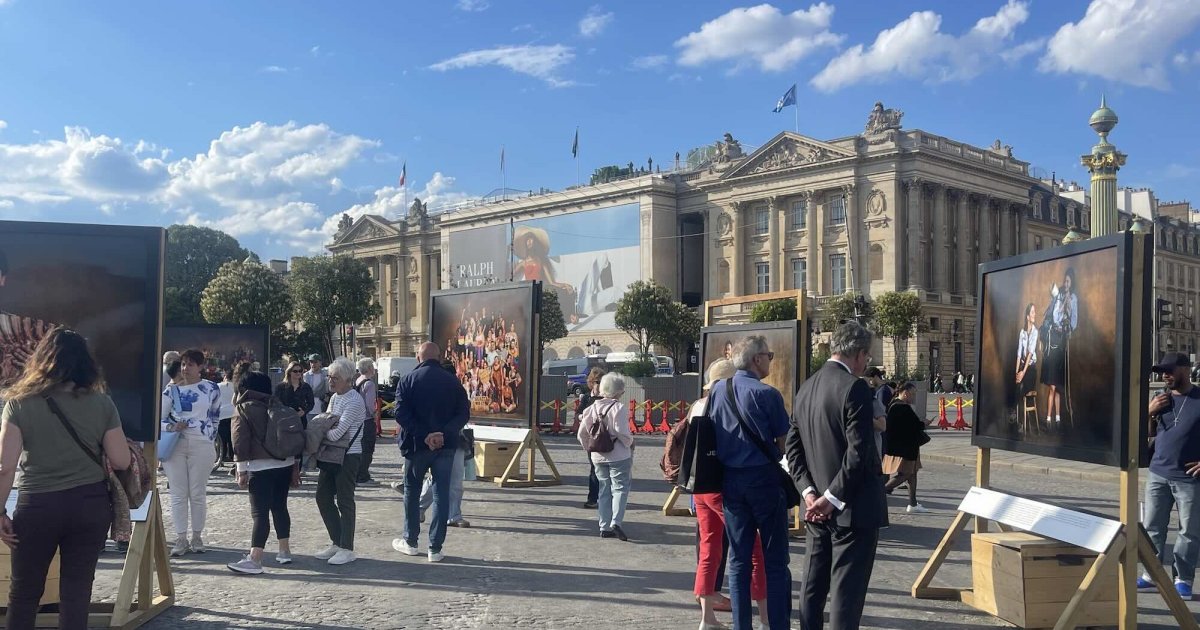
During the PSG Champions League semi-final victory celebrations last Wednesday, vandals destroyed an exhibition by Yann Arthus-Bertrand on the theme of 'Living Together' on the Place de la Concorde in Paris. The article describes this as a double vandalism: the physical destruction by rioters compounded what the author considers the original vandalism—the exhibition itself, which was supported by the French government, the Paris city hall, and several other entities.

In the Studio with Jevon Brown

Artist Jevon Brown, a Miamian of Bahamian, Jamaican, and Black Southern descent, discusses his multidisciplinary practice in an interview conducted in his Miami Beach apartment and studio. Brown works across textiles, silkscreen printing, fashion, and photography to explore cultural identity, belonging, queerness, and history. He describes how memories of Miami sunsets, family members like his uncle (a sneakerhead and hat collector), and ancestral references inform his creative process. Key works discussed include the "HAIREtage" series (2025), which uses materials like burlap and raffia to connect contemporary streetwear culture with African and Caribbean spirituality, and his inclusion in the exhibition "Material, Material World" at David Castillo Gallery.

Paphos exhibition brings 22 artists together

A new group exhibition titled 'Beyond the Surface' opens at Ibrahim’s Khan Art Gallery in Paphos, Cyprus, from April 24 to 26, featuring 22 artists of 14 nationalities. Curated by Elham Razani, the three-day show includes paintings, sculpture, mosaic, and ceramic art, and is sponsored by Ezousa Winery. The exhibition aims to foster cultural exchange and community engagement through diverse artistic voices.