filter_list Showing 632 results for "Masterpiece" close Clear
search
dashboard All 632 museum exhibitions 251trending_up market 158article news 97article culture 53gavel restitution 18article policy 15rate_review review 14article local 11candle obituary 9person people 6
date_range Range Today This Week This Month All
Subscribe

Your Go-To Guide to All the Art Fairs in Paris This Week

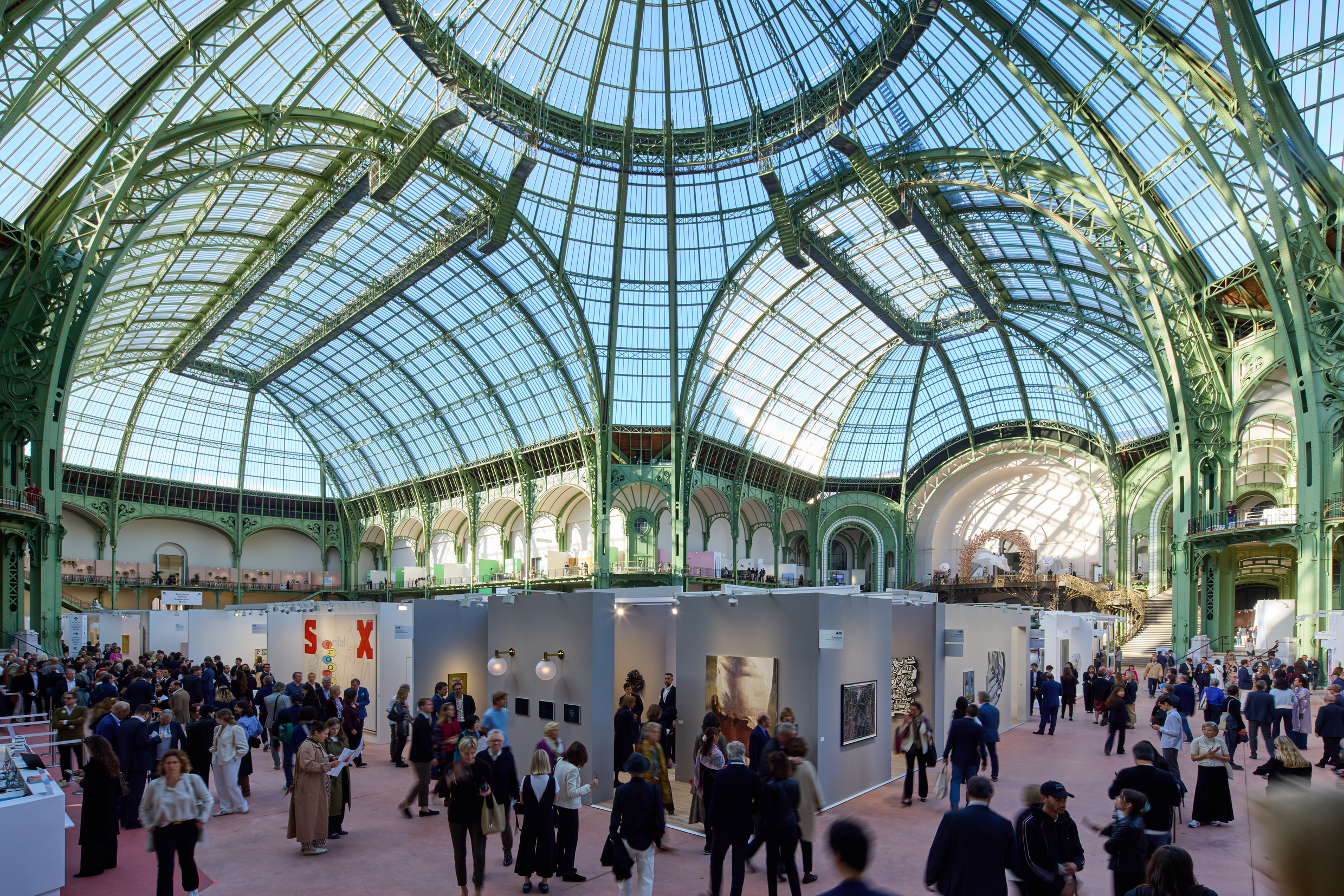
Paris is hosting a busy week of art fairs, headlined by Art Basel Paris returning to the Grand Palais from October 24–26, 2025, under outgoing director Clément Delépine. The fair features 206 galleries across three sections, public programs at nine iconic venues including an inflatable Kermit the Frog by Alex Da Corte and a participatory installation by Harry Nuriev, and a talks series hosted by Edward Enninful. Satellite fairs include Design Miami Paris at L’Hôtel de Maisons, the dealer-run 7 Rue Froissart co-founded by Brigitte Mulholland and Sara Maria Salamone, and others like Paris Internationale and Asia Now.
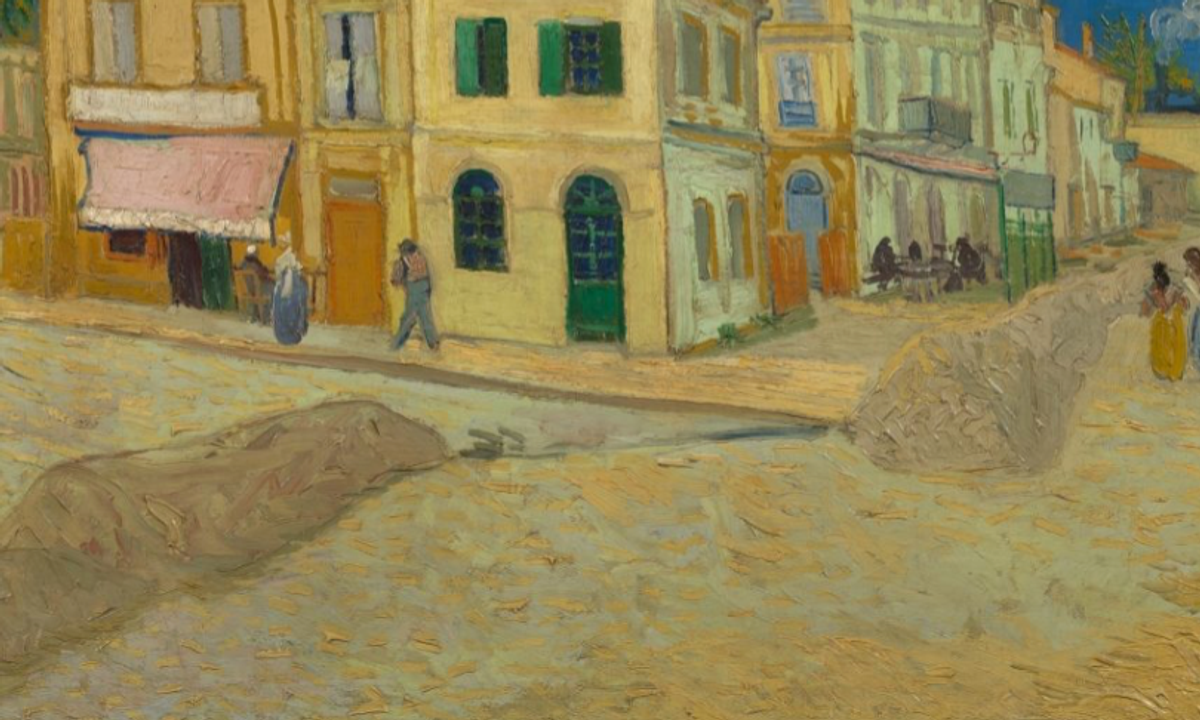
A manure mystery: why did Van Gogh depict heaps of sand in a painting of his beloved Yellow House?

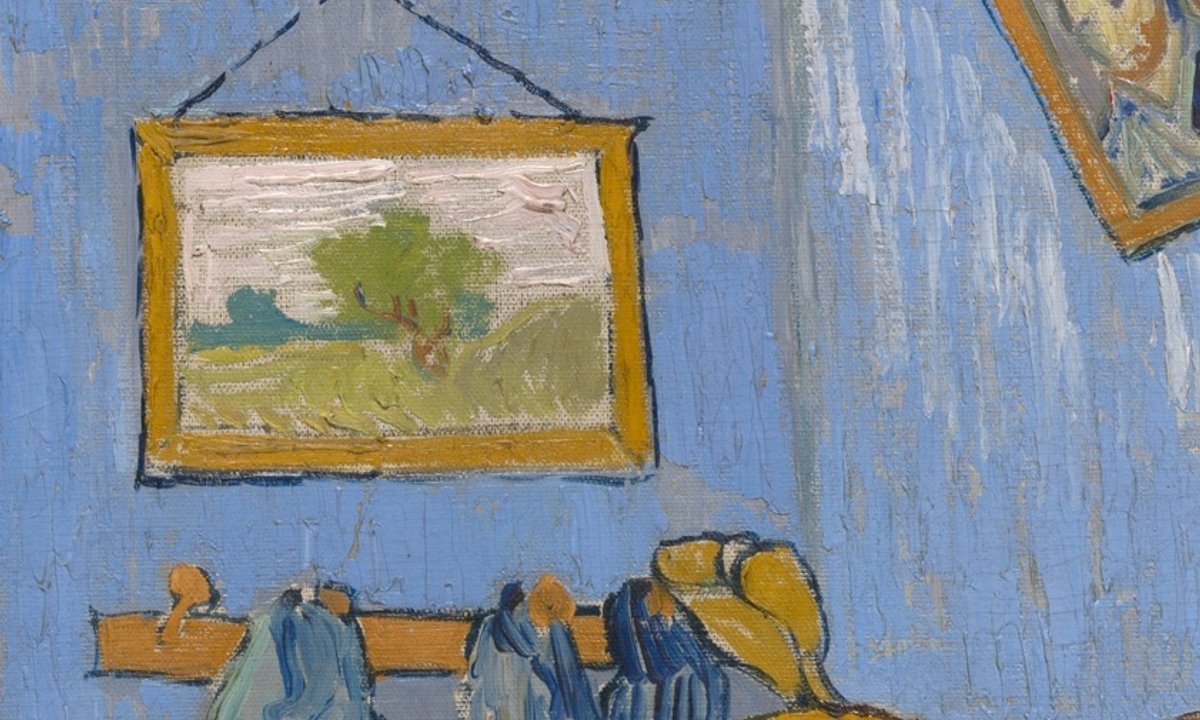
A new study by Van Gogh Museum senior researcher Teio Meedendorp proposes that the mysterious piles of sand in Vincent van Gogh's 1888 painting "The Yellow House" are not, as previously thought, related to gas pipe installation, but rather cleansing sand used to absorb horse manure and urine on the streets of Arles. Meedendorp supports his theory with historical postcards from 1902 showing similar sand piles and street-cleaning practices, as well as municipal records indicating the city had outsourced dung removal in August 1888.

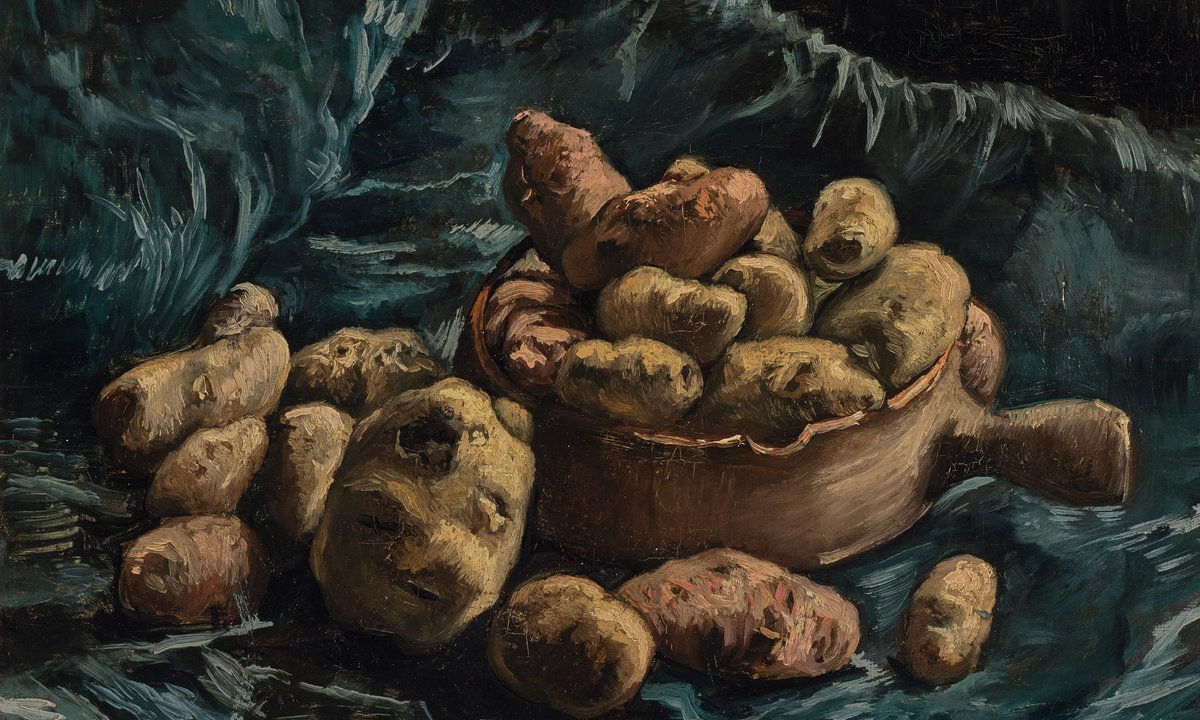
An exhibition on the potato in art? Only Van Gogh could pull it off

The Noordbrabants Museum in 's-Hertogenbosch, Netherlands, opens a focused exhibition titled "Van Gogh and the Potato" on 11 October, running until 1 February 2026. The show features five Van Gogh paintings, two drawings, and a print centered on the potato motif, including "Still life with Potatoes" (autumn 1886), which has been newly identified as depicting "rat's back" potatoes. A key highlight is the study "Head of a Woman (Gordina de Groot)" (March-April 1885), acquired by the museum last year for €8.6 million. The exhibition also includes a lithograph of "The Potato Eaters" and explores Van Gogh's shift from peasant subjects to flower still lifes after moving to Paris.

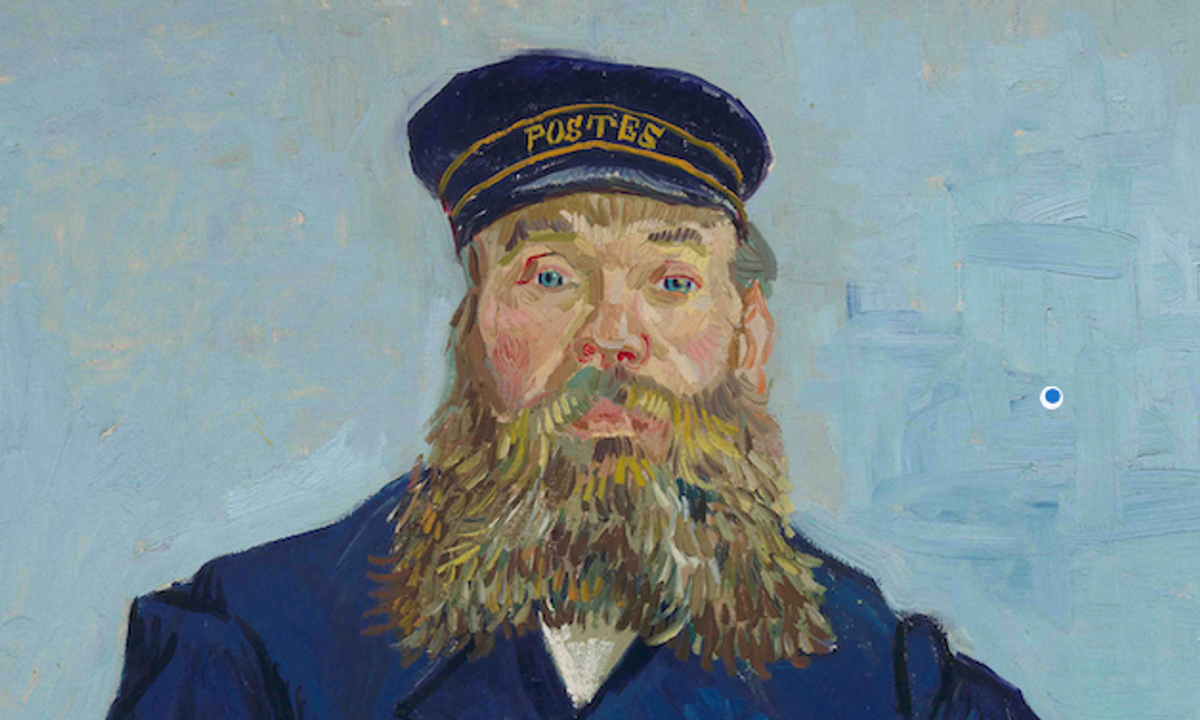
Van Gogh’s ‘Postman’, and the very chair seen in the painting, go on show in a revelatory Amsterdam exhibition

The Van Gogh Museum in Amsterdam has opened "Van Gogh and the Roulins: Together Again at Last," the first comprehensive exhibition dedicated to Vincent van Gogh's portraits of postman Joseph Roulin and his family. The show, which runs until January 11, 2026, features the artist's first portrait of Roulin on loan from the Museum of Fine Arts, Boston, alongside the very wicker armchair on which Roulin posed in 1888. The chair, originally bought by Van Gogh for his Yellow House in Arles, was acquired by the museum in 1969 and is exhibited for the first time since then. The exhibition previously drew 280,000 visitors in Boston.

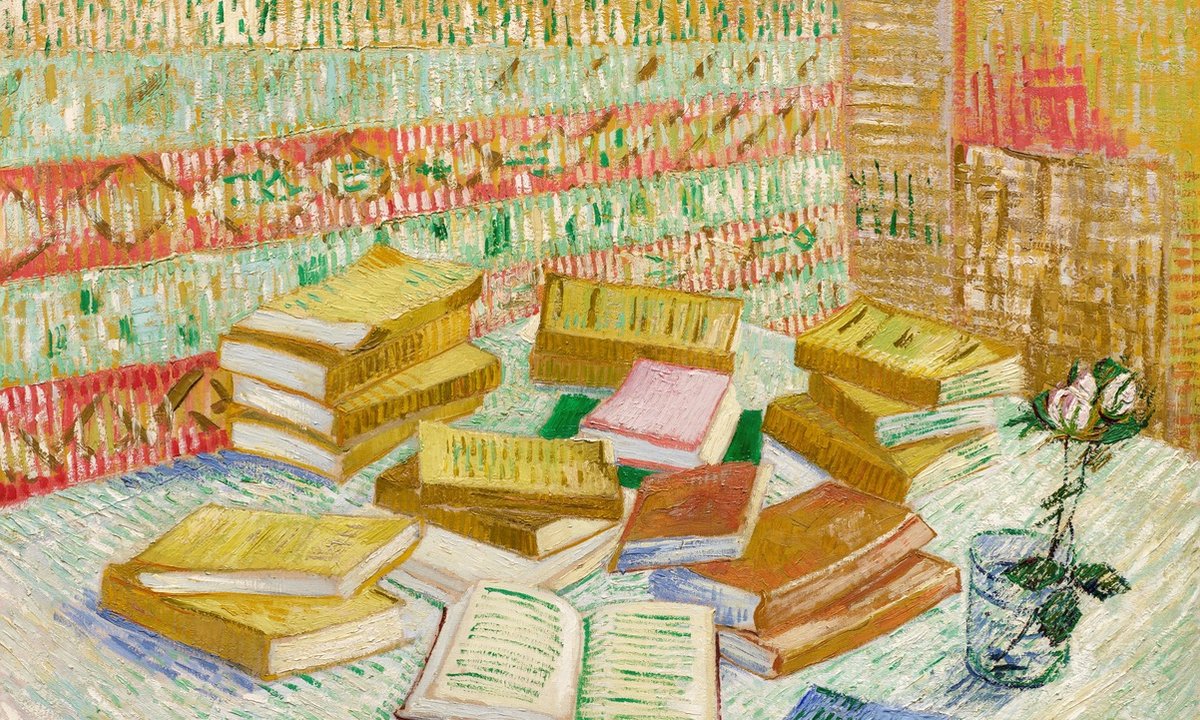
The story behind the Van Gogh still life that looks destined to become his most expensive Paris painting

Van Gogh's 'Parisian Novels' (November-December 1887) will be the leading lot in the Pritzker sale at Sotheby's, New York on 20 November, with an estimate of $40 million. The still life, depicting 22 books and three pink roses, has been consigned by the estate of Cindy Pritzker, who died in March at age 101. The painting was created during Van Gogh's time living with his brother Theo in Paris and was among the first three works publicly exhibited during his lifetime, at the Société des Artistes Indépendants in March 1888. The Pritzker collection sale also includes 36 other works estimated at $120 million, featuring pieces by Paul Gauguin and Henri Matisse.

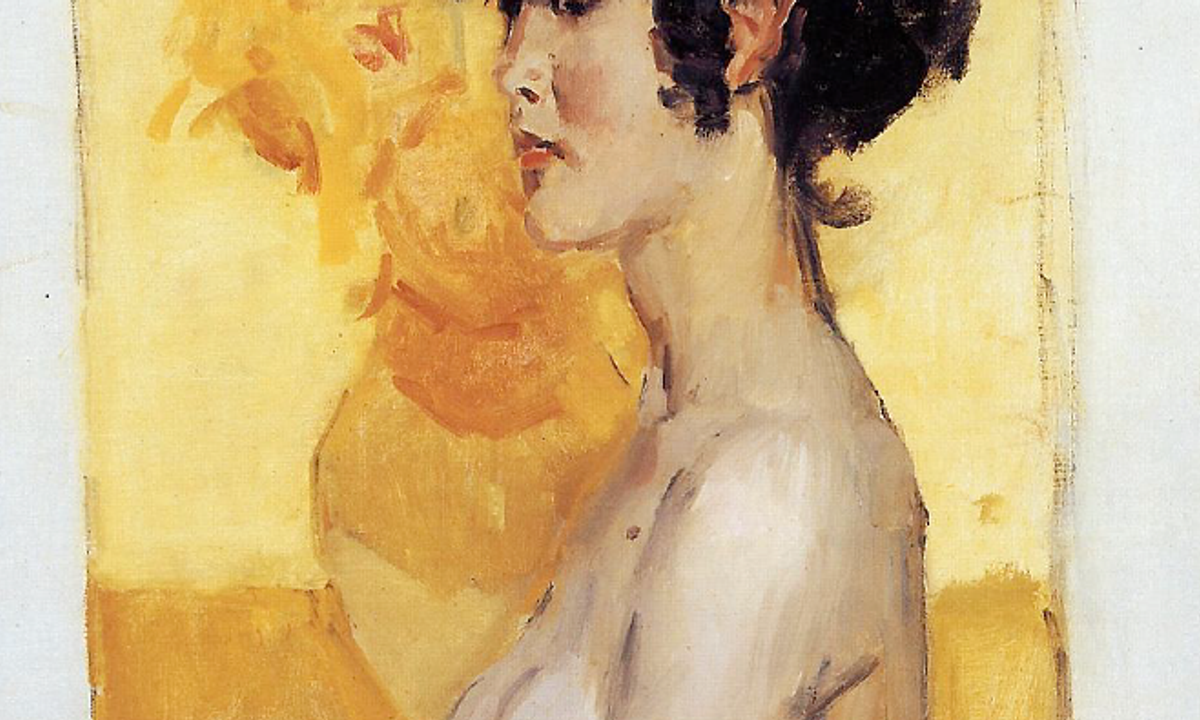
Lovers to friends: the intimate story of Van Gogh's sister-in-law and the artist Isaac Israëls

The Van Gogh Museum in Amsterdam has published 103 letters from Dutch Impressionist painter Isaac Israëls to Jo Bonger, Vincent van Gogh's sister-in-law, revealing a previously secret romantic relationship between them. The museum is also presenting an exhibition titled "Captivated by Vincent: The Intimate Friendship of Jo van Gogh-Bonger and Isaac Israëls" (through January 25, 2026), which explores their brief physical relationship in the 1890s and its aftermath, including how Israëls incorporated Van Gogh's paintings into his own portraits—a practice he called "Vincenting." Twelve of these portraits are on display for the first time.

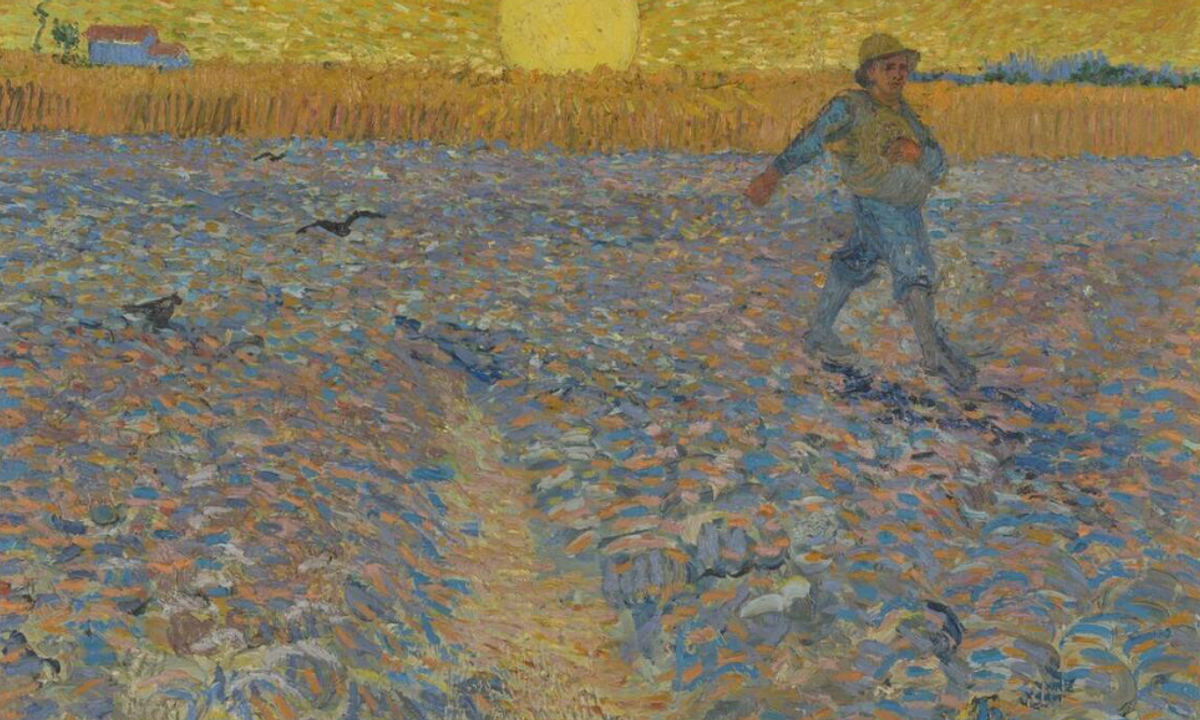
The National Gallery's new exhibition includes Van Gogh's brief foray into Neo-Impressionism

The National Gallery in London opens 'Radical Harmony: Helene Kröller-Müller’s Neo-Impressionists' tomorrow, running until 8 February 2026. The exhibition features works by Van Gogh’s Parisian colleagues, including Georges Seurat and Paul Signac, and highlights Van Gogh’s brief experimentation with Neo-Impressionist dot-like technique. A key work on display is Van Gogh's 'The Sower' (June 1888), which also recently received a papal mention by Pope Leo XIV, who referenced the painting in his first general audience at the Vatican, interpreting its sun as a symbol of God.

Most expensive, suicide not murder and more: celebrating 300 Adventures with Van Gogh

Adventures with Van Gogh, a weekly blog launched in 2018, has published its 300th post. To mark the milestone, the blog compiled a list of its most-read posts since the 200th edition in February 2023, updated with new information. Topics range from the ten most expensive Van Gogh paintings at auction (led by *Orchard with Cypresses* at $117m) to a geological feature near Saint-Rémy-de-Provence that appears in *The Olive Trees*, a defense of the suicide theory over murder, the real-life view behind *Starry Night over the Rhône*, Picasso’s granddaughter Marina Picasso quietly buying and selling a Van Gogh watercolour, and the artist’s preference for simple wooden frames over ornate gold ones.

Framing Van Gogh: why the artist did not want to surround his works with gold

London's National Gallery exhibition "Van Gogh: Poets & Lovers" displayed nearly all of its loaned paintings in ornate gilded frames, despite the artist's documented preference for simple, unadorned wooden frames. Van Gogh wrote to his sister Wil questioning the need for gilding, and Paul Gachet Jr., son of the doctor who cared for the artist, called gold frames around Van Gogh's works "an act of moral barbarism." A few exceptions stood out, including six paintings from the Kröller-Müller Museum in Otterlo, which were shown in replica frames based on early 20th-century designs by Jacob van den Bosch, and a Van Gogh from Tokyo's National Museum of Western Art that was reframed in a replica of a frame once owned by Dr. Paul Gachet.

An Incomparable Art Exhibition

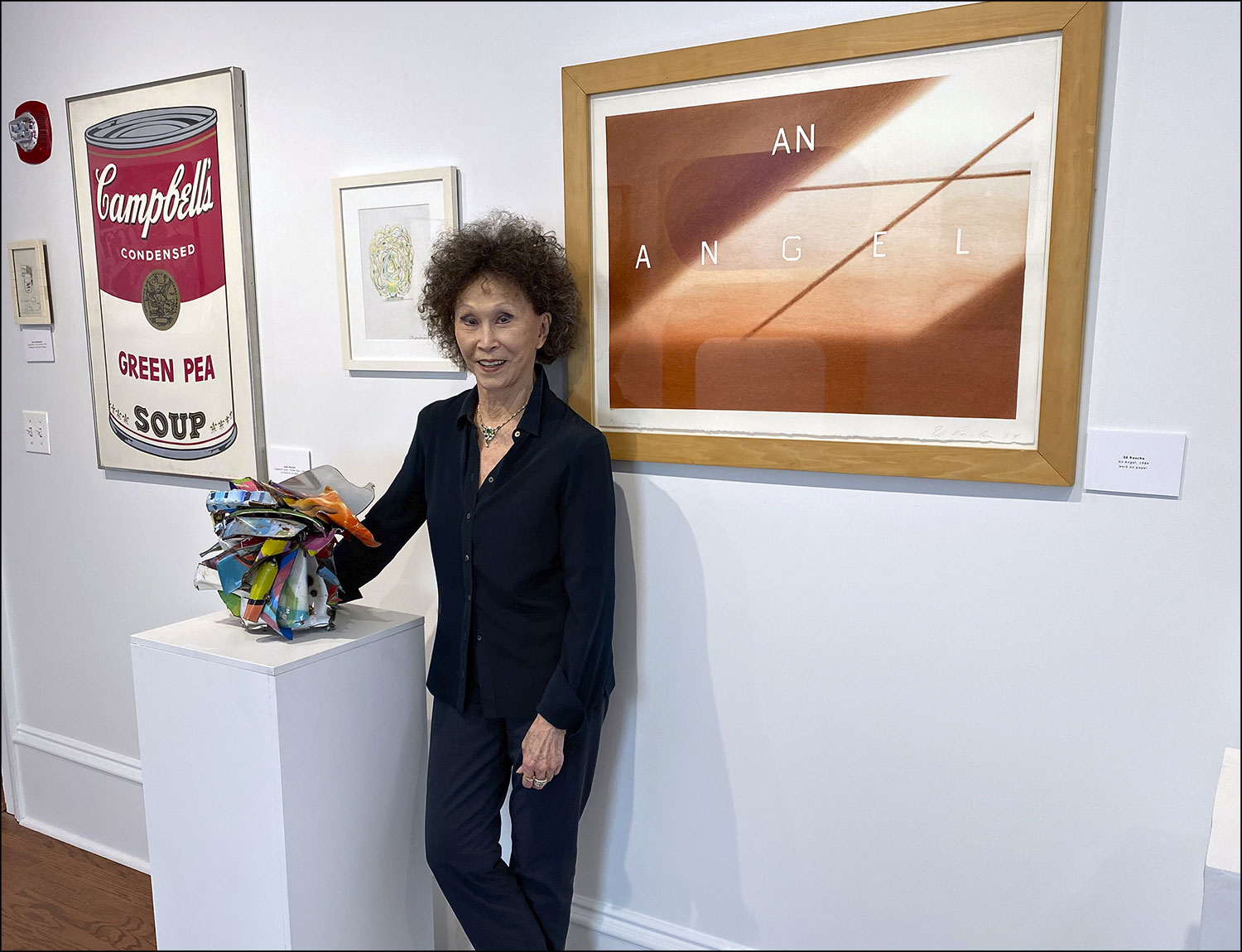
Lana Jokel, a documentary filmmaker known for 18 films about contemporary art, has put her personal art collection on view at the Bridgehampton Museum’s Nathaniel Rogers House in an exhibition titled “Echoes & Nostalgia.” The show features around 100 works from artists including Andy Warhol, Ed Ruscha, Roy Lichtenstein, Jasper Johns, and John Chamberlain, many of which were gifts from the artists themselves. Jokel’s collection reflects her deep personal relationships with these figures, such as Warhol paying her with a "Flowers" series work for co-editing his film "Heat" (1972), and Jasper Johns creating custom pieces for her. The exhibition also includes works by Sven Lukin, with whom she had a long-term relationship, and a portrait by Ed Ruscha made during their romantic partnership.

Van Gogh’s Starry Night over the Rhône reveals more of its mysteries

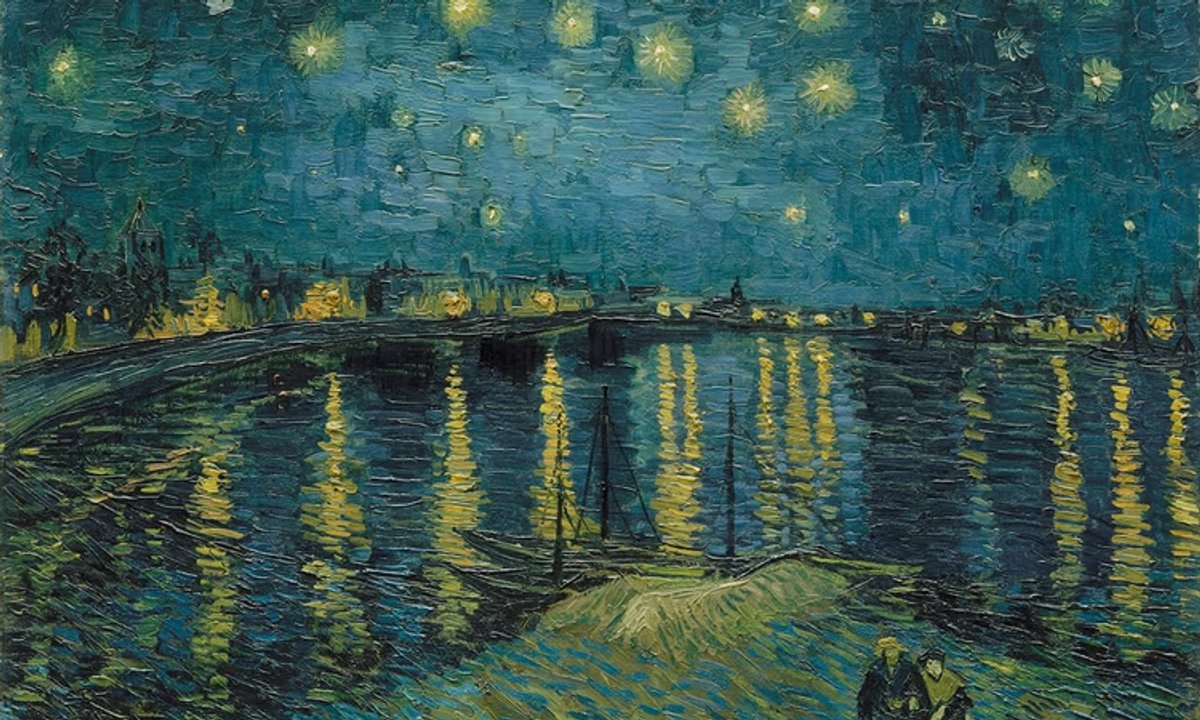
Van Gogh's *Starry Night over the Rhône* (September 1888), housed at the Musée d'Orsay in Paris, is analyzed in detail to separate the actual view of Arles from the artist's imaginative additions. The article examines how Van Gogh repositioned the Plough (Big Dipper) constellation, exaggerated the brightness of gas lamps, and likely painted most of the scene in his studio rather than en plein air. It also reveals that he later reworked the lower-left corner of the canvas, as seen in contemporary sketches.

How did the only painting sold by Van Gogh in his lifetime end up in Russia?

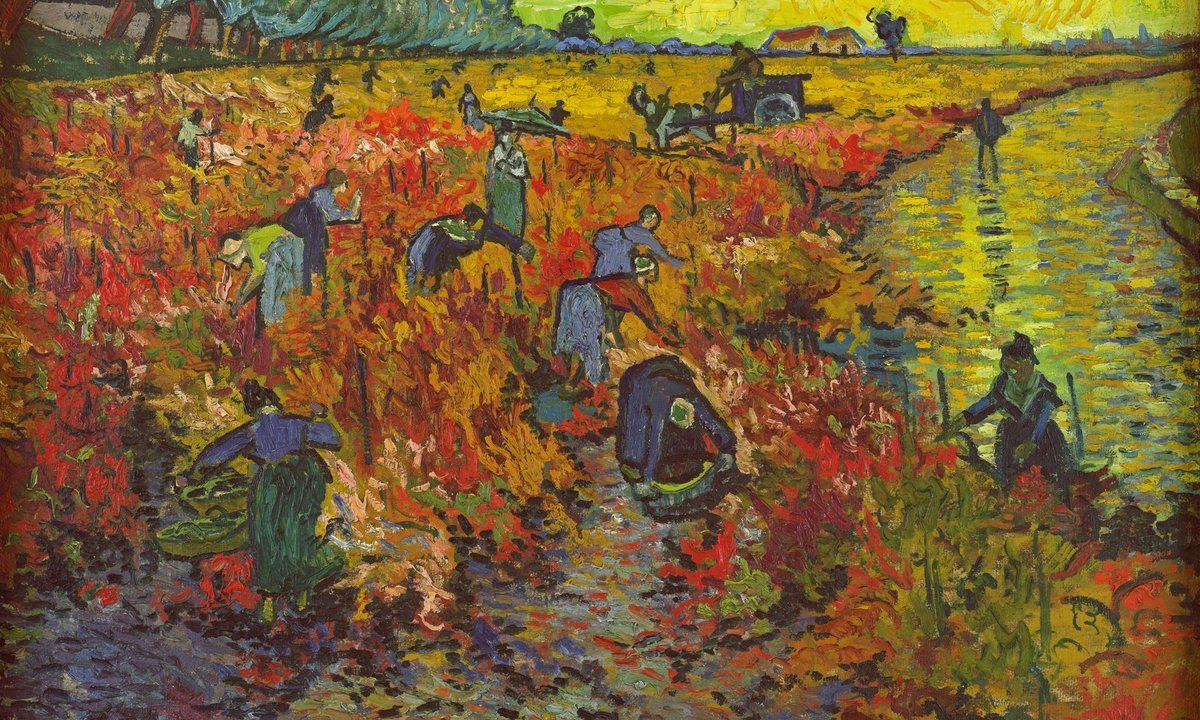
The article explores the history and conservation of Vincent van Gogh's "The Red Vineyard," the only painting he is certain to have sold during his lifetime. Sold for 400 francs at a Brussels exhibition in March 1890, the work now resides at the Pushkin State Museum of Fine Arts in Moscow. A recent conservation project used modern scientific techniques to uncover new details about the painting's creation, including Van Gogh's use of paint straight from the tube, compositional changes, and the fading of chrome yellow pigments. The article also recounts the painting's origin during Van Gogh's time in Arles with Paul Gauguin and its journey to Russia.

Revealed: Picasso’s granddaughter owned a Van Gogh—which she sold at Sotheby’s

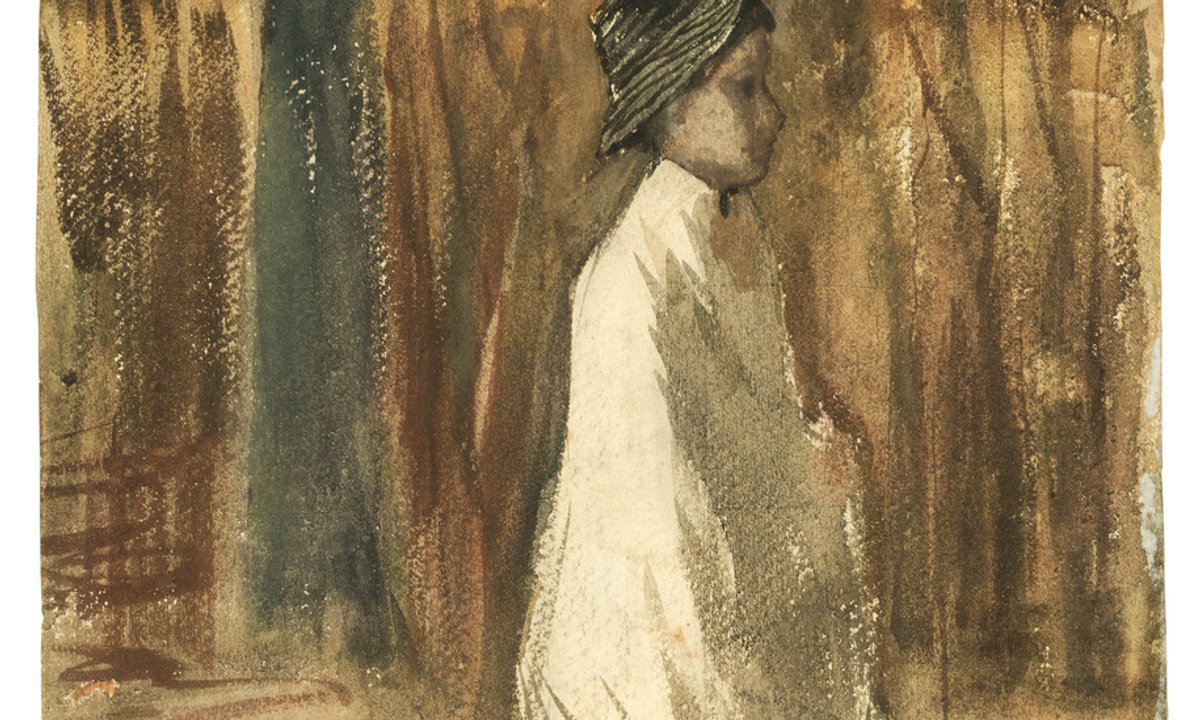
Marina Picasso, granddaughter of Pablo Picasso, owned a Vincent van Gogh watercolor titled *Woman in a Wood* (September-October 1882), which she sold at Sotheby’s in New York on May 13 for $952,500. The work, which also features a sketch of a fishing boat on its reverse, was purchased by Marina in 1987 through Swiss dealer Jan Krugier from a Tehran-based collector. The sale was not publicly known until just before the auction. The article also notes that a separate Van Gogh oil painting, *In the Dunes* (September 1883), sold at Christie’s the previous day for $4 million from the collection of US businessman Jeffrey P. Draime.

Van Gogh’s love of Hiroshige, the Japanese master of the landscape, is reflected in a British Museum exhibition

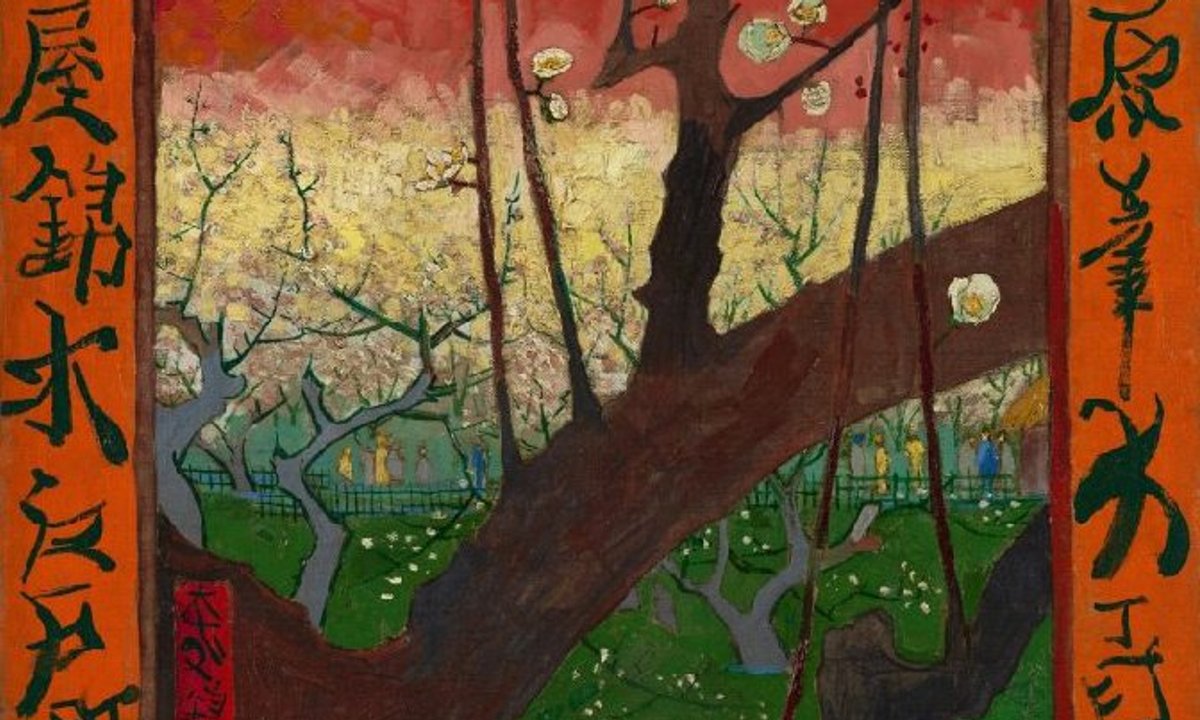
The British Museum's exhibition "Hiroshige: Artist of the Open Road" (through September 7) showcases over 100 prints by the Japanese master Utagawa Hiroshige, including rare loans that highlight his influence on European avant-garde artists. A key display is Vincent van Gogh's own copy of Hiroshige's "The Plum Garden at Kameido" (1857), on loan from the Van Gogh Museum in Amsterdam, along with Van Gogh's squared-up tracing used for his painting. New research by British Museum senior scientist Capucine Korenberg reveals a short pencil line on the print that confirms Van Gogh used this exact copy as a guide for his tracing and subsequent painting.

Van Gogh was not fantasising when he painted mountain landscapes with ‘The Two Holes’

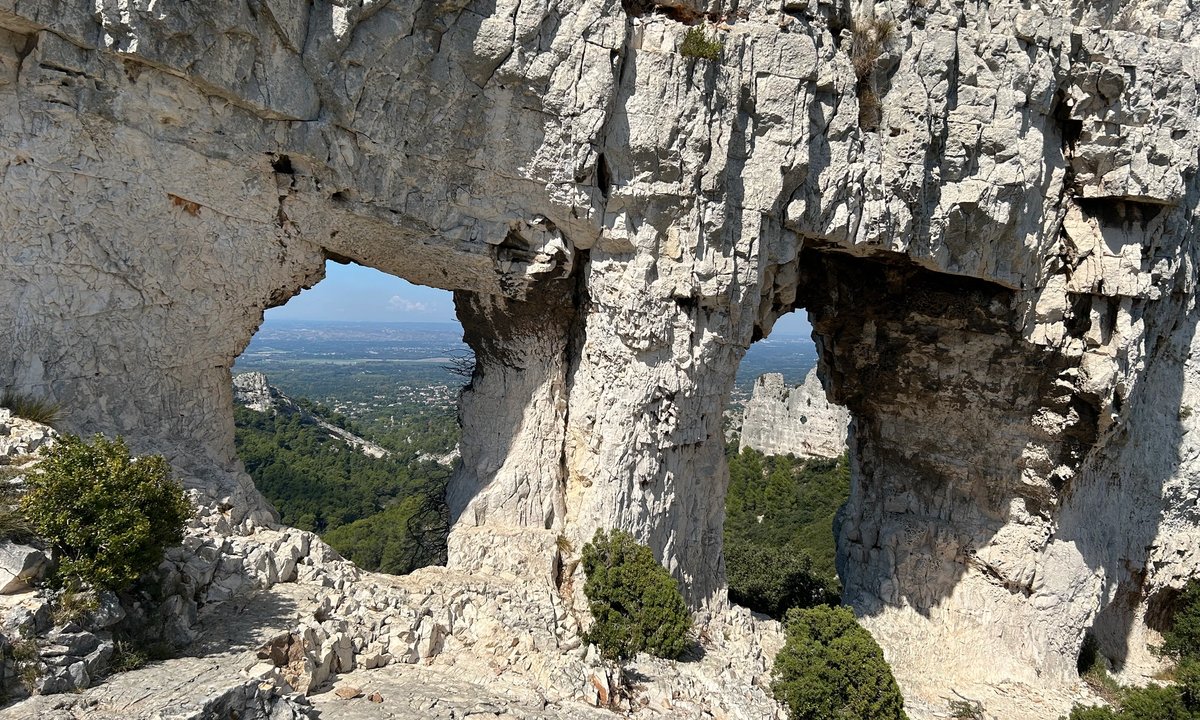
Martin Bailey, a leading Van Gogh specialist, reveals that the distinctive rock formation known as Le Rocher des Deux Trous (The Rock of the Two Holes), which appears in two of Vincent van Gogh's paintings—The Olive Trees (June 1889) and Mountains at Saint-Rémy (July 1889)—is a real geological feature near the asylum in Saint-Rémy-de-Provence, not a figment of the artist's imagination. The two paintings, held by the Museum of Modern Art and the Solomon R. Guggenheim Museum in New York, were recently displayed together at London's National Gallery exhibition Van Gogh: Poets & Lovers (14 September 2024–19 January 2025), offering a rare chance to compare them. Bailey traces the history of the formation, noting that an anonymous 17th-century artist also depicted it, and describes a walking route from the former asylum to the site.

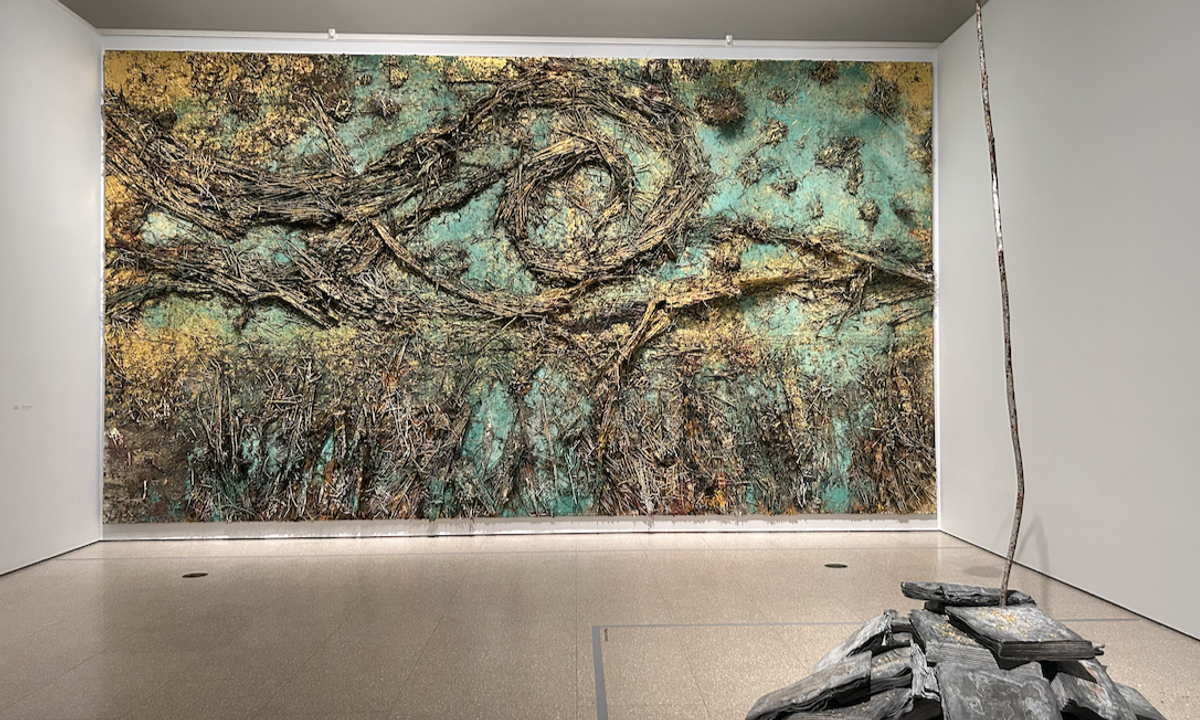
The Royal Academy’s Kiefer-Van Gogh show offers a soaring spectacle

The Royal Academy of Arts in London is hosting "Kiefer/Van Gogh" (28 June–26 October), a focused exhibition pairing Anselm Kiefer's monumental multimedia works with Vincent van Gogh's paintings and drawings. The show, curated by Julien Domercq, features seven huge Kiefer pieces including the 8.4m-wide "The Starry Night" (2019) and a single sculpture, alongside 11 Van Gogh works—five on loan from the Van Gogh Museum. It previously ran at the Van Gogh Museum in Amsterdam, where it drew 340,000 visitors. The London iteration is smaller but includes different works, with a central room dedicated to Van Gogh's pieces spanning his career.

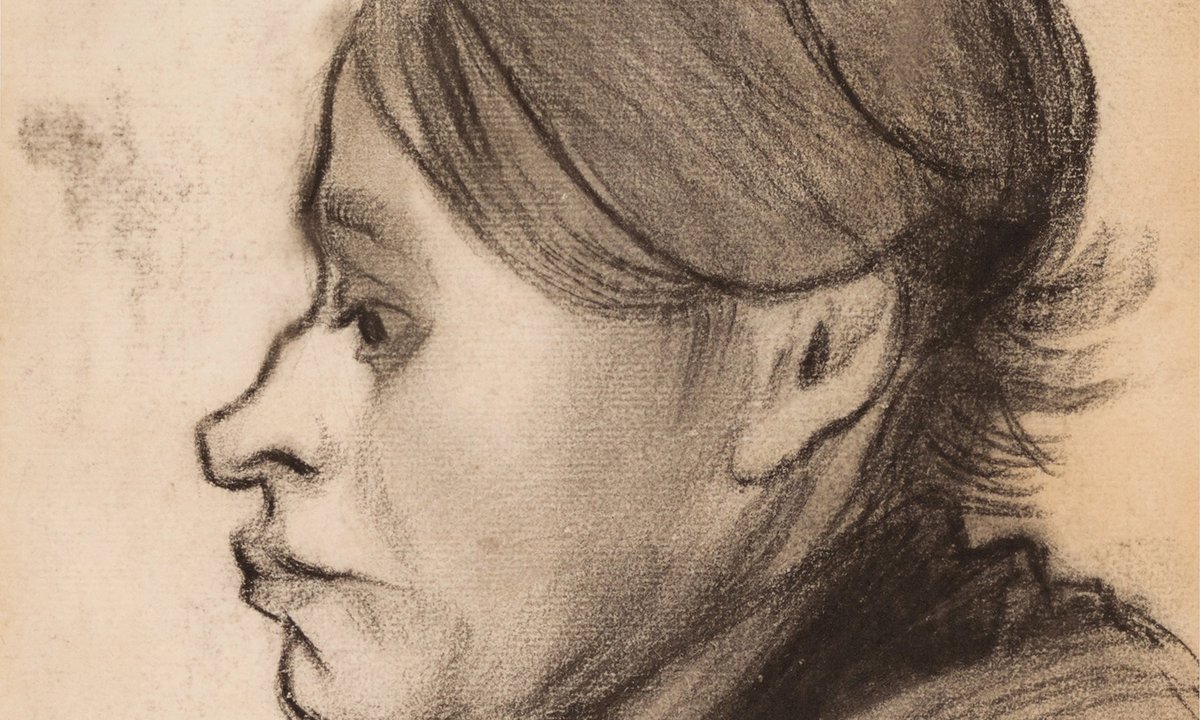
Revealed: how Van Gogh's nephew exchanged two of the artist's drawings for butter and bacon

In early 1945, during the Dutch 'Hunger Winter' at the end of World War II, Vincent van Gogh's nephew, Vincent Willem van Gogh, exchanged two of the artist's drawings for 35 packets of butter and some bacon. The swap was arranged with the help of artist Charley Toorop and involved the cheese business Visser Kaas in Heiloo. One of the drawings, *Head of a Peasant Woman, left profile* (December 1884–May 1885), is now being offered at Sotheby's on 25 June with an estimate of £400,000–£600,000, suggesting the pair would be worth around £1 million today. The nephew's family was suffering from starvation and tragedy, including the execution of his eldest son by German forces.

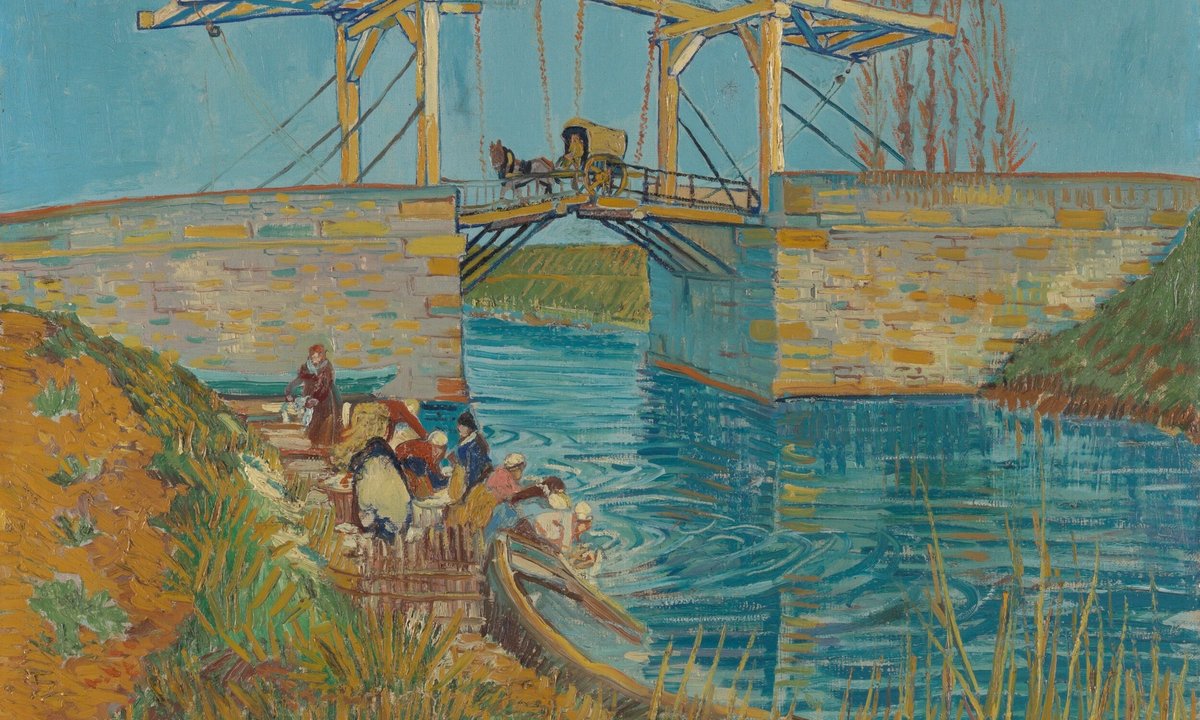
With the help of conservators, one of Van Gogh’s finest Arles landscapes will be heading to Japan

Conservator Margje Leeuwestein has examined Vincent van Gogh's "Bridge at Arles (Pont de Langlois)" (March 1888) at the Kröller-Müller Museum in Otterlo to confirm it is fit for travel. The painting will be the centerpiece of an exhibition touring three Japanese cities in 2027. The article details the painting's history, including Van Gogh's intended gift to Hermanus Tersteeg of the Goupil gallery, a later-scraped dedication, and a rare 1929 photograph of the bridge by Johannes Reiher that mirrors the composition.

Art Basel 2025: Masterpieces, new galleries, and swimming the Rhine

Art Basel 2025 will feature a large-scale public artwork by Katharina Grosse transforming Basel's Messeplatz, along with a new sector called Premiere for mid-career galleries, the inaugural Art Basel Awards, and 20 first-time exhibitors. Director Maike Cruse highlights major works on offer, including a late-career Pablo Picasso painting at Pace, a Joan Mitchell abstract at Pace, Helen Frankenthaler's 'Swan Lake I' at Yares Art, Leonora Carrington's rare triptych at Di Donna Galleries, and a Heidi Bucher latex imprint at Lehmann Maupin. The Unlimited sector will present 67 monumental works, including Martin Kippenberger's 'Transportable Subway Entrance' and daily performances by Cairo-based dance collective nasa4nasa.

Two US ambassadors have displayed Van Goghs in their London residence—but Donald Trump's pick for the job seems unlikely to follow suit

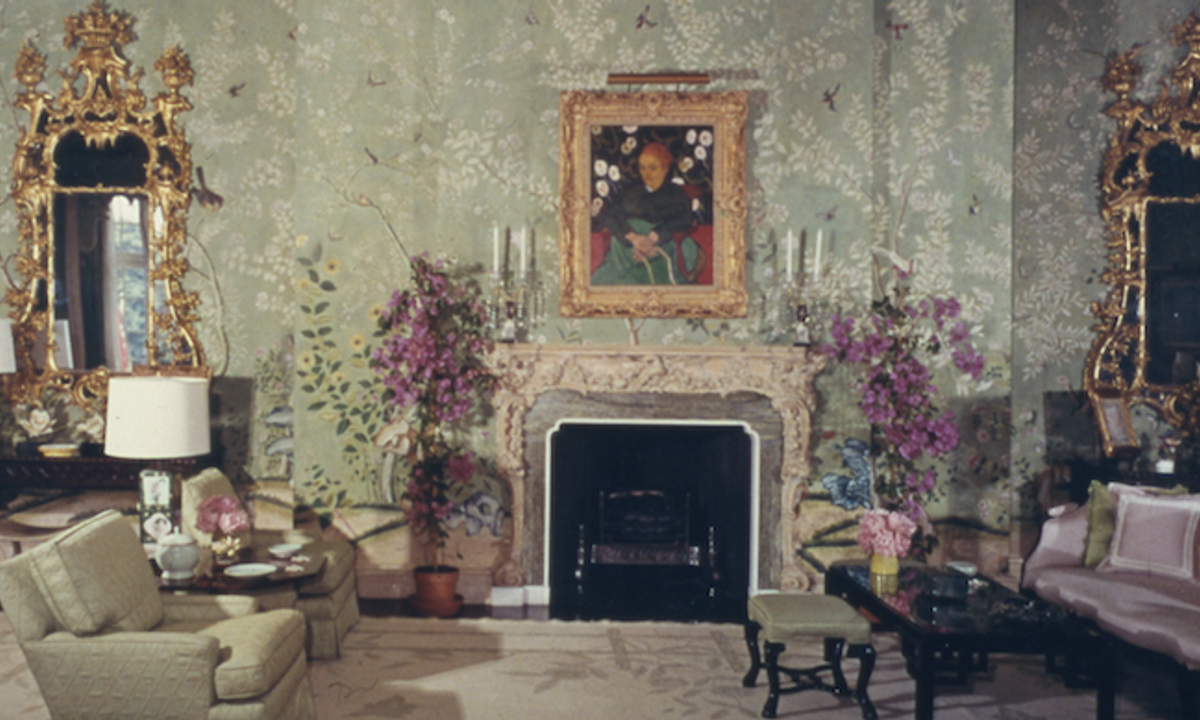
Two former U.S. ambassadors to the UK, John Hay Whitney (1957-61) and Walter Annenberg (1969-74), displayed Van Gogh masterpieces from their personal collections in Winfield House, the official residence in London's Regent's Park. Whitney hung Van Gogh's *Self-portrait* (September 1889) above the mantelpiece in the family dining room, while the Annenbergs placed *La Berceuse* (February 1889) and *Olive Trees* (November 1889) in the green room, alongside works by Gauguin, Degas, Cézanne, Monet, and Renoir. Both ambassadors later donated their Van Goghs to major U.S. museums—Whitney's to the National Gallery of Art in Washington, D.C., and the Annenbergs' to the Metropolitan Museum of Art in New York.

An exhibition in a most extraordinary building explores Japan’s love for Van Gogh

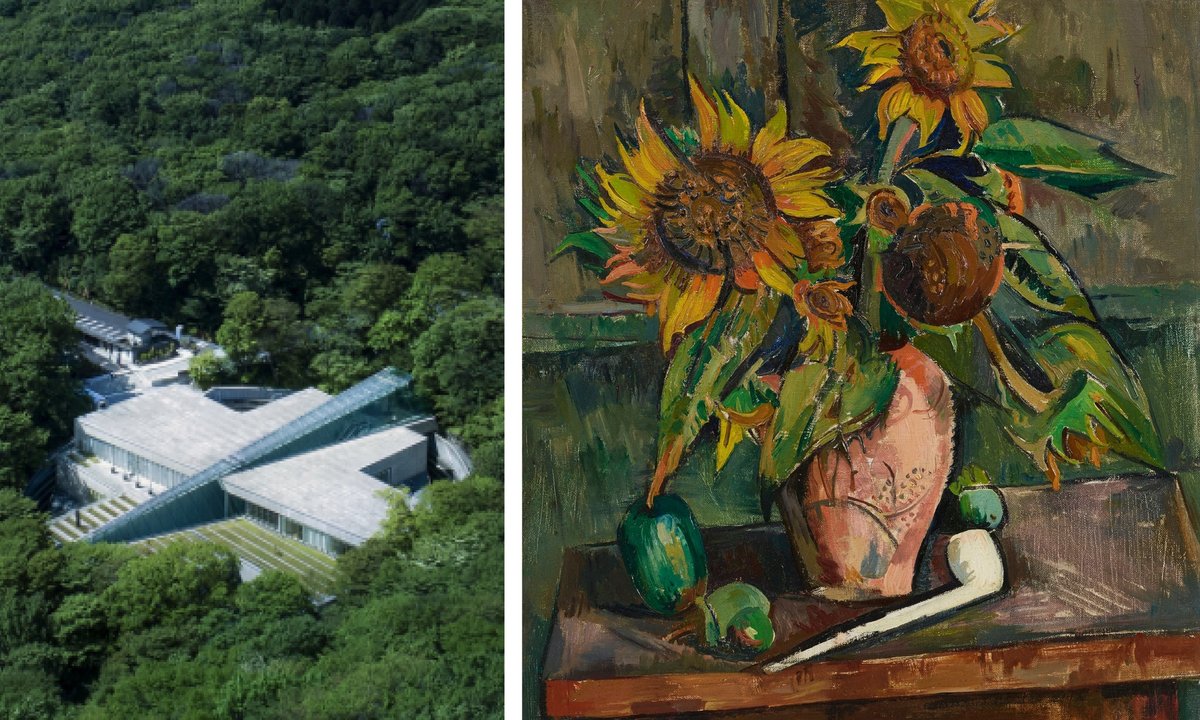
An exhibition titled 'A Renewal of Passion: The Impact of Van Gogh' opens at the Pola Museum of Art in Hakone, Japan, running from May 31 to November 30. It explores Van Gogh's influence on Japanese art, featuring three Van Gogh paintings from the museum's own collection—acquired by founder Suzuki Tsuneshi—alongside loans from other Japanese institutions, including the Morohashi Museum of Modern Art and the Kuboso Memorial Museum of Arts. The show highlights works by Japanese artists like Kishida Ryusei, Maeta Kanji, and Nakamura Tsune, who were inspired by Van Gogh, as well as contemporary pieces such as Fiona Tan's photographic series 'Ascent' (2016).

Works by Charley Toorop, one of the first female painters to admire Van Gogh, go on show in the Netherlands

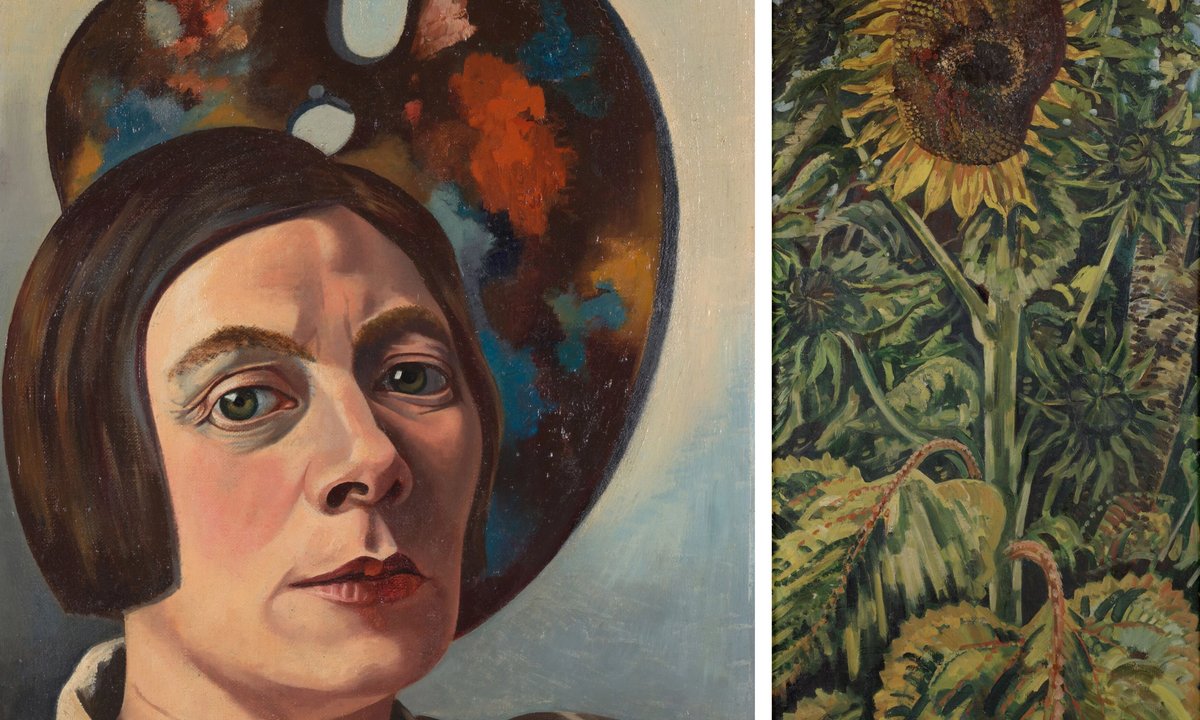
An exhibition titled "Charley Toorop: Love for Van Gogh" opens at the Kröller-Müller Museum in the Netherlands (24 May-14 September), showcasing 60 works by Charley Toorop (1891-1955), one of the first female painters deeply influenced by Vincent van Gogh. The show, curated by Renske Tervaert, draws on the museum's extensive Toorop and Van Gogh collections, supplemented with loans, and highlights how Van Gogh's work shaped Toorop's art, particularly in the early 1920s. A key focus is her 1924 portraits of patients at the Willem Arntsz Medical Asylum for the Insane in Utrecht, where she painted three powerful works after a traumatic marriage to Henk Fernhout, who had been institutionalized there. The exhibition also explores personal connections: Van Gogh's brother Theo was treated and died at the same facility, and Toorop's still lifes echo Van Gogh's motifs, such as her use of knives alluding to domestic strife.

Korea’s first privately owned Van Gogh unveiled at newly opened museum

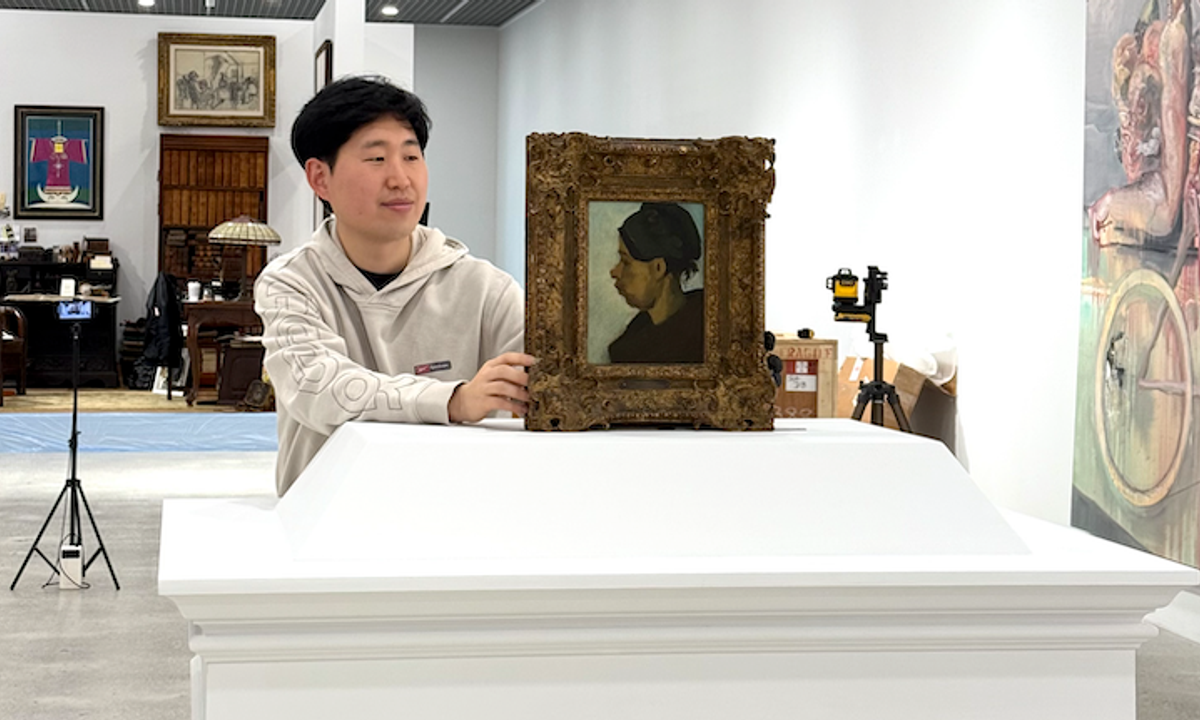
Hong Gyu Shin, a New York-based gallery owner originally from Ulsan, South Korea, became the first named Korean to purchase a Van Gogh when he acquired *Head of a Peasant* (January-March 1885) at Sotheby’s in May 2024 for $787,000—well below its estimate. The painting has now gone on display at the newly opened KAIST Art Museum (KAM) in Daejeon, South Korea, as part of Shin's exhibition *The Vault of Masterpieces* (until 30 August). The show features 49 works from his personal collection, including a recreation of his New York apartment, and marks the first time a Van Gogh has been exhibited on loan from a Korean collector.

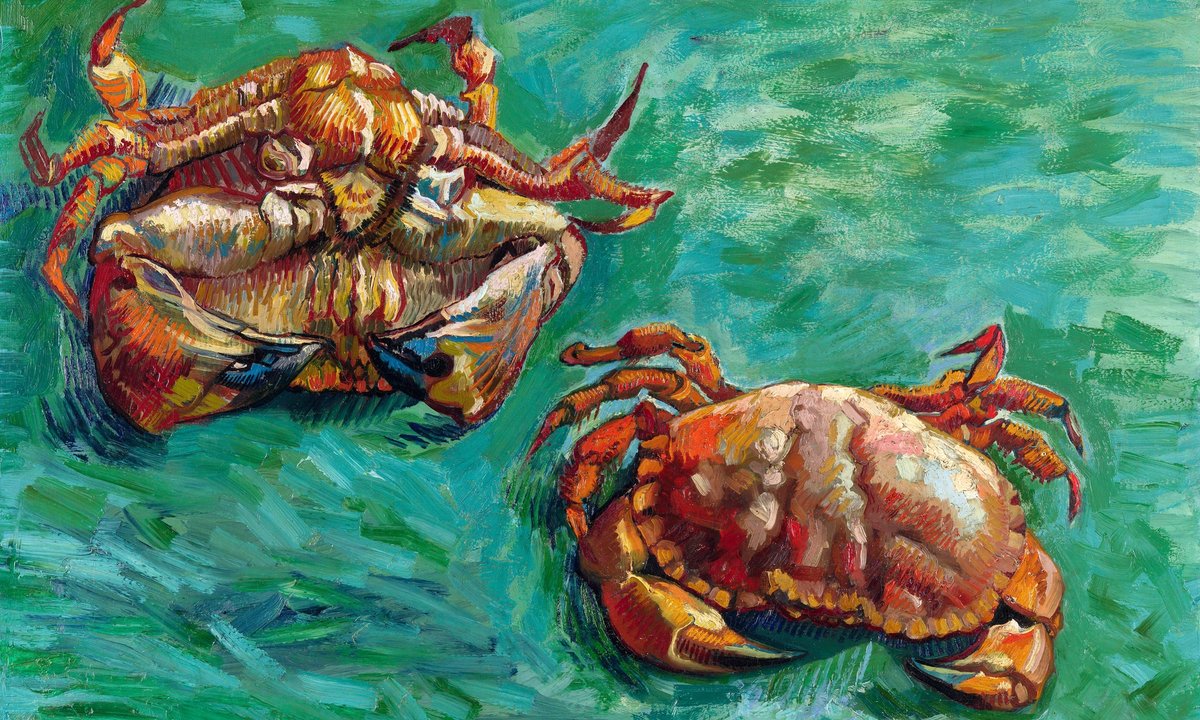
When—and why—did Van Gogh paint a pair of crabs?

An article explores the story behind Vincent van Gogh's still life "Two Crabs," revealing that the two crabs are likely the same individual—a female Cancer pagurus missing its first pair of walking legs. Paul Clark, a crustacean specialist at London's Natural History Museum, confirmed the sex based on the broad abdomen visible in the painting. The work is on long-term loan to London's National Gallery, where it was recently redisplayed as part of the gallery's major rehang ahead of the Sainsbury Wing reopening on May 10. The article also traces the painting's provenance: it was the first Van Gogh bought by a British collector, William Cherry Robinson, in 1893 for 200 guilders, later sold at auction in 1906 for half that amount, and eventually resold at Sotheby's in 2004 for £5.2 million to an anonymous collector who lent it to the National Gallery.

MFAH's blockbuster modern art exhibit and 7 more openings in Houston this month

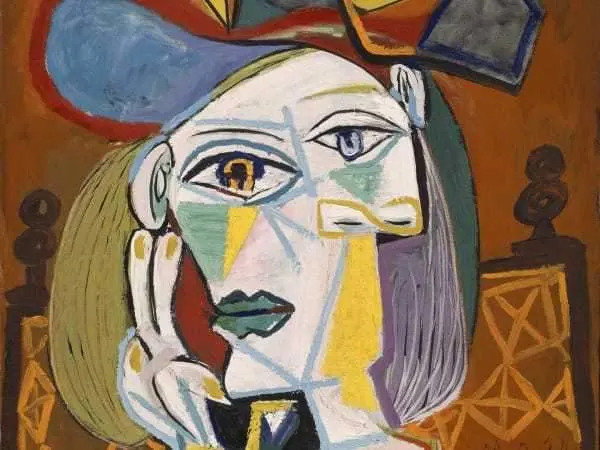
The article highlights eight major art exhibitions and events opening in Houston in May 2025, including the U.S. debut of "Picasso–Klee–Matisse: Masterpieces from the Museum Berggruen" at the Museum of Fine Arts, Houston (MFAH), which features works by Picasso, Klee, Matisse, and Giacometti. Other notable events include the "Freedom Plane National Tour" of founding-era documents at the Houston Museum of Natural Science, the 20th Annual Empty Bowls fundraiser at Silver Street Studios, and "No Longer, Not Yet" by Marisol Valencia at Art League, which uses materials from a migrant shelter. The article also mentions shows at CAMH, Moody Art Center, and Sawyer Yards.

51% of Men Say Mona Lisa "Should Smile More"

A new visitor experience survey at the Louvre Museum has revealed that 51% of male respondents believe Leonardo da Vinci's Mona Lisa "should smile more." The finding highlights a specific demographic's critique of the artwork's famously enigmatic expression.

Philadelphia Art Museums Celebrate America’s 250th Anniversary with New Shows

The Philadelphia Museum of Art and the Pennsylvania Academy of the Fine Arts (PAFA) have announced a major collaborative exhibition titled "A Nation of Artists" to commemorate the 250th anniversary of the United States. Spanning both institutions, the show will feature over 1,000 works including paintings, sculptures, and decorative arts that explore the American experience. Highlights include Charles Willson Peale’s 1779 portrait of George Washington, 120 works from the Middleton Family Collection, and a diverse array of Indigenous art and contemporary pieces by artists such as Barkley L. Hendricks and Laura Watters Maynor.

What does 250 years of American art look like?

The National Gallery of Art in Washington, D.C. has launched "Dear America," a major exhibition commemorating the U.S. semiquincentennial through more than 100 works on paper. Drawing from the museum’s deep permanent holdings, the show features a diverse range of media including photography, lithographs, and artist books by figures such as Andy Warhol, Ansel Adams, Faith Ringgold, and Kara Walker. The curation spans 250 years, juxtaposing iconic American imagery with lesser-known folk art and contemporary works that explore the complexities of national identity.

All Things Art You Cannot Miss This April

The Indian art scene is set for a bustling April 2026 with a series of high-profile exhibitions across major cities like Delhi and Mumbai. Key highlights include Subodh Gupta’s monumental installations at the Nita Mukesh Ambani Cultural Centre, a photographic tribute to Bombay by Raghubir Singh at Jhaveri Contemporary, and the public viewing of Raja Ravi Varma’s iconic 'Yashoda and Krishna' at the ShowKeen exhibition. These shows span a diverse range of media, from Akanksha Patil’s introspective narratives on migration to Laila Khan Furniturewalla’s raw, expressive paintings.

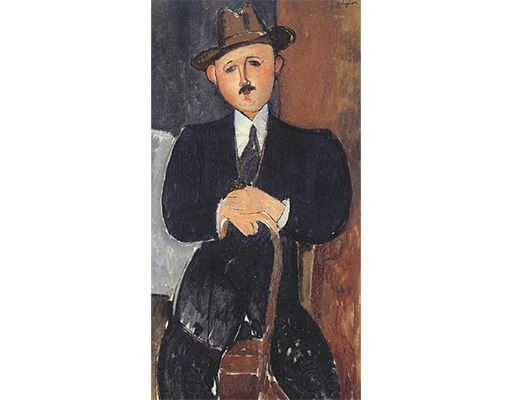
The Art World This Week: Nazi-Looted Modigliani Reclaimed, Kengo Kuma to Design National Gallery Wing, Seoul’s Centre Pompidou to Open in June, and More

The art world saw several major developments this week, headlined by a significant legal ruling regarding Amedeo Modigliani’s 'Seated Man with a Cane' (1918). A judge ruled against a holding company controlled by billionaire dealer David Nahmad, moving the Nazi-looted masterpiece closer to reclamation. Meanwhile, institutional expansions took center stage with Kengo Kuma being selected to design a new wing for London’s National Gallery, and the Centre Pompidou Hanwha in Seoul confirming a June 4 opening date.