filter_list Showing 5368 results for "ART" close Clear
dashboard All 5368 museum exhibitions 2906article local 808article news 466article culture 328trending_up market 298person people 160rate_review review 127article policy 126candle obituary 87gavel restitution 48article event 11article events 2article gallery 1
date_range Range Today This Week This Month All
Subscribe

Dozens of Pavilions Close During Strike at 61st Venice Biennale

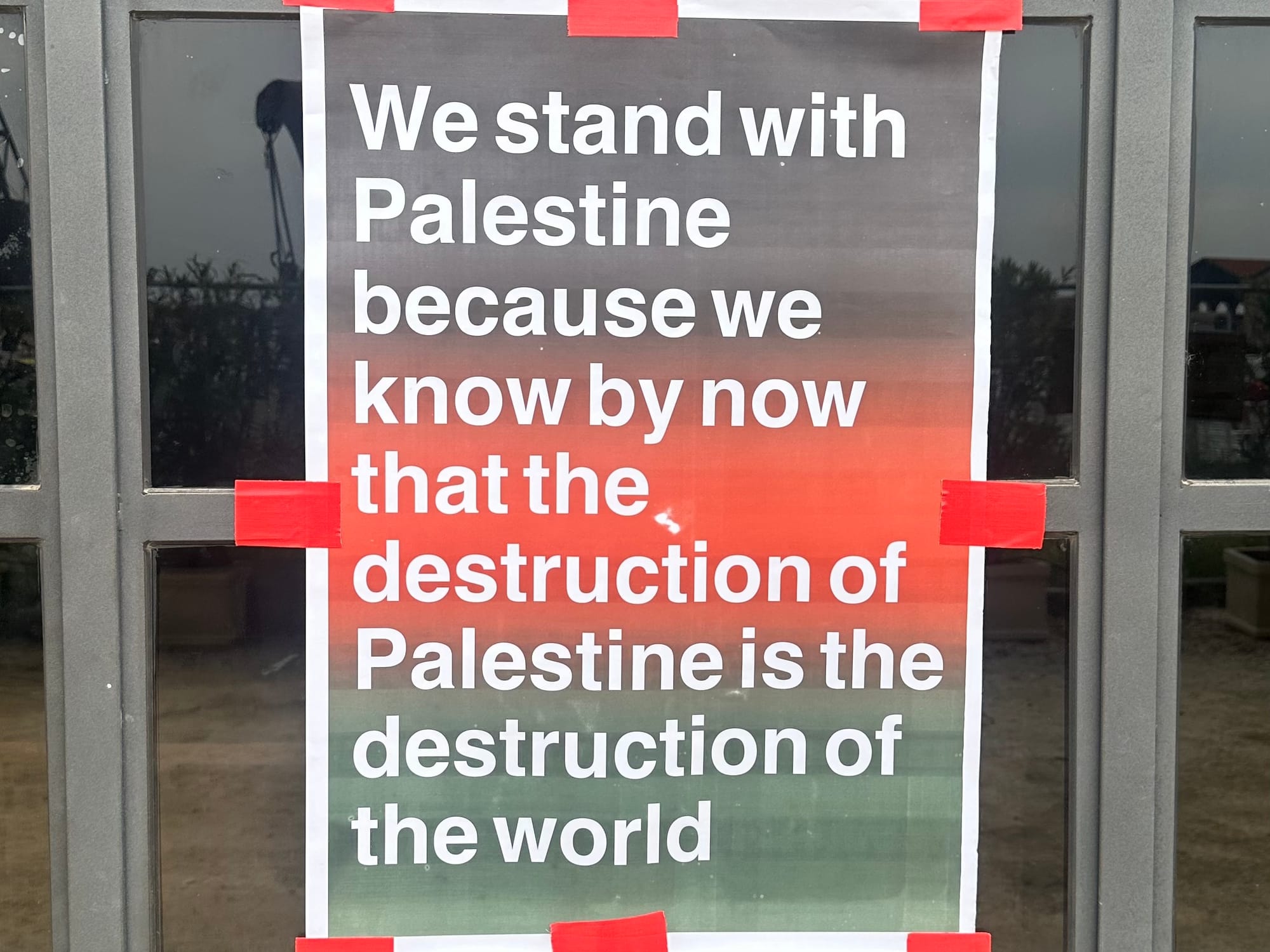
On May 8, 2026, a 24-hour strike organized by the Art Not Genocide Alliance (ANGA) and several Italian activist groups brought the 61st Venice Biennale to a standstill. Approximately 27 of the 100 national pavilions closed fully or partially in solidarity with protesters demanding Israel’s exclusion from the event, including those of Austria, Belgium, France, Great Britain, Japan, South Korea, and Ukraine. Over 3,500 people marched through Venice, with speakers including artist Gabrielle Goliath and curator Caroline Dumalin. The main exhibition, "In Minor Keys," curated by the late Koyo Kouoh, closed by late afternoon, and riot police were stationed outside the Arsenale. The Israeli pavilion, already shuttered during previews, remained closed.
Protests and Shutdowns Engulf 61st Venice Biennale Opening

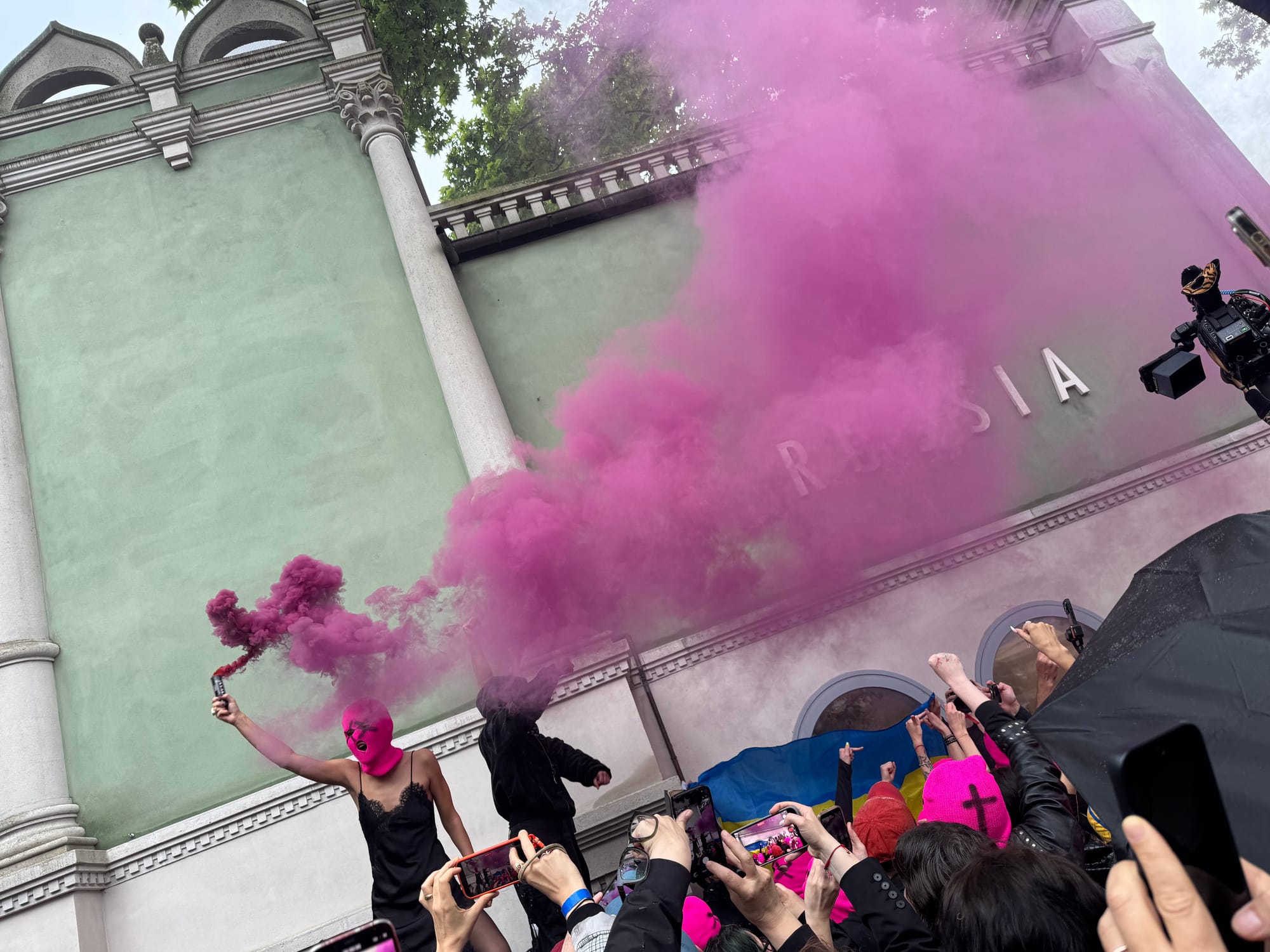
The 61st Venice Biennale preview week, opening to press and professionals ahead of its May 9 public launch, has been engulfed by protests and institutional crises. On May 5, around 60 artists from Koyo Kouoh's exhibition “In Minor Keys” staged a Solidarity Drone Chorus outside the Giardini, drawing on Gazan composer Ahmed Muin's Drone Song (2025) to highlight victims of warfare. On May 6, the Art Not Genocide Alliance (ANGA) organized protests outside Israel's pavilion at the Arsenale, leading to a security-enforced closure, while Pussy Riot and FEMEN demonstrated outside the Russian pavilion. The jury resigned on April 30 after controversy over award eligibility tied to ICC arrest warrants, prompting the Biennale to scrap Golden Lions and transfer prize voting to the public. Iran withdrew its pavilion on May 4, and Russia's will close on May 9, with only exterior video projections remaining. ANGA and Italian unions have announced a 24-hour strike on May 8.

“Human Being Human” at The Private Museum

The Private Museum in Singapore presents "Human Being Human: Selections from the Collection of John and Cheryl Chia," an exhibition running from January 19 to April 26, 2026. Organized into four chapters—"Stateless," "State," "Statehood," and "Rebirth"—the show features works by artists including Joseph Beuys, Lee Wen, Eadweard Muybridge, Sherman Ong, John Clang, Sun Xun, and Green Zeng, exploring the body as a central site of inquiry into identity, vulnerability, and societal conditioning. The collection, amassed over 25 years by doctors John and Cheryl Chia, uses the body to examine themes of statelessness, state control, collective ideology, and rebirth, with works that challenge linear narratives and embrace conceptual loops.

2026 Art Basel Award Winners Announced

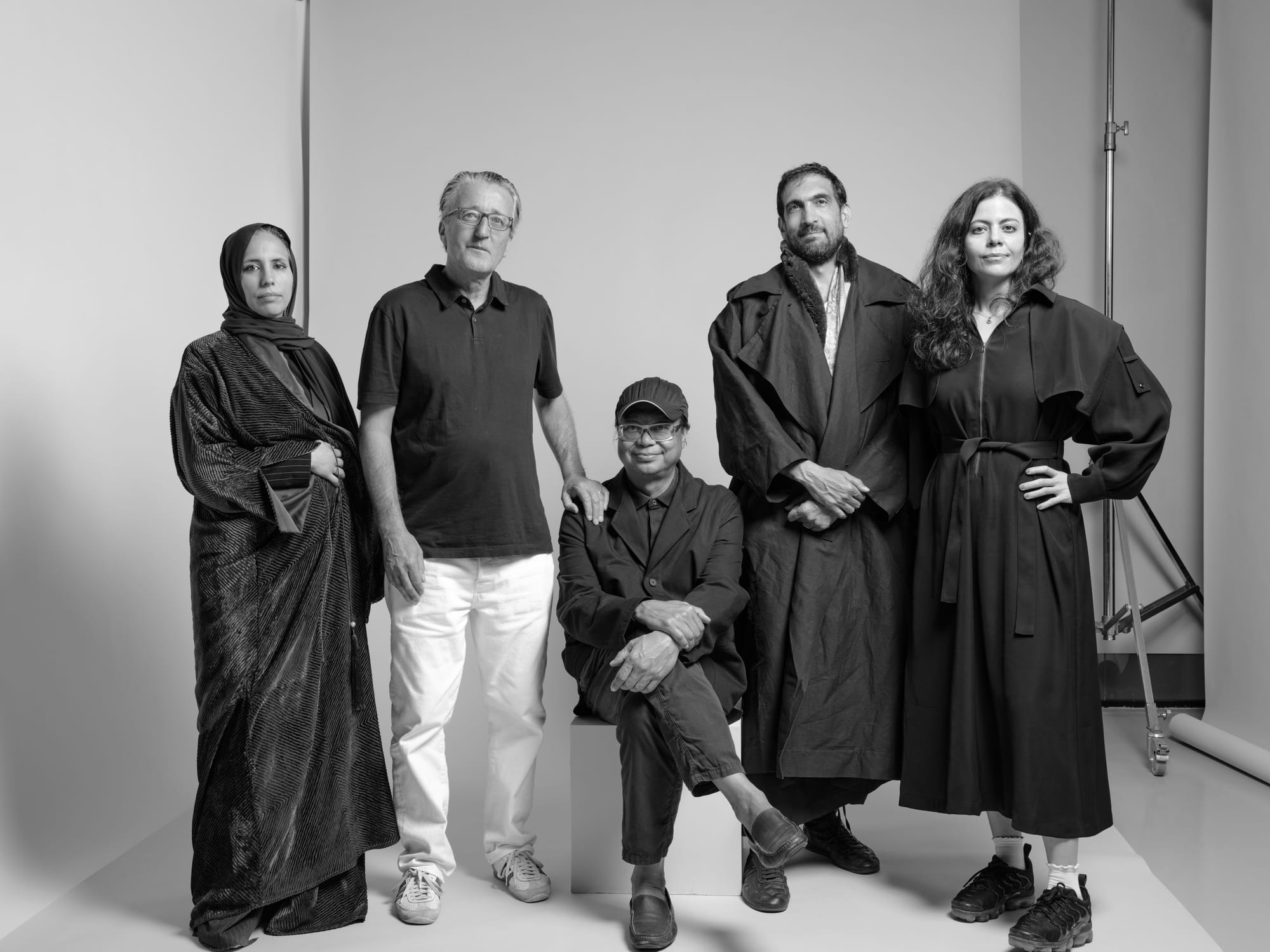
Art Basel has unveiled the 33 medalists for its 2026 global honors program, recognizing a diverse group of artists, curators, and institutions. The selection highlights a strong Southeast Asian presence, including architect Kulapat Yantrasast and filmmaker Apichatpong Weerasethakul, alongside international figures like Laurie Anderson and Julie Mehretu. These awards celebrate practitioners across categories such as Emerging Artist, Established Artist, and Cross-Disciplinary Creator, with winners to be celebrated at the upcoming Basel fair in June.

Qatar Pavilion Announces Artists for 2026 Venice Biennale

The Qatar Pavilion has unveiled its artist lineup and conceptual framework for the 61st Venice Biennale in 2026. Titled "untitled 2026 (a gathering of remarkable people)," the exhibition will feature a collaborative presentation centered around a tent-like structure designed by Rirkrit Tiravanija. The pavilion will include a film by Sophia Al-Maria, a large-scale sculpture by Alia Farid, sound performances by Tarek Atoui, and a culinary program curated by chef Fadi Kattan, all hosted within a temporary site in the Giardini designed by architect Lina Ghotmeh.

Arts and cultural engagement ‘linked to slower pace of biological ageing’

A new study published in the journal *Innovation in Aging* finds that engaging in arts and cultural activities—such as singing, painting, visiting museums or galleries—is linked to a slower pace of biological ageing. Researchers from University College London analyzed blood test and survey data from 3,556 adults in the UK Household Longitudinal Study, using epigenetic clocks to measure biological ageing. Those who participated in arts activities at least weekly showed a 4% slower ageing process, while monthly engagement yielded a 3% slowdown. The effect was comparable to the difference between smokers and those who quit smoking.

Lucy + Jorge Orta: From Root to Rain

LUCY + JORGE ORTA: FROM ROOT TO RAIN

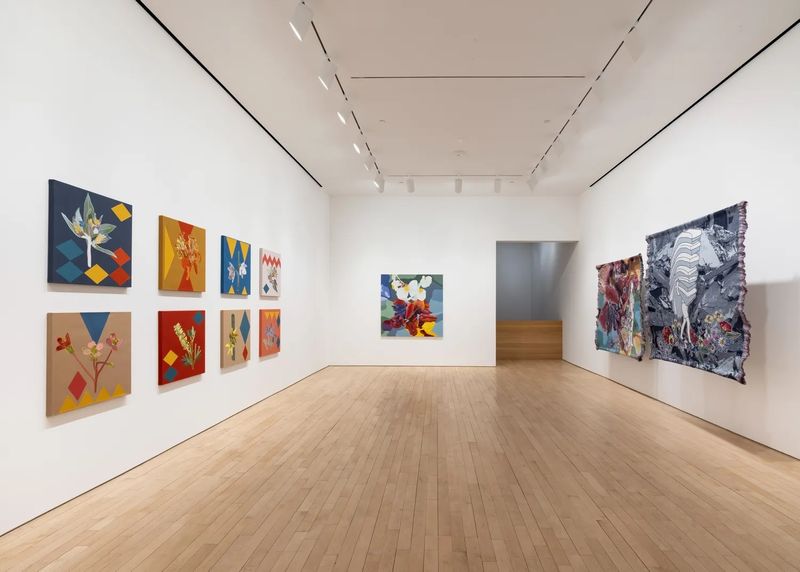
Lucy and Jorge Orta present their third solo exhibition at Jane Lombard Gallery in New York, titled "From Root to Rain." The show features a diverse range of media, including paintings, embroideries, tapestries, and film, all stemming from over three decades of collaborative research into ecological instability. The works bridge disparate geographic regions, from the Amazon rainforest to the Saudi Arabian desert, translating scientific data and field research into poetic visual forms that address climate change, migration, and environmental resilience.

The 10th Max Mara Art Prize for Women

第10回マックスマーラ・アート・プライズ・フォー・ウィメン

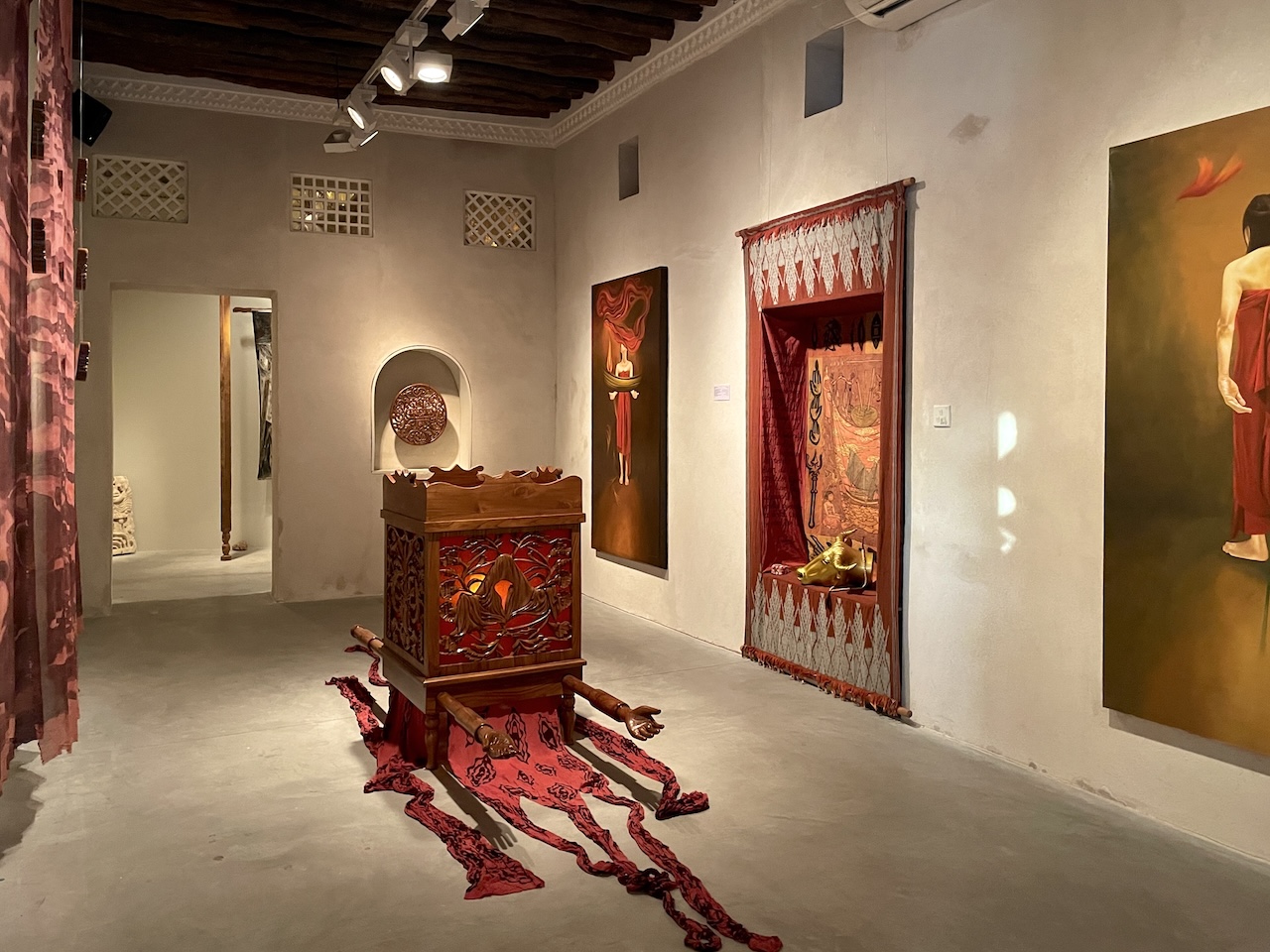
The 10th Max Mara Art Prize for Women has been awarded to Indonesian artist Dian Suci, marking the first time the prize has been held in Asia. Suci was selected from five finalists for her project "Crafting Spirit: Cultural Dialogues in Heritage and Practice," which examines the intersection of religious craftsmanship traditions and capitalist systems. The prize is organized in partnership with the Museum MACAN in Jakarta. Suci will undertake a six-month residency in Italy, followed by solo exhibitions in 2027 at both Museum MACAN and Collezione Maramotti in Reggio Emilia.

Last chance to see exhibition showcasing amazing local talent as it draws to a close

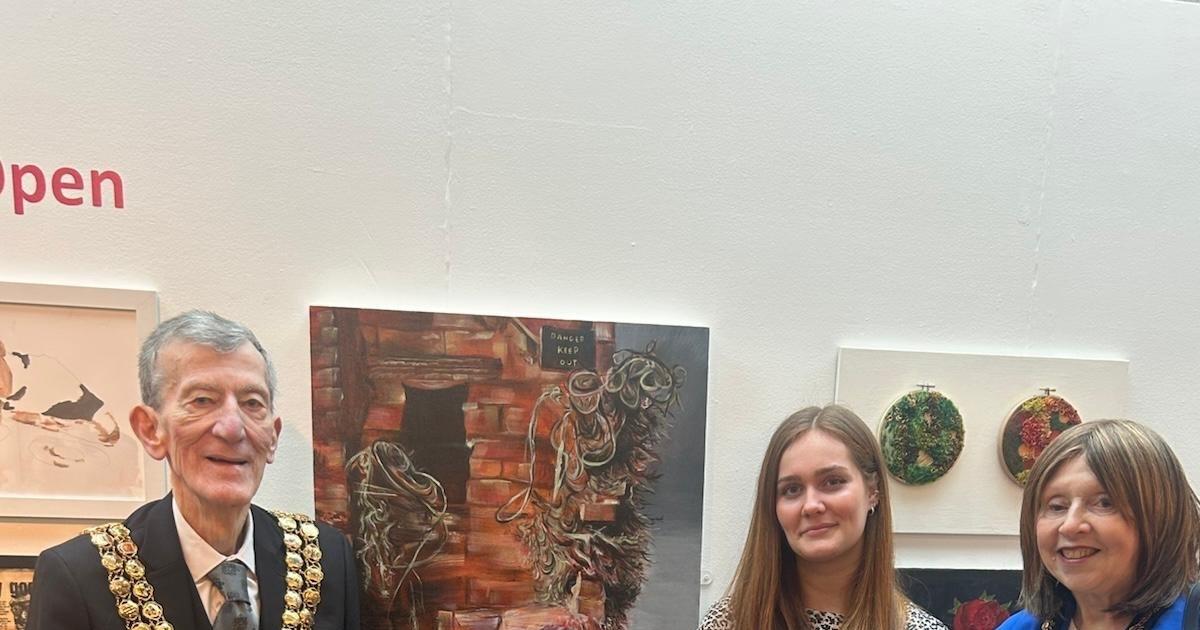
Bolton Museum's Open Art Exhibition, featuring over 240 artworks by local artists and photographers, is closing on Sunday, March 17. The show includes paintings, photography, and sculptures from creators who live, work, or study in Bolton. Grand prize winner Richard Wood received £1,000 from the Mayor for his landscape 'Ghost Chimneys', while University of Greater Manchester student Olivia Edge won the Young Artist Award for her acrylic painting 'Rewilding'.

'A work of conceptual art': Belmond launches new Art Deco-inspired train dining car

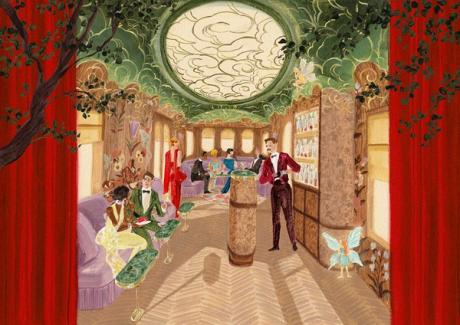
On 15 May, Belmond's British Pullman will debut a new private dining car named Celia, originally built in 1932. The carriage's interior has been designed by film director Baz Luhrmann and his wife, production designer Catherine Martin, who created an Art Deco-inspired aesthetic featuring burl veneers, marquetry, stained glass, and their signature rich red. The couple invented a backstory for the car's namesake, a fictional 1930s Shakespearean actress, aiming to immerse guests in a narrative experience reminiscent of A Midsummer Night's Dream. This follows Belmond's previous collaborations with Wes Anderson and artist JR, as part of its strategy under LVMH ownership to commission high-profile creative figures for its heritage trains.

The Founders of Open Restitution Africa (ORA) on Their New Open Data Platform

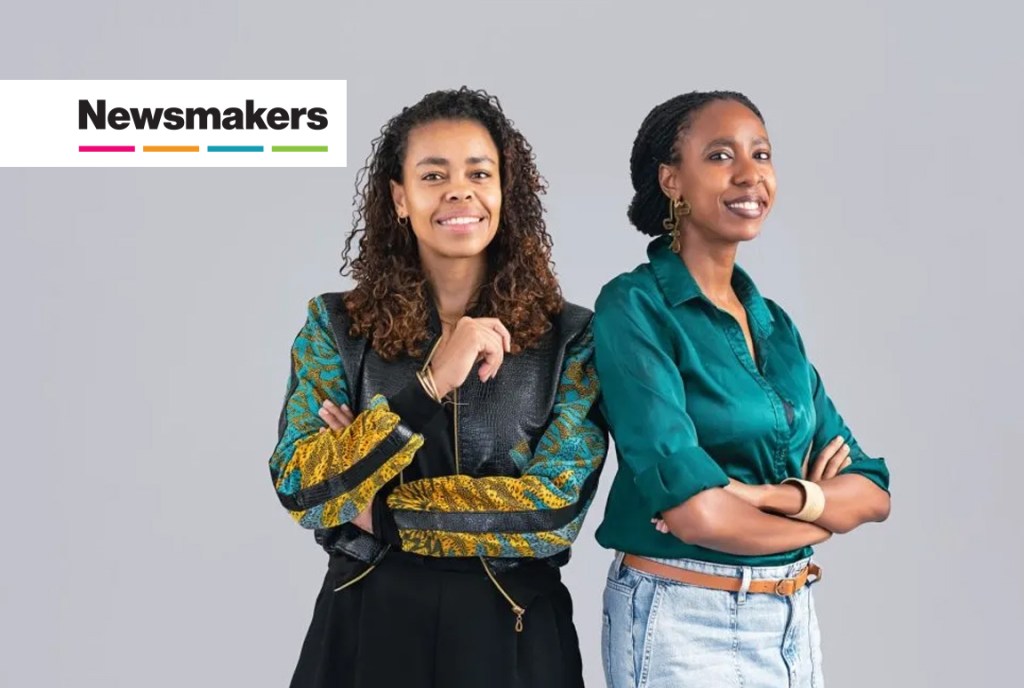
On March 31, the research initiative Open Restitution Africa (ORA) launched the ORA Open Data Platform, a database providing information on the restitution of African artifacts and ancestral remains. Developed over six years by ORA’s all-woman, pan-African team, the site uses case histories and AI-powered tools to offer practical insights into the return process, available in French and English. It presents 25 case histories spanning 200 years, using data visualizations, essays, and interactive tools to help individuals and communities develop their own restitution strategies. ARTnews interviewed founders Chao Tayiana Maina and Molemo Moiloa about the project's origins and goals.

Artist Bouke de Vries creates sculptural porcelain bottles for Dries Van Noten perfume

Artist Bouke de Vries has created five unique sculptural porcelain bottles for Dries Van Noten's unisex perfume Soie Malaquais, which launched in 2022. The bottles, priced at £6,000 each, are sold at the designer's London and New York stores, with a limited-edition series also available online. De Vries, known for reassembling broken china fragments into dynamic objects, designed the bottles to reflect the fragrance's warm notes of chestnut, rose, blackcurrant, and cardamom, developed by perfumer Marie Salamagne.

Architecture as Microcosm: Interview with Architects Barclay & Crousse Coming to an Exhibition in Milan

Architettura come microcosmo. Intervista agli architetti Barclay & Crousse che arrivano in mostra a Milano

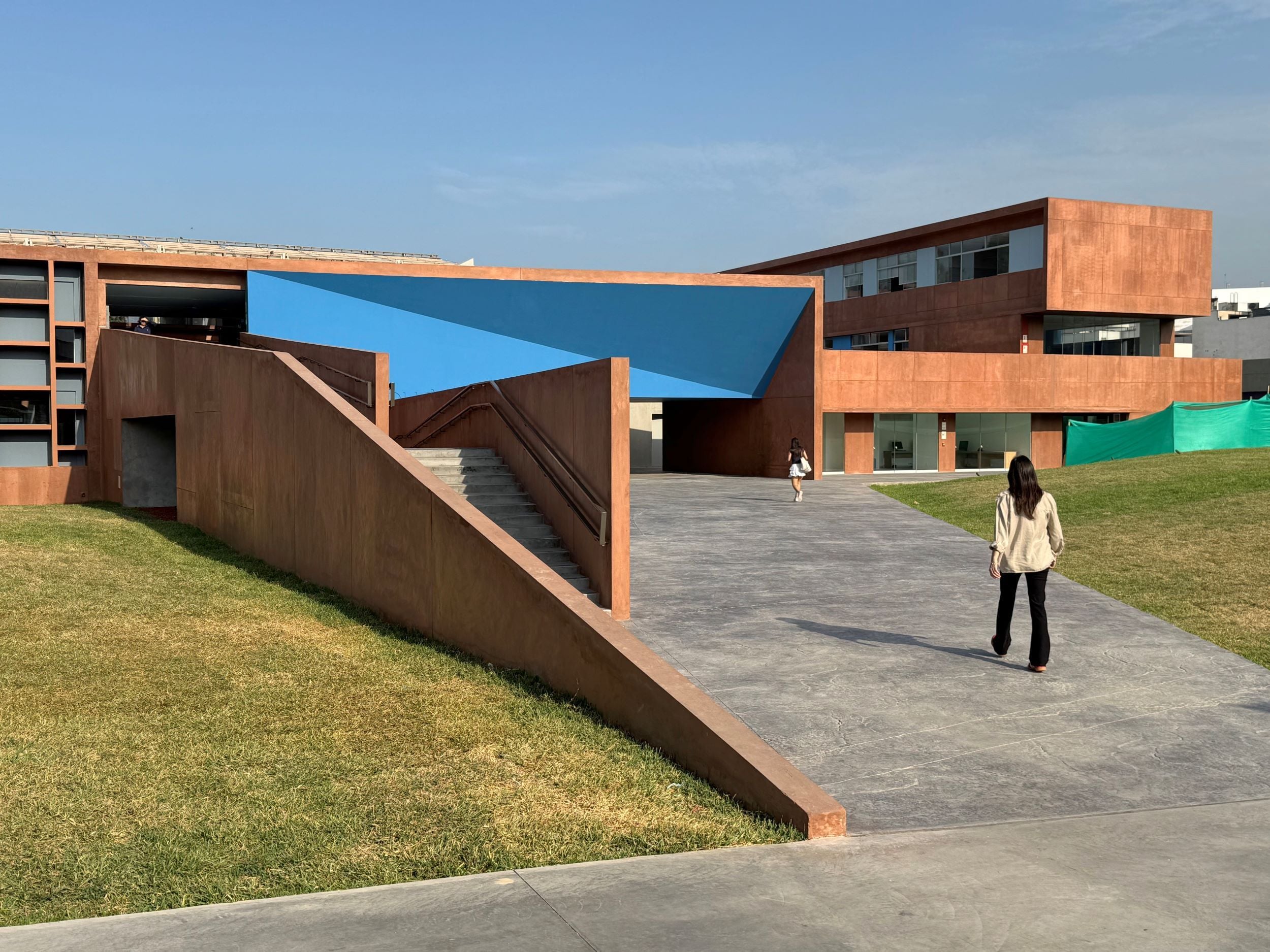
Architects Sandra Barclay and Jean Pierre Crousse, founders of Barclay & Crousse Architecture, are the subject of a feature interview and exhibition in Milan. The studio, established in Paris in 1994 and now based in Peru, is known for projects that deeply engage with the Peruvian landscape, particularly the coastal desert between the Pacific Ocean and the Andes. Their notable works include the Lugar de la Memoria (Lima, 2015), the Museo de Paracas (2016), and the Franco-Peruvian School in Lima (2025), which recently won the Grand International Prize at the X Bienal Internacional de Arquitectura de Santa Cruz (Bolivia) in 2026. The article traces their education across Peru, France, and Italy, and their return to Peru in 2006, where they continue to run a French branch called Atelier Nord Sud.

Fire erupts at San Francisco's Vaillancourt Fountain during its dismantling

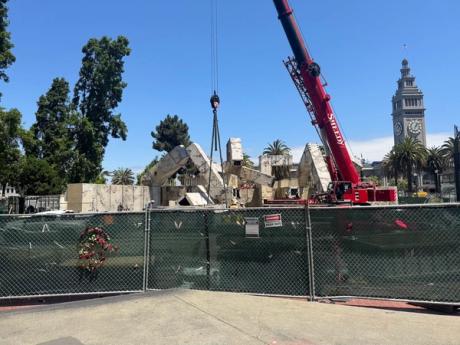
A fire broke out at San Francisco's Vaillancourt Fountain on May 4, 2025, as construction crews used torches to dismantle the 1971 Brutalist structure, igniting debris inside its steel tubes. The San Francisco Arts Commission confirmed the fire was quickly extinguished with no major damage, but the incident has raised concerns about safety protocols, as workers were reportedly not wearing protective gear against potential lead or asbestos exposure, and no public warnings were posted. The dismantling proceeded after a California appeals court denied a request from the local coalition Friends of the Plaza to halt the removal, which the city justified citing asbestos and structural risks.

Venice Biennale strike sees more than 15 pavilions temporarily or partially close

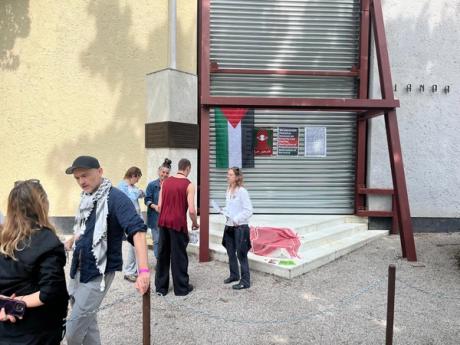
On 8 May, more than 15 national pavilions at the Venice Biennale temporarily or partially closed in a coordinated strike organized by the Art Not Genocide Alliance (ANGA). The protest opposes Israel’s participation in the event, which organizers say normalizes what they call genocide and exploits precarious labor. Participating countries include Austria, Lebanon, Slovenia, Egypt, Poland, and the Netherlands, whose artist Dries Verhoeven stood outside his shuttered pavilion with a Palestinian flag. Some pavilions, like Japan’s, remained open but suspended interactive elements. The strike follows earlier controversies, including the resignation of the prize jury and an open letter demanding the Israeli pavilion’s cancellation.

The Most Provocative Performance in Venice

Florentina Holzinger, a performance artist known for extreme feminist works involving nudity, bodily fluids, and physical endurance, is representing Austria at the 2026 Venice Biennale with a pavilion titled “Seaworld Venice.” Opening May 9, the installation transforms the Austrian Pavilion in the Giardini into an underwater theme park and a functioning sewage treatment plant, where audience urine collected from portable toilets is cleaned and recycled into the tanks. The work explores themes of the human body, ecology, and Venice’s own struggles with sinking infrastructure and mass tourism.

S&M-inspired Greek Pavilion in Venice confronts its fascist chains

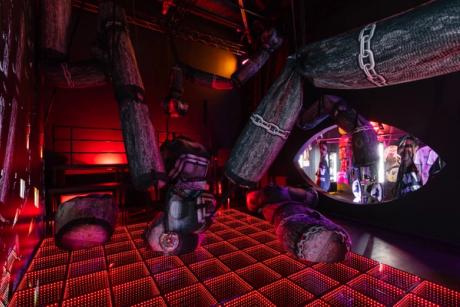
The Greek Pavilion at the 2026 Venice Biennale, titled "Grecia" and conceived as a drag artist, presents an S&M-inspired installation by artist and architect Andreas Angelidakis. The immersive space features a red neon-lit floor, soft sculptures resembling beanbags, fragmented marble columns wrapped in chains, and souvenirs bearing images of queer artists and the late activist Zak Kostopoulos (Zackie Oh). The pavilion aims to deconstruct the idea of a fixed national identity, exploring themes of queerness, fascism, and historical trauma.

The Bahamian Pavilion Brings Junkanoo to Venice in a Biennale Standout

After a thirteen-year hiatus, the Bahamian Pavilion has returned to the Venice Biennale with an exhibition titled "In Another Man's Yard," featuring the late master John Beadle and his former student Lavar Munroe. The pavilion, housed in the San Trovaso Art Space in Dorsoduro, centers on Junkanoo—the vibrant, crepe-costumed procession that is a defining cultural tradition of the Bahamas. Munroe's large-scale sculptural works incorporate strips of discarded Junkanoo costumes, while paintings and installations commemorate Beadle, who died in 2024. The presentation was revived with support from Baha Mar, a resort company, after government funding was withdrawn in 2014.

Gabrielle Goliath Discusses Her Canceled South African Pavilion as She Shows New Work in a Venice Church

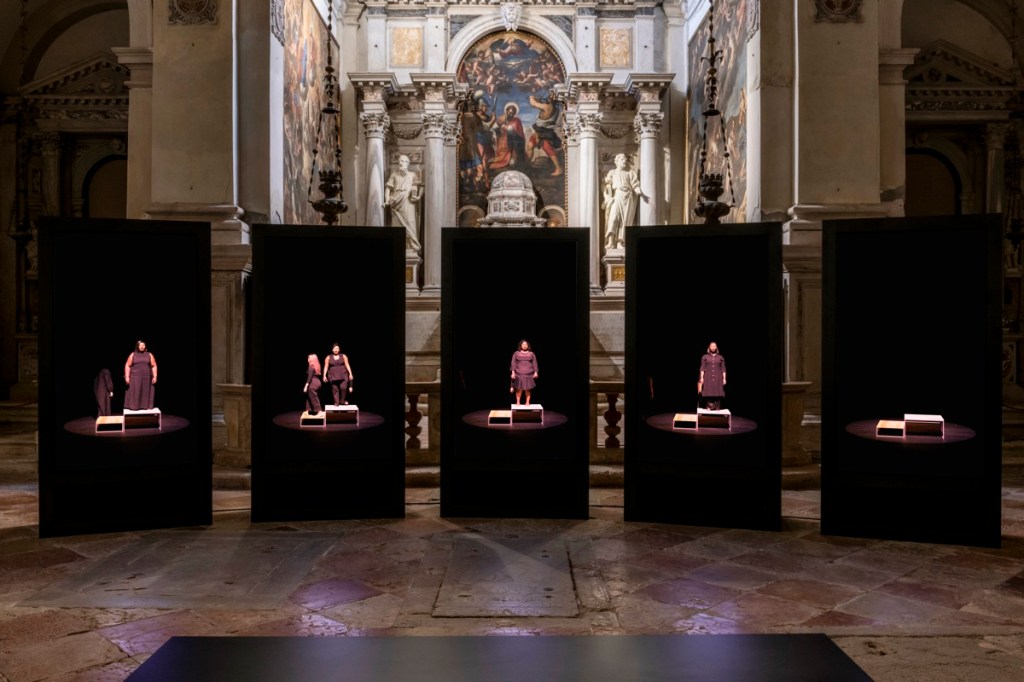
South African artist Gabrielle Goliath’s planned pavilion for the South Africa Pavilion at the Venice Biennale was canceled by culture minister Gayton McKenzie, who deemed it “highly divisive.” Despite the cancellation, Goliath has installed her work, a multi-screen iteration of her ongoing performance series *Elegy*, at the Chiesa di Sant’Antonin, half a mile from the Giardini. The new piece mourns victims of atrocities including South African femicide, the Herero and Nama genocide, and the death of Gazan poet Hiba Abu Nada, killed by an Israeli airstrike. Goliath stated that McKenzie explicitly demanded removal of the Palestinian content while deeming the other subjects acceptable.

Abbas Akhavan Transforms the Canada Pavilion Into a Greenhouse, Daring Viewers to Leave Behind Their Preconceptions

Artist Abbas Akhavan has transformed the Canada Pavilion at the Venice Biennale into a functioning greenhouse for his exhibition "Entre chien et loup." The pavilion now houses a 6,000-gallon pool containing giant Victoria water lilies, with modifications including grow lights, water misters, a new ventilation system, and structural reinforcements to support the 25-ton water tank. The installation evokes Victorian-era Wardian cases and London's Crystal Palace, but Akhavan emphasizes that his interest in the lilies began intuitively, not as a commentary on colonialism or empire. The project, developed with curator Kim Nguyen, involved collaboration with Kew Gardens and the Orto Botanico di Padova to cultivate the plants, and the outcome remains uncertain as the lilies may thrive or wither over the exhibition's six-month run.

Venice Diary Day 1: At the Giardini, Artists Refuse to Make Fascism Cozy

Henrike Naumann's posthumous installation at the German Pavilion, which retains its 1938 Nazi-era fascist architecture, refuses to make the space 'cozy' by adorning windows with violently ripped domestic fabrics. The 2026 Venice Biennale is the first under president Pietrangelo Buttafuoco, associated with neo-fascist politics, and is overshadowed by controversy over his 'neutrality' policy allowing all countries to participate despite human rights concerns. The exhibition jury initially announced it would not consider pavilions from countries whose leaders are charged with crimes against humanity, then abruptly quit, leaving the situation unresolved. The US Pavilion features unimpressive blobs by Alma Allen, while the Russian Pavilion offers cut flowers and free vodka, and Andreas Angelidakis responds to fascist aesthetics at the Greek Pavilion.

Dozens of Venice Biennale Artists Stage ‘Drone’ Perfomance in Protest of Israel’s Participation

On the opening day of the Venice Biennale, around 60 artists and dozens of other participants staged a protest titled “Solidarity Drone Chorus” at the Giardini entrance, humming a viral song by Gazan composer Ahmed “Muin” Abu Amsha to sonically occupy the space. The action, organized by artists in the main exhibition over several months, protested Israel’s participation in the Biennale and expressed support for Palestine, with participants wearing T-shirts bearing the names and artworks of Gazan and Palestinian artists, many of whom have been killed. The protest follows an open letter from the Art Not Genocide Alliance demanding Israel’s exclusion.

With Nearly 30,000 Clay Earth Bricks, Dana Awartani Remakes History in the Saudi Arabia Pavilion

Dana Awartani, a Jeddah- and New York-based artist of mixed Palestinian, Saudi, Jordanian, and Syrian descent, has created the Saudi Arabia Pavilion at the Venice Biennale using nearly 30,000 clay earth bricks. The installation, titled "May your tears never dry, you who weep over stones," replicates traditional mosaic motifs sourced from over 20 cultural heritage sites across the Arab world that have been destroyed by human conflict. Awartani emphasizes collaboration, crediting numerous skilled craftsmen—economic migrants to Saudi Arabia—who worked alongside her, and her practice blends formal training at Central St. Martins with Islamic geometry and illumination studies in Turkey.

How the adoption of canvas in Venice changed the way artists painted

Art historian Cleo Nisse has published a new book, *Venetian Canvas and the Transformation of Painting*, examining how 16th-century Venetian painters such as Titian, Veronese, and Tintoretto pioneered the use of canvas as a painting support. Nisse reveals that canvas was not a uniform material—artists experimented with different weaves, including tabby and herringbone patterns, and even repurposed sailcloth and tablecloth-quality fabrics to achieve specific visual effects. The book argues that canvas was already familiar in the late Middle Ages for banners and alternatives to tapestry, and that Vittore Carpaccio was the first master of the medium, varying canvas types for expressive purposes in his *Legend of St Ursula* series.

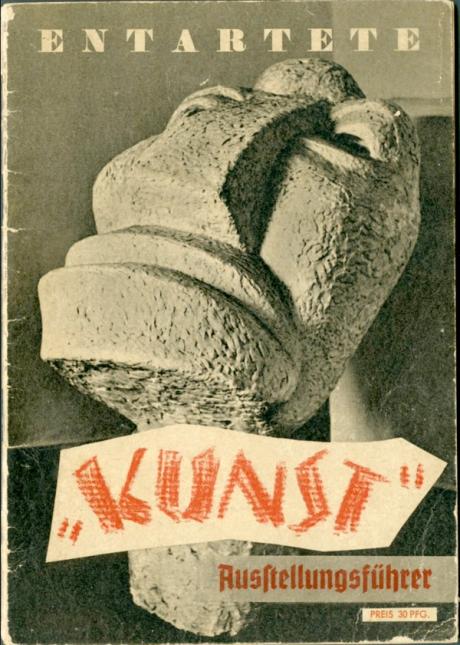
Comment | Degenerate art all over again? Nazi attack on Modern art is not far away from trends in today’s world

The article draws a provocative parallel between the Nazi regime's attack on modern art—epitomized by the 1937 "Degenerate Art" (Entartete Kunst) exhibition—and contemporary political aesthetics, particularly around President Donald Trump. It traces the Nazi party's early use of visual spectacle, mass rallies, and monumental art to forge a national identity, contrasting this with Trump's proposed National Garden for American Heroes and stalled White House Ballroom, which the author dismisses as kitsch but lacking the cohesive fascist aesthetic of Albert Speer's masterplans.

Venice exhibition of site-specific films aims to capture the hyper stimulating times we are living in

The Fondazione In Between Art Film presents "Canicula," the third and final exhibition in its Trilogy of Uncertainties, opening on 6 May at the Complesso dell’Ospedaletto in Venice. Curated by Leonardo Bigazzi, the show features eight newly commissioned site-specific films that explore themes of excess, sensory overload, and geopolitical tension. Works include Roman Khimei and Yarema Malashchuk's "Affirmations" (2026), depicting fictional deathbed testimonies of Russian soldiers, Lawrence Abu Hamdan's "450XL: The Story of a Fugitive Sound" (2026) about a sonic attack in Belgrade, and Maya Watanabe's "Jarkov" (2025-26) reflecting on Arctic ice melt and Pleistocene remains.

In new play, Norval Morrisseau forgery scandal prompts questions about authenticity and Indigenous identity

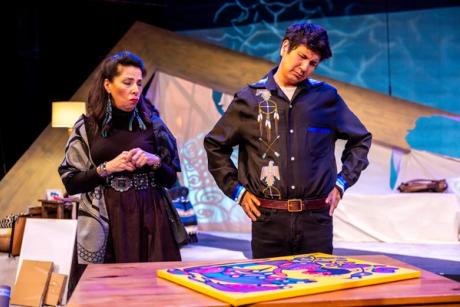
A new play by Ojibway playwright Drew Hayden Taylor, *The Undeniable Accusations of Red Cadmium Light*, dramatizes the massive Norval Morrisseau art forgery scandal in Canada. The story follows an Indigenous art expert named Nazhi, her adopted daughter Beverly, and a journalist whose investigation into Morrisseau forgeries unravels Nazhi’s own identity and status. The play uses Morrisseau’s iconic imagery and the forensic analysis of paint colors to explore the blurred lines between authentic and fake, both in art and in personal identity. It concluded its run at Vancouver’s Firehall Arts Centre on 3 May.

One of the most important galleries in Brazil is in Rome these weeks with an exhibition. The interview

Una delle più importanti gallerie del Brasile in queste settimane è a Roma con una mostra. L’intervista

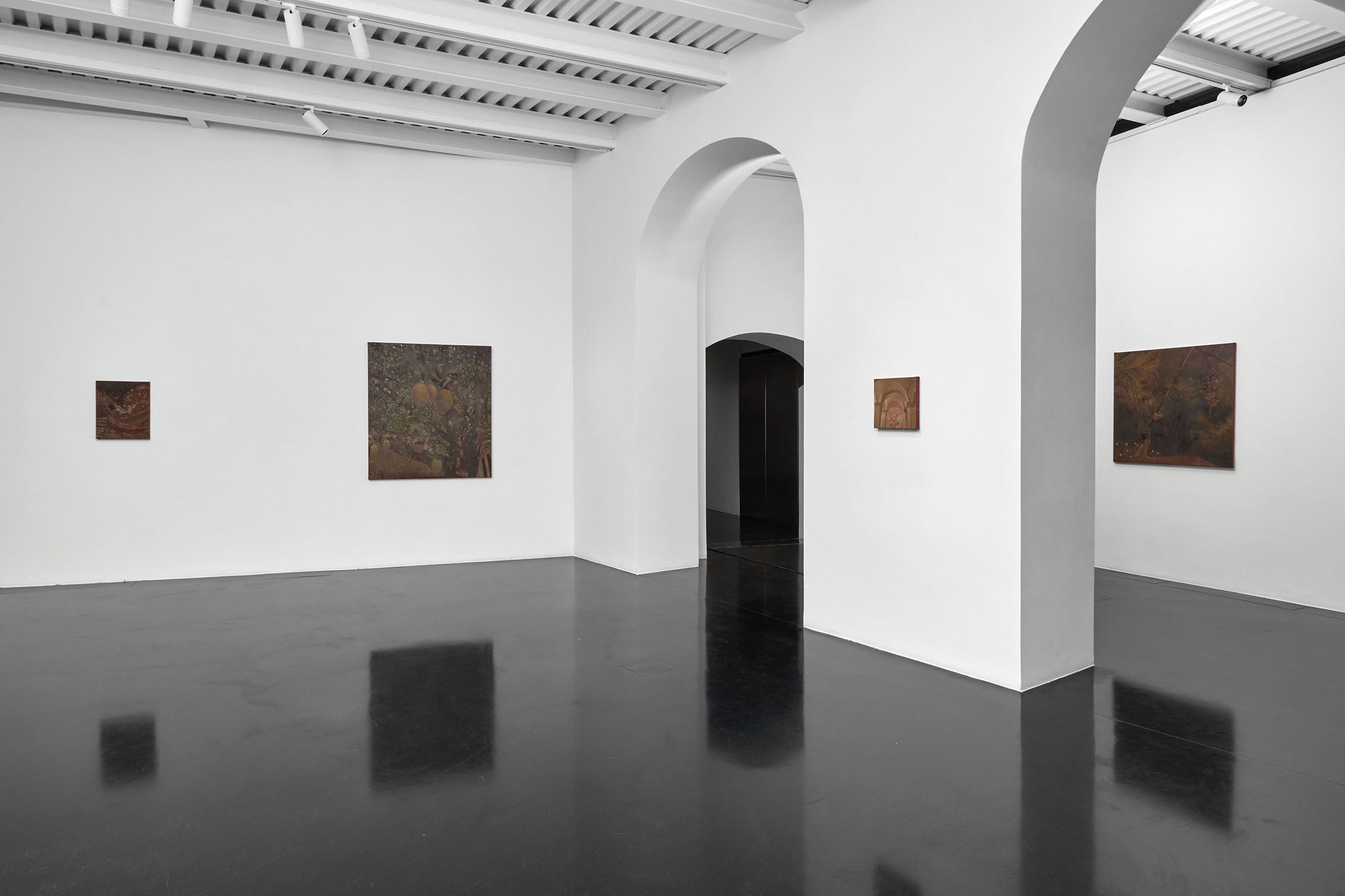
Brazilian gallery A Gentil Carioca has brought the first Italian solo exhibition of artist Miguel Afa to the Fondazione Capitolina in Rome, in collaboration with the Rhinoceros space. Titled "Il tempo che vive in me" (The Time That Lives in Me), the show features works created during Afa's residency in Rome, exploring themes of time, memory, and light through oil paintings that blend Brazilian and Roman imagery.

Meet the Writer Who Sees Every Single Show at the Venice Biennale

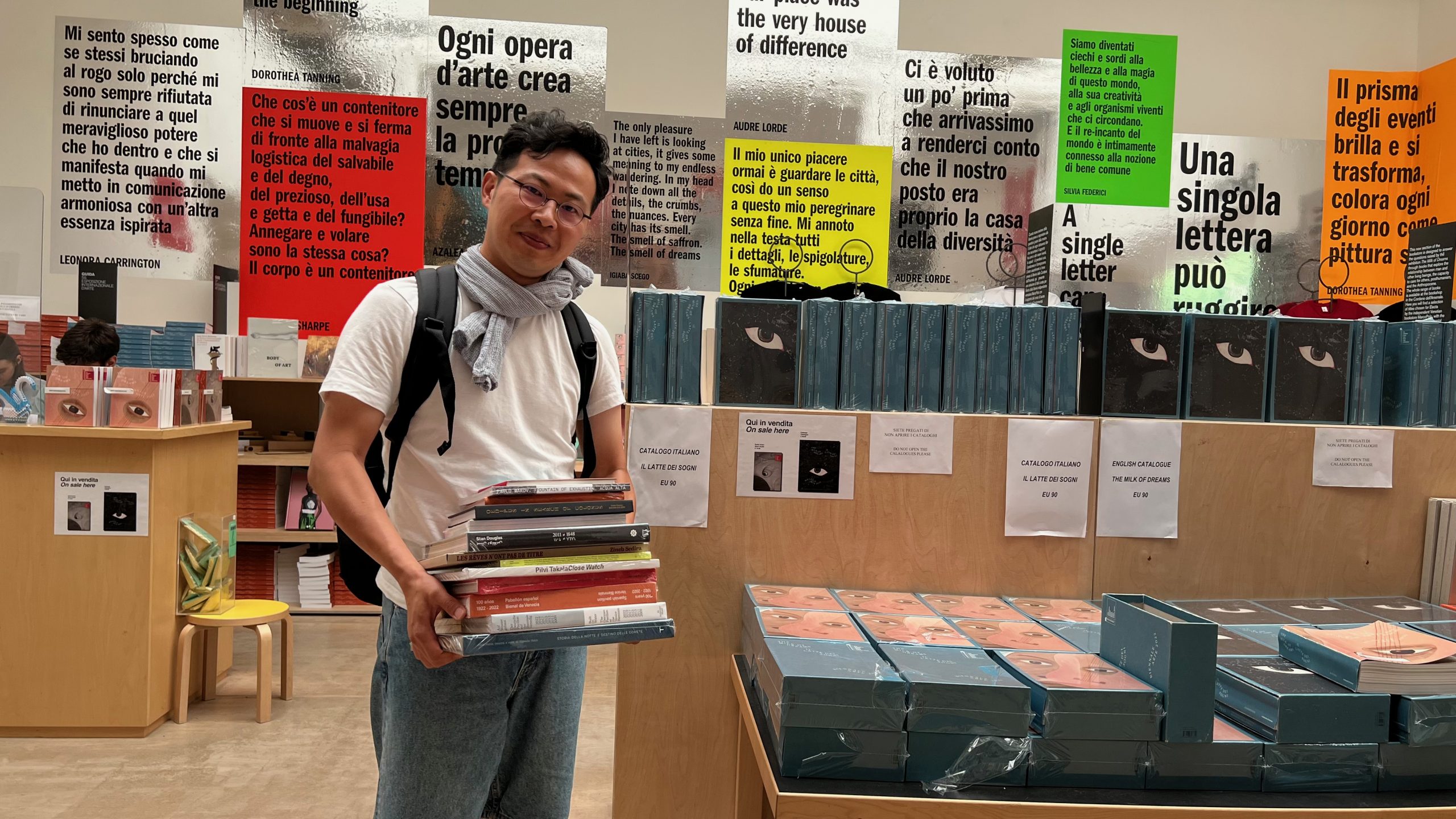
Jaeyong Park, a Seoul-based writer, translator, and interpreter, has attended every edition of the Venice Biennale since 2022—including both art and architecture cycles—and seen every single show, from the central exhibition and national pavilions to collateral and unofficial events. He documents his journeys in regular dispatches and has compiled a free bilingual guide to the biennial. Park organizes his trips with a group of fellow art workers, splitting accommodation costs and sharing reviews over dinner to ensure full coverage.

Trippy Film by British-Ethiopian Artist Theo Eshetu Hits the Venice Biennale

British-Ethiopian artist Theo Eshetu is presenting a new installation, *The Garden of the Broken-Hearted* (2026), at the Venice Biennale. The work features a live olive tree mounted on a rotating dais, with a video of the tree projected onto itself, marking a shift from his decades-long practice of multi-screen video installations. Eshetu discusses the project's origins in conversations with the late Biennale curator Koyo Kouoh, framing the tree as a space for mourning, human consciousness, and elemental storytelling.