filter_list Showing 69 results for "AEO" close Clear
dashboard All 69 article news 37museum exhibitions 19article culture 4article policy 4gavel restitution 3trending_up market 1person people 1
date_range Range Today This Week This Month All
Subscribe

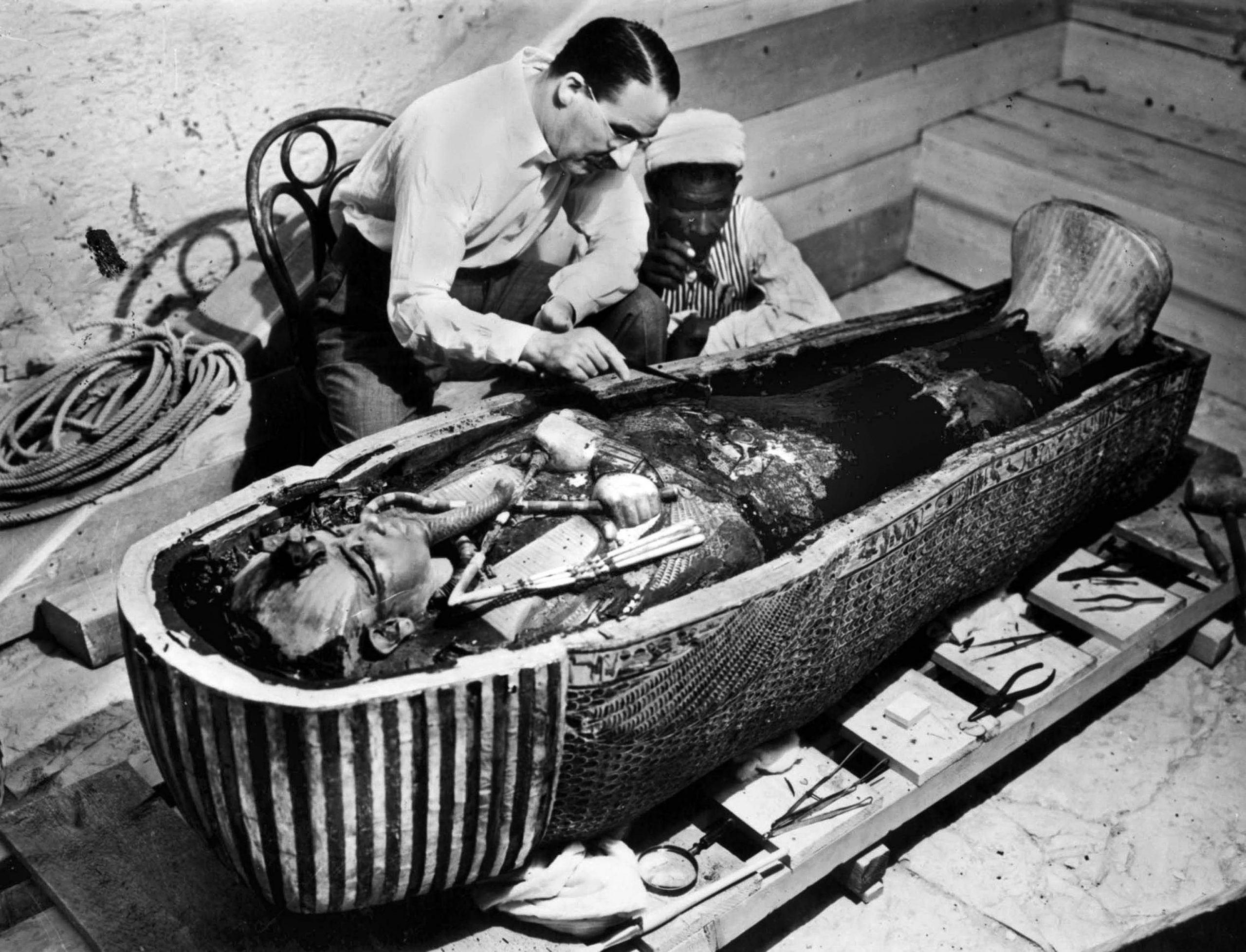
True Origins of King Tut ‘Curse’ Emerge in Newly Sold Letter

A three-page letter written by archaeologist Howard Carter, which disputes the origins of the famous "Curse of the Pharaohs" linked to King Tutankhamun's tomb, has sold at auction for $16,643. In the letter, Carter explicitly blames journalist Arthur Weigall for inventing the sensationalist myth out of professional pique after being excluded from exclusive coverage of the 1922 discovery.
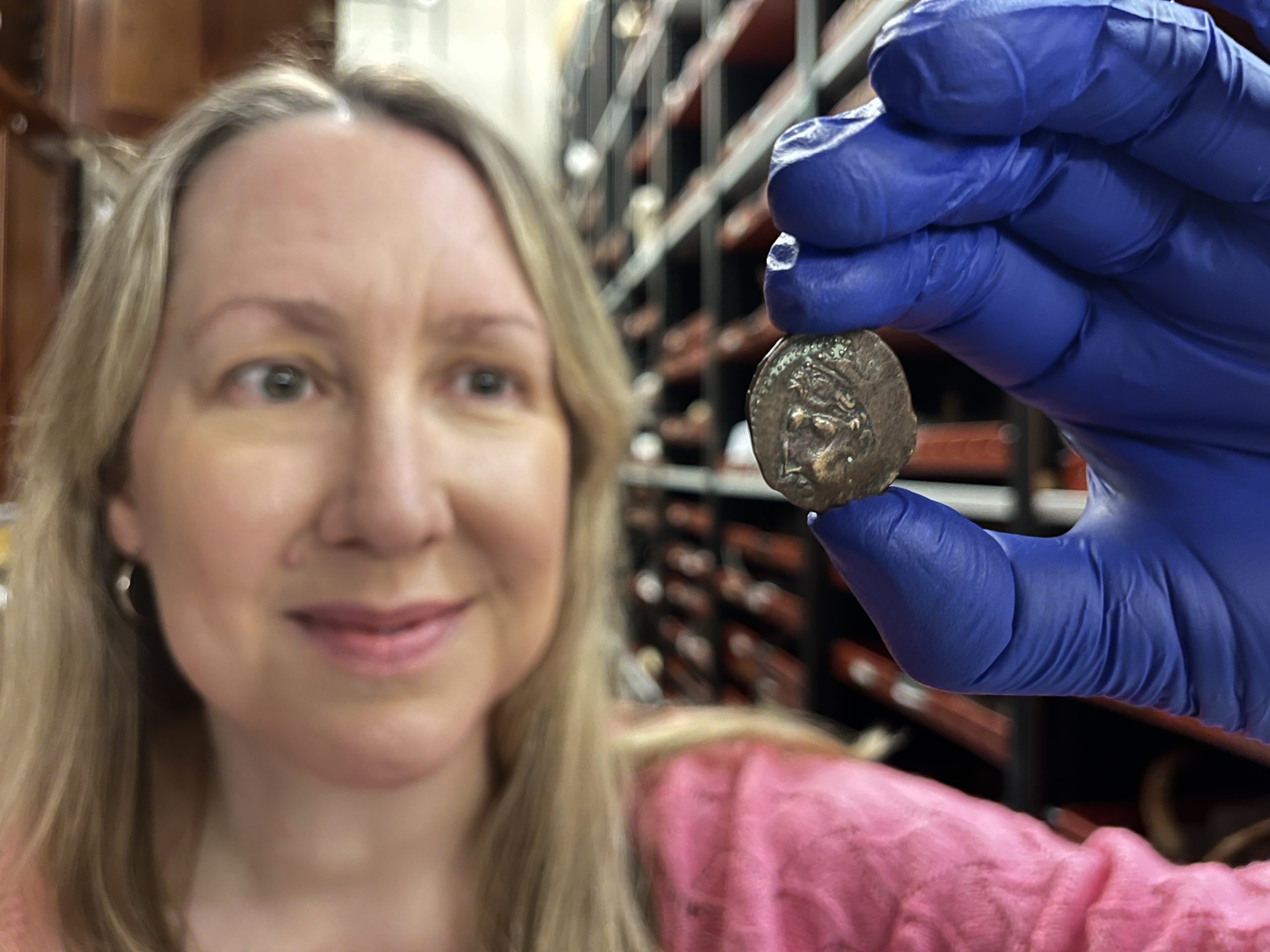
Strange Coin Used on U.K. Bus Turns Out to Be 2,000-Year-Old Relic

A 2,000-year-old Phoenician bronze coin, originally used as bus fare in Leeds in the 1950s, has been identified and donated to the Leeds Discovery Centre. The coin was minted in the ancient Carthaginian settlement of Gadir (modern-day Cádiz, Spain) and features imagery of the deity Melqart and tuna fish, reflecting its maritime origins.

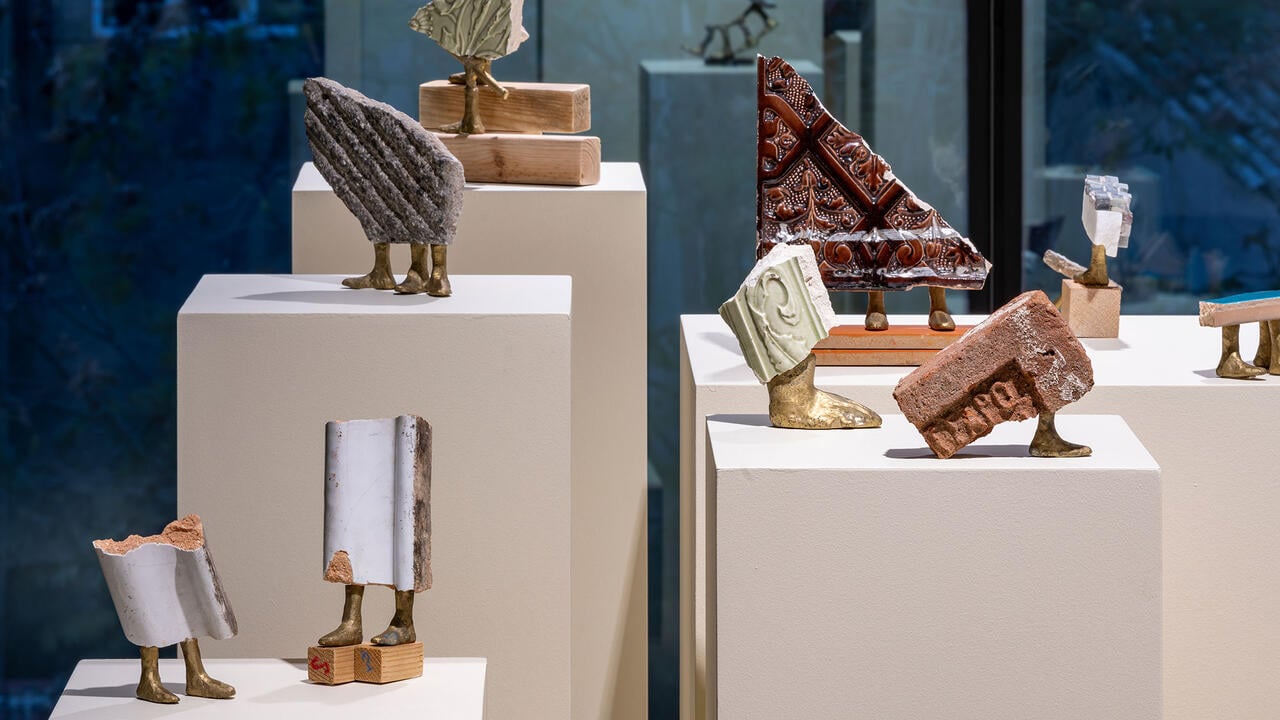
Hera Büyüktaşçıyan Channels Istanbul’s Haunted Histories

Hera Büyüktaşçıyan Channels Istanbul’s Haunted Histories

Hera Büyüktaşçıyan has opened a major solo exhibition, 'I Know You As Her', at Istanbul's Arter museum. The show features new and existing works, including sculptures, installations, and watercolors, that explore submerged histories and spectral presences within the city's urban fabric, particularly around the historic Pera district.

Greece Introduces New Law to Combat Art Forgery and Vandalism

Greece has enacted a landmark legislative framework specifically designed to combat art forgery, vandalism, and the trade of counterfeit cultural property. The new law introduces stringent criminal penalties, including prison sentences of up to ten years and fines reaching €300,000, while mandating the destruction of works confirmed as fakes. Key provisions include the creation of an independent registry of forgery experts under the culture ministry and the expansion of legal protections to include historically significant cinemas.

The MEGA Fair-Exhibition Opens in a Former Milanese Factory: Photos and 5 Must-See Booths

In ex fabbrica di Milano ha aperto la mostra-fiera MEGA. Tutte le foto e 5 stand da non mancare

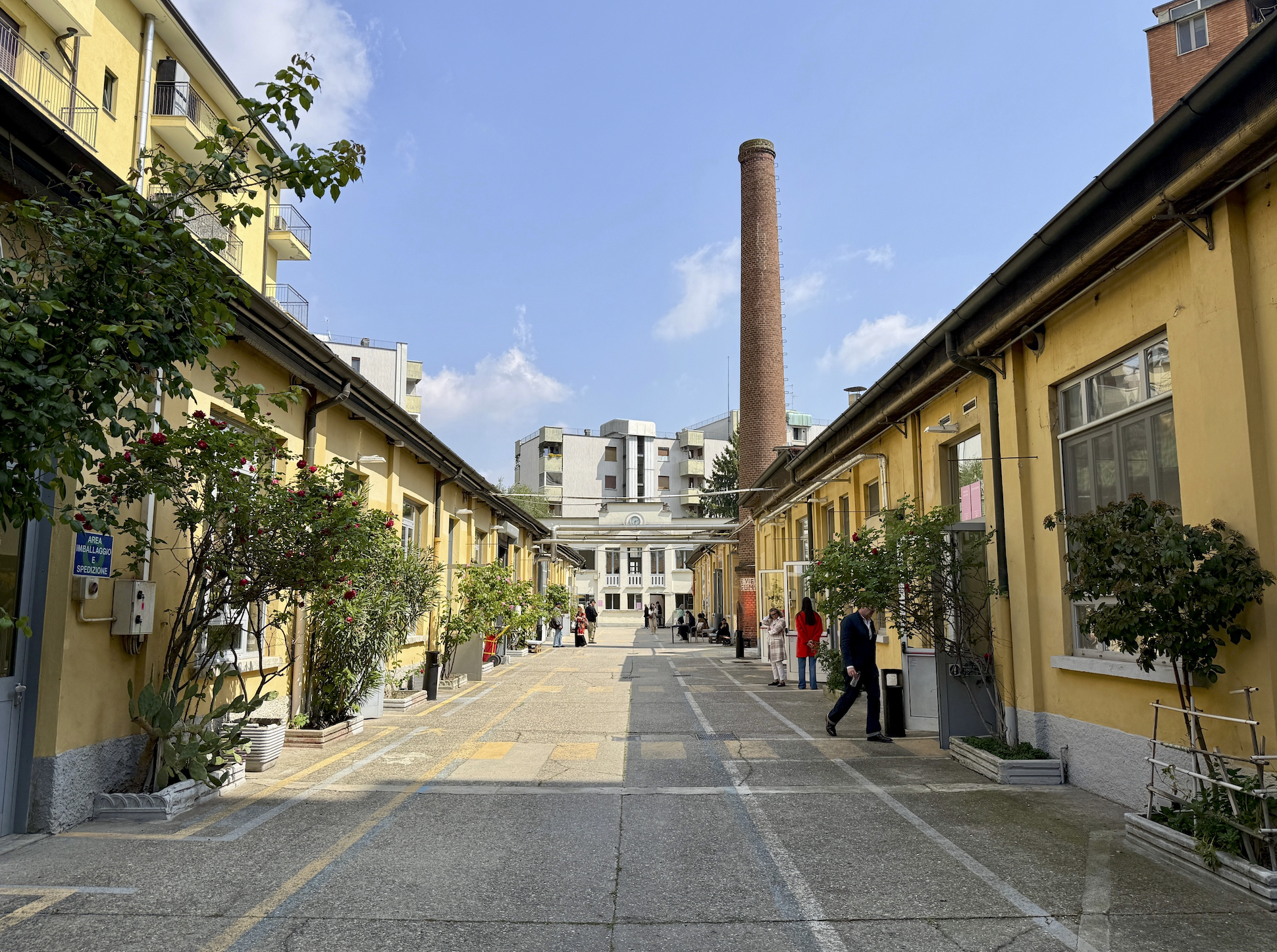
The third edition of MEGA Art Fair has opened in Milan, relocating to SPAZIO PROFUMO, a former perfume factory in the Barona district. Running from April 15 to 25, 2026, the event strategically bridges Milan Art Week and Design Week, featuring over 30 international exhibitors from Europe, Latin America, and Asia. Eschewing traditional booth structures, the fair utilizes a cohesive curatorial layout that integrates industrial archaeology with contemporary practices, including a dedicated video program and a section titled 'City of Glass.'

Archaeologists Uncover a 2,000-Year-Old Hillfort in Estonia

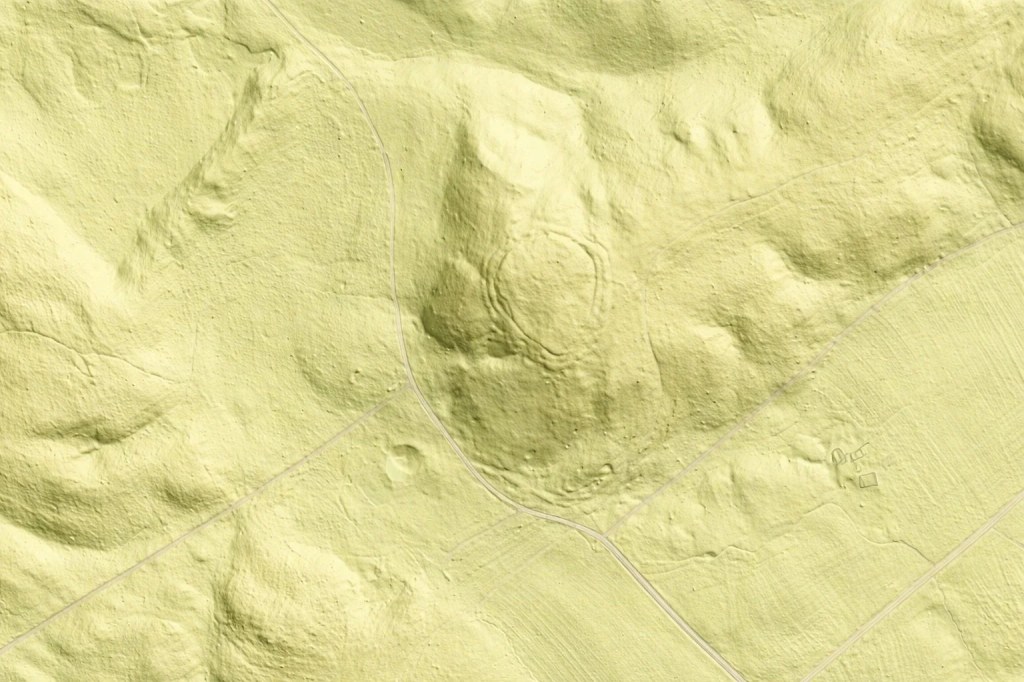
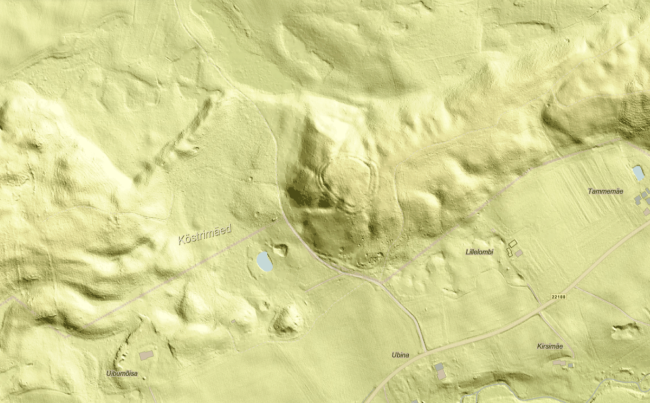
Archaeologists from the University of Tartu have discovered a 2,000-year-old Iron Age hillfort at Köstrimägi in Tartu County, Estonia. Using high-resolution terrain mapping, the team identified a 16,000-square-foot fortification featuring an unusual stepped rampart system that dates back to between 41 BCE and 9 CE. Despite its size, the site yielded few artifacts beyond pottery fragments and charcoal, suggesting a very brief period of occupation before it was destroyed by fire.

Colosseum Facelift Restores Ancient Southern Entrance to Its Former Glory

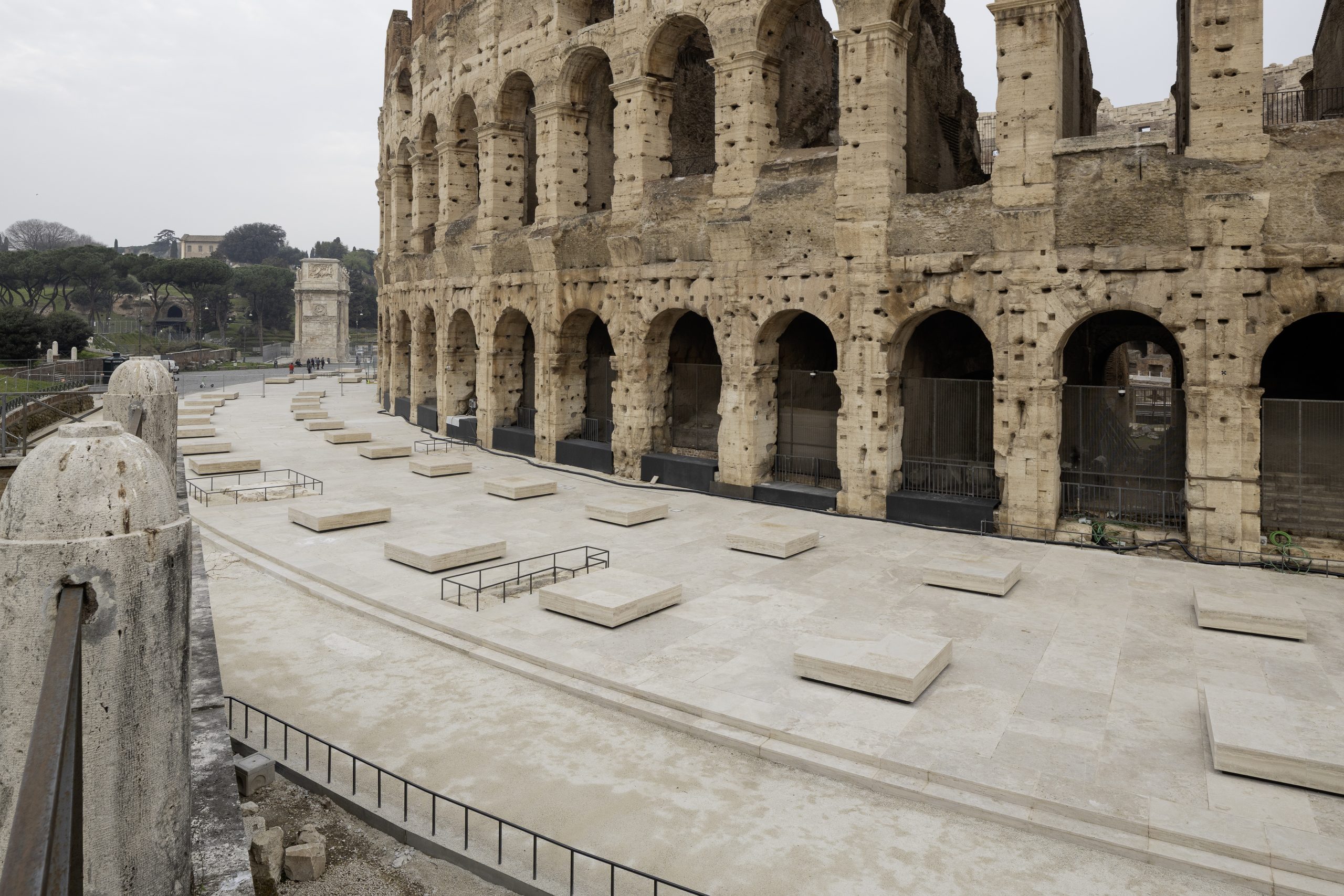
Rome’s Colosseum has unveiled a major four-year restoration of its southern entrance, a project led by Stefano Boeri Interiors in collaboration with the Colosseum Archaeological Park. The renovation lowered the surrounding piazza to its original Roman-era height, reintroduced travertine flooring sourced from ancient quarries, and installed seating blocks that mark the locations of long-lost marble columns. During the excavation process, archaeologists recovered a wealth of historical artifacts, including ancient coins, statues, and gold jewelry, while leaving a specific section untouched to showcase the arena's complex hydraulic foundations.

Lebanon appeals to Unesco to intervene amid fears protected citadel has been destroyed

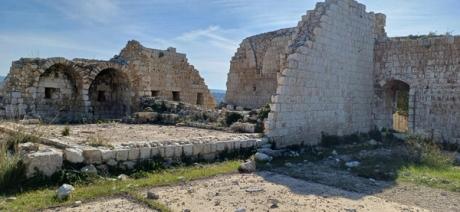
Lebanon’s Ministry of Culture has filed an urgent complaint with Unesco following reports that Israeli military forces destroyed the 12th-century Chama’ Citadel in southern Lebanon. The site, a Crusader-era fortress, had recently been granted "enhanced protection" status under the 1954 Hague Convention, a designation intended to shield it from military targeting. Lebanese authorities are currently unable to access the site due to ongoing military occupation and have requested that Unesco utilize satellite imagery to verify the extent of the demolition.

Dice Are 6,000 Years Older Than Previously Believed, Study Says

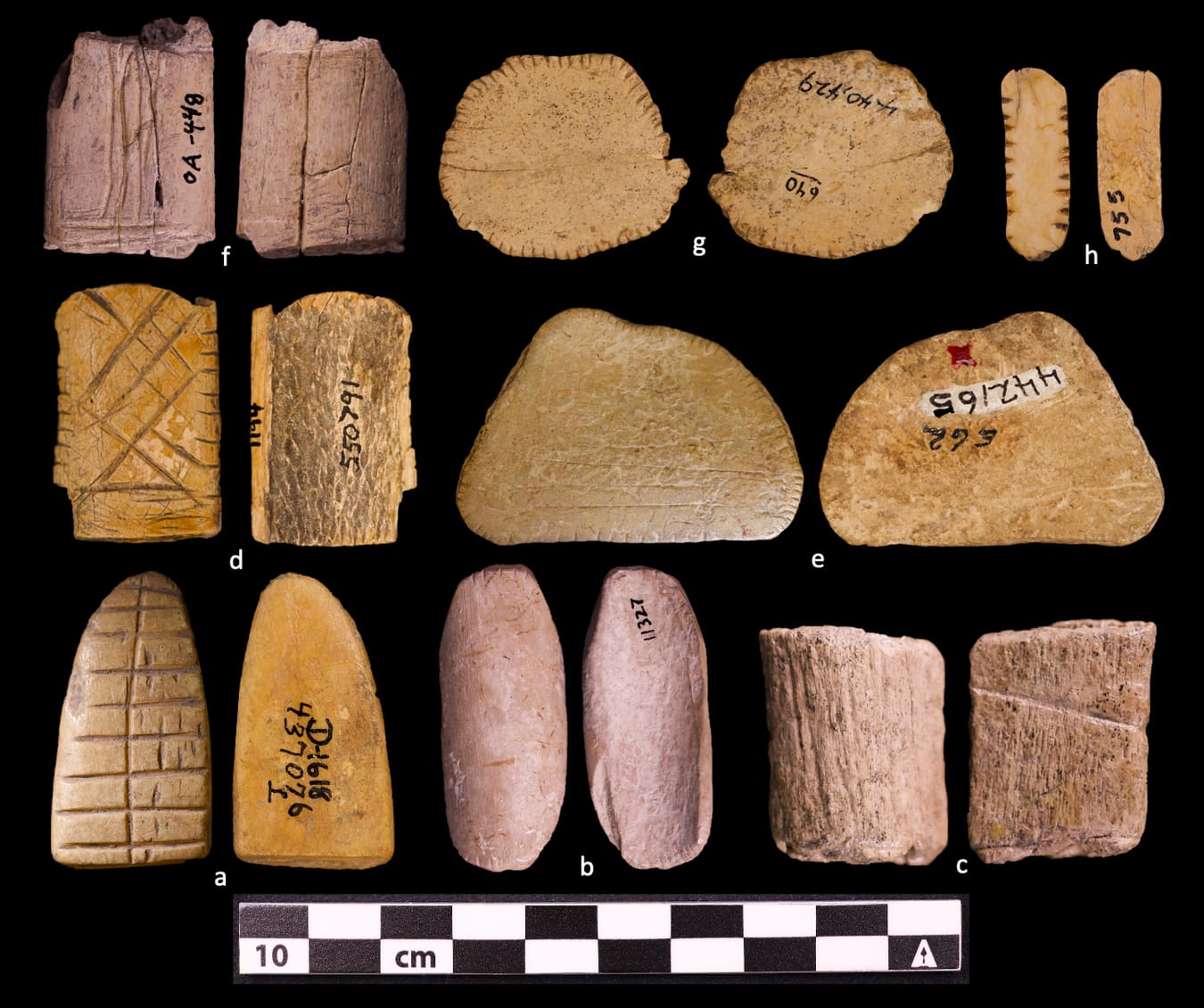
Archaeologist Robert J. Madden has published a groundbreaking study in the journal American Antiquity identifying over 600 prehistoric objects as two-sided dice. These artifacts, found across 57 sites in the American West, date back more than 12,000 years to the Late Pleistocene era. By applying criteria from historic Native American gaming traditions to these bone and wood fragments, Madden argues that dice-based games of chance existed 6,000 years earlier than previously recorded in the archaeological record.

Dutch Museum Discovers 8-Inch Ancient Roman Phallus

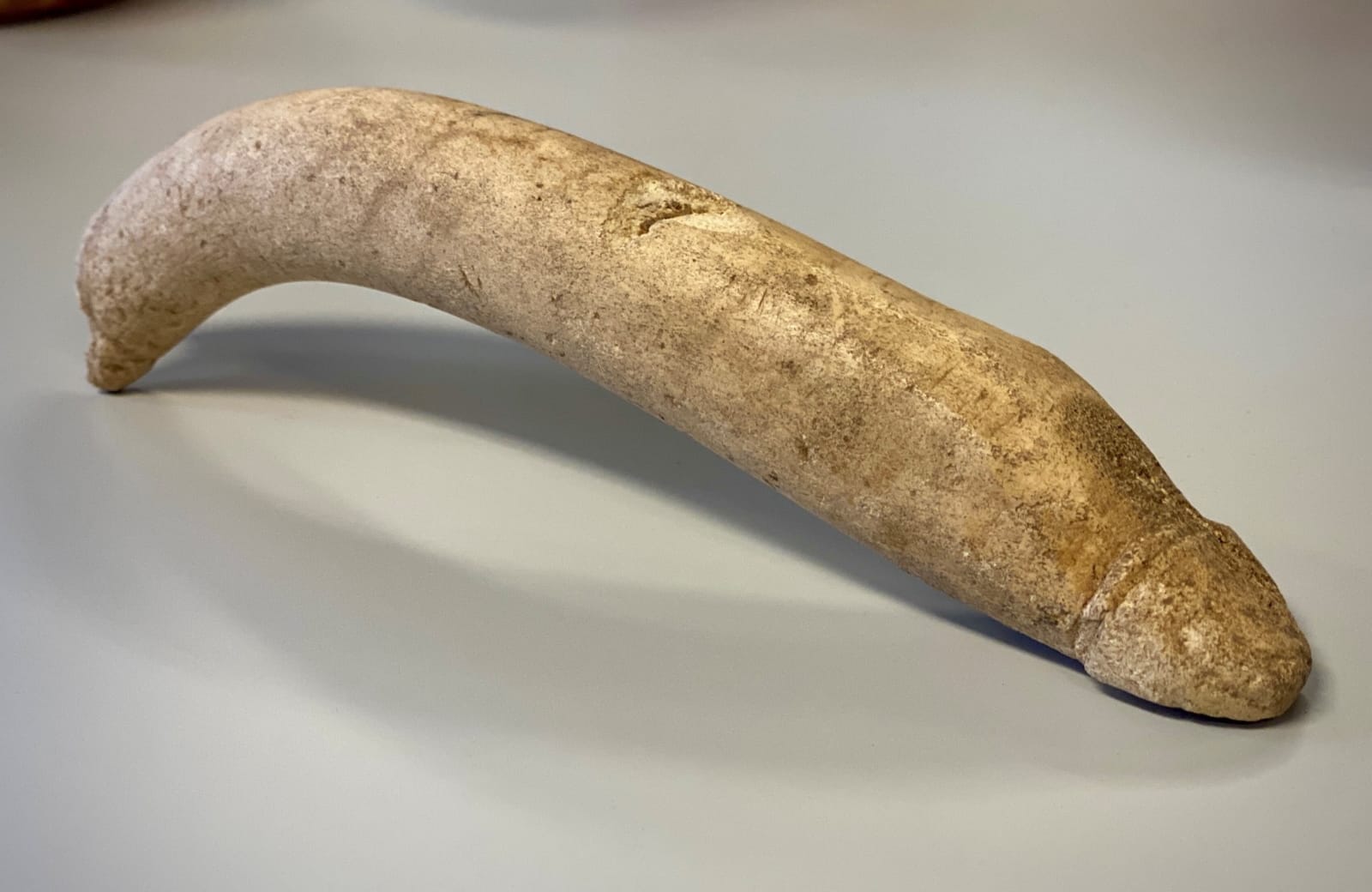
Archaeologists at the Valkhof Museum in Nijmegen discovered a rare, eight-inch Ancient Roman phallus carved from bone while cataloging a massive backlog of 16,000 archaeological boxes. The artifact was found alongside high-quality Roman tableware during an €8 million government-funded inventory project aimed at processing collections from defunct storage depots in the province of Gelderland.

Unusually Large, 2,000-Year-Old Hillfort Discovered in Estonia

Archaeologists from the University of Tartu have discovered a massive 2,000-year-old hillfort at Köstrimägi in Tartu County, Estonia. Utilizing high-resolution terrain mapping, the team identified a 4,800-square-meter Iron Age fortification featuring concentric ramparts and shallow ditches, a structural complexity rarely seen in the region. Radiocarbon dating suggests the site was active for a relatively short period, specifically between 41 BCE and 9 CE.

When the Pergamon Altar can be seen again

Wann man den Pergamonaltar wieder sehen kann

The Pergamon Museum in Berlin is set to partially reopen in the spring of 2027 following extensive renovations, allowing public access to the hall containing the world-famous Pergamon Altar. However, the reopening will be staggered and subject to further interruptions; the altar hall is scheduled to close again for five months in 2034 to facilitate connections to the museum island's archaeological promenade. Full completion of the museum's renovation, including the South Wing housing the Ishtar Gate, is not expected until 2037.

THE WIND AS PROTAGONIST AT THE FINLAND PAVILION

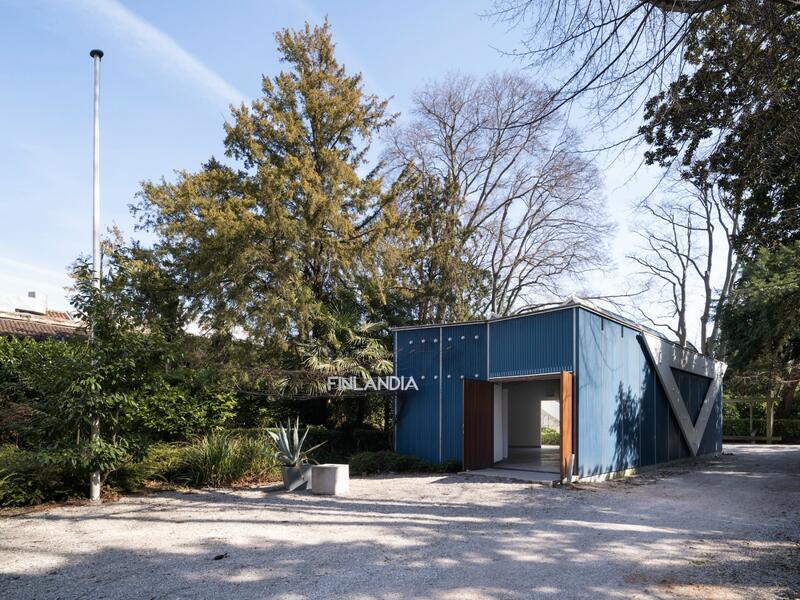
Artist Jenna Sutela has been selected to represent Finland at the 61st Venice Biennale in 2026 with a multisensory installation titled Aeolian Suite. Curated by Stefanie Hessler and commissioned by Frame Contemporary Art Finland, the project transforms the Alvar Aalto-designed pavilion into a dynamic windscape using meteorological data, wind machines, and a children’s woodwinds orchestra. The work personifies five specific Venetian winds as protagonists in an elemental drama that blends scientific data with the theatrical traditions of Commedia dell’arte.

Italy's Soft Power in China Thanks to Two Major Exhibitions on Pompeii and Palladio

Il soft power dell’Italia in Cina grazie a due grandi mostre su Pompei e Palladio

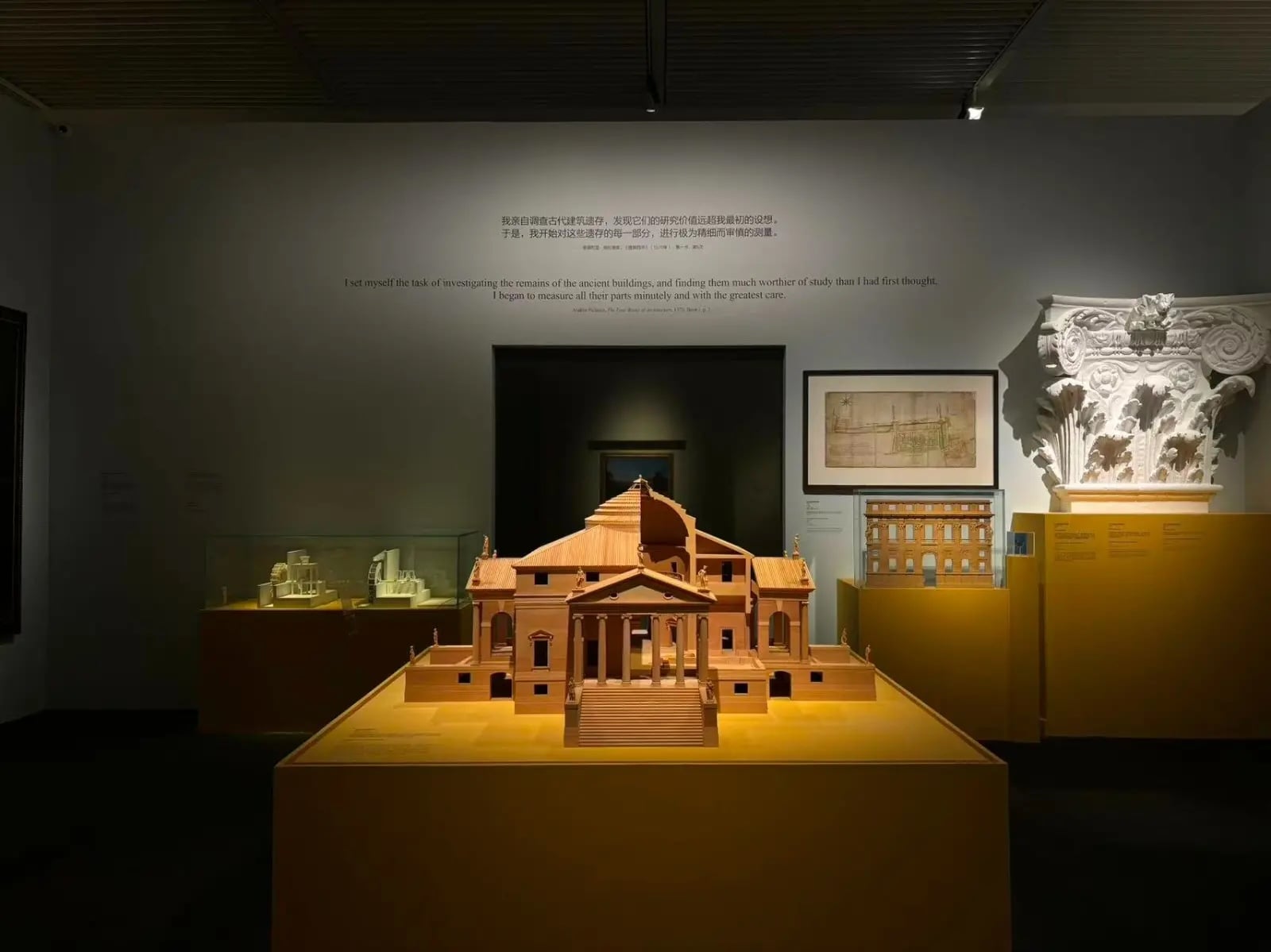
The National Museum of China in Beijing is currently hosting two major exhibitions celebrating Italian cultural heritage: "Pompeii: An Eternal Discovery" and "Geometry, Harmony and Life: The Architecture of Andrea Palladio from Antiquity to Classicism." These exhibitions, marking the 55th anniversary of diplomatic relations between Italy and China, were inaugurated by Italian Culture Minister Alessandro Giuli. The Pompeii showcase traces 250 years of archaeological history using artifacts and multimedia, while the Palladio exhibition explores the Renaissance master’s influence on Western architecture and creates a cross-cultural dialogue with traditional Chinese building techniques.

Long-Lost Skeleton of D’Artagnan, the Fourth Musketeer, Discovered in Dutch Church

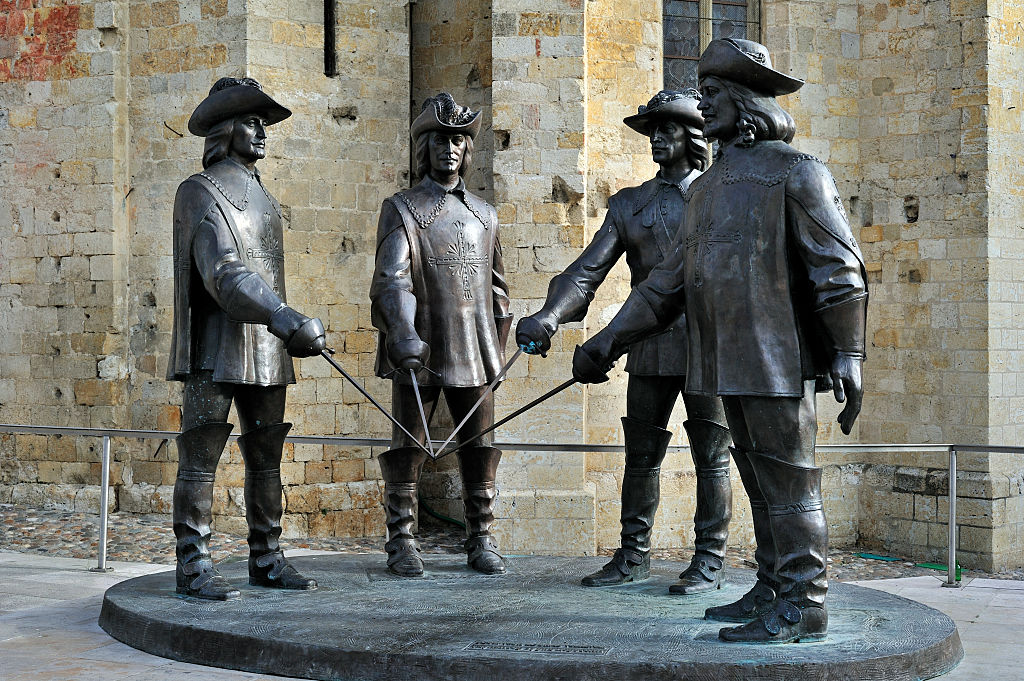
Archaeologists have discovered skeletal remains beneath the floor of St. Peter and Paul Church in Maastricht, Netherlands, which are believed to be those of the 17th-century French soldier Charles de Batz de Castelmore, the historical figure who inspired the literary character D'Artagnan. The discovery was made during repair work, and artifacts found nearby—including a French coin and musket ball fragments—align with the historical record of D'Artagnan's death during the 1673 siege of Maastricht.

Workshop exhibition opens at AKM

The Atatürk Cultural Center (AKM) in Istanbul has launched an exhibition featuring 41 works by 21 artists produced during the fourth Arnica Art Land workshop. Held in the ancient city of Aizanoi, the multidisciplinary project encouraged artists to create works inspired by the Temple of Zeus and the world’s first stock exchange. The resulting show, curated by Fırat Neziroğlu, includes experimental practices such as sound sculptures and live body painting alongside traditional plastic arts.

Archaeologists Discover 6,000-Year-Old ‘Megastructure’ in Romania

Archaeologists in northeastern Romania have unearthed a 6,000-year-old 'megastructure' at the Stăuceni-"Holm" site, attributed to the Cucuteni-Trypillia culture. Measuring approximately 350 square meters, the building is significantly larger than typical dwellings of the period and was strategically positioned near the settlement's entrance. The absence of domestic tools or ritual statuettes suggests the space served as a communal assembly hall or administrative center rather than a private residence.

Newly Translated 2,000-Year-Old Graffiti Proves Presence of Indian Visitors to Egypt’s Valley of the Kings

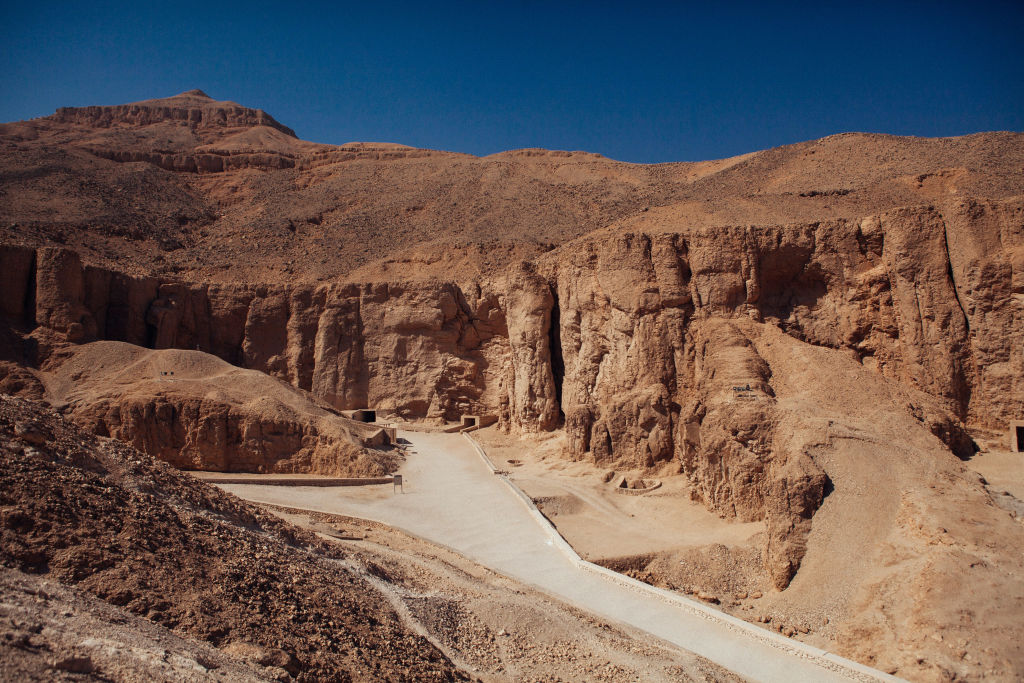
Archaeologists have translated 2,000-year-old graffiti in Old Tamil, Sanskrit, and Kharosti script found on the walls of six tombs in Egypt's Valley of the Kings. The inscriptions, dating from the 1st to 3rd centuries CE, include one individual, Cikai Korran, who wrote his name eight times across five tombs, effectively 'tagging' the ancient site.

Egyptian Archeologists Find 3,000-Year-Old Coffins of Temple Chanters in Luxor

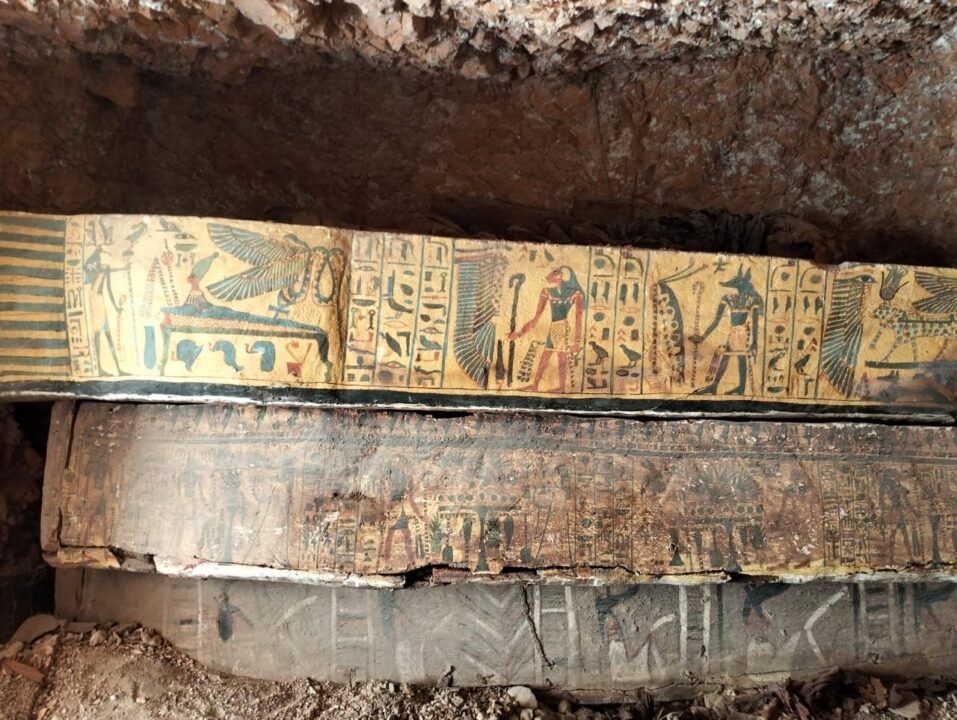
Archaeologists in Luxor have discovered 22 painted wooden coffins containing mummies, along with eight sealed papyrus scrolls, in a tomb within the Theban Necropolis. The coffins, dating to Egypt's Third Intermediate Period (1077–664 BCE), were found stacked in a rock-cut chamber, indicating they had been moved from their original burial sites.

Archaeologists Discover 19th-Century Shipwreck in Copenhagen Harbor

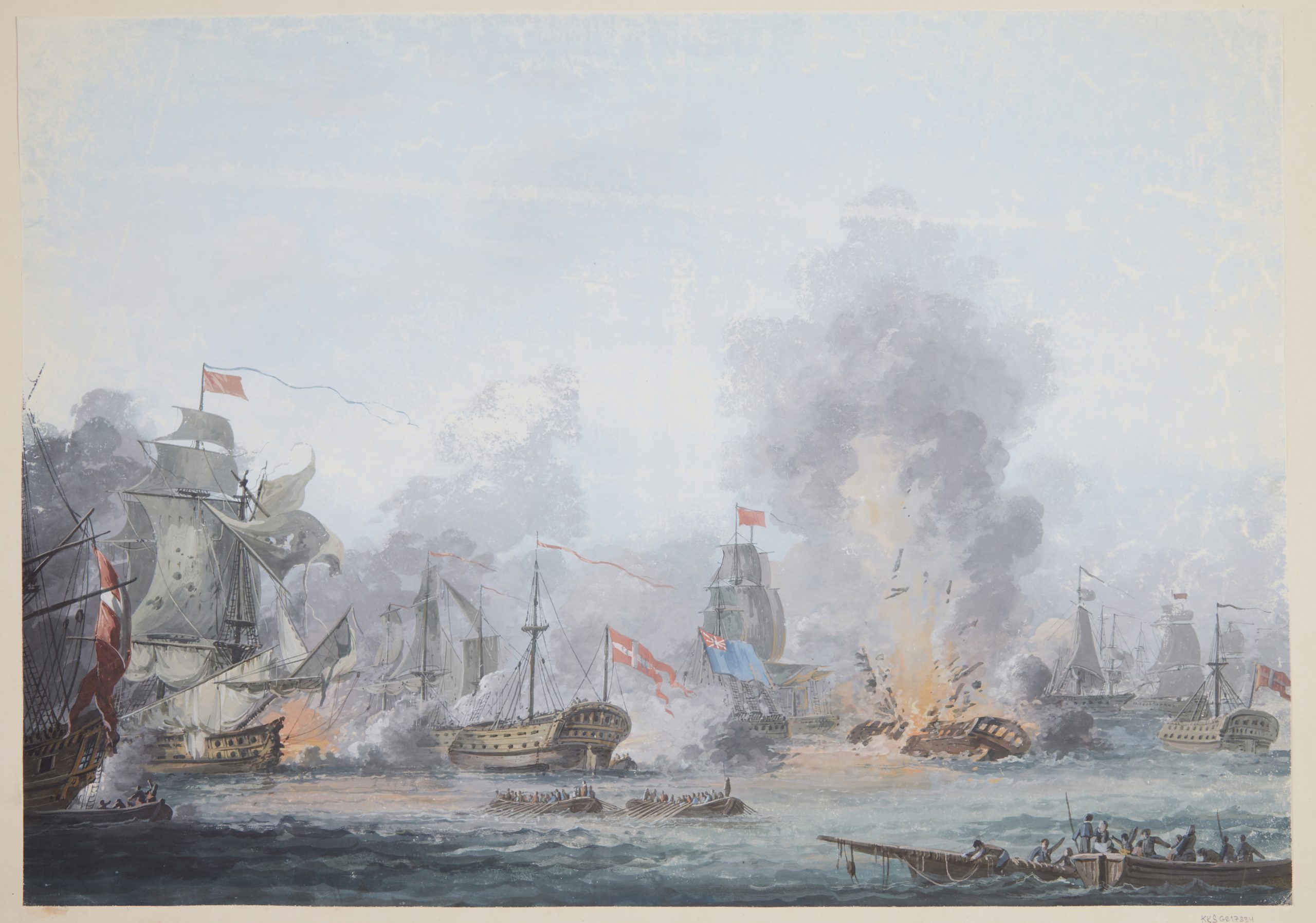
Marine archaeologists from Denmark's Viking Ship Museum have discovered the wreck of the 18th-century Danish warship Dannebroge in Copenhagen harbor. The ship was destroyed during the Battle of Copenhagen in 1801, when the British fleet under Admiral Horatio Nelson attacked to dismantle the League of Armed Neutrality. Divers have recovered cannons, uniform fragments, bottles, and sailors' remains from the site.

Ancient Roman Cargo Lost for 2,000 Years Resurfaces in Swiss Lake

A team of Swiss archaeologists and the nonprofit Octopus Foundation have recovered a 2,000-year-old Roman cargo from Lake Neuchâtel. The haul consists of approximately 600 remarkably preserved artifacts, including stacks of brand-new ceramic plates, bowls, goblets, weapons, tools, chariot wheels, and a wicker basket, dating from between 50 B.C.E. and 50 C.E. The ship itself was not found.

What Did Pompeii Smell Like? A New Study Analyzes Its Ancient Incense

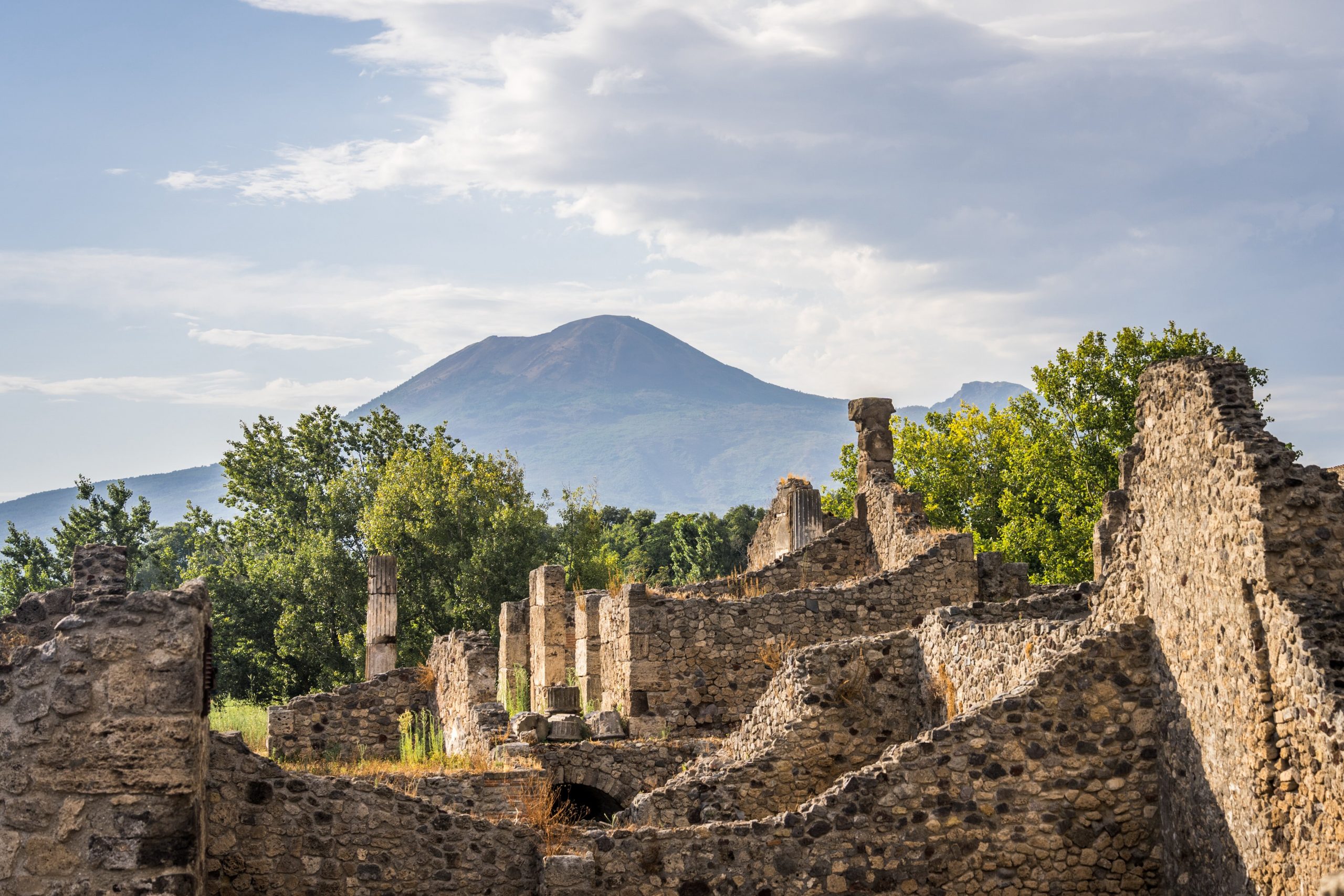
A team of international researchers has published the first scientific analysis of ritual incense residues from Pompeii. By examining ash from two ancient censers—one from an inn and another from a domestic shrine—they identified charred plants like oak and laurel, as well as evidence of imported frankincense from India.

Who Created the Book of Kells? A Master Craftsman Takes on the Mystery

A new project led by master craftsman Thomas Keyes aims to recreate medieval vellum-making techniques to test theories about the origin of the Book of Kells. Keyes will build a replica of a washing tank found at the Scottish monastery of Portmahomack and use historically accurate methods, including potentially using seaweed-based lye, to produce vellum. This experimental archaeology seeks to determine if the manuscript's unique physical characteristics match the production methods used at Portmahomack.

Massive Cache of 42,000 Pottery Shards Reveals Daily Life in Ancient Egypt

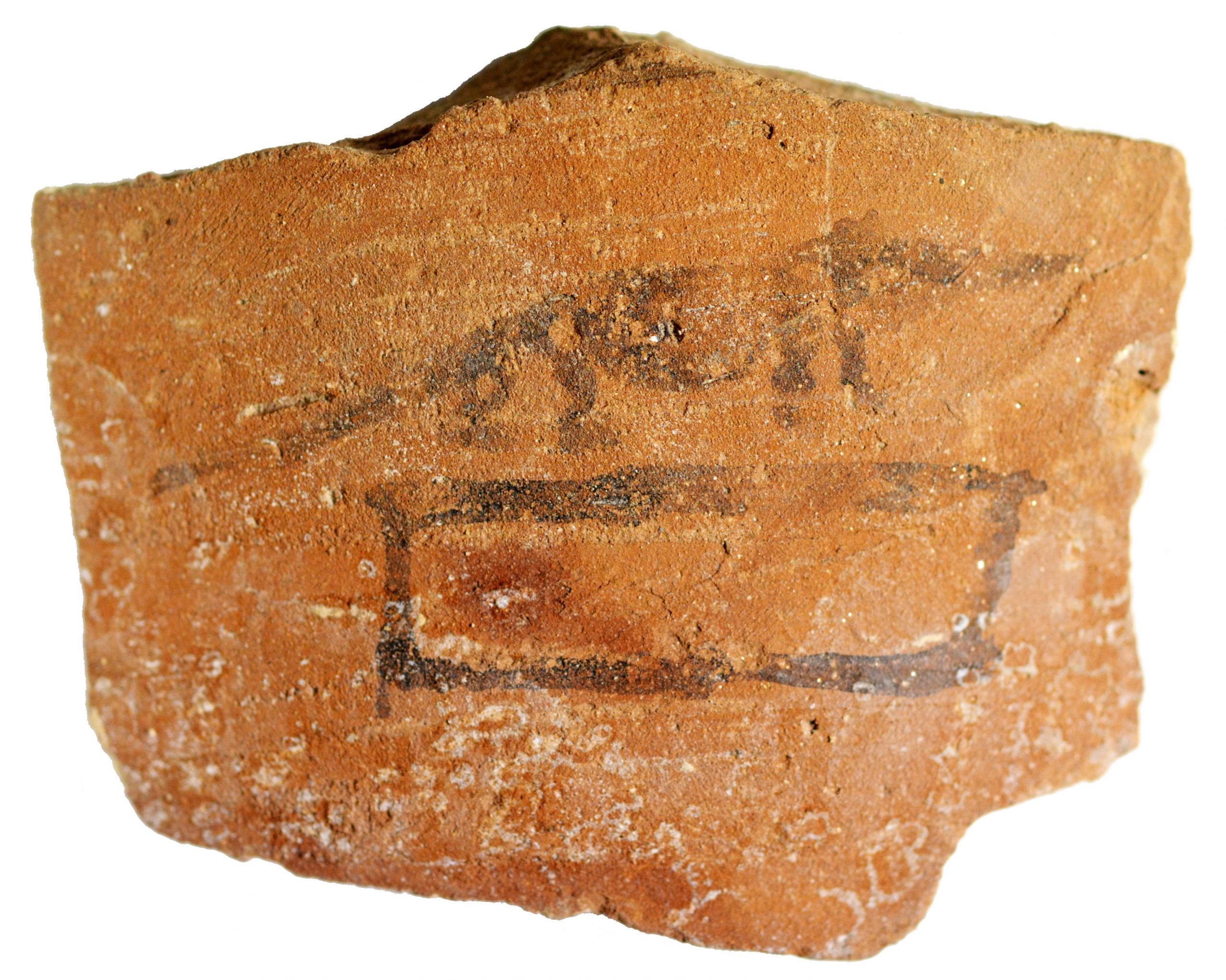
Archaeologists from the University of Tübingen and the Egyptian Ministry of Tourism and Antiquities have unearthed a massive collection of over 42,000 inscribed pottery shards, known as ostraca, at the ancient site of Athribis. The shards, dating from the 3rd century B.C.E. to the 11th century C.E., contain tax receipts, religious texts, school exercises, and personal notes written in Demotic, Greek, Hieratic, Coptic, and Arabic scripts, offering an unprecedented window into the daily lives of ordinary people.

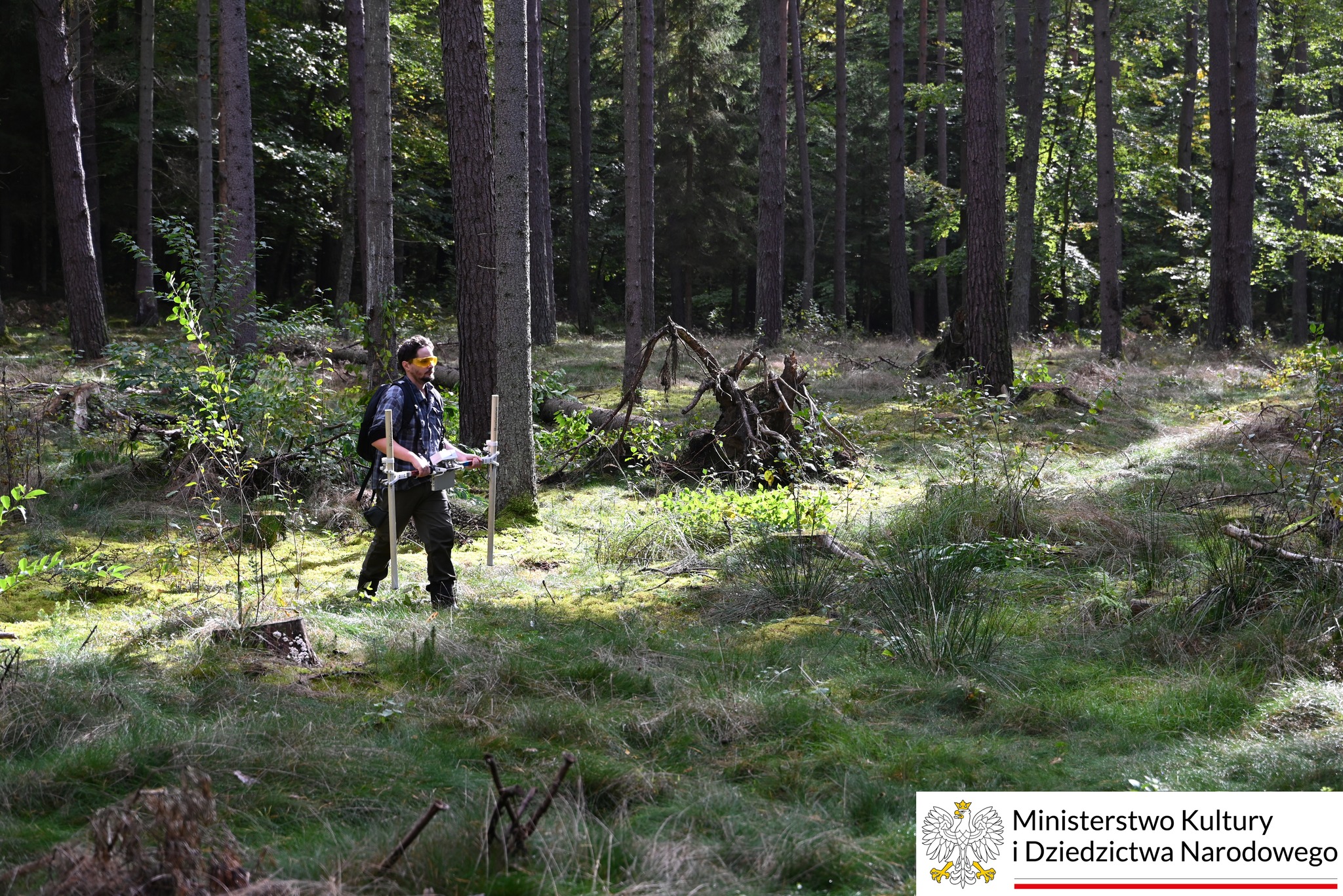
Archaeologists Identify Lost Medieval Village in Polish Forest

Archaeologists from Poland's Relicta Foundation have located the lost medieval village of Stolzenberg in a dense forest near Sławoborze in northwestern Pomerania. The 15-acre site, identified through a combination of historical research, metal detecting, and advanced geophysical surveys, has yielded 1,500 surface anomalies and 400 artifacts, including coins and belt buckles from the 13th-14th centuries, confirming its medieval origins. Radiocarbon dating places the height of its activity in the 14th century.

Petroglyphs and cave paintings, some more than 4,000 years old, discovered in Mexico

Archaeologists from Mexico’s Instituto Nacional de Antropología e Historia (INAH) have identified 16 petroglyphs and cave paintings near the Tula River in Hidalgo. The artworks span over 4,000 years, ranging from prehistoric times through the Mesoamerican Postclassic period and into the early colonial era. The discovery, which includes depictions of the rain god Tláloc and various anthropomorphic figures, was made during archaeological salvage work for a new passenger rail line connecting Mexico City and Querétaro.

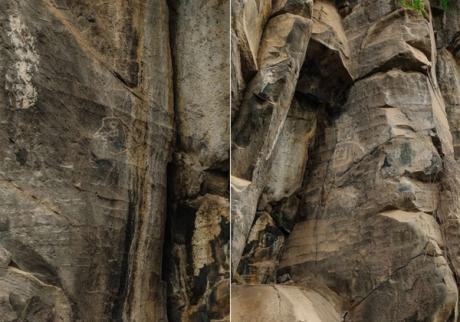
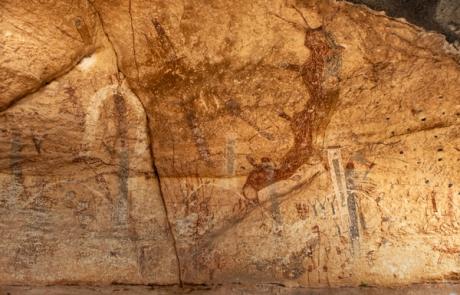
Plan to build border wall along the Rio Grande in Texas threatens prehistoric rock art, locals warn

Plans to extend the US-Mexico border wall through Val Verde County, Texas, threaten to damage or destroy hundreds of prehistoric rock art murals in the Lower Pecos region. Archaeologists and local landowners warn that construction vibrations could destabilize the rock surfaces housing these ancient paintings, some of which are over 5,700 years old and span up to 100 feet in length.

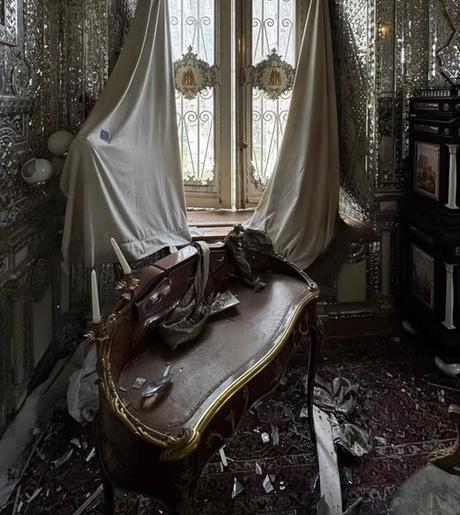
‘We are trying to preserve the memory of our people’: archaeologists create map tracking damage to Iran heritage sites

Iranian archaeologists Sepideh Maziar and Mehrnoush Soroush have launched an interactive online map to document and geolocate cultural heritage sites in Iran damaged by military strikes. The map, hosted by the University of Chicago's CAMEL Lab, currently lists 69 verified sites, including the historic Sa'dabad Palace complex in Tehran, and is updated as new information becomes available.

Comment | Climate change is forcing tough choices—how much heritage can we save before it is too late?

Climate change is accelerating the degradation of archaeological sites worldwide, forcing archaeologists to make urgent, difficult choices about what to save. From thawing permafrost in the Canadian Arctic threatening Inuit heritage to landslides endangering ancient Buddhist temples in Nepal, researchers are now deploying innovative technologies like ground-penetrating radar, 3D scanning, and even cosmic-ray muon detectors to digitally document and monitor at-risk sites before they are lost.

Beyond Weapons: Social Strength as True Defense in the Persian Gulf

Oltre le armi. La forza sociale come vera difesa nel Golfo Persico

Journalist and observer perspectives highlight that Iran’s geopolitical resilience against international military pressure stems from its vibrant middle class and deep-rooted historical identity rather than just its arsenal. Observations from travels across Iranian cities like Tehran, Shiraz, and Isfahan reveal a society deeply engaged with its own culture, frequenting museums, cafes, and archaeological sites despite political isolation and a lack of foreign tourism.