filter_list Showing 474 results for "Israel" close Clear
search
dashboard All 474 article news 219museum exhibitions 118article policy 54article culture 30trending_up market 15person people 9article local 8candle obituary 8gavel restitution 6rate_review review 5article events 1article event 1
date_range Range Today This Week This Month All
Subscribe

Venice Biennale, no prize for Russia or Israel

Biennale de Venise, pas de prix pour la Russie ou Israël

The Venice Biennale has announced that neither Russia nor Israel will receive awards at this year's edition. The decision reflects ongoing geopolitical tensions and controversies surrounding the participation of these nations in the prestigious international art exhibition.

« No art washing ! » : à la Biennale de Venise, près de 3 000 manifestants réunis pour dénoncer la présence du pavillon israélien

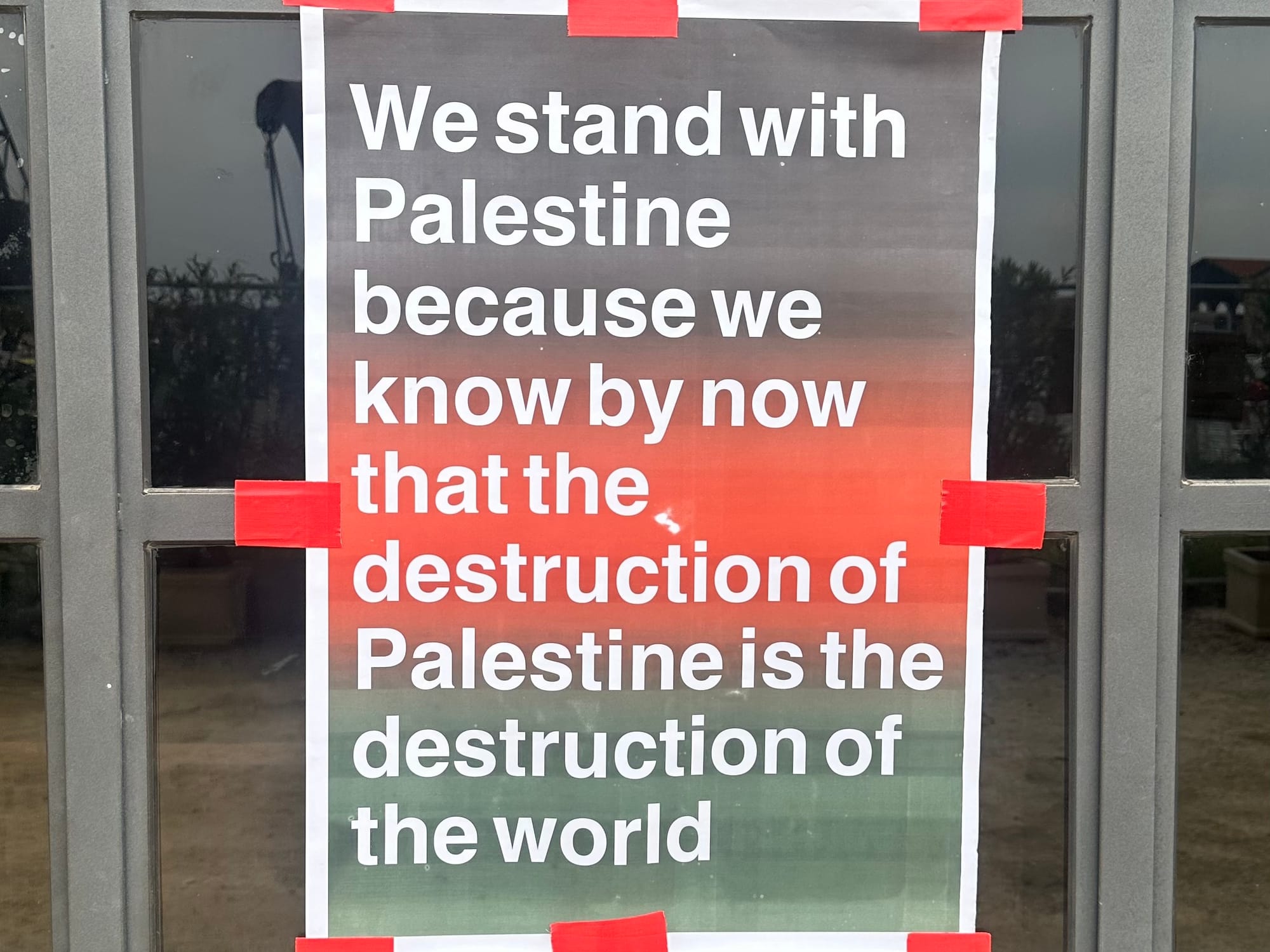
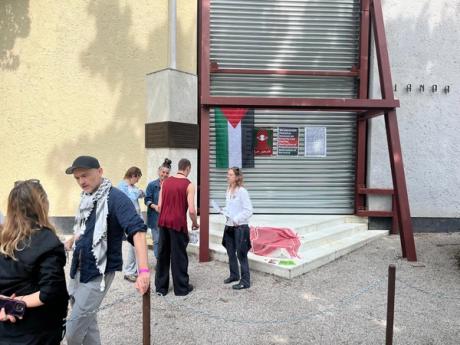
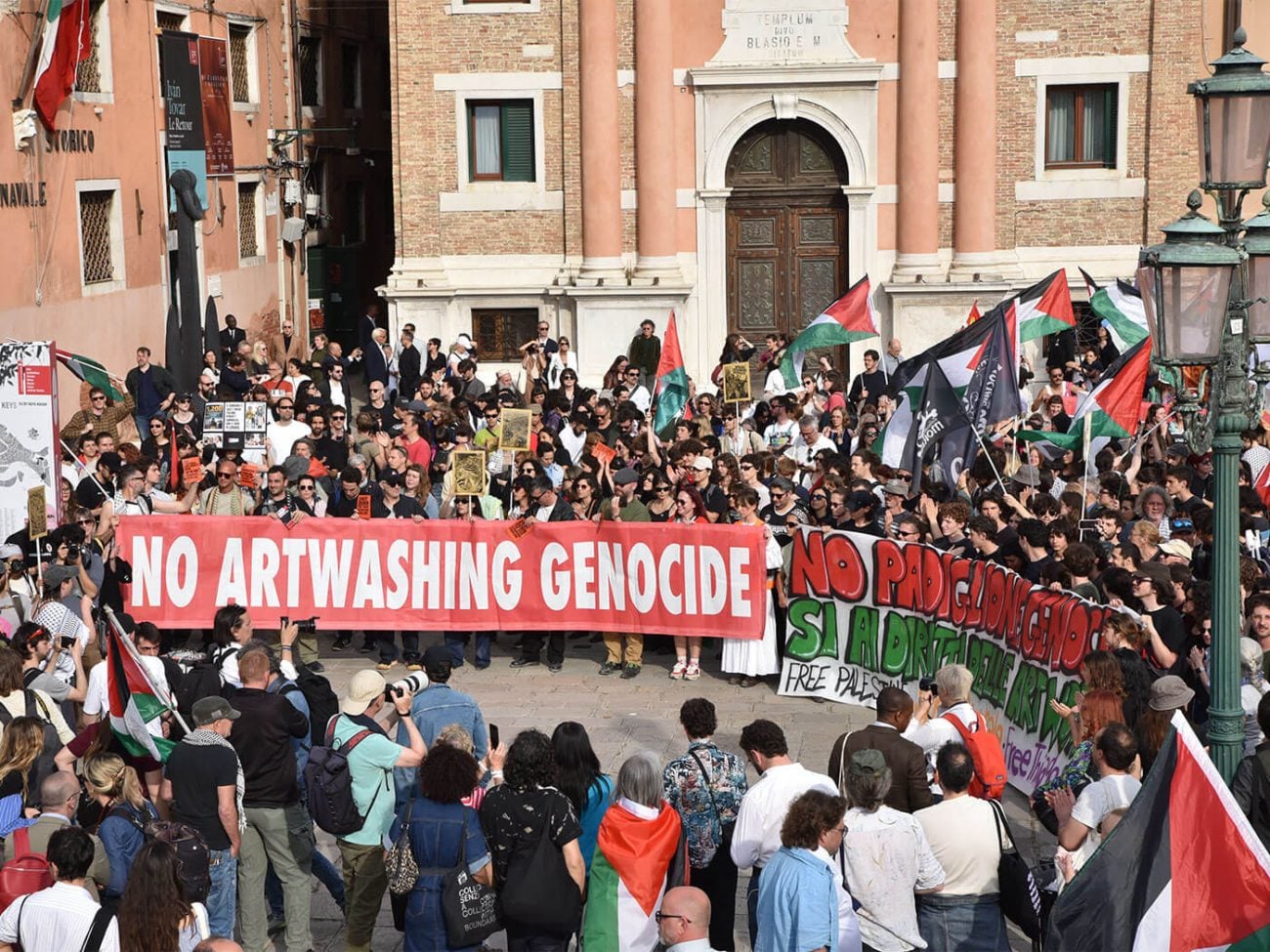
On May 8, 2026, nearly 3,000 protesters gathered in Venice to demonstrate against the presence of the Israeli pavilion at the Venice Biennale. Led by the collective Art Not Genocide Alliance (Anga), the crowd included artists, curators, and cultural workers who chanted slogans such as "Stop al Padiglione genocidio" and called for a strike on the closing day of the professional previews. Dozens of national pavilions, including those of France, Belgium, Poland, Spain, the United Kingdom, Lebanon, and Ukraine, closed in solidarity. The protest followed a letter sent by Anga in March demanding Israel's exclusion, which went unanswered, and the self-dissolution of the awards jury on April 30 over the presence of both Israel and Russia.

Under pressure, the jury of the 61st Venice Biennale will exclude Russian and Israeli pavilions from the awards

Sous pression, le jury de la 61e Biennale de Venise exclura les pavillons russe et israélien du palmarès

The 61st Venice Biennale, titled "In Minor Keys" and running from May 9 to November 22, 2026, has been embroiled in political controversy after organizers decided to reinstate the Russian pavilion, which had been excluded since Russia's 2022 invasion of Ukraine. Under pressure from the European Commission, which threatened to suspend a €2 million grant, the jury announced it will exclude artists from the Russian and Israeli pavilions from winning prizes, citing that leaders Vladimir Putin and Benjamin Netanyahu face International Criminal Court charges for crimes against humanity. The Russian pavilion will remain closed to the public but open for VIP press previews, while the Israeli pavilion stays open to the public. Italian Culture Minister Alessandro Giuli has refused to attend the opening ceremony in protest.

film nadav lapid yes israel palestine

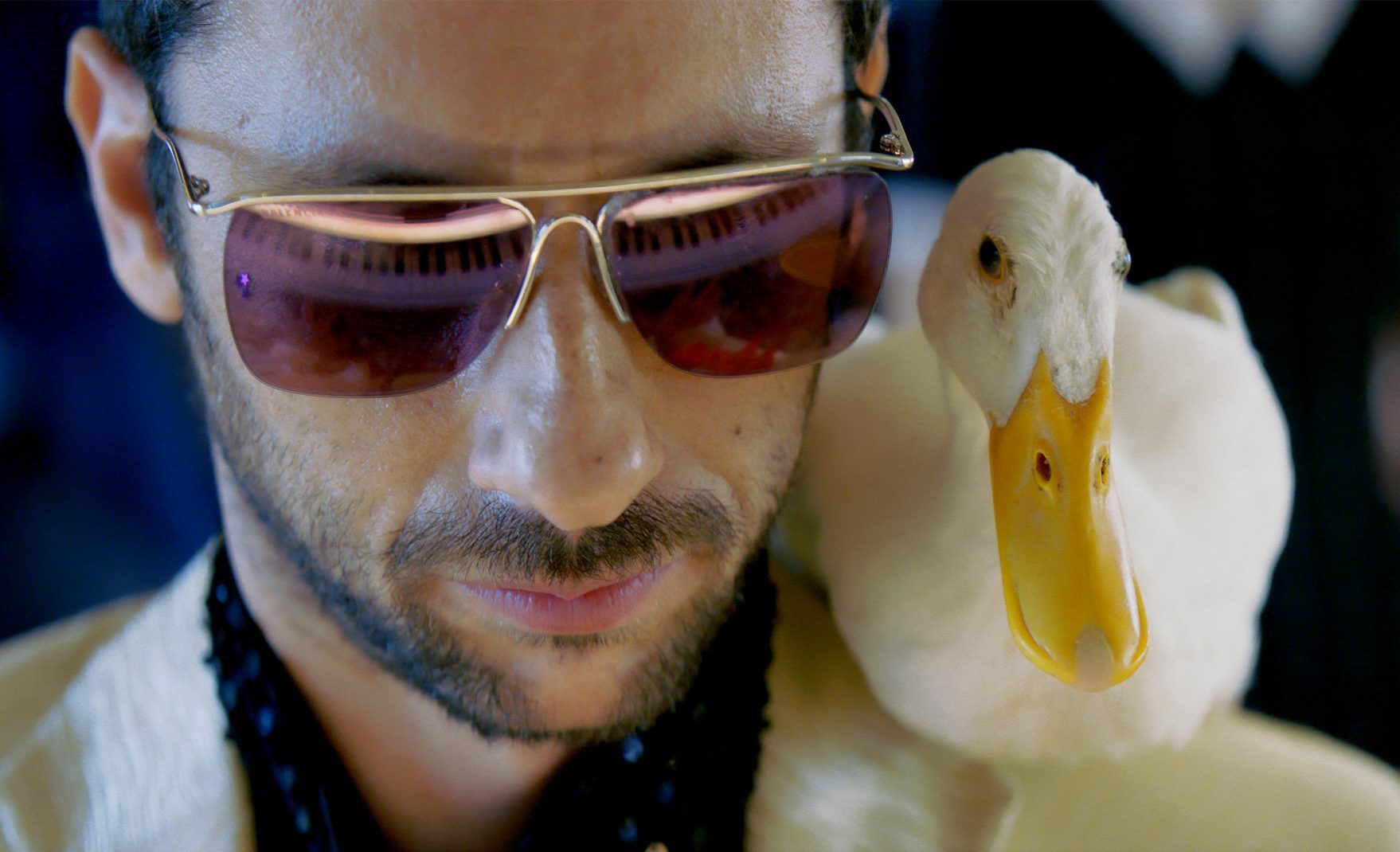
Nadav Lapid's fifth feature film, *Yes*, follows an Israeli musician and his artist wife who adopt a hedonistic lifestyle of parties, orgies, and drug use alongside war ministers and Russian oligarchs in the wake of the October 7 attacks and the Gaza conflict. The film, which premiered out of competition at Cannes, faced production challenges including crew walkouts and actor dropouts, and struggled to find US distribution before being picked up by Kino Lorber for a March 27 release in New York and April 3 in Los Angeles.

Dozens of Pavilions Close During Strike at 61st Venice Biennale

On May 8, 2026, a 24-hour strike organized by the Art Not Genocide Alliance (ANGA) and several Italian activist groups brought the 61st Venice Biennale to a standstill. Approximately 27 of the 100 national pavilions closed fully or partially in solidarity with protesters demanding Israel’s exclusion from the event, including those of Austria, Belgium, France, Great Britain, Japan, South Korea, and Ukraine. Over 3,500 people marched through Venice, with speakers including artist Gabrielle Goliath and curator Caroline Dumalin. The main exhibition, "In Minor Keys," curated by the late Koyo Kouoh, closed by late afternoon, and riot police were stationed outside the Arsenale. The Israeli pavilion, already shuttered during previews, remained closed.

Protests and Shutdowns Engulf 61st Venice Biennale Opening

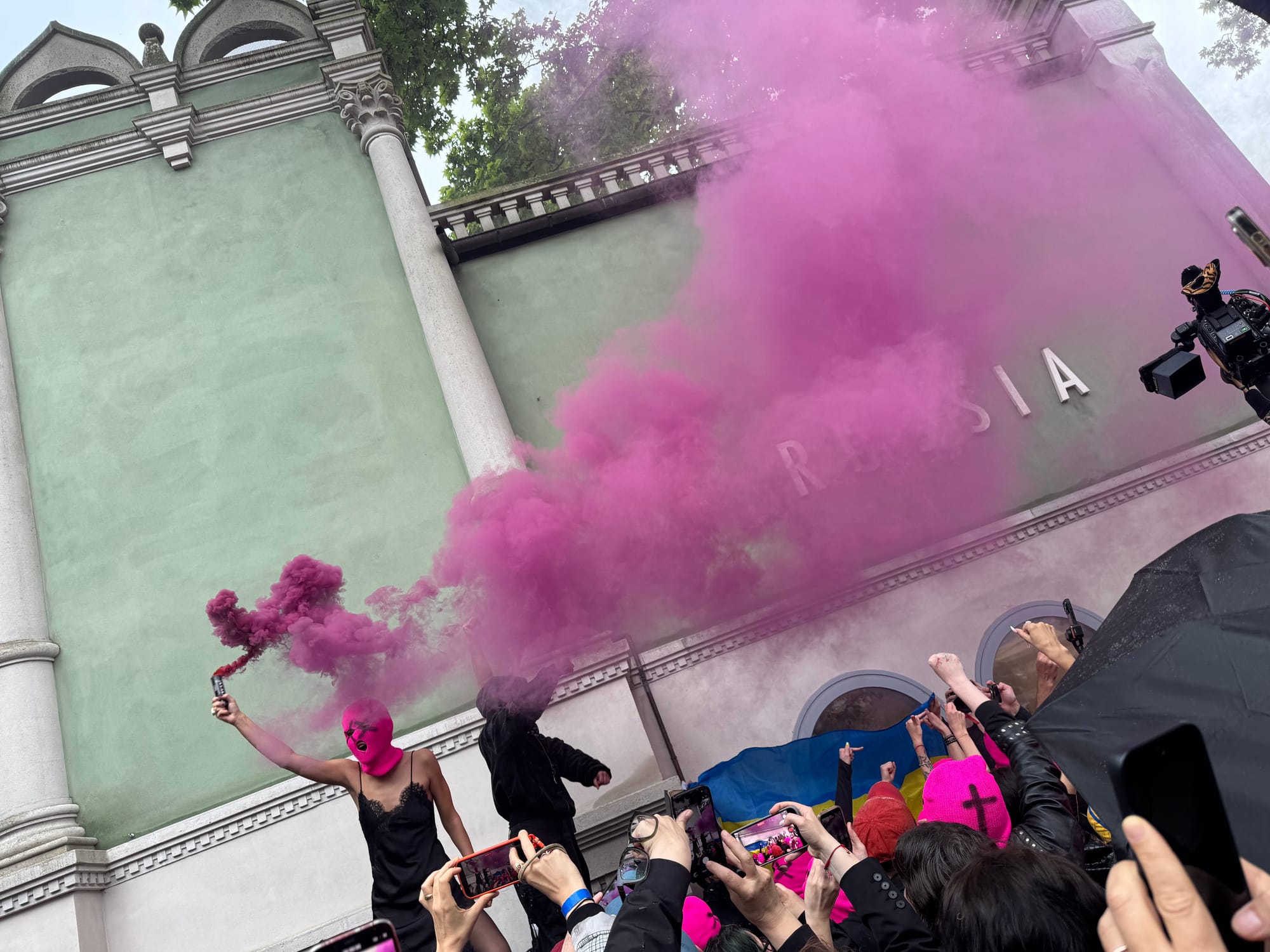
The 61st Venice Biennale preview week, opening to press and professionals ahead of its May 9 public launch, has been engulfed by protests and institutional crises. On May 5, around 60 artists from Koyo Kouoh's exhibition “In Minor Keys” staged a Solidarity Drone Chorus outside the Giardini, drawing on Gazan composer Ahmed Muin's Drone Song (2025) to highlight victims of warfare. On May 6, the Art Not Genocide Alliance (ANGA) organized protests outside Israel's pavilion at the Arsenale, leading to a security-enforced closure, while Pussy Riot and FEMEN demonstrated outside the Russian pavilion. The jury resigned on April 30 after controversy over award eligibility tied to ICC arrest warrants, prompting the Biennale to scrap Golden Lions and transfer prize voting to the public. Iran withdrew its pavilion on May 4, and Russia's will close on May 9, with only exterior video projections remaining. ANGA and Italian unions have announced a 24-hour strike on May 8.

Ali Cherri Files War Crime Case Over Israeli Airstrike on Beirut

French-Lebanese artist Ali Cherri, in collaboration with the International Federation for Human Rights, has filed a civil complaint in a French court regarding a 2024 Israeli airstrike in Beirut. The strike, which occurred in the Noueiri neighborhood just hours before a ceasefire, destroyed Cherri’s family home and killed seven civilians, including his parents and their domestic helper. The legal action, submitted to a specialized war crimes unit, alleges that the targeting of a civilian residence constitutes a war crime under both French and international law.

Venice Biennale strike sees more than 15 pavilions temporarily or partially close

On 8 May, more than 15 national pavilions at the Venice Biennale temporarily or partially closed in a coordinated strike organized by the Art Not Genocide Alliance (ANGA). The protest opposes Israel’s participation in the event, which organizers say normalizes what they call genocide and exploits precarious labor. Participating countries include Austria, Lebanon, Slovenia, Egypt, Poland, and the Netherlands, whose artist Dries Verhoeven stood outside his shuttered pavilion with a Palestinian flag. Some pavilions, like Japan’s, remained open but suspended interactive elements. The strike follows earlier controversies, including the resignation of the prize jury and an open letter demanding the Israeli pavilion’s cancellation.

Gabrielle Goliath Discusses Her Canceled South African Pavilion as She Shows New Work in a Venice Church

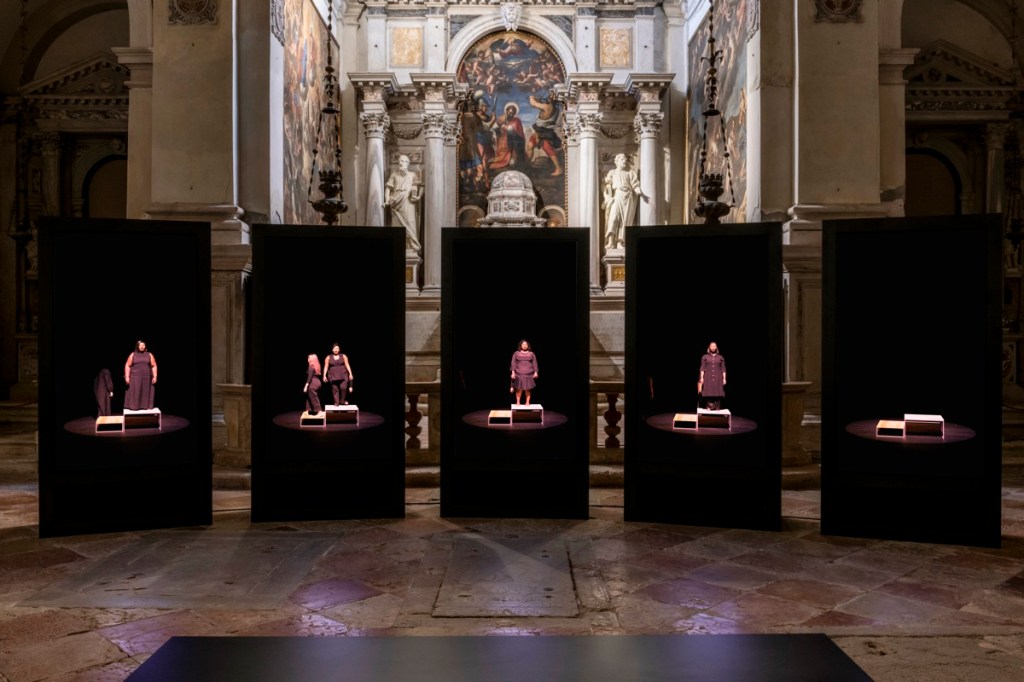
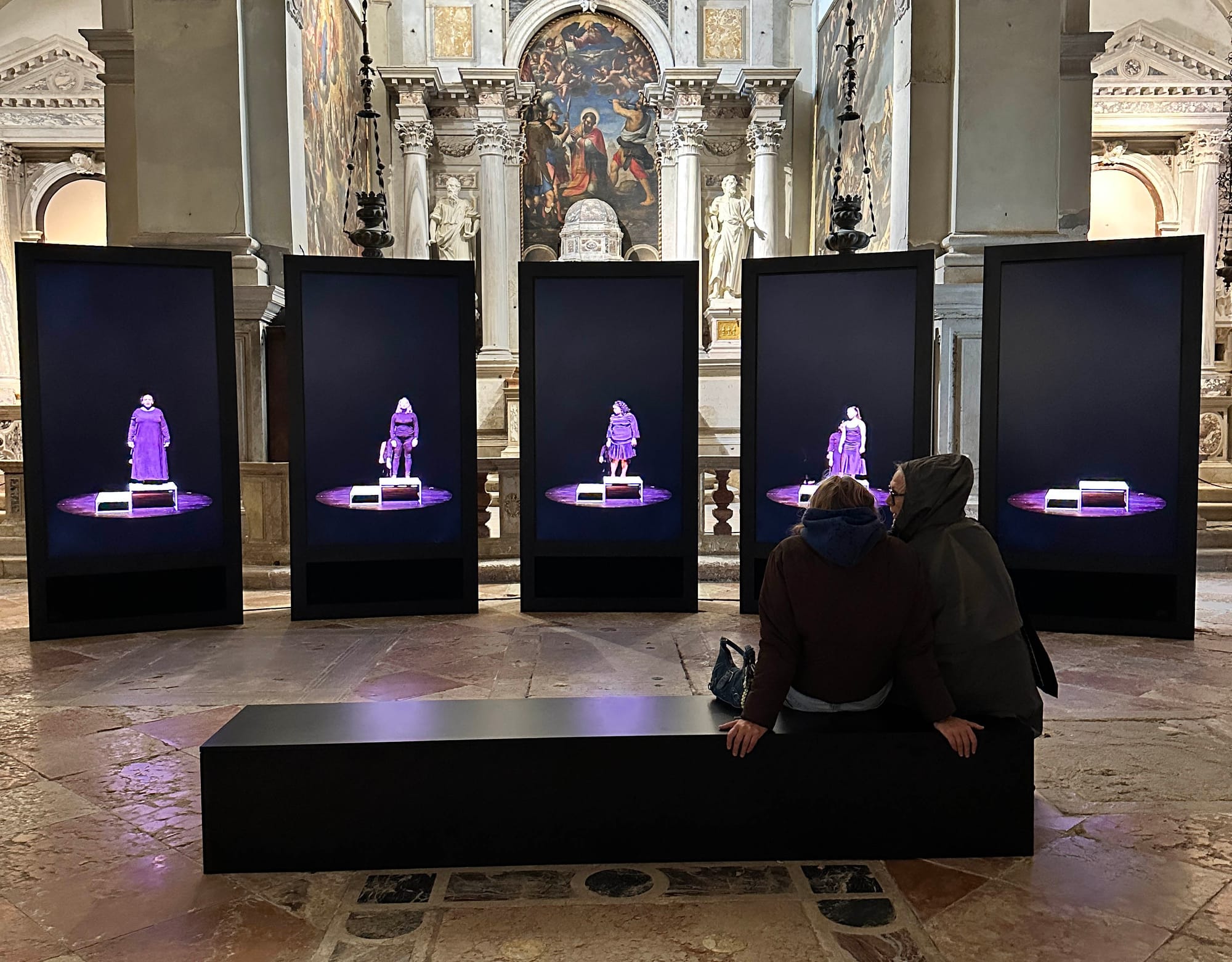
South African artist Gabrielle Goliath’s planned pavilion for the South Africa Pavilion at the Venice Biennale was canceled by culture minister Gayton McKenzie, who deemed it “highly divisive.” Despite the cancellation, Goliath has installed her work, a multi-screen iteration of her ongoing performance series *Elegy*, at the Chiesa di Sant’Antonin, half a mile from the Giardini. The new piece mourns victims of atrocities including South African femicide, the Herero and Nama genocide, and the death of Gazan poet Hiba Abu Nada, killed by an Israeli airstrike. Goliath stated that McKenzie explicitly demanded removal of the Palestinian content while deeming the other subjects acceptable.

Dozens of Venice Biennale Artists Stage ‘Drone’ Perfomance in Protest of Israel’s Participation

On the opening day of the Venice Biennale, around 60 artists and dozens of other participants staged a protest titled “Solidarity Drone Chorus” at the Giardini entrance, humming a viral song by Gazan composer Ahmed “Muin” Abu Amsha to sonically occupy the space. The action, organized by artists in the main exhibition over several months, protested Israel’s participation in the Biennale and expressed support for Palestine, with participants wearing T-shirts bearing the names and artworks of Gazan and Palestinian artists, many of whom have been killed. The protest follows an open letter from the Art Not Genocide Alliance demanding Israel’s exclusion.

Israel Addresses Venice Biennale Jury’s ‘Boycott’ of Pavilion: ‘A Contamination of the Art World’

Israel’s foreign ministry has condemned a statement by the Venice Biennale jury, in which the five curators declared they would not consider pavilions from countries charged with crimes against humanity by the International Criminal Court. The jury’s decision effectively boycotts Israel and Russia, whose leaders face ICC arrest warrants. Israel called the move a “contamination of the art world,” while the artist representing Israel, Belu-Simion Fainaru, also denounced the jury for creating a hostile environment. The Biennale’s organizers have distanced themselves from the jury, stating they cannot exclude any recognized state from the exhibition.

Venice Biennale jury ‘will not award artists from countries facing war crimes charges’

The jury of the Venice Biennale has announced it will not award prizes to artists from countries whose leaders face charges of crimes against humanity by the International Criminal Court, a decision widely seen as targeting Russia and Israel. The five-member jury, appointed by the late curator Koyo Kouoh, stated its commitment to human rights and will exclude artists from nations whose governments are under ICC investigation when selecting winners of the Golden and Silver Lion awards for the 2026 edition, which opens on 9 May. The move follows controversy over Russia’s participation in the biennale, with the European Commission threatening to suspend a €2m grant due to Russia’s involvement, and Italy’s far-right government opposing the decision.

Venice Biennale Jury Says It Won’t Consider Countries Charged with Crimes Against Humanity, Including Israel and Russia

The Venice Biennale's jury announced it will not consider nations whose leaders are charged with crimes against humanity by the International Criminal Court, effectively excluding Israel and Russia from competing for top honors. The jury, led by Videobrasil founder Solange Farkas, stated this decision aligns with curator Koyo Kouoh's vision and the Biennale's historical role as a platform connecting art to urgent issues. The ICC has issued arrest warrants for Israeli Prime Minister Benjamin Netanyahu and Russian President Vladimir Putin, while other indicted leaders like Sudan's Omar al-Bashir and Afghan officials lack Biennale pavilions.

Venice Biennale Breaks No Sanctions Over Russia Pavilion

venice biennale no sanctions broken russia pavilion

The Venice Biennale organizers have reaffirmed their decision to allow Russia to participate in the upcoming exhibition, despite intense pressure from the European Commission and Italy’s own Culture Minister, Alessandro Giuli. The Biennale maintains that it has fully complied with all international sanctions and that its mission is to reject censorship while providing a platform for artistic freedom. This stance has been bolstered by Italian Deputy Premier Matteo Salvini, who argued against "Russophobia" and stated that culture should serve as a bridge rather than a tool for division.

gabrielle goliath legal action south africa venice pavilion

Artist Gabrielle Goliath and curator Ingrid Masondo are filing a court case against South African culture minister Gayton McKenzie after he canceled their planned pavilion for the Venice Biennale. McKenzie objected to a performance from Goliath's "Elegy" series that would address Israel’s war in Gaza, calling it "polarizing," a move Goliath described as censorship. McKenzie later attributed the cancellation to alleged interference by an unnamed foreign nation, with reports suggesting Qatar was involved, though the Qatar Museums ultimately did not purchase the work. The application, to be filed in the South African high court in Pretoria, seeks to have McKenzie's actions declared unconstitutional.

qatar museums gabrielle goliath venice biennale pavilion

Gabrielle Goliath's planned South African pavilion at the Venice Biennale was abruptly canceled by South African culture minister Gayton McKenzie. McKenzie claimed the cancellation was not due to the pavilion's focus on Israel's war in Gaza, but because a foreign nation attempted to purchase the work after the show. The Daily Maverick reported that the foreign entity was actually Qatar Museums, which had expressed interest in acquiring a video recording of Goliath's performance piece 'Elegy,' which addressed violence against women and queer people in South Africa and a genocide in Namibia. McKenzie's statement contradicted earlier reports that he had privately called the pavilion 'polarizing.'

south africa pavilion venice biennale cancelation qatar

South Africa has canceled its pavilion at the Venice Biennale, which was to feature a performance by artist Gabrielle Goliath addressing the killings of women and queer people in South Africa, a German-led genocide in Namibia, and Israel’s war in Gaza. The performance would have included readings of poetry by Palestinian poet Hiba Abu Nada, who was killed in an Israeli airstrike in 2023. South African Culture Minister Gayton McKenzie blamed an unidentified foreign nation for seeking to use the pavilion for "proxy power," and Israeli publication Ynetnews reported that nation is Qatar. McKenzie denied censorship, claiming a rift with the nonprofit Art Periodic South Africa over a foreign nation's offer to purchase artworks after the Biennale.

south african culture mp denies censoring venice pavilion

The South African Ministry of Sport, Arts, and Culture has denied censoring its 2026 Venice Biennale pavilion after canceling a proposed artwork by artist Gabrielle Goliath on December 2. The work, part of Goliath's "Elegy" series curated by Ingrid Masondo, addressed sexual assault, femicide, the killings of women and queer people in South Africa, colonial-era genocide in Namibia, and included a tribute to Palestinian poet Hiba Abu Nada. Culture minister Gayton McKenzie initially called the piece "highly divisive" and linked to a polarizing international conflict, but a January 10 statement reframed the cancellation as a safeguard against foreign interference, alleging a foreign country attempted to fund or purchase the work to use the pavilion as a proxy for a geopolitical message about Israel's actions in Gaza.

israel pavilion venice biennale belu simion fainaru protest

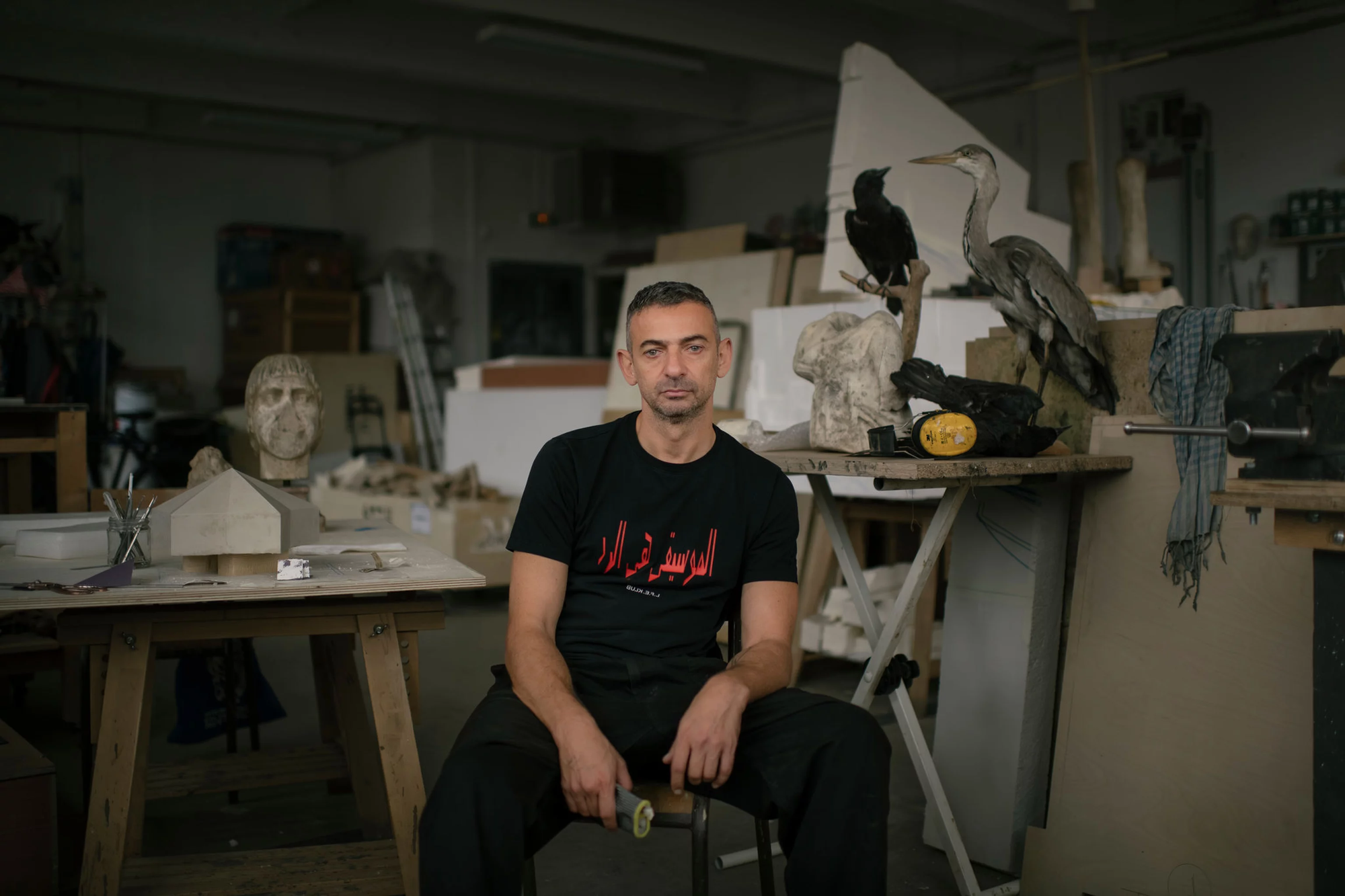
Israel will officially participate in the 2026 Venice Biennale, two years after its pavilion closed amid protests. The pavilion will be located in the Arsenale rather than its usual Giardini site, which is under construction. Representing Israel is sculptor Belu-Simion Fainaru, a Haifa-based artist and Israel Prize winner, who previously represented Romania at the 2019 Biennale. His pavilion, titled "Rose of Nothingness," will feature an installation about water inspired by poet Paul Celan's concept of black milk, with 16 pipes dripping black water into a pool. The pavilion is curated by Sorin Heller and Avital Bar-Shay. However, the Art Not Genocide Alliance (ANGA) has renewed its protest, calling the pavilion the "Genocide Pavilion" on Instagram and demanding Israel's exclusion from the Biennale.

danielle seewalker palestine painting lawsuit settlement

Danielle SeeWalker, a Húŋkpapȟa Lakȟóta artist and citizen of the Standing Rock Sioux Nation, settled a lawsuit with Vail, Colorado, after the town canceled her artist residency in 2023. The cancellation followed her posting of a pro-Palestine painting titled "G for Genocide" on Instagram, which linked Palestinian and Indigenous liberation movements. The American Civil Liberties Union sued Vail on her behalf, alleging First Amendment violations. Under the settlement, SeeWalker may hold a powwow in Vail for five years, and the town will host a non-public community forum on Israel and Palestine involving Jewish, Palestinian, Muslim, and other community leaders.

on art history in times of war gaza islamic nasser rabbat

This essay by Nasser Rabbat reflects on the persistence and precarity of writing art history in times of war, specifically focusing on the field of Islamic art and architectural history. Rabbat draws a parallel to Gabriel García Márquez's novel *Love in the Time of Cholera* to frame his discussion, arguing that war is not a passing crisis but a persistent condition for the Islamic world. He traces how colonial conquests, postcolonial conflicts, and the ongoing Israeli genocide against Gaza have shaped the formation and theoretical orientation of Islamic art history as a Western scholarly endeavor, beginning with Napoleon's invasion of Egypt in 1798 and continuing through the "War on Terror."

trump names appointees us holocaust memorial museum board

President Donald Trump announced eight new appointees to the United States Holocaust Memorial Museum board via a social media post on Thursday night, replacing trustees previously appointed by former President Joe Biden. The new appointees include Betty Schwartz, Fred Marcus, Rabbi Pinchos Lipschutz, Sid Rosenberg, Ariel Abergel, Barbara Feingold, Alex Witkoff, and Robert Garson. They fill vacancies created after Trump removed Biden's appointees, which included Doug Emhoff, Ron Klain, Tom Perez, Susan Rice, and Anthony Bernal, leaving the council with only 41 members instead of the typical 55 presidential appointees.

art artists gaza fundraiser wolfgang tillmans

Artist Mai-Thu Perret has organized a fundraiser called '100 Artists for Gaza,' bringing together over 170 artists to support humanitarian efforts in Gaza. The initiative includes an online auction and an exhibition at Doctors Without Borders’ Geneva location, culminating in a live auction on December 2. Proceeds benefit Doctors Without Borders. Co-organized by Vidya Gastaldon, Sarah Benslimane, and Anne Lamunière, the project features works by notable contemporary artists such as Kara Walker, Rosemarie Trockel, Peter Doig, Wolfgang Tillmans, and Camille Henrot, among others. Some works explicitly reference the conflict, while others gesture toward shared humanity.

fashion louis vuitton artycapucines takashi murakami

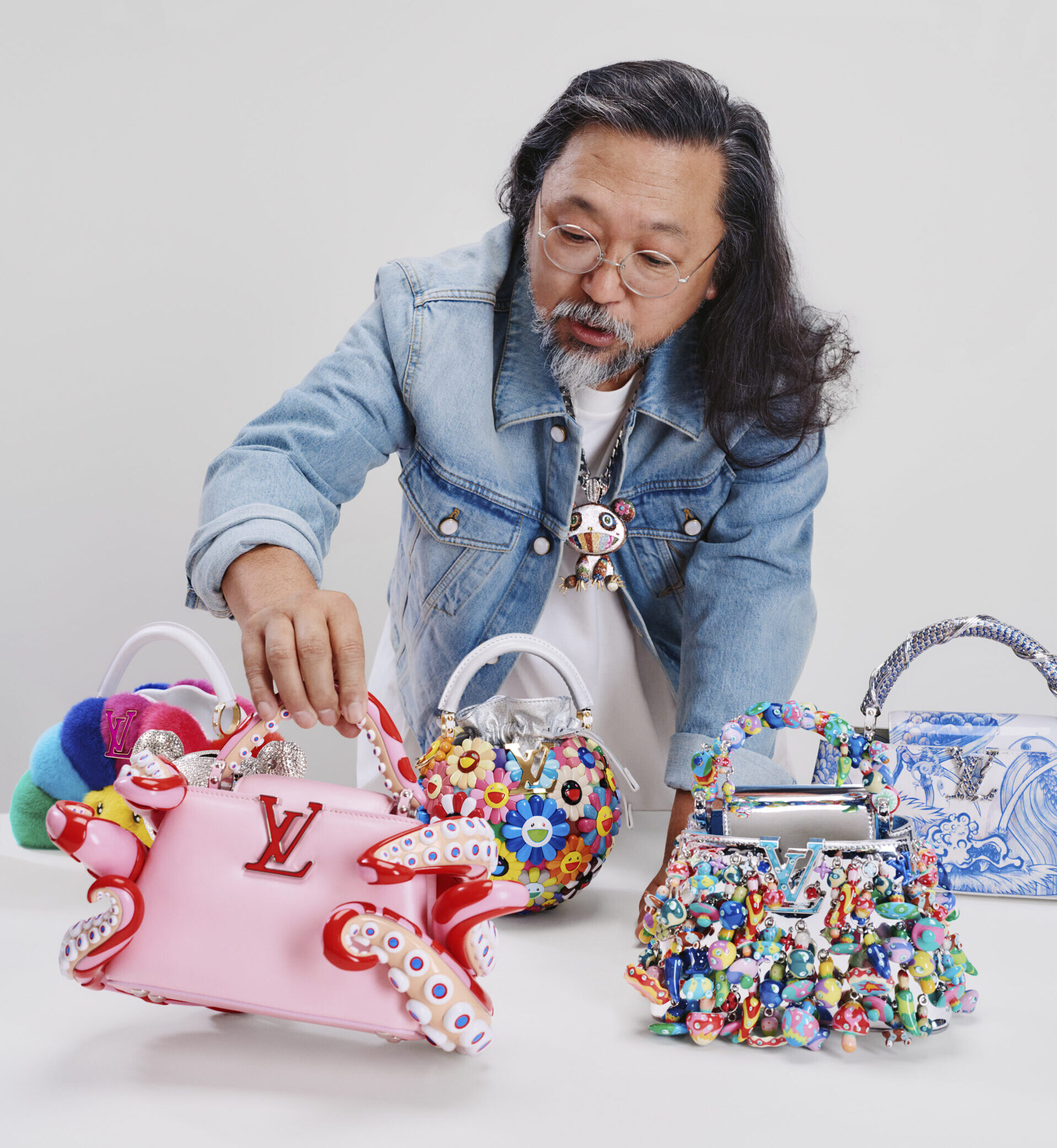
Louis Vuitton has launched the Artycapucines VII collection, a collaboration with artist Takashi Murakami for its seventh edition of art-inspired handbags since 2019. Murakami was given full creative control over 11 new pieces, incorporating his signature motifs—such as rainbow grins, Monogram Multicolor in crocodile, skull camouflage, and tentacle-covered fuchsia calfskin—alongside a crystal-encrusted panda bag. The collection builds on over 30 previous artist collaborations with figures like Urs Fischer, Alex Israel, Park Seo-Bo, and Tschabalala Self.

Pavel Brǎila on Representing Moldova at the 61st Venice Biennale

Pavel Brǎila is representing Moldova at the 61st Venice Biennale with an installation titled "Echoes of Harmony and Silent Cries" (2026), featuring flying carpets that fill the pavilion space at Santa Veneranda. In an interview with ArtReview, Brǎila explains that the work was driven by the constant presence of war in the news—Ukraine, Israel and Gaza, and other conflicts—and evolved into a sound installation as the propellers of the carpets created a minor-key resonance. He describes his first visit to the Biennale 25 years ago as a festive art festival, but now sees the platform as a crucial opportunity to represent his country's voice and express his urgent feelings about the world.

Nations Charged With Crimes Against Humanity Will Not Be Considered for Venice Biennale Awards

The jury for the 2026 Venice Biennale announced it will not consider contributions from countries whose leaders are charged with crimes against humanity for the Golden and Silver Lion awards, effectively excluding Israel and Russia. The decision, framed as a commitment to human rights and aligned with curator Koyo Kouoh's vision, comes amid broader controversy over participating pavilions, including American artists declining to represent the US and the EU withdrawing a $2.3 million grant over Russia's involvement.

Gabrielle Goliath Sounds a Call to Action in Venice

Gabrielle Goliath’s exhibition "Elegy" is presented as South Africa’s unofficial pavilion at the 61st Venice Biennale, after the country’s Culture Minister Gayton McKenzie overrode an independent committee’s selection of Goliath, citing her proposed inclusion of a memorial for Palestinians killed in Gaza. The installation features three video works in which singers sound a single note in tribute to victims of violence: a South African femicide victim, two women killed in Germany’s colonial genocide in Namibia, and Palestinian poet Heba Abunada. The show occupies the Chiesa di Sant'Antonin in Venice, curated with Ingrid Masondo, after a legal challenge against McKenzie was dismissed.

Israeli Artist’s Show in Mexico City Closes After Antisemitic Harassment

An exhibition by Israeli artist Amir Fattal at König gallery in Mexico City was forced to close a week early after a campaign of antisemitic harassment escalated from online abuse to physical protests and vandalism. Vandals spray-painted swastikas, Stars of David, and the phrase "here there are terrorists" on the gallery's facade, and protesters gathered outside calling the artist a murderer and Mossad agent.

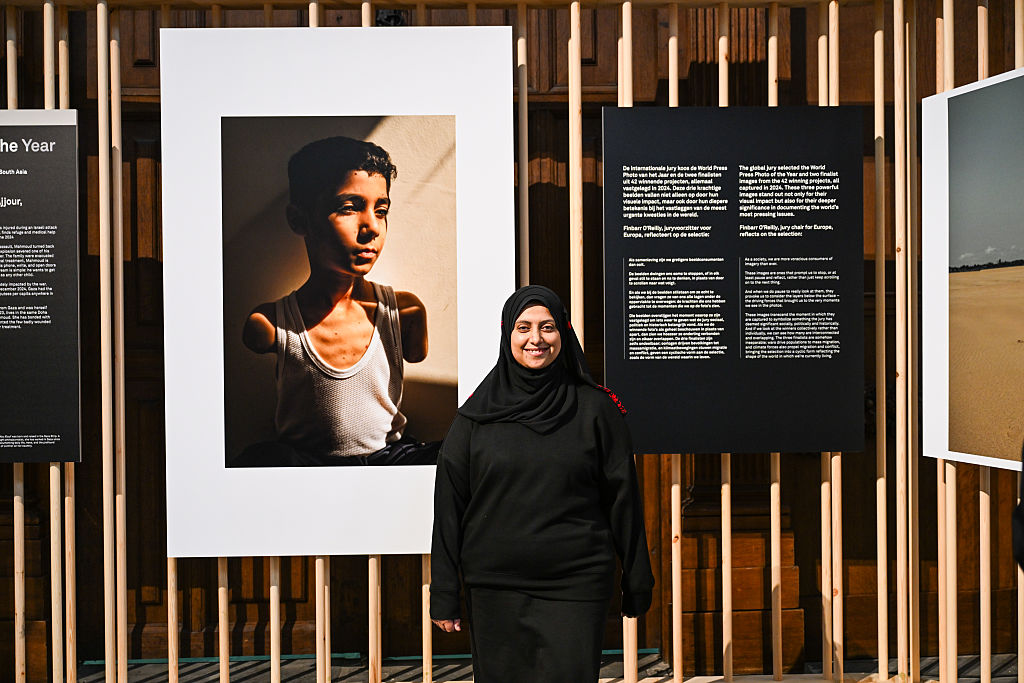
photojournalist wins world press photo award for image of gazan boy mutilatated by israeli airstrike

Palestinian photojournalist Samar Abu Elouf has won the 2025 World Press Photo award for her image of Mahmoud Ajjour, a 9-year-old Gazan boy whose arms were mutilated by an Israeli airstrike. The photo, taken for the New York Times, was honored at a ceremony in Amsterdam. Abu Elouf, herself from Gaza and now living in Qatar, captured the boy in a shaft of sunlight that gives the image the quality of a classical bust. The award, now in its 70th year, drew nearly 60,000 entries from 4,000 photographers across 141 countries.

Art Dubai Adapts to Conflict with “Special Edition”

Art Dubai has announced a significantly scaled-back "special edition" of its 20th-anniversary fair, set for May 14–17 at the Madinat Jumeirah venue. The fair was postponed and reformatted due to the US-Israel war in Iran, which caused major logistical disruptions in the Strait of Hormuz and spiked oil prices, hampering air travel in the UAE. It will now feature only 50 exhibitors, a reduction of nearly 60% from the originally planned 120.